Since 1920
A short history of Monroe
In late 1863, a few exploratory settlers came to Monroe including George Wilson, his son David, and two others who lived in a shelter near the center of modern-day Monroe. They were followed by the first permanent group of settlers, who arrived in Monroe on 20 February 1864. Most, if not all, of the first settlers were members of the Church of Jesus Christ of Latter-day Saints (LDS Church), who had immigrated to Utah. Four to five months before the first small group of men entered Monroe valley to begin settlement, an advanced team, also led by George Wilson, began to lay some foundation work to help prepare the settlement.
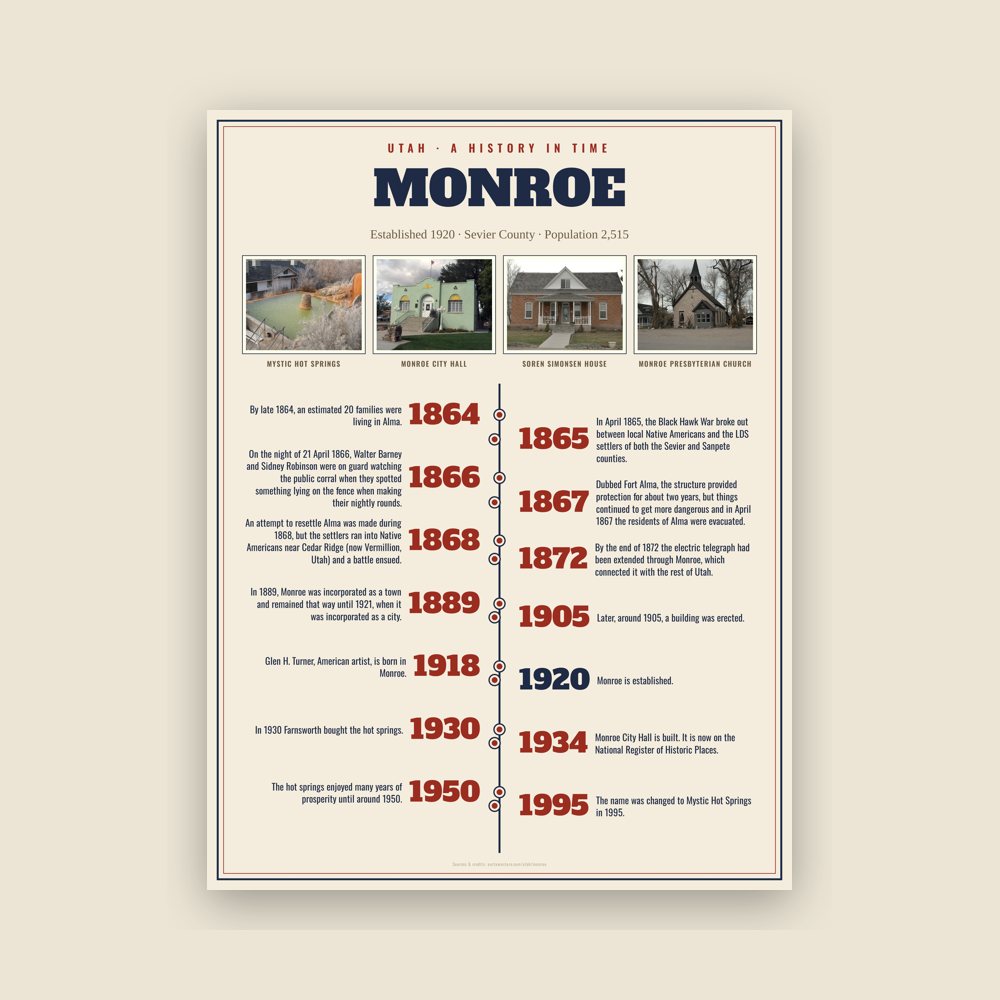
At first the town was called South Bend (due to the proximity to a bend in the Sevier River), but soon after its settlement it was renamed Alma, in honor of the Book of Mormon prophet. By late 1864, an estimated 20 families were living in Alma. They spent the first year building small homes and dugouts, along with clearing space for fields and pastures.
Mormons settling first in the Salt Lake Valley did not provoke the Native Americans to war, but further settlement outside of Salt Lake led to conflicts and Native Americans were often pushed back into the mountains. In April 1865, the Black Hawk War broke out between local Native Americans and the LDS settlers of both the Sevier and Sanpete counties. The war drastically ended the progress which was being made in creating farms and homes in and around Alma. On the night of 21 April 1866, Walter Barney and Sidney Robinson were on guard watching the public corral when they spotted something lying on the fence when making their nightly rounds. When approached, they realized that it was two Native Americans. After chasing them away, they went back to the fence and realized they had been digging around the poles to break the boundary around the corral.
Alma had been unwittingly settled in the middle of Native Americans’ traditional hunting grounds, and as a result they started to go hungry. During the war Native Americans were constantly trying to steal the settlers' stock for food, and they were successful during several raids.
Sometime during 1865, work began on a fort to provide protection for both the settlers and their stock. The fort was completed and contained several homes, a blacksmith shop, along with a corral and stockyard for the animals. Dubbed Fort Alma, the structure provided protection for about two years, but things continued to get more dangerous and in April 1867 the residents of Alma were evacuated. Most of the evacuees made temporary homes in nearby Sanpete County.
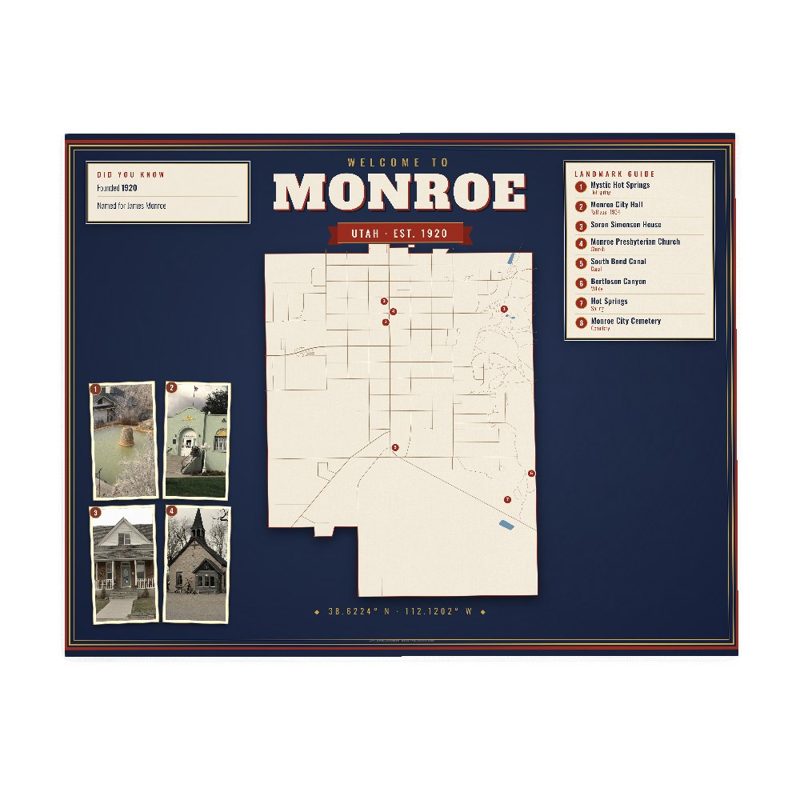
An attempt to resettle Alma was made during 1868, but the settlers ran into Native Americans near Cedar Ridge (now Vermillion, Utah) and a battle ensued. They were unsuccessful in resettling Alma, and it was not until March 1871 that Alma was reoccupied. The following year the residents applied for a Post Office under the city name of Monroe, in honor of U.S. President James Monroe. By the end of 1872 the electric telegraph had been extended through Monroe, which connected it with the rest of Utah. In 1889, Monroe was incorporated as a town and remained that way until 1921, when it was incorporated as a city.
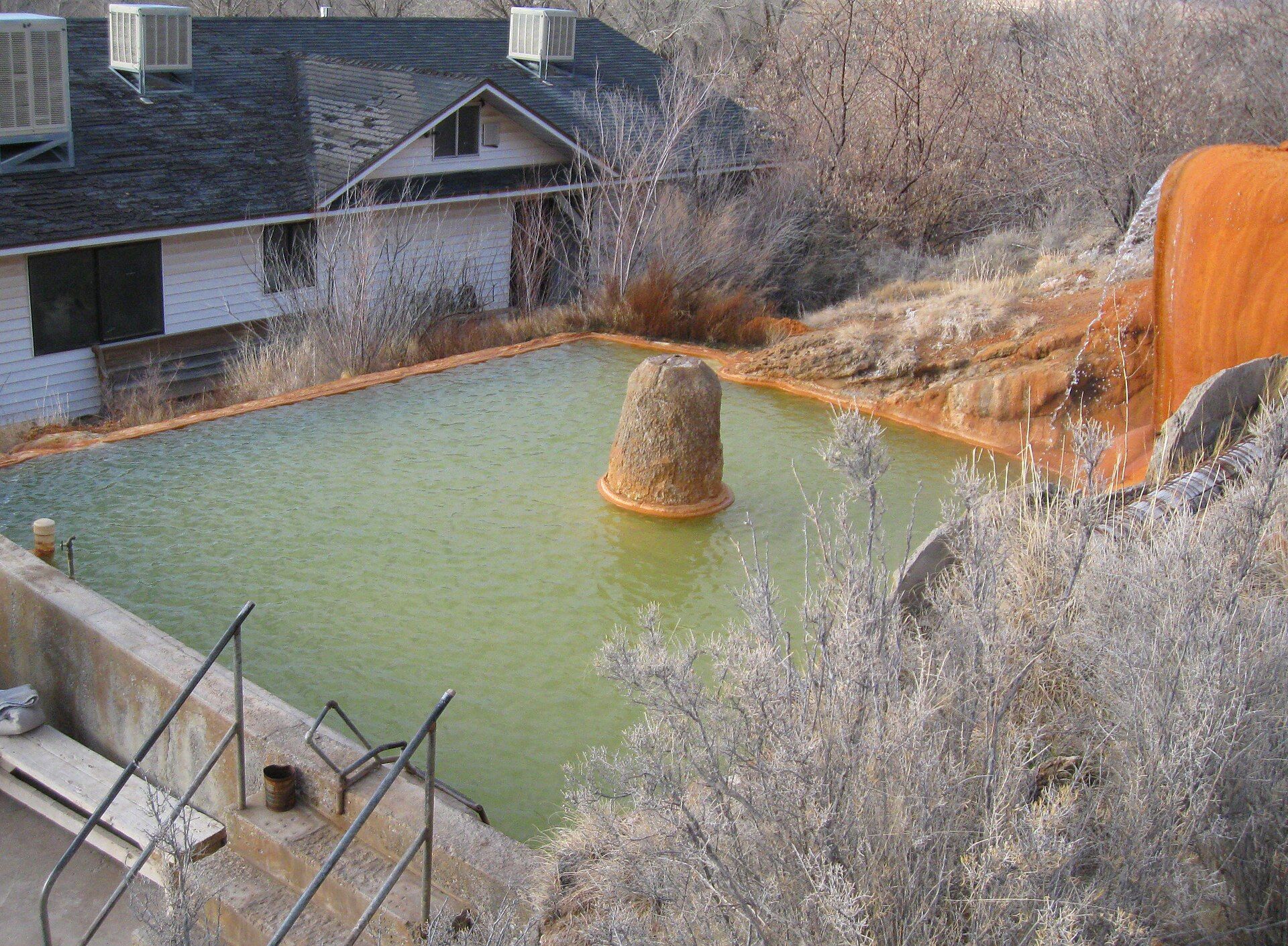
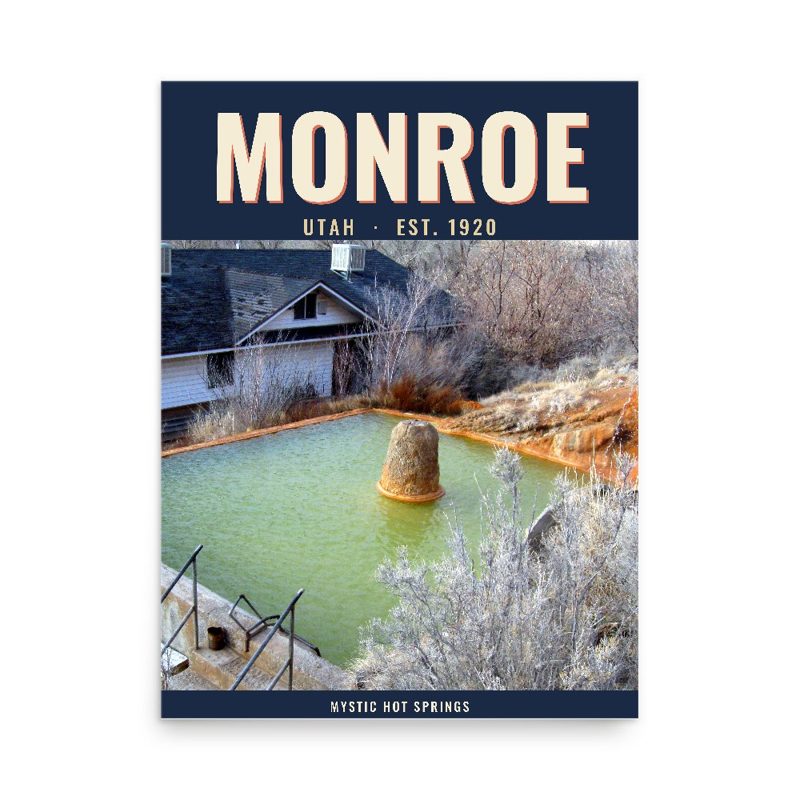
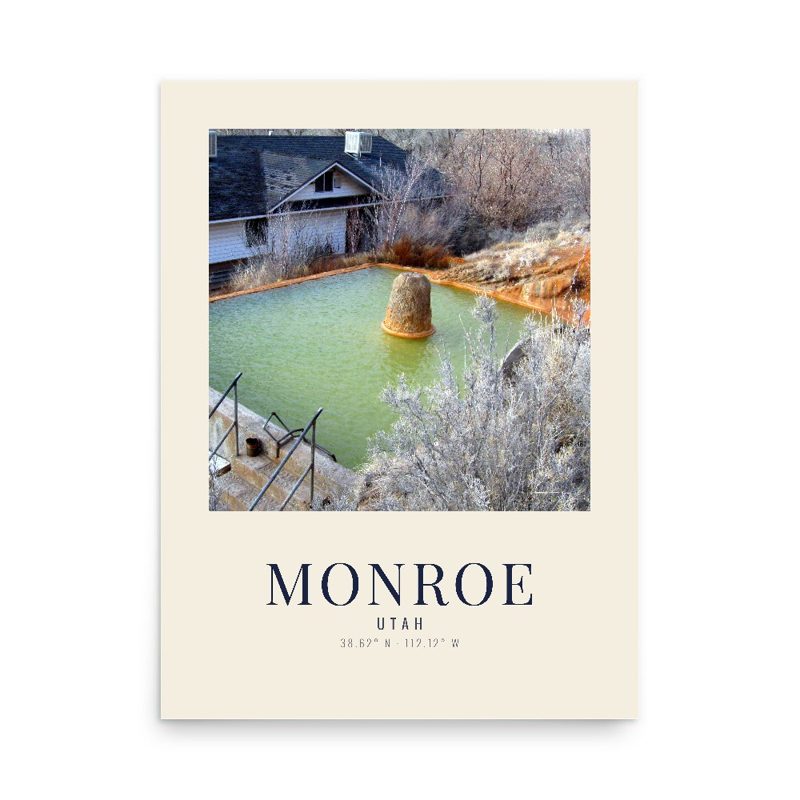
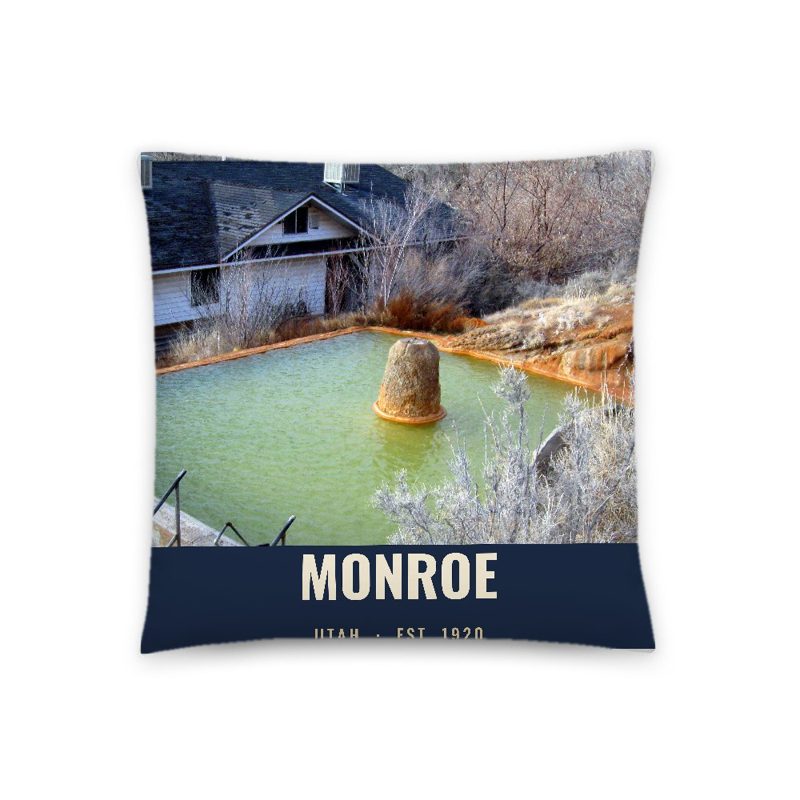
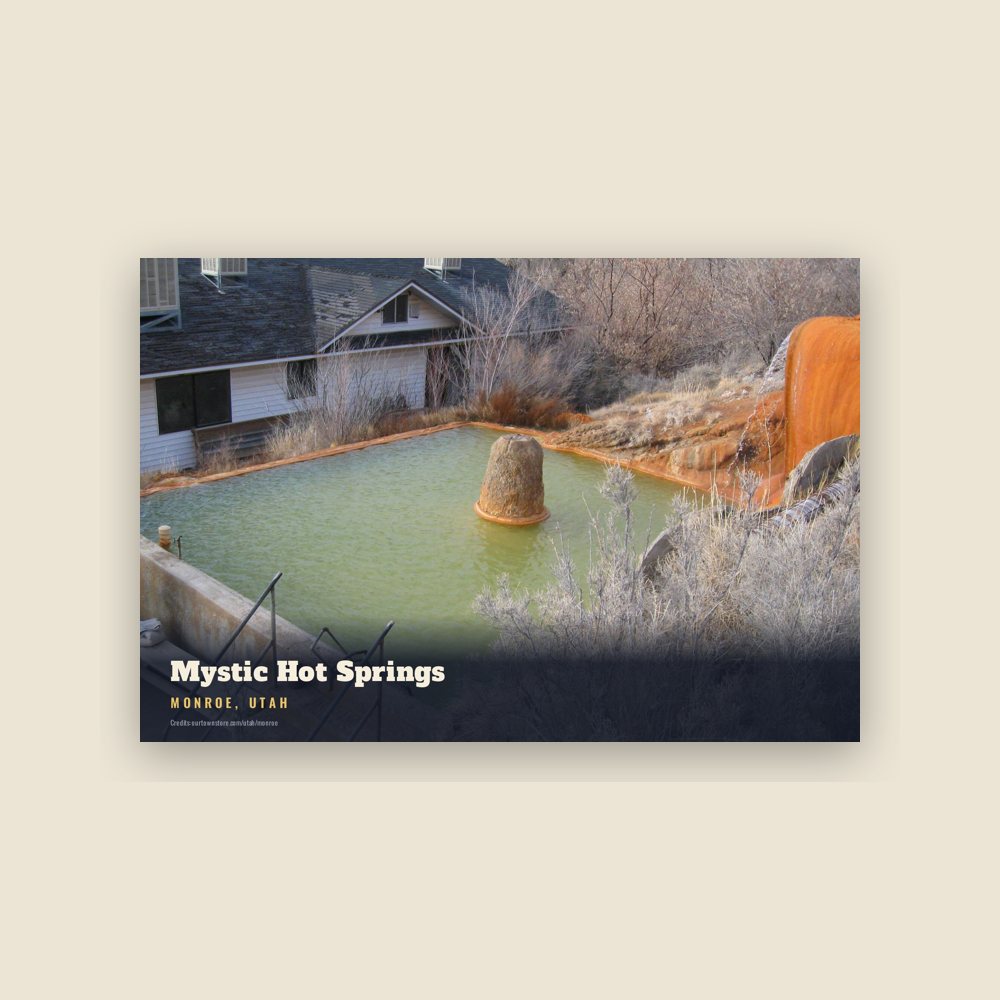
In 1882, Thomas Cooper and his wife homesteaded the area on the east side of town where hot springs water emerged. They built a wood box to collect the water and offered it as a soaking pool. Later, around 1905, a building was erected. There was a dance floor, an indoor swimming pool, and many dressing rooms. Many people came from miles around by horse and buggy to enjoy soaking and dancing. In 1930 Farnsworth bought the hot springs. He was the leader of a band, and it became the house band. The slogan for the Monroe hot springs was, "the home of mirth and merriment". The hot springs enjoyed many years of prosperity until around 1950. It was revitalized in the 1970s. The name was changed to Mystic Hot Springs in 1995.
Read the full history
Present day
Adapted (trimmed) from the Wikipedia article Monroe, Utah, revision 1379744637 by its contributors, licensed CC BY-SA 4.0.
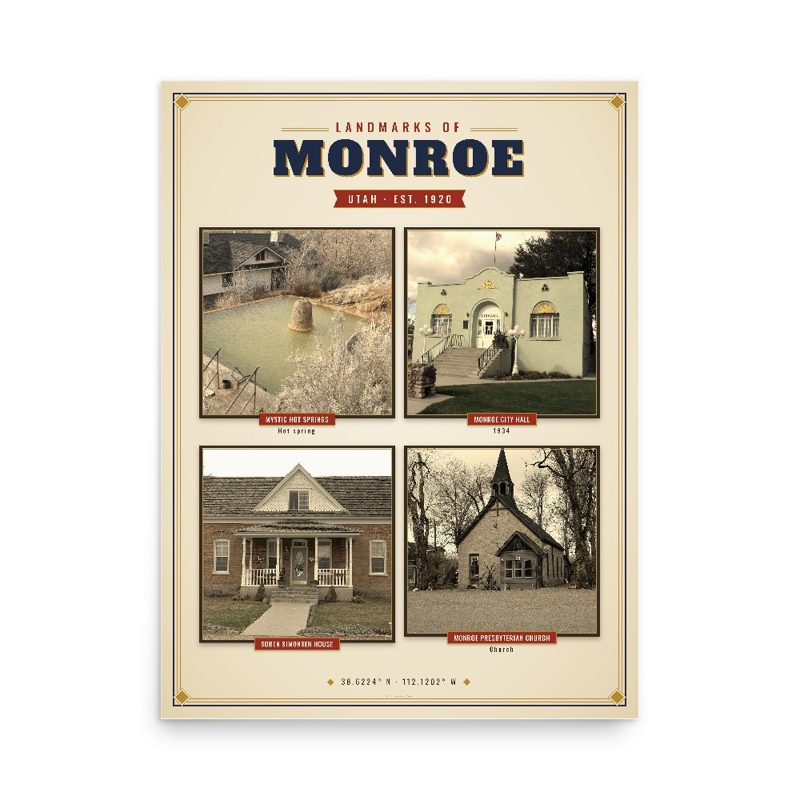
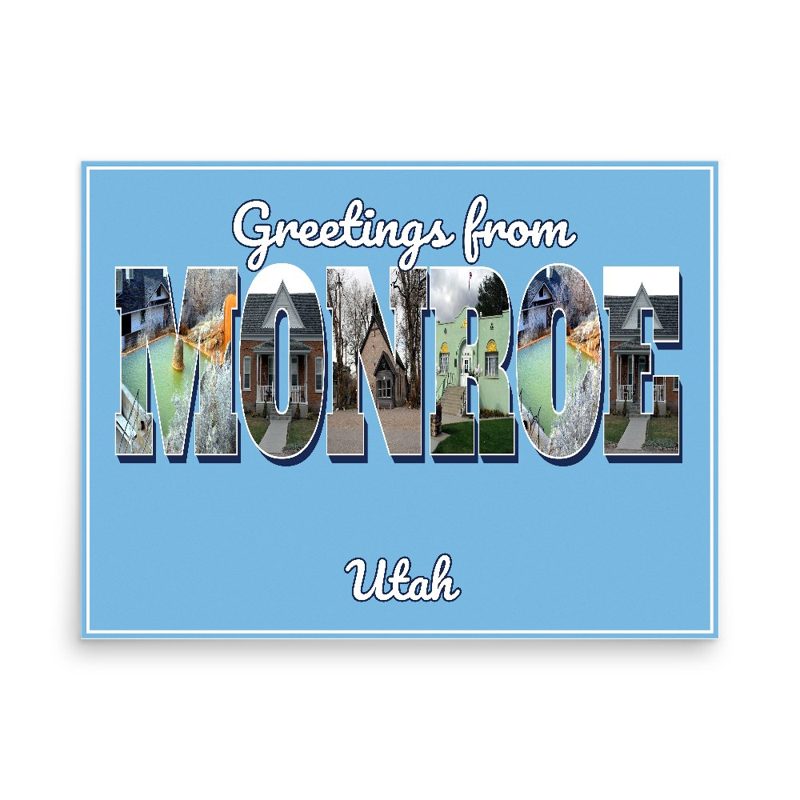
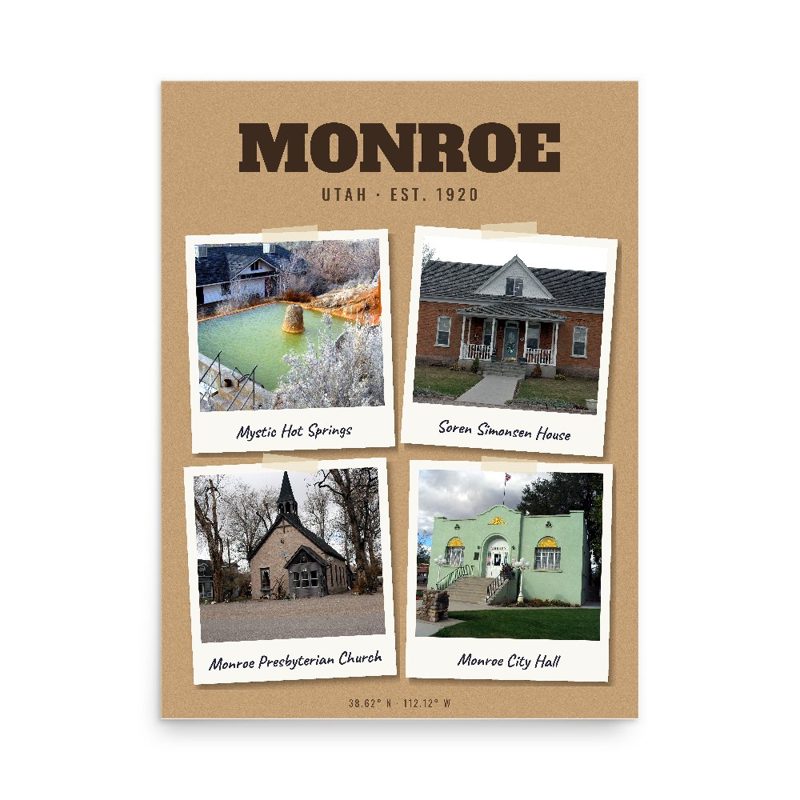
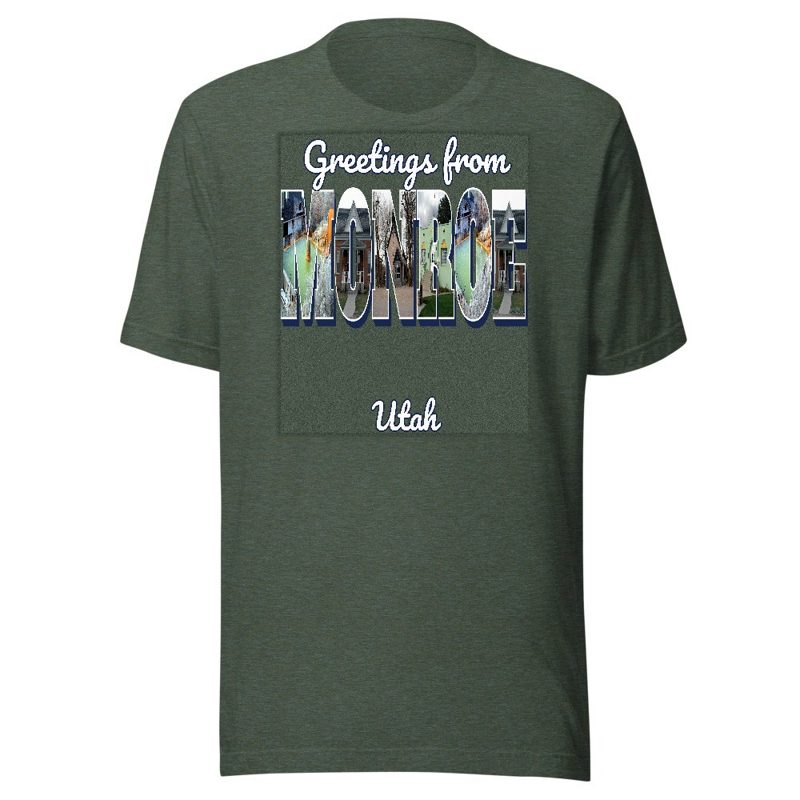
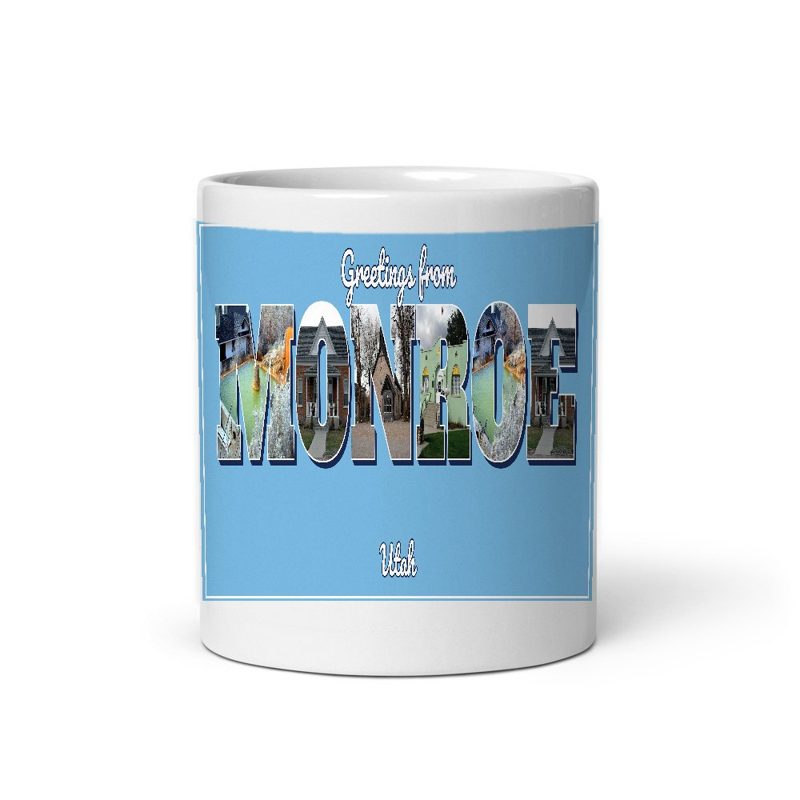
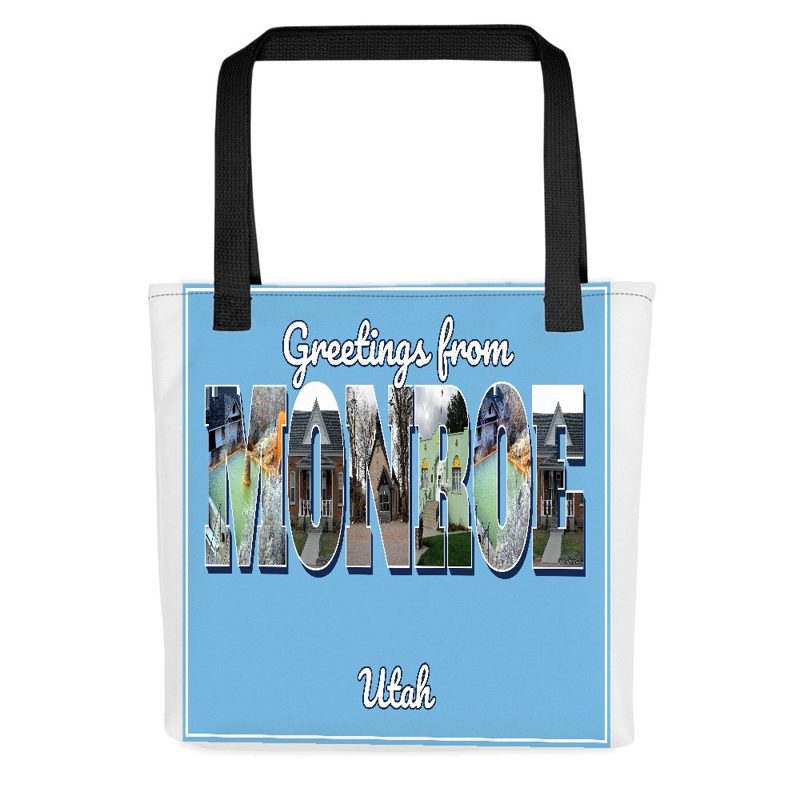

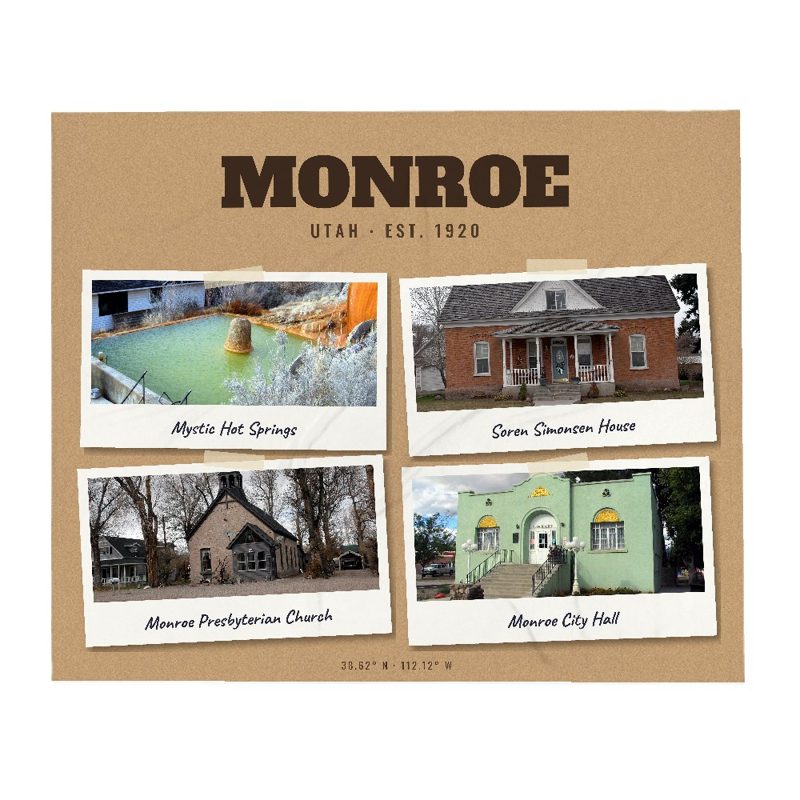
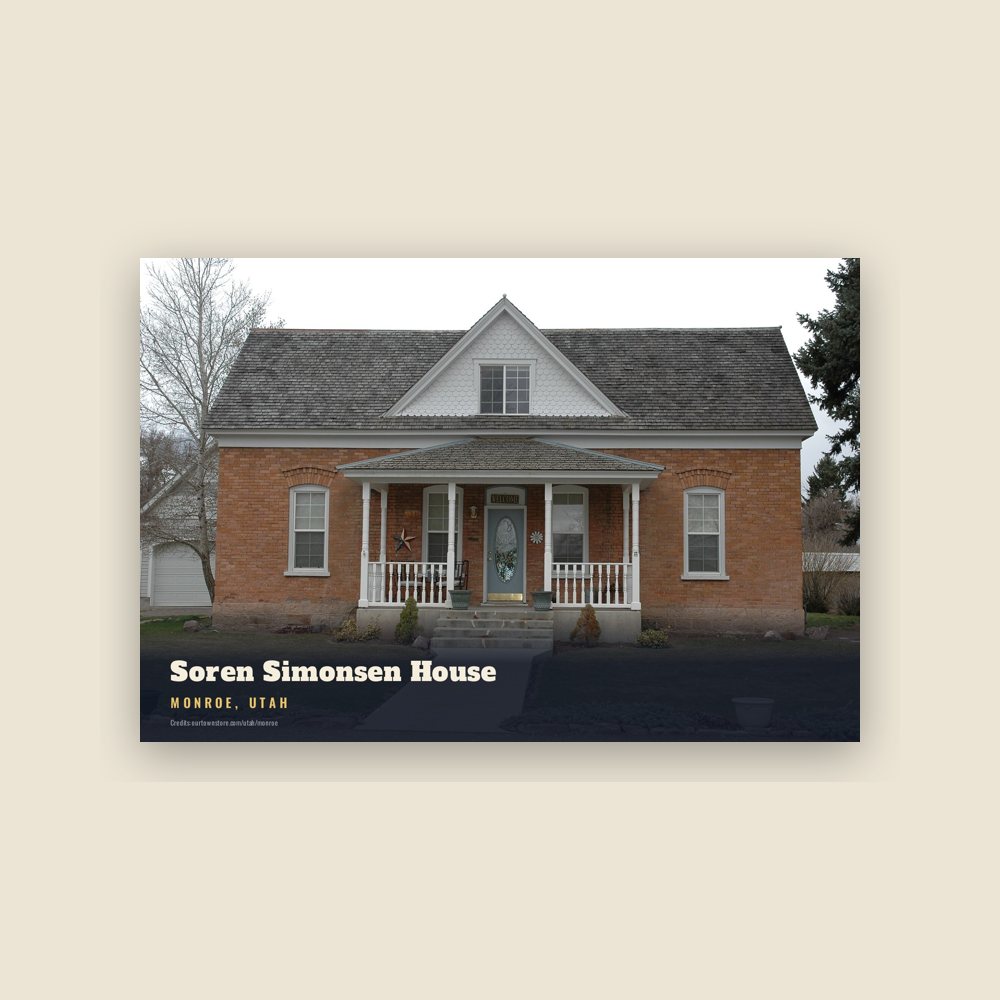
 Soren Simonsen House
 Mystic Hot Springs
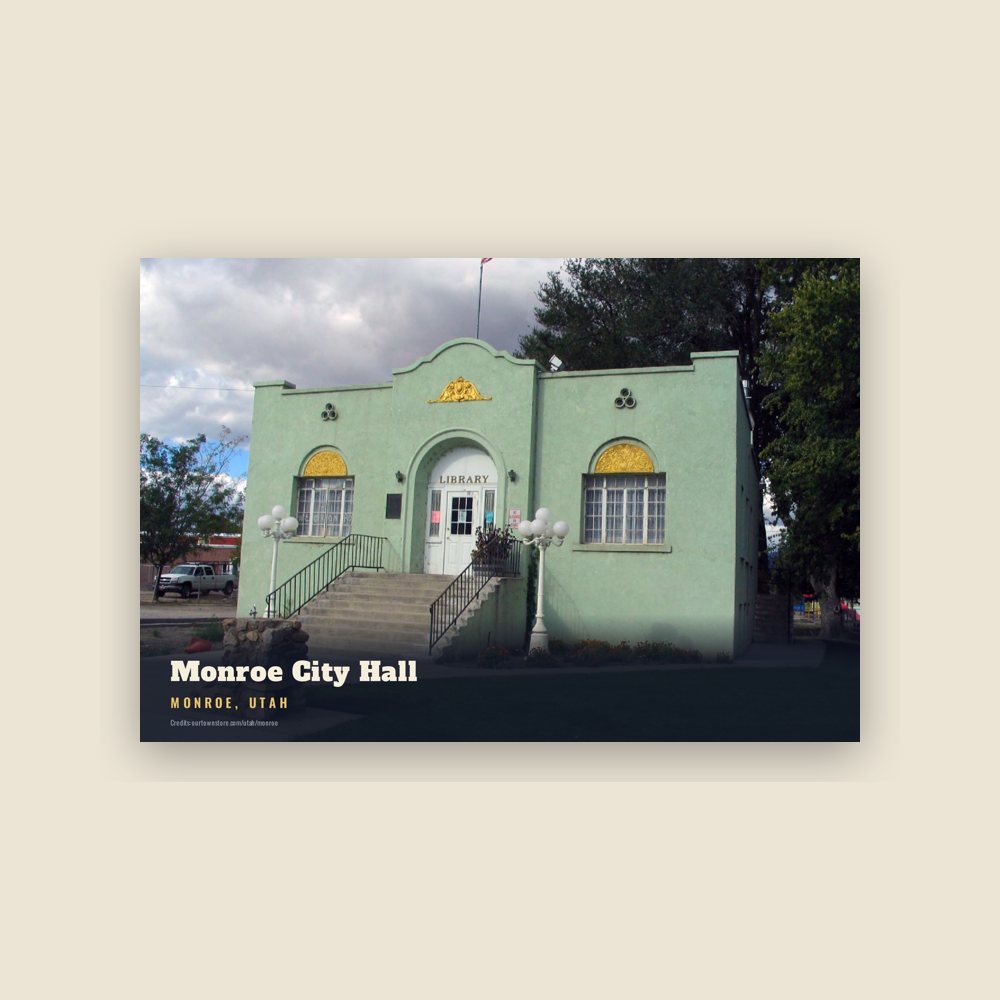
 Monroe City Hall
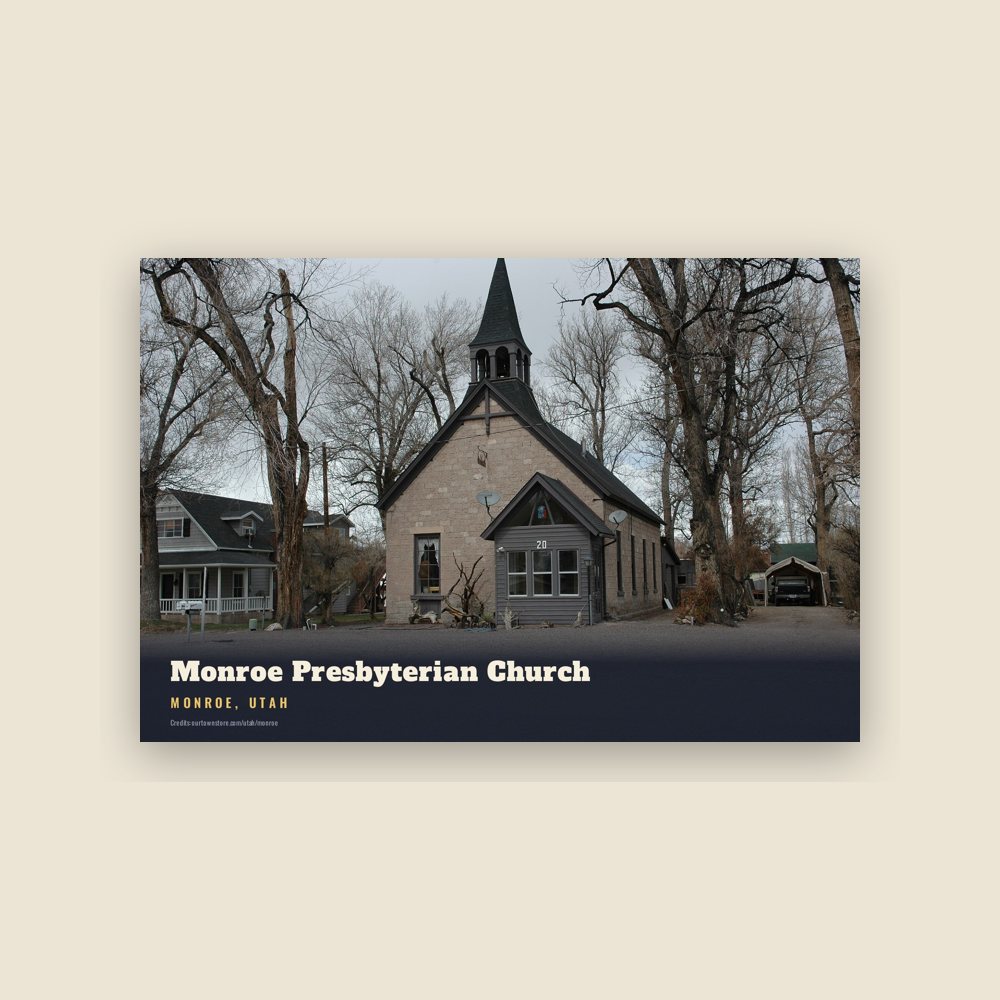
 Monroe Presbyterian Church