Since 1906
A short history of Green River
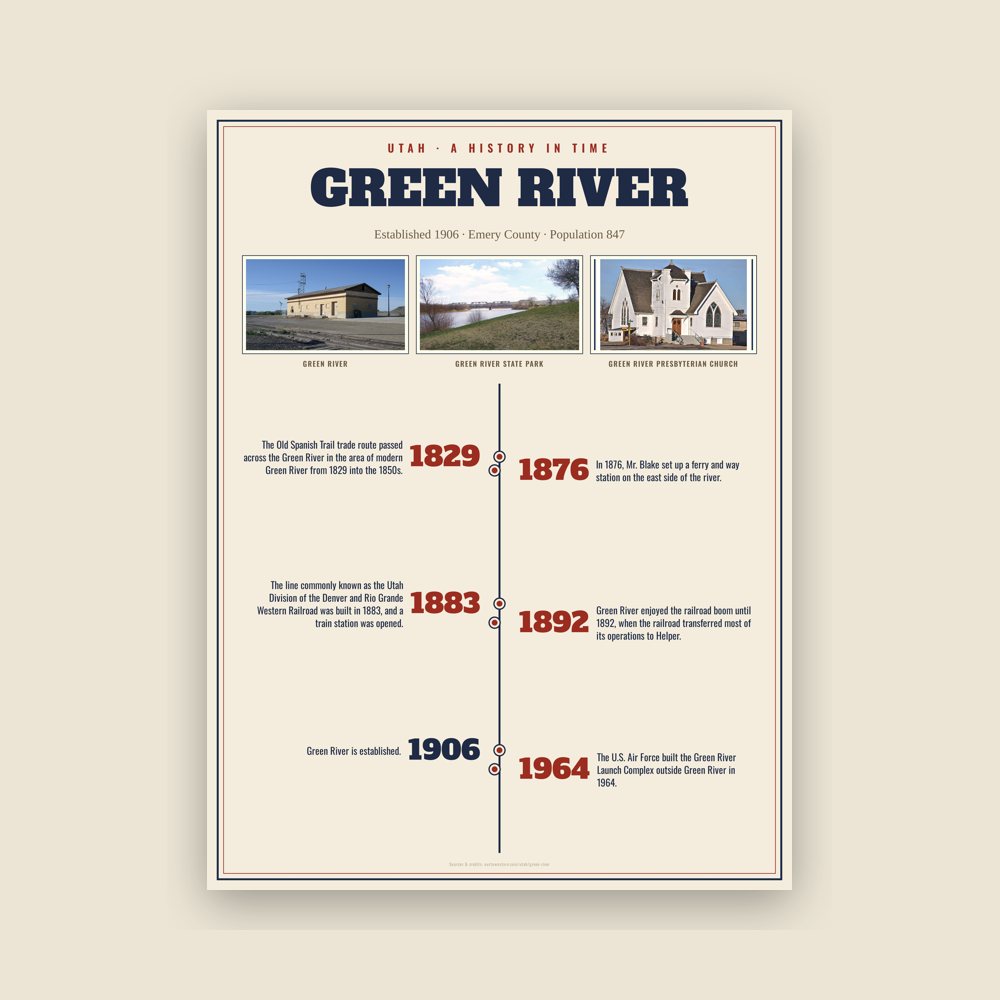
The city of Green River is located on ancestral Ute lands, in the home locale of the Seuvarits/Sheberetch band of Ute people. The Old Spanish Trail trade route passed across the Green River in the area of modern Green River from 1829 into the 1850s.
John Wesley Powell embarked on the first of two voyages down the Green River from Green River, Wyoming, more than 200 miles to the north of Green River, Utah, in May 1869 and floated the river to its confluence with the Colorado and beyond. Powell left a detailed account of the river and the surrounding landscape and prepared the first thorough maps of the river basin. Powell left his mark in other ways as well. He and his men named most of the canyons, geographic features, and rapids along the Green River during his two voyages in 1869 and 1871. Powell also paved the way for later generations of explorers and scientists interested in the unique geology of the basin of the Green River.
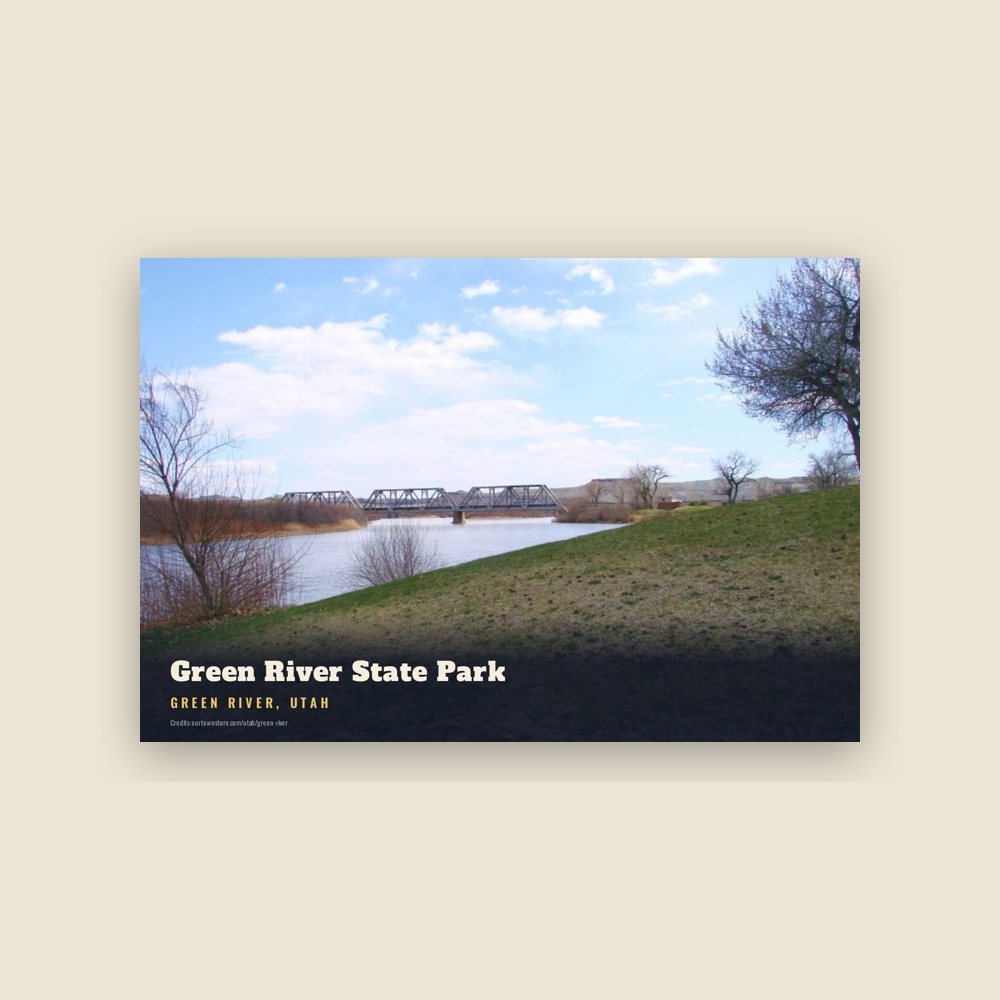
The settlement of the Green River started as a river crossing for the U.S. mail. In 1876, Mr. Blake set up a ferry and way station on the east side of the river. It became a stopover for travelers with a ferry transporting people, supplies, and animals across the river. Today, the river is primarily used for recreational and education rafting, canoeing, and kayaking trips. The "Gates of Lodore" portion is most common for recreational trips, as it can be completed in 3-6 days.
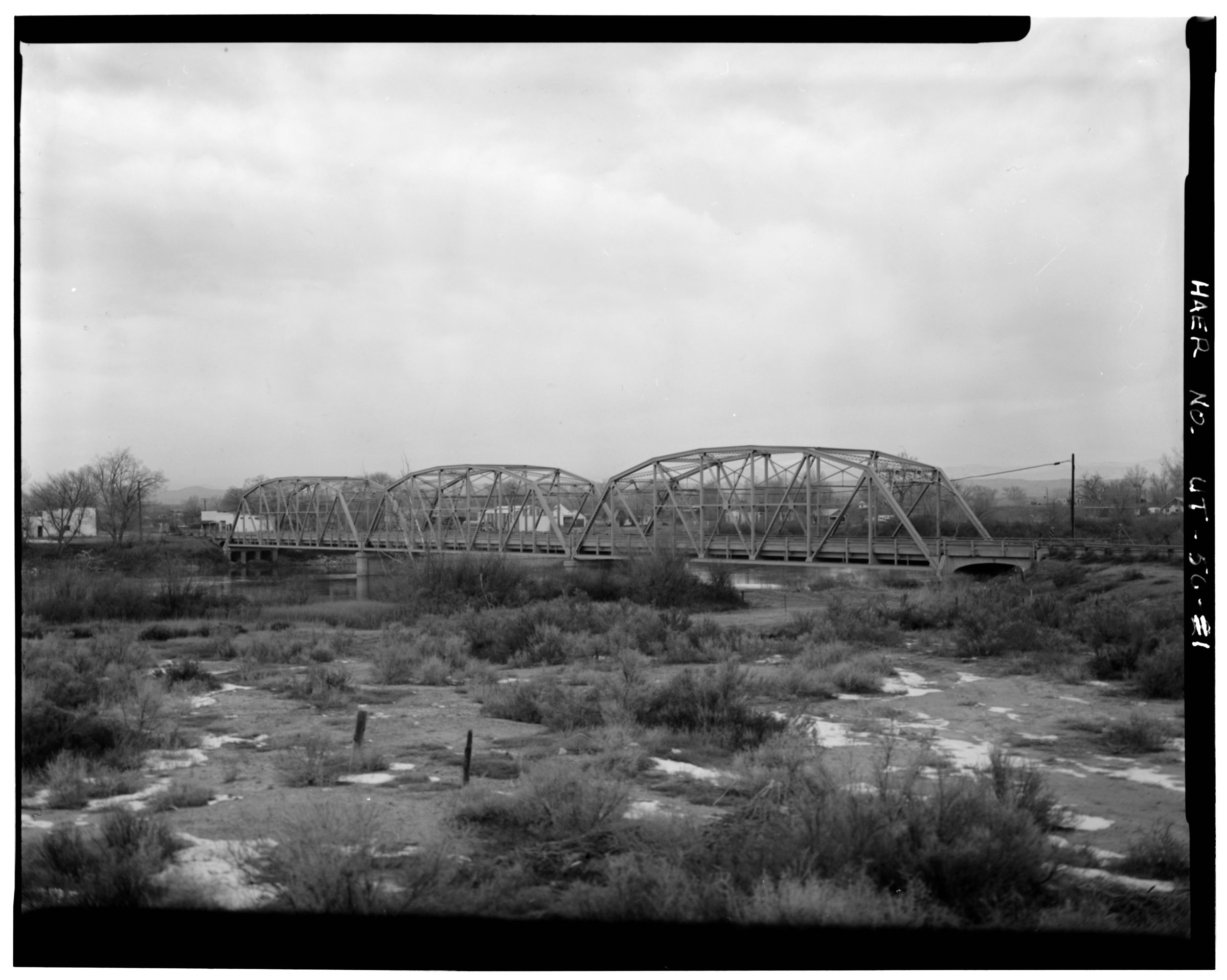
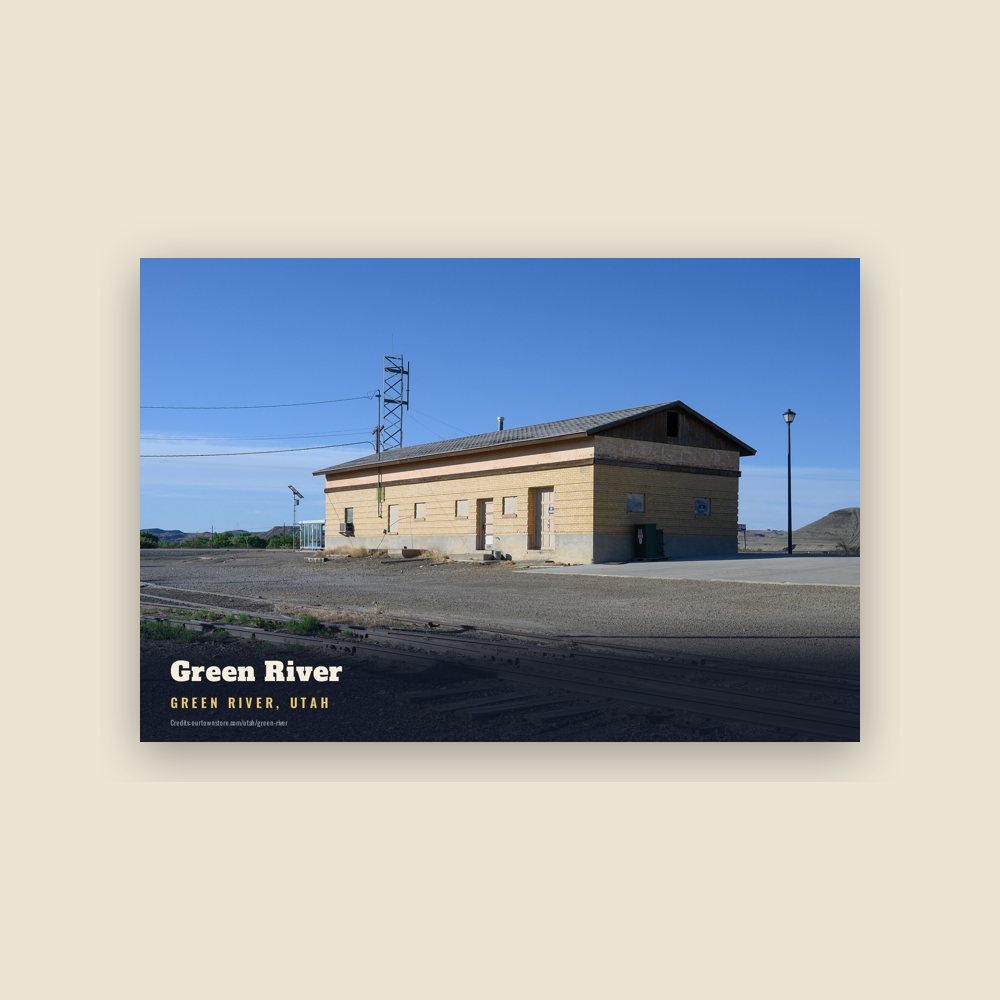
The line commonly known as the Utah Division of the Denver and Rio Grande Western Railroad was built in 1883, and a train station was opened. The west side of the river became known as "Greenriver" (later changed to "Green River"), and the east side of the river became known as "Elgin", and is still sometimes referred to by that name today. With the railroad coming, the town quickly went from a small farm hamlet to a boom town, with workers coming to build the bridge and the roadbed for the railroad. After the railroad's completion, the Green River became a fueling and watering stop for the railroad, with switching yards and engine sheds. A hotel called the Palmer House was built and became the scheduled meal stop for trains from both directions for many years. Green River enjoyed the railroad boom until 1892, when the railroad transferred most of its operations to Helper. The population of the town declined significantly.
Throughout the 1940s, 1950s, and 1960s, the mining of uranium played a significant role in the economy of Green River. Several trucking companies hauled ore from mines in the Four-Corners Mining District west of Green River, the San Rafael Swell, the Henry Mountains, and the area that is now Lake Powell.
The U.S. Air Force built the Green River Launch Complex outside Green River in 1964. It was an annex of the U.S. Army's White Sands Missile Range. From 1964 to 1973, the Air Force launched 141 Athena missiles from the Green River complex, near the Crystal Geyser, as part of research to improve nuclear missiles.
Adapted (trimmed) from the Wikipedia article Green River, Utah, revision 1383898668 by its contributors, licensed CC BY-SA 4.0.
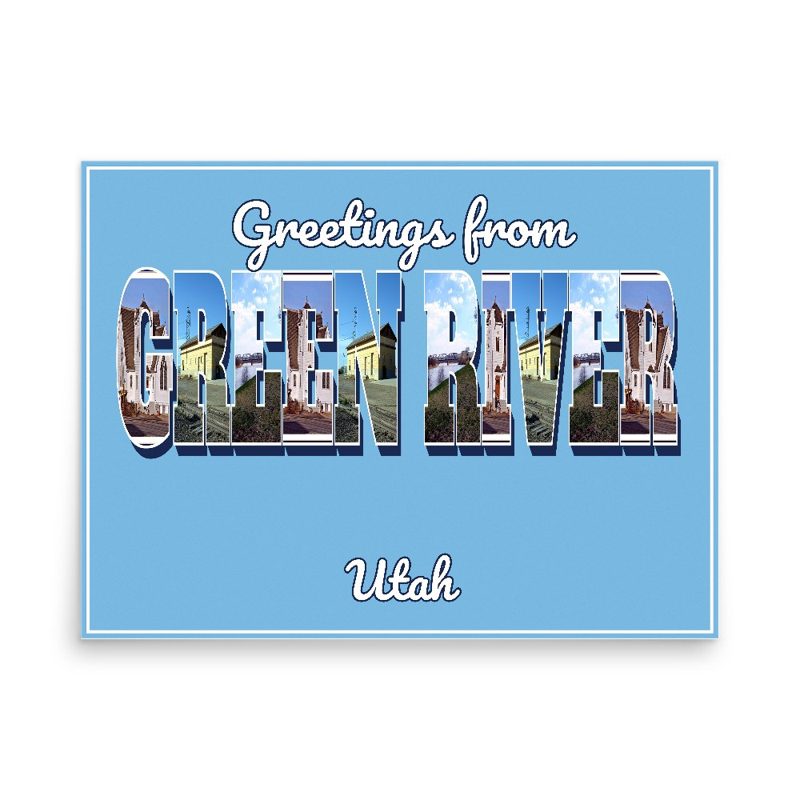
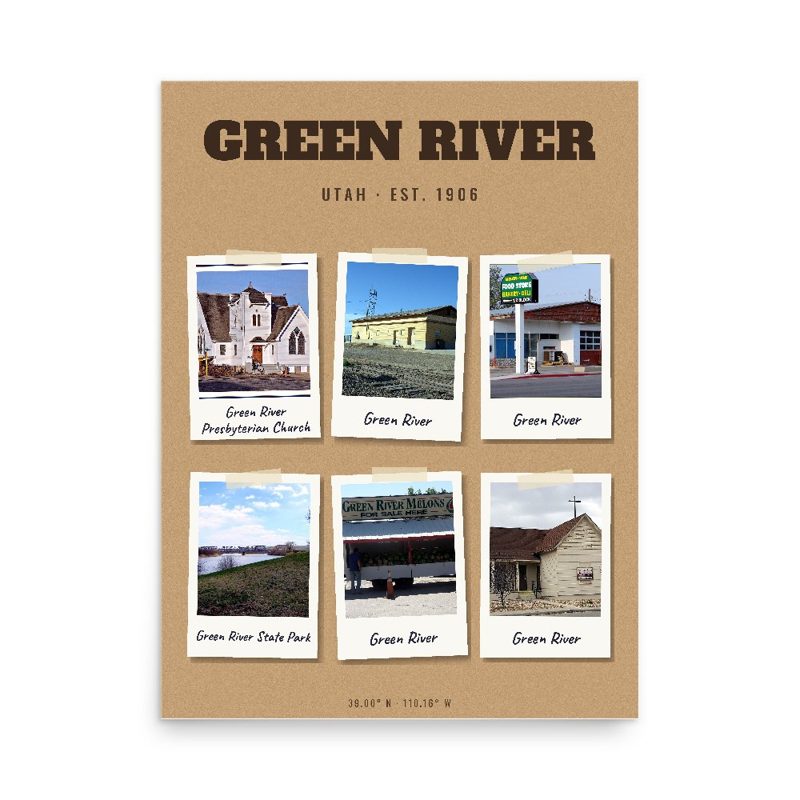
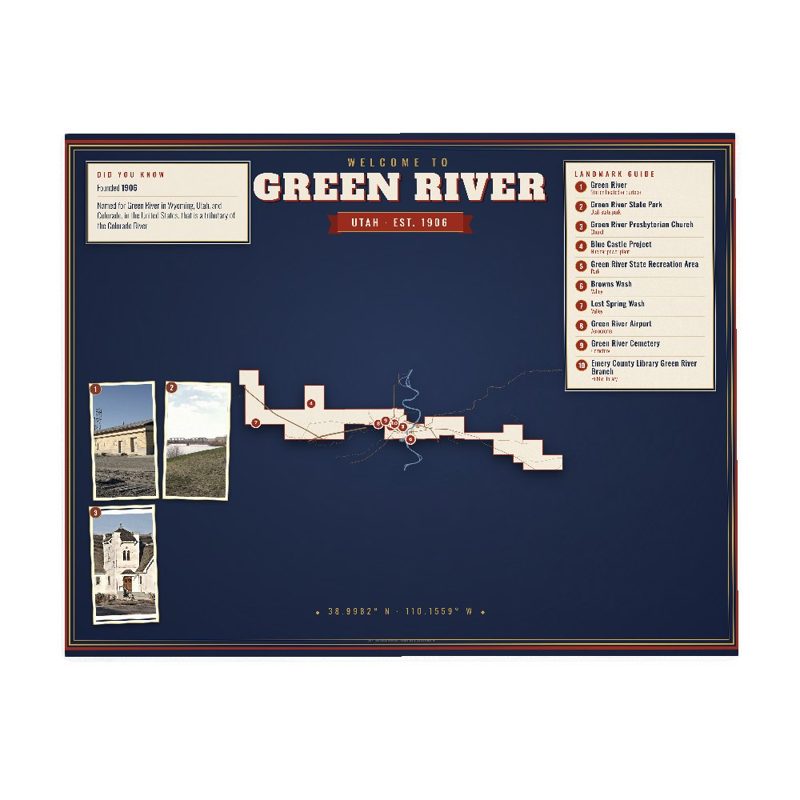

 Green River
 Green River
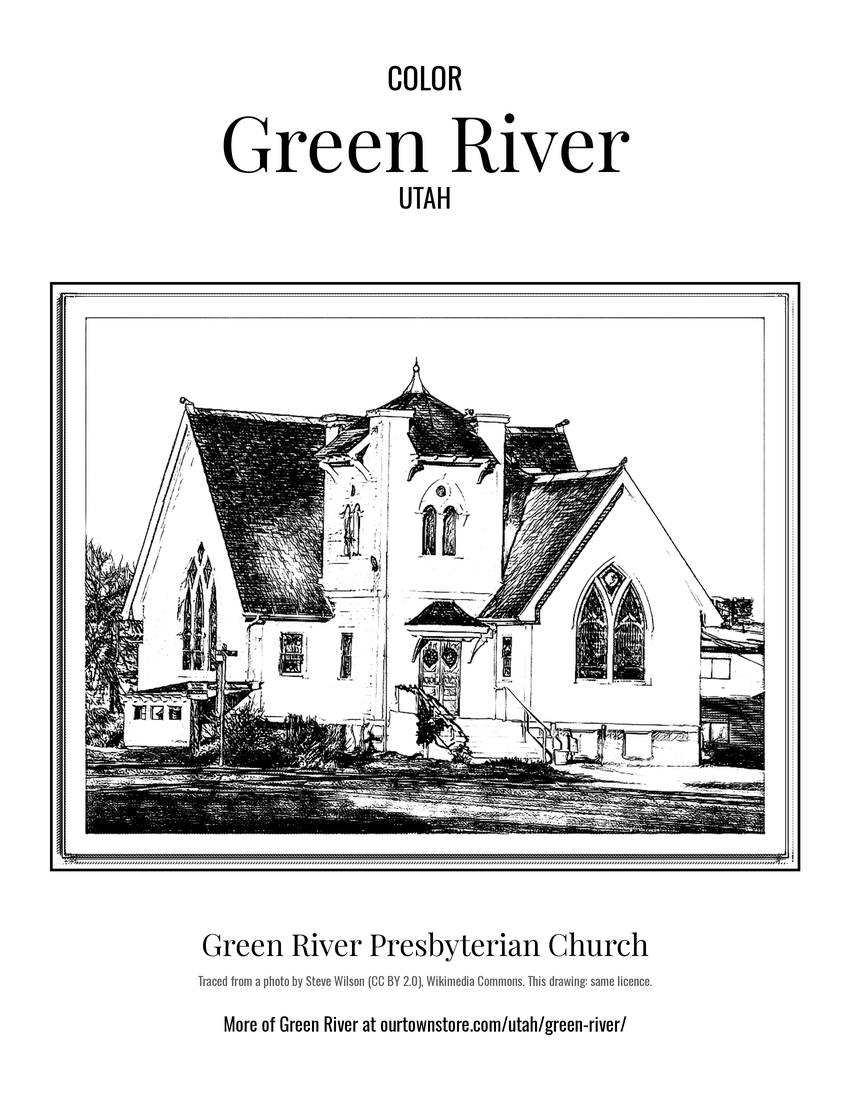 Green River
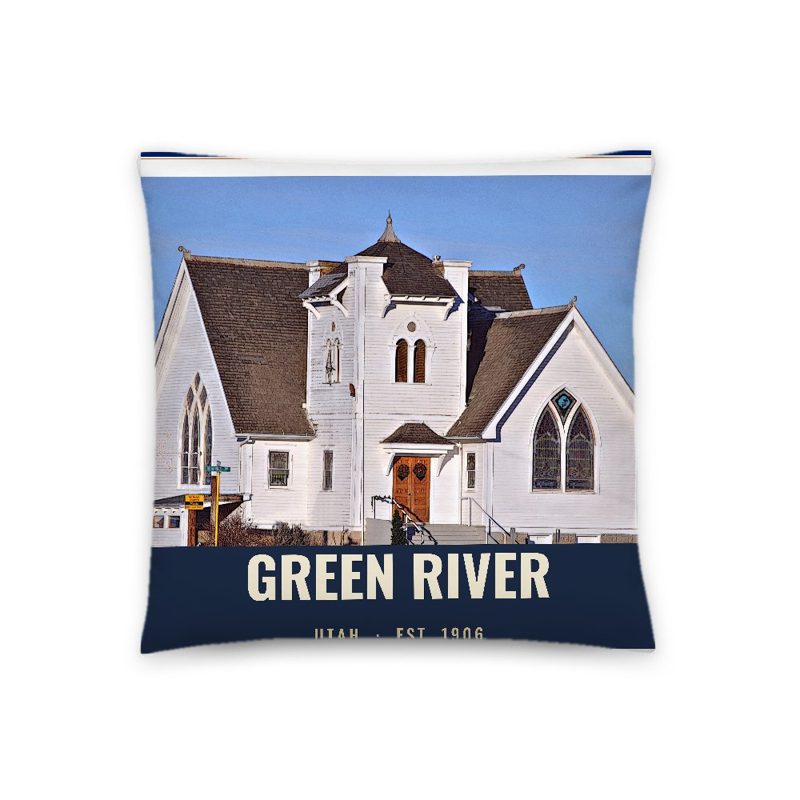
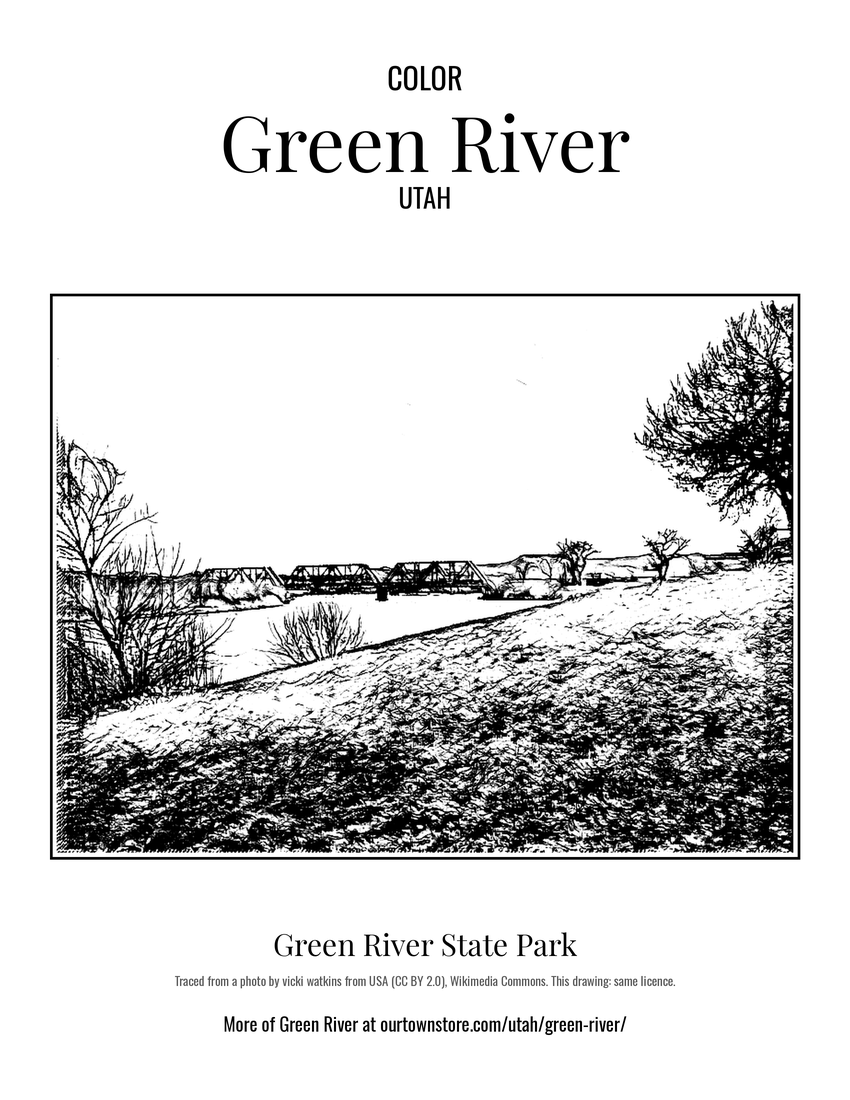
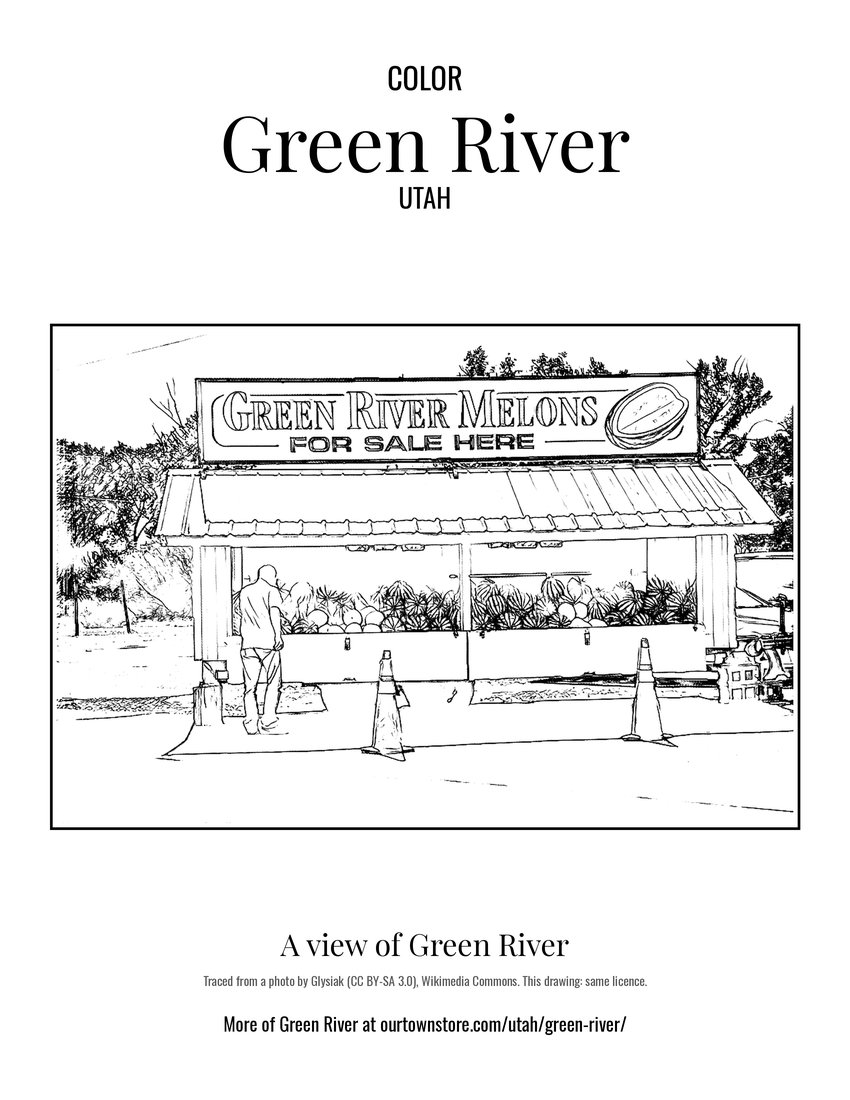 A view of Green River