A short history of Sherman
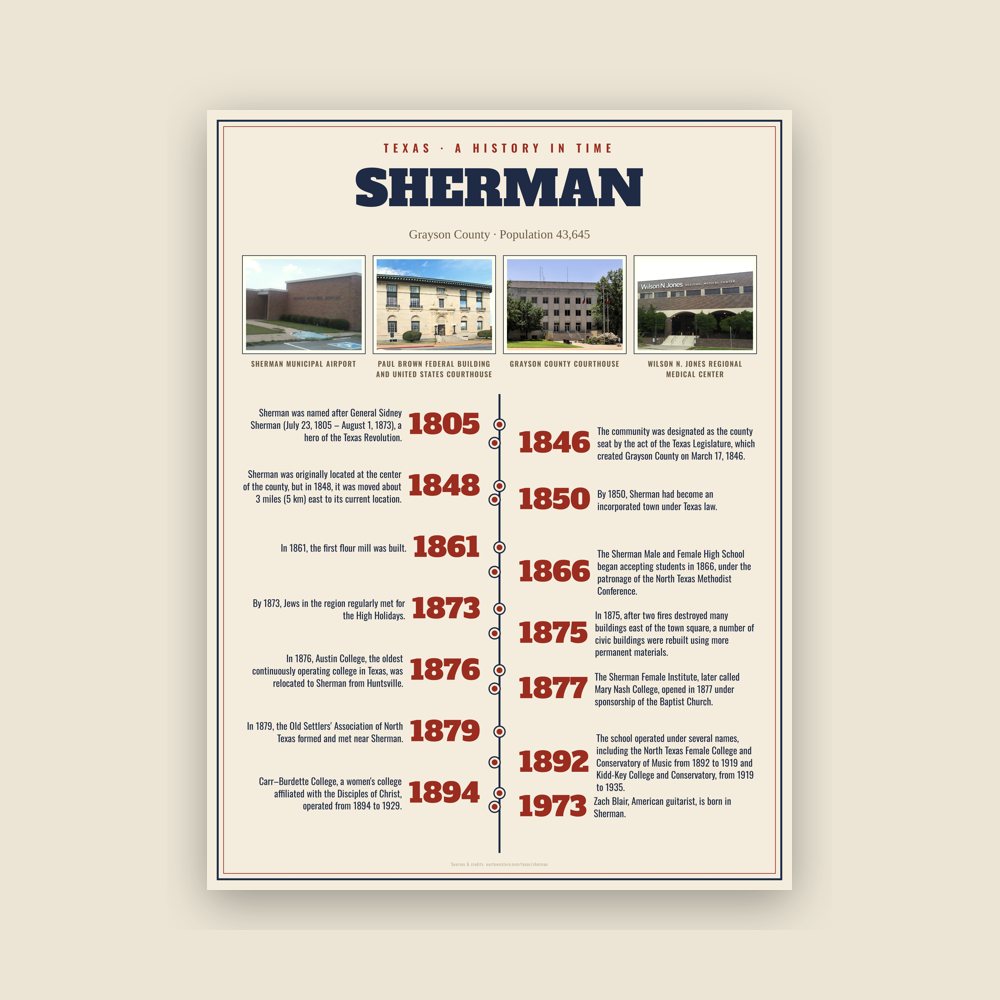
Sherman was named after General Sidney Sherman (July 23, 1805 – August 1, 1873), a hero of the Texas Revolution. The community was designated as the county seat by the act of the Texas Legislature, which created Grayson County on March 17, 1846. In 1847, a post office began operation. Sherman was originally located at the center of the county, but in 1848, it was moved about 3 miles (5 km) east to its current location. By 1850, Sherman had become an incorporated town under Texas law. It had also become a stop on the Butterfield Overland Mail route through Texas. By 1852, Sherman had a population of 300 and consisted of a public square with a log court house, several businesses, a district clerk's office, and a church along the east side of the square. In 1861, the first flour mill was built.
During the 1850s and 1860s, Sherman continued to develop and to participate in regional politics. Because many residents of North Texas had migrated from the Upper South and only a low percentage were slaveholders, considerable Unionist sentiment existed in the region. E. Junius Foster, the publisher of Sherman's antisecessionist Whig newspaper, the Patriot, circulated a petition to establish North Texas as an independent free state. Following Confederate passage of a conscription law, resistance arose to conscription in North Texas, especially as owners of many slaves were exempt.
Late in the Civil War, pro-Confederate guerrillas led by William Quantrill spent the winter of 1863-1864 in North Texas, with a camp in Sherman and two others in nearby Kentuckytown to the south and Fink to the north. Former guerrilla Jesse James also came to Sherman for his honeymoon. He was photographed seated on his horse in Sherman.
During the 1860s, secondary education developed in North Texas. The Sherman Male and Female High School began accepting students in 1866, under the patronage of the North Texas Methodist Conference. It became one of three private schools operating in Sherman. The school operated under several names, including the North Texas Female College and Conservatory of Music from 1892 to 1919 and Kidd-Key College and Conservatory, from 1919 to 1935. It gradually lost Methodist support, following the opening of Southern Methodist University in Dallas in 1915. In 1876, Austin College, the oldest continuously operating college in Texas, was relocated to Sherman from Huntsville. The Sherman Female Institute, later called Mary Nash College, opened in 1877 under sponsorship of the Baptist Church. It continued to operate until 1901, when the campus was sold to Kidd-Key College. Carr–Burdette College, a women's college affiliated with the Disciples of Christ, operated from 1894 to 1929. Sherman also has a long history within the Jewish community. By 1873, Jews in the region regularly met for the High Holidays.
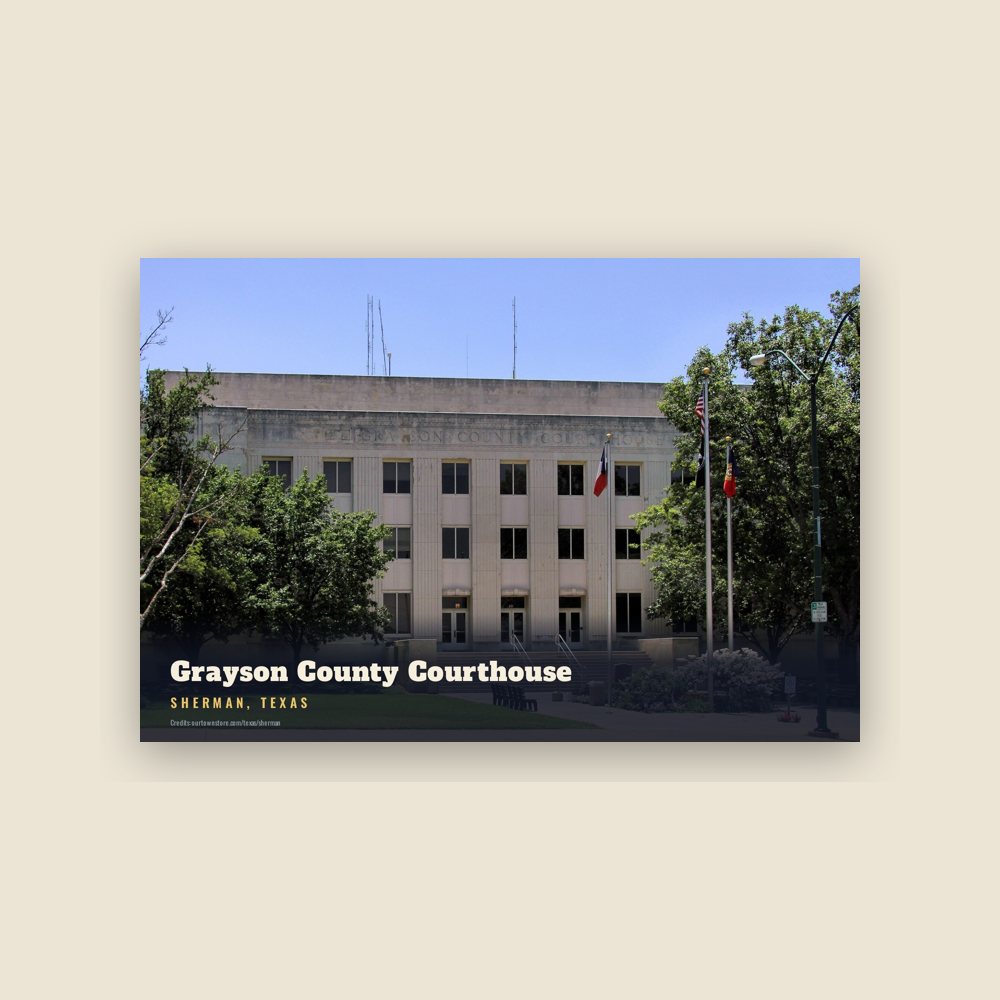
While general depression and lawlessness occurred during the Reconstruction, Sherman remained commercially active. During the 1870s, Sherman's population reached 6,000. In 1875, after two fires destroyed many buildings east of the town square, a number of civic buildings were rebuilt using more permanent materials. This included a new Grayson County Courthouse built in 1876. In 1879, the Old Settlers' Association of North Texas formed and met near Sherman. The organization incorporated in 1898 and purchased Old Settlers' Park in 1909.
On May 15, 1896, a tornado measuring F5 on the Fujita scale struck Sherman. The tornado had a damage path 400 yards (370 m) wide and 28 miles (45 km) long, killing 73 people and injuring 200. About 50 homes were destroyed, with 20 of them obliterated.
In 1901, the first electric "Interurban" railway in Texas, the Denison and Sherman Railway, was completed between Sherman and Denison. The Texas Traction Company completed a 65-mile (105 km) interurban between Sherman and Dallas in 1908, and in 1911 purchased the Denison and Sherman Railway. Through the connections in Dallas and Denison, travel to the Texas destinations of Terrell, Corsicana, Waco, Fort Worth, Cleburne, and Denton, became possible, as well as to Durant, Oklahoma, by interurban railways. One popular destination on the Interurban between Sherman and Denison was Wood Lake Park, a private amusement park at the time. By 1948, all interurban rail service in Texas had been discontinued.
Adapted (trimmed) from the Wikipedia article Sherman, Texas, revision 1383384099 by its contributors, licensed CC BY-SA 4.0.

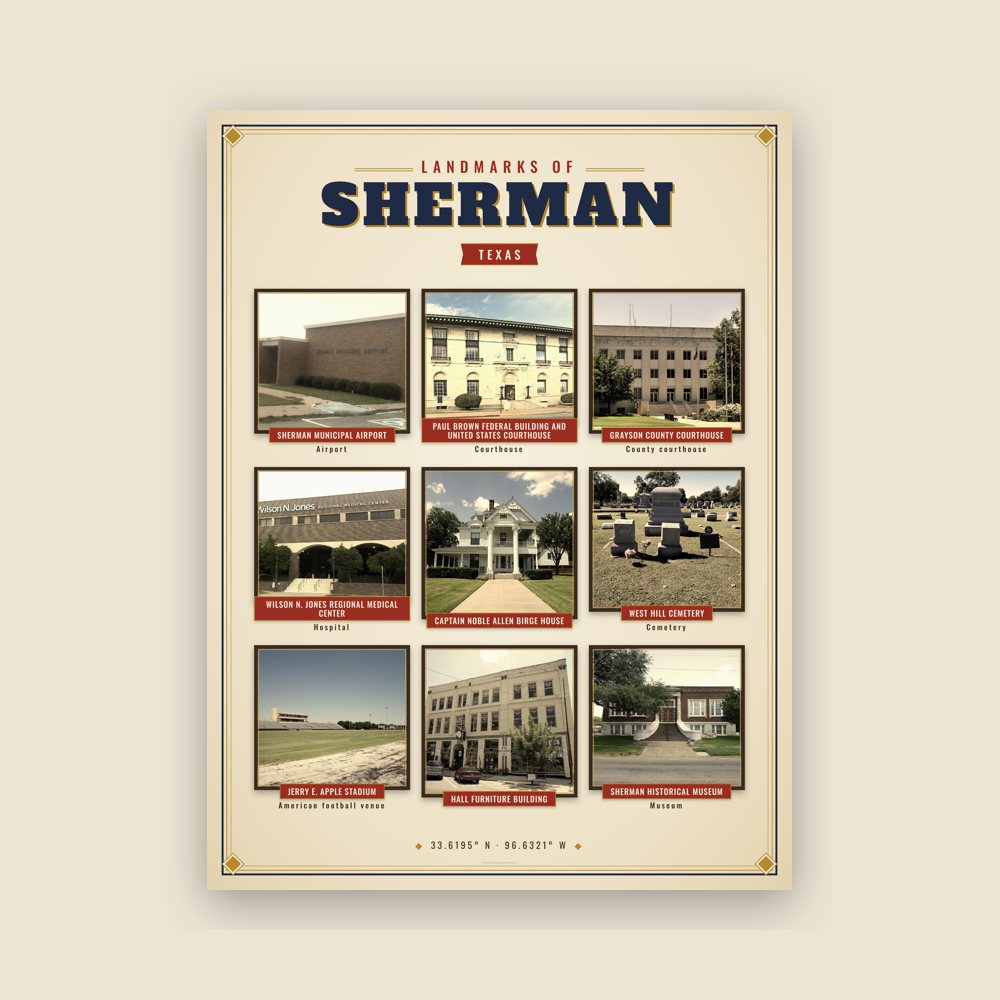
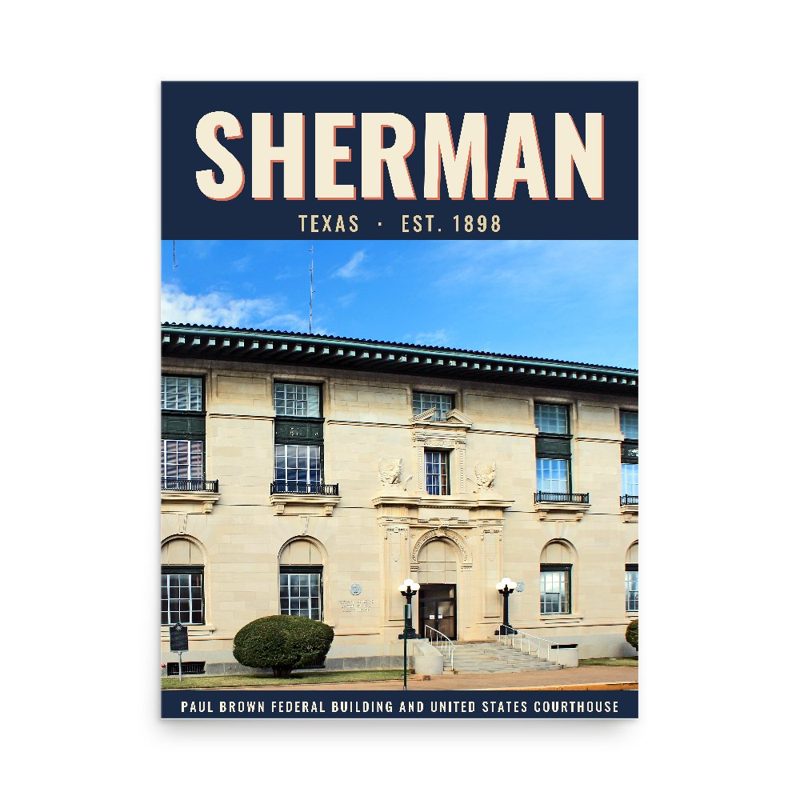
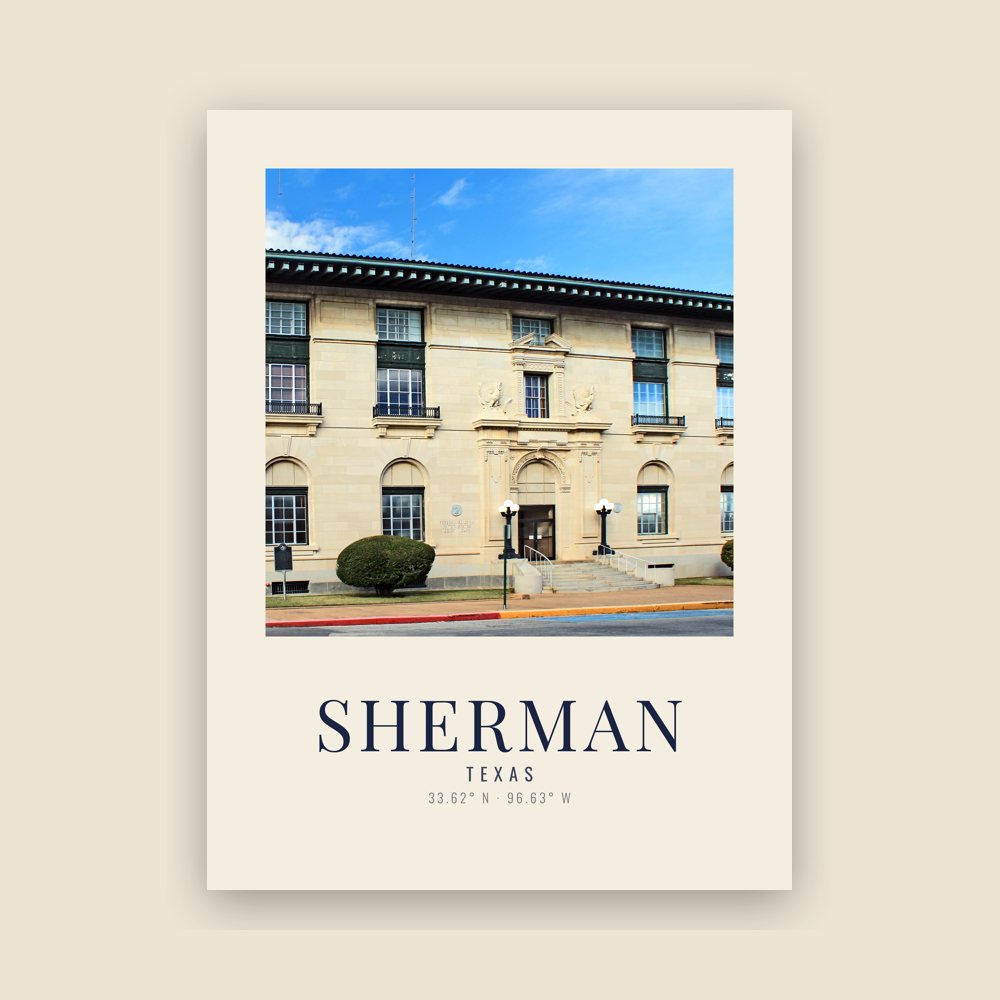
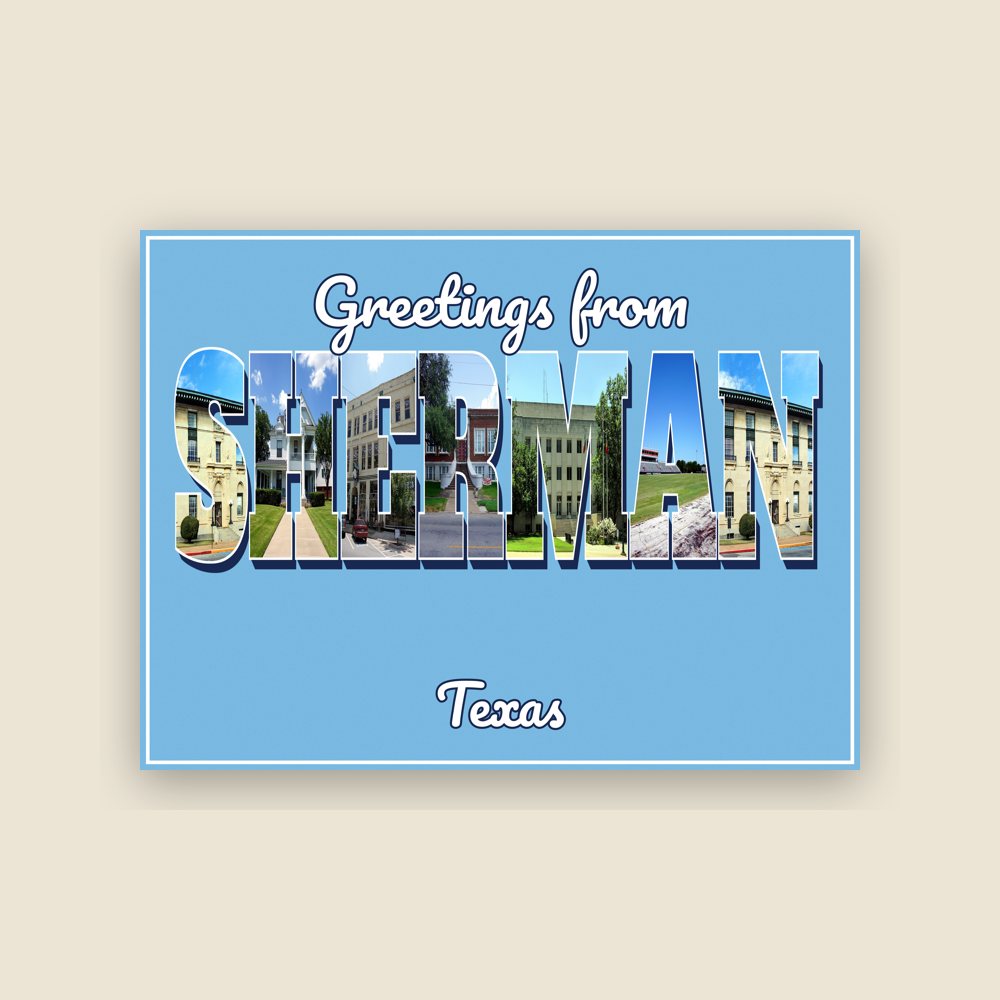
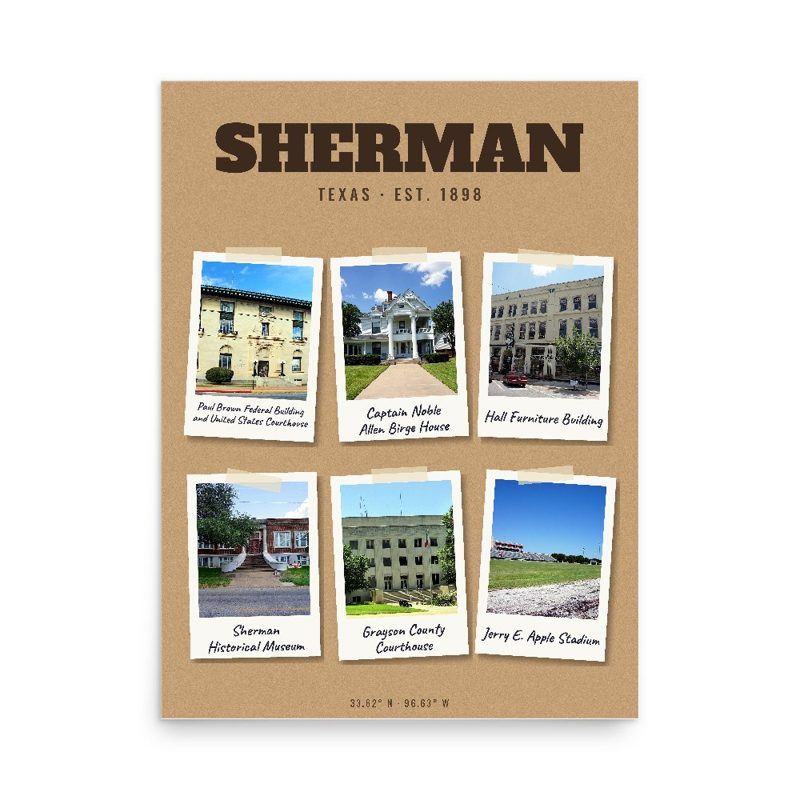
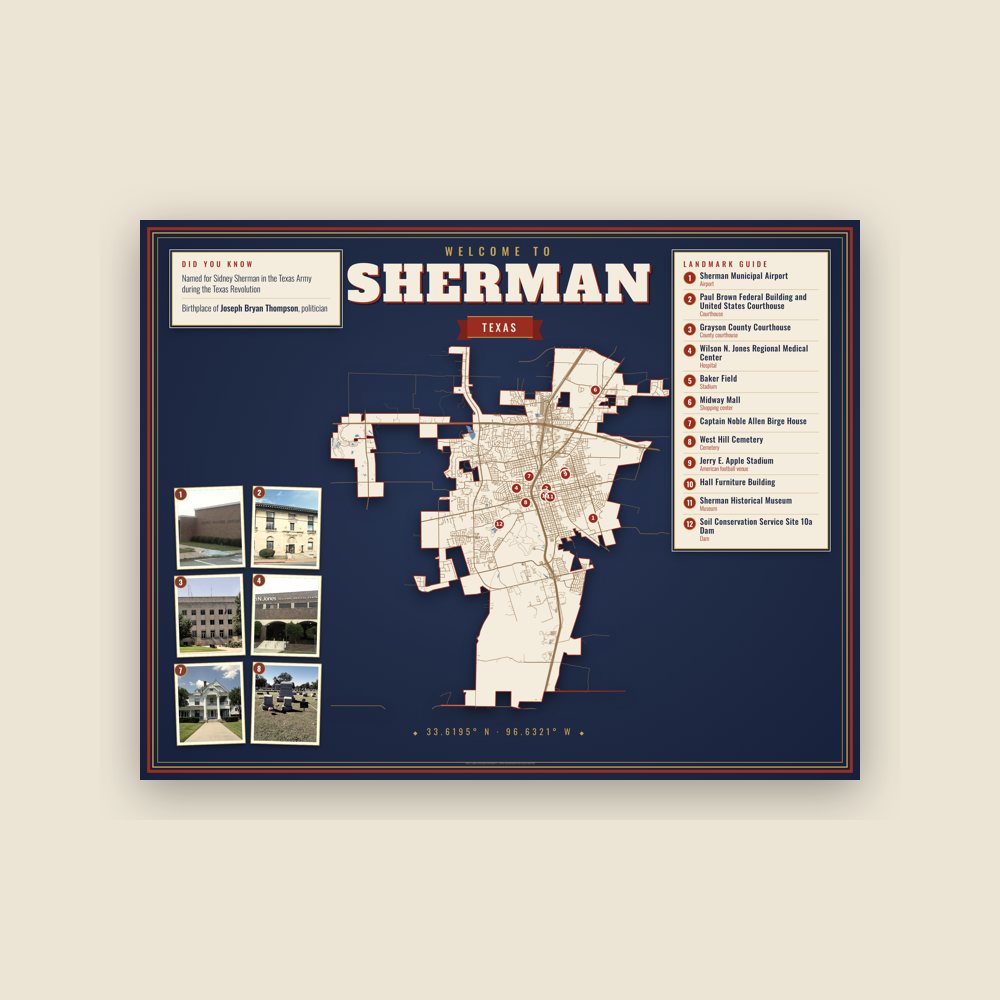





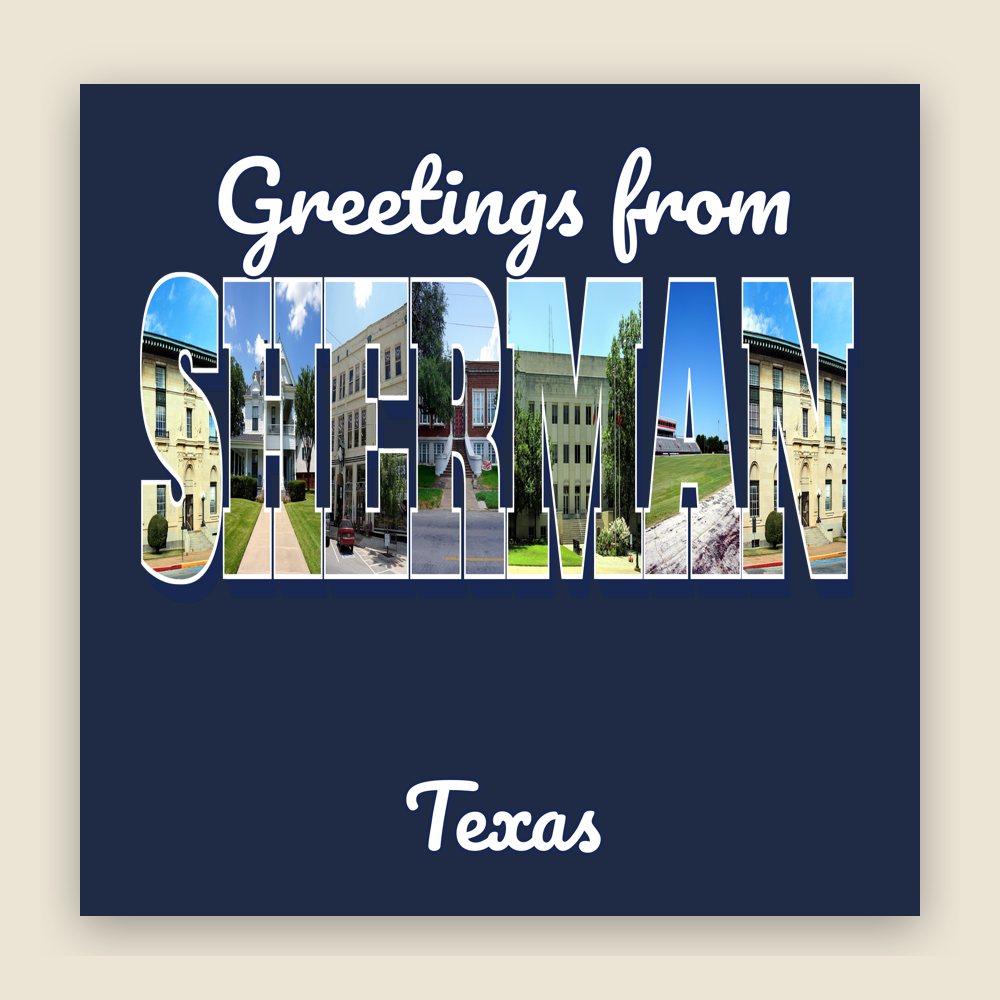
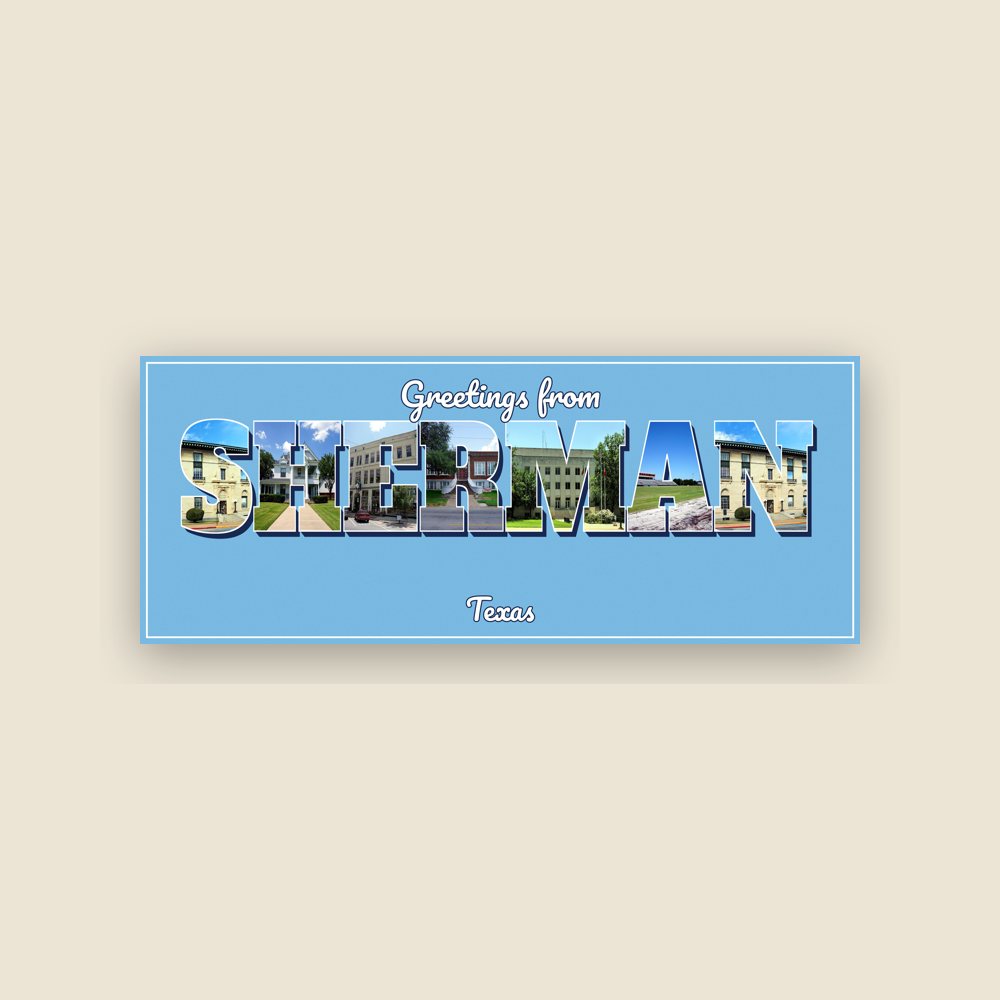



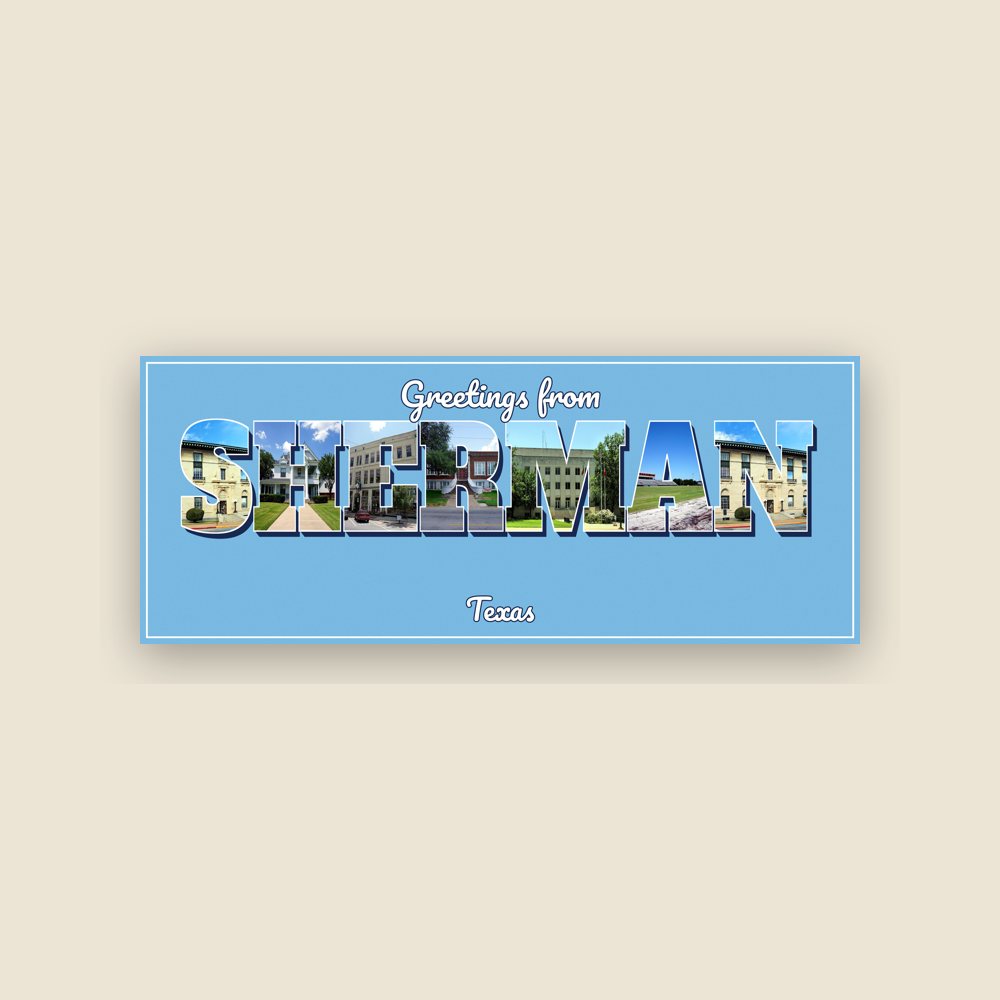
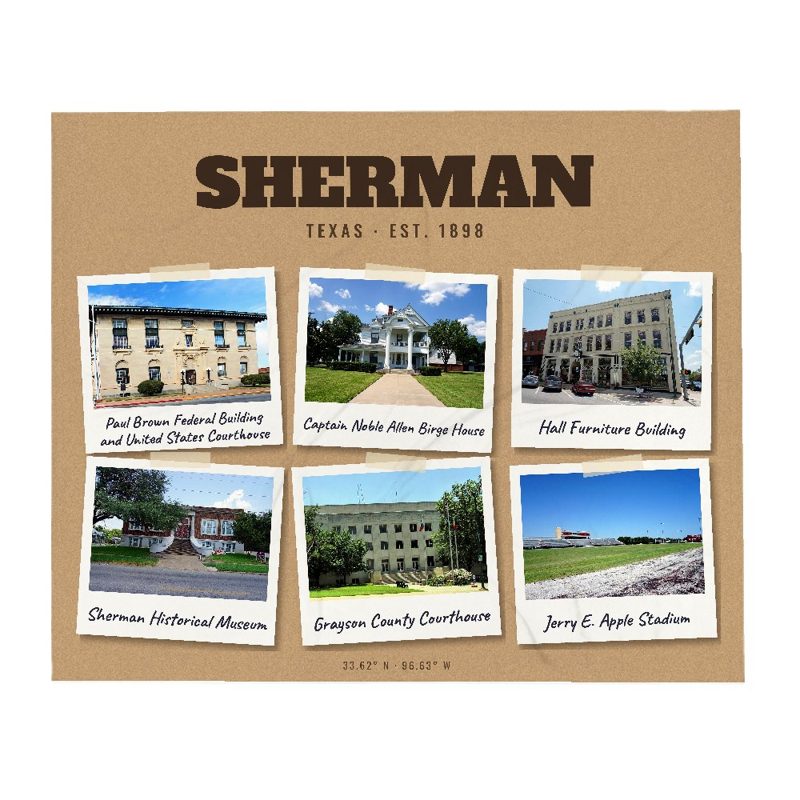

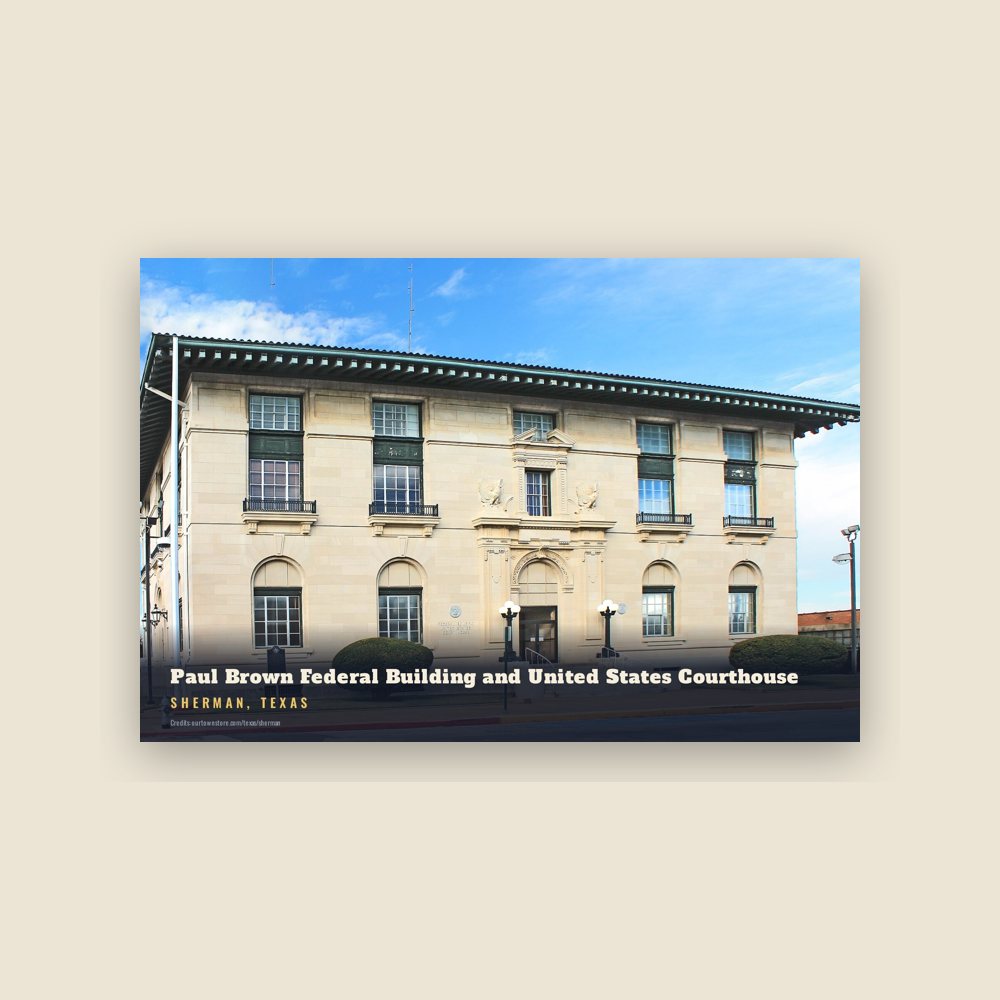
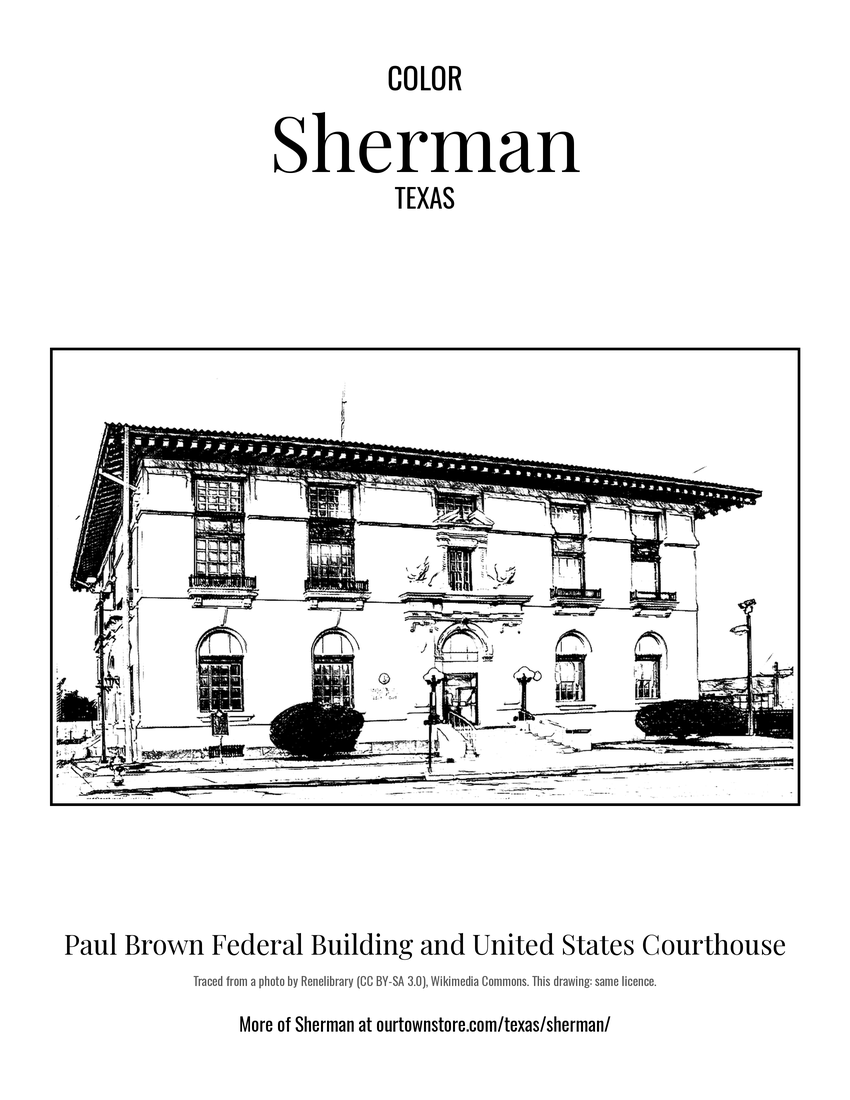 Paul Brown Federal Building and United States Courthouse
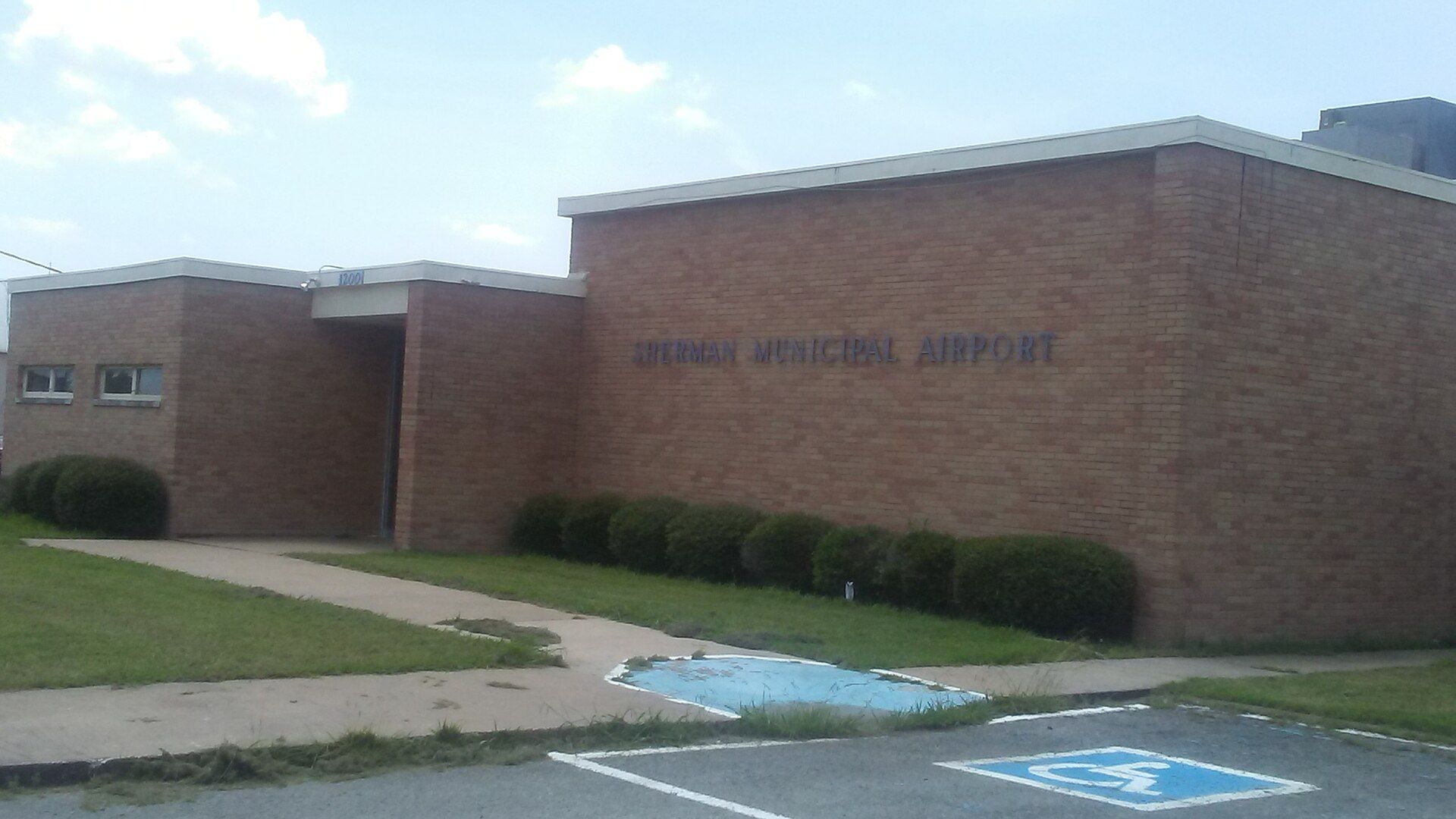
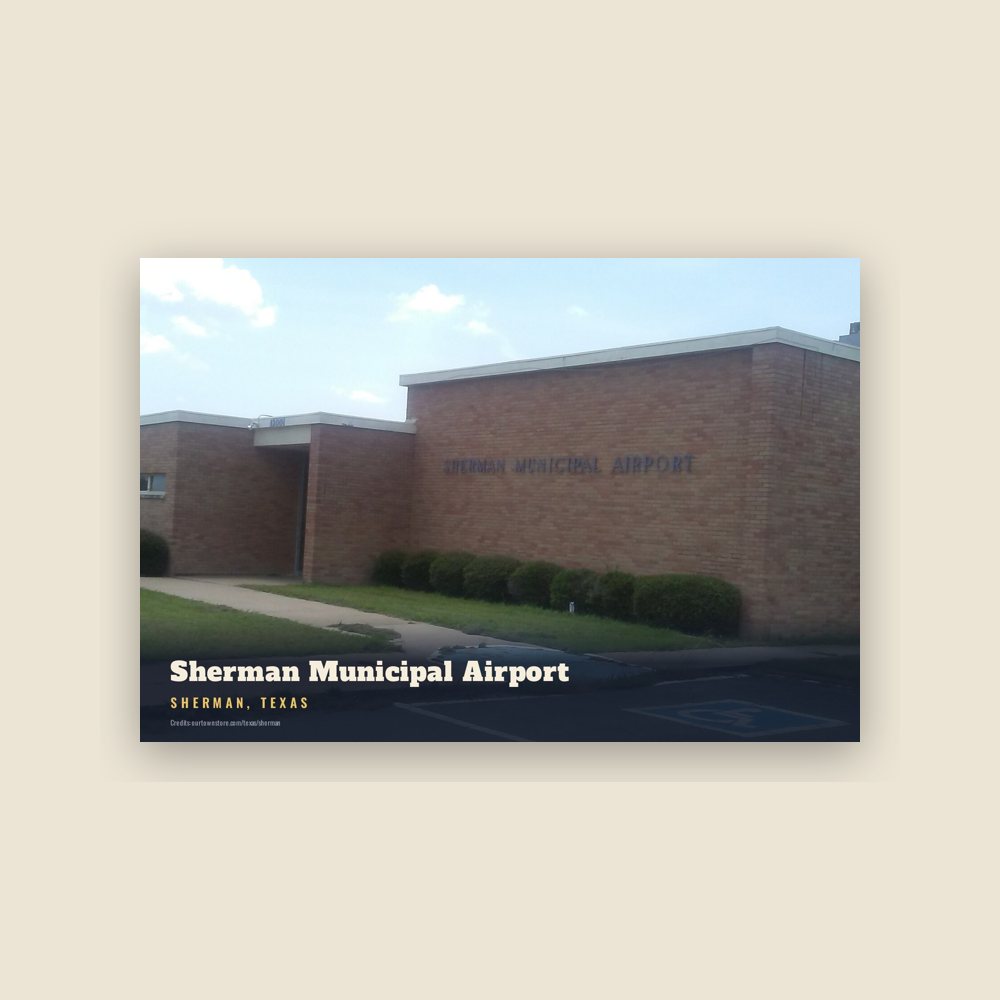
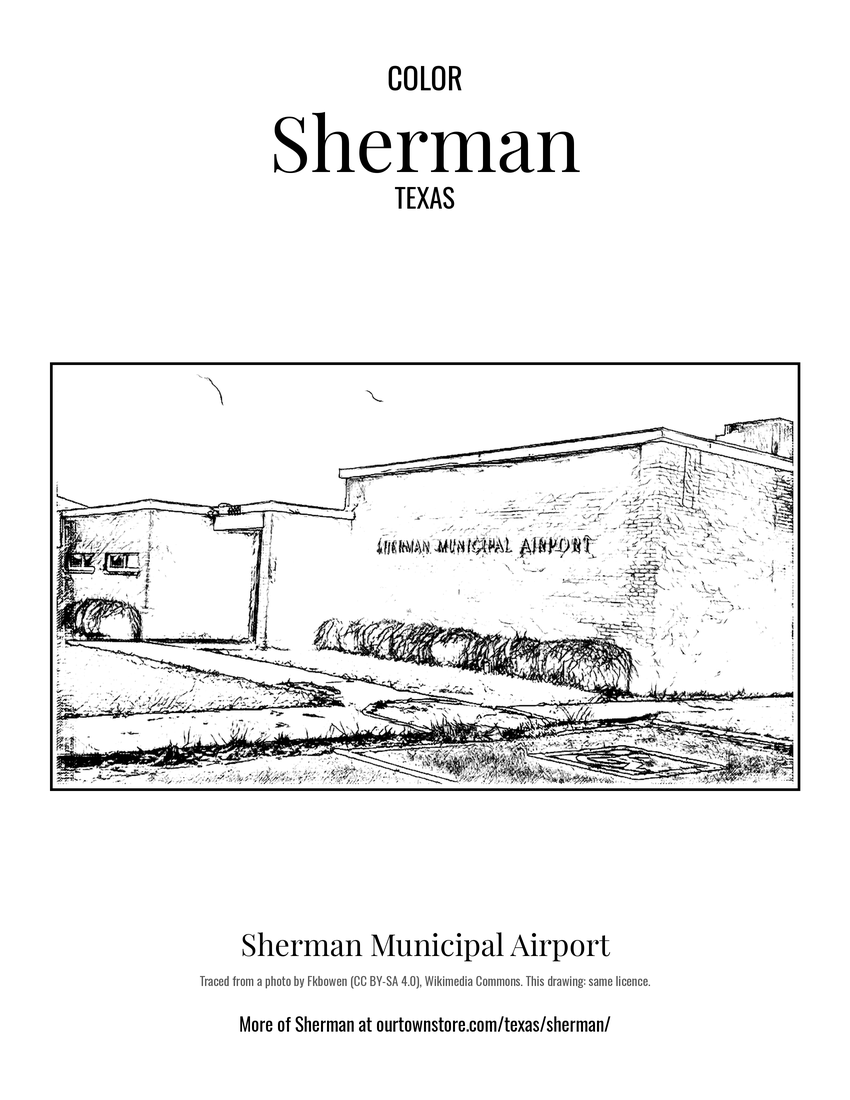 Sherman Municipal Airport
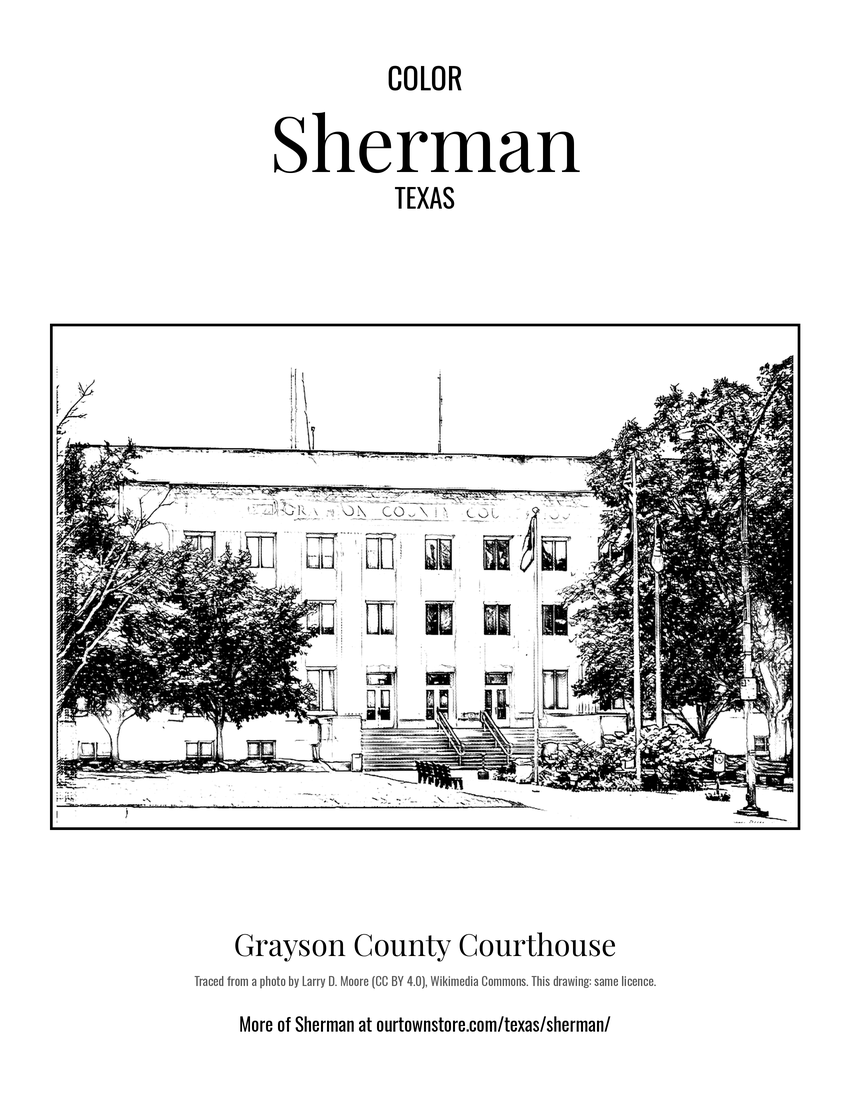 Grayson County Courthouse
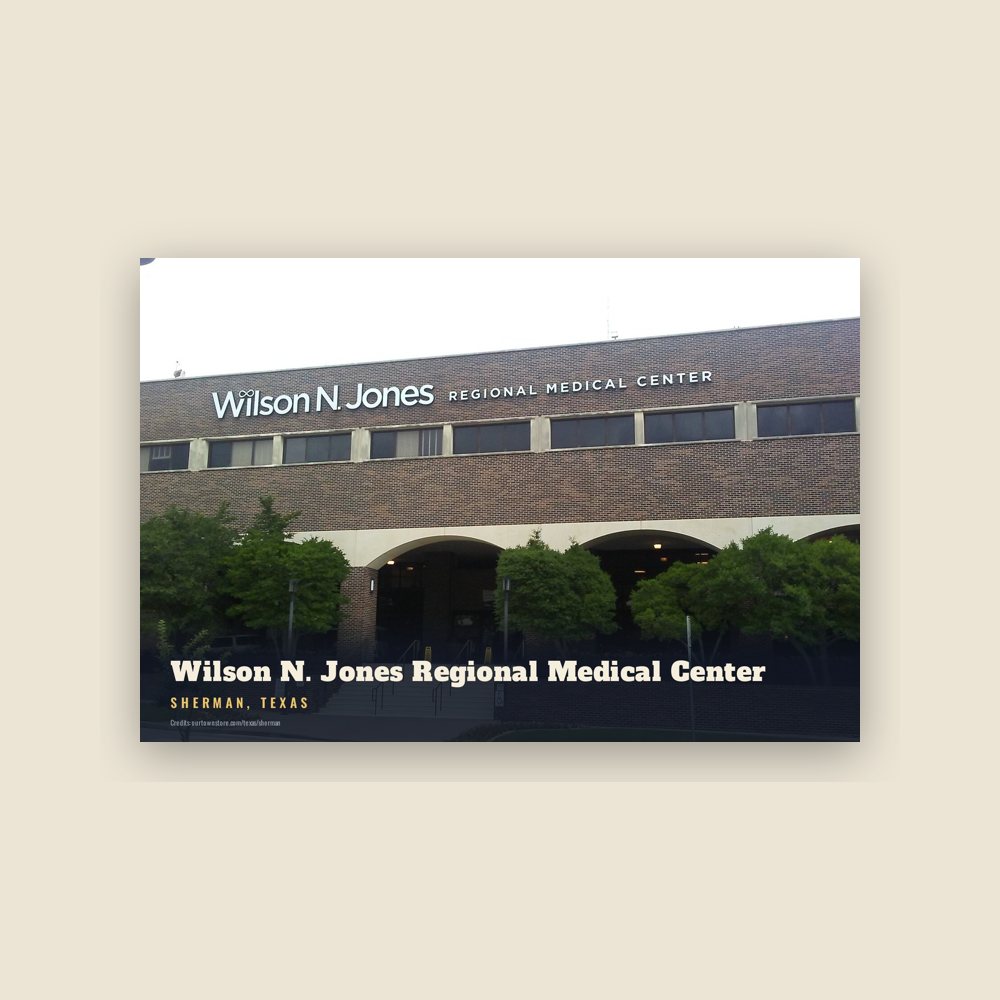
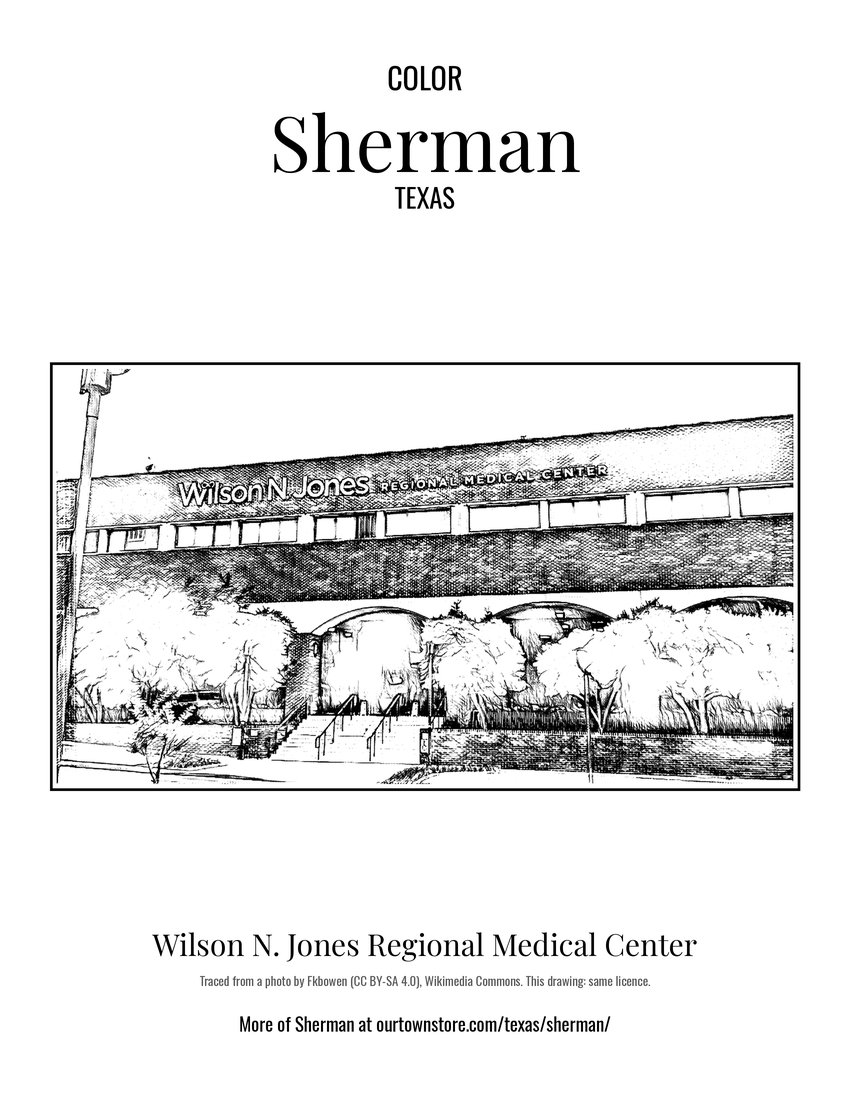 Wilson N. Jones Regional Medical Center