A short history of San Angelo
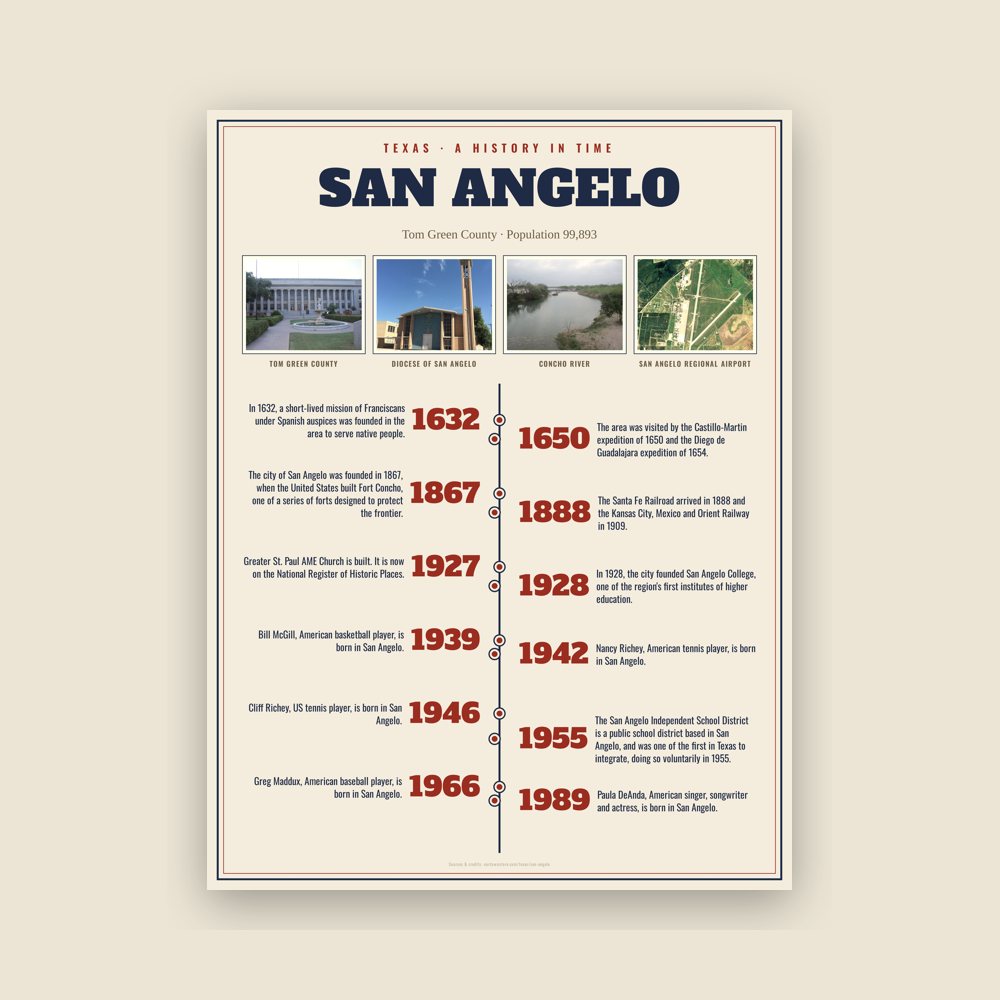
In 1632, a short-lived mission of Franciscans under Spanish auspices was founded in the area to serve native people. The mission was led by the friars Juan de Salas and Juan de Ortega, with Ortega remaining for six months. The area was visited by the Castillo-Martin expedition of 1650 and the Diego de Guadalajara expedition of 1654.
During the region's development, San Angelo was at the western edge of the area called Texas, successively claimed in the 1800s by Spain, Mexico, the Republic of Texas, and finally the United States in 1846.
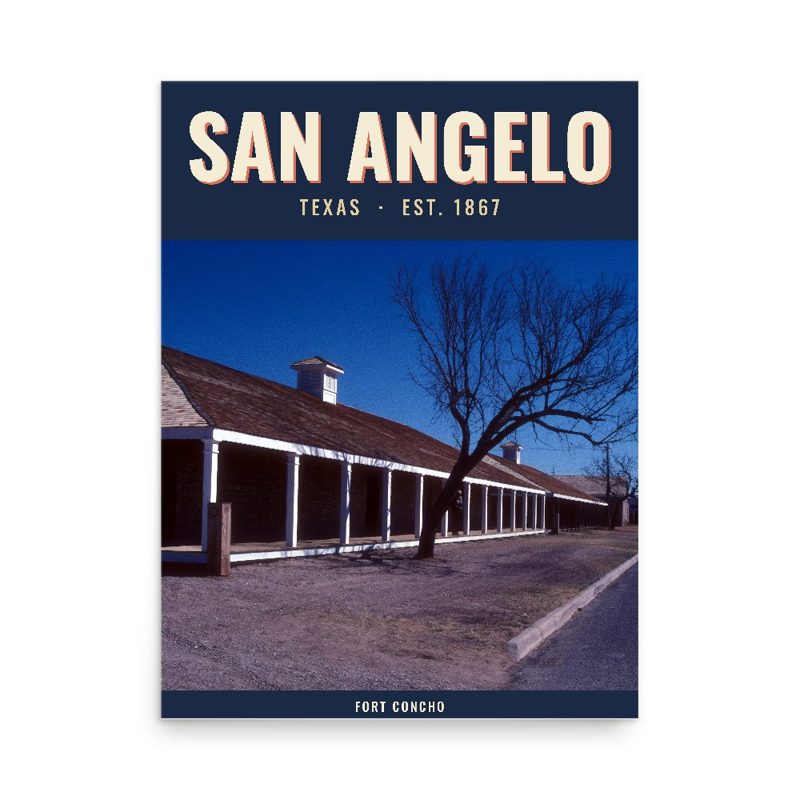
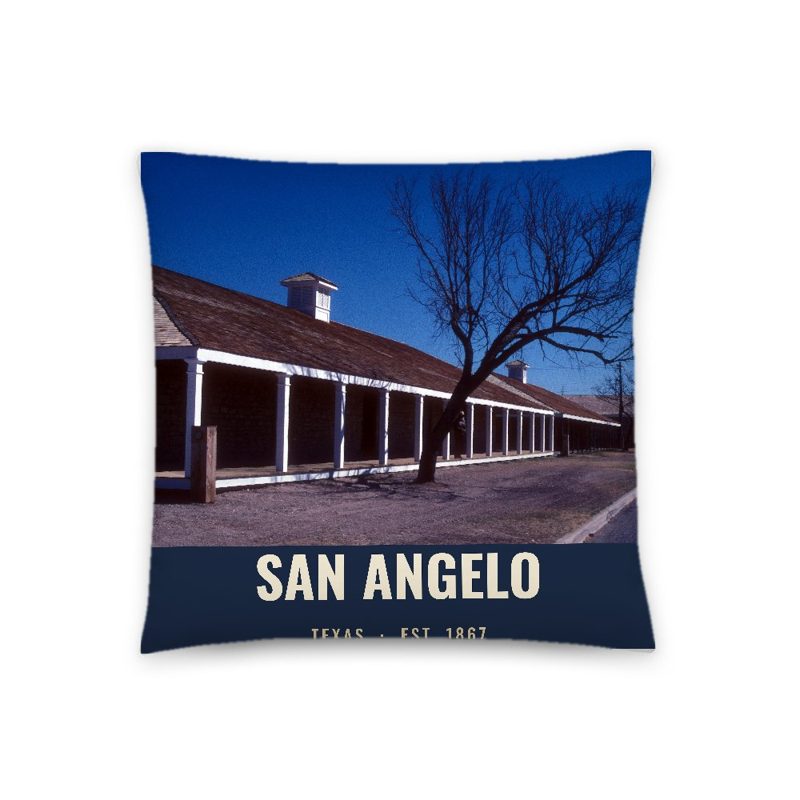
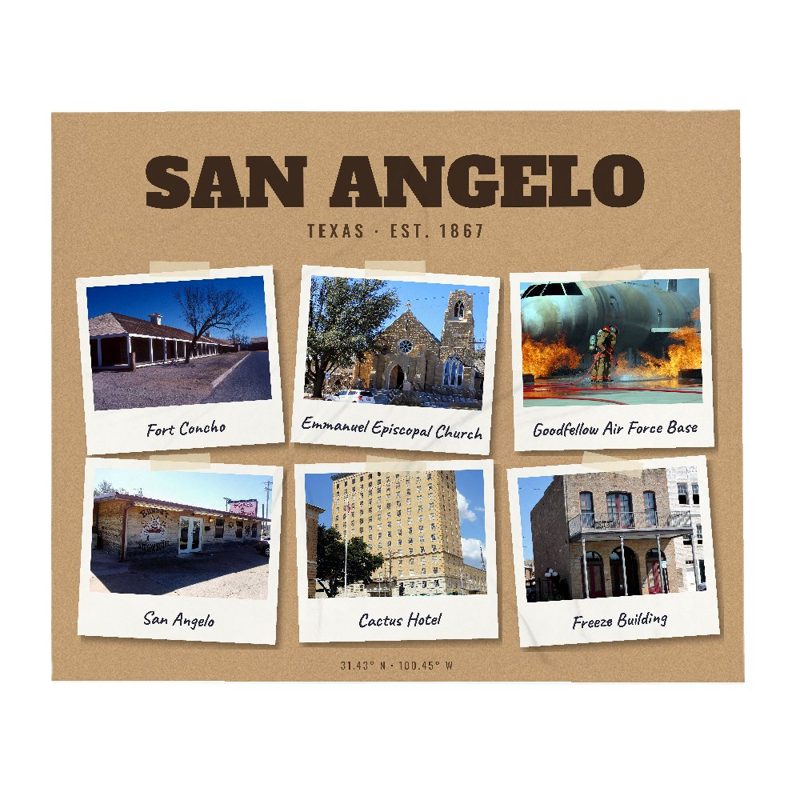
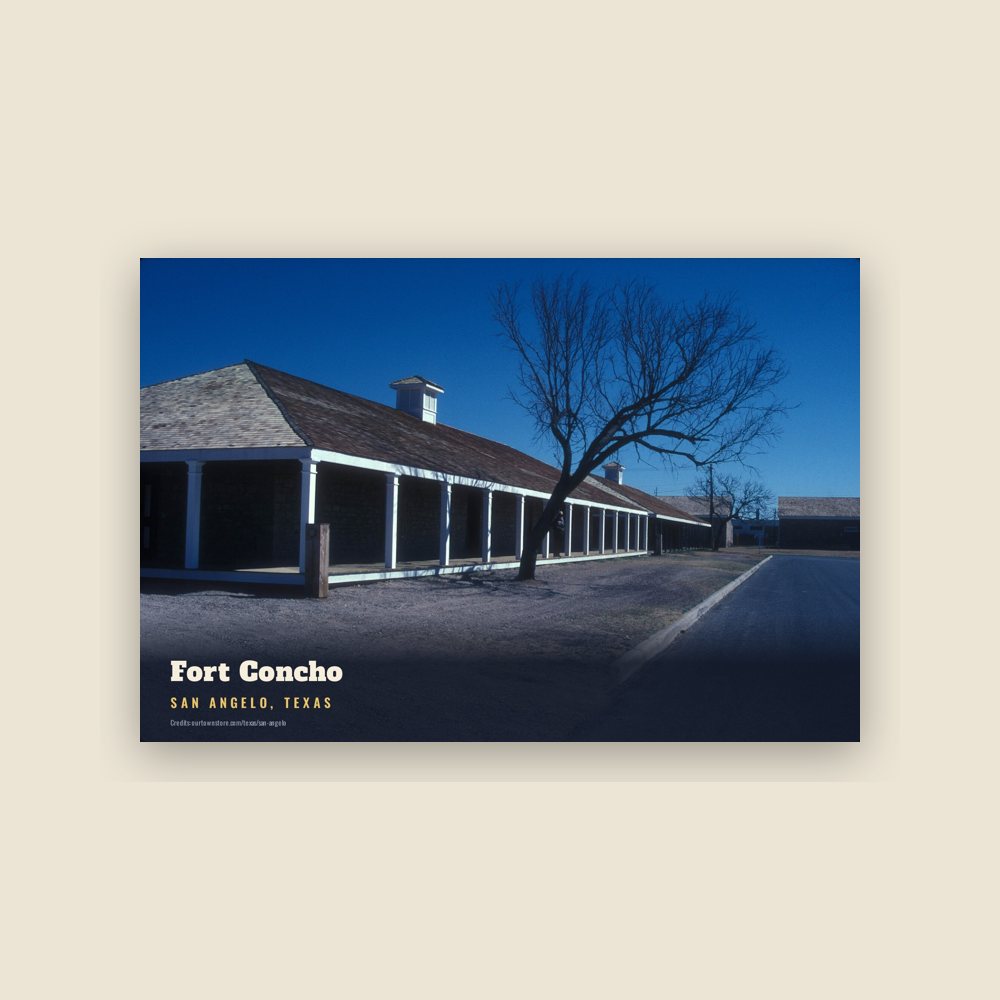
The city of San Angelo was founded in 1867, when the United States built Fort Concho, one of a series of forts designed to protect the frontier. The fort was home to cavalry, infantry, and the famous Black Cavalry, also known as buffalo soldiers by American Indians.
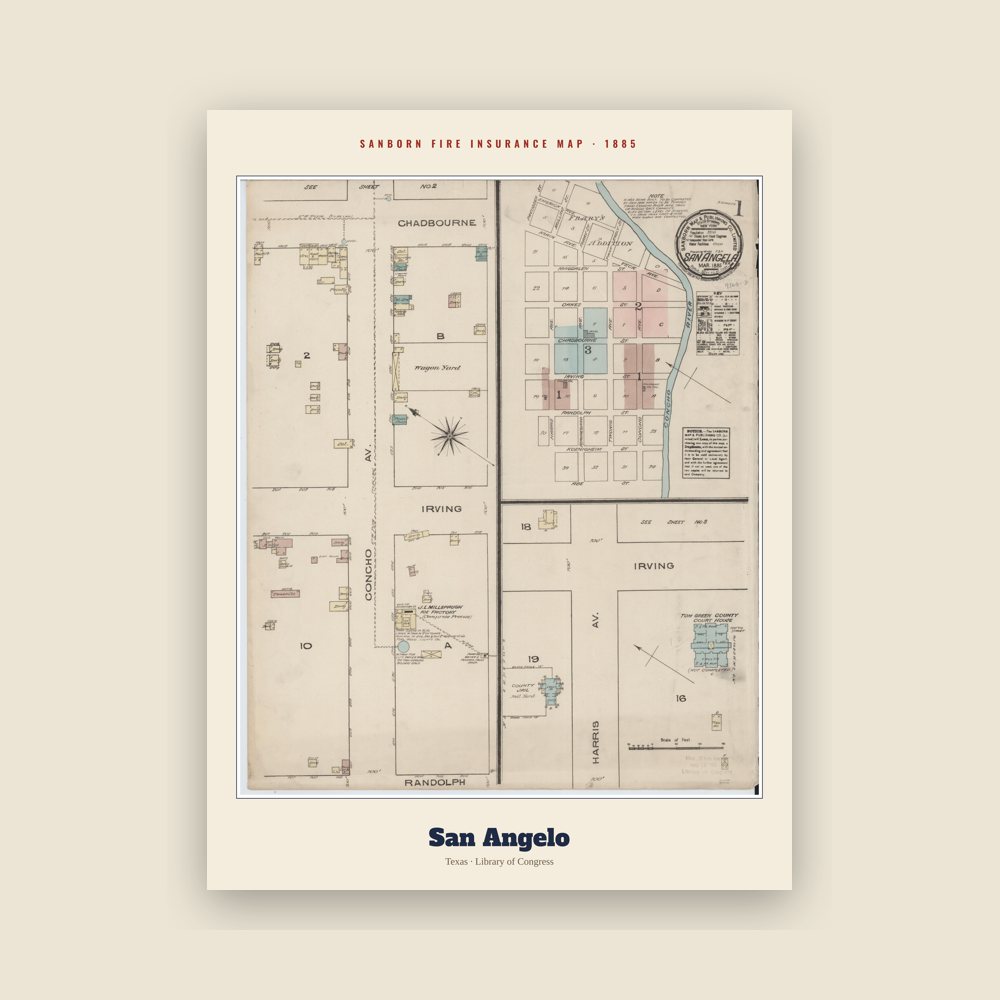
The settler Bartholomew J. DeWitt founded the village of Santa Angela outside the fort at the junction of the North and South Concho Rivers. He named the village after his wife, Carolina Angela. The name was eventually changed to San Angela. It changed again to San Angelo in 1883 on the insistence of the United States Postal Service, as "San Angela" is ungrammatical in Spanish. The town became a trade center for farmers and settlers in the area, as well as a fairly lawless cowtown filled with brothels, saloons, and gambling houses.
By the early 1880s a small number of Chinese immigrants also lived in the area; testimony in an 1884 murder case describes Chinese men growing vegetables on a farm near the town for sale in San Angelo, and a laundry in town run by a Chinese man.
After being designated as the county seat, the town grew quickly in the 1880s, aided by being on the route of newly constructed railroads. It became a central transportation hub for the region. The Santa Fe Railroad arrived in 1888 and the Kansas City, Mexico and Orient Railway in 1909. After a tuberculosis (TB) outbreak hit the U.S. in the early 1900s, many patients moved to San Angelo. At the time, doctors could only recommend rest in dry, warm climates. TB sufferers went to San Angelo for treatment, and a sanitarium was built in nearby Carlsbad.
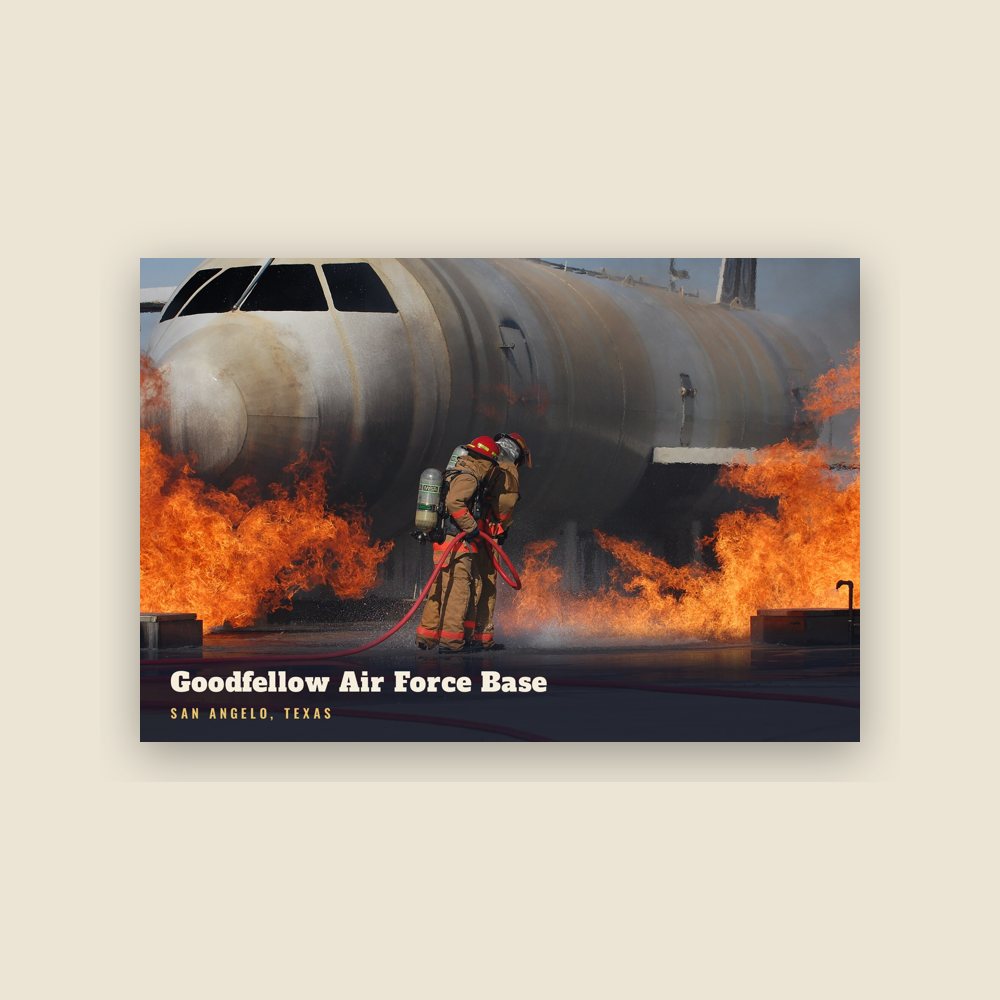
In 1928, the city founded San Angelo College, one of the region's first institutes of higher education. The city had been passed over by the Texas State Legislature to be the home of what would become Texas Tech University. San Angelo College, one of the first municipal colleges, has grown to become Angelo State University. The military returned to San Angelo during World War II with the founding of Goodfellow Air Force Base, which was assigned to train pilots. San Angelo grew exponentially during the oil boom of the 1900s, when vast amounts of oil were found in the area, and the city became a regional hub of the oil and gas industry.
The San Angelo Independent School District is a public school district based in San Angelo, and was one of the first in Texas to integrate, doing so voluntarily in 1955.
San Angelo was famous for the Miss Wool of America Pageant, an annual event organized by the National Wool Growers Association (U.S.).
Adapted (trimmed) from the Wikipedia article San Angelo, Texas, revision 1384205705 by its contributors, licensed CC BY-SA 4.0.
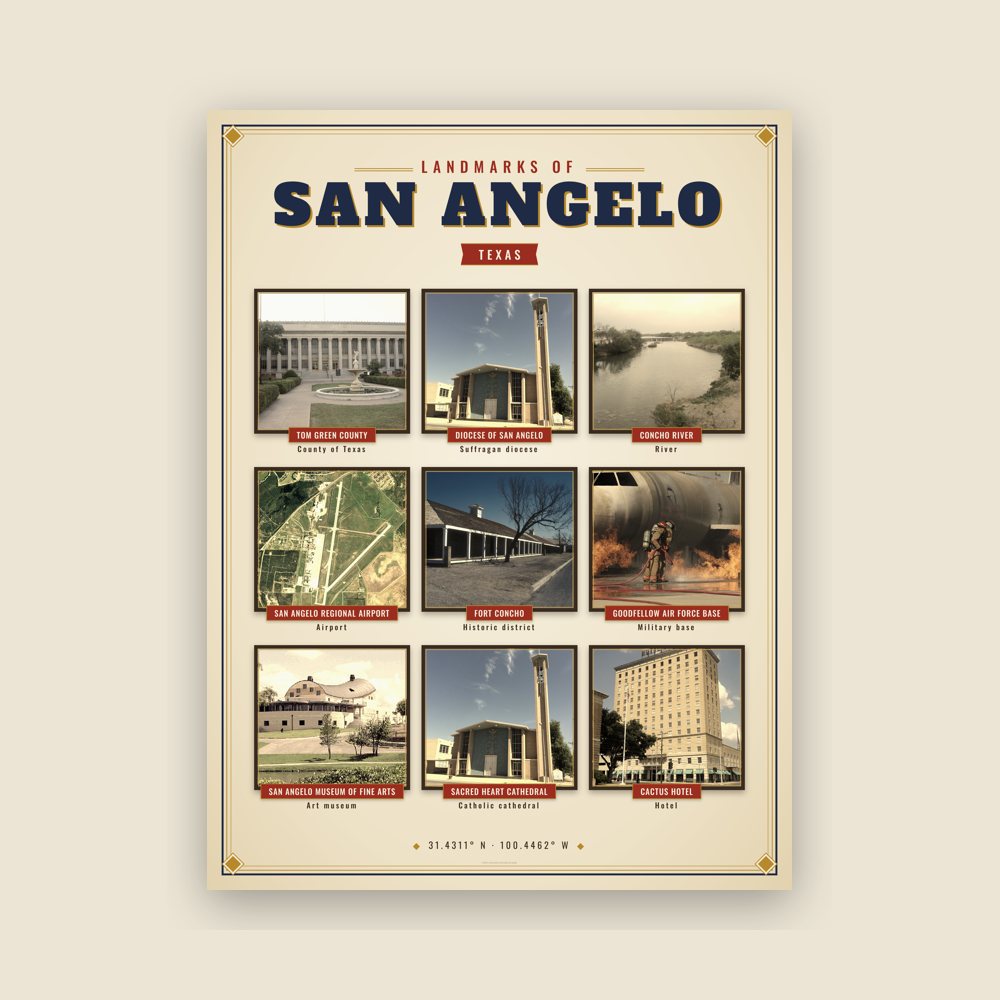
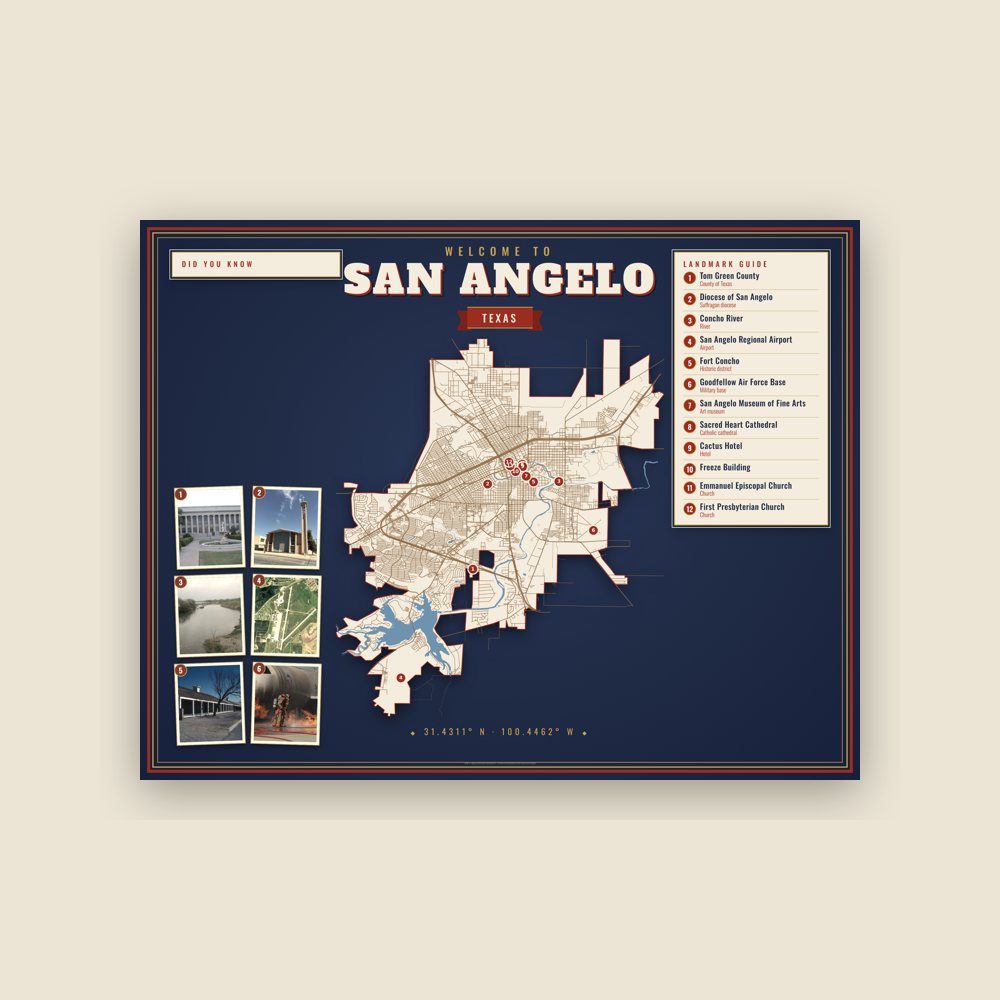

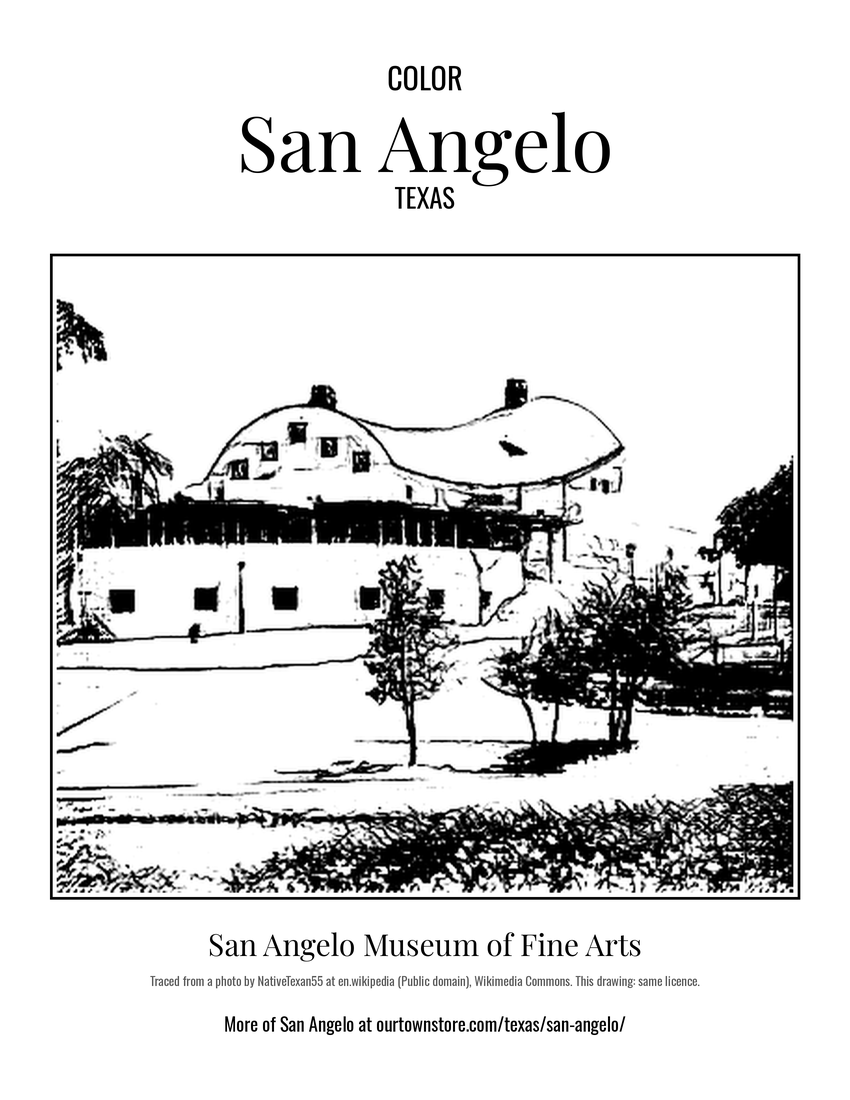 San Angelo Museum of Fine Arts
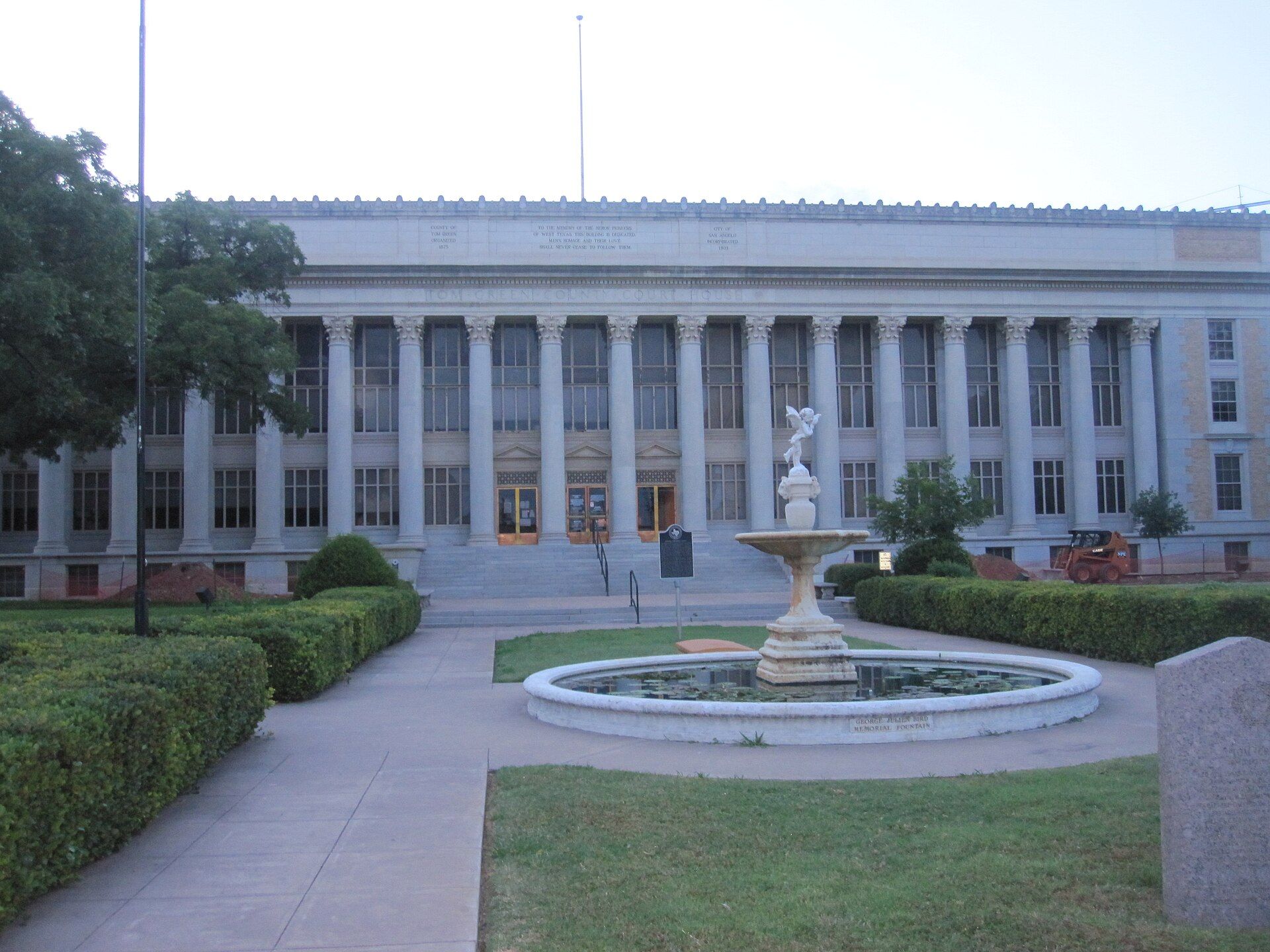
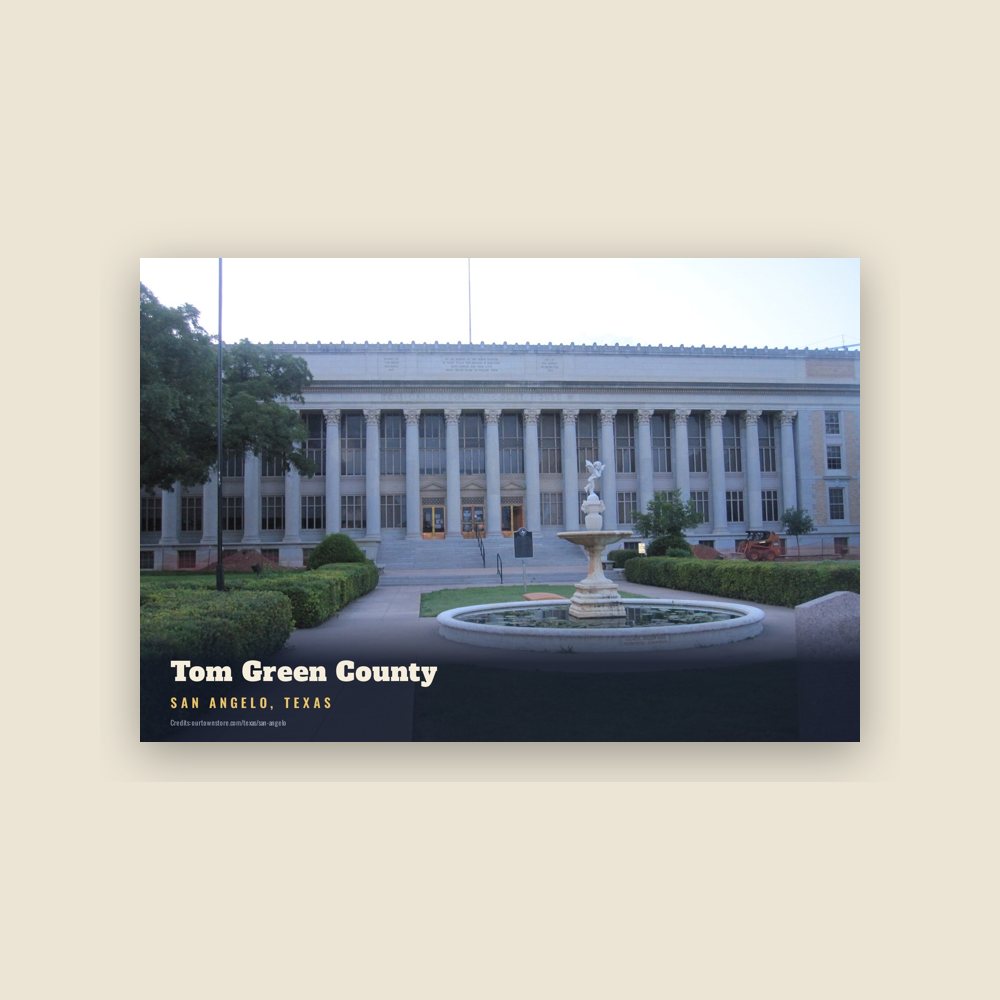
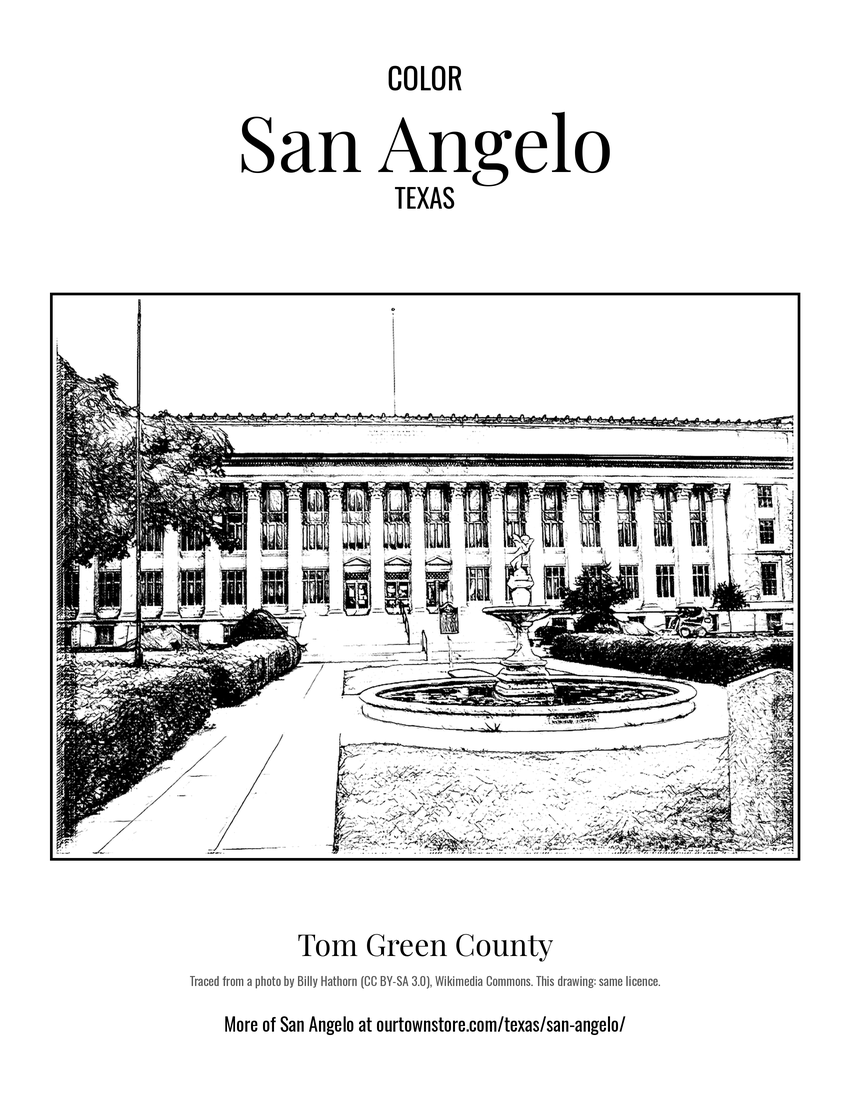 Tom Green County
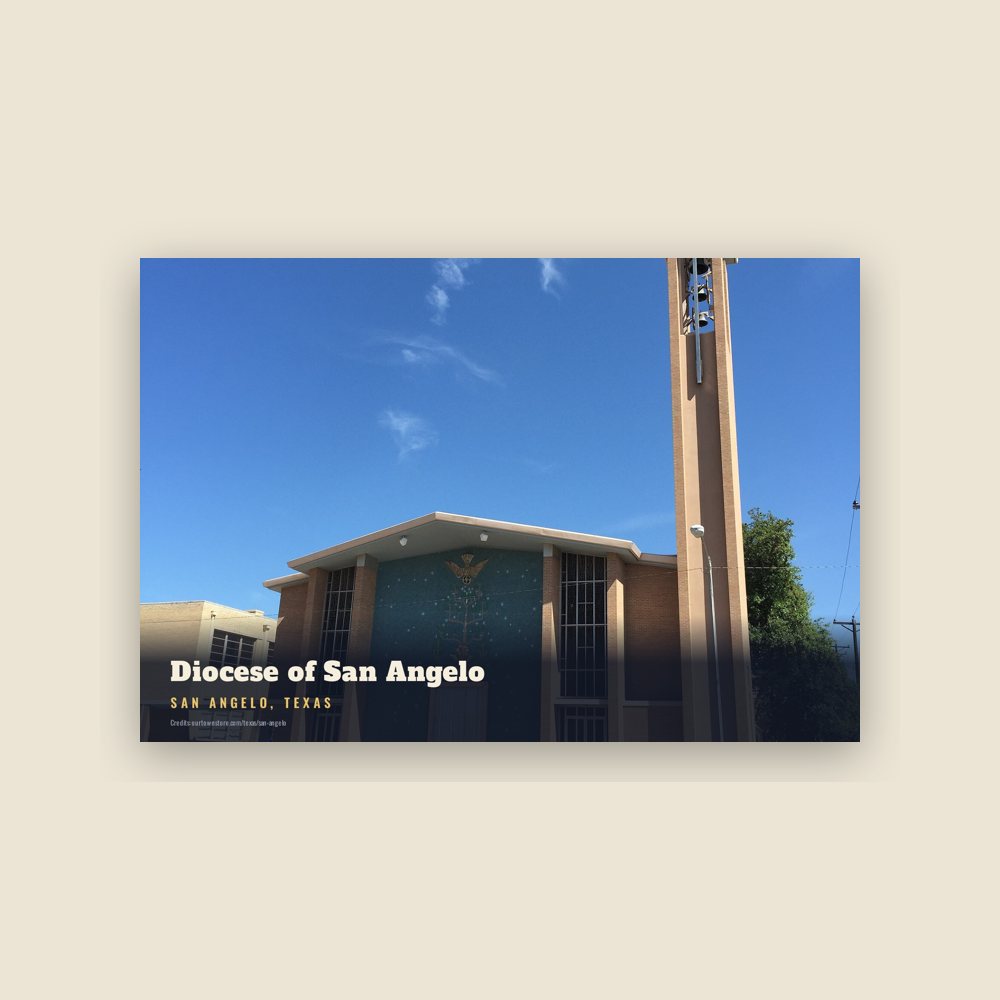
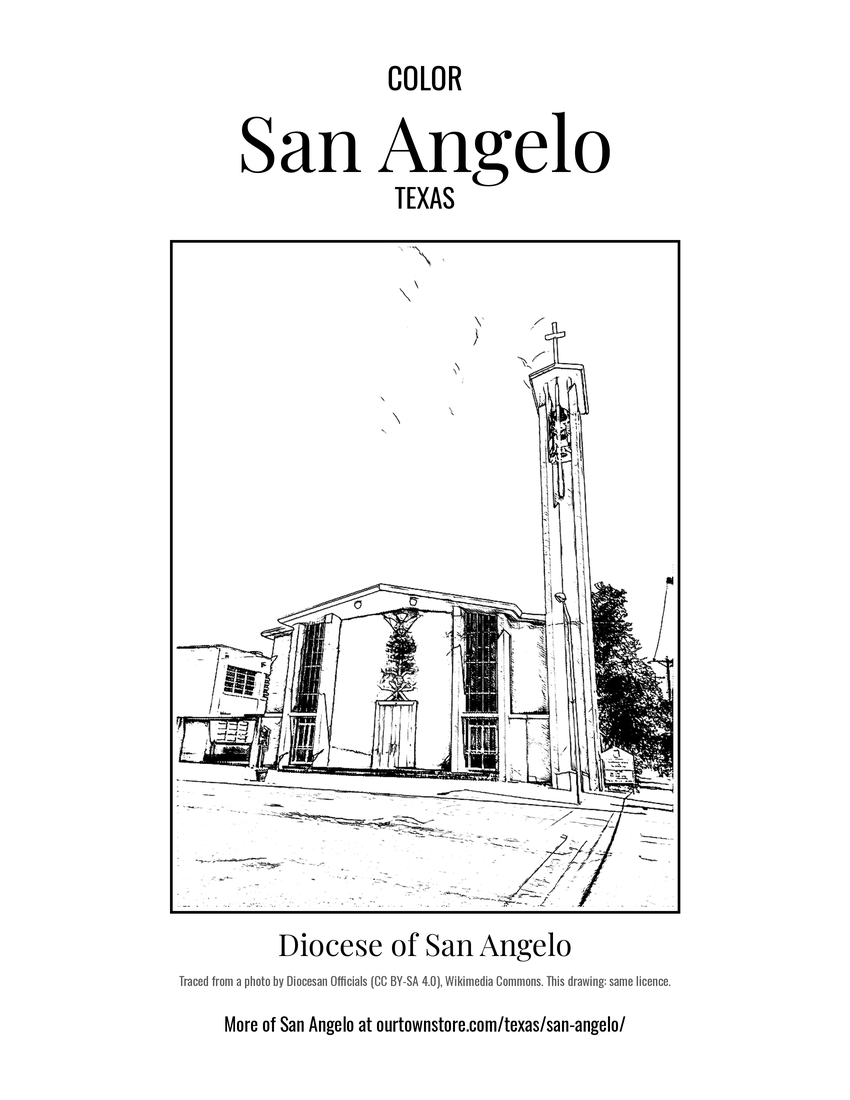 Diocese of San Angelo
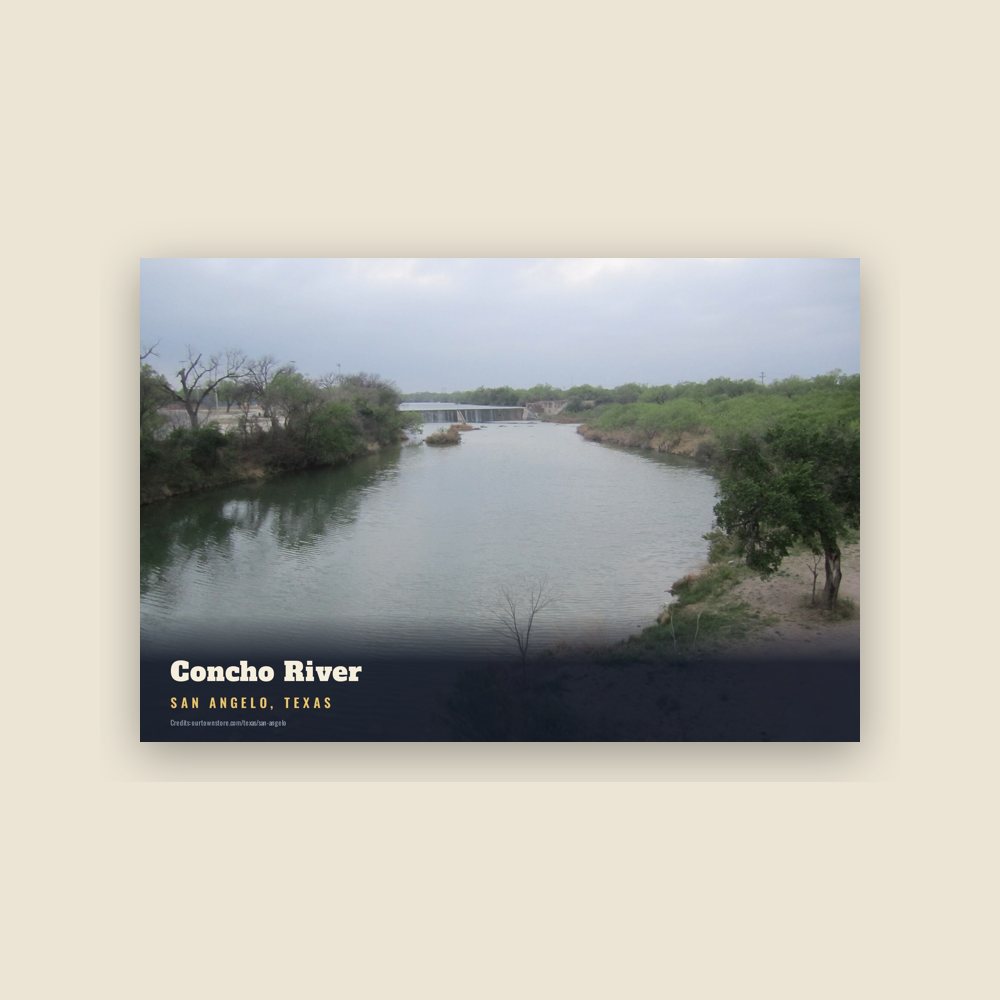
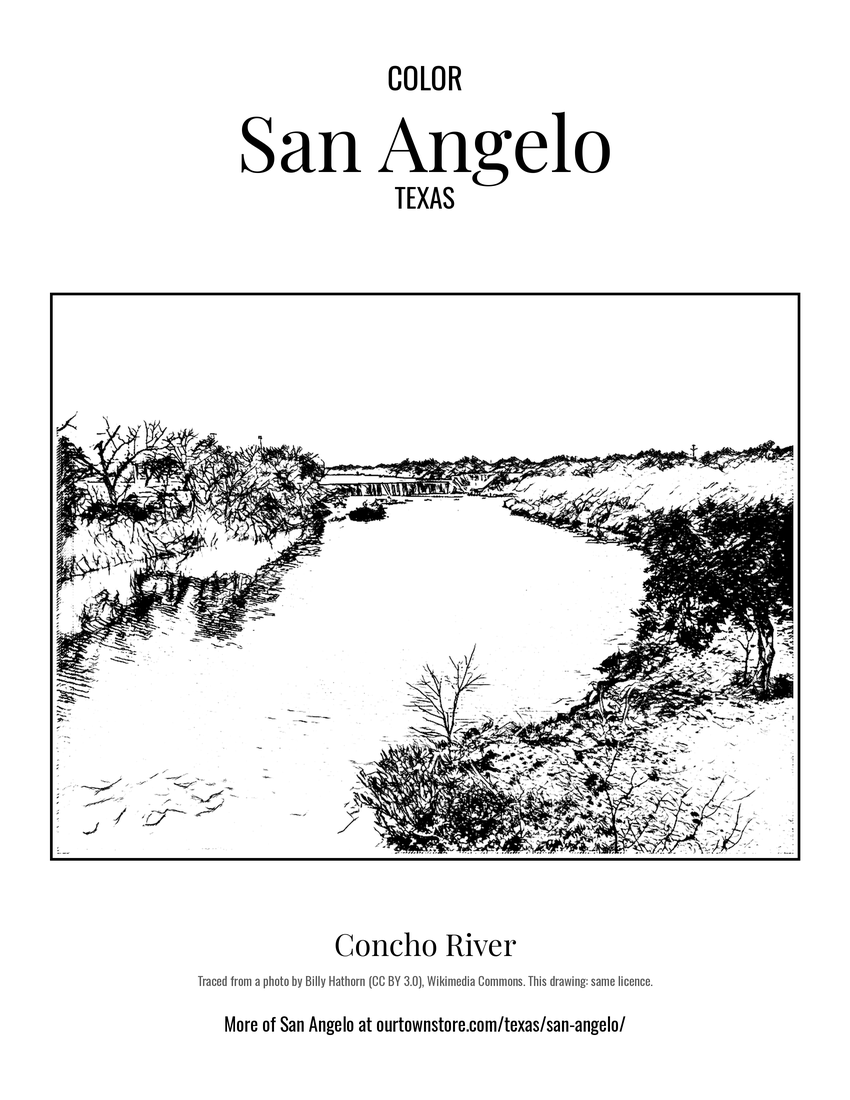 Concho River