Since 1898
A short history of Port Arthur
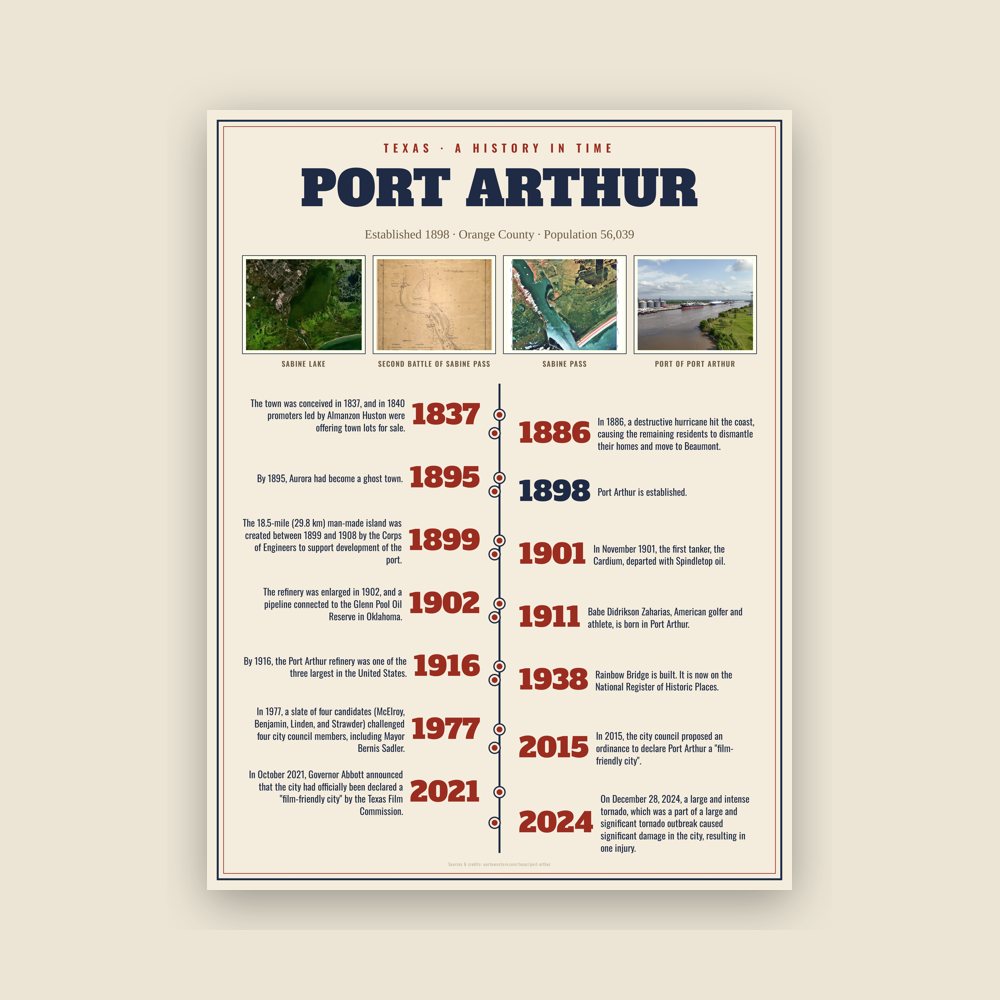
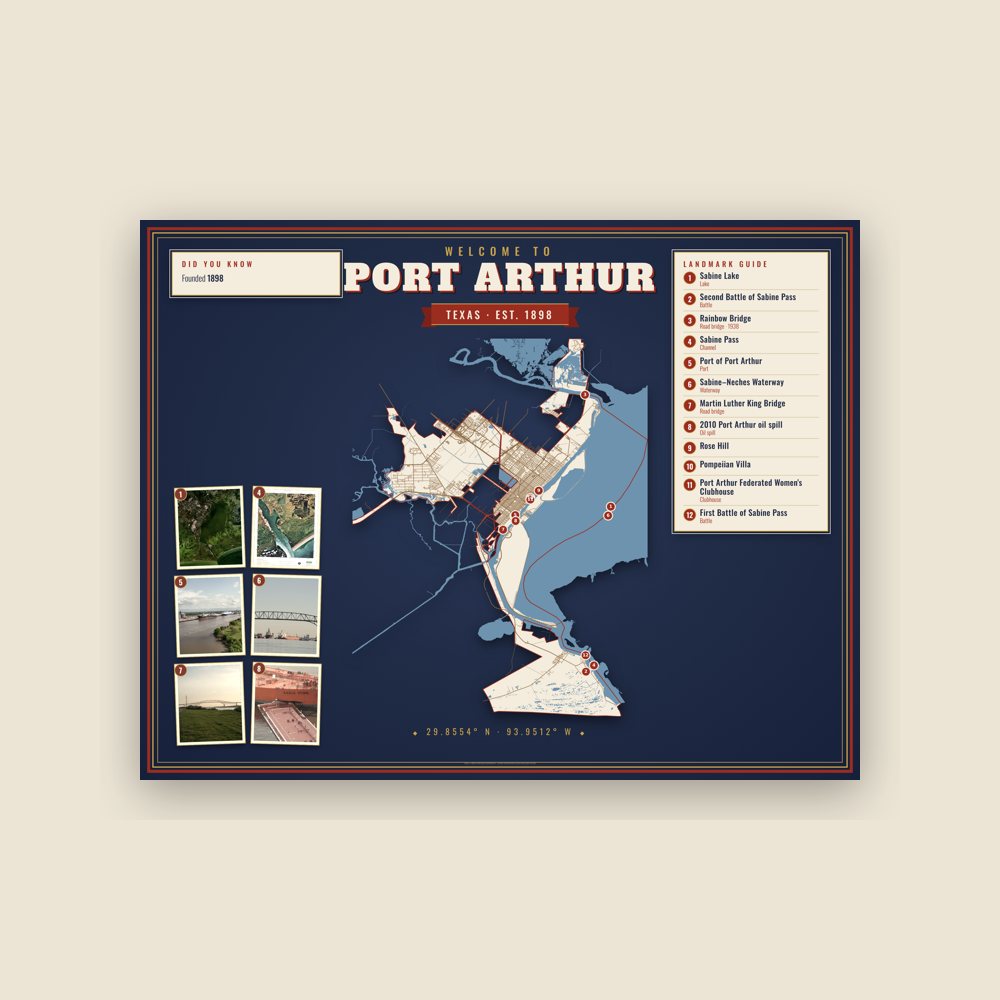
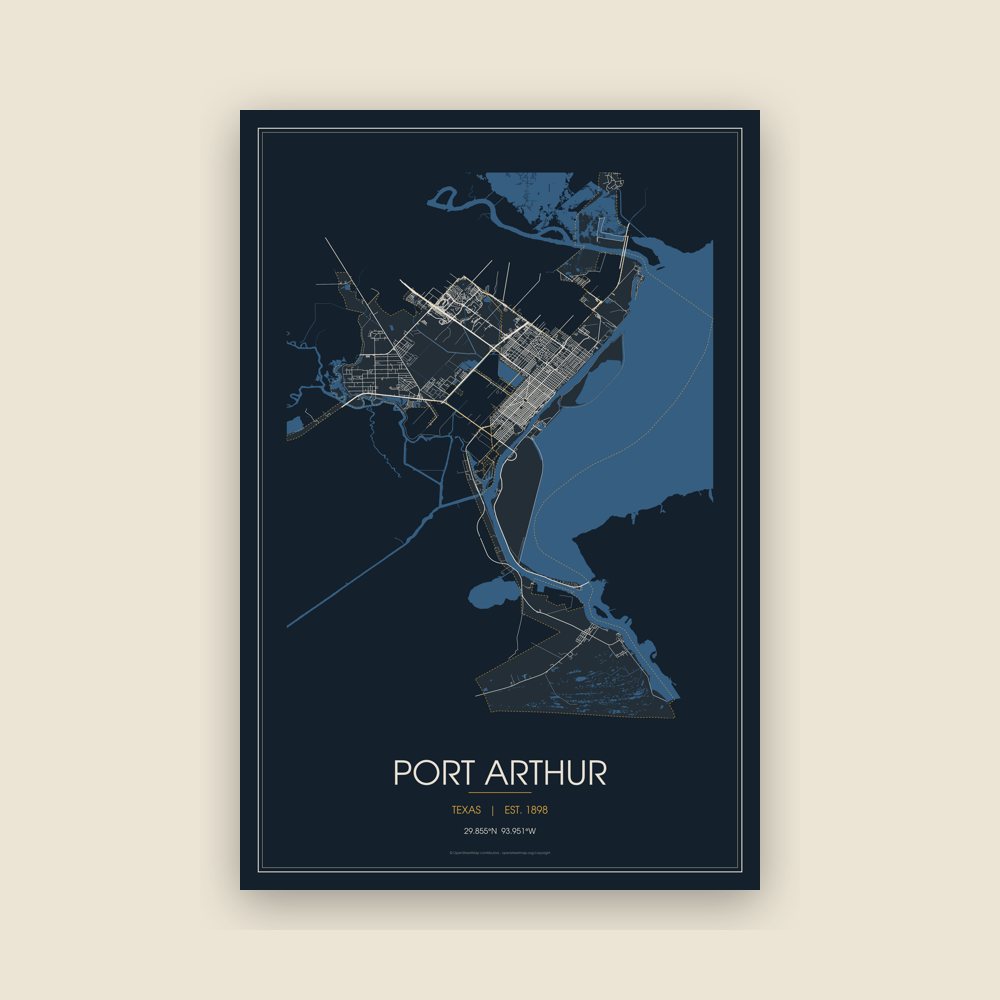
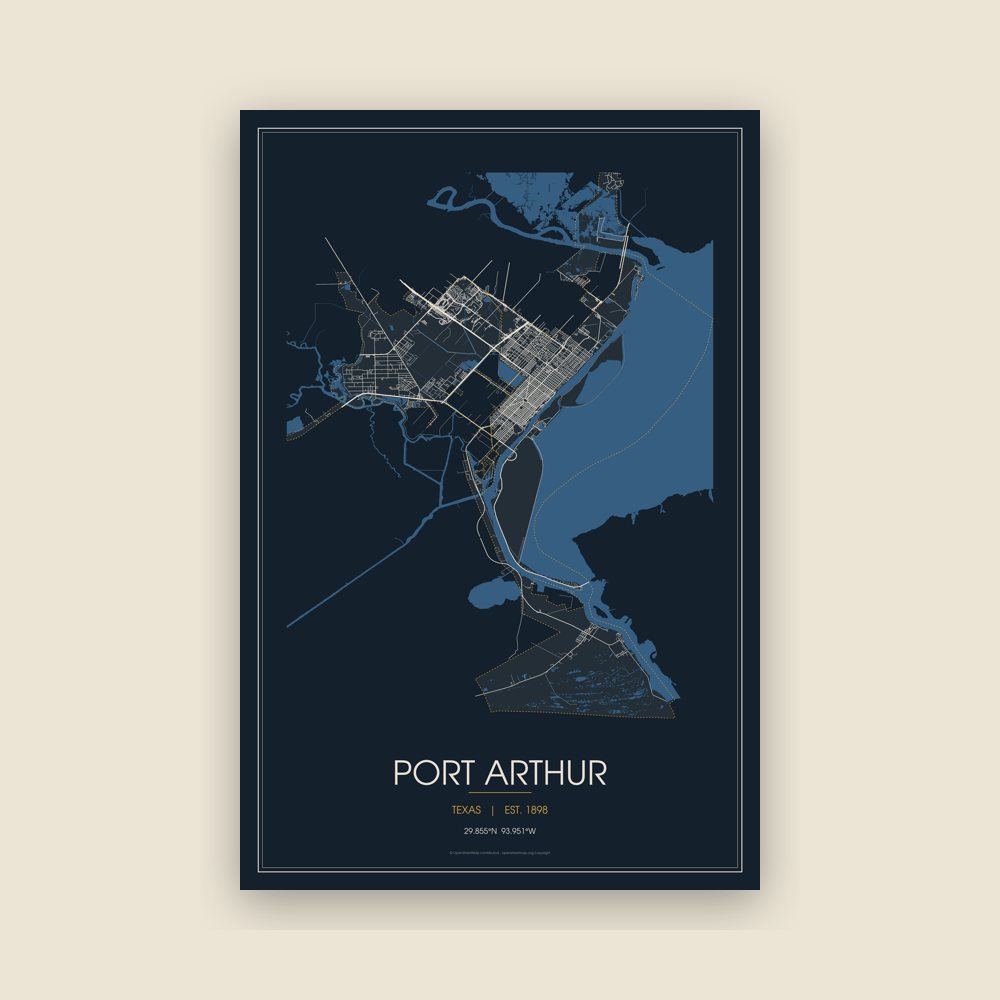
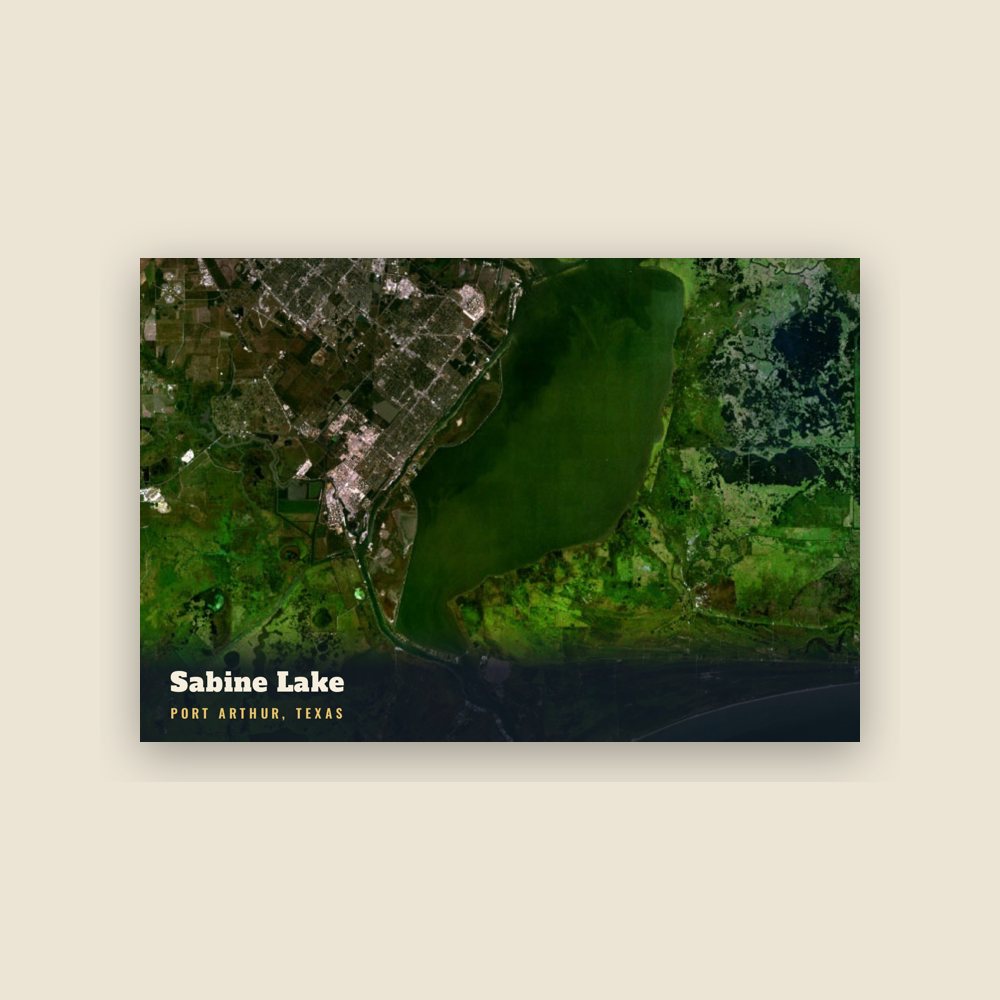
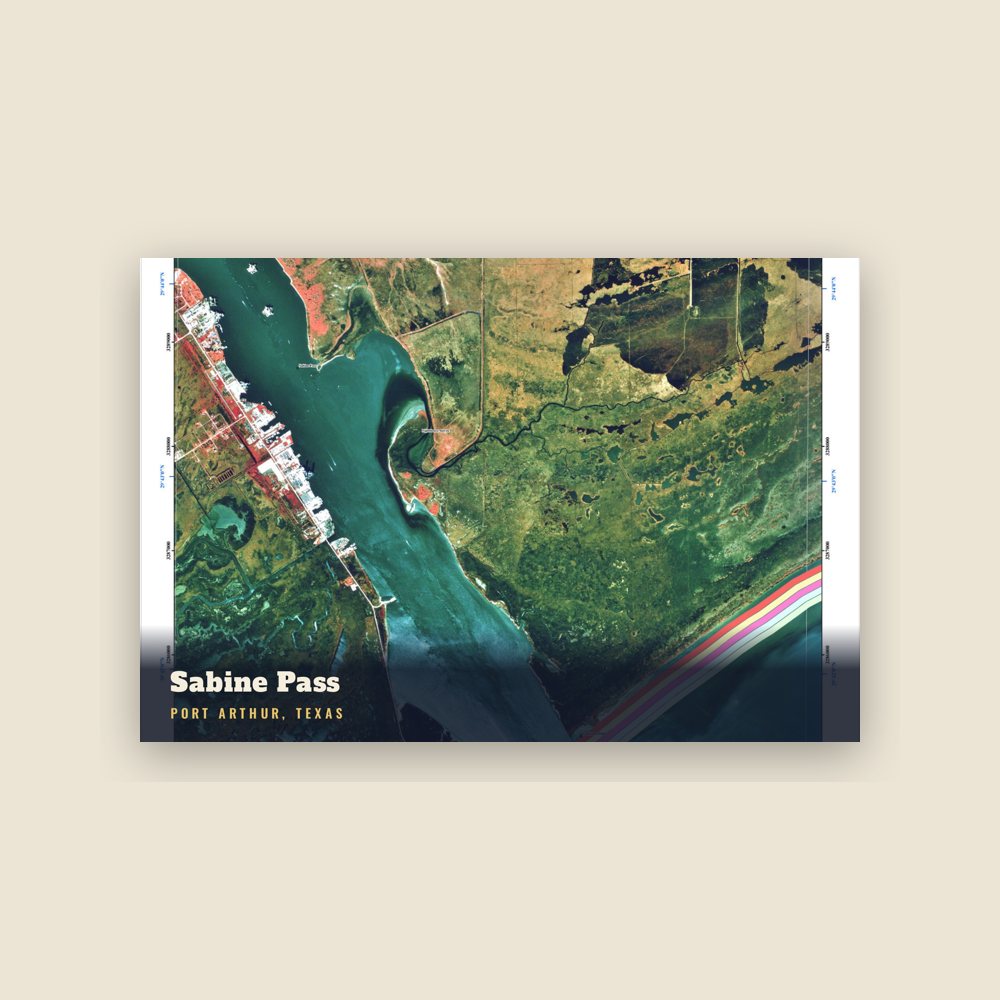
Aurora was an early settlement attempt near the mouth of Taylor Bayou on Sabine Lake, about 14 miles (23 km) long and 7 miles (11 km) wide. It is a saltwater estuary formed by the confluence of the Neches and Sabine Rivers. Through its tidal outlet, 5-mile-long (8 km) Sabine Pass, Sabine Lake drains some 50,000 sq mi (100,000 km2) of Texas and Louisiana into the Gulf of Mexico. The town was conceived in 1837, and in 1840 promoters led by Almanzon Huston were offering town lots for sale. Some were sold, but Huston's project failed to attract many settlers. The area next was known as "Sparks", after John Sparks, who moved his family to the shores of Sabine Lake near the site of Aurora. The Eastern Texas Railroad, completed between Sabine Pass and Beaumont, Texas, passed 4 miles (6 km) west of Sparks. However, the American Civil War soon began, and rail lines were removed. In 1886, a destructive hurricane hit the coast, causing the remaining residents to dismantle their homes and move to Beaumont. By 1895, Aurora had become a ghost town.
Arthur Stilwell led the resettling of the area as part of his planned city as the southern terminus of his Kansas City, Pittsburg and Gulf Railroad, predecessor to the Kansas City Southern Railway. Stilwell named the city Port Arthur after himself, not the British Royal Navy lieutenant who gave his name to Port Arthur, China.
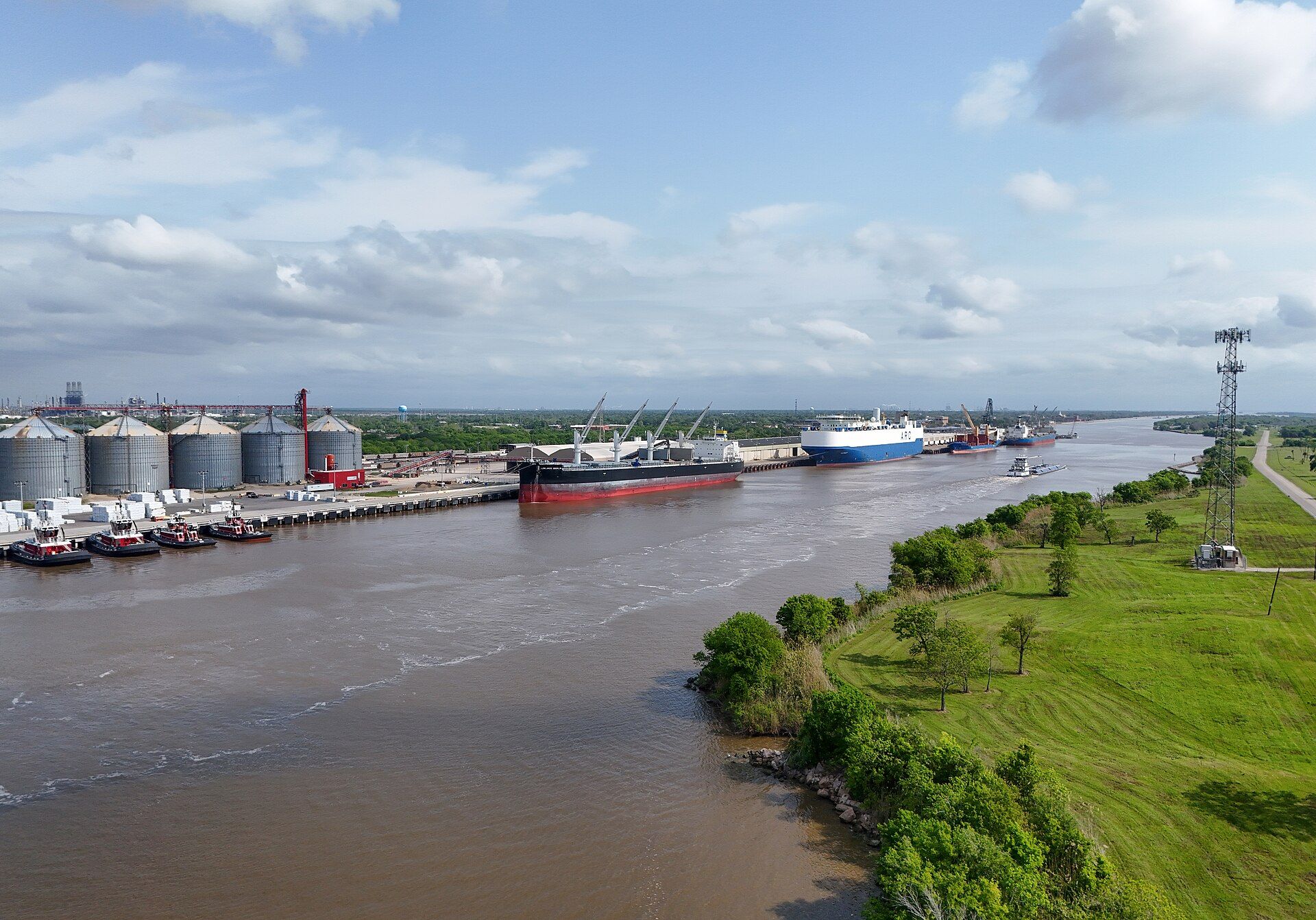
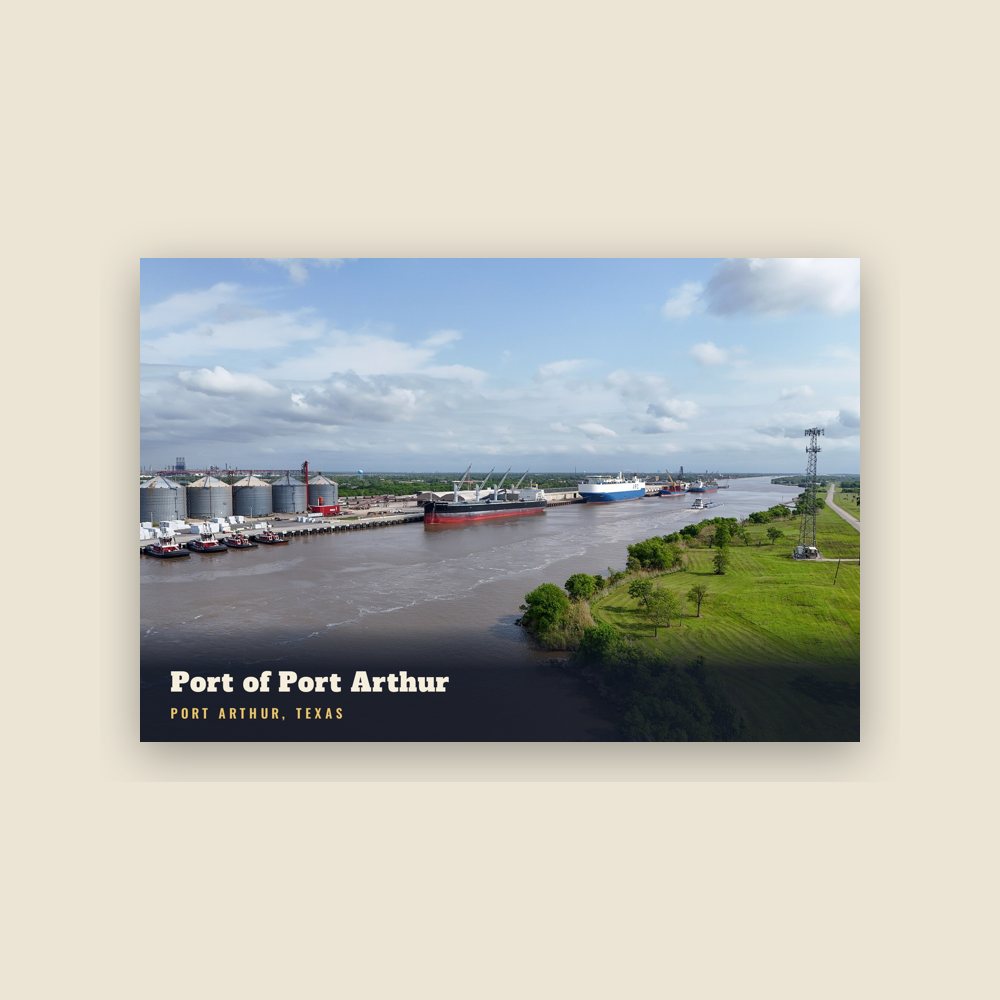
Pleasure Island now separates the city from the Gulf Intracoastal Waterway. The 18.5-mile (29.8 km) man-made island was created between 1899 and 1908 by the Corps of Engineers to support development of the port.
Arthur Stilwell founded the Port Arthur Channel and Dock Company to manage the port facilities. The port officially opened with the arrival of the British steamer Saint Oswald in 1899.
When oil was discovered at Spindletop, the J.M. Guffey Petroleum Company, later Gulf Oil, had run pipelines to Port Arthur as a shipping point and a location for an oil refinery. In November 1901, the first tanker, the Cardium, departed with Spindletop oil. The refinery was enlarged in 1902, and a pipeline connected to the Glenn Pool Oil Reserve in Oklahoma. The Texas Company, later Texaco, also started building a refinery in 1902. By 1916, the Port Arthur refinery was one of the three largest in the United States.
In 1977, a slate of four candidates (McElroy, Benjamin, Linden, and Strawder) challenged four city council members, including Mayor Bernis Sadler. The "torrid" election led to the voting rights decision in the landmark case of the City of Port Arthur v. United States.
In 2015, the city council proposed an ordinance to declare Port Arthur a "film-friendly city". In October 2021, Governor Abbott announced that the city had officially been declared a "film-friendly city" by the Texas Film Commission.
On December 28, 2024, a large and intense tornado, which was a part of a large and significant tornado outbreak caused significant damage in the city, resulting in one injury.
Adapted (trimmed) from the Wikipedia article Port Arthur, Texas, revision 1384517025 by its contributors, licensed CC BY-SA 4.0.










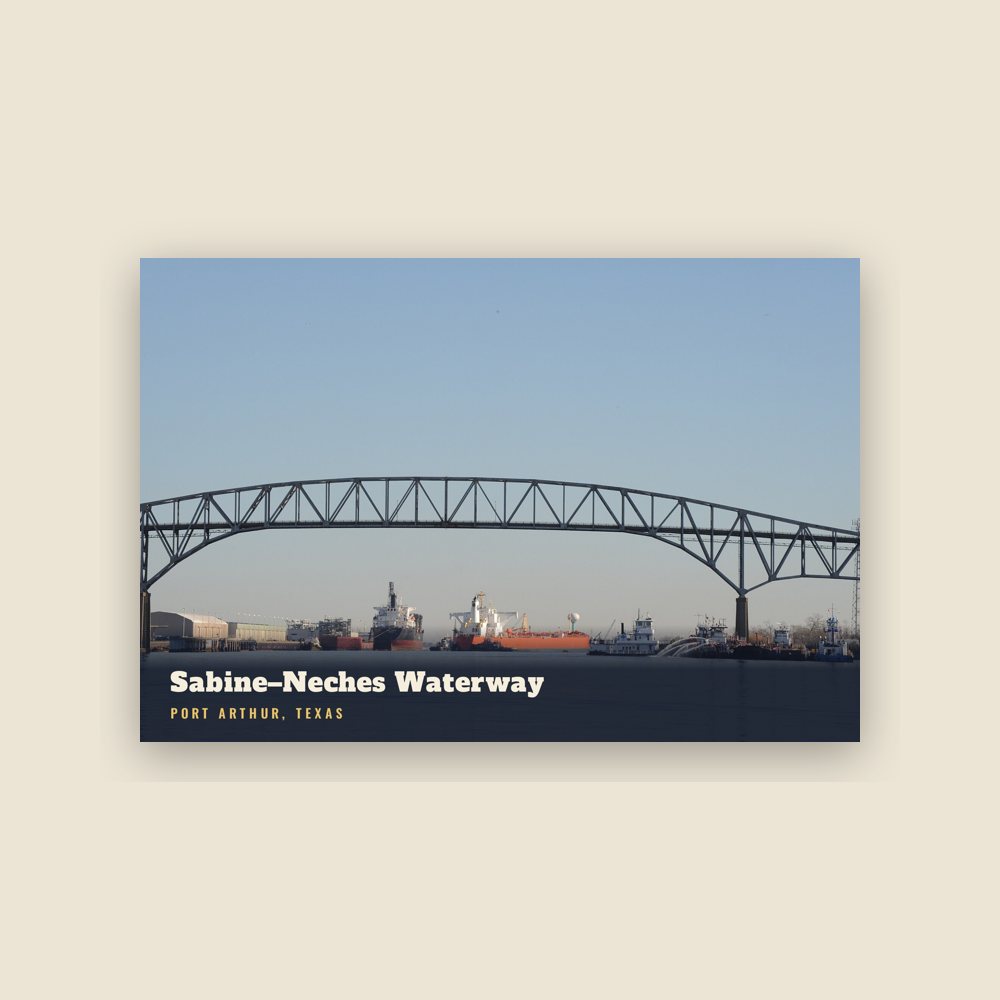
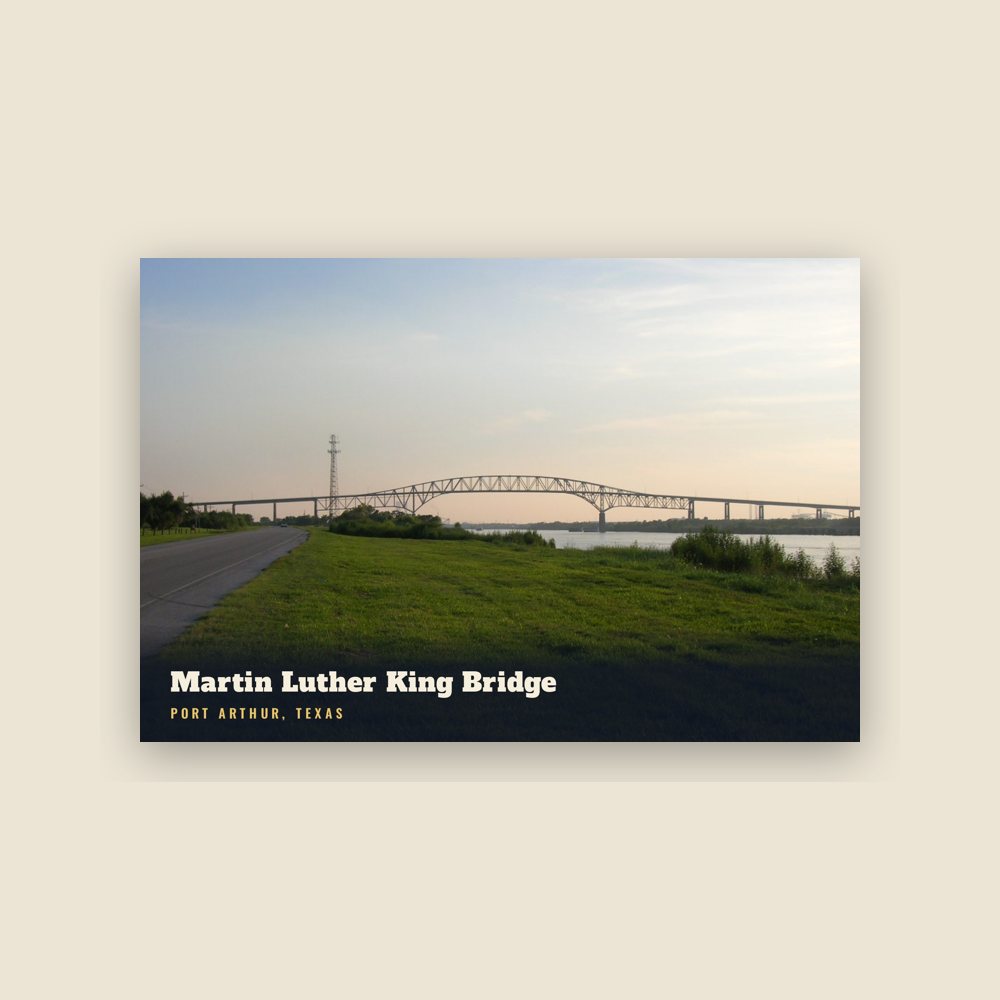
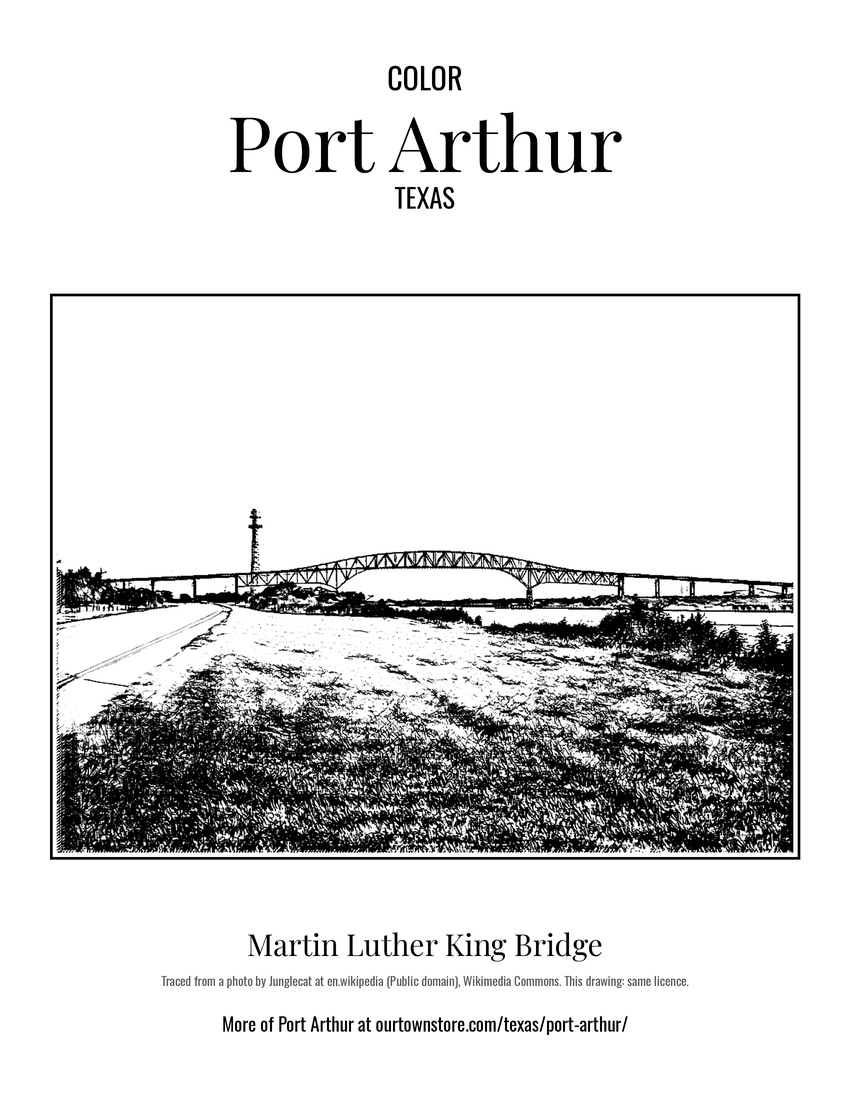 Martin Luther King Bridge
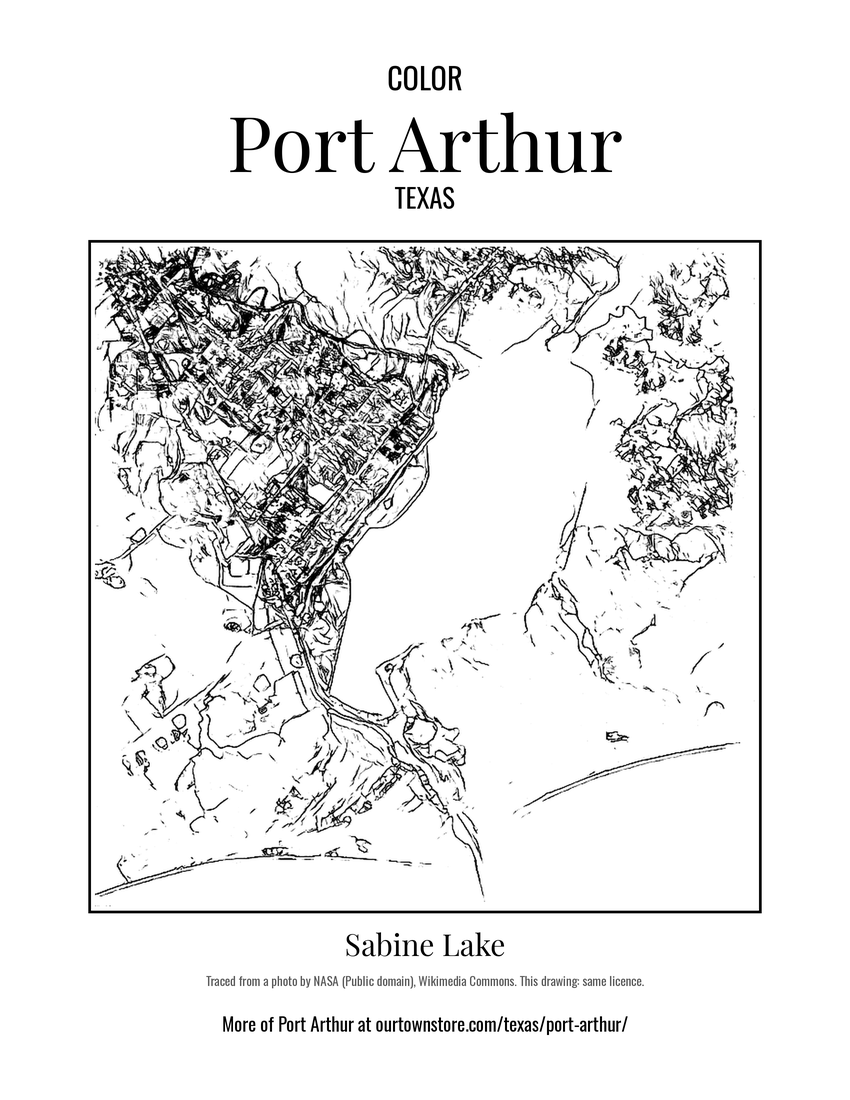 Sabine Lake
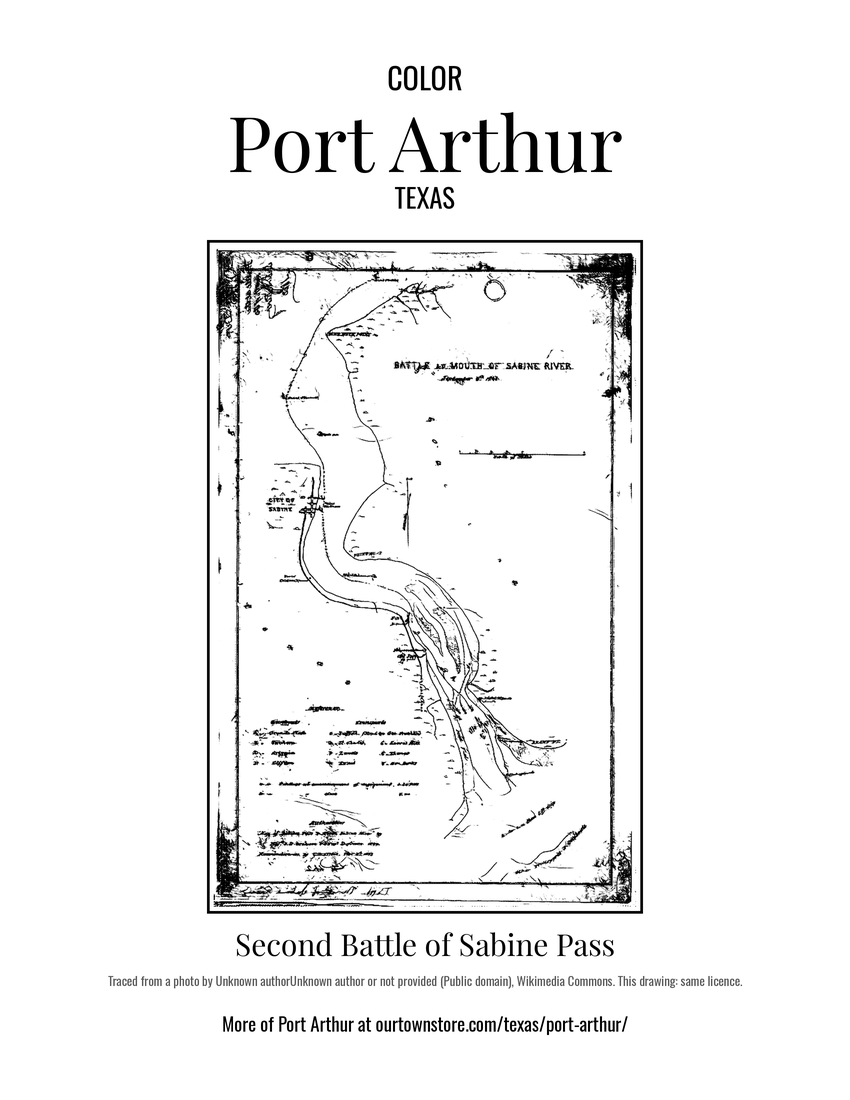 Second Battle of Sabine Pass
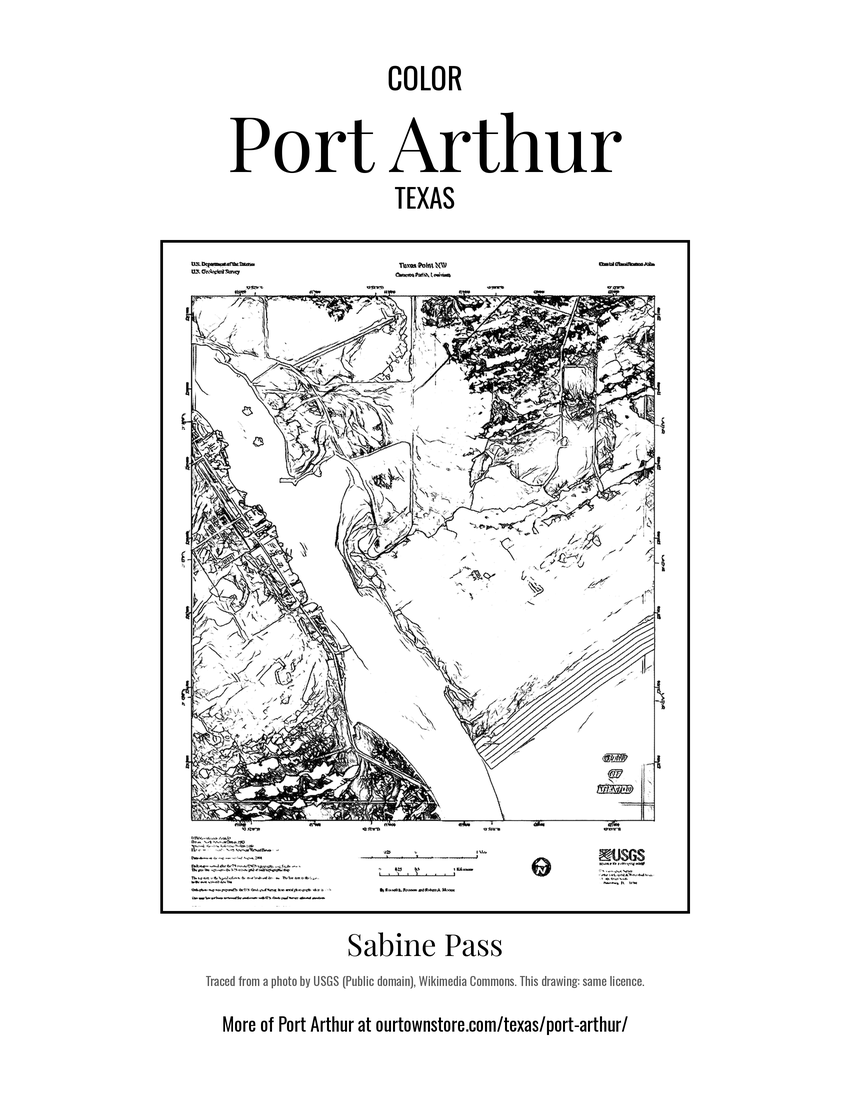 Sabine Pass