A short history of Pearland
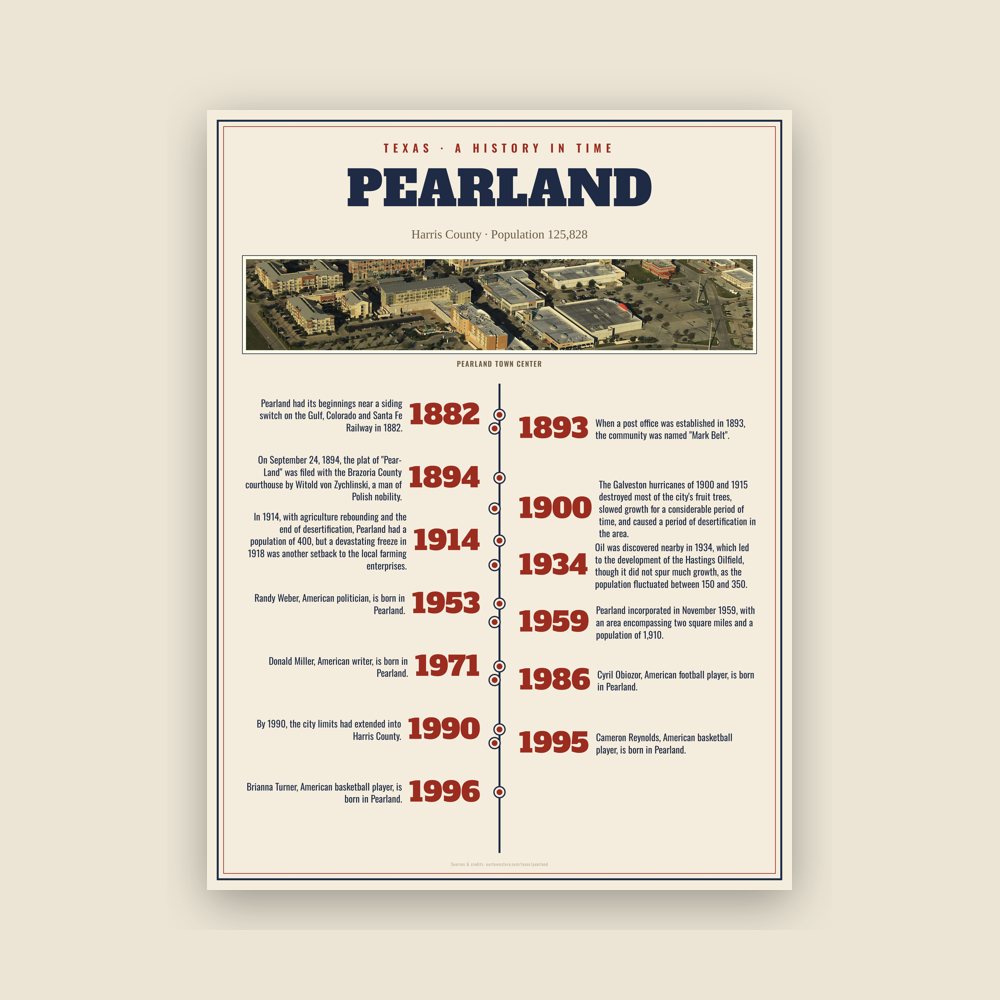
Pearland had its beginnings near a siding switch on the Gulf, Colorado and Santa Fe Railway in 1882. When a post office was established in 1893, the community was named "Mark Belt". On September 24, 1894, the plat of "Pear-Land" was filed with the Brazoria County courthouse by Witold von Zychlinski, a man of Polish nobility. At the time, Pearland had many fruits harvested by residents. Zychlinski saw the pear trees and decided that "Pearland" would make a good name for the community.
In the 1800s, Pearland consisted of prairie. Residents harvested fruit and vegetables such as cantaloupes, corn, figs, pears, and watermelons. Pearland was promoted by developers Allison and Richey Land Company as an "agricultural Eden". The first subdivision was called "Suburban Gardens".
The Galveston hurricanes of 1900 and 1915 destroyed most of the city's fruit trees, slowed growth for a considerable period of time, and caused a period of desertification in the area. In 1914, with agriculture rebounding and the end of desertification, Pearland had a population of 400, but a devastating freeze in 1918 was another setback to the local farming enterprises. Oil was discovered nearby in 1934, which led to the development of the Hastings Oilfield, though it did not spur much growth, as the population fluctuated between 150 and 350. In the 1930s and 1940s, Pearland had many dance halls and beer joints that entertained people from the Hastings and Manvel oil fields.
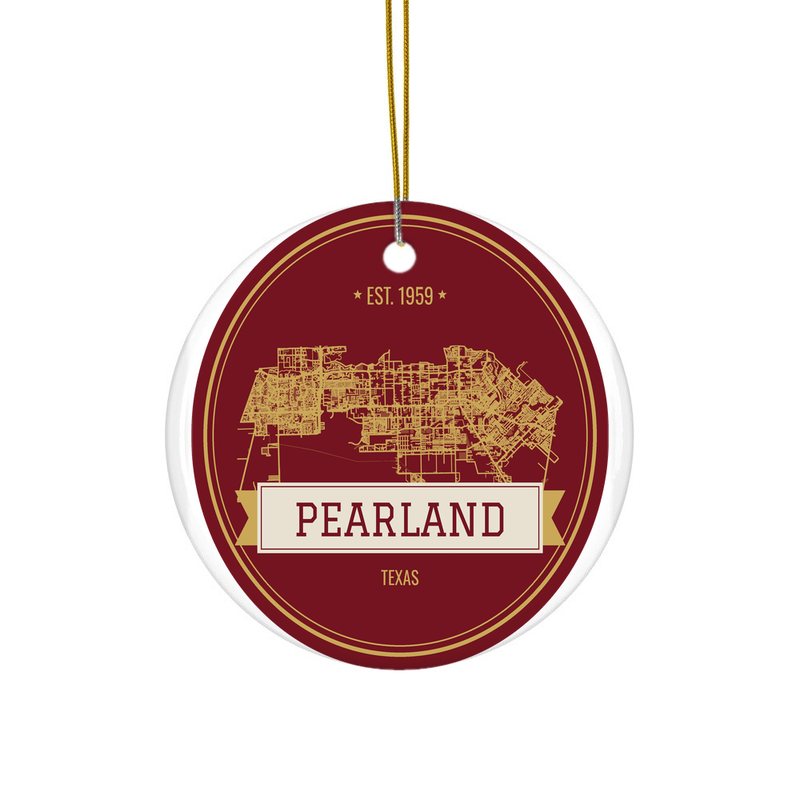
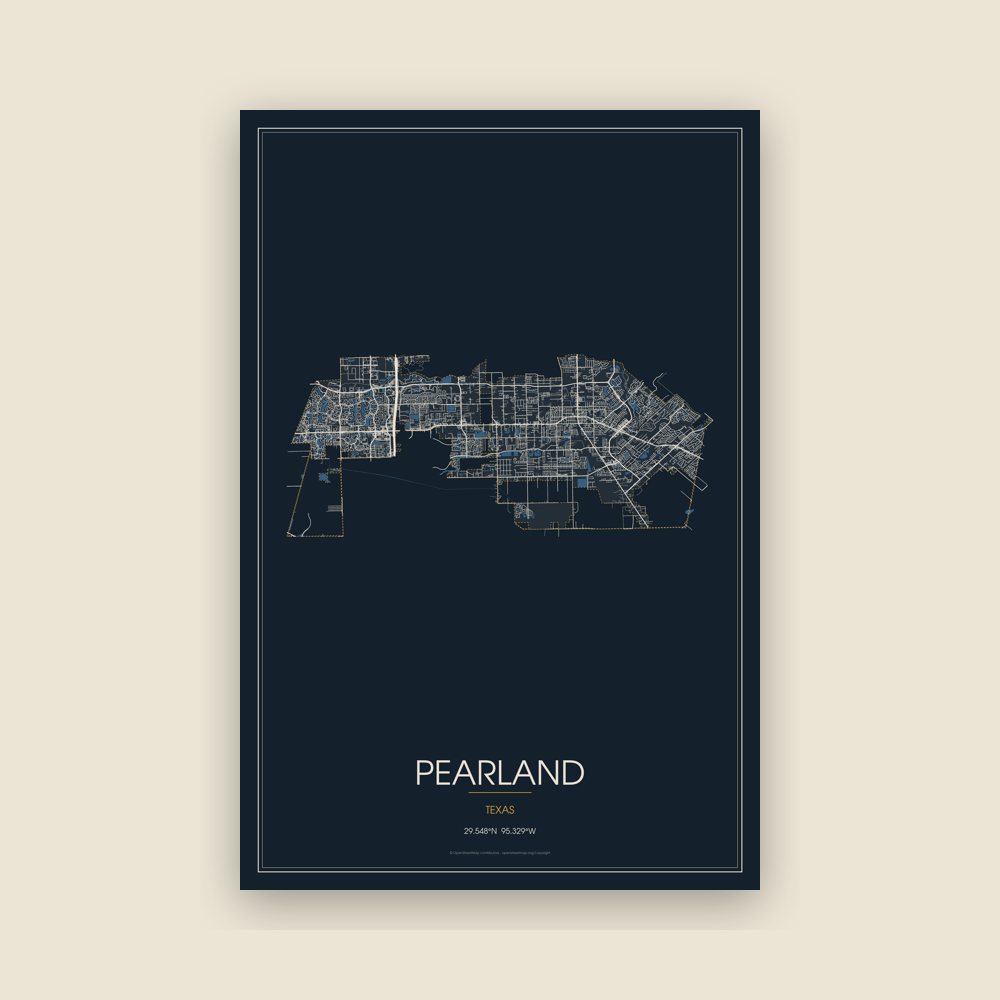
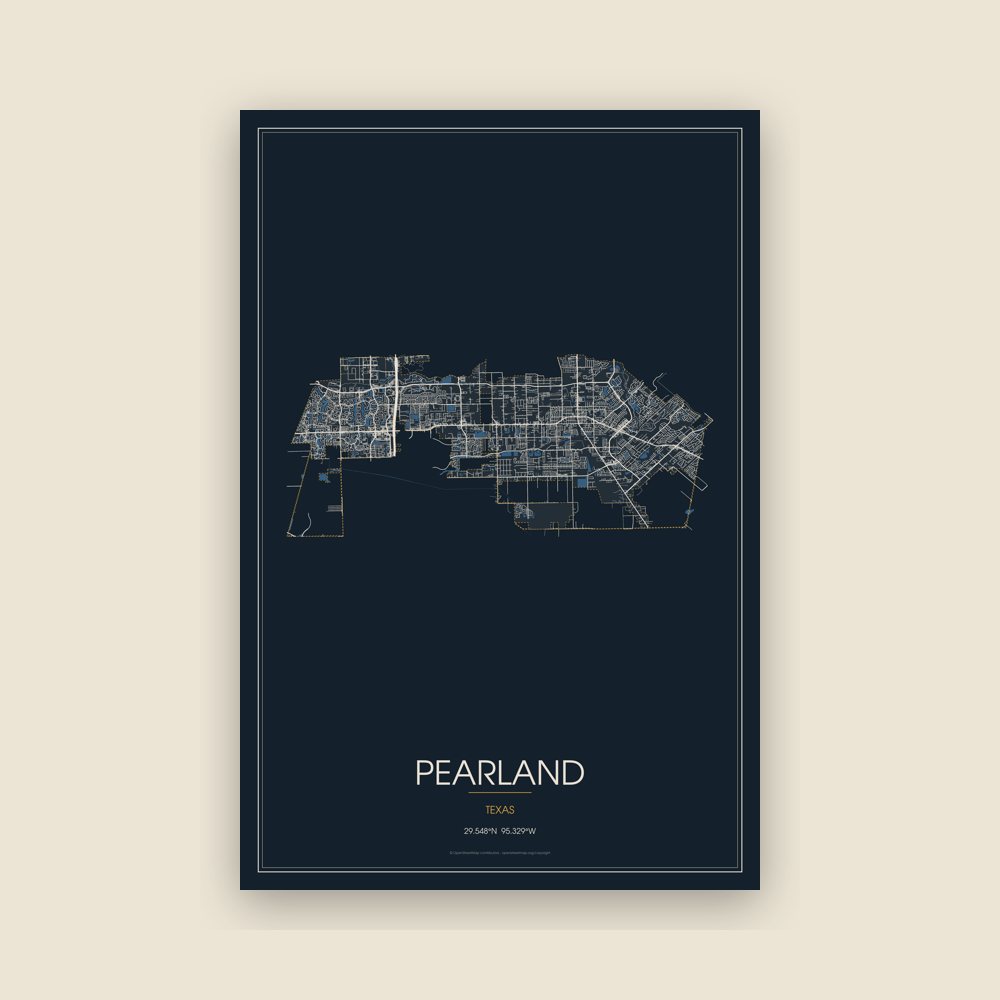
Pearland incorporated in November 1959, with an area encompassing two square miles and a population of 1,910. In 1960, amidst a frenzy of cities incorporating or protecting large swathes of land in Brazoria County, Pearland annexed a 100 foot wide strip that encircled 60 square miles and extended westward to the Fort Bend County line to protect the area from annexation by Houston.
From the 1970s, the town has grown to its present-day population. By 1990, the city limits had extended into Harris County. In the 1990s, home developers began buying large tracts of land, changing the geography of the city. Former rice fields were filled with houses. The historic town center of Pearland is at the intersection of Texas State Highway 35/Main and Broadway. West Pearland has a lot of suburban development, while East Pearland has older houses, and according to Maggie Galehouse of the Houston Chronicle, Pearland's "rural roots still show" in the east side. Pearland's main east–west corridor is Farm to Market Road 518/Broadway.
Adapted (trimmed) from the Wikipedia article Pearland, Texas, revision 1383035930 by its contributors, licensed CC BY-SA 4.0.
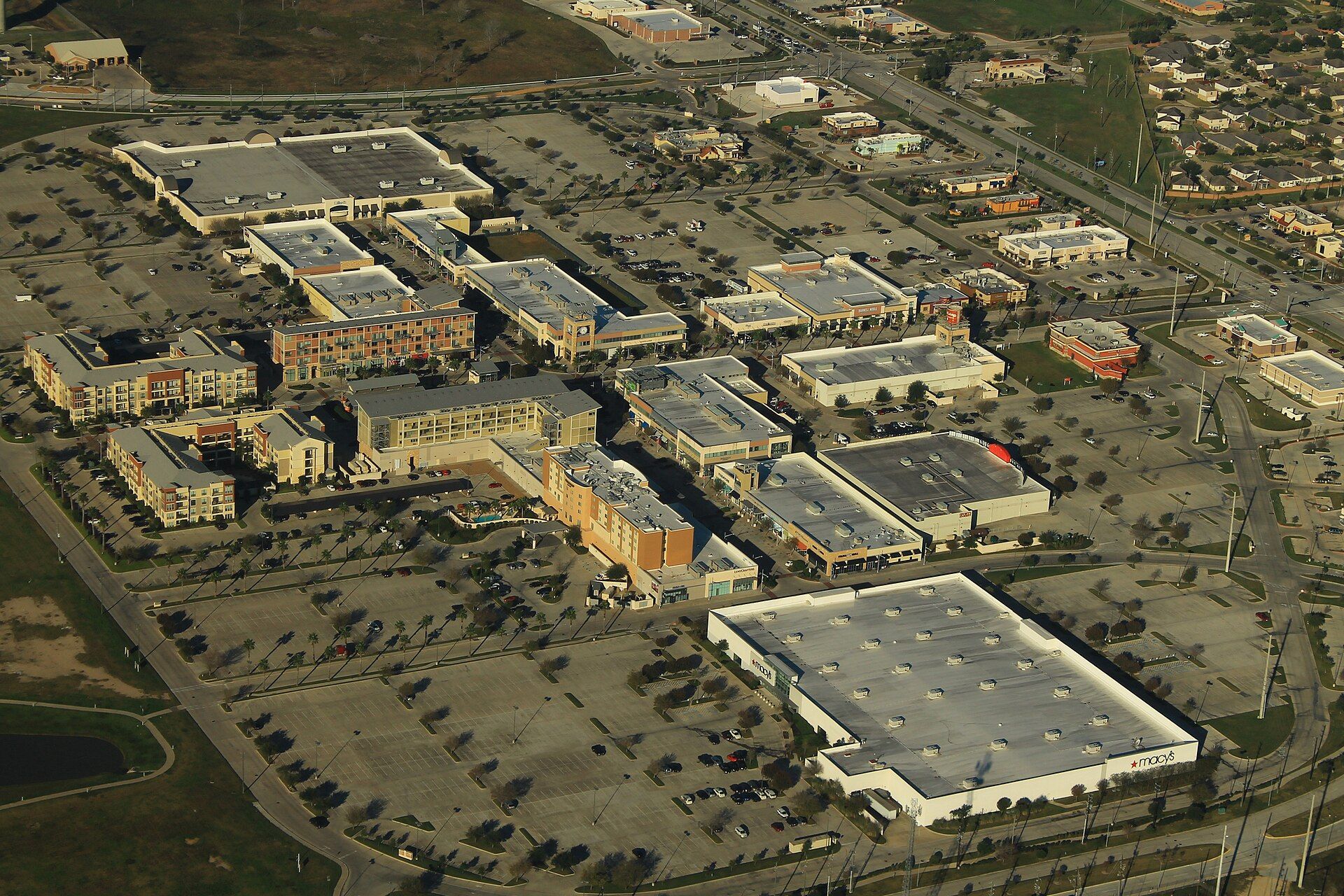
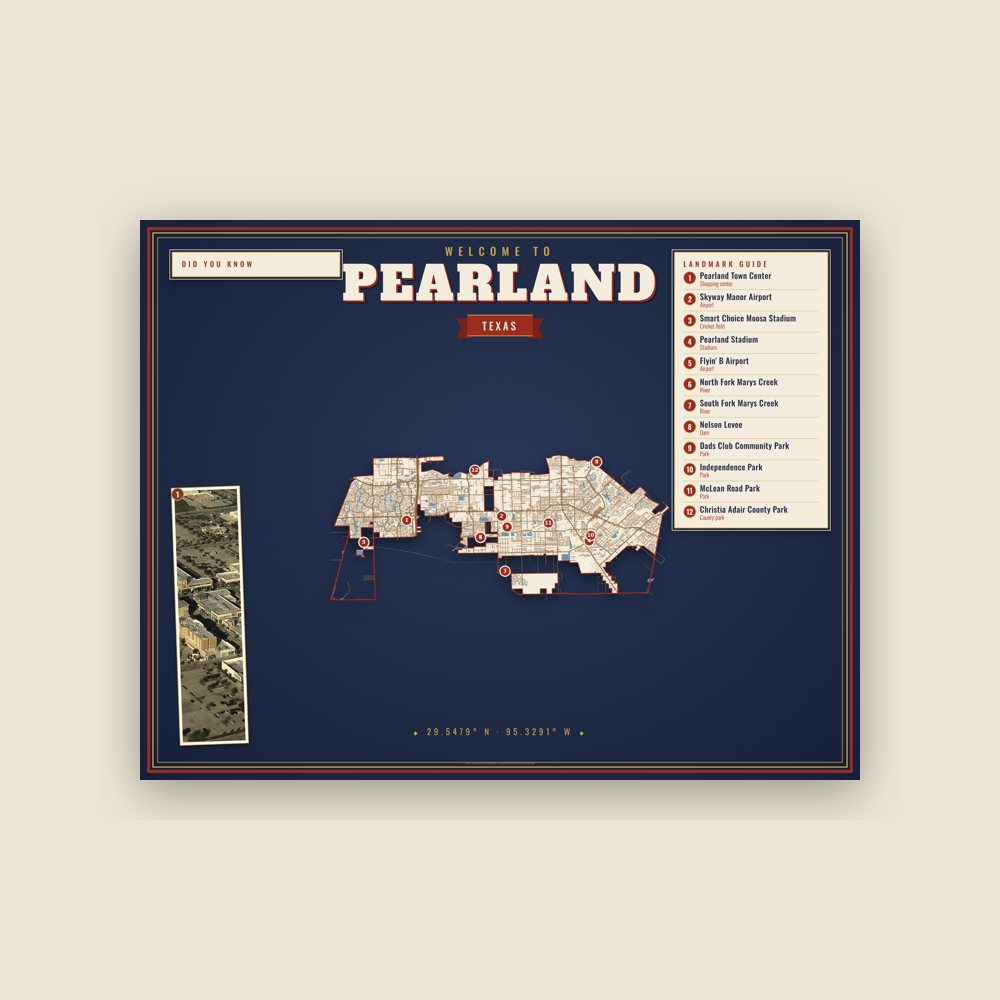






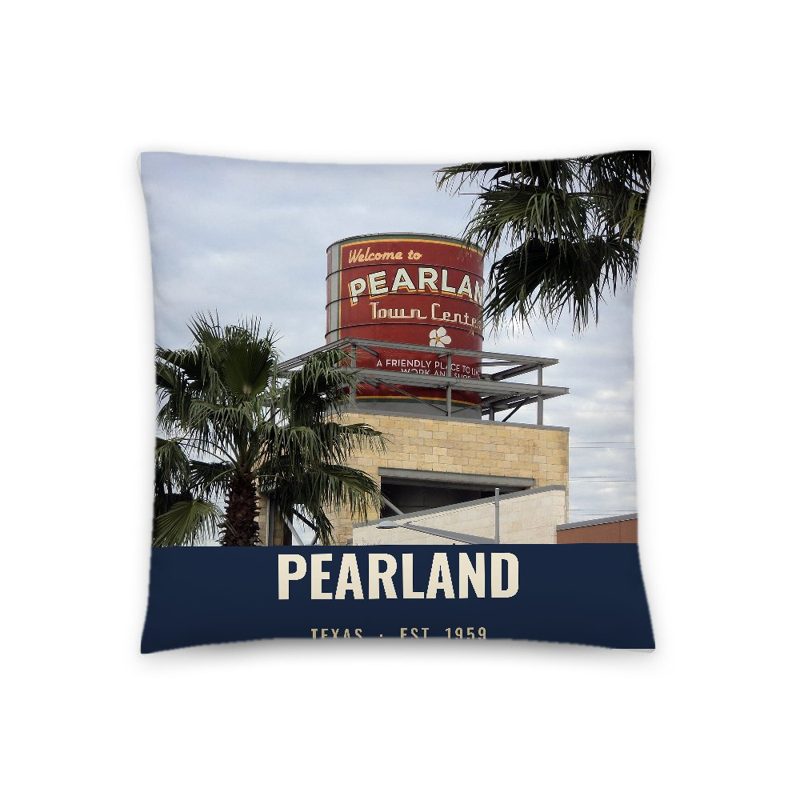

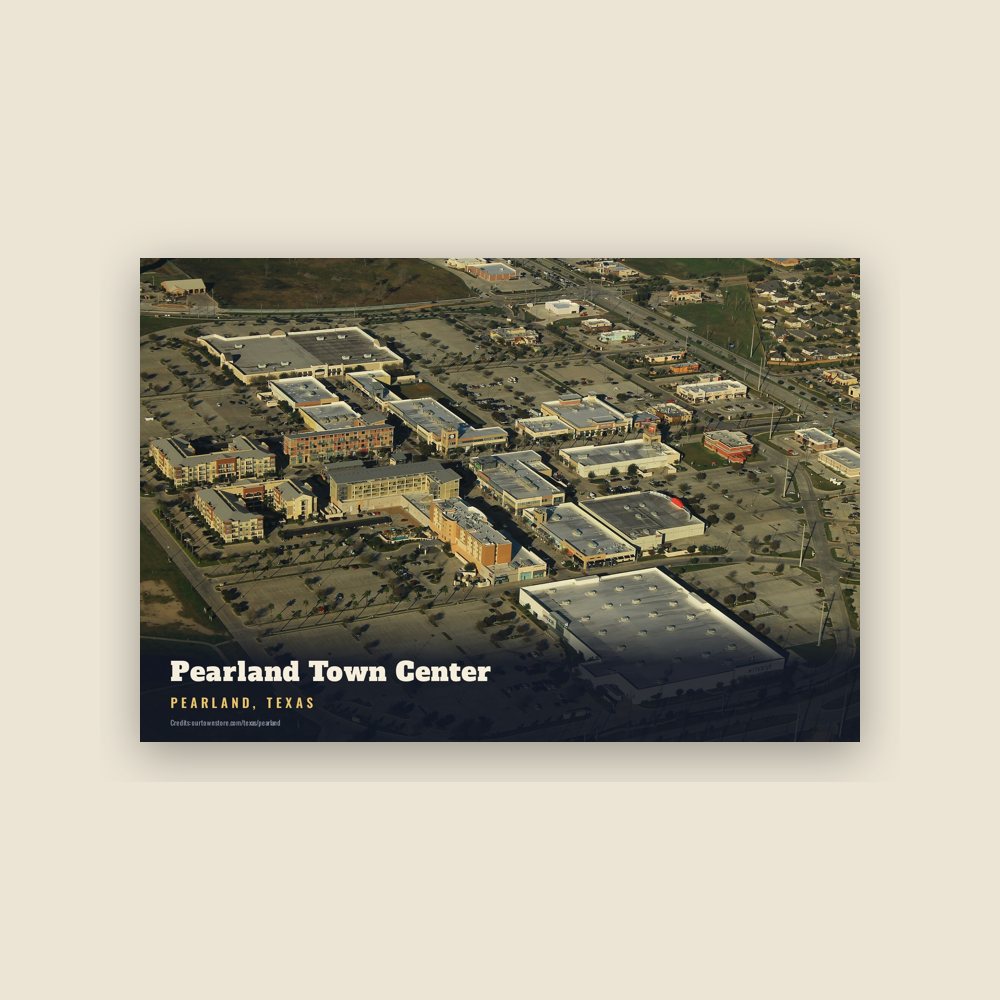
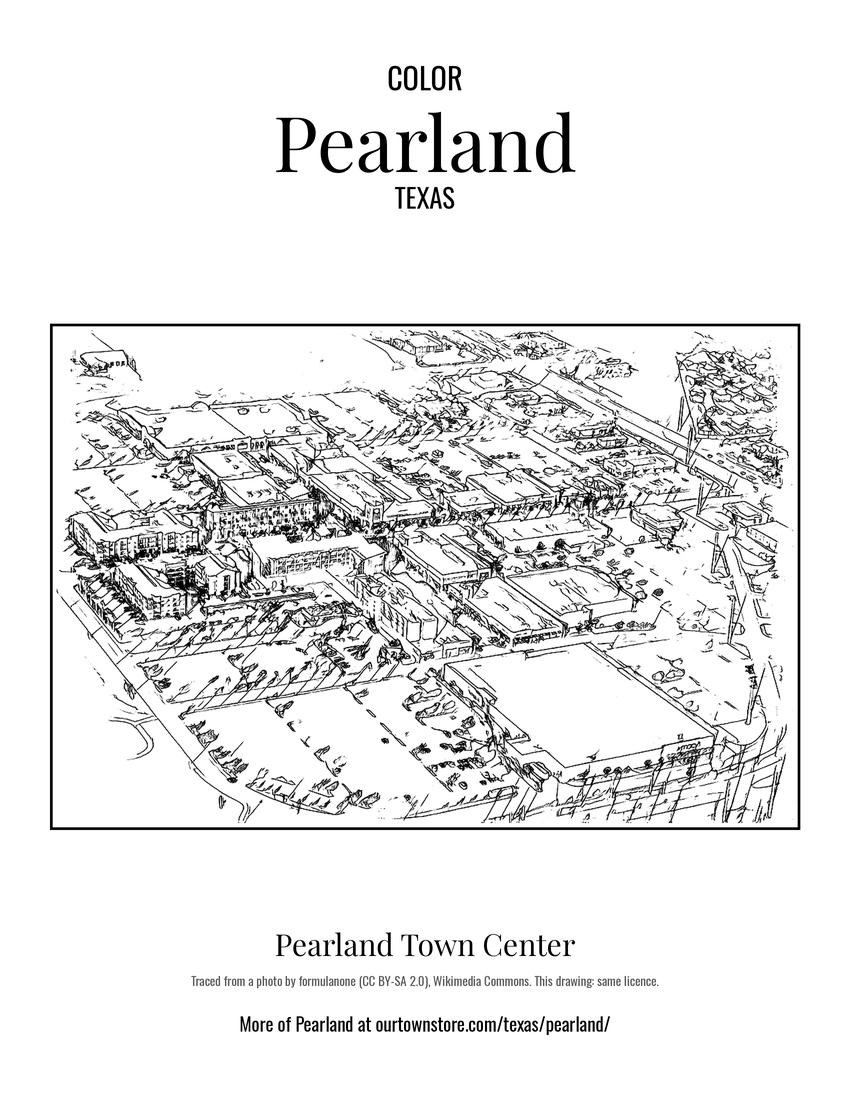 Pearland Town Center
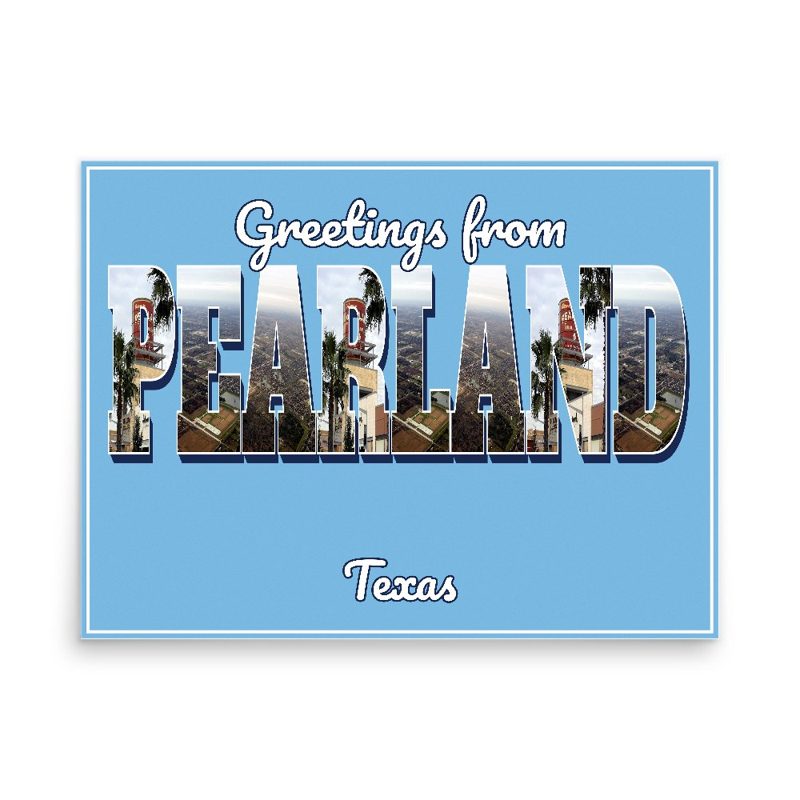
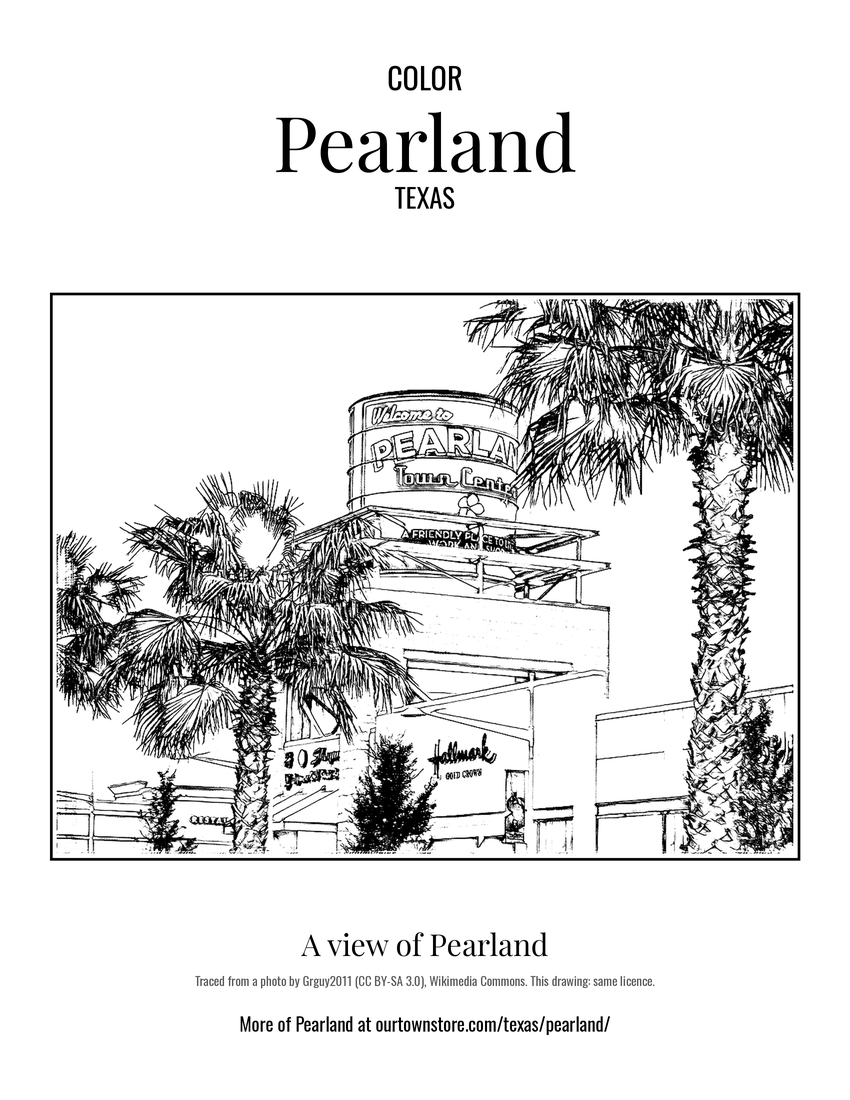 A view of Pearland
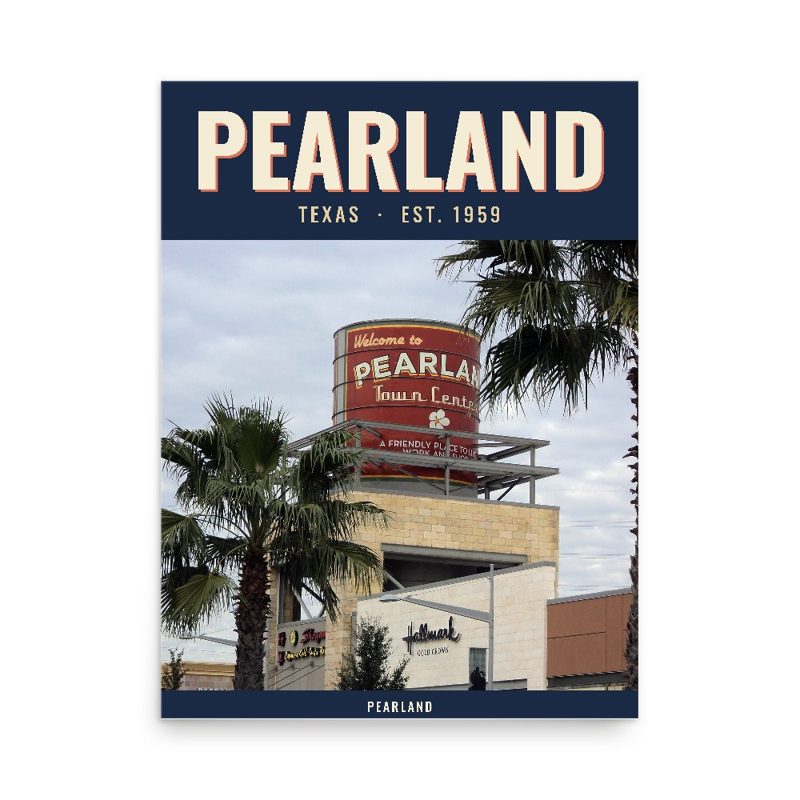
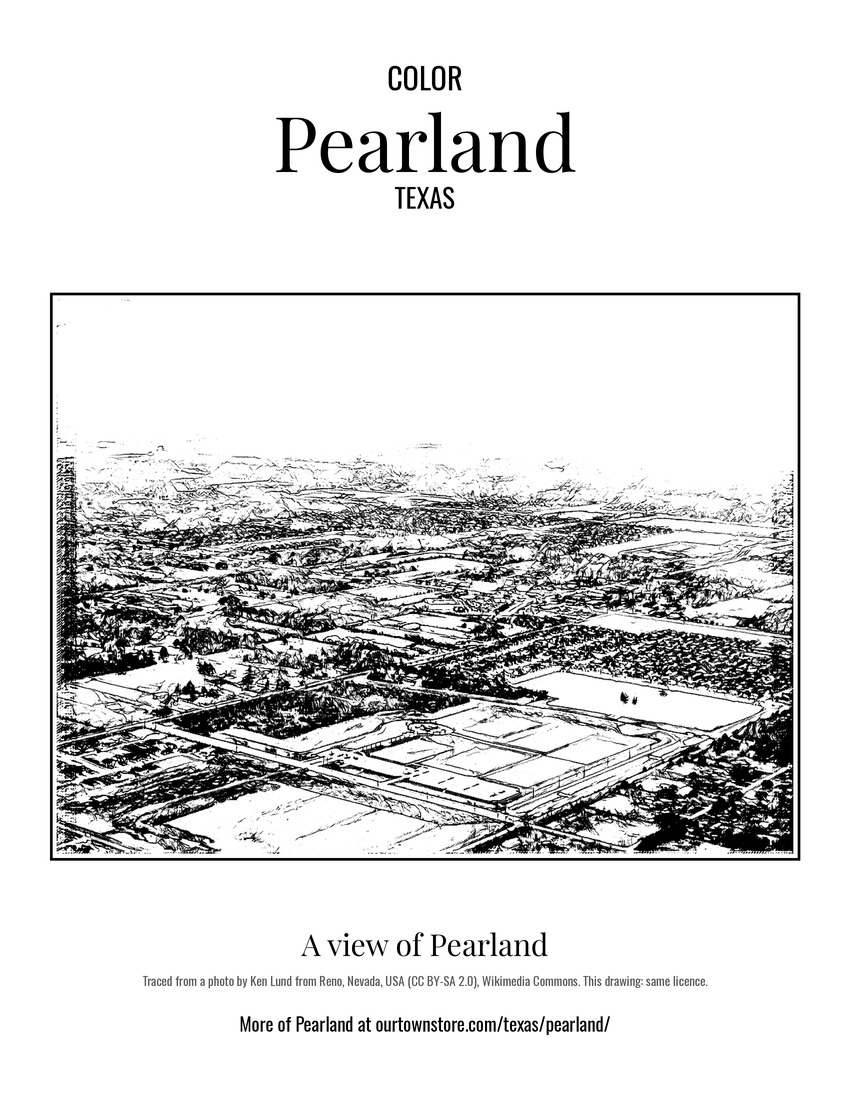 A view of Pearland
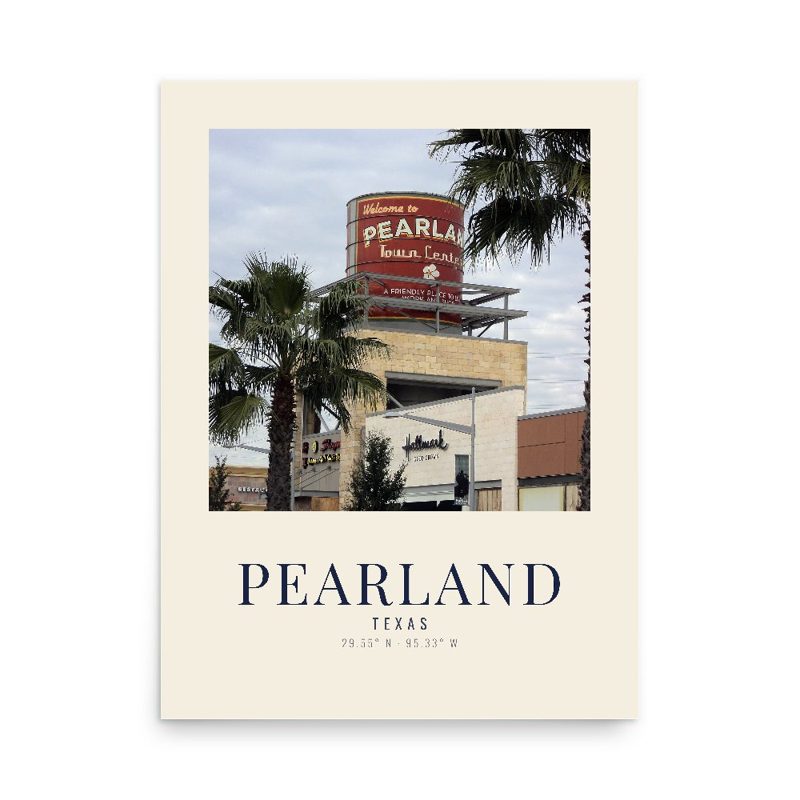
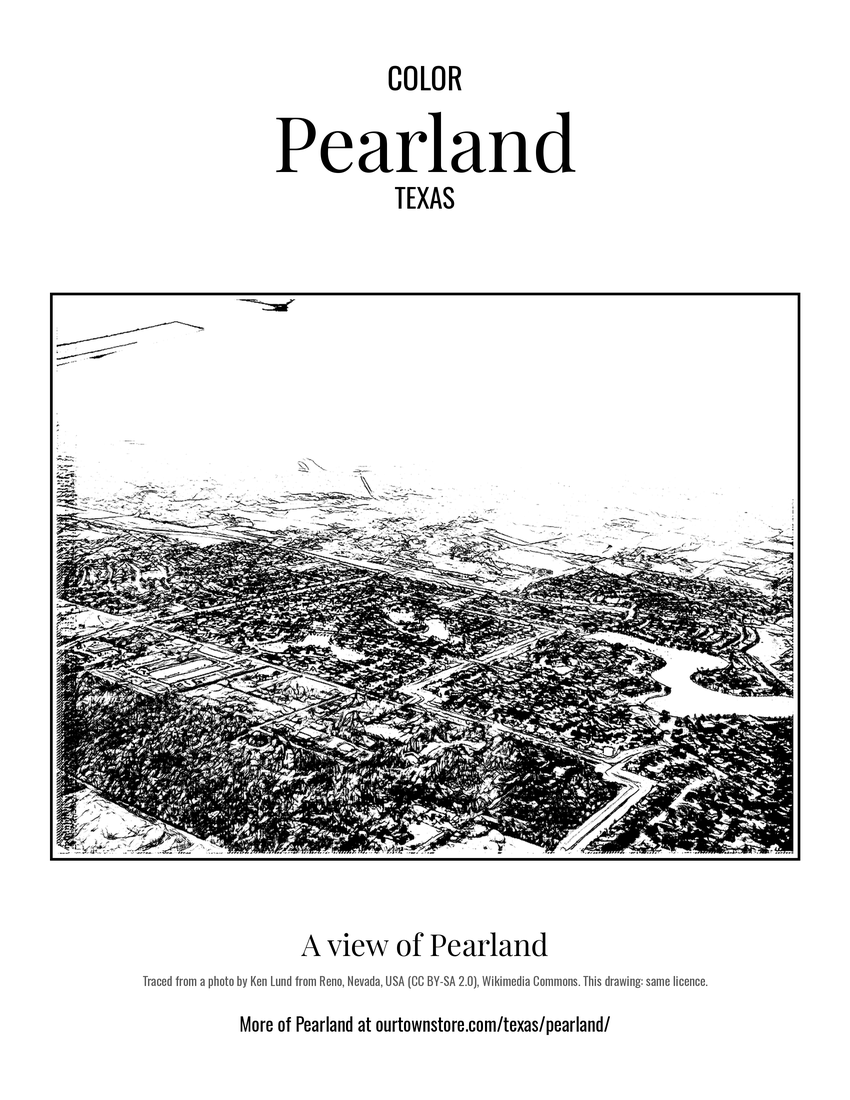 A view of Pearland