A short history of Navasota
The French explorer René-Robert Cavelier, Sieur de La Salle, who was misguided in his 1687 attempt to locate the Mississippi River and trying to find his way back to French-held lands near the Great Lakes, came through the area that would become Navasota, where he was murdered by one of his men. After numerous voyages, explorations of the Mississippi River valley, and trading ventures and several mutinies, La Salle's bones are believed to have found their resting place in the Navasota Valley.
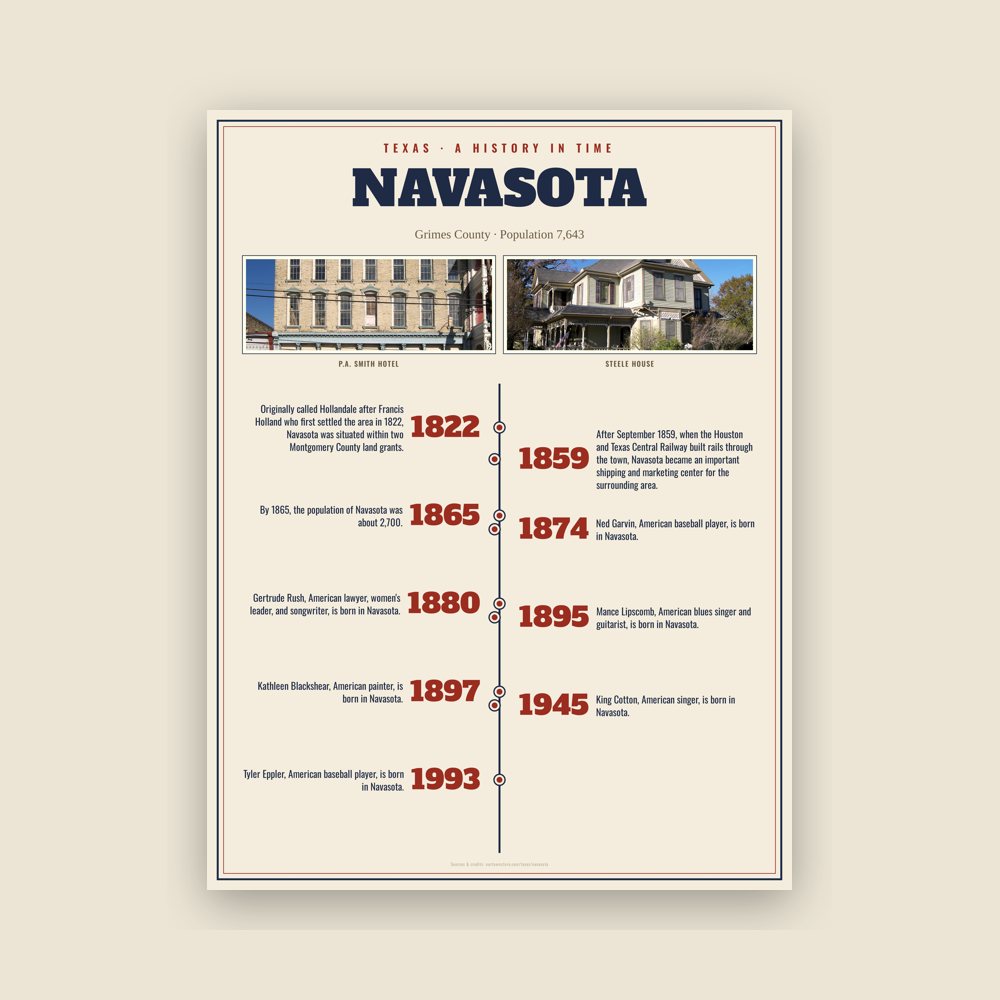
Originally called Hollandale after Francis Holland who first settled the area in 1822, Navasota was situated within two Montgomery County land grants. Grimes County was created in 1846 but it would take the forward thinking of James Nolan and others like him before it would renamed Navasota in 1854. The origin of the name Navasota has been debated by many over the years. Some speculate it's a native American phrase meaning "prickly pear" while others lean toward "muddy waters," referring to the nearby Navasota and Brazos Rivers.
After September 1859, when the Houston and Texas Central Railway built rails through the town, Navasota became an important shipping and marketing center for the surrounding area. When the nearby historic town of Washington-on-the-Brazos resisted railways, it forfeited its geographic advantage and began to decline after many of its businesses and residents began to migrate to the new railhead 7 miles (11 km) to the northeast across the Brazos River at Navasota.
Slavery was integral to the local economy. A few wealthy planters depended on enslaved African Americans to provide labor for their large cotton plantations. The slaves were brought to the city and sold in the domestic slave trade. They worked primarily in the cotton fields, which were a major commodity crop in the area. Guns were made in nearby Anderson. Cotton, gunpowder, and shoes were made, processed, and stored in Anderson for the Confederacy during the American Civil War.
By 1865, the population of Navasota was about 2,700. Throughout the Civil War, all the marketable goods produced in the region were brought to Navasota, which at the time was the furthest inland railhead in Texas. Such goods were shipped south by rail to Galveston, where they could be transported by steamboat along the Texas coast and up the Mississippi River to the war effort or exported to Mexico or overseas to Europe.
Adapted (trimmed) from the Wikipedia article Navasota, Texas, revision 1380149048 by its contributors, licensed CC BY-SA 4.0.
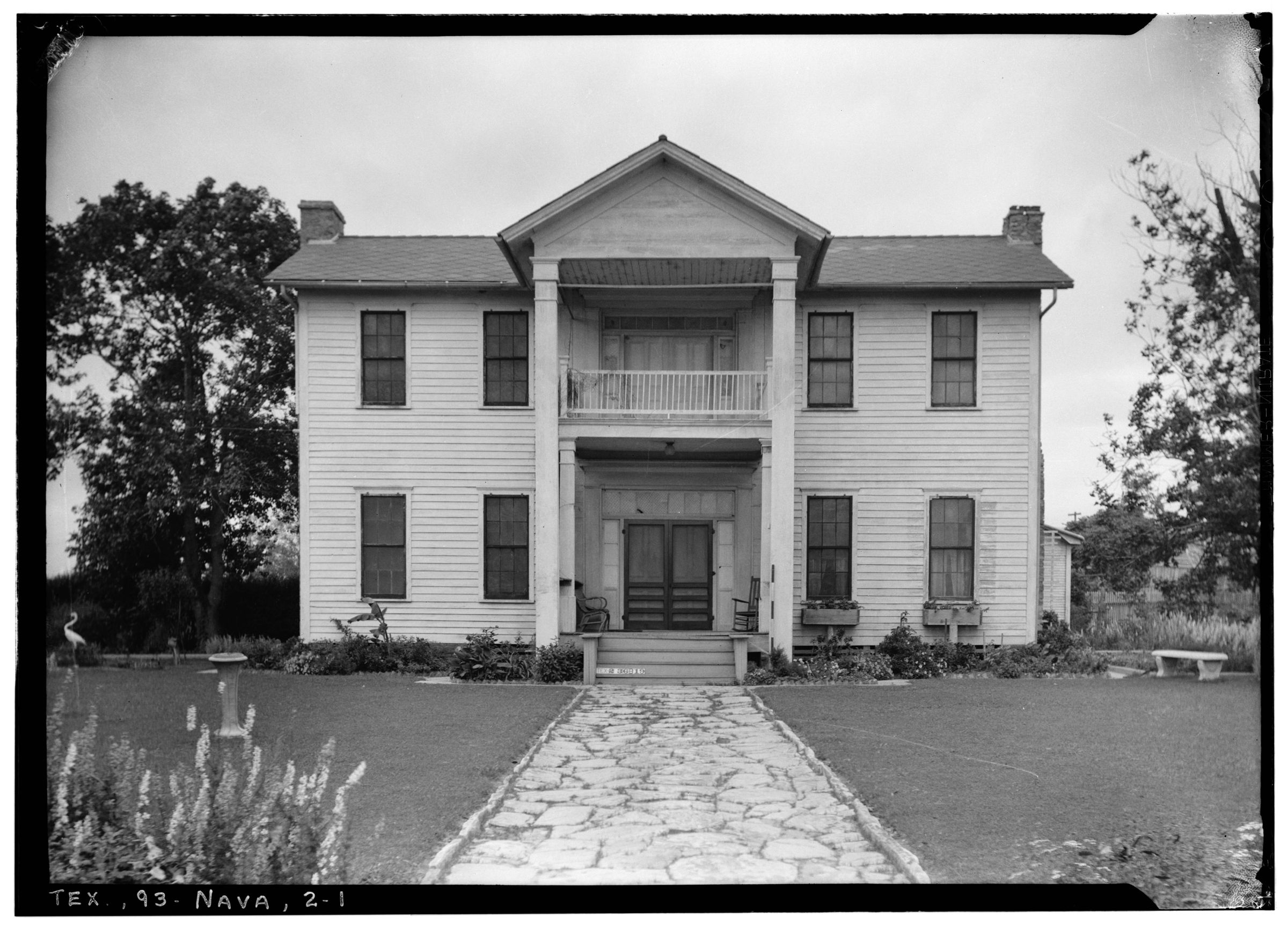
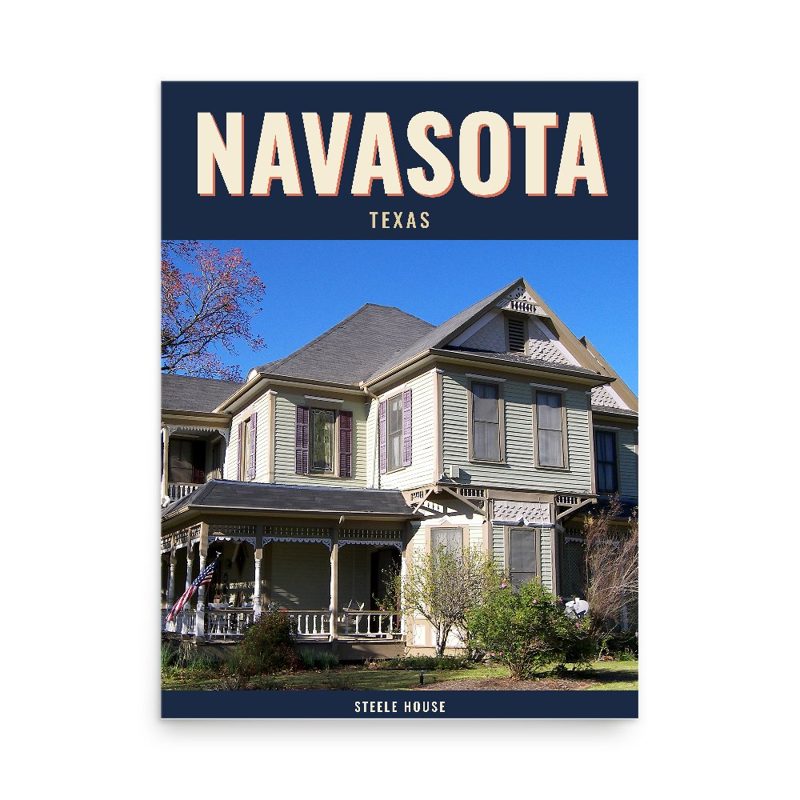
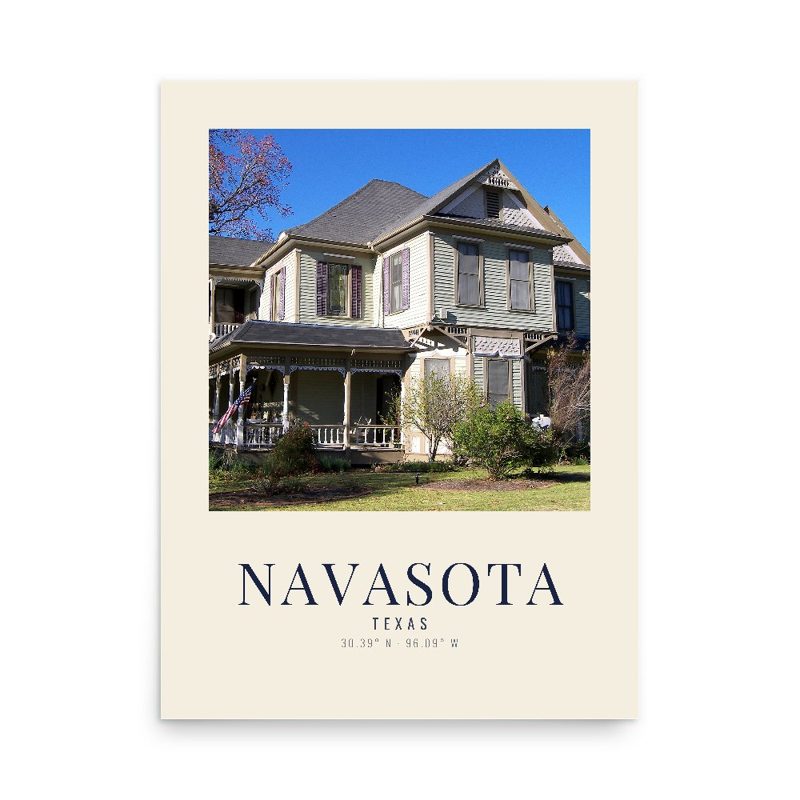
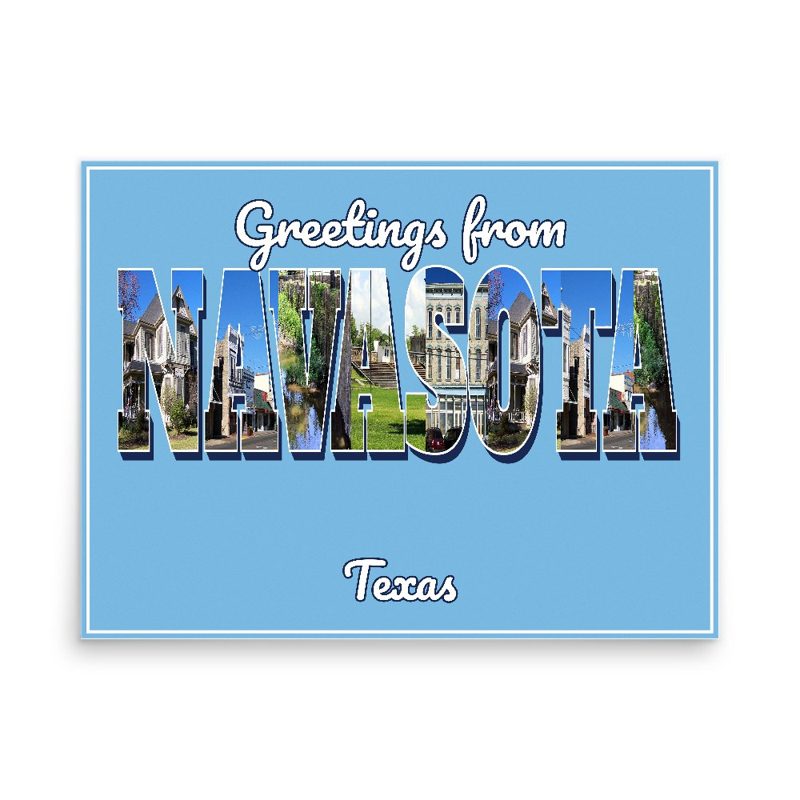
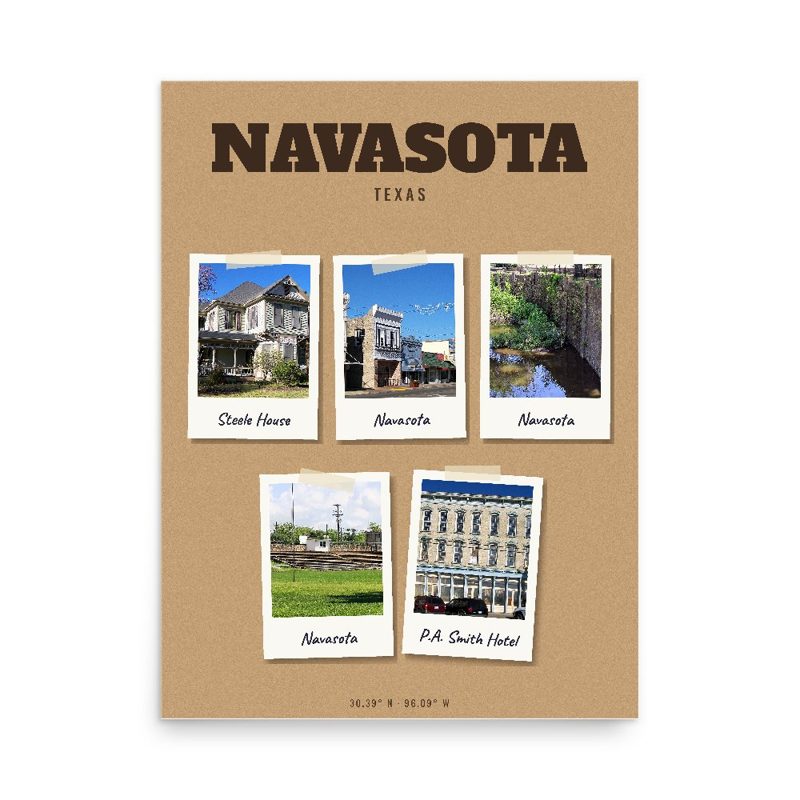
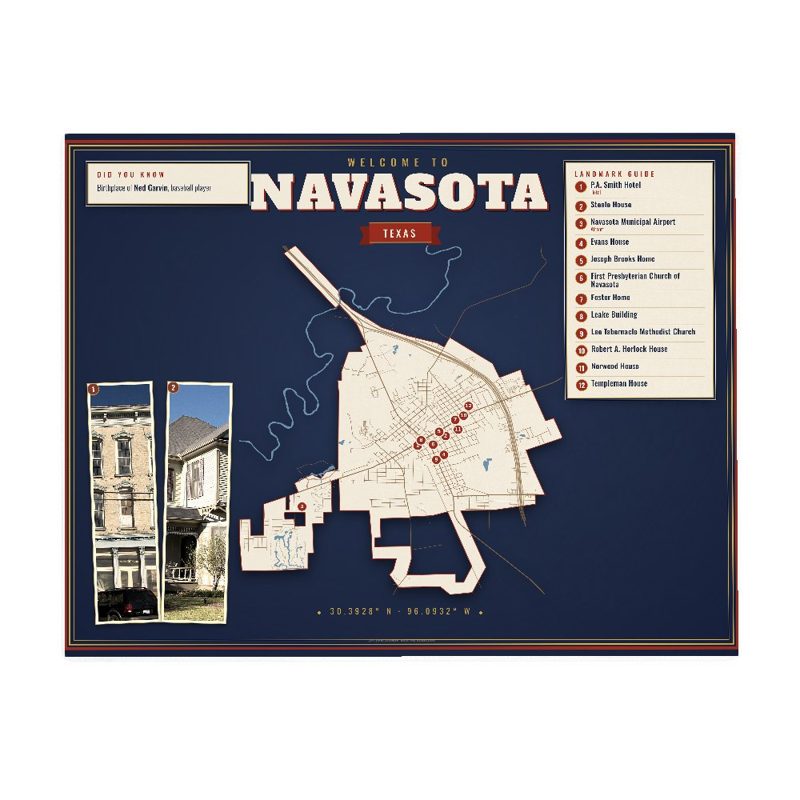



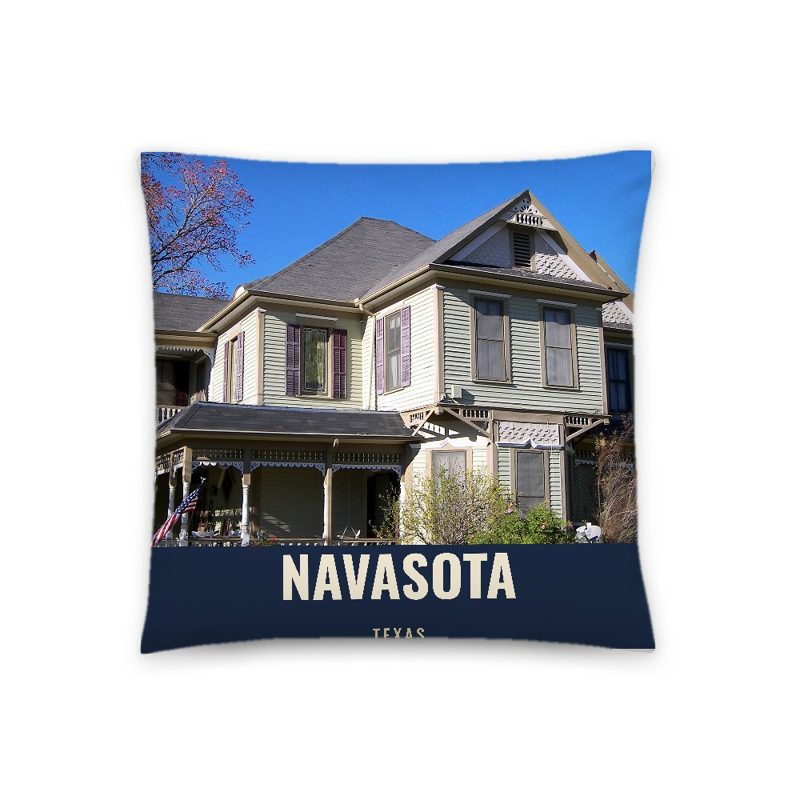


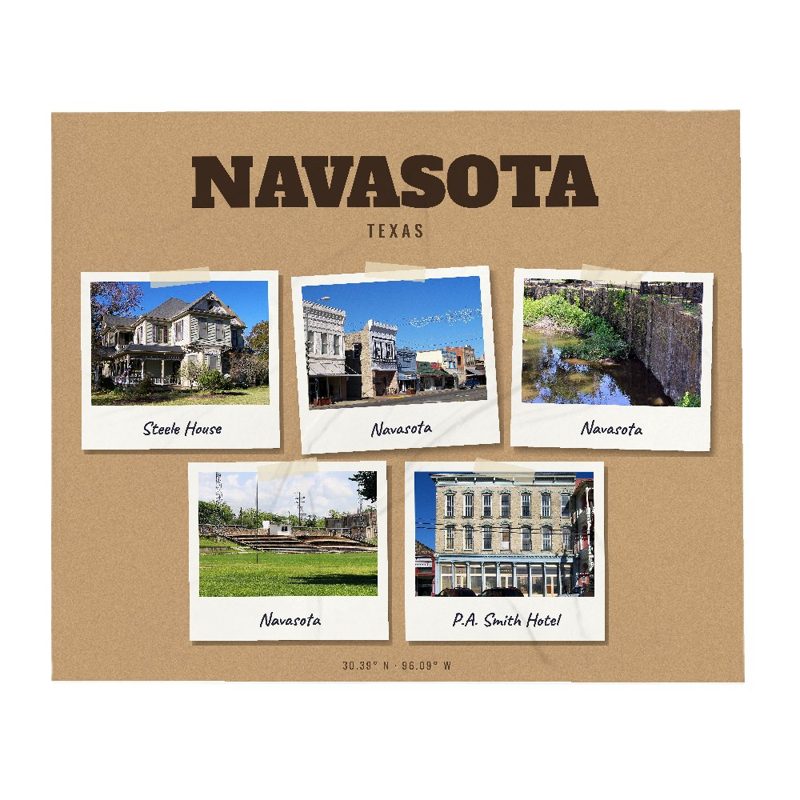
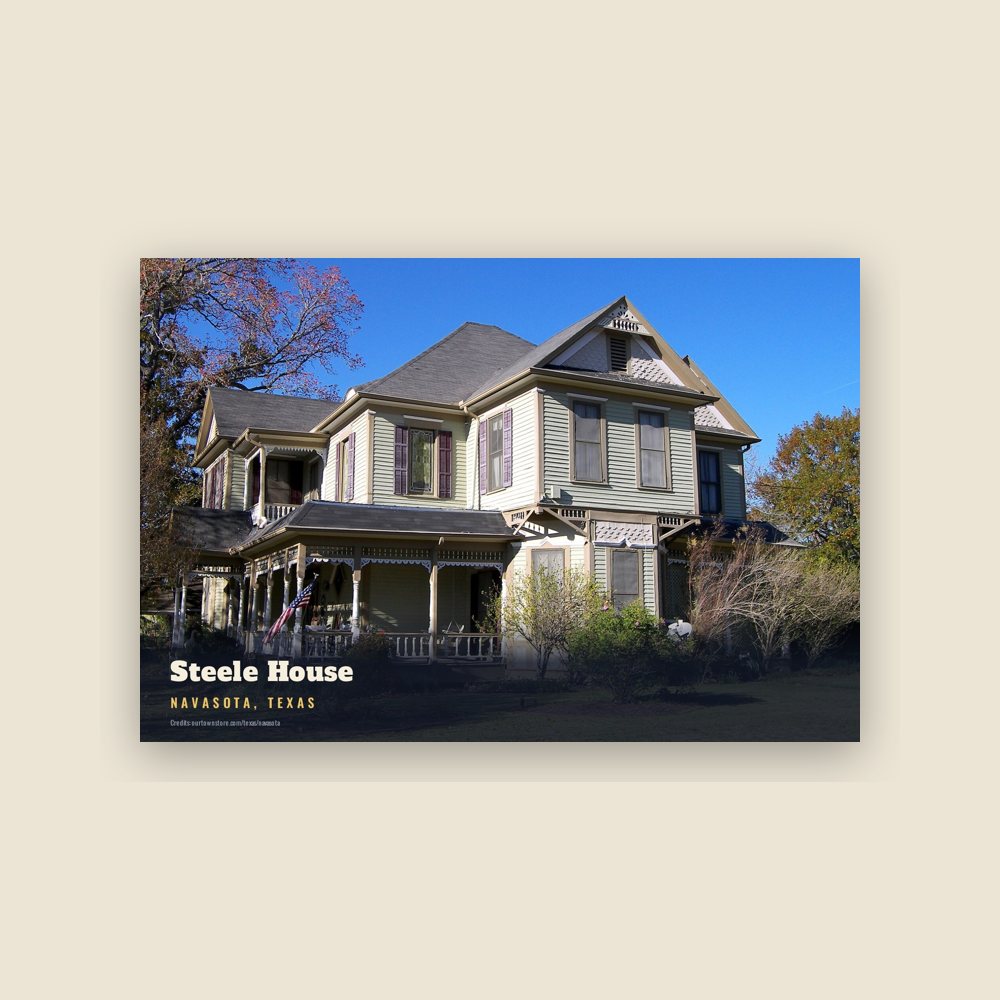
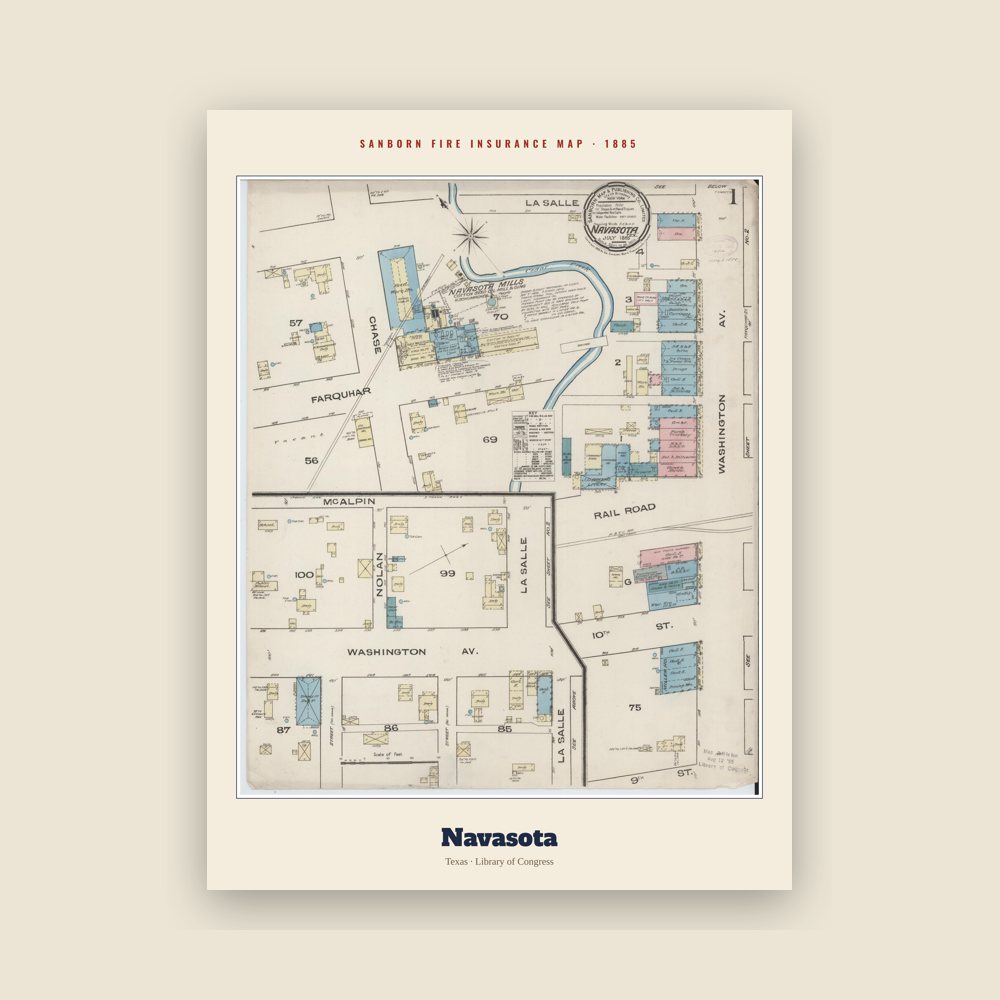
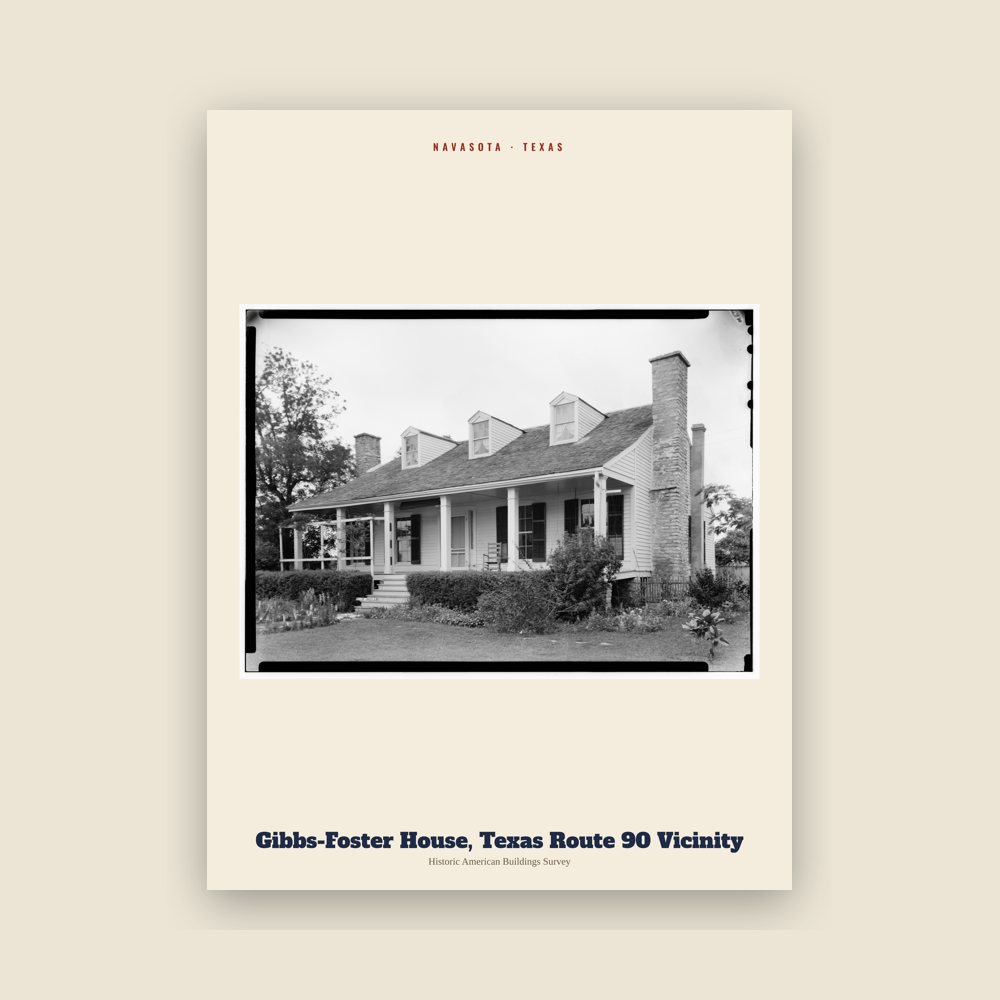
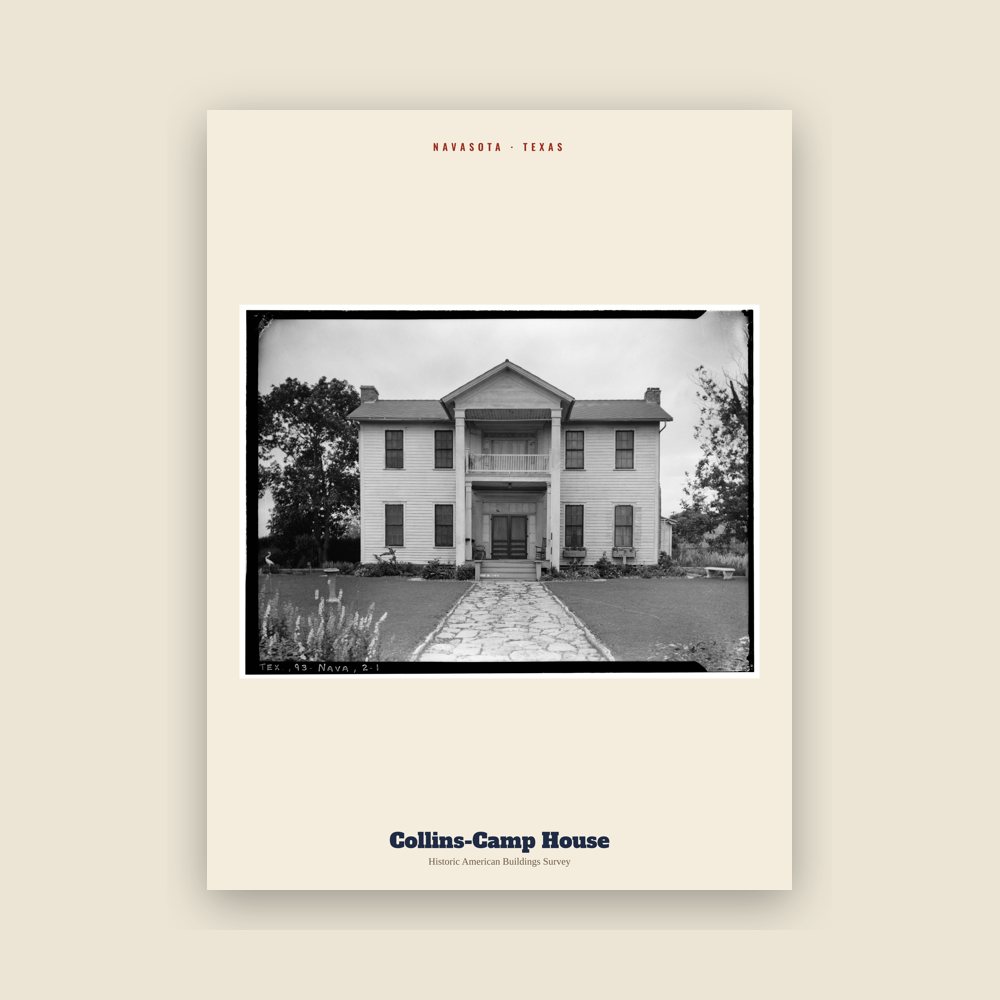
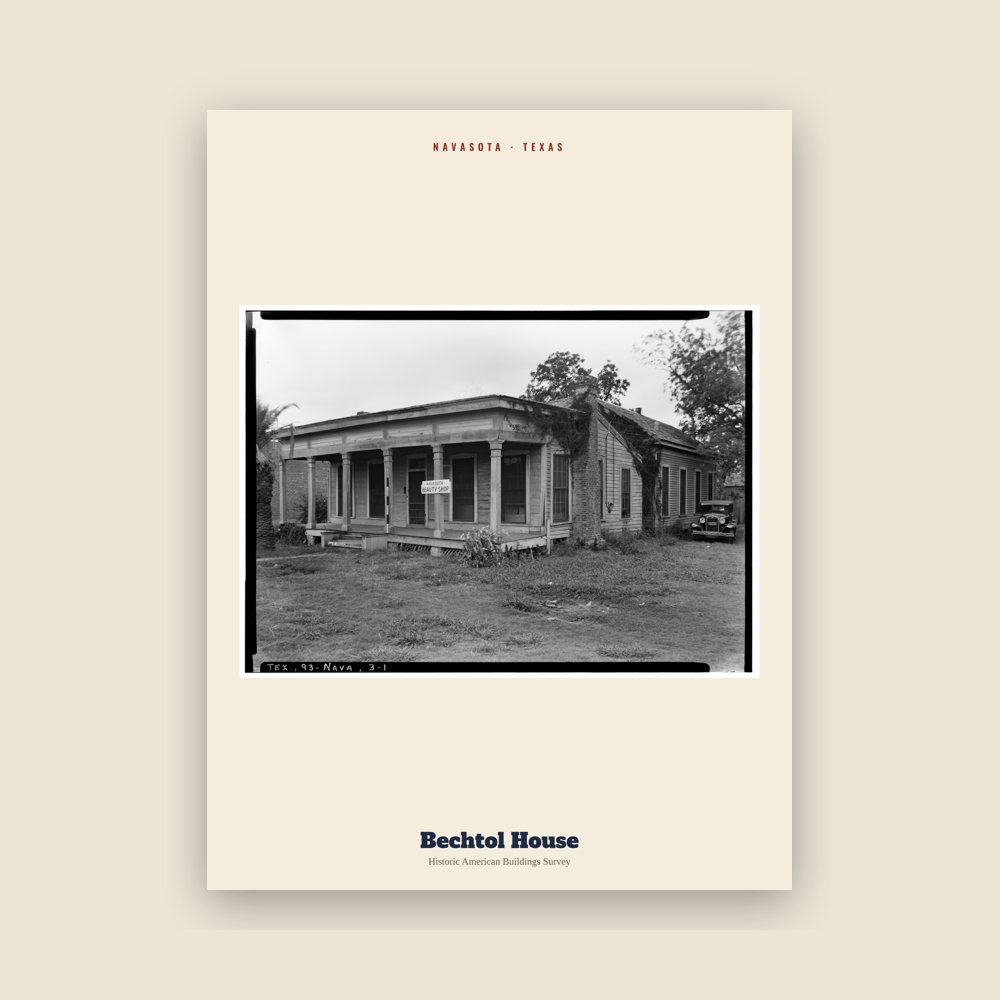
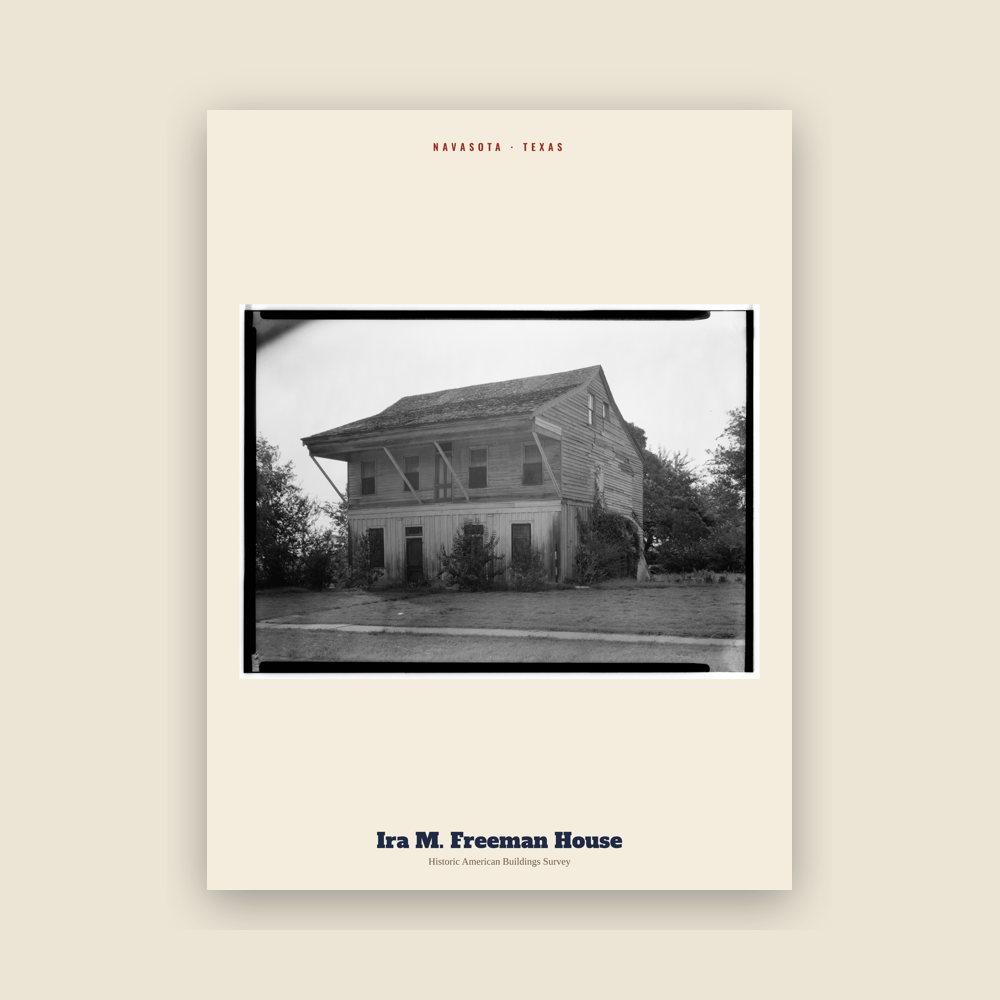
 Steele House
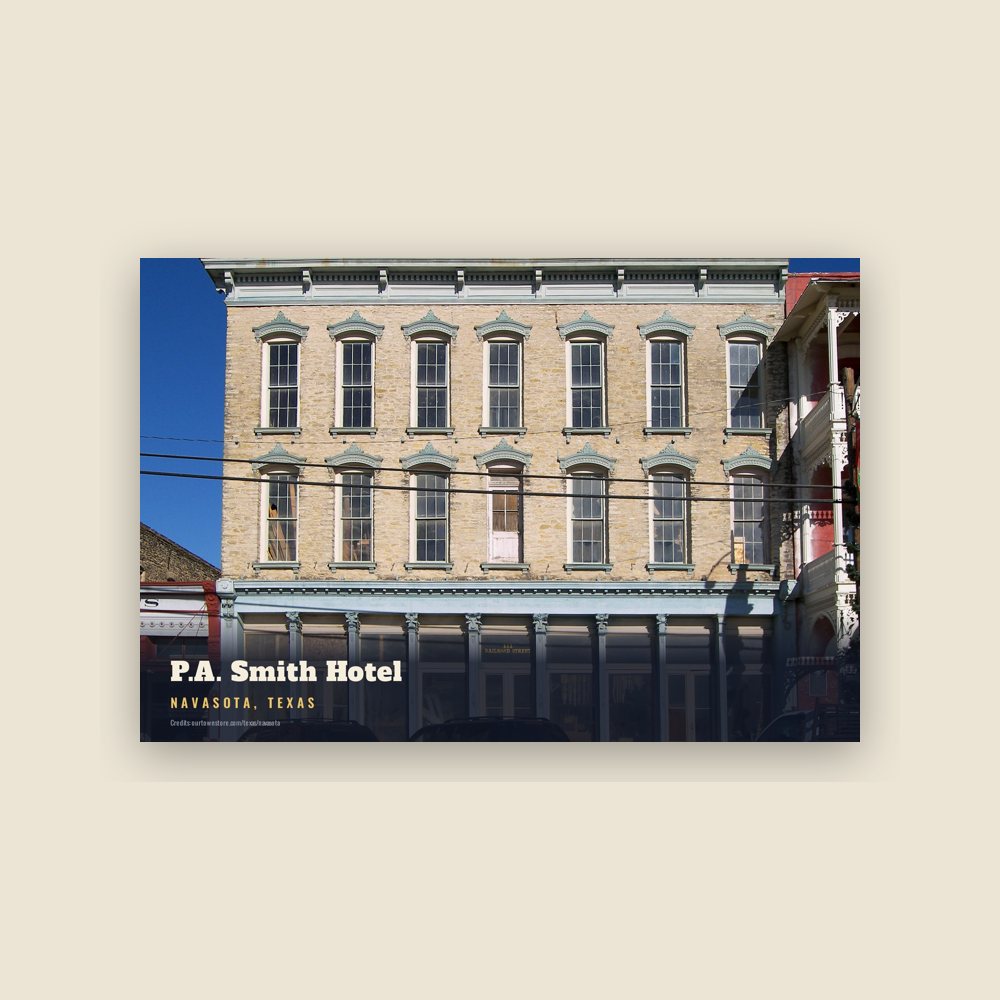
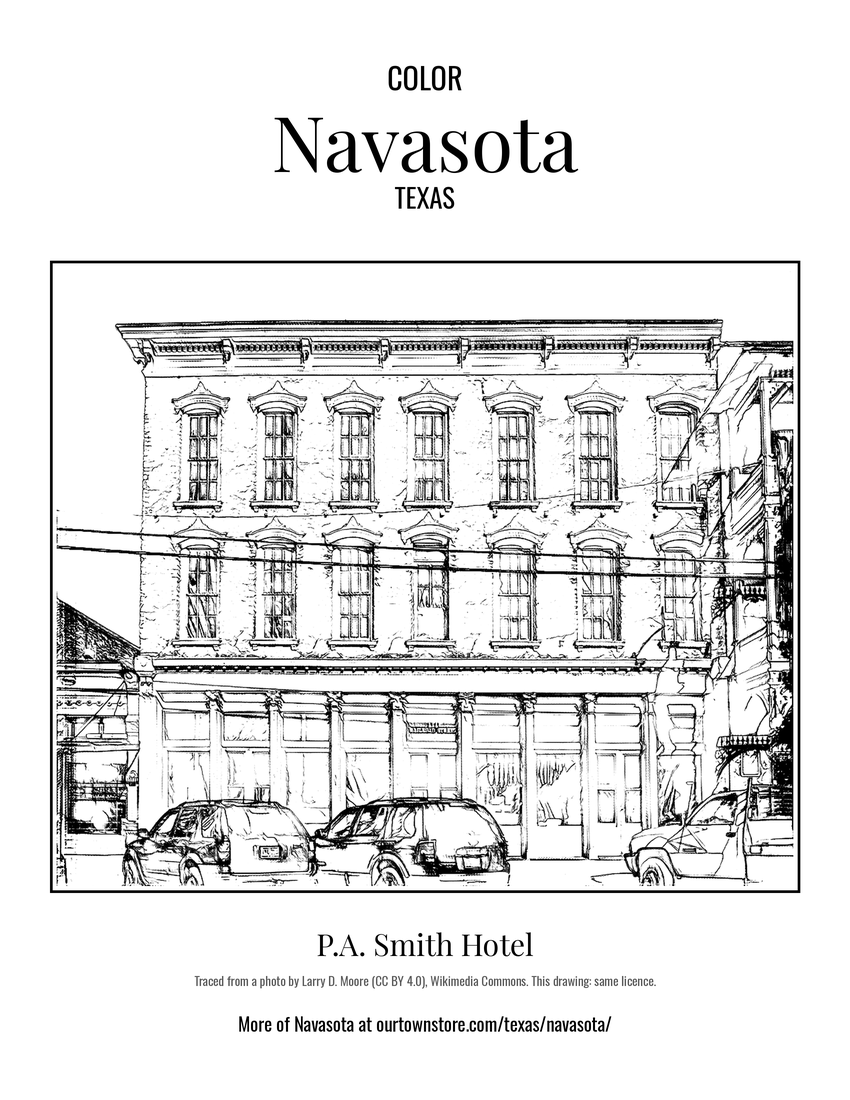 P.A. Smith Hotel
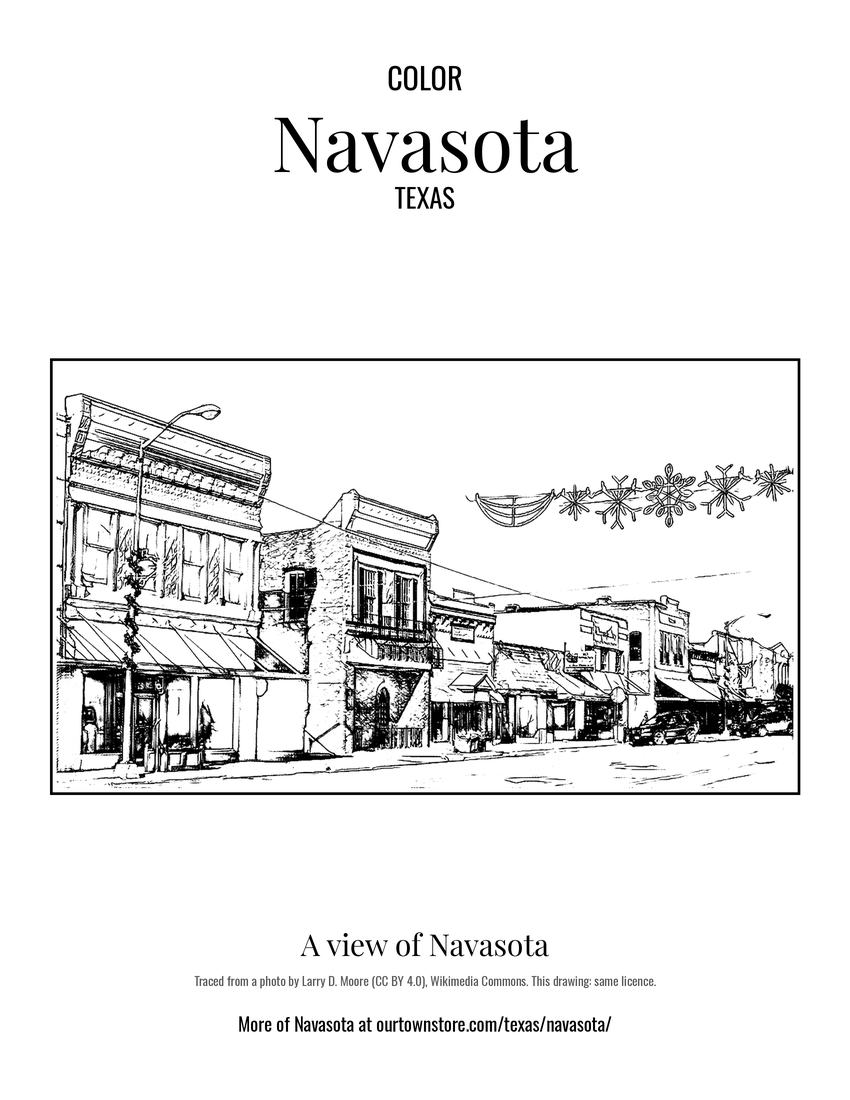 A view of Navasota
 A view of Navasota