Since 1874
A short history of Luling
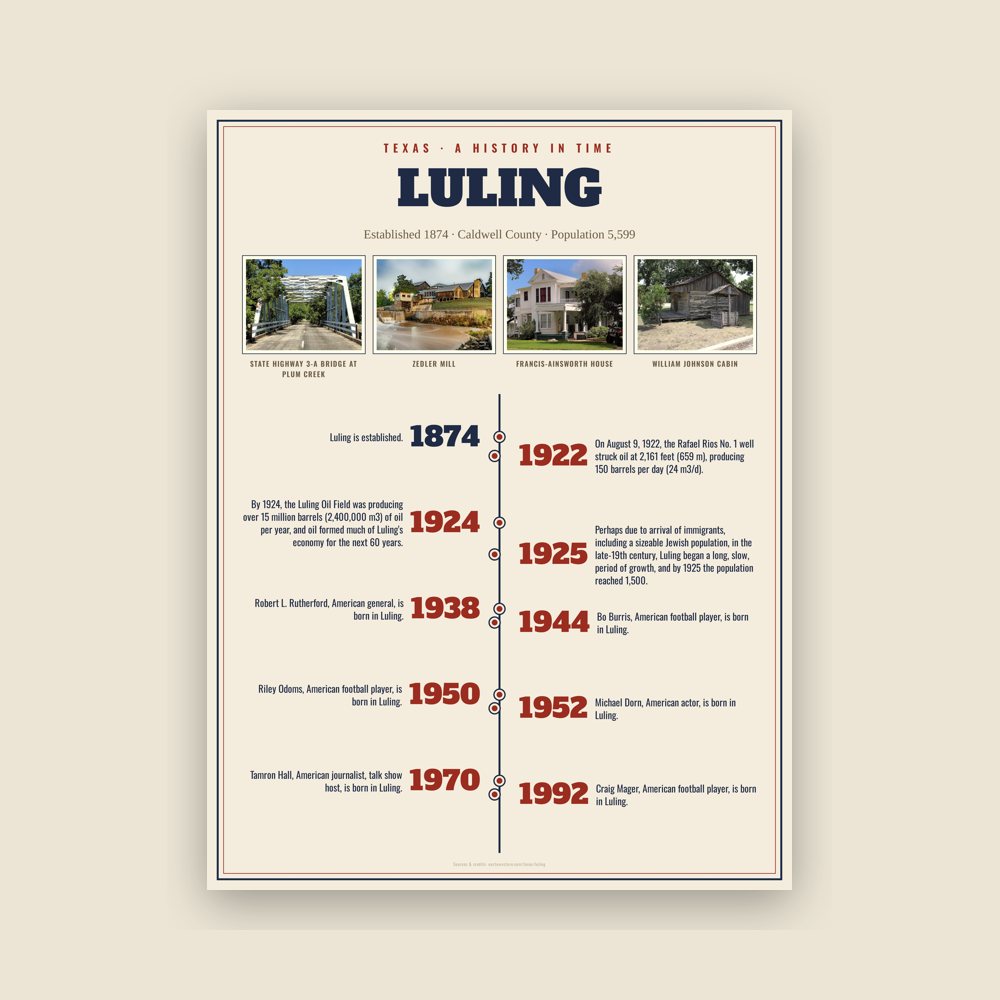
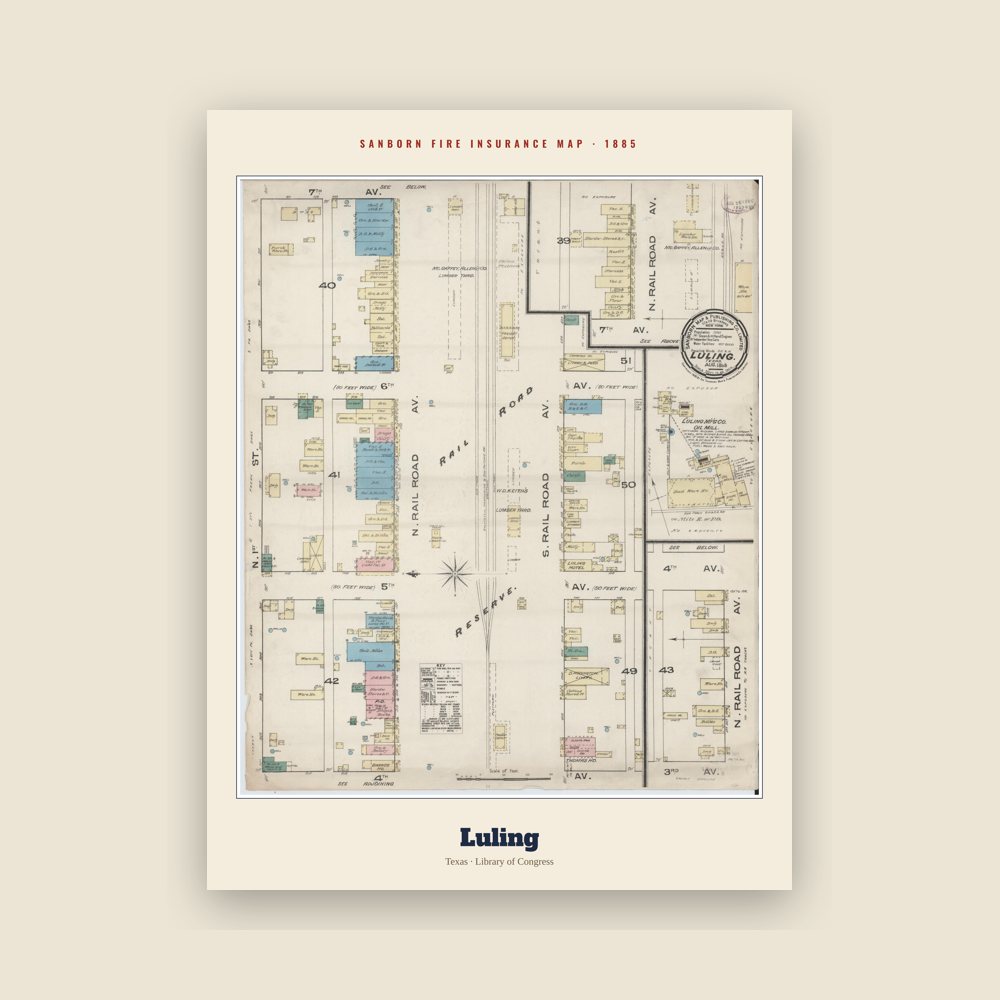
In the 1870s, the Galveston, Harrisburg & San Antonio Railway (GH&SA) built a railroad west from Alleyton on the Colorado River near Columbus towards San Antonio. In 1874, construction paused for about two years at a point 71 miles beyond the Colorado River. A small town developed at the railhead.
That town was named after a New York banker, Charles Luling. He was a personal friend of Thomas Wentworth Pierce and provided the financing for the GH&SA railroad as well the purchase of the land that became Luling. Prior to the founding of the town, a small farming community named Atlanta was established nearby, with residents associating themselves with the newly founded Luling, causing Atlanta to fade.
Luling was founded in 1874 as a railroad town and became a rowdy center for the cattle drivers on the Chisholm Trail. Contempt of the law by the cowboys helped Luling become known as the "toughest town in Texas". After the great cattle drives ended in the late 1880s, Luling quieted down to a town of about 500 and cotton ruled the local economy. Perhaps due to arrival of immigrants, including a sizeable Jewish population, in the late-19th century, Luling began a long, slow, period of growth, and by 1925 the population reached 1,500.
One of the most significant events in Luling's history was the discovery of oil by Edgar B. Davis. Davis mortgaged everything he owned to finance drilling operations around Luling. On August 9, 1922, the Rafael Rios No. 1 well struck oil at 2,161 feet (659 m), producing 150 barrels per day (24 m3/d). To repay his loans, Davis contracted 2 million barrels (320,000 m3) each to Atlantic Oil and Magnolia Oil at $.50 a barrel, plus another 2 million barrels (320,000 m3) to Magnolia at $.75 per barrel.
Davis' discovery opened up an oilfield 12 miles (19 km) long and 2 miles (3 km) wide. The economy quickly moved from the railroad and agriculture to oil. The population of the town rapidly increased to over 5,000. By 1924, the Luling Oil Field was producing over 15 million barrels (2,400,000 m3) of oil per year, and oil formed much of Luling's economy for the next 60 years.
As oil grew in importance in the 1930s and 1940s, the railroads that helped form the town declined and largely pulled out of Luling.
Adapted (trimmed) from the Wikipedia article Luling, Texas, revision 1378811104 by its contributors, licensed CC BY-SA 4.0.
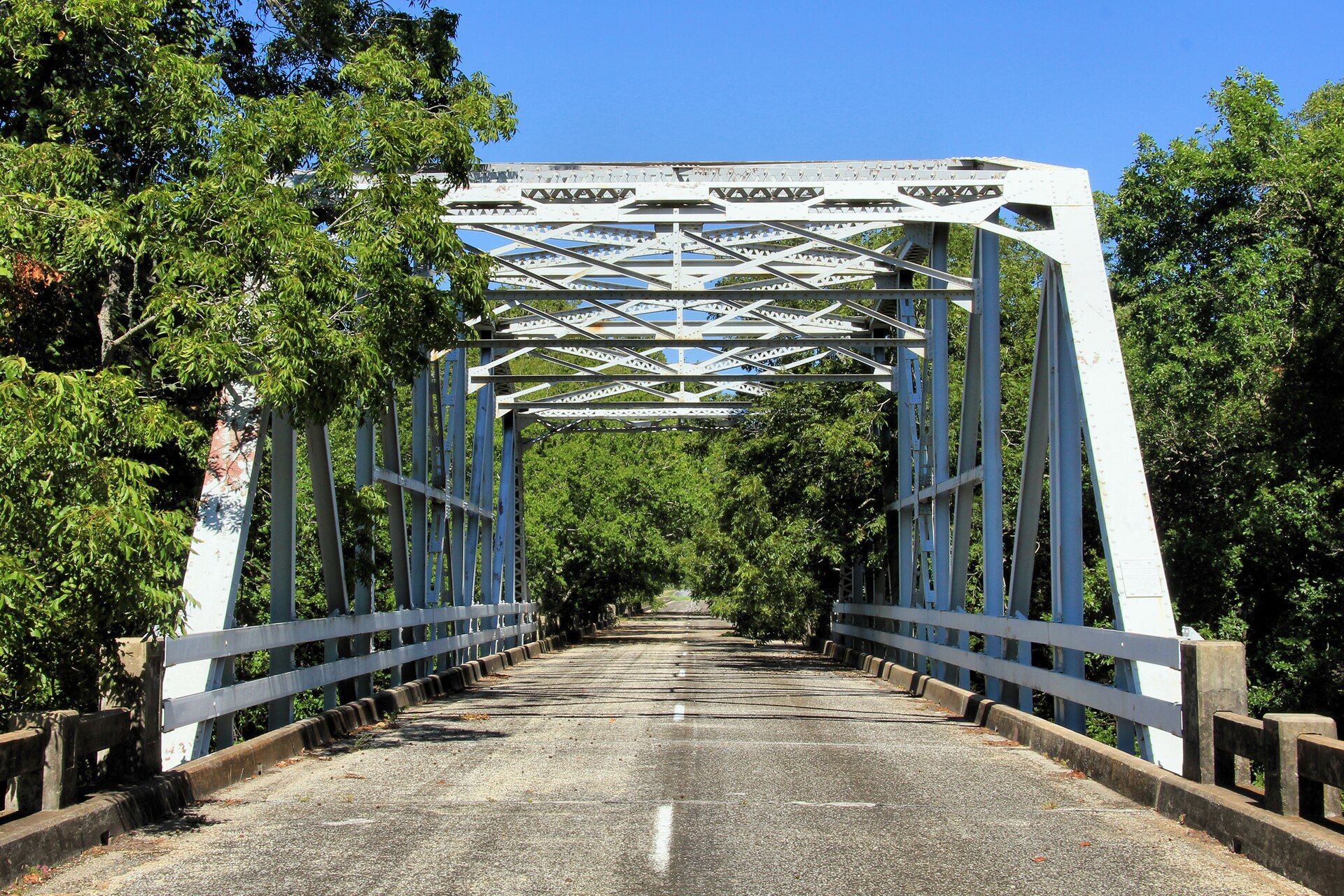
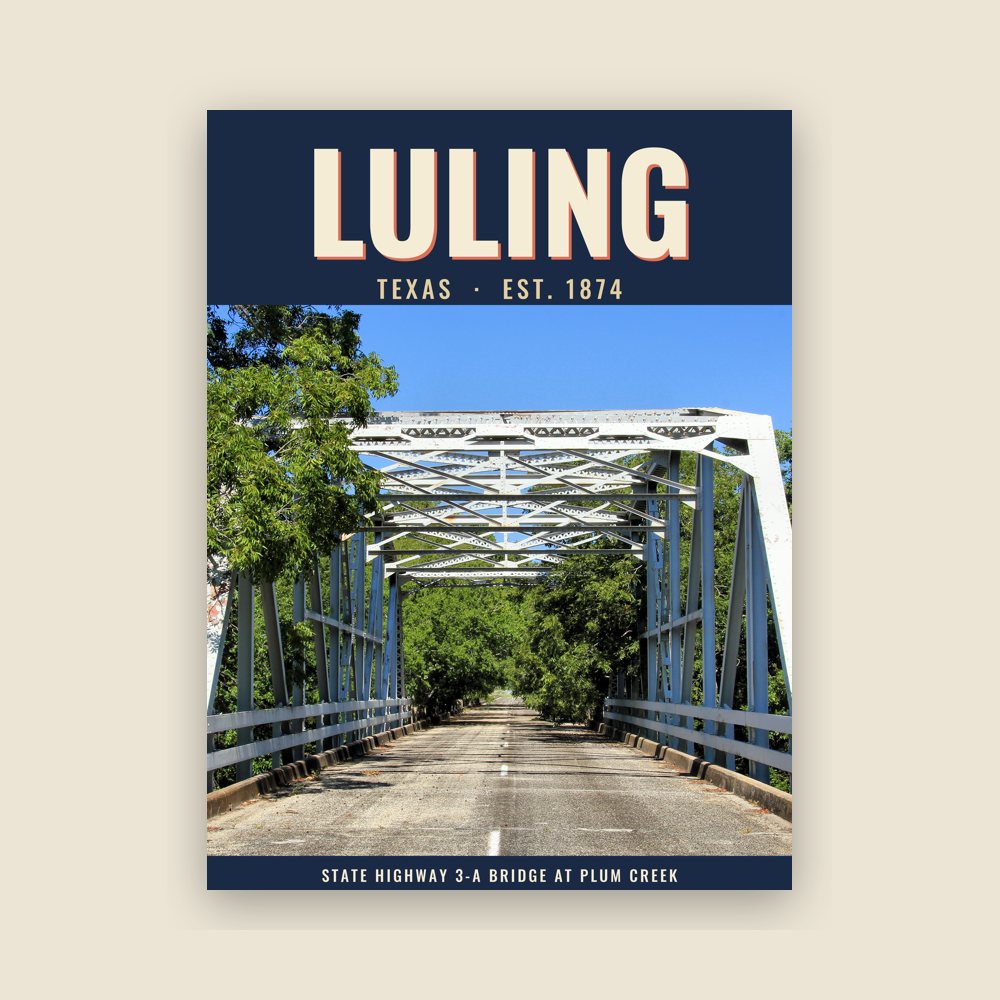


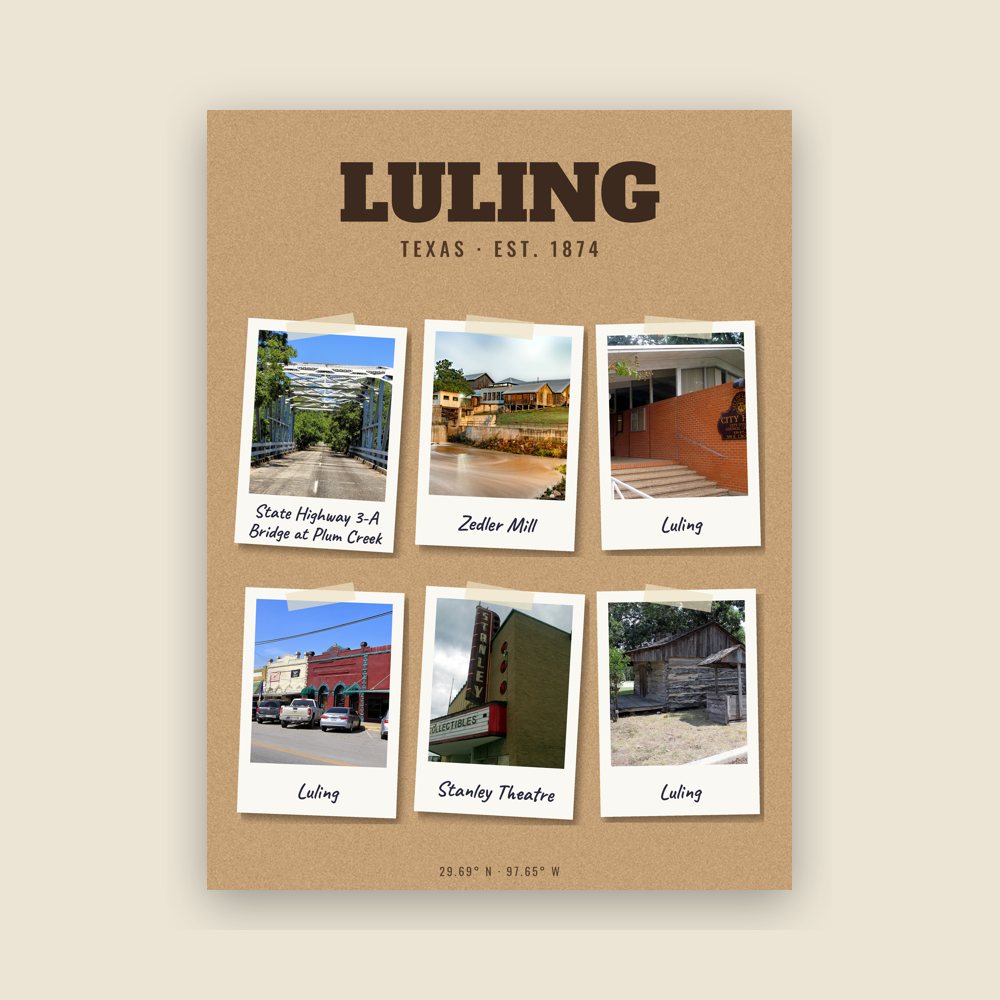
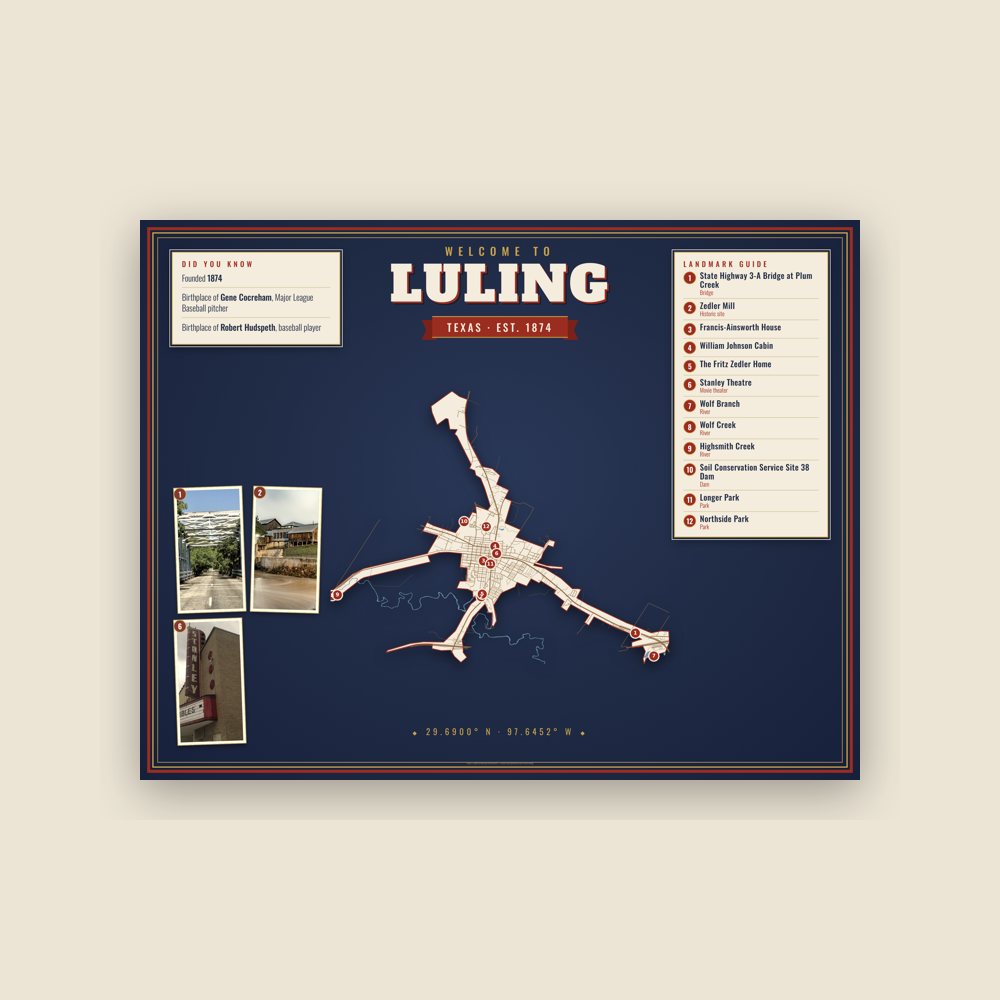














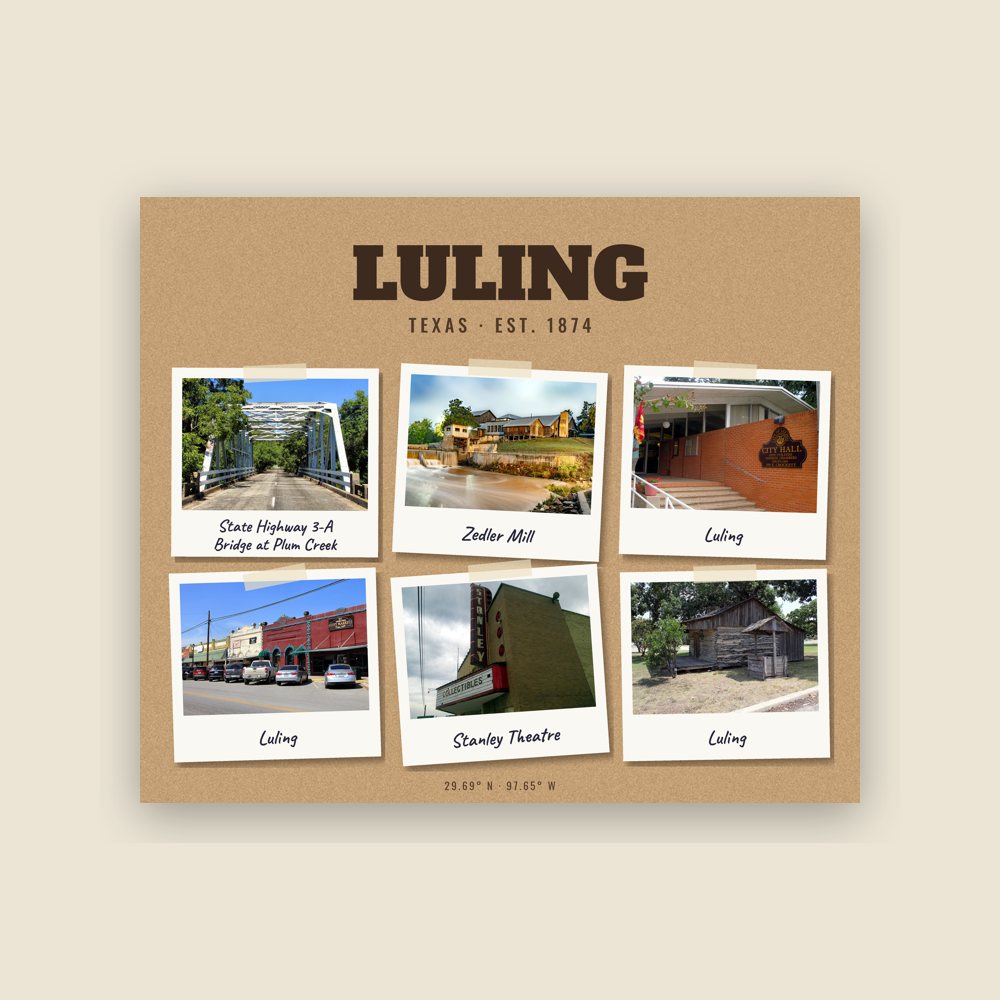
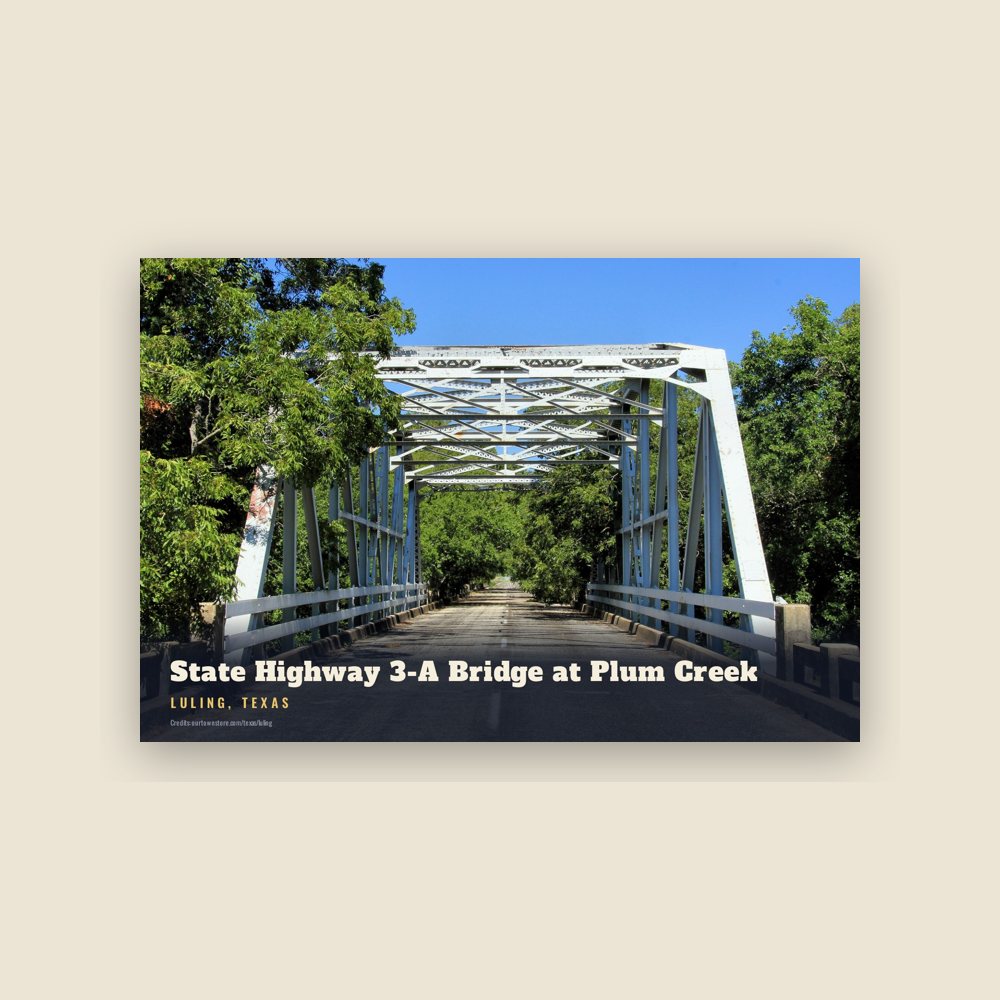




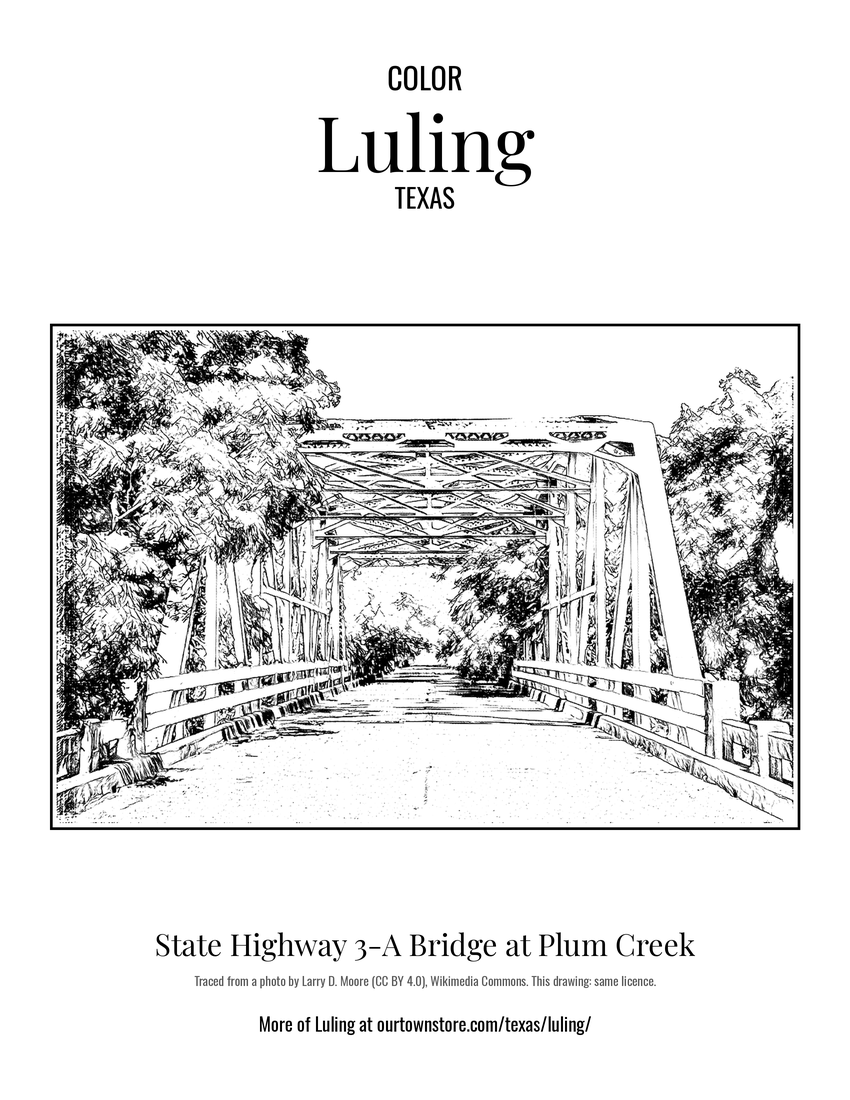 State Highway 3-A Bridge at Plum Creek
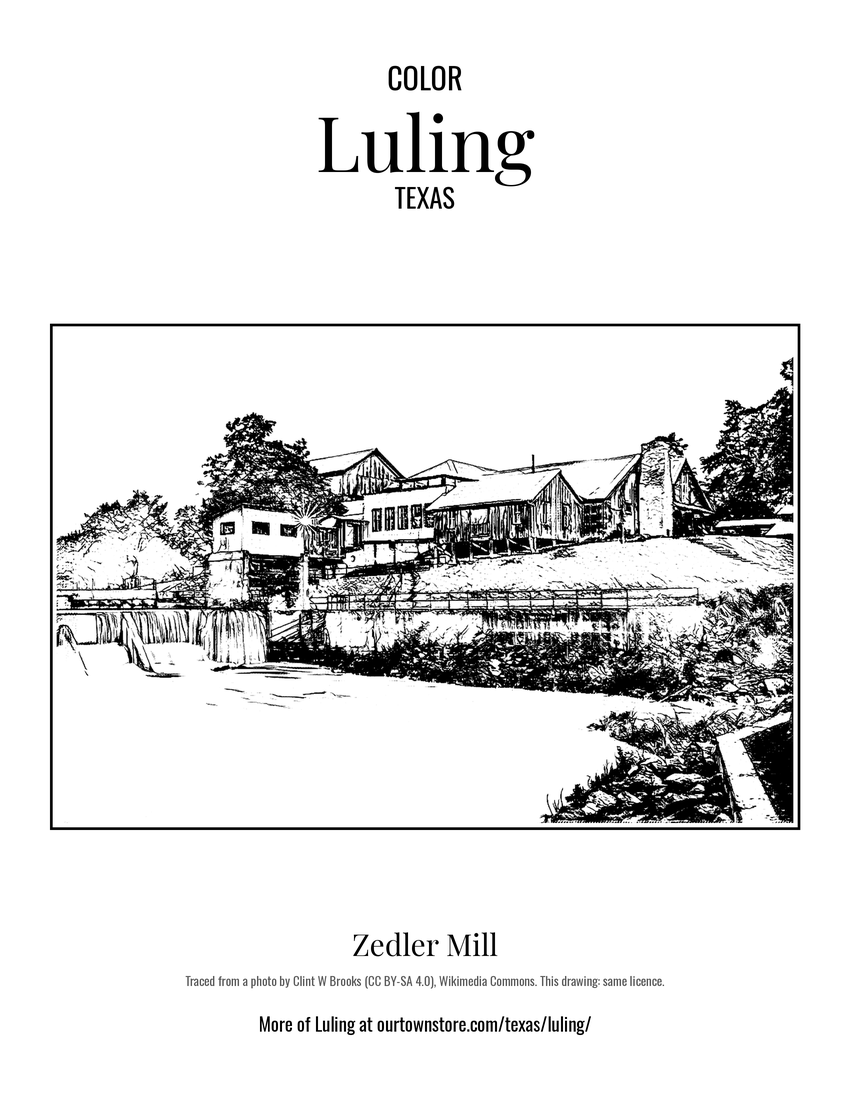 Zedler Mill
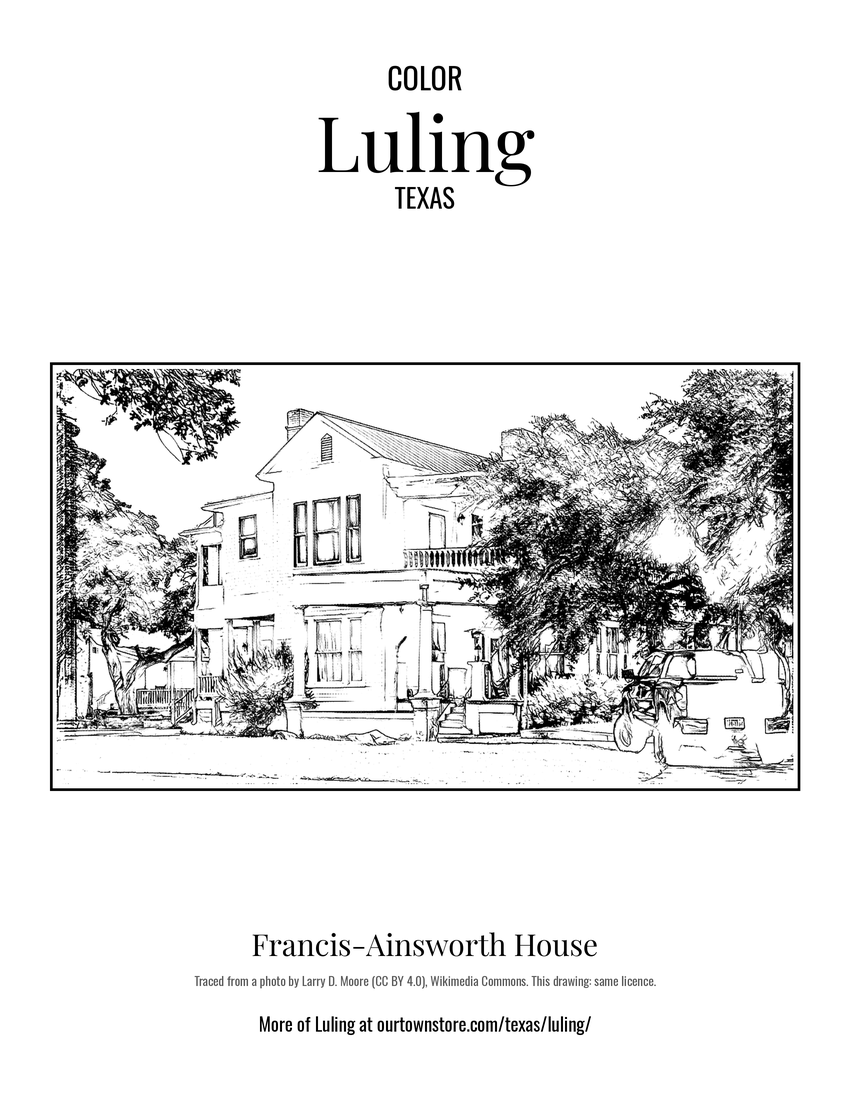 Francis-Ainsworth House
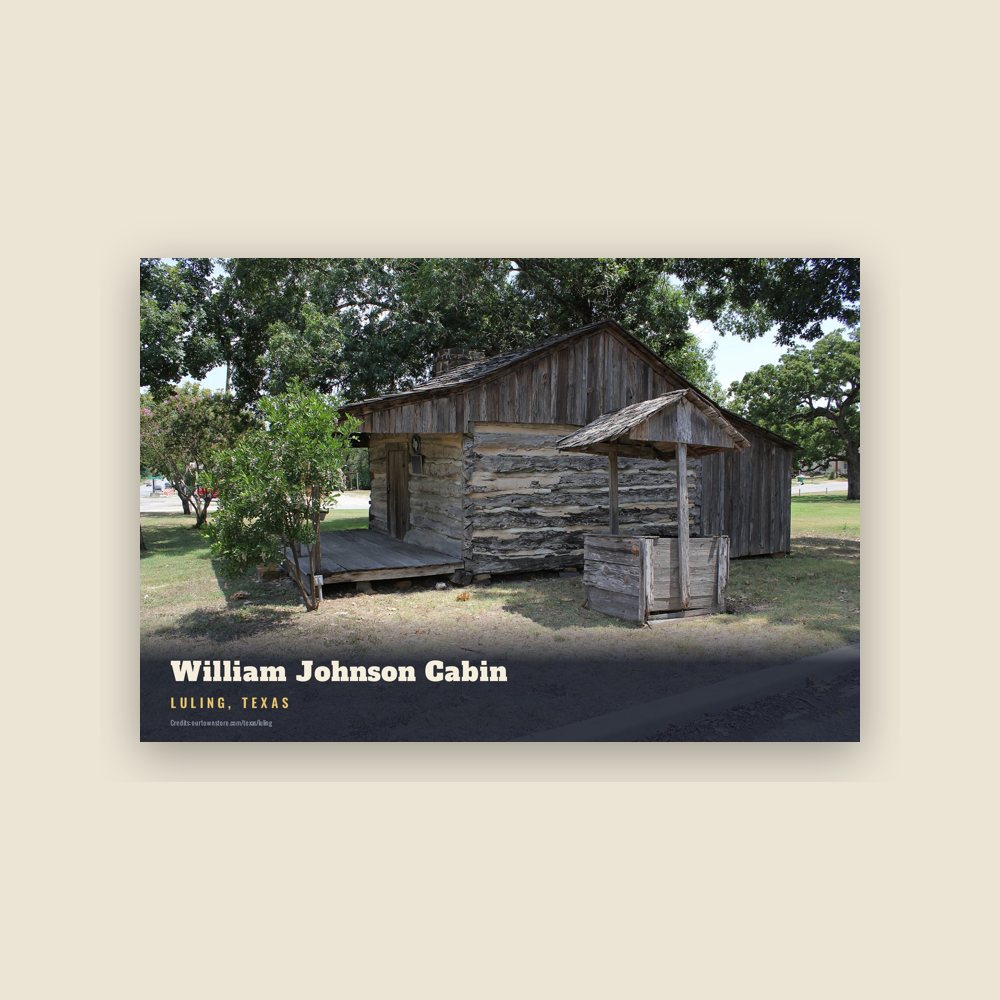
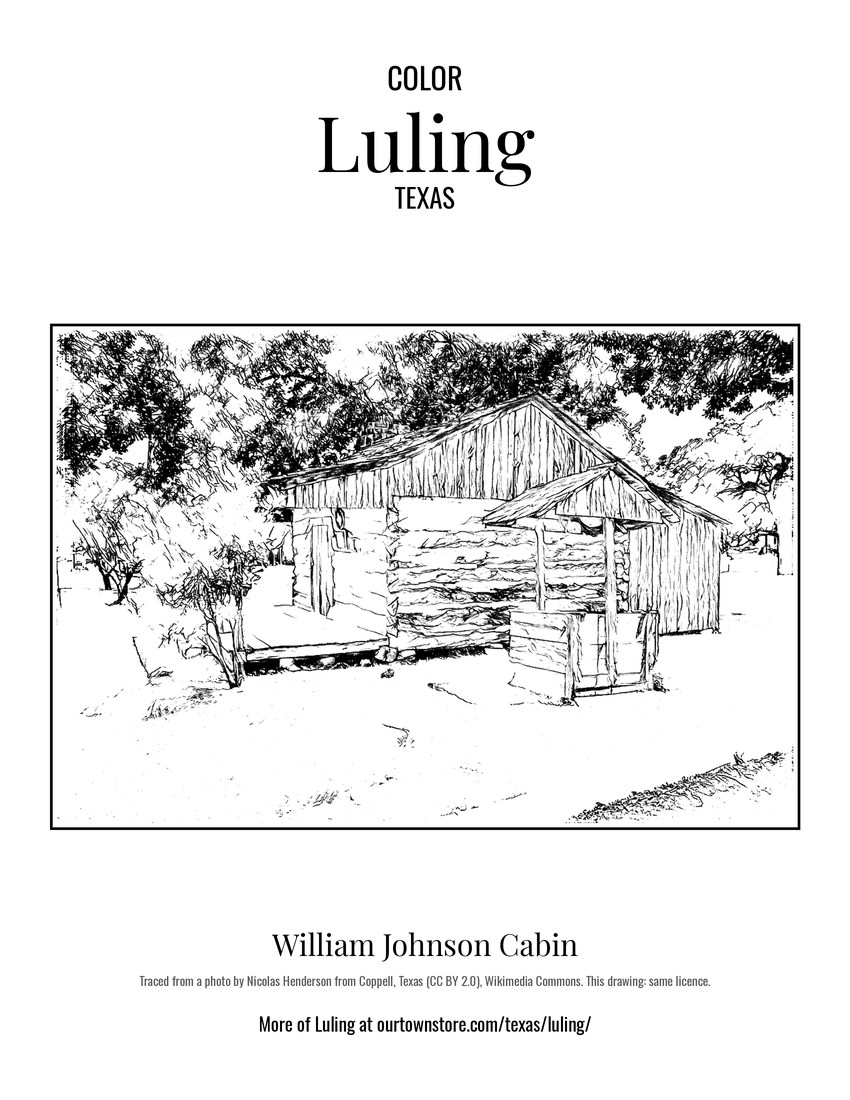 William Johnson Cabin