A short history of Greenville
Greenville was founded in 1846. The city was named after Thomas J. Green, a significant contributor to the establishment of the Texas Republic. He later became a member of the Congress of the Texas Republic.
As the Civil War loomed, Greenville was divided over the issue of secession, as were several area towns and counties. Greenville attorney and State Senator Martin D. Hart was a prominent Unionist. He formed a company of men who fought for the Union in Arkansas, even as other Greenville residents fought for the Confederacy. The divided nature of Greenville and Hunt County is noted by a historical marker in "The SPOT" Park at 2800 Lee Street in downtown Greenville. In the post-Civil War era, Greenville's economy became partly dependent on cotton, as the local economy entered a period of transition.
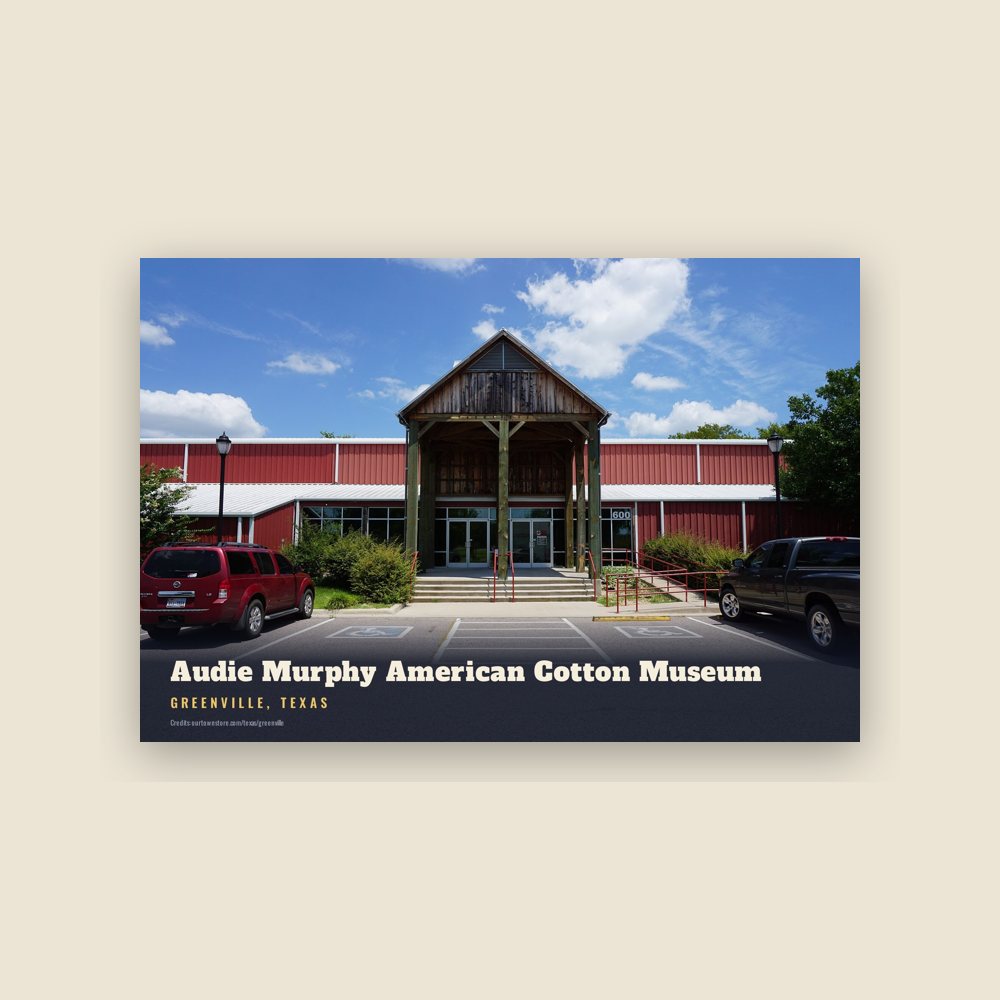
Greenville was notorious for a large sign, installed on July 7, 1921, over Lee Street, the main street in the downtown district, between the train station and the bus station in the 1920s to 1960s. The sign read: "Welcome to Greenville, The Blackest Land, The Whitest People." The original sign was taken down and placed into storage on April 13, 1965, possibly at the urging of Texas Governor John Connally, who had made a visit to the town weeks before. In 1968, Greenville's Sybil Maddux had the sign reinstalled, with the wording modified to read "The Greatest People"; the original sign is in the collection of the Audie Murphy American Cotton Museum.
In 1957, Greenville annexed the small town of Peniel, which had been founded in 1899 as a Pentecostal Church of the Nazarene community centered around Texas Holiness University. The annexation was approved by the citizens of Peniel, which at the time had a population around 157.
On May 12, 2011, a white buffalo was born near Greenville during a thunderstorm on the ranch of Arby Littlesoldier, who identified himself as a great-great-grandson of Sitting Bull. A public naming ceremony and dedication was held on June 29, 2011, during which the male calf was officially given the name "Lightning Medicine Cloud". However, on August 21, 2012, Lightning Medicine Cloud died. The sheriff's department declared it had died from a bacterial infection, but the owners disagree, claiming that the buffalo was allegedly skinned by an unknown party.
Adapted (trimmed) from the Wikipedia article Greenville, Texas, revision 1379258460 by its contributors, licensed CC BY-SA 4.0.
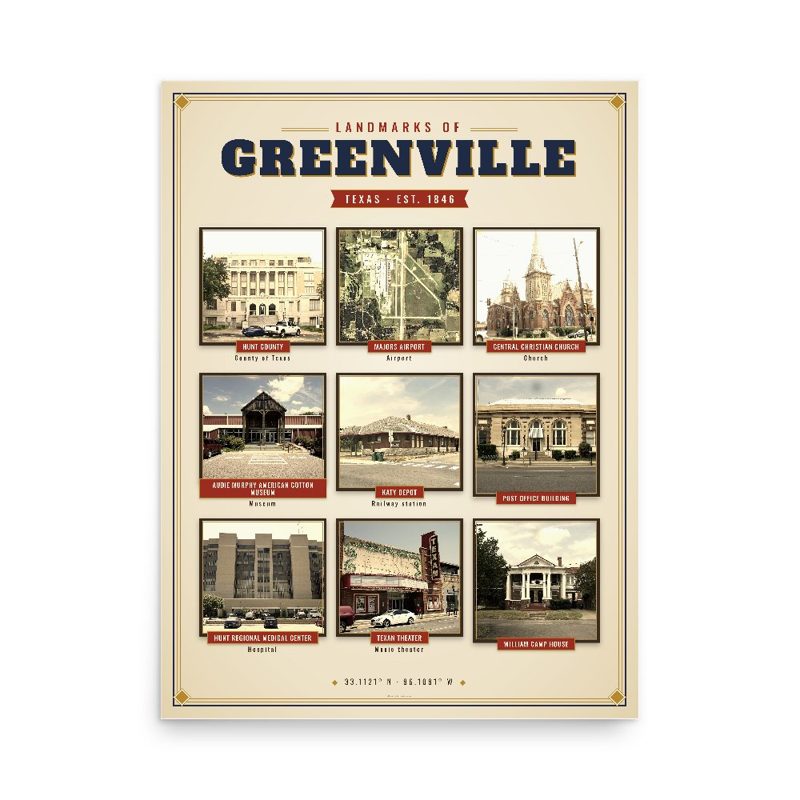
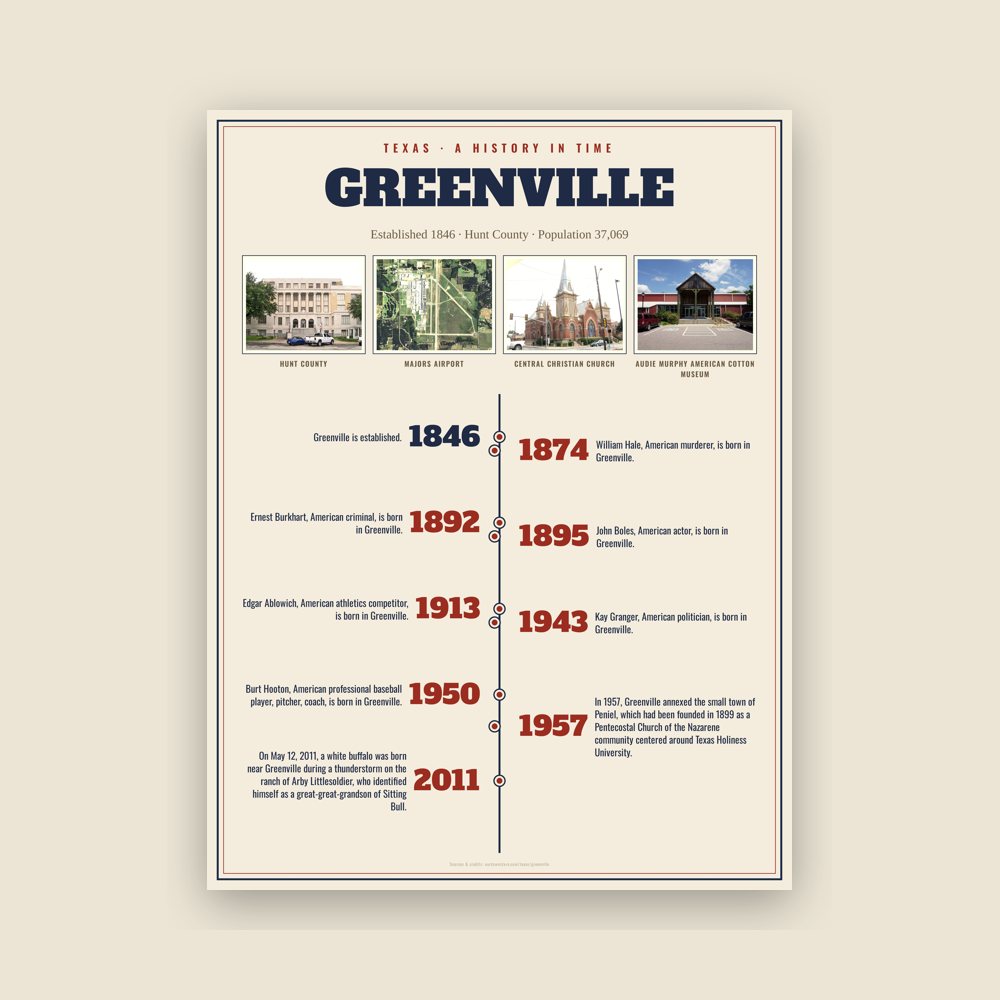
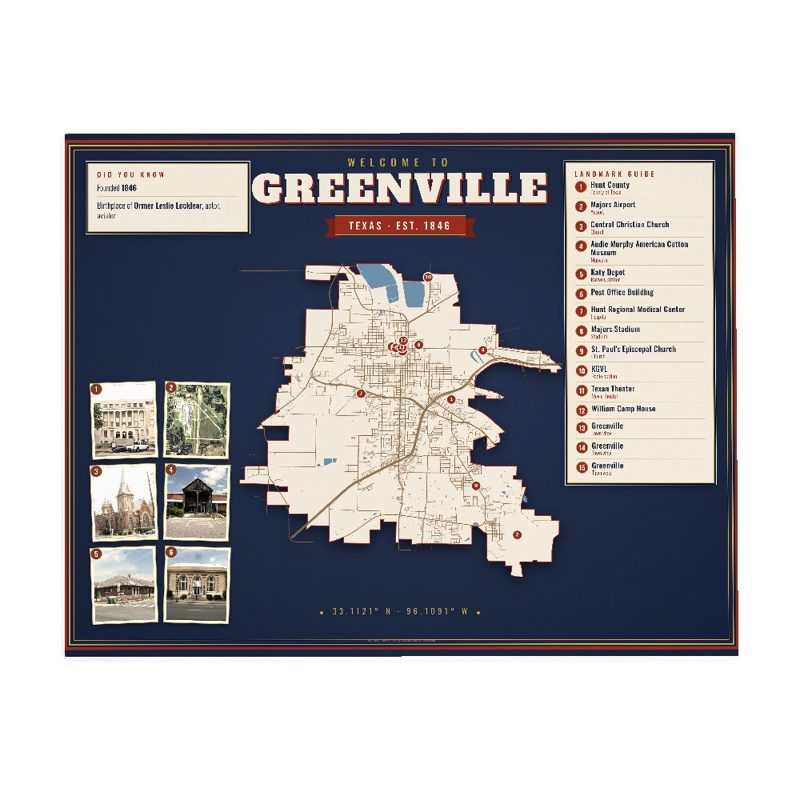




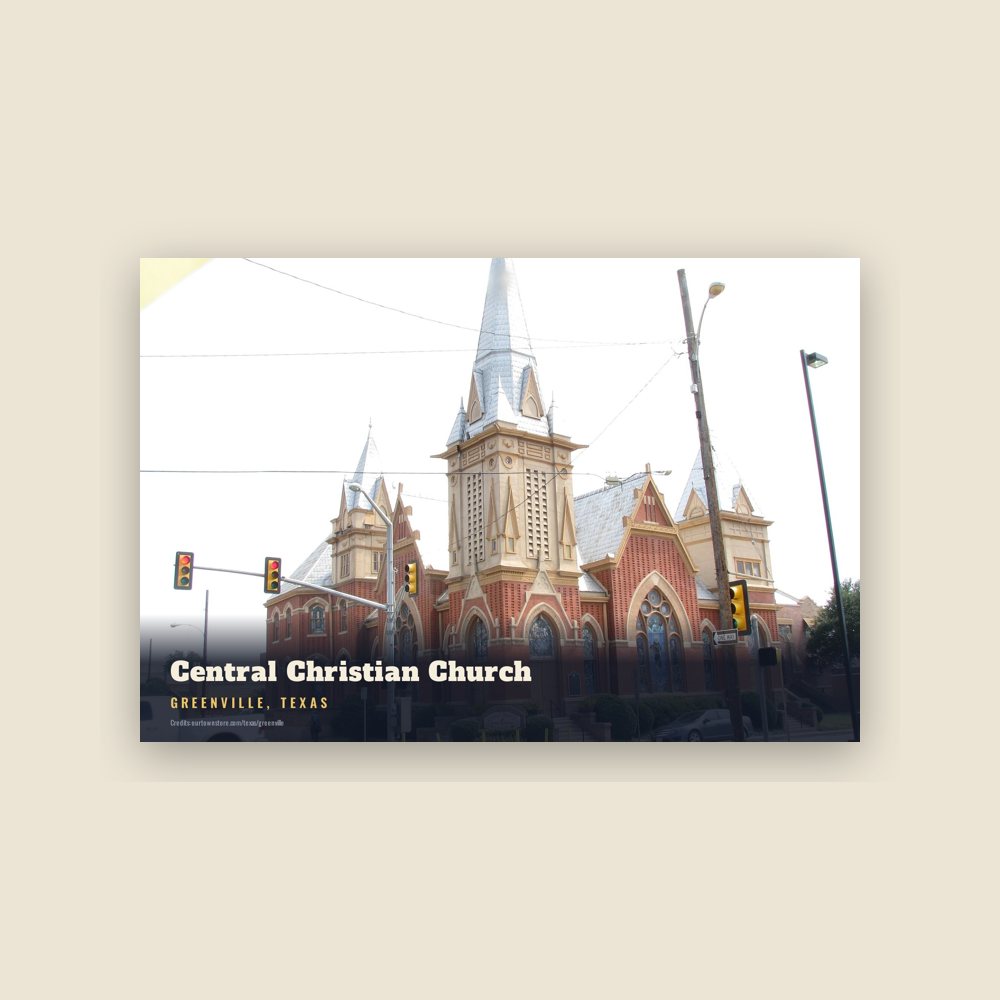
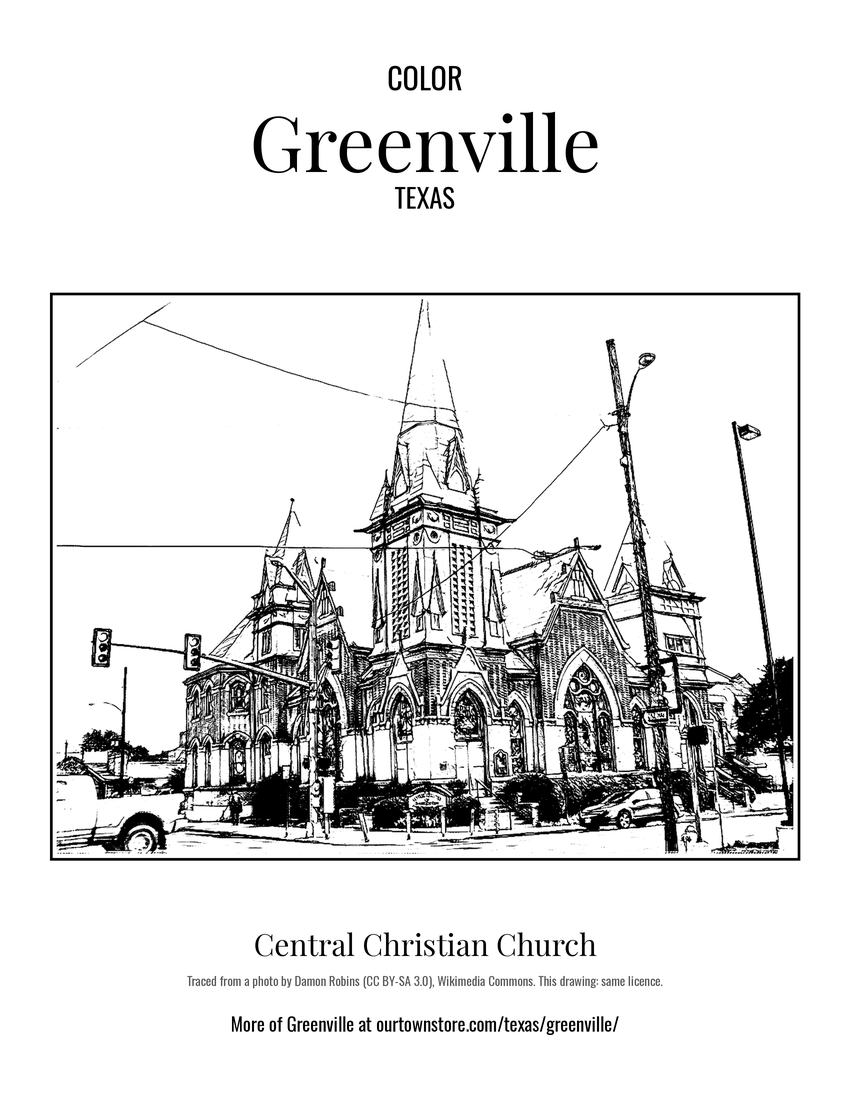 Central Christian Church
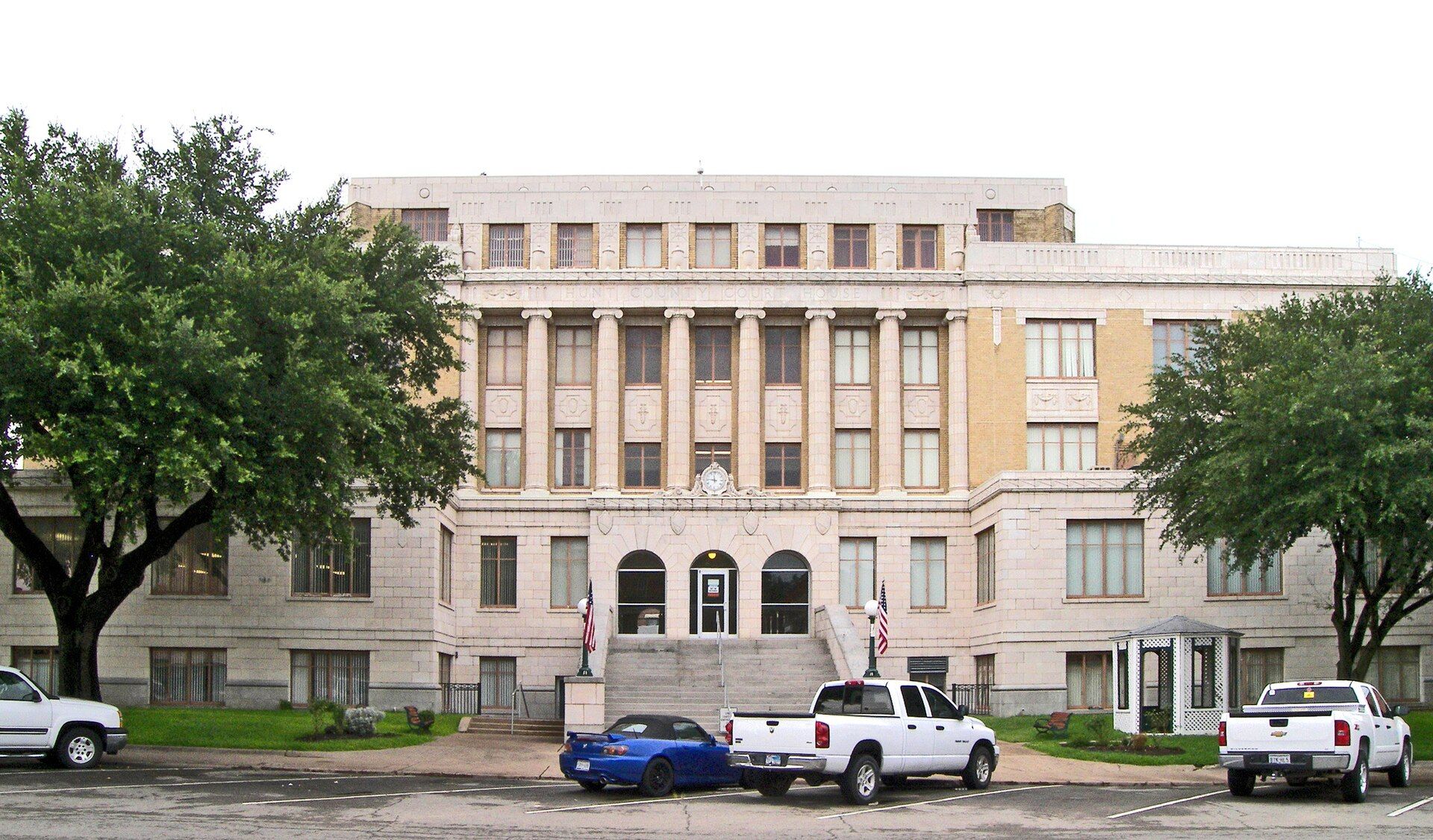
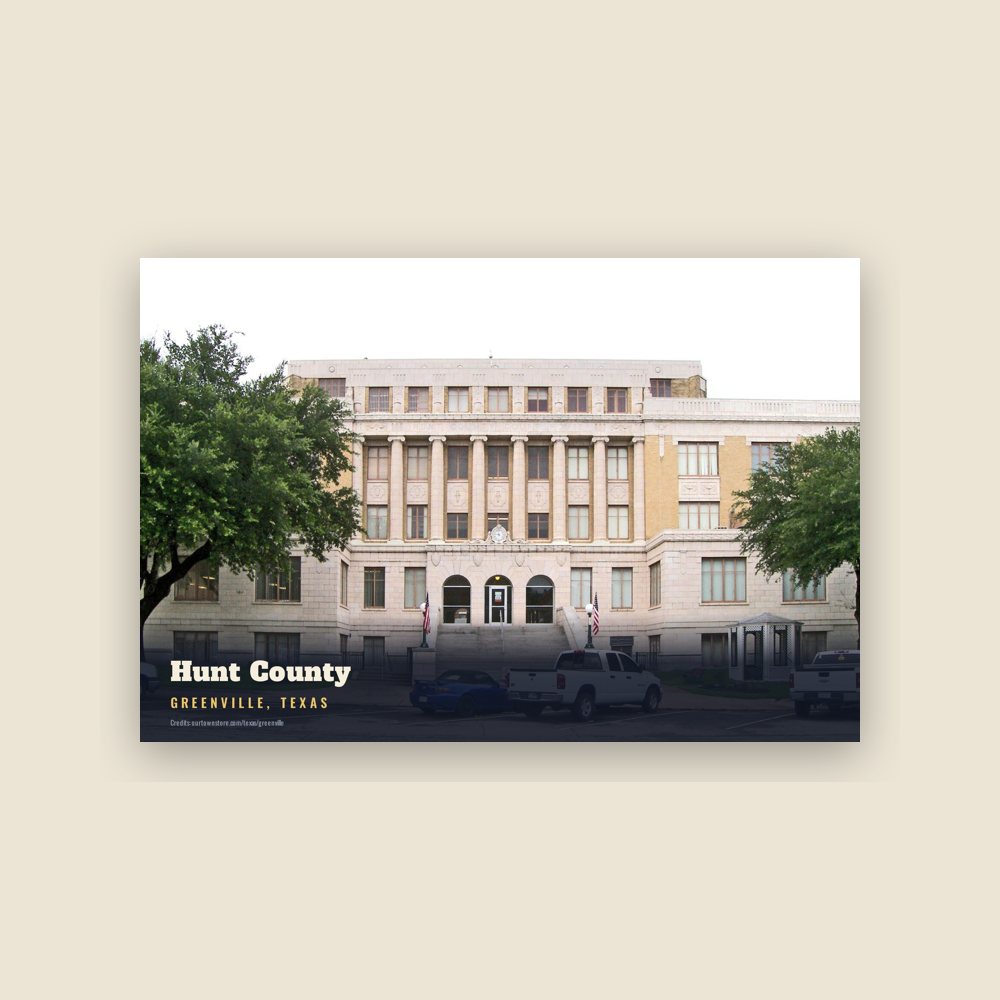
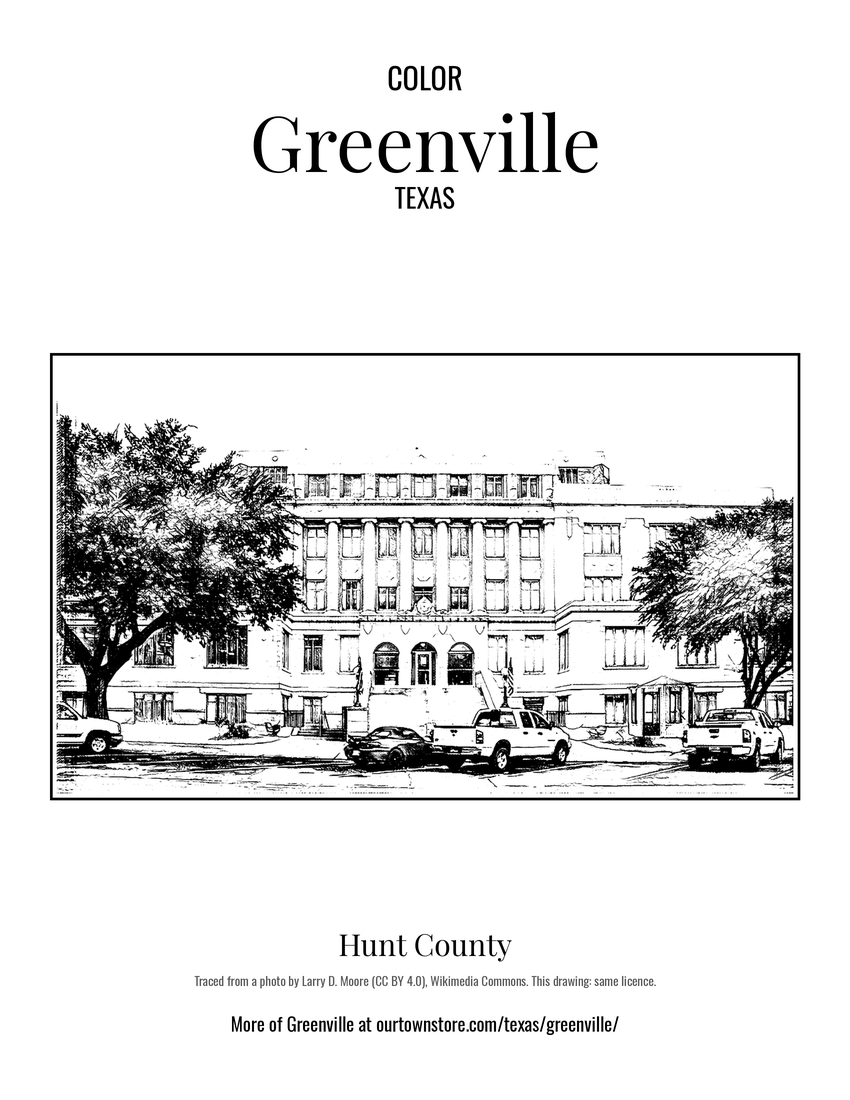 Hunt County
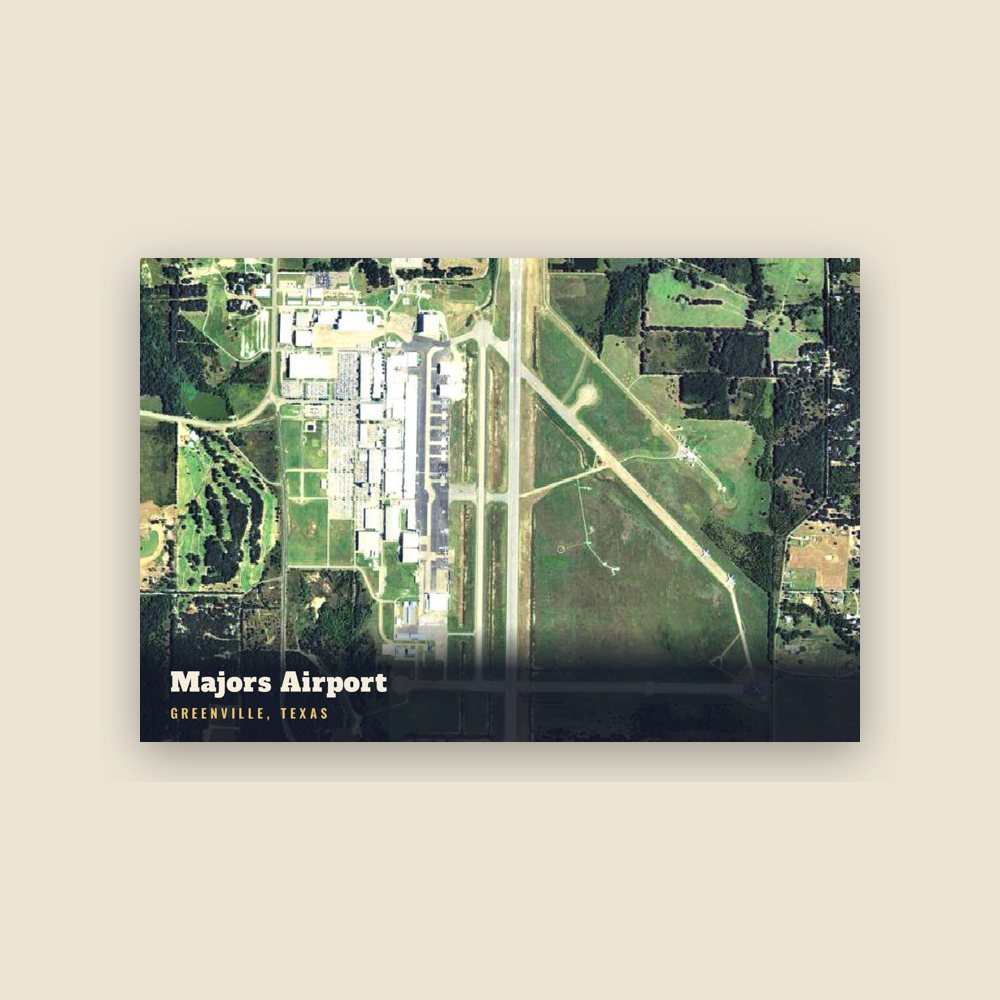
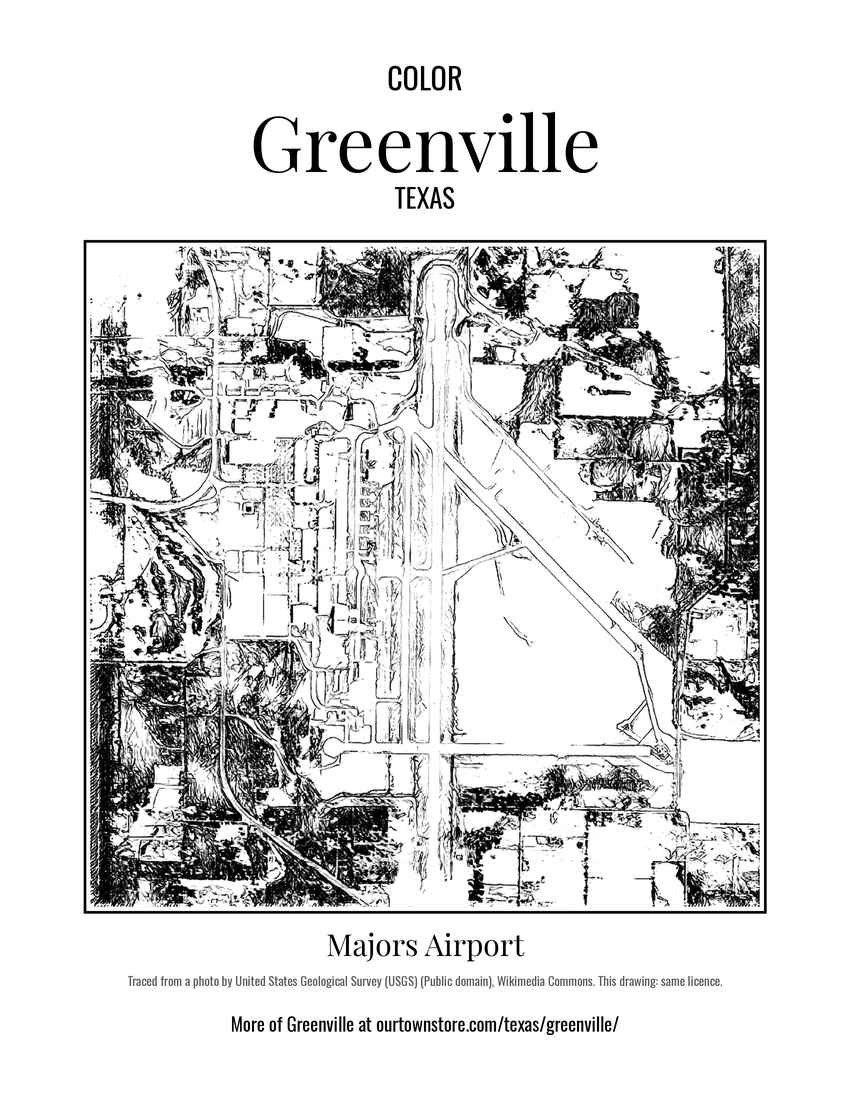 Majors Airport
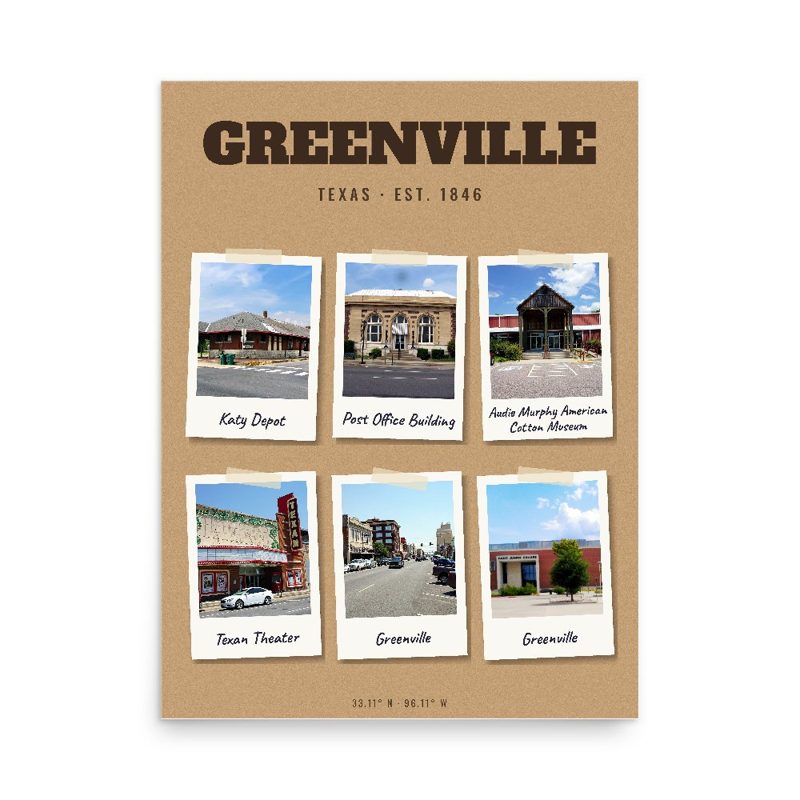
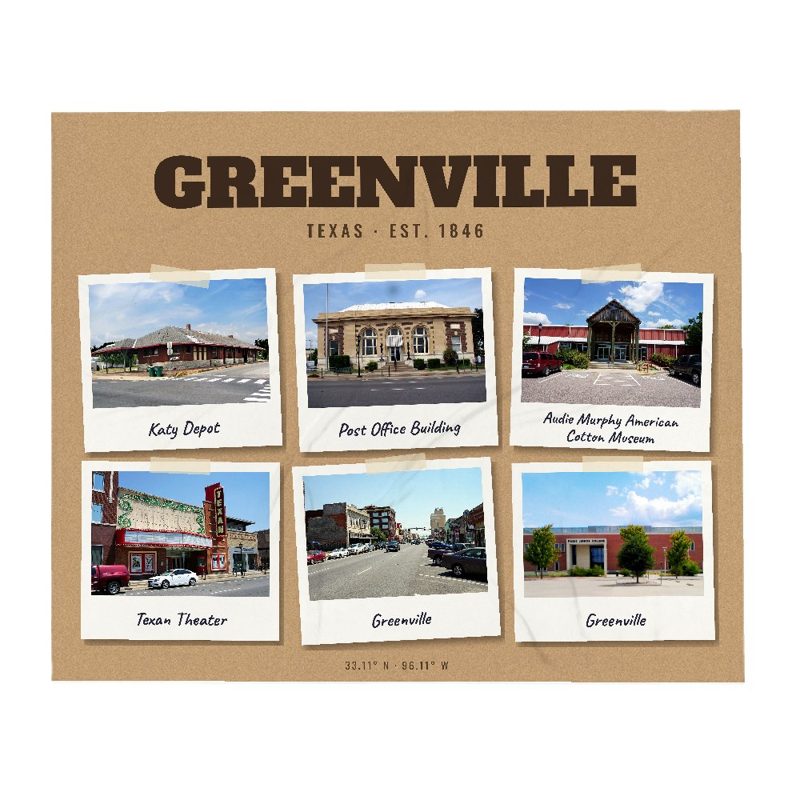
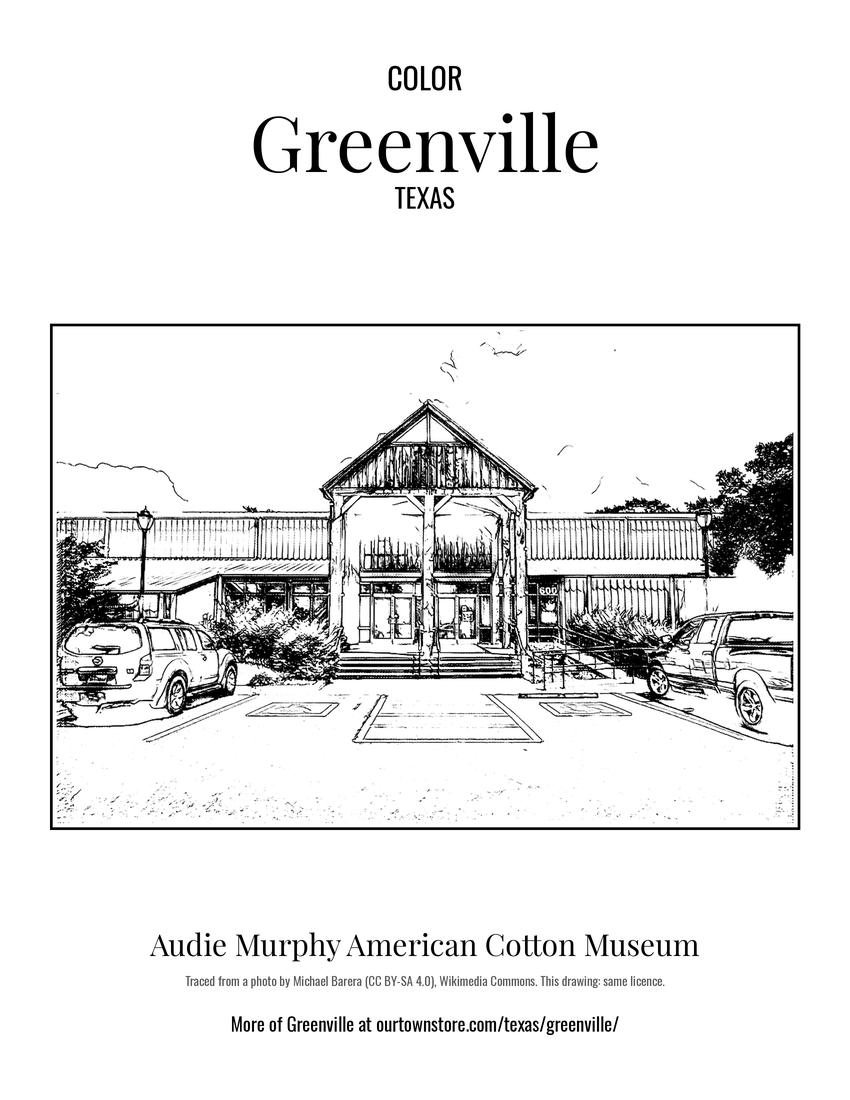 Audie Murphy American Cotton Museum