Since 1901
A short history of Elgin
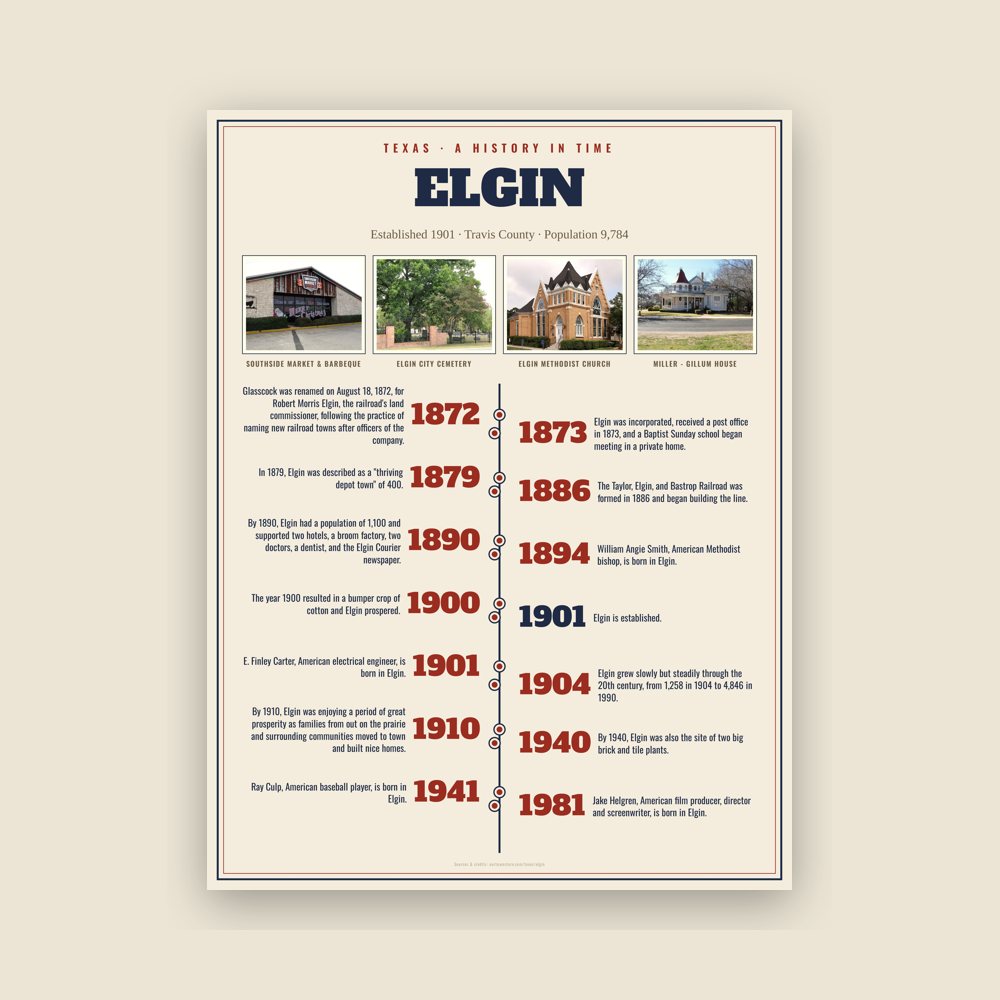
In 1871, the Houston and Texas Central Railroad (succeeded by the Southern Pacific Transportation Company) built through the area and established a flag stop called Glasscock named for George W. Glasscock, a local resident and Republic of Texas soldier who lived in the area in the 1830s. Glasscock was renamed on August 18, 1872, for Robert Morris Elgin, the railroad's land commissioner, following the practice of naming new railroad towns after officers of the company. Elgin was established. The original plat placed the train depot in the center of a one-square-mile area.
The original plan for the Houston and Texas Central Railroad was to have run from McDade, 10 miles (16 km) east of Elgin, southwest to the Colorado River at a point somewhere between Bastrop and Webberville, then to Austin following the river. These plans, however, were thwarted due to a major flood of the Colorado River in 1869, hence the rerouting of the railroad through what is now Elgin.
Elgin was incorporated, received a post office in 1873, and a Baptist Sunday school began meeting in a private home. Much of the town's early population was drawn from nearby Perryville, which the railroad had bypassed. Perryville, or Hogeye as it was nicknamed, was located 2.5 miles (4.0 km) to the south. The town was known by three different names: the name Young's Settlement was chosen, probably in honor of the Michael Young family; Perryville, possibly for Perry Young, who was Michael Young's son; and Hogeye. The post office was officially named Young's Settlement, and the churches and Masonic Lodge carried the name Perryville. The name Hogeye was given to the stage stop at the Litton home where dances were held and, according to legend, the fiddler knew only one tune: "Hogeye", which he played over and over as the crowd danced on the puncheon floor.
In 1879, Elgin was described as a "thriving depot town" of 400. It had a newspaper, a gin, and a gristmill. Three years later Methodists erected the first church building in town. In 1884, Elgin had five general stores, two druggists, three cotton gins, and a saloon; that year, Thomas O'Conner started a brick-making enterprise that eventually led Elgin to adopt the epithet "Brick Capital of the Southwest." In 1885, a group of citizens met in Elgin to organize a new north–south railroad which would run from Taylor, the rail head for the Missouri, Kansas and Texas ("Katy") Railroad 16 miles (26 km) to the north, through Elgin to Bastrop, the county seat, 16 miles (26 km) to the south. The Taylor, Elgin, and Bastrop Railroad was formed in 1886 and began building the line. That same year, the "Katy" acquired the line and continued the construction on to Houston. Thus, Elgin became the beneficiary of two major rail lines with eight passenger trains daily, adding to Elgin's business as a shipping point for cotton, wool, and livestock. By 1890, Elgin had a population of 1,100 and supported two hotels, a broom factory, two doctors, a dentist, and the Elgin Courier newspaper. The following year oil was discovered 5 miles (8 km) southeast of town, but the strike was not large. Coal proved better for the economy, when the large coal belt nearby was mined in the early 20th century, bringing Latin-Americans and African-Americans to the area, as both free and slave labor.
The year 1900 resulted in a bumper crop of cotton and Elgin prospered. Elgin grew slowly but steadily through the 20th century, from 1,258 in 1904 to 4,846 in 1990. The city incorporated in 1901, electing Charles Gillespie, building contractor, as mayor, as well as J.D. Hemphill as marshal, W.E. McCullough, J. Wed Davis, Ed Lawhon, Max Hirach, and F.S. Wade as aldermen. Local law enforcement was established to enforce newly established civil and criminal codes. By 1910, Elgin was enjoying a period of great prosperity as families from out on the prairie and surrounding communities moved to town and built nice homes.
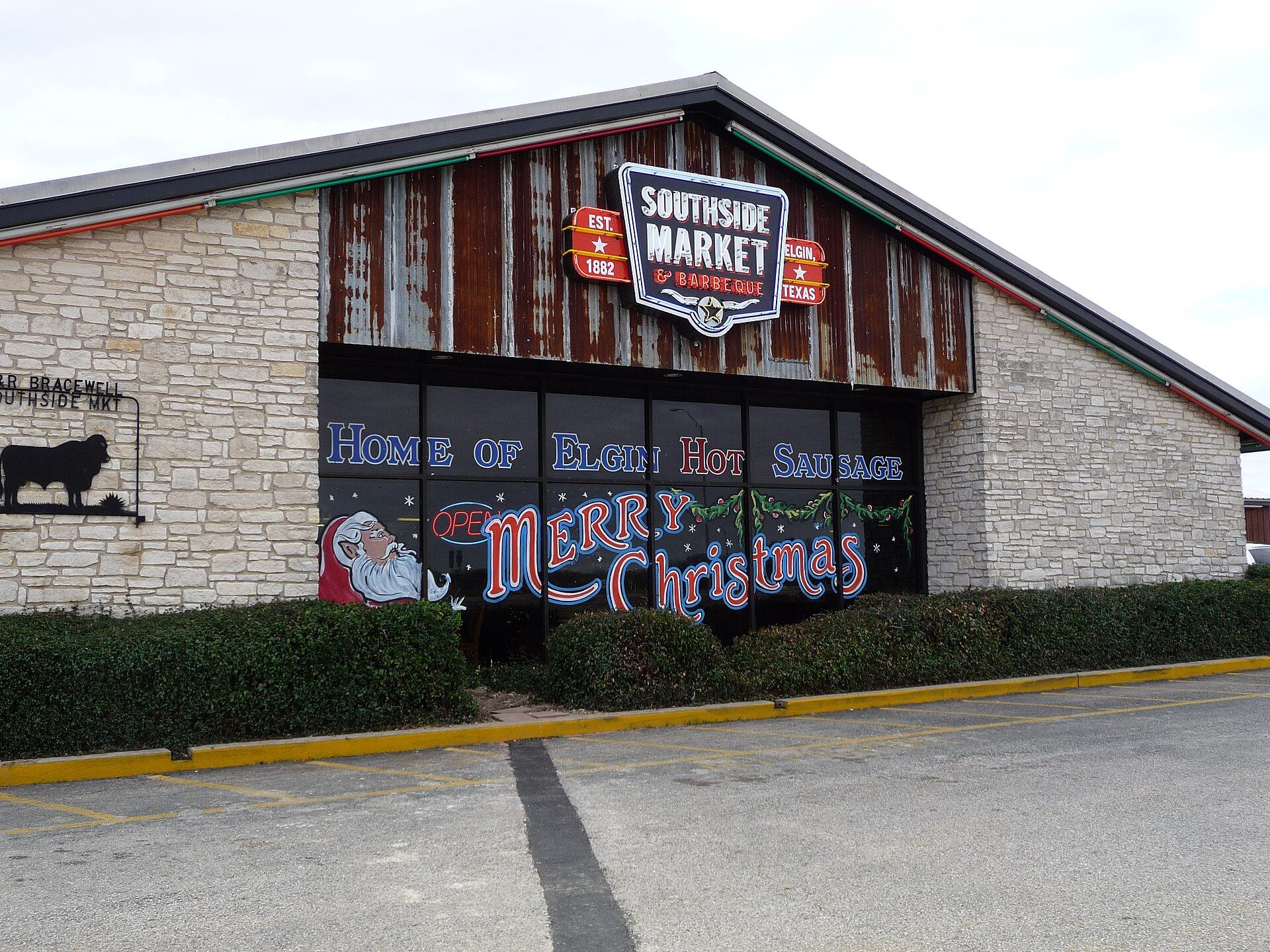
By 1940, Elgin was also the site of two big brick and tile plants. Elgin enterprise was stimulated during World War II by the proximity of the army training facility Camp Swift. A third brick company was established in the town in the mid-1950s, lured by the high-quality clay deposits in the area. In addition to the brick plants, a local sausage factory processed thousands of pounds of beef and pork a week; Elgin Hot Sausage continued to enjoy a widespread reputation, and Elgin rapidly became the most important agricultural center in Bastrop County. Five cotton gins and a cotton oil mill were in operation at the same time. Other industries included feed and grain processing and hydraulic press manufacturing.
By the 1980s, proximity to Austin had begun to attract commuters to Elgin. In the mid-1980s, the Elgin Courier was still being published, the sausage had achieved wider fame, and two brick and tile plants were still in operation. Elgin was also the site of a furniture plant and a leather works.
Adapted (trimmed) from the Wikipedia article Elgin, Texas, revision 1376340992 by its contributors, licensed CC BY-SA 4.0.



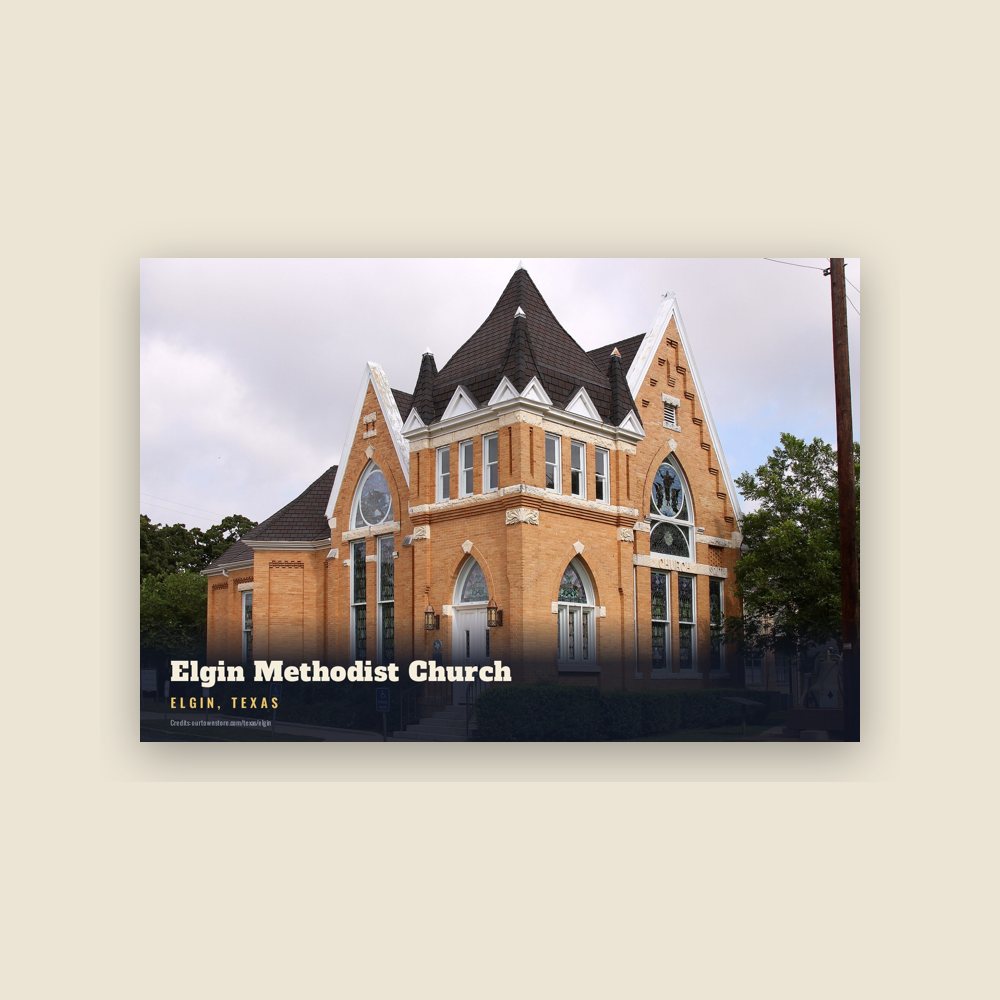
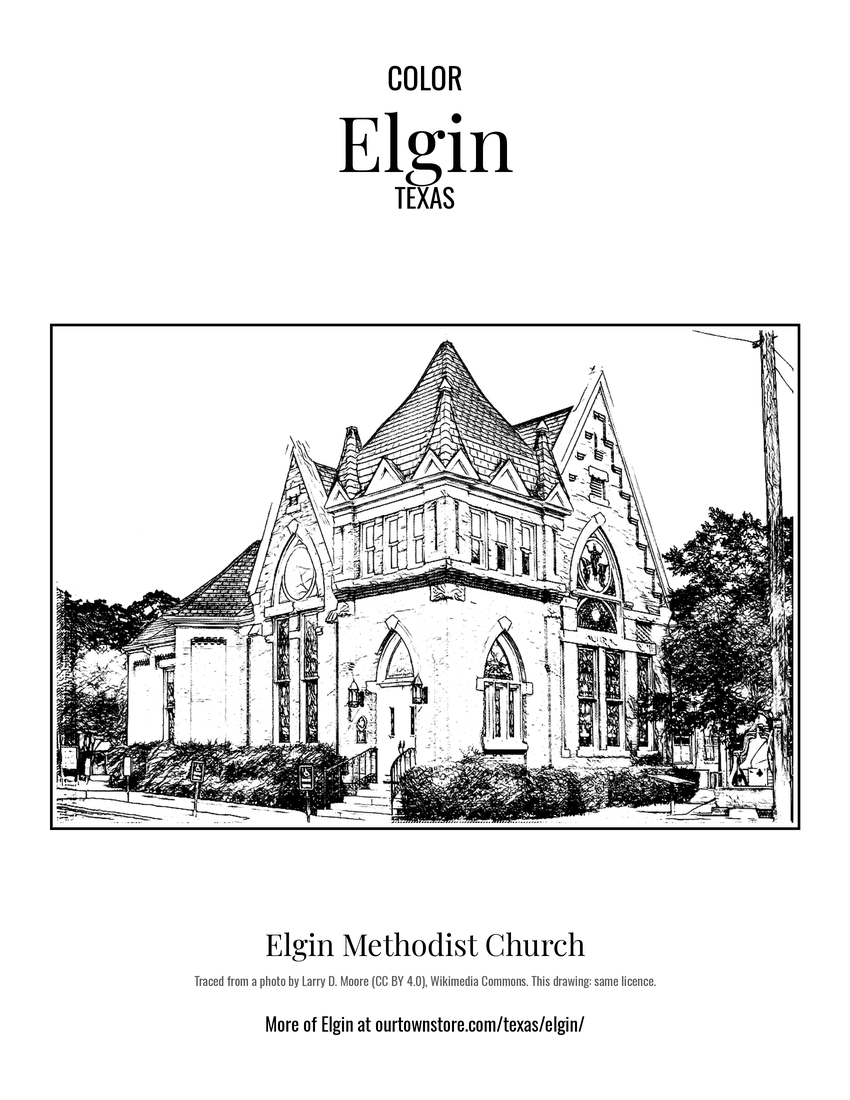 Elgin Methodist Church
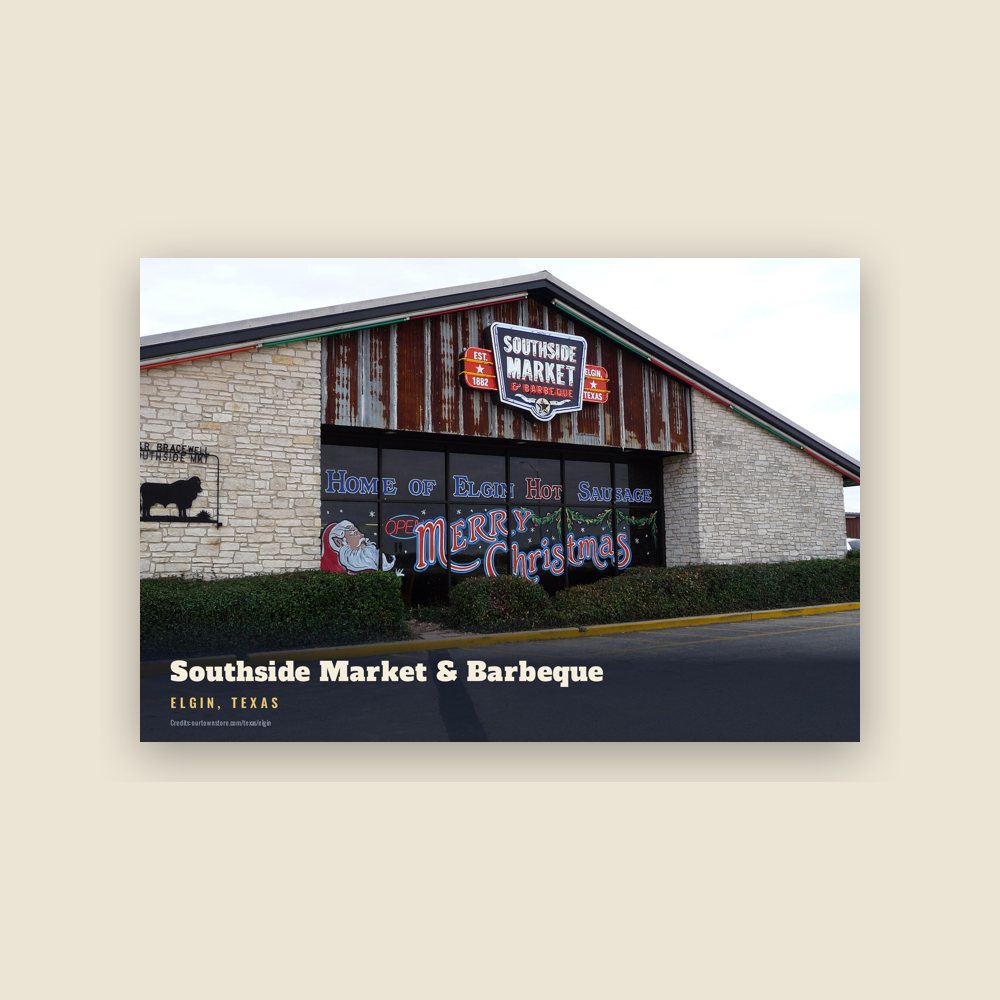
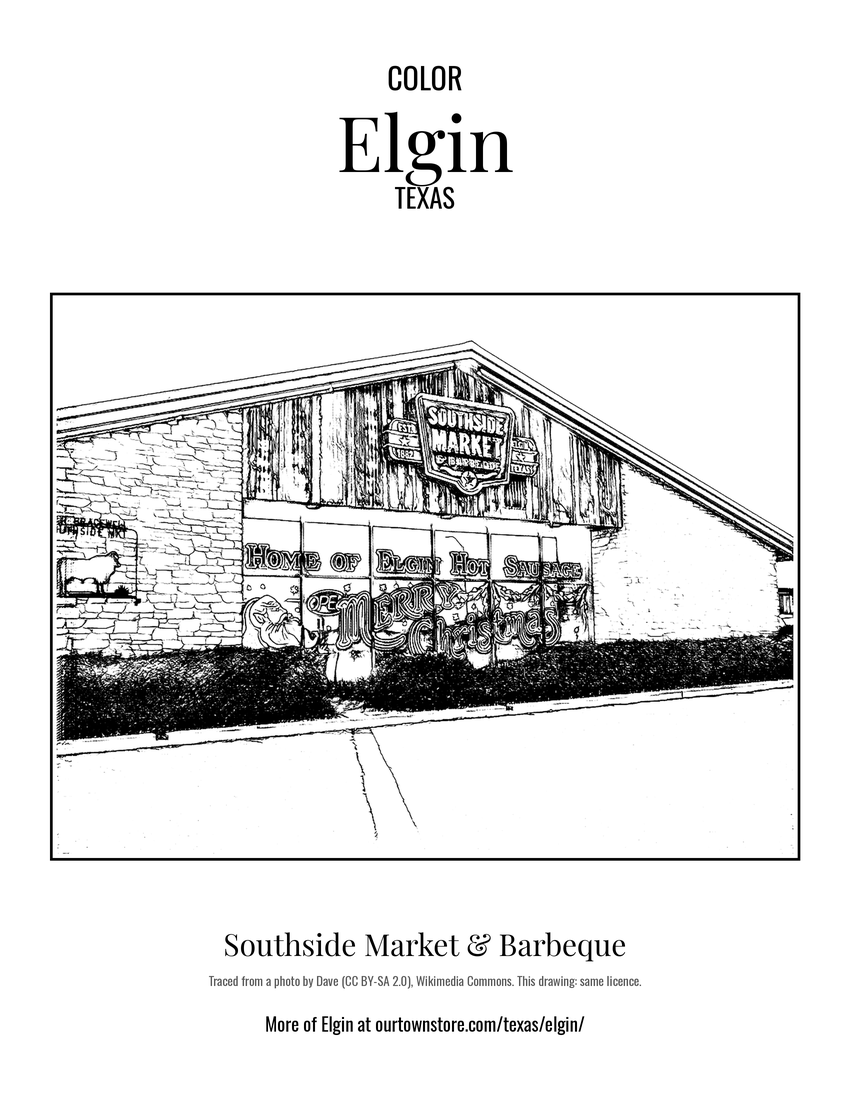 Southside Market & Barbeque
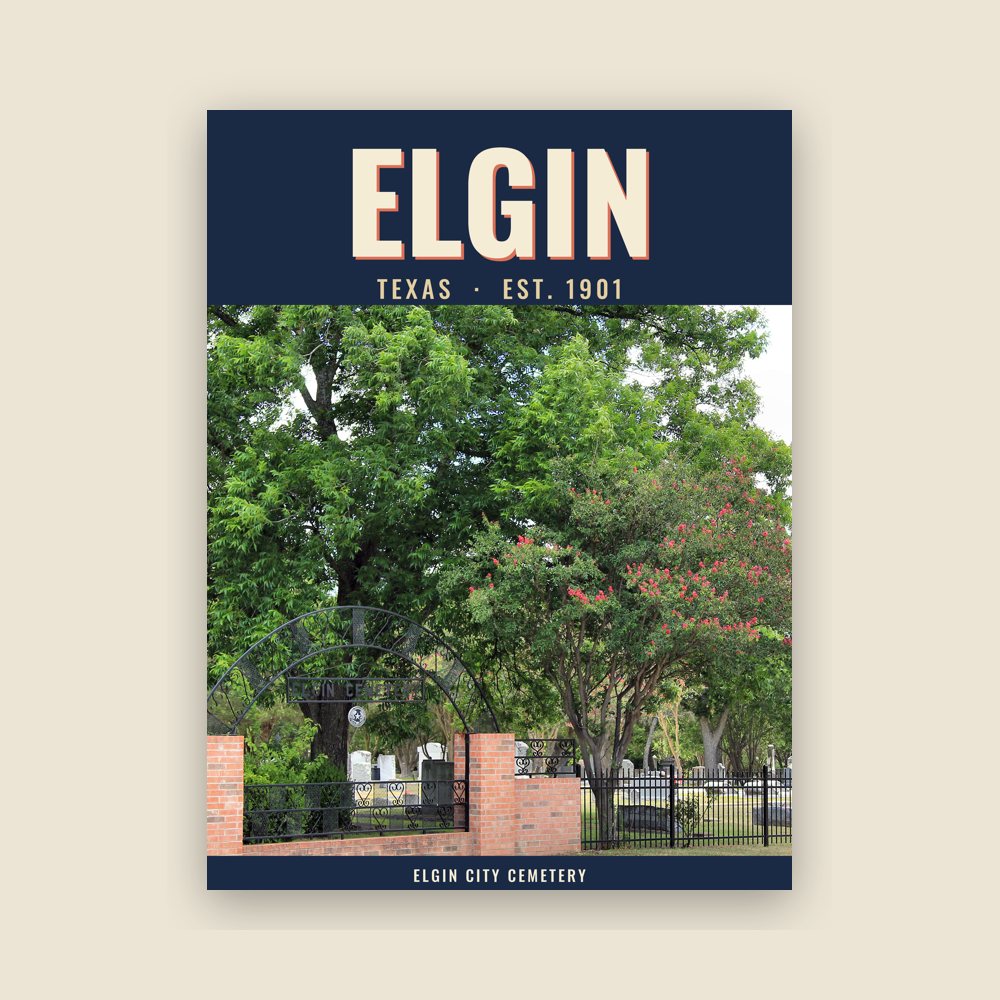
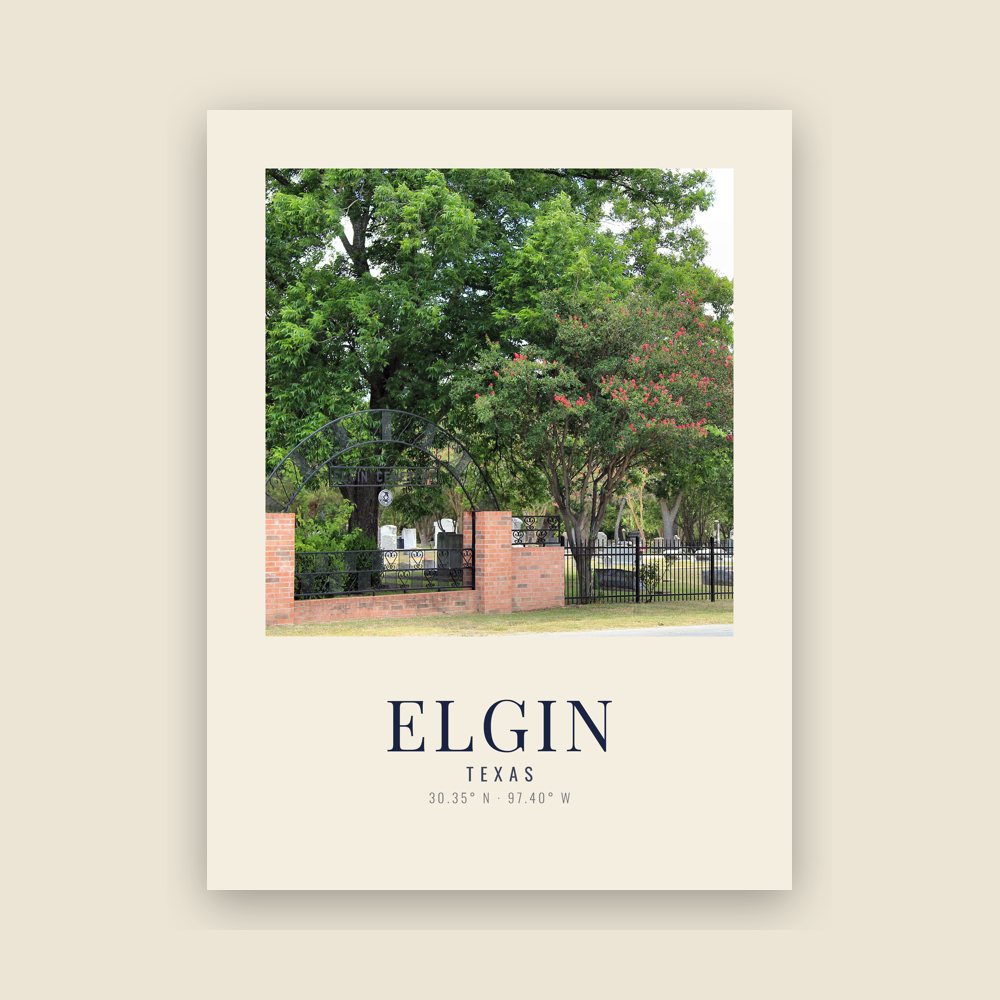
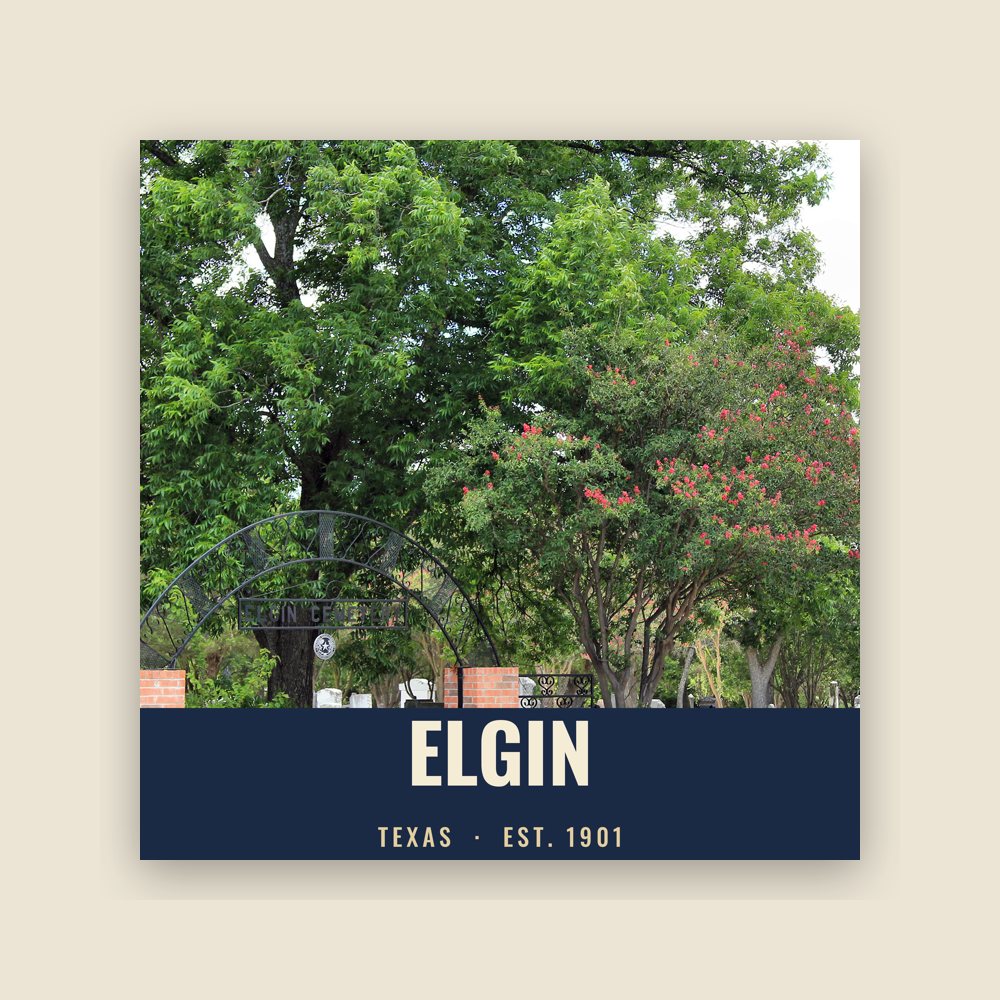
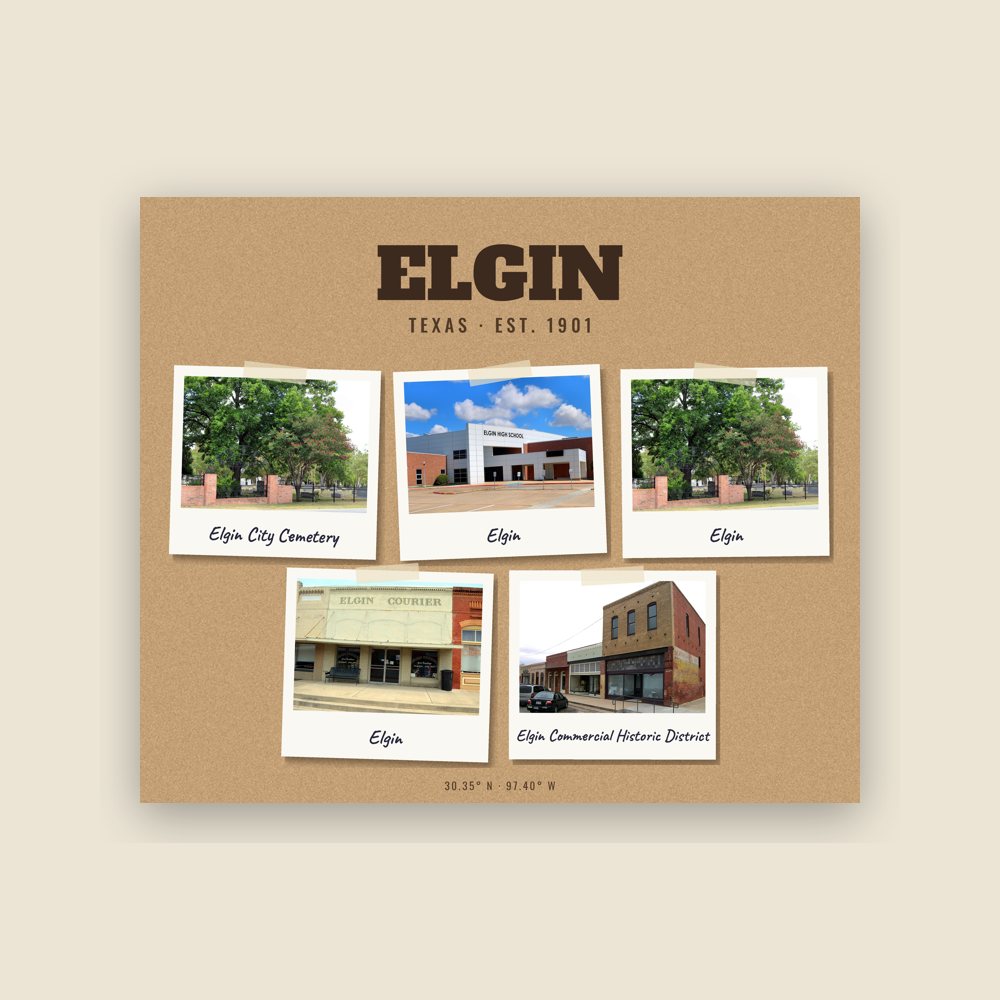
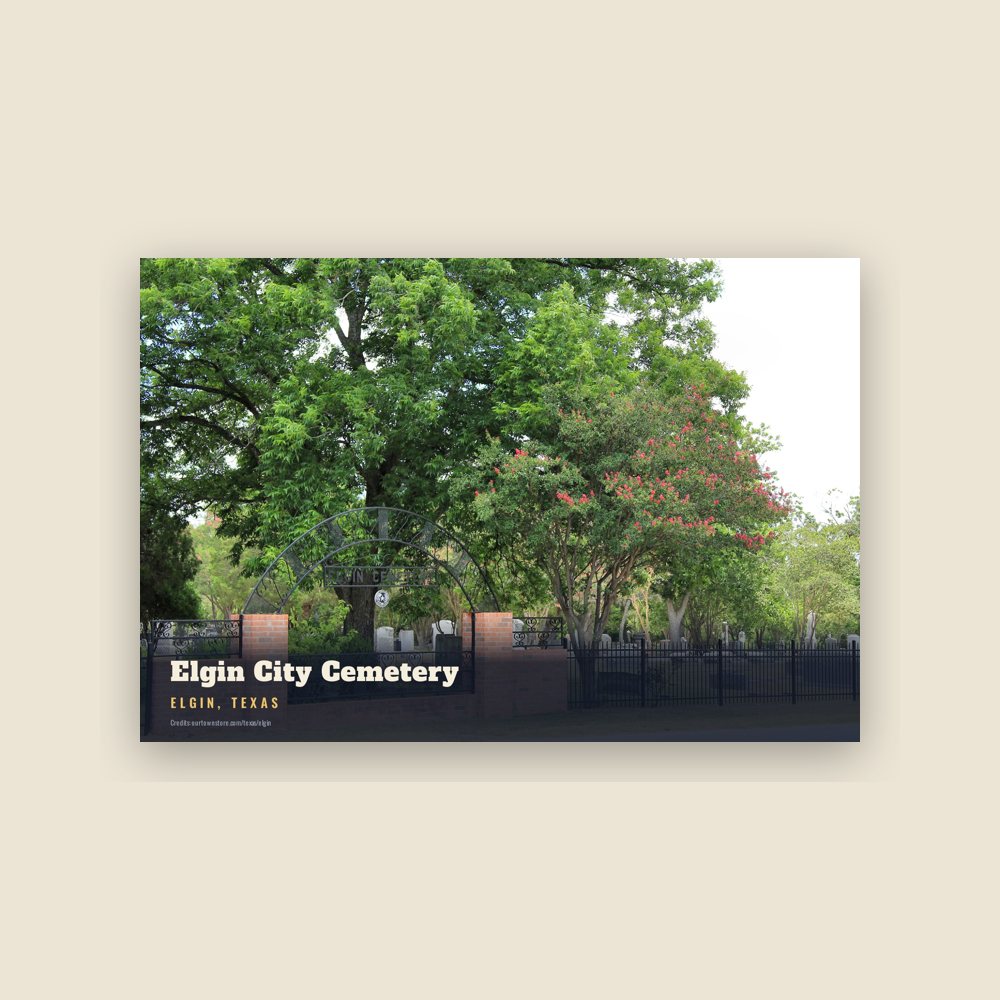
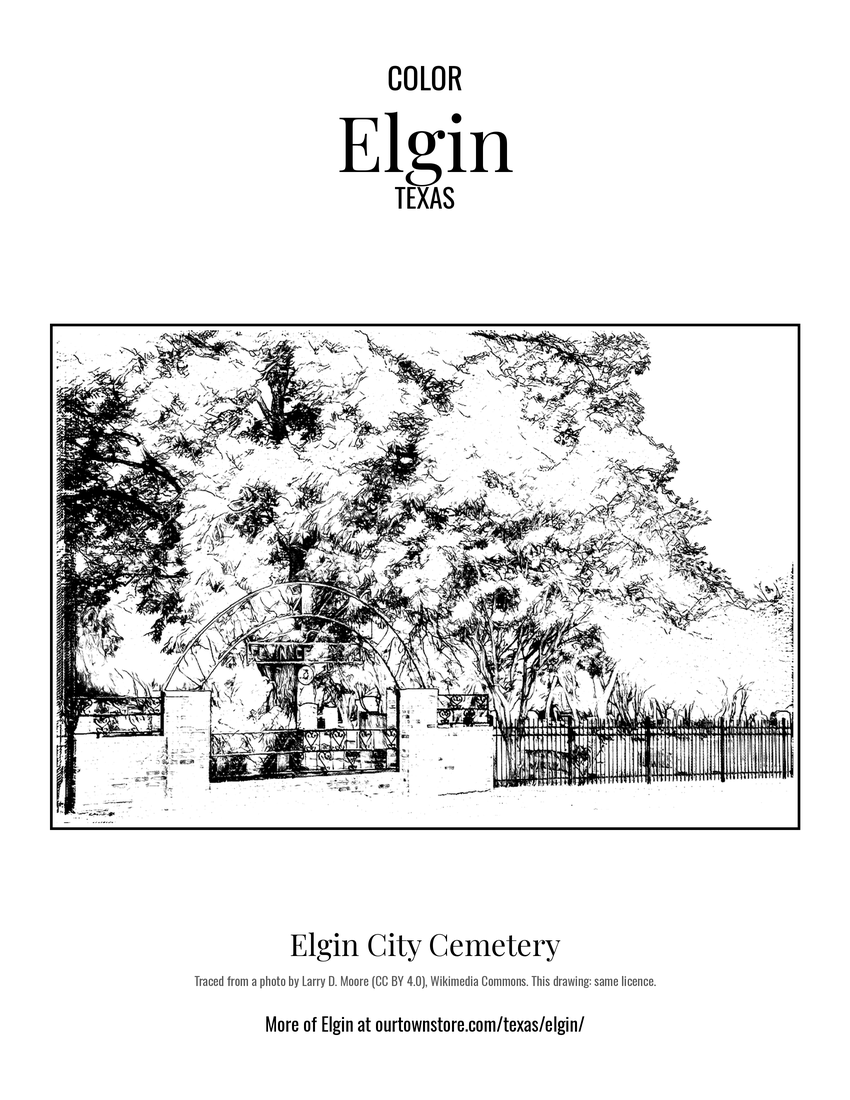 Elgin City Cemetery
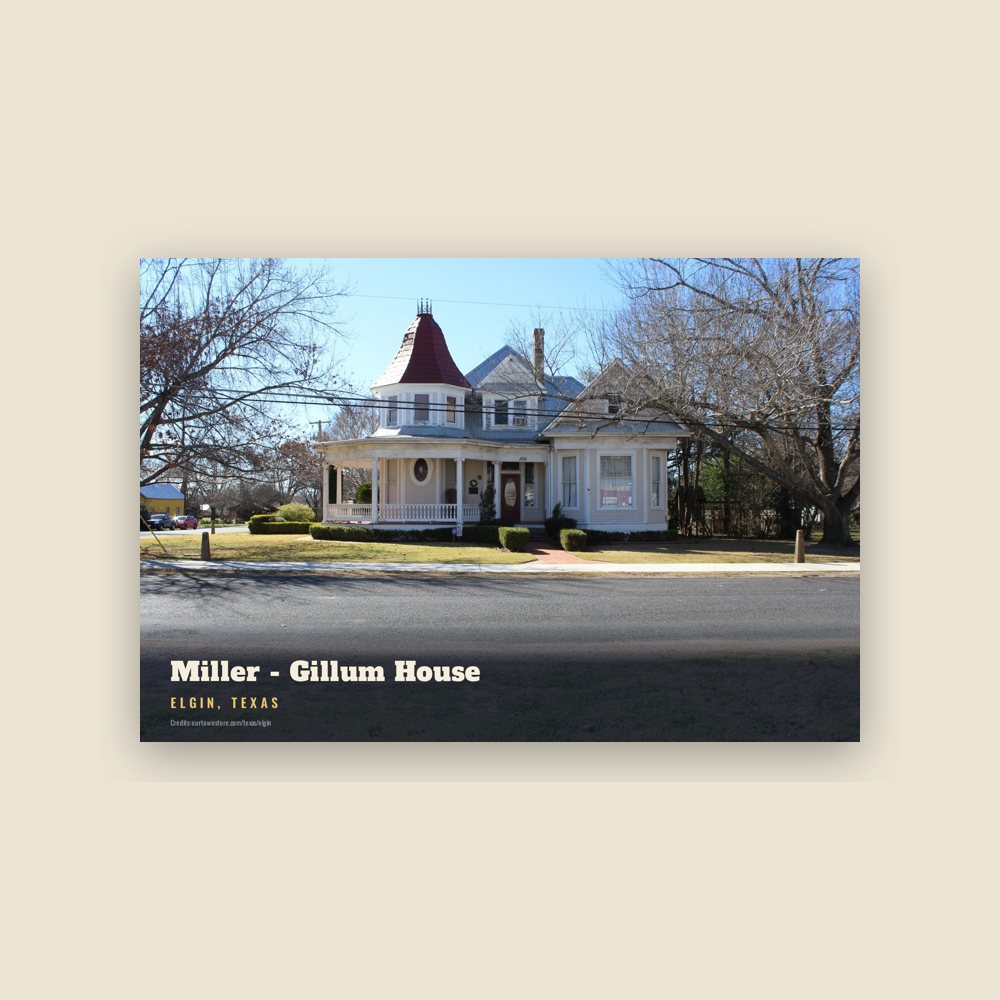
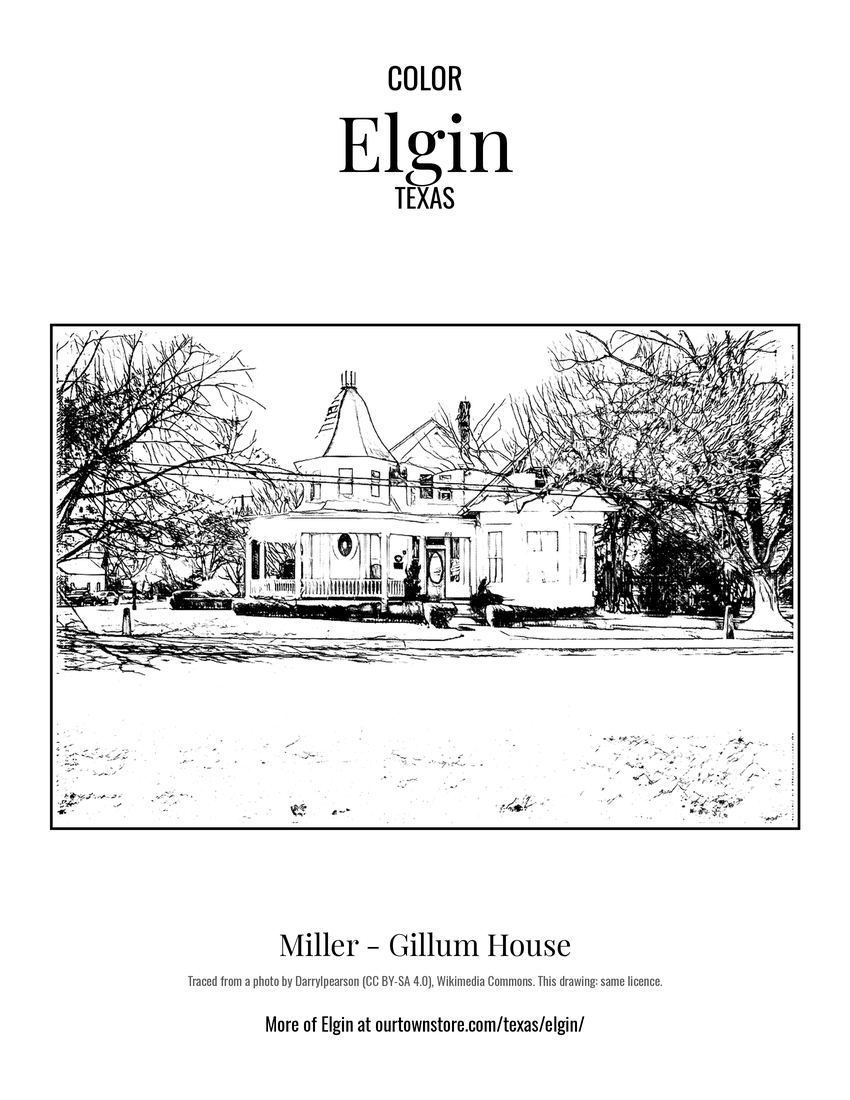 Miller - Gillum House