A short history of Del Rio
The Spanish established a small settlement south of the Rio Grande in present-day Mexico, and some Spanish colonists settled on the north side of the Rio Grande as early as the 18th century.
The United States acquired the territory following the Mexican War, and after the American Civil War, Paula Losoya Taylor in 1862 was the first Anglo American to build a hacienda in the area.
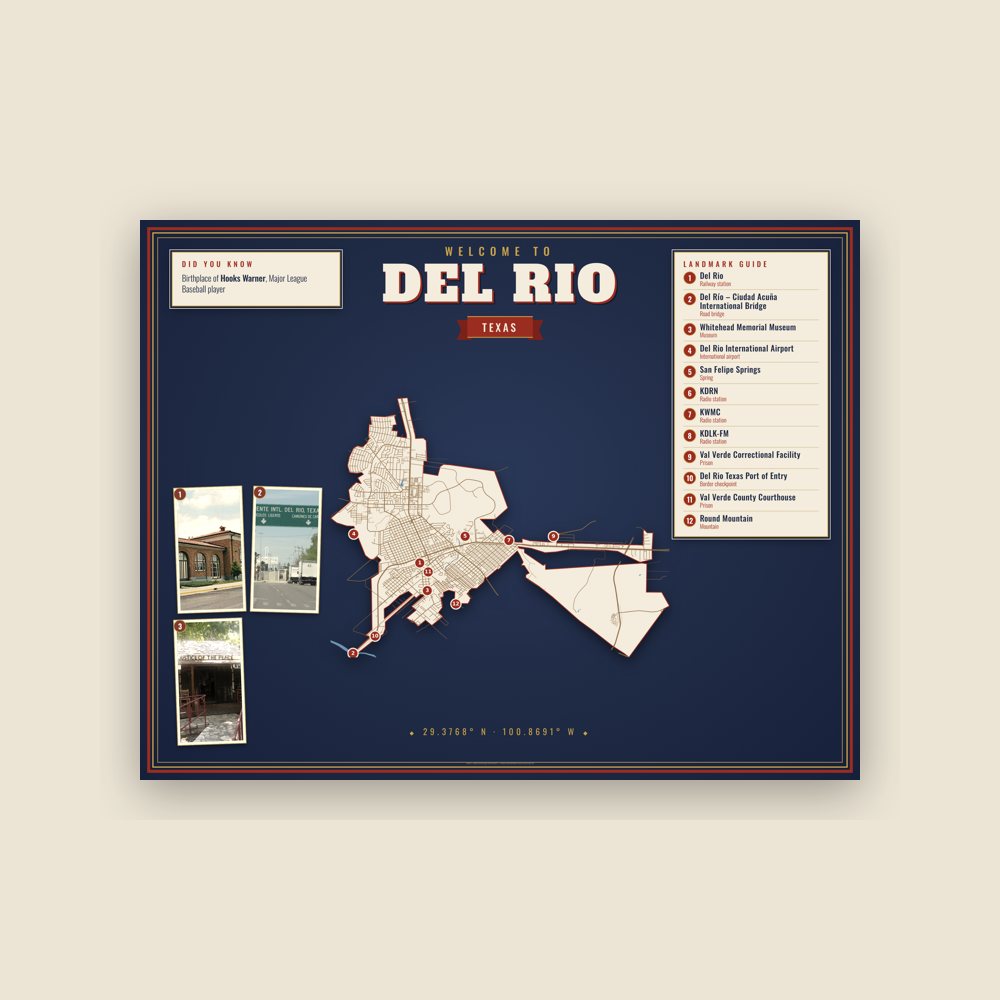
San Felipe Springs, about 8 mi (13 km) east of the Rio Grande on the U.S. side of the border, has historically produced 90×10^6 US gal (340,000 m3) of water a day. This was critical to the arid region. Developers acquired several thousand acres of land adjacent to the springs, and to San Felipe Creek formed by the springs, from the state of Texas in exchange for building a canal system to irrigate the area.
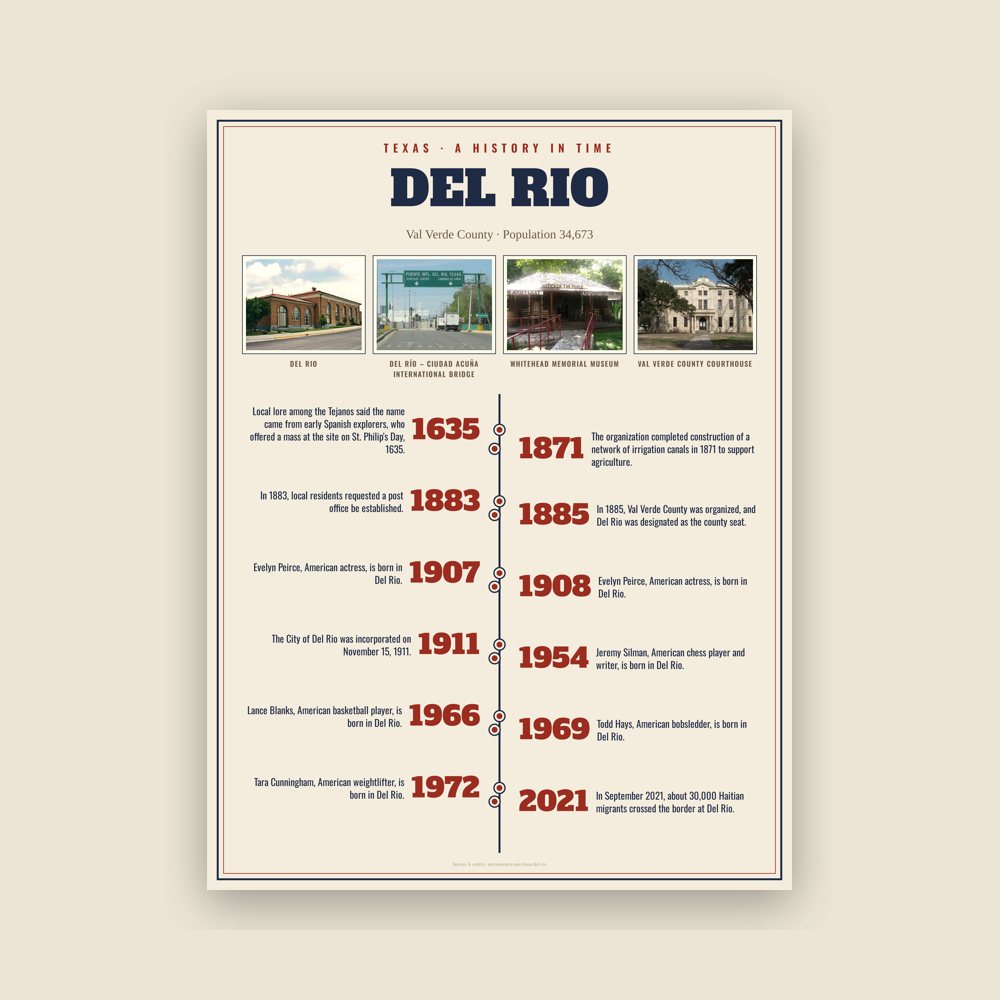
The developers sold tracts of land surrounding the canals to recover their investment and show a profit. The initial investors (William C. Adams, Joseph M. Hudson, John P. Grove, Donald Jackson, John Perry, Joseph Ney, Randolph Pafford, A. O. Strickland, and James H Taylor) formed the San Felipe Agricultural, Manufacturing, and Irrigation Company in 1868. The organization completed construction of a network of irrigation canals in 1871 to support agriculture. Residents referred to the slowly developing town as San Felipe Del Rio. Local lore among the Tejanos said the name came from early Spanish explorers, who offered a mass at the site on St. Philip's Day, 1635.
In 1883, local residents requested a post office be established. The United States Postal Department shortened "San Felipe del Rio" to "Del Rio" to avoid confusion with San Felipe de Austin. In 1885, Val Verde County was organized, and Del Rio was designated as the county seat. The City of Del Rio was incorporated on November 15, 1911.
The San Felipe community was started by the Arteaga family. Arteaga Street and Arteaga Park are named after them. Together, the communities are still part of a rural region.
Ranchers and farmers recruited Mexican workers during the early decades of the 20th century, especially during World War II, when so many American men were at war. After the war, the government withdrew visas and deported workers, including some who were citizens, as well as children born here.
Like many border communities, Del Rio has been affected in the early 21st century by migrants arriving from Mexico and Central and South America. Migrants from the Caribbean have also crossed the border here.
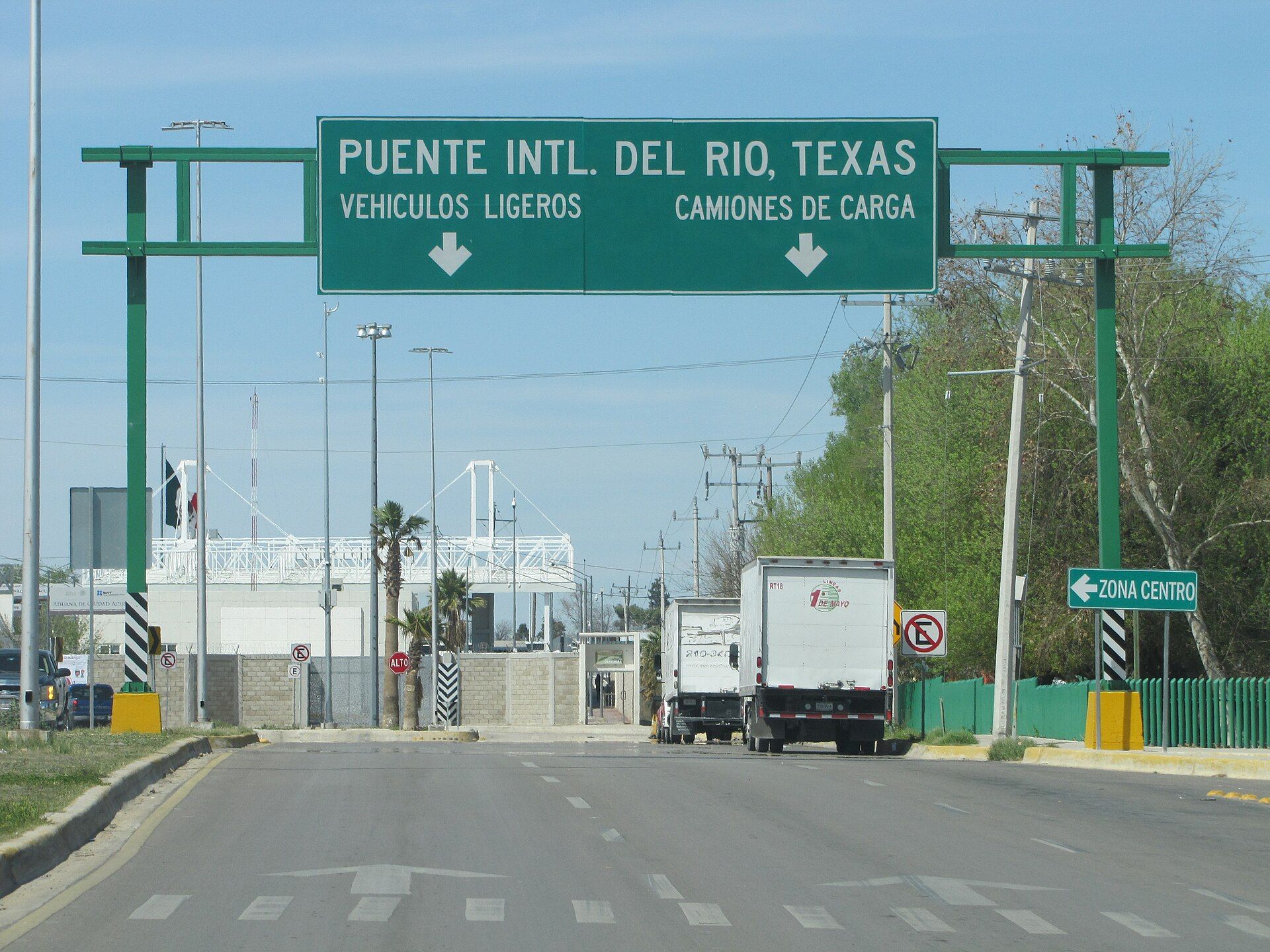
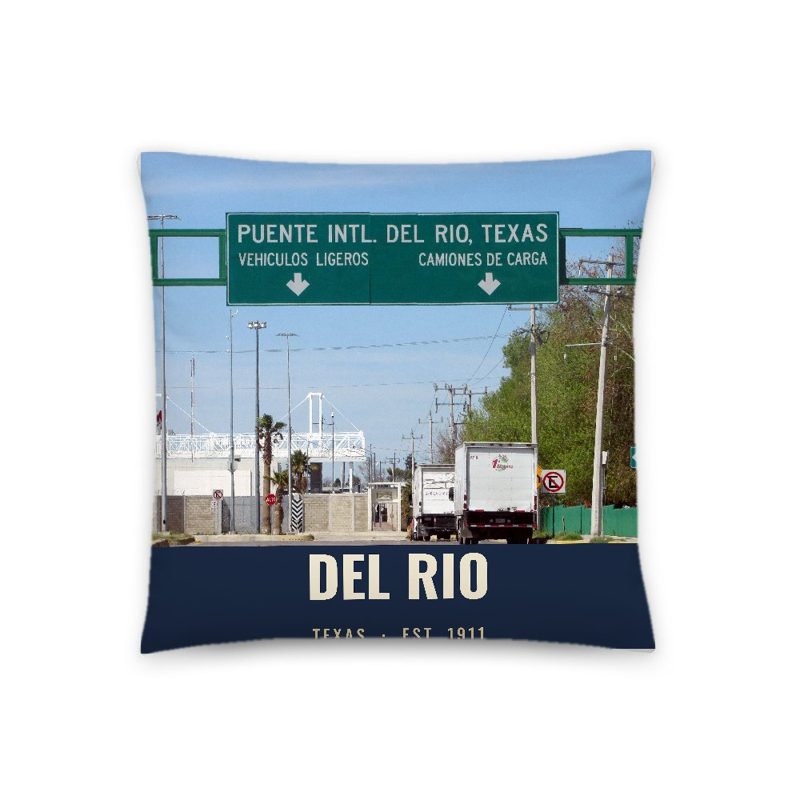
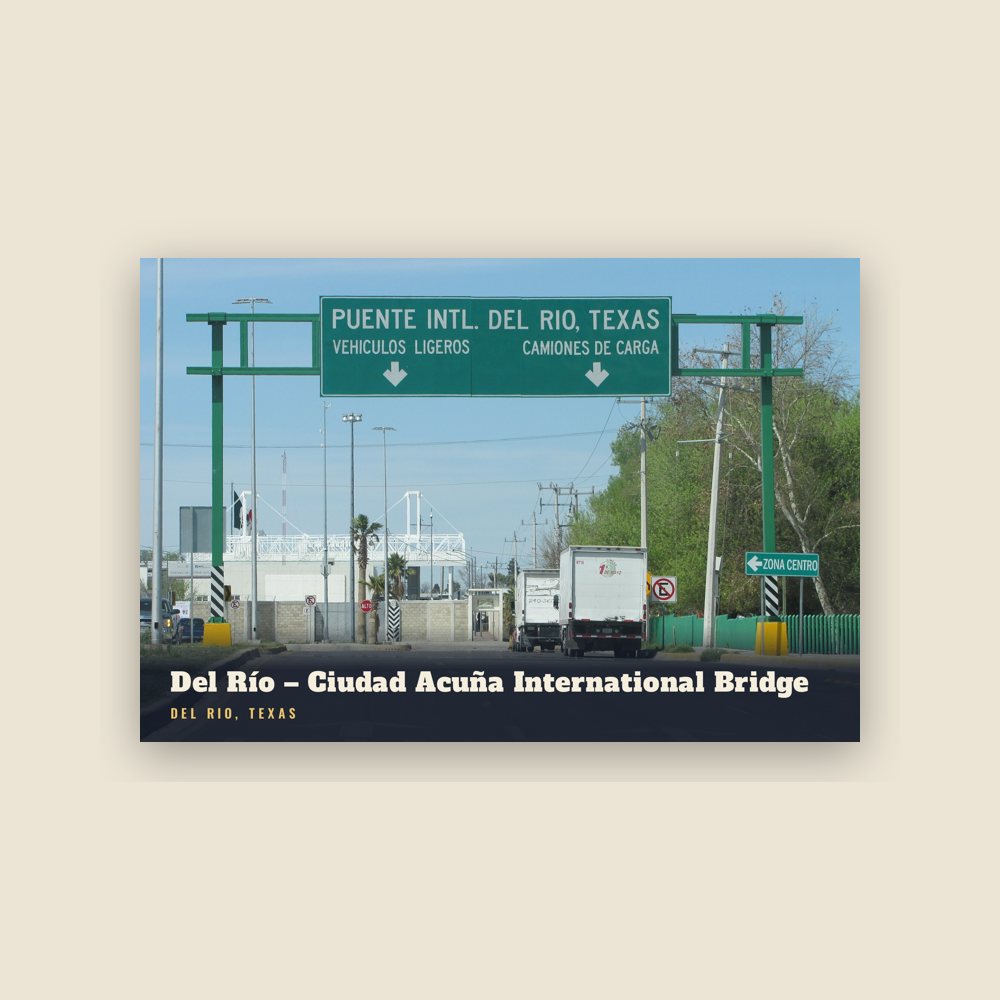
In September 2021, about 30,000 Haitian migrants crossed the border at Del Rio. The United States Border Patrol moved many to a camp underneath the Del Río–Ciudad Acuña International Bridge. The squalid conditions in the camp attracted widespread national attention.
Adapted (trimmed) from the Wikipedia article Del Rio, Texas, revision 1384403154 by its contributors, licensed CC BY-SA 4.0.
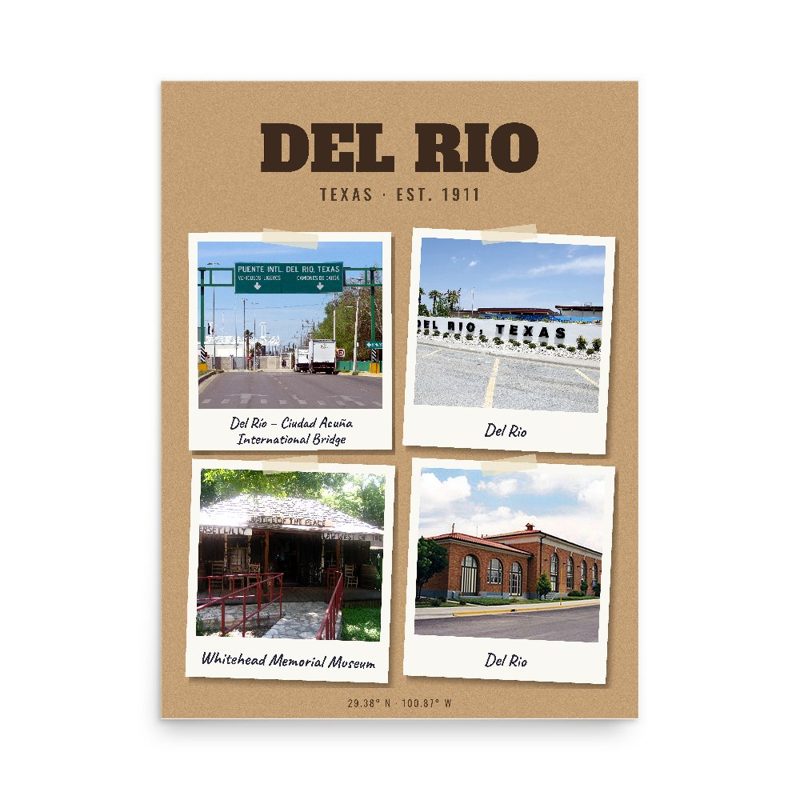



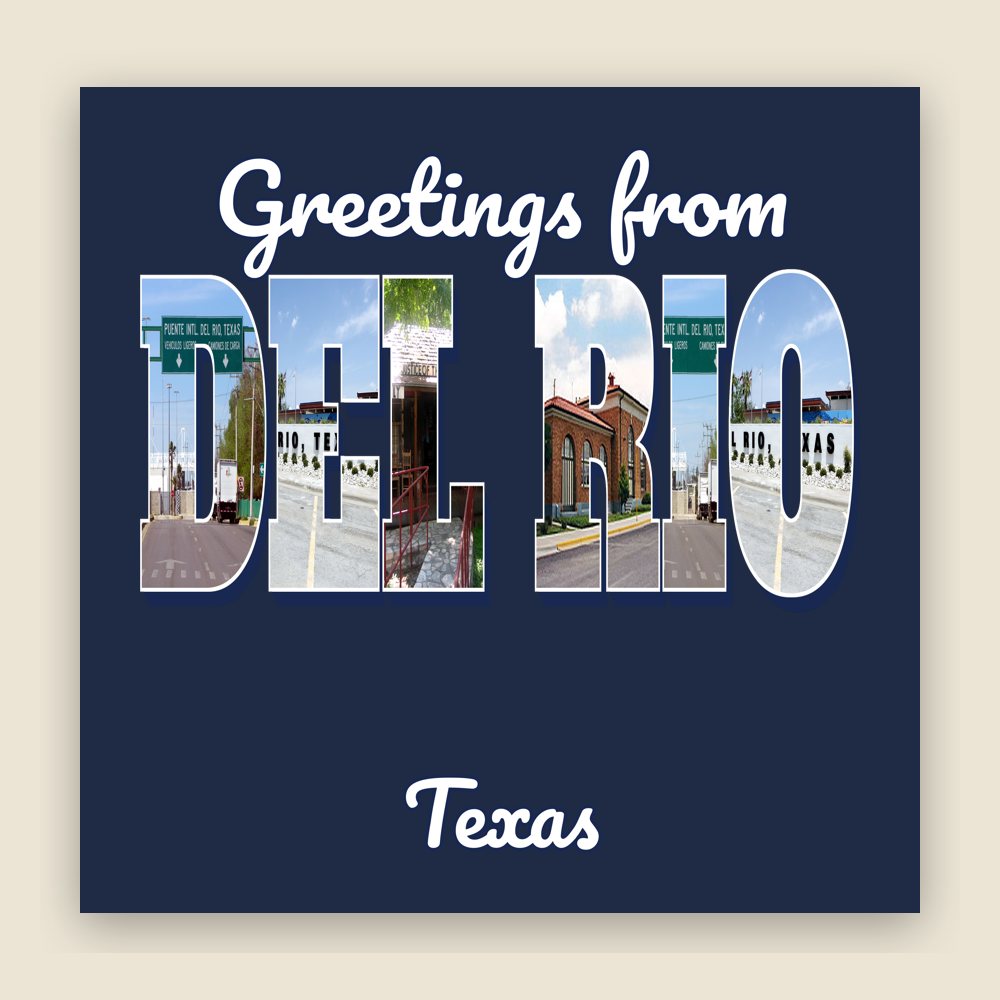



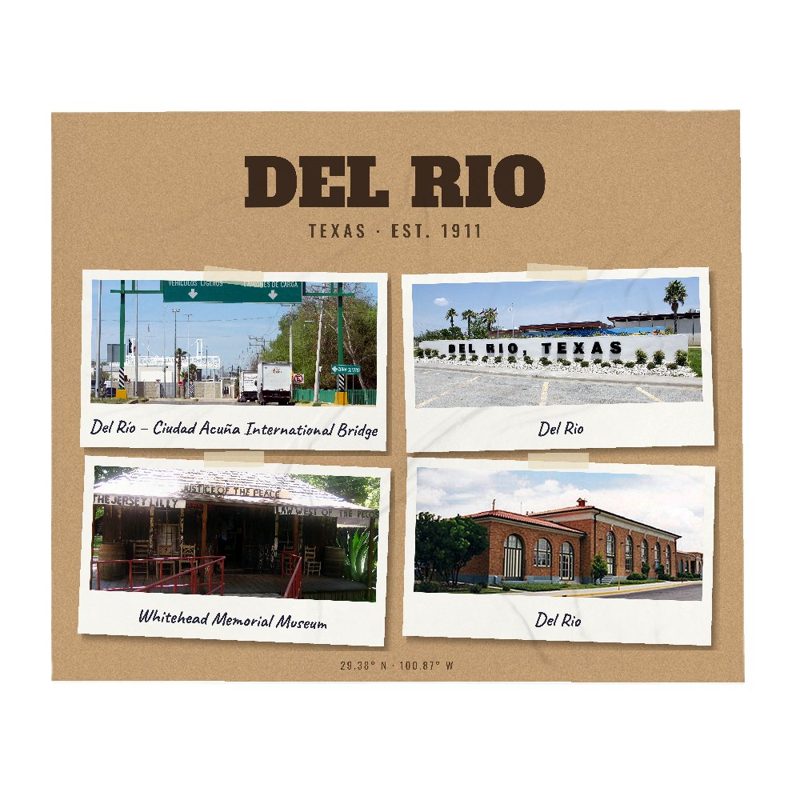
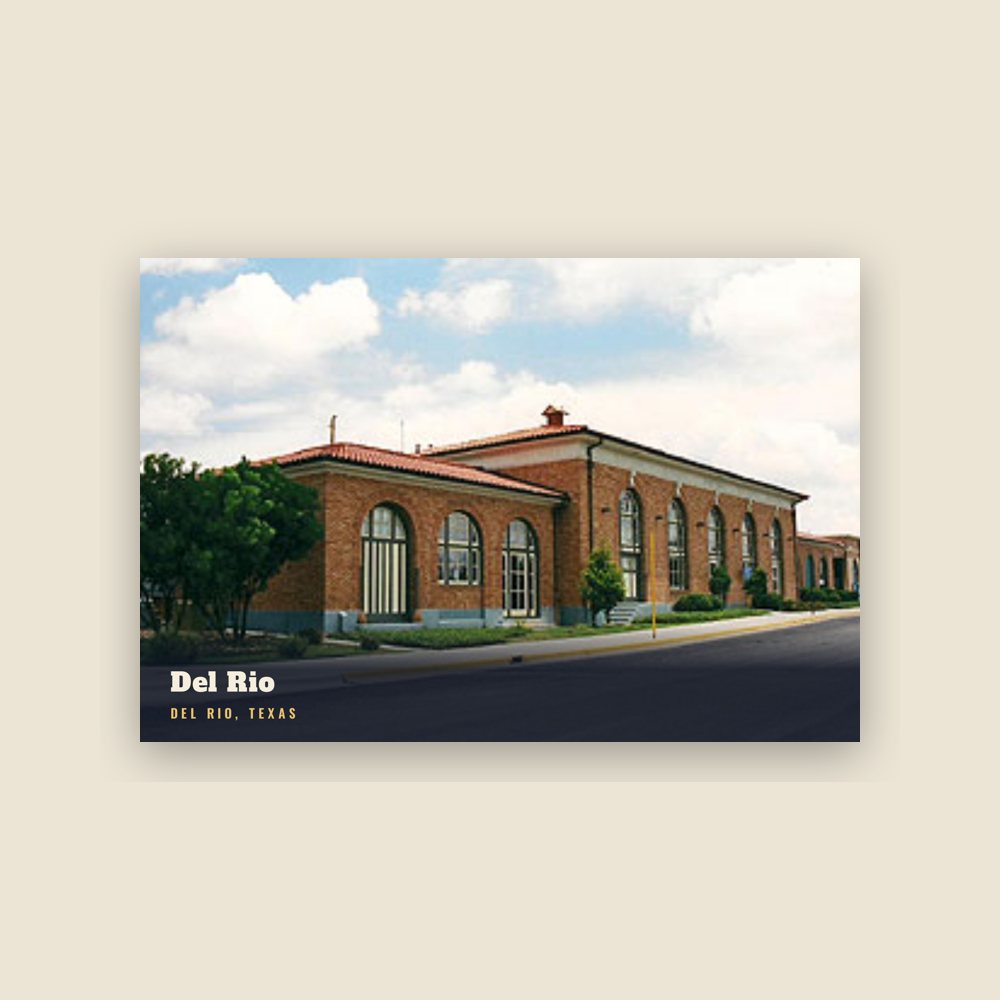
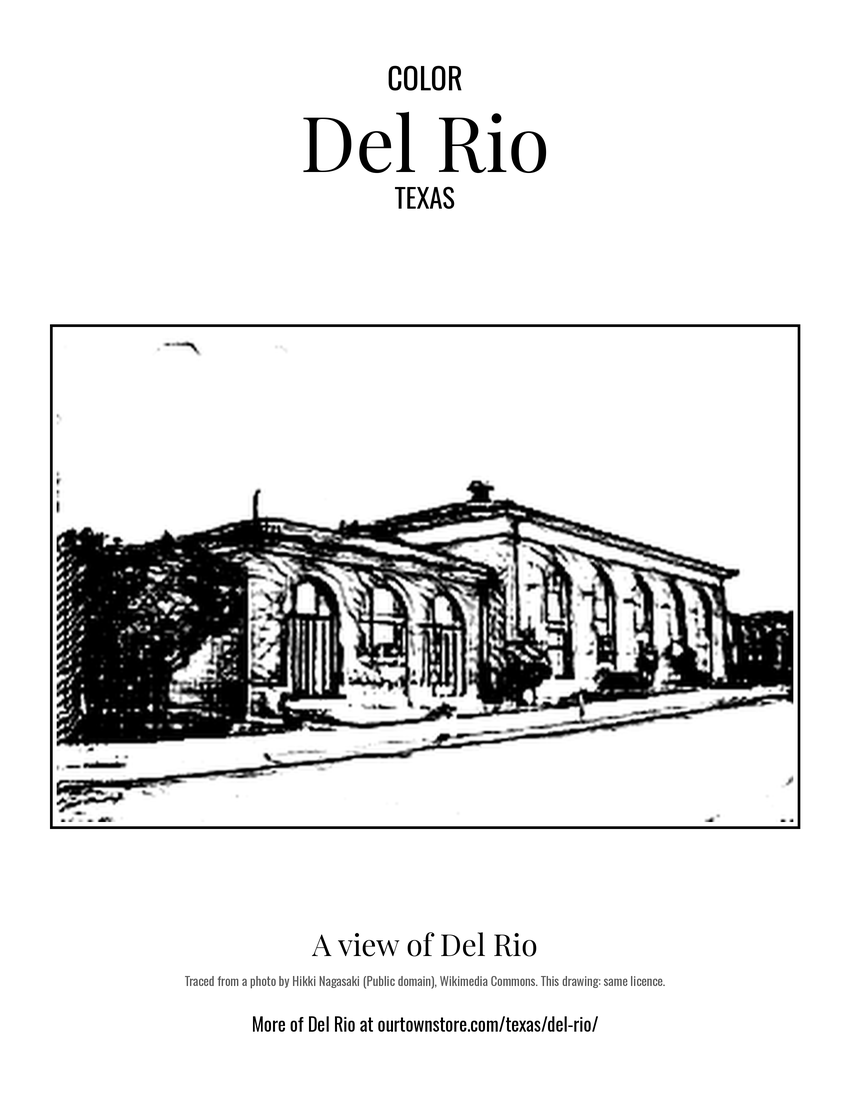 A view of Del Rio
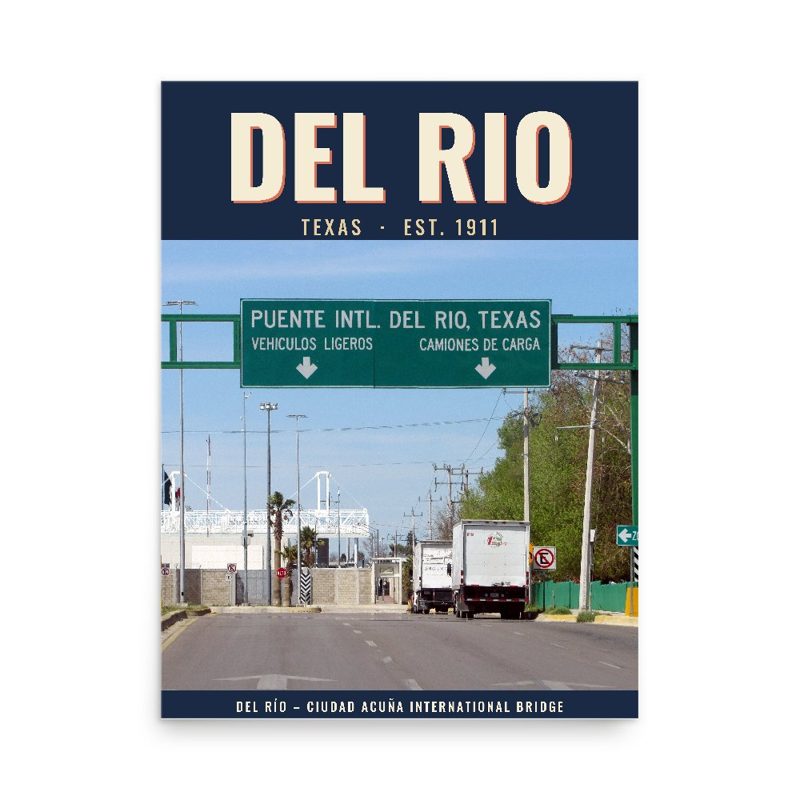
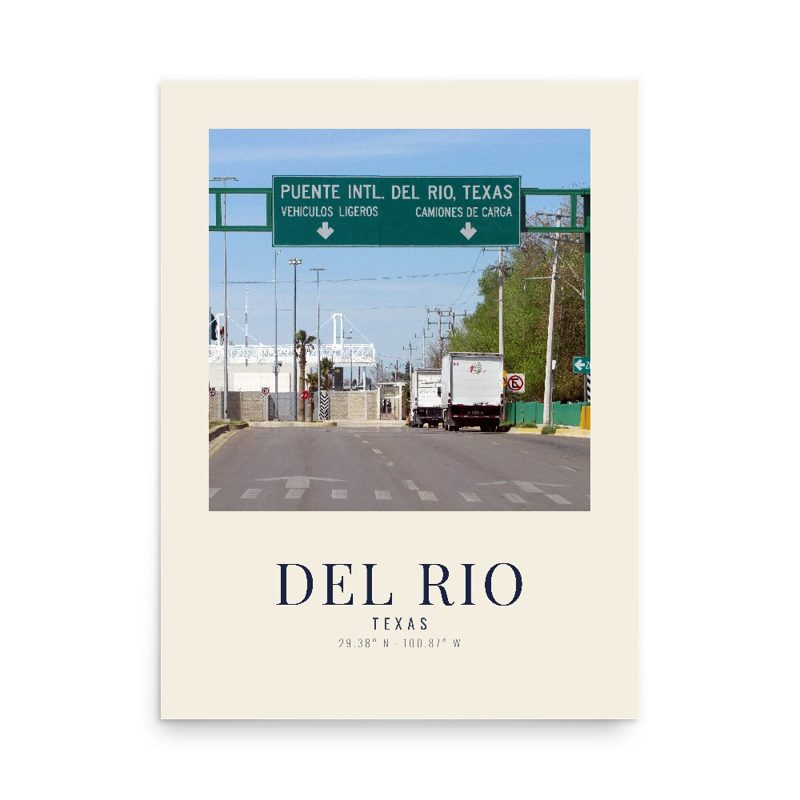
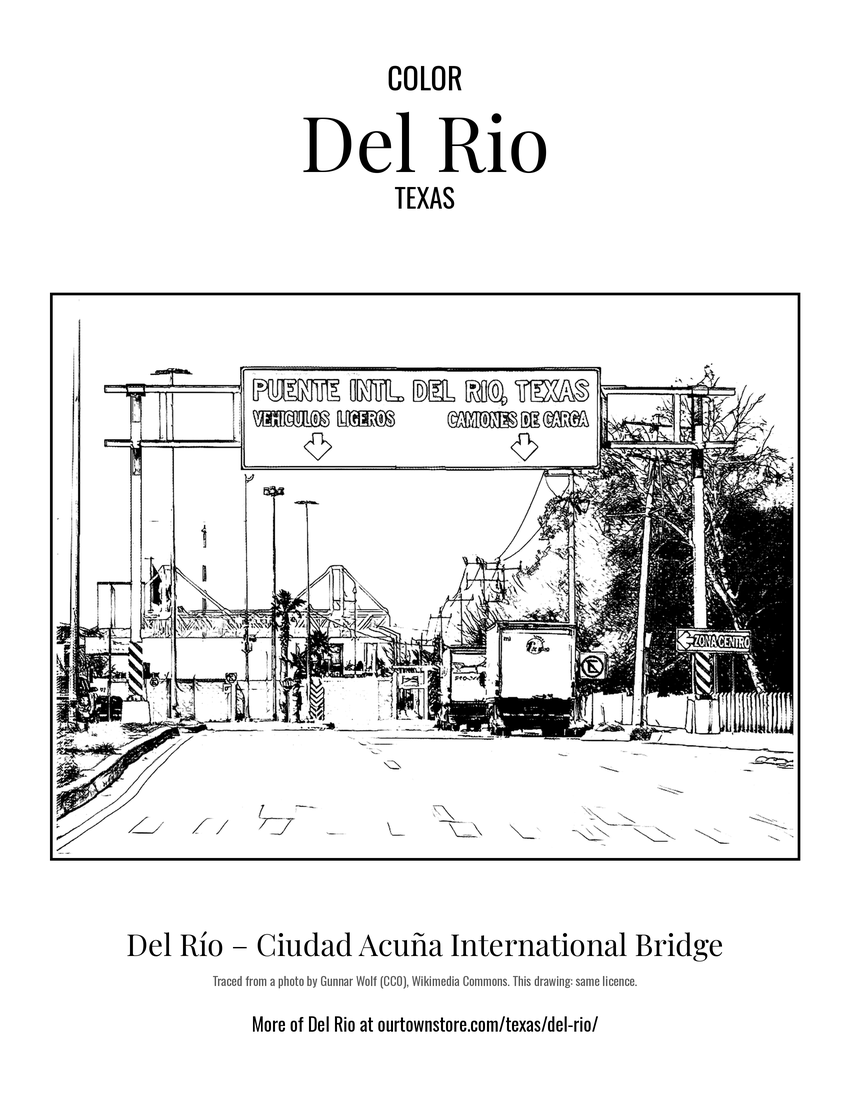 Del Río – Ciudad Acuña International Bridge
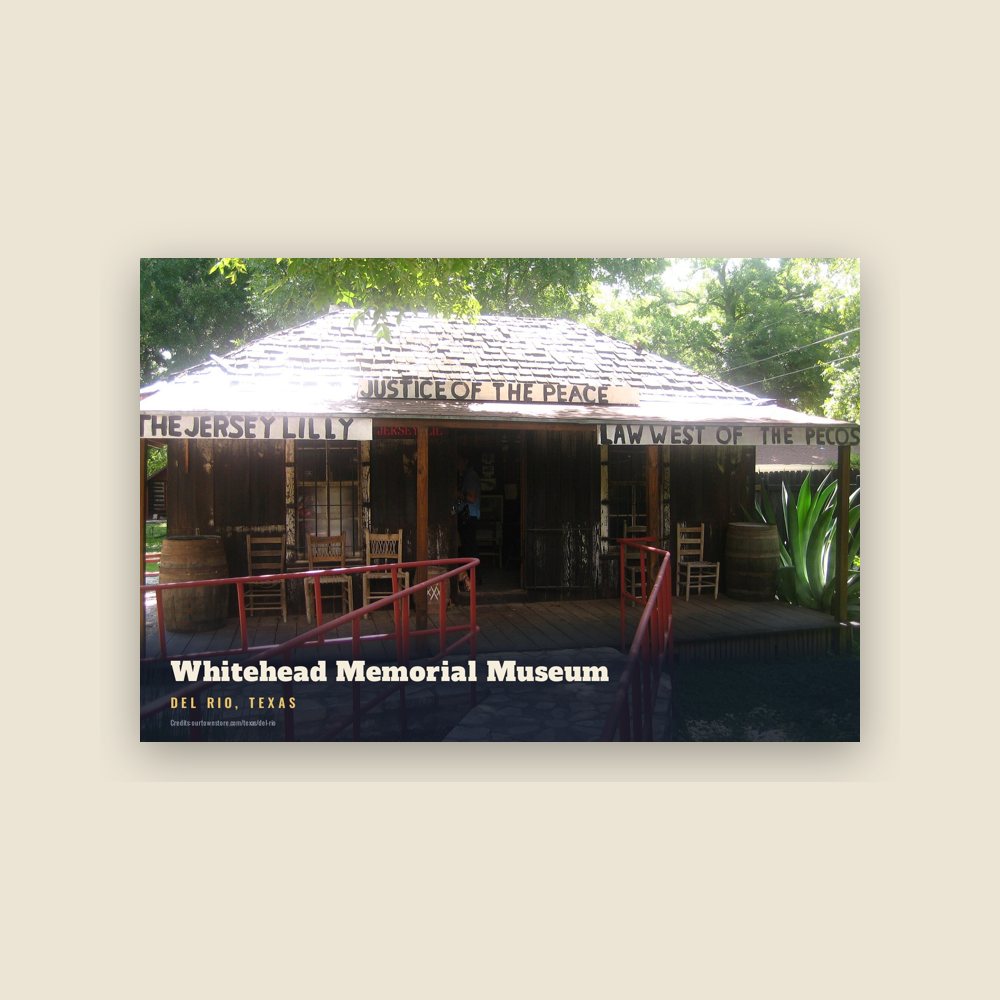
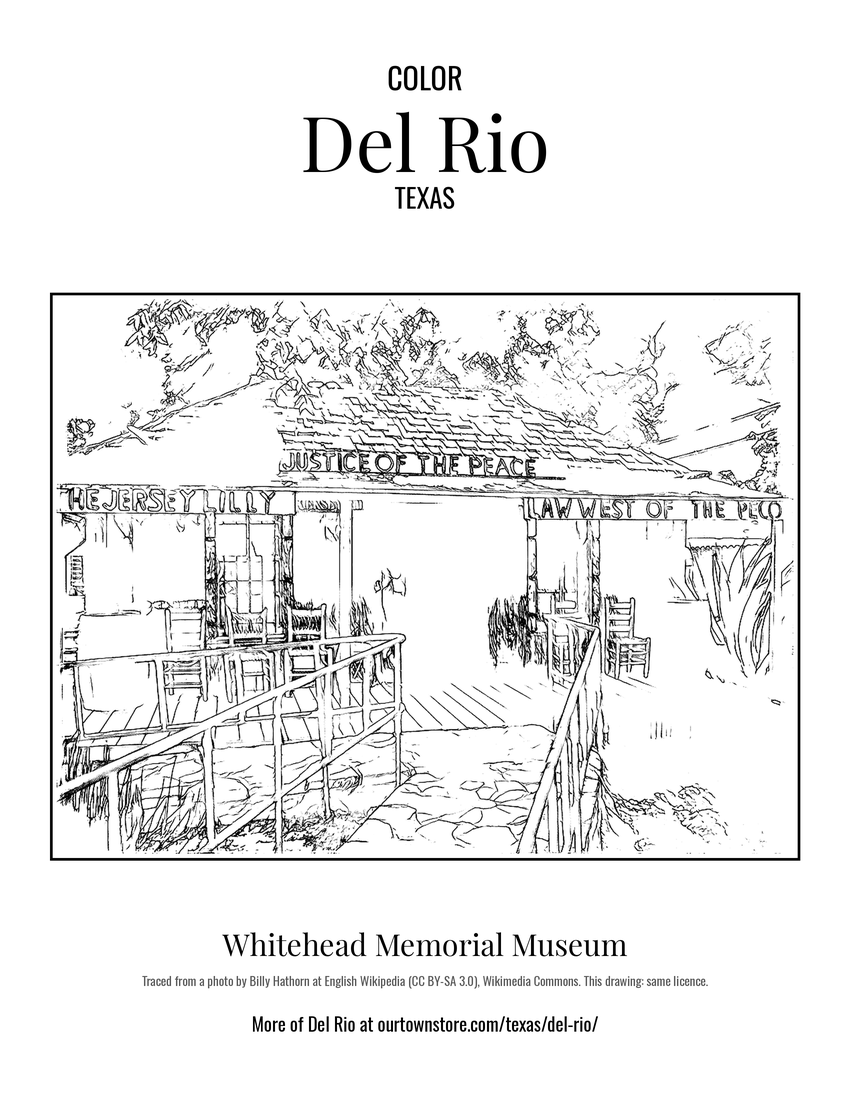 Whitehead Memorial Museum
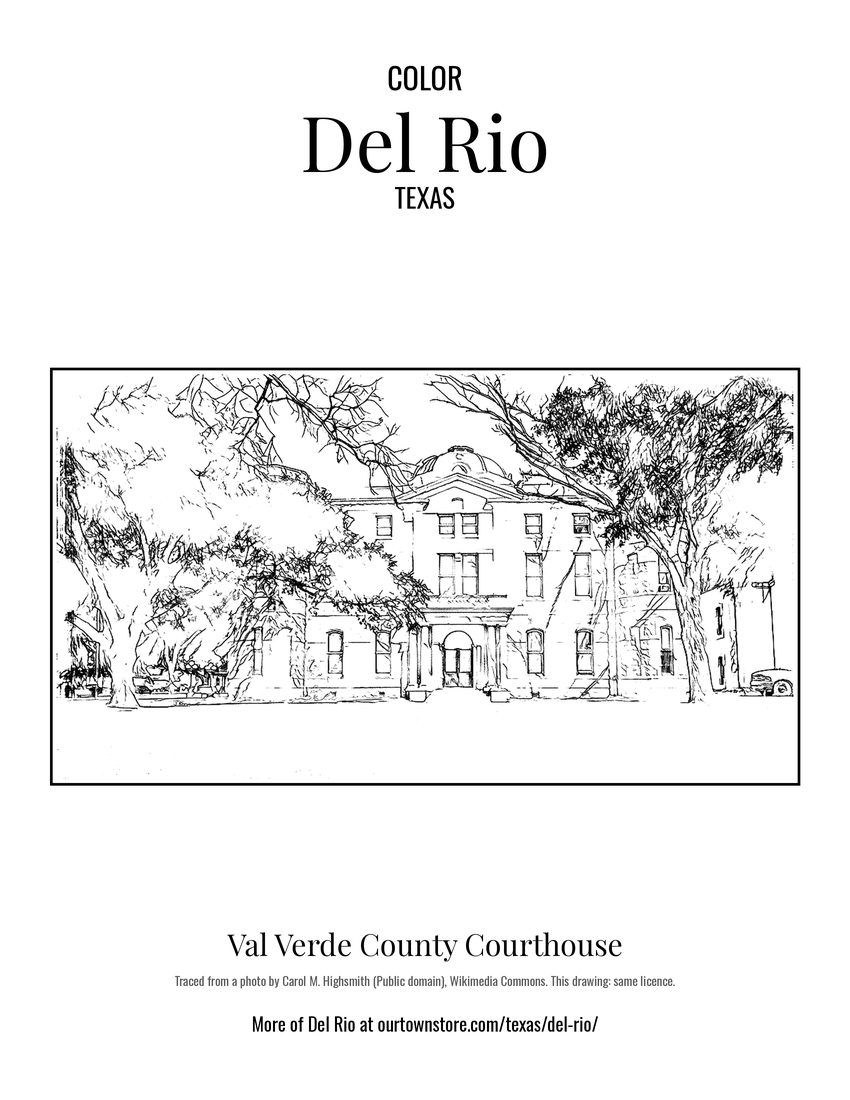 Val Verde County Courthouse