A short history of Celina
Although Celina was not established until 1876, settlers came into the area at a much earlier date. In October 1879, a settlement formed 1 mi (1.6 km) south of its current location. A Methodist church was built in 1880, and it doubled as a schoolhouse for a short time. Celina's first postmaster John T. Mulkey renamed the town after his hometown – Celina, Tennessee. By 1884, Celina had a gristmill, cotton gin, school, several general stores, and a drug store that has been opened in “Old Celina.”
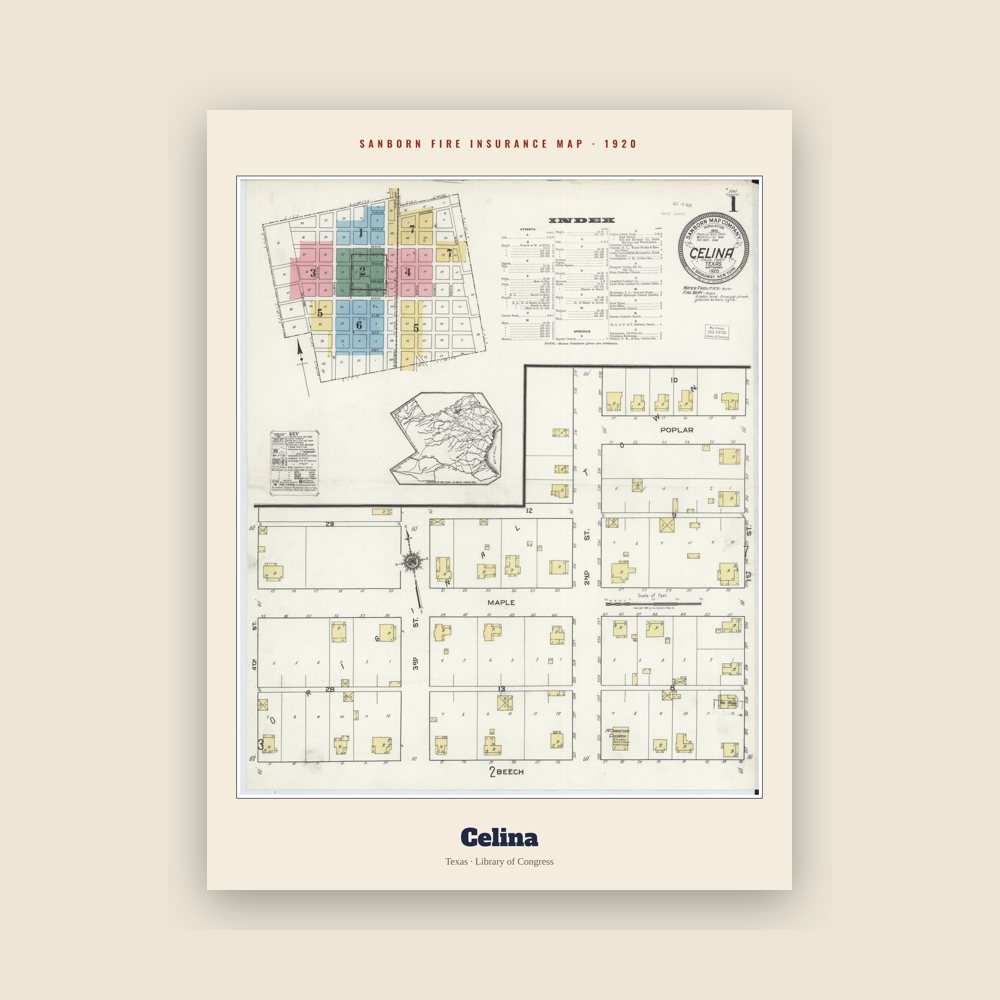
In 1902, news had reached Celina that the St. Louis, San Francisco, and Texas Railway would be constructed and extended to reach the area. Shortly thereafter, the merchants of the town made the decision to move the entire town closer to the railway. When the time came to move, the businesses and houses were loaded onto rollers and moved 1 mi (1.6 km) north to be closer to the railway. The town coined itself “Rollertown.” The move was completed in February 1902.
A town site company secured land for the new “Celina,” which was part of a pasture belonging to the late William Willock. The company had taken fences down, marked off streets, and placed lots for sale. Originally, it was intended that the current Main Street would be the Main Street of the town so it was made wider than the other streets and the price of lots were higher. Because of the higher price, the merchants began locating north of Main Street and west of the railroad. In 1907, the town was officially incorporated with Will Newsom serving as the first mayor.
In 1910, Celina resident J. Fred Smith (who later became the first mayor of University Park in Dallas) had the business section rebuilt from a row of frame buildings facing the railroad tracks to uniform brick buildings around a square. By July 1911, Smith's effort had paid off as several new buildings were ready for use and gravel streets were constructed, which gave Celina the appearance of a wide-awake, growing little city. Businesses began to relocate from their wooden structures into the new brick buildings, and many of the wooden structures moved into a residential section and transformed into homes. This was a pivotal moment in Celina's character as it marked the shift towards the brick features that define the Downtown Square today.
Celina Pike, the first road in the county built exclusively for automobiles, opened in Celina in 1915. At that time, Celina had a newspaper, two banks, and municipal water works. In 1921, Lone Star Gas organized Farmers Gas Company to provide natural gas to Celina and other small rural towns. In 1924, Texas Power and Light began supplying electricity to Celina then replaced by Grayson-Collin Electric Cooperative in 1937.
By 1937, Celina had a variety of businesses and professional services, including a dry good store, seven gas stations, three cotton gins, two drug stores, two grain elevators, two ice houses, flour mill, laundry, lumber yard, shoe and harness shop, jewelry store, blacksmith, movie theatre, and a modern brick school building. During World War II, the diversification of commerce in the Downtown Square continued as it served as a collection points for scrap iron.
Adapted (trimmed) from the Wikipedia article Celina, Texas, revision 1378560532 by its contributors, licensed CC BY-SA 4.0.
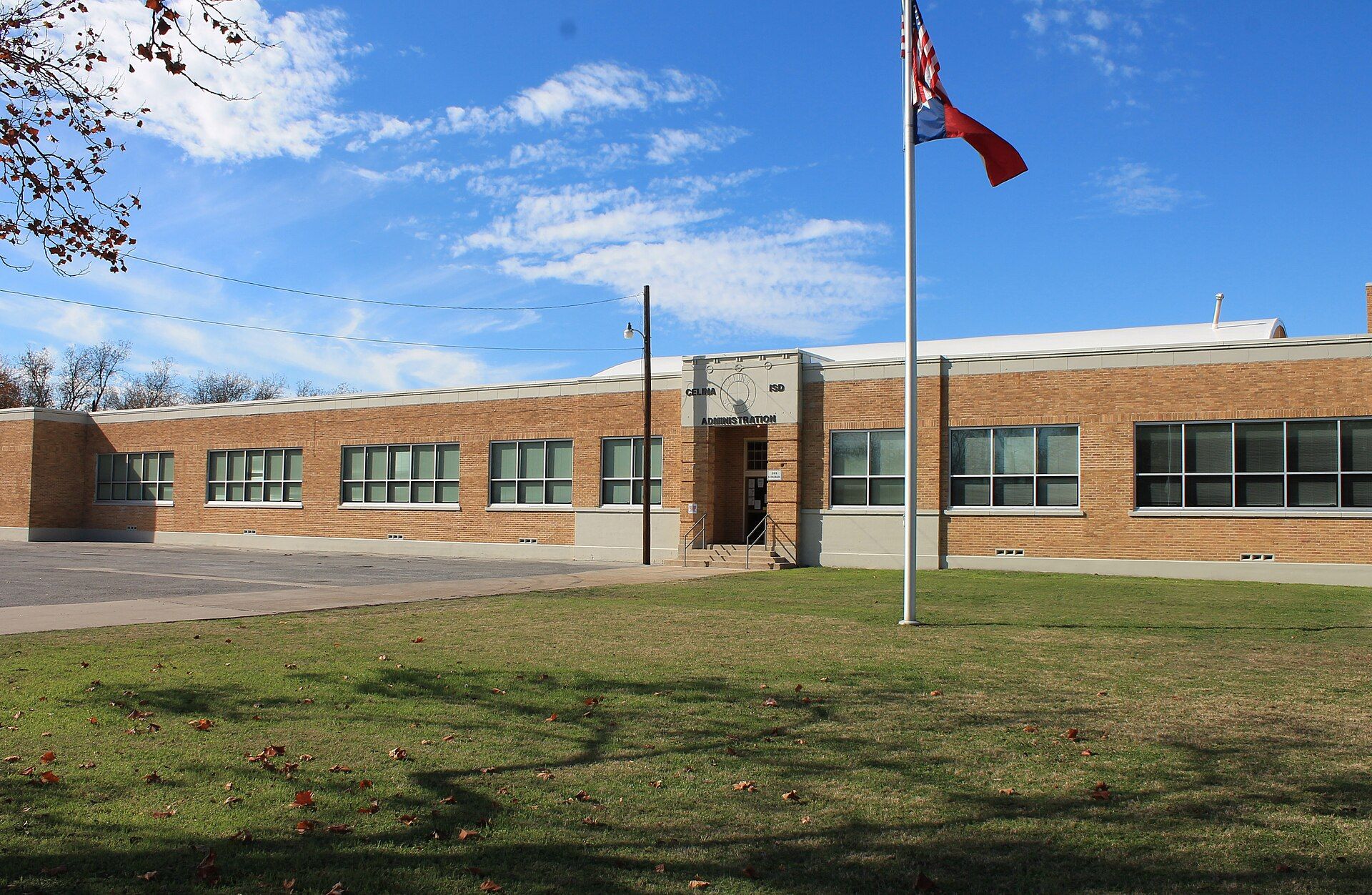

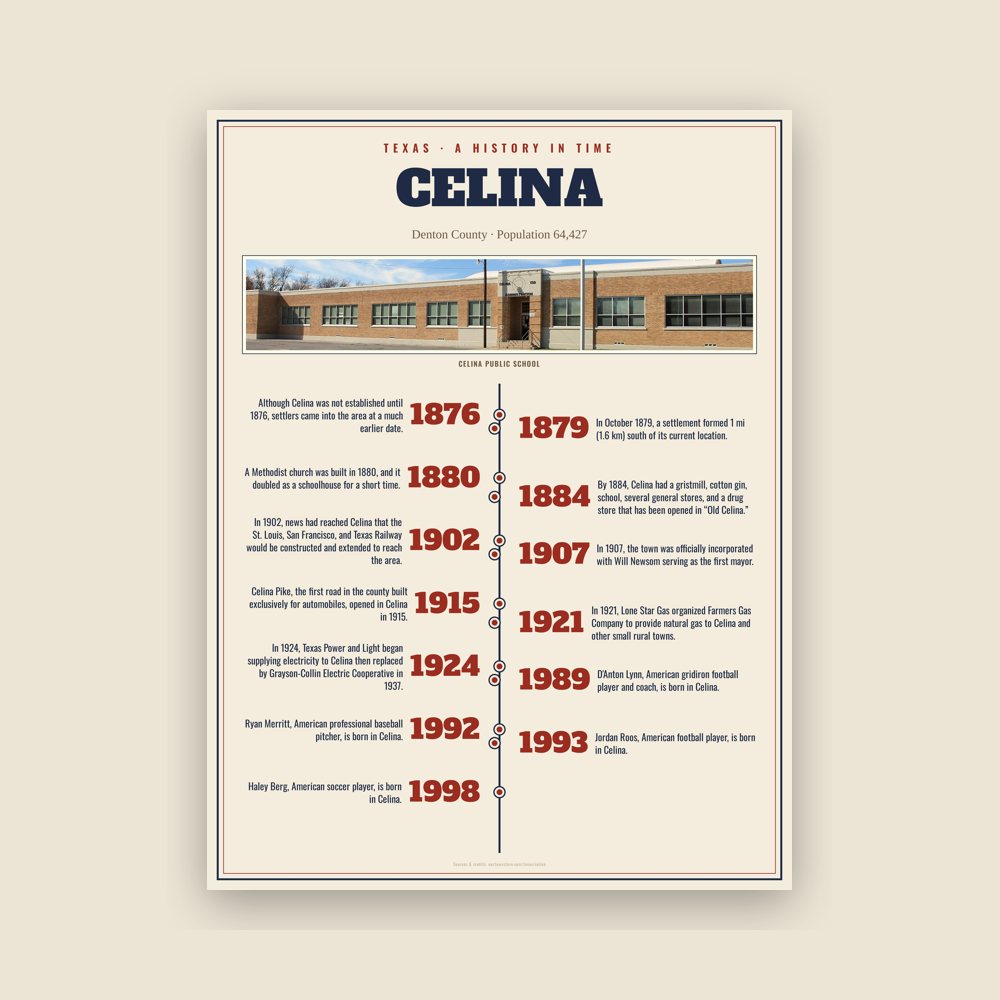
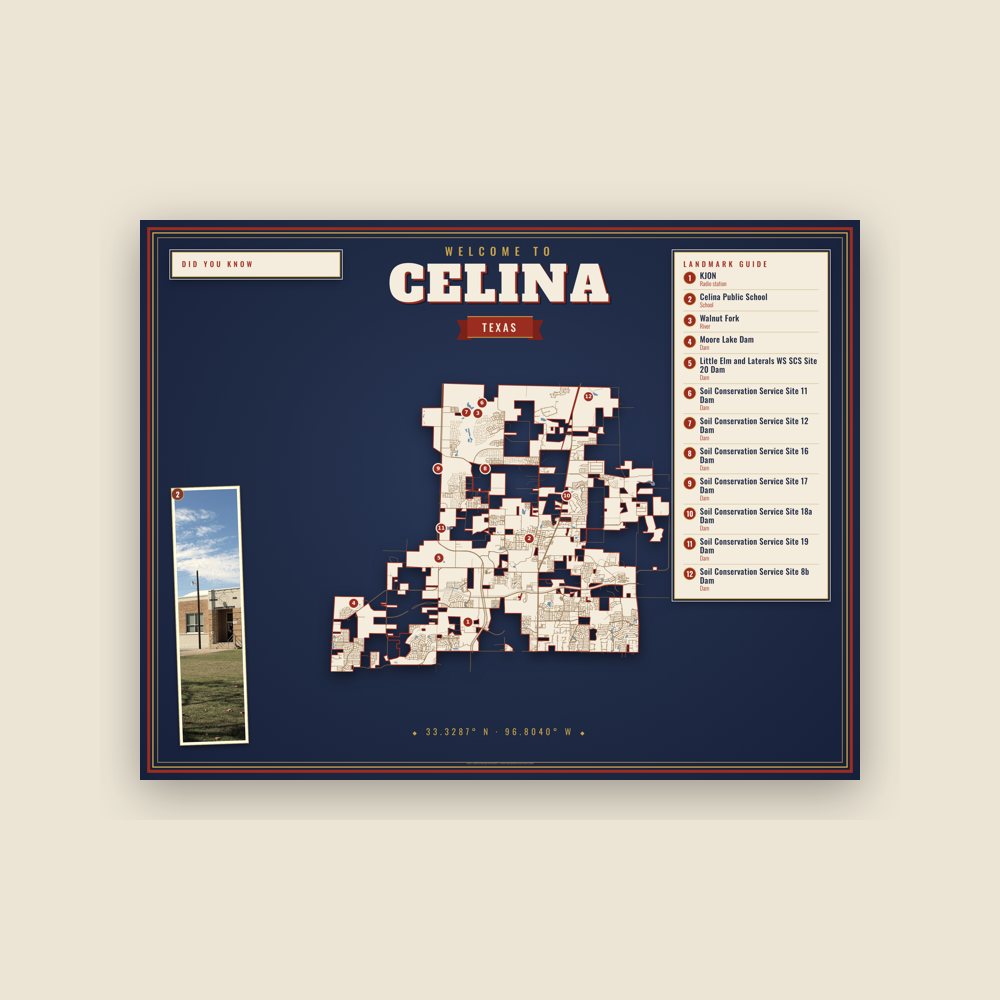

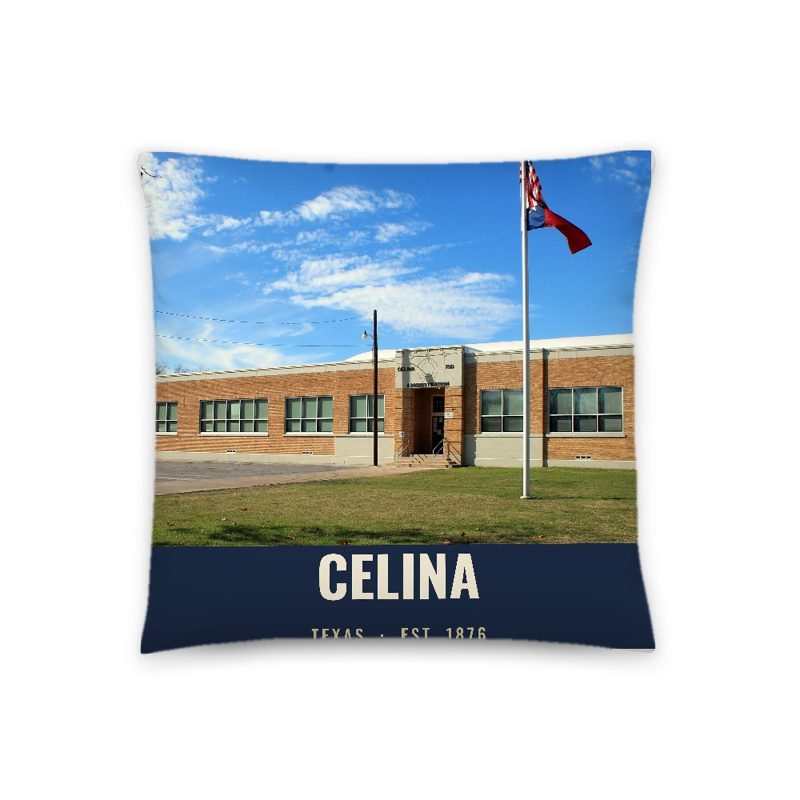
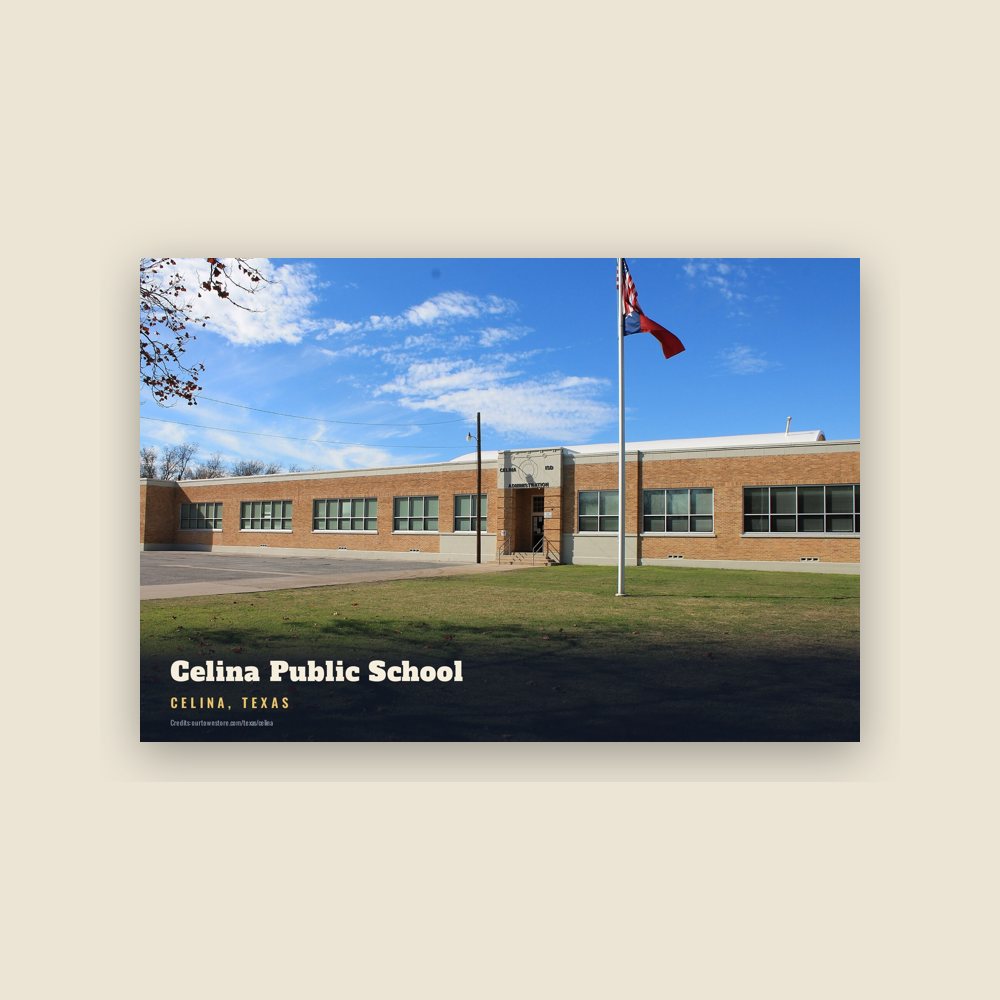
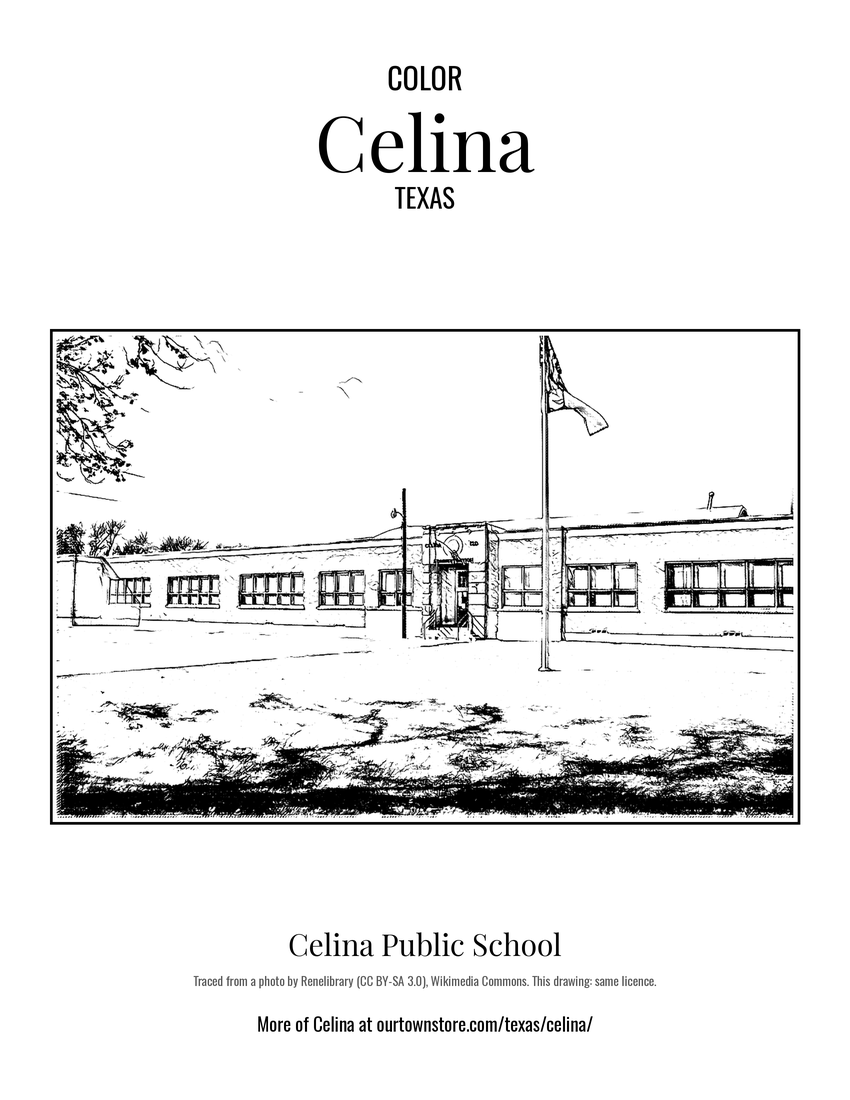 Celina Public School
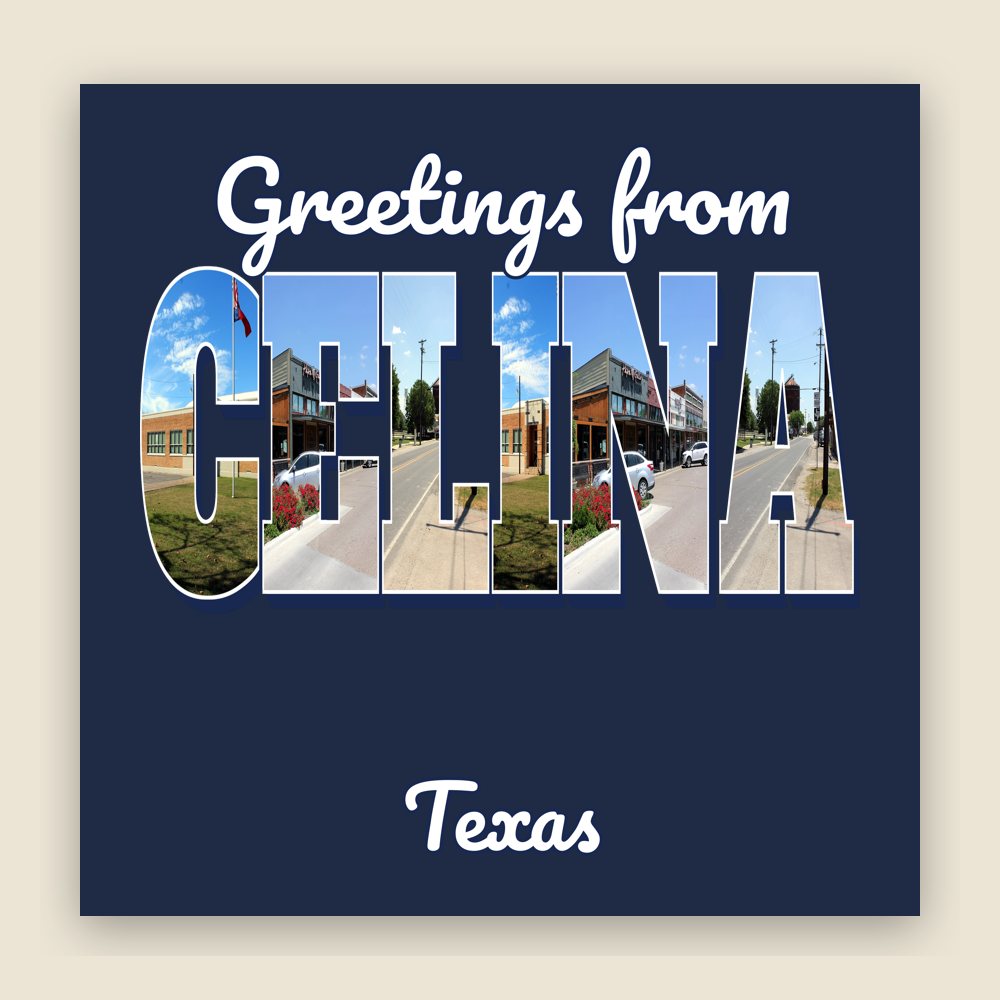
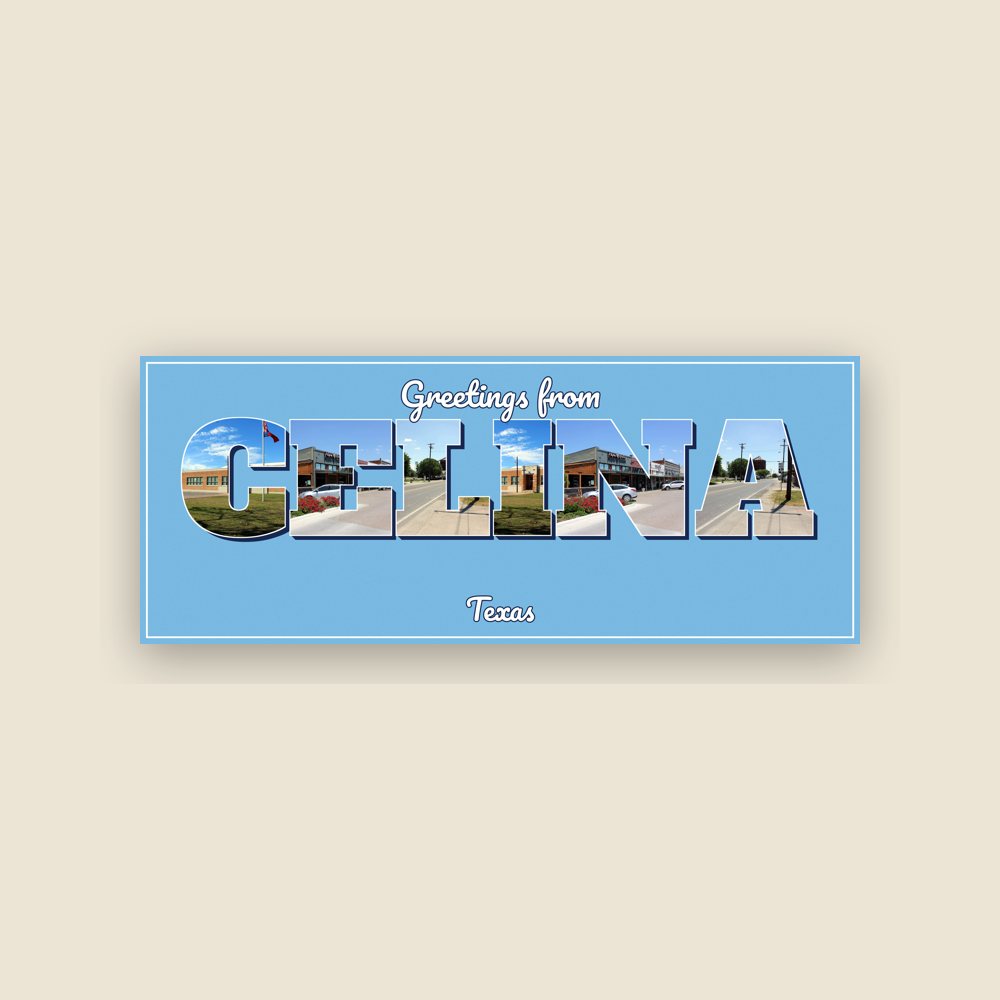
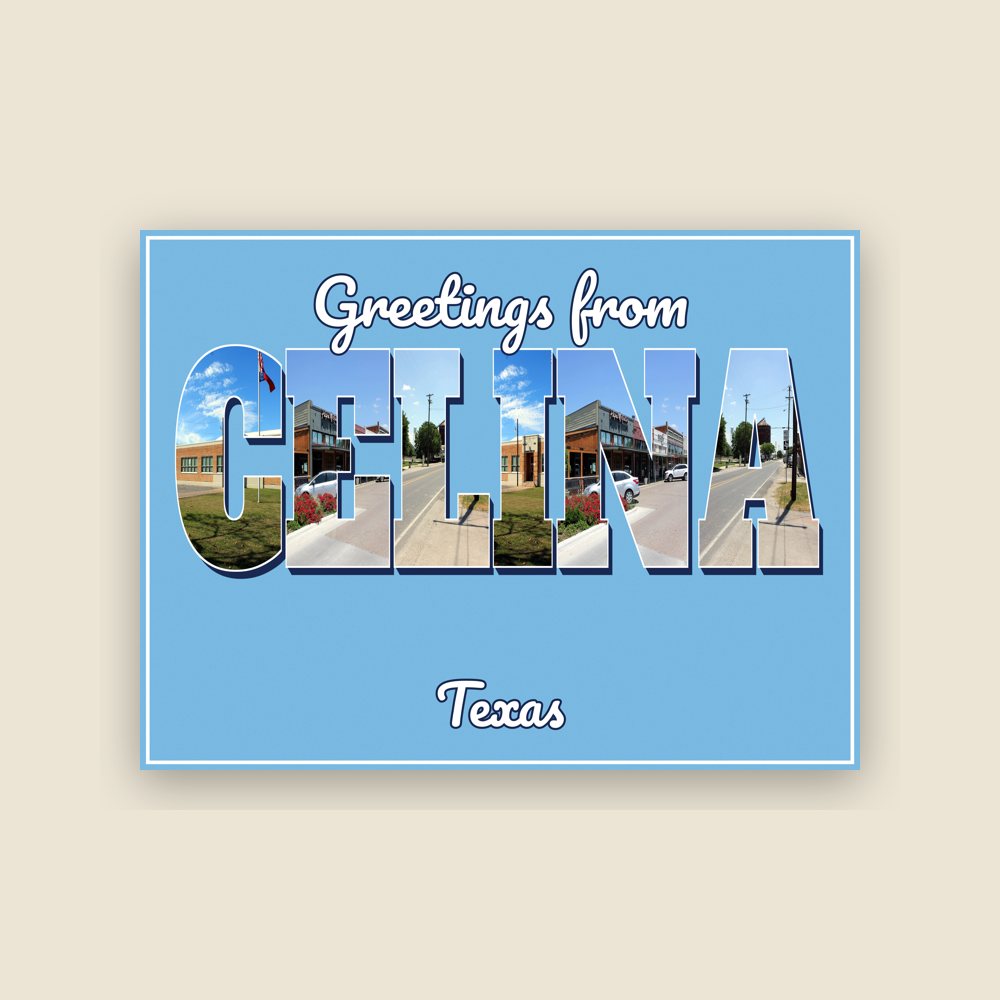
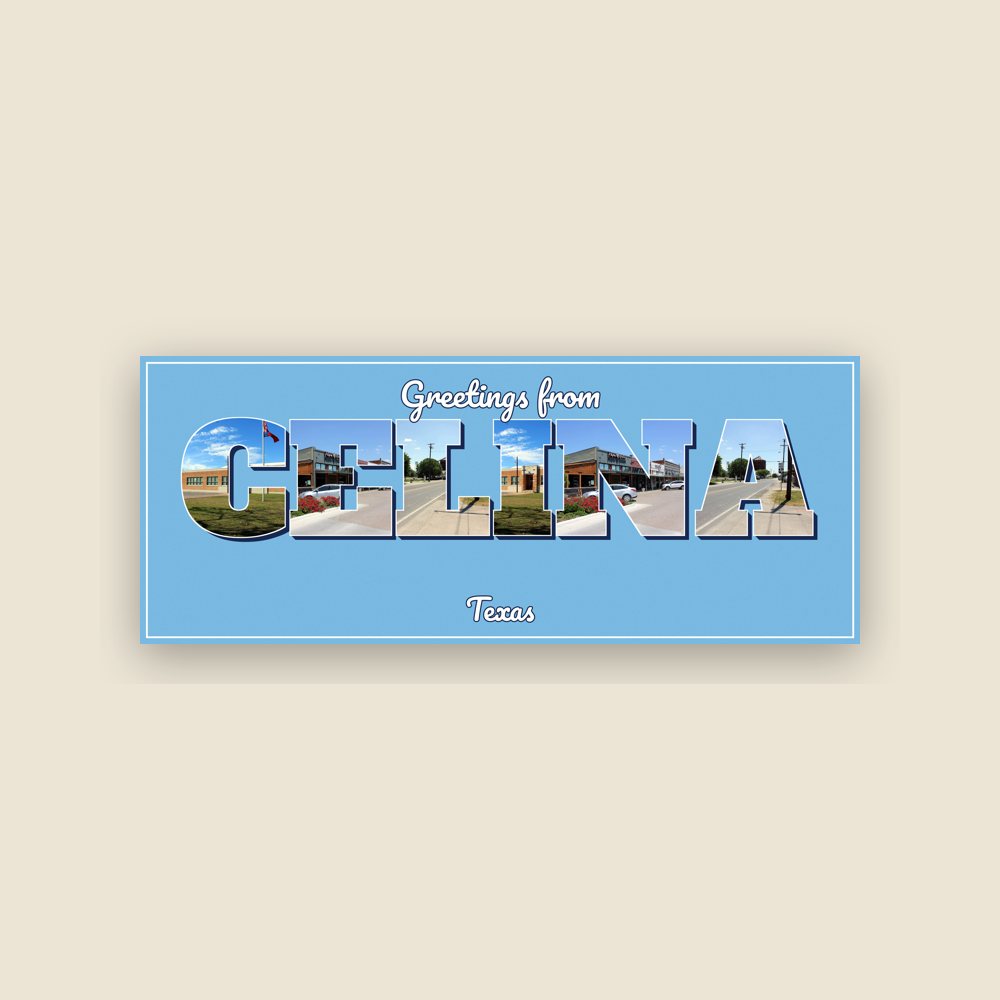
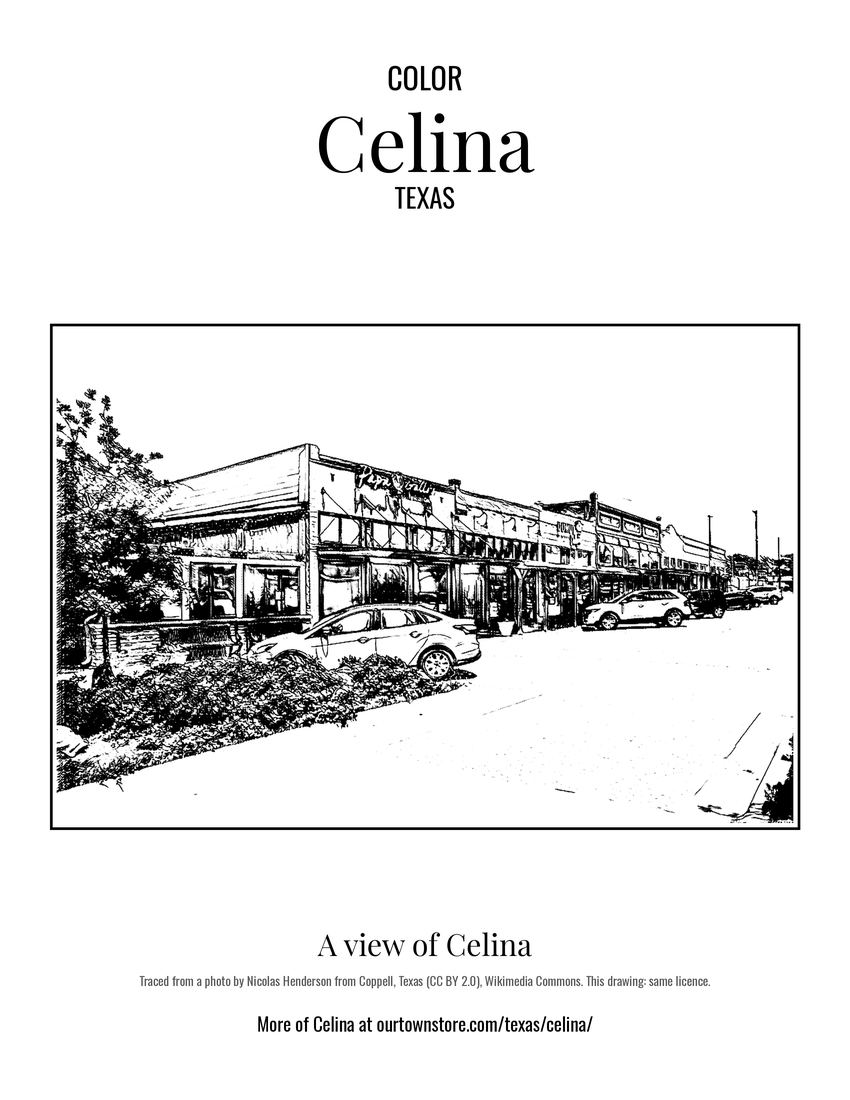 A view of Celina
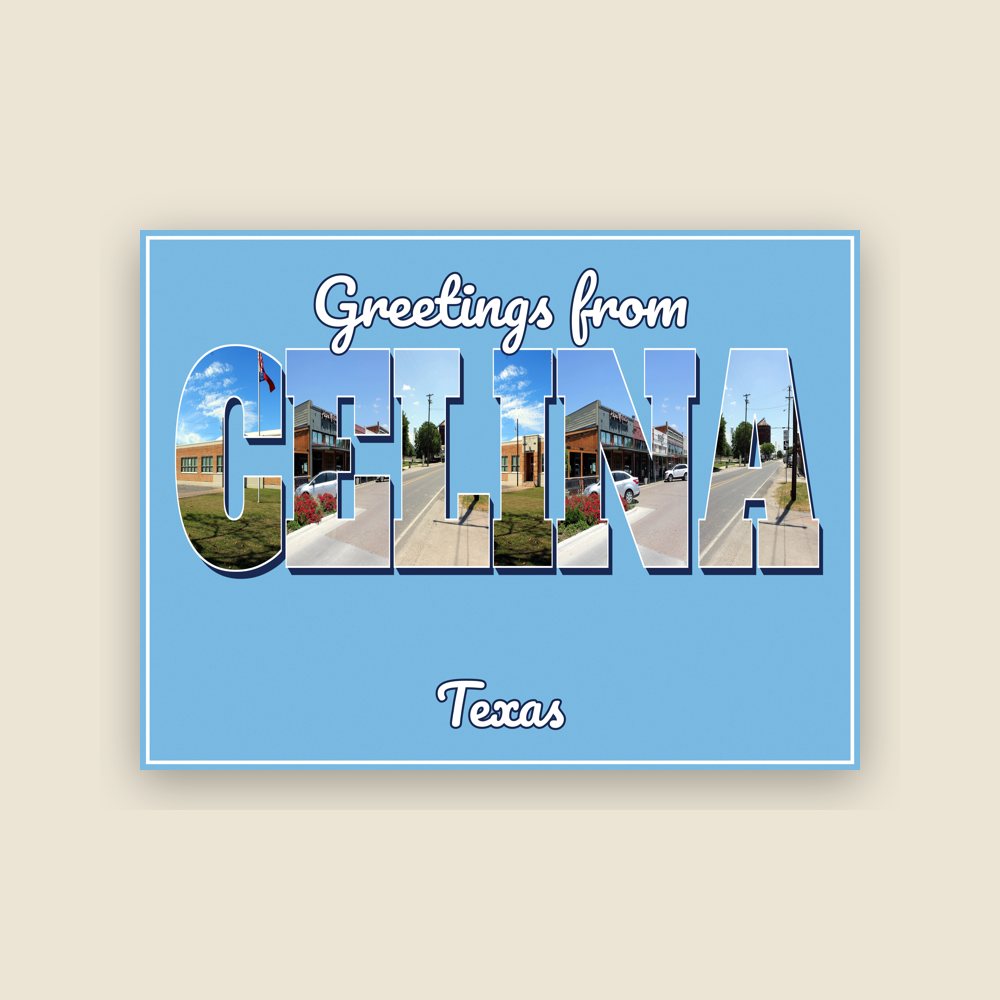
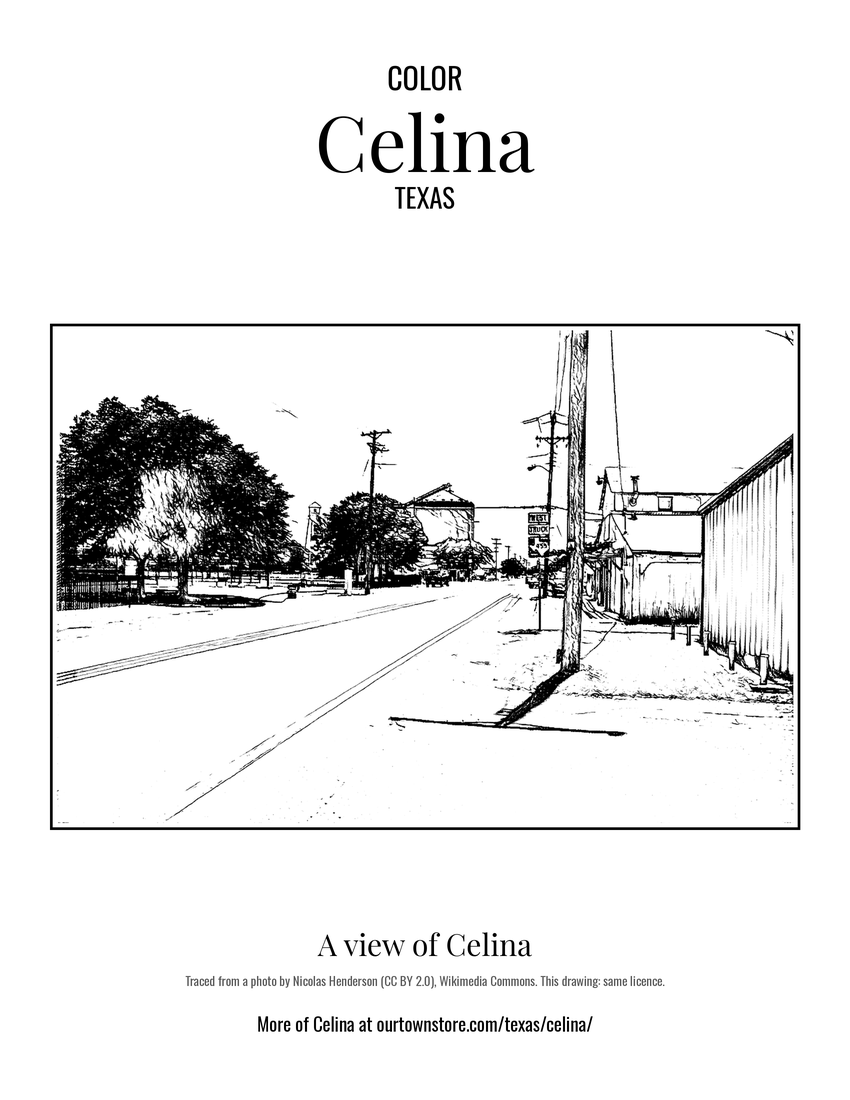 A view of Celina