A short history of Belton
Belton and Bell County have been the site of human habitation since at least 6000 BCE. Evidence of early inhabitants, including campsites, kitchen middens, and burial mounds from the late prehistoric era have been discovered in the Stillhouse Hollow Lake and Belton Lake areas. The earliest identifiable inhabitants were the Tonkawa, who traditionally followed buffalo by foot. Belton was also home to the Lipan Apache, Wacos, Nadaco, Kiowas and Comanche. By the 1840s, most tribes had been pushed out by settlements, but skirmishes with the Comanche continued until the early 1870s.
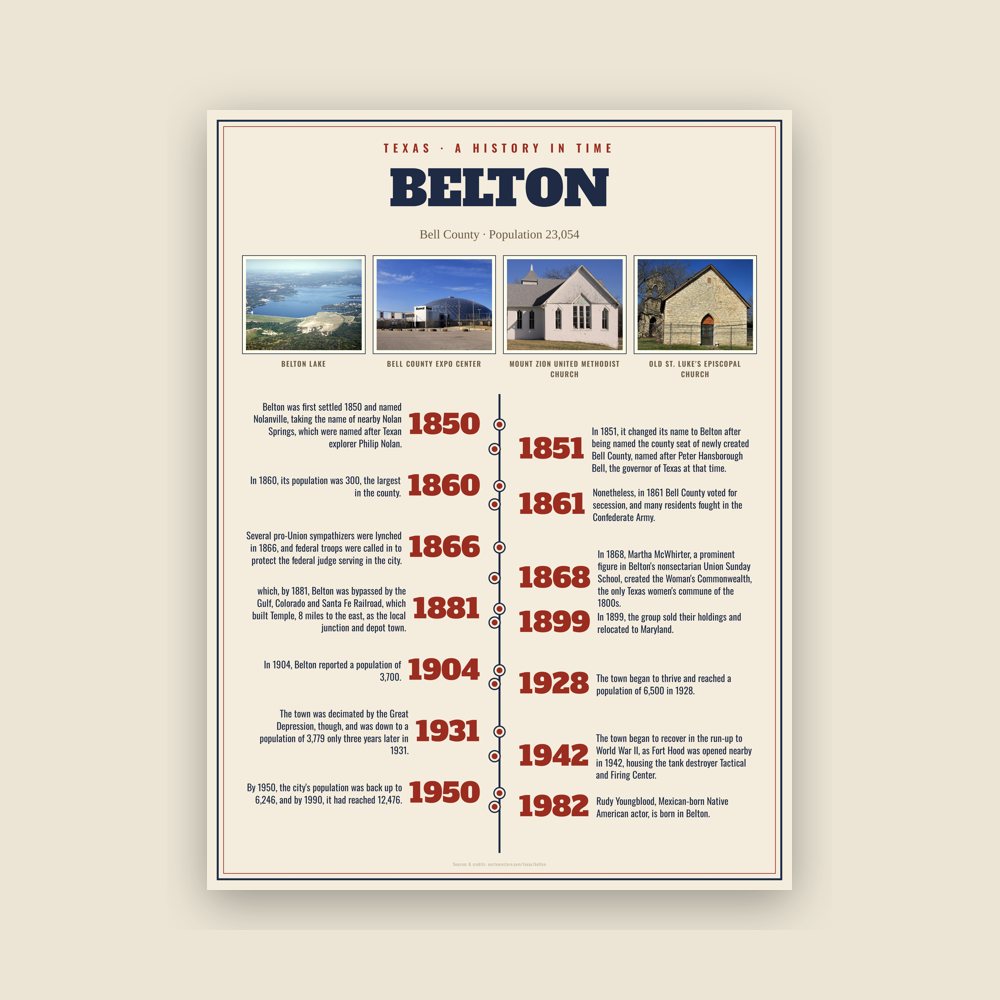
Belton was first settled 1850 and named Nolanville, taking the name of nearby Nolan Springs, which were named after Texan explorer Philip Nolan. In 1851, it changed its name to Belton after being named the county seat of newly created Bell County, named after Peter Hansborough Bell, the governor of Texas at that time. In 1860, its population was 300, the largest in the county. During the run-up to the civil war, Belton had a large pro-Union minority. A Whig Party antisecession newspaper called The Independent was published there and the city voted overwhelmingly for Sam Houston for governor, who was strongly against Texas secession. Nonetheless, in 1861 Bell County voted for secession, and many residents fought in the Confederate Army. After the civil war, Belton experienced unrest. Several pro-Union sympathizers were lynched in 1866, and federal troops were called in to protect the federal judge serving in the city. After Reconstruction, the city, close to a major feeder of the Chisholm Trail, served as growing business center for the region.
which, by 1881, Belton was bypassed by the Gulf, Colorado and Santa Fe Railroad, which built Temple, 8 miles to the east, as the local junction and depot town. In 1904, Belton reported a population of 3,700. The town began to thrive and reached a population of 6,500 in 1928. The town was decimated by the Great Depression, though, and was down to a population of 3,779 only three years later in 1931.
The town began to recover in the run-up to World War II, as Fort Hood was opened nearby in 1942, housing the tank destroyer Tactical and Firing Center.
Encompassing over 200,000 acres and almost 90,000 troops, this brought a large population and economic activity to the area. By 1950, the city's population was back up to 6,246, and by 1990, it had reached 12,476.
Adapted (trimmed) from the Wikipedia article Belton, Texas, revision 1382289452 by its contributors, licensed CC BY-SA 4.0.
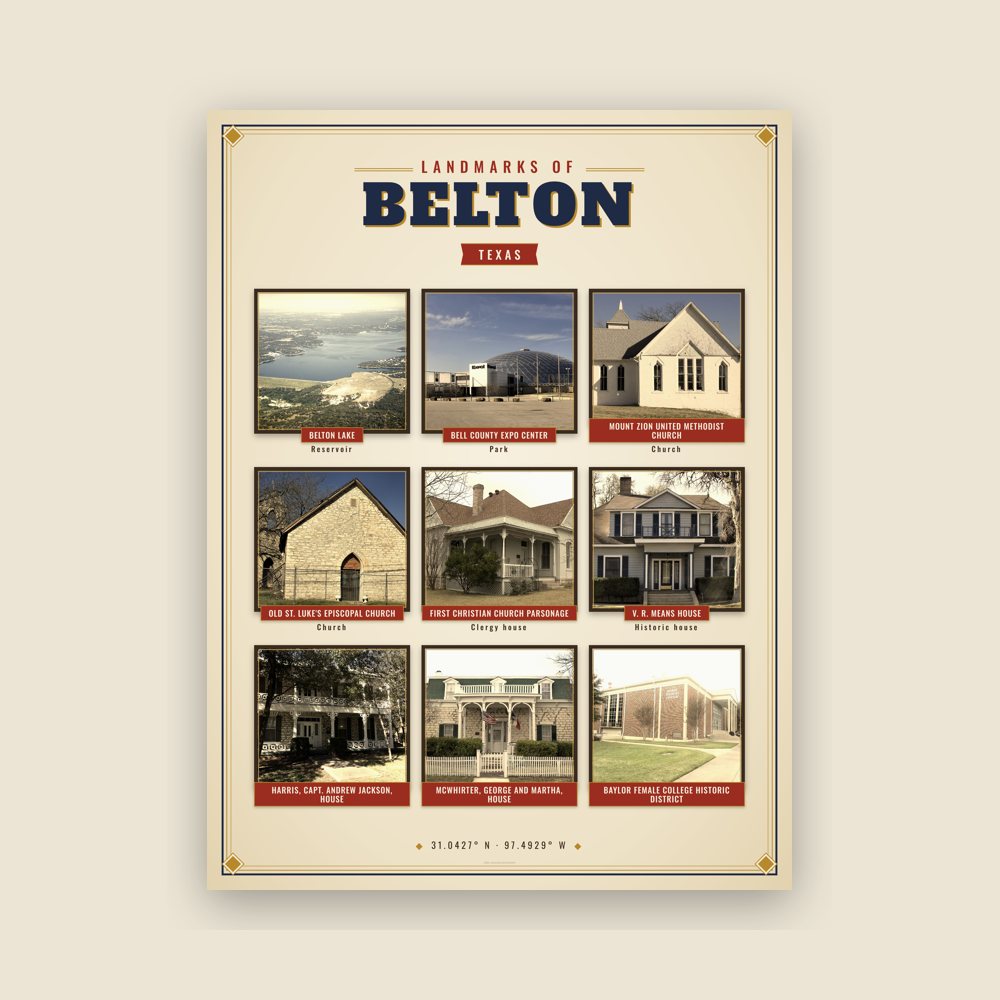
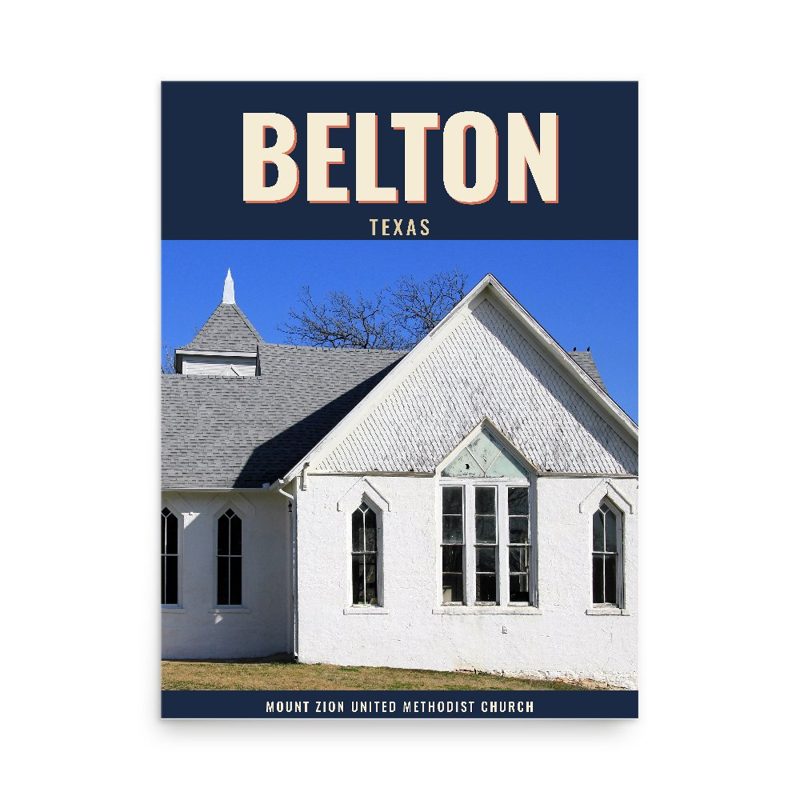
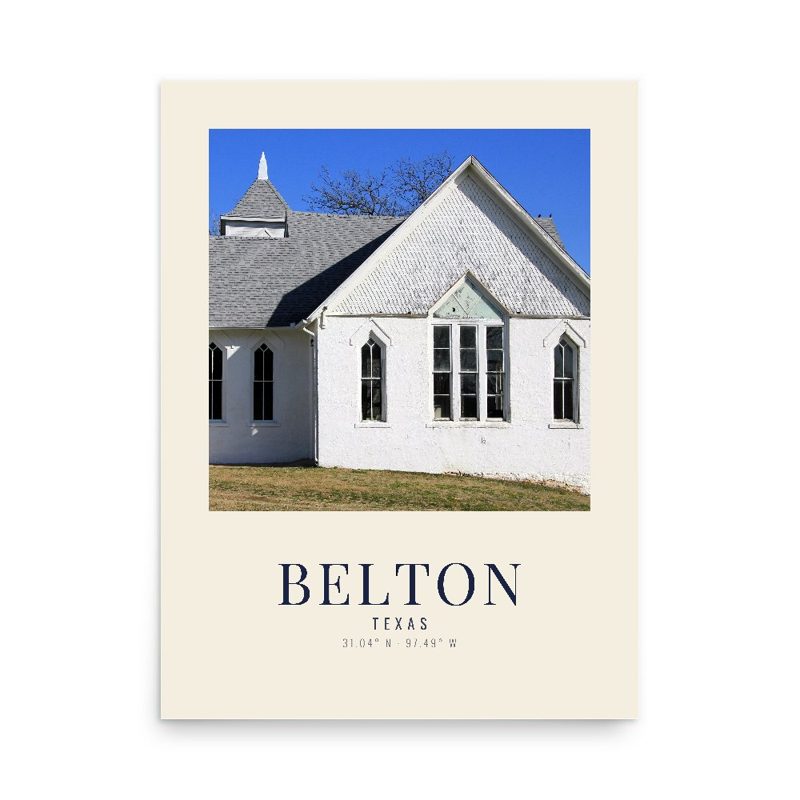
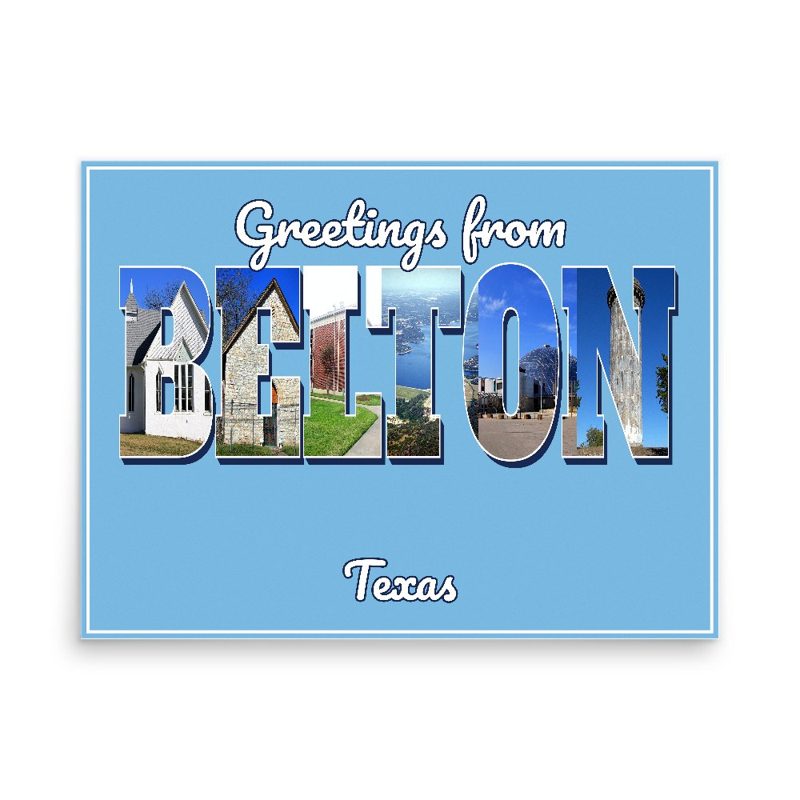
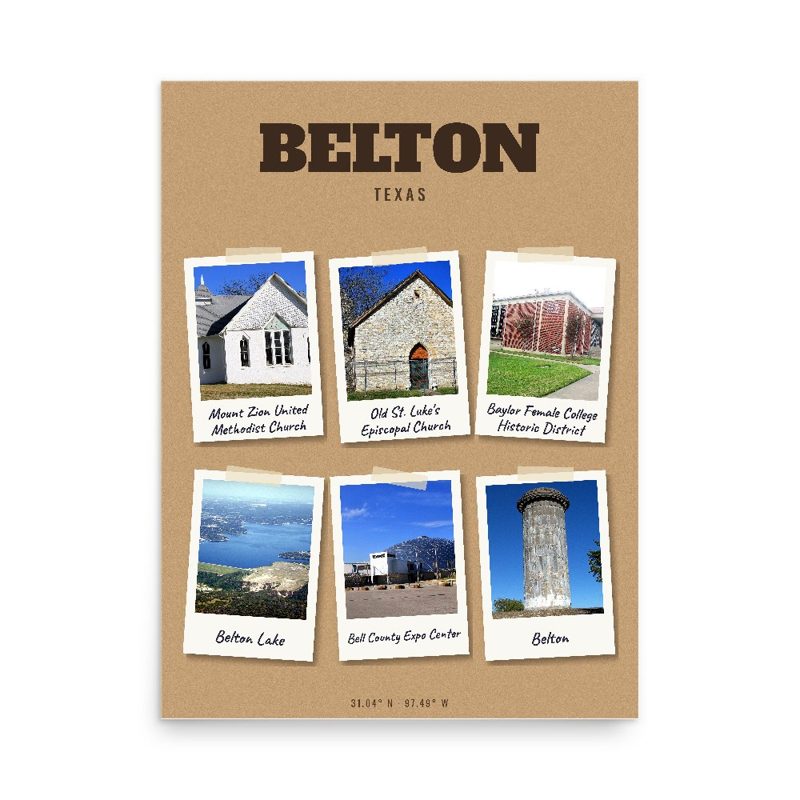
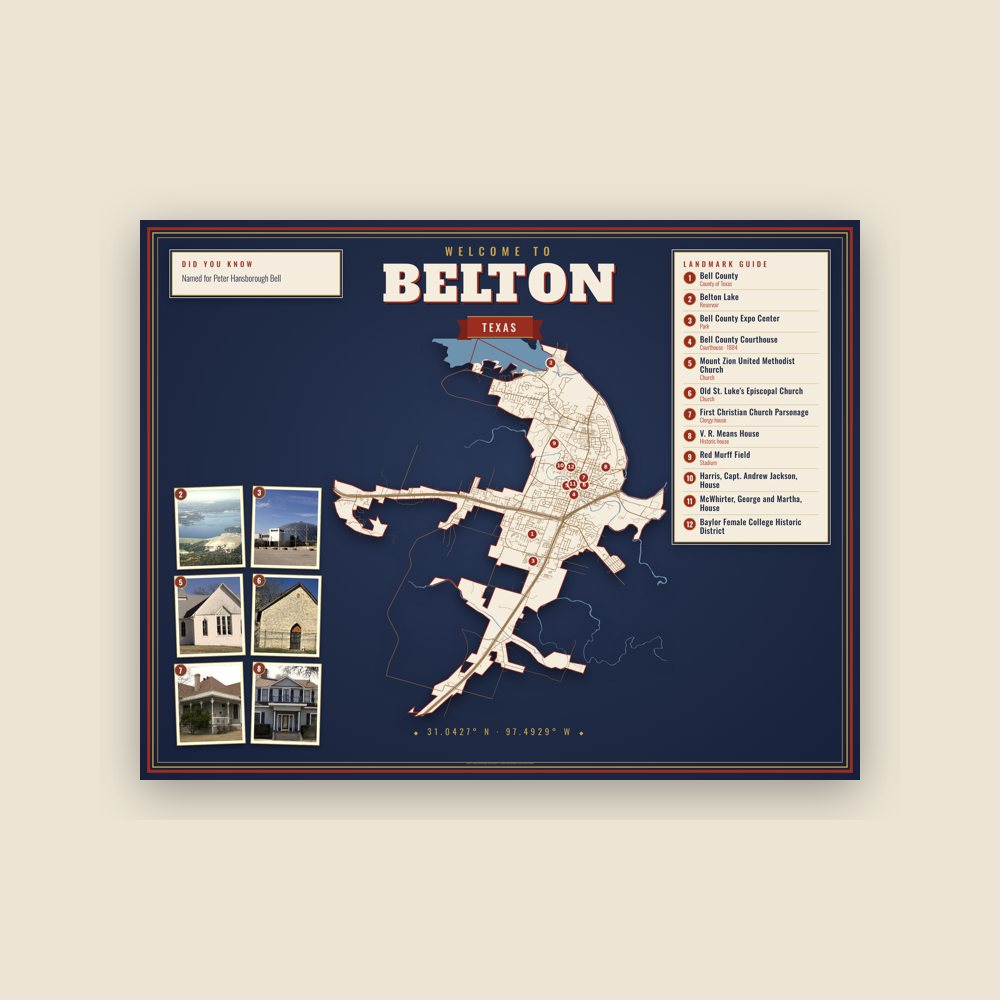
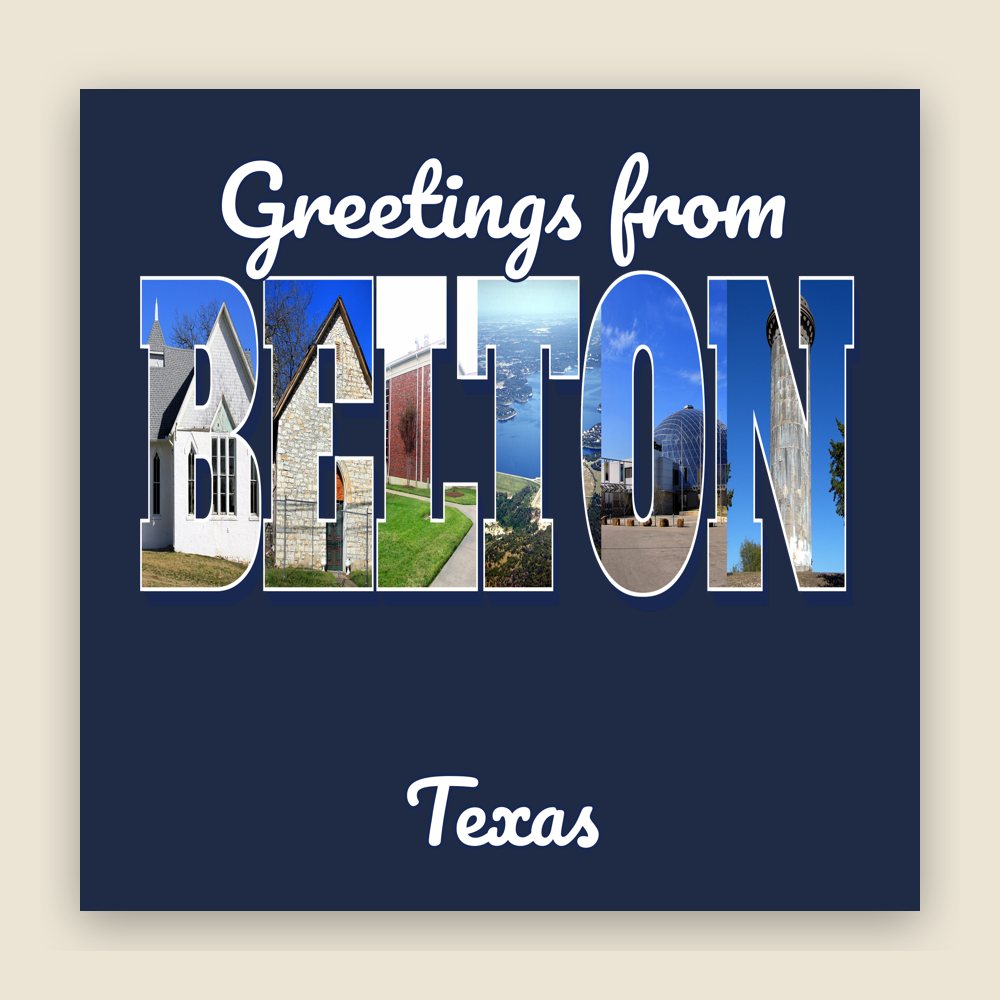

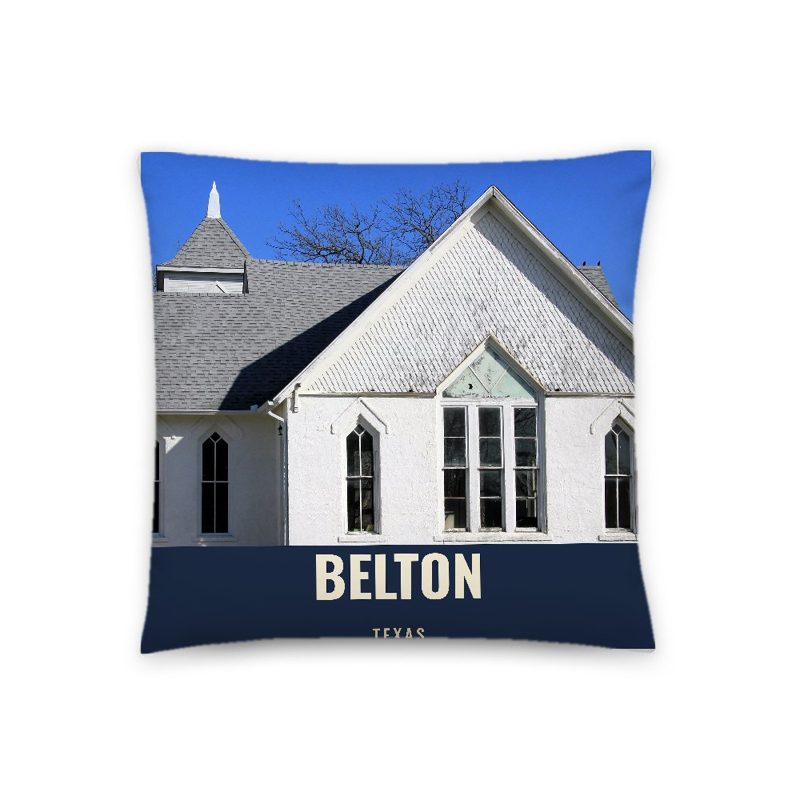

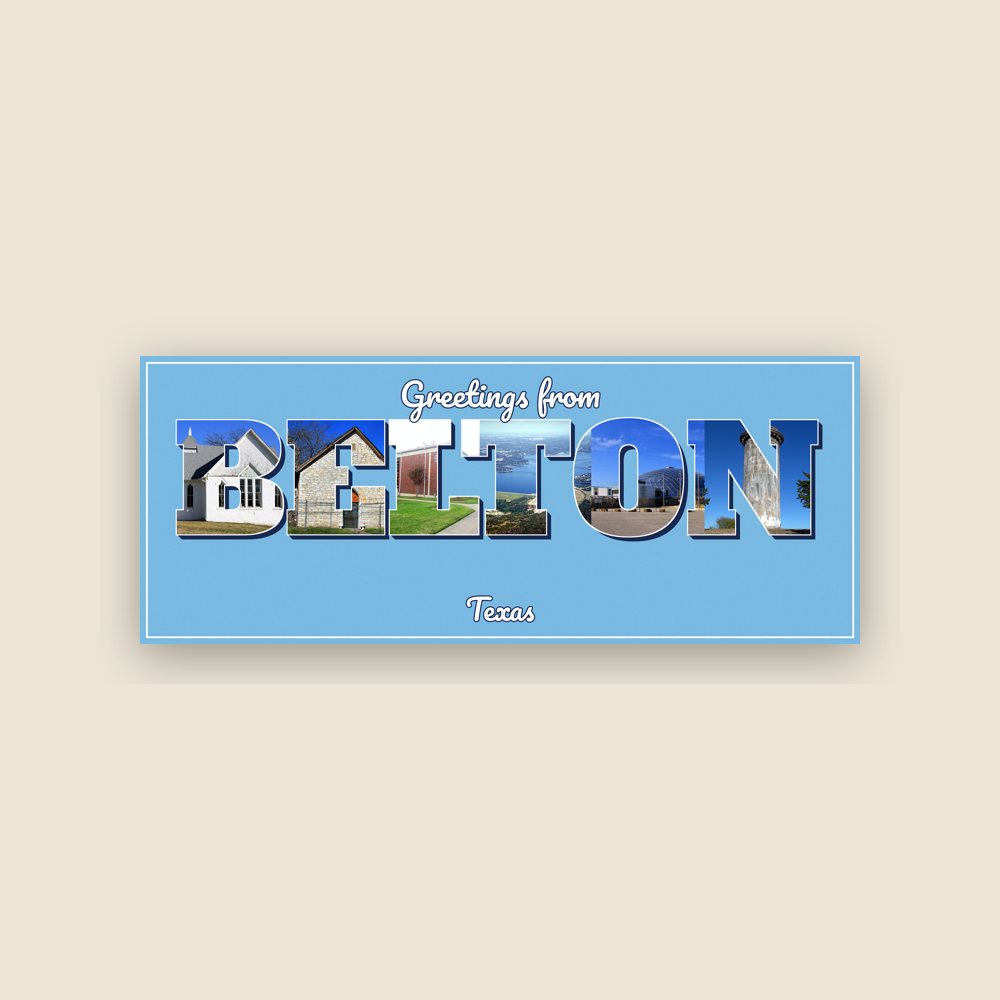
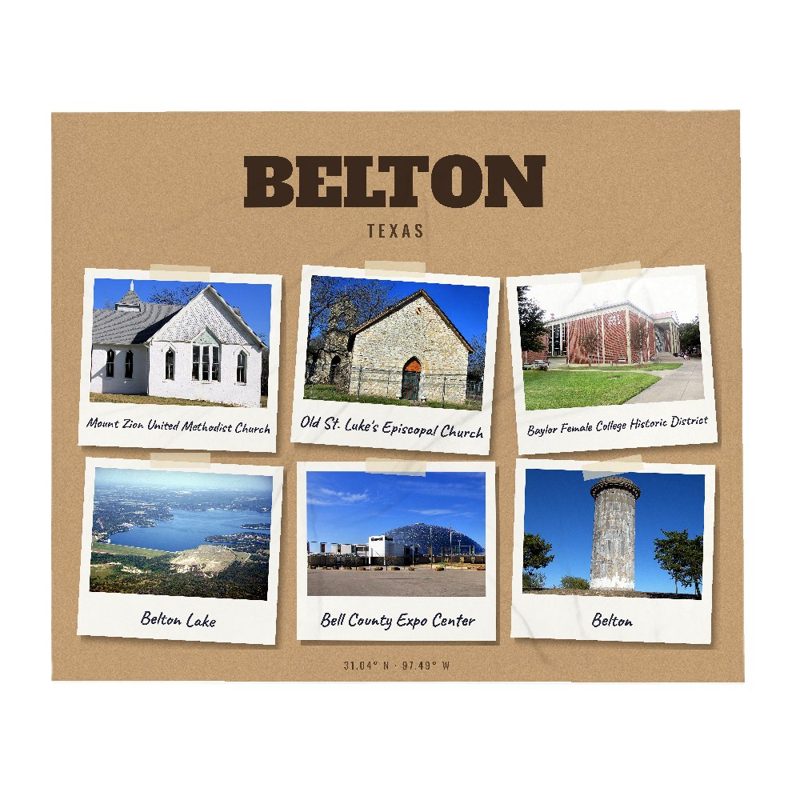
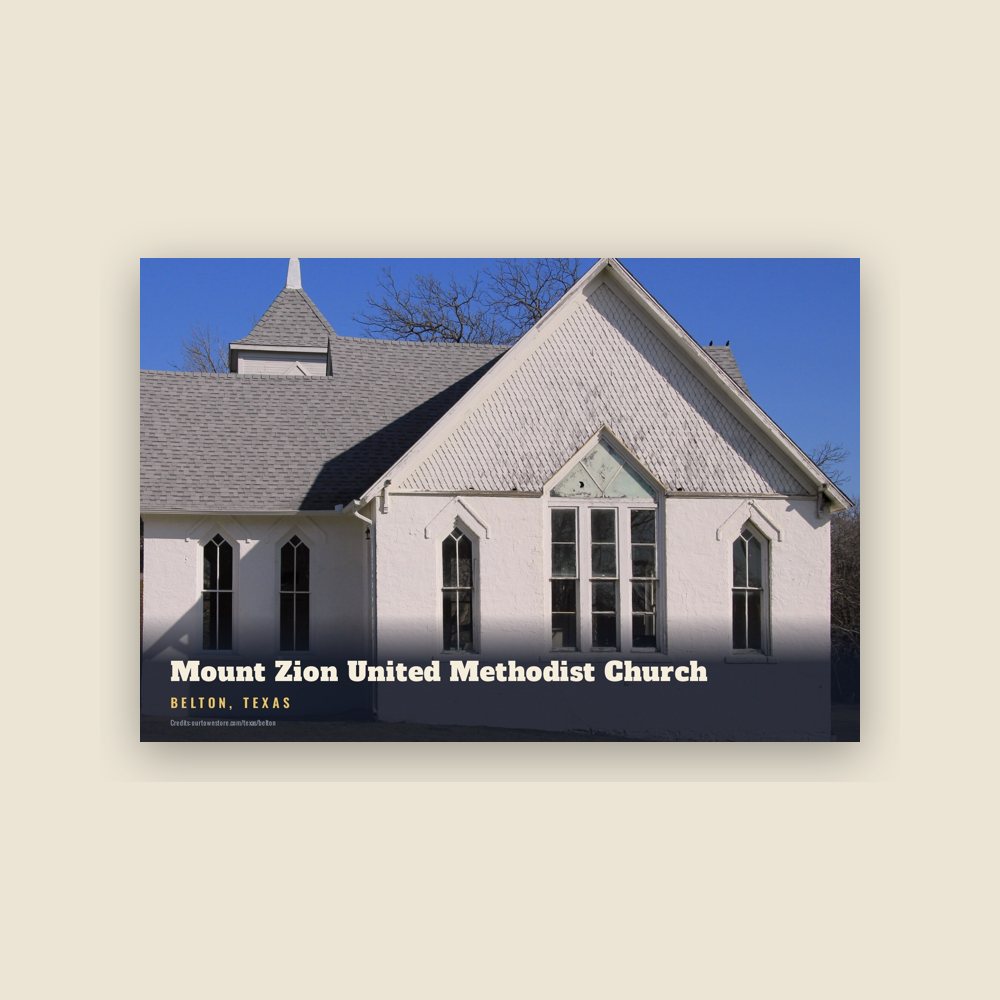
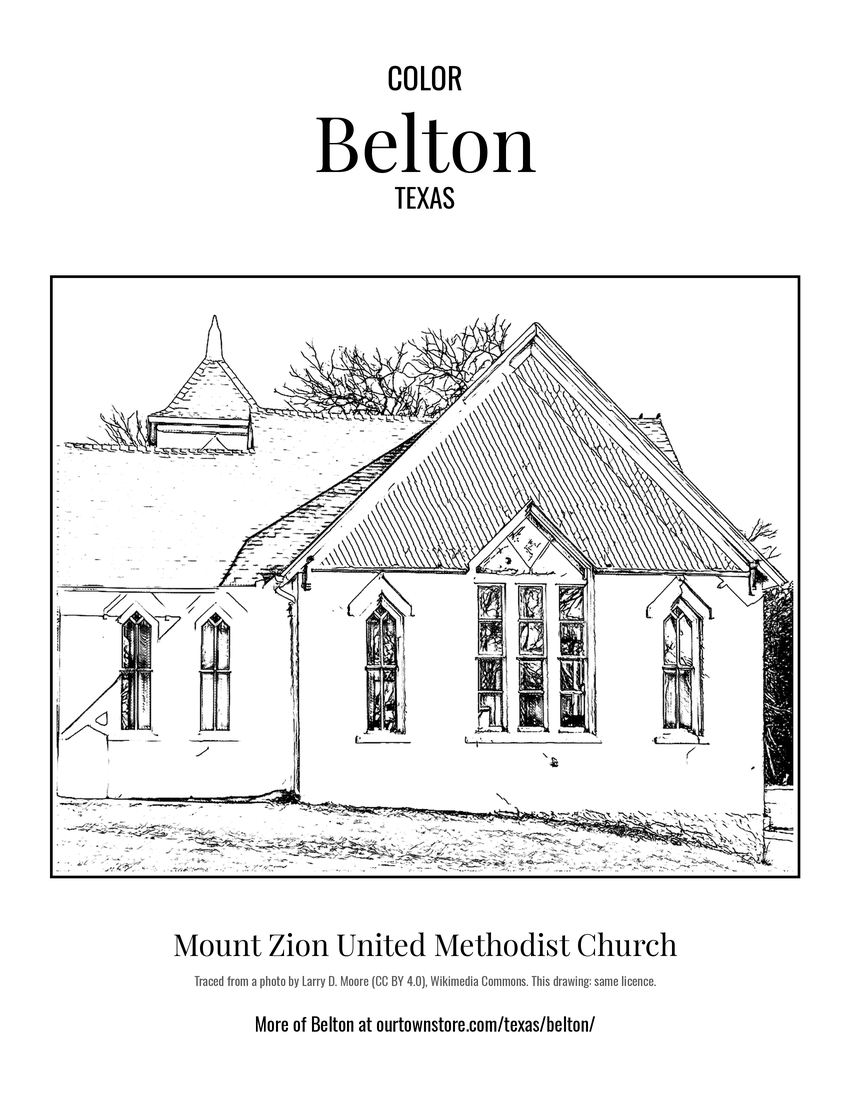 Mount Zion United Methodist Church
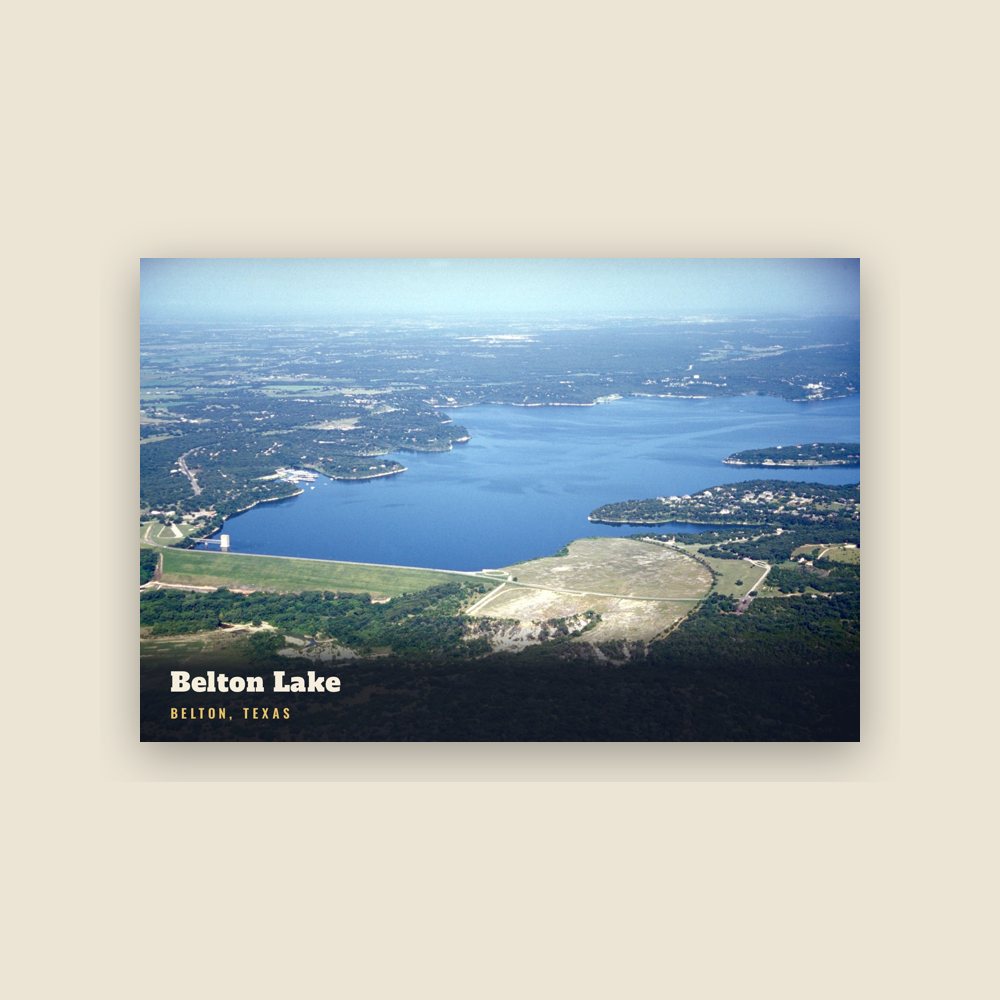
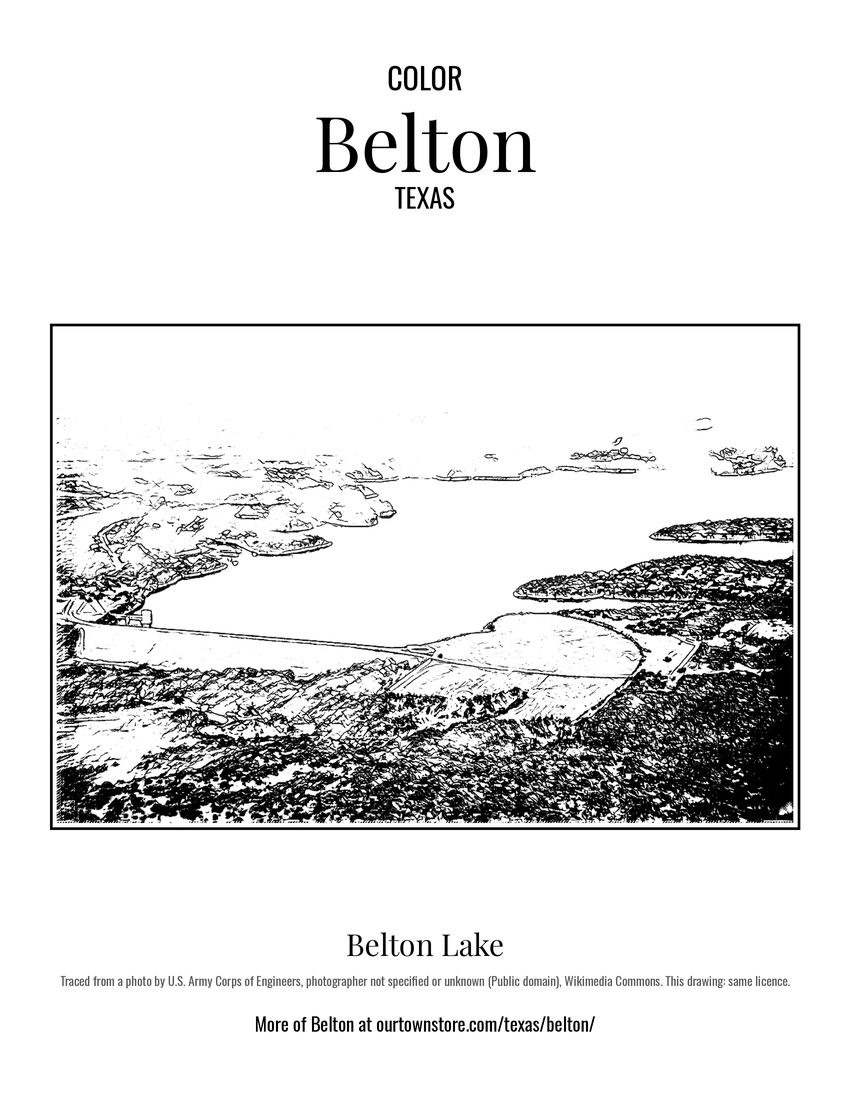 Belton Lake
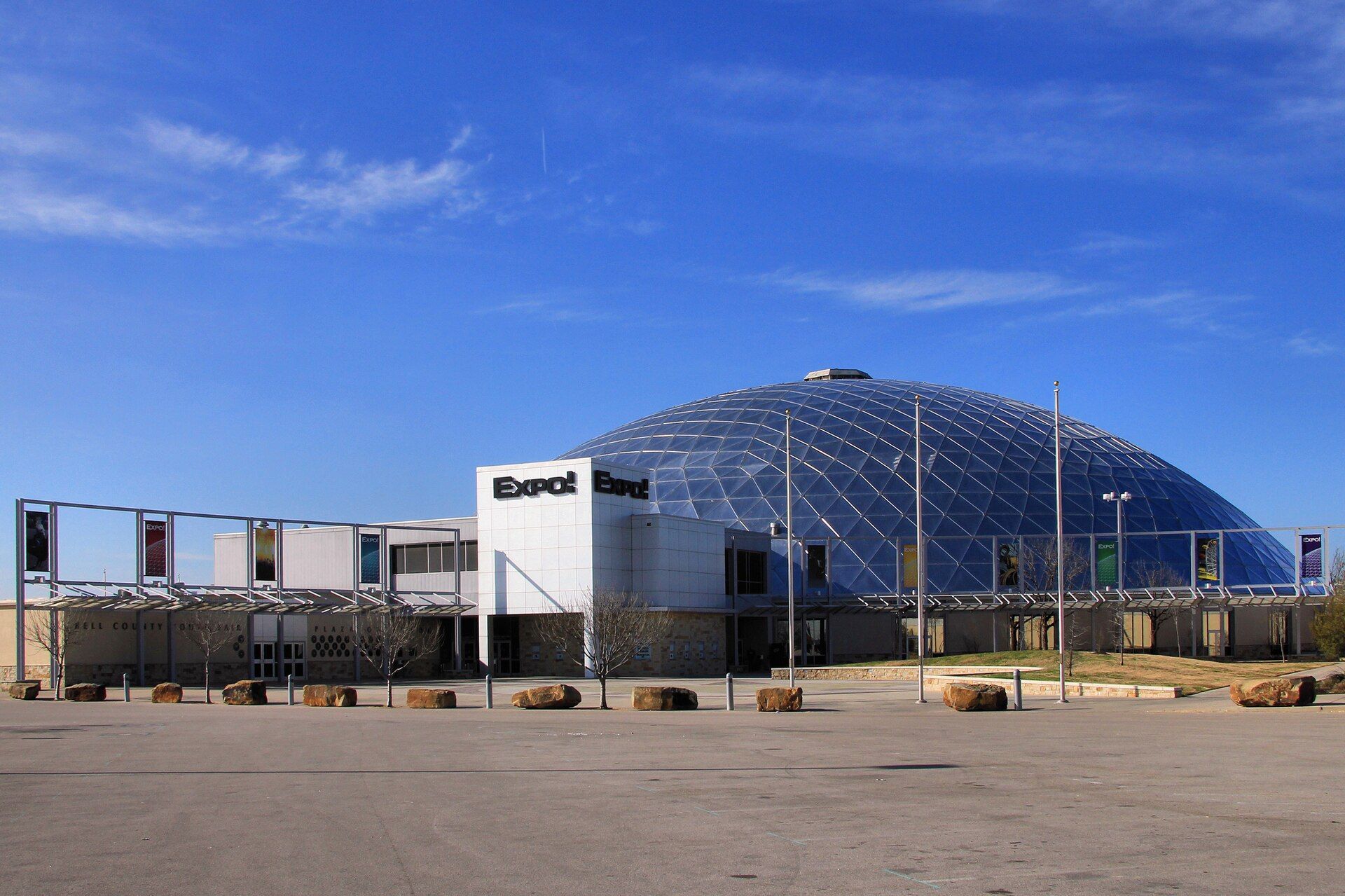
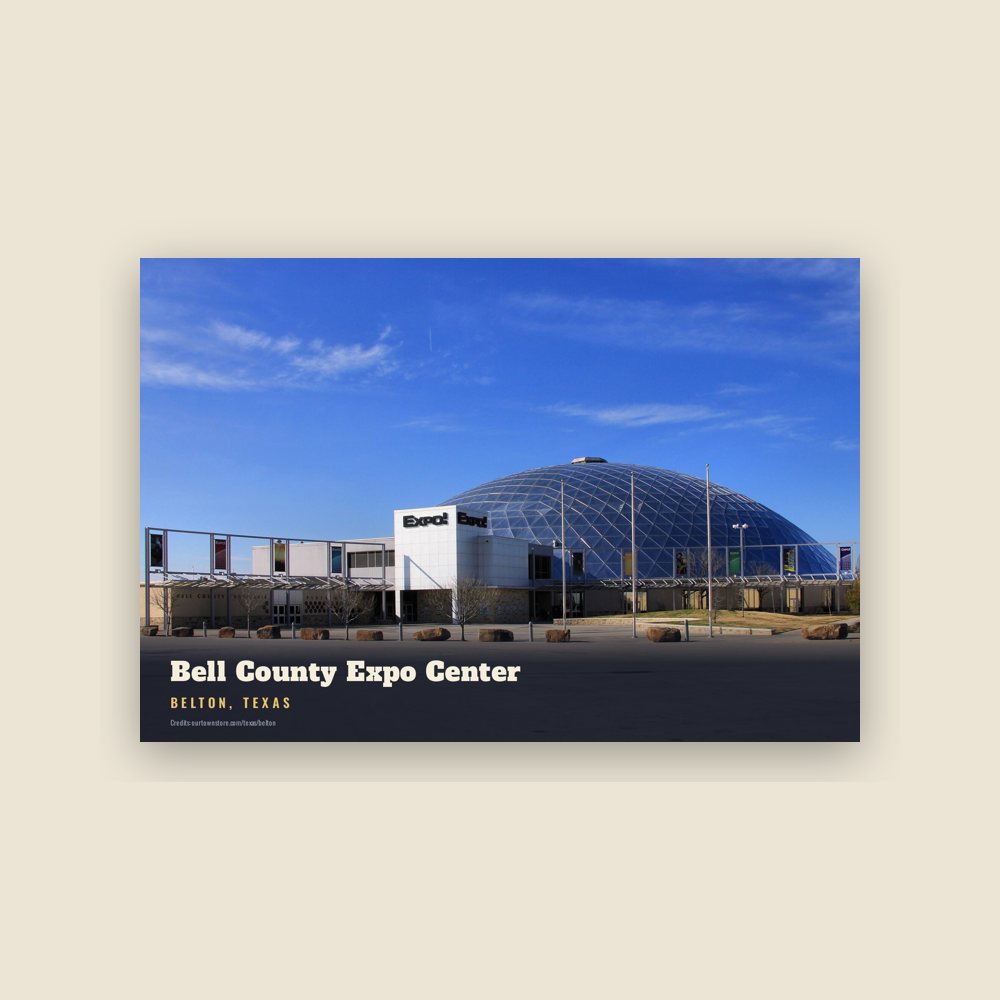
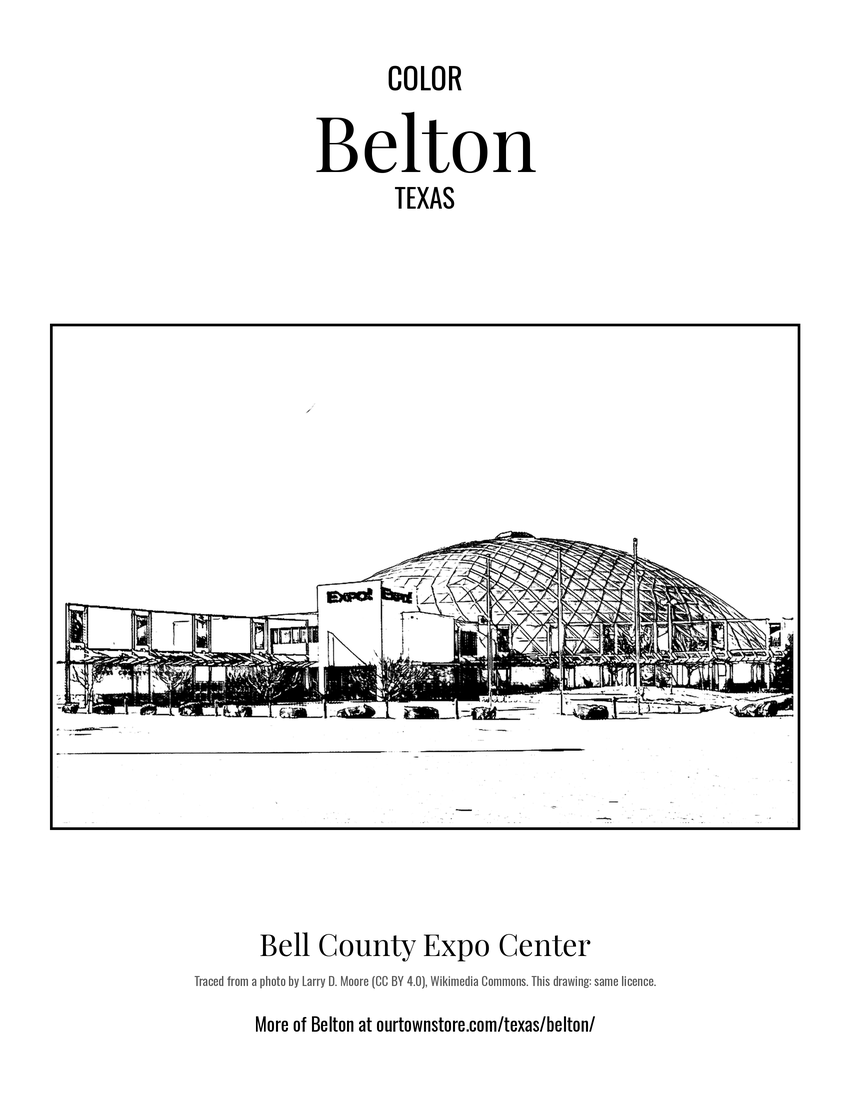 Bell County Expo Center
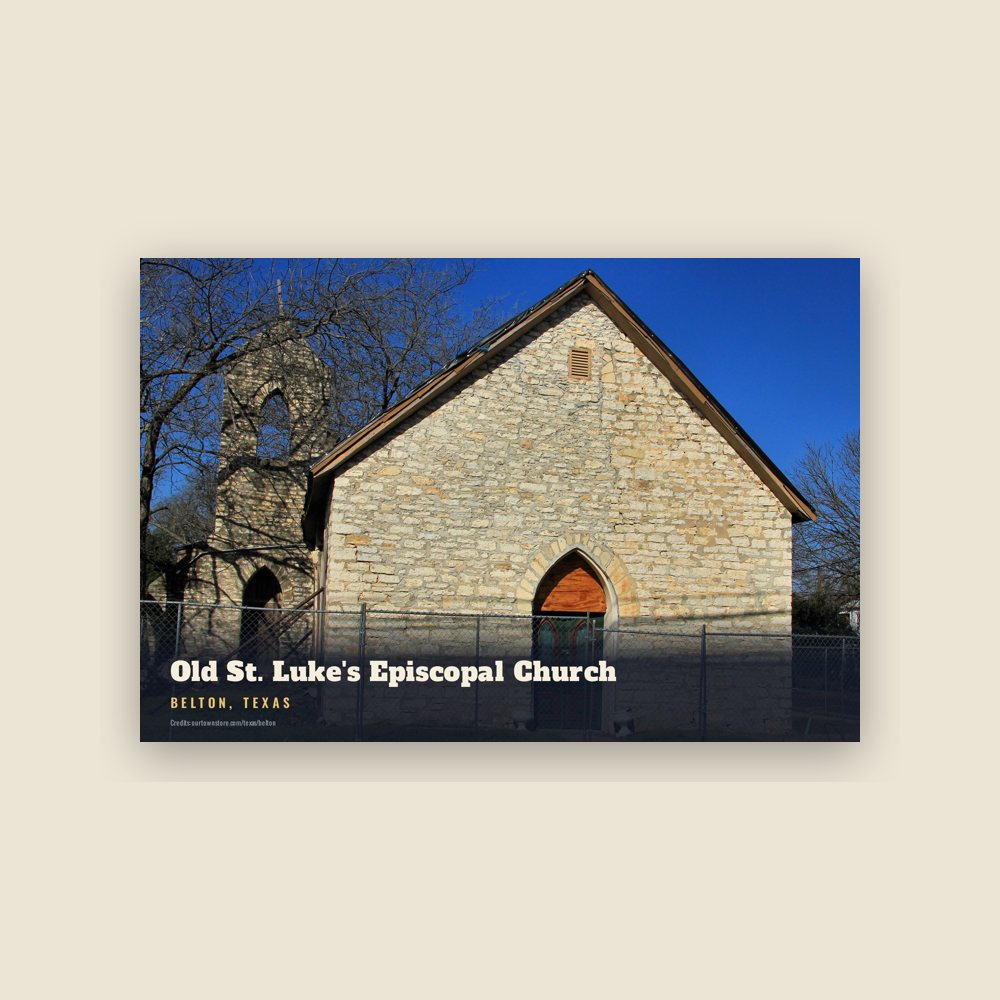
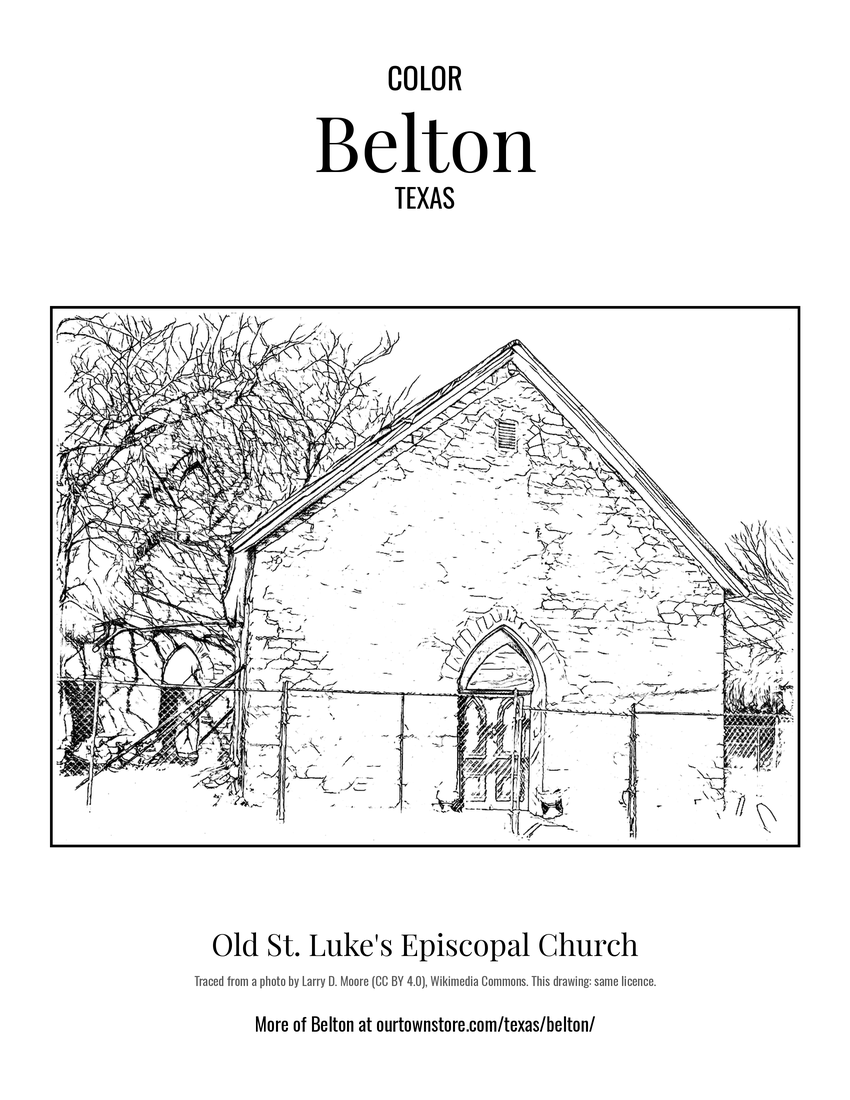 Old St. Luke's Episcopal Church