Since 1881
A short history of Abilene
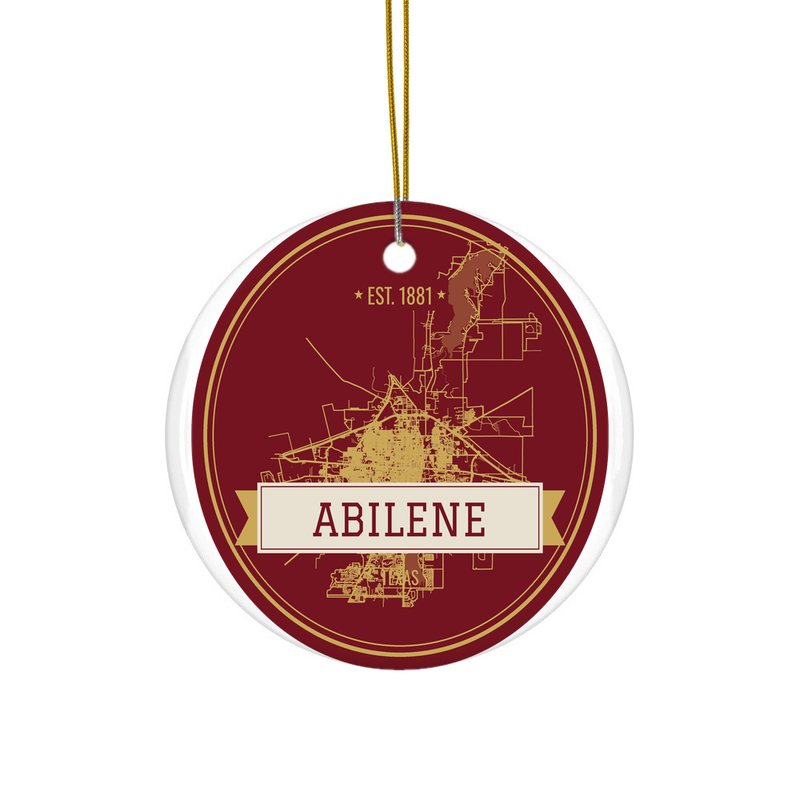
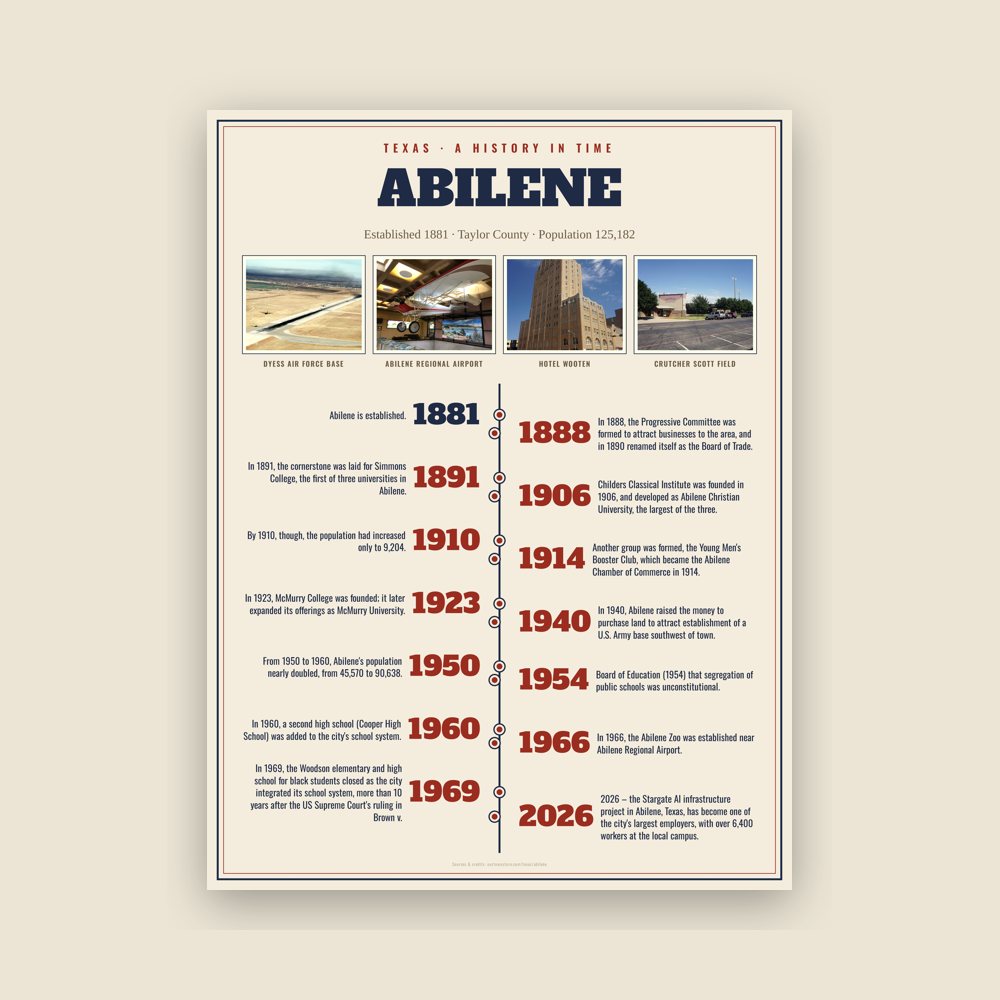
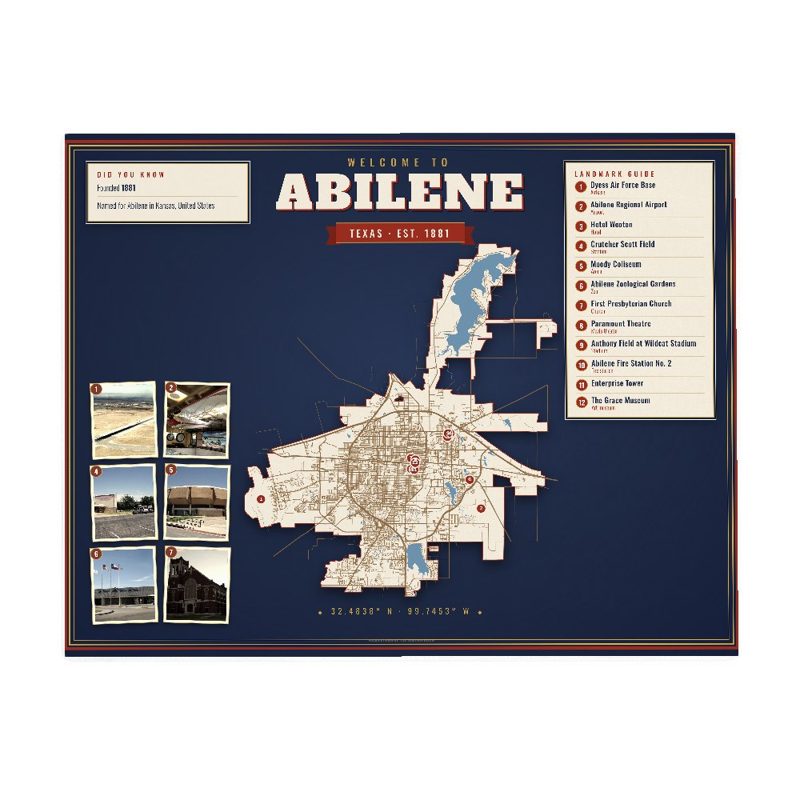
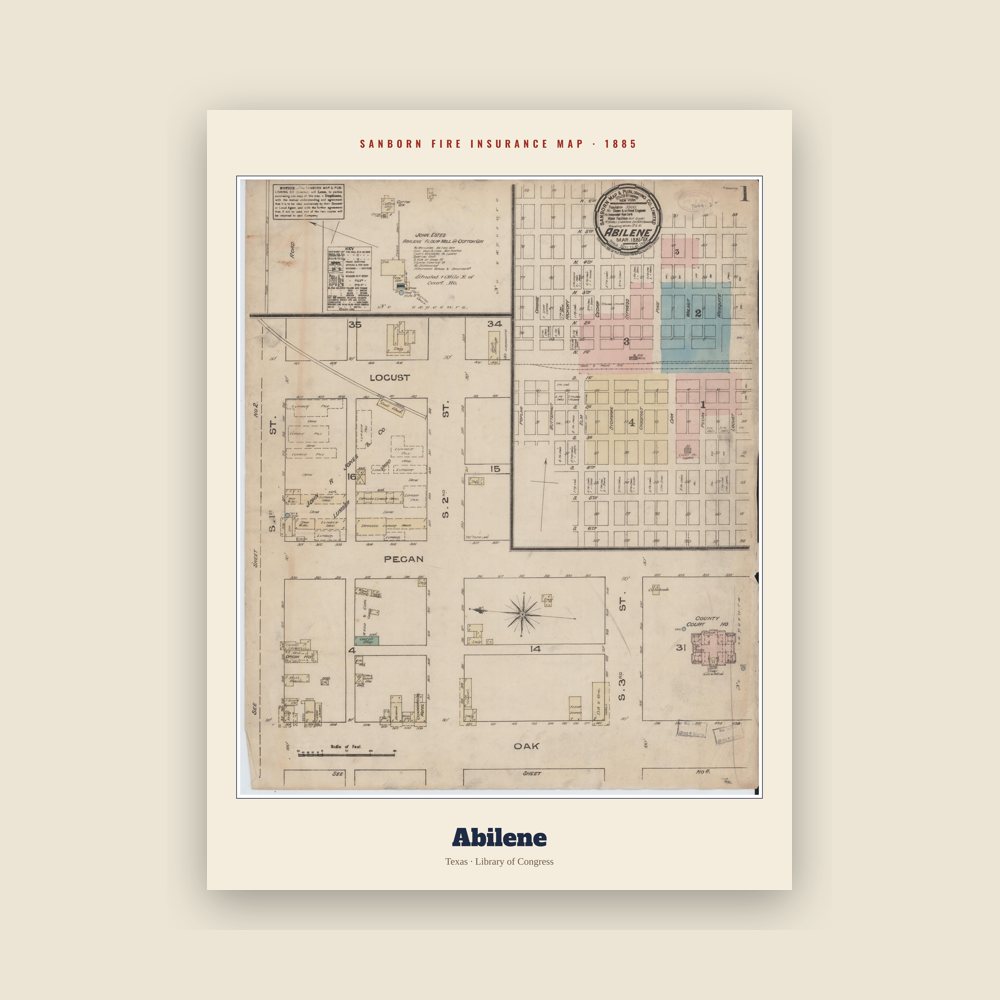
Established by cattlemen as a stock shipping point on the Texas and Pacific Railway in 1881, the city was named after Abilene, Kansas, the original endpoint for the Chisholm Trail. The T&P had bypassed the town of Buffalo Gap, the county seat at the time. Eventually, a landowner north of Buffalo Gap, Clabe Merchant, known as the father of Abilene, chose the name for the new town. According to a Dallas newspaper, about 800 people had already begun camping at the townsite before the lots were sold. The town was laid out by Colonel J. Stoddard Johnson, and the auction of lots began early on March 15, 1881. By the end of the first day, 139 lots were sold for a total of $23,810, and another 178 lots were sold the next day for $27,550.
Abilene was incorporated soon after its founding in 1881, and residents began to set their sights on bringing the county seat to Abilene. In a three-to-one vote, they won the county election to do so. In 1888, the Progressive Committee was formed to attract businesses to the area, and in 1890 renamed itself as the Board of Trade. By 1900, 3,411 people lived in Abilene. In that decade, the Board of Trade changed its name to the 25,000 Club, in the hope of reaching a population of 25,000 by the next census. By 1910, though, the population had increased only to 9,204. Another group was formed, the Young Men's Booster Club, which became the Abilene Chamber of Commerce in 1914.
In 1891, the cornerstone was laid for Simmons College, the first of three universities in Abilene. It later developed as Hardin–Simmons University. Childers Classical Institute was founded in 1906, and developed as Abilene Christian University, the largest of the three. In 1923, McMurry College was founded; it later expanded its offerings as McMurry University.
In the late 20th century, Abilene succeeded in gaining branches of Texas State Technical College and Cisco College. Headquarters of the latter institution are located in the city.
In 1940, Abilene raised the money to purchase land to attract establishment of a U.S. Army base southwest of town. It was named Camp Barkeley. When fully operational, it was twice the size of Abilene, with 60,000 men. When the base closed after World War II, many worried that Abilene could become a ghost town, but as the national economy boomed, many veterans returned to start businesses in Abilene.
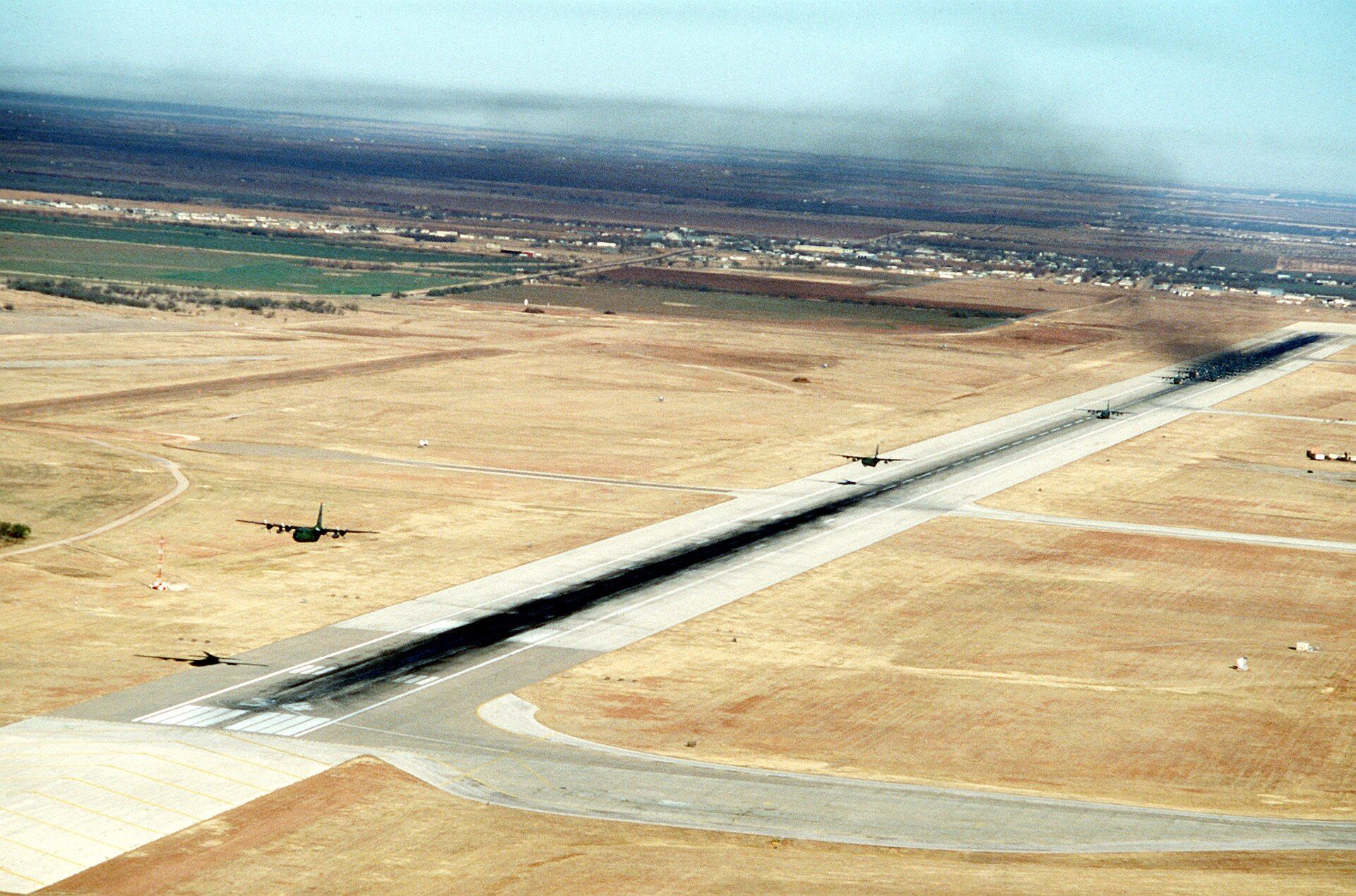
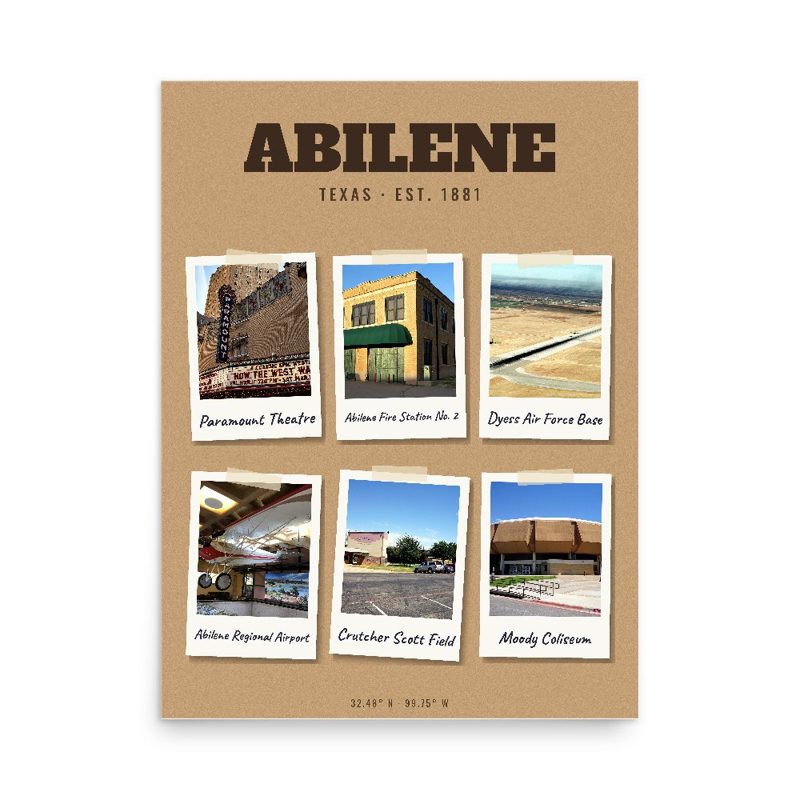
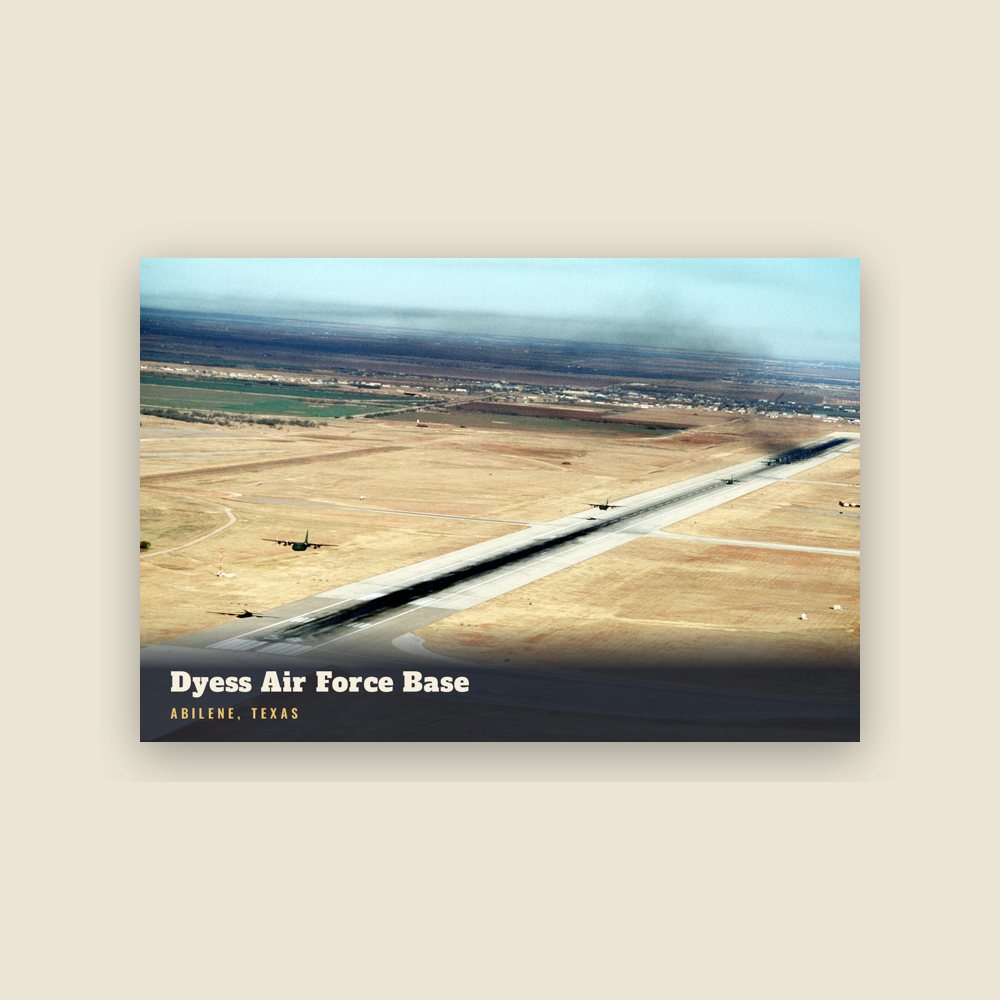
In the early 1950s, to advocate for an Air Force base, residents raised US$893,261 (equivalent to about $11,079,872 in 2025) to purchase 3,400 acres (14 km2) of land. The southern block of congressmen gained approval for such a base here. For decades, Dyess Air Force Base has been the city's largest employer, with 6076 employees in 2007.
From 1950 to 1960, Abilene's population nearly doubled, from 45,570 to 90,638. In 1960, a second high school (Cooper High School) was added to the city's school system.
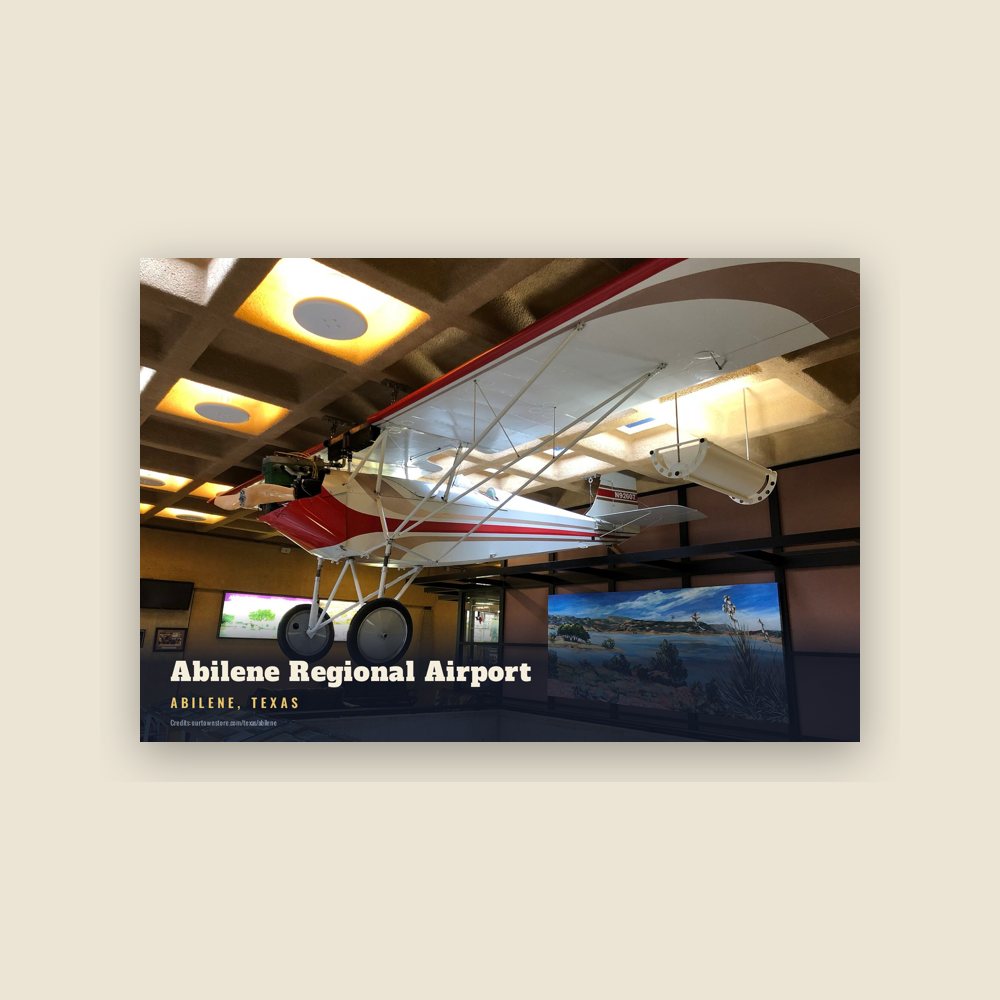
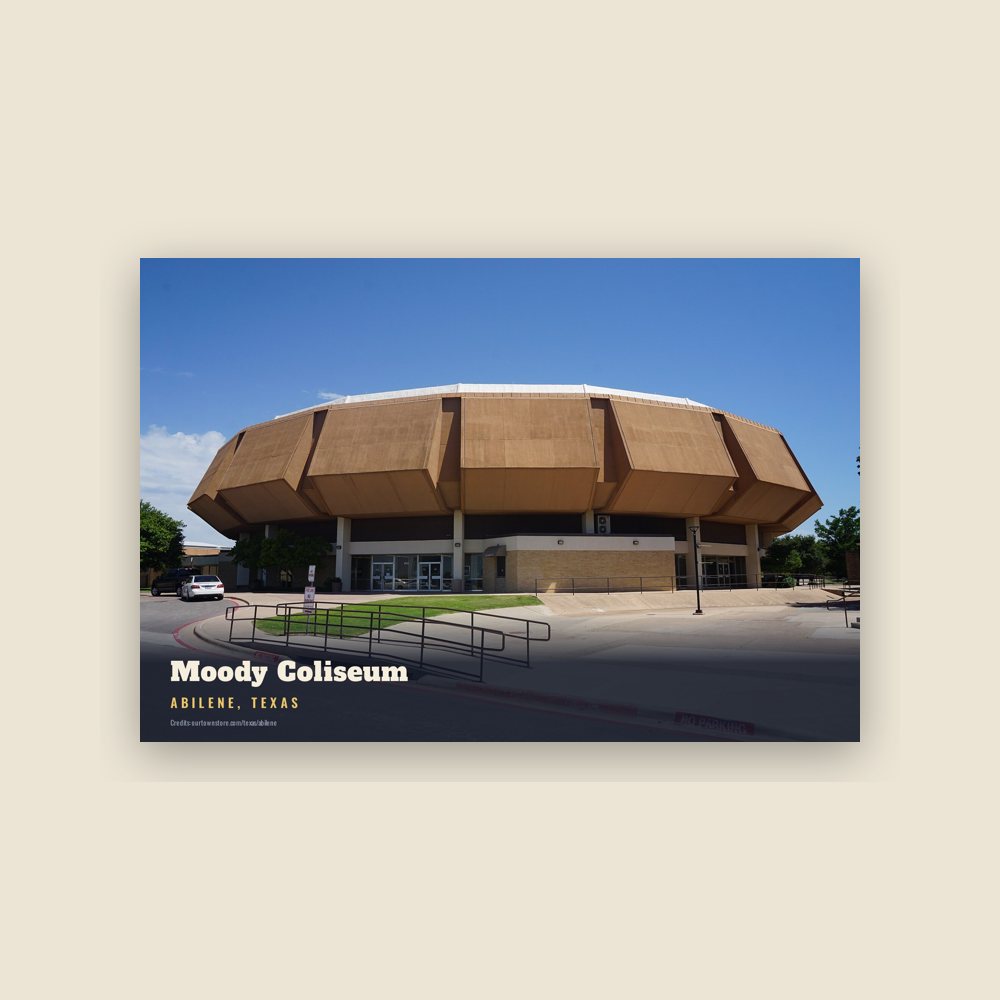
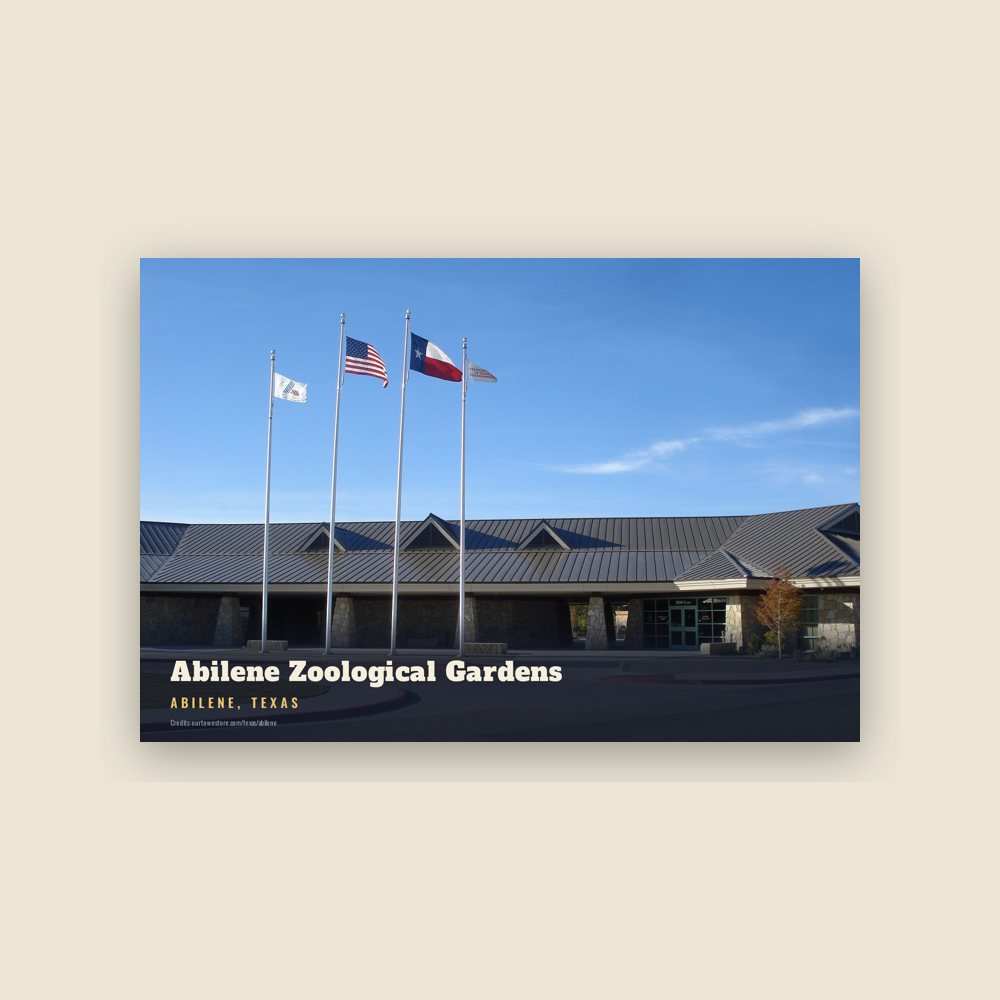
In 1966, the Abilene Zoo was established near Abilene Regional Airport. The following year, one of the most important bond elections in the city's history passed for the funding of the construction of the Abilene Civic Center and the Taylor County Coliseum, as well as major improvements to Abilene Regional Airport. In 1969, the Woodson elementary and high school for black students closed as the city integrated its school system, more than 10 years after the US Supreme Court's ruling in Brown v. Board of Education (1954) that segregation of public schools was unconstitutional.
In 1982, Abilene became the first city in Texas to create a downtown reinvestment zone. Texas State Technical College opened an Abilene branch three years later. The 2,250-bed French Robertson Prison Unit was built in 1989. A half-cent sales tax earmarked for economic development was created after the decline in the petroleum business in the 1980s. A branch of Cisco College was located in the city in 1990.
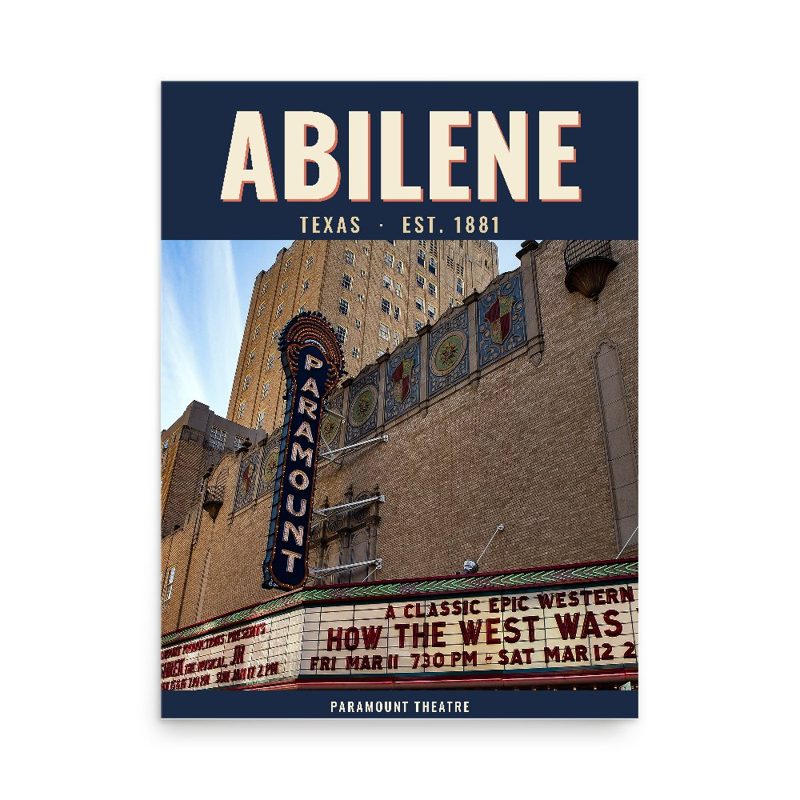
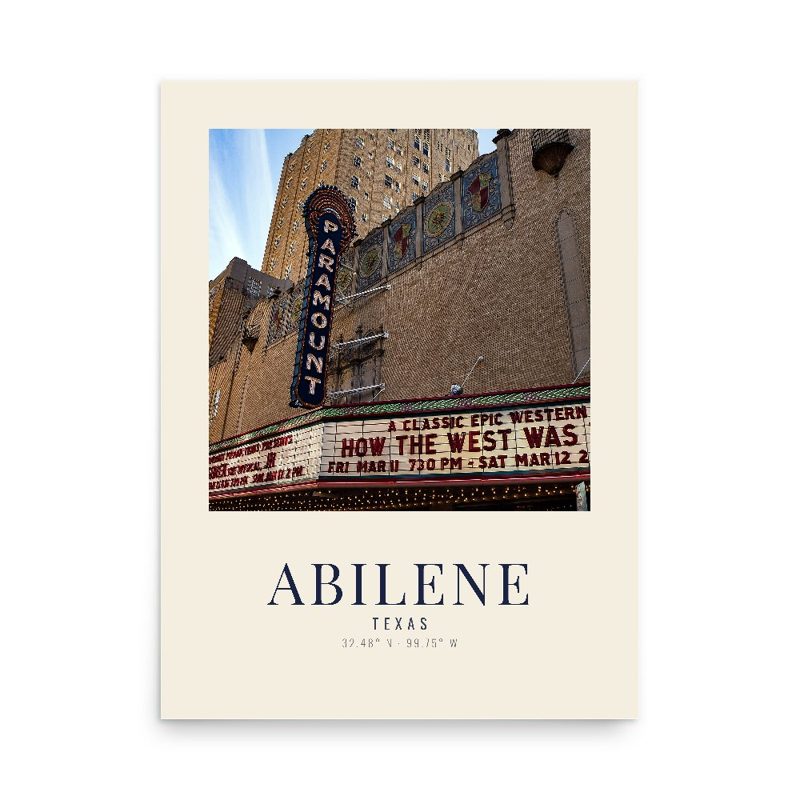
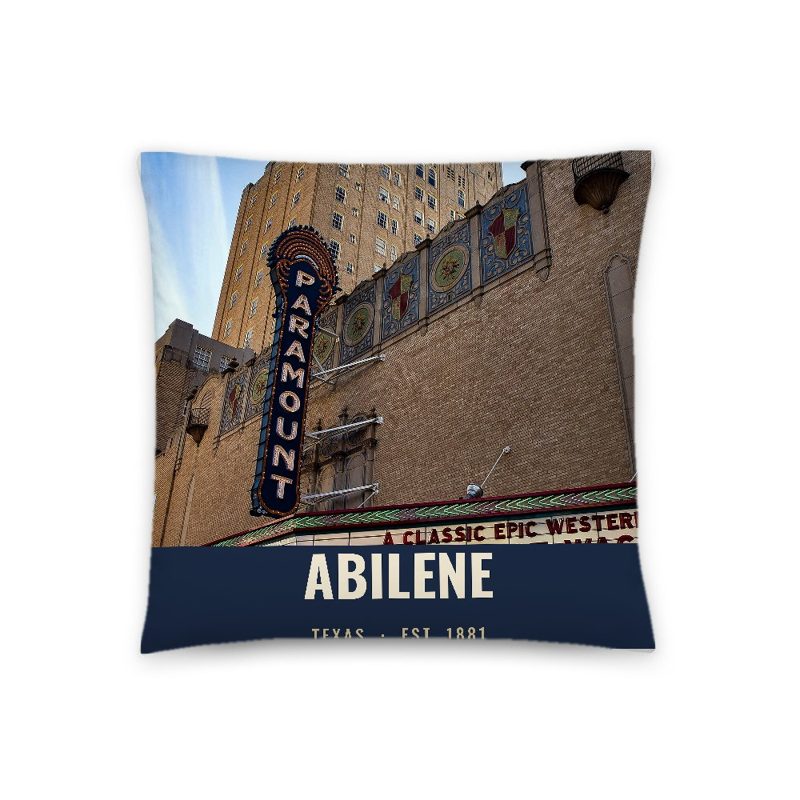
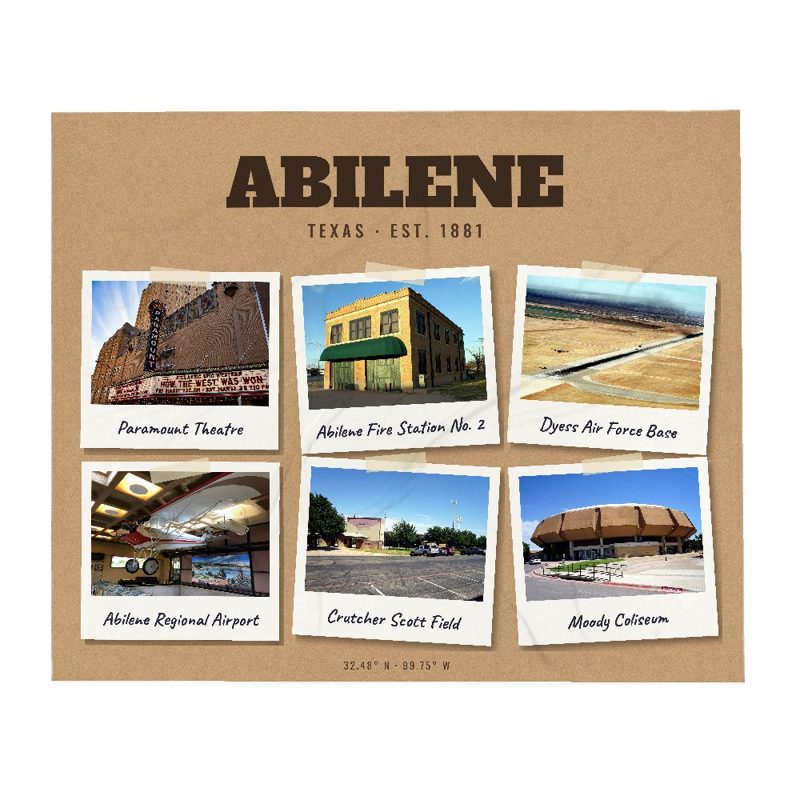
Several major projects of restoration and new construction: The Grace Museum and Paramount Theatre, and development of Artwalk in 1992, sparked a decade of downtown revitalization. In 2004, Frontier Texas!, a multimedia museum highlighting the history of the area from 1780 to 1880, was constructed. That year, an $8 million, 38-acre (150,000 m2) Cisco Junior College campus was built at Loop 322 and Industrial Boulevard. Simultaneously, subdivisions and businesses started locating along the freeway, on the same side as the CJC campus. This area attracted Abilene growth on the loop.
Abilene has become the commercial, retail, medical, and transportation hub of a 19-county area more commonly known as "The Big Country", but also known as the "Texas Midwest". It is part of the Central Great Plains ecoregion. By the end of 2005, commercial and residential development had reached record levels in and around the city.
Read the full history
Timeline
2026 – the Stargate AI infrastructure project in Abilene, Texas, has become one of the city's largest employers, with over 6,400 workers at the local campus. The facility currently operates at a 1.2 GW capacity, utilizing NVIDIA Blackwell-series hardware for large-scale AI training workloads.
Adapted (trimmed) from the Wikipedia article Abilene, Texas, revision 1383736088 by its contributors, licensed CC BY-SA 4.0.
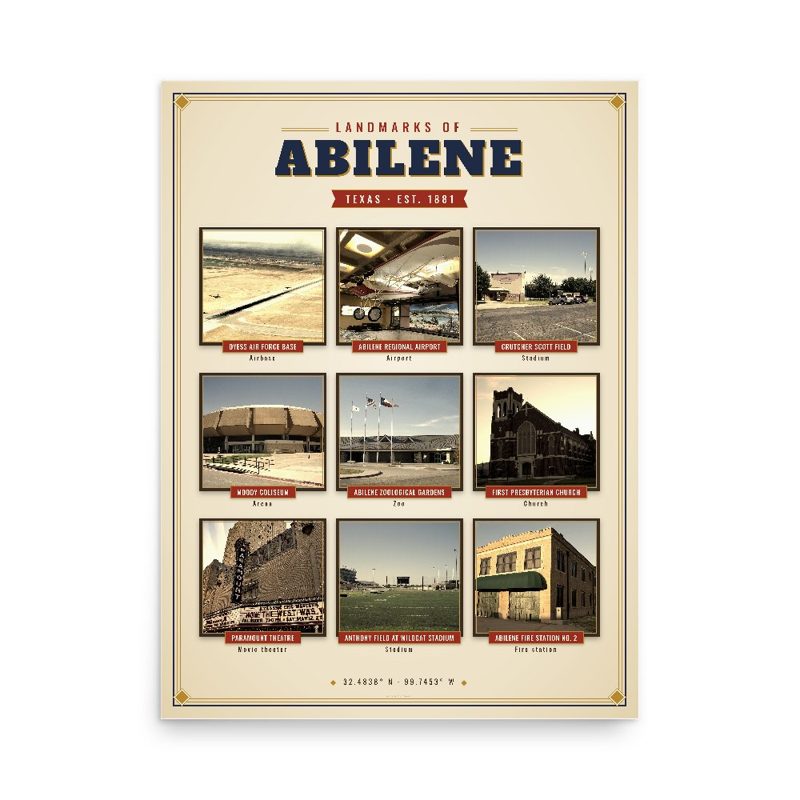









 First Presbyterian Church
 Dyess Air Force Base
 Abilene Regional Airport
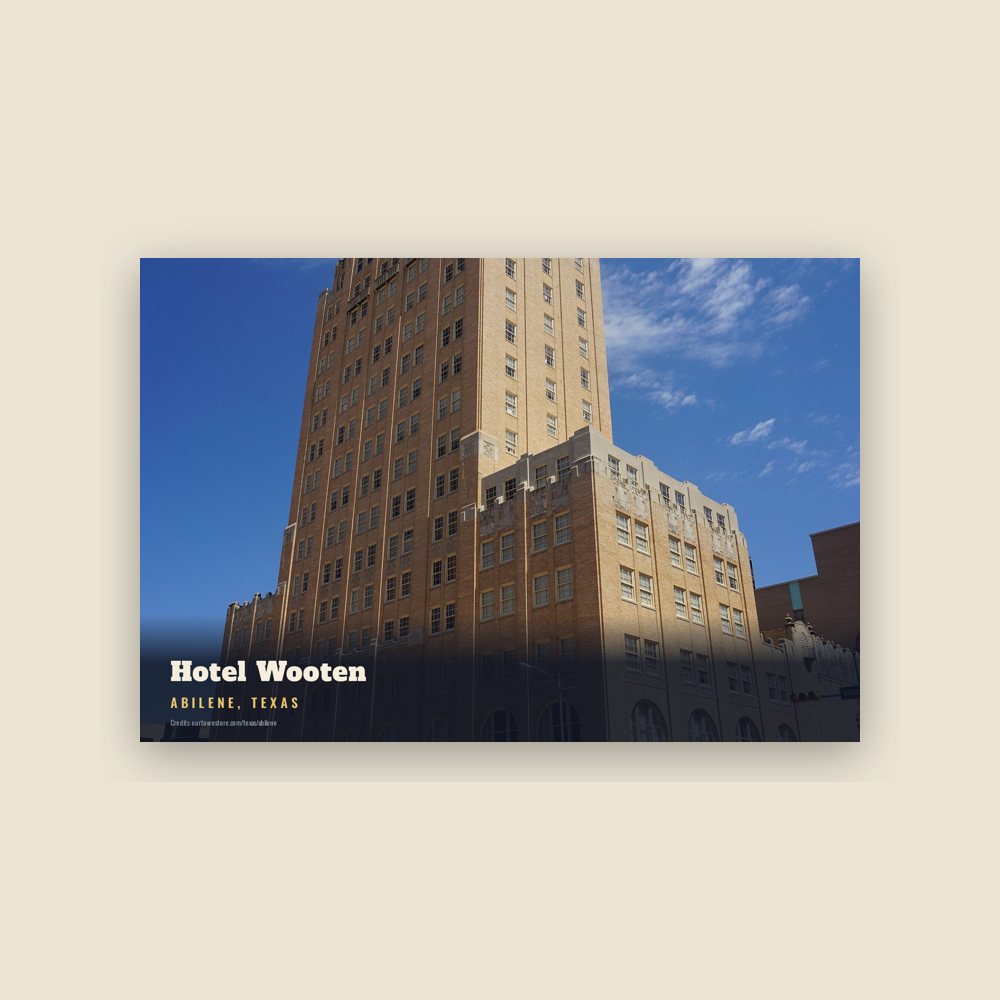
 Hotel Wooten