This area was occupied by the historic Chickasaw people at the time of European encounter. They were pushed out by European-American settlers under various treaties with the United States, in actions authorized by the Indian Removal Act of 1830 and ratified by the U.S. Senate.
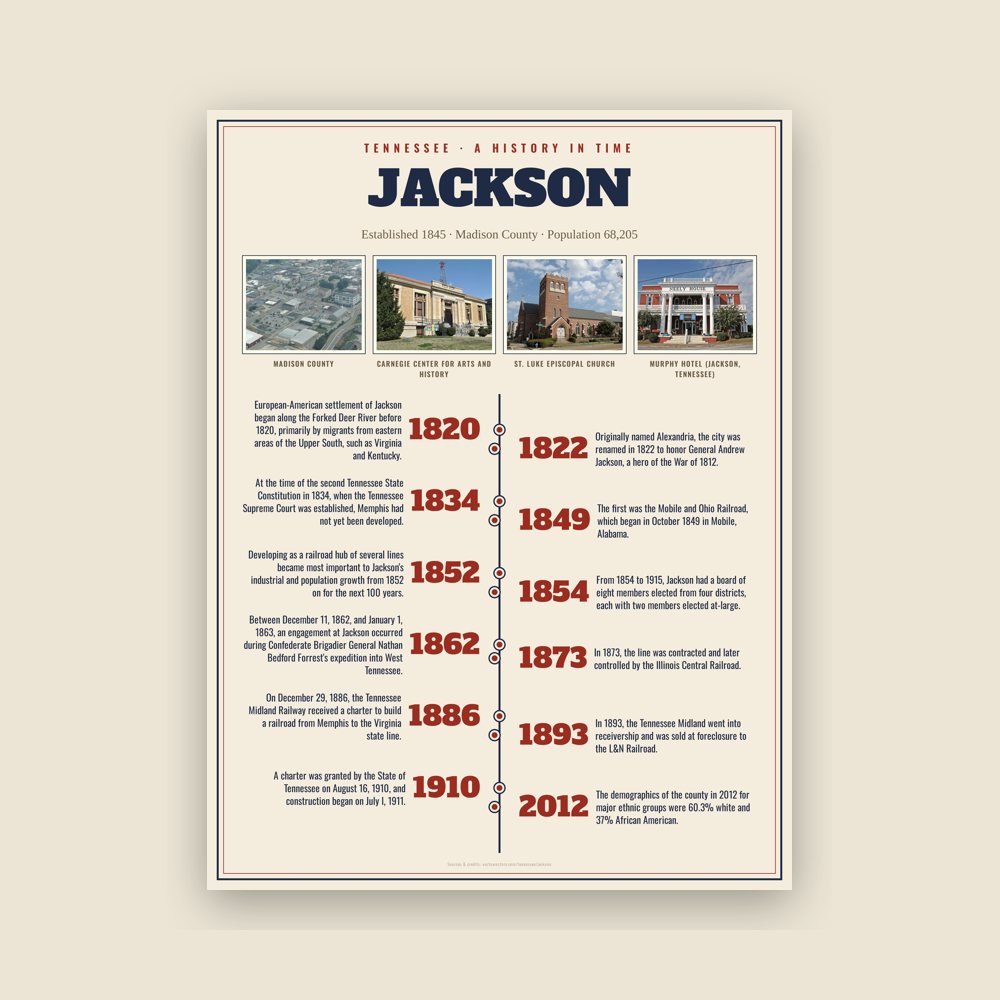
European-American settlement of Jackson began along the Forked Deer River before 1820, primarily by migrants from eastern areas of the Upper South, such as Virginia and Kentucky. Originally named Alexandria, the city was renamed in 1822 to honor General Andrew Jackson, a hero of the War of 1812. He was later elected as President of the United States.
The City of Jackson was founded by an act of the Tennessee General Assembly, passed in 1821, entitled an "act to establish a seat of justice for Henry, Carroll, Henderson, and Madison Counties." The act required 50 acres (20 ha) of land to be deeded to the commissioners. The commissioners chosen by the legislature were Sterling Brewer and James Fentress. The places considered for the seat of justice were Alexandria, Golden's Station, and Jackson. The larger portion of the settlers at that time were living on Cotton Grove Road, and as Jackson was closer to them than either of the other settlements, it was determined to be the more suitable site for the seat of justice.
At the time of the second Tennessee State Constitution in 1834, when the Tennessee Supreme Court was established, Memphis had not yet been developed. The county seat of Jackson was the most significant city in West Tennessee, and this was designated as a site for the State Supreme Court in this part of the state.
The city of Jackson did not establish public elections until 1837, with a board of aldermen elected at-large. From 1854 to 1915, Jackson had a board of eight members elected from four districts, each with two members elected at-large. Free people of color and freedmen were not allowed to vote in the state until after passage of federal constitutional amendments following the Civil War that granted them citizenship and suffrage.
This area was initially developed for agricultural purposes, especially cotton plantations for producing the chief commodity crop of the Mississippi Valley and Deep South. Cotton plantations were dependent on the labor of slaves, and thousands were brought into the area as it was developed. As county seat, Jackson was a trading town and retail center for surrounding agricultural areas.
Developing as a railroad hub of several lines became most important to Jackson's industrial and population growth from 1852 on for the next 100 years.
Read the full history
Civil War through 19th century
In 1862, Tennessee came under the control of Union forces and was occupied until General Ulysses S. Grant decided to concentrate his efforts to the South. Between December 11, 1862, and January 1, 1863, an engagement at Jackson occurred during Confederate Brigadier General Nathan Bedford Forrest's expedition into West Tennessee. Forrest wanted to disrupt the rail supply line to Grant's army, which was campaigning along the route of the Mississippi Central Railroad. If Forrest destroyed the Mobile & Ohio Railroad running south from Columbus, Kentucky, through Jackson, Grant would have to curtail or halt his operations altogether.
Forrest's 2,100-man cavalry brigade crossed the Tennessee River on December 17. Grant ordered a soldier concentration at Jackson under Brigadier General Jeremiah C. Sullivan and sent a cavalry force under Colonel Robert G. Ingersoll. Forrest's command defeated the Union cavalry in Lexington, Tennessee, on December 18. As Forrest continued his advance the following day, Sullivan ordered Colonel Adolph Englemann to take a small force northeast of Jackson.
At Old Salem Cemetery, acting on the defensive, Englemann's two infantry regiments repelled a Confederate mounted attack, then withdrew a mile closer to the city. The fight amounted to no more than a feint and show of force intended to hold Jackson's Union defenders in position, while two mounted Confederate columns destroyed railroad track to both the north and south of the town, then returned. Forrest withdrew from the Jackson area to attack Trenton and Humboldt after this mission was accomplished.
As a result of the destruction of the railroad, Grant abandoned his plans to invade Mississippi from Tennessee in favor of an attack on Vicksburg, Mississippi, for control of the river. Federal troops left Jackson and moved to Memphis, which became a major center for Union troops for the duration of the war. Forrest returned to Jackson in early 1864 and used the city as his headquarters as his forces attacked Union positions in northern West Tennessee and Fort Pillow, a Union position on the Mississippi north of Memphis. Forrest returned to Jackson again later that year in preparation for an attack on Federal river traffic on the Tennessee River east of Paris and the supply base at Johnsonville.
With the emancipation of slaves and passage of US constitutional amendments granting suffrage to African-American males, Jackson's freedmen and formerly free people of color began to participate in the political system, but secret vigilante groups, such as the Ku Klux Klan, developed chapters in Tennessee and throughout the South that intimidated and attacked freedmen to exercise white supremacy. As Reconstruction continued, they worked to suppress the black Republican vote.
In the late 19th century, the white-dominated state legislature passed several laws that made voter registration and voting more difficult, including payment of a poll tax, which resulted in reducing voting by many blacks and poor whites. After Reconstruction, white violence increased against blacks. In 1886, Eliza Woods, an African-American woman, was lynched in Jackson after being accused of poisoning and killing her employer, Jessie Woolen. Woolen's husband later confessed to the crime. Two other African Americans were known to have been lynched by whites in Madison County in this period that extended into the early 20th century.
20th century
In 1915, Jackson was one of several cities in the state to adopt a commission form of government, changing its electoral scheme to at-large voting citywide for three designated positions, the mayor and two commissioners. This resulted in a government dominated by the majority, with no representatives elected from minority populations. (Other cities to make this change included Clarksville, Chattanooga, Knoxville, and Nashville.) Although in 1913 the state enacted a law enabling cities to adopt the commission form of government independently, Jackson was chartered by the state for this change. The commissioners each were allocated specific responsibilities, for instance, for the school system and city departments.
In the late 19th century, the state of Tennessee had already adopted residency requirements, voting process, and poll taxes that sharply reduced the ability of African Americans to register and vote. The city charter was amended to include run-off elections within two weeks in cases of one candidate not receiving a majority of votes. This created an extra burden on campaigns by less wealthy candidates. In Jackson, the total effect of these changes to the city electoral system was to reduce the ability of African Americans in the 20th century to elect candidates of their choice and to participate in the political system.
In 1977, three city residents filed suit against the city in U.S. District Court, in Buchanan v. City of Jackson (1988), (683 F.Supp. 1515), challenging the structure and electoral system of the city government because the at-large voting had diluted the voting power of the city's significant minority of African American residents. (According to the 1980 Census, the city population was 49,074, of whom 16,847, or 34.3%, were black.) Since 1915, no black person had ever been elected to or served on the board of commissioners. The court found this commission electoral system to be discriminatory in effect. Over the decades, the African American minority was effectively closed out of city government. The case was appealed and affirmed; the defendants ultimately proposed a new system, approved in 1988 by the court. By a new city charter, in 1989 the city created a board of commission based on nine single-member districts for broader representation. The mayor is elected at-large.
Similar legal challenges to the electoral and city systems in Clarksville and Chattanooga led to changes in their city charters to establish more numerous members of a city council or board of commission, to be elected from single-member districts. As a result, more African American and women candidates have been elected as representatives from those jurisdictions.
The dissolution of the former government in Jackson resulted in the need for an elected city school board, since one of the commissioners had previously managed education. The city commissioners chose to consolidate their school system with that of the Madison County school system in 1990, creating the Jackson-Madison County School Board. This was also done to achieve desegregation goals. The nine-member board is elected from six districts across the county; three districts elect two members each and the other three each elect one member. All members are elected for four-year terms, with elections held on a staggered basis every two years. The demographics of the county in 2012 for major ethnic groups were 60.3% white and 37% African American. In 2008, the school system was still under a court order supervising its desegregation progress.
In the post-World War II era, the railroad industry underwent restructuring and mergers. (See section below). By the end of the 1960s, it sharply reduced passenger service to Jackson, with related losses of associated industrial jobs supporting the railroads, causing economic problems in the region.
1999 to present
Between 1999 and 2008, several violent tornadoes struck large portions of the city. The McKellar-Sipes Regional Airport was severely damaged in January 1999, a storm that resulted in 11 fatalities. The 1999 tornado also damaged the 30-acre (120,000 m2) Riverside Cemetery, where 40 known Confederate soldiers, 140 unknowns, and many families of the founders of Jackson are buried. The cemetery's acres of old trees and many of the statues, monuments, and graves were damaged during the tornado.
Parts of the Union University campus were damaged in November 2002. The downtown area was devastated in May 2003 by an F4 tornado, with eight deaths. Many dormitories at the Union campus were demolished in a storm in February 2008.
On May 1, 2010, a severe thunderstorm hit Jackson, dropping 13 inches of rain in a short period of time. Flash floods destroyed many homes and streets.
Railroad history
Jackson developed rapidly just prior to the Civil War as a railroad junction and maintenance shop for several early railroads, including the Mississippi Central, the Tennessee Central and the Mobile and Ohio lines. Located over seventy miles east of Memphis, Jackson lies along the shortest rail route between Cairo, IL; Jackson, Mississippi (Mississippi's capital); and New Orleans, Louisiana. As the railroad was extended from the Great Lakes to the Gulf of Mexico, Jackson was perfectly situated as a station along the north–south line and to serve as a junction between the north–south line, and lines east and west between Memphis and Nashville, the major cities of West and Middle Tennessee.
The first was the Mobile and Ohio Railroad, which began in October 1849 in Mobile, Alabama. The line first entered Jackson in 1851. These tracks were completely destroyed during the Civil War. The line merged with the Gulf, Mobile and Northern Railroad in 1940 to become the Gulf, Mobile and Ohio Railroad. The second railroad to enter Jackson was the Mississippi Central & Tennessee. In 1873, the line was contracted and later controlled by the Illinois Central Railroad.
On December 29, 1886, the Tennessee Midland Railway received a charter to build a railroad from Memphis to the Virginia state line. The line from Memphis to Jackson was completed on June 1, 1888. In 1893, the Tennessee Midland went into receivership and was sold at foreclosure to the L&N Railroad. Around 1968, the remainder of the Tennessee Midland was abandoned east of Cordova with the exception of some track in Jackson. That track is now used to deliver goods to Jackson's east and west industrial parks.
The Tennessee Midland Railway Company line from Memphis to Jackson was the forerunner of the Nashville, Chattanooga and St. Louis Railway. This line was often referred to as the "NC" by locals. Like all other railroads to enter Jackson, it was built with funds subscribed by citizens and investors of Jackson. The first passenger train entered Jackson from Memphis on June 1, 1888. The highly profitable railroad was merged into the Louisville and Nashville Railroad following WW II. Eventually, the L&N was merged into and is now part of CSX Transportation.
A charter was granted by the State of Tennessee on August 16, 1910, and construction began on July l, 1911. The first sector extended from Jackson to the station of Tigrett, and by April 20, 1912, 38 miles (61 km) of the line were ready for operations. On June 16, the remaining 11-mile (18 km) sector was set into service, connecting Dyersburg with Jackson. When the line began operations in 1912, its president was Isaac B. Tigrett, a prominent young banker of Jackson. The railroad became an important local thoroughfare, used to transport much of the produce of the region to market in Jackson and Dyersburg. The Birmingham and Northwestern Railway Company had four locomotives, five passenger cars, and 92 freight cars. When Isaac B. Tigrett became president of the GM&N in 1920, he ceased to direct the affairs of the Birmingham and Northwestern Railroad Company. After he became president of the GM&O, the railroad was purchased and merged to become the Dyersburg branch.
Passenger trains in the 20th century
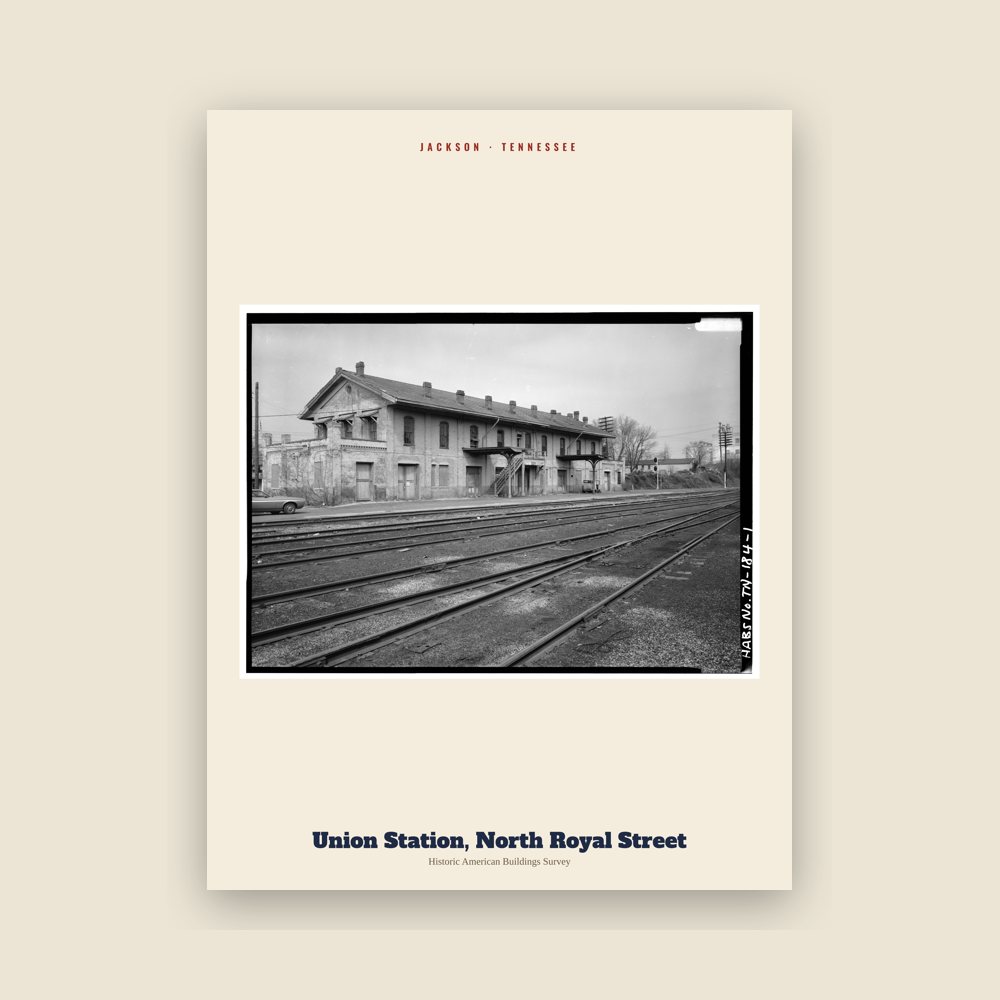
Jackson had been a west Tennessee hub for passenger train service. Passengers had direct service to Memphis, Nashville, Meridian, Montgomery, Mobile, Birmingham, Jacksonville, Daytona, Miami, Centralia, Champaign-Urbana, Springfield, Chicago, St. Louis, and New Orleans. From the 1930s to the 1960s, multiple regularly scheduled passenger trains of the Gulf, Mobile and Ohio and the Illinois Central made stops at Union Station.
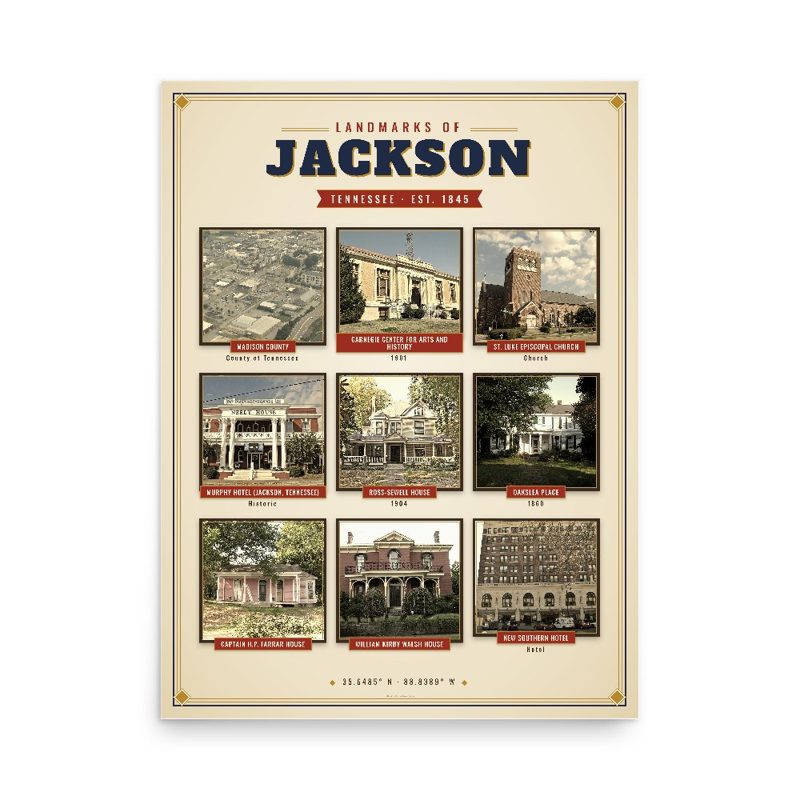
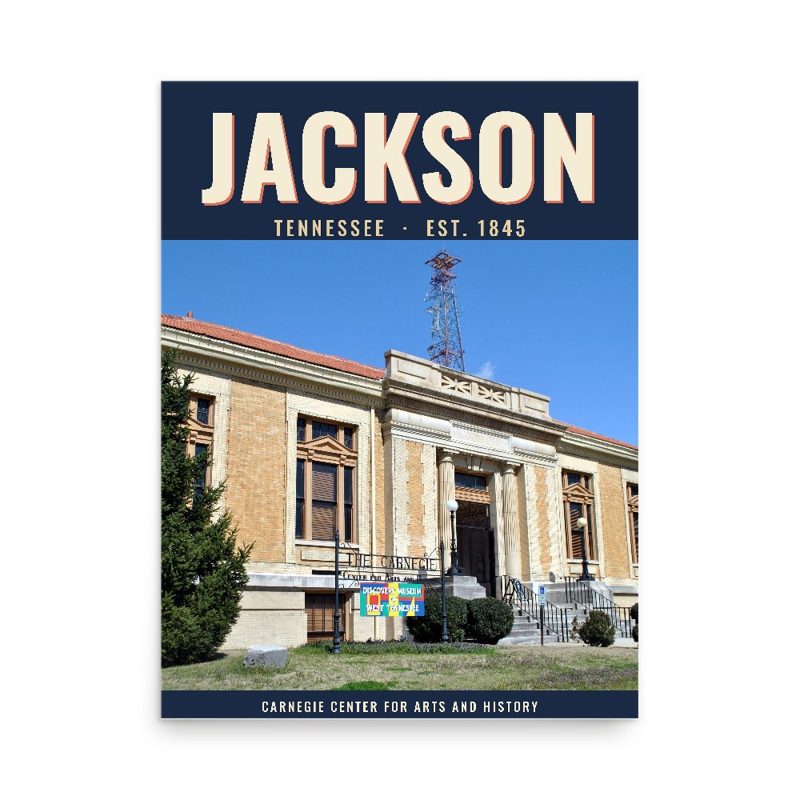
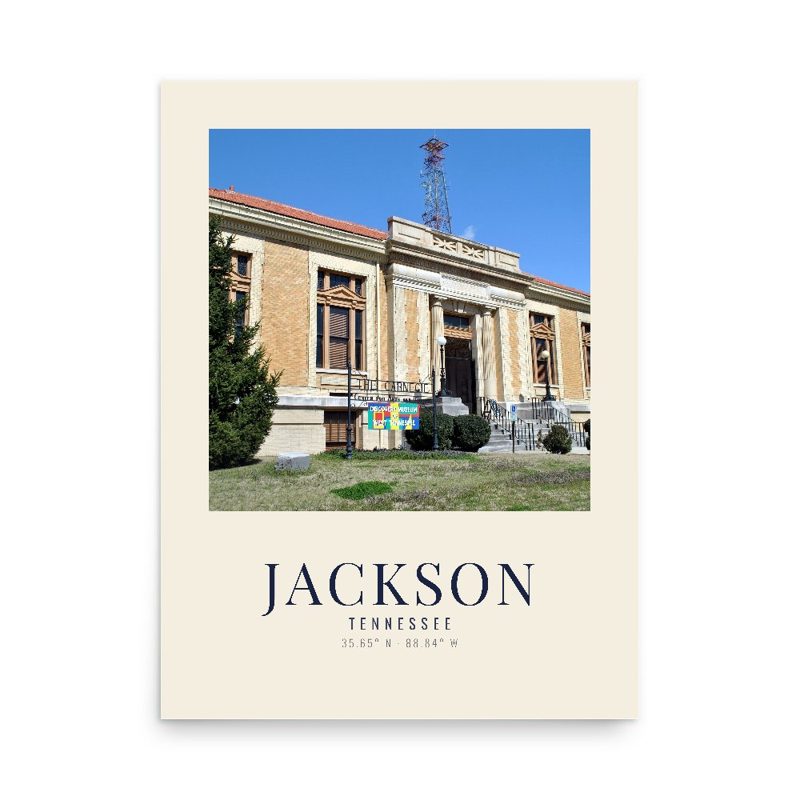
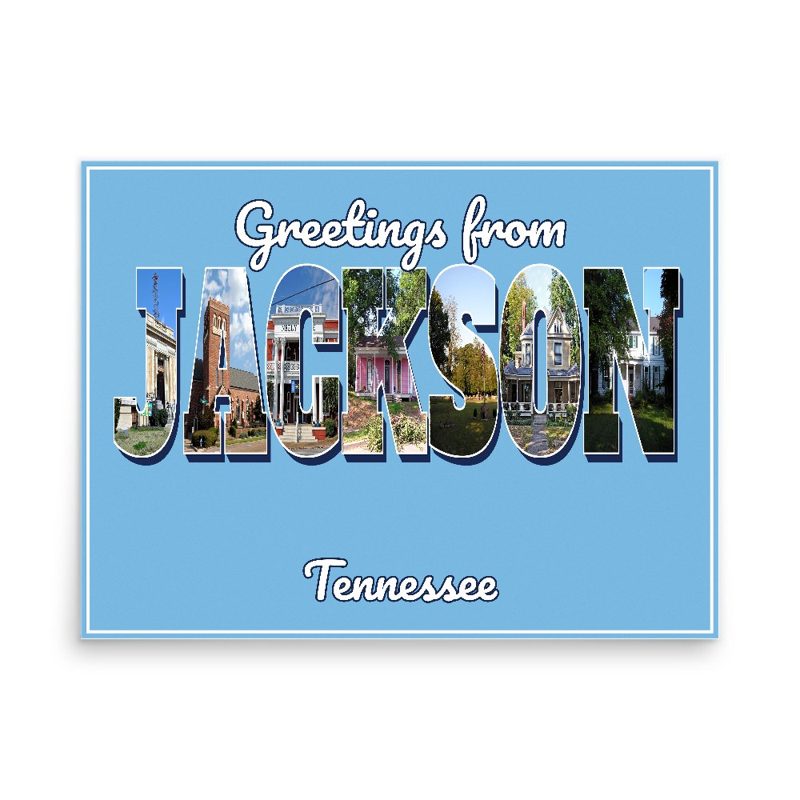
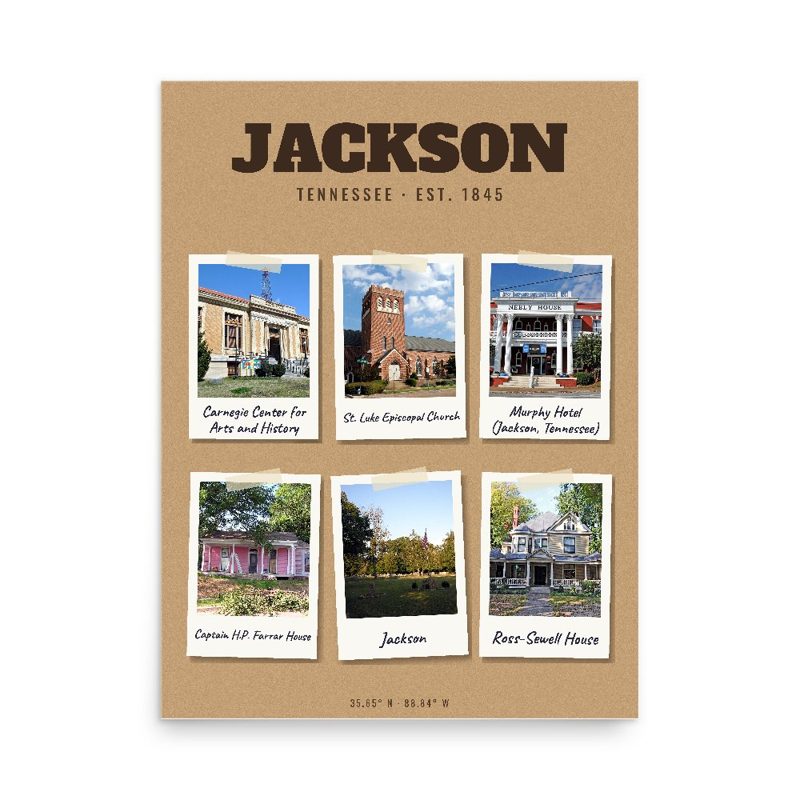
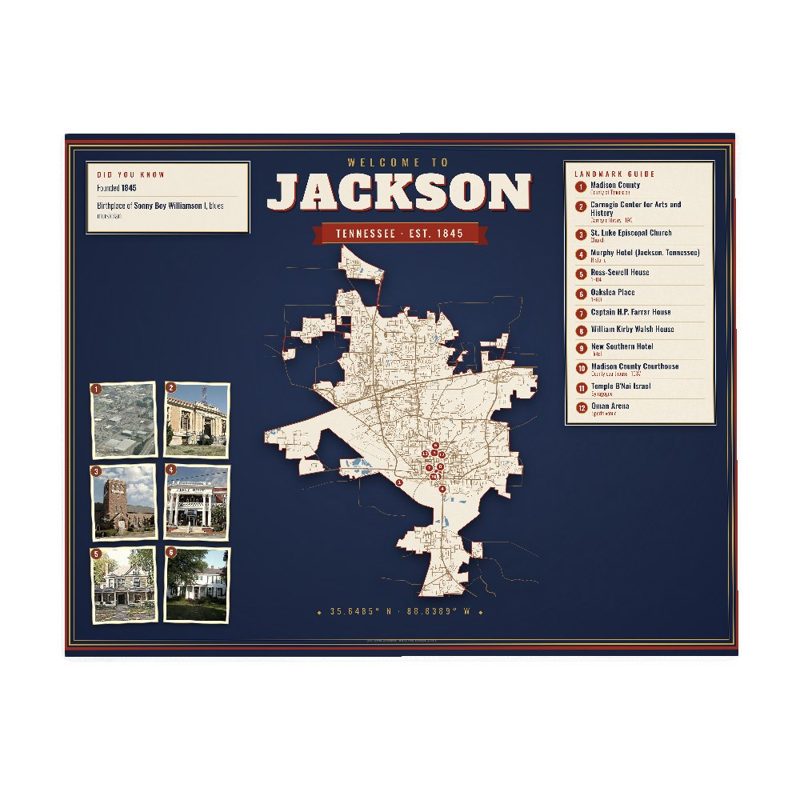








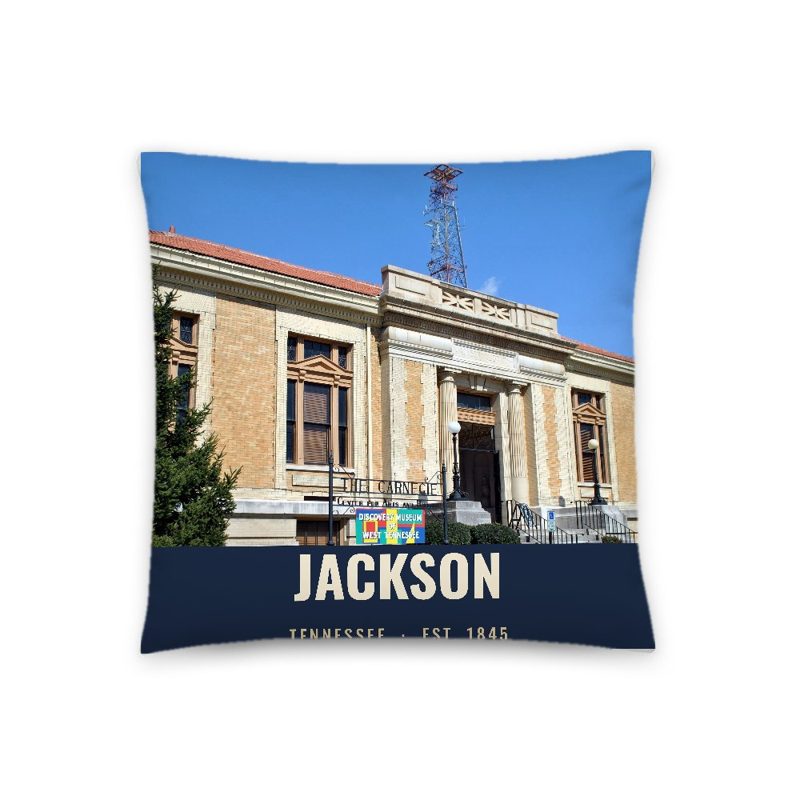



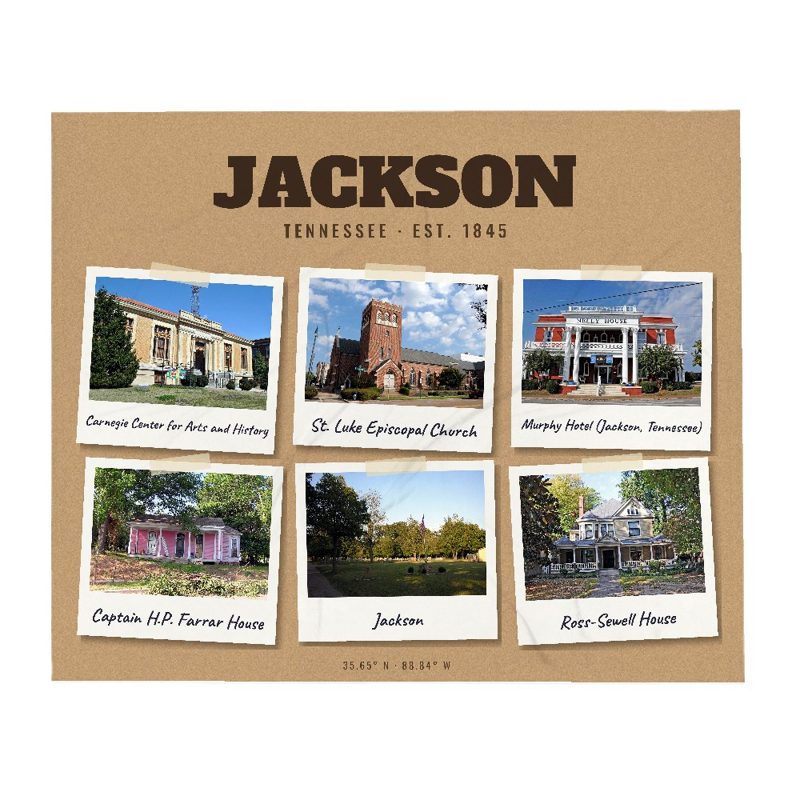

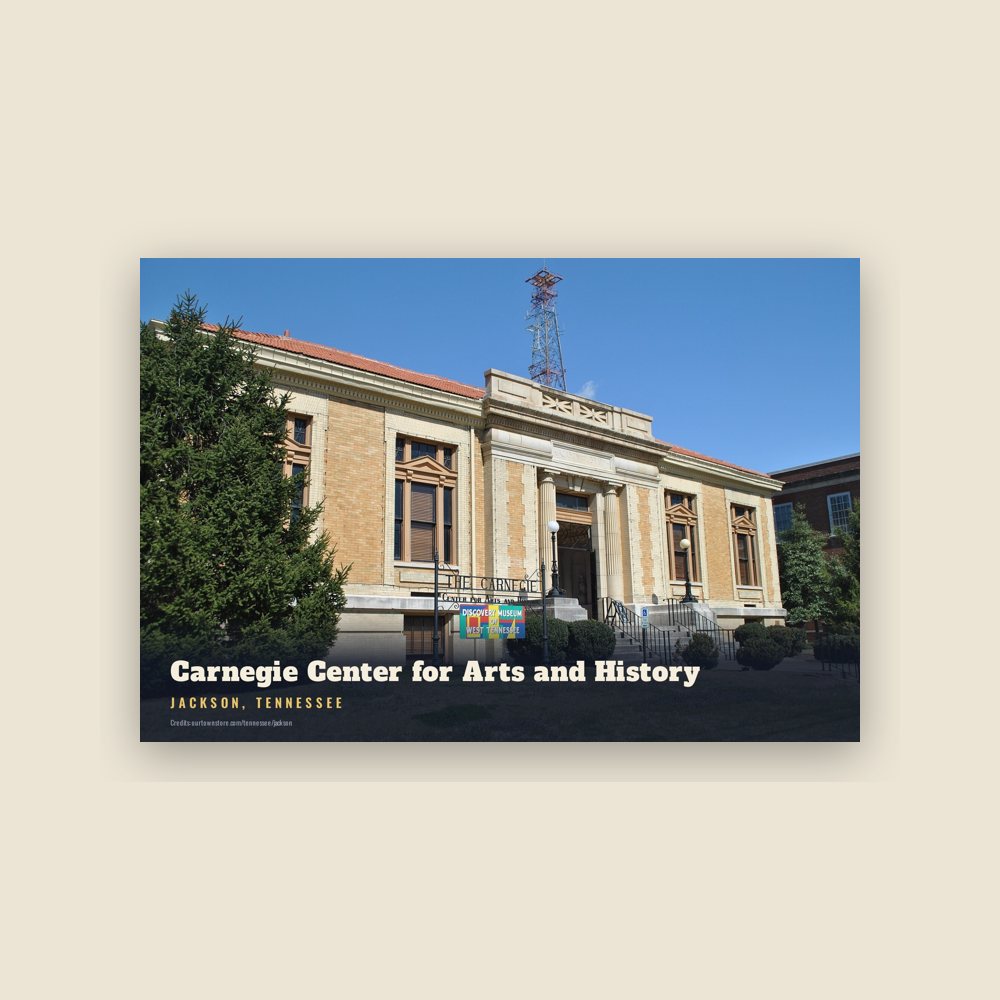


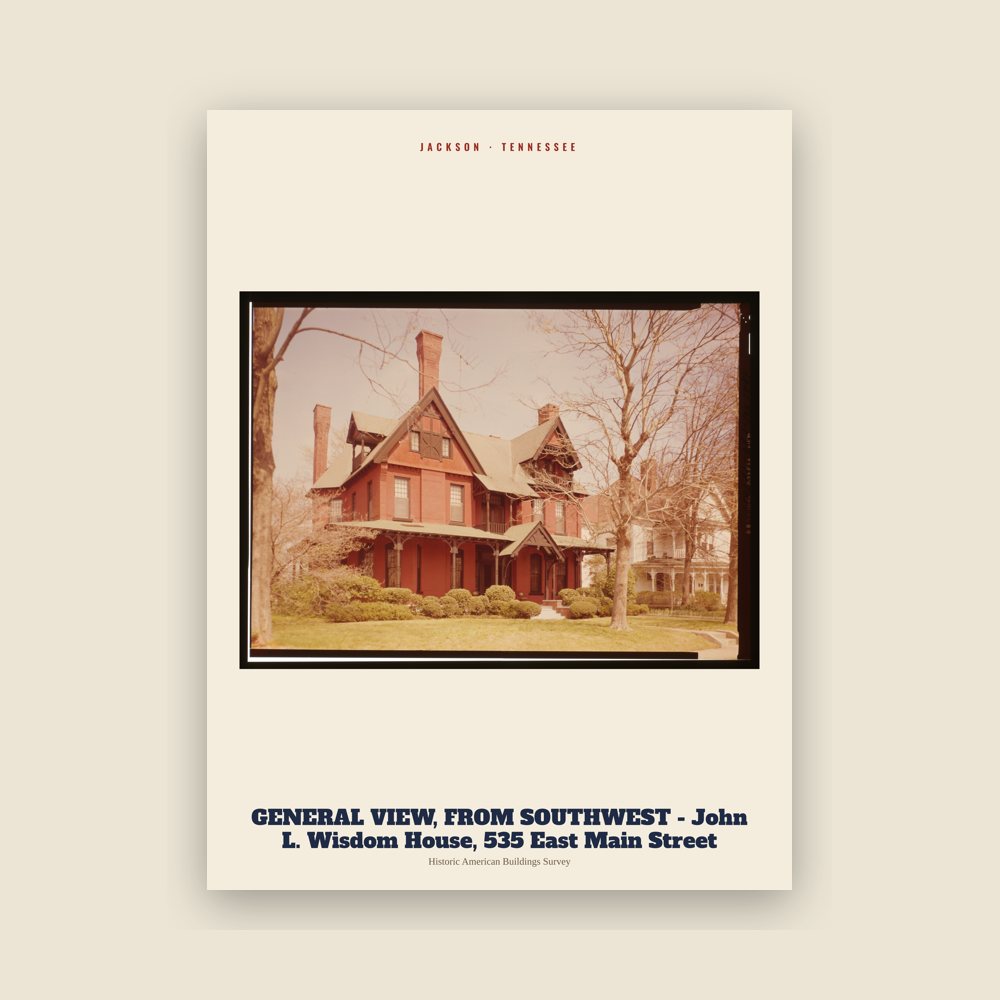
 Carnegie Center for Arts and History
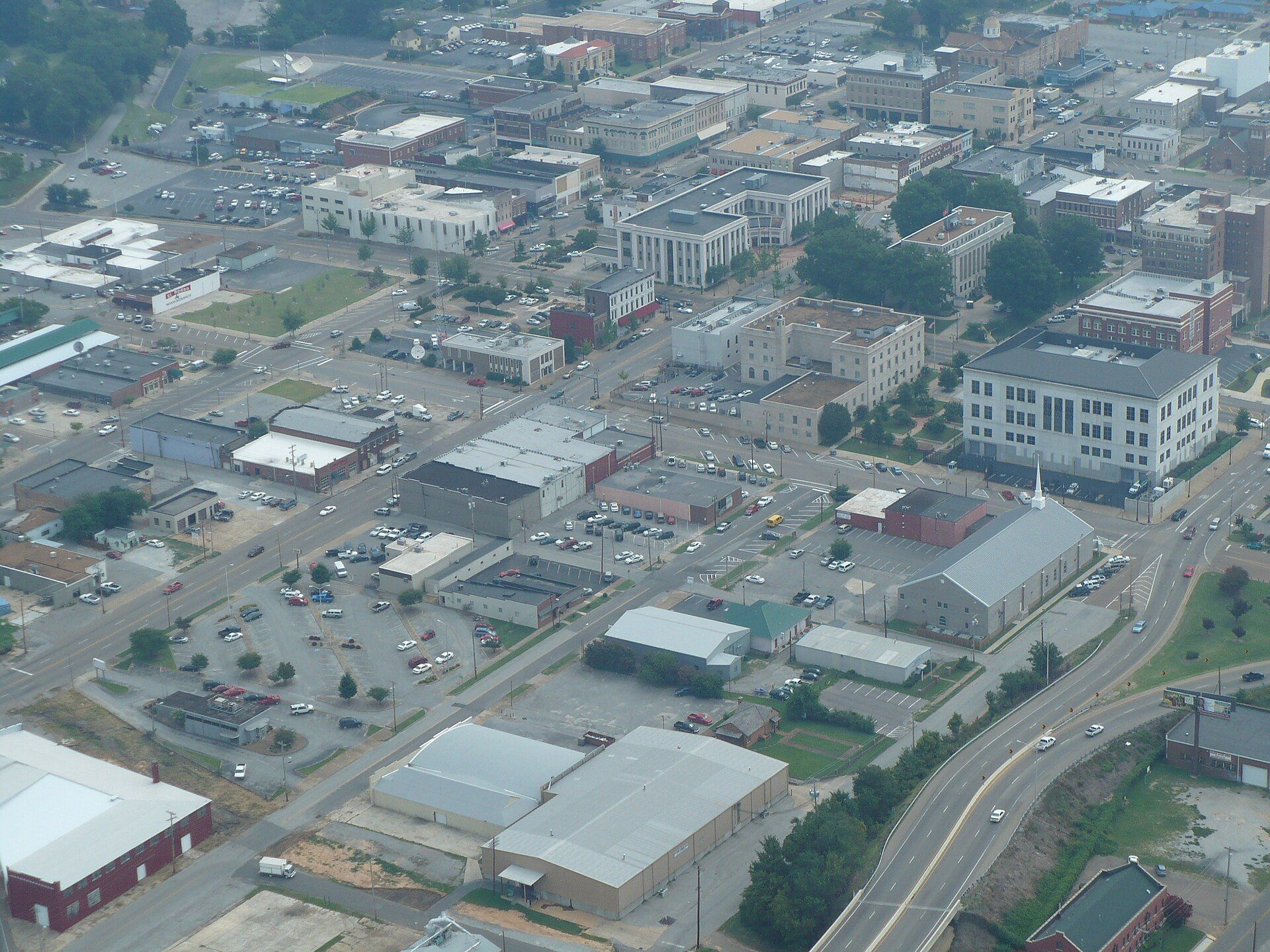
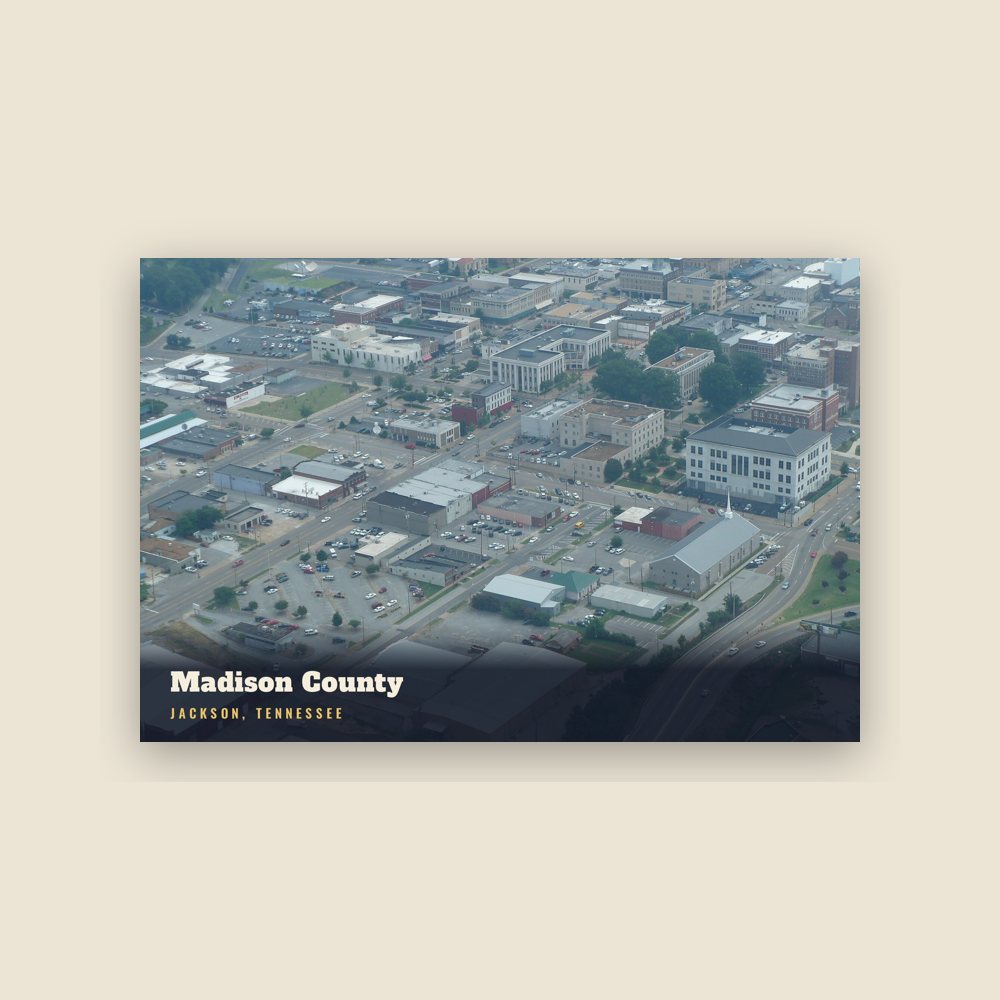
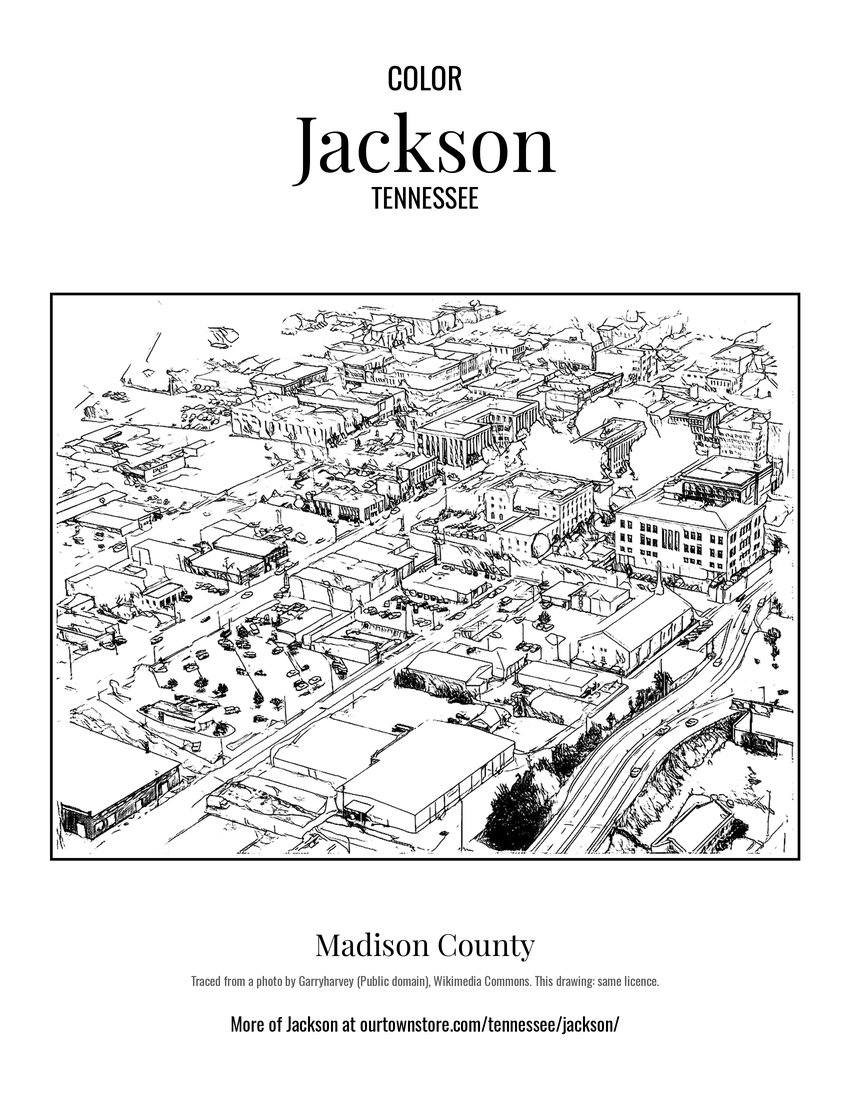 Madison County
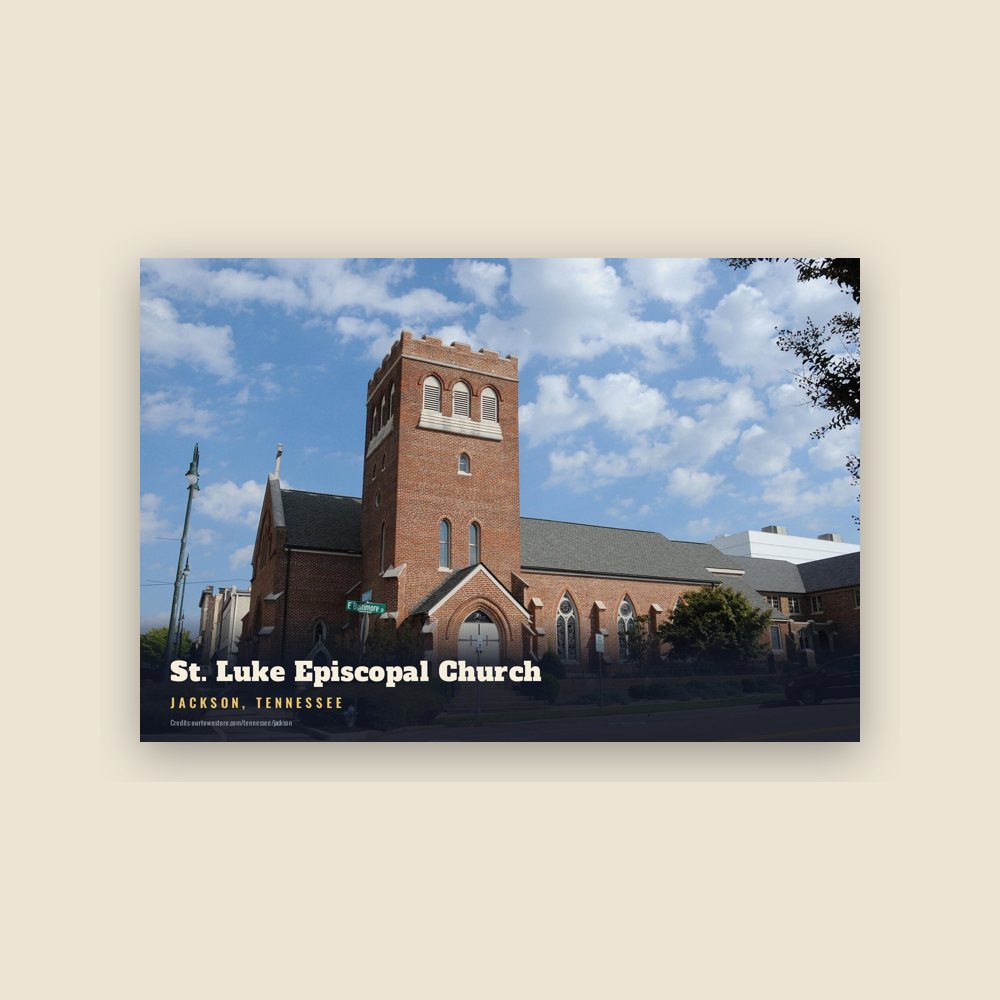
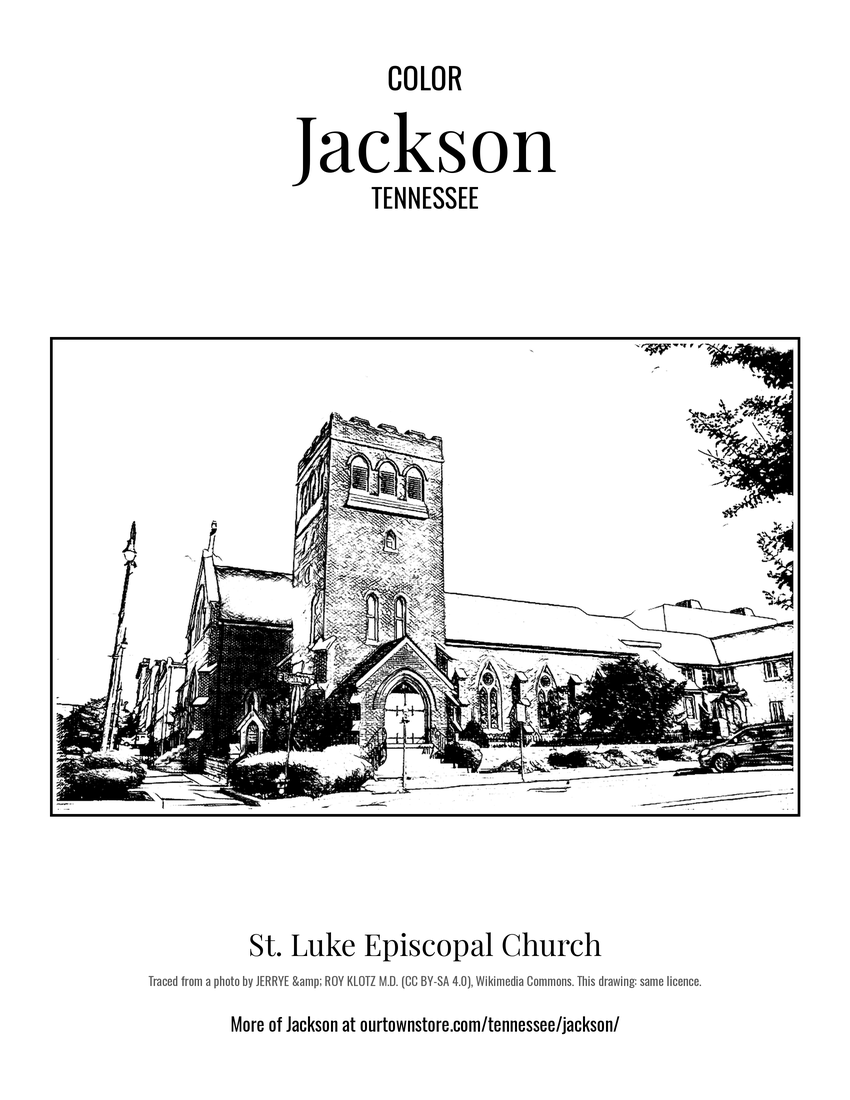 St. Luke Episcopal Church
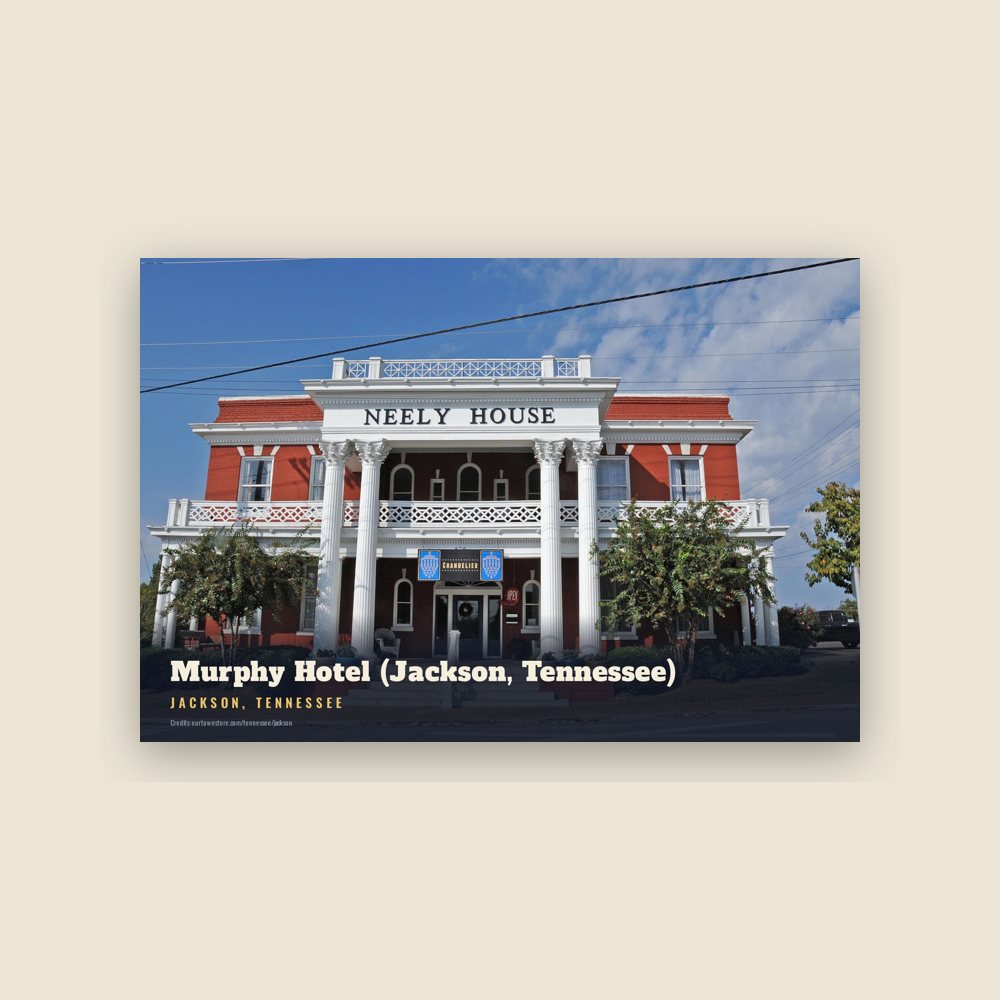
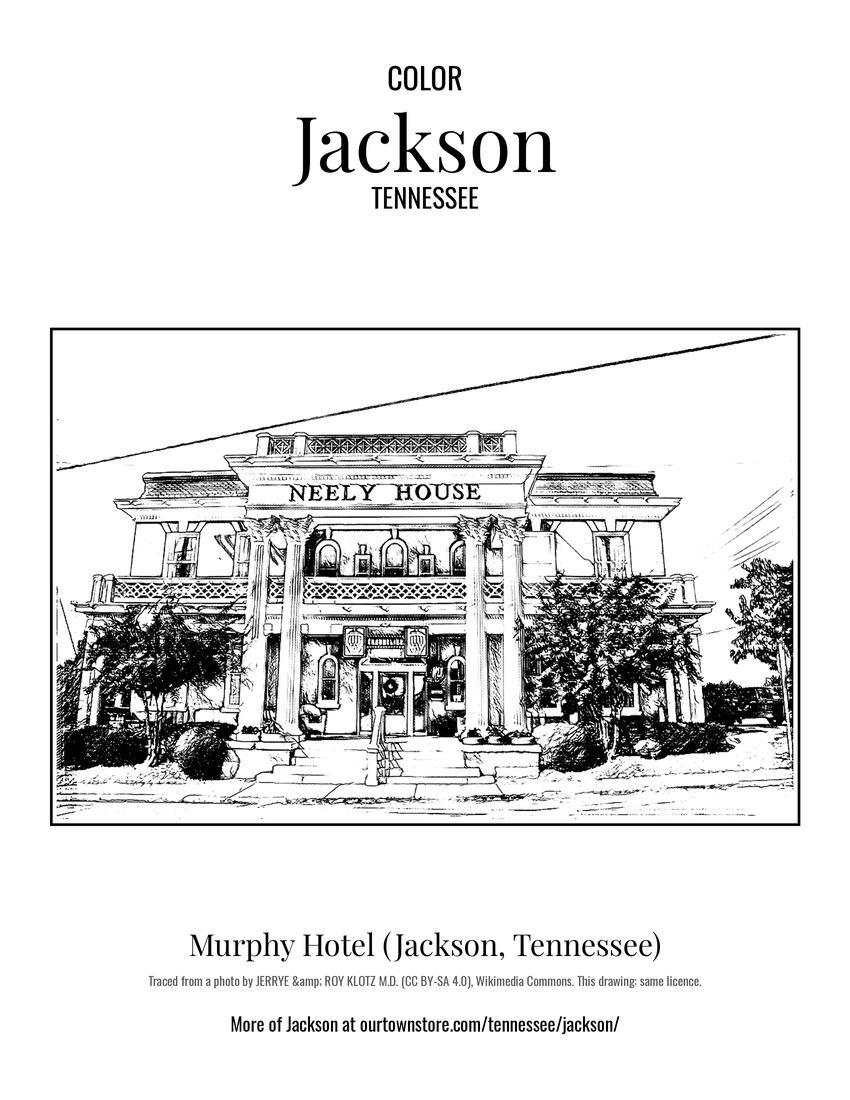 Murphy Hotel (Jackson, Tennessee)