A short history of Germantown
Germantown was founded along the Chickasaw Trace on a ridge between the Wolf River and Nonconnah Creek, about 16 miles (26 km) east of the Mississippi River.
The first settlers arrived in Germantown about 1825. Between 1825 and 1830, Miss Frances Wright established Nashoba Plantation, a utopian community intended to educate emancipated slaves and teach them a trade. By 1830, the first store was opened as more settlers moved into the area.
The community became known as Pea Ridge in 1833. Town lots were laid out in 1834 by surveyor N. T. German. The name was changed to Germantown in 1836. This coincidentally also reflected the settling of German families.
The town was incorporated in 1841. The Memphis-Charleston Railroad was built through the community in 1852. Germantown experienced setbacks through the period of the Civil War (1861–1865); the yellow fever epidemics reduced its population to a few hundred.
The town rebounded slowly. Churches destroyed in the war were rebuilt, schools were constructed and the population began to return around the turn of the century. The city name was briefly changed to Neshoba, a Chickasaw word meaning 'wolf', during World War I, because of widespread anti-German sentiment in the United States at that time.
During the twentieth century, the community derived its strength through involvement of citizens, as evidenced in the churches, garden clubs and civic organizations. The Poplar Pike Improvement Association and the Germantown Civic Club played vital roles in the physical and social development of the community.
In the last half of the century, after WWII the population grew from about 400 to more than 40,000. Over several decades, elected and civic leadership, with support of citizens, worked proactively to control suburban growth through development regulations, aesthetic controls and strategic planning efforts.
Adapted (trimmed) from the Wikipedia article Germantown, Tennessee, revision 1380282274 by its contributors, licensed CC BY-SA 4.0.
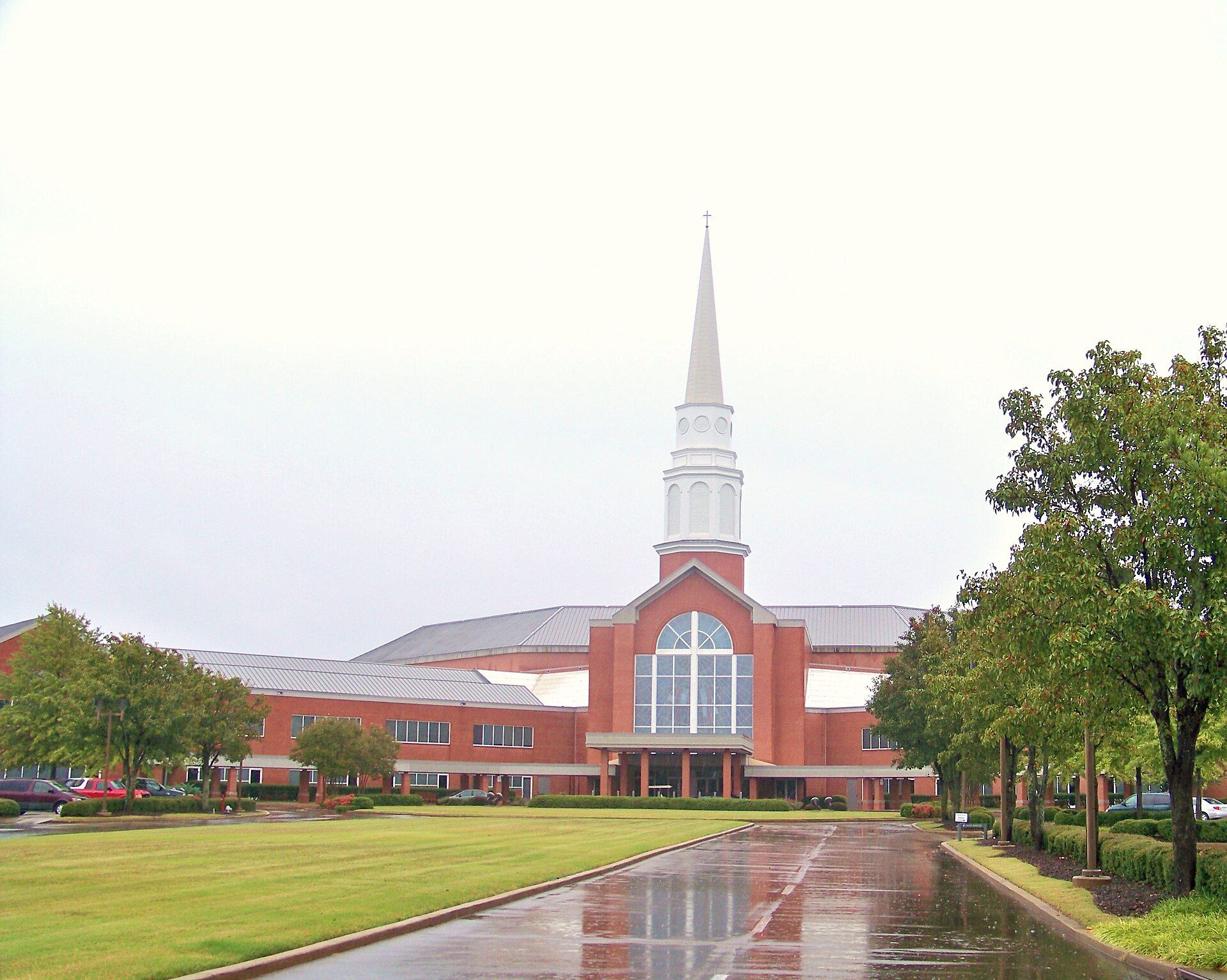
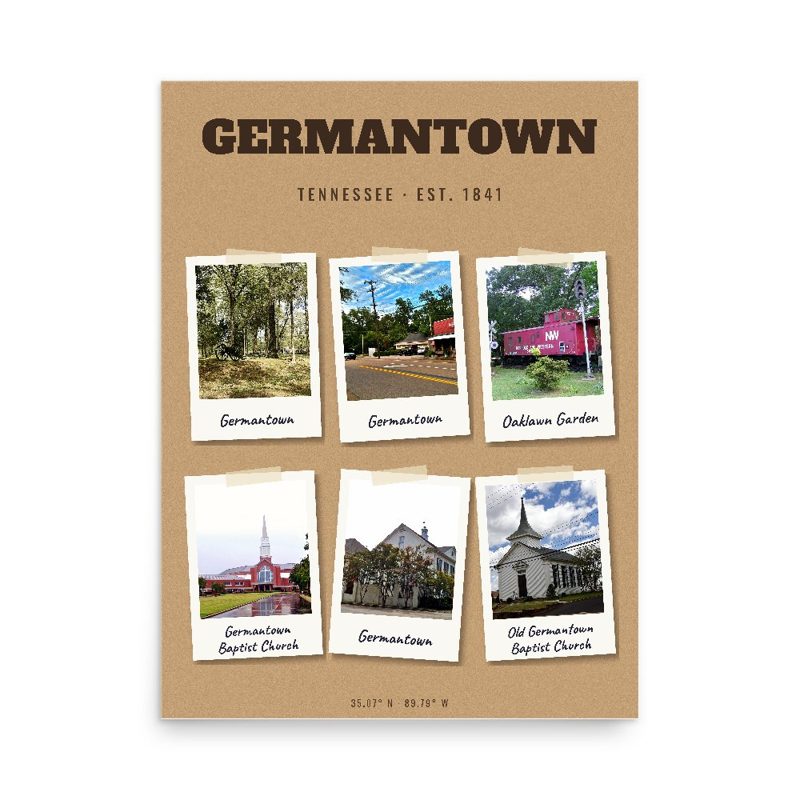
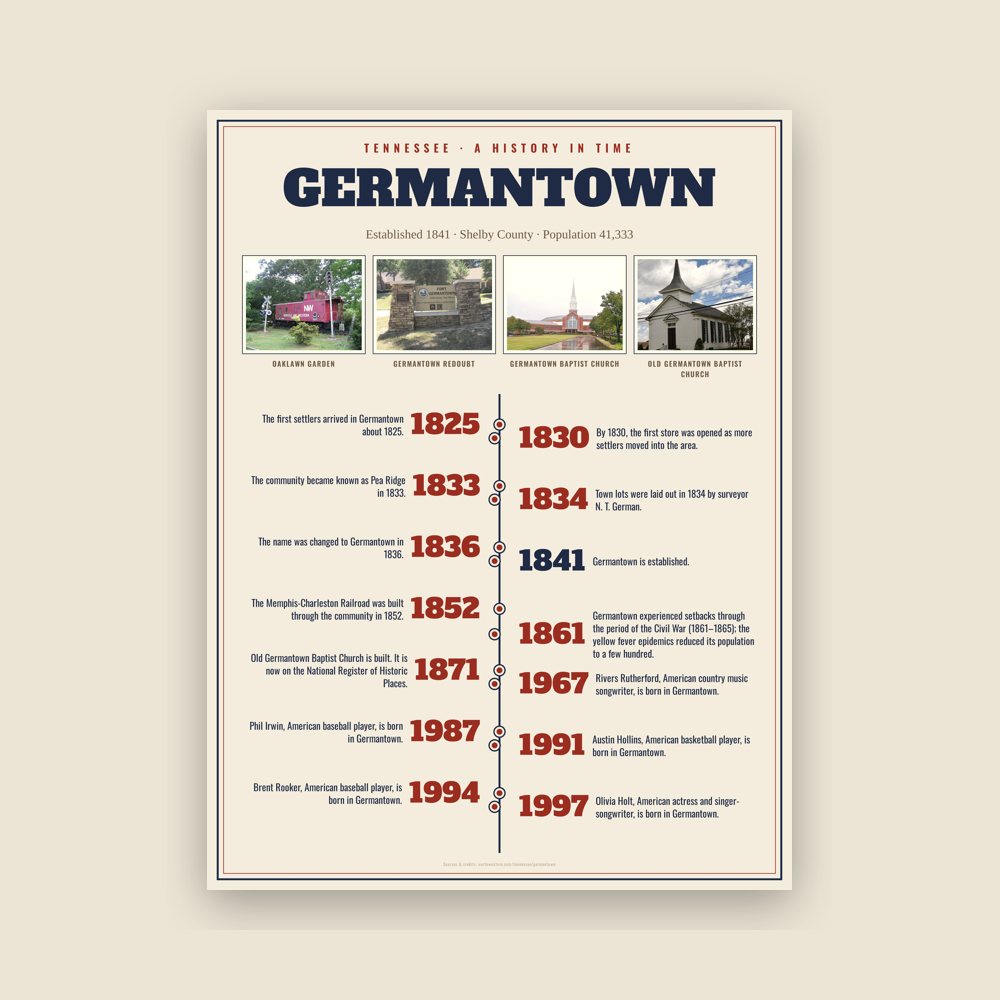
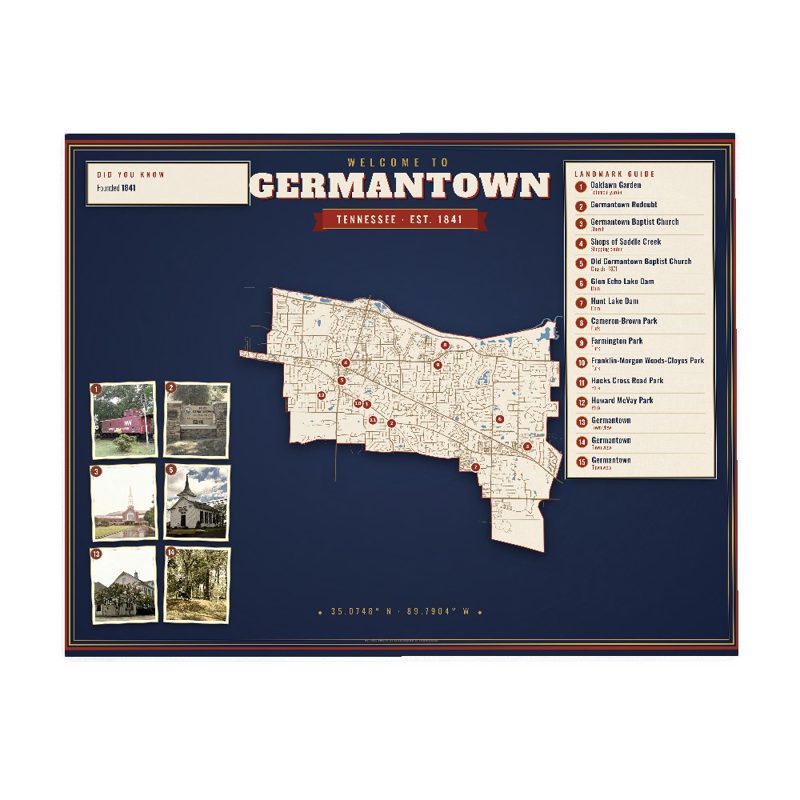



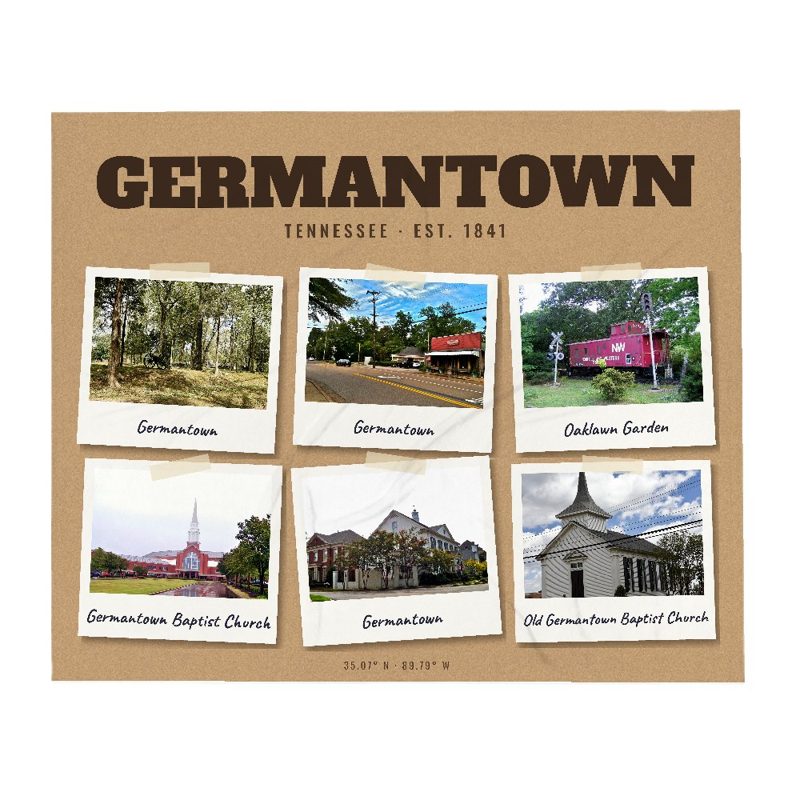
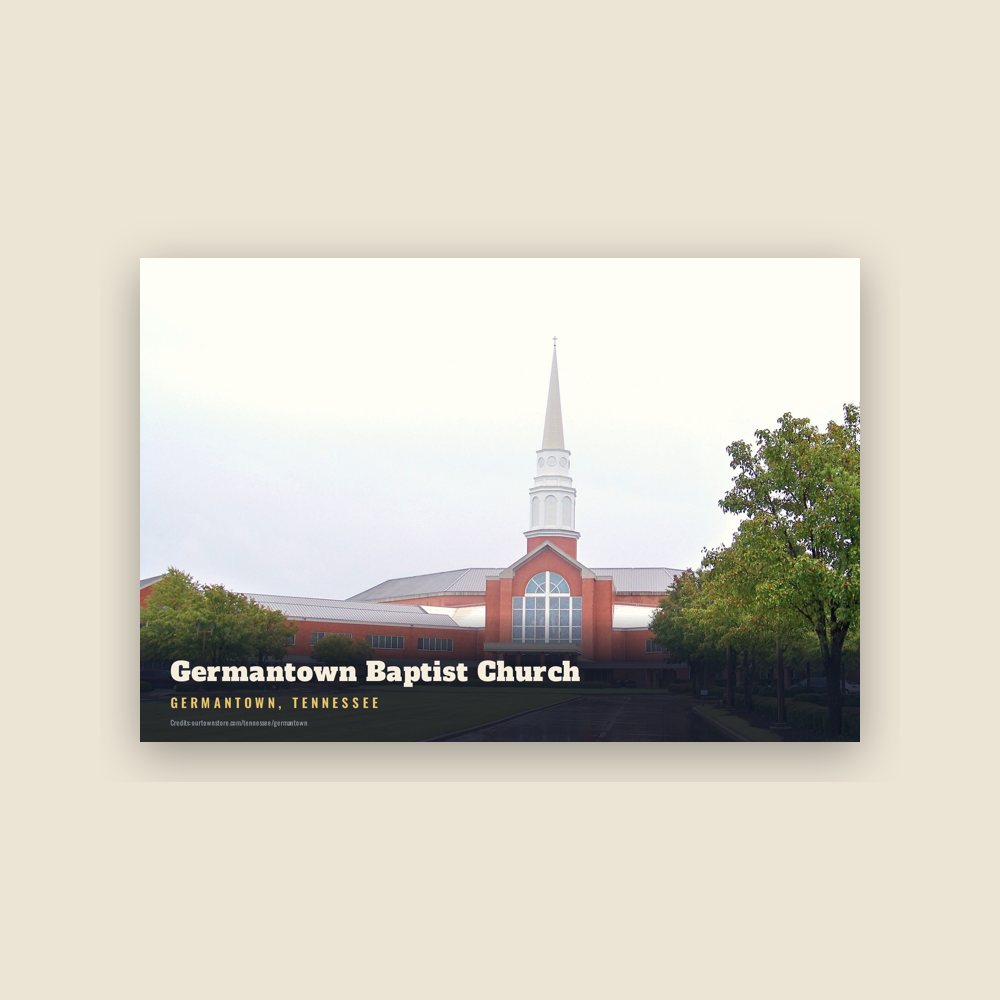
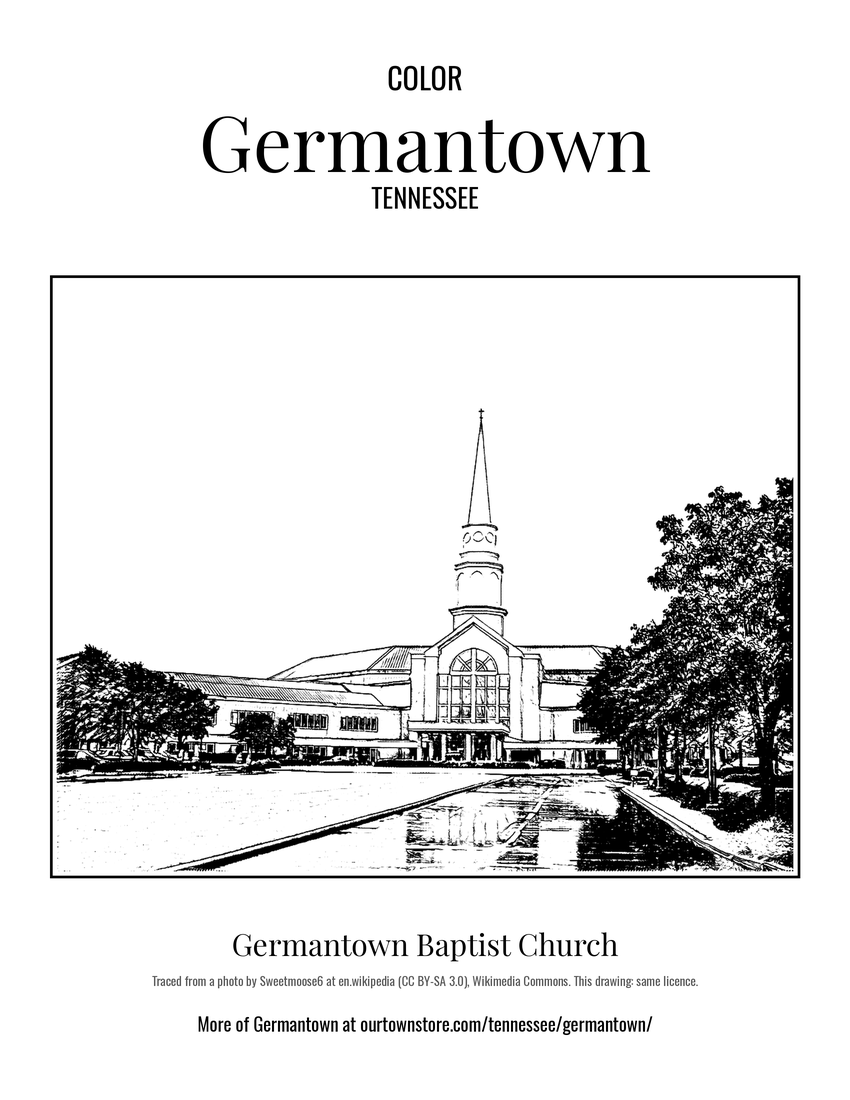 Germantown Baptist Church
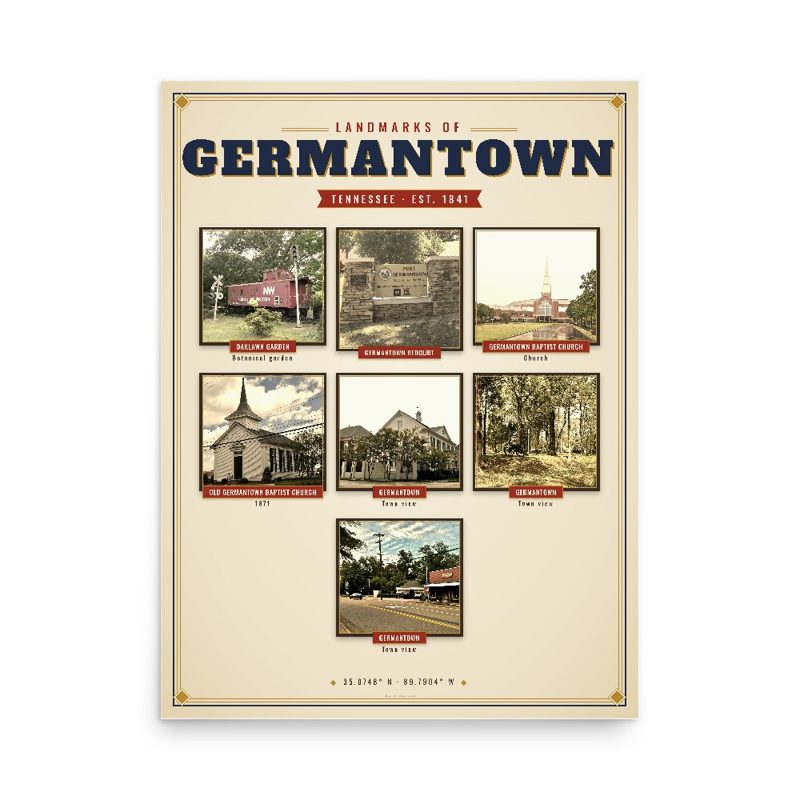
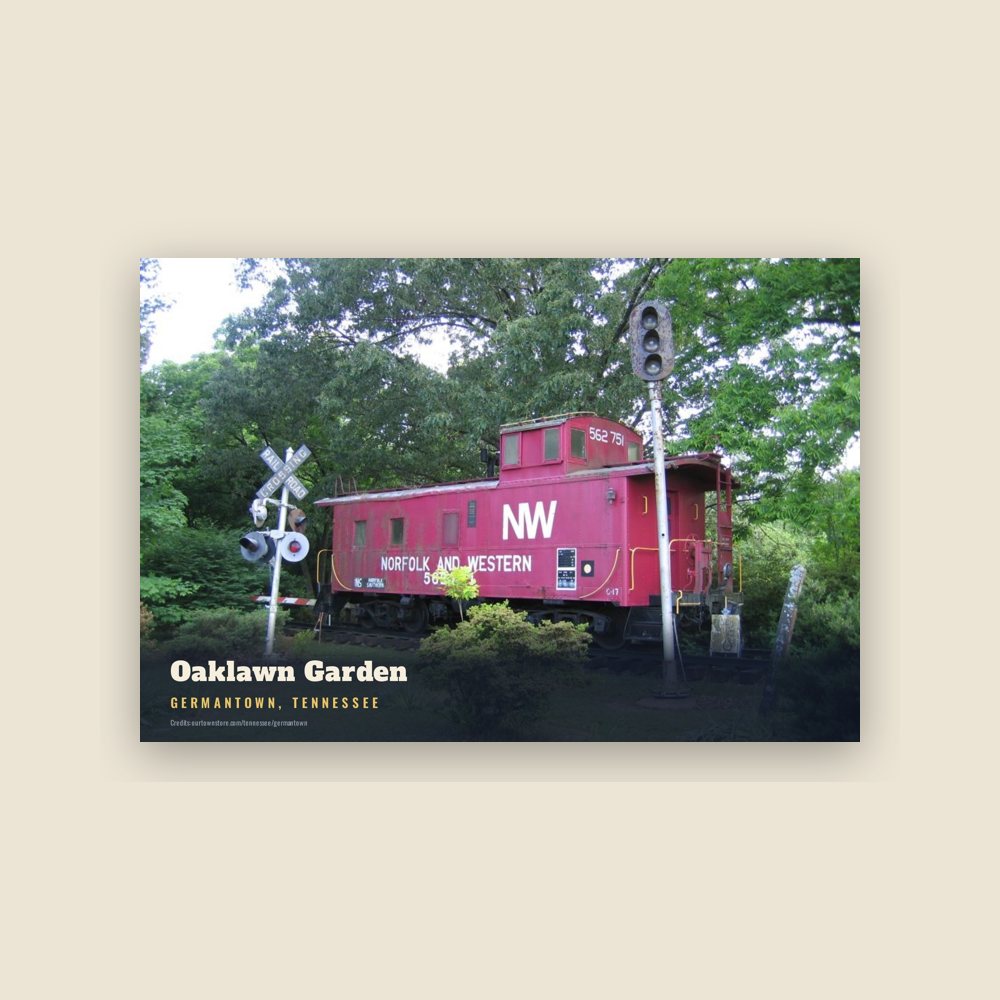
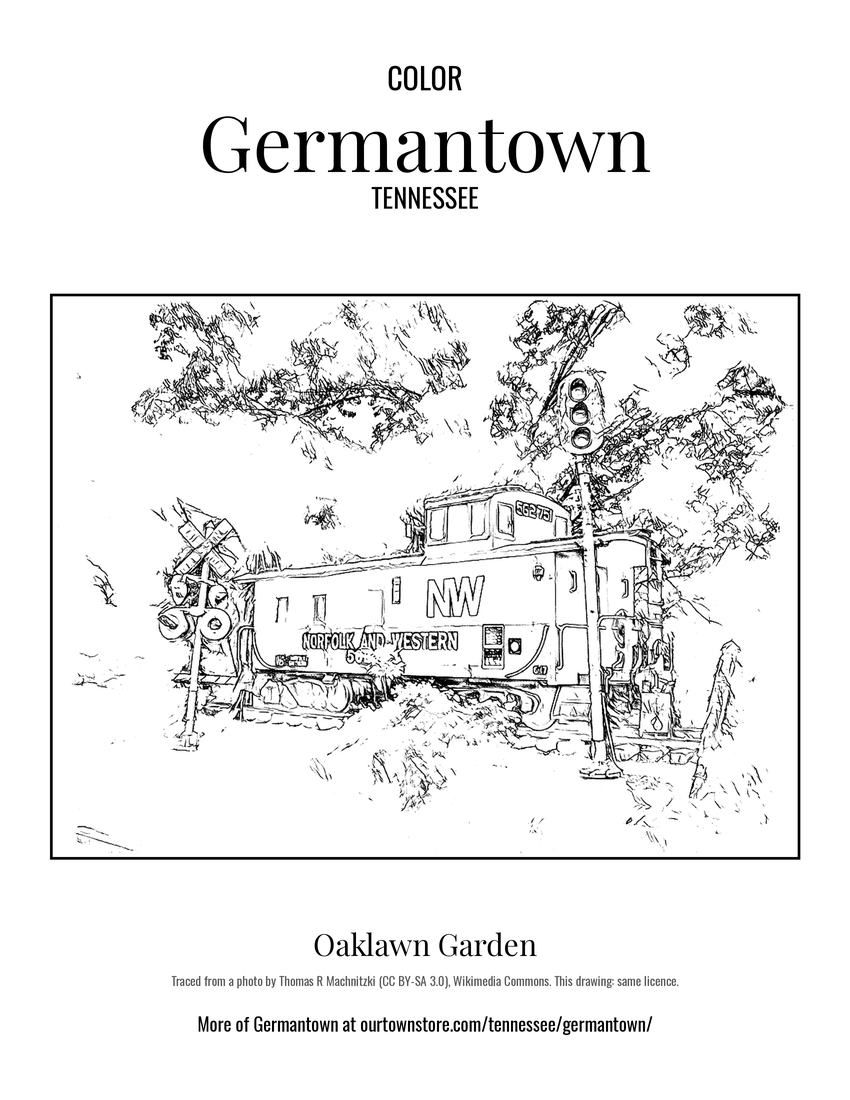 Oaklawn Garden
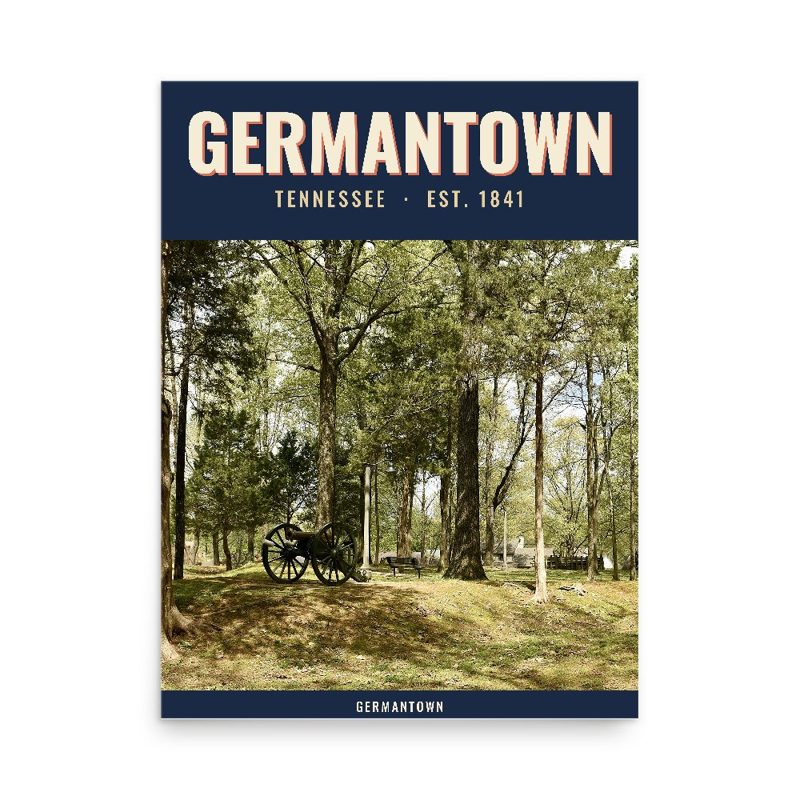
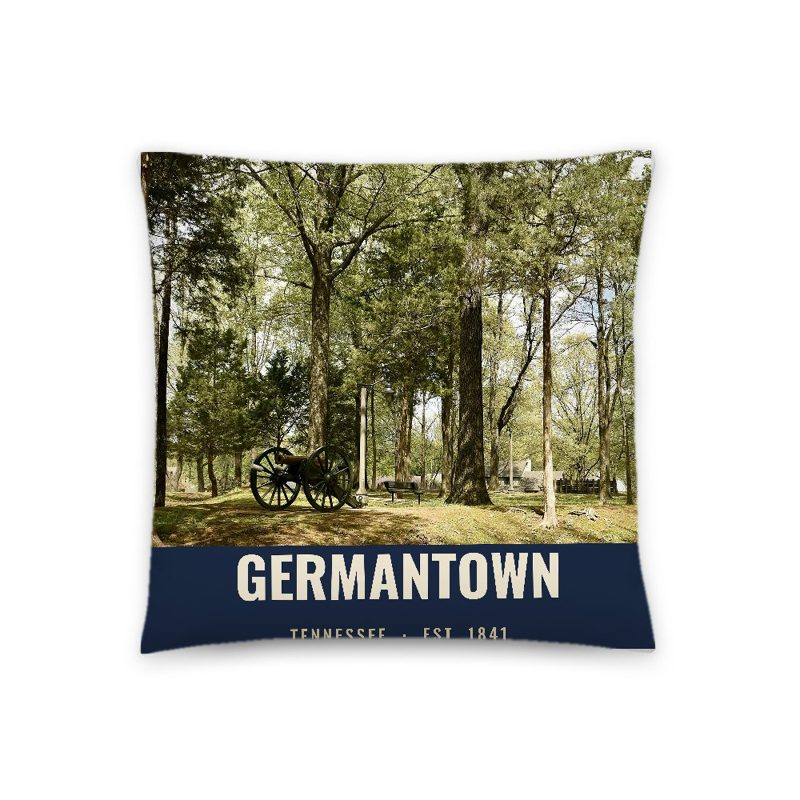
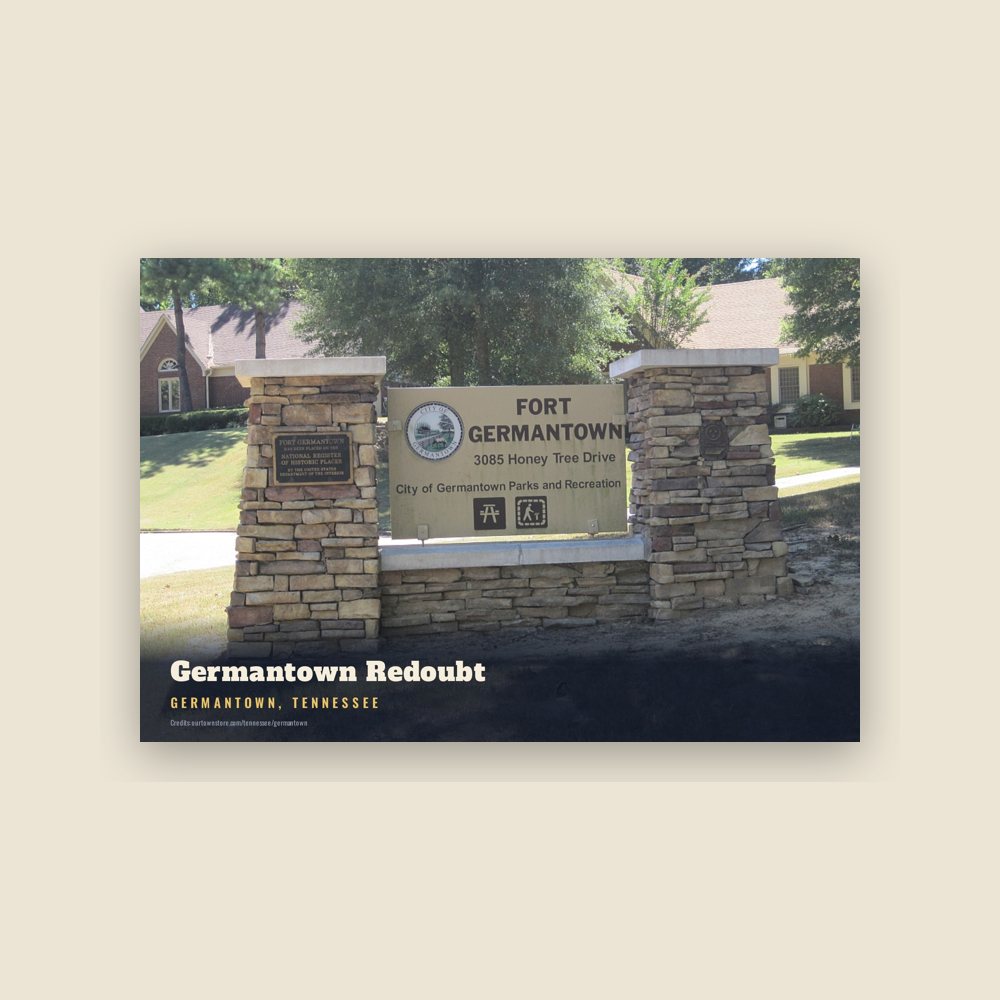
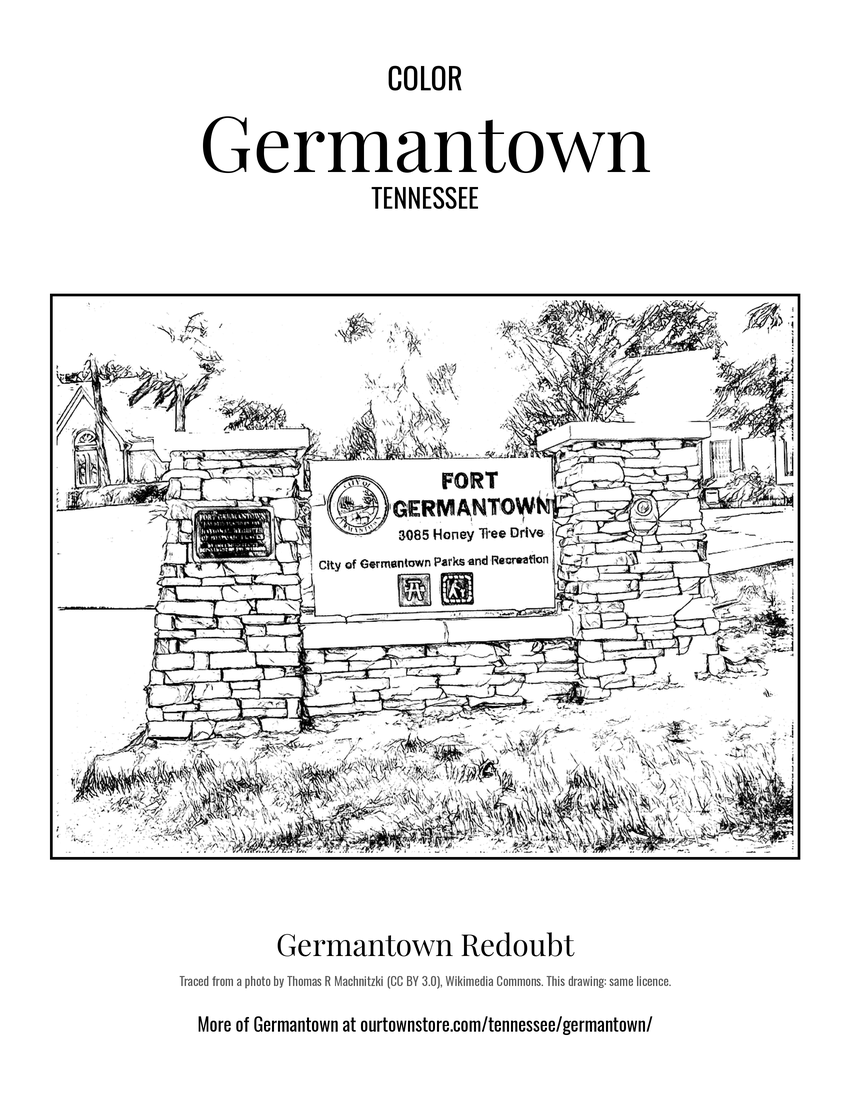 Germantown Redoubt
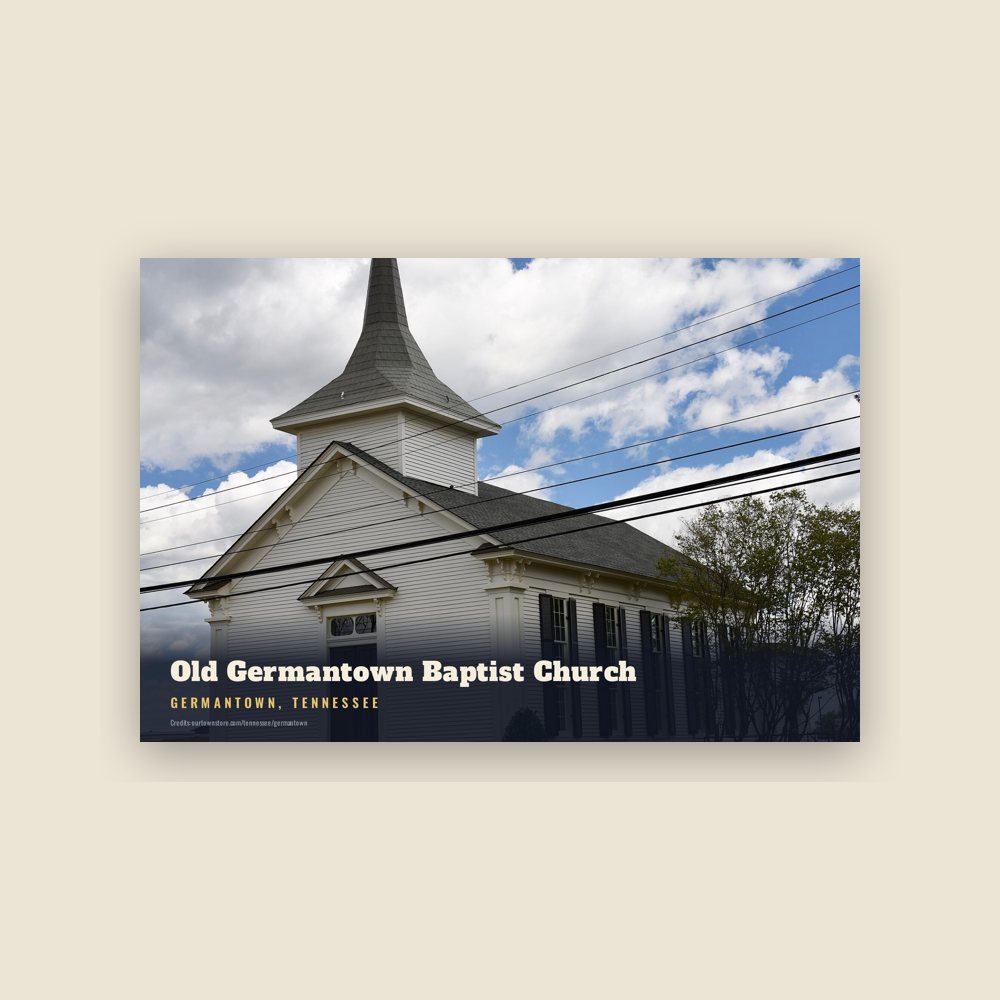
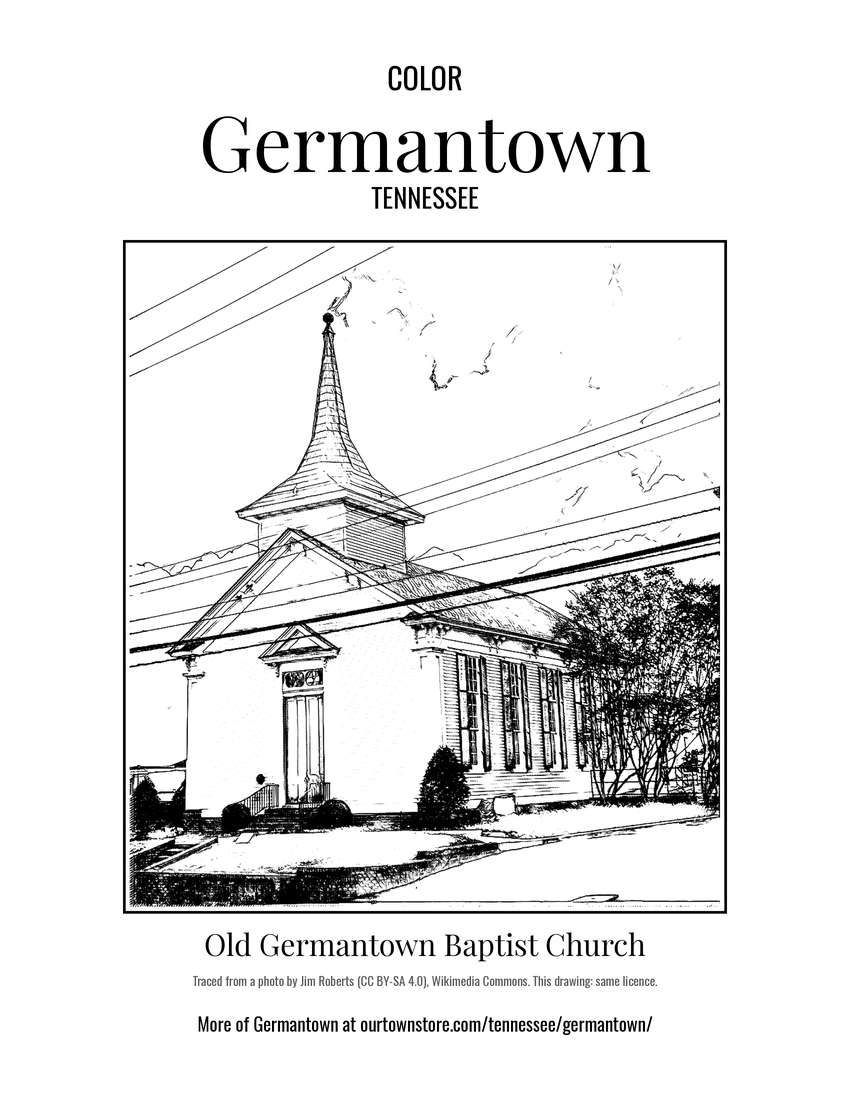 Old Germantown Baptist Church