Brownsville was a trading center that developed in association with cotton plantations and commodity agriculture in the lowlying Delta of the Mississippi River around Memphis, Tennessee and West Tennessee. It is located north of the Hatchie River, a tributary of the Mississippi, which originally served as the main transportation routes to markets for cotton. The land was developed by planters for cotton plantations and worked by large numbers of enslaved persons of African ancestry, who made up a majority of the town and county population.
Read the full history
Early history and settlers
Brownsville was designated the county seat of Haywood County by the legislature on October, 16, 1824, and the town was legally incorporated in 1826. The town was named for General Jacob Jennings Brown due to a local legend that he has established a trading post just southeast of what is now the town square prior to the treaty with the Chickasaw people allowing settlement in Western Tennessee. Fifty acres of land were deeded for Brownsville on December, 14 1825 for a sum of one dollar and the choice of lots. By 1832, Brownsville had grown to a population of 400. The town continued to flourish until the major financial depression of 1837. Only two of the town's ten stores survived this period. During this time, the area was also struck with repeated flooding and a number of earthquakes.
Bradford's Landing was founded in 1824 by brothers Hiram and Miles Bradford. Hiram would later establish the first cotton gin and store in Brownsville in 1825. This storefront was later purchased by early Jewish settler Emil Tamm, and operated as Emil Tamm & Sons Department Store for 96 years.
The Tabernacle Campground was founded in 1826 by Reverend Howell Lewis Taylor and his five sons. This settlement contained Haywood County's first schoolhouse. It now serves as the site of an annual camp meeting for over 700 descendants of Taylor.
James Bond arrived in Brownsville in 1836 and acted as a benefactor for many of the city's institutions. Bond owned in excess of 17,000 acres in Haywood County alone and owned as many as 600 slaves. He provided the land for the establishment of both Brownsville Baptist Female College in 1850 and Brownsville Baptist Church in 1870. He also invested heavily in various mercantile ventures in Brownsville and the Memphis and Ohio Railroad, which would connect Haywood County to Memphis upon its completion. During the Union occupation of Haywood County in June 1862, Bond swore loyalty to the Union.
One of Brownsville's earliest Jewish settlers was Jacob Felsenthal, who arrived in the United States in 1840 from Bavaria. He arrived in Brownsville in 1847 and opened a retail store by the name of Felsenthal Bros. and Sons. This store would later be renamed Felsenthal's Department Store and served the community until it was destroyed by a fire in 1980.
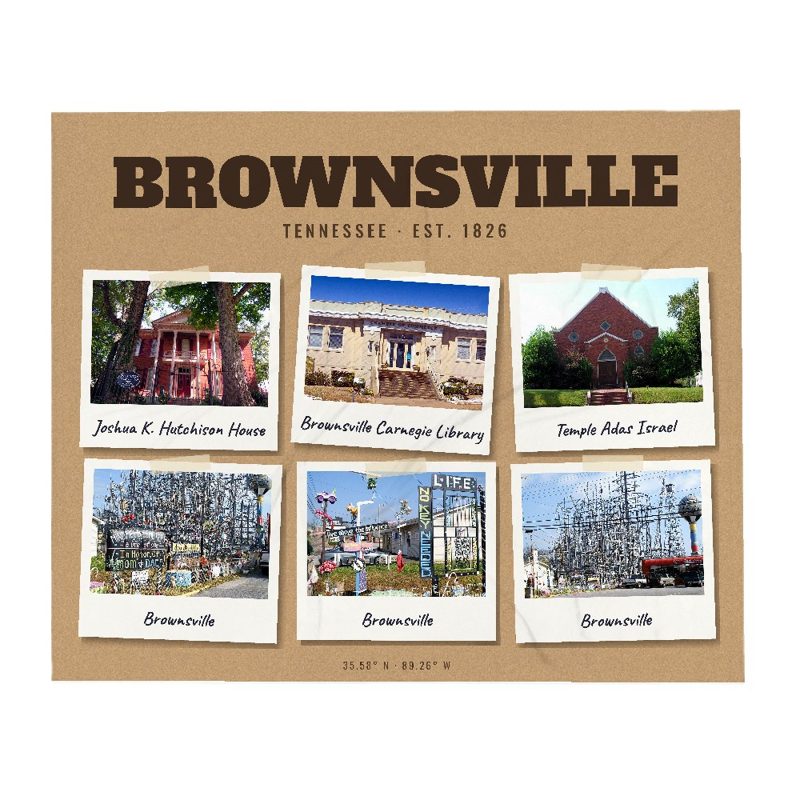
In the mid to late 19th century, German Jewish immigrants also settled in Brownsville. They founded a congregation in the 1860s, and built Temple Adas Israel in 1882. It is listed on the National Register of Historic Places. The building is believed to be the oldest synagogue in Tennessee, and is a rare example of a synagogue built in the Gothic Revival style.
The town is notable for its many well-preserved homes owned by wealthy planters before the Civil War, and multi-generational family-owned farms. Notable among these include James Bond's home, which was moved to nearby Dyersburg in 1975, the Eader House, constructed in 1865, which is now used as an event venue, Lucerne, a former plantation, constructed in 1855, which is now on the National Register of Historic Places, and the Joshua K. Hutchison House, also on the National Register of Historic Places.
Civil War
The Haywood Blues were organized in Brownsville in spring 1861, consisting of approximately 100 men and captained by G.C. Porter. This company was mustered into service in May 1861 and was assigned as Company A of the 6th Tennessee Infantry. This regiment, and likewise Company A, fought in the battles of Shiloh, Perryville, Stones River, Chickamauga, Franklin, Nashville, and took part in the Atlanta campaign. They were surrendered to United States forces in North Carolina.
The Haywood Rifles were also organized in Brownsville in spring 1861. The company consisted of around 100 men with Robert S. Russell served as captain. In May 1861 they were assigned their position as Company B of the 9th Tennessee Infantry.
Company L of the 7th Tennessee Cavalry of the Confederate Army was organized in Brownsville in April 1862. Upon organization, James Allen Taylor served as captain, Alex Duckworth served as first lieutenant, and Frank Pugh served as third lieutenant.The unit consisted of roughly another 65 non-commissioned officers and privates. The company remained in Brownsville until May 12, 1862, when they were ordered to report to Fort Pillow, staying there until the fort's fall, and then were ordered to report to Colonel William Hicks Jackson. In the fall of 1862, Taylor resigned as captain citing ill health and thus Duckworth was made captain in spring 1863. They continued under this regiment until the end of the war, when it was surrendered by Nathan Bedford Forrest in May 1865. Brownsville and Haywood County produced many other companies to the secessionist army, including two to the 7th Cavalry, two to the 14th Cavalry, three to the 15th Cavalry, and four to the 9th Infantry.
Following President Abraham Lincoln's Emancipation Proclamation, a known 112 African Americans of Brownsville and Haywood County joined the Union Army across 20 different regiments, primarily the 3rd Regiment Heavy Artillery USCT and the 4th Regiment Heavy Artillery USCT. In addition, the area also produced one dedicated unit for the Union Army, a company for the 13th Cavalry. Another company of about 60 men was raised for the Union in Haywood County by Captain J.L. Poston. The majority of these men were killed during the Fort Pillow massacre. Despite the formation of these units and numerous prominent Unionists in the area at the time, a monument dedicated solely to the Confederate dead was erected in 1909. There have since been calls to see the monuments removal, but no action has been taken by the county.
Reconstruction
Through the late 19th century, whites worked to re-establish supremacy after Reconstruction and impose Jim Crow and second-class status on African Americans. Tennessee effectively disenfranchised most blacks in the state after the turn of the 20th century, excluding them from the political system and destroying what had been a competitive system. The state's congressional delegation and elected officials became predominantly white Democrats with the exception of East Tennessee, where white Republicans formed the majority. The region of yeomen farmers had been mostly Unionist-leaning during the Civil War.
Brownsville was struck by the yellow fever epidemic of 1878. The city saw 844 reported cases of the disease and suffered more than 200 deaths. Members of the Howard Association supplied much needed assistance to Brownsville during this time. Many victims of the epidemic were buried in Brownsville's Oakwood Cemetery. Due to the limited workforce available to bury each victim individually, several of them were buried in an unmarked mass grave.
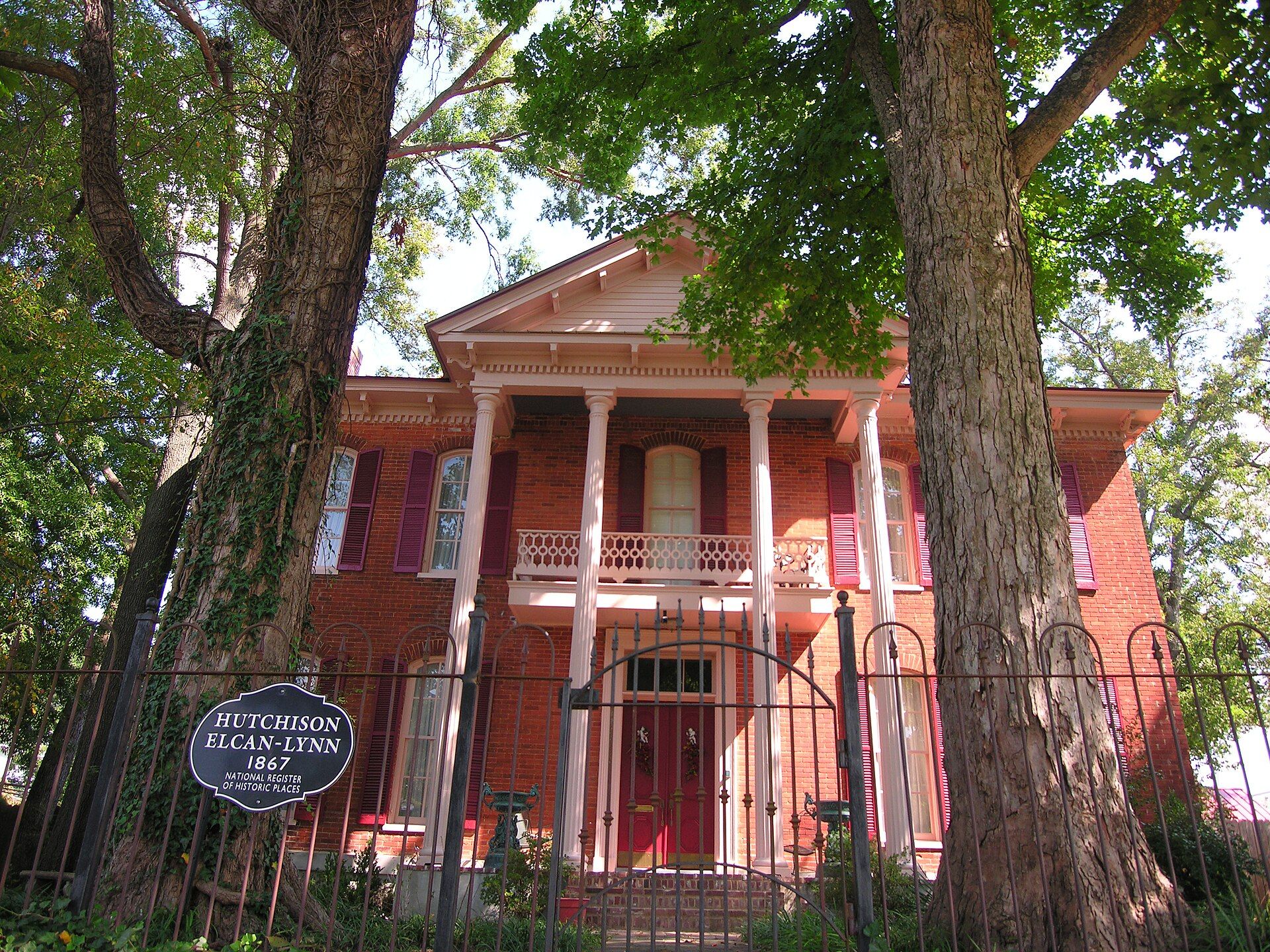
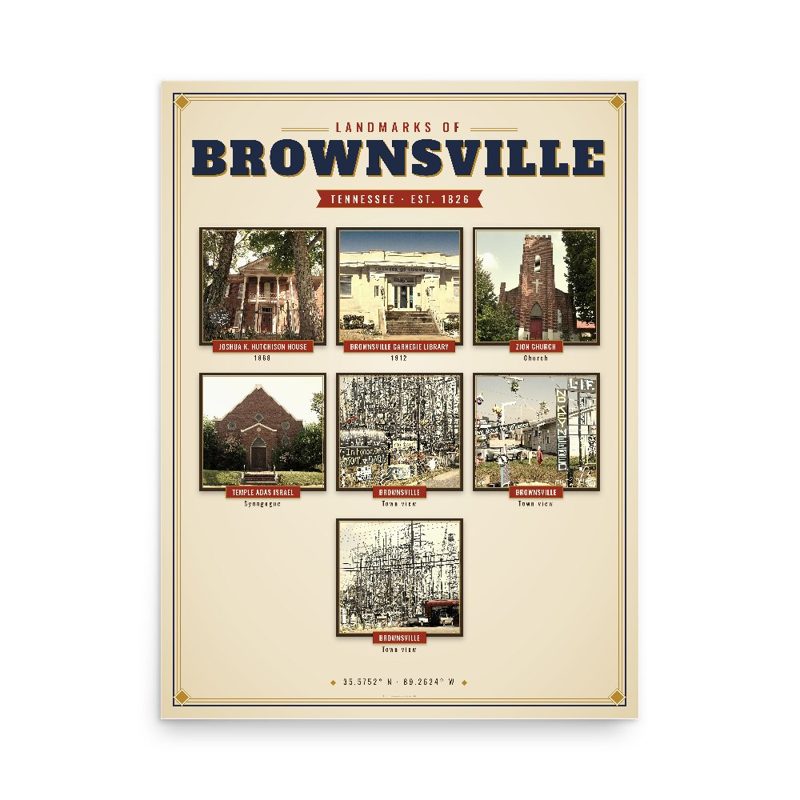
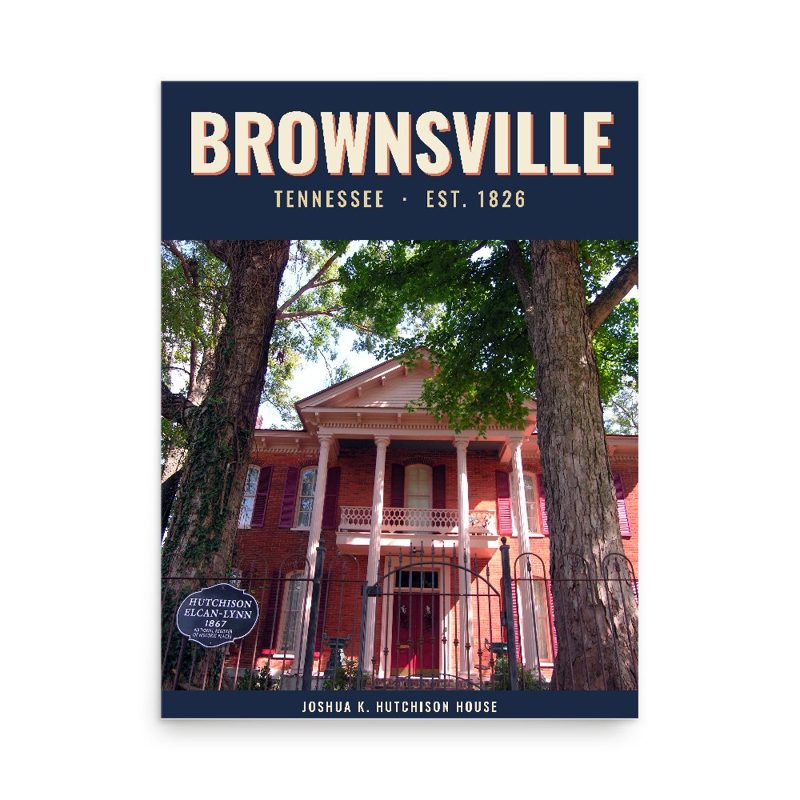
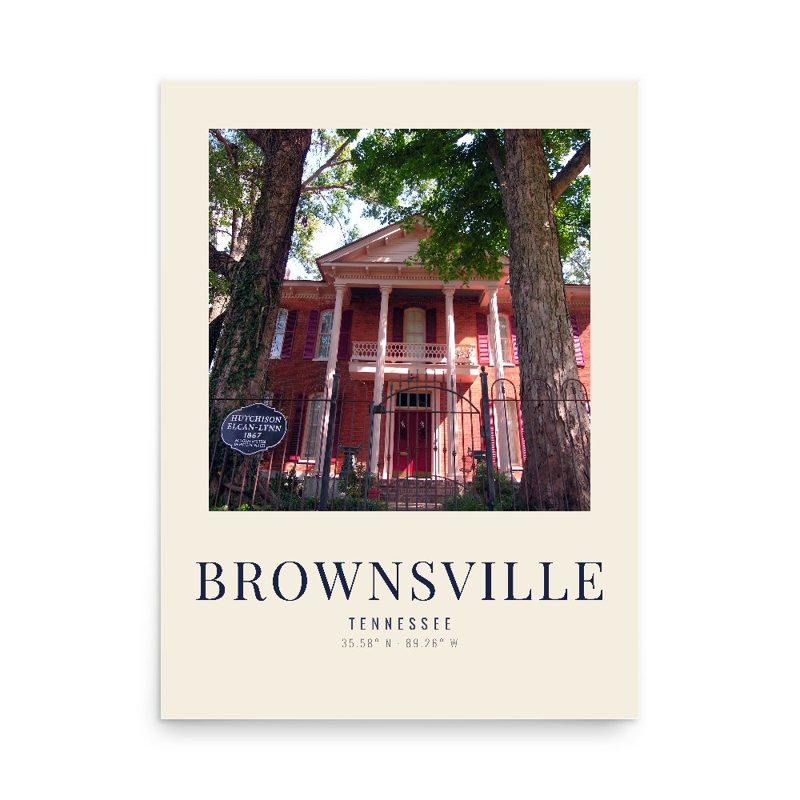

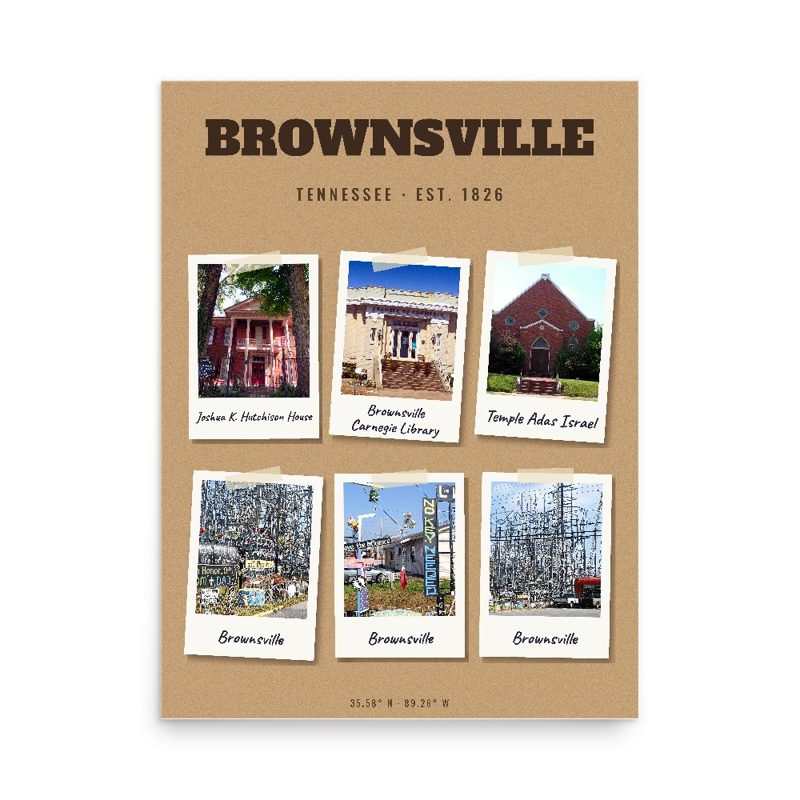
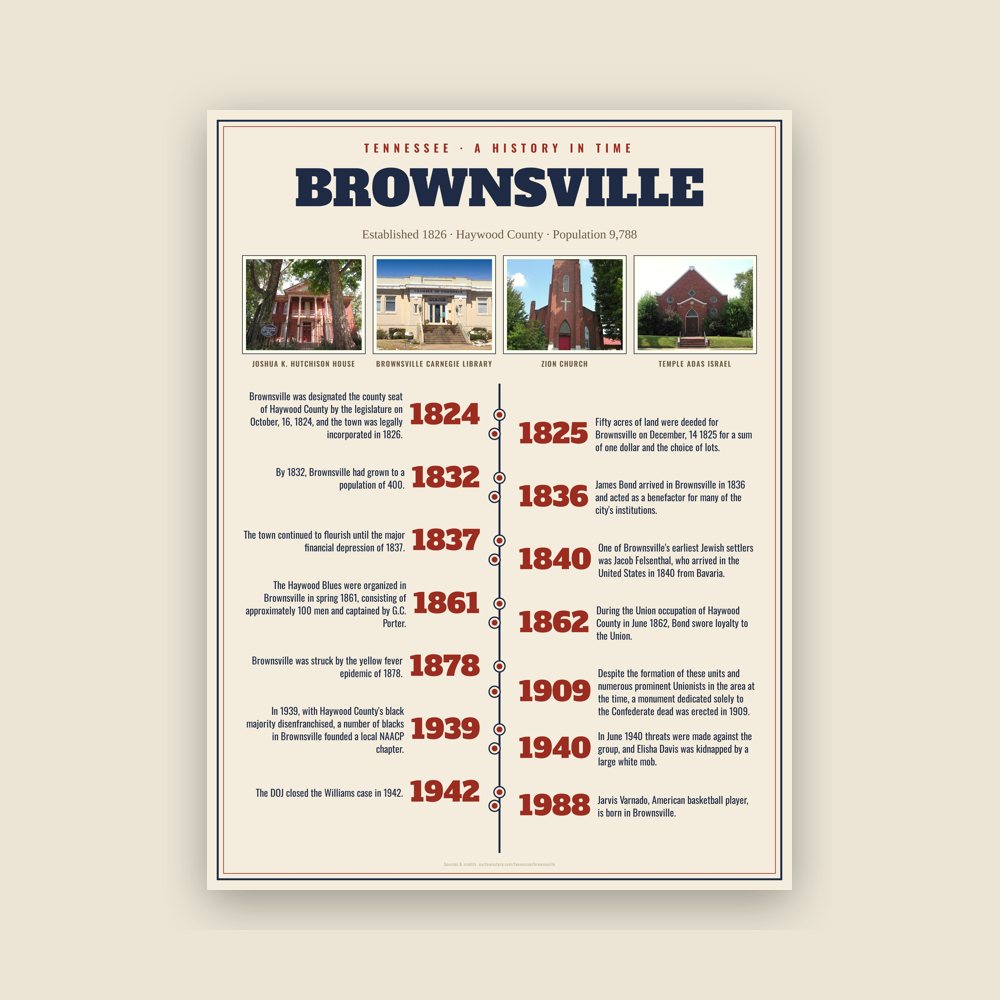
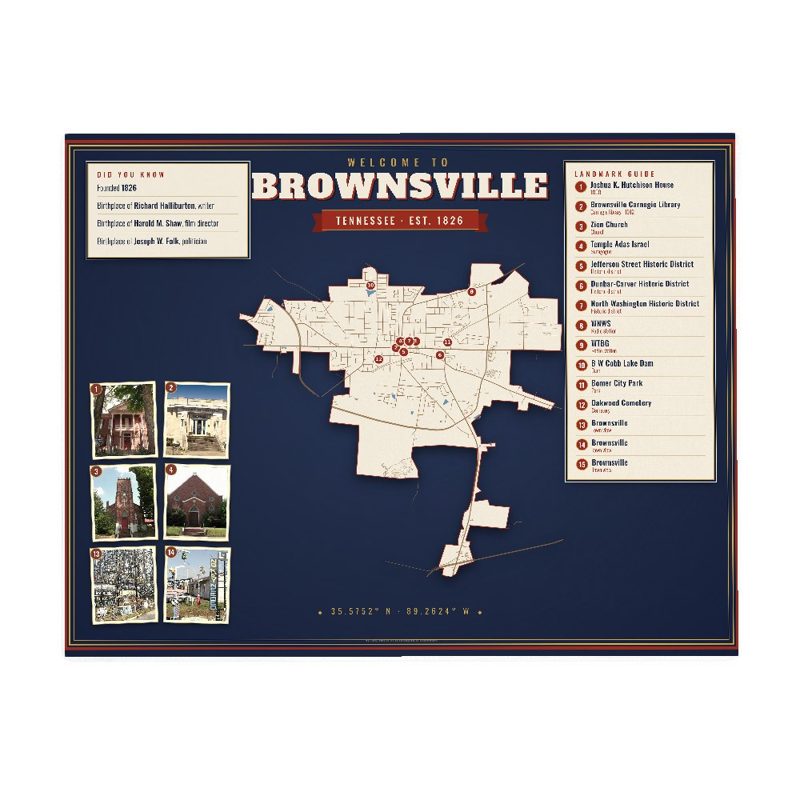






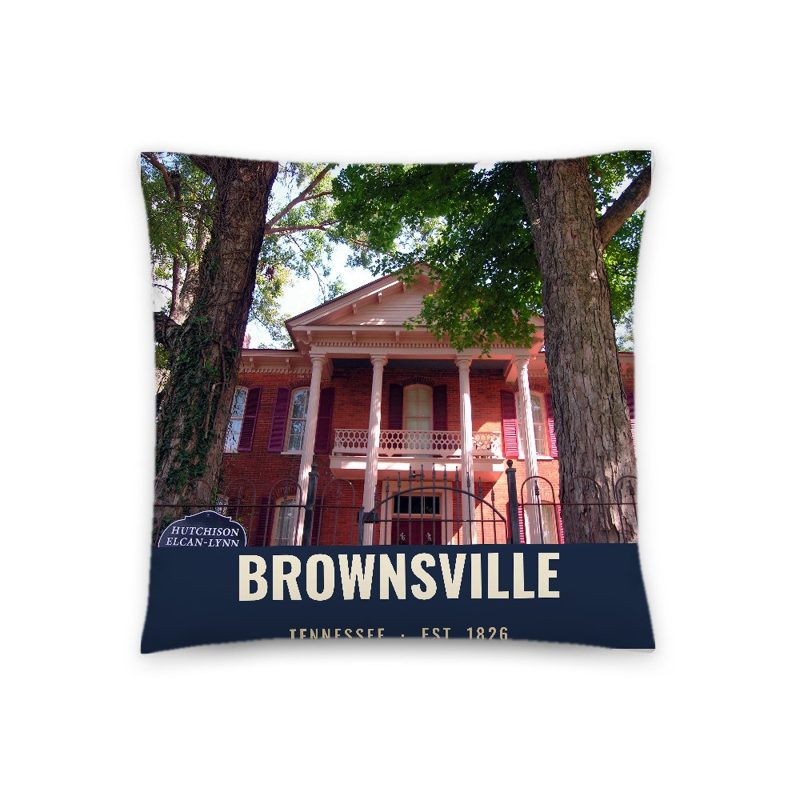




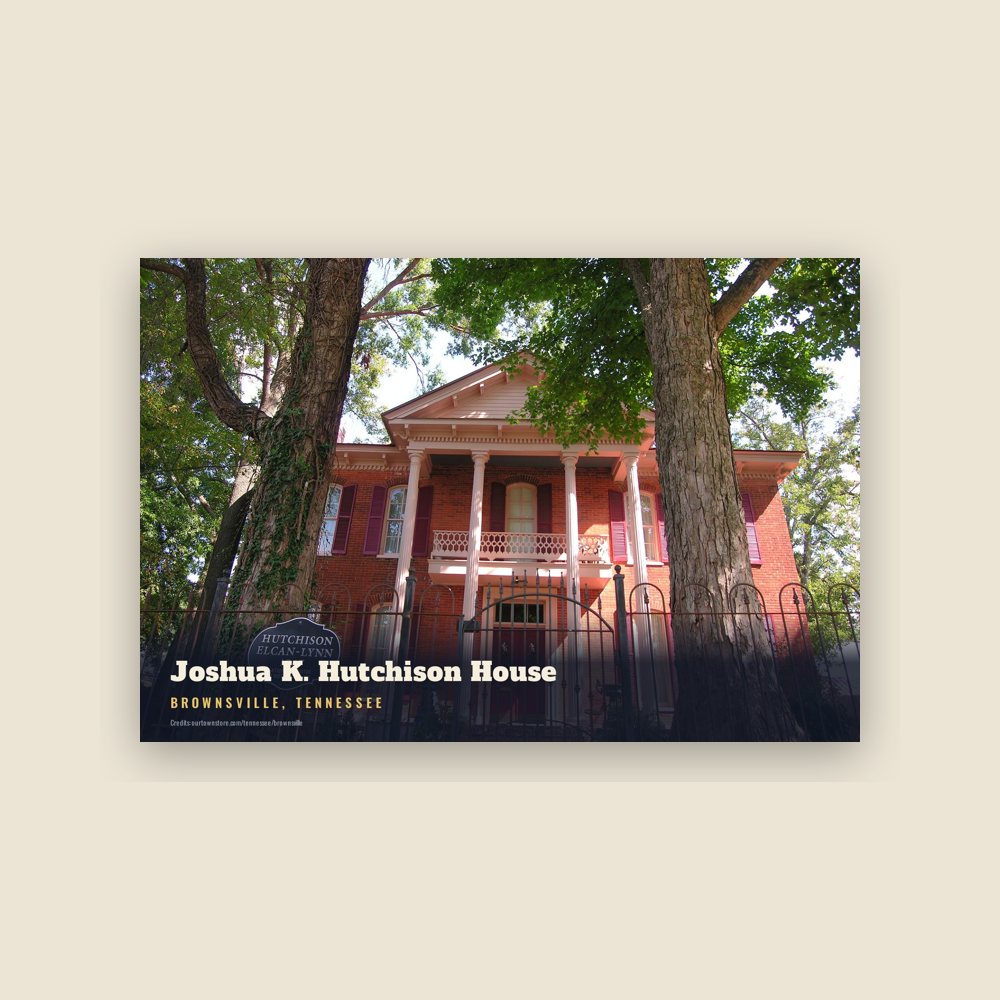

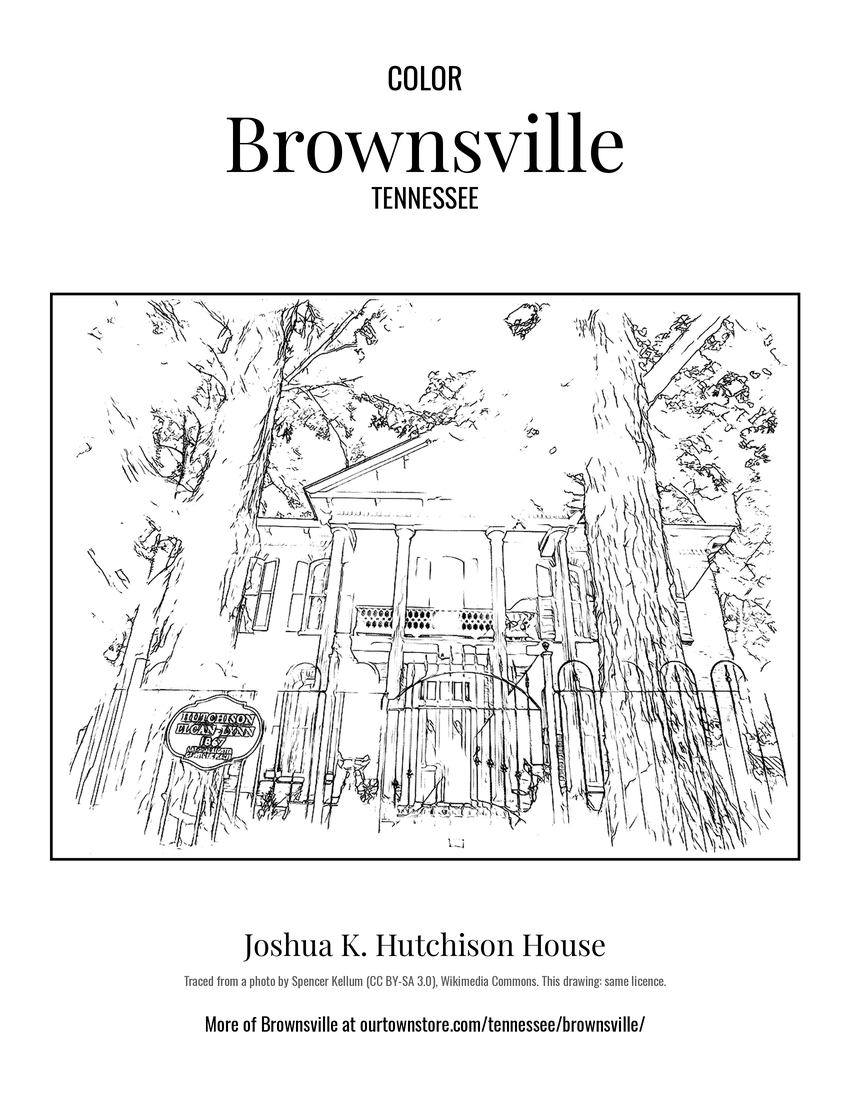 Joshua K. Hutchison House
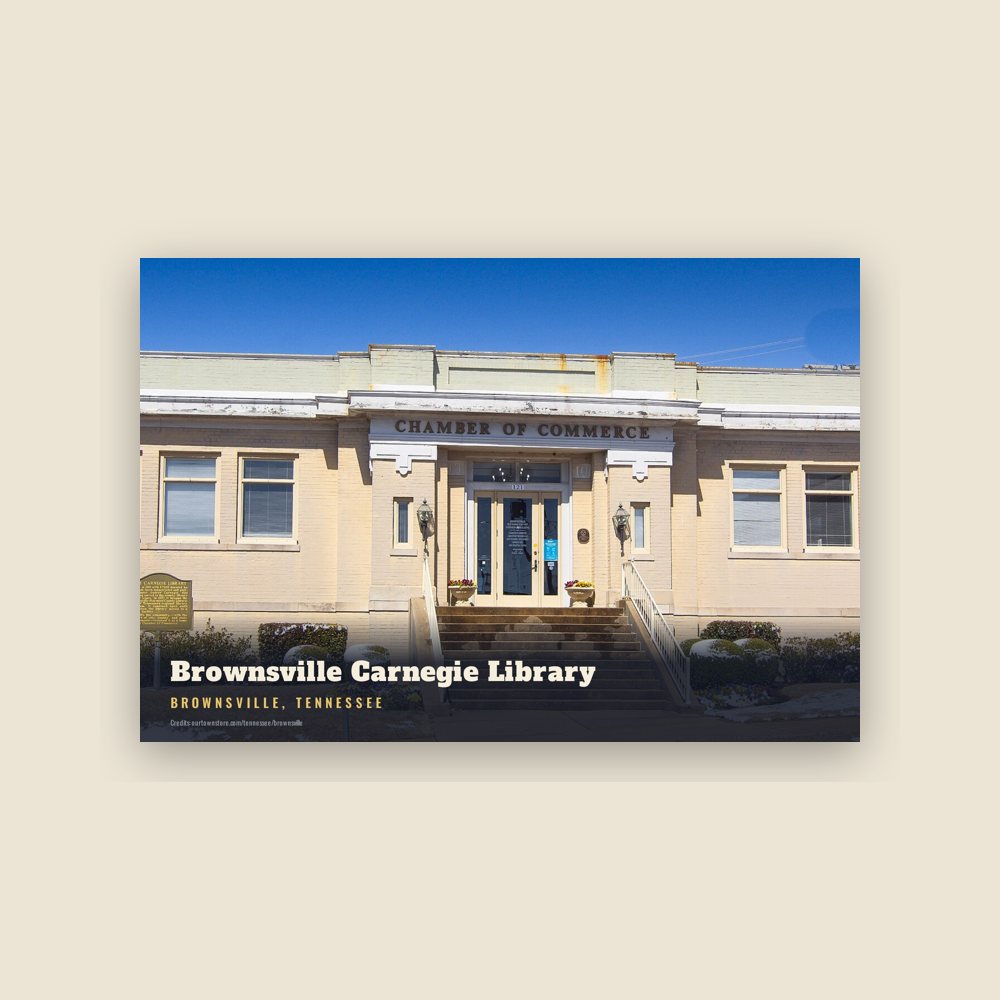
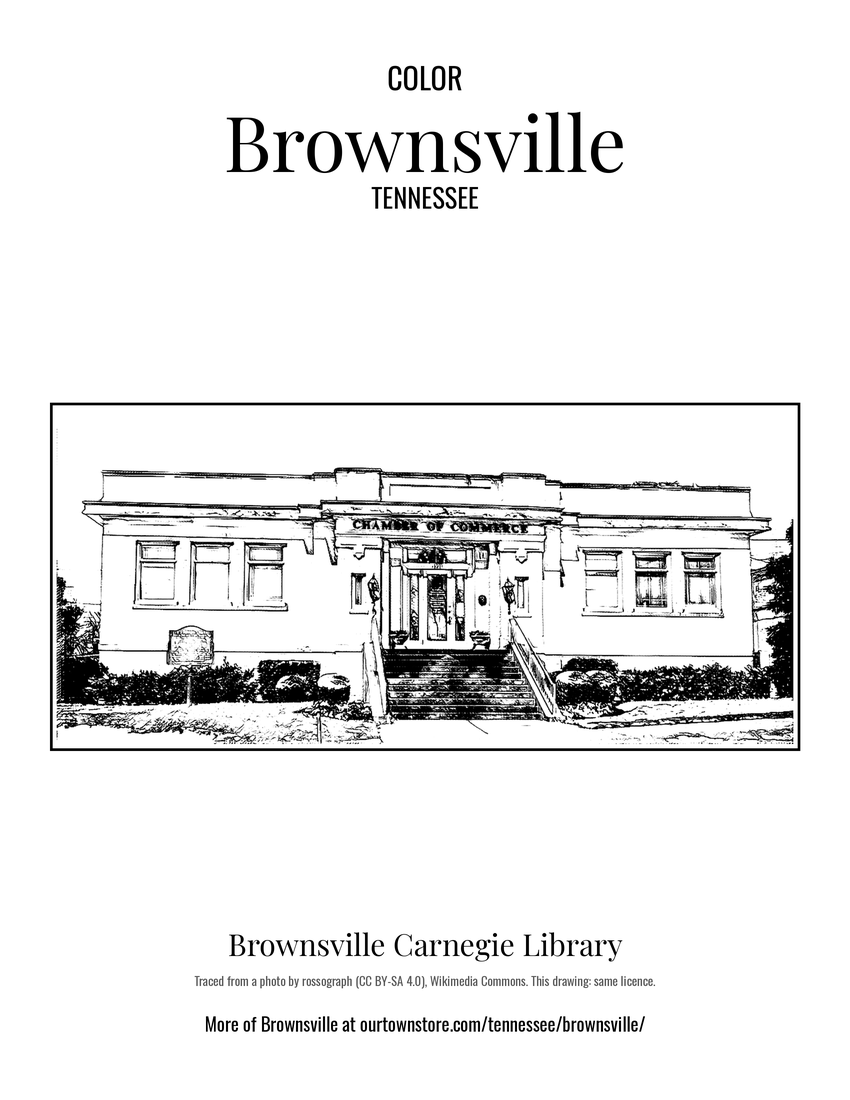 Brownsville Carnegie Library
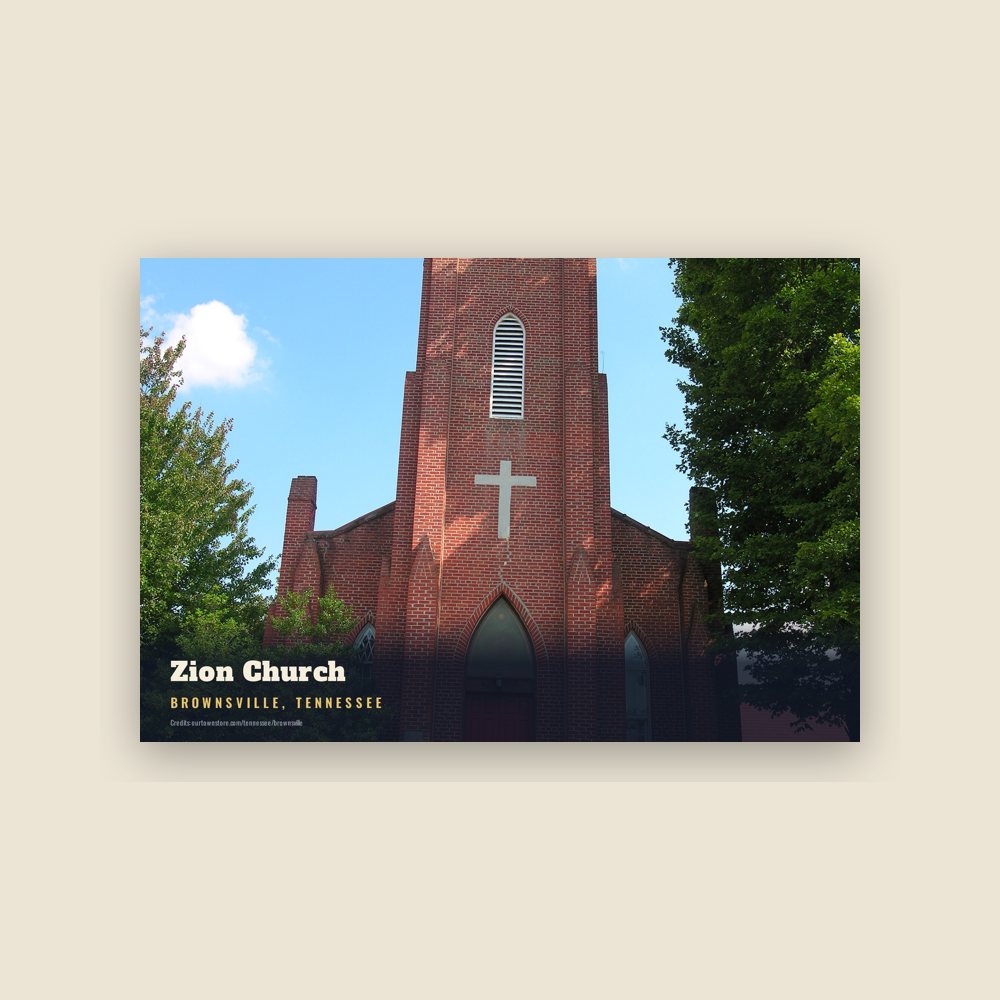
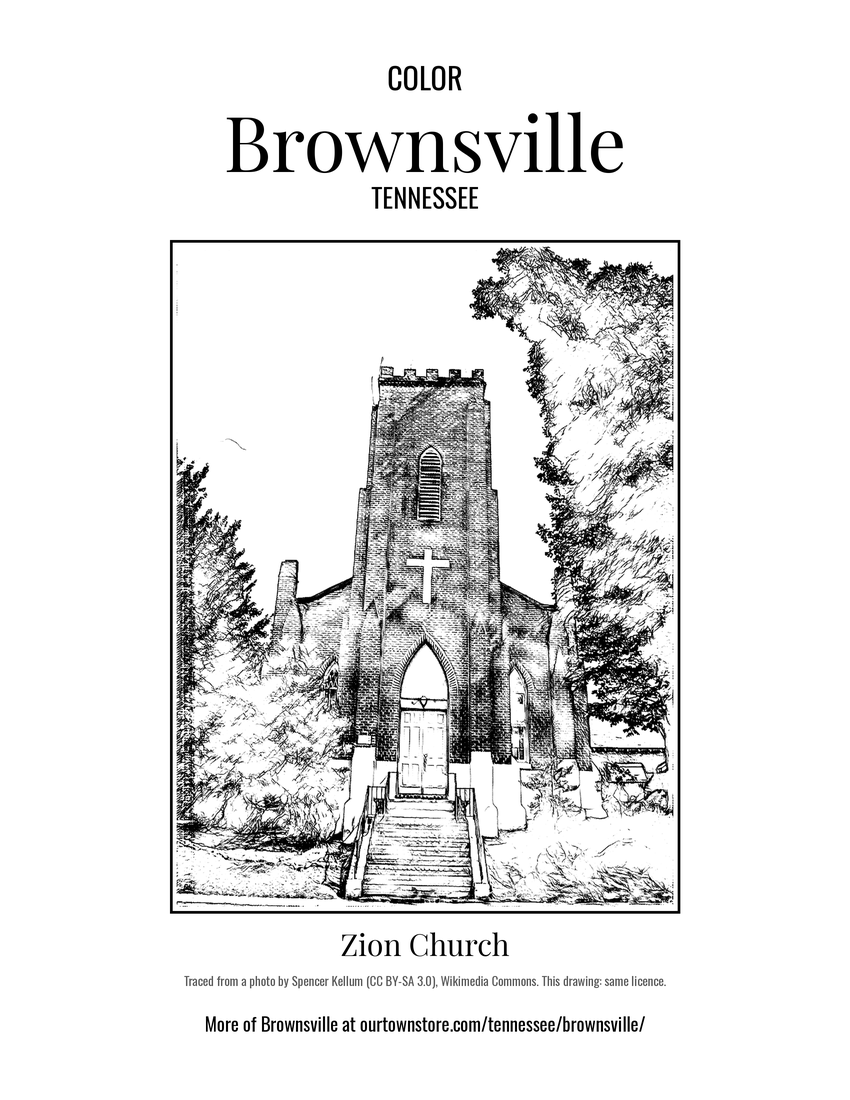 Zion Church
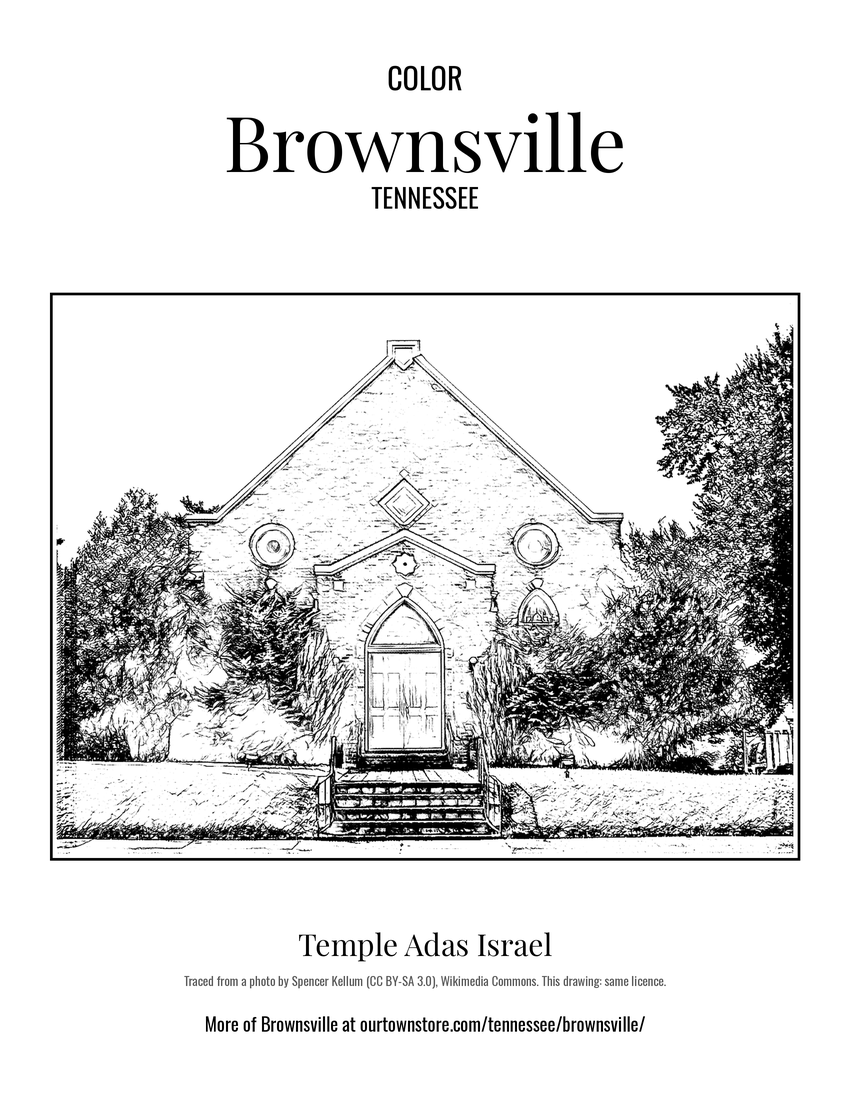 Temple Adas Israel