The area now known as Arlington, Tennessee, was originally inhabited by the Chickasaw Nation. Following the Treaty of Tuscaloosa, this territory, along with other parts of West Tennessee, was ceded to the United States. On November 24, 1819, Shelby County was established, named in honor of Isaac Shelby, a commissioner involved in the treaty negotiations, a veteran of the American Revolutionary War, and the first governor of Kentucky. By the 1830s, the nascent community comprised fewer than 20 settlers.
Read the full history
Establishment of Withe Depot and Economic Growth
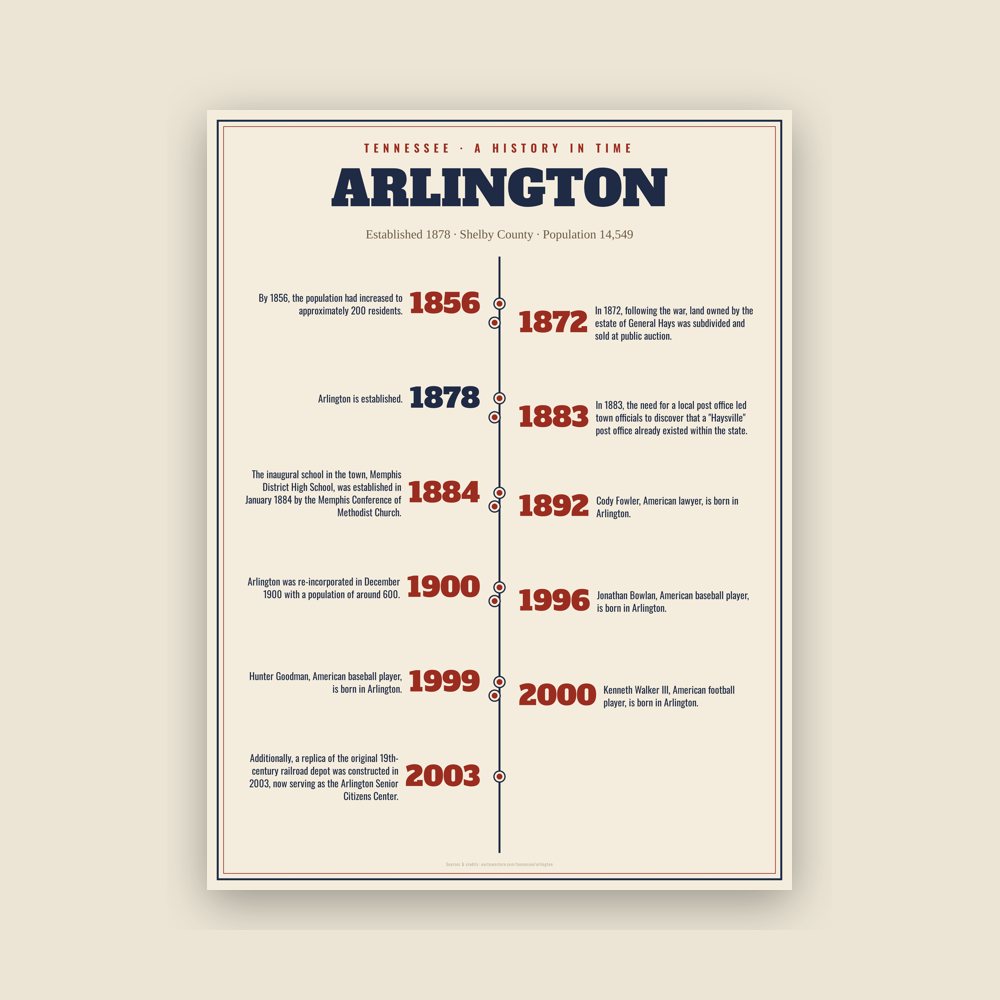
By 1856, the population had increased to approximately 200 residents. Agriculture, particularly cotton farming, was the dominant economic activity, necessitating reliable transportation for shipping goods. In response, Withe Depot was constructed on land donated by General Samuel J. Hays, a nephew of President Andrew Jackson, strategically served by the Memphis, Clarksville and Louisville Railroad. The depot became a critical shipping point, primarily for cotton, to support the agricultural economy of the region. In recognition of General Hays's substantial land donation, the community was subsequently named Haysville.
The railroad infrastructure significantly shaped Haysville's development and connectivity. A local train, colloquially referred to as "The Accommodation," became a vital link for residents commuting to Memphis for work and school. Anecdotes from the period suggest that the train's crew, including the engineer, flagman, and conductor, were familiar with the daily passengers, occasionally slowing the train to accommodate late arrivals running from their homes to board.
Impact of the Civil War and Subsequent Recovery
The onset of the American Civil War brought considerable disruption to Haysville. Many local men enlisted to fight in the conflict, and a significant number did not return, affecting the town's population and growth trajectory. In 1872, following the war, land owned by the estate of General Hays was subdivided and sold at public auction. Streets in the new layout were named to honor notable figures such as Bishop Charles Quintard, President Andrew Jackson, Colonel Robert I. Chester, and General Nathan Bedford Forrest. The first residential structure was constructed by Captain Henry Munger Pitman, who served as the depot agent.
Incorporation and Public Health Measures
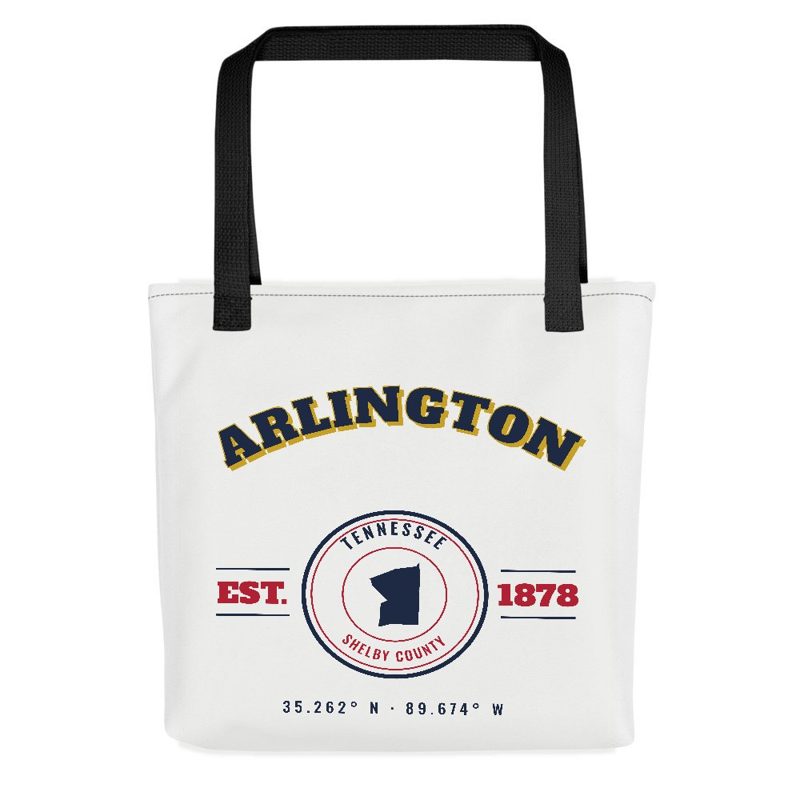
Haysville was formally incorporated on February 10, 1878, with W.B. Nolley elected as its first mayor. During this period, an outbreak of yellow fever prompted local authorities to enforce a quarantine, restricting entry to the town in an effort to prevent the spread of the epidemic. The town's early leaders, including subsequent mayors H.Y. Marley, Dr. J.P. Bone, W.I. Hooks, and C.C. Poole, were instrumental in guiding the community through this public health crisis.
Renaming to Arlington and Late 19th-Century Expansion
In 1883, the need for a local post office led town officials to discover that a "Haysville" post office already existed within the state. Captain Henry Pitman suggested renaming the town "Arlington," inspired by Arlington National Cemetery in Virginia. The inaugural school in the town, Memphis District High School, was established in January 1884 by the Memphis Conference of Methodist Church. It was situated on the site that is presently known as Hughes-College Hill Park. By this time, the population had reached 500 residents, and the town's economy had diversified to include a steam sawmill, gristmill, steam cotton gin, livery stable, general stores, and four churches. By the close of the 19th century, Arlington had expanded its infrastructure to include a dedicated post office, a physician's practice, a druggist, a lumber store, a meat market, and an undertaker's establishment.
Arlington was re-incorporated in December 1900 with a population of around 600. Early mayors included notable figures such as Will Taylor, Charles McAuley, C.W. Bond, Sam Tucker Wilson, and Jimmy Henry, who played key roles in the town's governance and development.
Preservation of Historical Landmarks
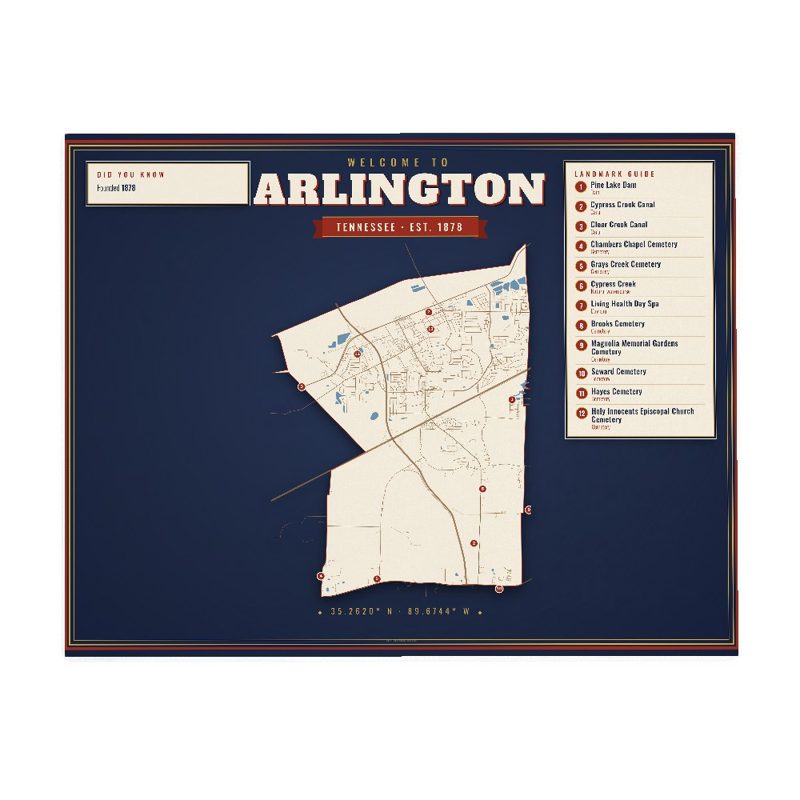
Arlington has made a concerted effort to preserve its historical heritage. Prominent landmarks include the Rachel H.K. Burrows Museum, the S.Y. Wilson & Company building, the Blacksmith Shop, and the Historic Post Office. Additionally, a replica of the original 19th-century railroad depot was constructed in 2003, now serving as the Arlington Senior Citizens Center. Several historic residential structures remain intact, showcasing the architectural styles of the period.