A short history of Mobridge
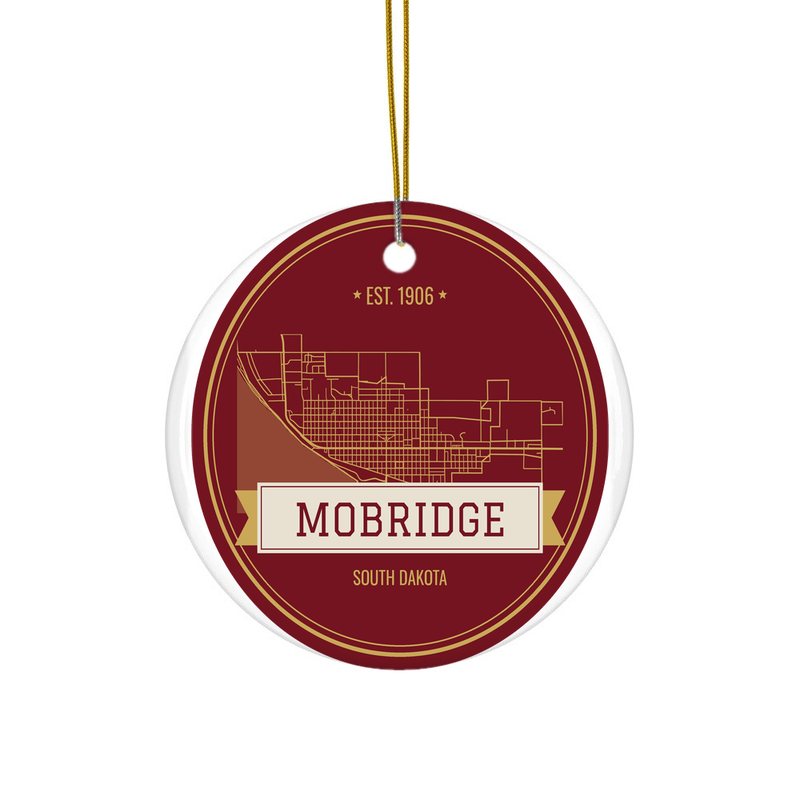
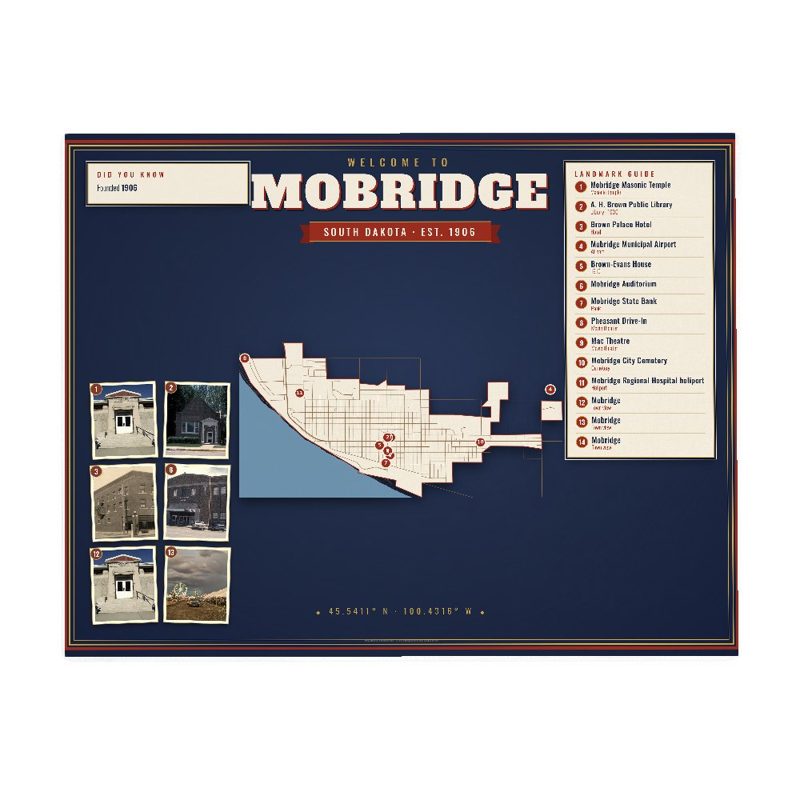
Located in territory that had long been occupied by the Lakota Sioux, Mobridge was founded by European Americans in 1906 following construction of the Chicago, Milwaukee, St. Paul and Pacific Railroad through here. The town was named Mobridge for its railroad designation, a contracted form of Missouri Bridge, after the original railroad bridge over the Missouri River. The bridge was demolished by the Corps of Engineers in the early 1960s and replaced by a taller bridge due to the construction of the Oahe Dam.
There are disputed claims that some or all of chief Sitting Bull's remains were moved by his surviving relatives and the Dakota Memorial Association on April 8, 1953 from Fort Yates, North Dakota, where he had been killed and buried, to Mobridge, which was near his birthplace. The Mobridge burial site is marked by a monument consisting of his bust on a granite pedestal; it overlooks the Missouri River. It was dedicated by the Dakota Memorial Association on April 11, 1953.
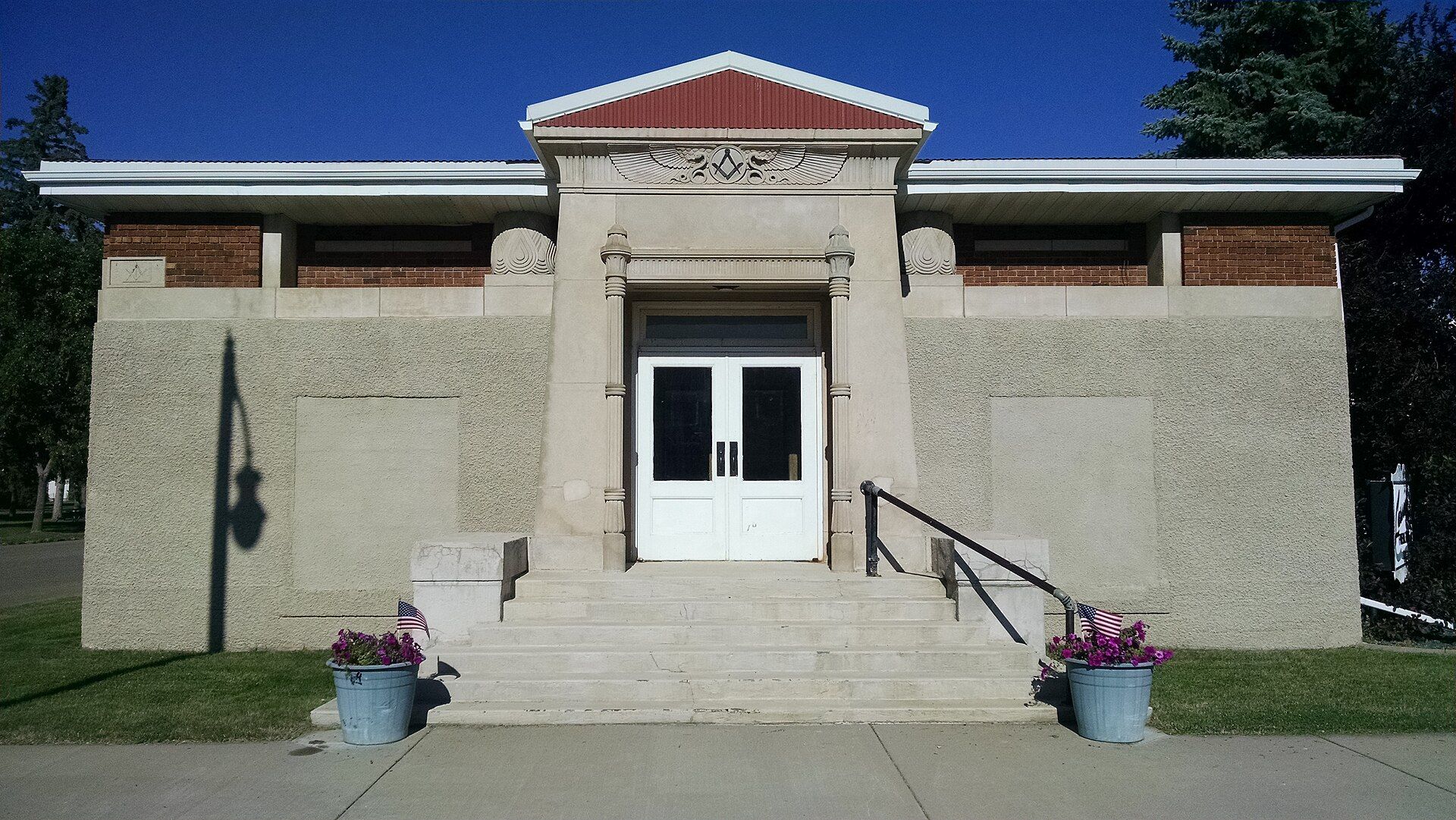
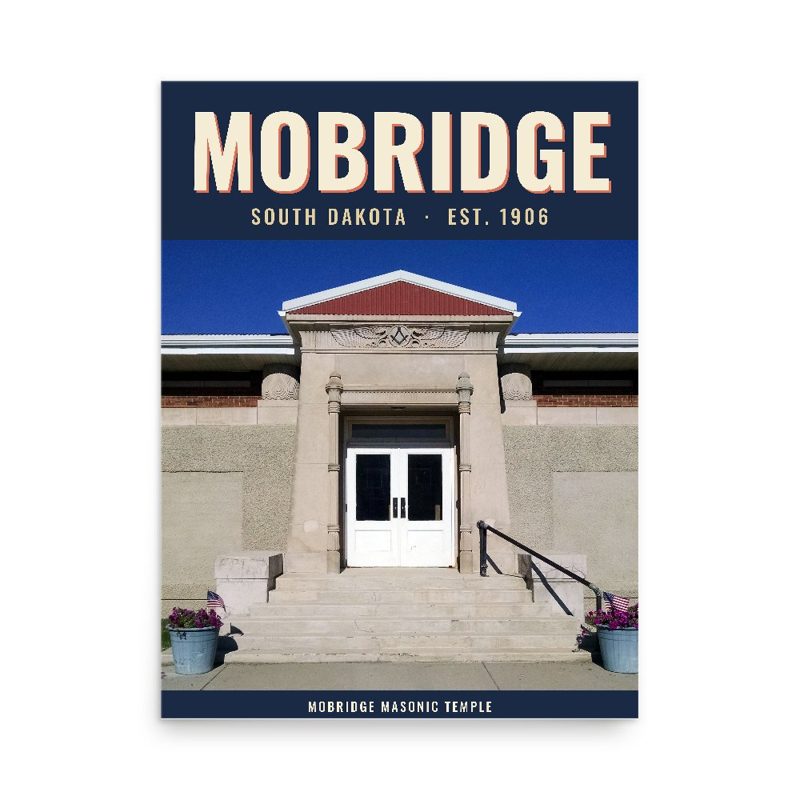
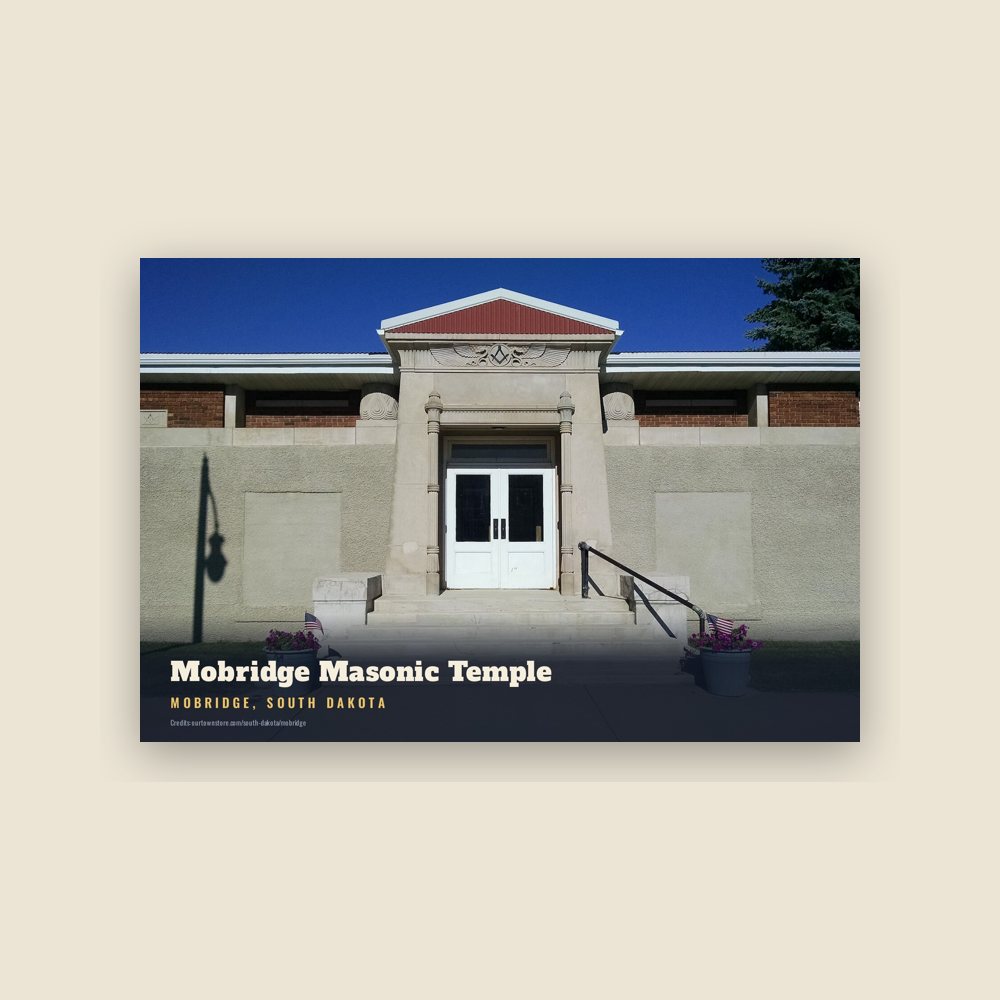
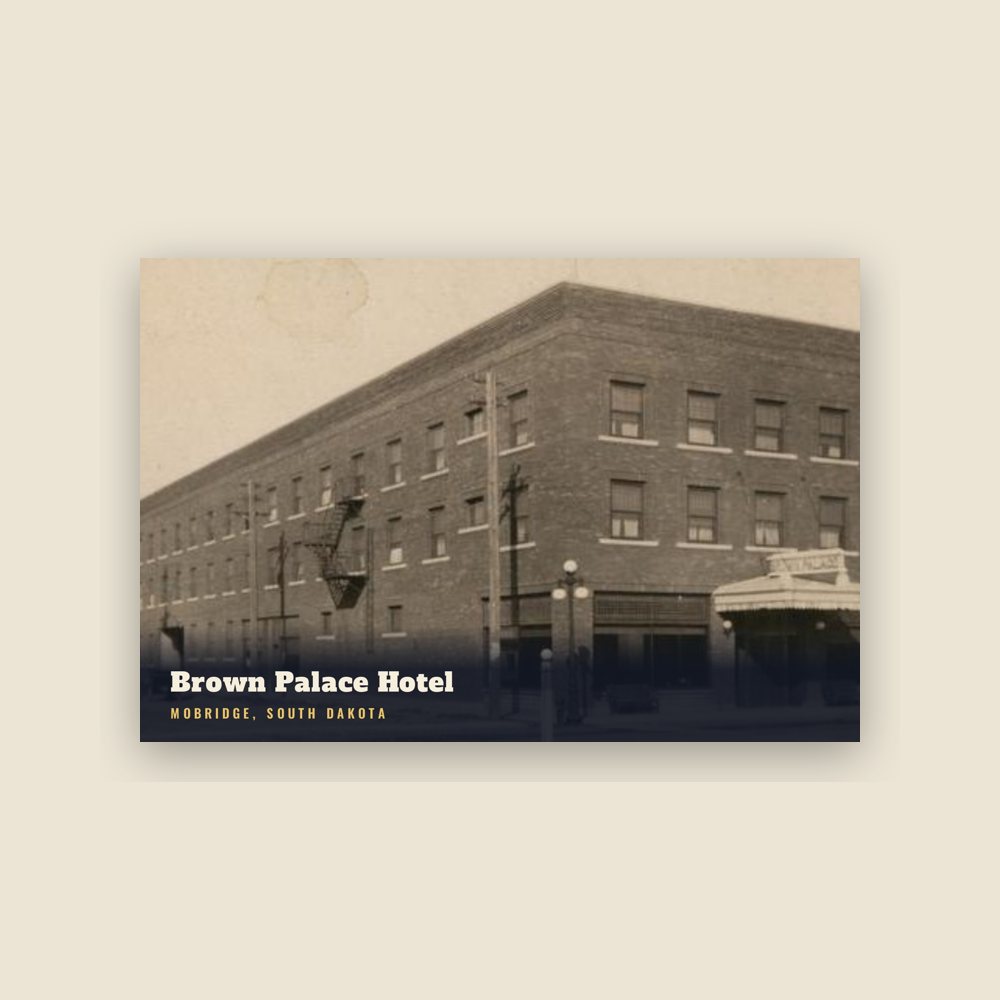
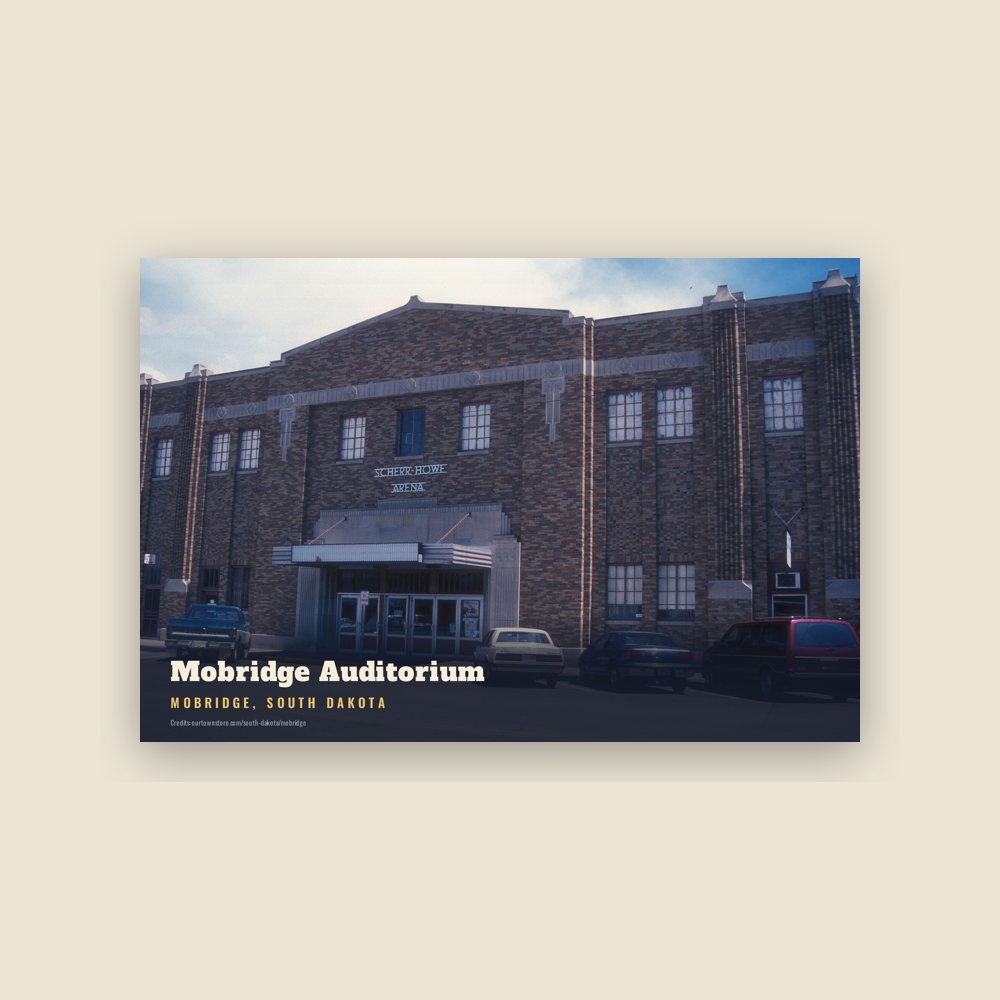
The Brown Palace Hotel in Mobridge is listed on the U.S. National Register of Historic Places. Artist Oscar Howe (Yanktonai Dakota) painted a mural for the town's auditorium. The Mobridge Masonic Temple was built in Egyptian Revival style in 1923.
Adapted (trimmed) from the Wikipedia article Mobridge, South Dakota, revision 1381664792 by its contributors, licensed CC BY-SA 4.0.
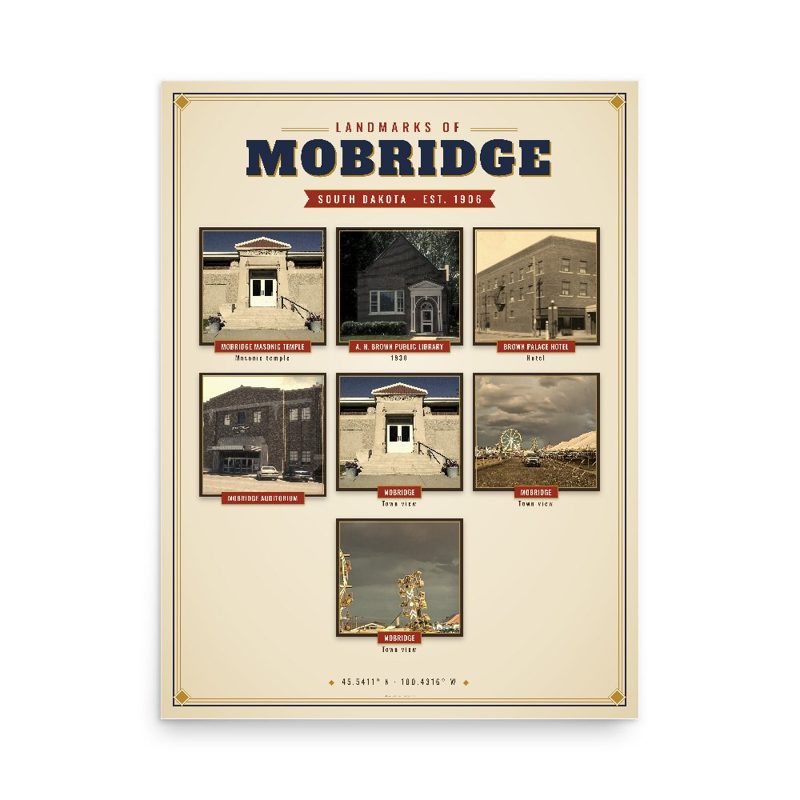
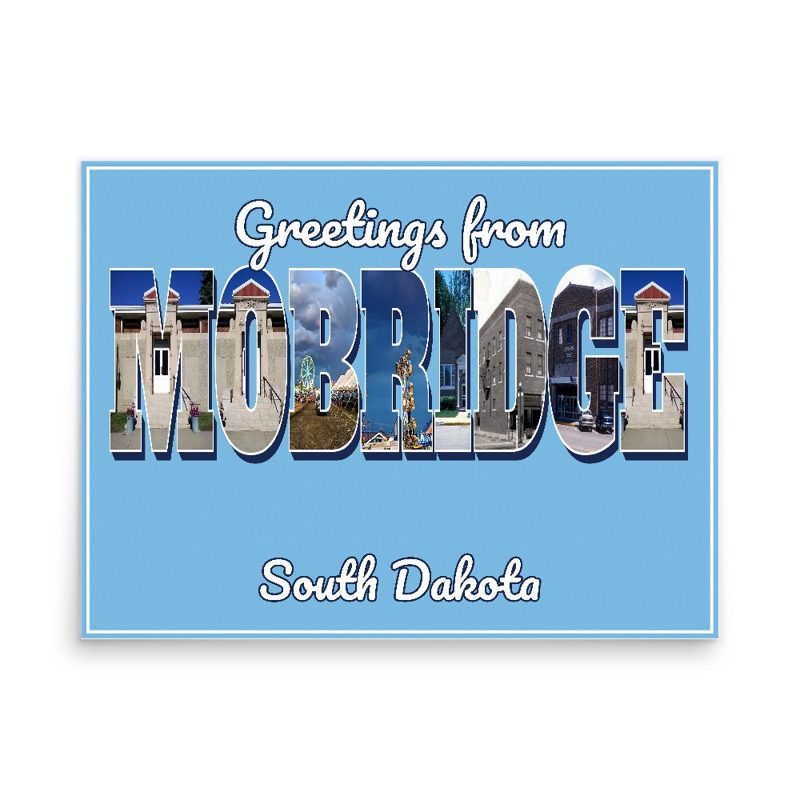
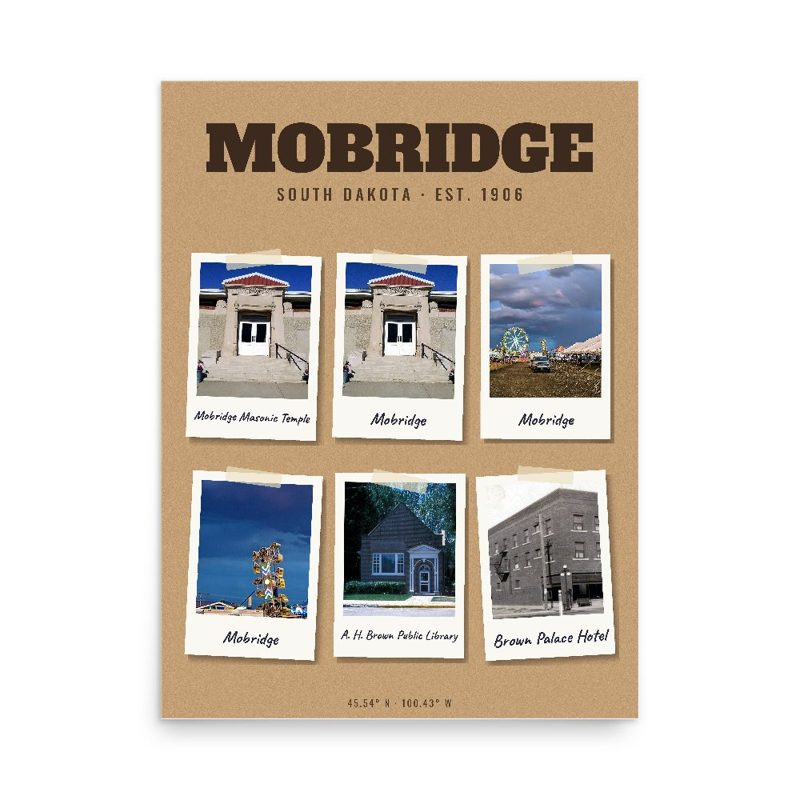
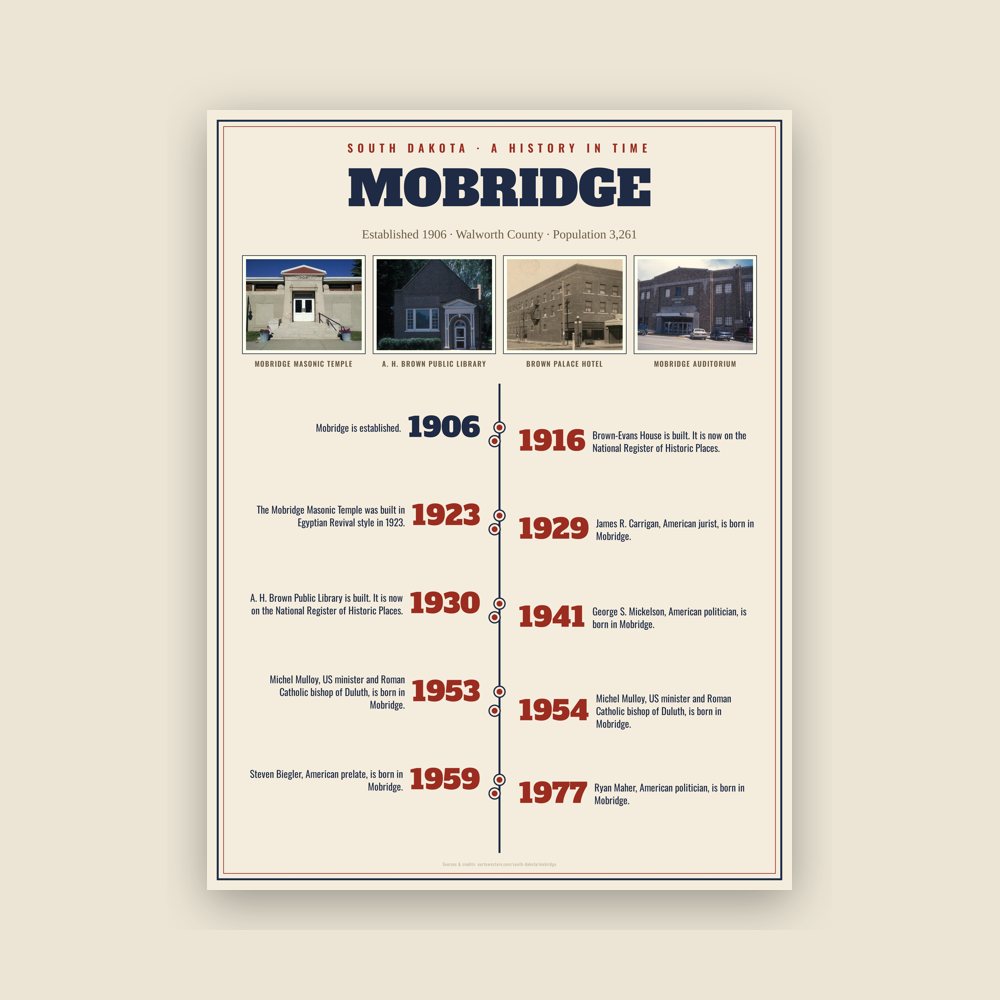













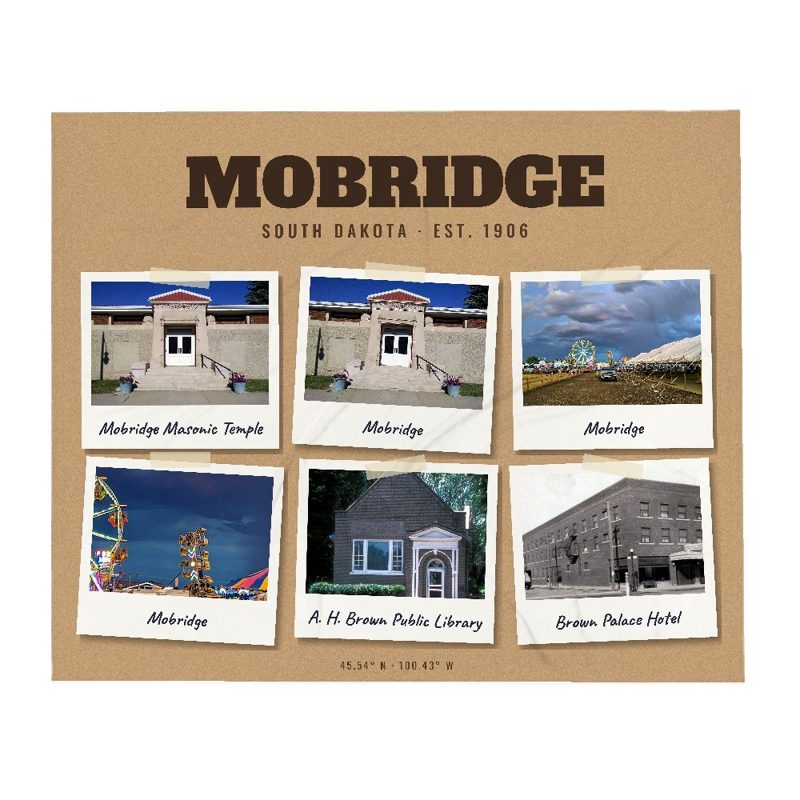
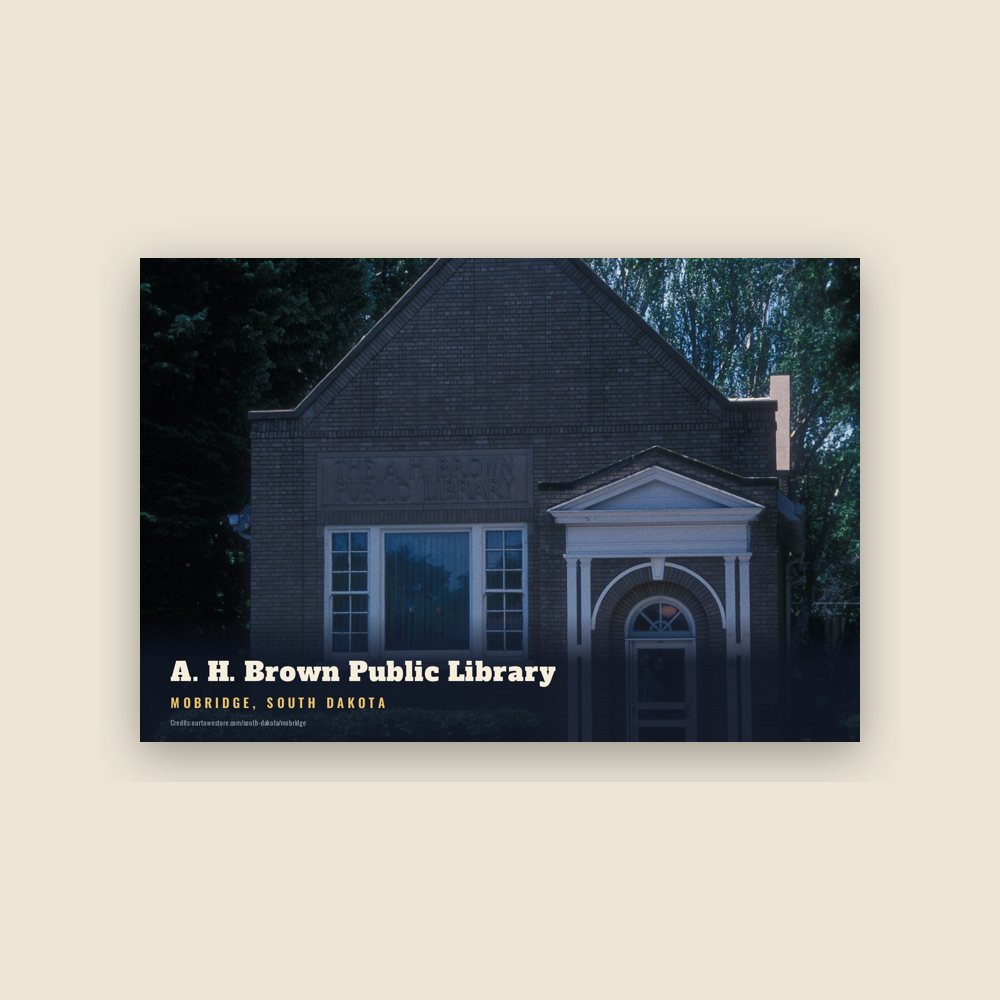
 A. H. Brown Public Library
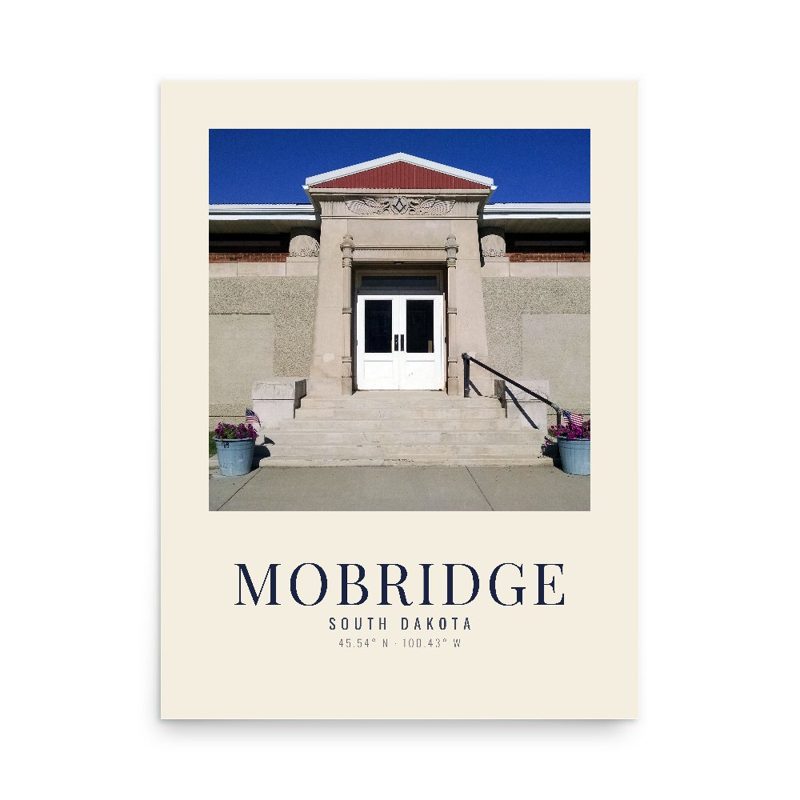
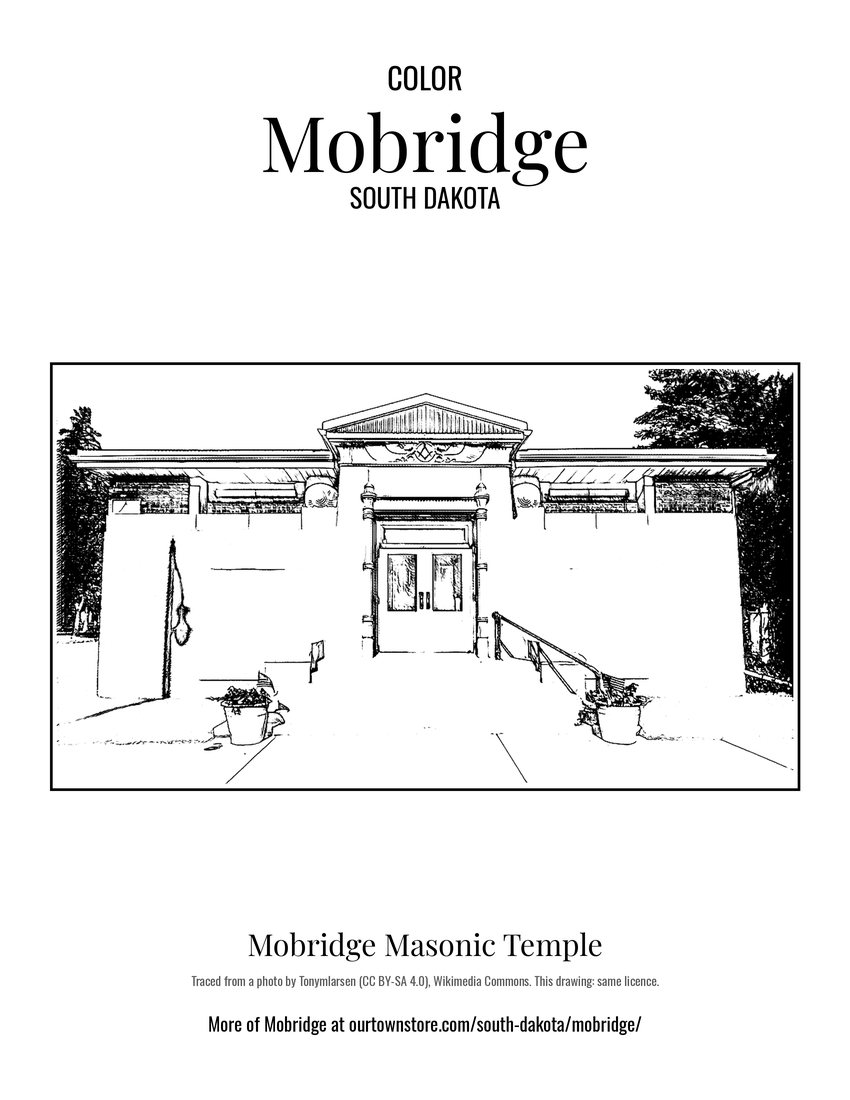 Mobridge Masonic Temple
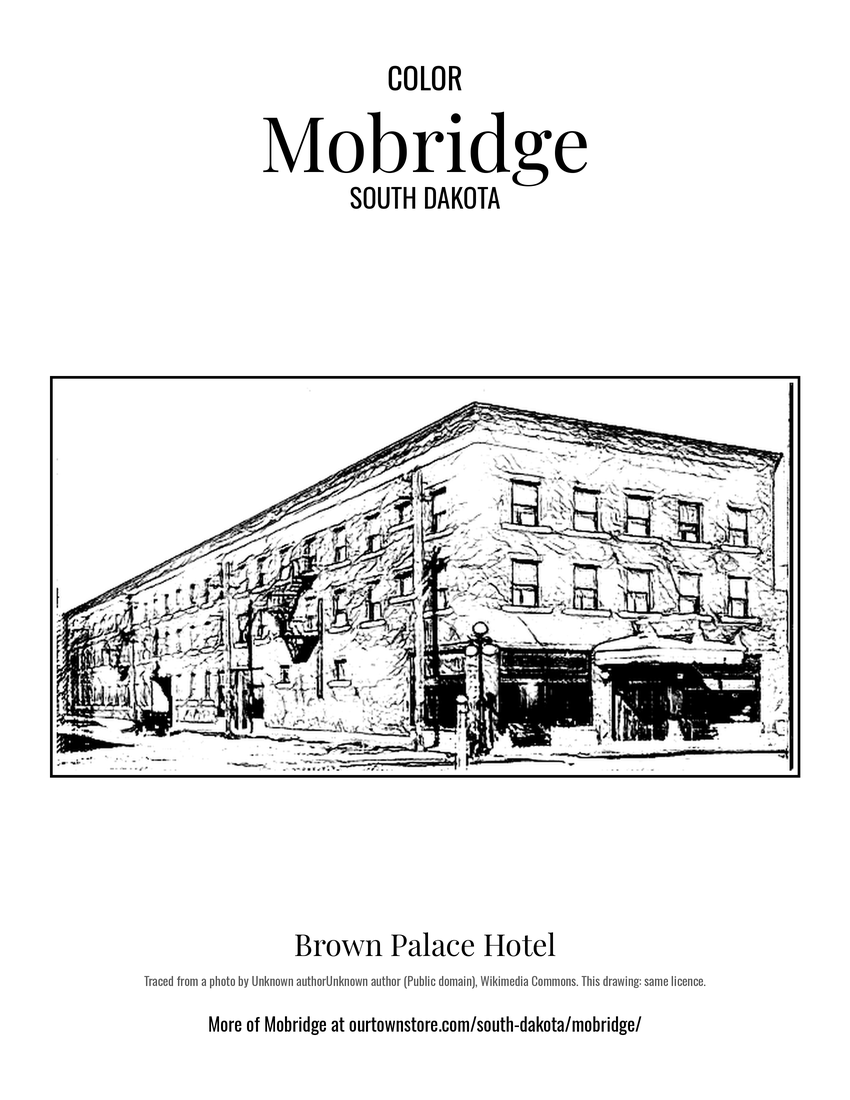 Brown Palace Hotel
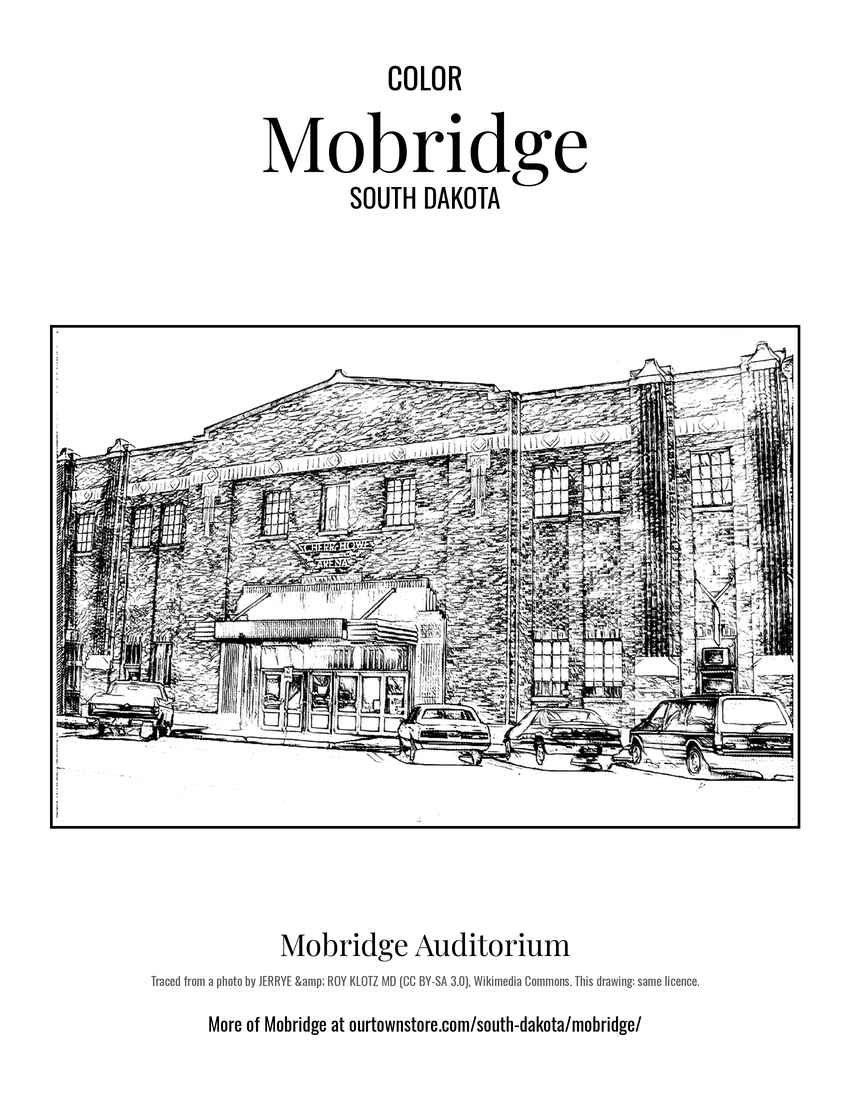 Mobridge Auditorium