A short history of Winnsboro
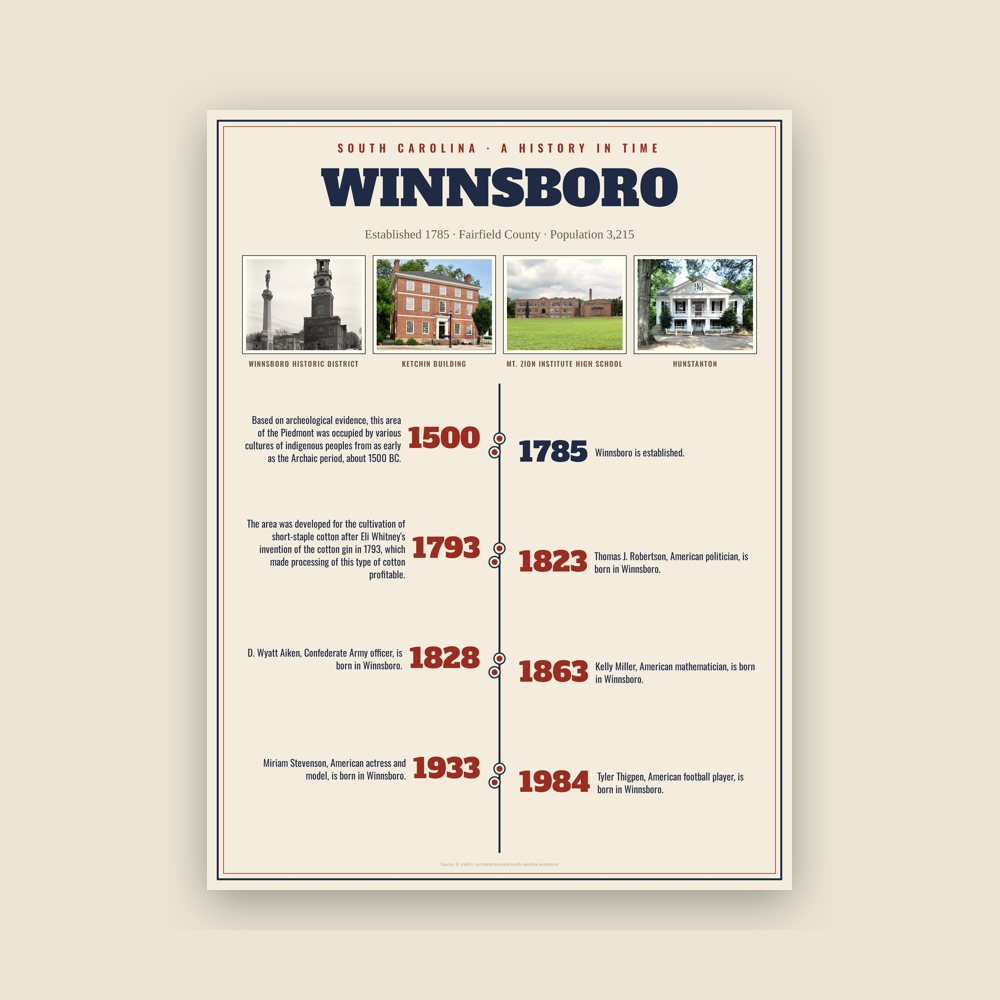
Based on archeological evidence, this area of the Piedmont was occupied by various cultures of indigenous peoples from as early as the Archaic period, about 1500 BC. Blair Mound is a nearby archeological site and earthwork likely occupied 1300–1400 AD, as part of the late Mississippian culture in the region.
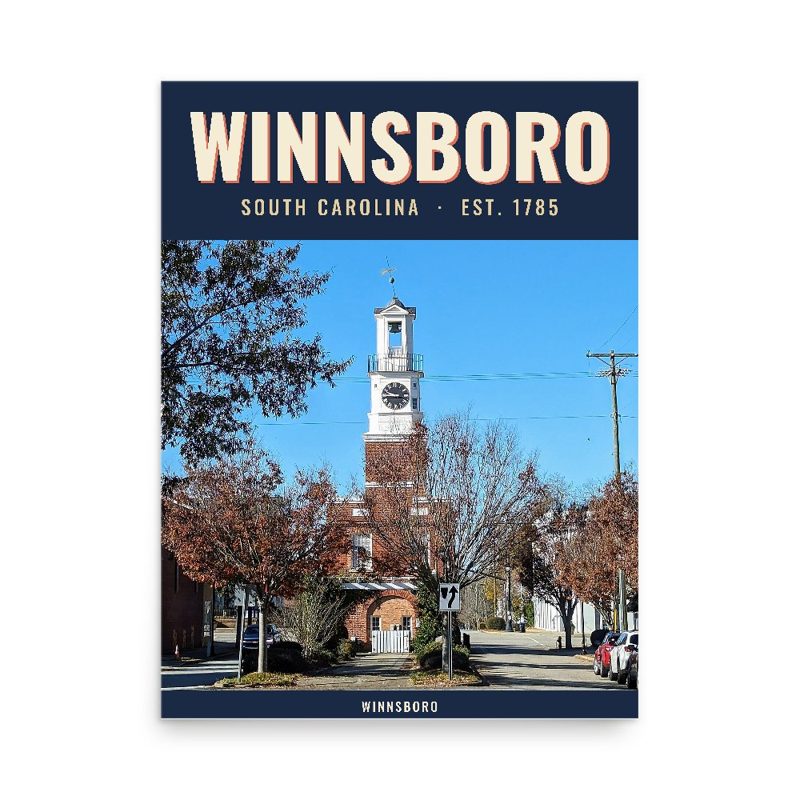
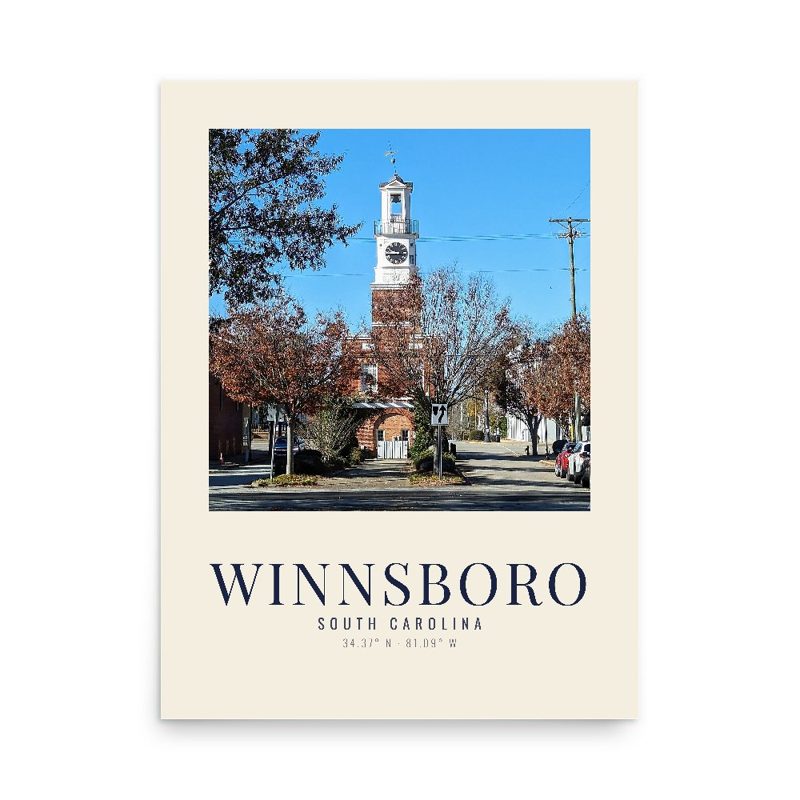
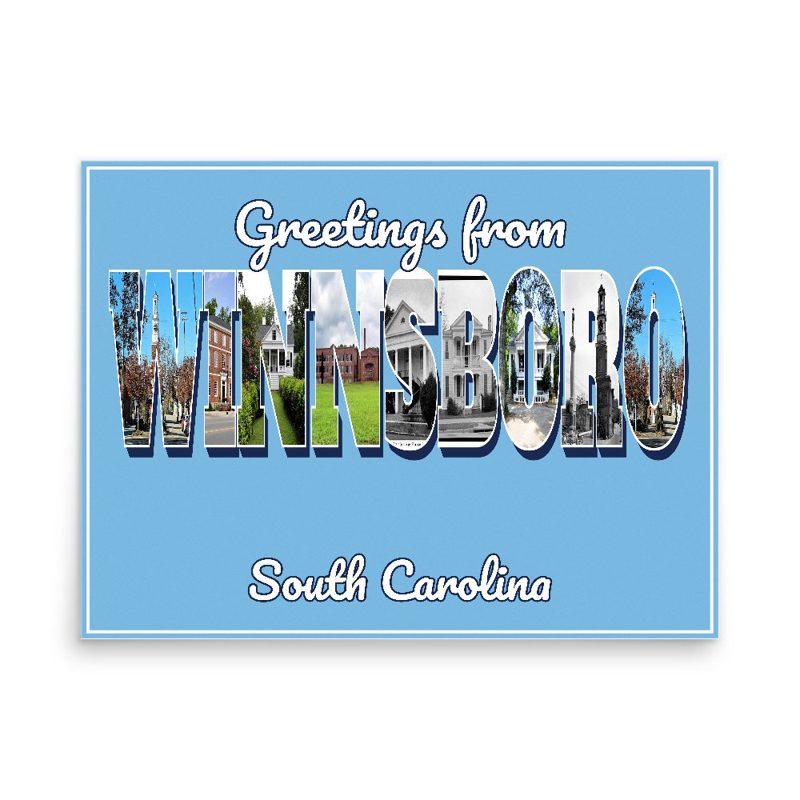
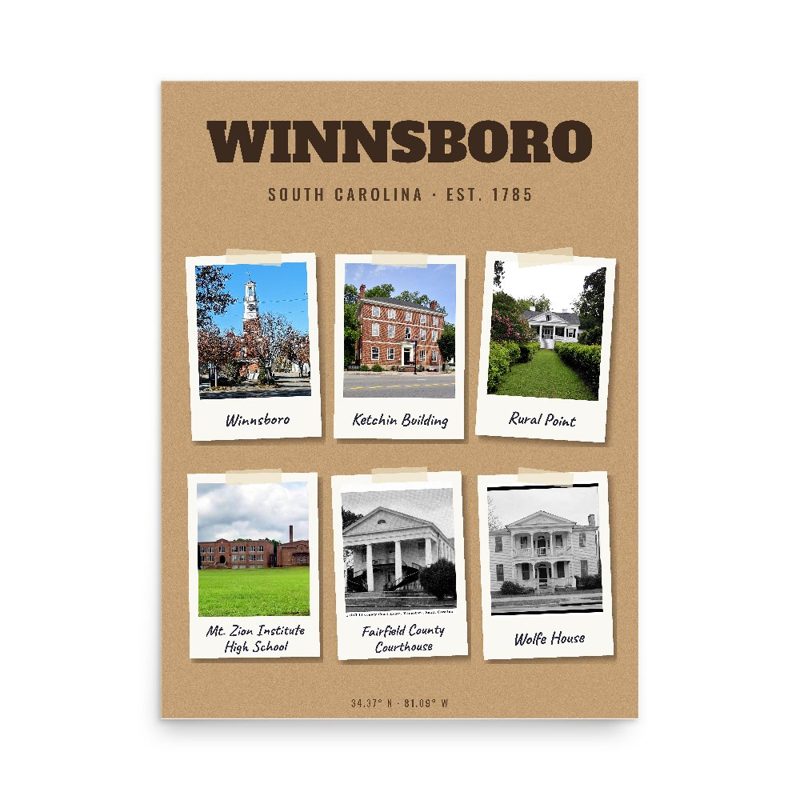
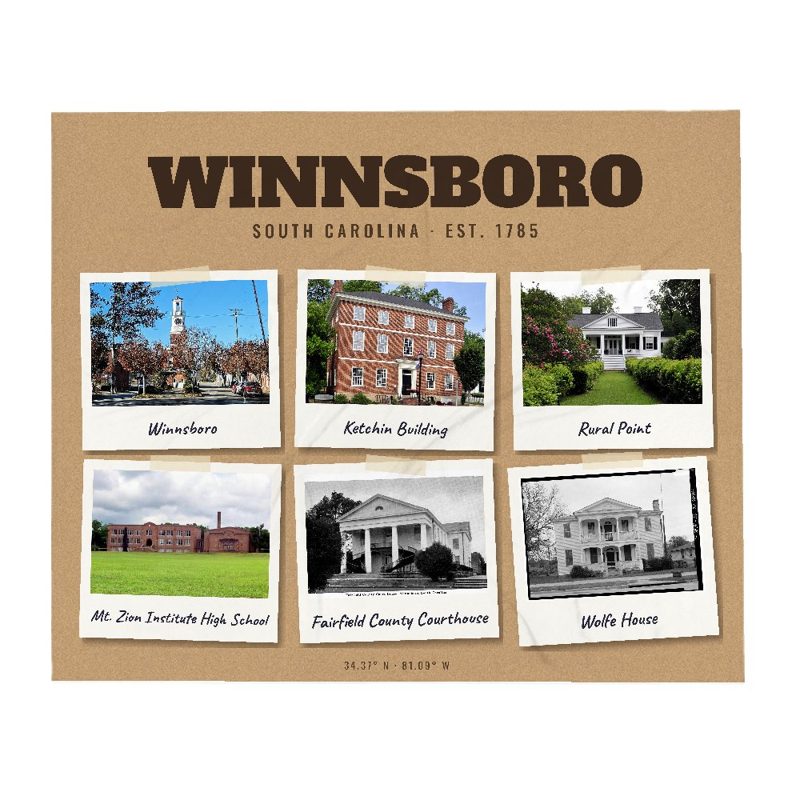
Several years before the Revolutionary War, Richard Winn from Virginia moved to what is now Fairfield County in the upland or Piedmont area of South Carolina. His lands included the present site of Winnsboro. As early as 1777, the settlement was known as "Winnsborough", since he was the major landowner. His brothers John and Minor Winn joined him there, adding to family founders.
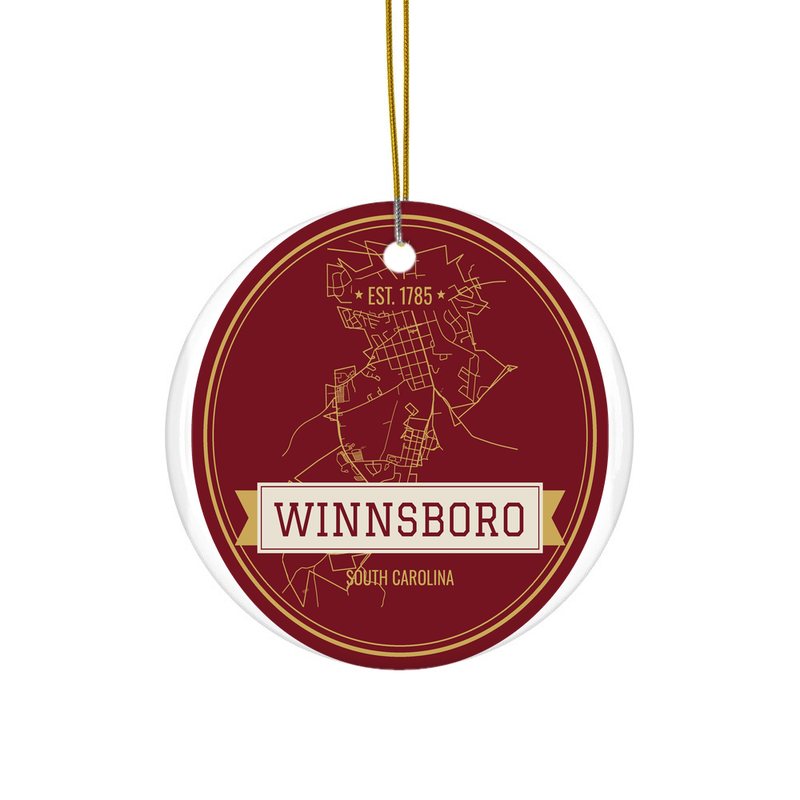
The village was laid out and chartered in 1785 upon petition of Richard and John Winn and John Vanderhorst. The brothers Richard, John, and Minor Winn all served in the Revolutionary War. Richard became a general, and was said to have fought in more battles than any Whig in South Carolina. John gained the rank of colonel.
The area was developed for the cultivation of short-staple cotton after Eli Whitney's invention of the cotton gin in 1793, which made processing of this type of cotton profitable. Previously, it was considered too labor intensive. Short-staple cotton was widely cultivated on plantations in upland areas throughout the Deep South, through an interior area that became known as the Black Belt. The increased demand for slave labor resulted in the forced migration of more than one million African-American slaves into the area through sales in the domestic slave market. By the time of the Civil War, the county's population was majority black and majority slave.
Textile mills were constructed in the area beginning in the late 19th century, and originally only whites were allowed to work in the mills. "Winnsboro Cotton Mill Blues", an industrial folk song of the 1930s with lyrics typical of the blues, refers to working in a cotton mill in this city. The song arose after the textile mill had been converted to a tire-manufacturing plant, reflecting the widespread expansion of the auto industry. The song has been sung by Lead Belly, Pete Seeger, and other artists. It was the basis of one of the ballads by modernist composer/pianist Frederic Rzewski in his Four North American Ballads for solo piano, completed in 1979.
Adapted (trimmed) from the Wikipedia article Winnsboro, South Carolina, revision 1382816635 by its contributors, licensed CC BY-SA 4.0.