Established on the colonial frontier in the early 18th century, Ninety Six soon became a well-known trading post. It was the seat for the Ninety Six District upon its establishment as a town until the district's abolishment in 1799. The town was the site of a siege from May 22 to June 19, 1781 during the Revolutionary War, spanning 28 days. The battlefield is now the Ninety Six National Historic Site, maintained by the National Park Service.
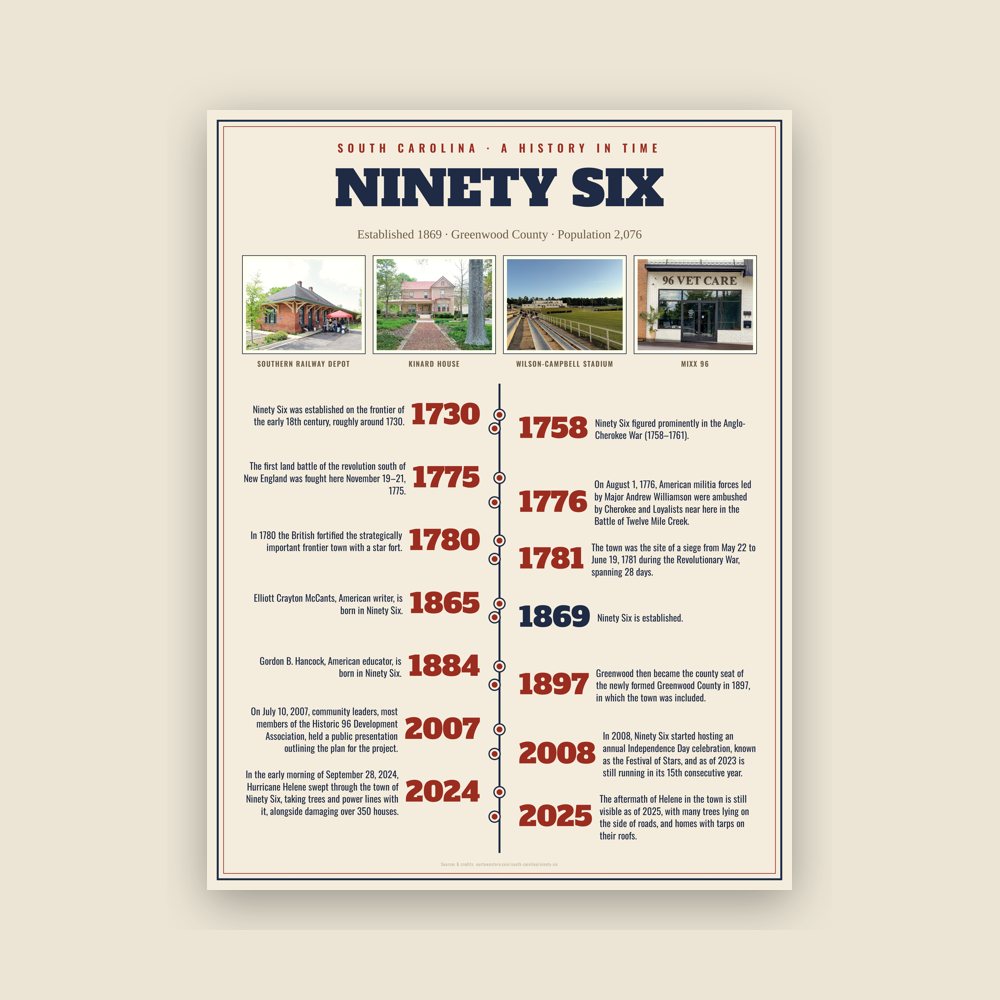
Ninety Six was established on the frontier of the early 18th century, roughly around 1730. For a time it was known as "Jews Land" because some prominent Sephardic Jewish families of London bought extensive property there. The Salvador and DaCosta families bought 200,000 acres (810 km2), intending to help poor Sephardic families relocate from London to the New World. They began to settle it.
On August 1, 1776, American militia forces led by Major Andrew Williamson were ambushed by Cherokee and Loyalists near here in the Battle of Twelve Mile Creek. More than 4,000 Cherokee warriors had waged war on a long front beginning in June, from modern Tennessee to central South Carolina. Francis Salvador, a Sephardic Jewish immigrant from London and a planter, was one of the casualties. He was the first Jew to be killed fighting with the Patriots in the Revolutionary War.
The Cherokee were allied with the British in an effort to expel European-American settlers from their territory. In fall 1776, Virginia, North and South Carolina, and Georgia raised rebel militias to retaliate. Rutherford's Light Horse expedition had several units that attacked the Cherokee Lower Towns; the Middle, Valley, and Out Towns; and the Overhill Towns, dealing widespread destruction of Cherokee towns and their stores of food.
In 1780 the British fortified the strategically important frontier town with a star fort. From May 22 to June 18, 1781, Major General Nathanael Greene, with 1,000 Continental Army troops, besieged 550 American Loyalists who were defending Ninety Six. General Greene's chief engineer at the siege was Colonel Tadeusz Kościuszko, a Polish officer who became world-renowned for his role in the Revolution; he was wounded at the siege. The Loyalists survived the siege and relocated after the war to Rawdon, Nova Scotia, Canada, with support from the Crown for resettlement.
Read the full history
19th century
In the 1840s, life for many farmers in Ninety Six began to move from mostly self-sufficient, smaller farms to a more commercial approach, by farming cotton, an extremely lucrative crop at the time. This transition was dependent on enslaved labor, causing a rise in plantations in the town.
During the Reconstruction era, the then Village of Ninety Six was chartered by South Carolina General Assembly on January 28, 1869.
Efforts were even made to create a "Ninety Six County", but largely failed due to Greenwood, the bigger railroad city. Greenwood then became the county seat of the newly formed Greenwood County in 1897, in which the town was included.
Since the late 20th century, the National Park Service has operated the Ninety Six National Historic Site at the site of the original settlement and British fort.
Ninety Six figured prominently in the Anglo-Cherokee War (1758–1761). During the American Revolutionary War, it was a site for southern campaigns. The first land battle of the revolution south of New England was fought here November 19–21, 1775.
During the 19th century, the town's economy was largely dependent on textile mills, such as the Ninety-Six Mill. However, as the mills started to shutter, and production began to be outsourced, the economy started to decline, which led to a revitalization project in the early 2000s. In the 21st century, Ninety Six benefits from tourism to its historic site and nearby state park, along with events such as the Festival of Stars, a Fourth of July celebration that is hosted yearly by the town.
20th century
In the early to mid-20th century, the growth of the textile industry significantly impacted Greenwood and Ninety Six. As mills expanded, mill companies created mill villages to provide housing and amenities for workers and their families.
The Ninety Six Mill Village included churches, company stores, recreational facilities, and modest brick homes maintained by the mill. Residents often had wages to cover rent and goods purchased at the store, which then created a system where daily life revolved around the mill. The villages hosted social events, church activities, and local sports teams (such as mill-league baseball) Although the mills have since closed, many of the original homes remain, and the village is now known as the Historic Ninety Six Mill Village.
Segregated education for colored children was provided at the Ninety Six Colored School, which served both elementary and high school students until its closure in 1956 when students were transferred to the newly built Edgewood Middle School.
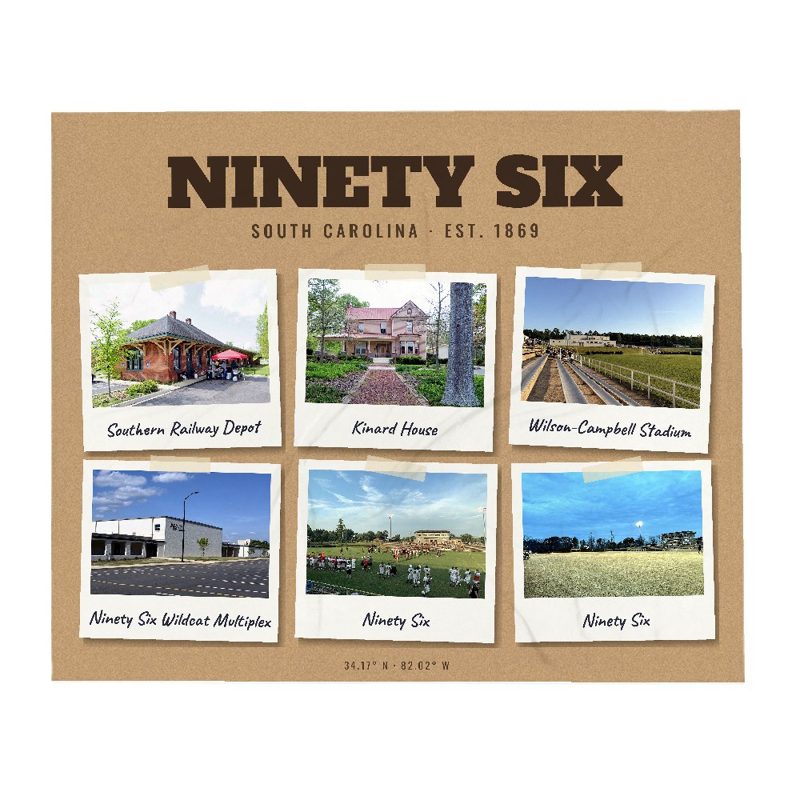
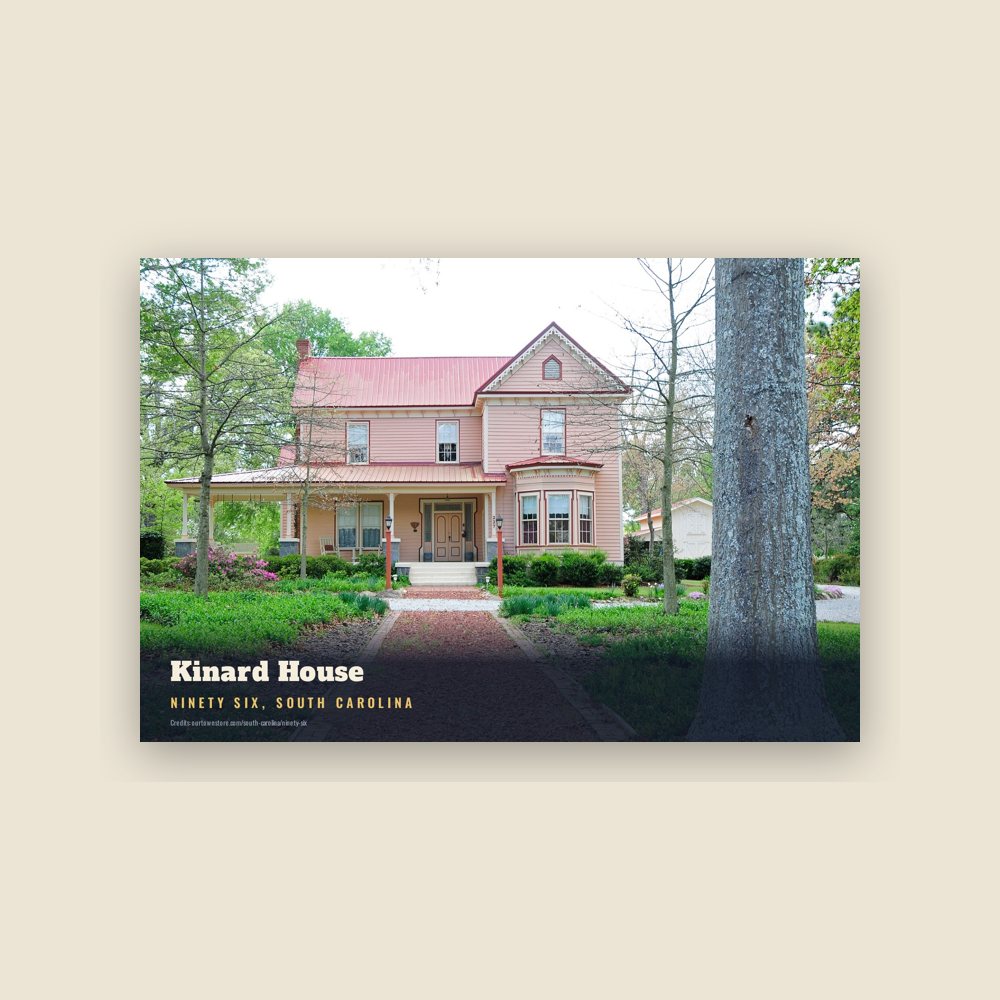
The Southern Railway was constructed through the town and had a stop at Ninety Six, the Ninety Six station. As well as the railway stop, the Kinard House, Moore-Kinard House, and Ninety Six National Historic Site, are listed on the National Register of Historic Places.
21st century
In 2008, Ninety Six started hosting an annual Independence Day celebration, known as the Festival of Stars, and as of 2023 is still running in its 15th consecutive year.
Revitalization of Ninety Six
In 2007, the Town of Ninety Six, with the help of Clemson University, launched an initiative to address the economic decline and deterioration of the city, following the loss of textile jobs.
On July 10, 2007, community leaders, most members of the Historic 96 Development Association, held a public presentation outlining the plan for the project. The project's mission was to "restore pride, beauty and a sense of history to the Town of Ninety Six."
The initiative received broad support from locals, raising $28,533 of its $29,333 planning budget through pledges from the town, the Ninety Six Chamber of Commerce, Greenwood County, and local businesses. The project was also awarded a $29,325 grant from the South Carolina Budget and Control Board to fund streetscape improvements on Main and Cambridge Streets.
The planning of the project began with a multi-day "charrette" held in January 2008, where Clemson representatives had public input sessions with residents, businesses, government officials, and tourism leaders. Following the charrette, the town formed a committee and multiple task forces.
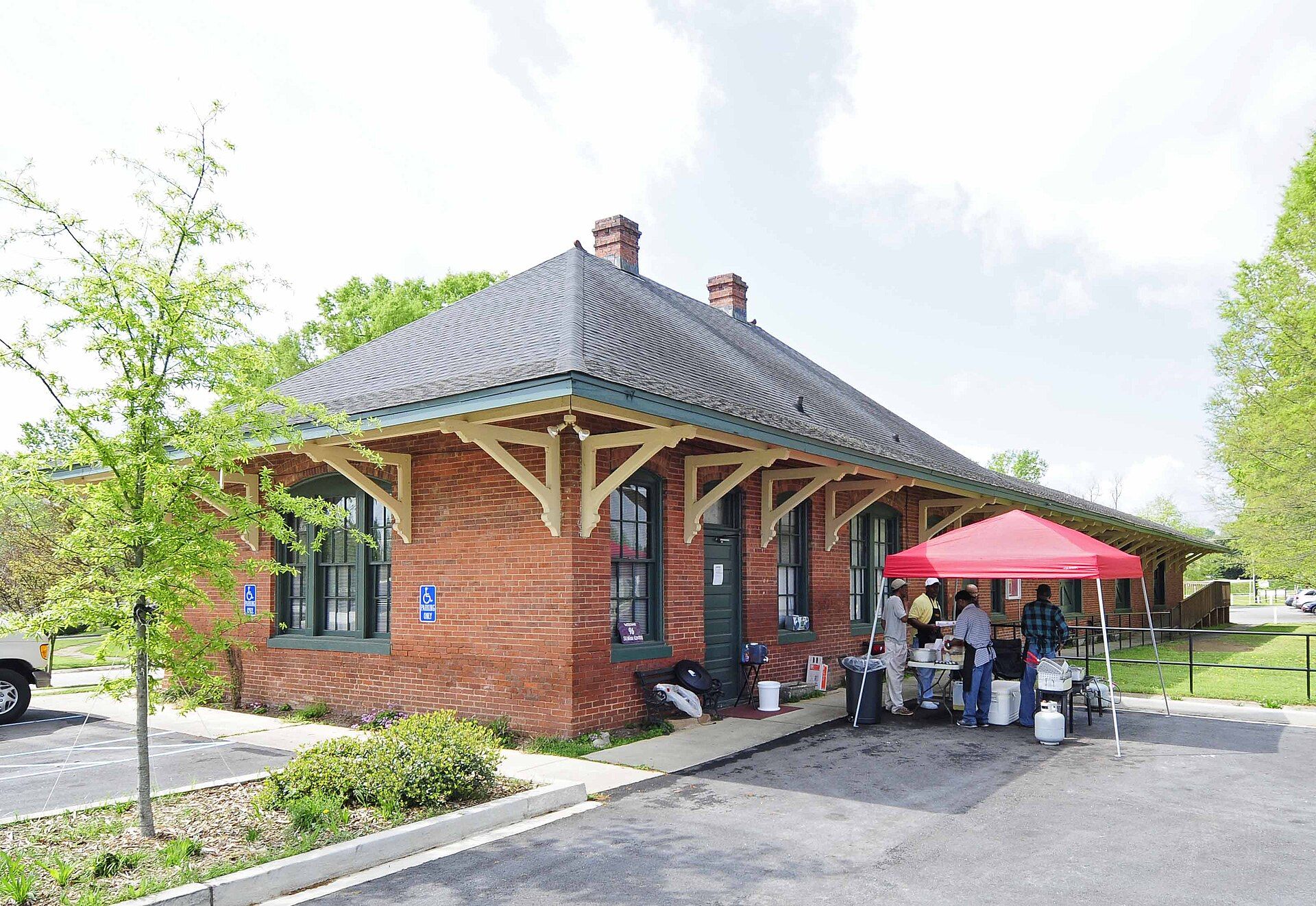
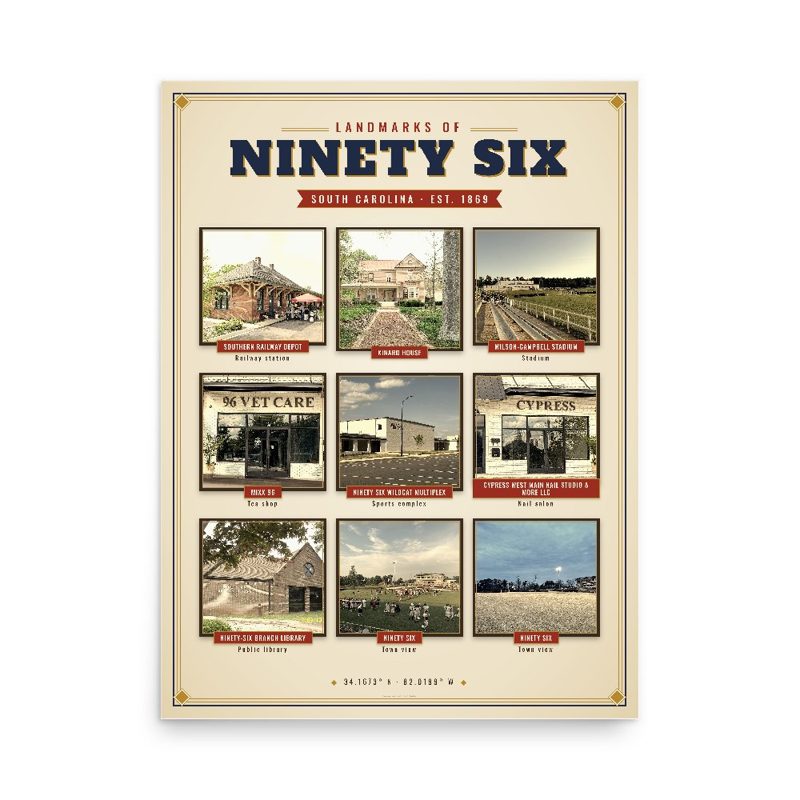
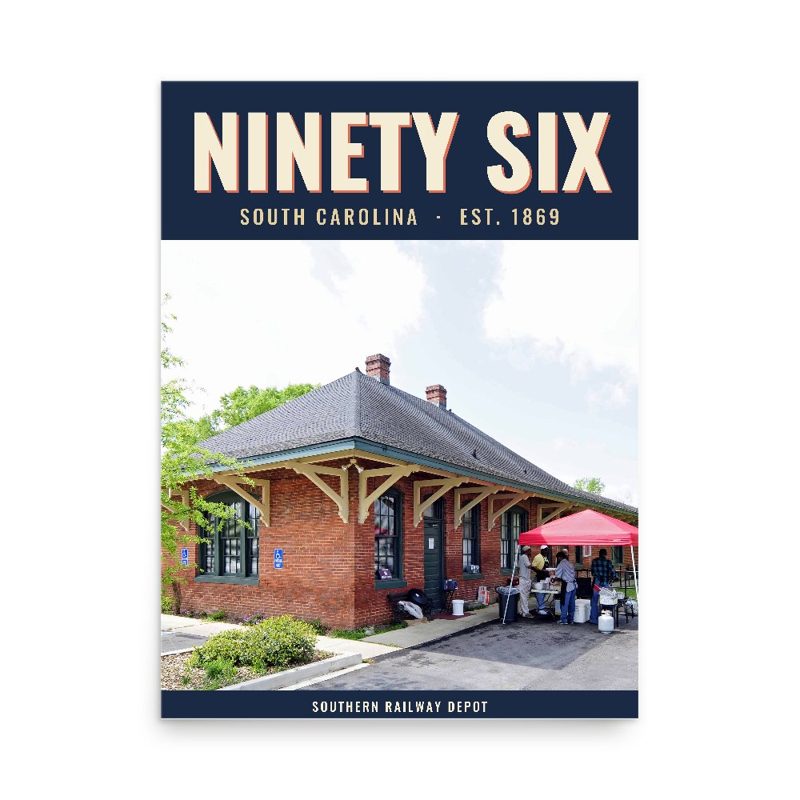
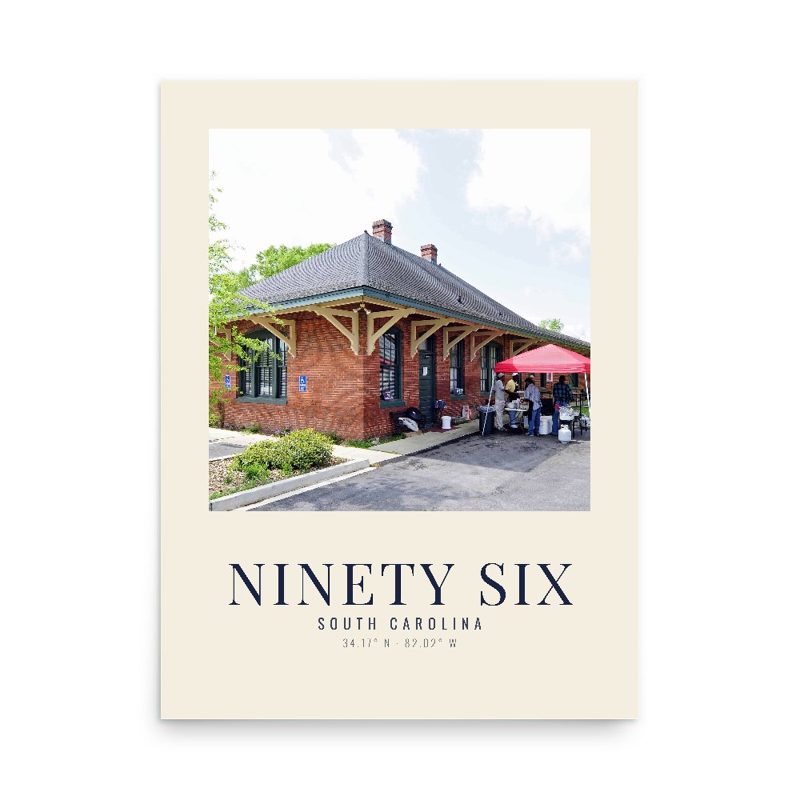
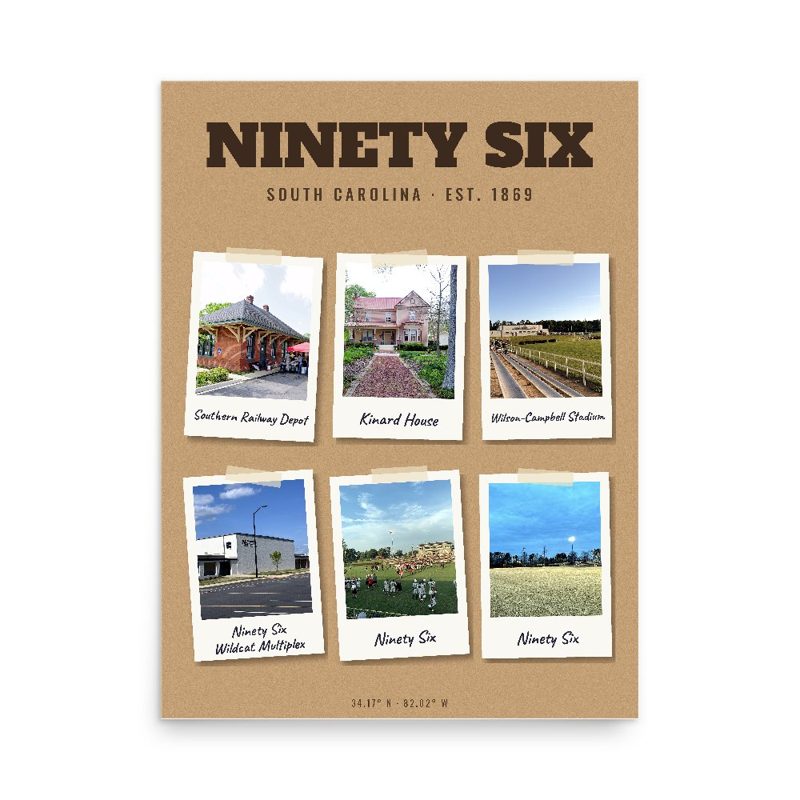
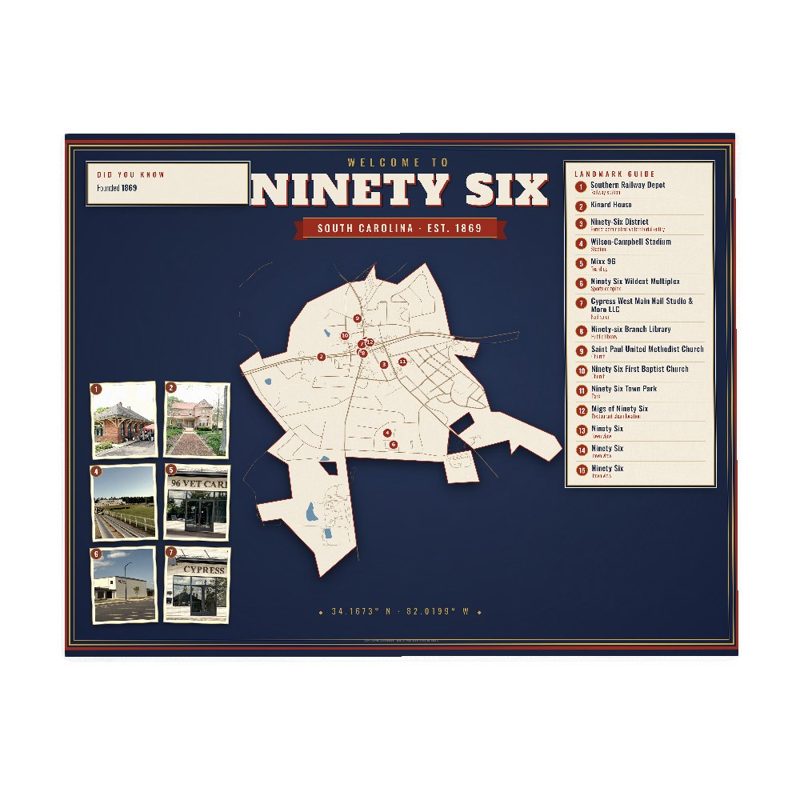






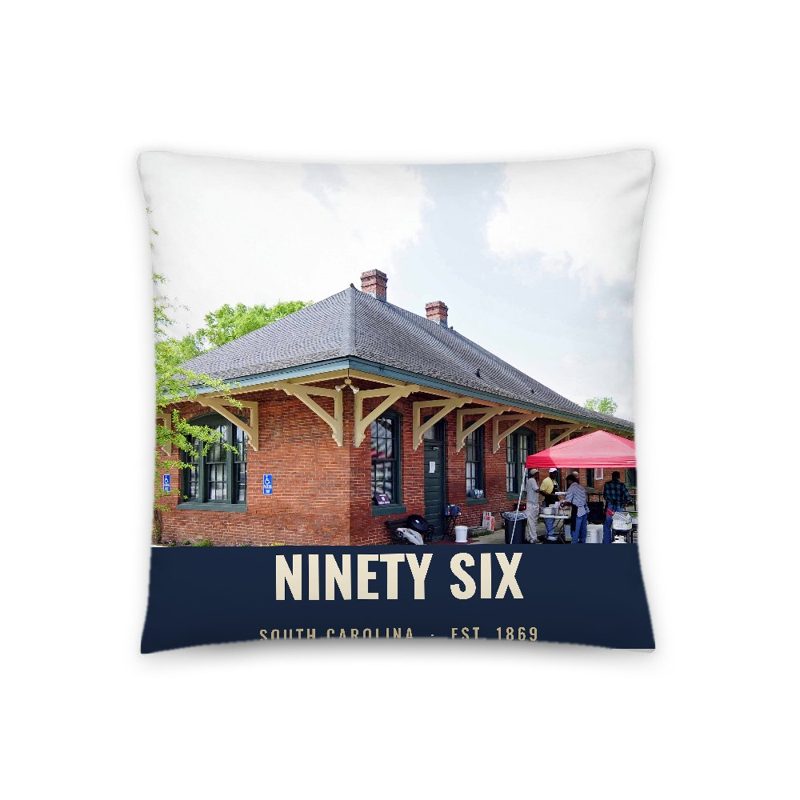


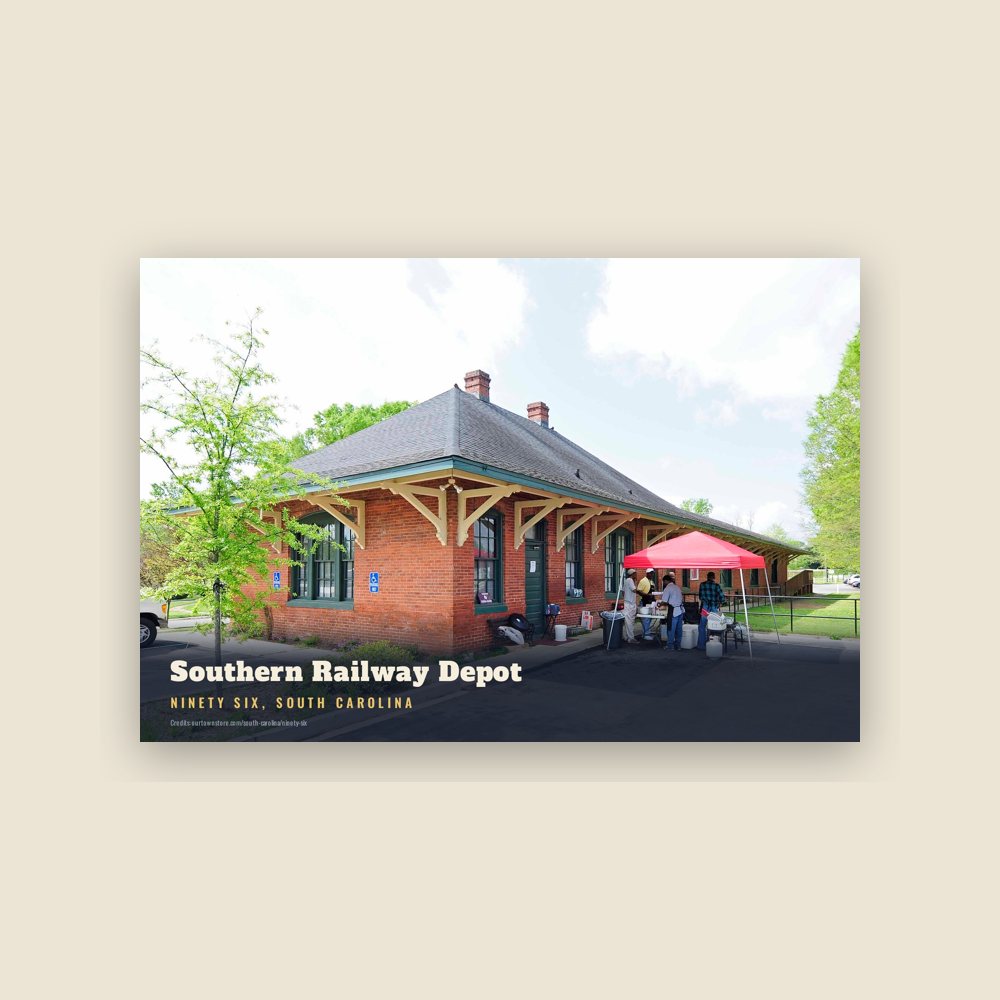

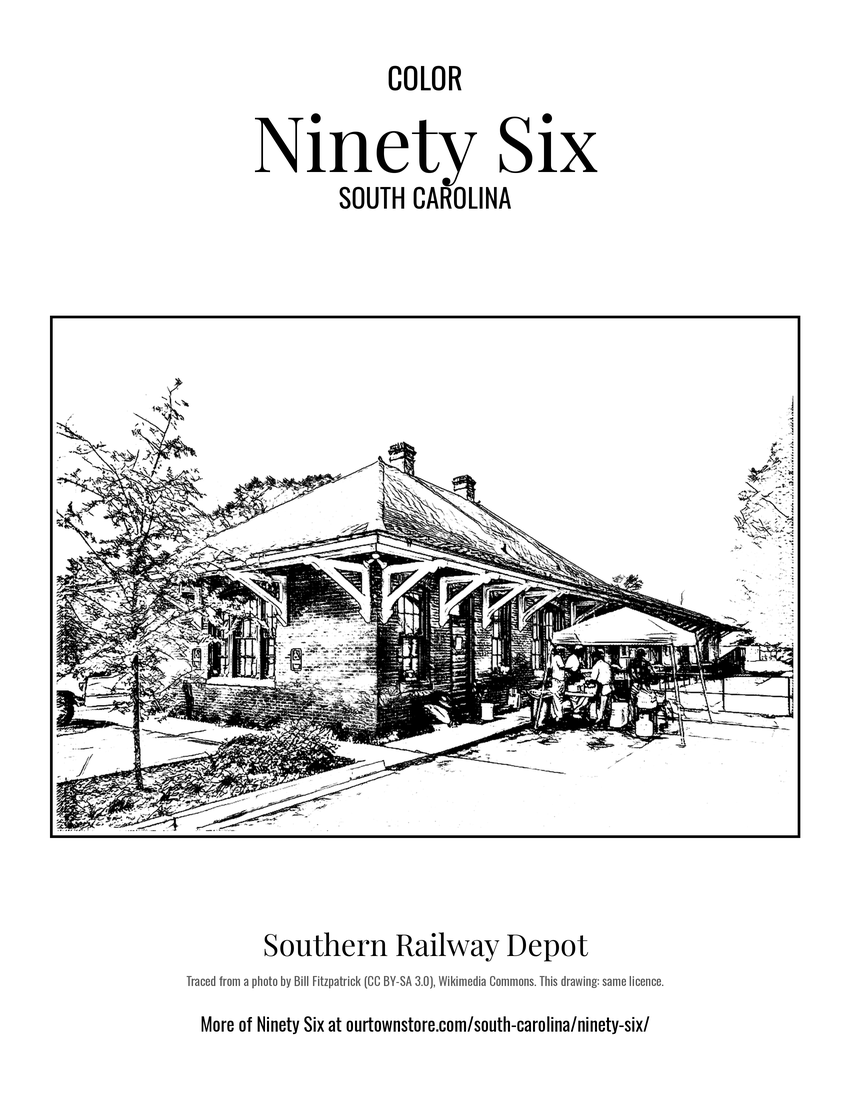 Southern Railway Depot
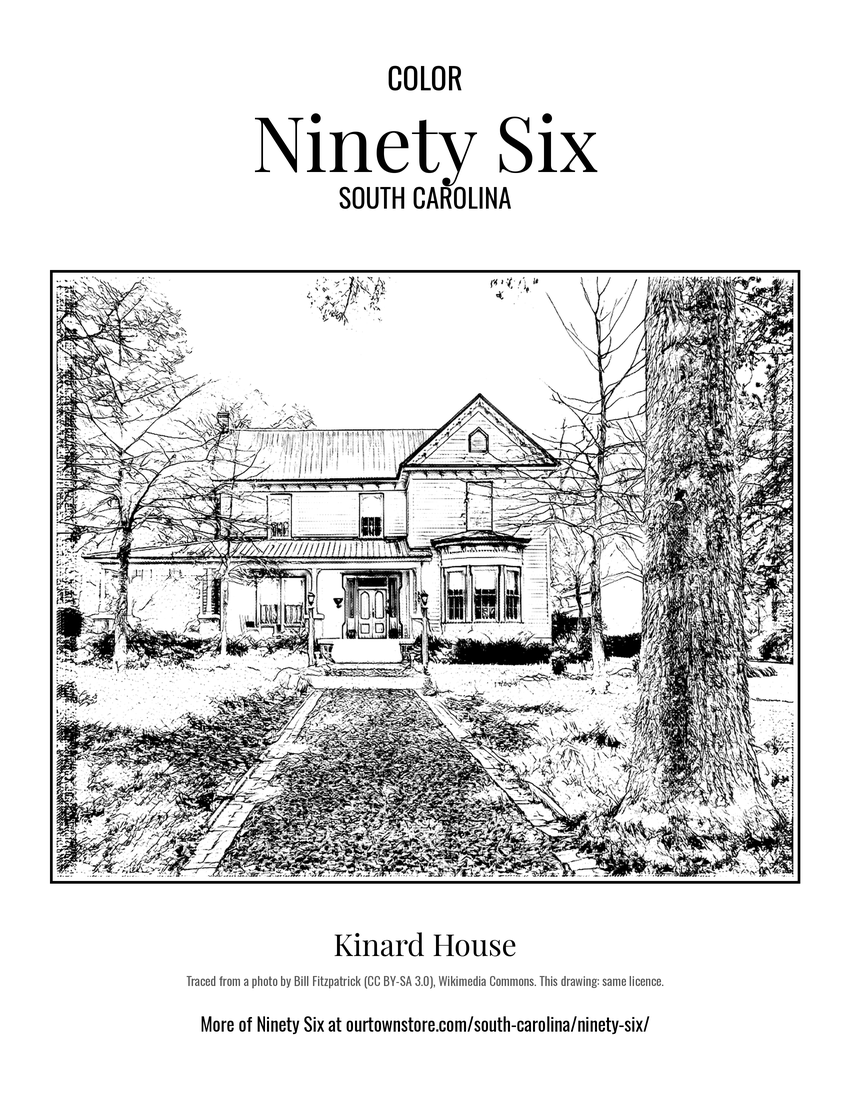 Kinard House
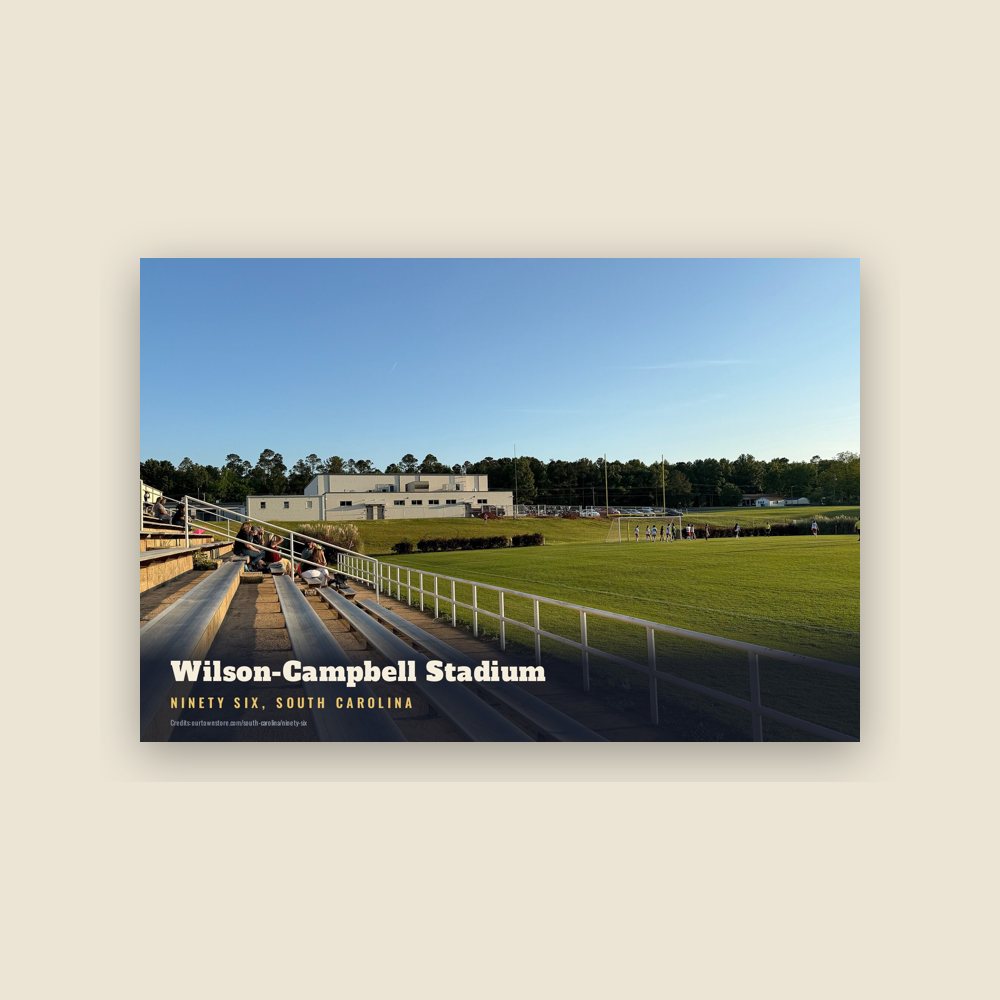
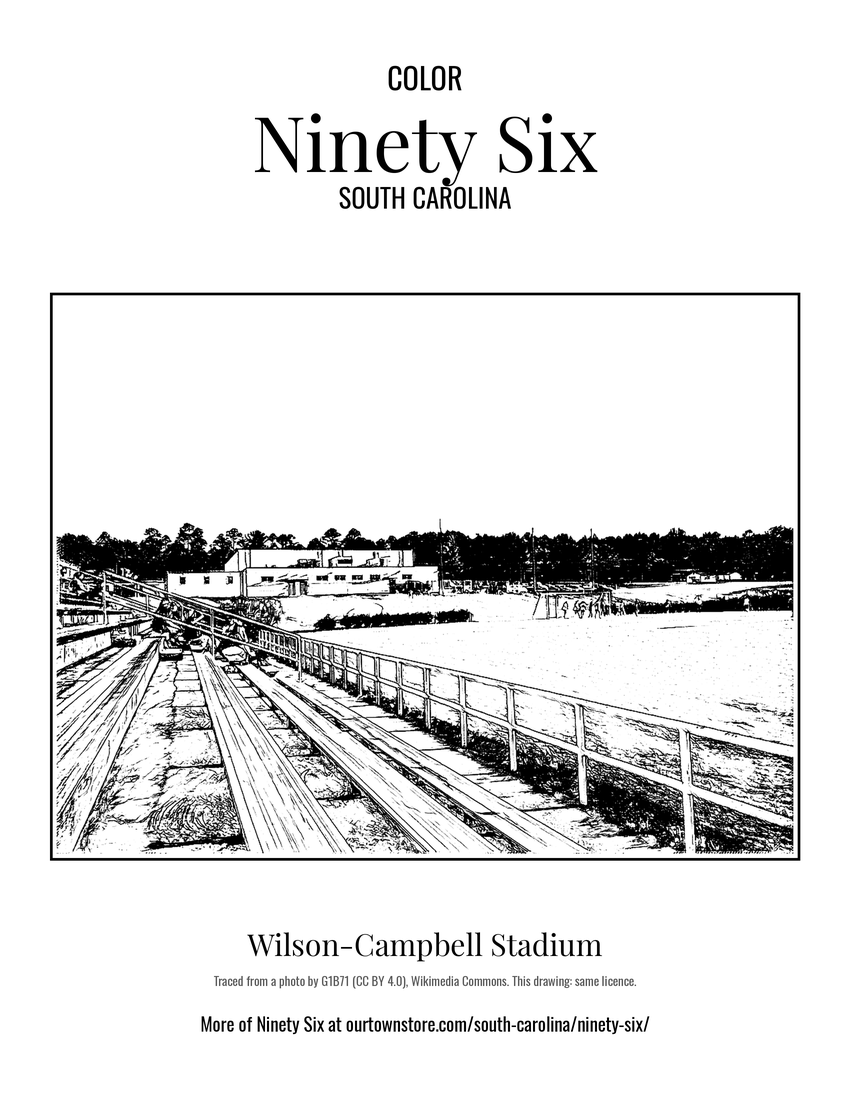 Wilson-Campbell Stadium
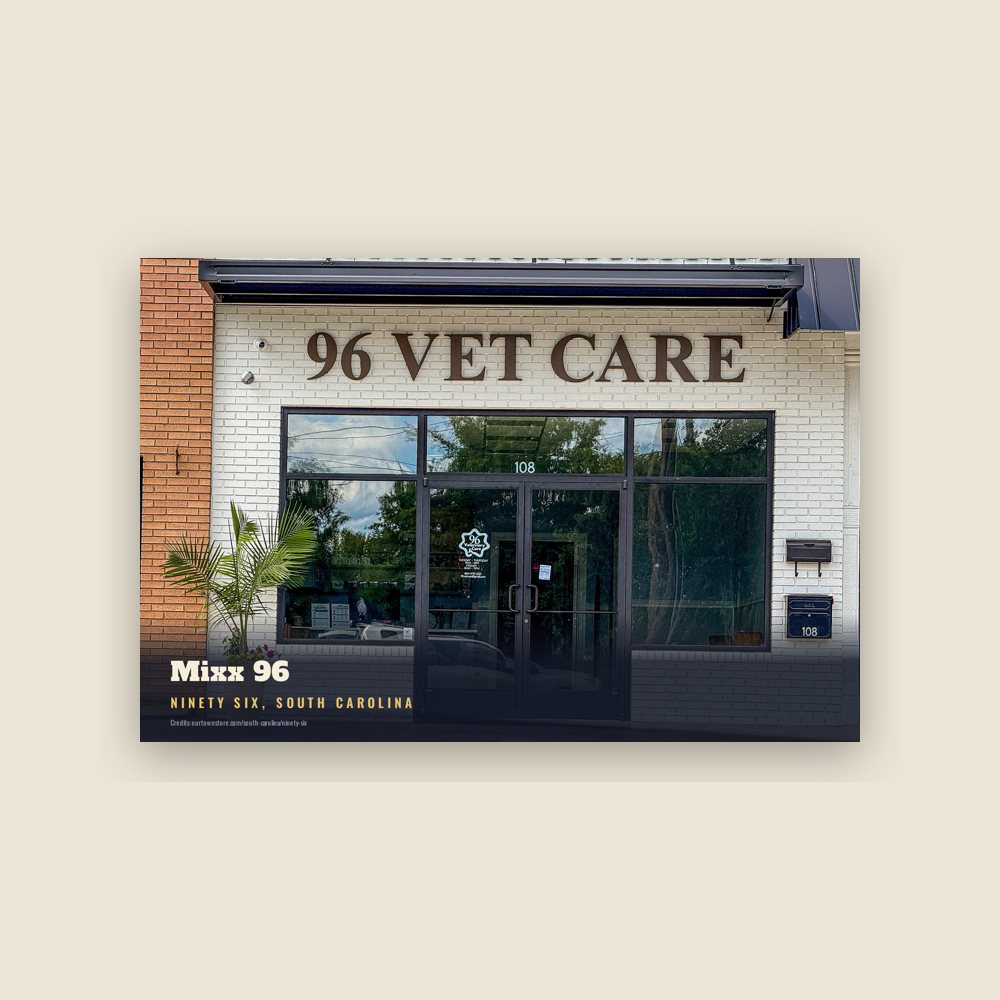
 Mixx 96