A short history of Greer
Greer was named for James Manning Greer, who was Scottish. Many of his descendants still reside in the region. James Manning Greer was a descendant of John Greer Sr., who surveyed his land in Laurens County in 1750. John and his family were already in Laurens County, prior to the Greer passengers who arrived aboard the ship The Falls in 1764. John, Sr.'s great-grandson, James Manning Greer, settled his family near Greenville in an area that eventually became known as Greer's Station.
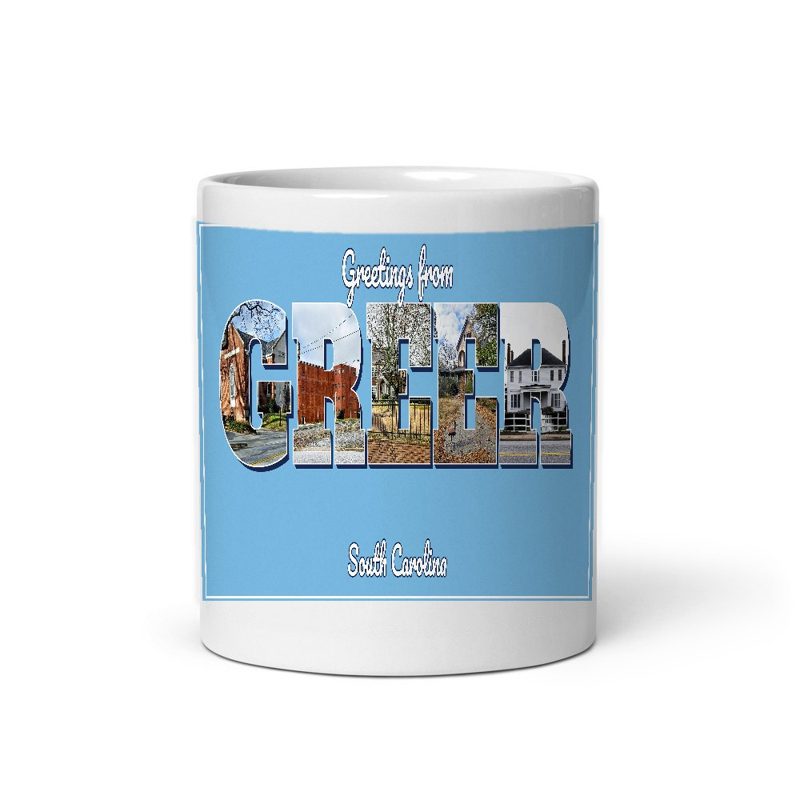
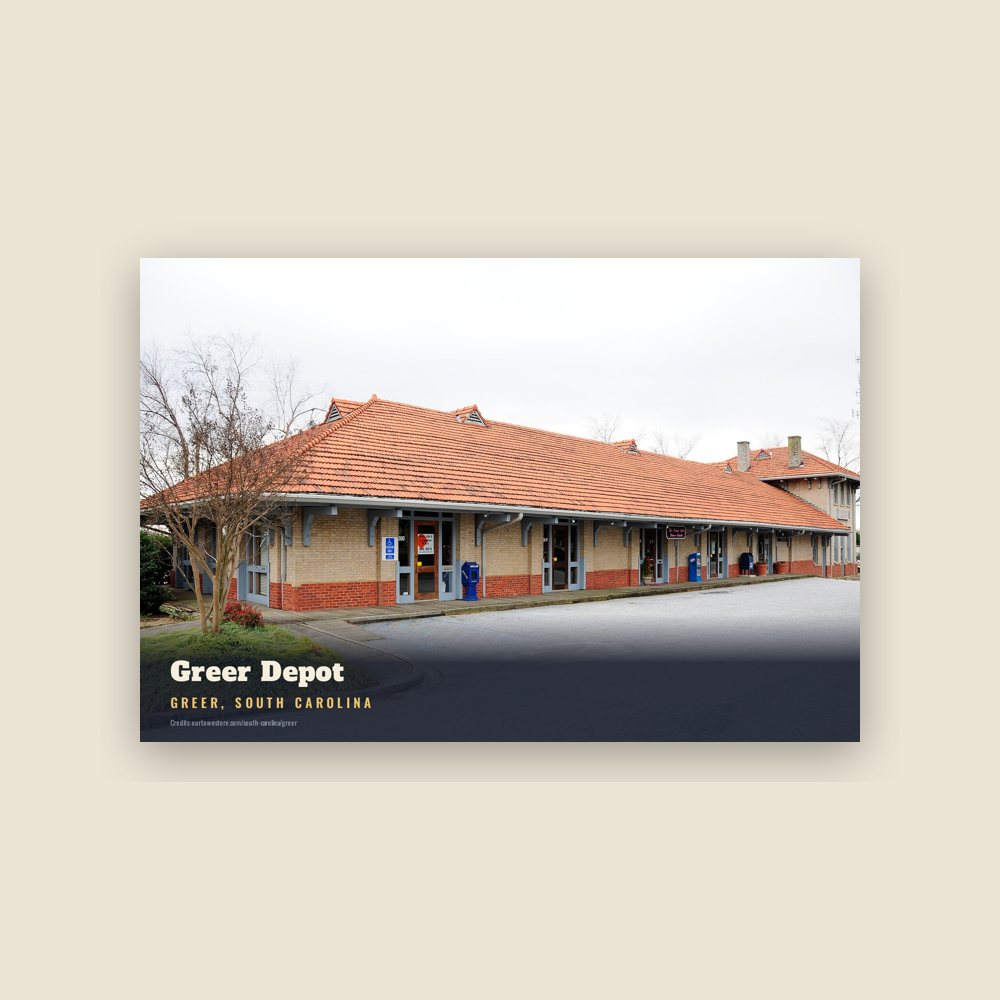
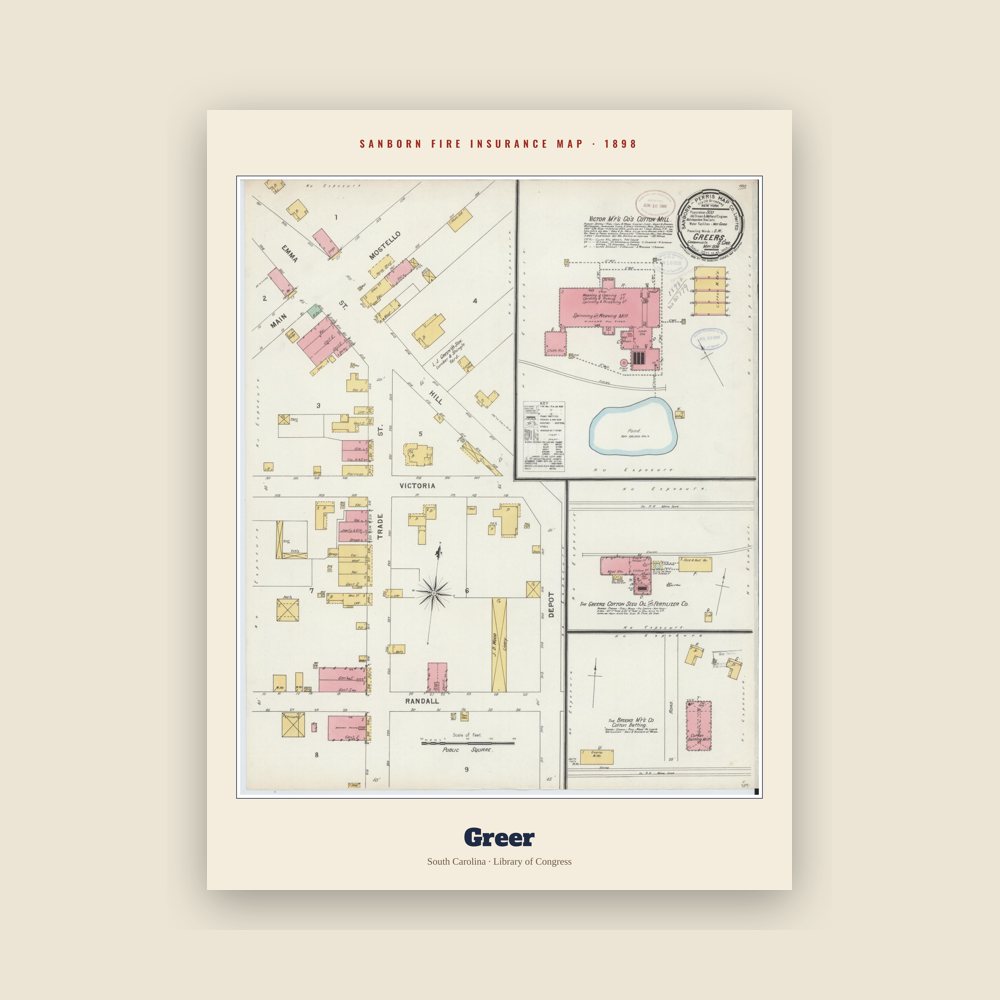
The area now known as Greer was once part of the "Domain of the Cherokees" prior to the American Revolutionary War. In 1777, the area was added to the state of South Carolina. Development toward the birth of the town occurred in 1873, when the Richmond and Danville Air Line Railway (now the Norfolk Southern Railway) established a line between Atlanta and Charlotte. A station was built on land that belonged to James Manning Greer, and was named Greer's Station. The first post office was located in the new depot, Greer's Depot. That depot was a red brick, Victorian structure with a slate roof and a cupola. It was located immediately adjacent to the current Norfolk Southern rail line between Trade Street and Depot Street, facing toward Moore Street. It was demolished in 1976 by its then owner, the Southern Railway System, in order to avoid property taxes. When the town was incorporated in 1876, it was named Town of Greer's. One hundred years later, the name was officially changed to the City of Greer without an "s" on the end.
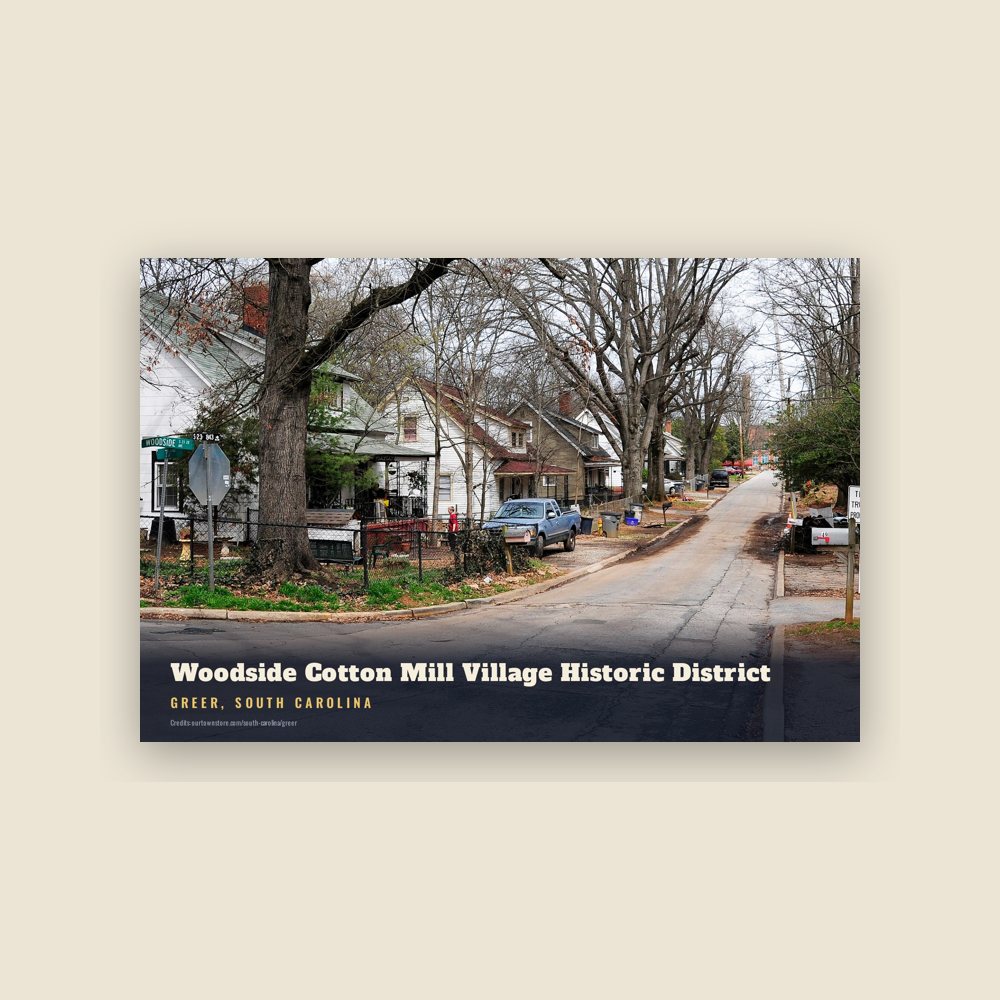
Merchants, blacksmiths and physicians set up shop in what is now the downtown area of Greer. In 1900, Greer's first bank, the Bank of Greer's, opened. The Piedmont and Northern Railway laid a second railroad line through Greer in 1914. With two active train lines, Greer became an attractive site for commerce. The railway meant big business for local farmers, enabling them to ship their crops, mainly cotton and peaches, out of state. Greer also became a textile-manufacturing center, with flourishing mills that included Victor, Franklin, Apalache and Greer Mills. The communities that grew up around the mills were as close-knit as the outlying farming communities.
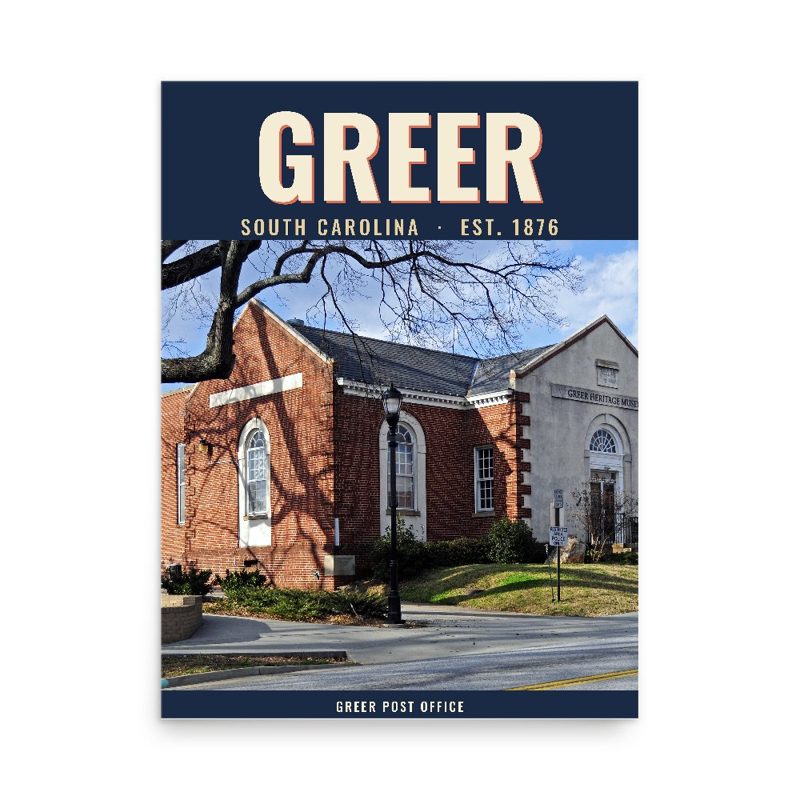
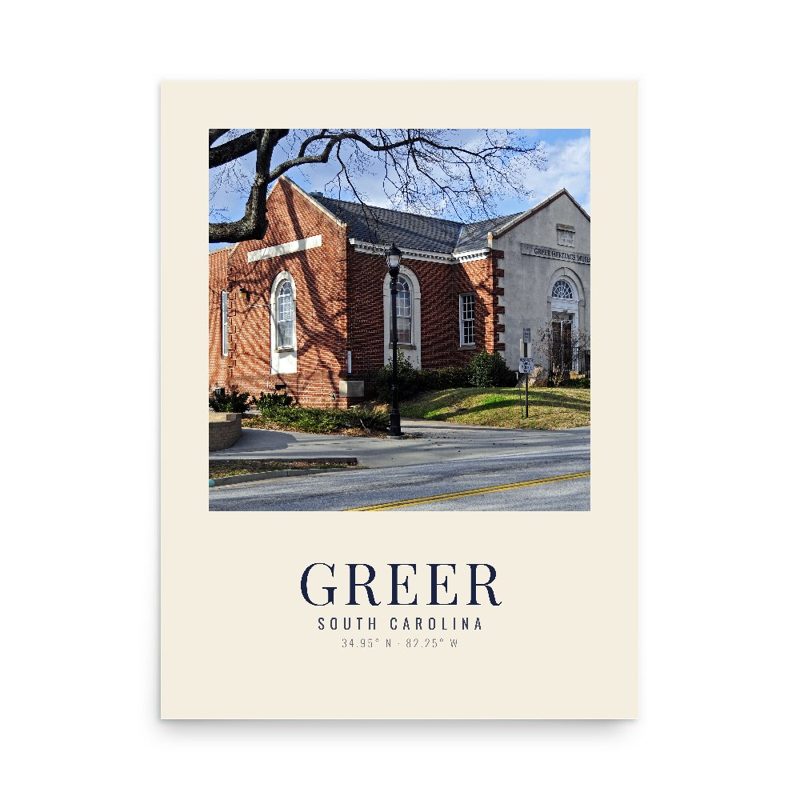
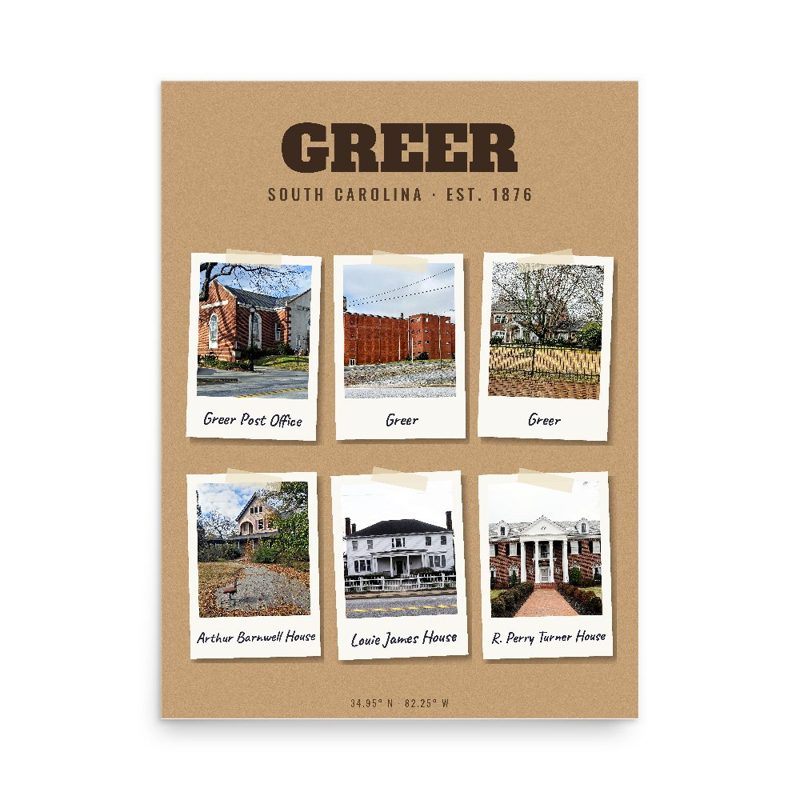
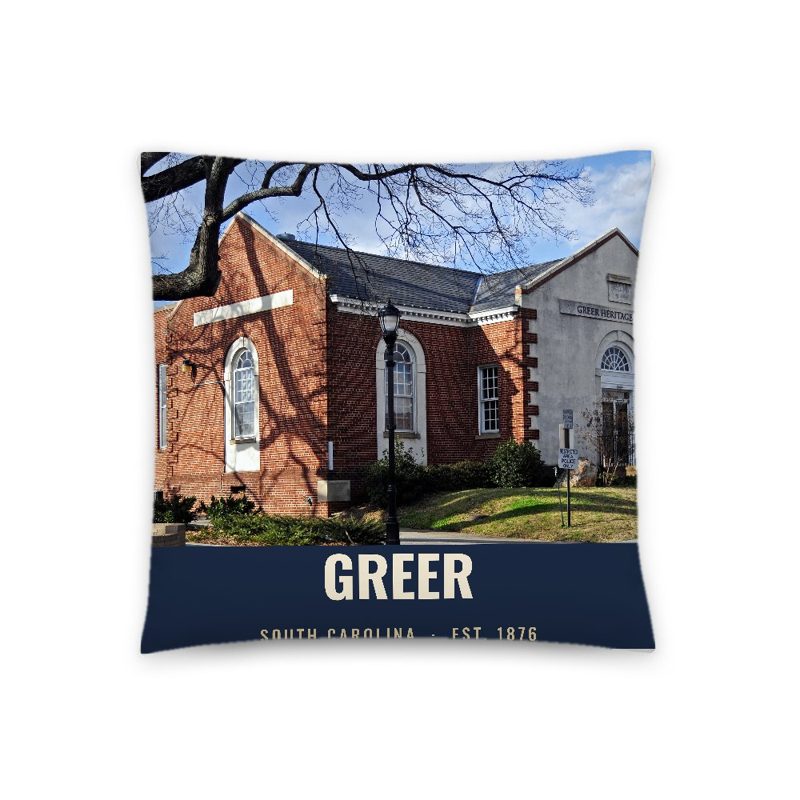
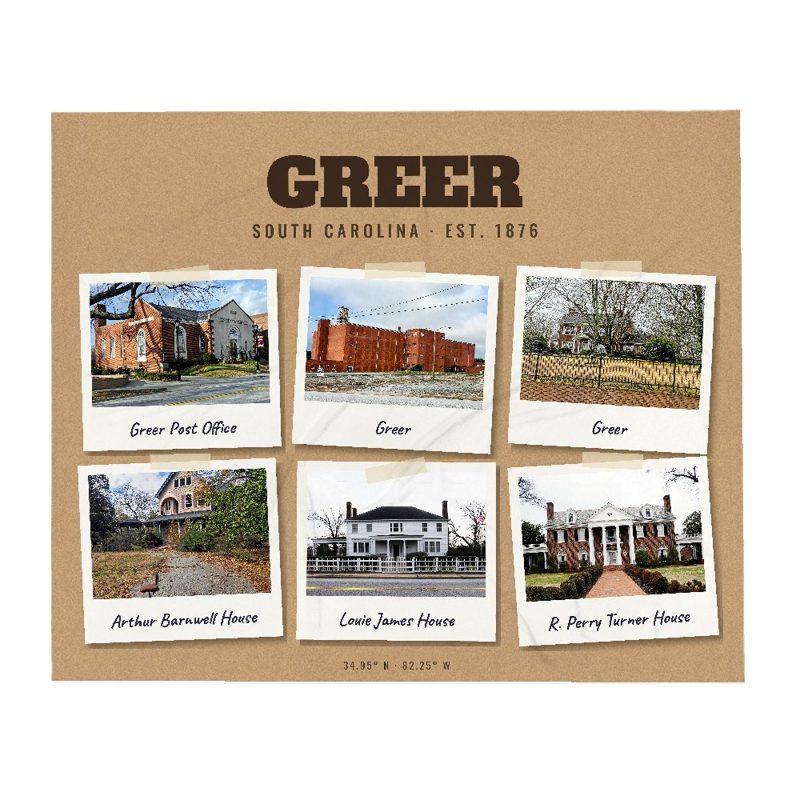
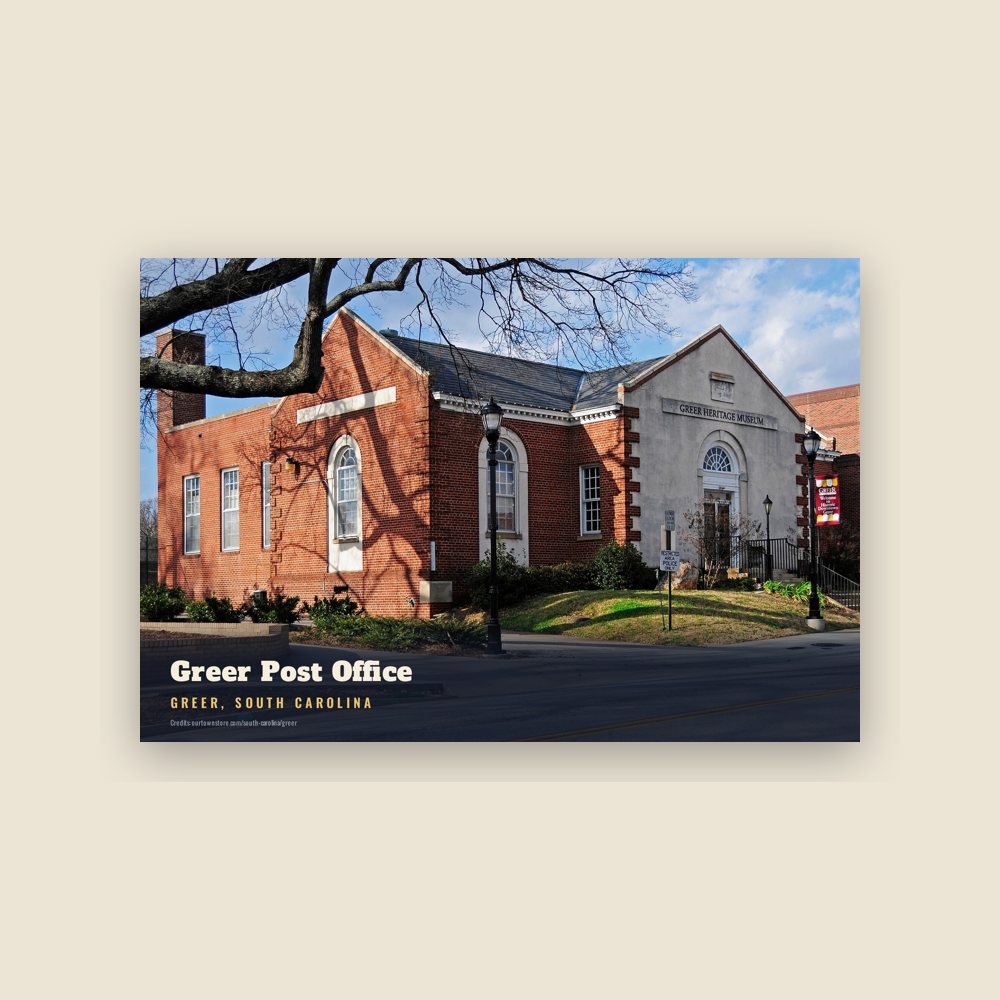
In 1939, artist Winfred Walkley painted a mural, Cotton and Peach Growing, for the town's old post office as one of thirteen works commissioned by the U.S. Treasury Department's Section of Fine Arts between 1938 and 1941 for post offices and federal buildings throughout South Carolina. The building is now home to the Greer Heritage Museum.
After World War II, the city began to grow and diversify its industrial base. A new hospital and high school were built. People came to downtown Greer from Spartanburg and Greenville to shop. In the early 1960s, Interstate 85 was opened, as well as the Greenville-Spartanburg International Airport. Imports derailed the textile industry in the 1970s and threatened to turn Greer into a ghost town, but the citizens of Greer worked together to attract new industry.
Adapted (trimmed) from the Wikipedia article Greer, South Carolina, revision 1383258022 by its contributors, licensed CC BY-SA 4.0.
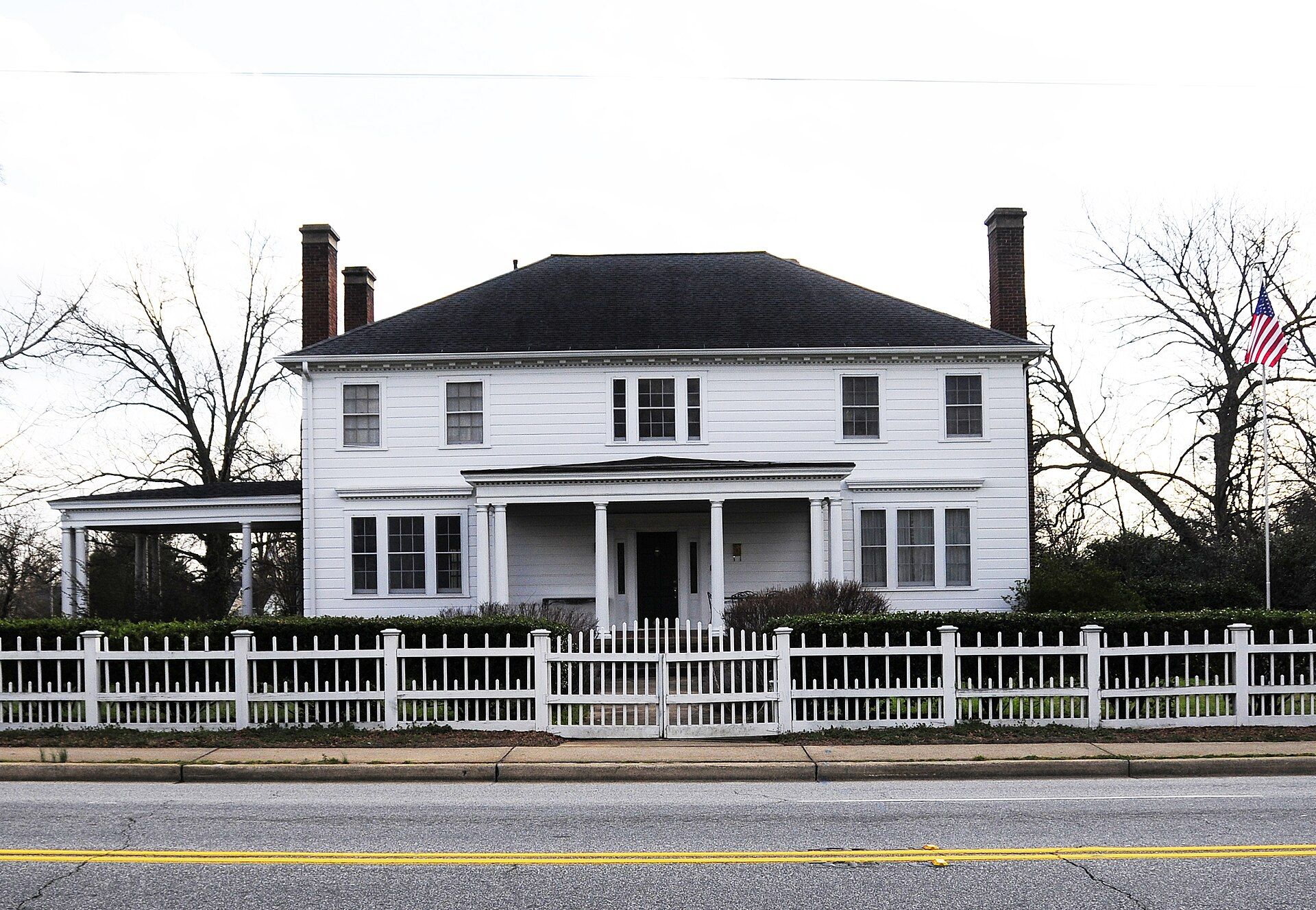
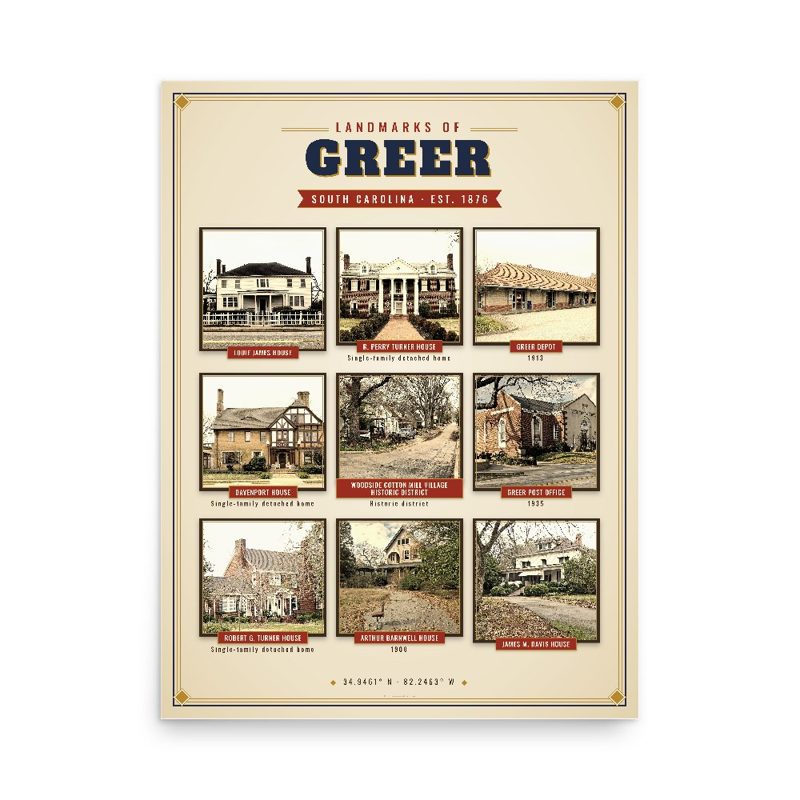
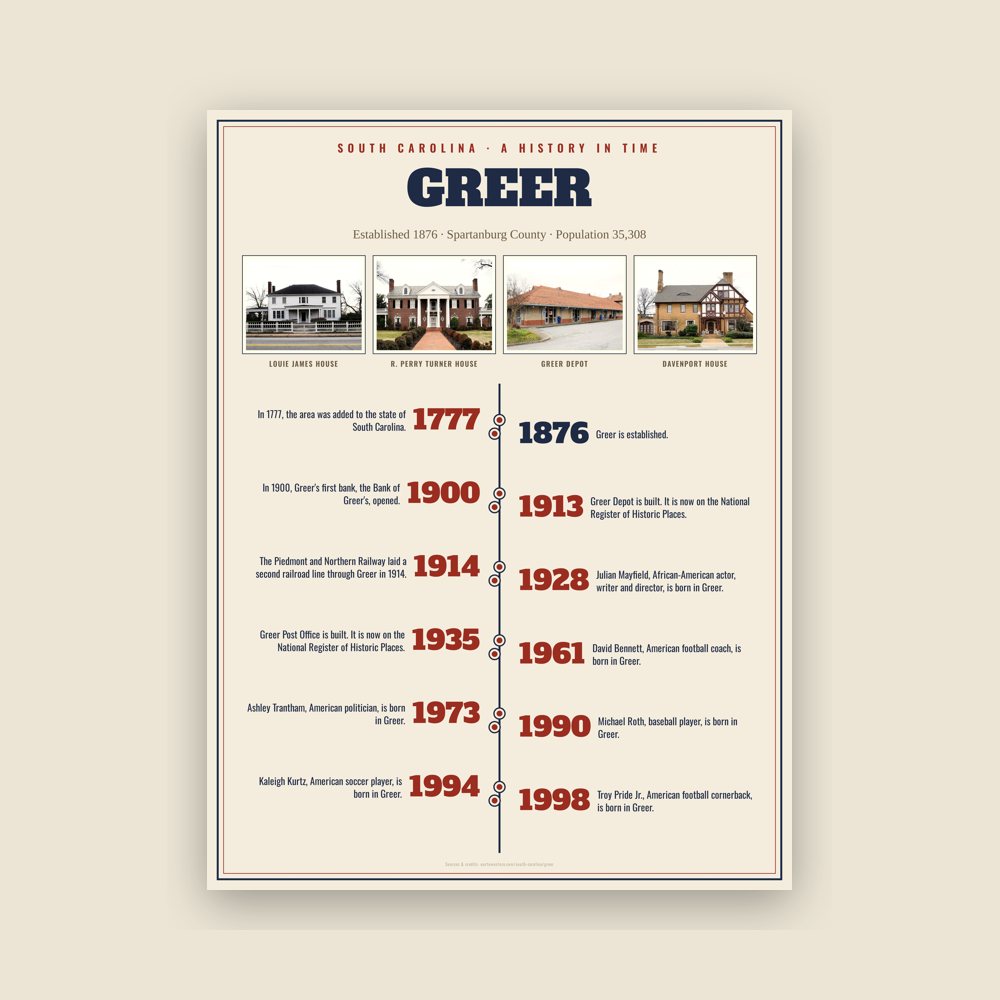
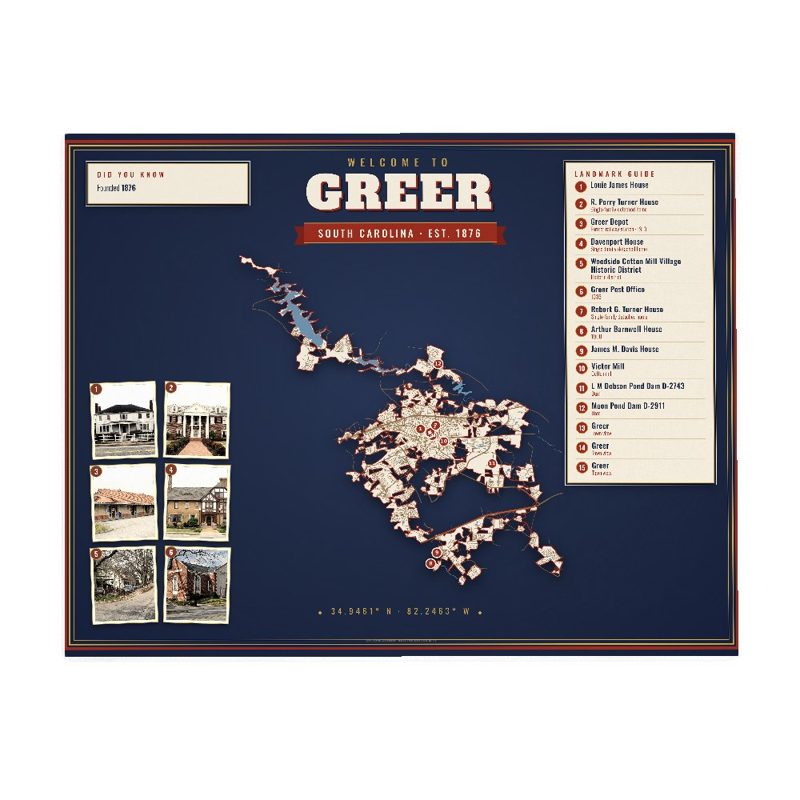






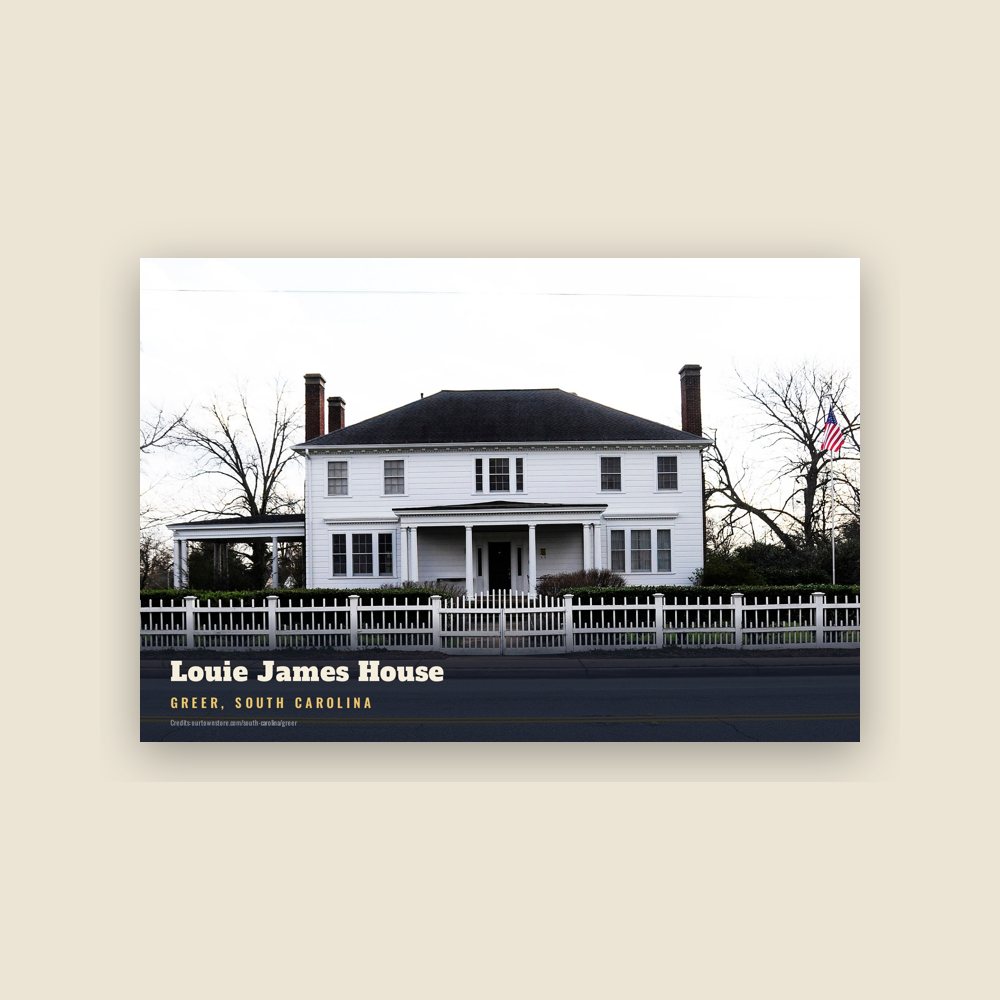
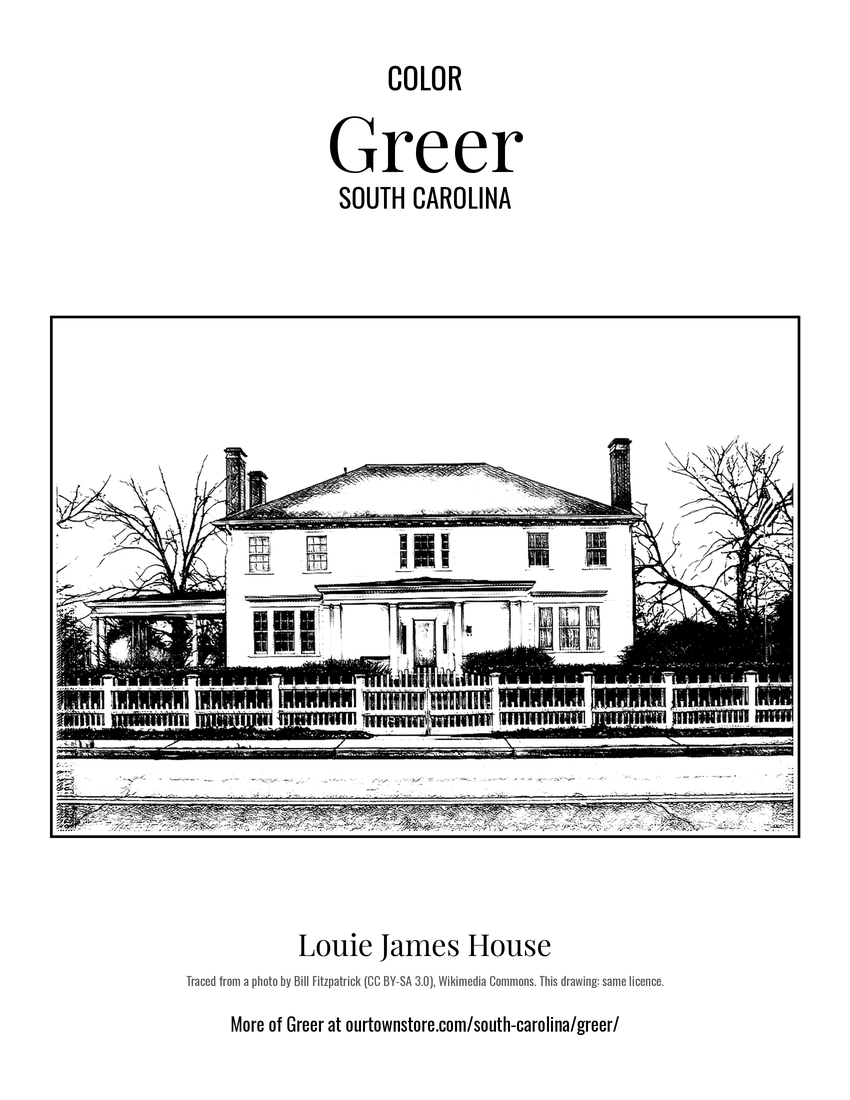 Louie James House
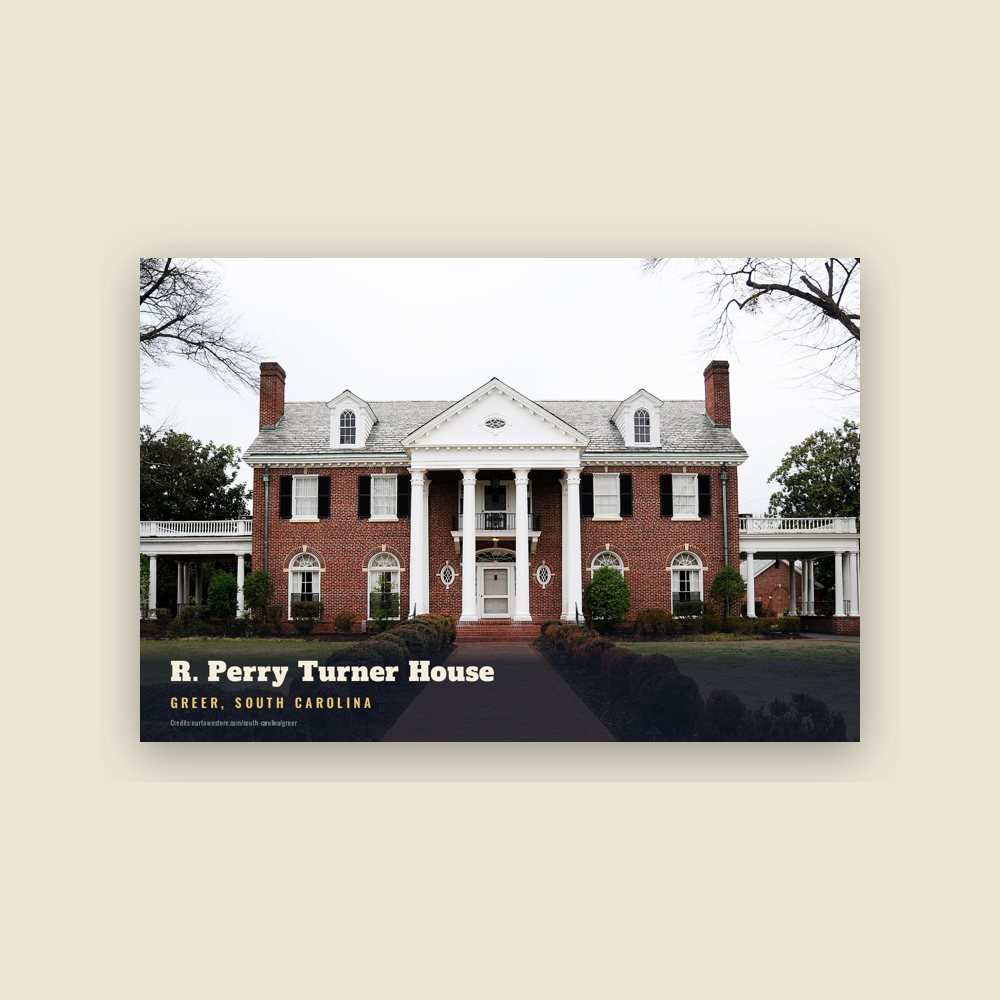
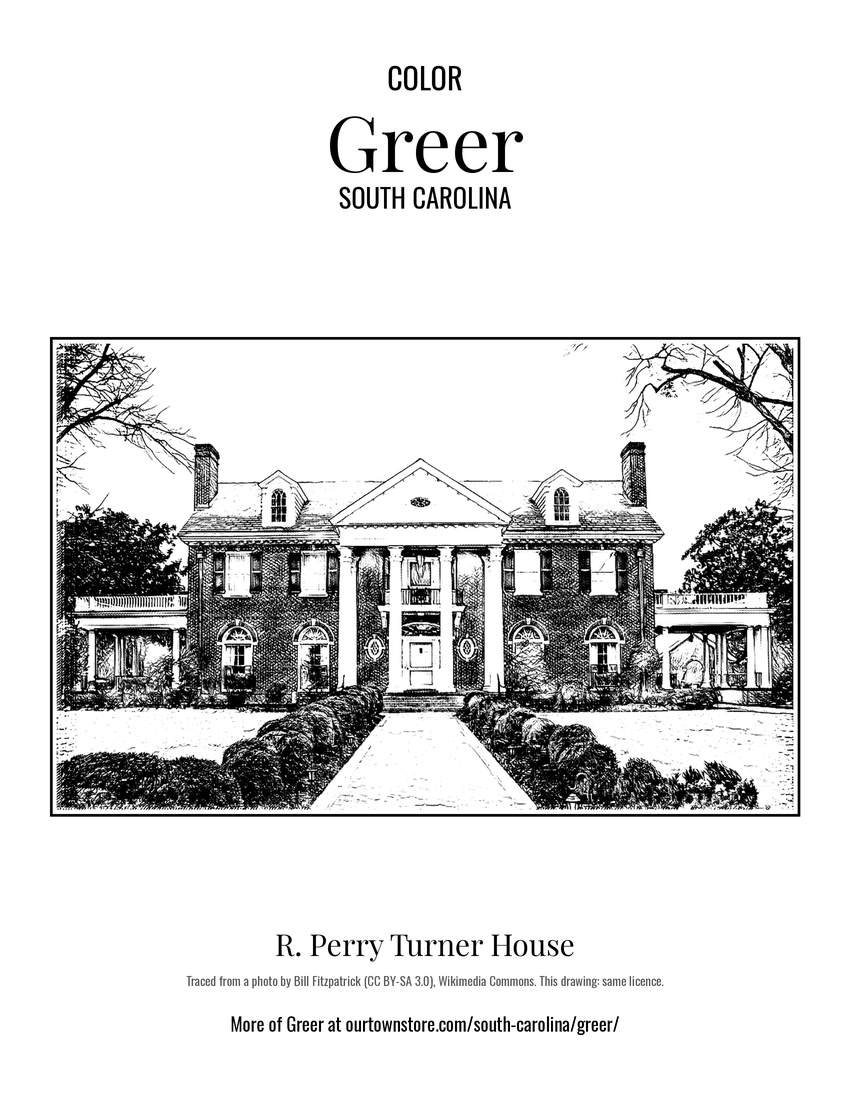 R. Perry Turner House
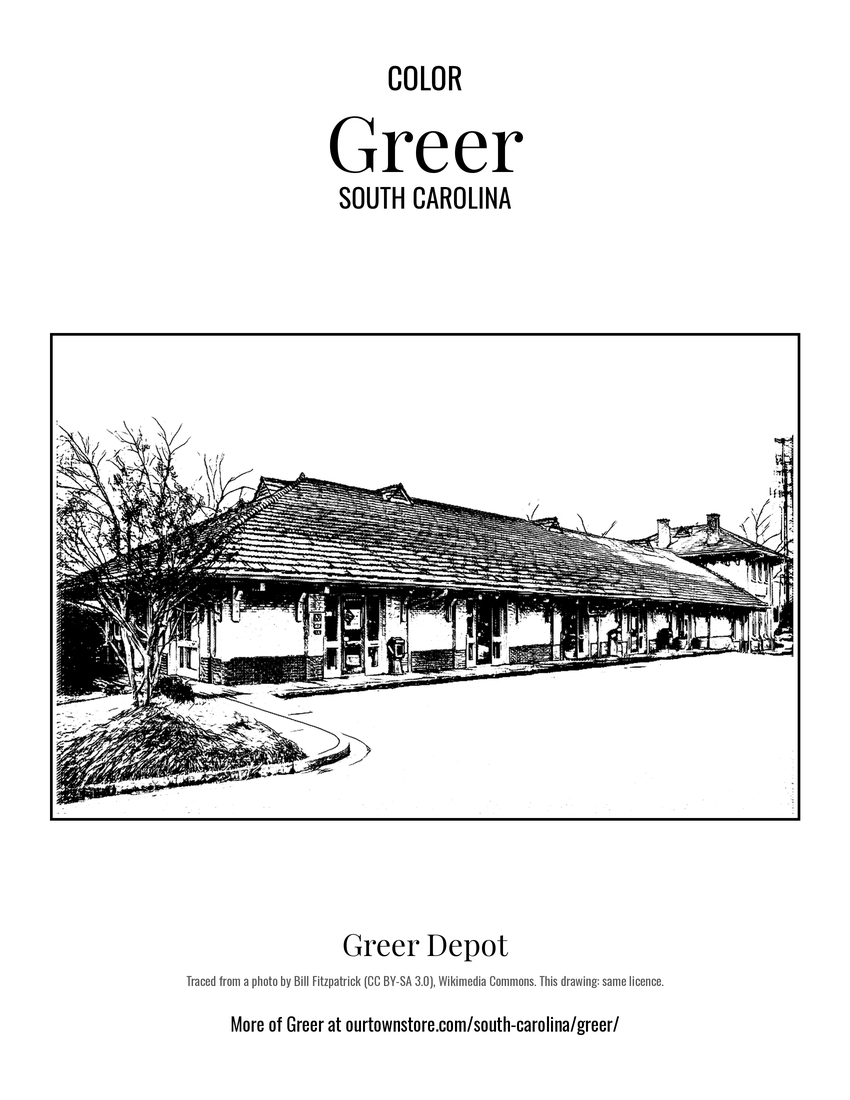 Greer Depot
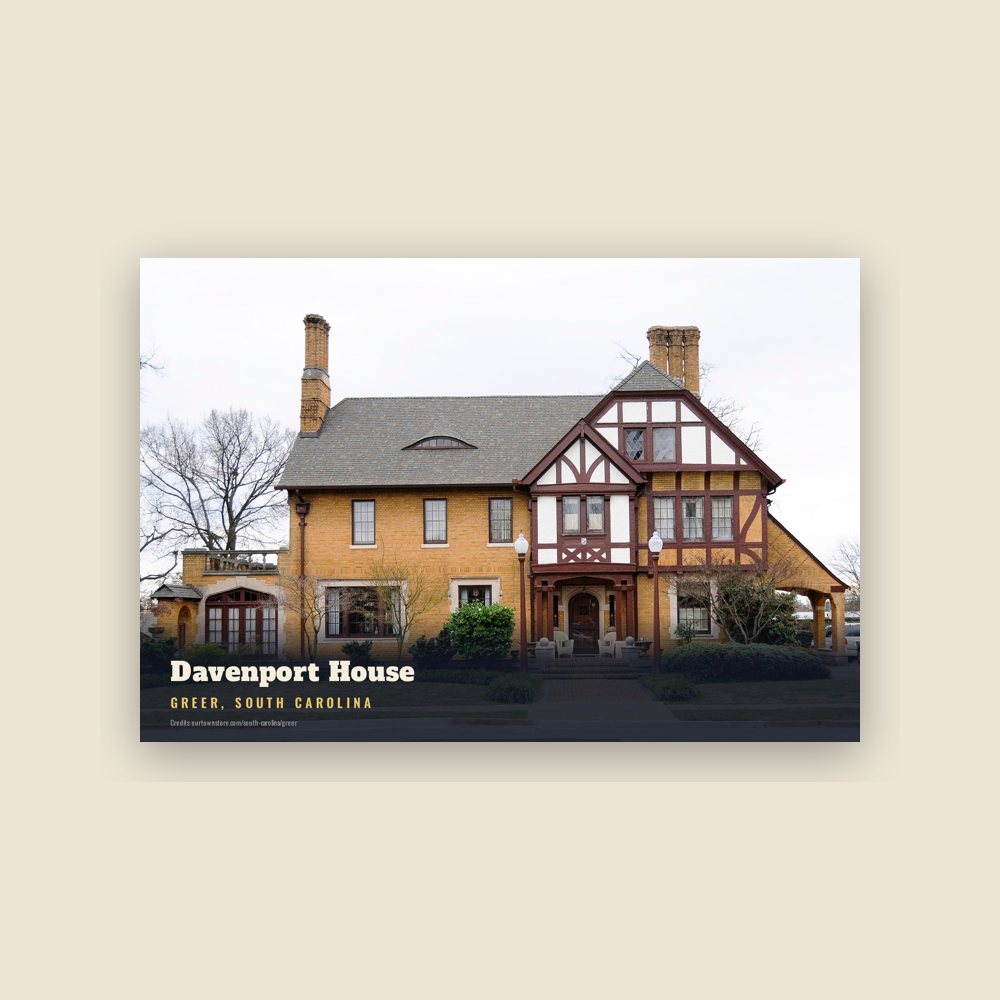
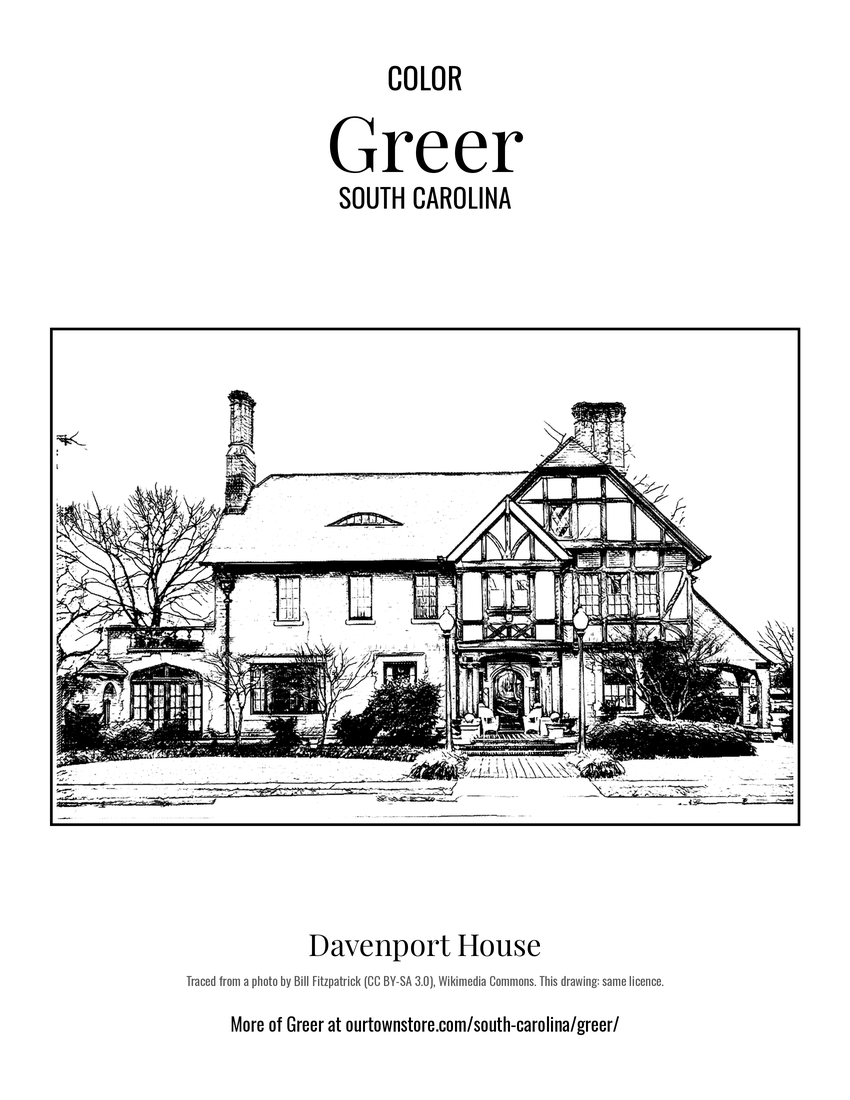 Davenport House