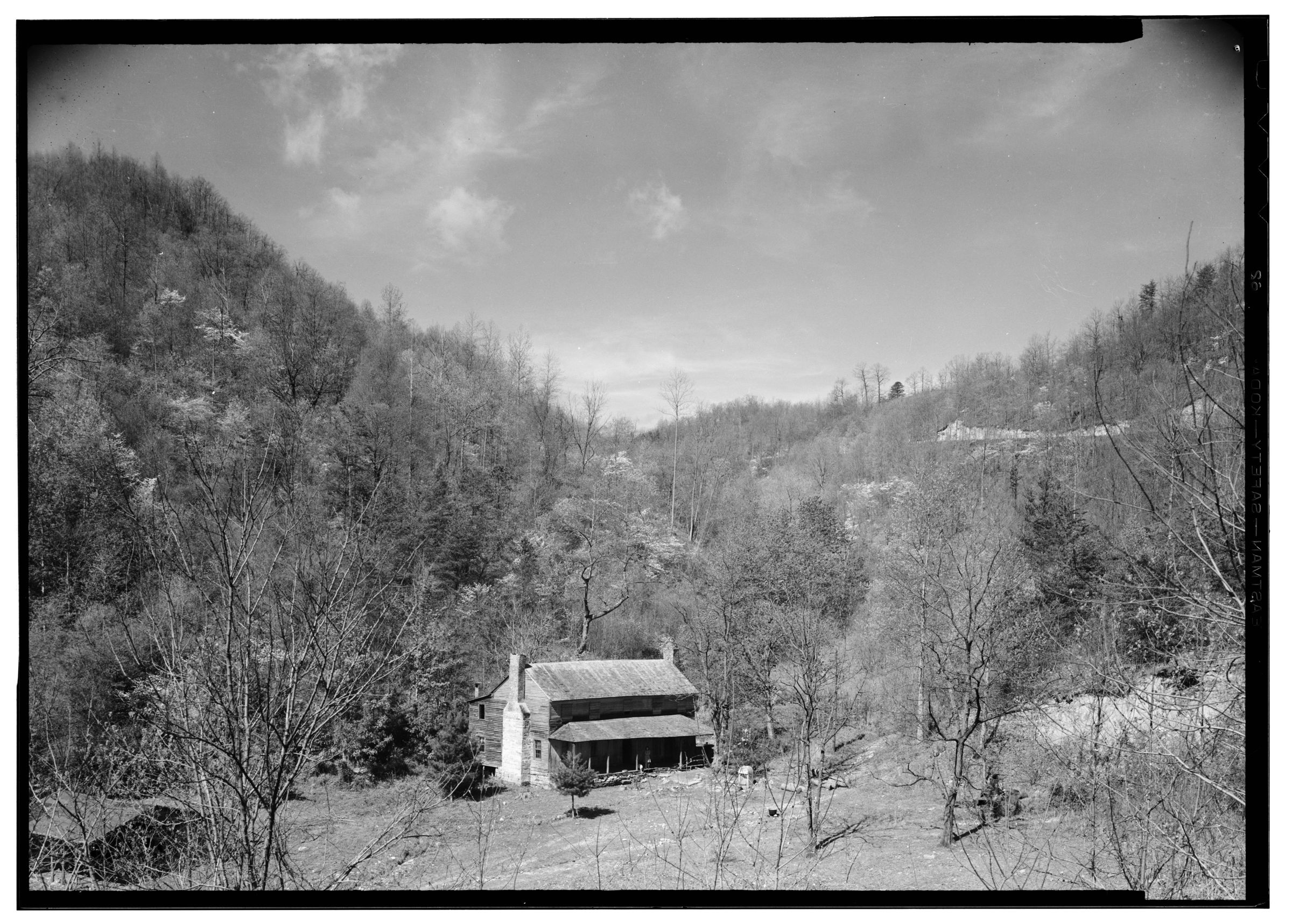
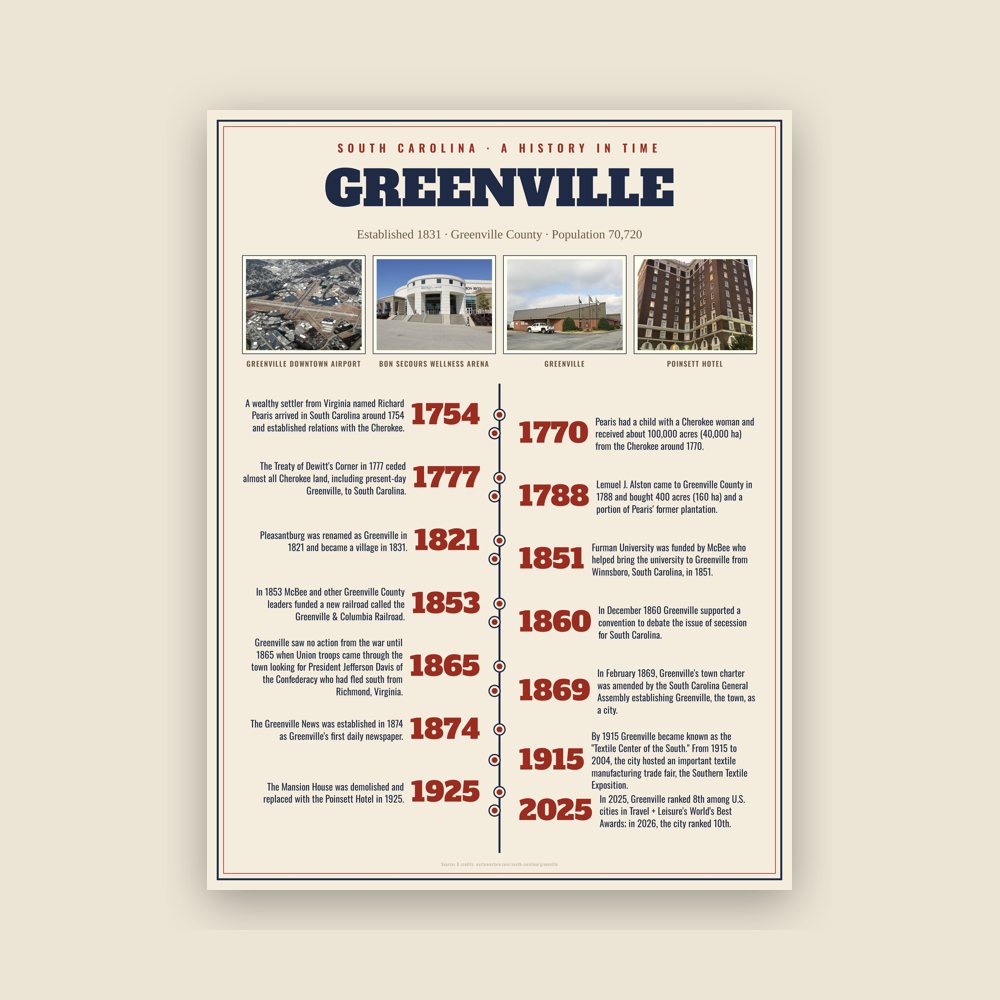
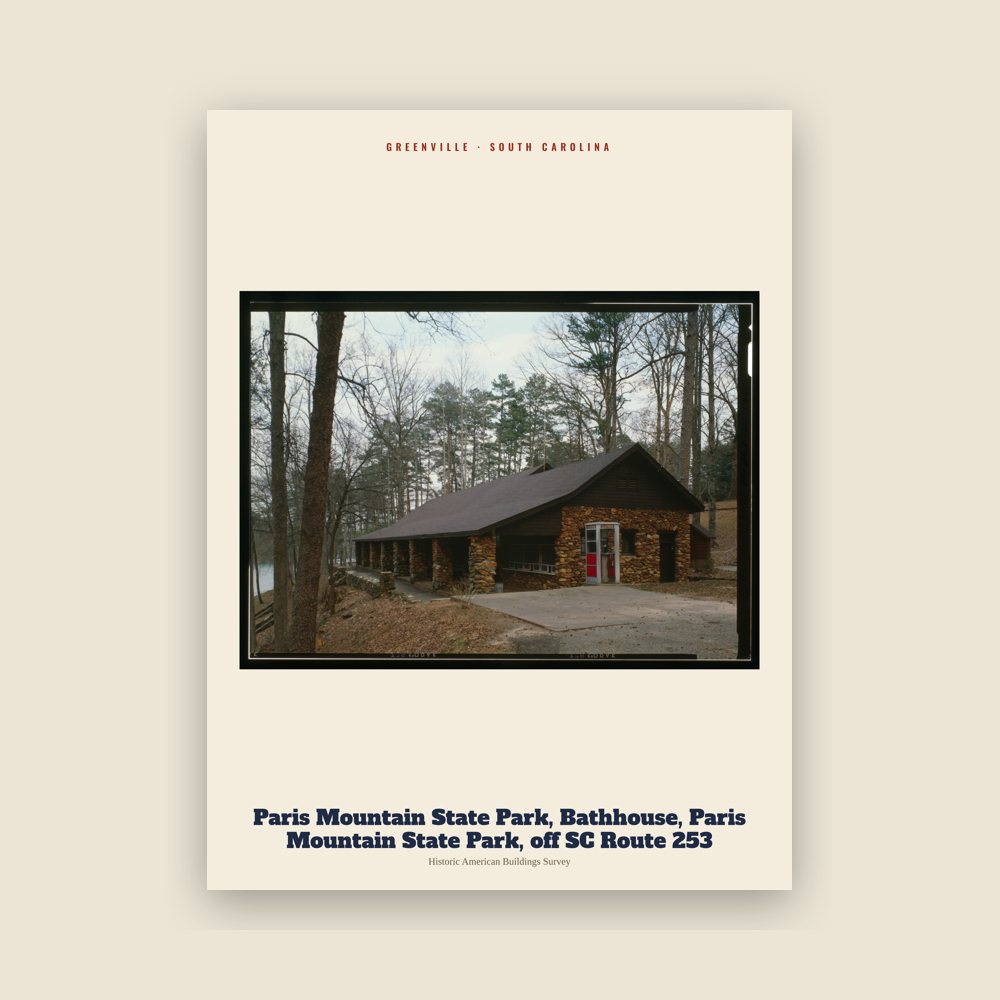
The land of present-day Greenville was once the hunting ground of the Cherokee, which was forbidden to colonists. A wealthy settler from Virginia named Richard Pearis arrived in South Carolina around 1754 and established relations with the Cherokee. Pearis had a child with a Cherokee woman and received about 100,000 acres (40,000 ha) from the Cherokee around 1770. Pearis established a plantation on the Reedy River called the Great Plains in present-day Downtown Greenville. The American Revolution divided the South Carolina country between the Loyalists and Patriots. Pearis supported the Loyalists and together with their allies, the Cherokee, attacked the Patriots. The Patriots retaliated by burning down Pearis' plantation and jailing him in Charleston. Pearis never returned to his plantation but Paris Mountain is named after him. The Treaty of Dewitt's Corner in 1777 ceded almost all Cherokee land, including present-day Greenville, to South Carolina.
Greenville County was created in 1786. Some sources state it was named for its physical appearance, while others say the county is named after General Nathanael Greene in honor of his service in the American Revolutionary War, or after early settler Isaac Green. Lemuel J. Alston came to Greenville County in 1788 and bought 400 acres (160 ha) and a portion of Pearis' former plantation. In 1797, Alston used his land holdings to establish a village called Pleasantburg, where he also built a stately mansion. In 1816, Alston's land was purchased by Vardry McBee, who then leased the Alston mansion for a summer resort before making the mansion his home from 1835 until his death in 1864. Pleasantburg was renamed as Greenville in 1821 and became a village in 1831. Considered to be the father of Greenville, McBee donated land for many structures, such as churches, academies, and a cotton mill. Furman University was funded by McBee who helped bring the university to Greenville from Winnsboro, South Carolina, in 1851. In 1853 McBee and other Greenville County leaders funded a new railroad called the Greenville & Columbia Railroad. Greenville boomed to around 1,000 in the 1850s due to the growth of McBee's donations and the attraction of the town as a summer resort for visitors.
Read the full history
Latter 19th century
In December 1860 Greenville supported a convention to debate the issue of secession for South Carolina. The Greenville District sent James Furman, William K. Easley, Perry E. Duncan, William H. Campbell, and James P. Harrison as delegates for the convention. On December 20, 1860, the South Carolina state convention, along with the Greenville delegation, voted to secede from the Union. Greenville County provided over 2,000 soldiers to the Confederate States Army. The town supplied food, clothing, and firearms to the Confederacy. Greenville saw no action from the war until 1865 when Union troops came through the town looking for President Jefferson Davis of the Confederacy who had fled south from Richmond, Virginia. In June 1865, President Andrew Johnson appointed Greenville County native Benjamin Franklin Perry as Governor of South Carolina.
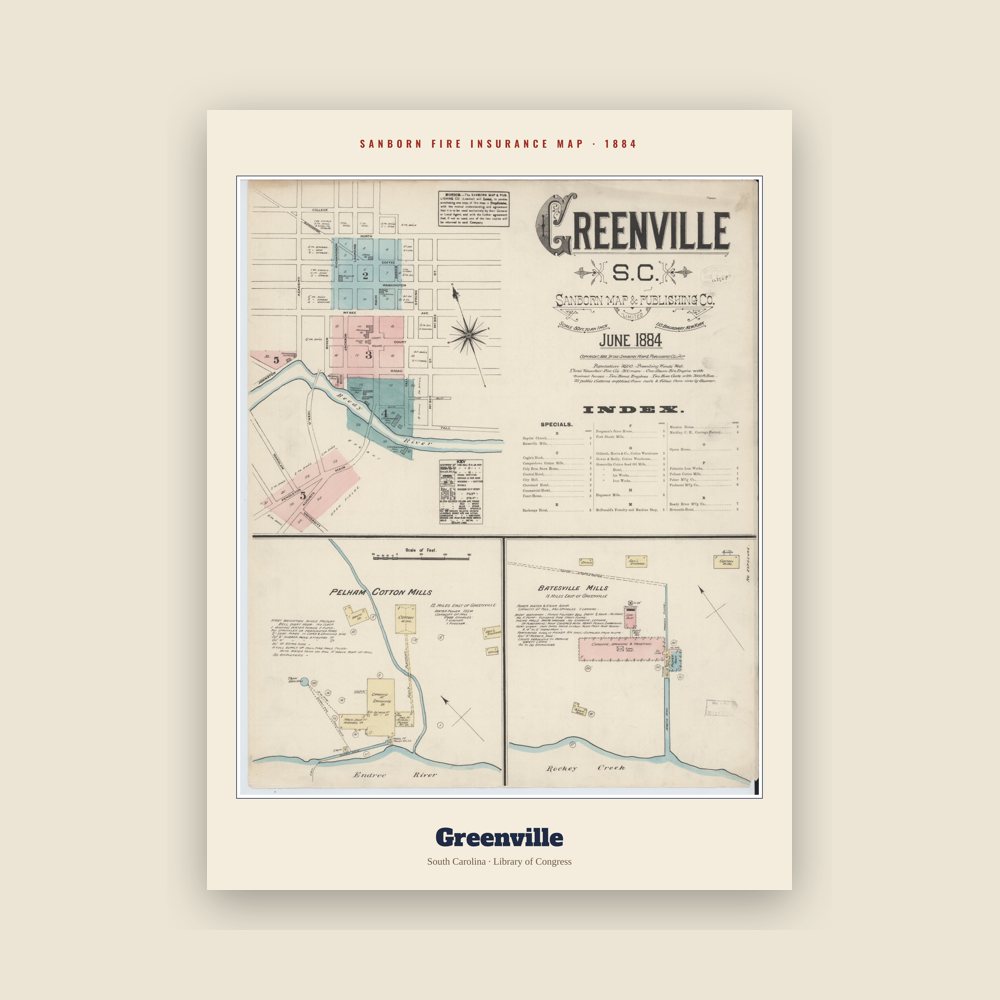
In February 1869, Greenville's town charter was amended by the South Carolina General Assembly establishing Greenville, the town, as a city. Construction boomed in the 1870s which saw the establishment of a bridge over the Reedy River, new mills on the river, and new railroads. The Greenville News was established in 1874 as Greenville's first daily newspaper. Southern Bell installed the first telephone lines in the city. The most important infrastructure that came to the city were cotton mills. Prominent cotton mill businesses operated near Greenville making it a cotton mill town. By 1915 Greenville became known as the "Textile Center of the South." From 1915 to 2004, the city hosted an important textile manufacturing trade fair, the Southern Textile Exposition.
20th century
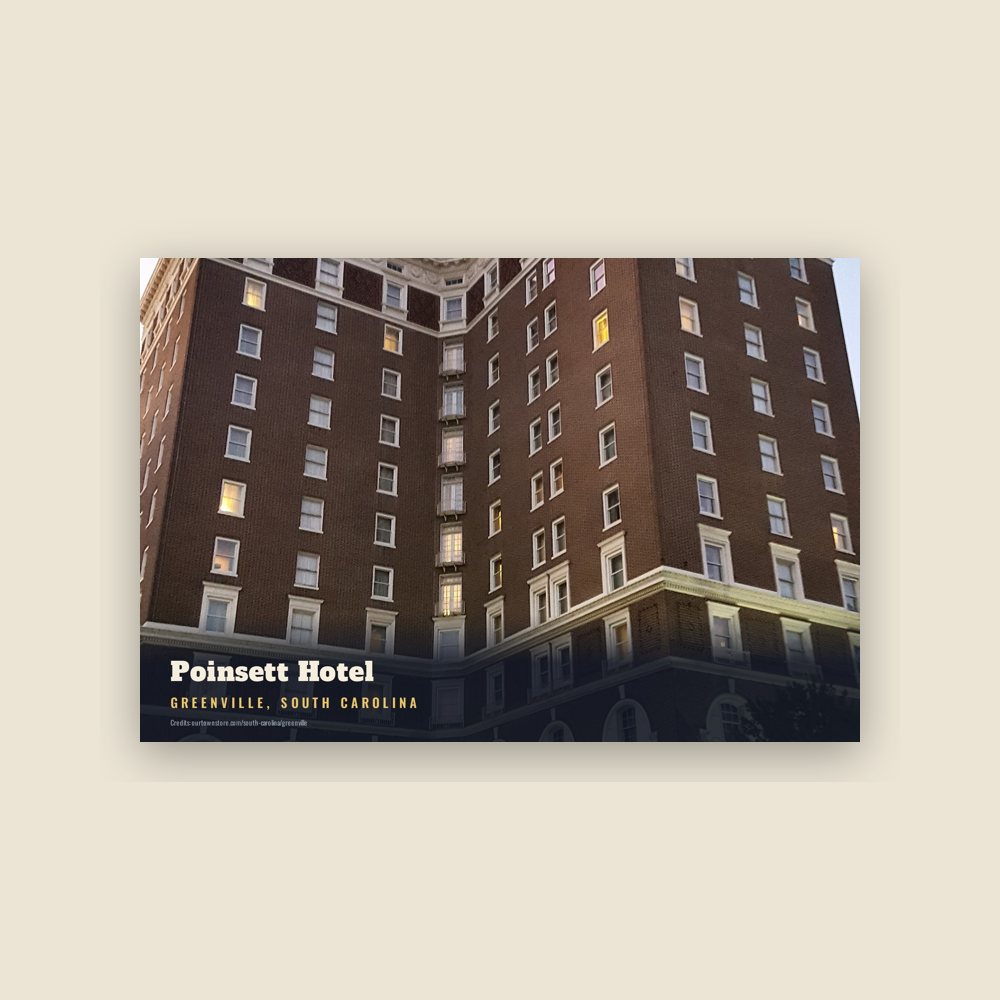
During World War I, Greenville served as a training camp center for US Army recruits. After World War I commercial activity expanded with new movie theaters and department stores. The Mansion House was demolished and replaced with the Poinsett Hotel in 1925. The Great Depression hurt the economy of Greenville forcing mills to lay off workers. Furman University and the Greenville Women's College also struggled in the crippling economy forcing them to merge in 1933. The Textile Workers Strike of 1934 had a major impact in the city and surrounding mill towns, and the National Guard subdued the strike. The New Deal established Sirrine Stadium and a new Greenville High School. The Greenville Army Air Base was established in 1942 during World War II contributing to the further growth of Greenville.
After the war, a November 19, 1946, propane explosion left 6 dead and over 150 injured. The explosion involved a tank containing about 3,500 US gallons (13 m3) of propane and could be heard from Gaffney, 50 miles (80 km) away.
On February 16, 1947, Willie Earle, a black man accused of stabbing a cab driver, was taken from his jail cell by a mob of mostly taxi drivers and murdered. Thirty-one white men were jointly tried for the crime; most of the accused signed confessions, many of them naming Roosevelt Carlos Hurd as the lynch mob leader and the person who ultimately killed Earle with the shotgun. On May 21, 1947, a jury of 12 white men returned verdicts of not guilty for every defendant.
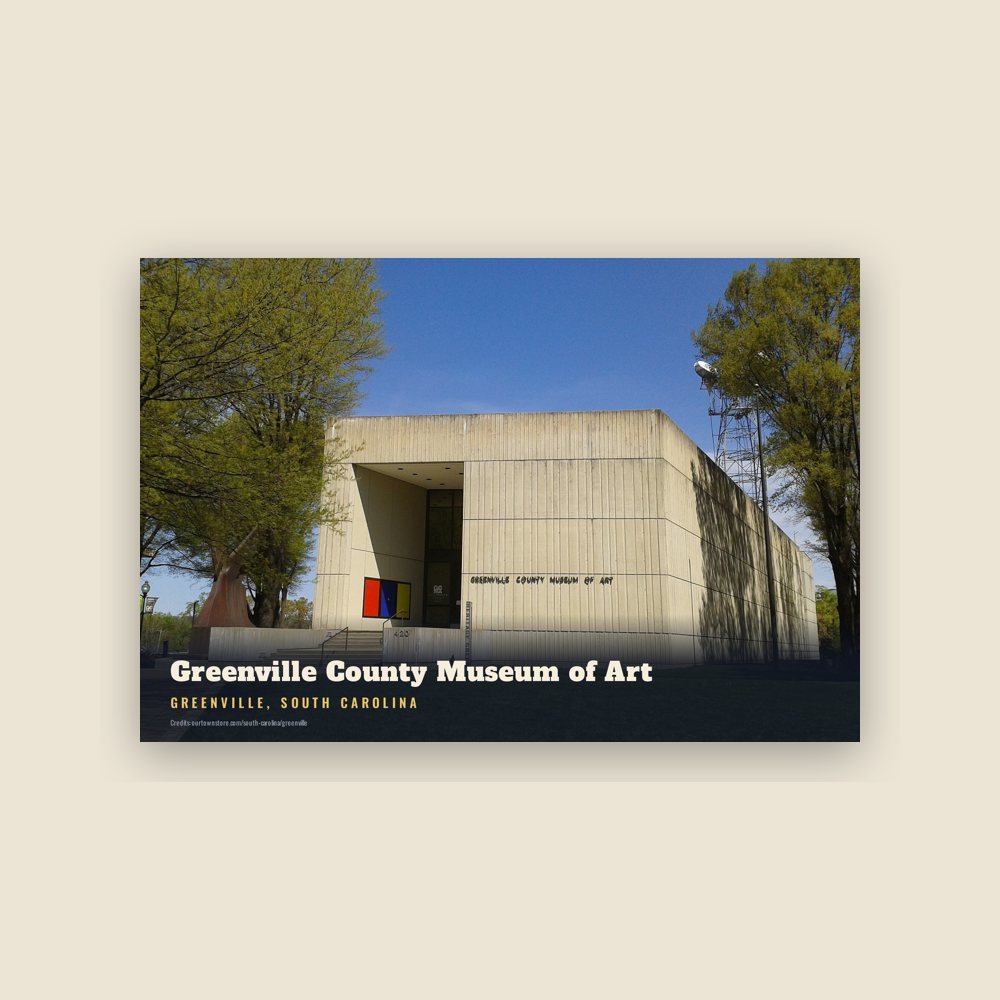
After World War II, Greenville's economy surged with the establishment of new stores and the expansion of the city limits. Furman University doubled its student population and moved to a new location. Higher education facilities such as Bob Jones University in 1947 and Greenville Technical College in 1962 were established in Greenville. The Greenville–Spartanburg International Airport was established in nearby Greer in 1962. The 1966 construction of the Landmark Building added what remains the city's tallest building. Greenville's economy waned in the 1970s, leaving a void due to the flight of many retailers. Mayor Max Heller then began a revitalization with the Greenville County Museum of Art and the Hughes Main Library. Main Street was then converted into a two-lane road lined with trees and sidewalks. With a 1978 federal grant, a convention center and hotel were built, bringing business back to the area.
After a succession of several mayors in the early 1980s, Bill Workman was elected in 1983 and made economic development a priority. He and the chamber of commerce convinced Michelin to move its North America headquarters to Greenville in 1984. Tens of other companies also moved to Greenville in following years, including pulp and paper business Bowater in 1992. The Greenville Municipal Stadium was constructed in 1984. The city acted as developer for the West End Market project, which later brought an arts and entertainment district.
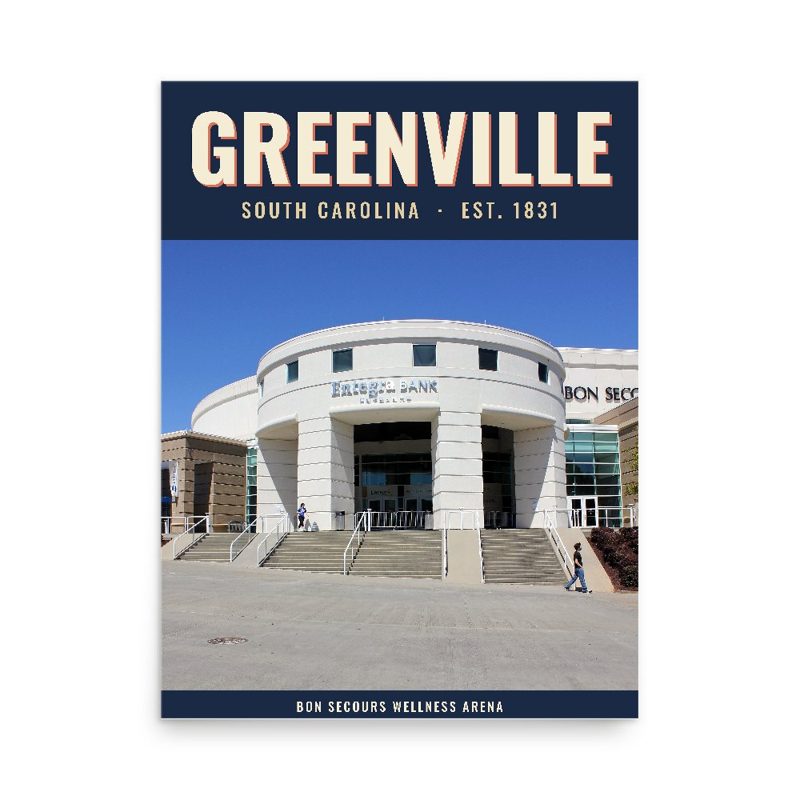
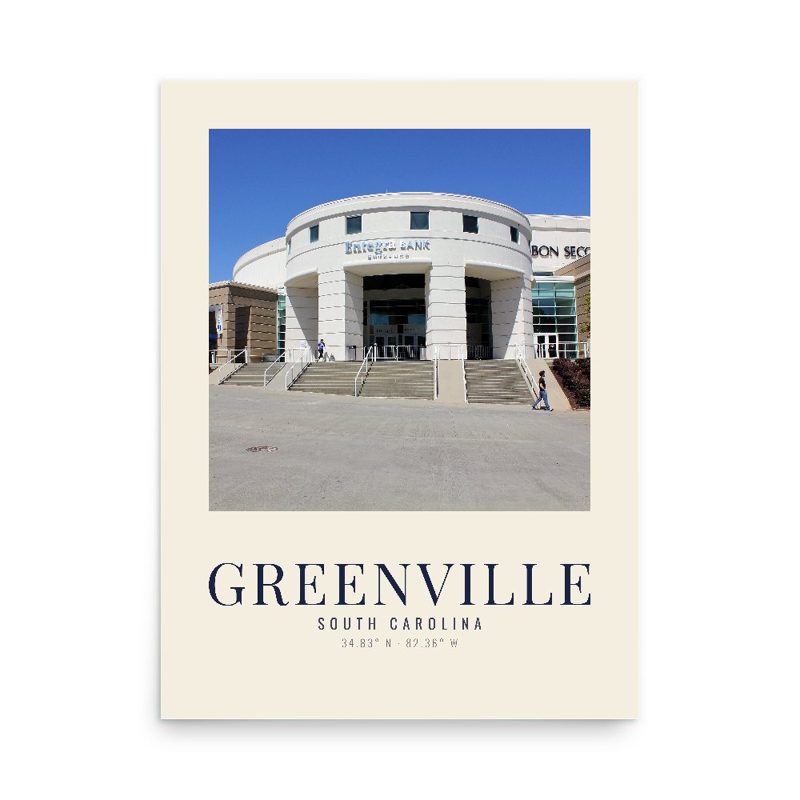
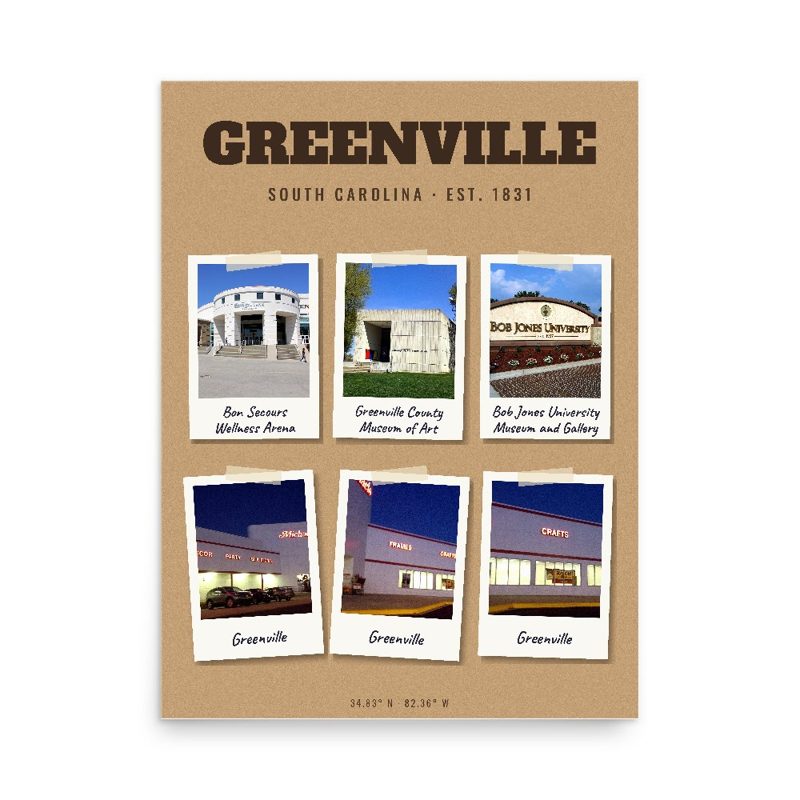
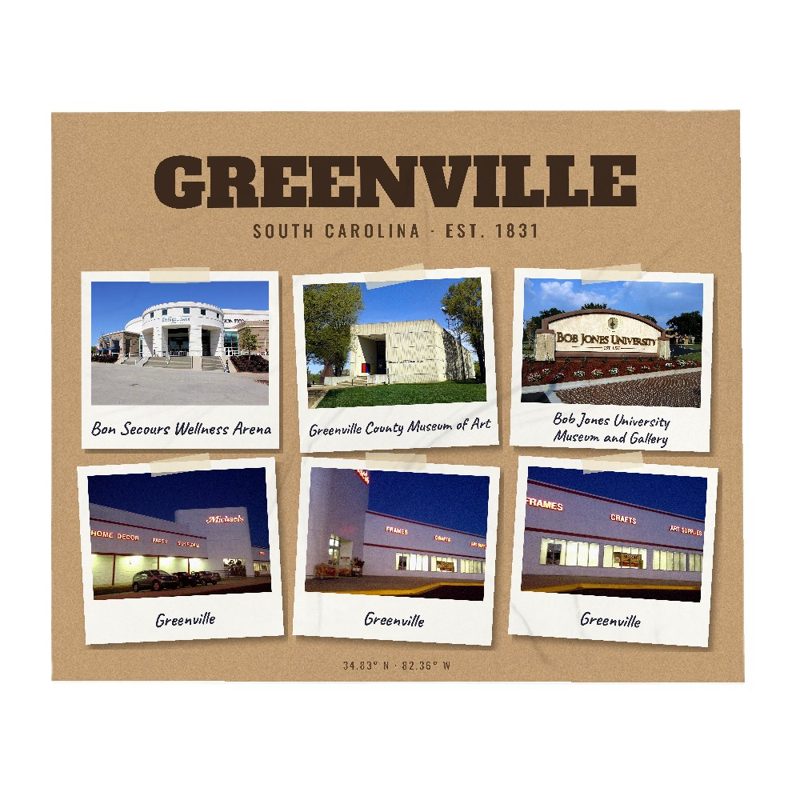
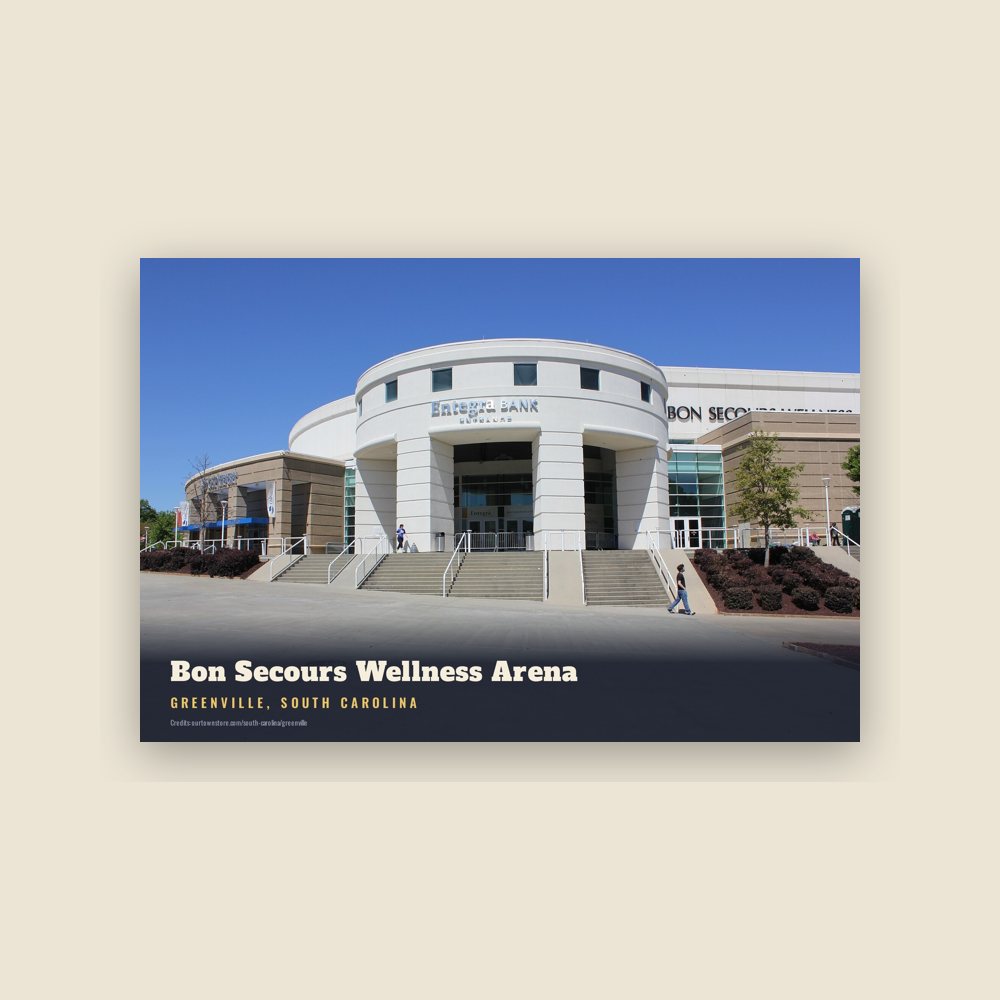
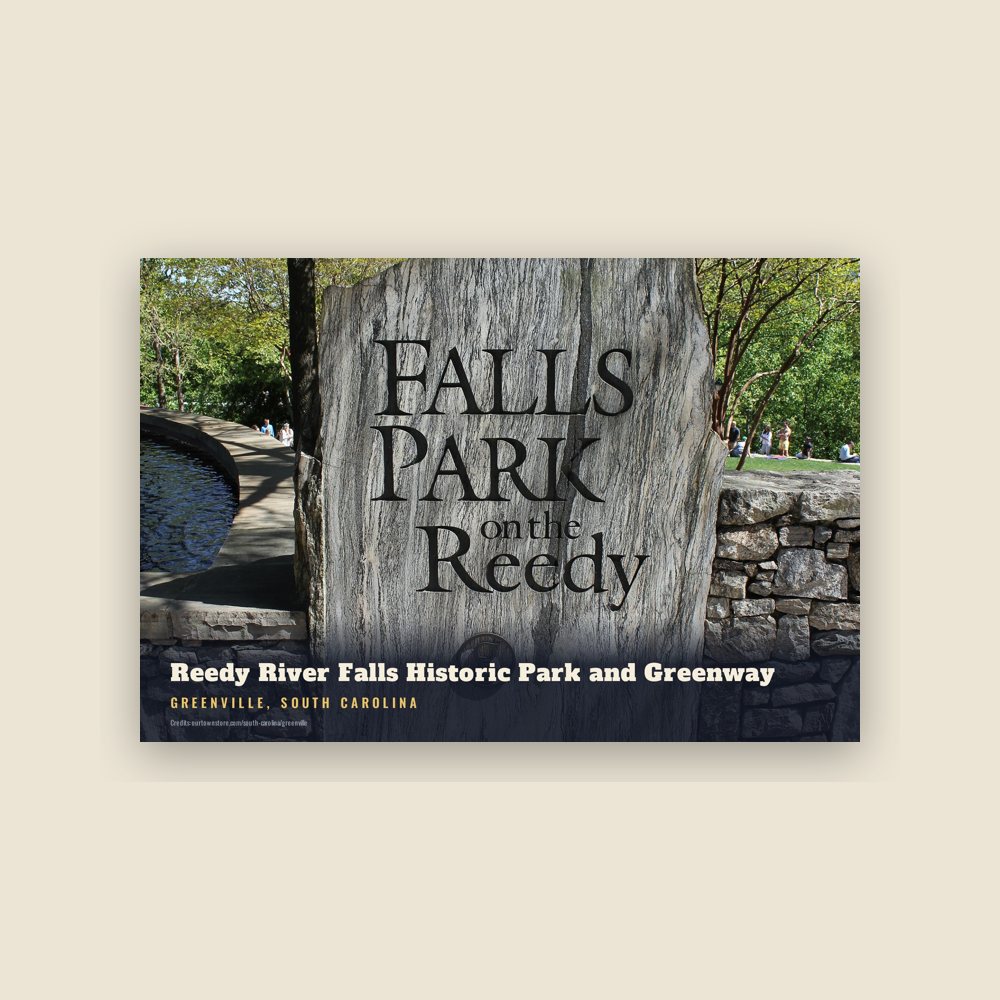
In 1990, the Peace Center arts venue opened in downtown Greenville. In 1994, BMW opened its first manufacturing plant outside Germany between Greenville and Spartanburg. Knox White became mayor in 1995. In 1998, Bon Secours Wellness Arena replaced Greenville Memorial Auditorium as an entertainment arena. The Poinsett Hotel was renovated in the late 1990s with Poinsett Plaza at its entryway, and the Camperdown Bridge that had crossed Reedy Falls for four decades was removed and replaced with a renovated Falls Park.
21st century
During the 2000s, thousands of people started moving to Greenville. Liberty Bridge at Falls Park was completed in 2004 and became a major landmark. Greenville has continued to evolve and grow with over 70,000 residents in its city limits as of 2020. Its growth has also improved the popularity of close cities such as Simpsonville, Mauldin, and Fountain Inn. Under the leadership of Knox White, the Swamp Rabbit Trail was opened in 2010. It is an old railroad converted into a path that attracts hundreds of thousands of tourists every year. In 2025, Greenville ranked 8th among U.S. cities in Travel + Leisure's World's Best Awards; in 2026, the city ranked 10th.
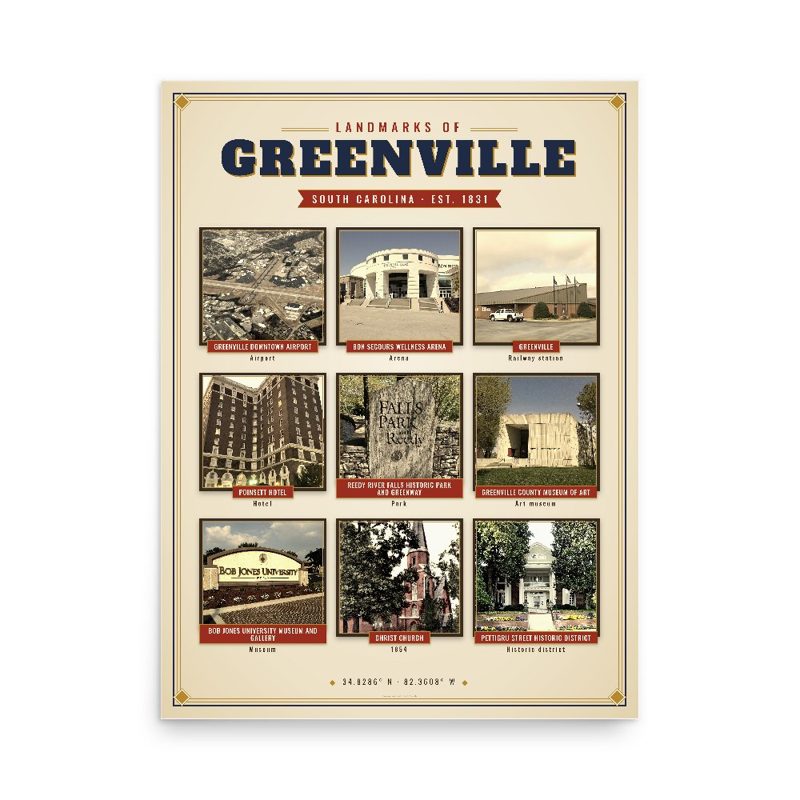
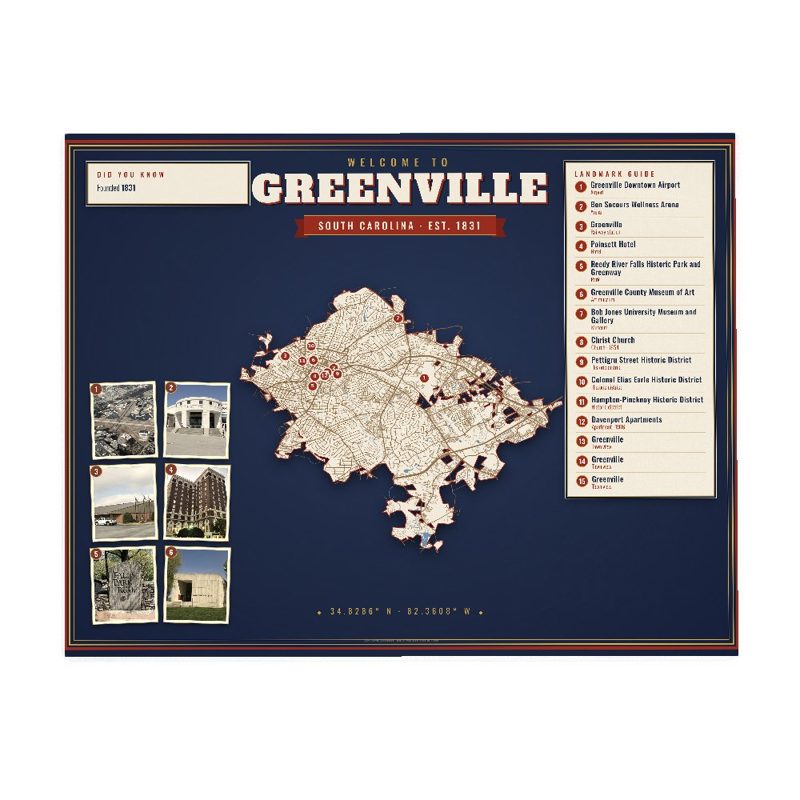

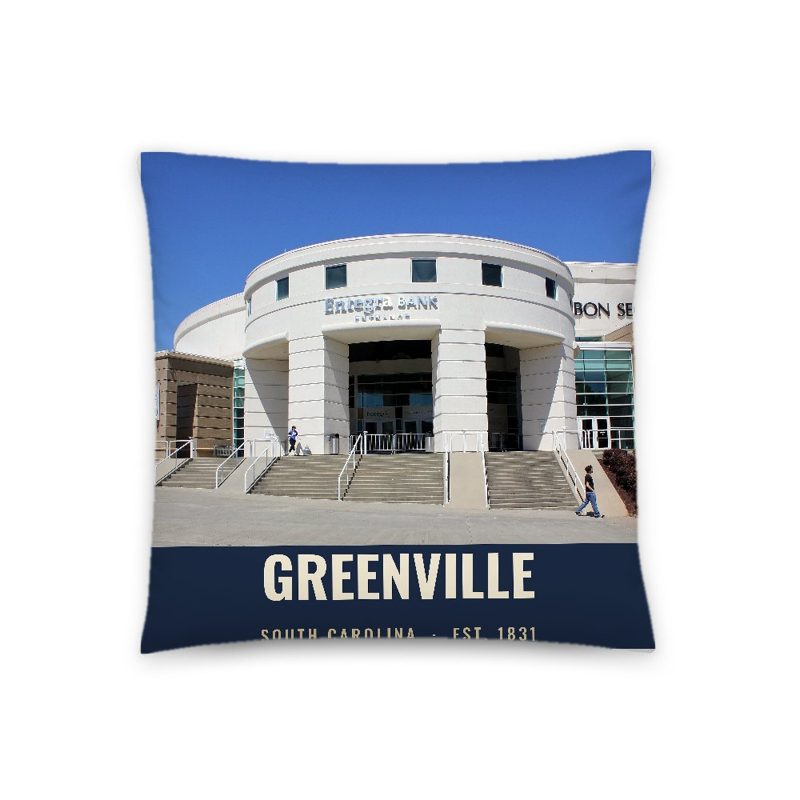
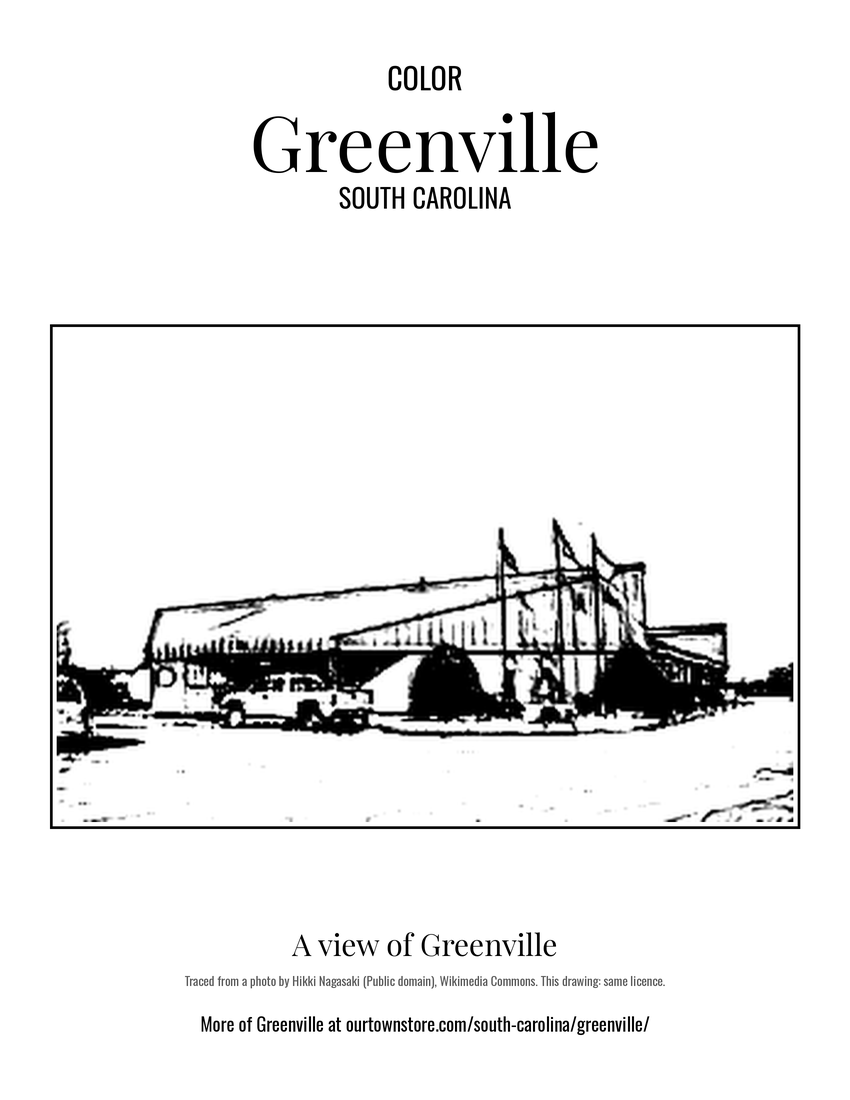 A view of Greenville
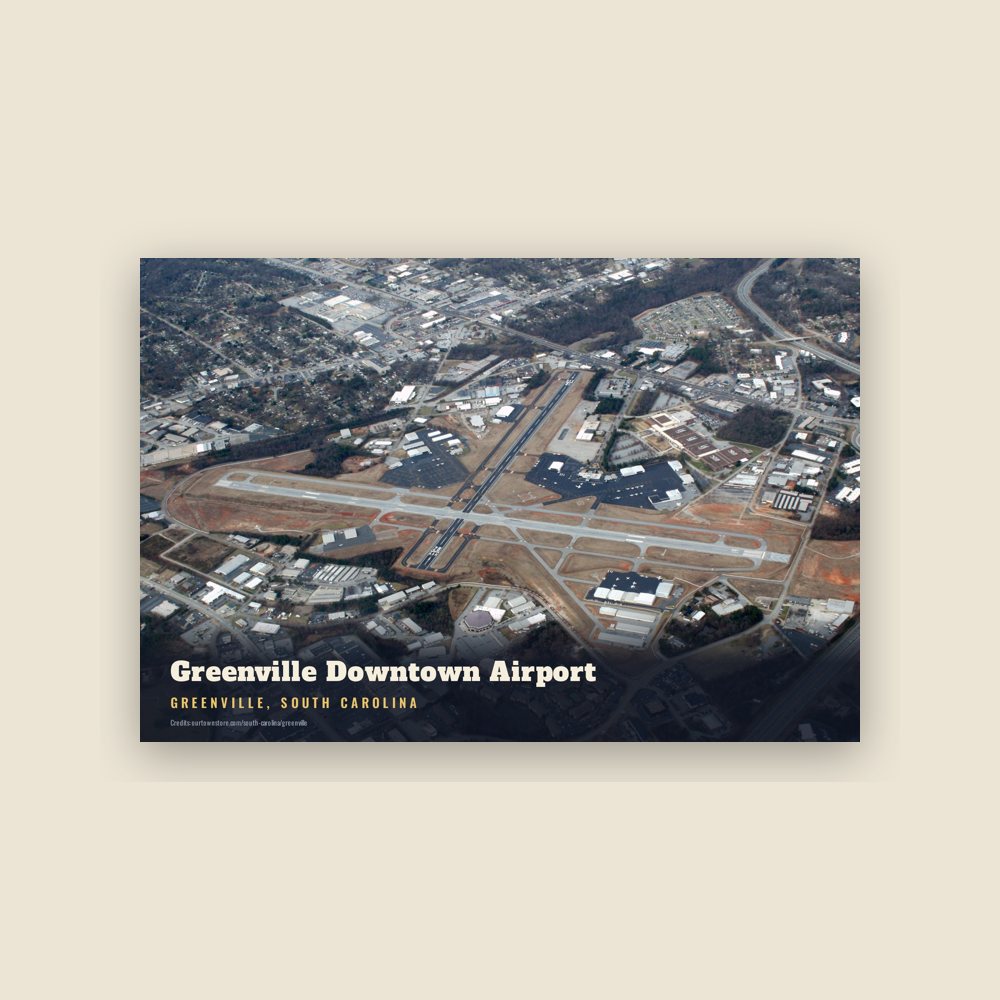
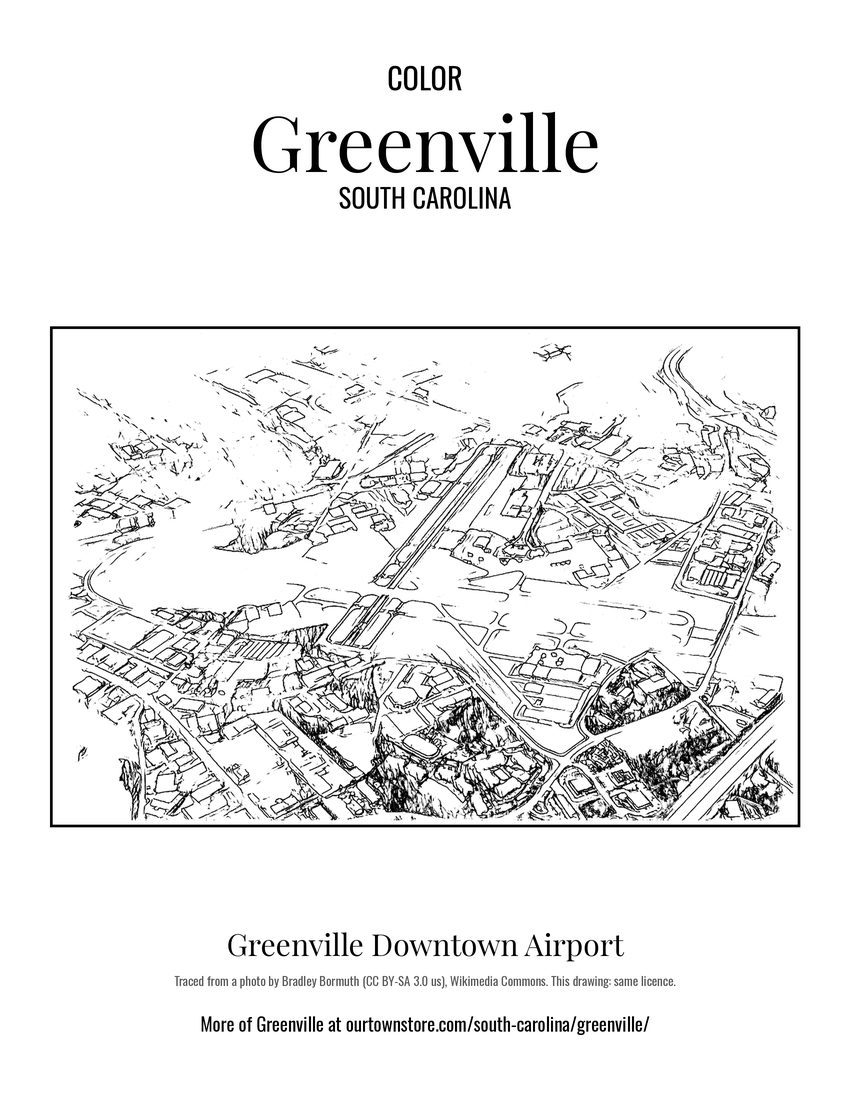 Greenville Downtown Airport
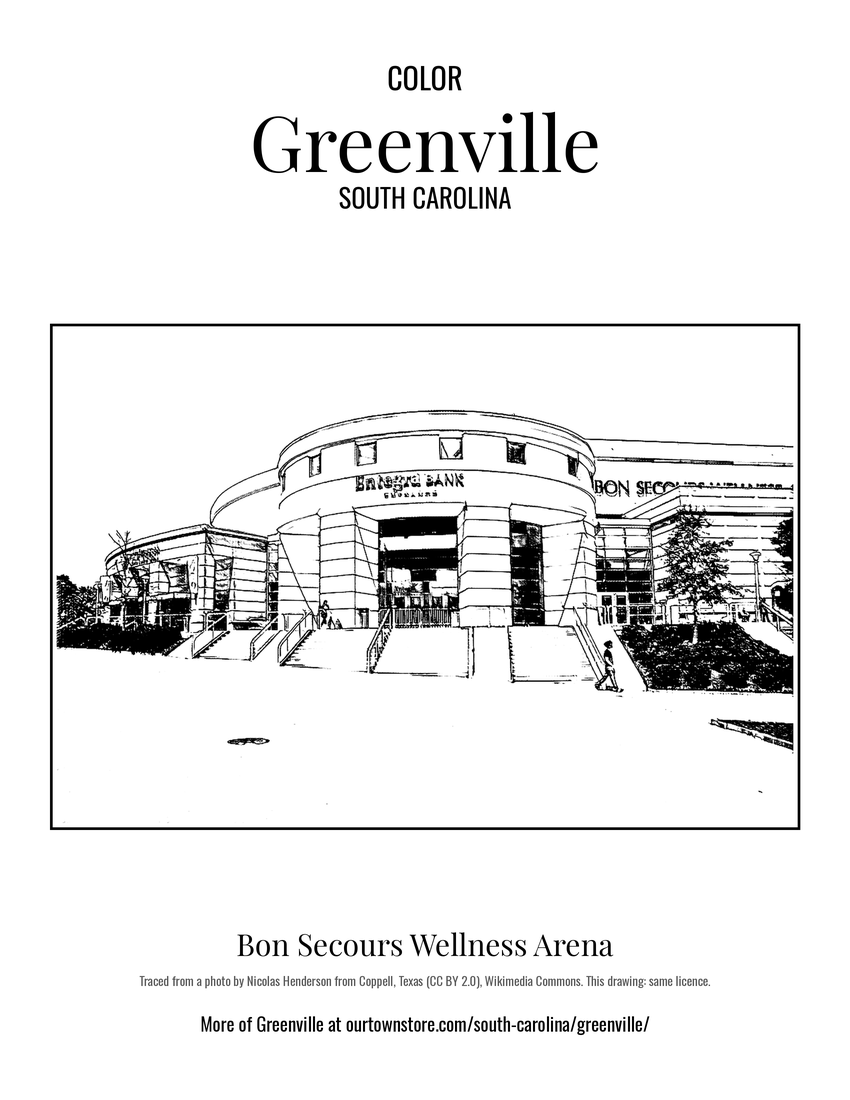 Bon Secours Wellness Arena
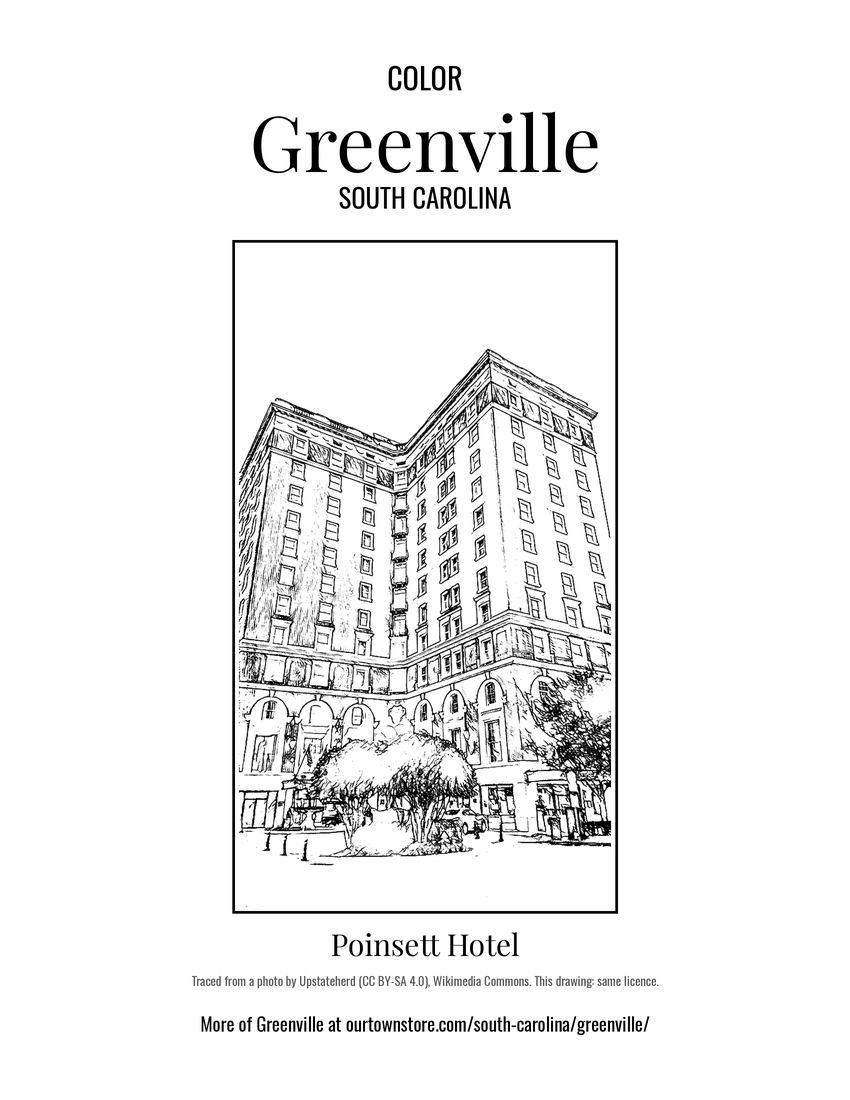 Poinsett Hotel