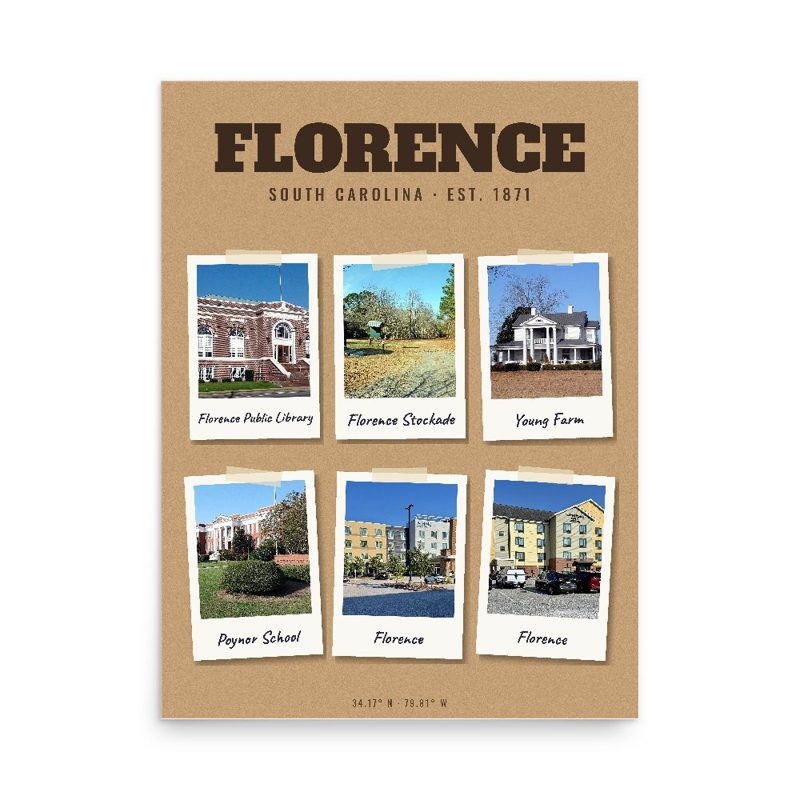
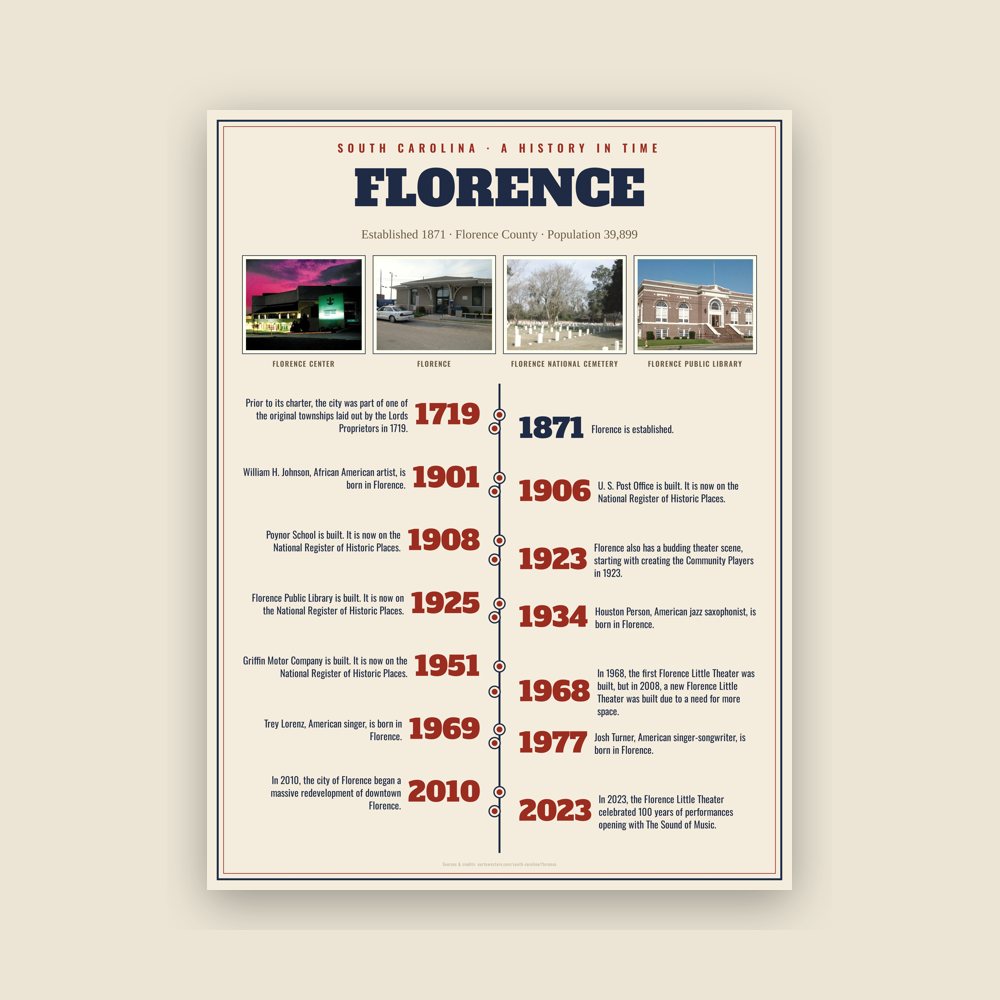
The City of Florence was chartered in 1871 by the Reconstruction government and incorporated in 1890 following the 1888 creation of Florence County. Prior to its charter, the city was part of one of the original townships laid out by the Lords Proprietors in 1719. The area was gradually settled through the late 19th and early 20th centuries. Early settlers practiced subsistence farming and produced indigo, cotton, naval stores, and timber, which were shipped down the Great Pee Dee River to the port at Georgetown and exported. In the mid-19th century, two intersecting railroads were built, the Wilmington and Manchester (W&M) and the Northeastern. General William Harllee, the president of the W&M, built his home at the junction, and named the community "Florence", after his daughter.
Read the full history
American Civil War
During the Civil War, the town was an important supply and railroad repair center for the Confederacy, and the site of the Florence Stockade, which held between 12,000 and 18,000 Union prisoners of war. Over 2,800 prisoners died of disease and were buried there. The burial ground adjacent to the prison became the Florence National Cemetery after the war and now has expanded.
Early 20th century
After the war, Florence grew and prospered, using the railroad to supply its cotton, timber, and by the turn of the century, tobacco. During the 20th century, the economy of Florence came to rely heavily on the healthcare industry, driven by two major hospitals and a number of pharmaceutical plants. Industry grew, especially after World War II, when Florence became increasingly known for textiles, pharmaceuticals, paper, and other manufacturing, in addition to agricultural products.
Florence also has a budding theater scene, starting with creating the Community Players in 1923. Over the years, the theater troop had several names, such as the Pinewood Plays, the Little Theater Guild, and eventually, the Florence Little Theater Guild. After a fire that took their original performance home at the Pinewood Club, the troupe used spaces such as the YMCA, high school gyms, and the Army Air Base movie house to perform. In 1968, the first Florence Little Theater was built, but in 2008, a new Florence Little Theater was built due to a need for more space. In 2023, the Florence Little Theater celebrated 100 years of performances opening with The Sound of Music.
Downtown revitalization
In 2010, the city of Florence began a massive redevelopment of downtown Florence. The city has completed several notable projects and has several more planned. The Downtown Redevelopment District was originally a 70-square-block area encompassing some 500 acres (2.0 km2) in the heart of the City of Florence, but now has added over 100 more acres of the Timrod Park area with its historic homes. The redevelopment of Florence has even created a new branding effort, to include new city department logos (not to be confused with the city seal) directional signs and repainting water towers.
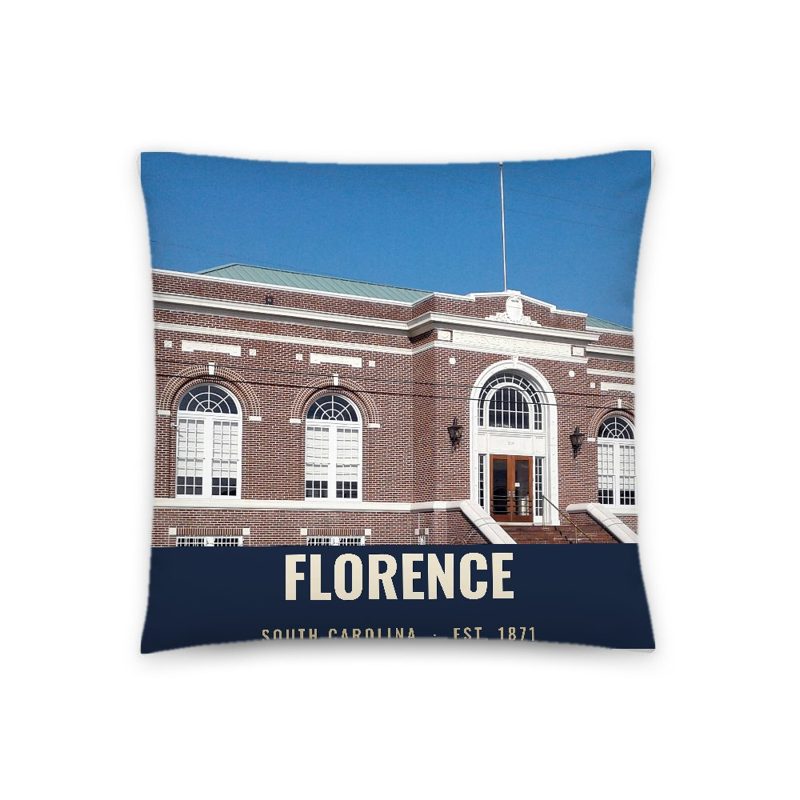
The historic downtown district, running from the central business district toward the McLeod Medical Center, features a number of historic buildings that have been rehabilitated. The redevelopment started with the $18 million Drs. Bruce and Lee Foundation Library, and today now has the new Florence Little Theater, some 60 new apartments, and the Francis Marion University Performing Arts Center, which opened in September 2011, as well the new Florence Museum of Art, Science and History, which opened October 11, 2014. New office space has emerged from once abandoned buildings, and a police substation was added on Dargan Street.
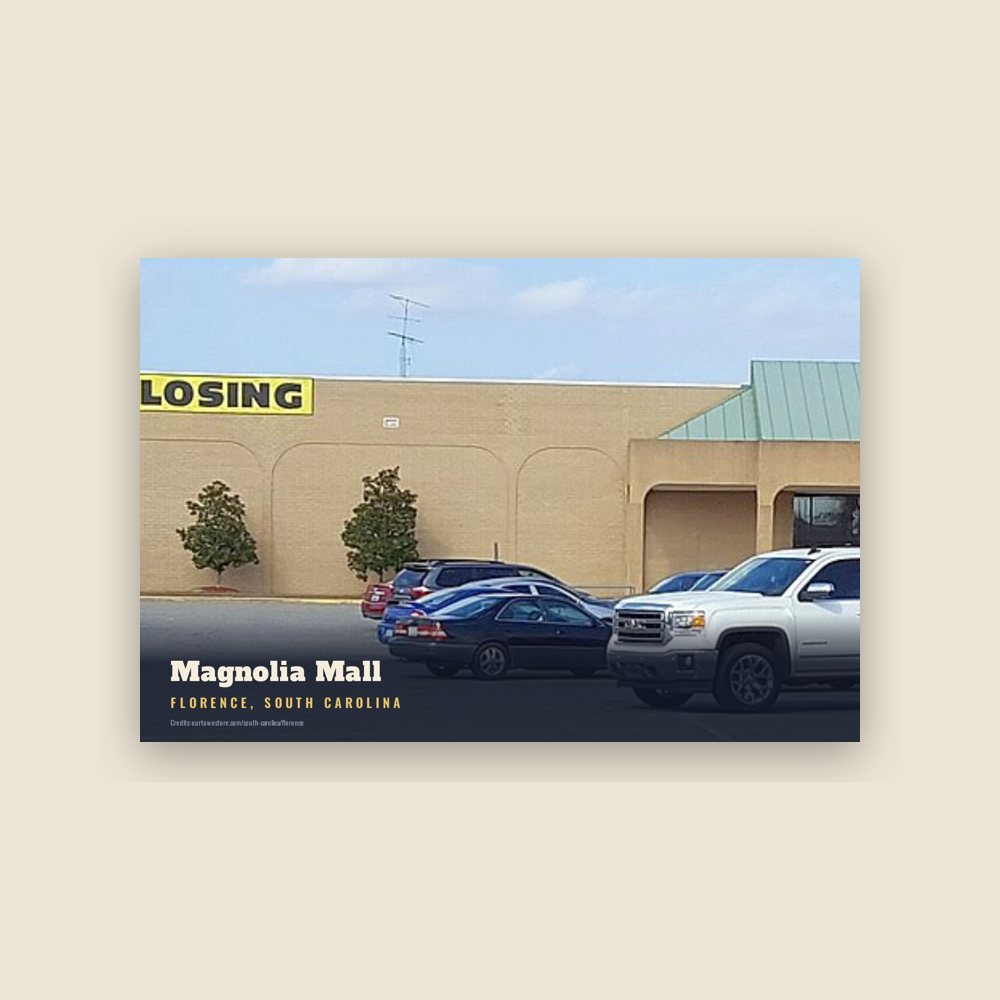
Special efforts are being aimed at the downtown area, which was once the center of the city's activity, but now remains dormant after retailers and shoppers left for suburban malls. The goal is to re-establish Evans as a vibrant commercial and residential corridor, and five blocks of Evans Street were to be streetscaped.
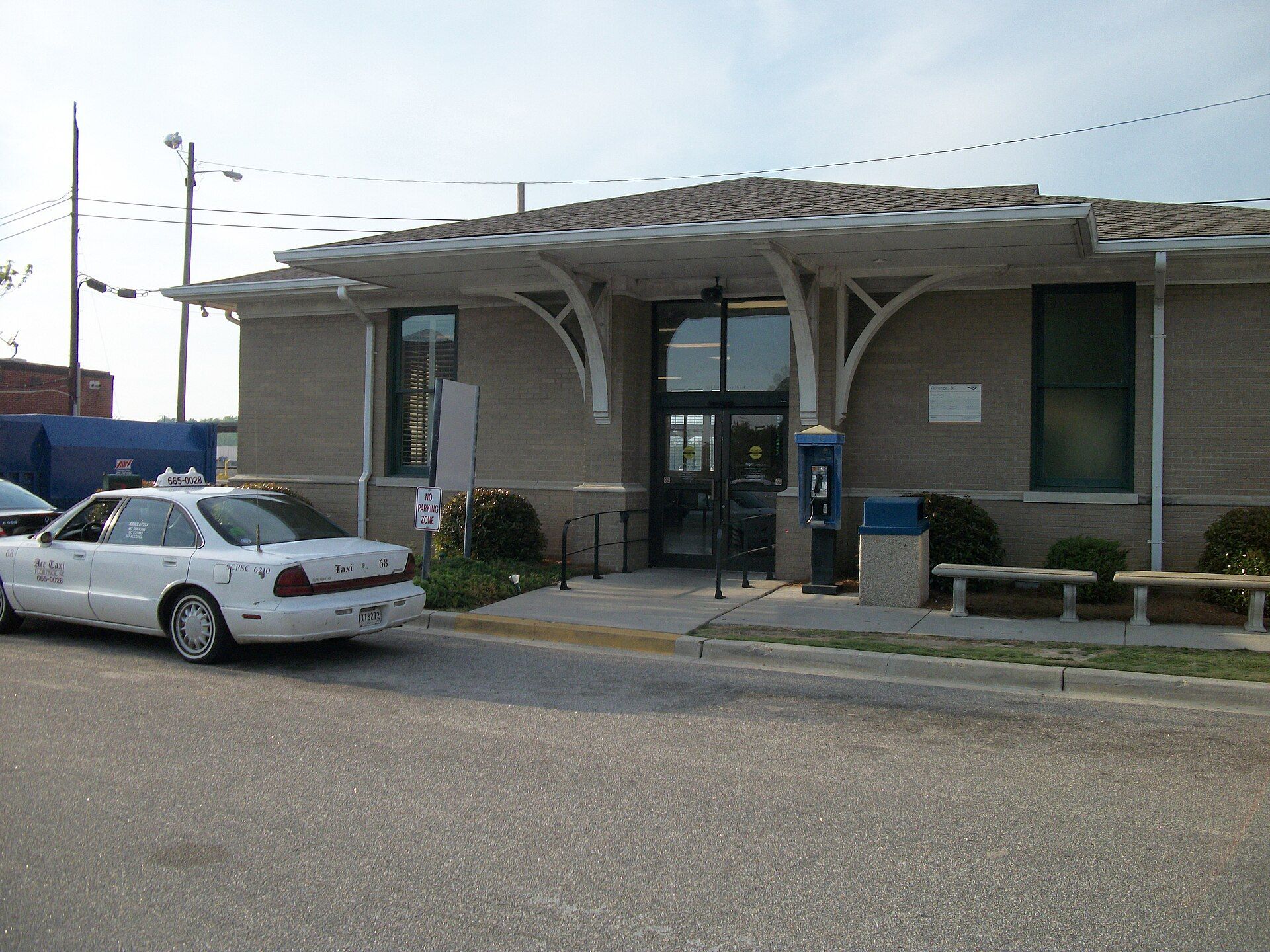
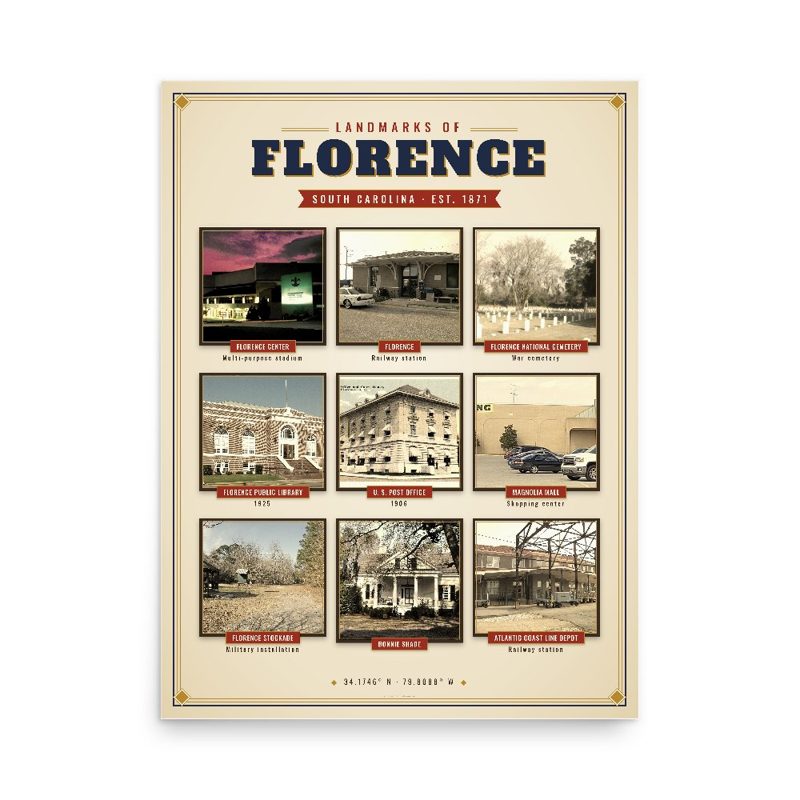
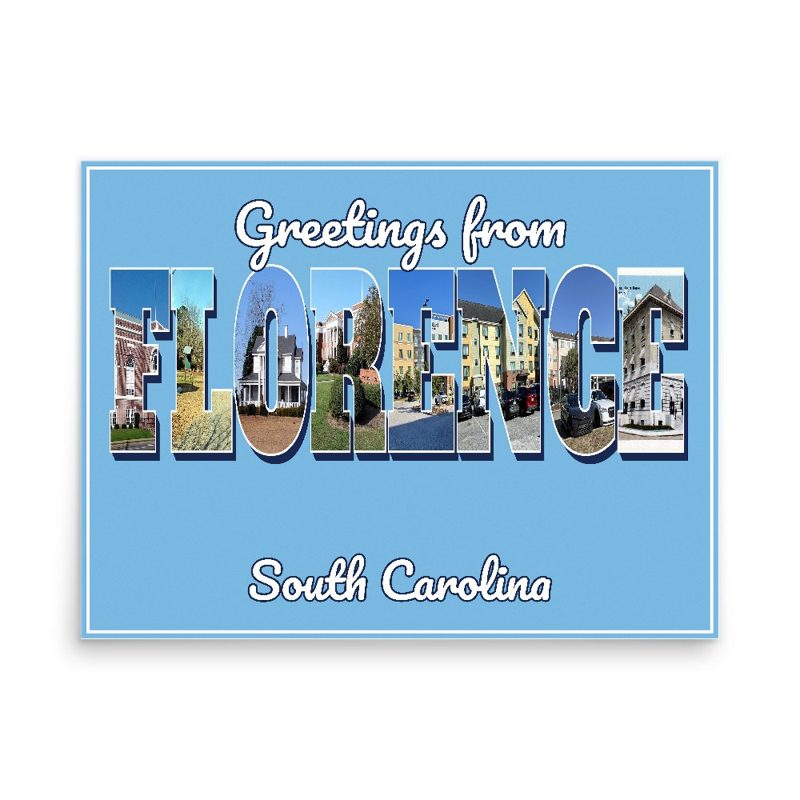
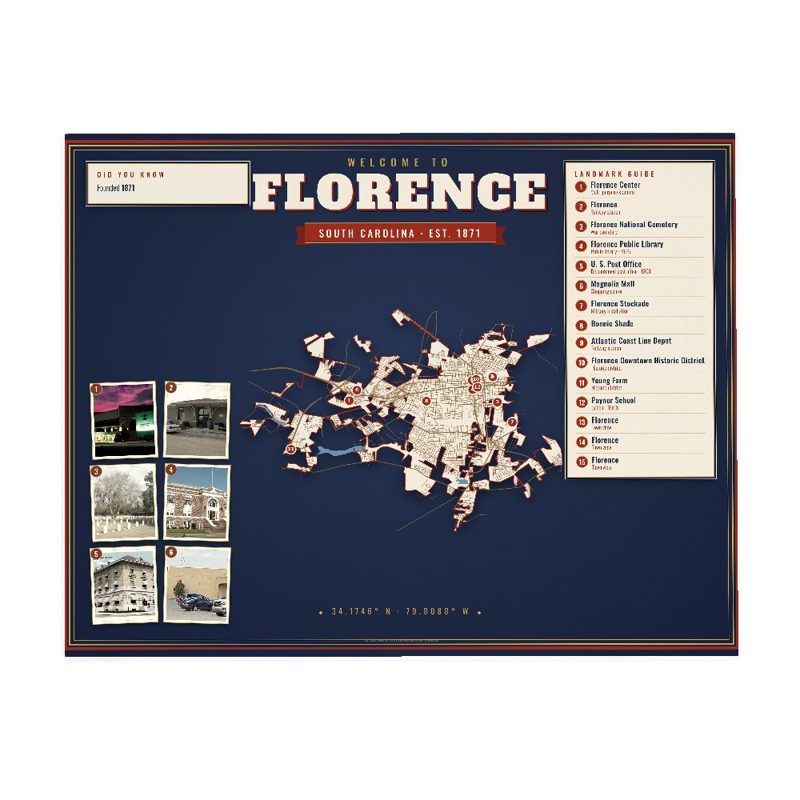















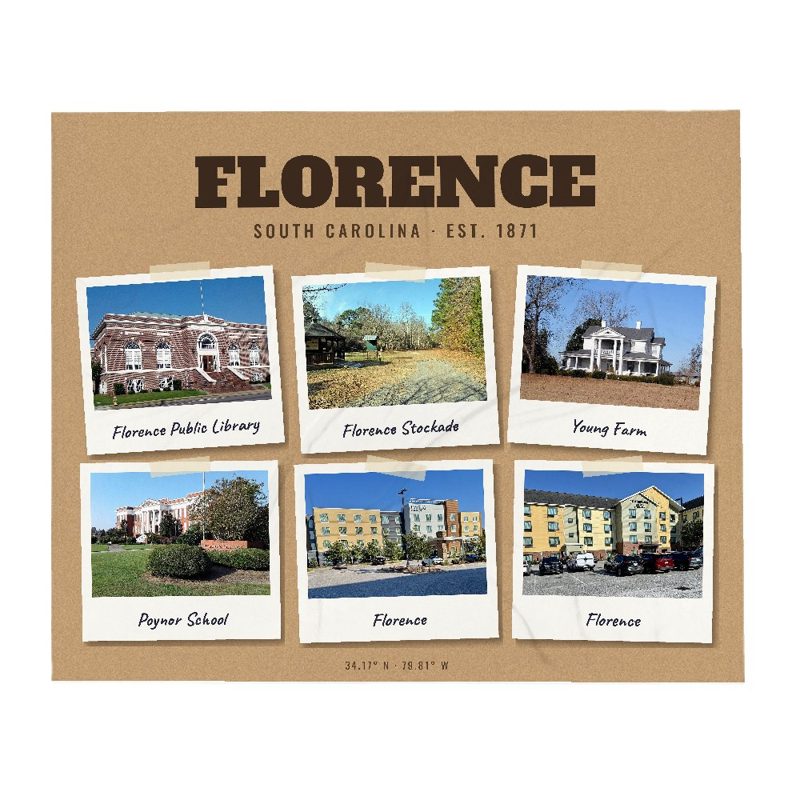

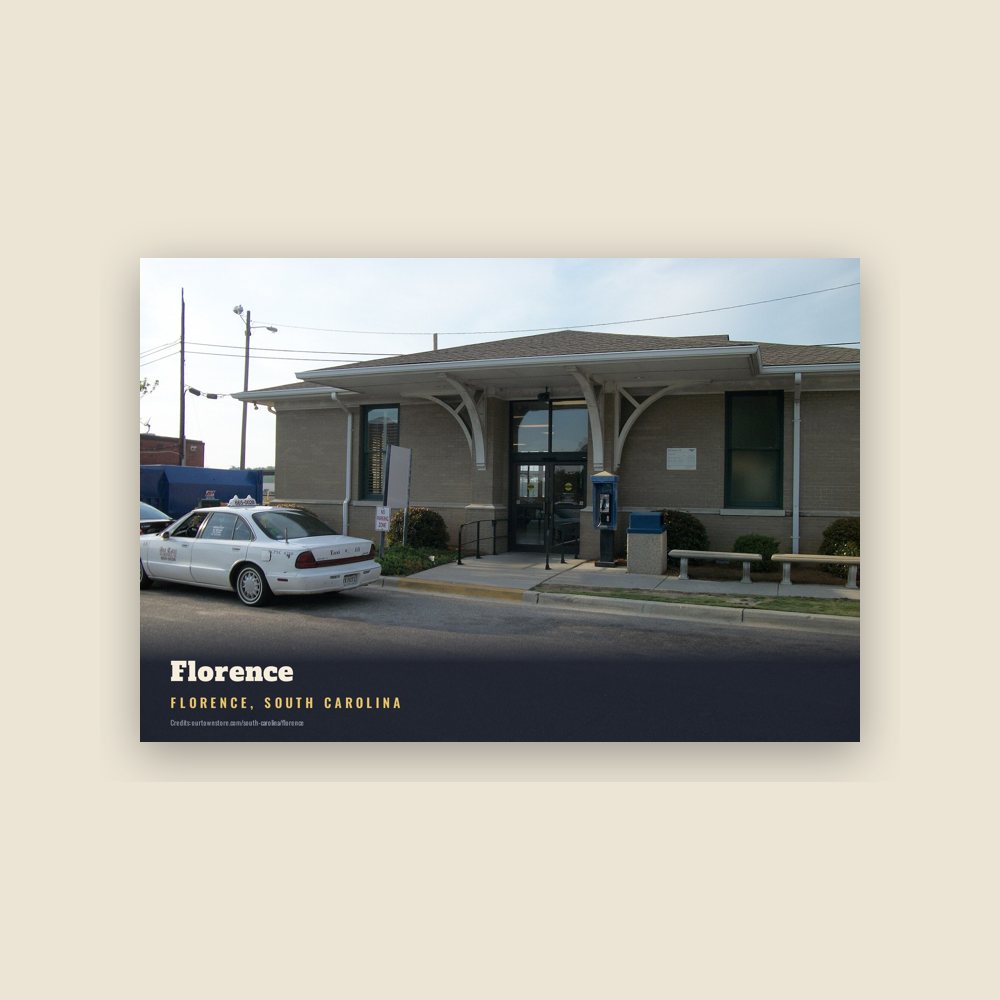

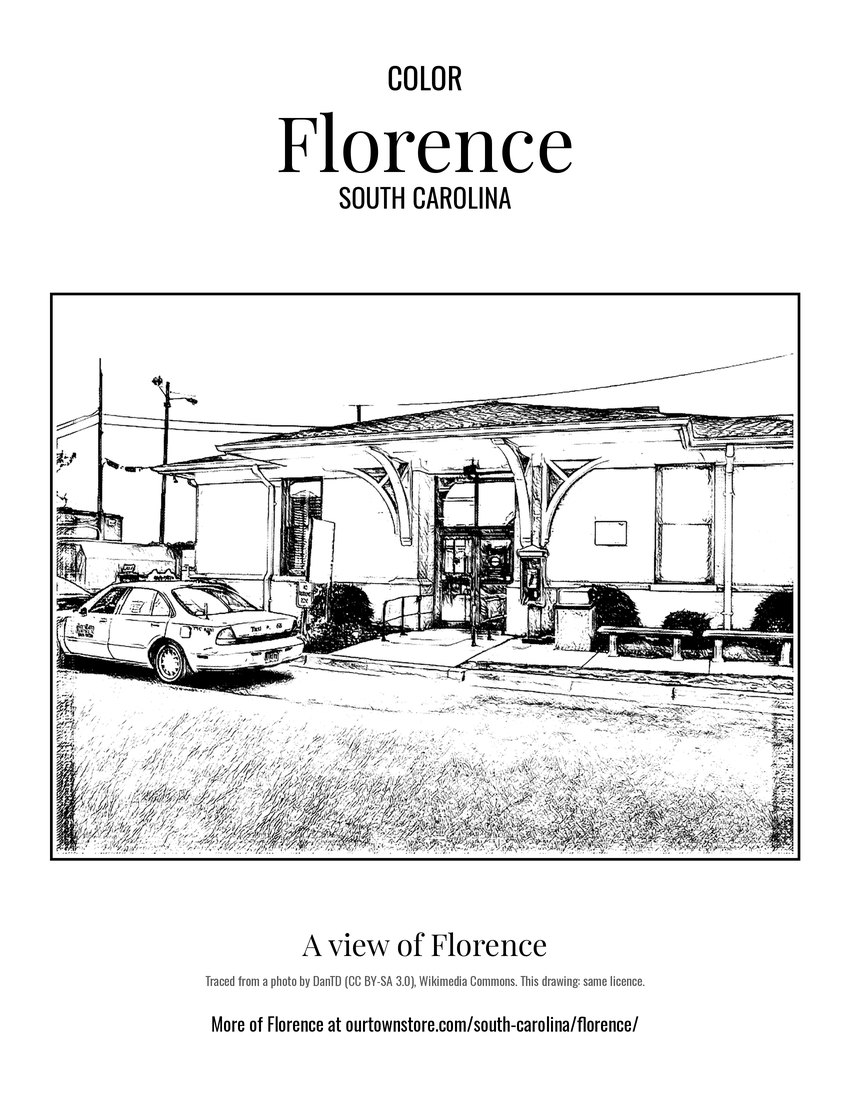 A view of Florence
 Florence Center
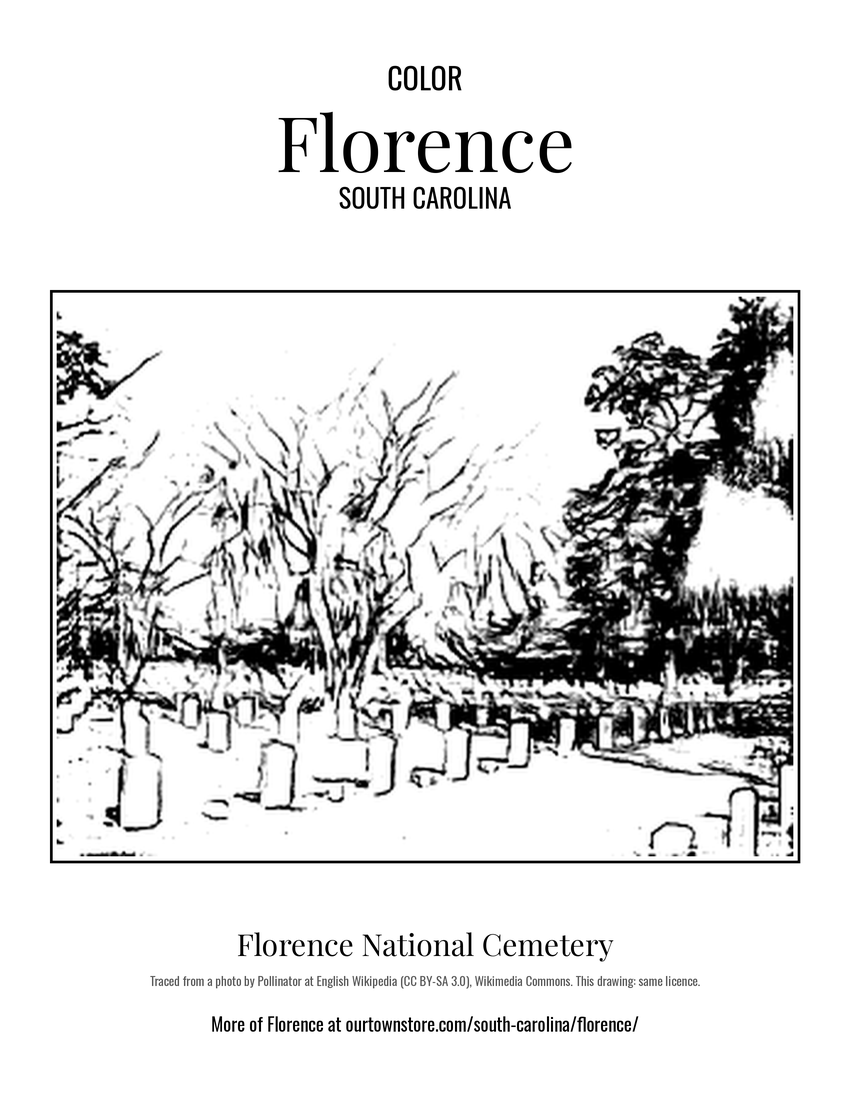 Florence National Cemetery
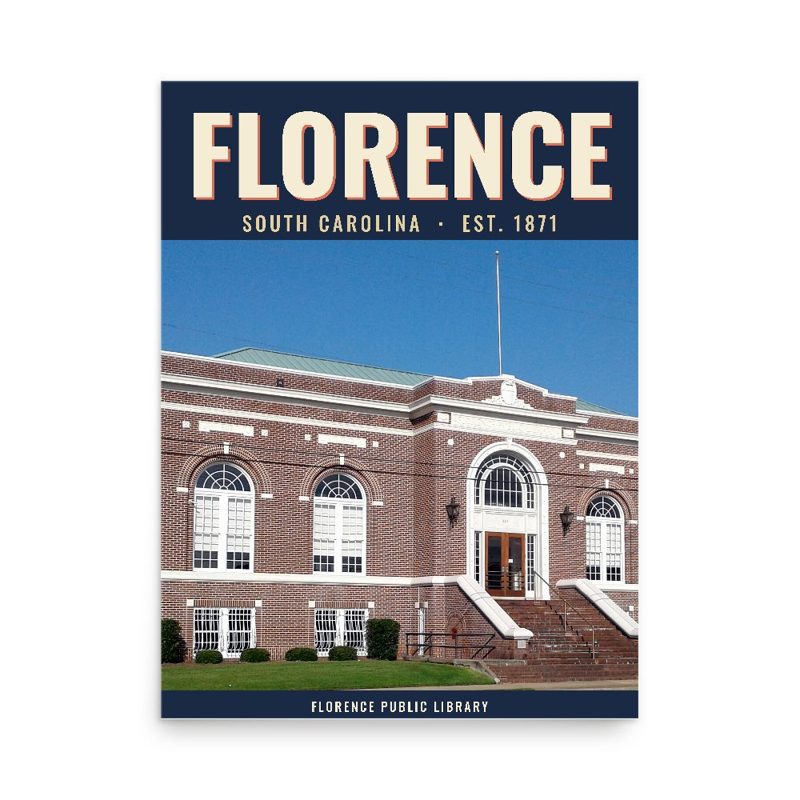
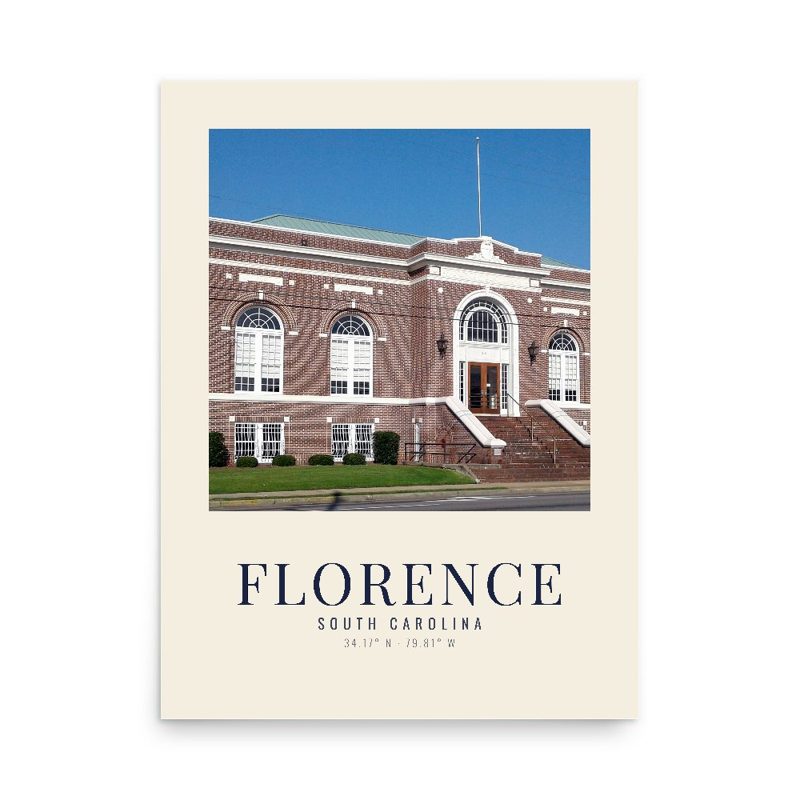
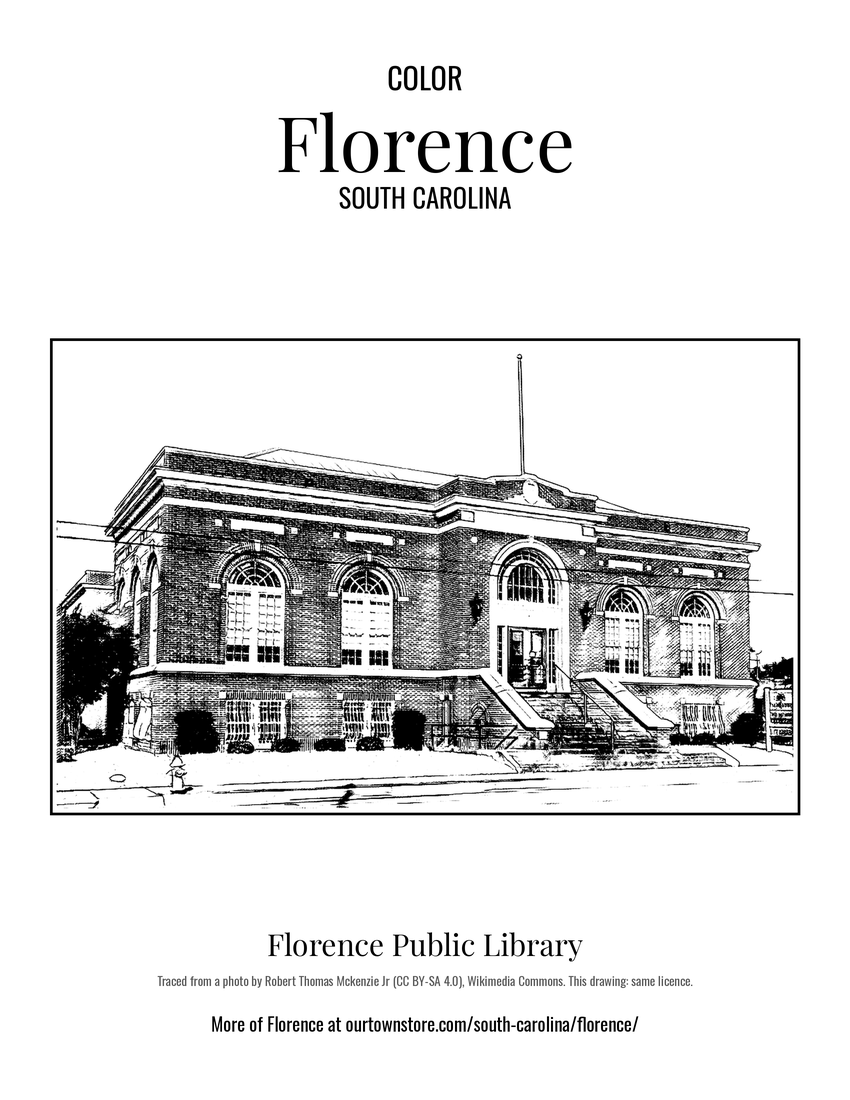 Florence Public Library