A short history of Denmark
Cleveland Sellers shares memories of growing up in Denmark, South Carolina, especially the influence of Voorhees College in the community. He organized a Youth Chapter of the National Association for the Advancement of Colored People (NAACP) in Denmark, and he describes the group's activities. He discusses his first impressions of Howard University, where he joined the Nonviolent Action Group (NAG). He shares memories of the March on Washington and the role of students in organizing it, his involvement in the Student Nonviolent Coordinating Committee (SNCC), and his role in the Mississippi Freedom Project. He also describes the goals of the Mississippi Freedom Democratic Party and the tensions that developed within SNCC in the late 1960s.
Denmark was originally called Grahams Turnout, as it was founded in the 1830s for a railroad extension and turnout. It was later renamed after B. A. Denmark, a railroad official.
In April 1893, Mamie Baxter, a fourteen-year-old girl in Denmark, alleged that an African American unknown to her had attempted to attack her. John Peterson, a suspect, appealed to South Carolina Governor Benjamin Tillman for protection, fearing he would be lynched if taken to Denmark, and saying he could prove his innocence. He was taken by the mob, put on "trial" and, after the mob found him guilty, was murdered by hanging.
"I don't know him sir, that don't look like him at all. He is the same color, that's all. He don't talk like the man; he is thinner in the face, he was as dark as this man, but his eyes don't look like him."
Read the full history
Historic sites
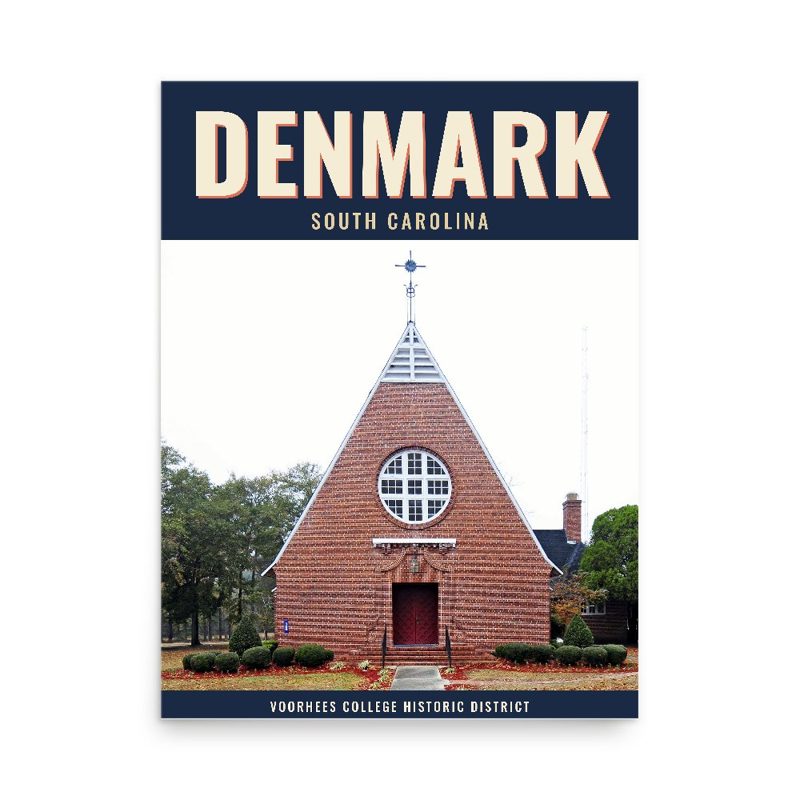
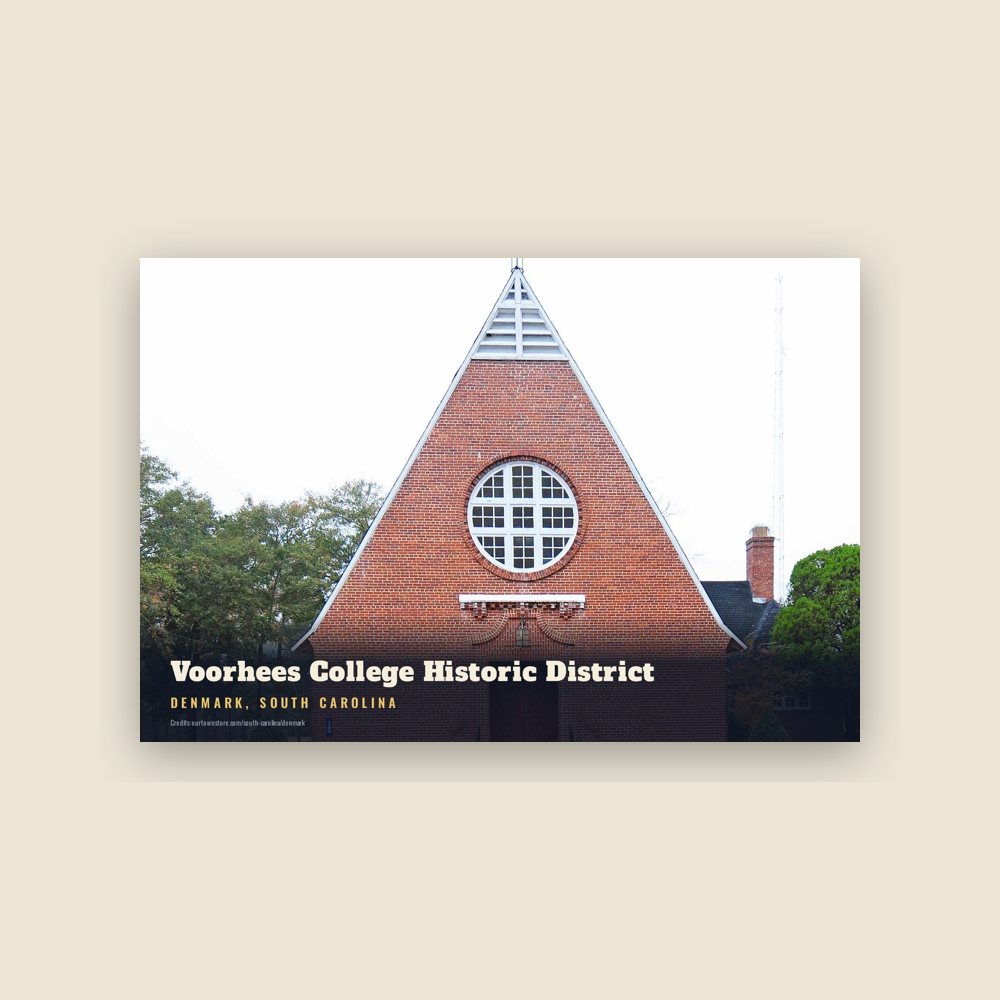
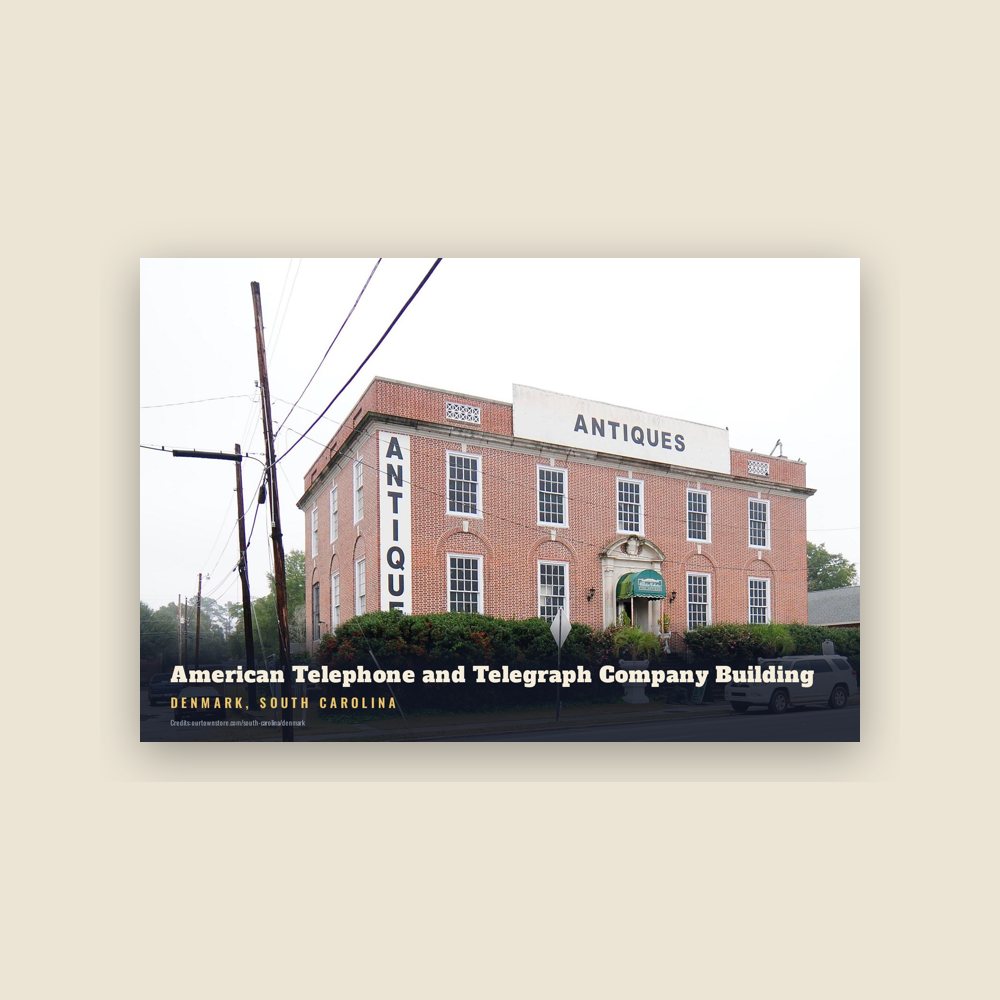
The American Telephone and Telegraph Company Building, Denmark High School, and the Voorhees College Historic District, part of the campus of the historically black college, are listed on the National Register of Historic Places.
Adapted (trimmed) from the Wikipedia article Denmark, South Carolina, revision 1377175683 by its contributors, licensed CC BY-SA 4.0.
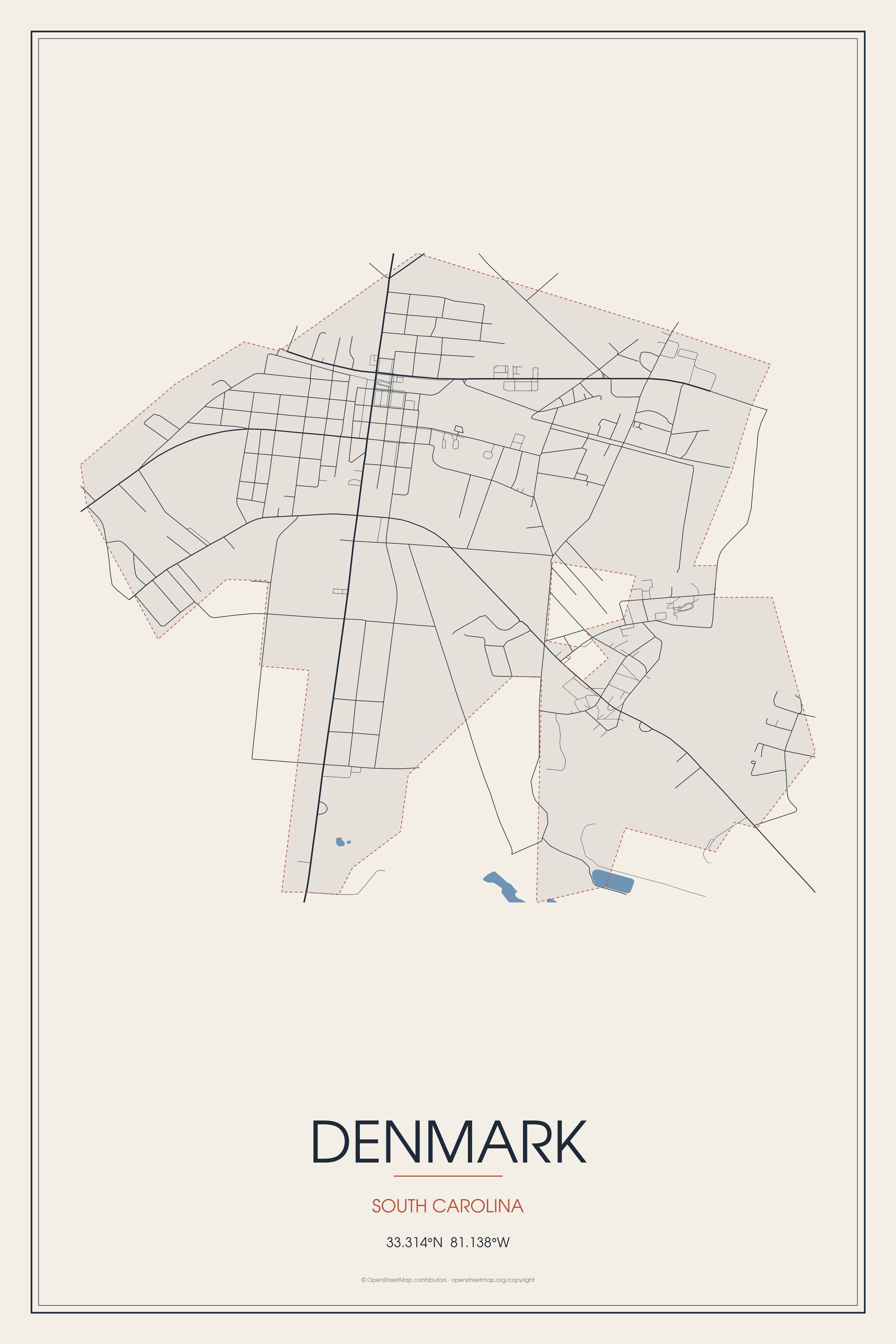


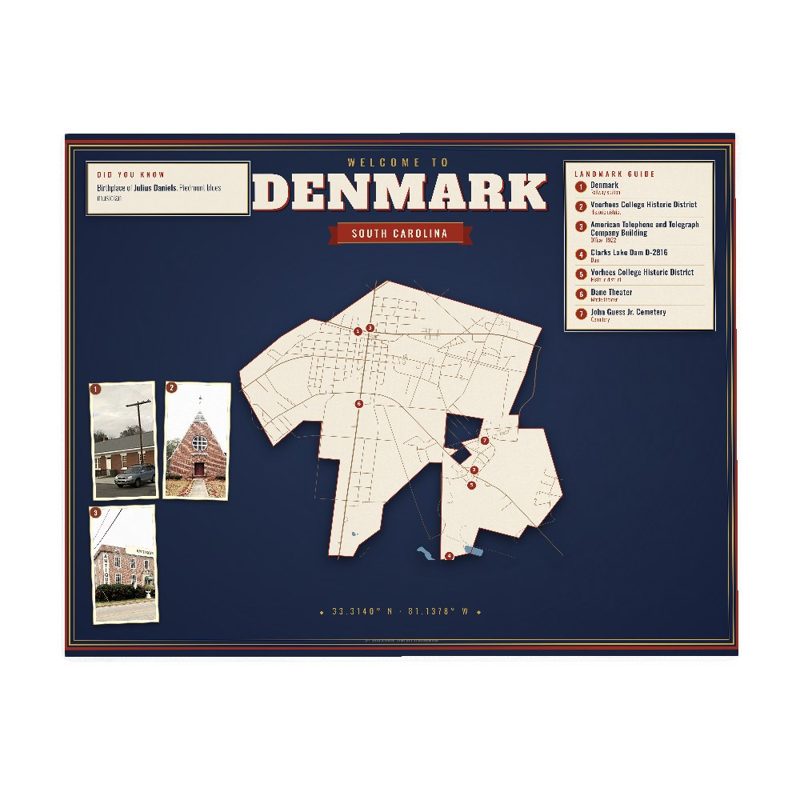











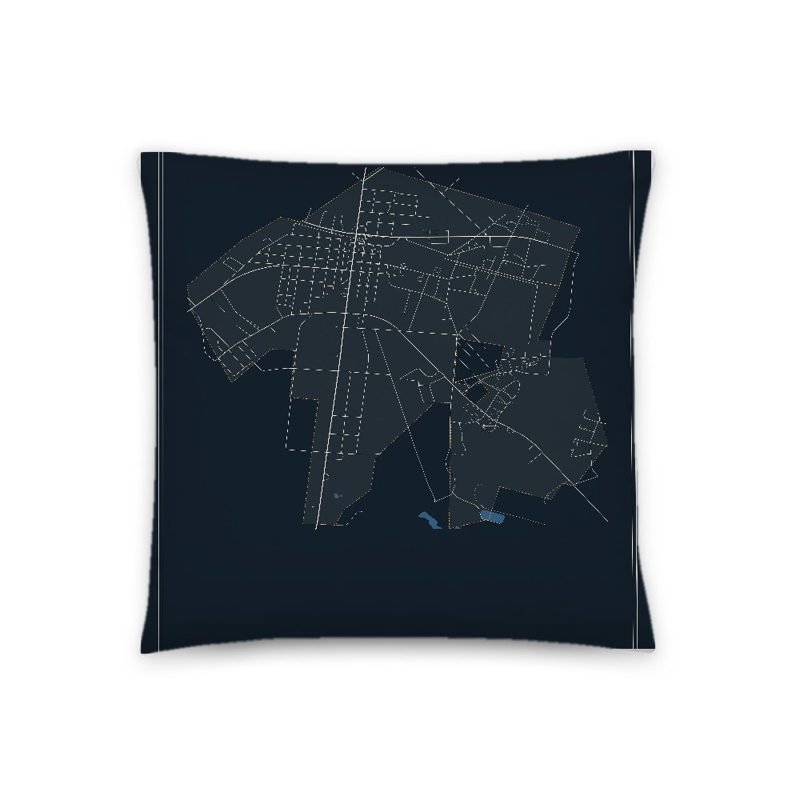





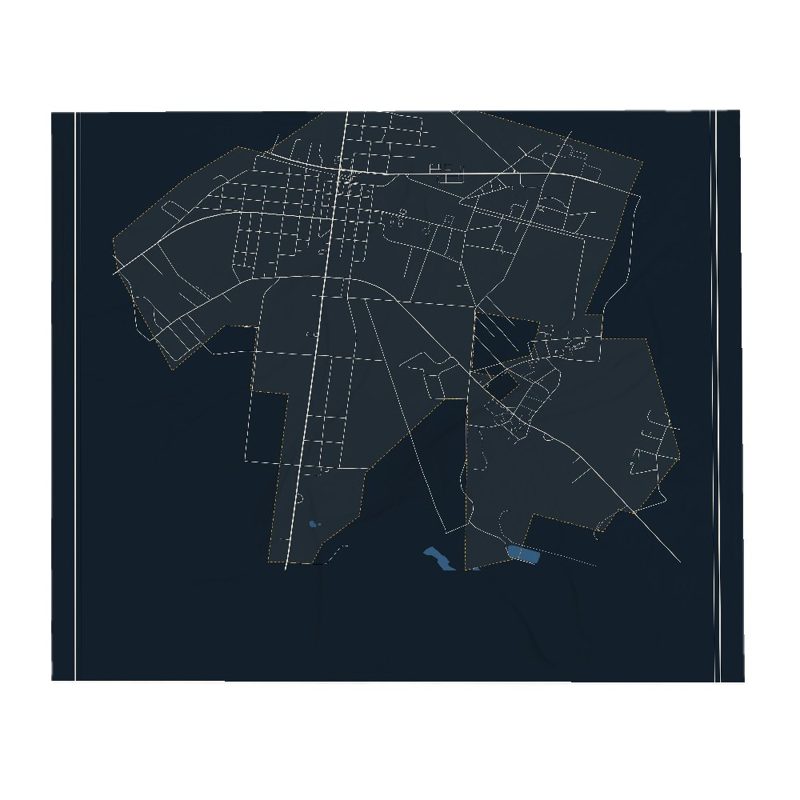

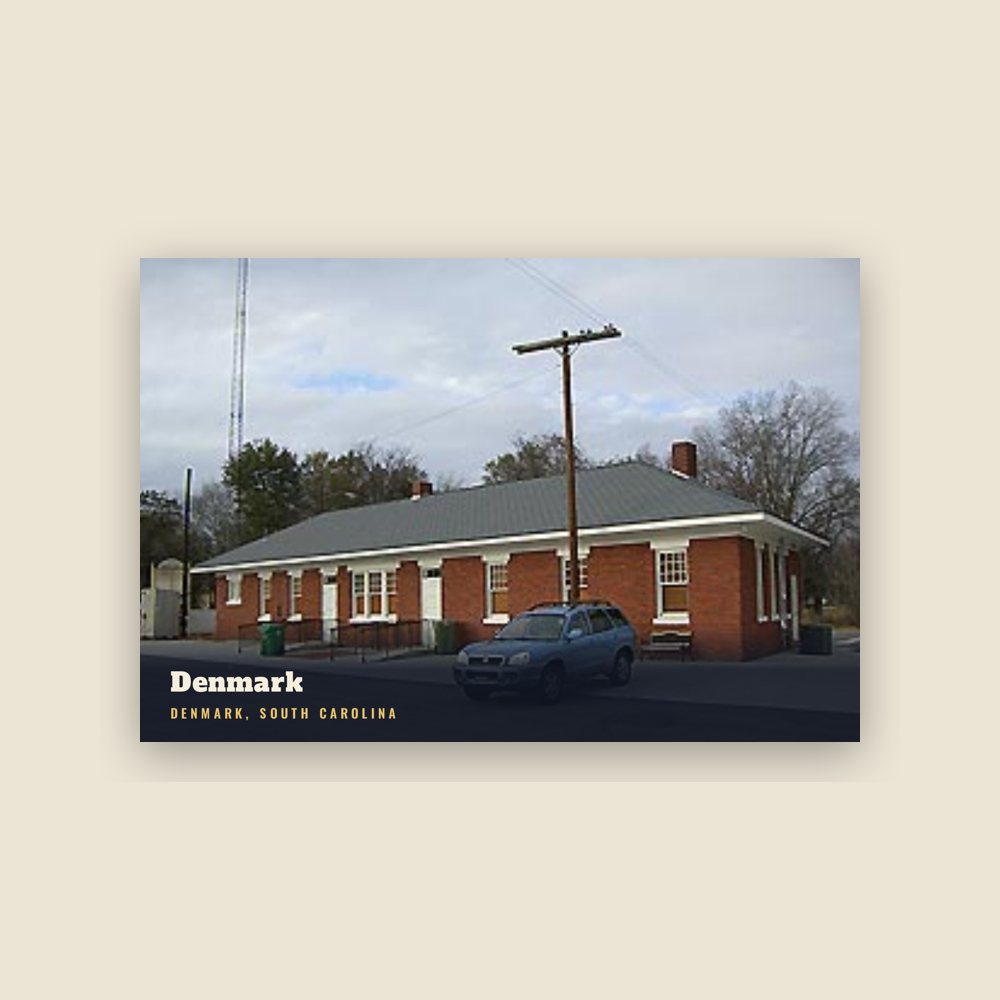
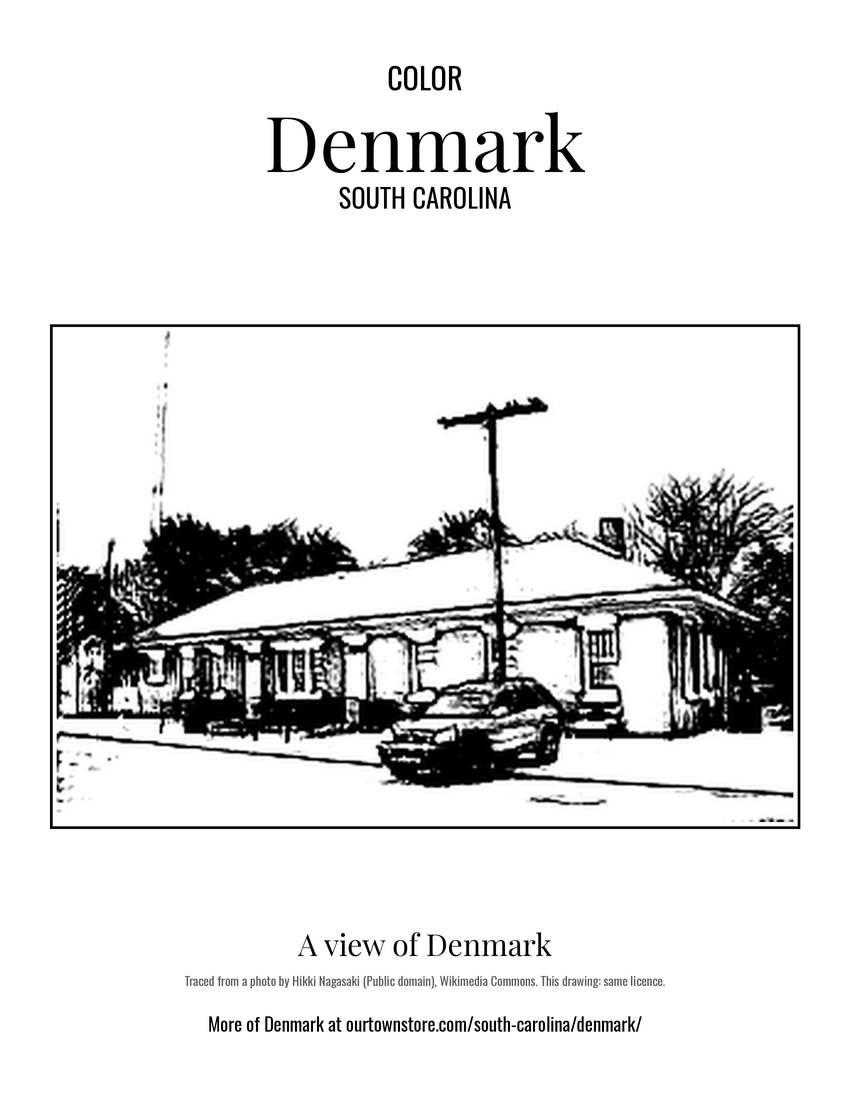 A view of Denmark
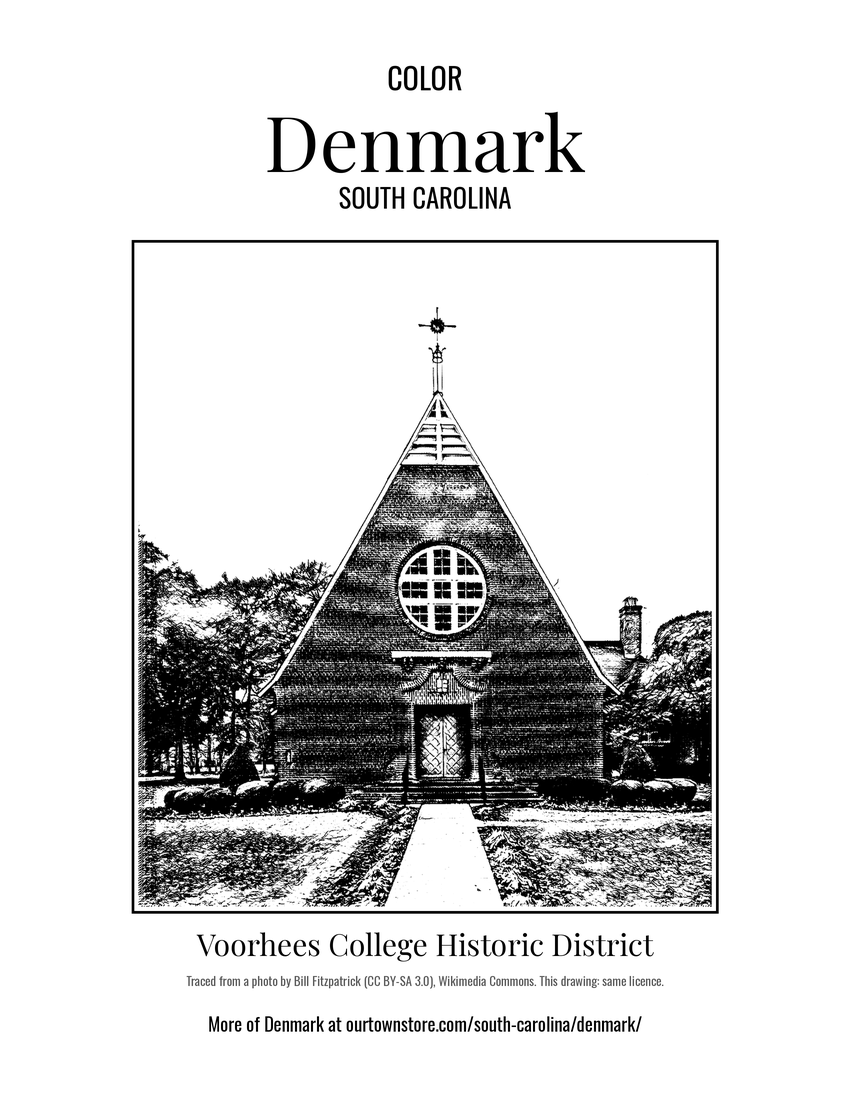 Voorhees College Historic District
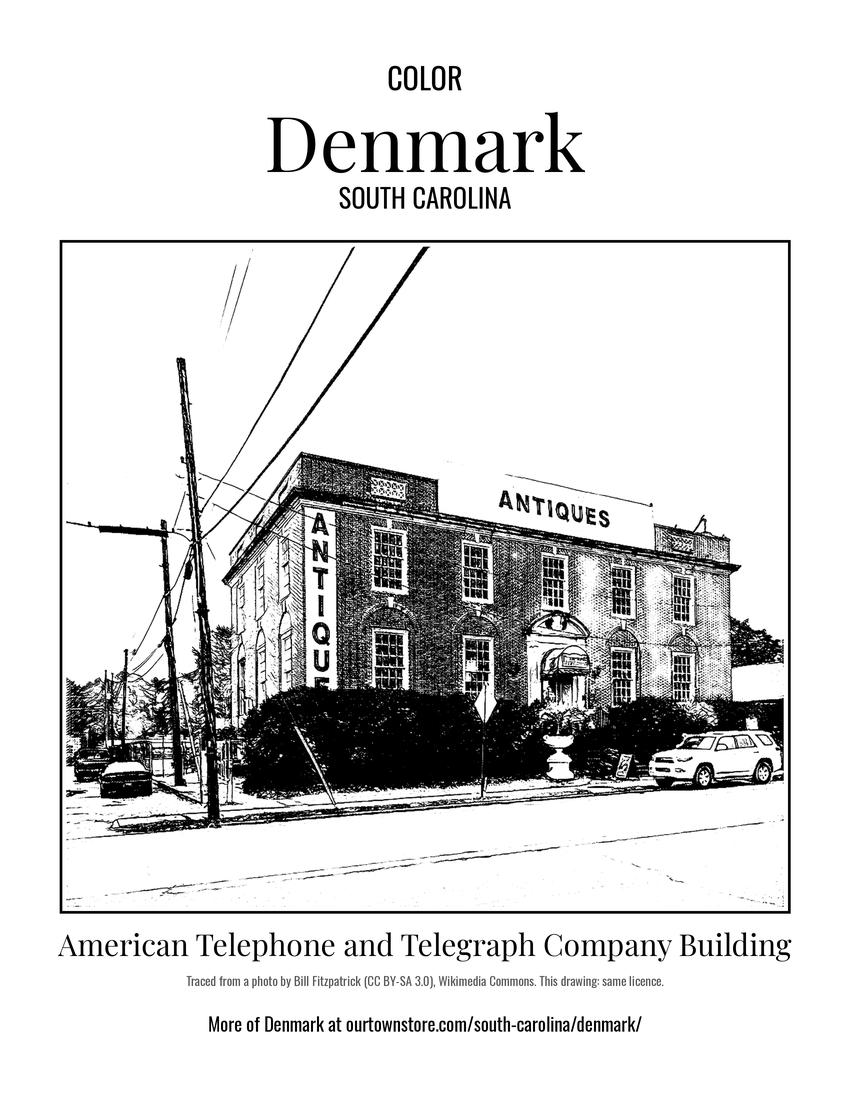 American Telephone and Telegraph Company Building