Since 1711
A short history of Beaufort
Written history began 500 years ago with the exploration of the area by Spanish Captain Pedro de Salazar between 1514 and 1516. Nearby, the colony of Santa Elena was having problems by 1566, when a group of potential settlers sailed from northwest Iberia and the Spanish governor of Floritda, Acinega, dispatched under Captain Pardo and 250 men to reinforce the colony.
The Lowcountry region had been subject to numerous European explorations and failed attempts at colonization before British colonists founded Beaufort in 1711. Beaufort was named for Henry Somerset, 2nd Duke of Beaufort. The city grew slowly at first due to attacks from Native American tribes and threats from the Spanish Empire to the south. It flourished first as a center for shipbuilding and later, when the region was established as a slave society, as the elite center for the Lowcountry planters through the Civil War.
Several months after hostilities began, Beaufort was occupied by Union forces following the Battle of Port Royal. Due to its early occupation, the city attracted escaping slaves. The Union declared the slaves emancipated and initiated efforts at education and preparation for full independence. The Freedmen's Bureau worked with local blacks during Reconstruction.
After the war, the city relied on phosphate mining before a devastating hurricane in 1893 and a fire in 1907 brought extensive destruction and economic turmoil. Their effects slowed growth of the city for nearly half a century.
In the latter half of the 20th century, the community became a popular tourist destination. Beaufort also benefited from the growth of military installations in the area and related employment. Local groups have worked to preserve Beaufort's historic character and significant architecture. These efforts have contributed to the community regularly receiving accolades in regional and national media for its general attractiveness and quality of life.
In 2022, an informal sister city arrangement was established with Ostroh, Ukraine in which the residents of Beaufort raised funds to support Ostroh during the Russian invasion of Ukraine.
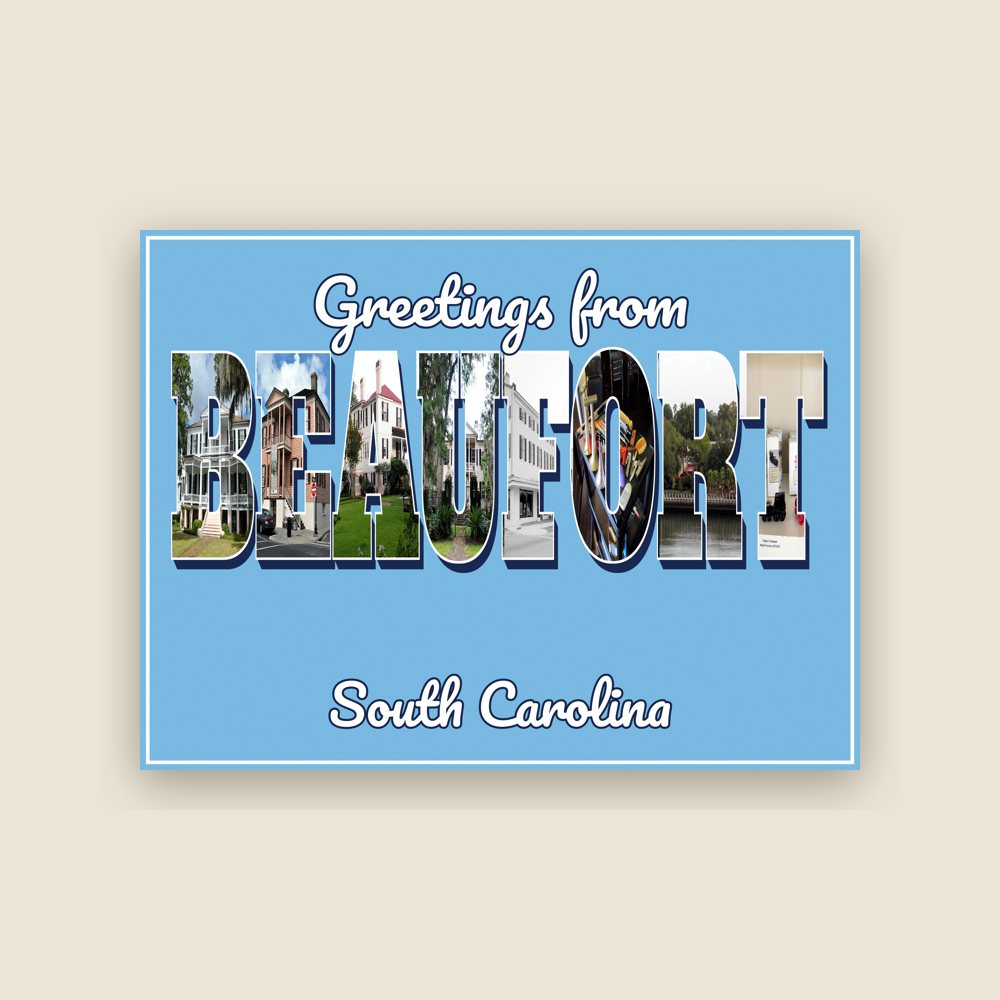
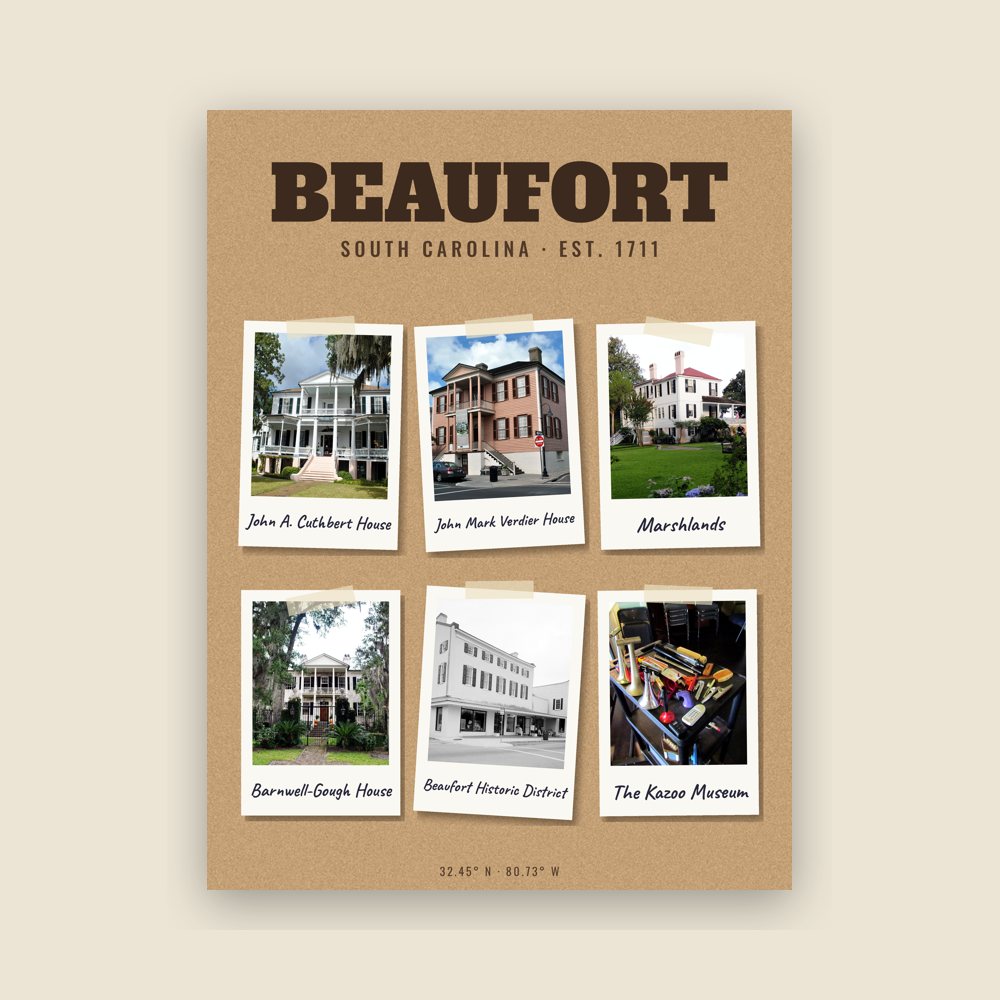
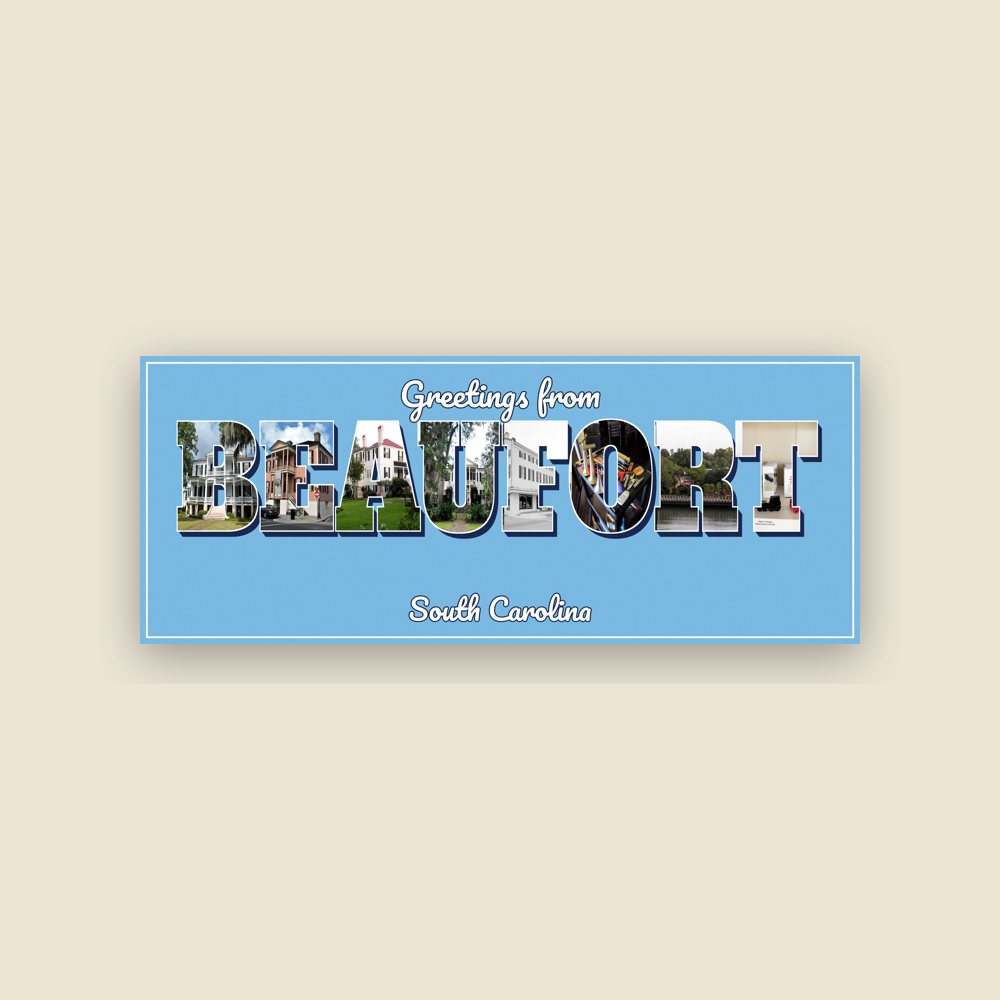
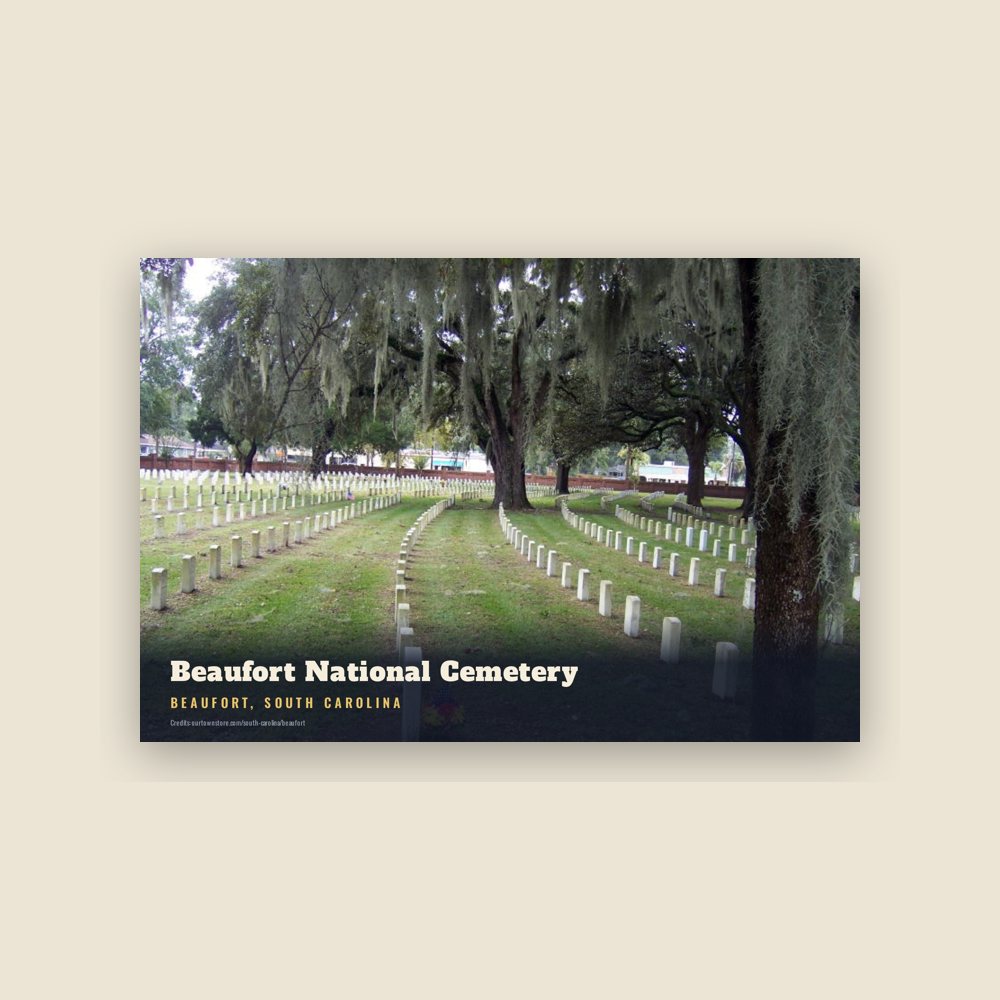
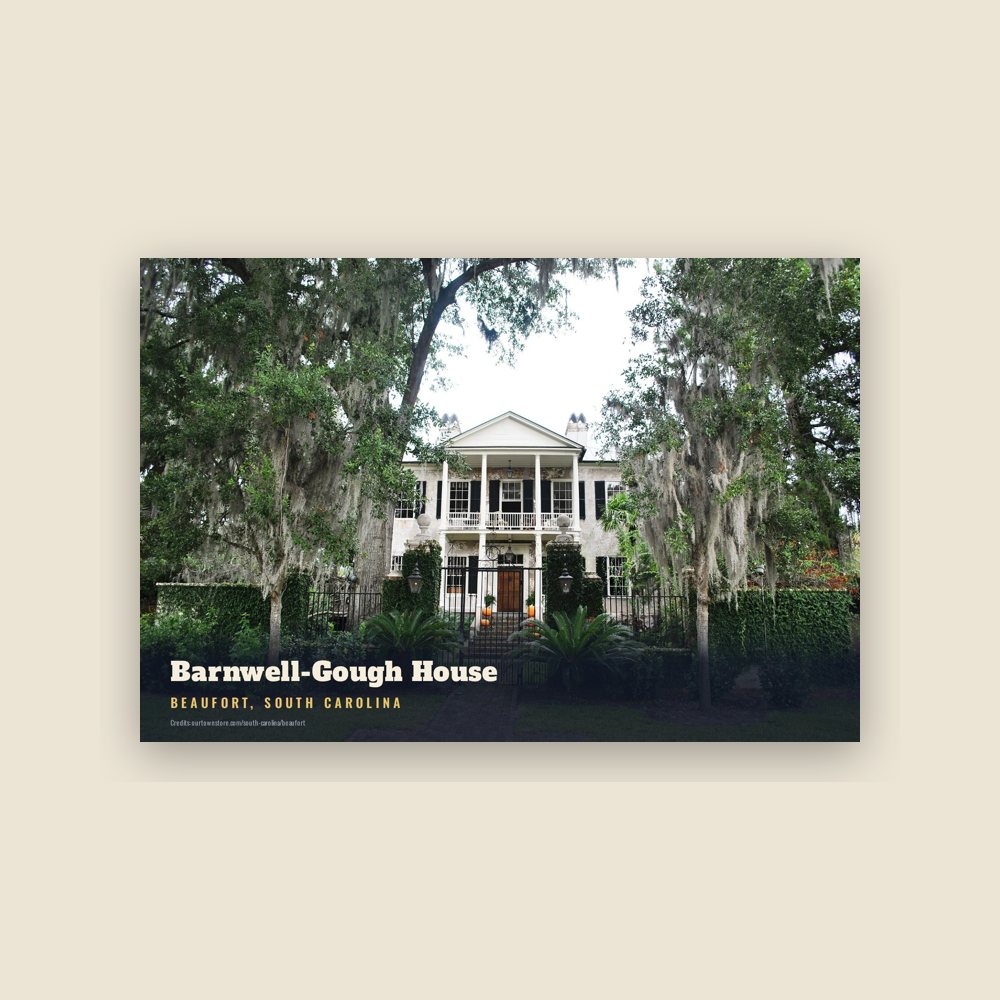
In addition to the Beaufort Historic District, The Anchorage, William Barnwell House, Barnwell-Gough House, Beaufort National Cemetery, John A. Cuthbert House, Fort Lyttelton Site, Hunting Island State Park Lighthouse, Laurel Bay Plantation, Marshlands, Seacoast Packing Company, Seaside Plantation, Robert Smalls House, Tabby Manse and John Mark Verdier House are listed on the National Register of Historic Places.
Adapted (trimmed) from the Wikipedia article Beaufort, South Carolina, revision 1382268874 by its contributors, licensed CC BY-SA 4.0.
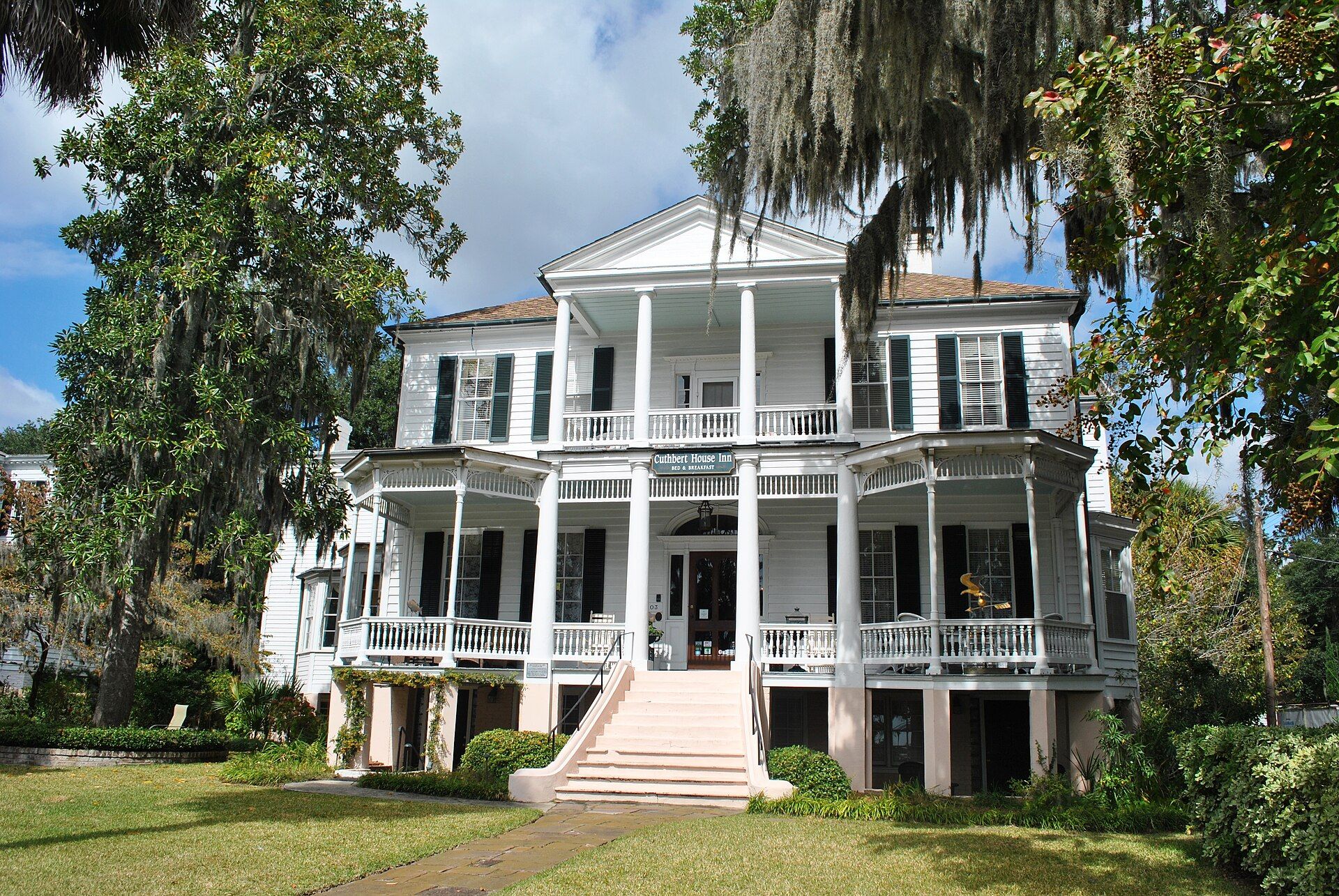
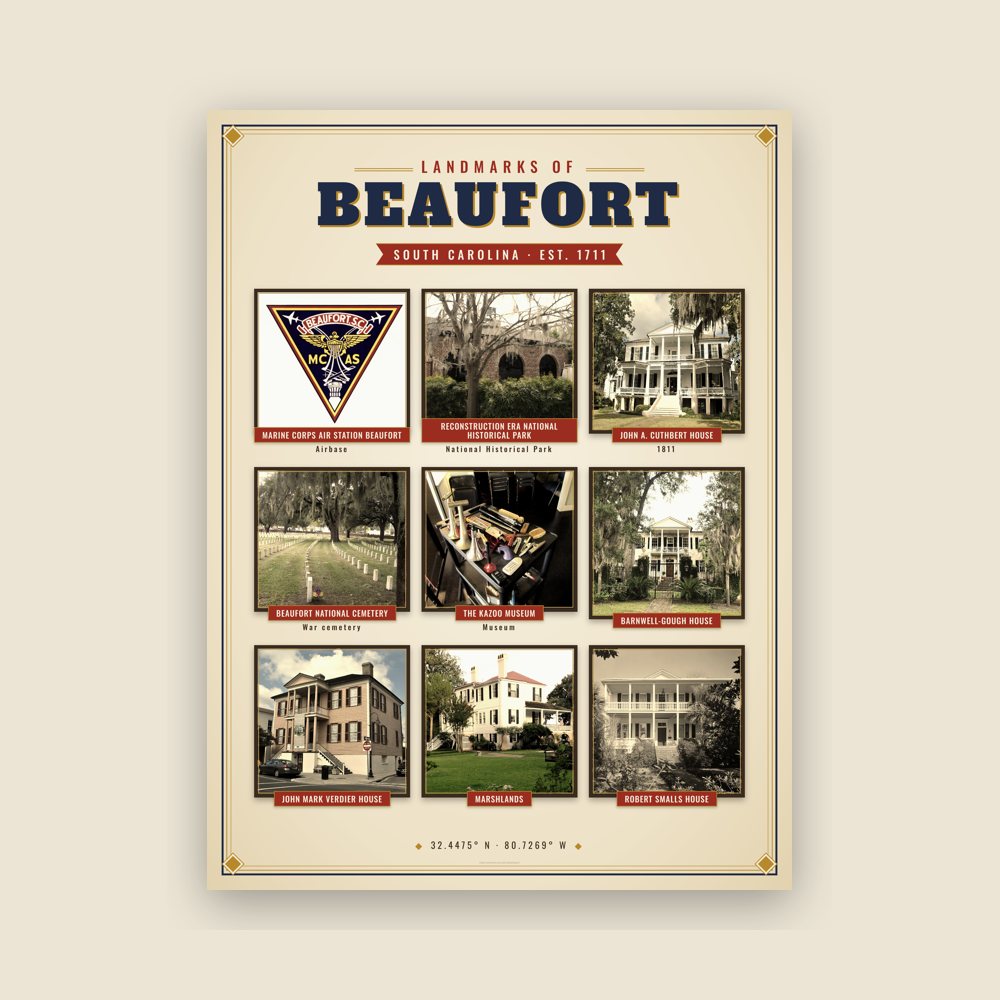
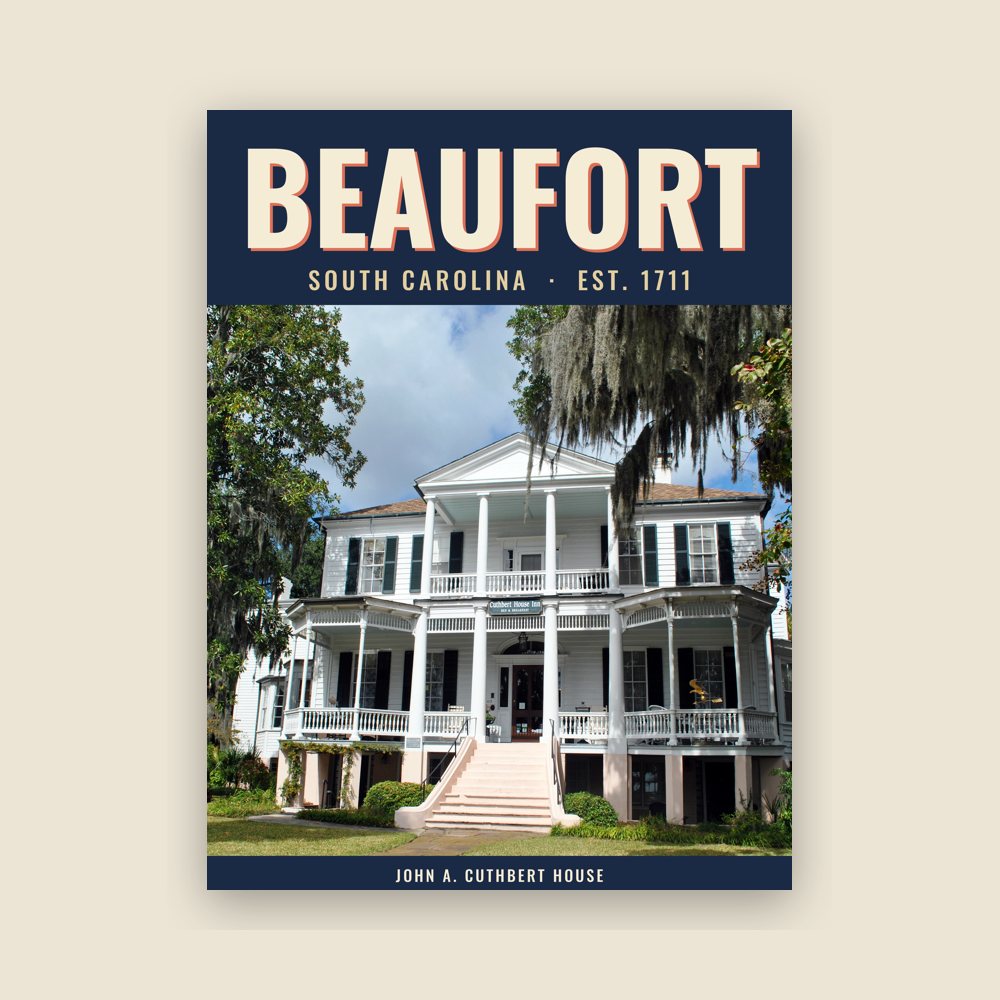
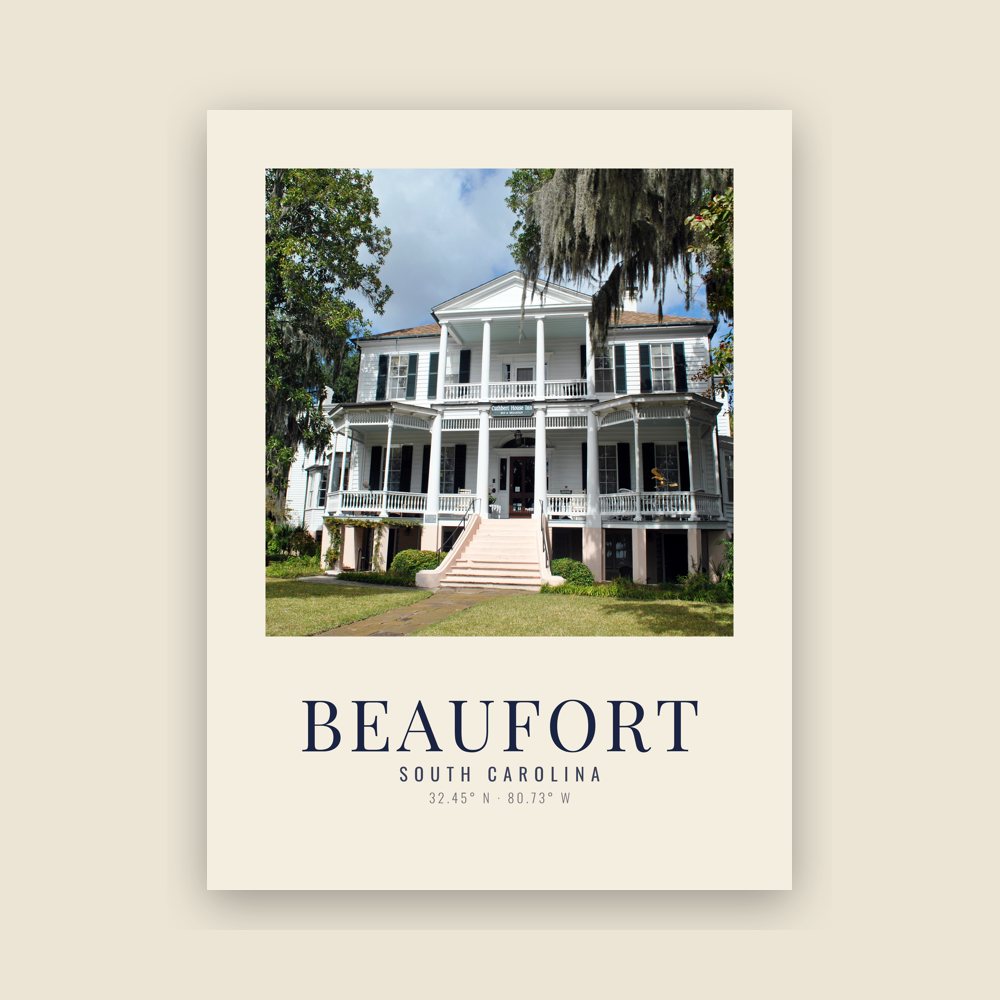
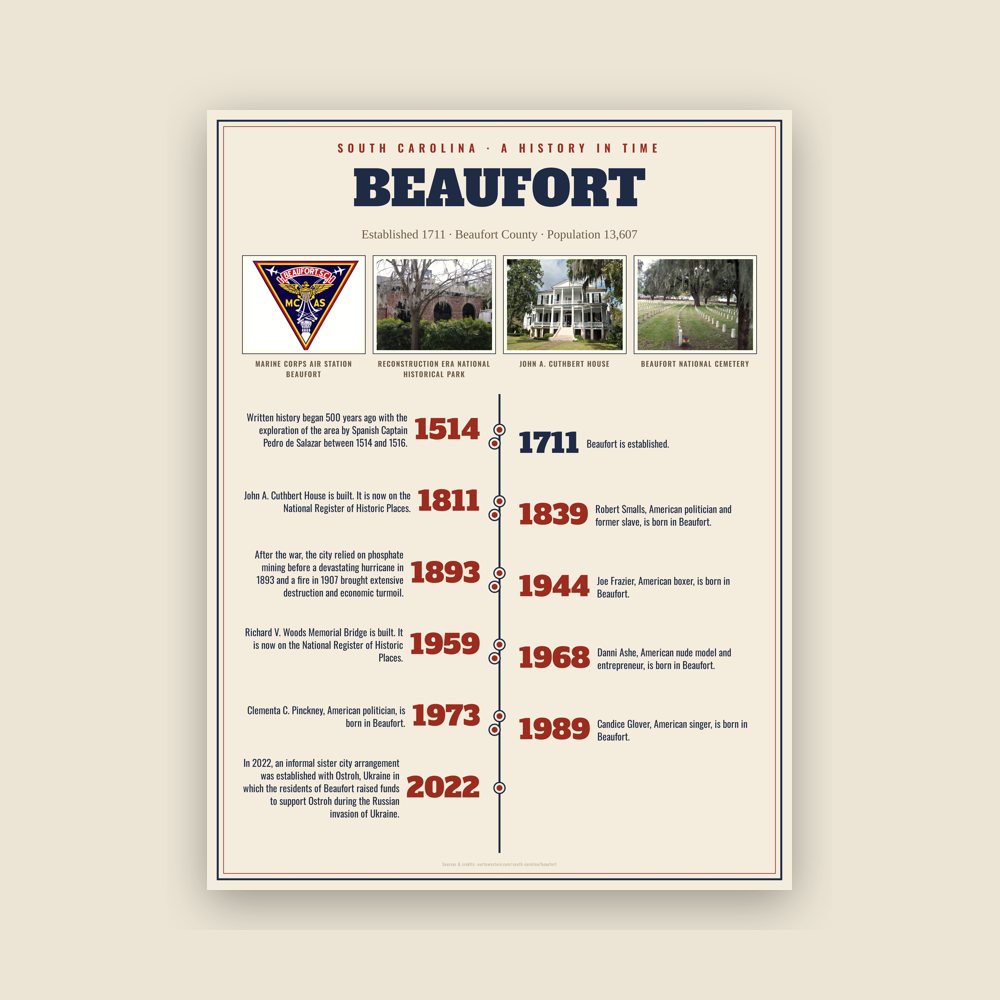
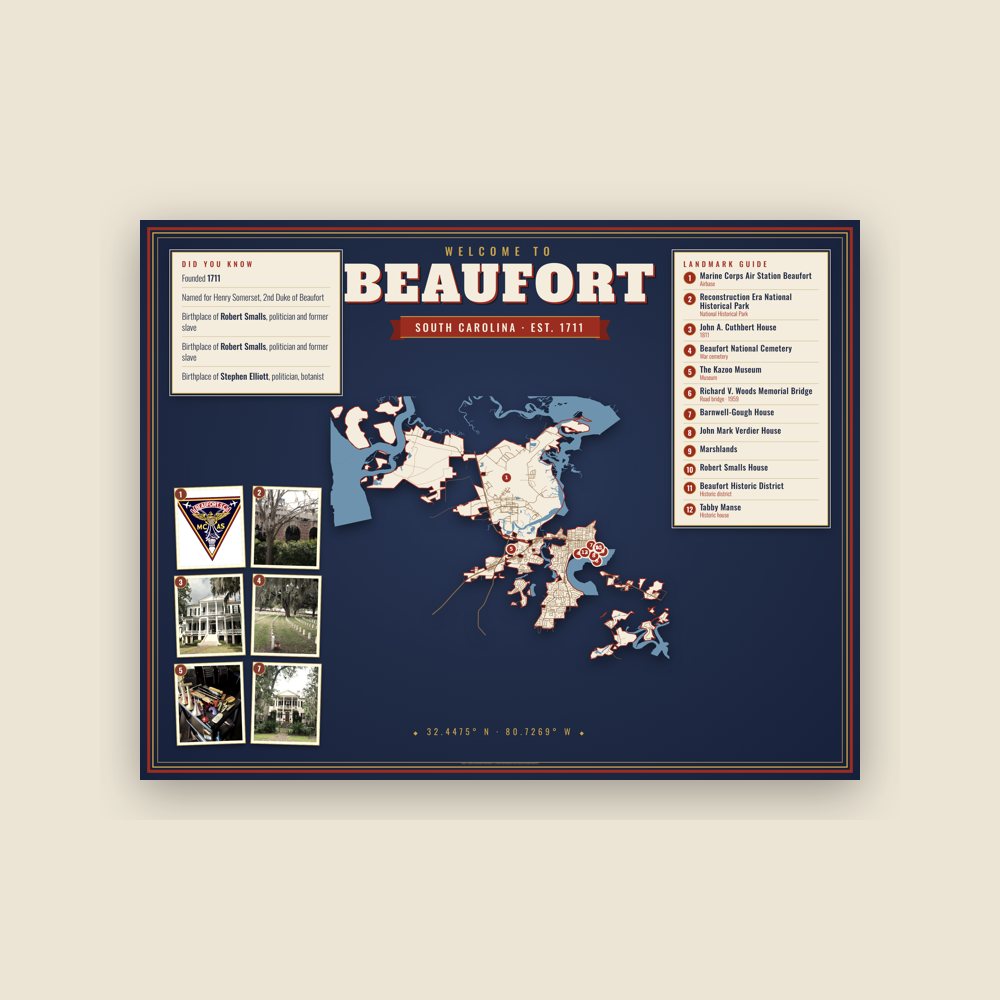

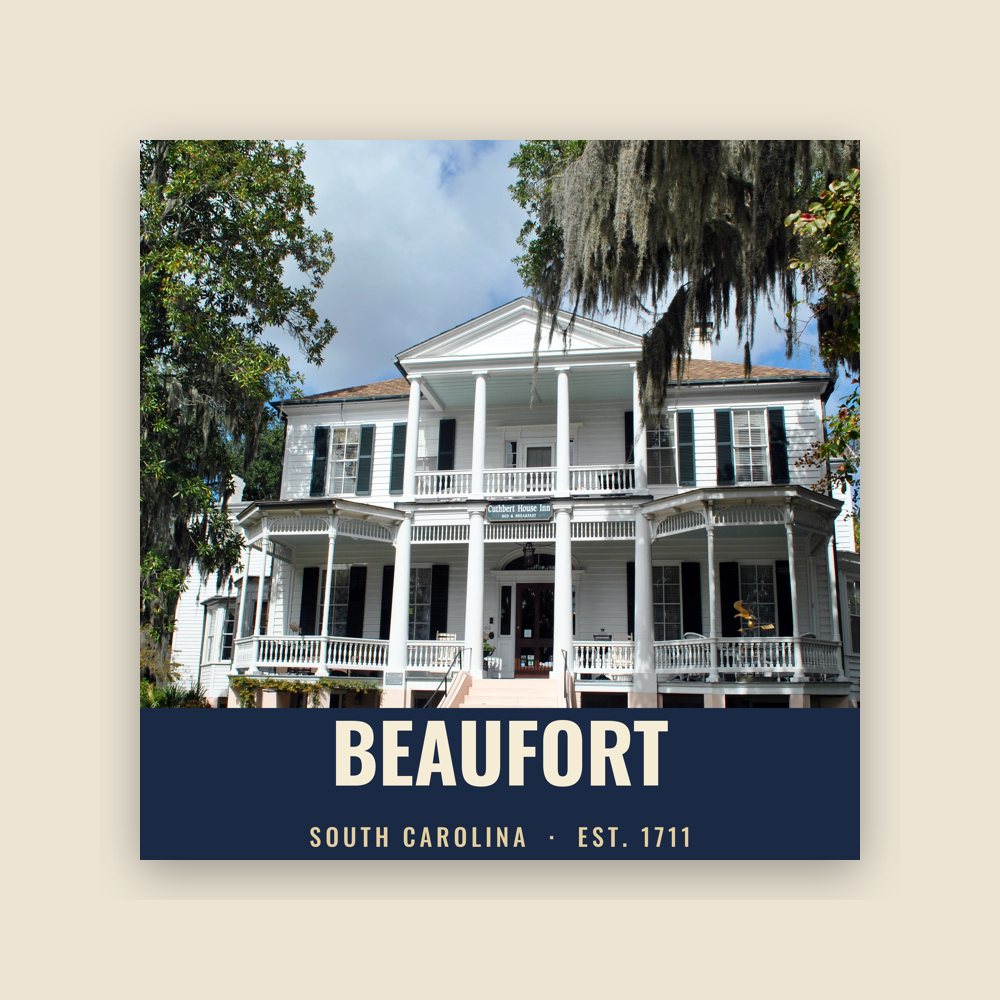
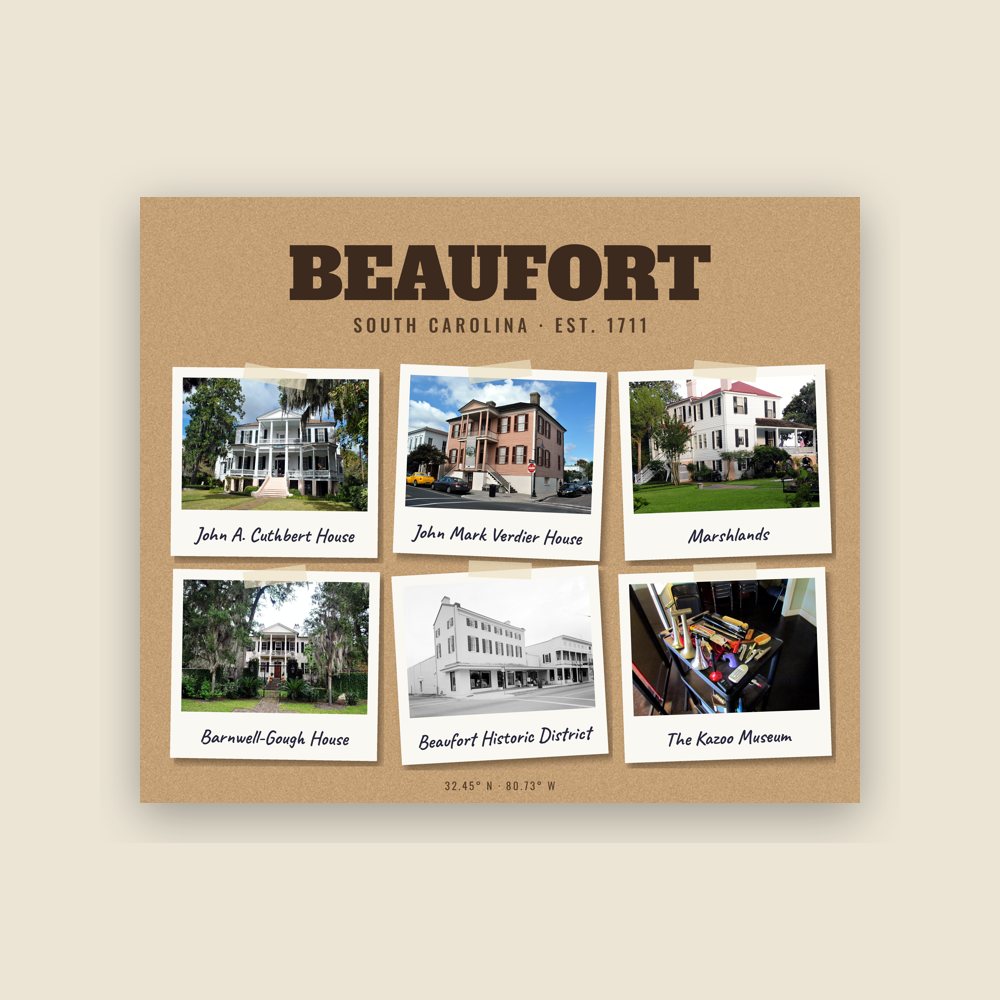

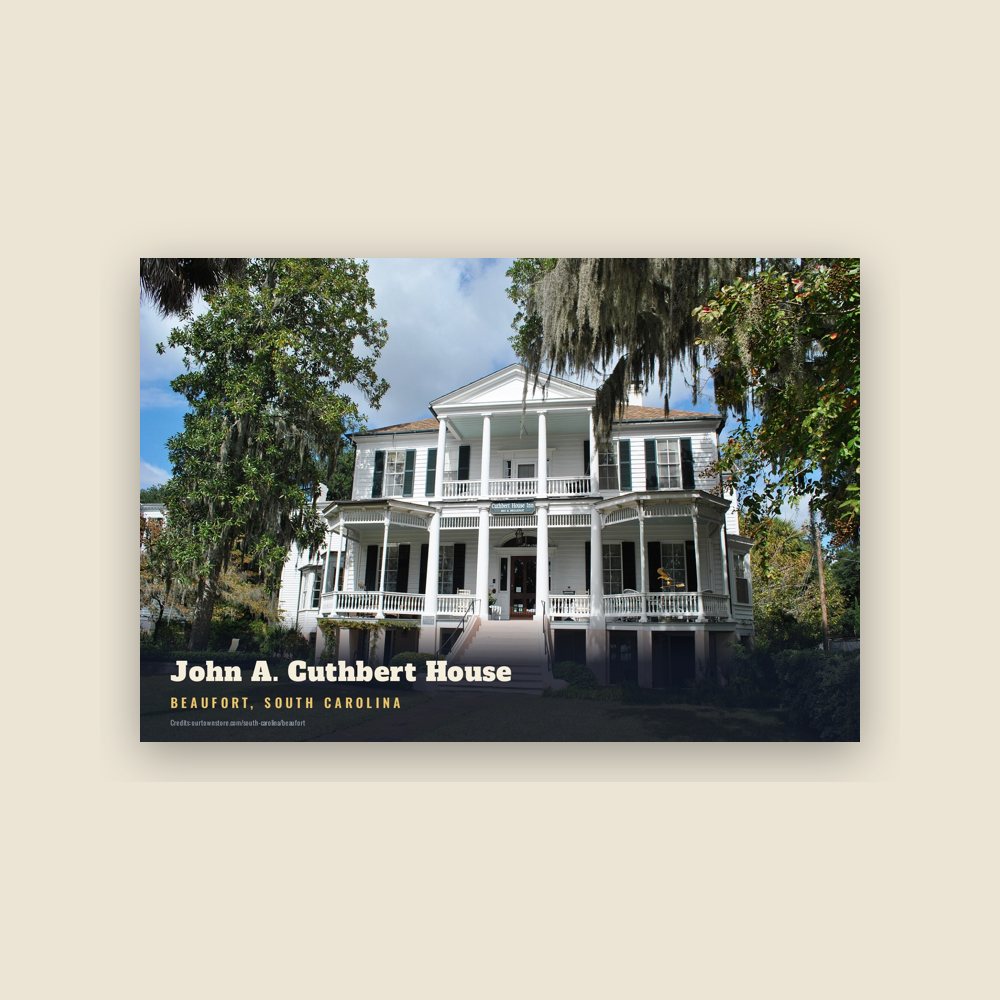
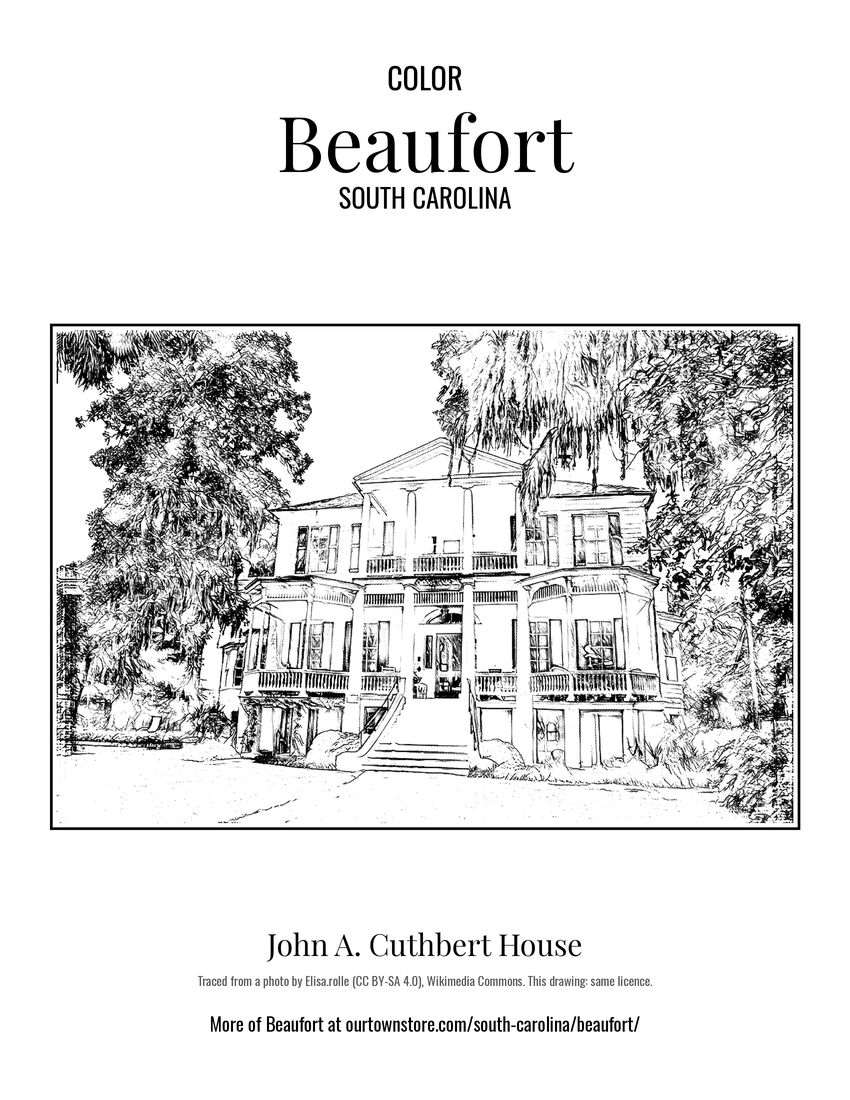 John A. Cuthbert House
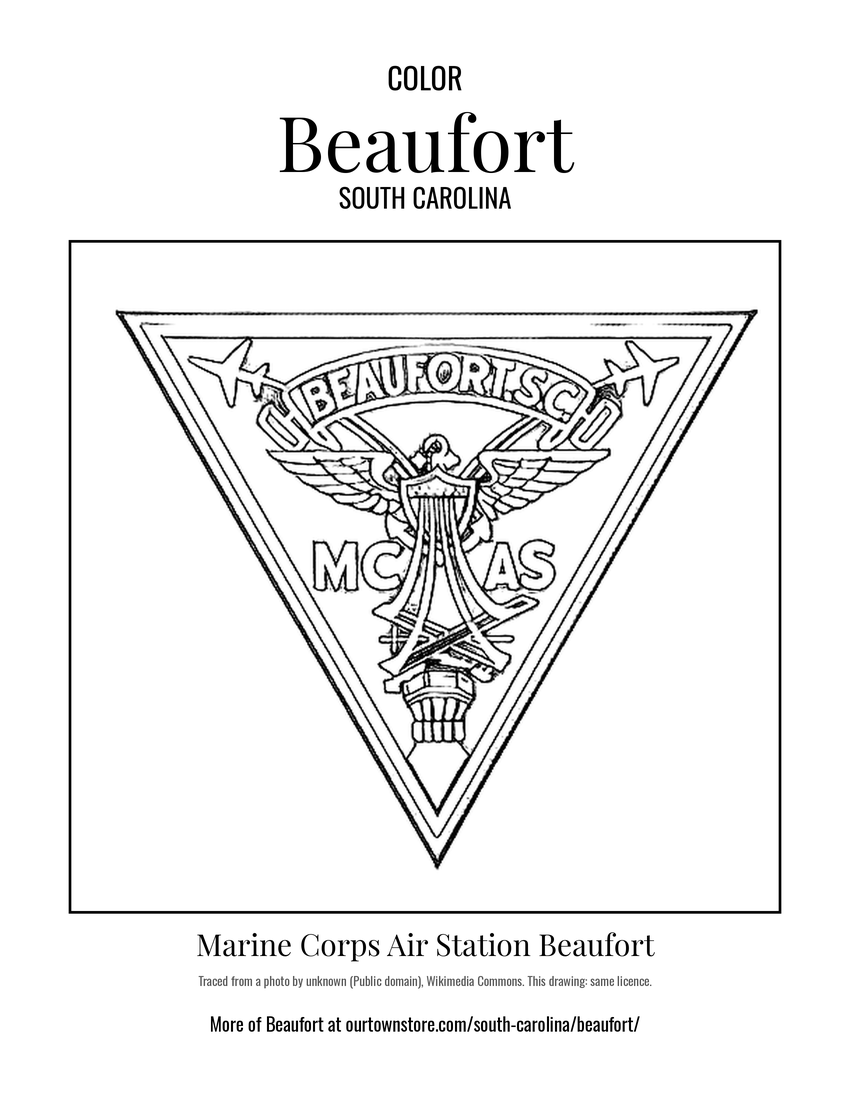 Marine Corps Air Station Beaufort
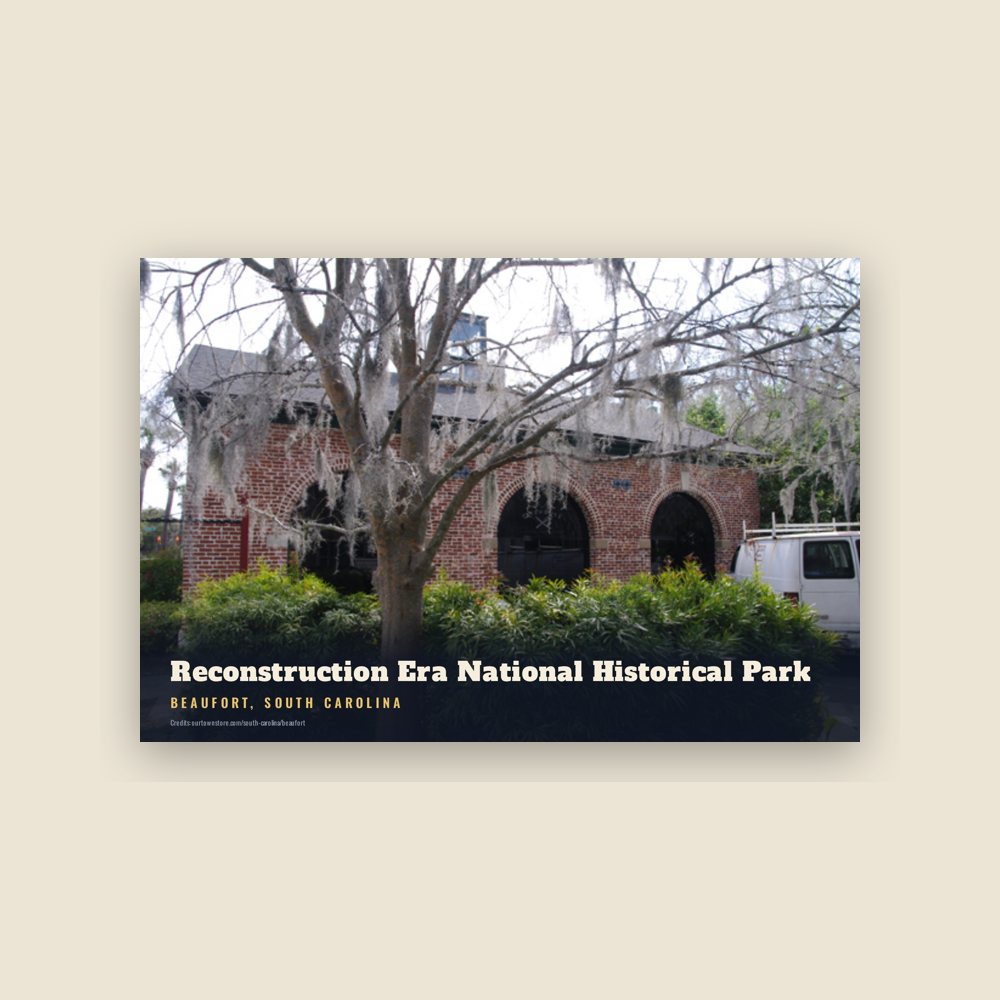
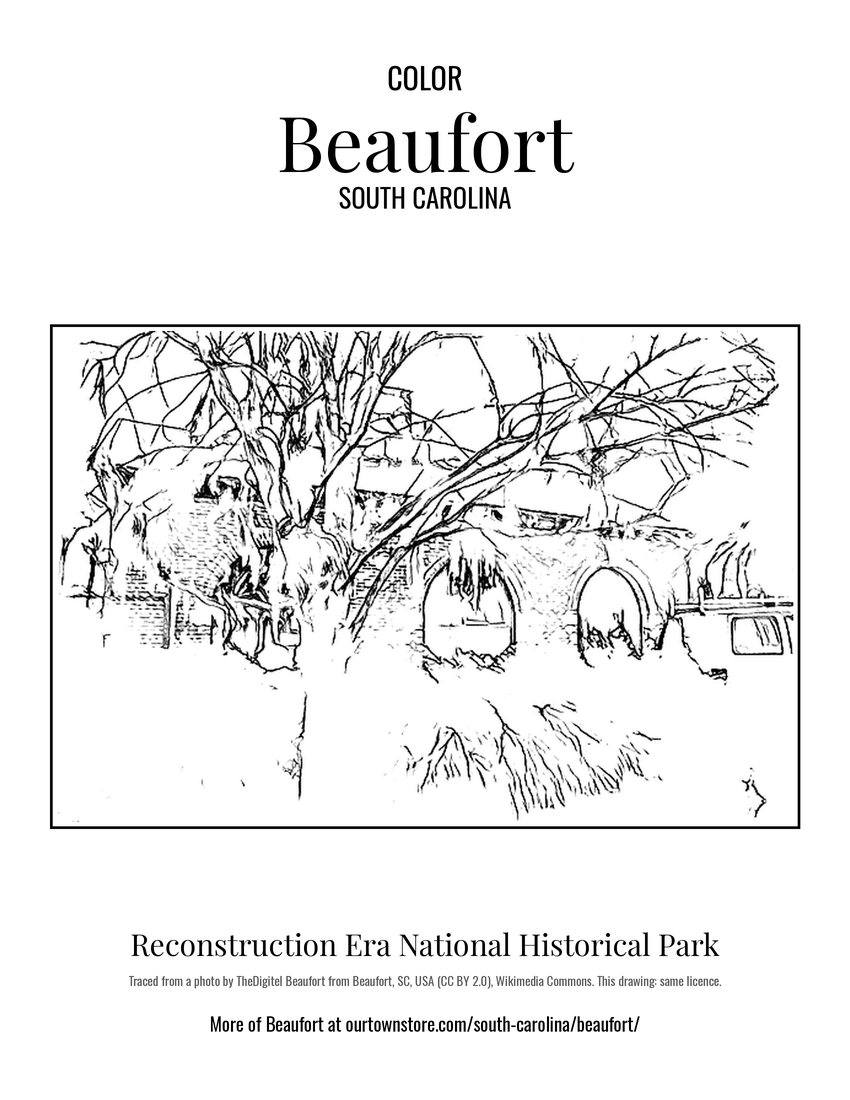 Reconstruction Era National Historical Park
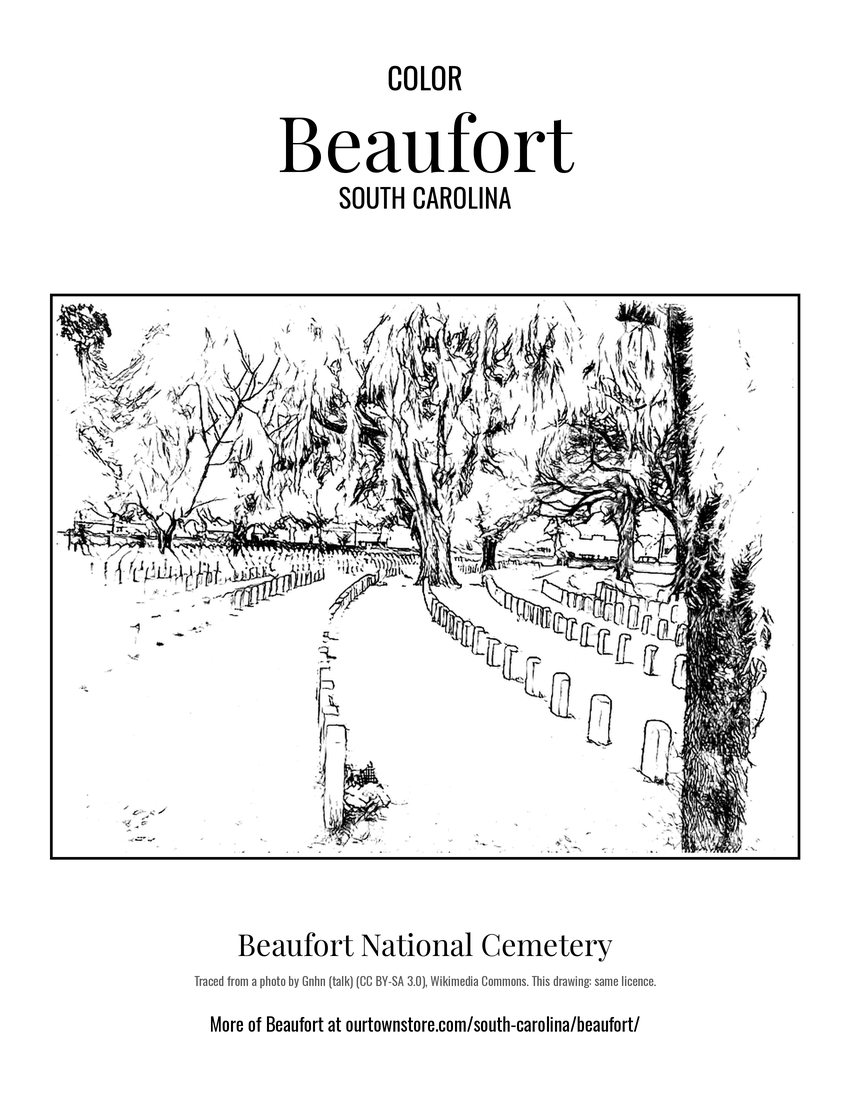 Beaufort National Cemetery