A short history of Batesburg-Leesville
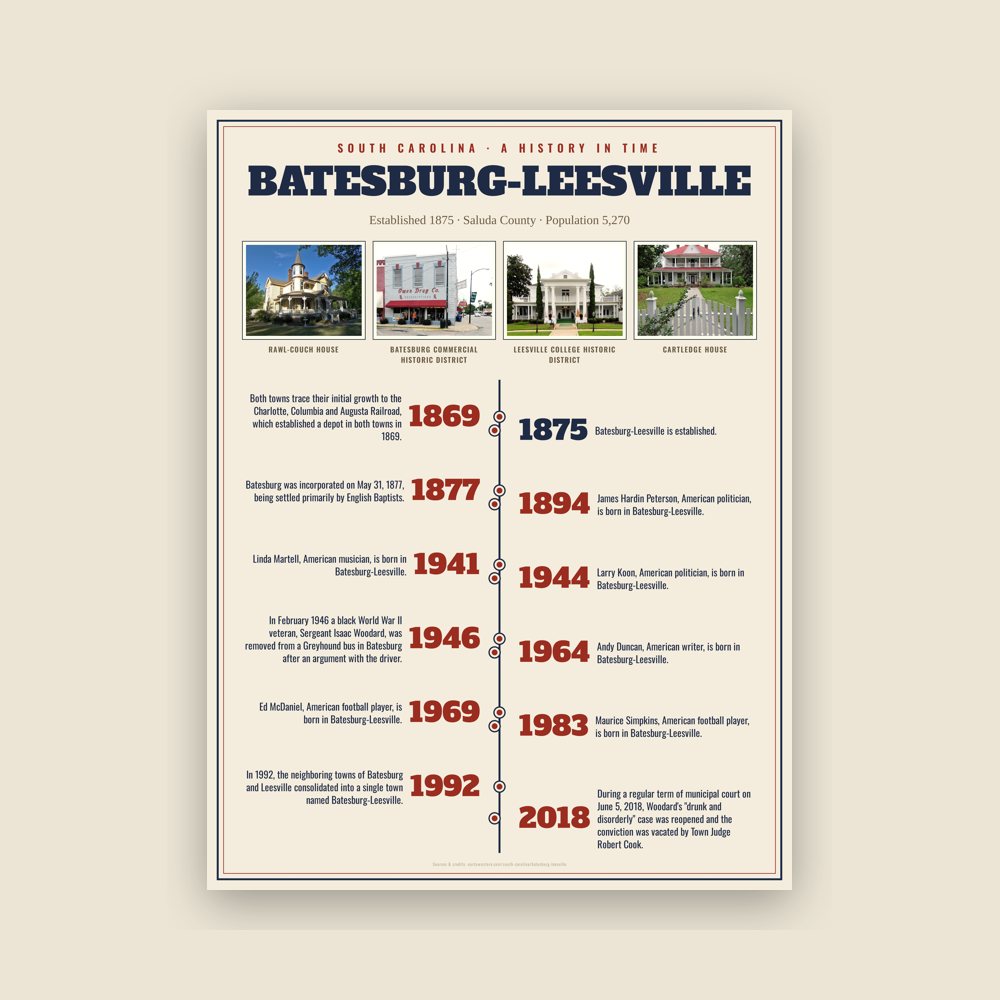
Leesville was incorporated on February 23, 1875, being settled predominantly by German Lutherans. The town was named for Colonel John W. Lee, a prominent resident of the community.
Batesburg was incorporated on May 31, 1877, being settled primarily by English Baptists. The town was named for Captain Tom Bates, a prominent citizen of the community and a captain in the American Civil War.
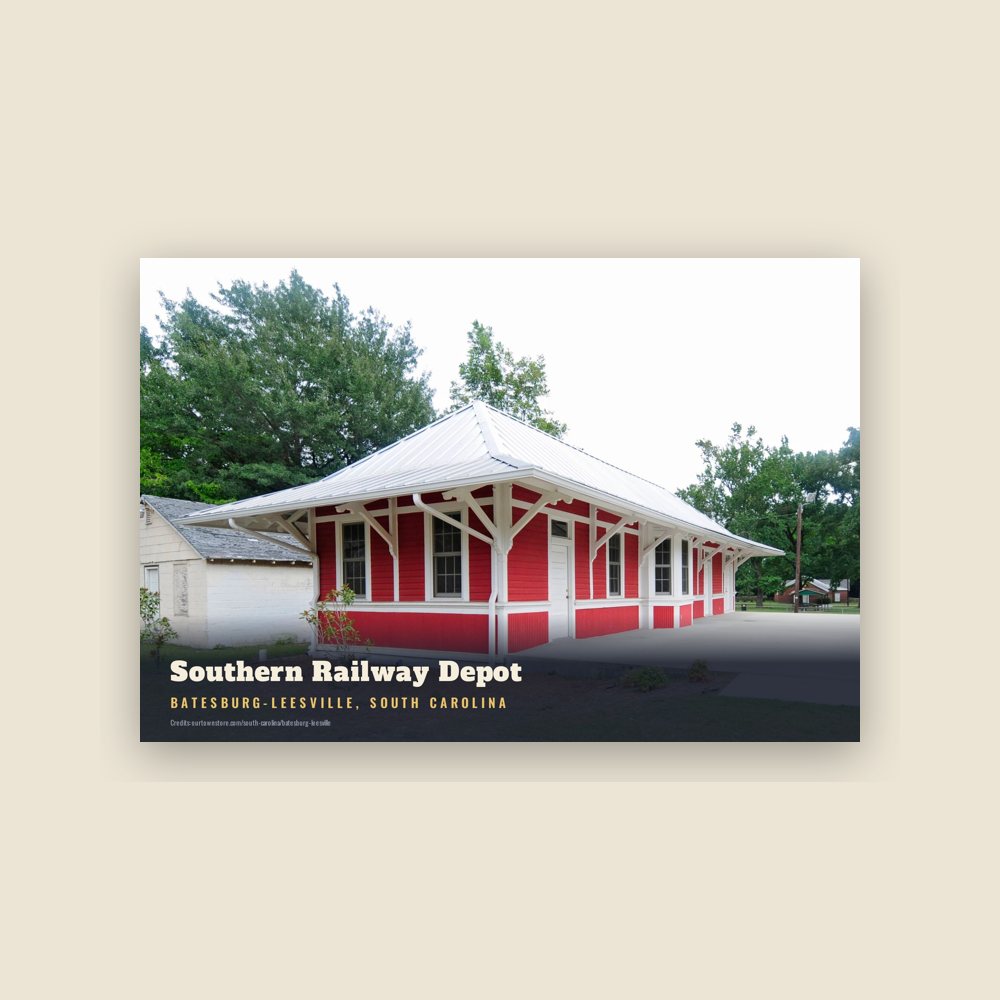
Both towns trace their initial growth to the Charlotte, Columbia and Augusta Railroad, which established a depot in both towns in 1869.
In 1992, the neighboring towns of Batesburg and Leesville consolidated into a single town named Batesburg-Leesville. The first mayor of Batesburg-Leesville, Dr. Elza S. "Sandy" Spradley, Jr., was also the last mayor of Batesburg. Spradley had been a practicing pharmacist and business owner in the town, a town council member, a member of the Batesburg Water Commission, a founding member of the community’s rescue squad, and an 18-year Fire Chief on the Batesburg Fire Department, retiring after 33 years.
Read the full history
Woodard incident
In February 1946 a black World War II veteran, Sergeant Isaac Woodard, was removed from a Greyhound bus in Batesburg after an argument with the driver. While still in uniform he was severely beaten by local police officers, including Sheriff Lynwood Shull, and permanently blinded. The attack became a cause celebre, becoming the subject of multiple radio commentaries by Orson Welles in July and August 1946, and the subject of Woody Guthrie's song, The Blinding of Isaac Woodard, though Aiken is mistakenly referenced as the location of the incident in the song.
Due to South Carolina's reluctance to pursue the case, President Harry S. Truman ordered a federal investigation. Shull was federally indicted and later acquitted by an all-white jury. This incident helped lead to Truman setting up the President's Committee on Civil Rights and issuing Executive Order 9981 desegregating the armed forces.
In early 2018, the town of Batesburg-Leesville, with Town Attorney Christian Spradley, Police Chief W. Wallace Oswald, and Mayor Lancer Shull (no relation to Linwood Shull ), reopened the Woodard case to consider dismissing the 1946 charges. During a regular term of municipal court on June 5, 2018, Woodard's "drunk and disorderly" case was reopened and the conviction was vacated by Town Judge Robert Cook.
After a fundraising campaign, a permanent historic plaque now stands on the corner of West Church Street and Fulmer Street in old Batesburg commemorating the civil rights incident at the site of the original police station.
National Register of Historic Places
Adapted (trimmed) from the Wikipedia article Batesburg-Leesville, South Carolina, revision 1382891541 by its contributors, licensed CC BY-SA 4.0.

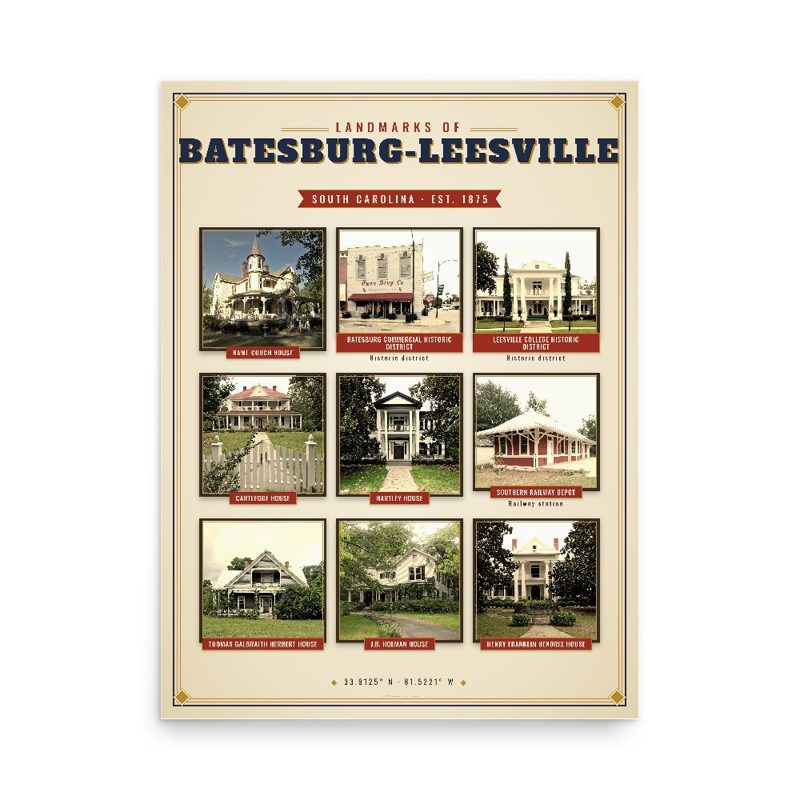
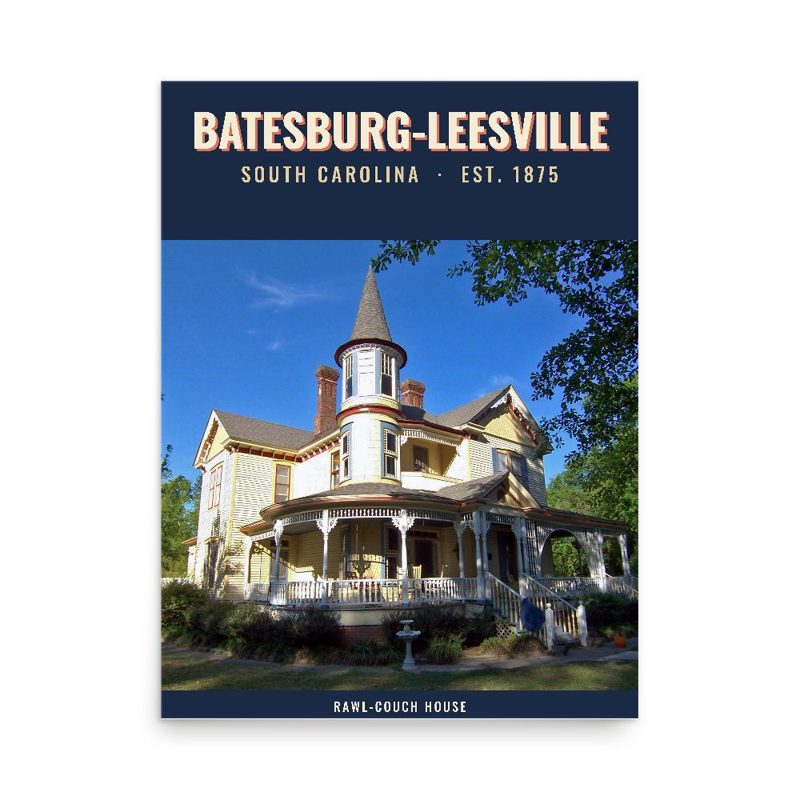
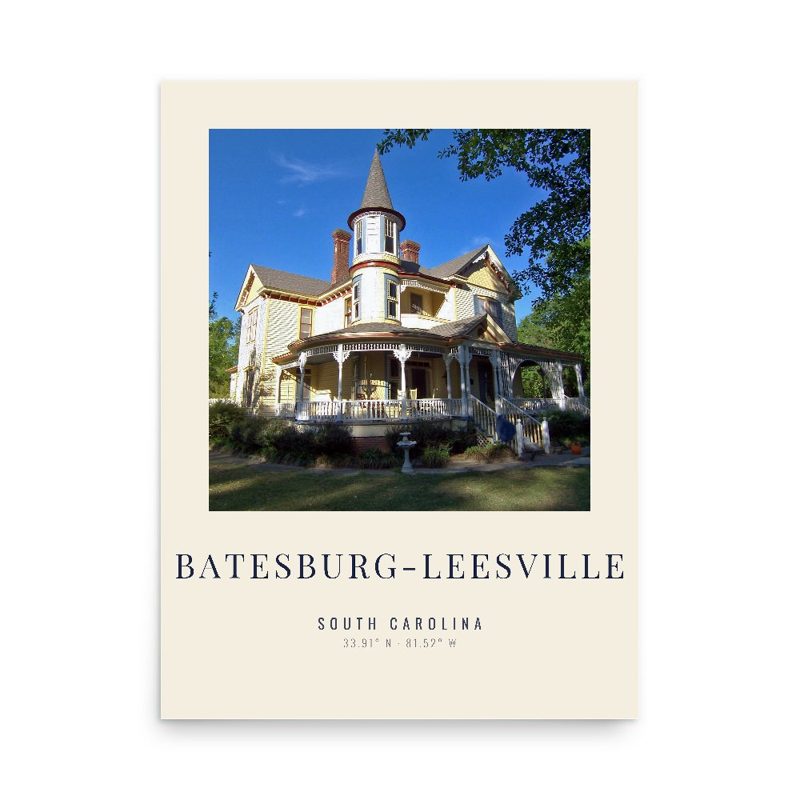

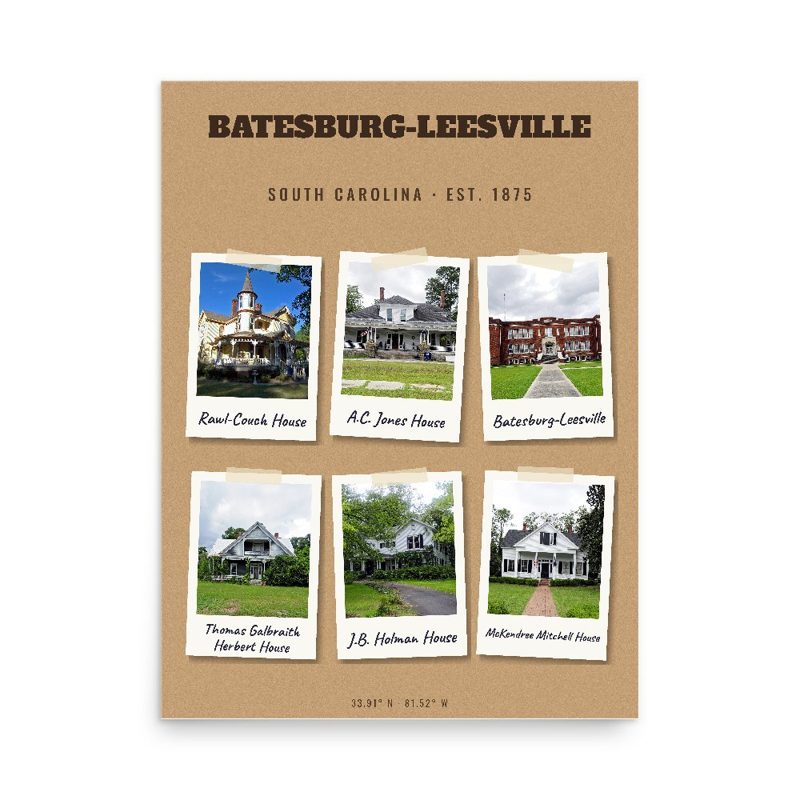
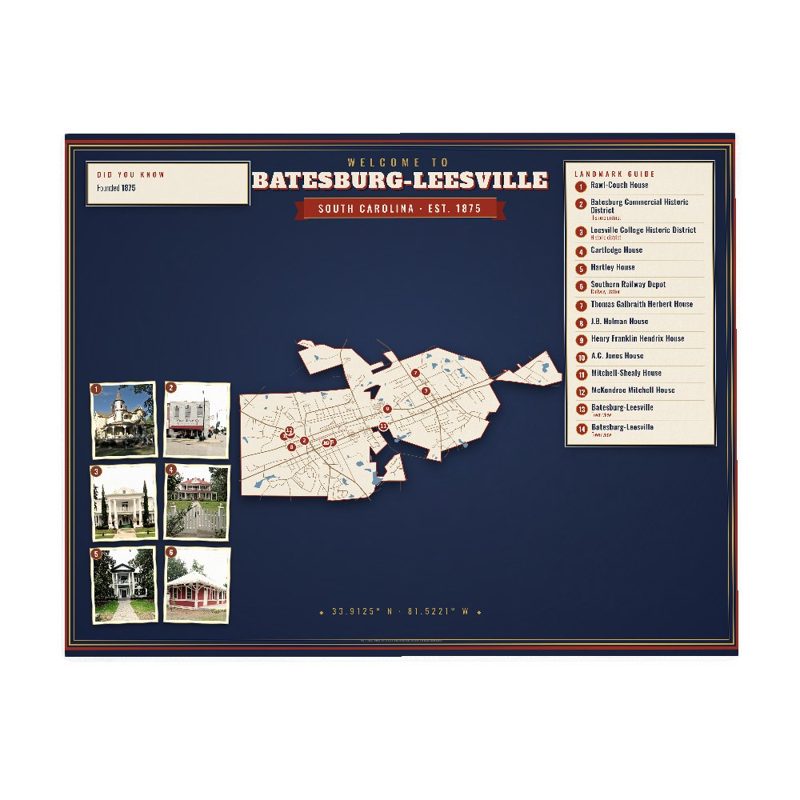













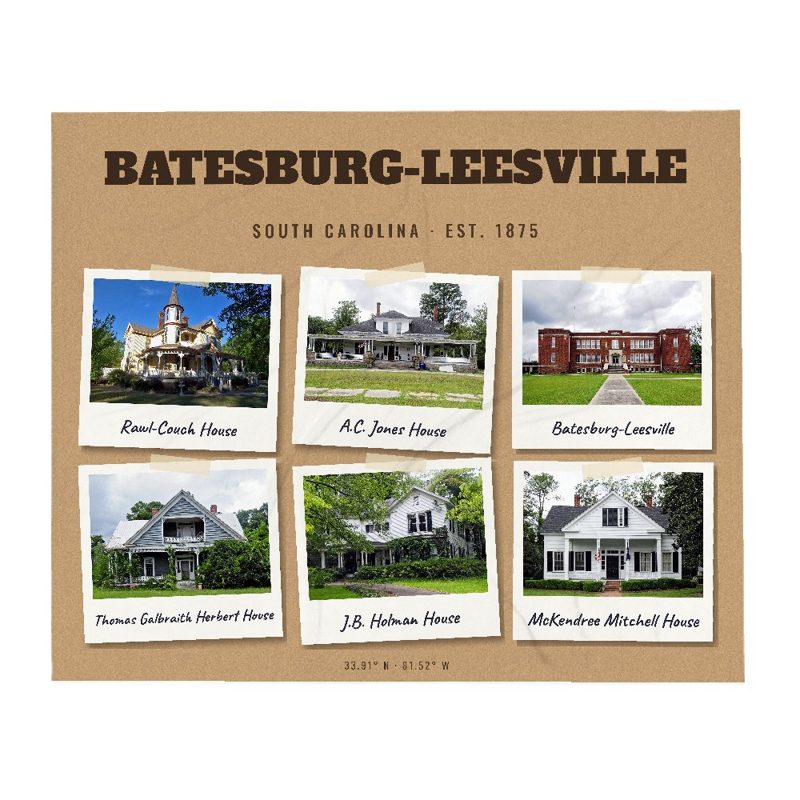
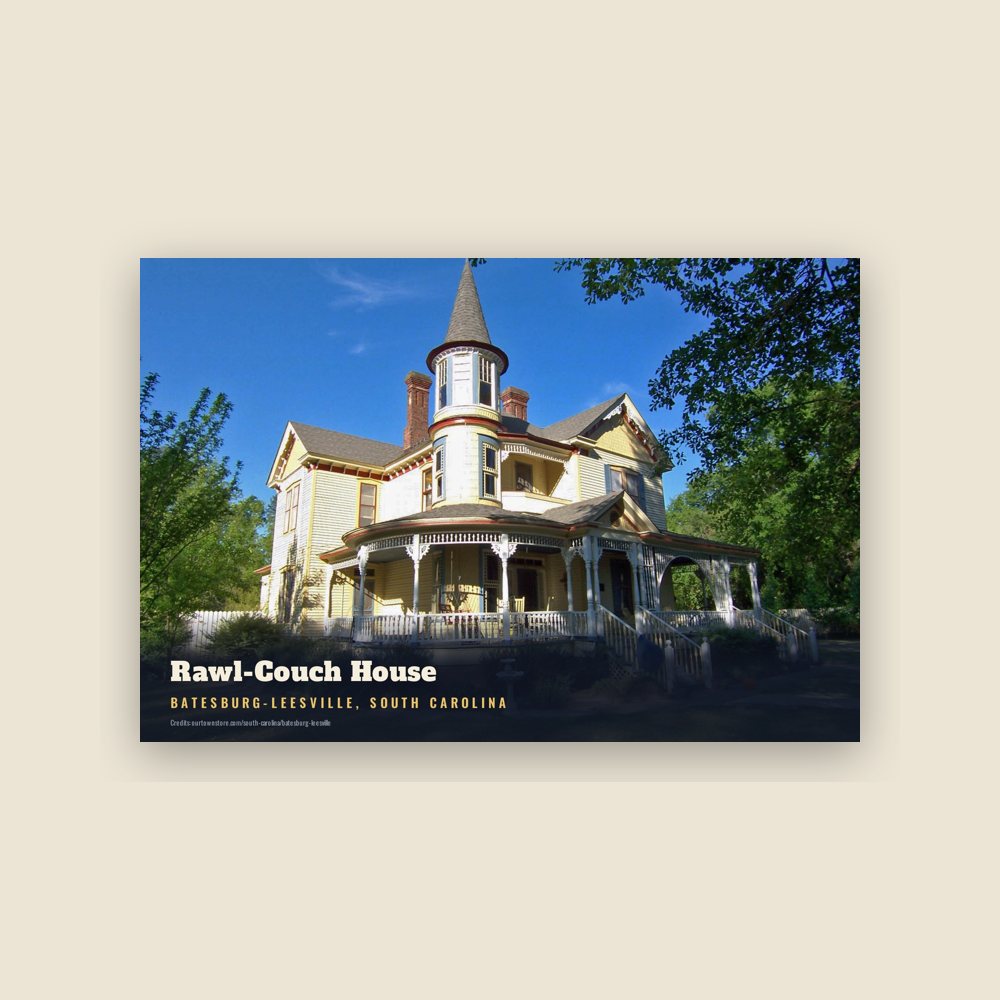
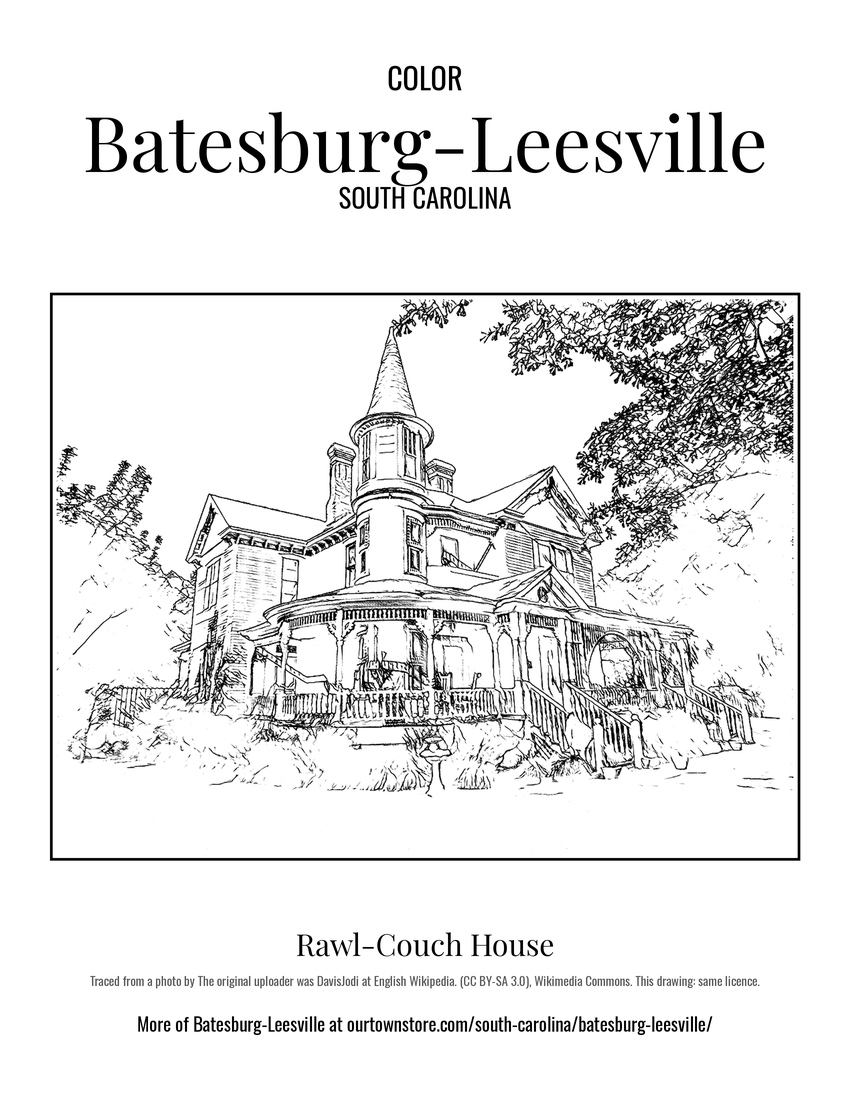 Rawl-Couch House
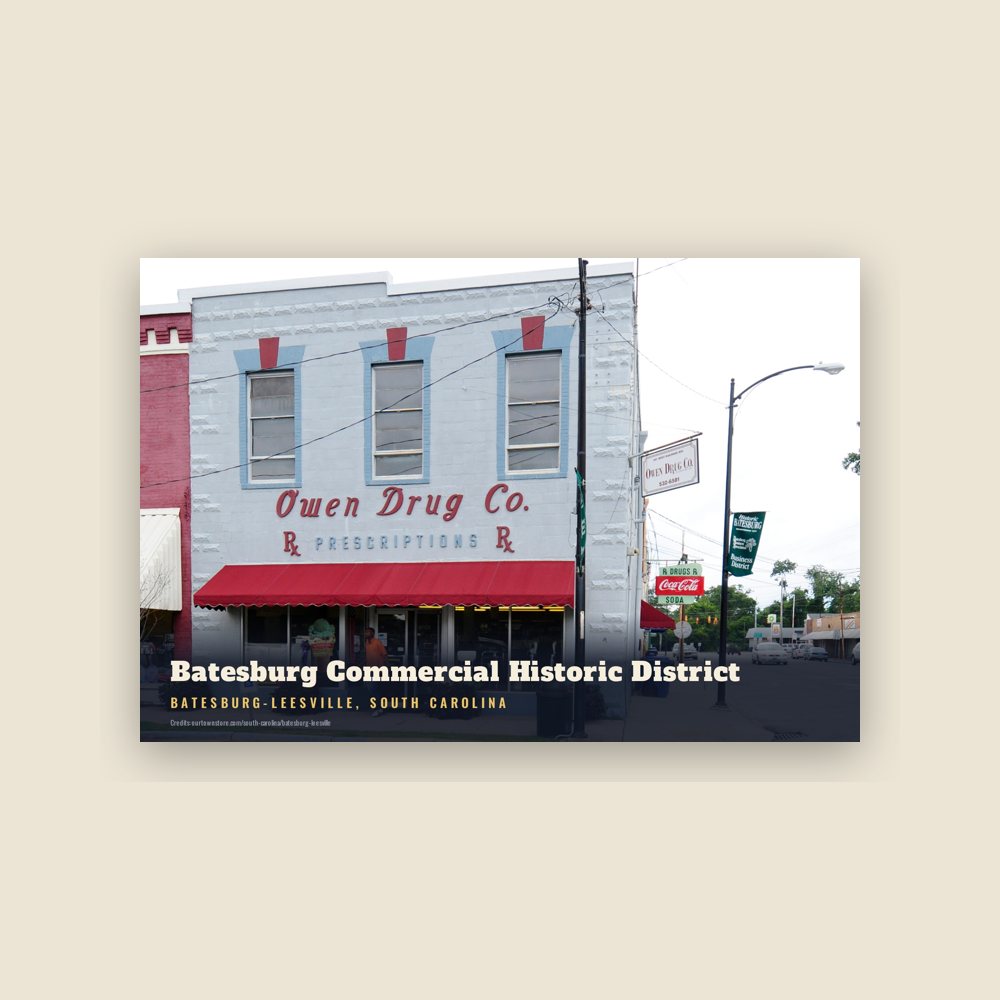
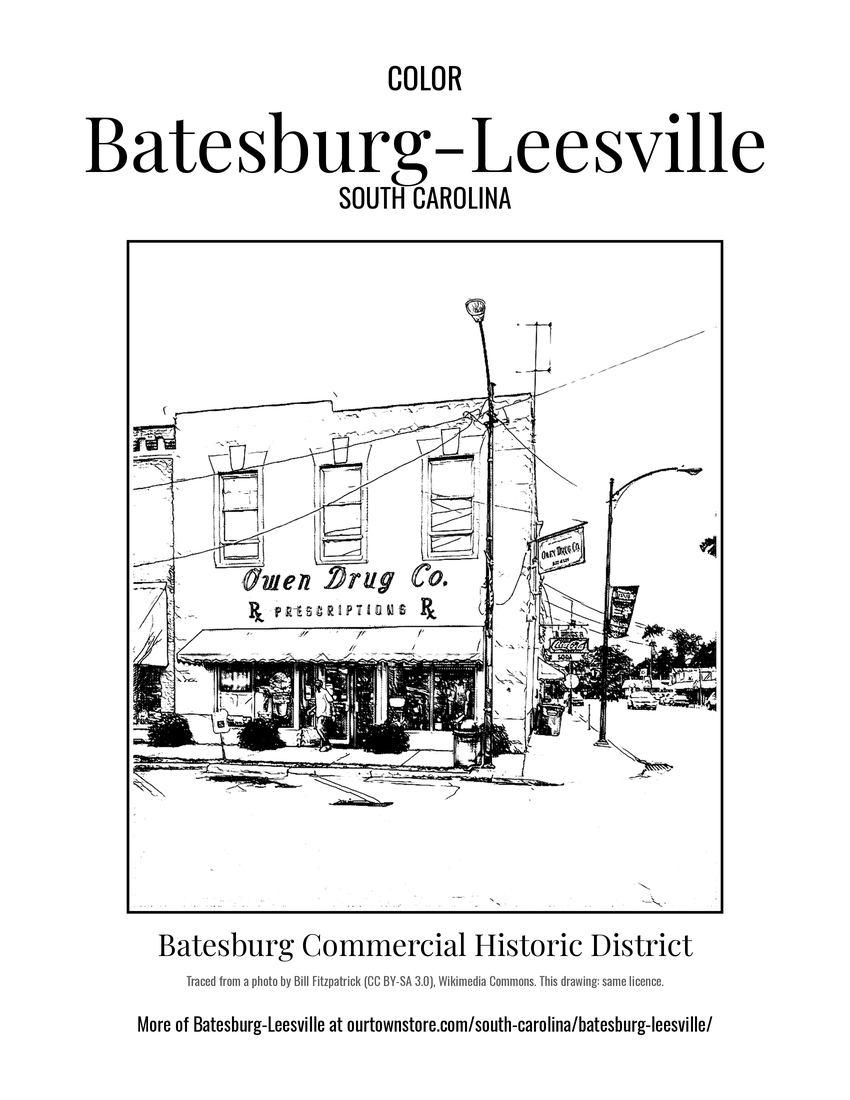 Batesburg Commercial Historic District
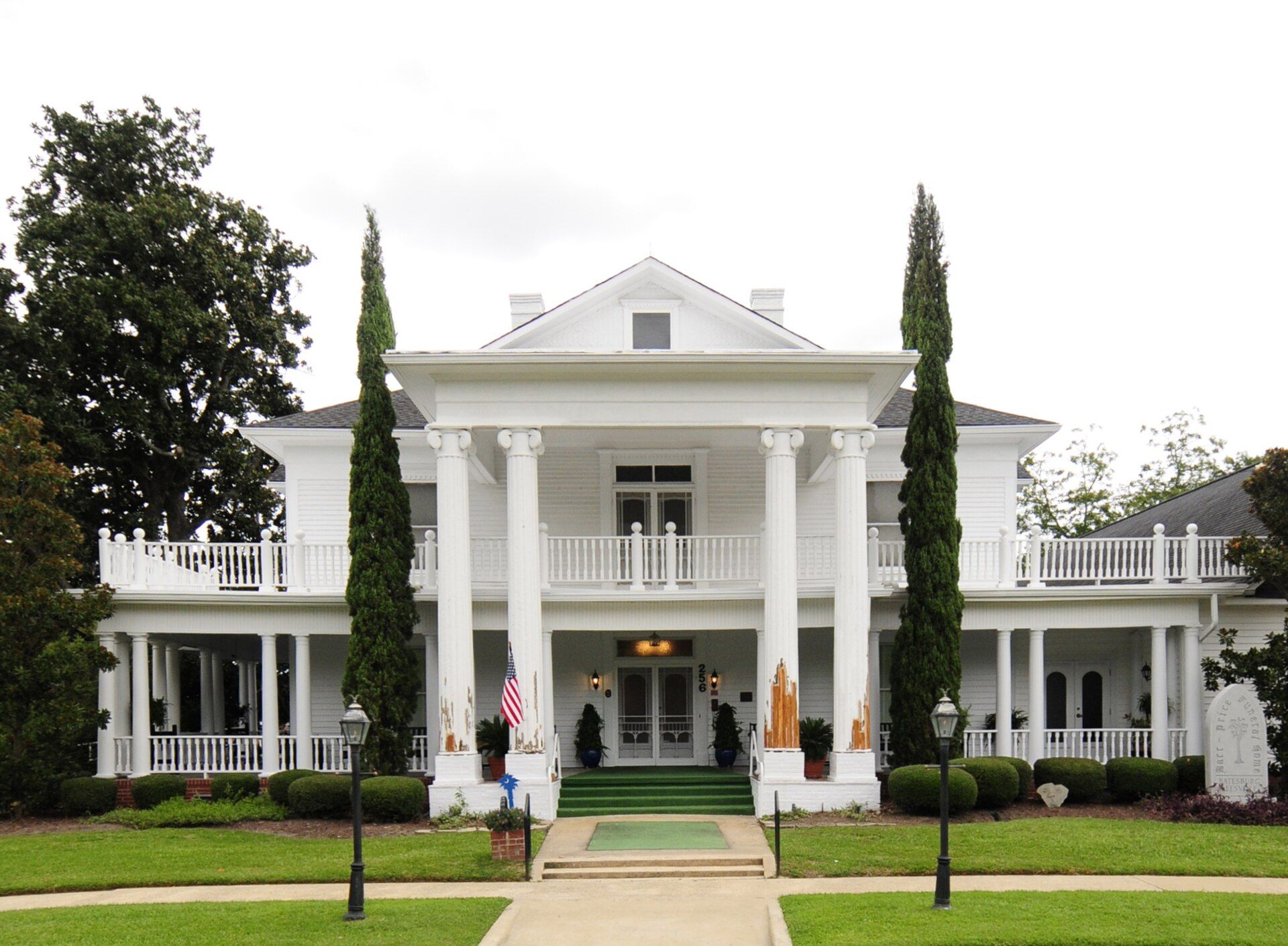
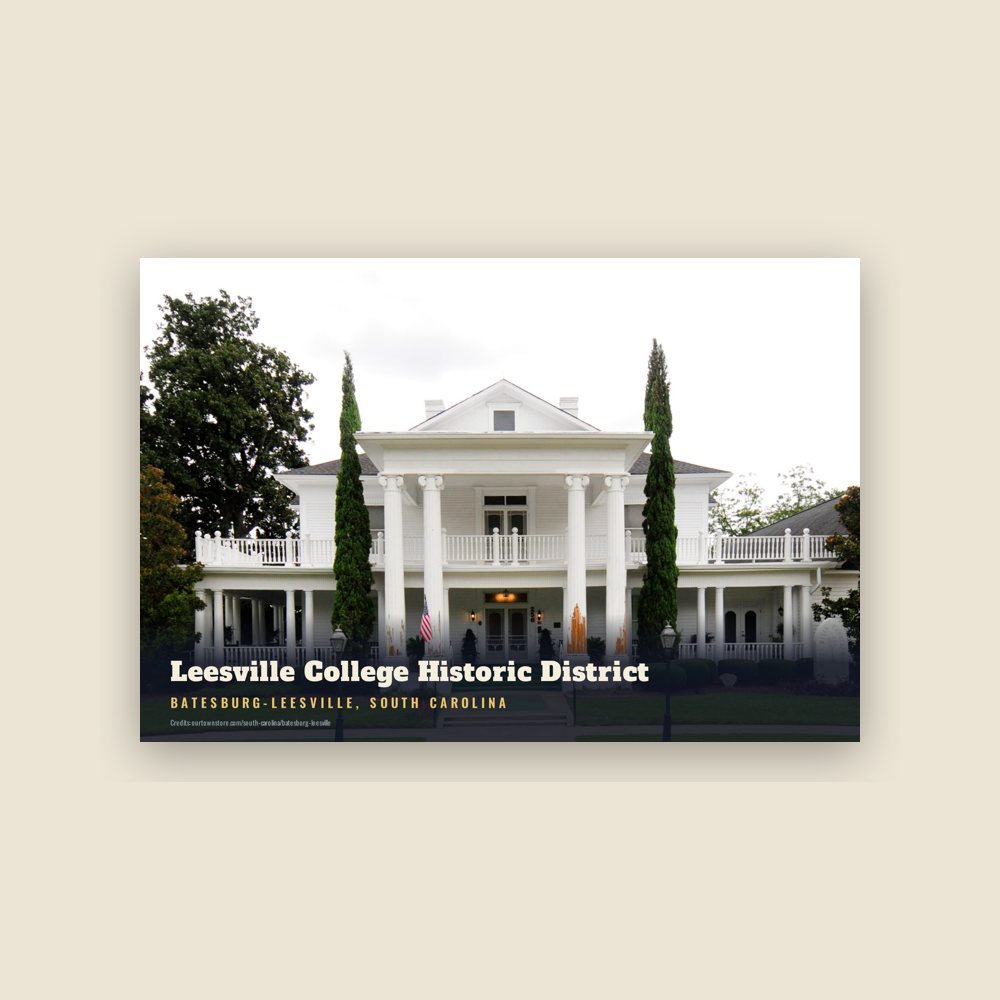
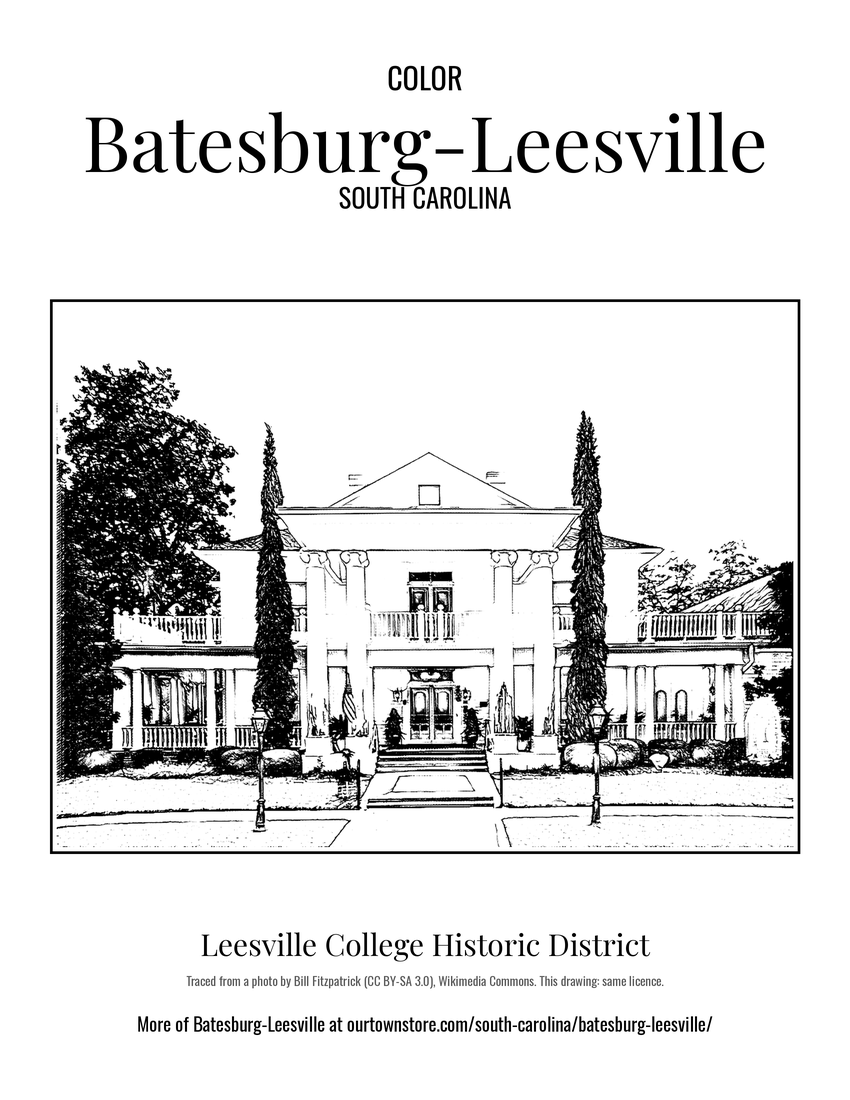 Leesville College Historic District
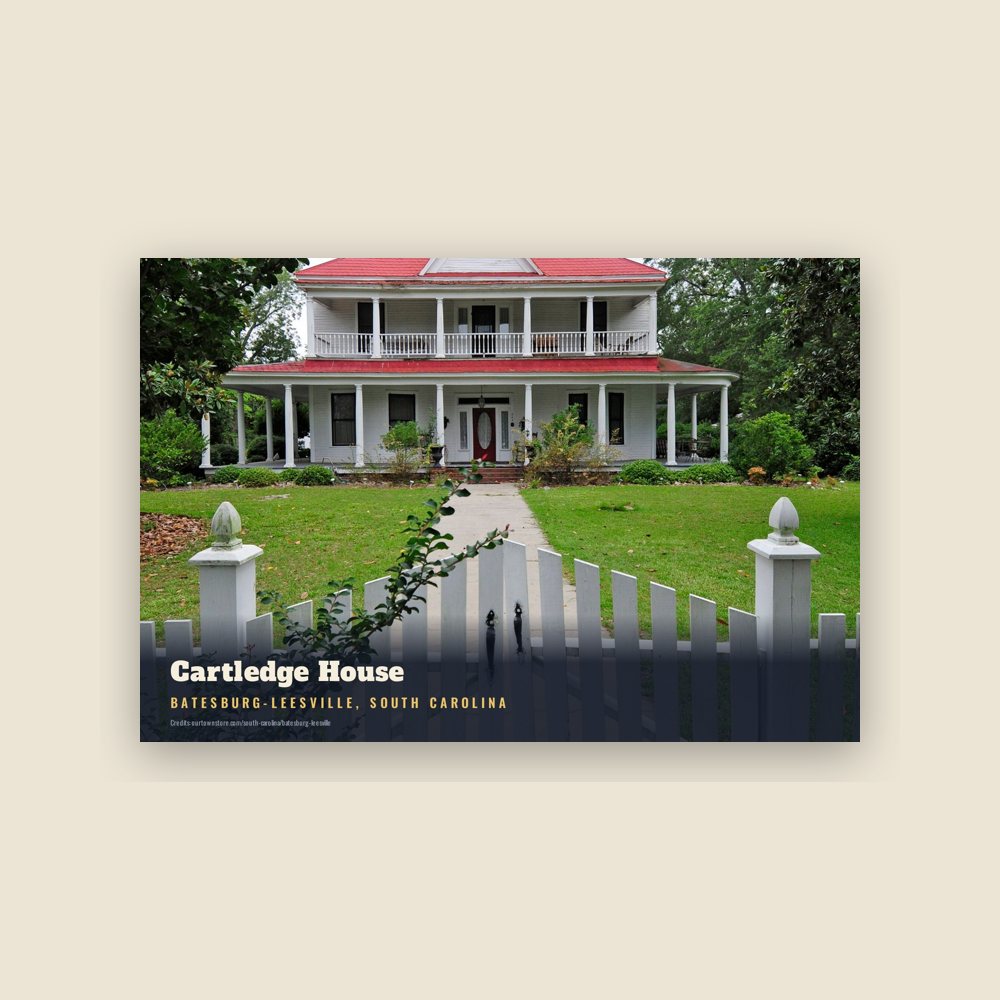
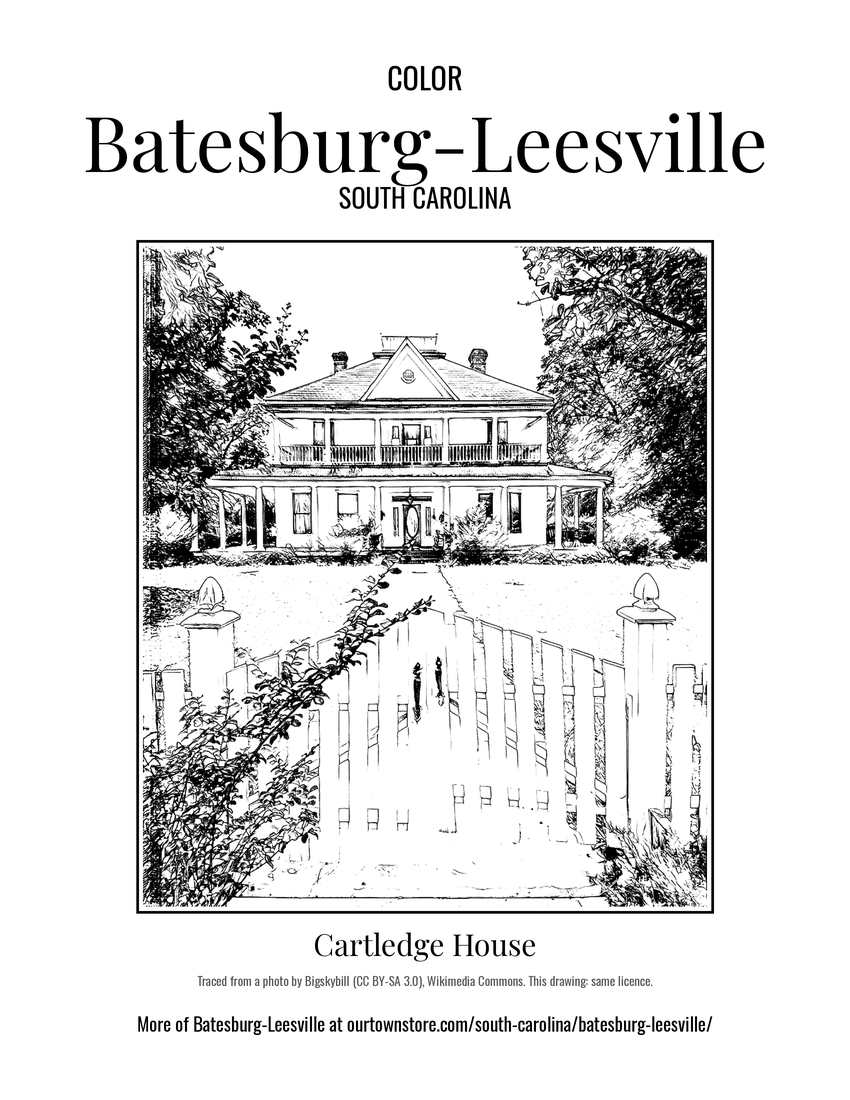 Cartledge House