Since 1829
A short history of Barnwell
In 1785, the district of Winton County was formed from a portion of the Orangeburg District in order to create another judicial circuit. It was given its current name in 1798 when the county and its seat were named for Revolutionary War leader John Barnwell (1748–1800), who headed a militia in South Carolina. Barnwell County originally stretched from the Savannah River on the west almost to the Atlantic Ocean.
Built in 1832, the South Carolina Railroad connected Charleston to Hamburg, near Augusta, Georgia, upriver on the Savannah River. The designation of two stops on the railroad led to the development of the towns of Blackville and Williston in the mid-nineteenth century.
Read the full history
Civil War
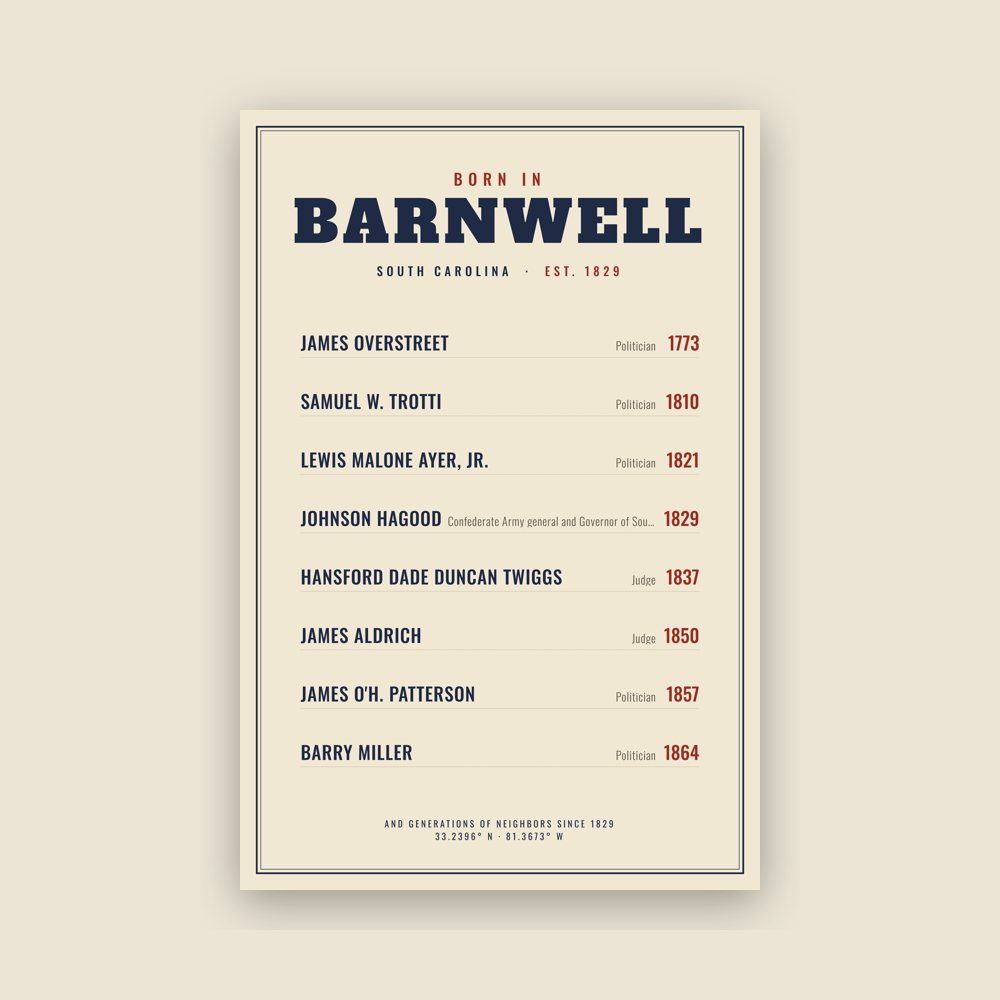
Barnwell gave generously to the Confederate cause. Its most distinguished participant was Confederate General Johnson Hagood, who was later elected as governor of South Carolina, serving from 1880 until 1882.
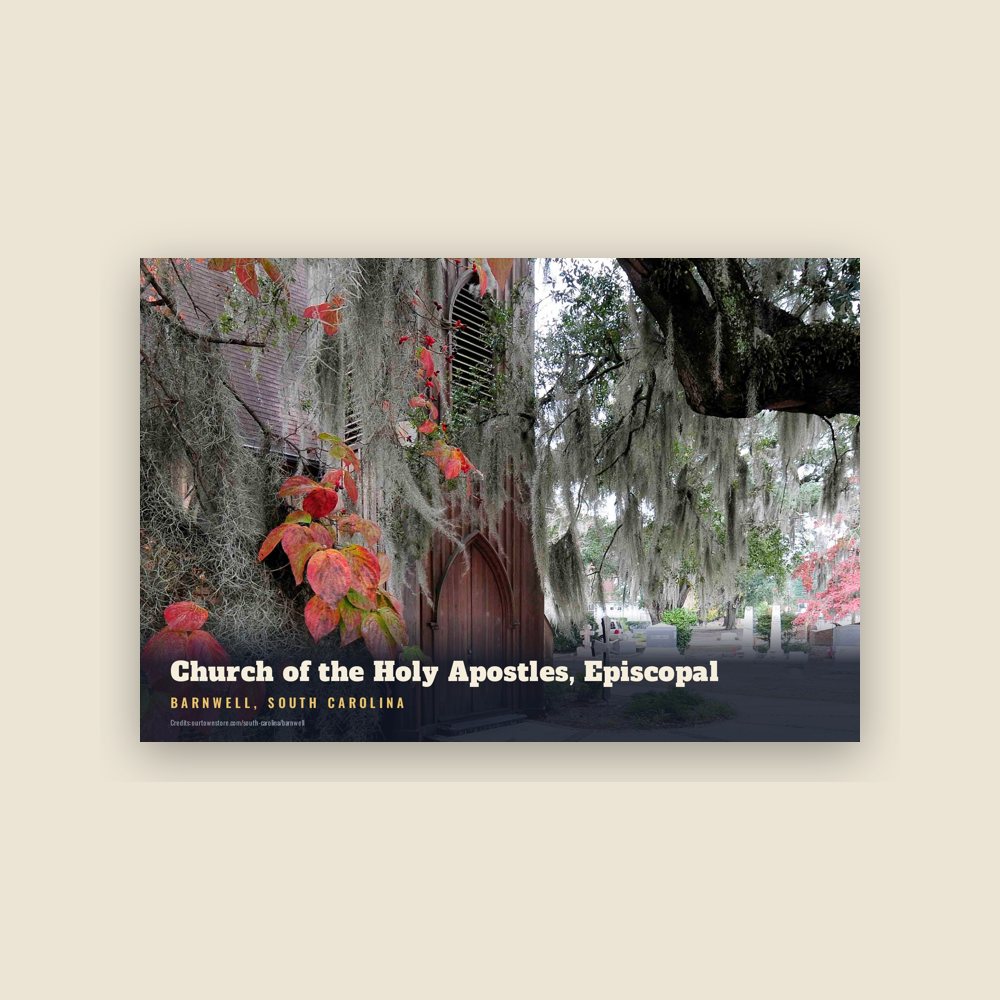
When Union General Judson Kilpatrick was in Barnwell, as part of General Sherman's March to the Sea, his horses were stabled in the Episcopal Church of the Holy Apostles; the baptismal font in the church was used to water the horses.
Registered historic sites
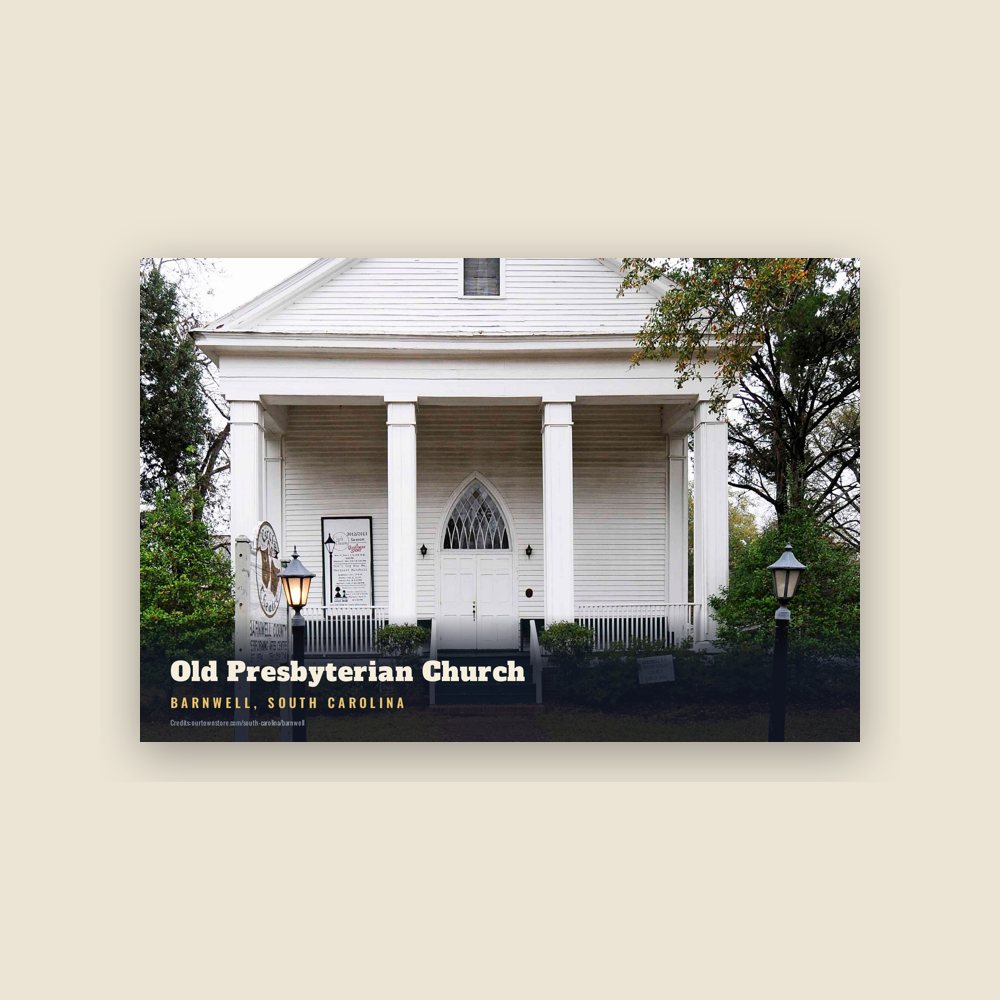
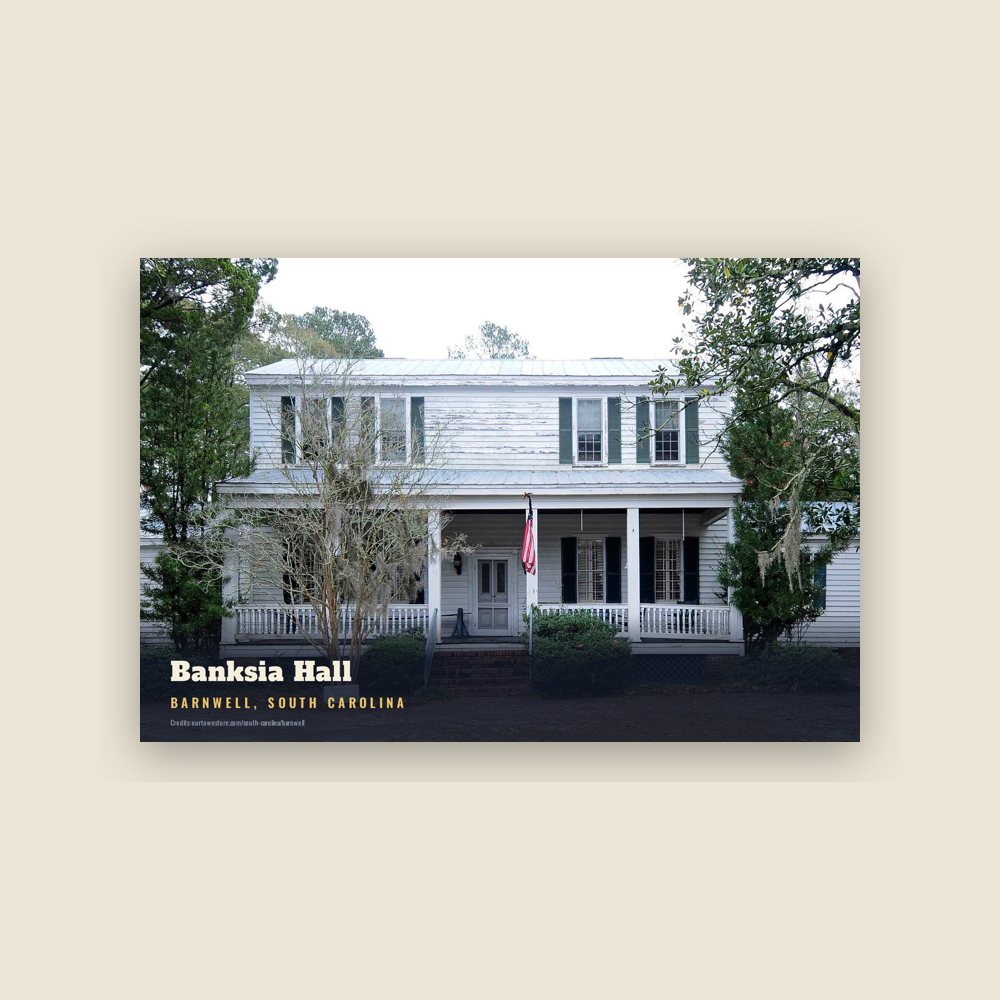
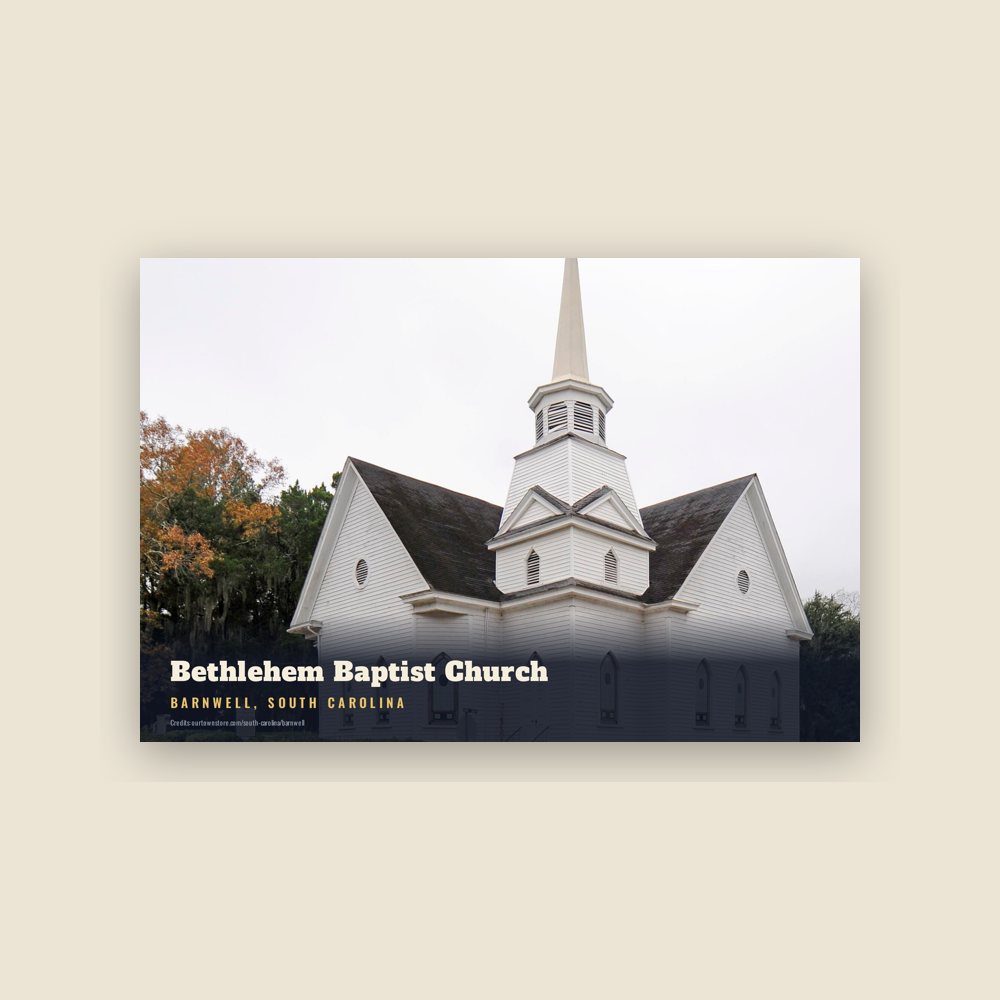
Banksia Hall, Bethlehem Baptist Church, Church of the Holy Apostles Rectory, Church of the Holy Apostles, Episcopal, and Old Presbyterian Church are listed on the National Register of Historic Places.
Adapted (trimmed) from the Wikipedia article Barnwell, South Carolina, revision 1378487456 by its contributors, licensed CC BY-SA 4.0.
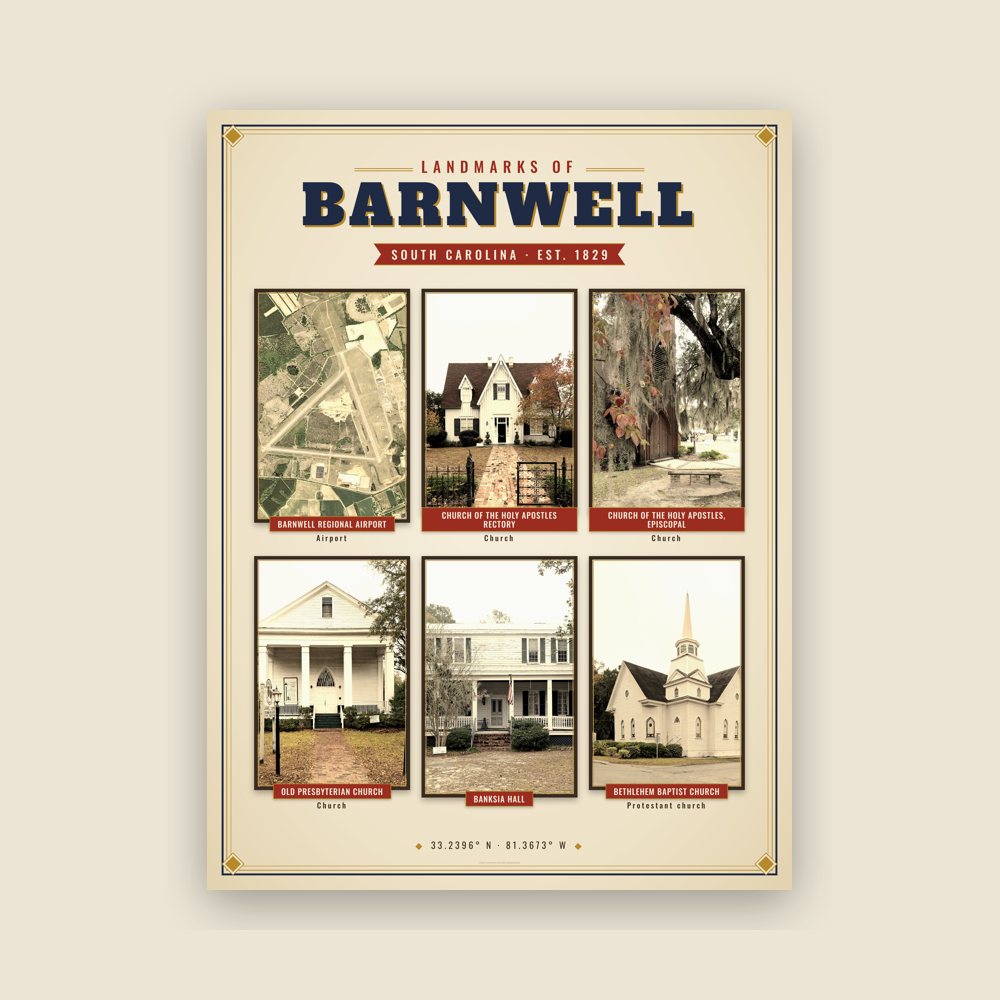
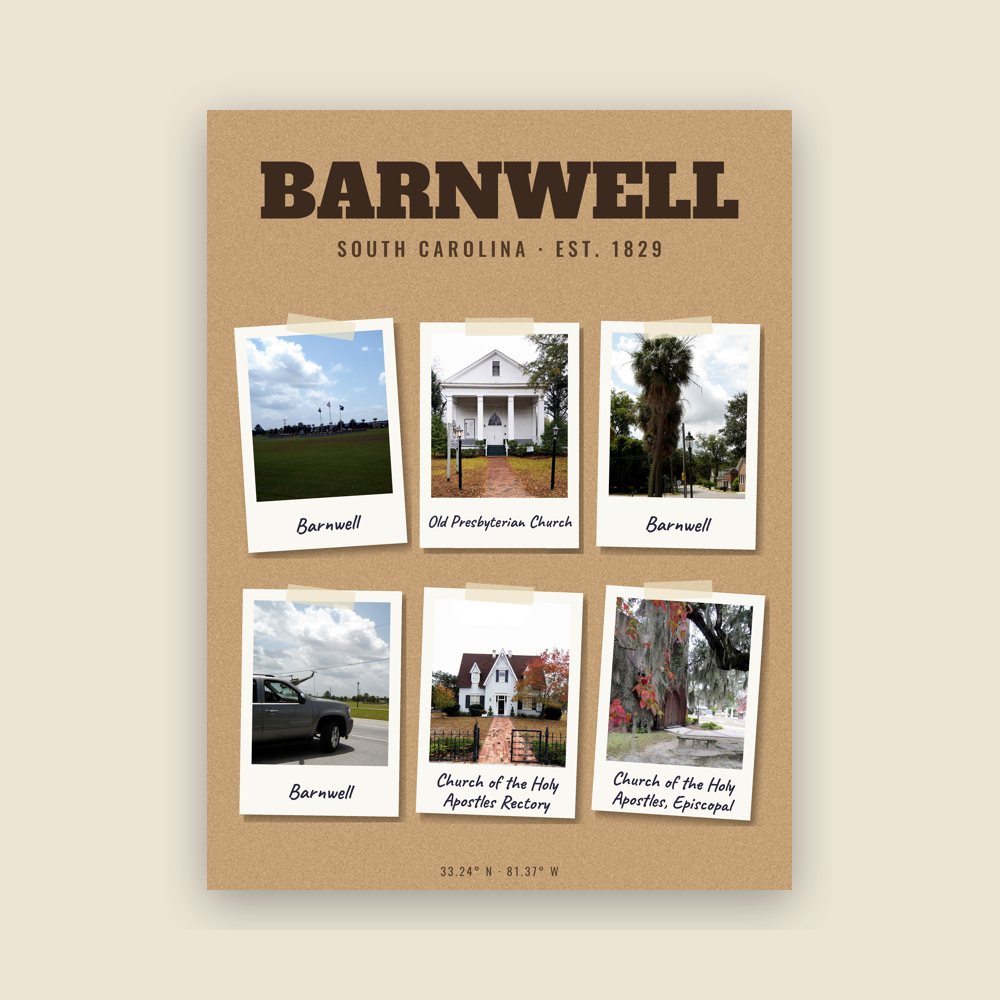
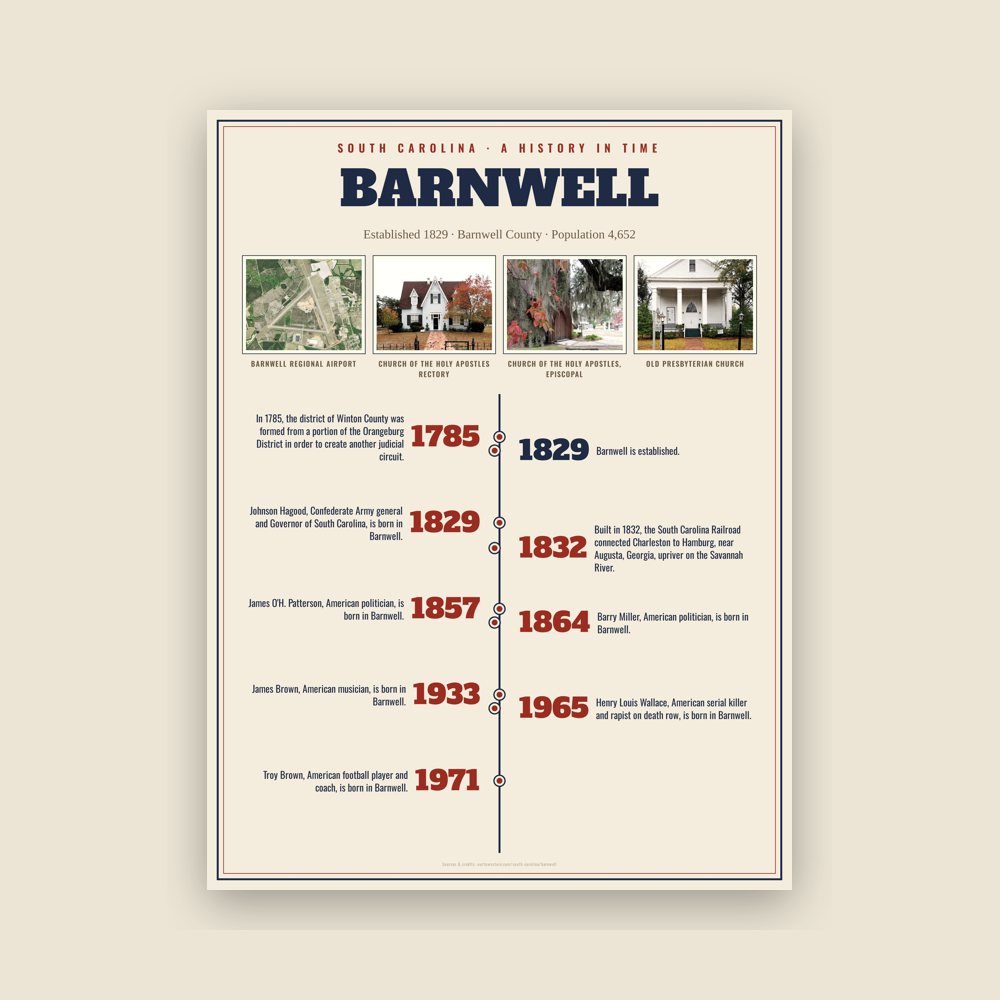
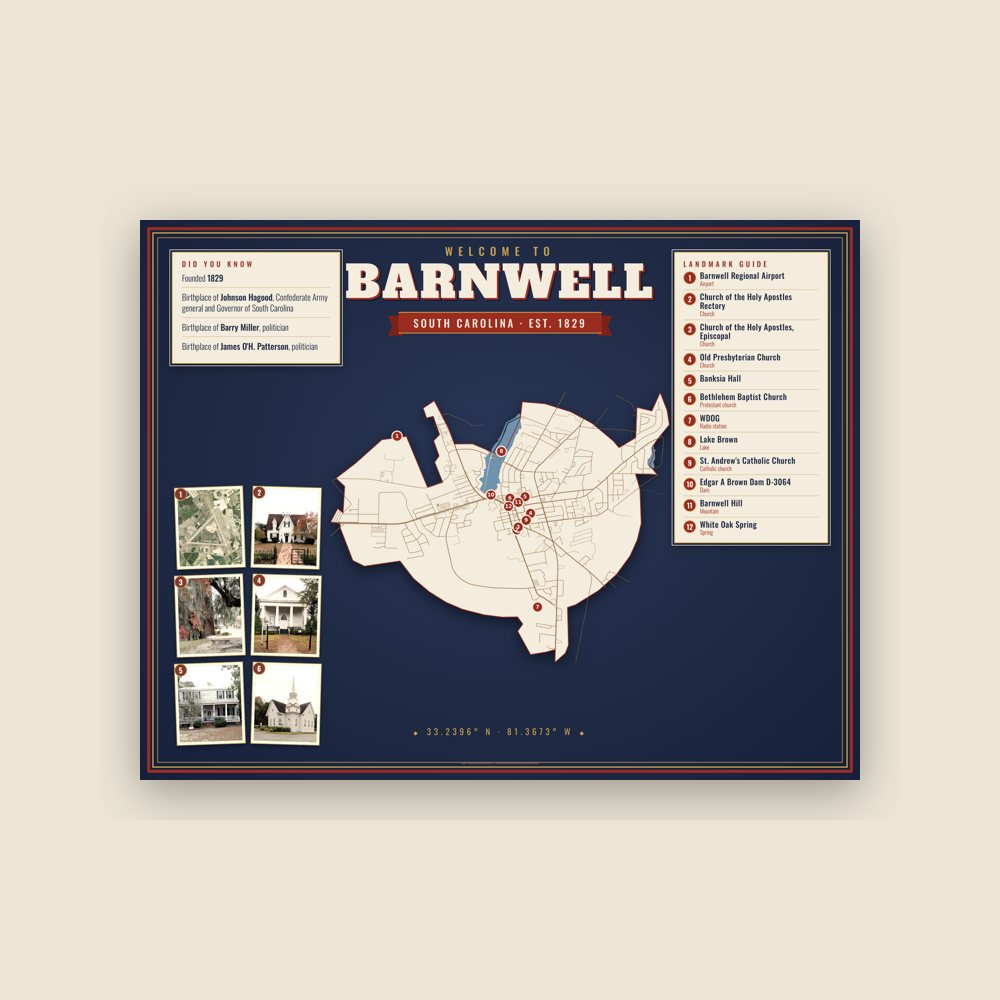



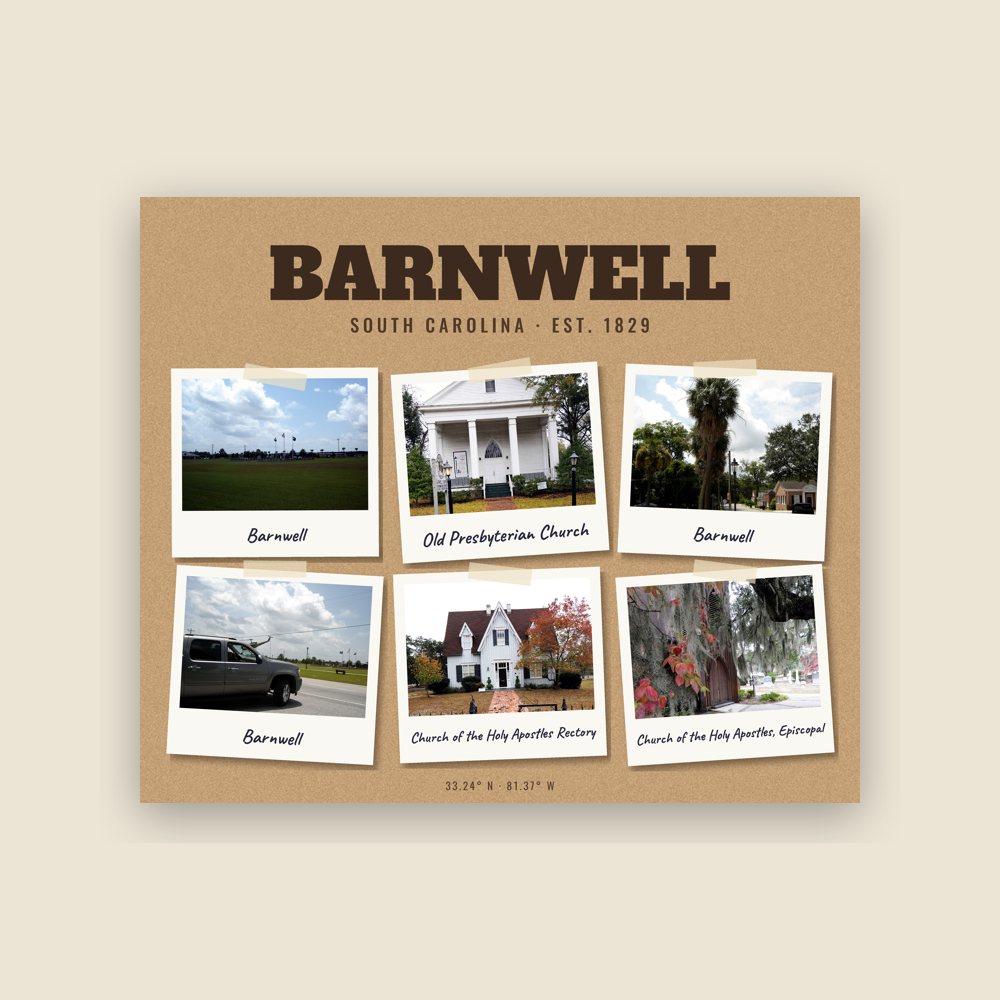
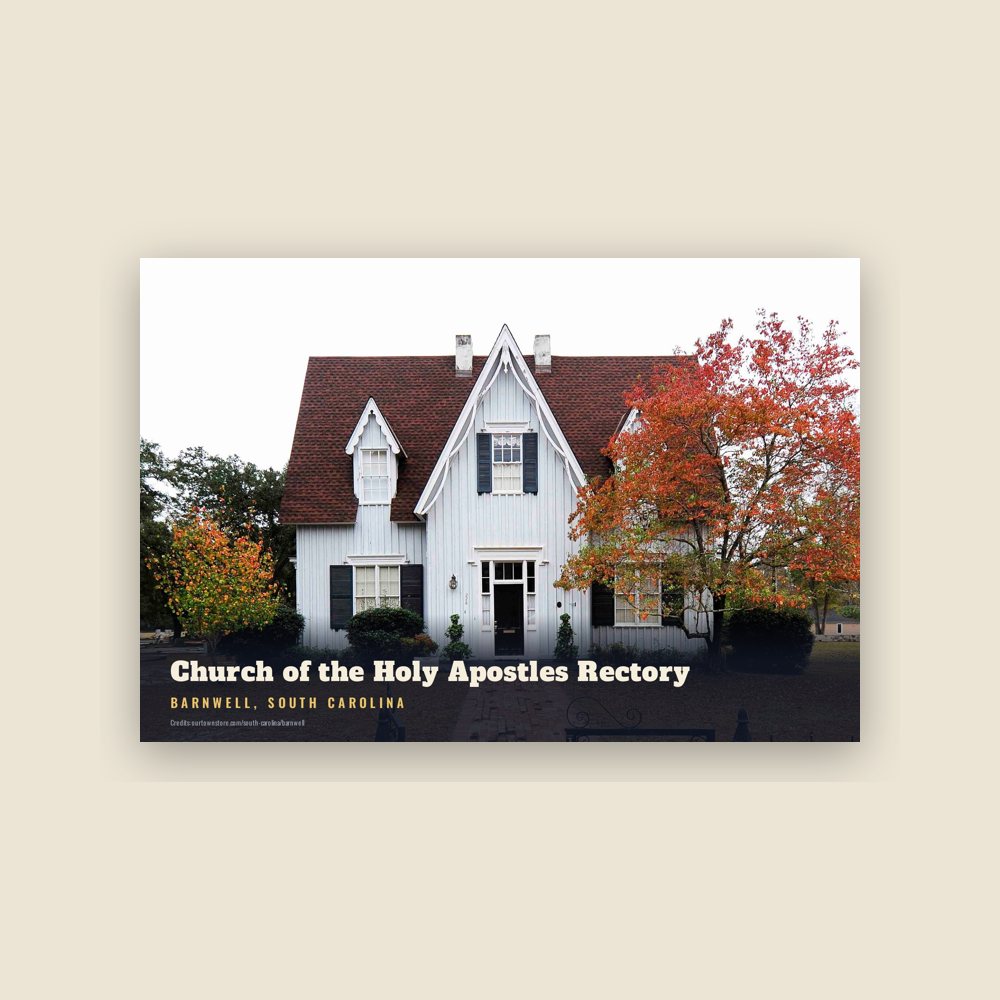
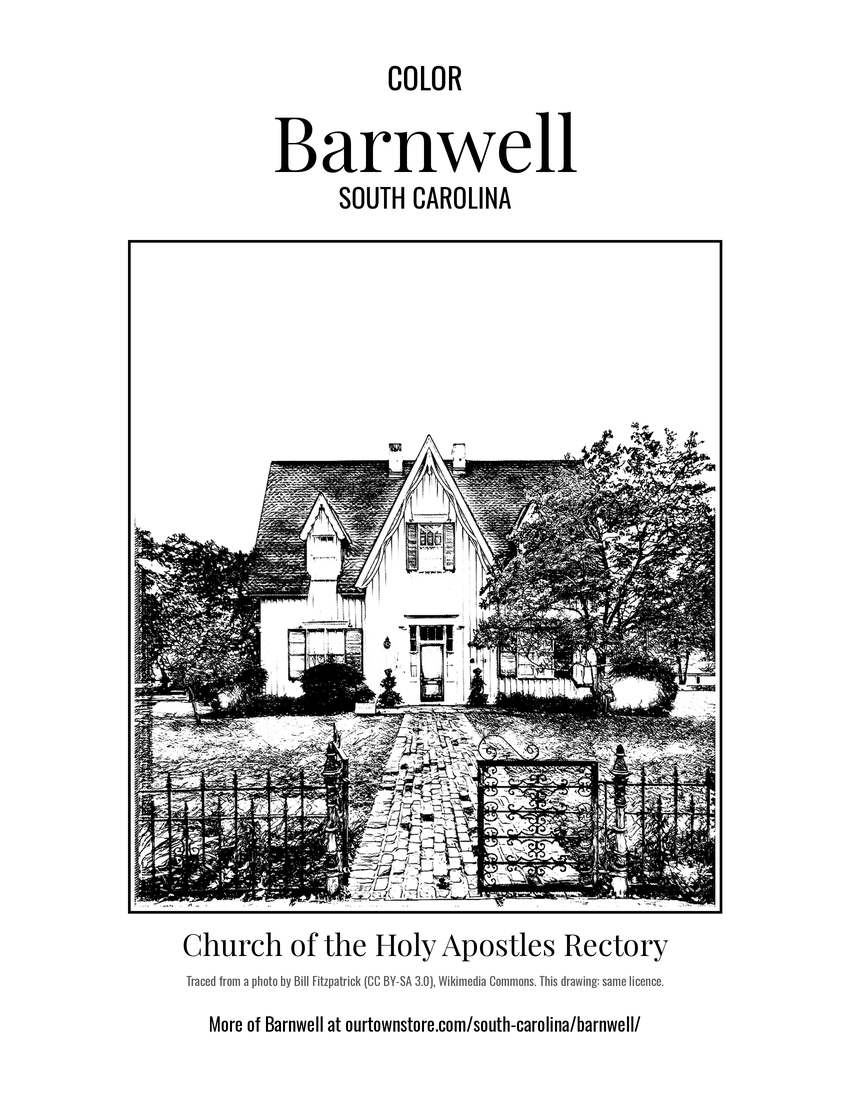 Church of the Holy Apostles Rectory
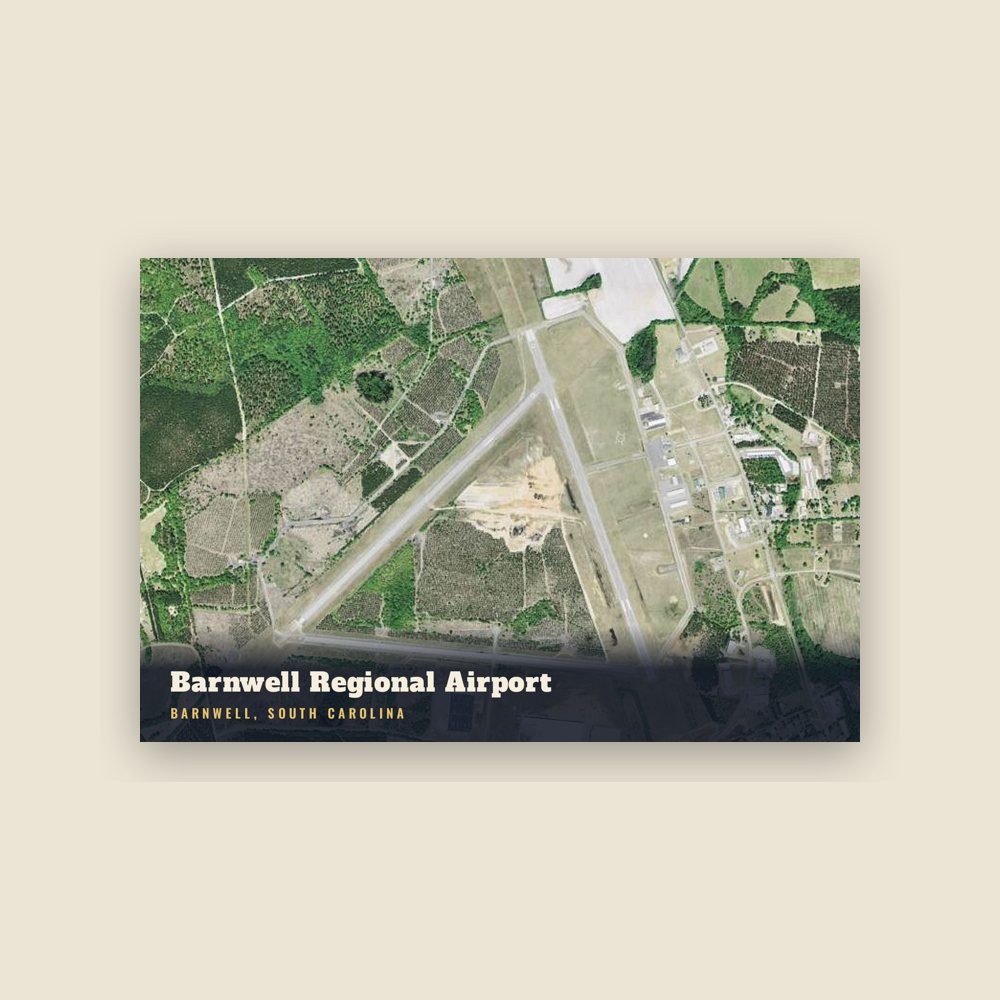
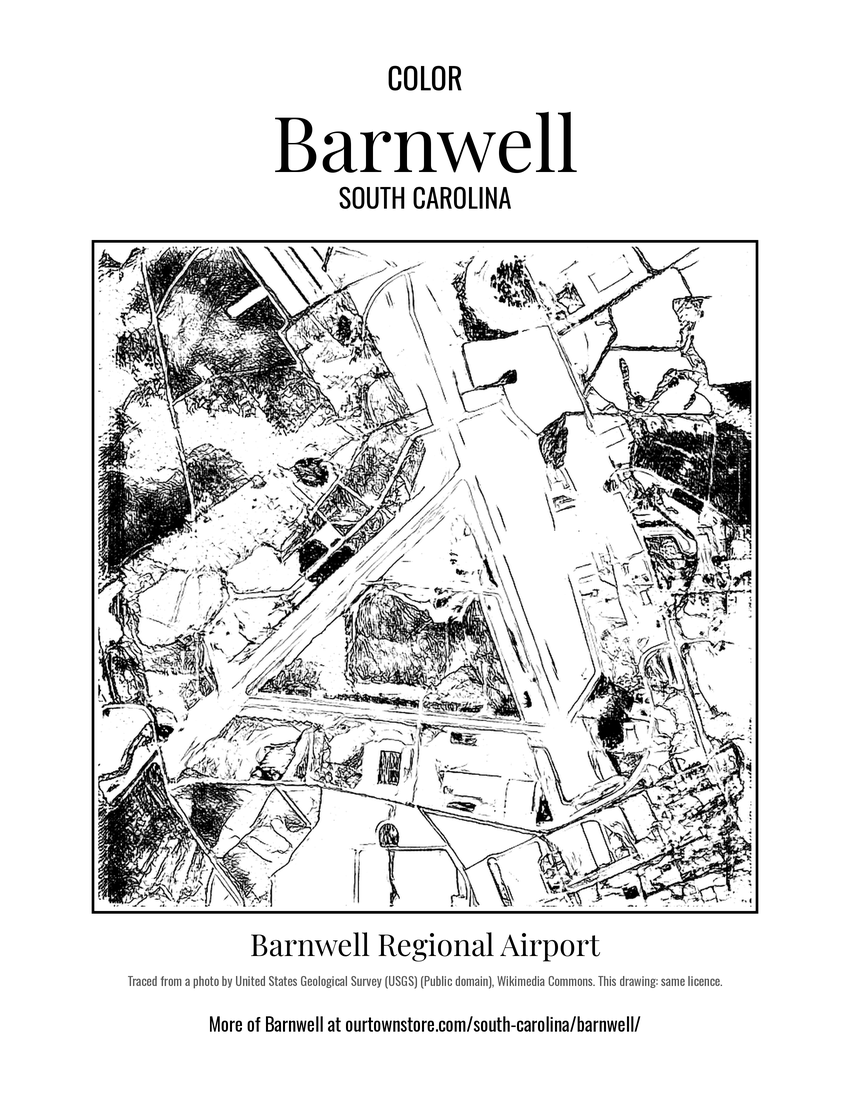 Barnwell Regional Airport
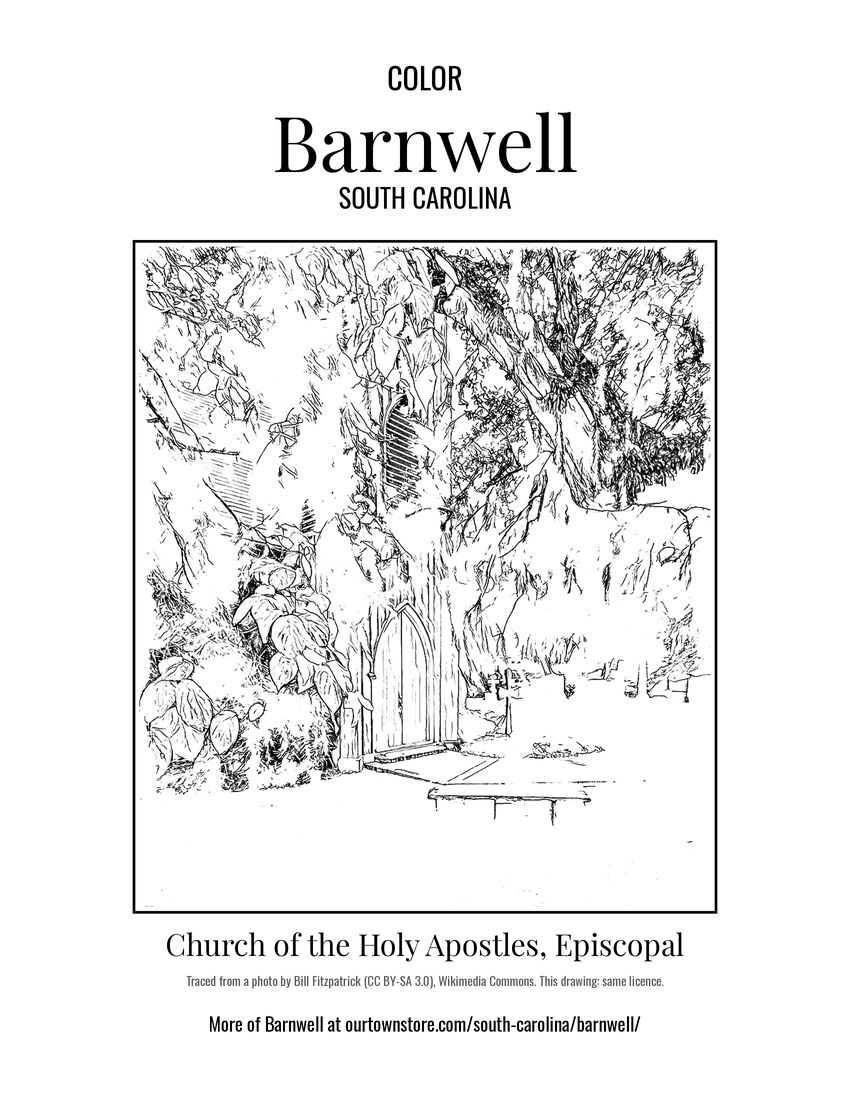 Church of the Holy Apostles, Episcopal
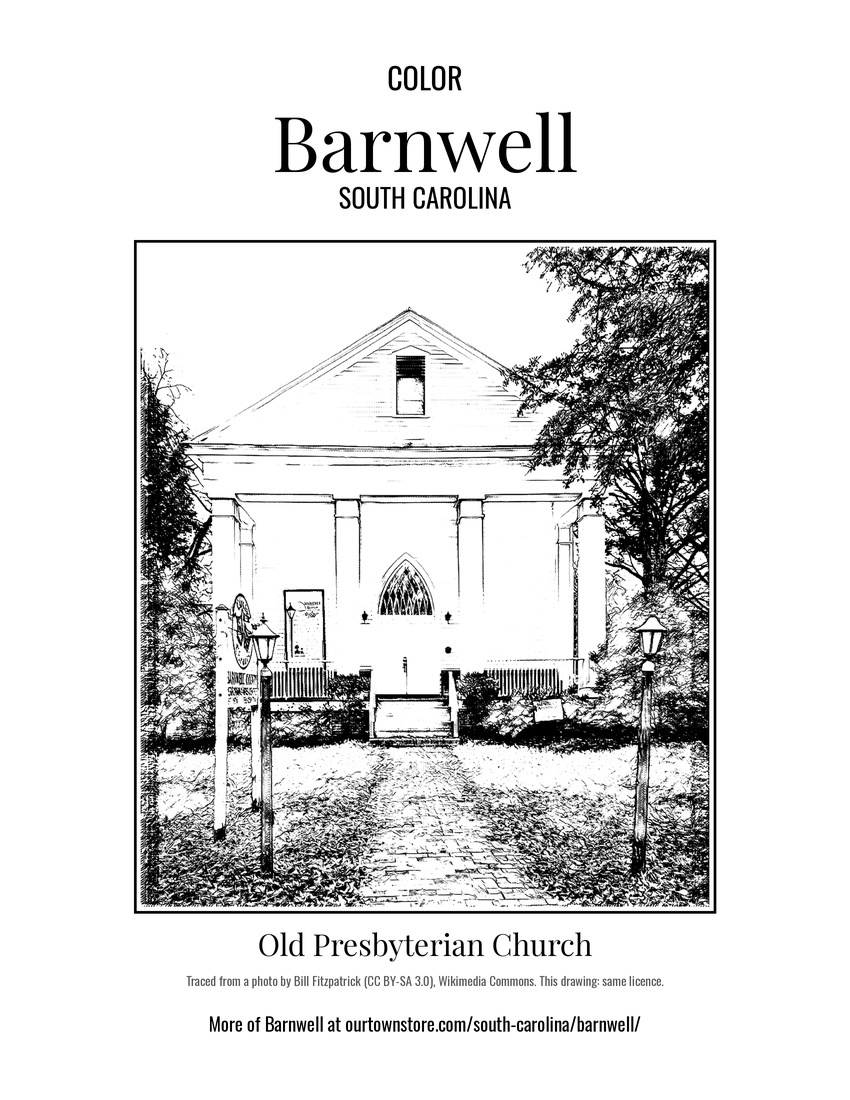 Old Presbyterian Church