Since 1841
A short history of Sharon
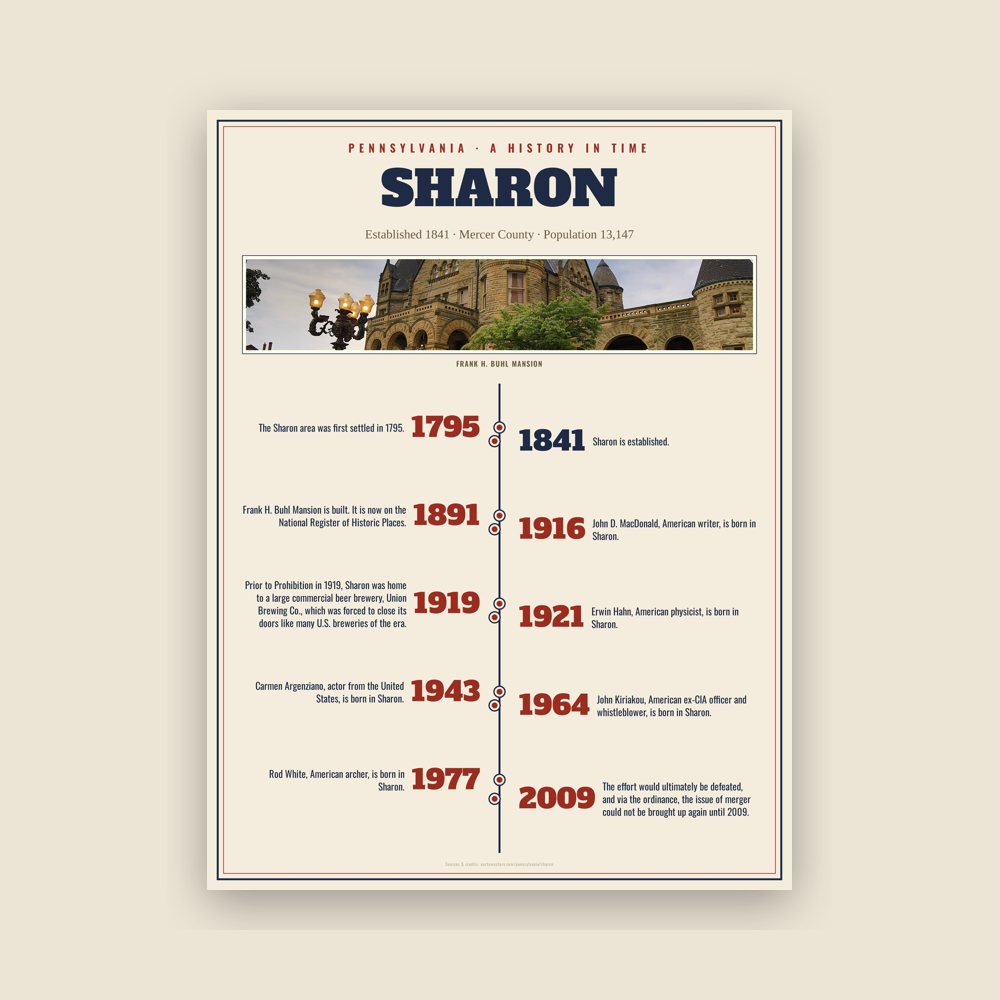
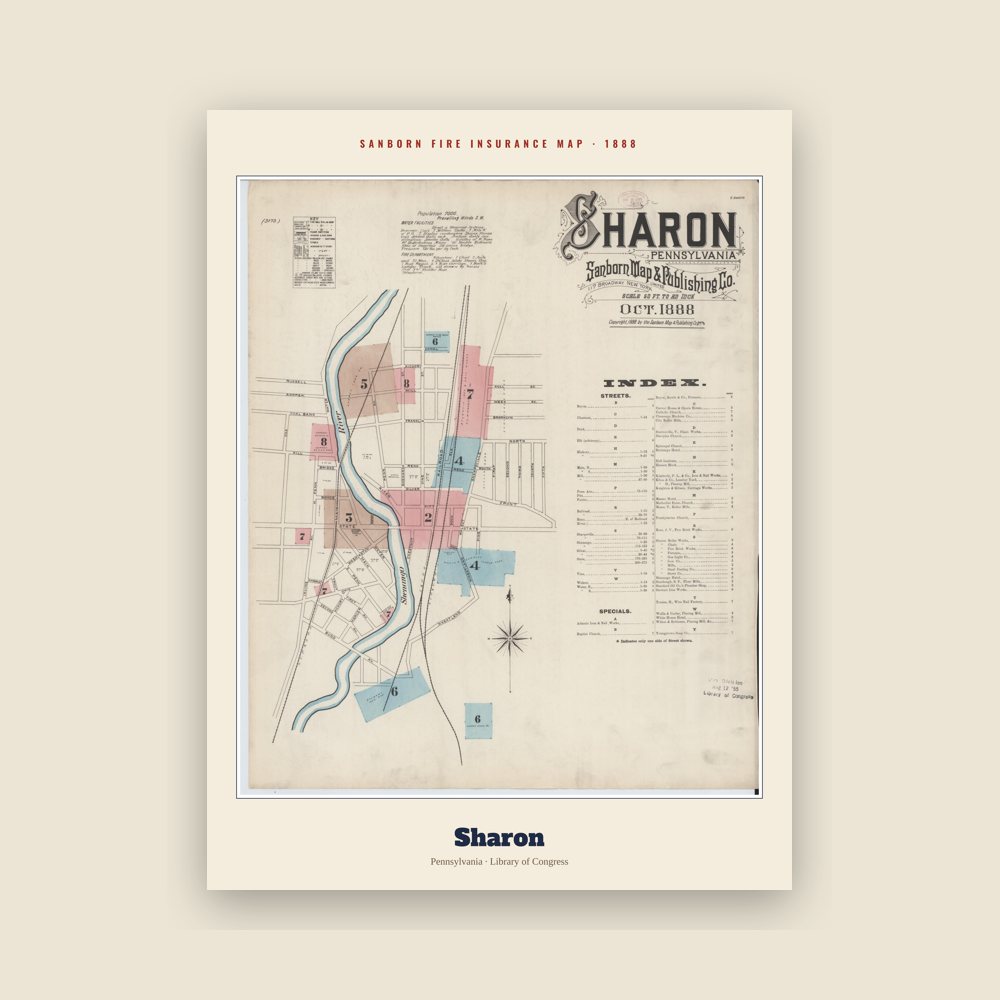
The Sharon area was first settled in 1795. It was incorporated as a borough on October 6, 1841, and incorporated as a city on December 17, 1918. The city operated under the Pennsylvania third-class city code until 2008, at which point it adopted a home rule charter under which the elected position of mayor was replaced with a hired city manager and financial officer.
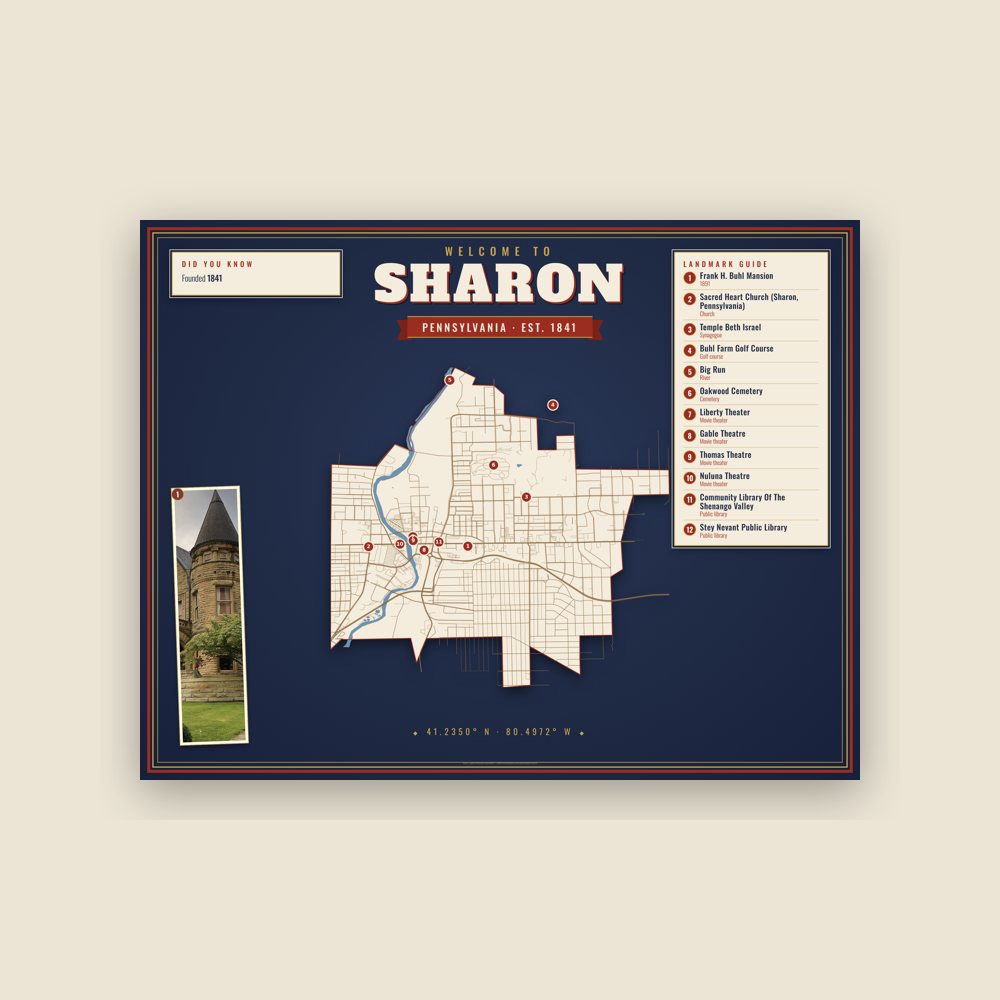
The founding families of Sharon first settled on a flat plain bordering the Shenango River, between two hills on the southwestern edge of what is today Sharon's downtown business district. According to local legend, the community received its name from a Bible-reading settler who likened the location to the Plain of Sharon in Israel.
Initially a center of coal mining, Sharon's economy transitioned to iron and steelmaking and other heavy industry after the arrival of the Erie Extension Canal in the 1840s. Following extensive national deindustrialization of the 1970s and 1980s, the city's economy diversified and is now based primarily on light industry, education, health care, and social services.
Prior to Prohibition in 1919, Sharon was home to a large commercial beer brewery, Union Brewing Co., which was forced to close its doors like many U.S. breweries of the era. During World War II the Westinghouse Electric Corporation at Sharon produced 10,000 torpedoes for the US Navy.
In 2004, local politicians proposed the creation of the city of Shenango Valley, a new municipality consisting of Sharon as well as Hermitage, Sharpsville, Farrell, and Wheatland with the issue being put on the ballot in the form of a referendum. Then Governor of Pennsylvania, Ed Rendell voiced support for the measure and would be joined by Kathleen McGinty, Secretary of the Department of Environmental Protection, and Dennis Yablonsky, Secretary of the Department of Community and Economic Development with the trio touring the region to urge for voters to pass the motion. The city would largely be an expansion of Hermitage, whose city government would be retained including the office of mayor and its nine-member city council. The merger would have kept the various independent school districts intact. The effort would ultimately be defeated, and via the ordinance, the issue of merger could not be brought up again until 2009.
Adapted (trimmed) from the Wikipedia article Sharon, Pennsylvania, revision 1379305549 by its contributors, licensed CC BY-SA 4.0.
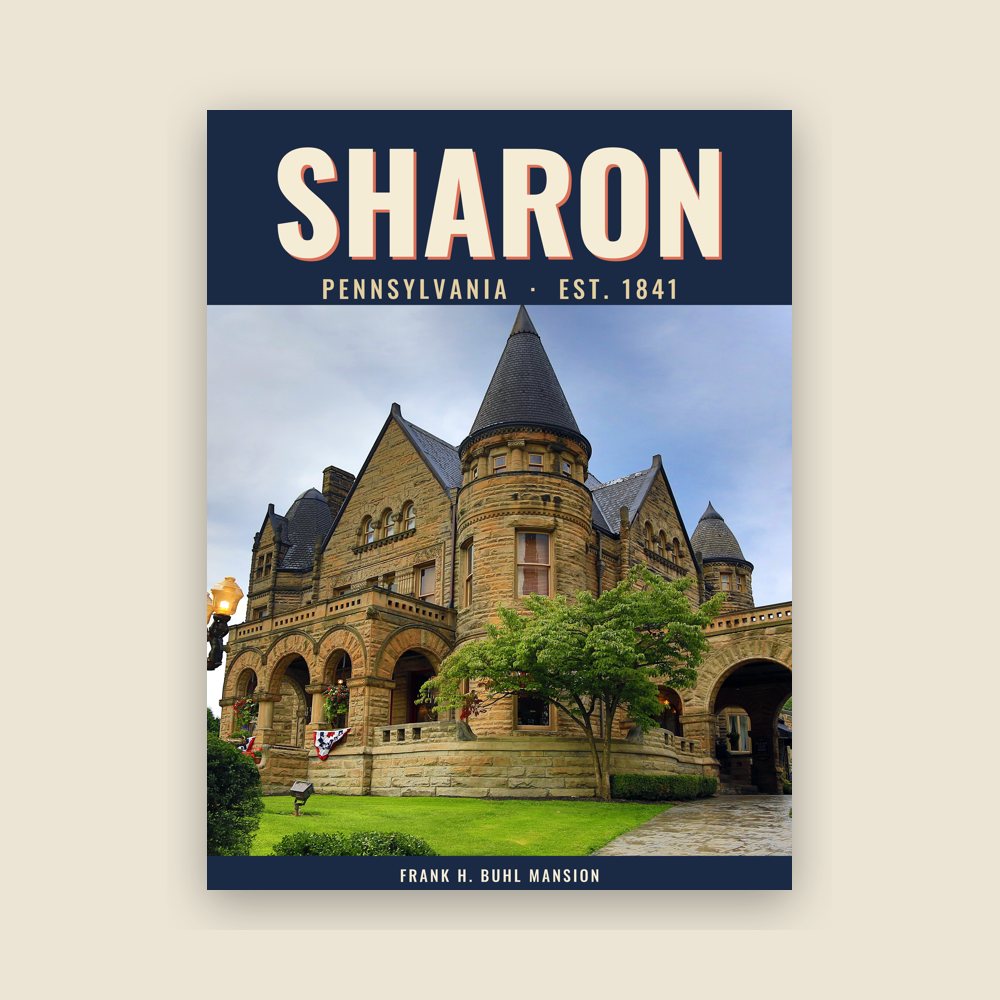
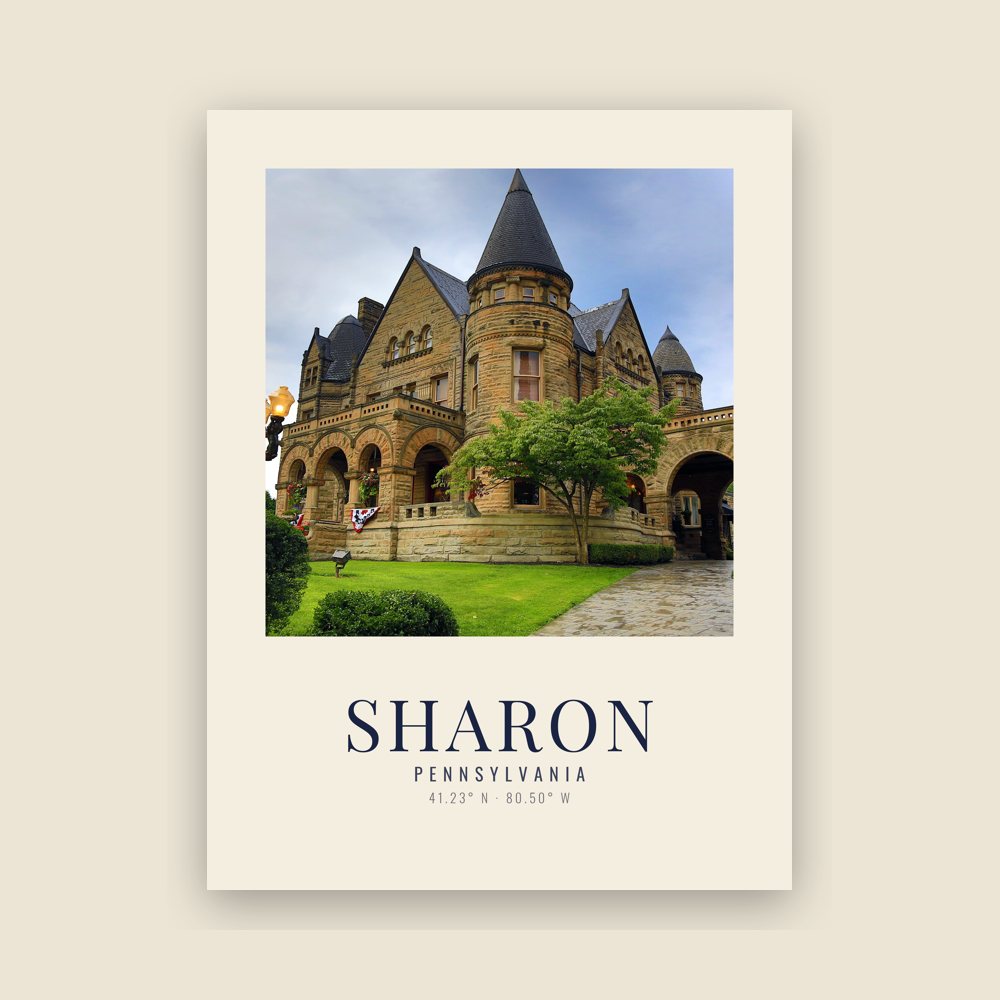
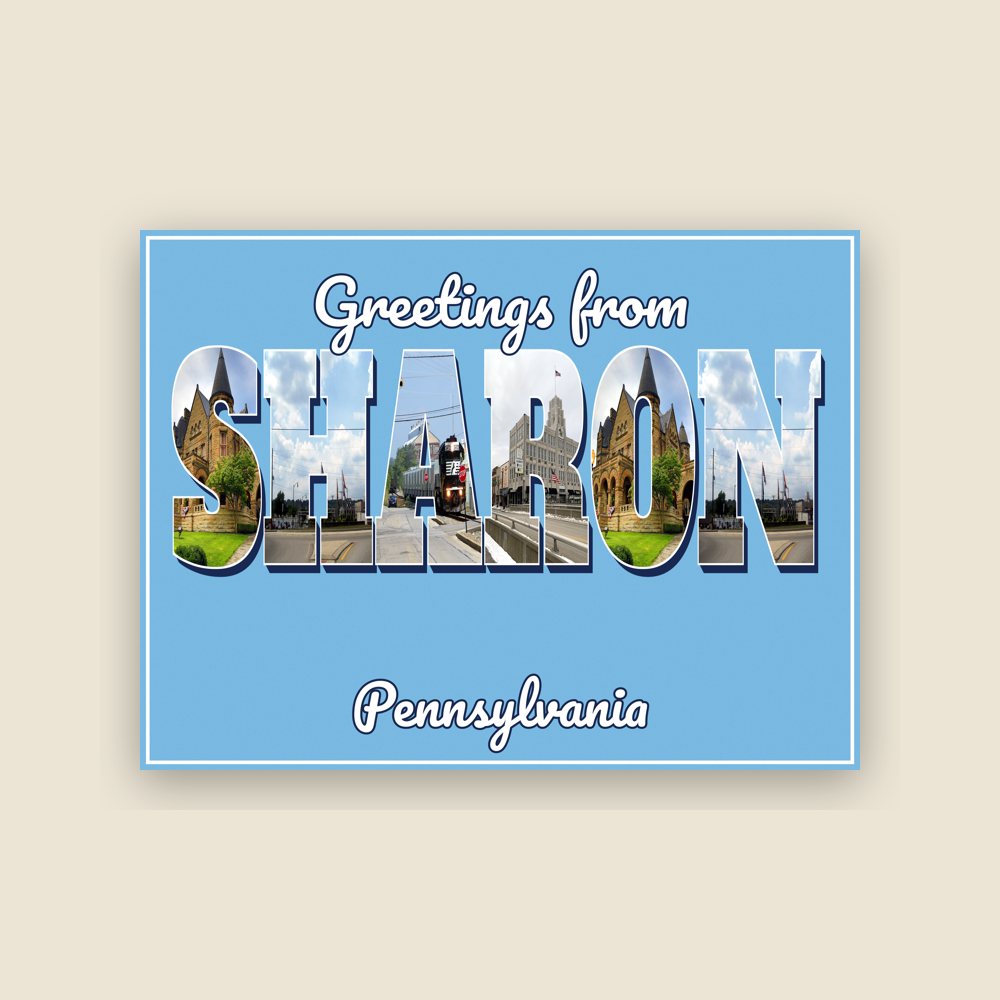
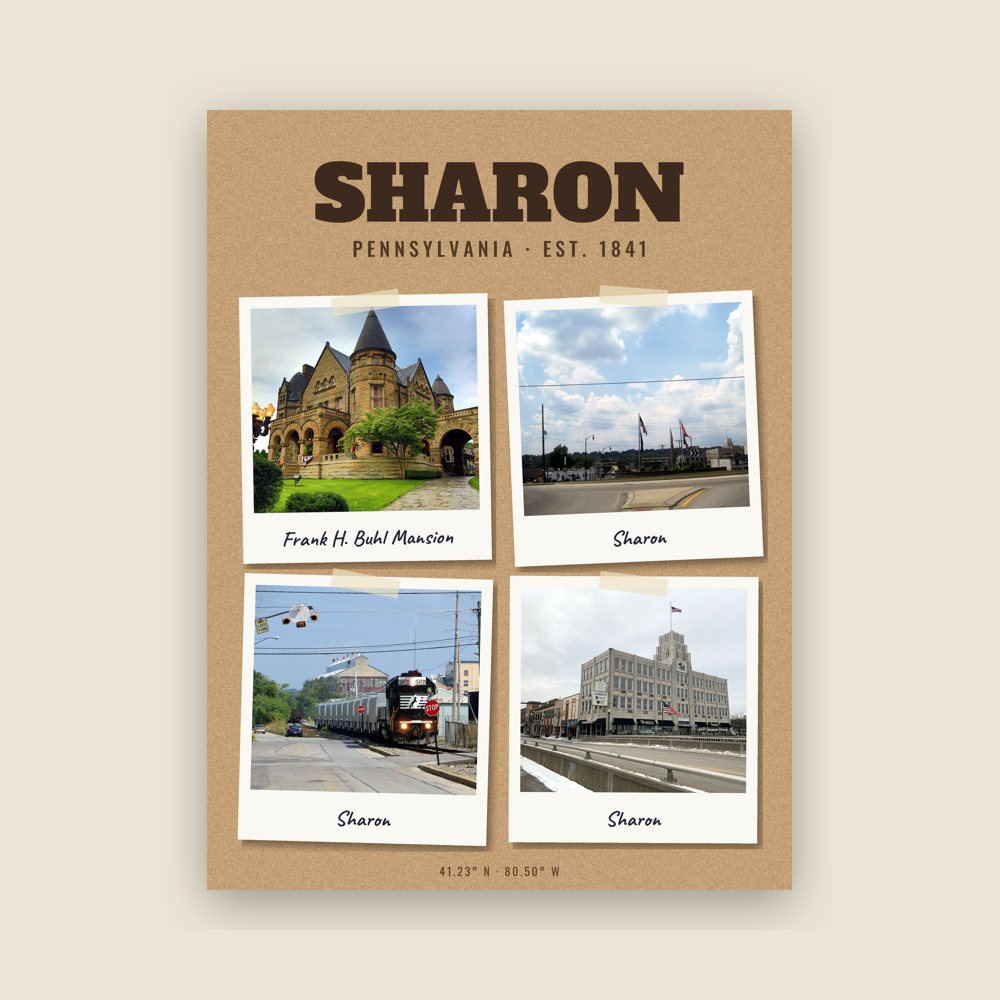
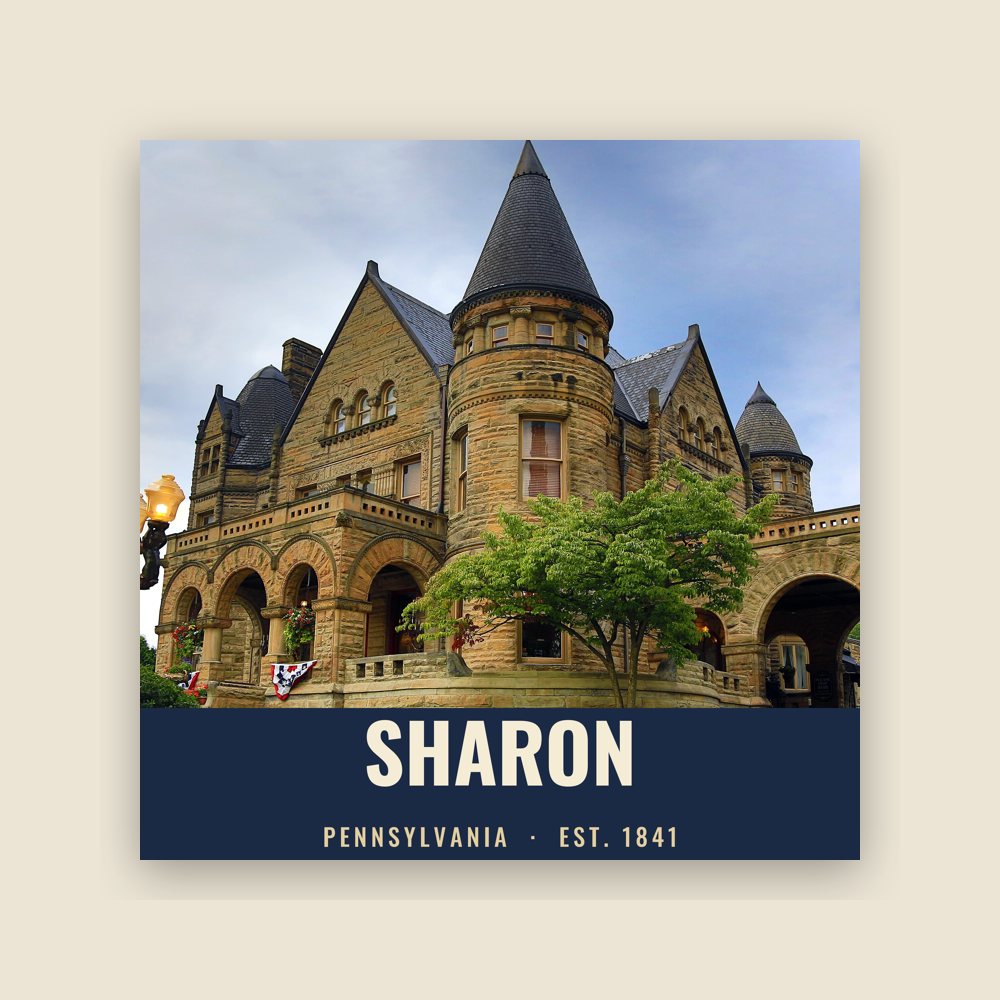

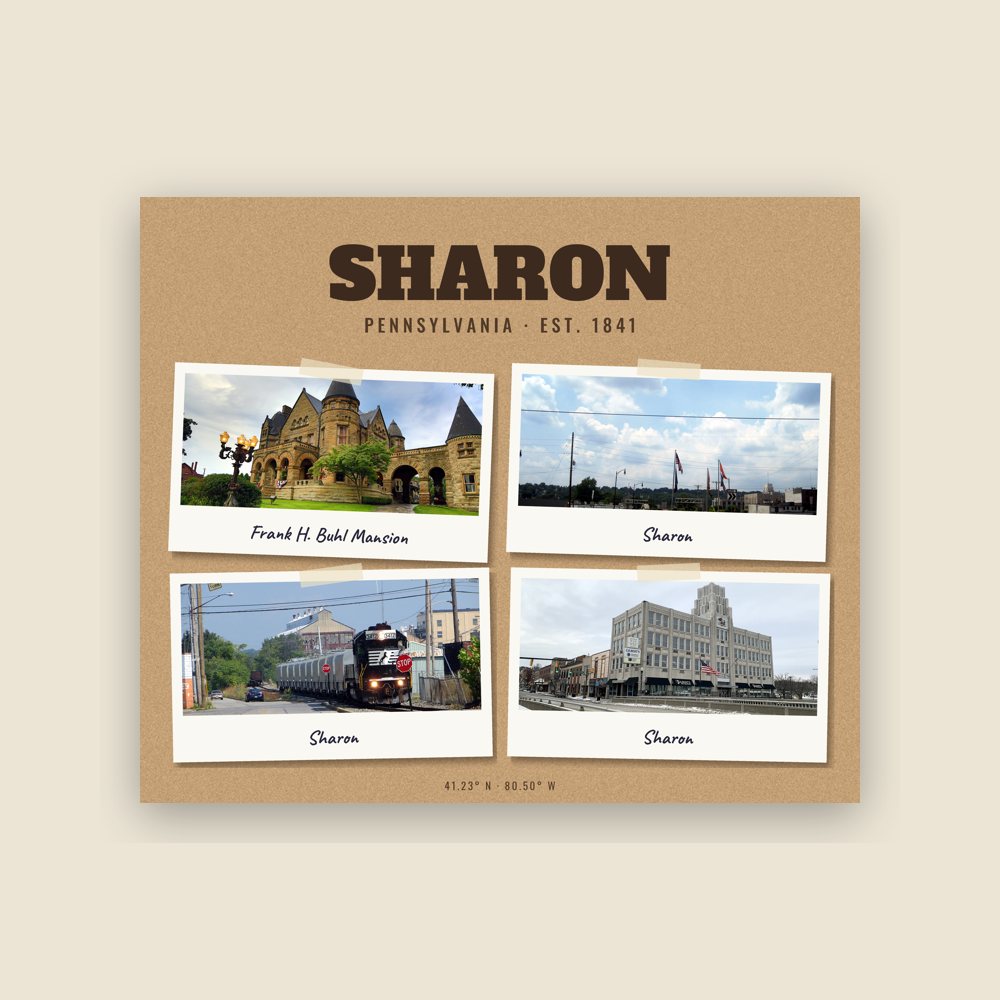
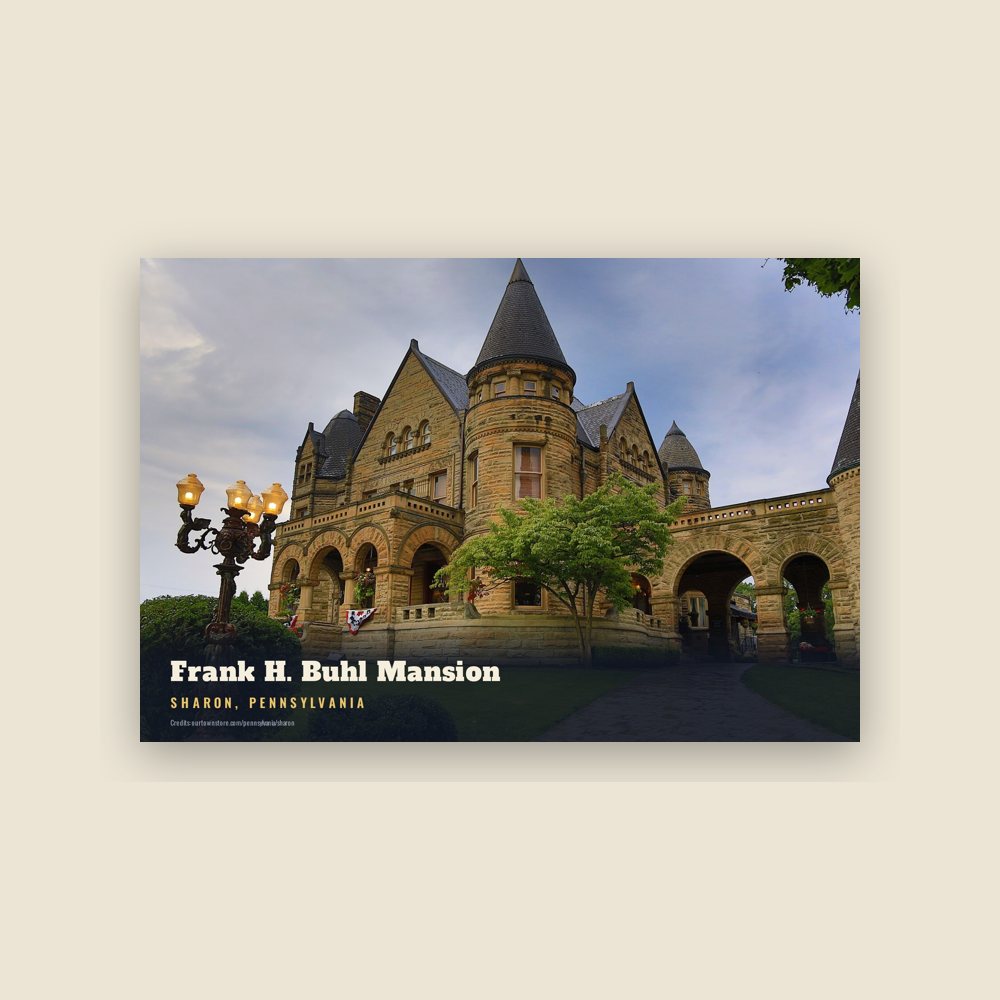
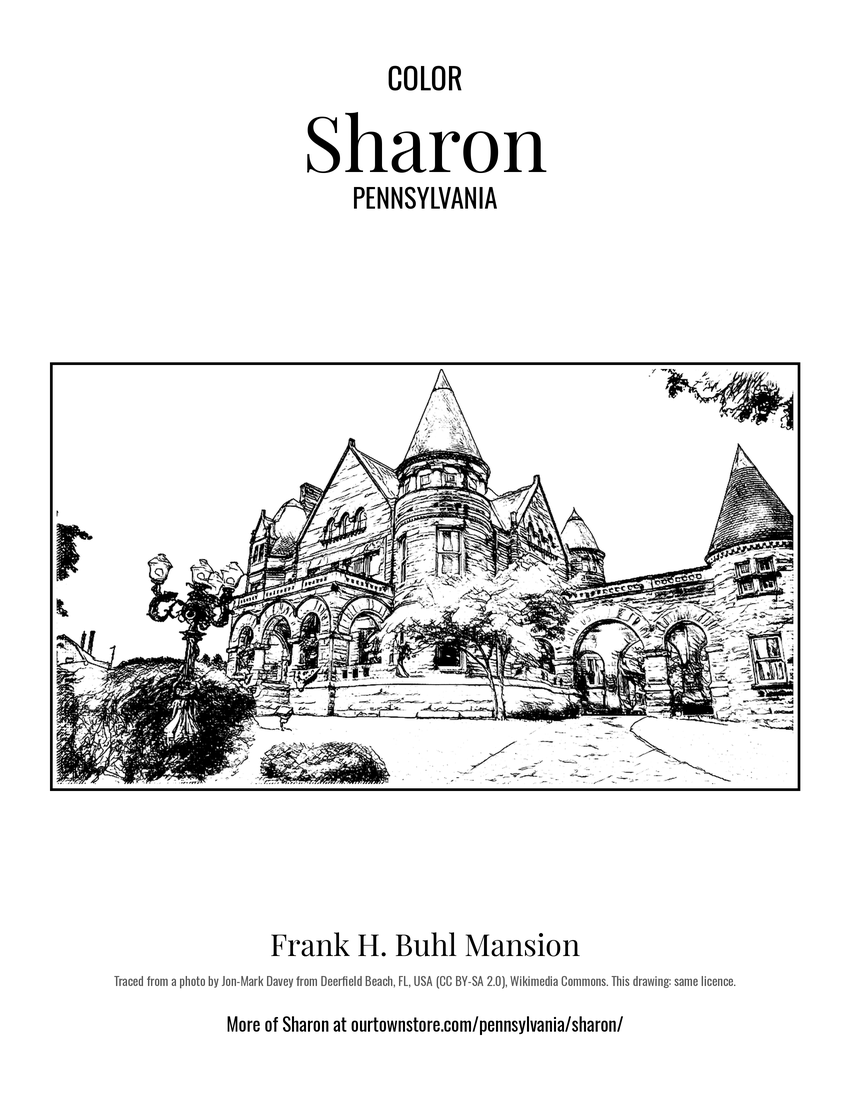 Frank H. Buhl Mansion
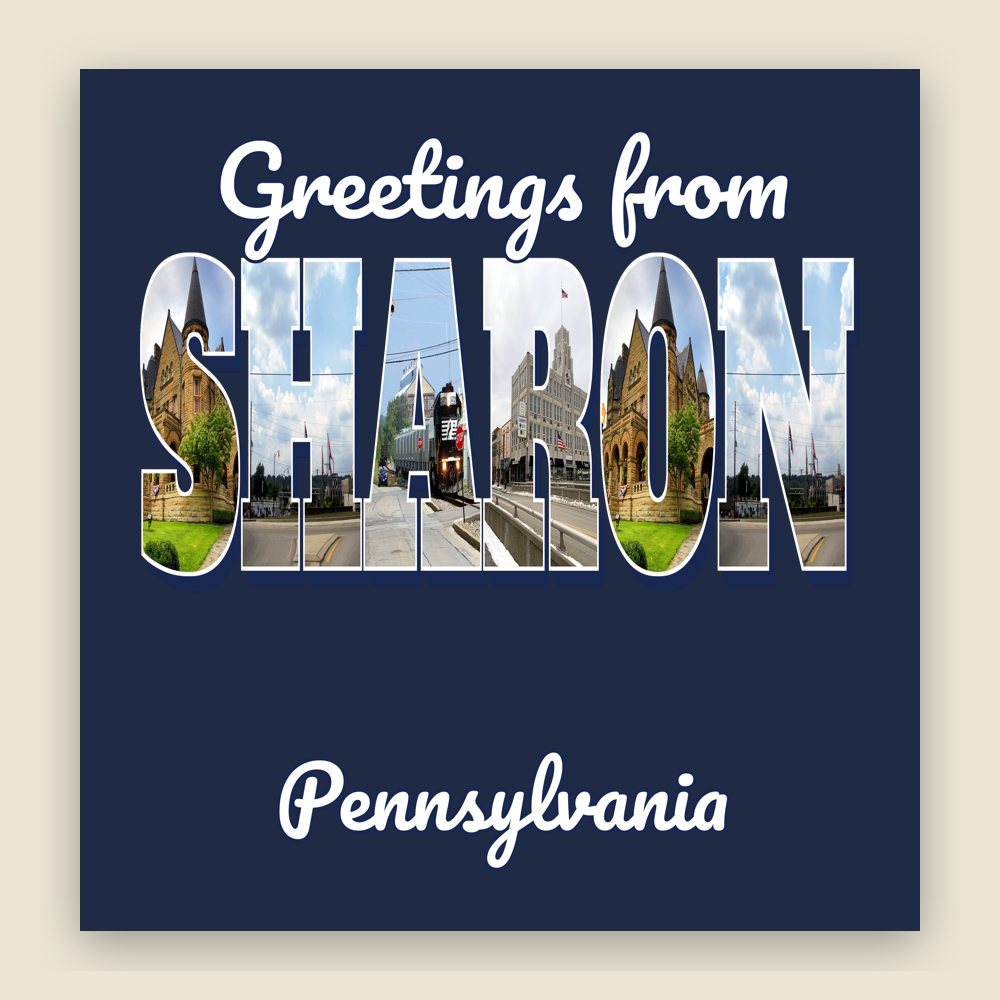
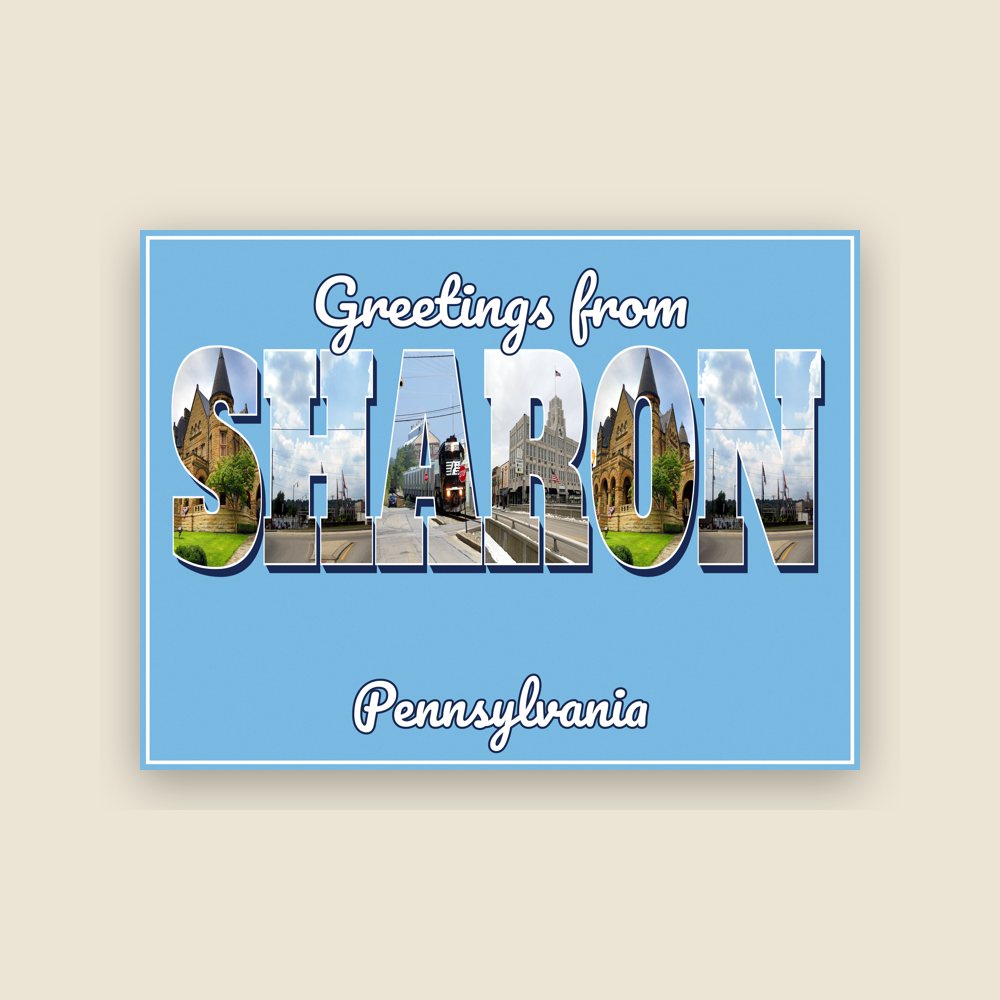
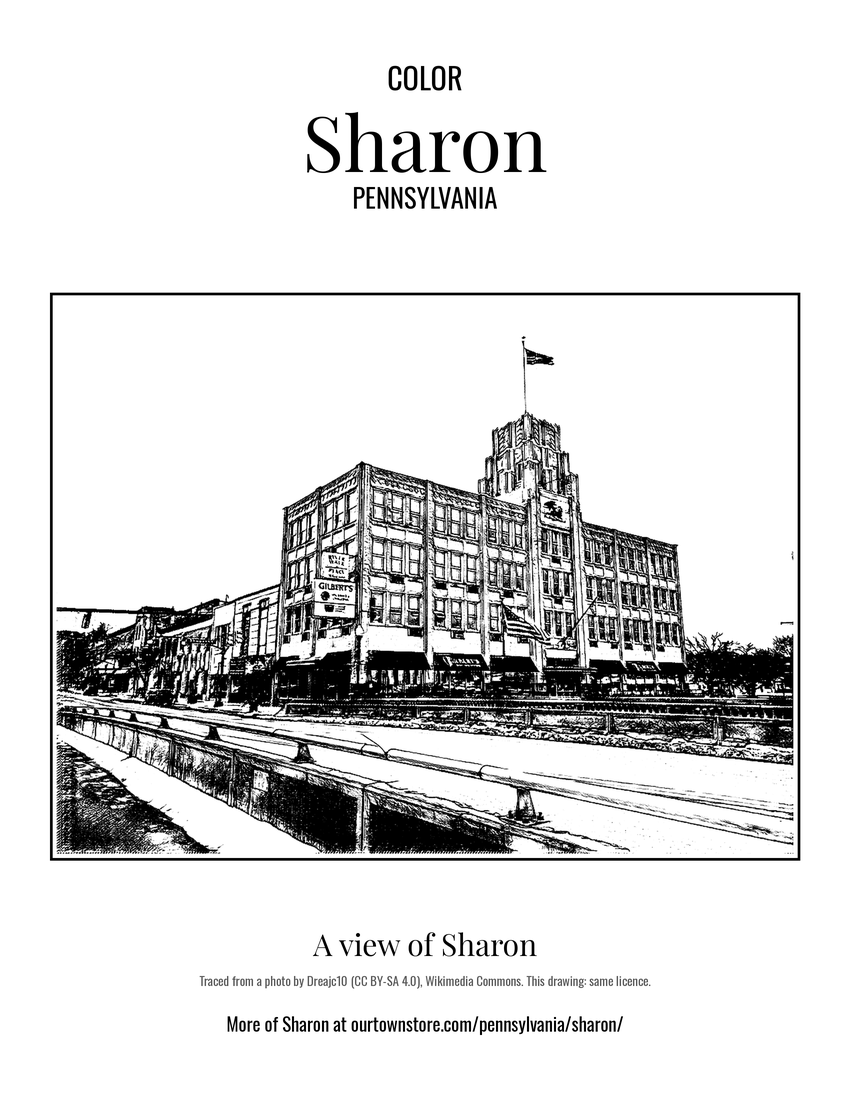 A view of Sharon
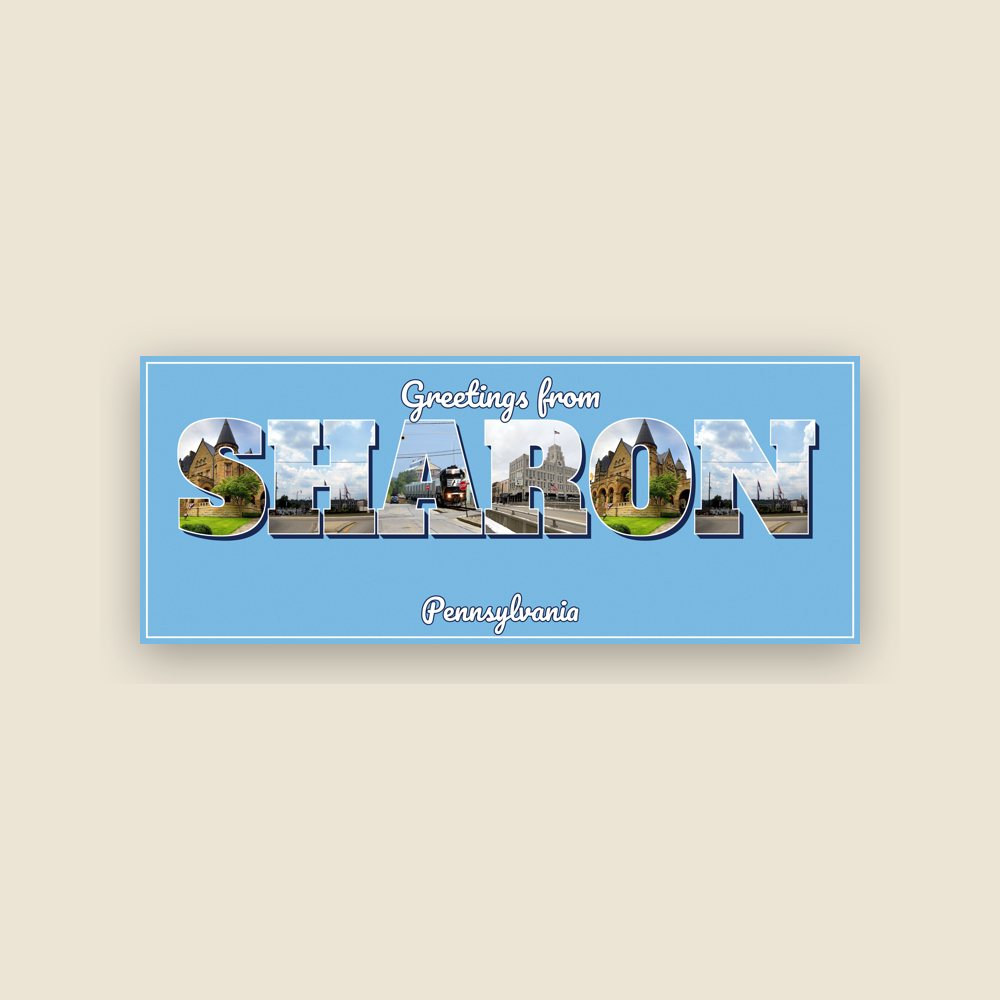
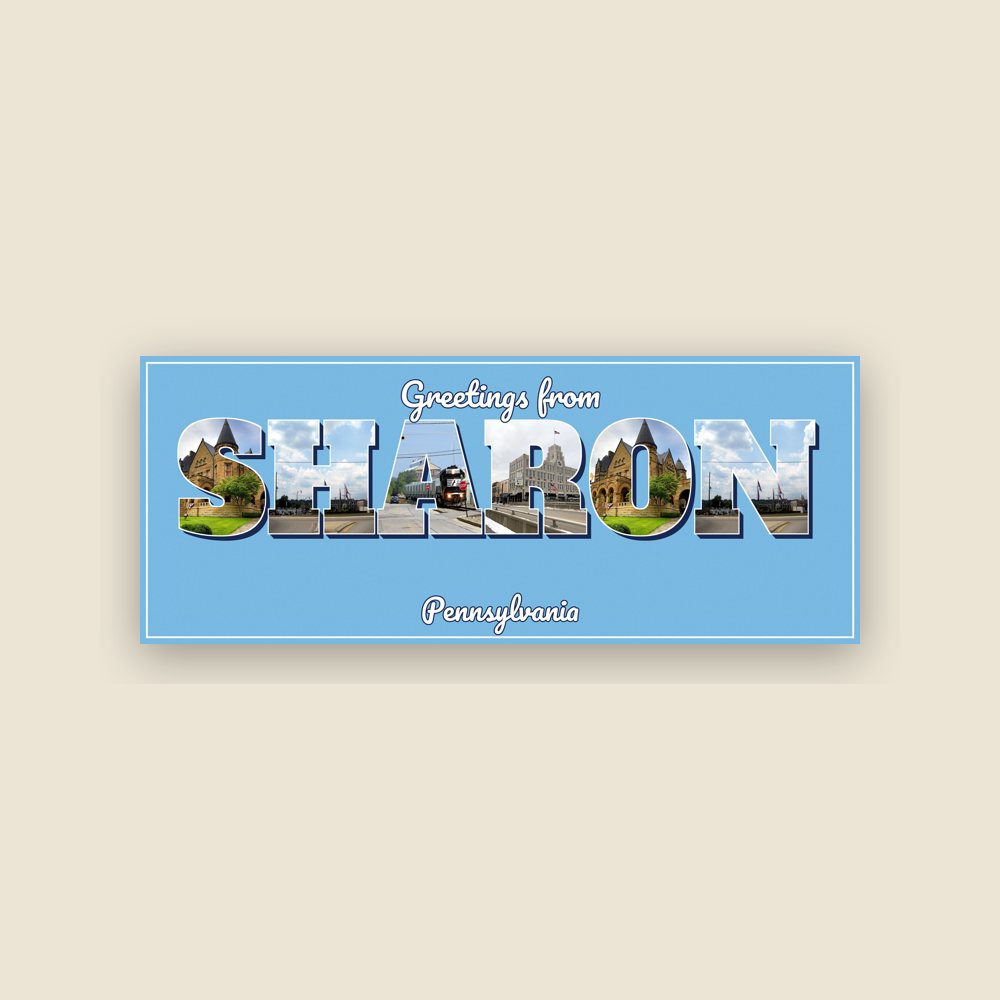
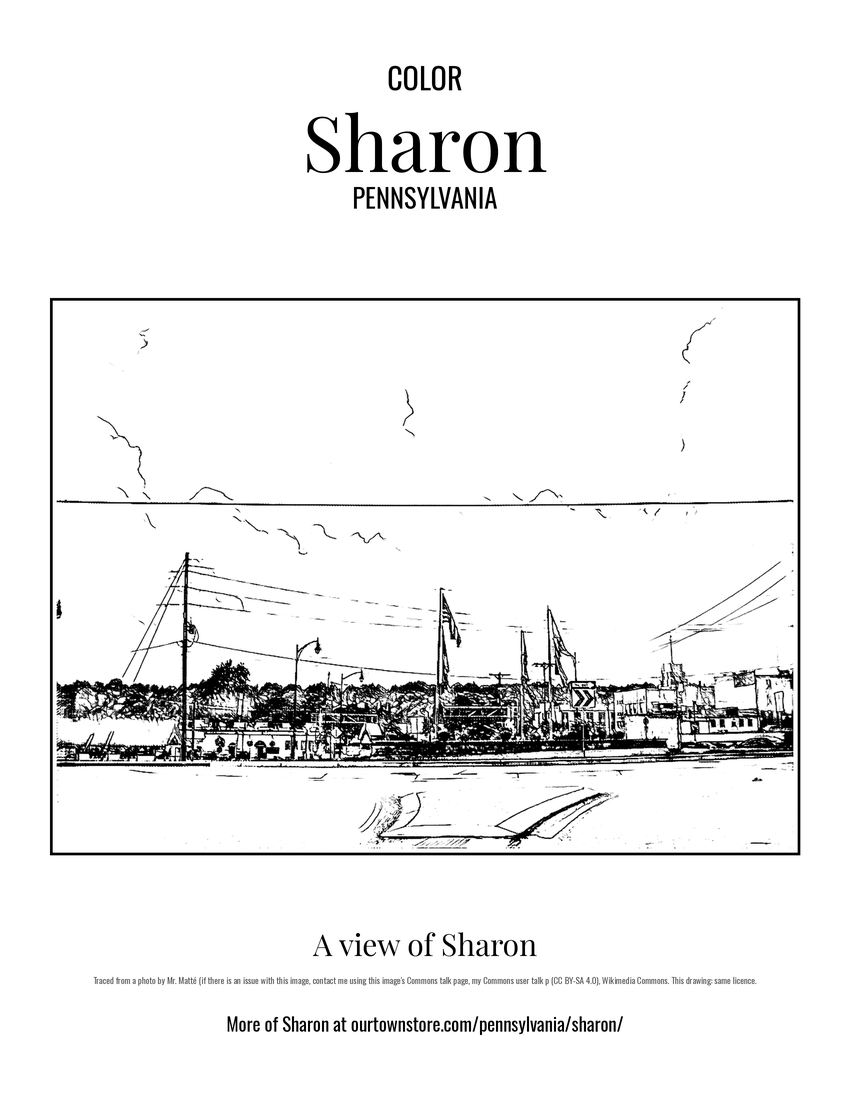 A view of Sharon
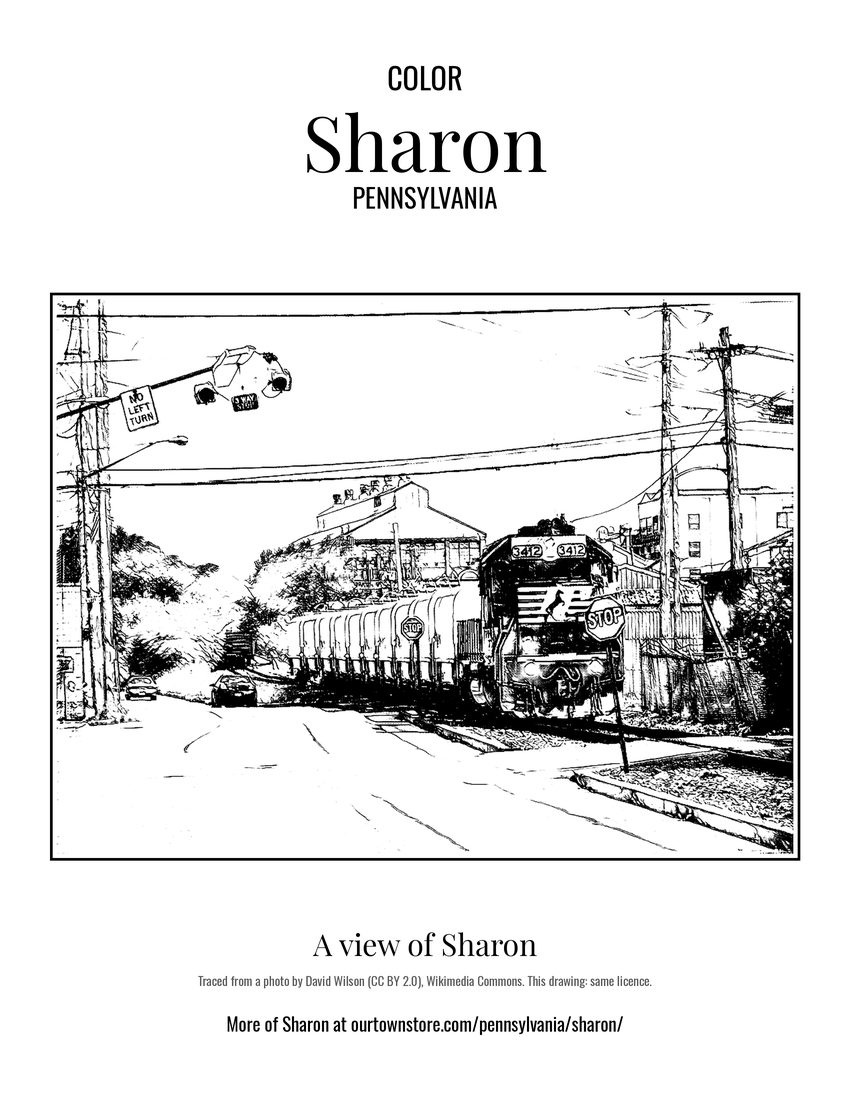 A view of Sharon