Since 1836
A short history of Saltsburg
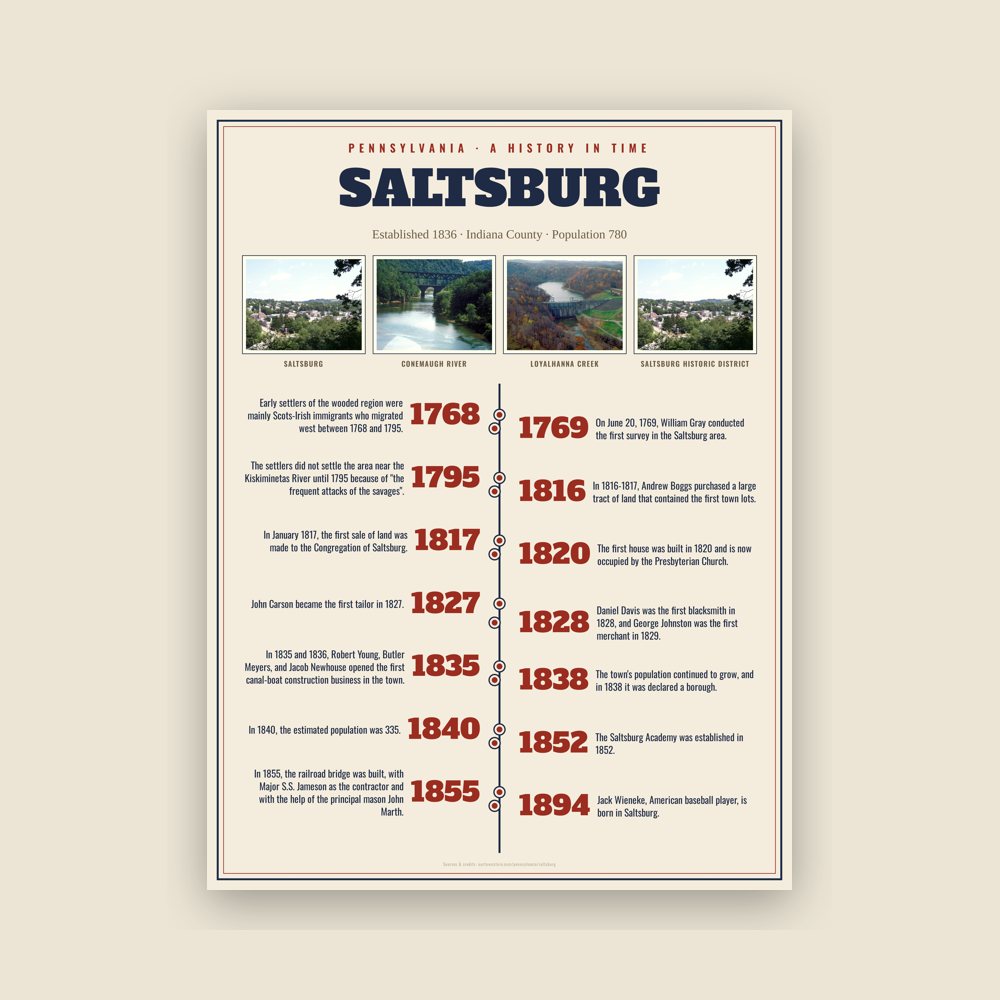
On June 20, 1769, William Gray conducted the first survey in the Saltsburg area. Early settlers of the wooded region were mainly Scots-Irish immigrants who migrated west between 1768 and 1795. The settlers did not settle the area near the Kiskiminetas River until 1795 because of "the frequent attacks of the savages".
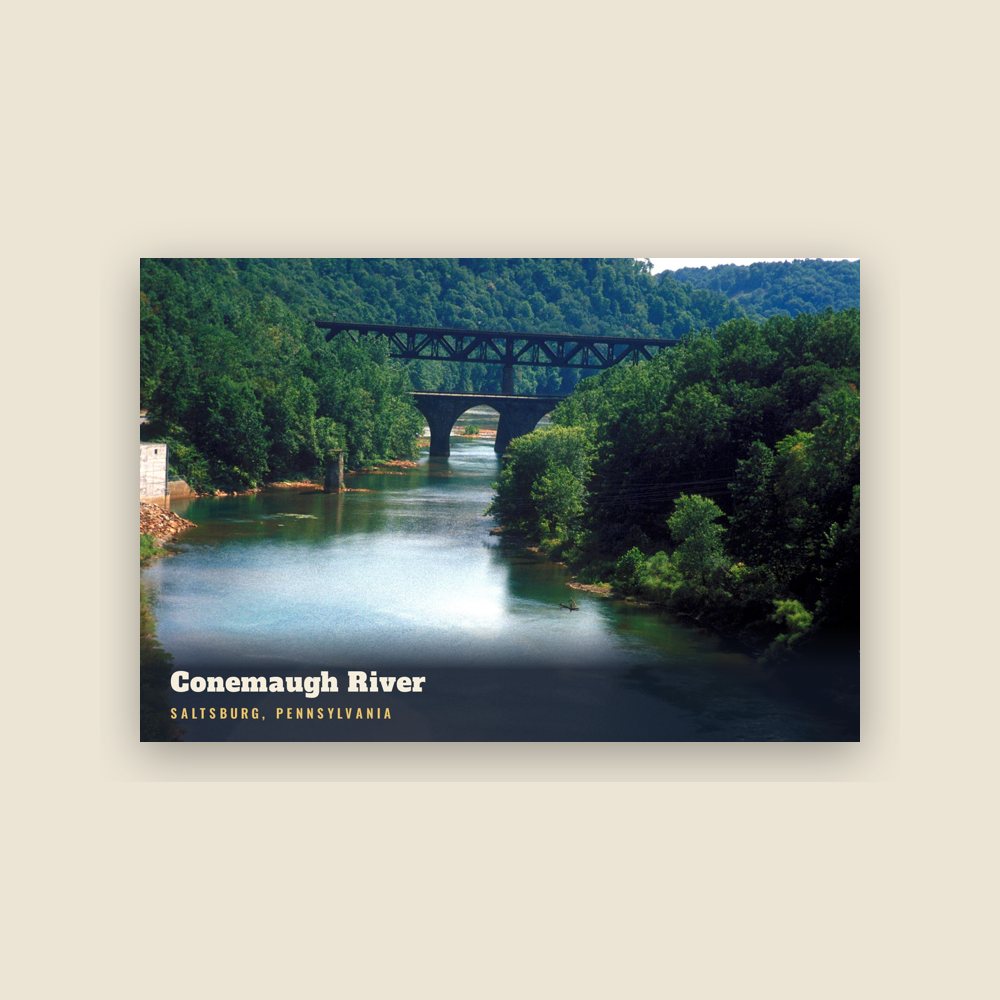
The name 'Saltsburg' was adopted because of the salt grain that flourished in the area. Around the years 1795–1798, a Mrs. Deemer was the first settler to prove salt was present in the Conemaugh River, about one mile above Saltsburg's present site, in the town now known as Moween. Deemer produced a sample of salt by evaporating the water from the river.
In January 1817, the first sale of land was made to the Congregation of Saltsburg. In 1816-1817, Andrew Boggs purchased a large tract of land that contained the first town lots. The first settlers unanimously named the town for the newly thriving salt industry. The town's religion was mainly Presbyterian, the denomination of the first church built in Saltsburg. The first house was built in 1820 and is now occupied by the Presbyterian Church.
The town quickly filled with merchants in the late 1820s and became a prosperous place to reside. John Carson became the first tailor in 1827. Daniel Davis was the first blacksmith in 1828, and George Johnston was the first merchant in 1829. The town's population continued to grow, and in 1838 it was declared a borough. In 1840, the estimated population was 335.
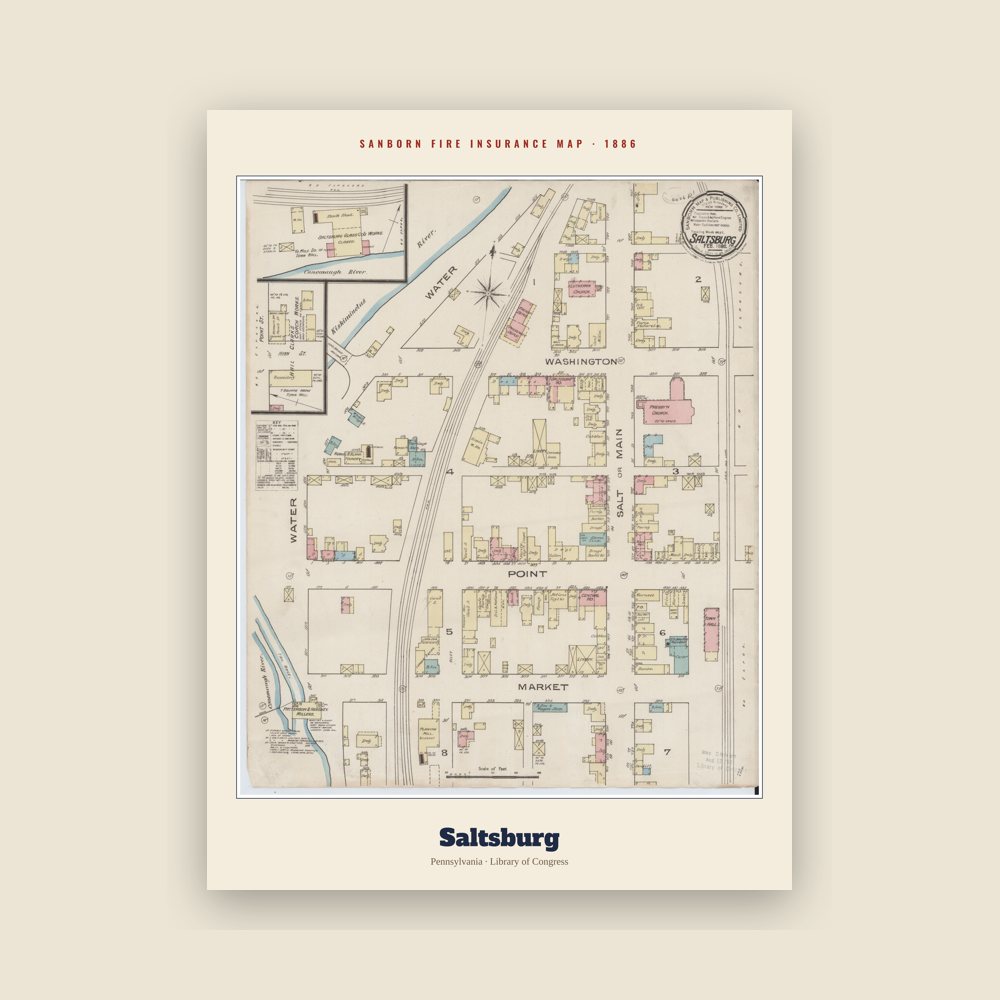
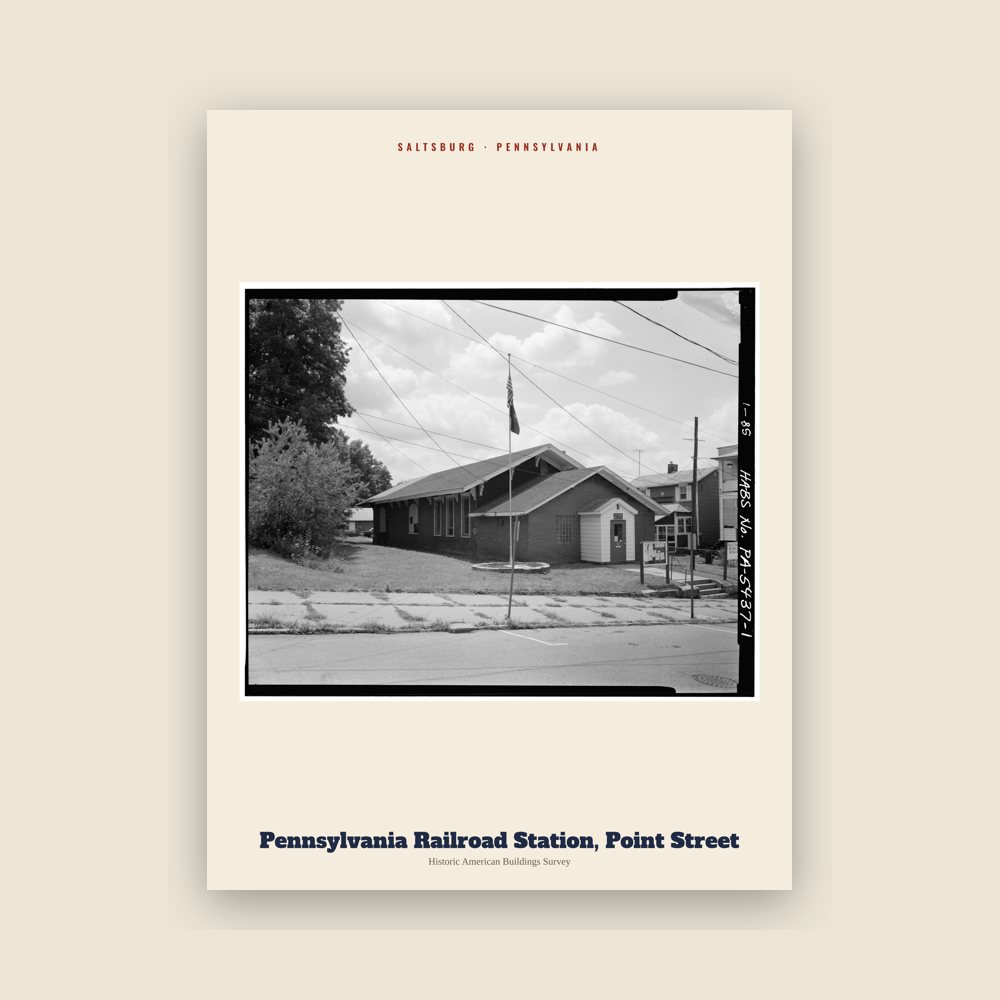
The primary means of transportation in the area were on foot, by carriage, by train, or by boat. The canal and railroad were major trade conduits for the town and the region. As the town grew, it became a site for the passage of the mainline canal from Harrisburg to Pittsburgh. Coal and salt were transported along the canal, and boat-building became one of the chief industries of the town. In 1835 and 1836, Robert Young, Butler Meyers, and Jacob Newhouse opened the first canal-boat construction business in the town. In 1855, the railroad bridge was built, with Major S.S. Jameson as the contractor and with the help of the principal mason John Marth. By 1864, the railroad brought an end to the canal era. The town's growth was minimal until coalmines became prevalent in the 1870s.
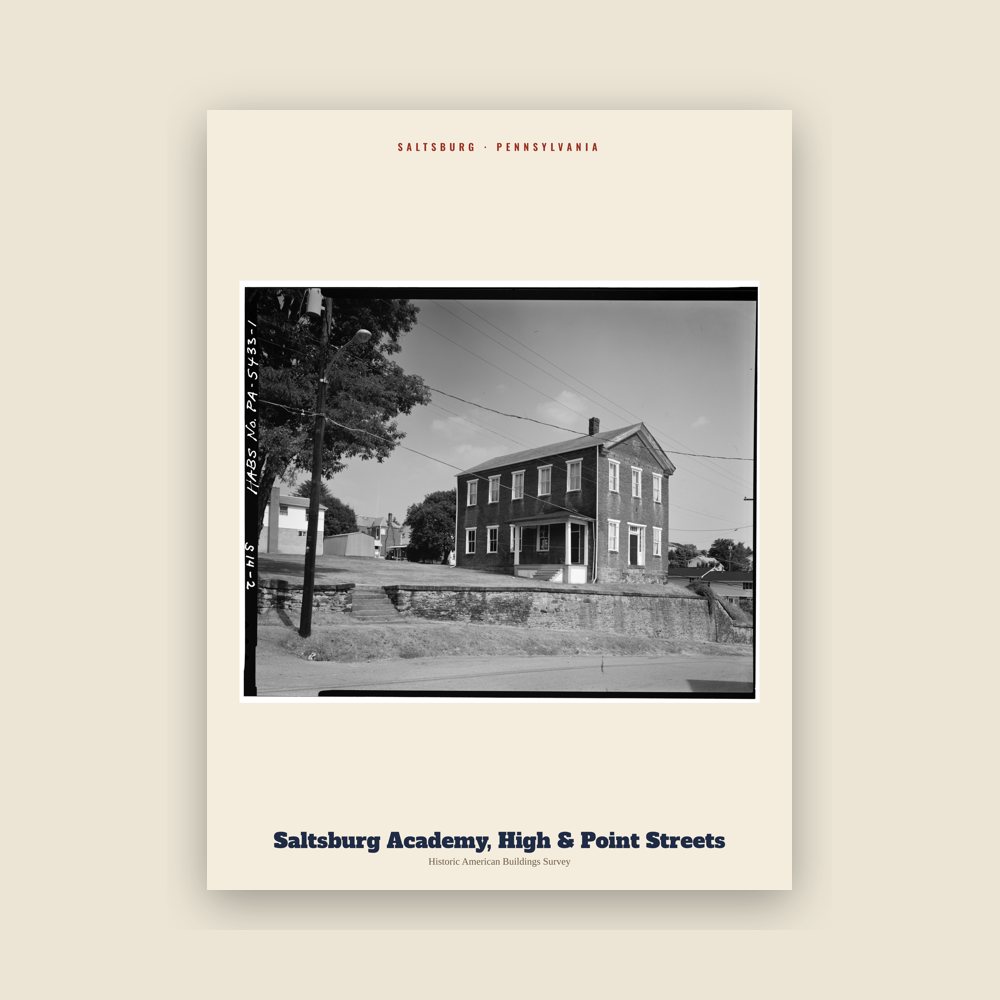
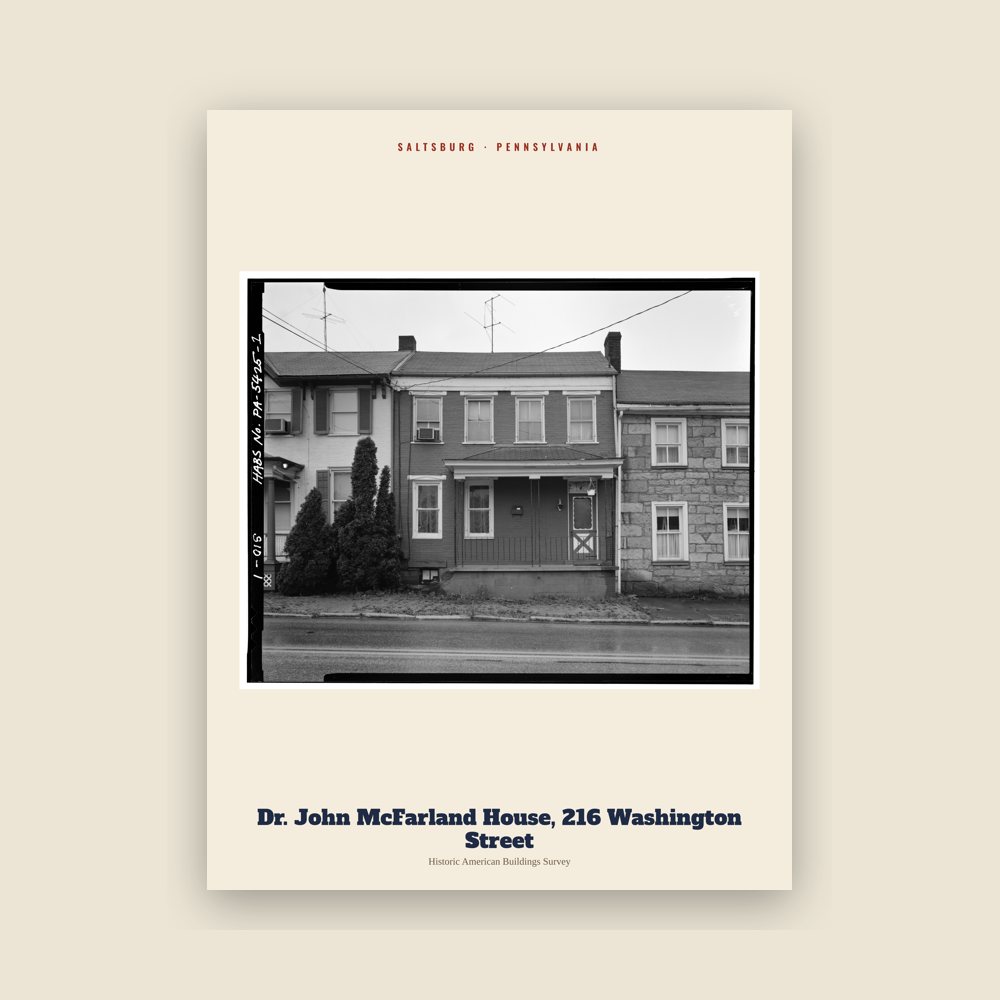
Dr. John McFarland, a graduate of Jefferson Medical College, was the town's first physician; he came to Saltsburg in 1836. McFarland was also the director of the Indiana County Medical Society and an instructor at the Saltsburg Academy. He served in the state House of Representatives from 1845 to 1846 and became one of the first directors of the Northern Pennsylvania Railroad. The first school was a log house located closer to the trestlework or railroad bridge. John Whittlesey was the first teacher, and John Bucklin was the second. The Saltsburg Academy was established in 1852.
Adapted (trimmed) from the Wikipedia article Saltsburg, Pennsylvania, revision 1370193365 by its contributors, licensed CC BY-SA 4.0.
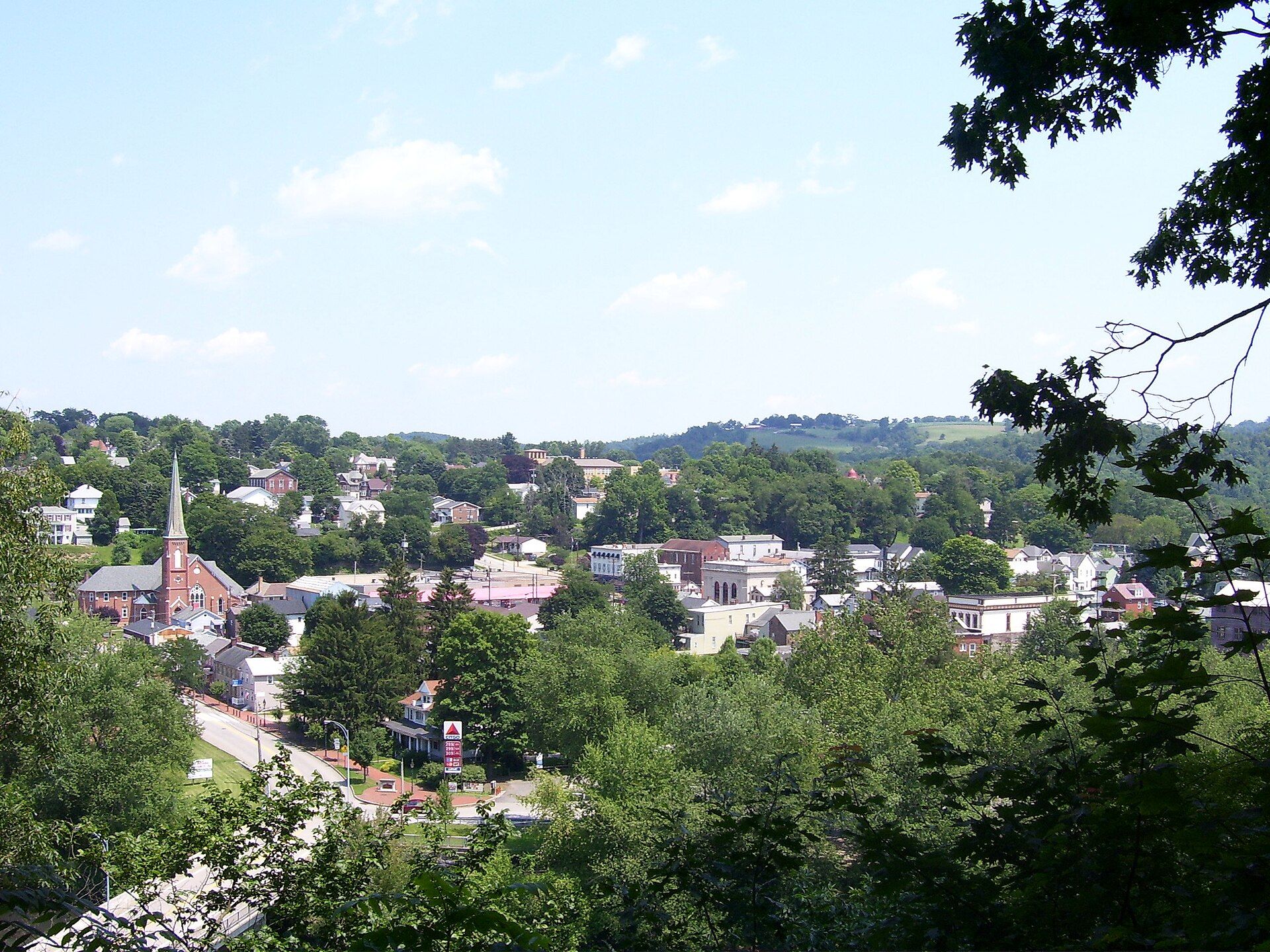
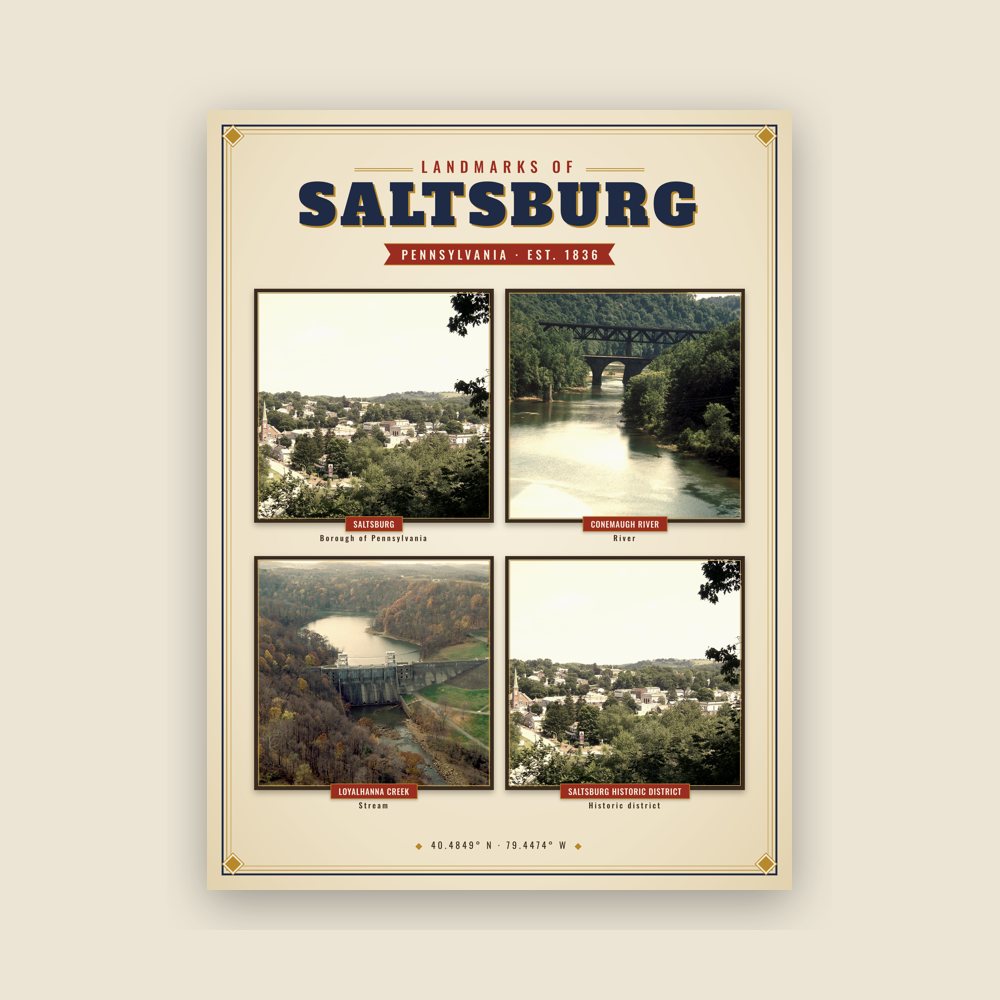
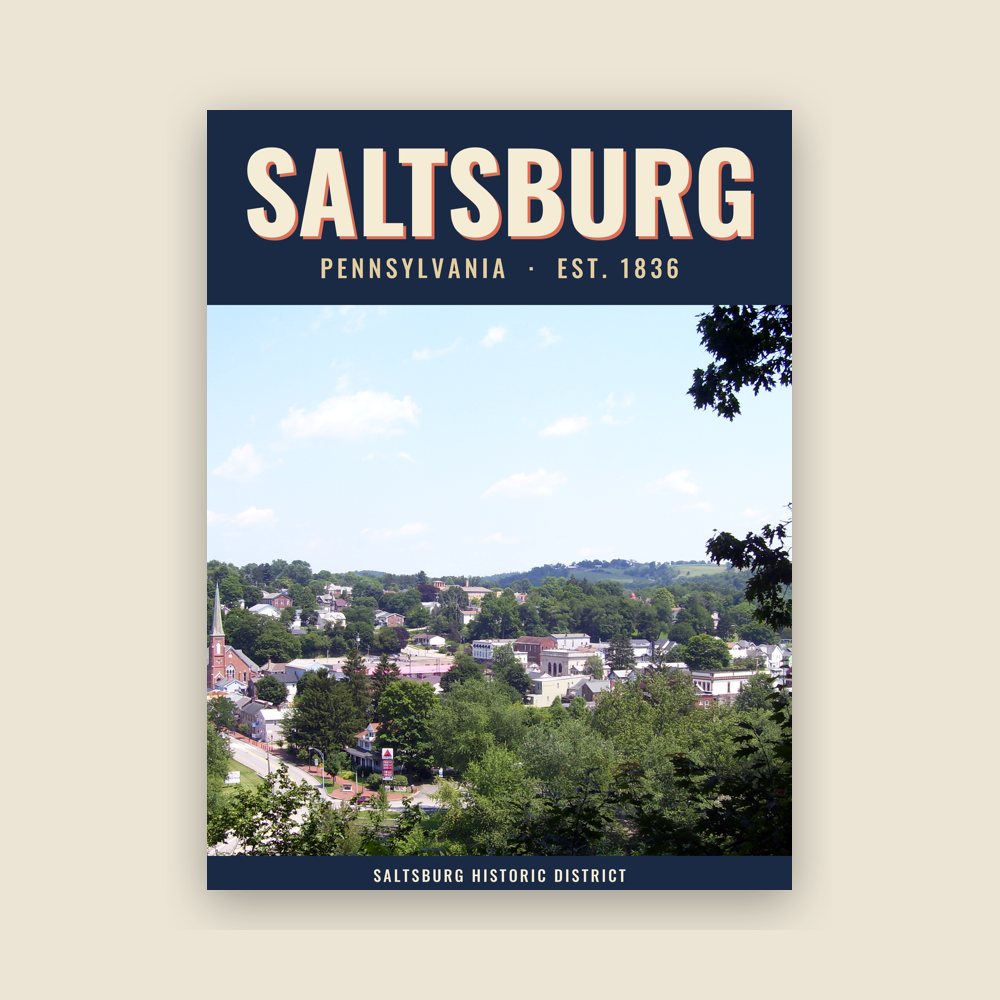
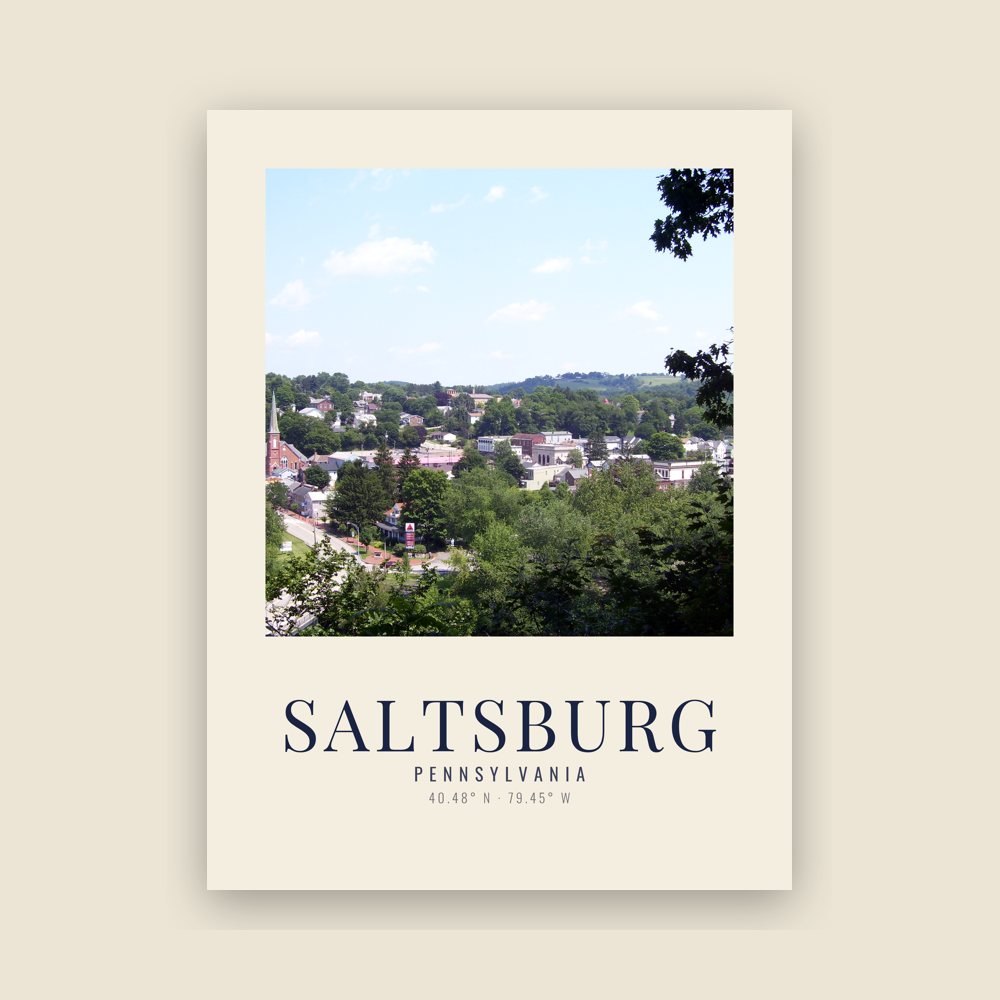
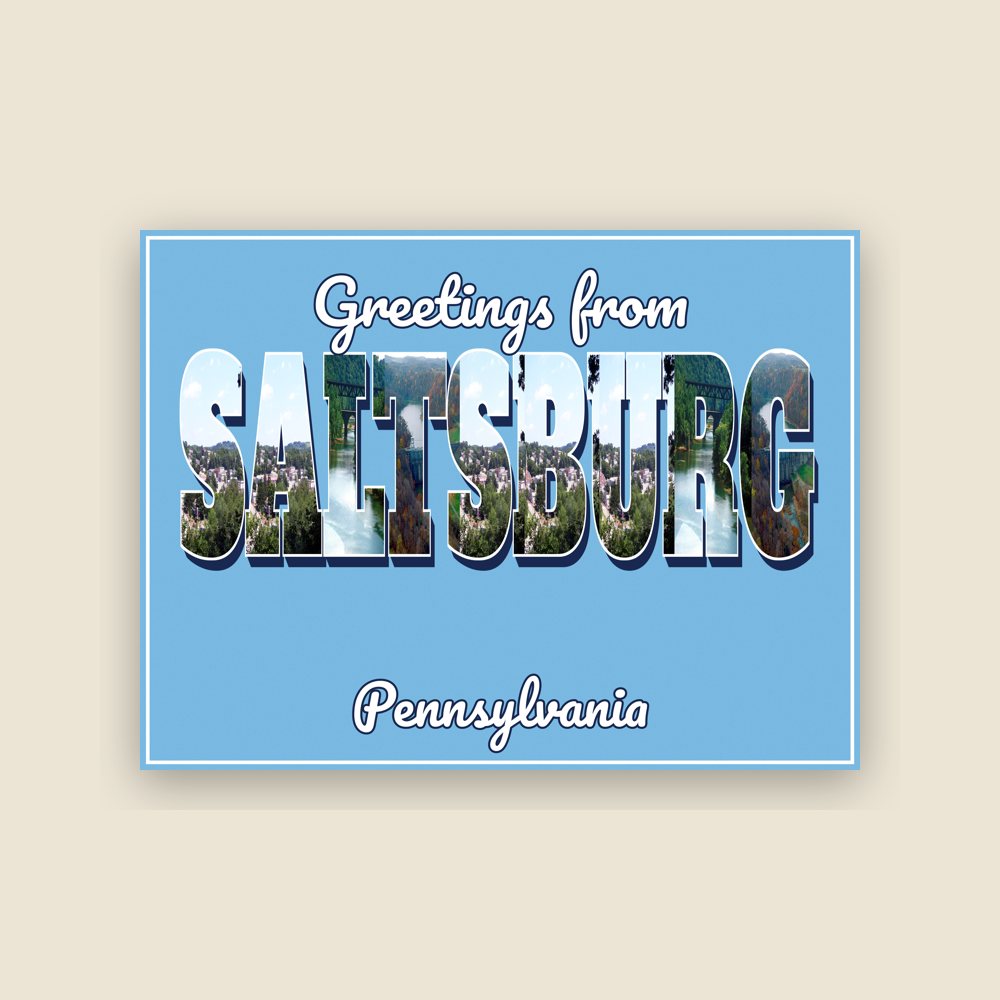
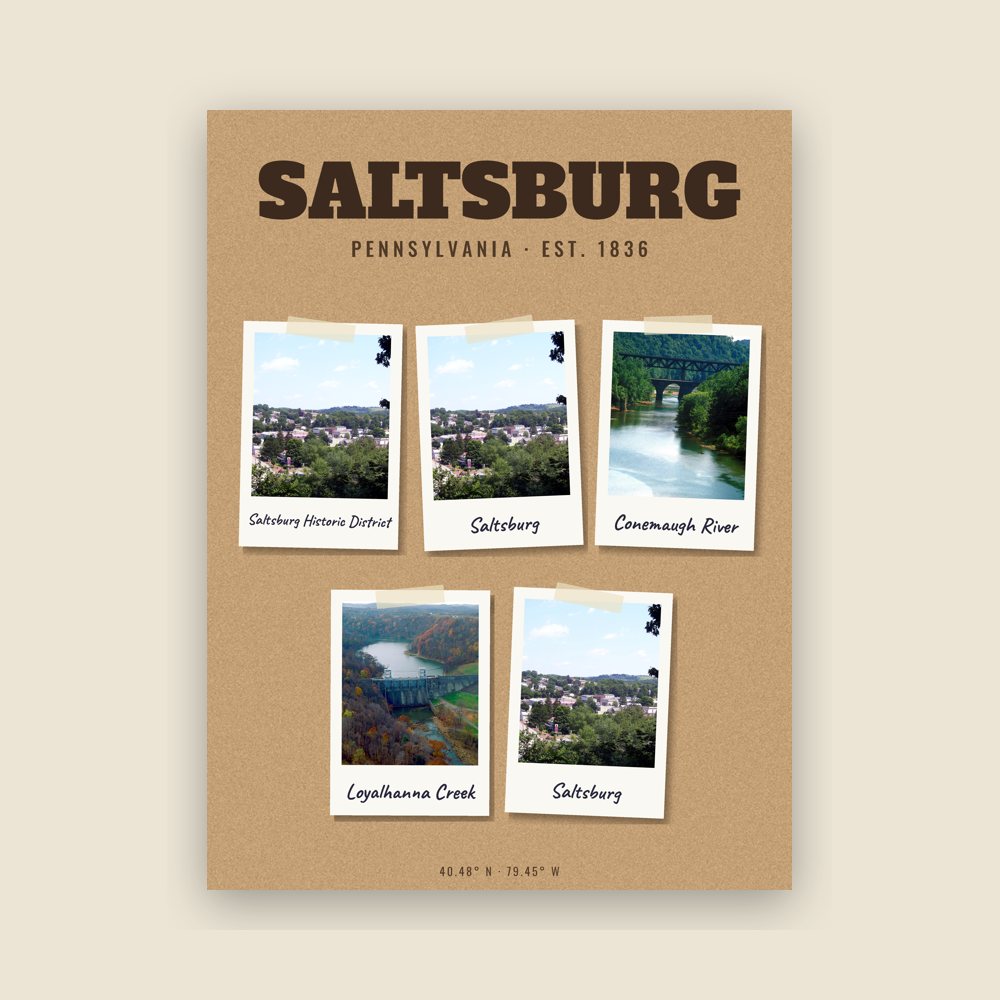
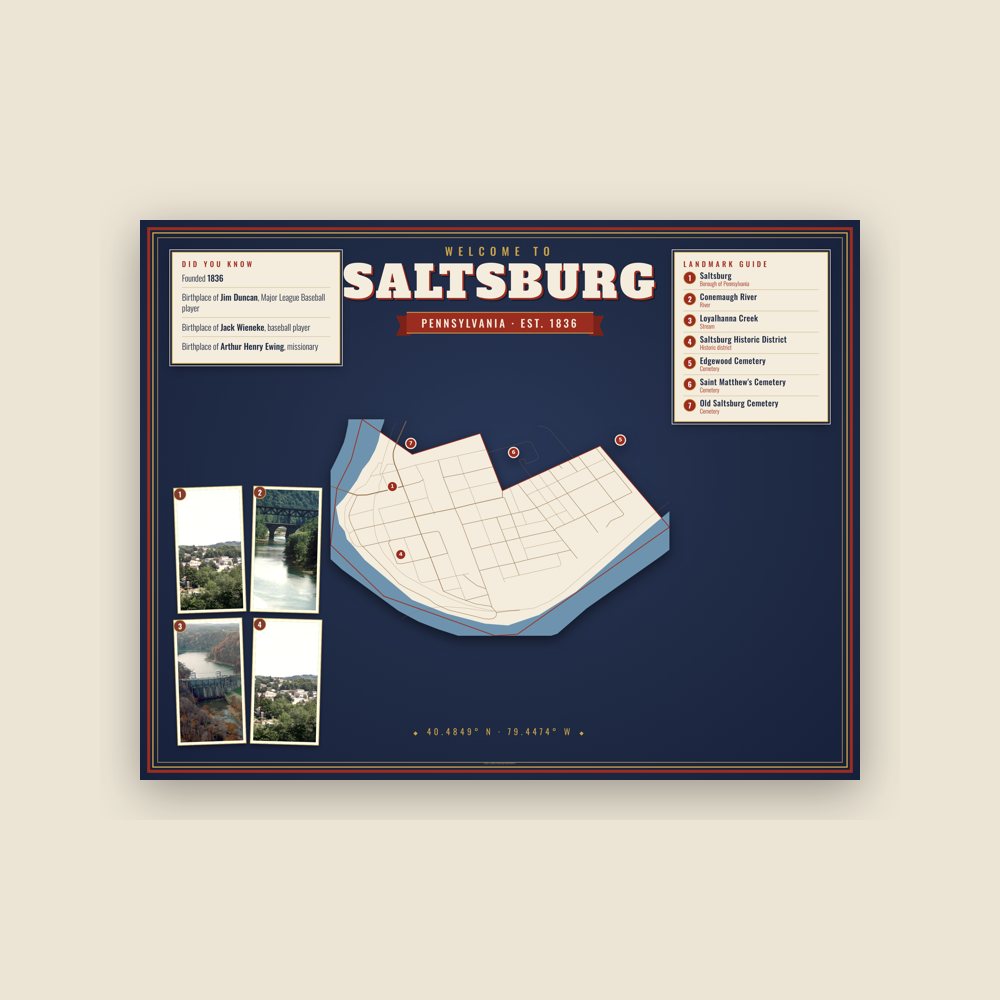
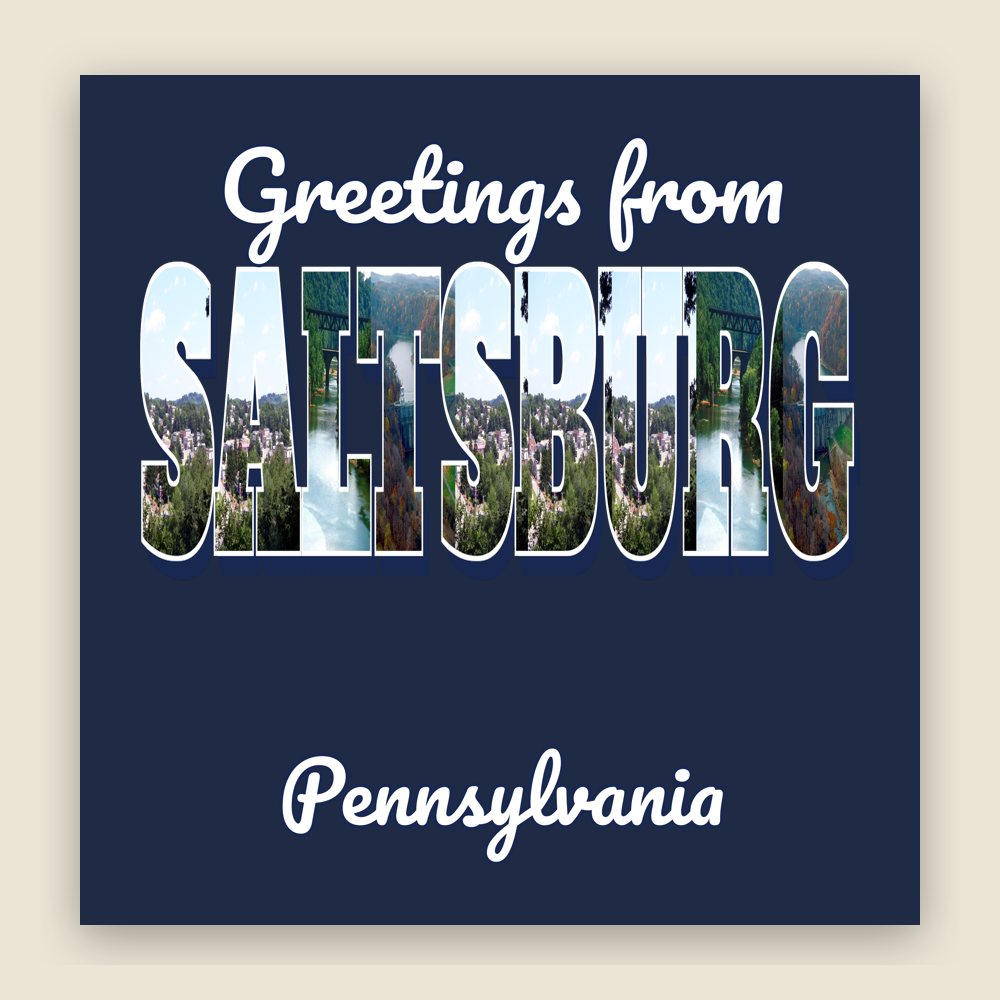
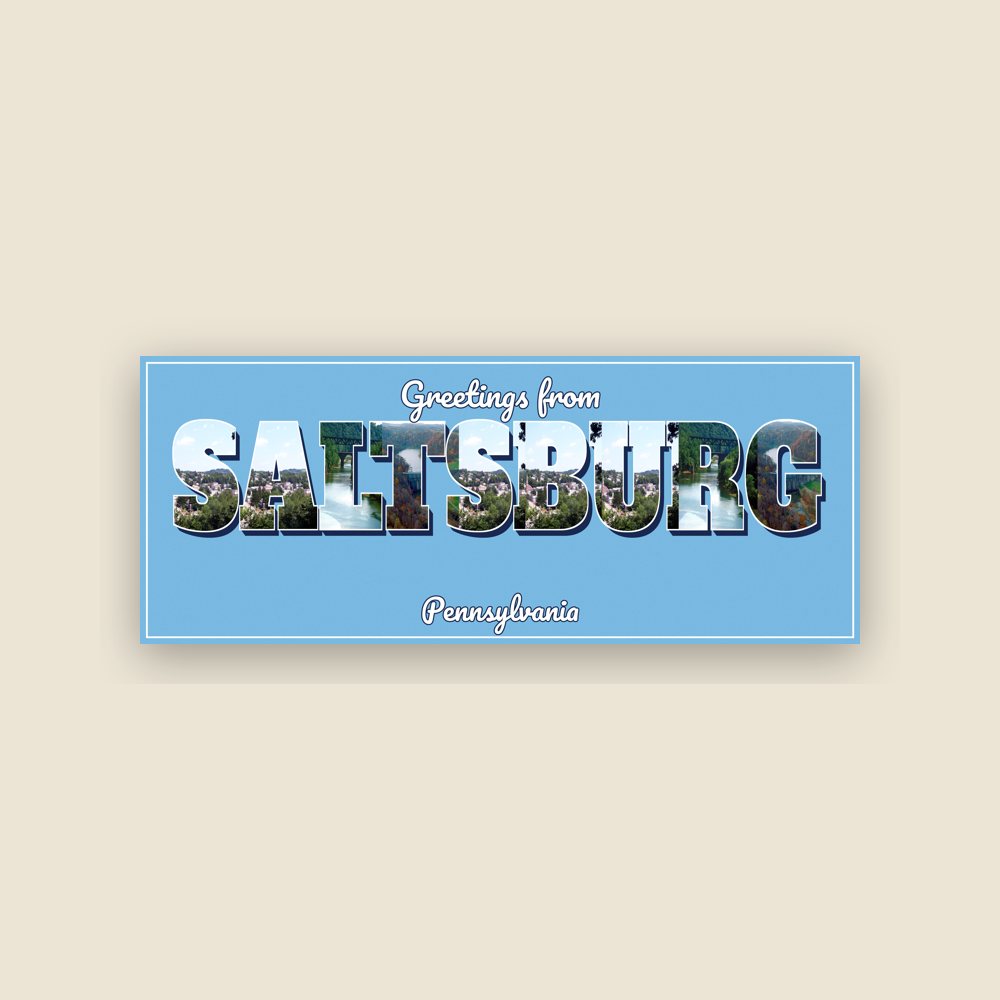
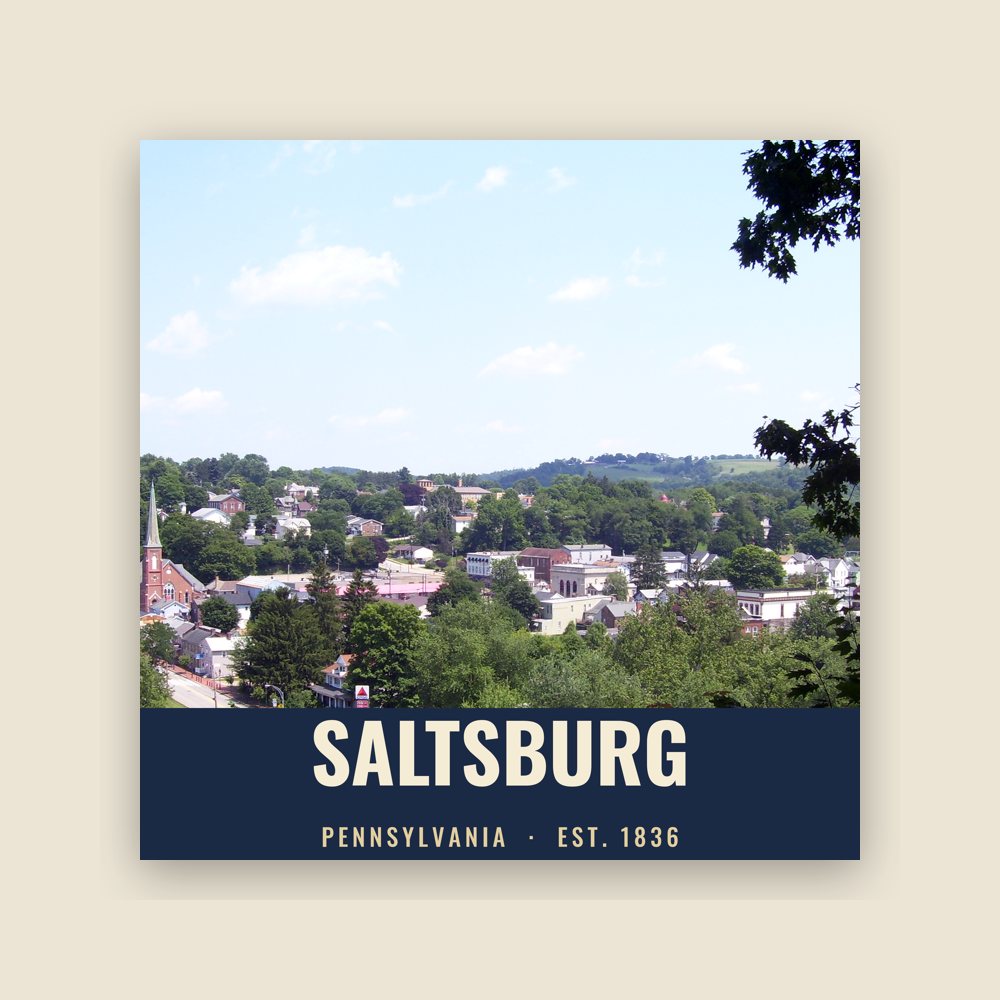
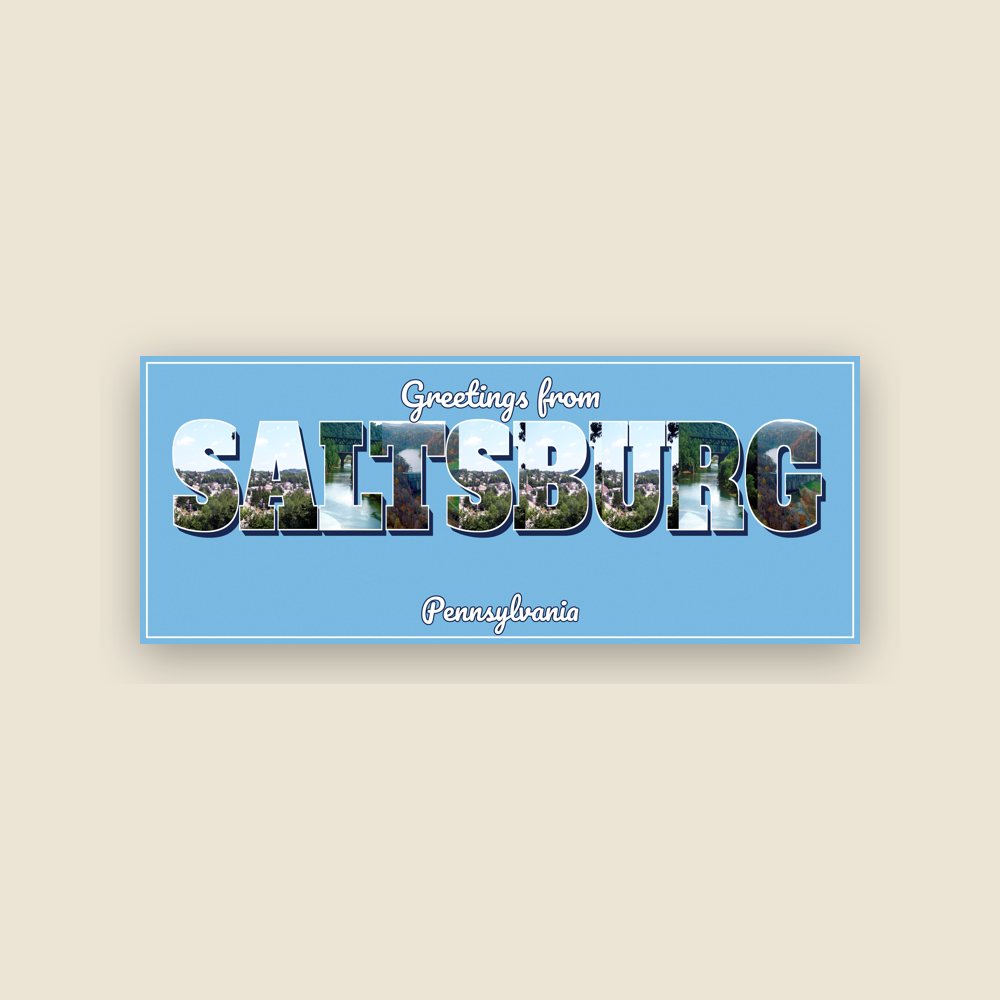
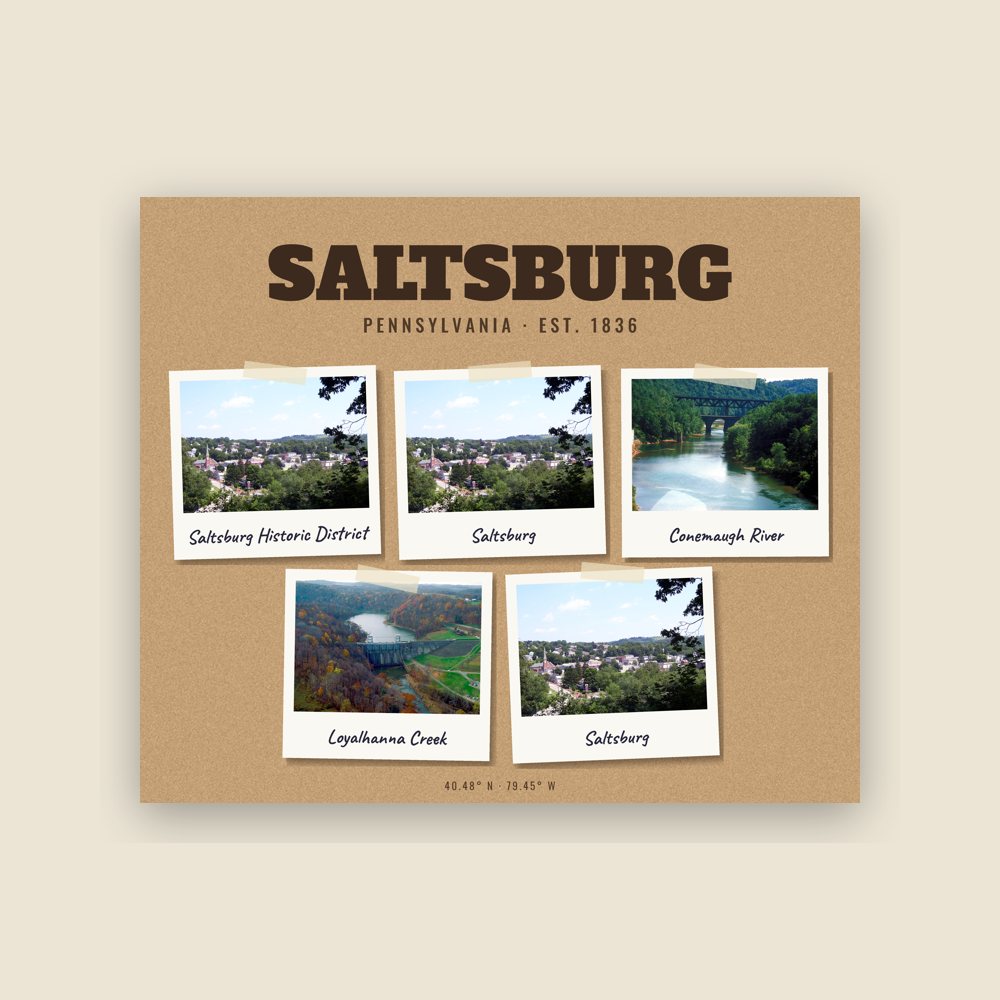
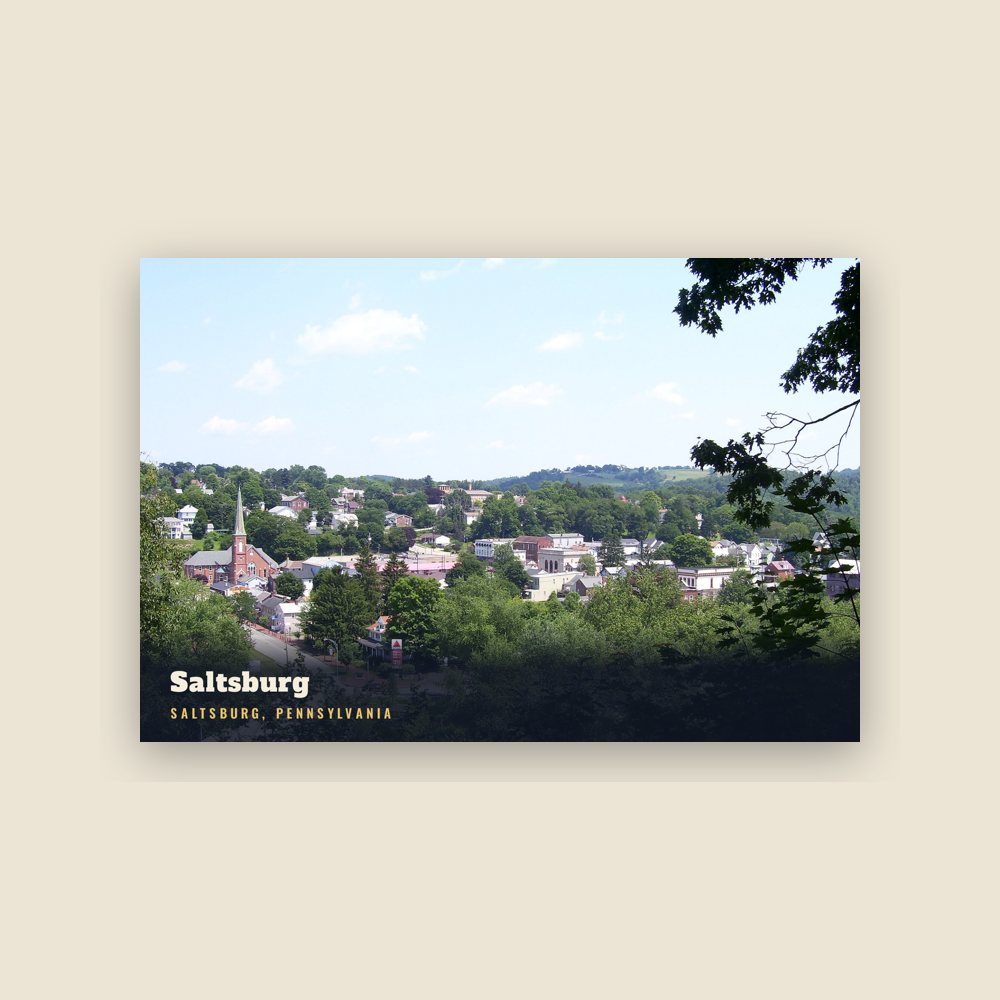
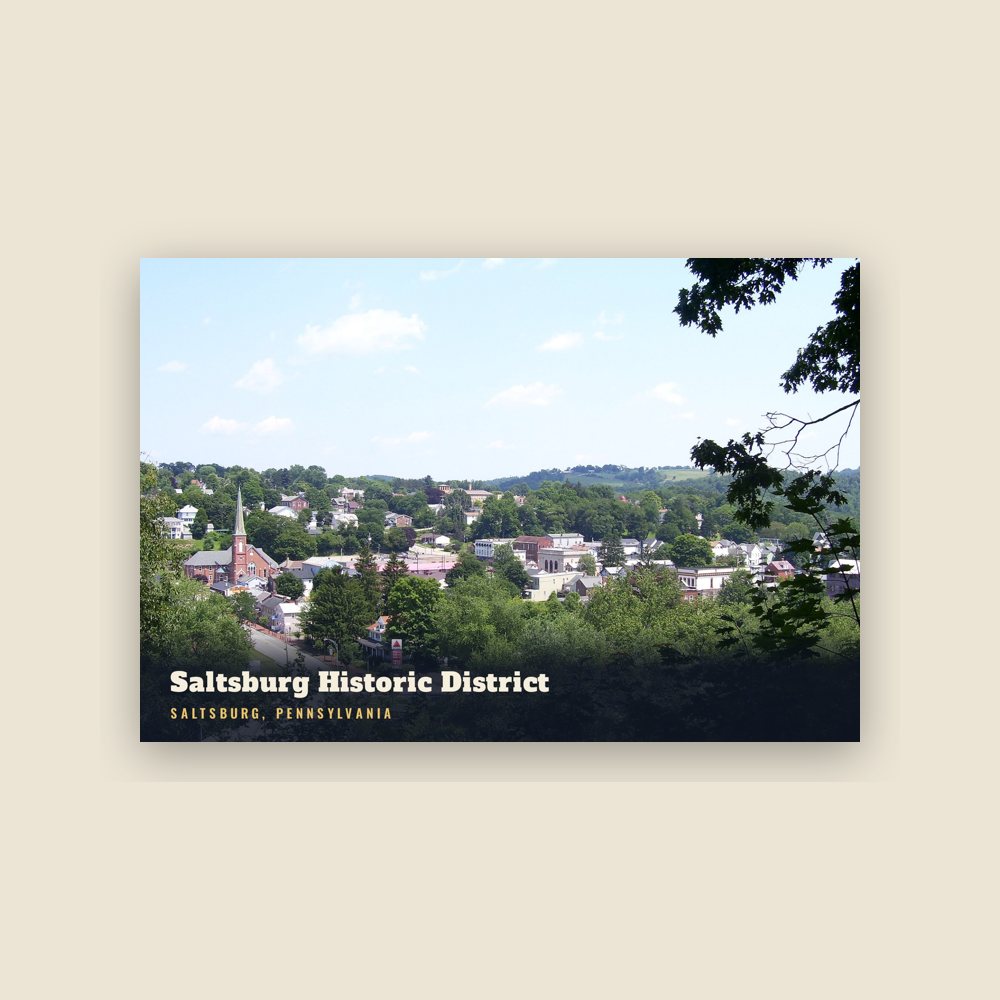
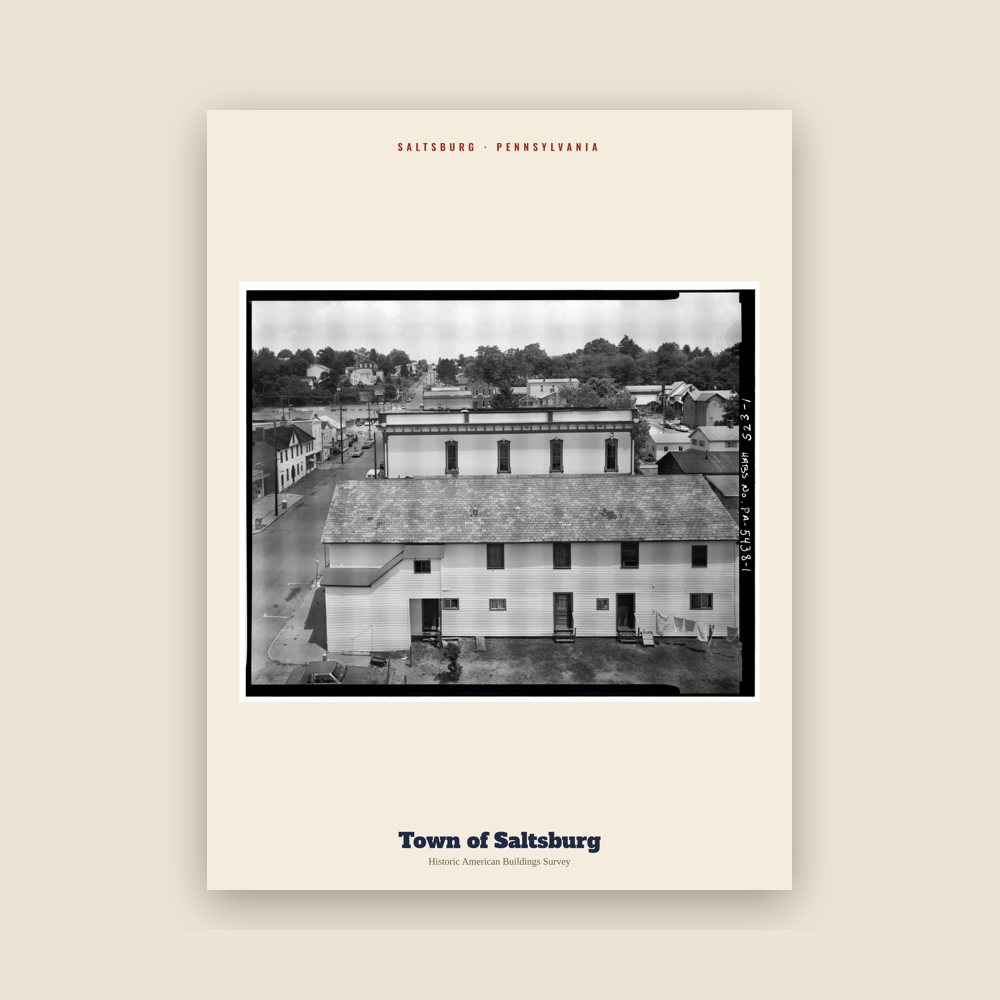
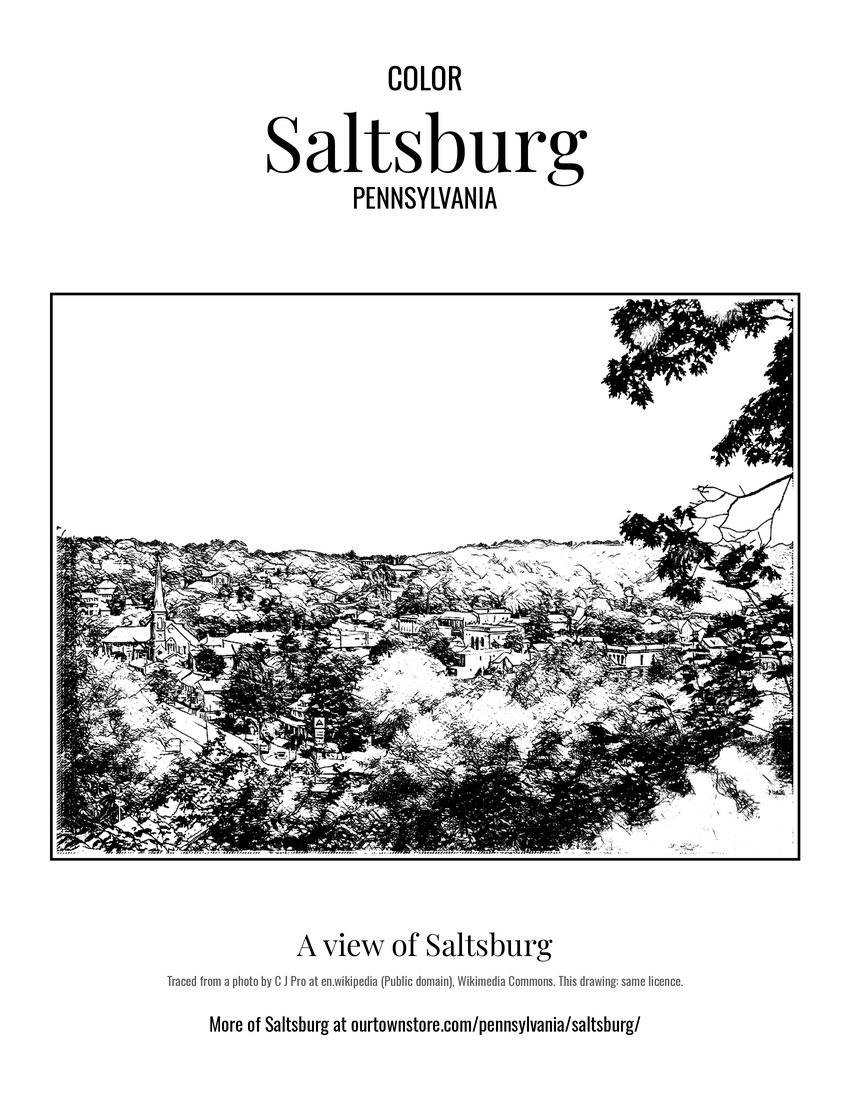 A view of Saltsburg
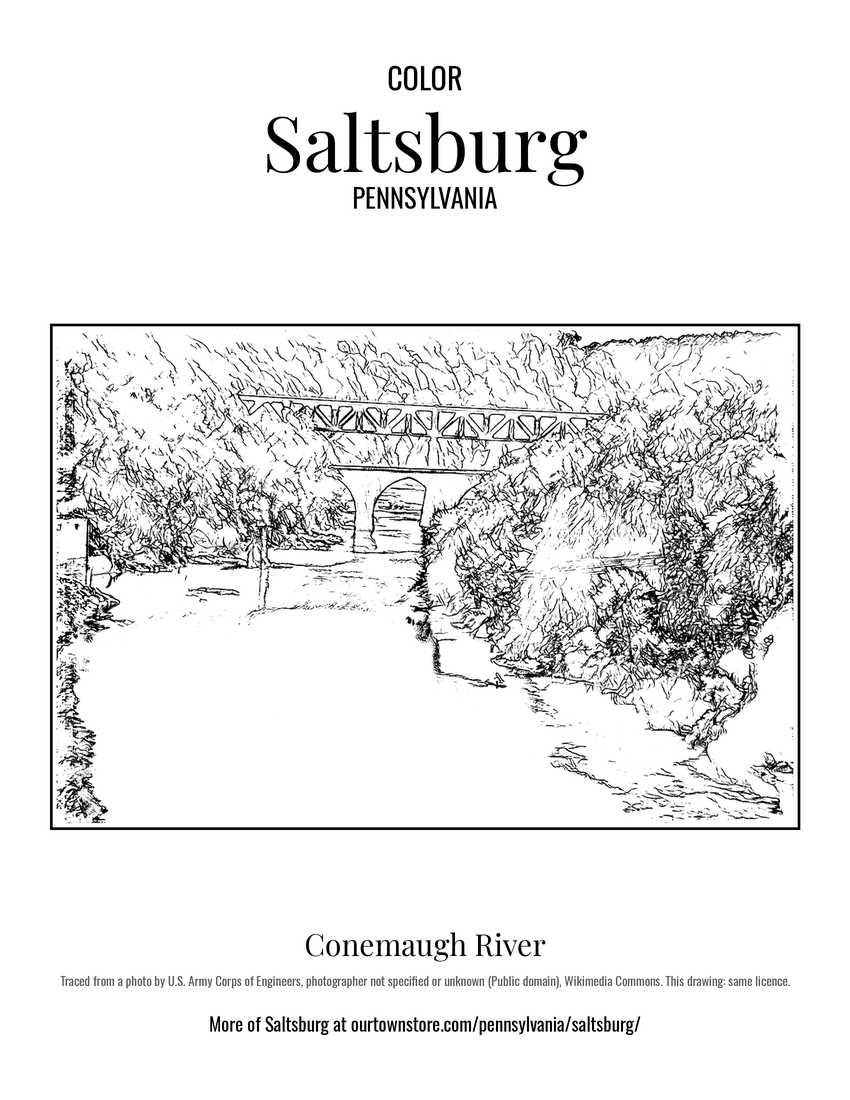 Conemaugh River
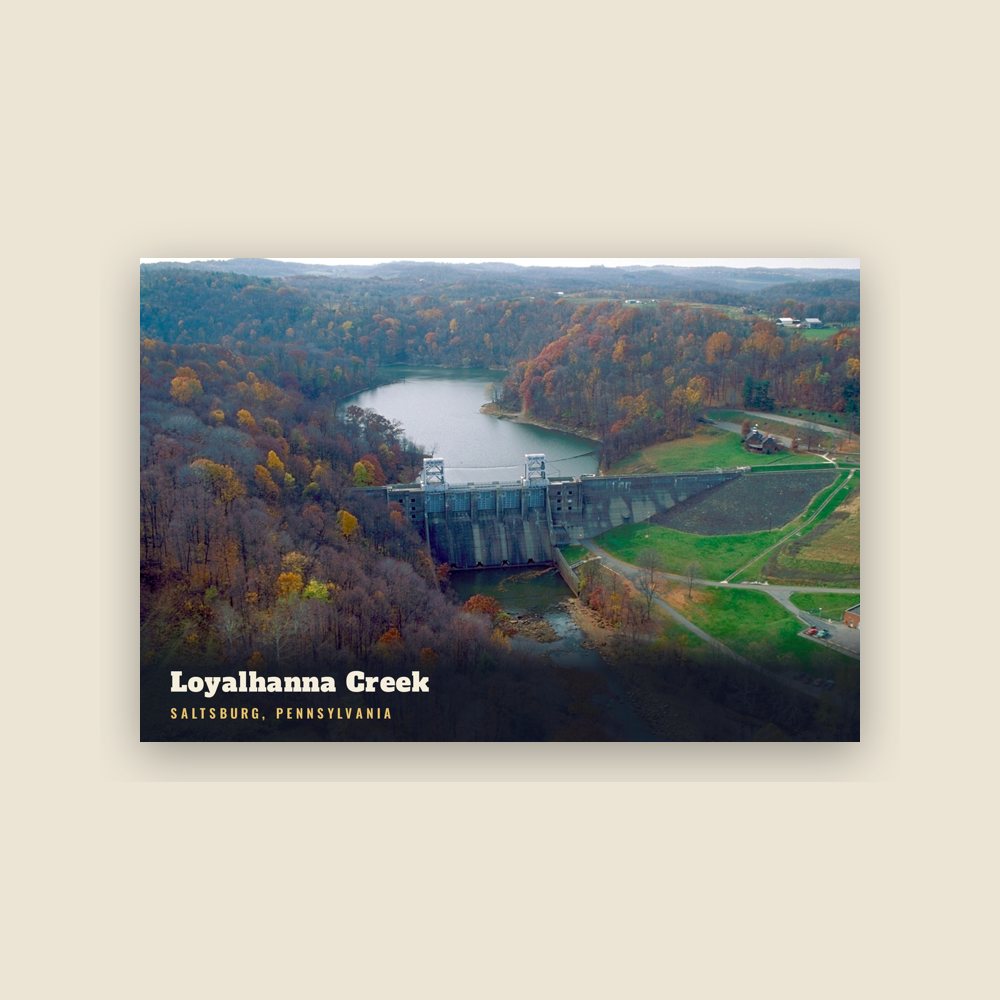
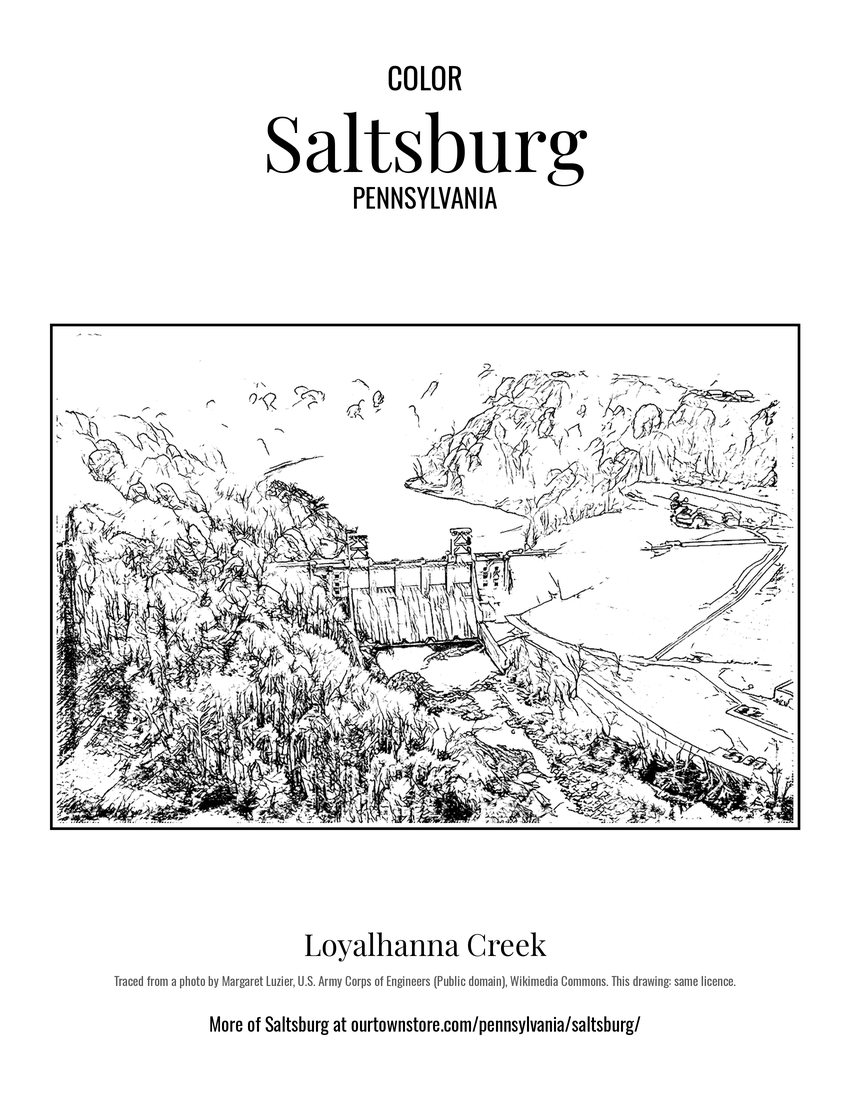 Loyalhanna Creek
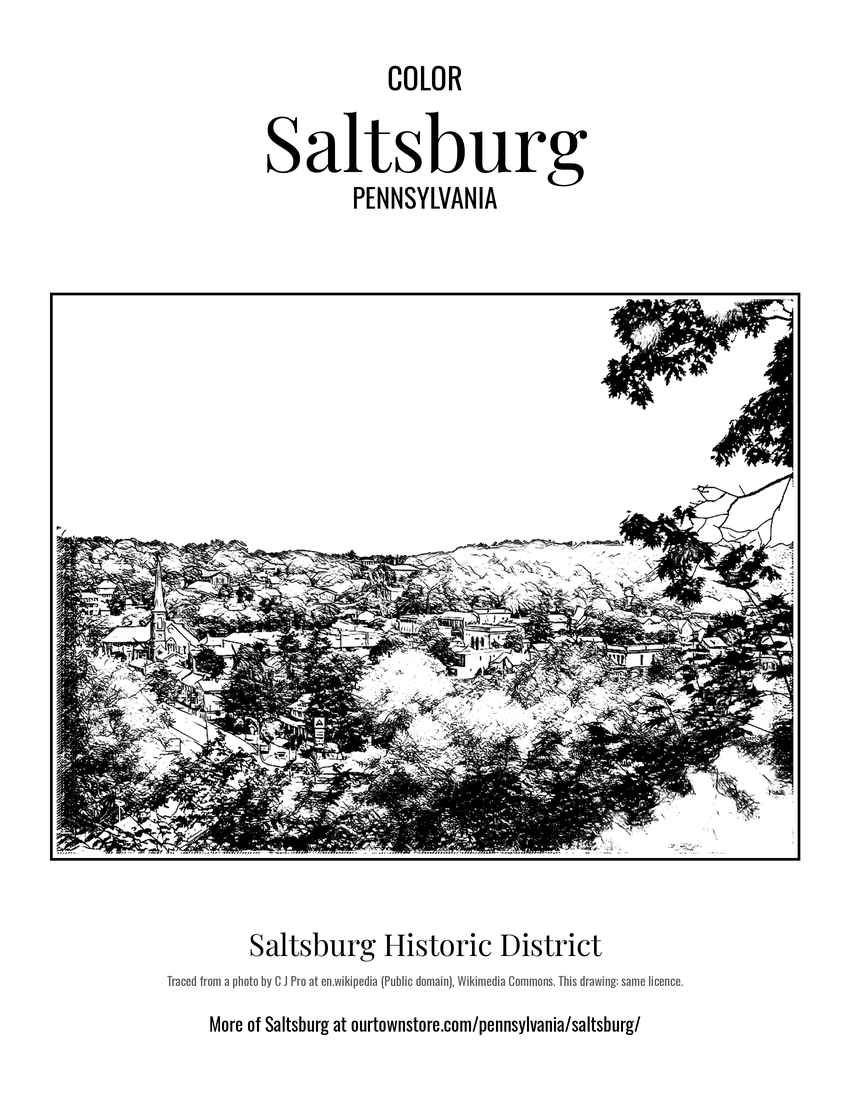 Saltsburg Historic District