Paxtang dates to the 18th century when Euro-Americans settled at the site of the Shawnee-Lenape village of Peshtank. Landmarks include Paxtang and Paxtang Park.
- CountyDauphin County
- Population1,648 (2020 U.S. Census)
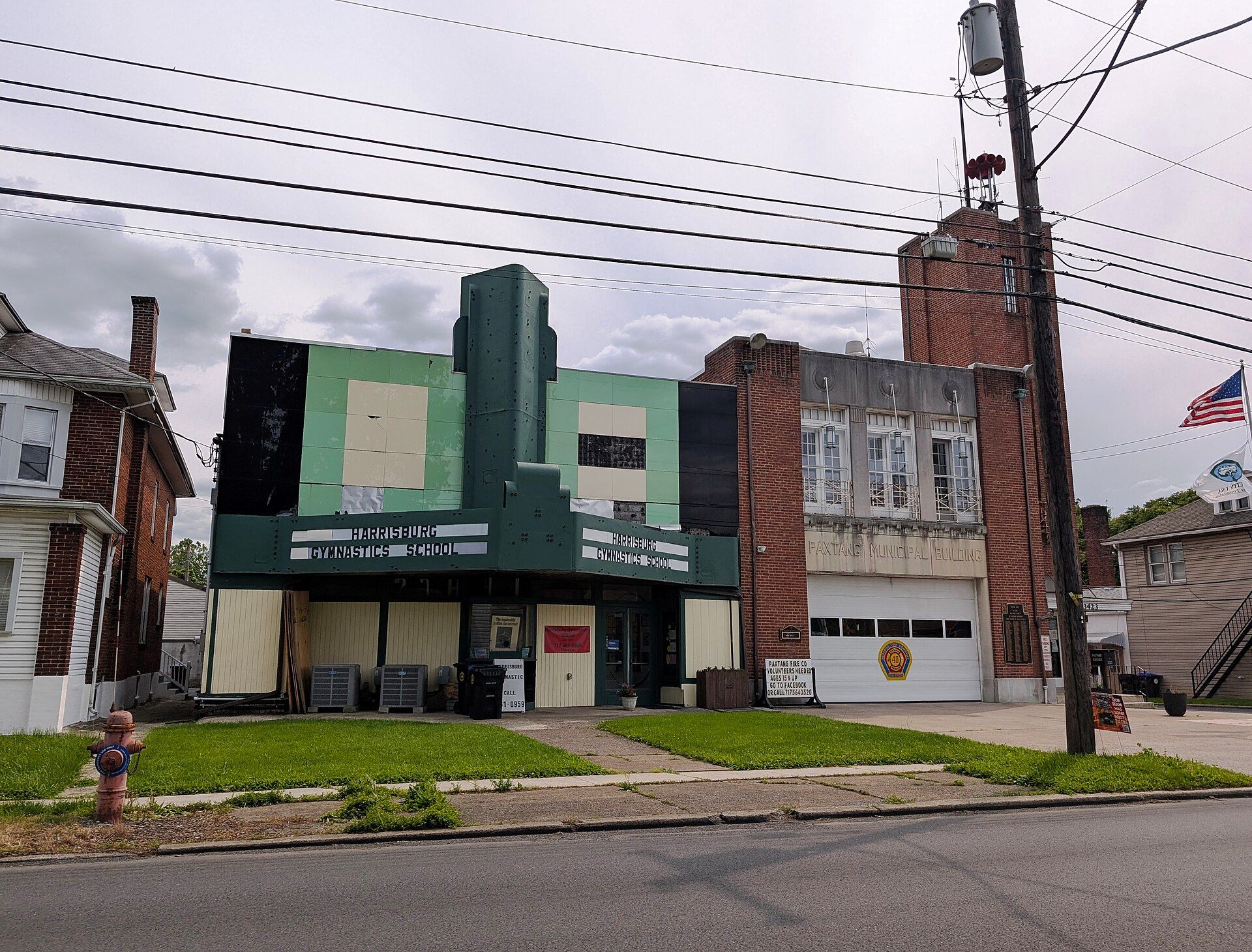
Paxtang, Pennsylvania gifts and souvenirs: 33 designs made from Paxtang's own map, landmarks and history, from $10 to $99. Printed to order and shipped free in the USA.
| Popular | Price |
|---|---|
| Paxtang Hometown Ornament | $23 |
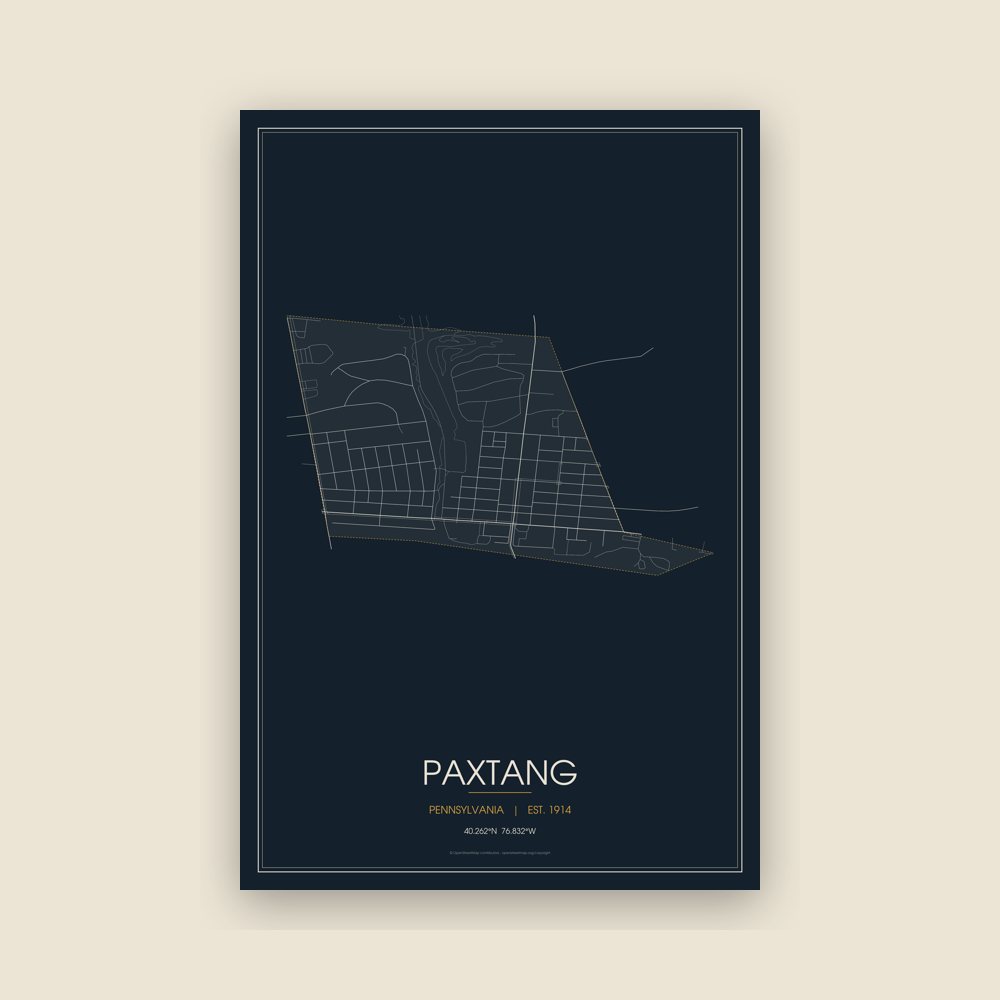
| Paxtang Vintage Travel Poster | from $40 |
| Paxtang Varsity Crewneck | from $57 |
| Paxtang Est. Tee | from $33 |
| Paxtang Town Line Mug | from $26 |
| Paxtang Market Tote | $37 |
Ceramic keepsake, gold ribbon
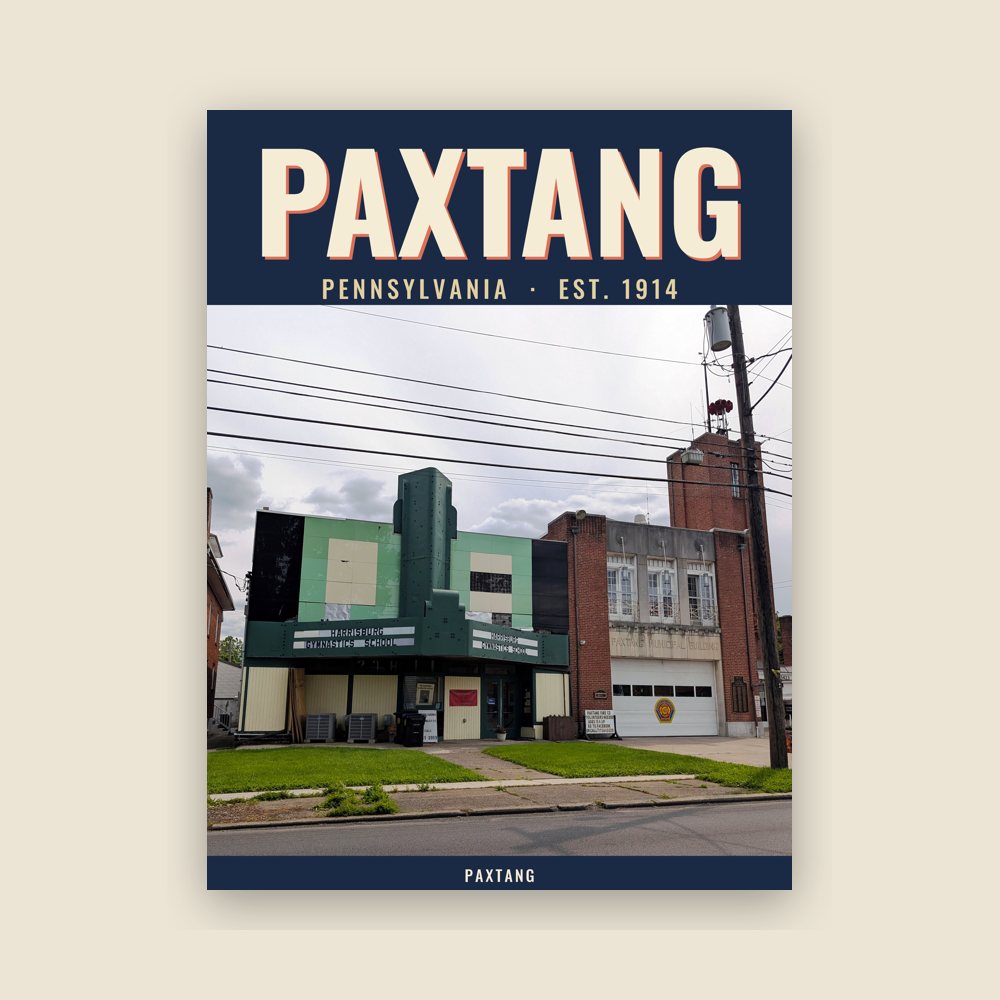
Its landmark photo in a classic travel-poster layout
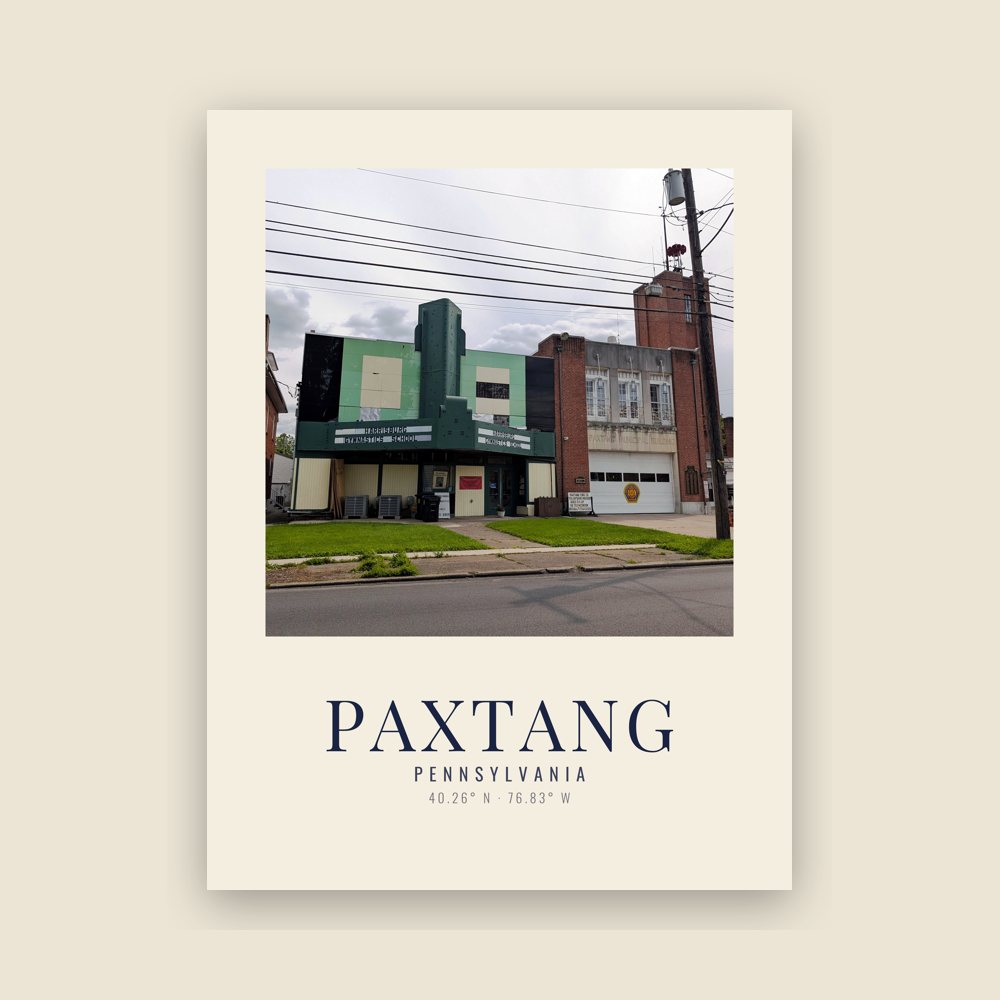
A local landmark photo as a gallery print
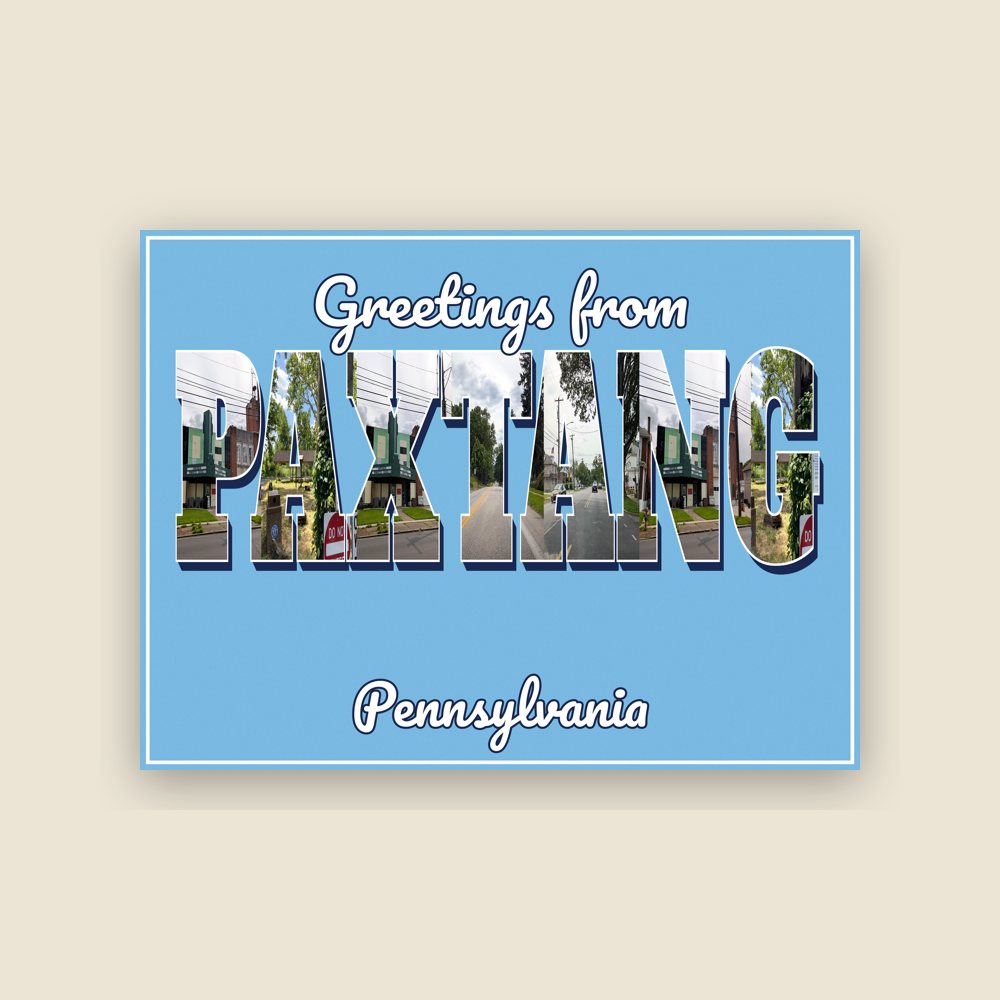
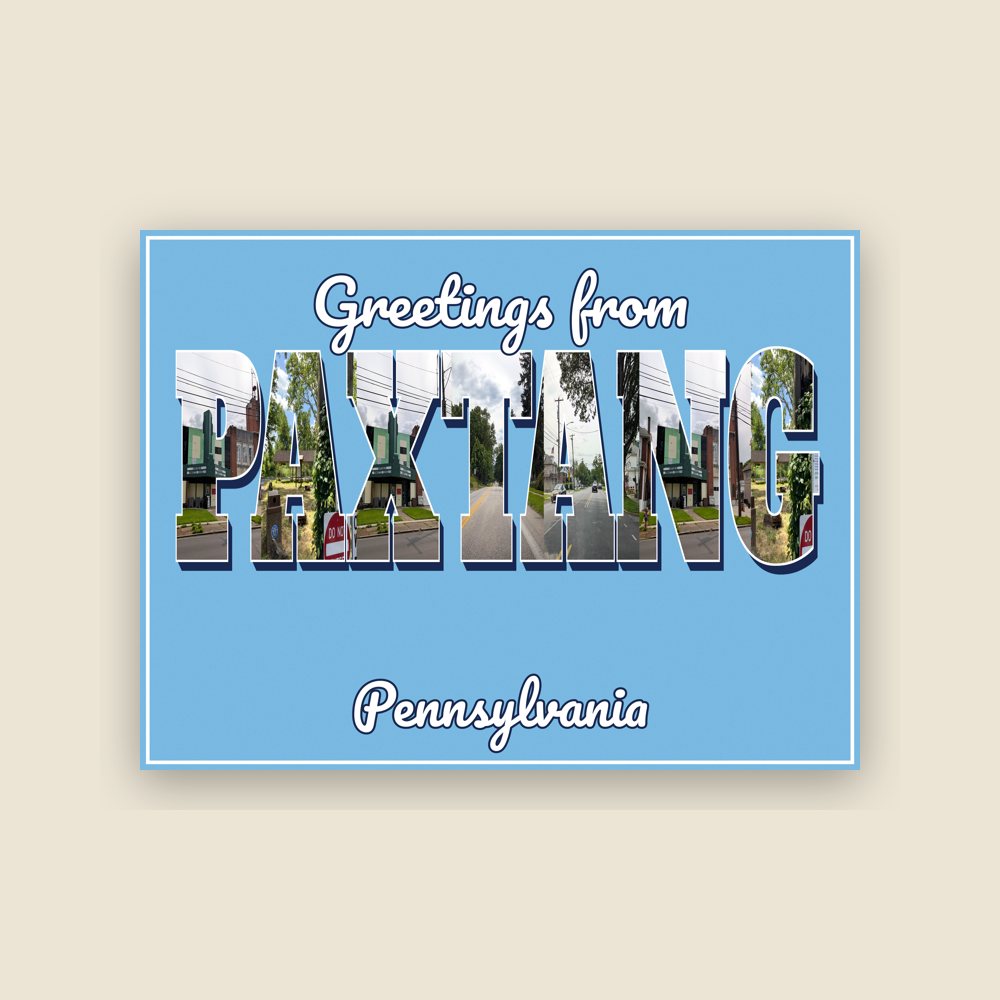
Classic large-letter postcard art, filled with local photos
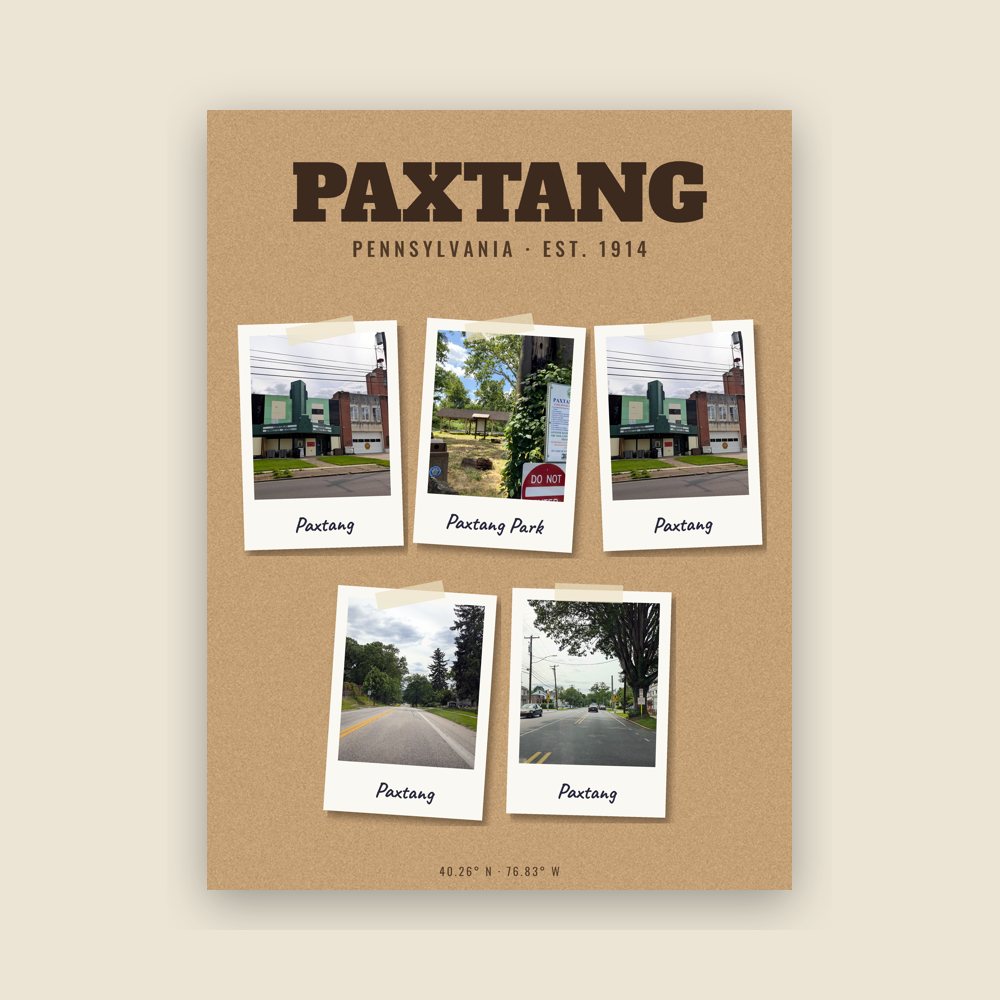
Six local landmarks as instant photos on kraft paper
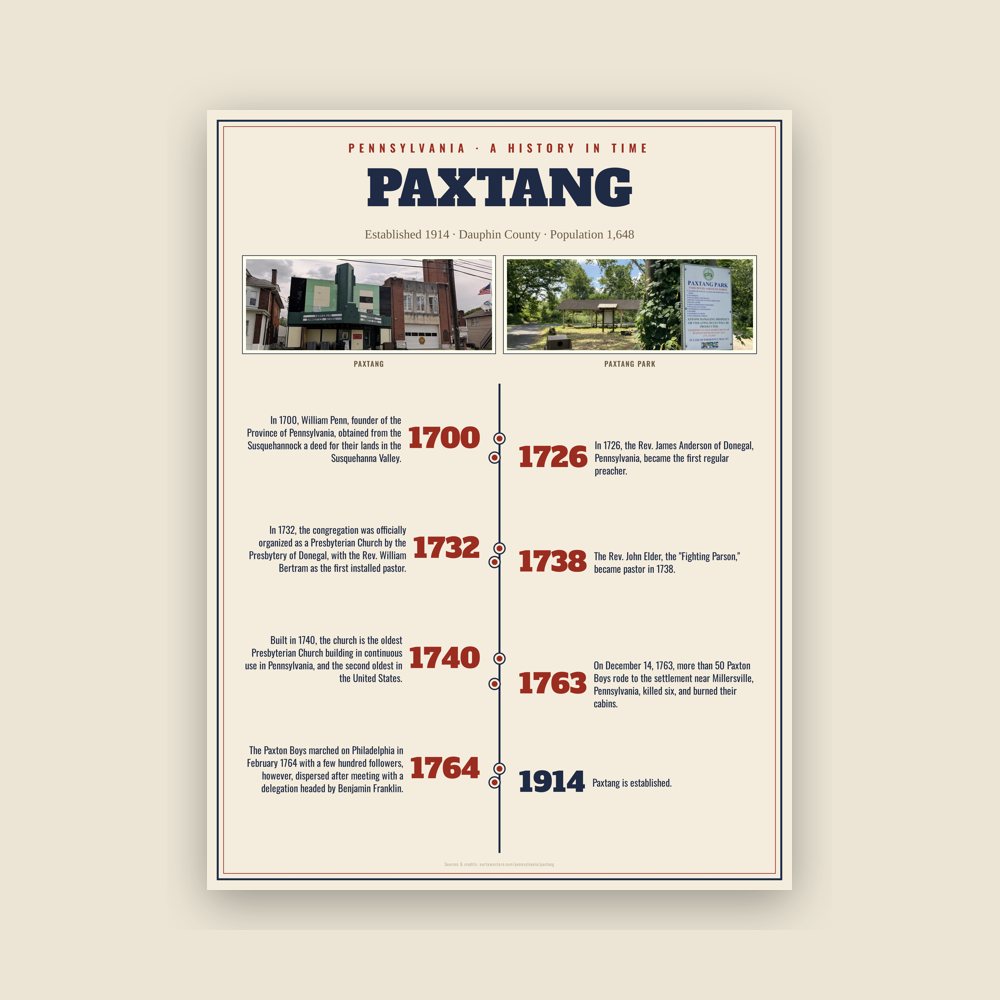
The town's story in dates, from its own records, for home or classroom
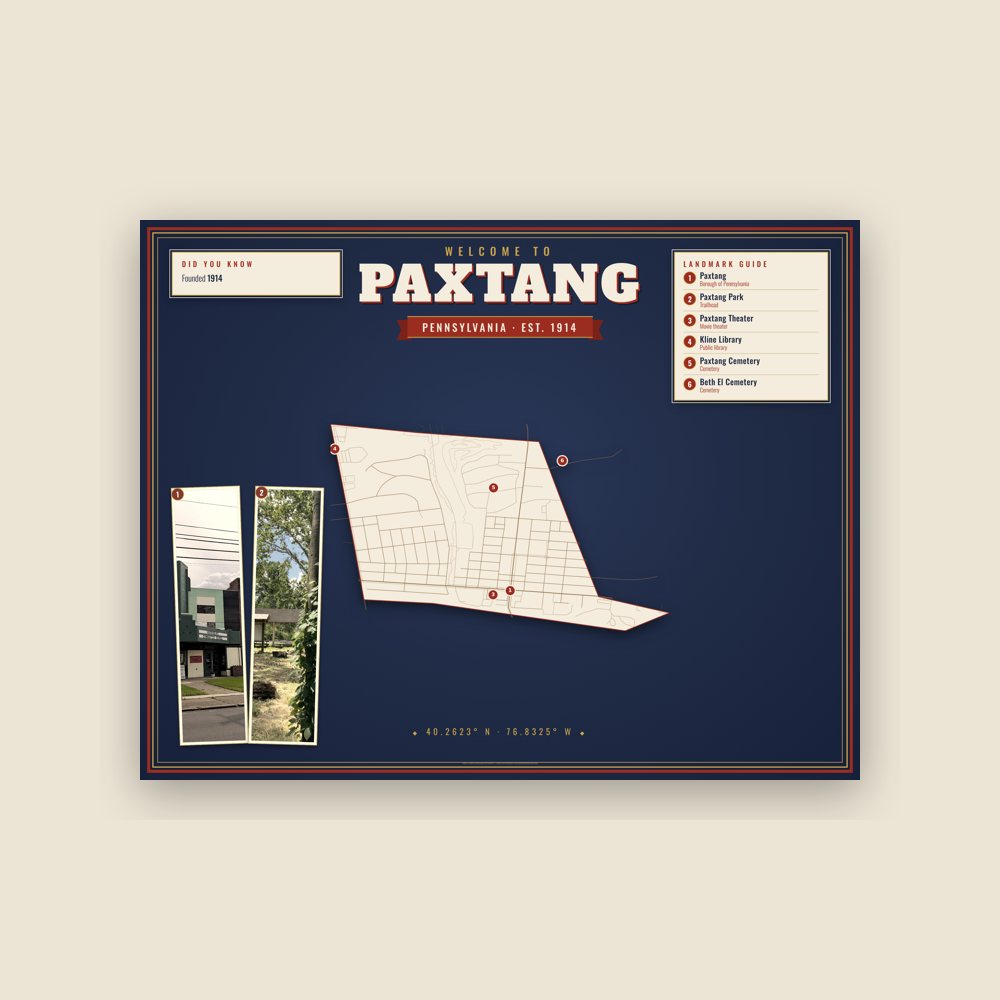
Map of local landmarks, washable fabric
Heavy-blend fleece, street map printed on the back
Soft Bella+Canvas jersey
Kids' Bella+Canvas jersey, youth sizes
Bella+Canvas toddler jersey
Bella+Canvas baby bodysuit
Large-letter postcard art filled with local photos
Glossy ceramic, dishwasher safe
Large-letter postcard art filled with local photos, 11 oz ceramic
Weatherproof, for the front walk
24″×16″, printed coir-look fibers, rubber back
12″×12″ printed wood, ready to hang
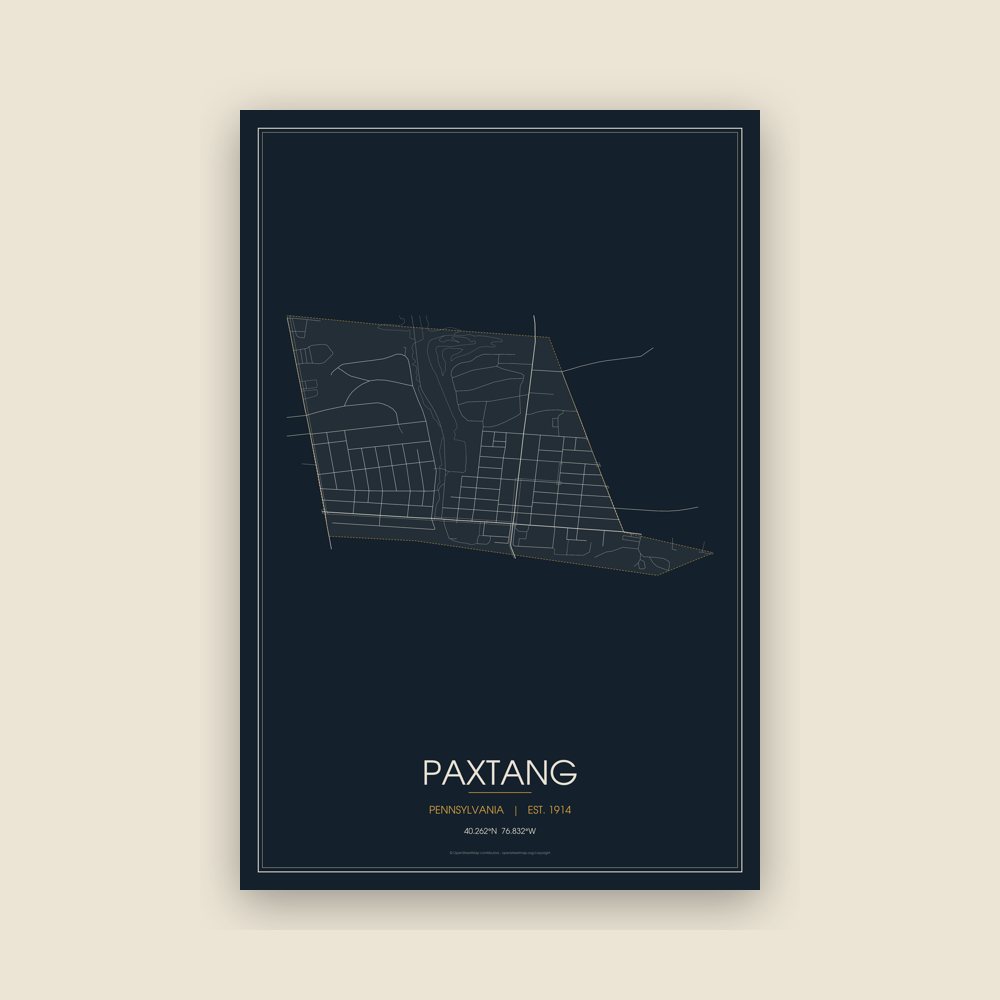
Soft-touch, zip cover
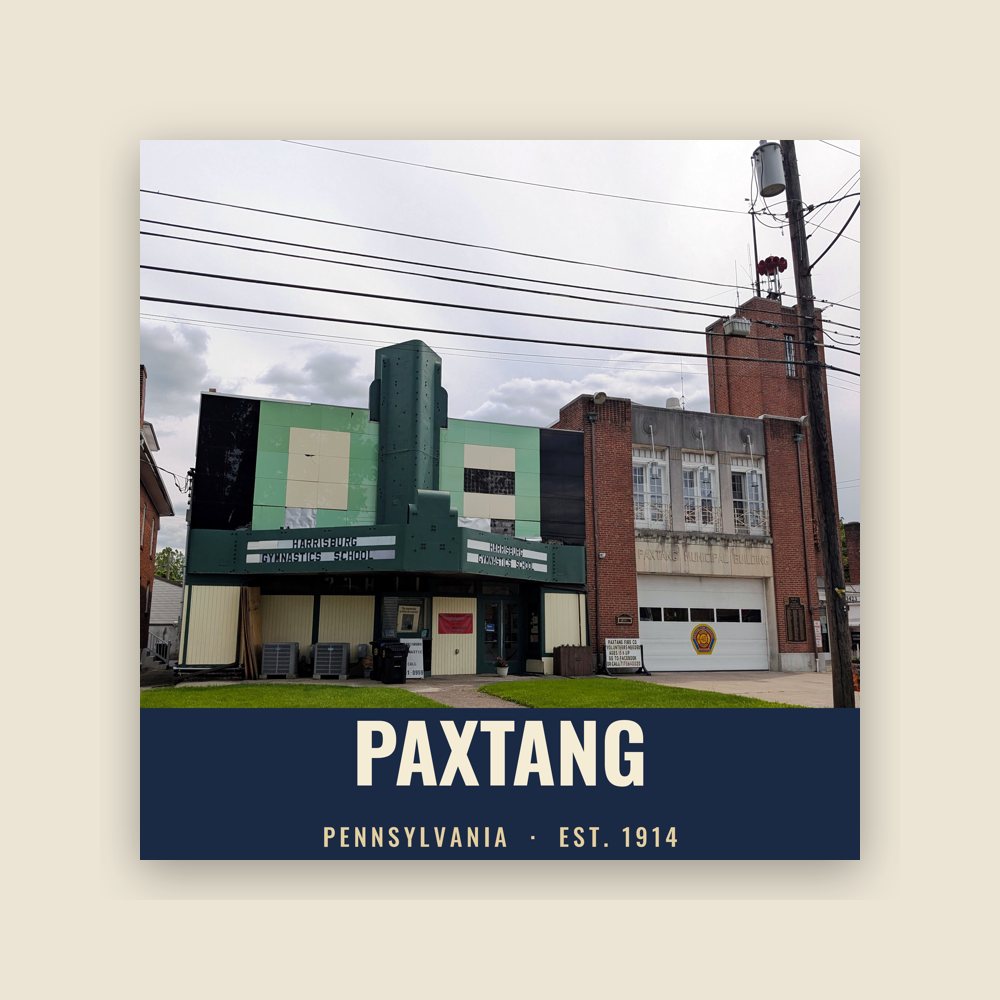
A local landmark photo with the town name, 18″×18″
Sturdy all-over-print tote
Large-letter postcard art on a sturdy tote
Foam-front trucker, printed (not embroidered) with local photos
Glossy top, cork back
Soft fleece, 50″×60″
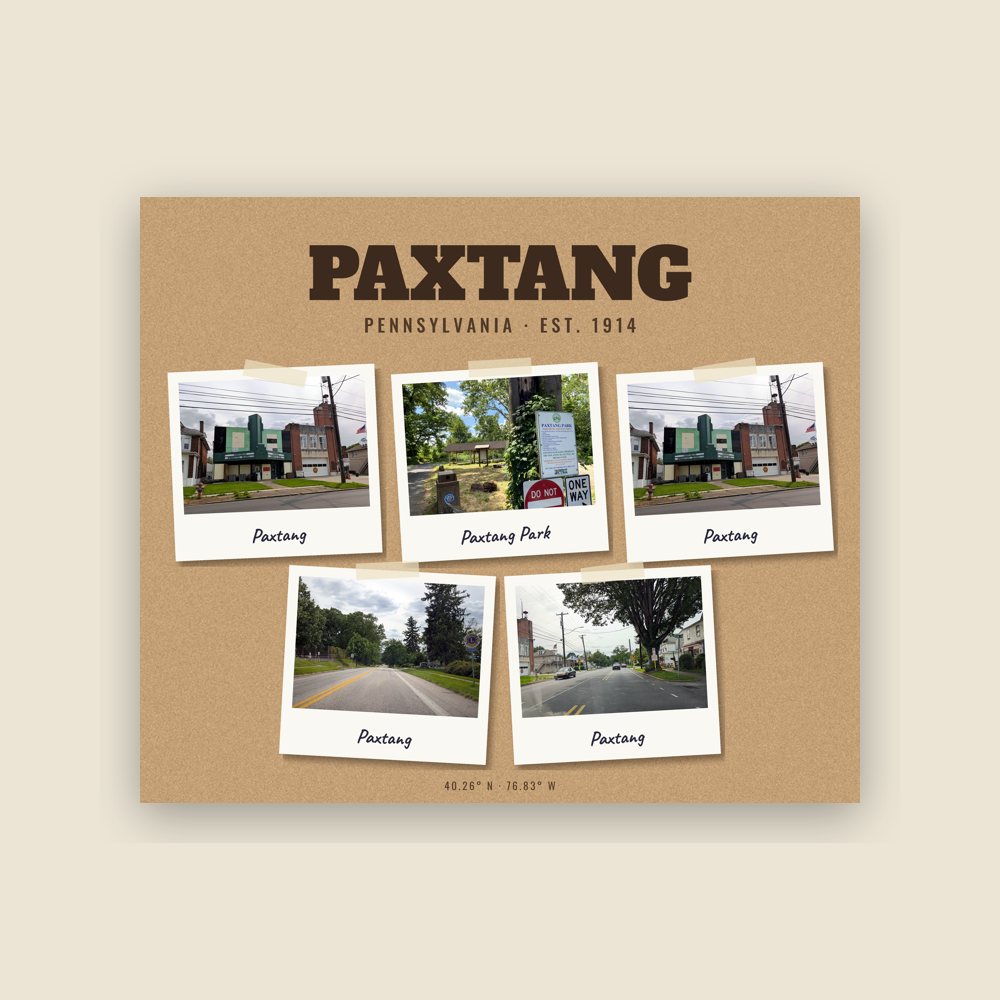
Six local landmarks as instant photos, soft fleece 50″×60″
20 oz, double-wall stainless
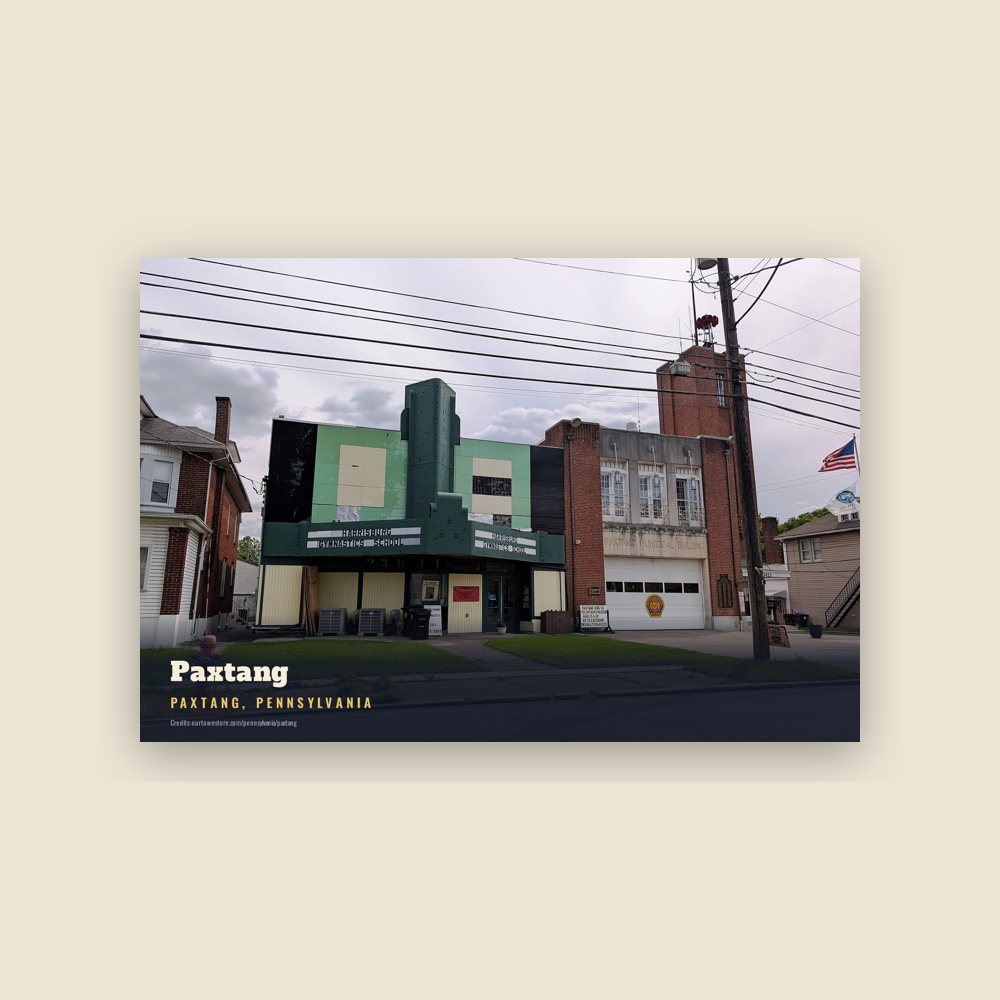
6″×4″ postcard, glossy front
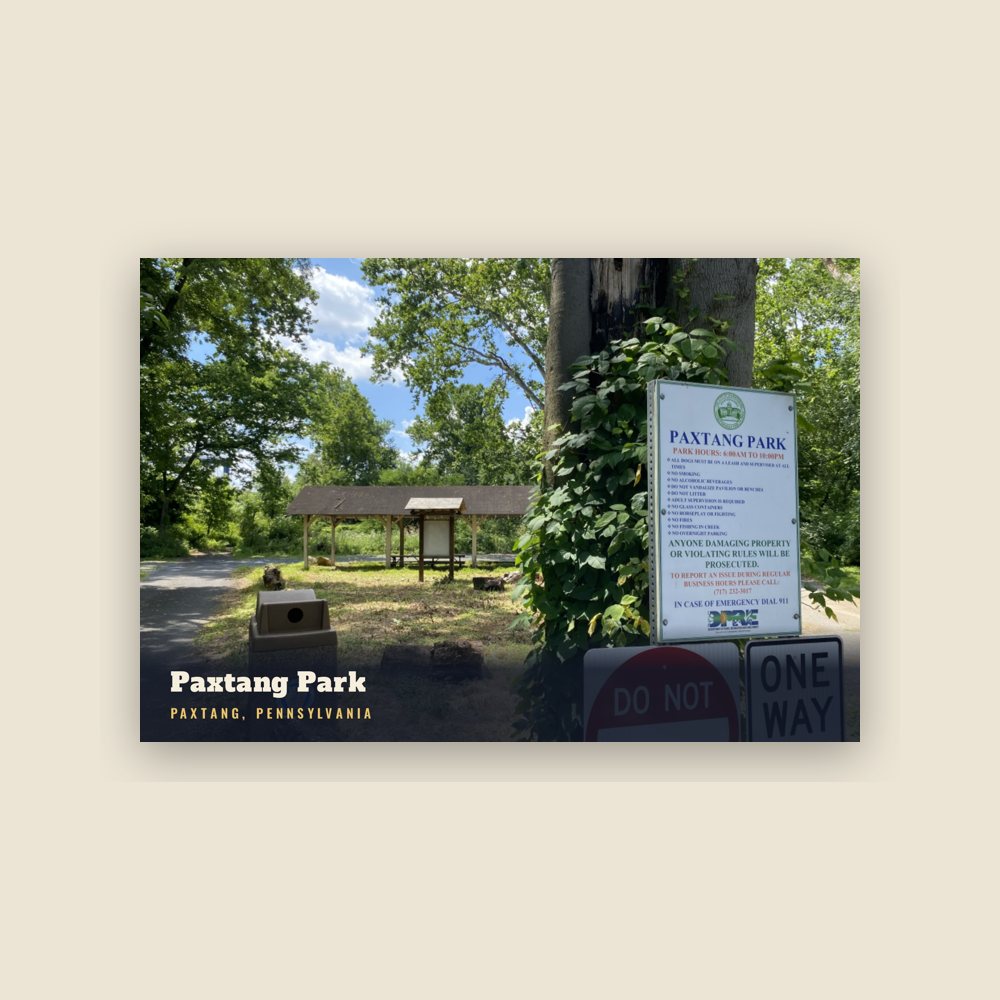
6″×4″ postcard, glossy front
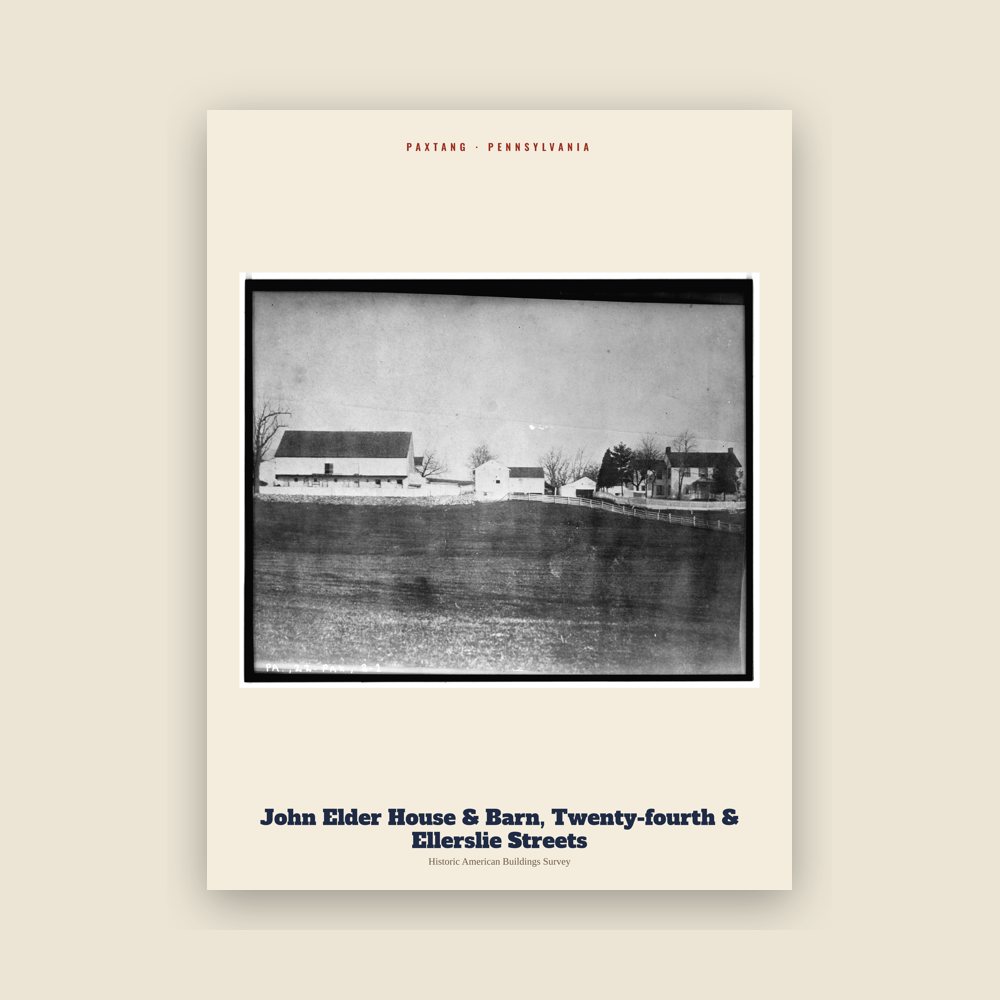
From the Library of Congress collections: a historic survey drawing or photograph of the town
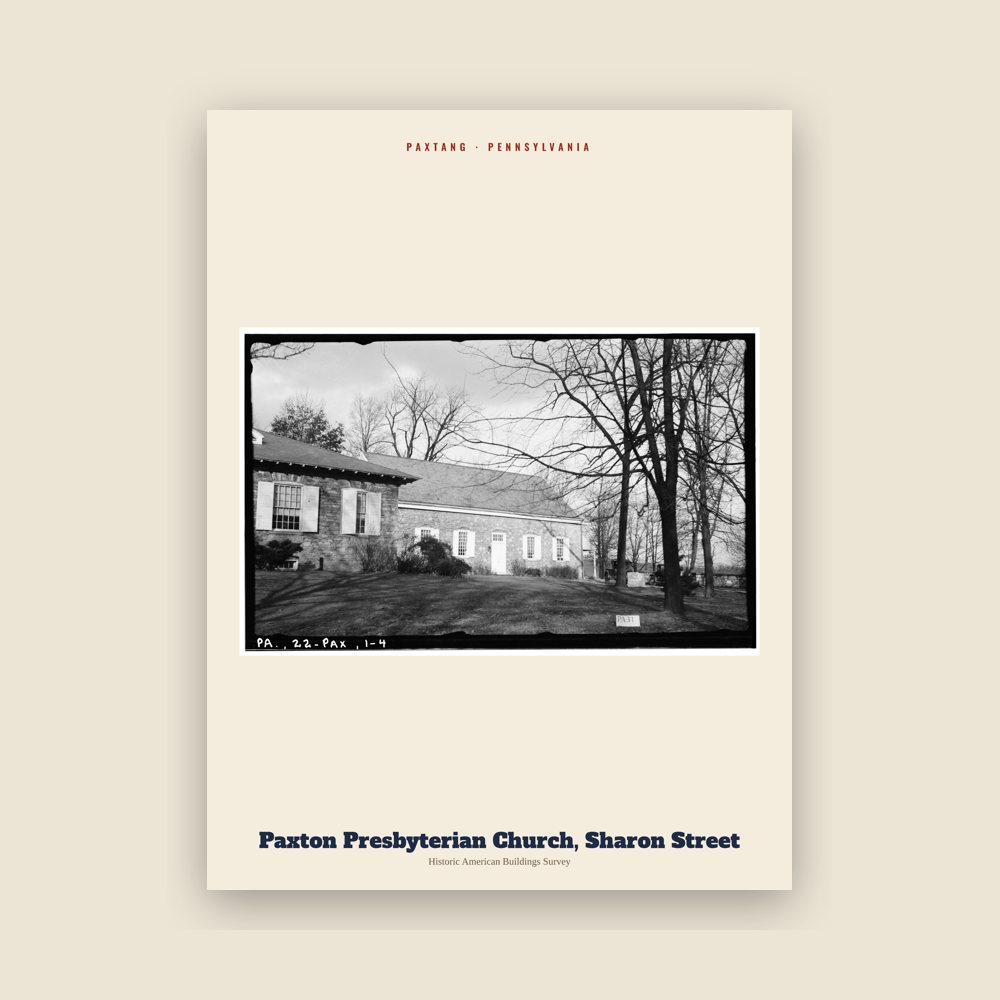
From the Library of Congress collections: a historic survey drawing or photograph of the town
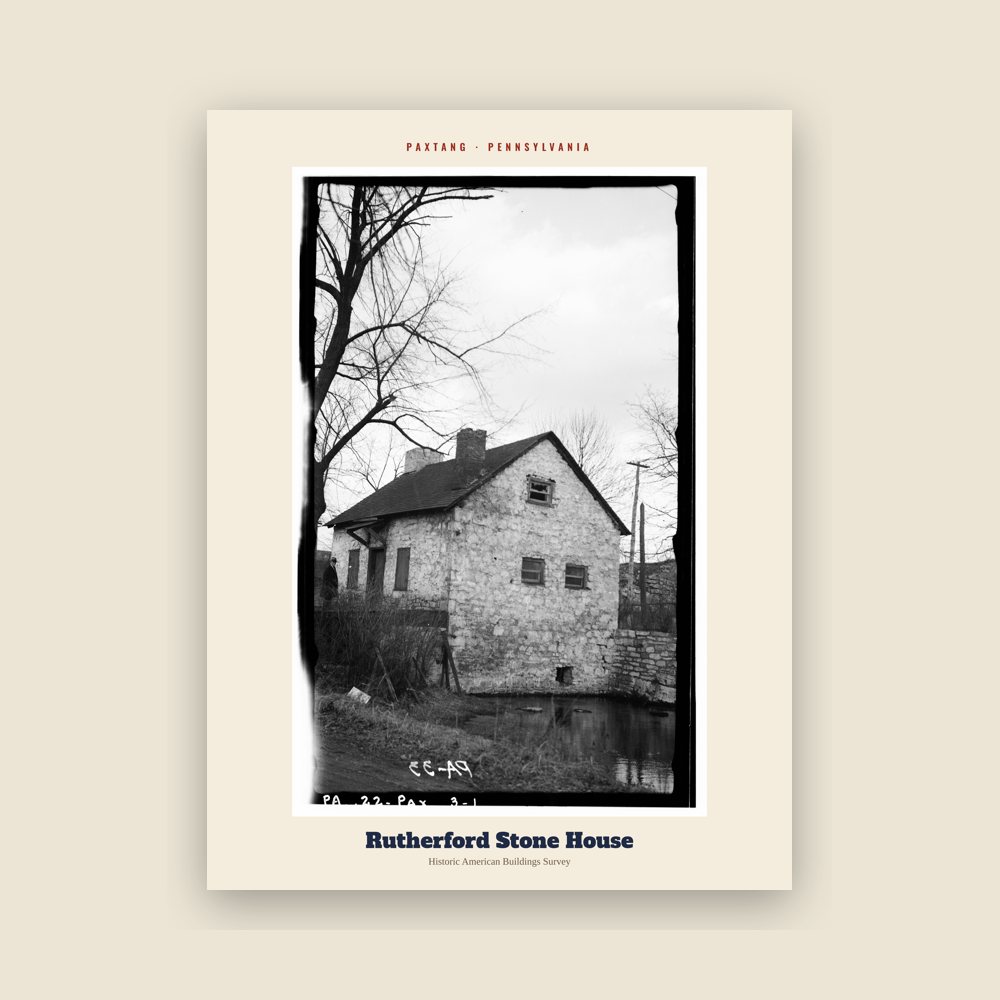
From the Library of Congress collections: a historic survey drawing or photograph of the town
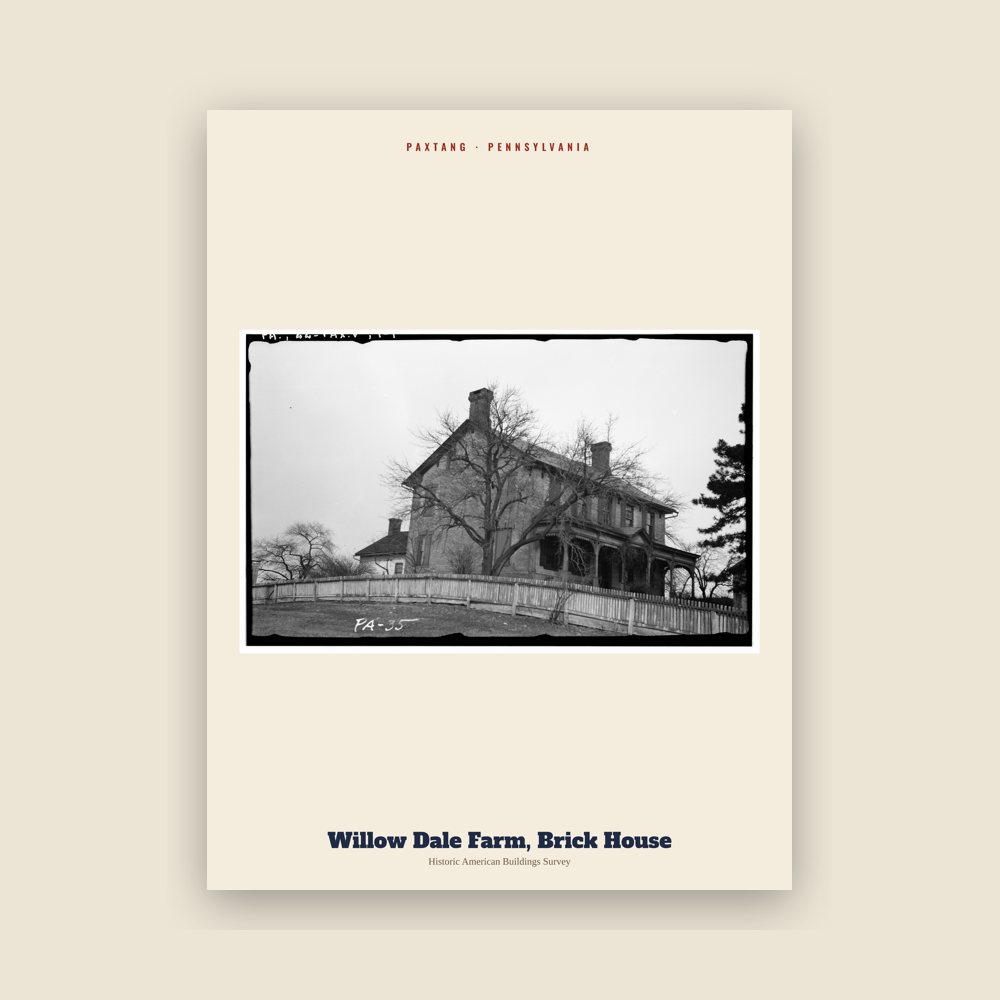
From the Library of Congress collections: a historic survey drawing or photograph of the town
Paxtang dates to the 18th century when Euro-Americans settled at the site of the Shawnee-Lenape village of Peshtank. Landmarks include Paxtang and Paxtang Park.
Paxtang dates to the 18th century when Euro-Americans settled at the site of the Shawnee-Lenape village of Peshtank. The Lenape called the village Peshtank meaning "where the waters stand" which in English became Paxtang or Paxton. Several important trails and routes developed in the area as the Susquehanna River was easily forded here, making Paxtang an ideal location for the movement of people and trade goods across the river.
In 1700, William Penn, founder of the Province of Pennsylvania, obtained from the Susquehannock a deed for their lands in the Susquehanna Valley. This was confirmed by treaty in 1701. In October 1714, French fur trader Peter Bisaillon was granted 250 acres of land "at Peshtang or any other Indian Town or Place on Sasquehannah within this Province," with permission to build any necessary buildings "during his Trade there or till further."
Paxtang is the site where Presbyterian Scotch-Irish frontiersmen organized the Paxton Boys, a vigilante group formed to protect Europeans from Indian attacks during Pontiac's War that killed twenty Susquehannock in the Conestoga Massacre. On December 14, 1763, more than 50 Paxton Boys rode to the settlement near Millersville, Pennsylvania, killed six, and burned their cabins. Pennsylvania authorities placed the remaining fourteen Susquehannock in protective custody in Lancaster, but the Paxton Boys broke in and slaughtered all fourteen on December 27, 1763. A month earlier, 140 Moravian Lenape and Mohican in eastern Pennsylvania had been moved to Philadelphia for their protection. The Paxton Boys marched on Philadelphia in February 1764 with a few hundred followers, however, dispersed after meeting with a delegation headed by Benjamin Franklin.
Paxtang is home to the Old Paxton Church, one of the earliest in the area. Built in 1740, the church is the oldest Presbyterian Church building in continuous use in Pennsylvania, and the second oldest in the United States. In 1726, the Rev. James Anderson of Donegal, Pennsylvania, became the first regular preacher. The history of the church is interwoven with the history of central colonial Pennsylvania.
In 1732, the congregation was officially organized as a Presbyterian Church by the Presbytery of Donegal, with the Rev. William Bertram as the first installed pastor. The Rev. John Elder, the "Fighting Parson," became pastor in 1738. He was pastor during the French and Indian War and Revolutionary War, and served as a commissioned officer. Many of the church's pastors have served long pastorates; the terms of four of its ministers total 140 years.
The present stone sanctuary was erected in 1740, replacing a log meeting house which had previously served as the place of worship. A stone marker south of the sanctuary indicates the site of the log building. A replica of the log meeting house was erected north of the present sanctuary.
Adjacent to the church is a historic cemetery. Here lie the bodies of soldiers of the French and Indian War, the Revolutionary War, the Civil War, and both World Wars. People who molded the early religious and political character of America are buried here, including John Brisban Rutherford, John Harris Jr., William Maclay (the first United States senator from Pennsylvania), and four of the six commissioners who planned the town of Harrisburg with him in 1785. Ministers, legislators, farmers, teachers, men of affairs, and enslaved African Americans are buried here.
Adapted (trimmed) from the Wikipedia article Paxtang, Pennsylvania, revision 1378786744 by its contributors, licensed CC BY-SA 4.0.
We share a part of every Paxtang sale with local partners, and we'd love to print from your collection. Old photographs, maps and postcards make the best keepsakes.
Partner with usA favorite landmark, your street, a school or team, an anniversary gift, a different product. Tell us and we'll get back to you by email.
5 free coloring pages of Paxtang, each traced from a photo of a local landmark. Print them at home, at school or for story hour.
Paxtang's population was 1,648 in the 2020 U.S. Census, up from 1,561 in 2010.
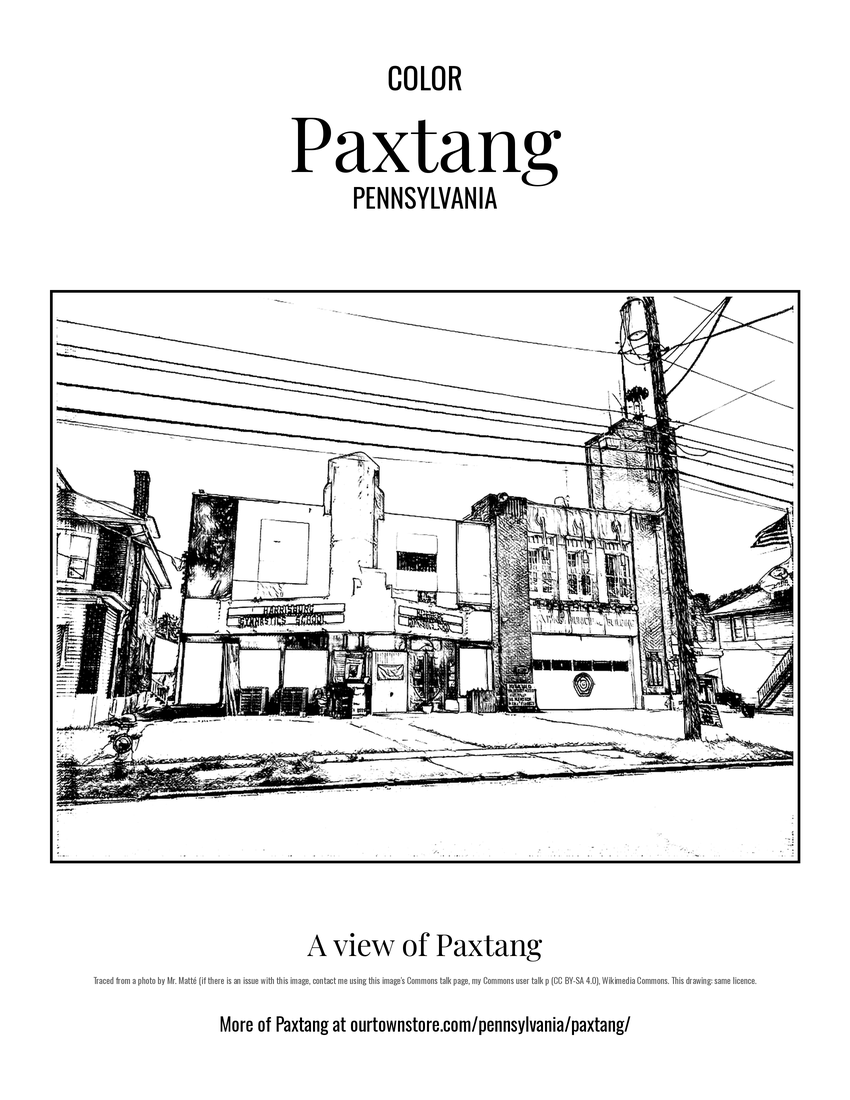 A view of Paxtang
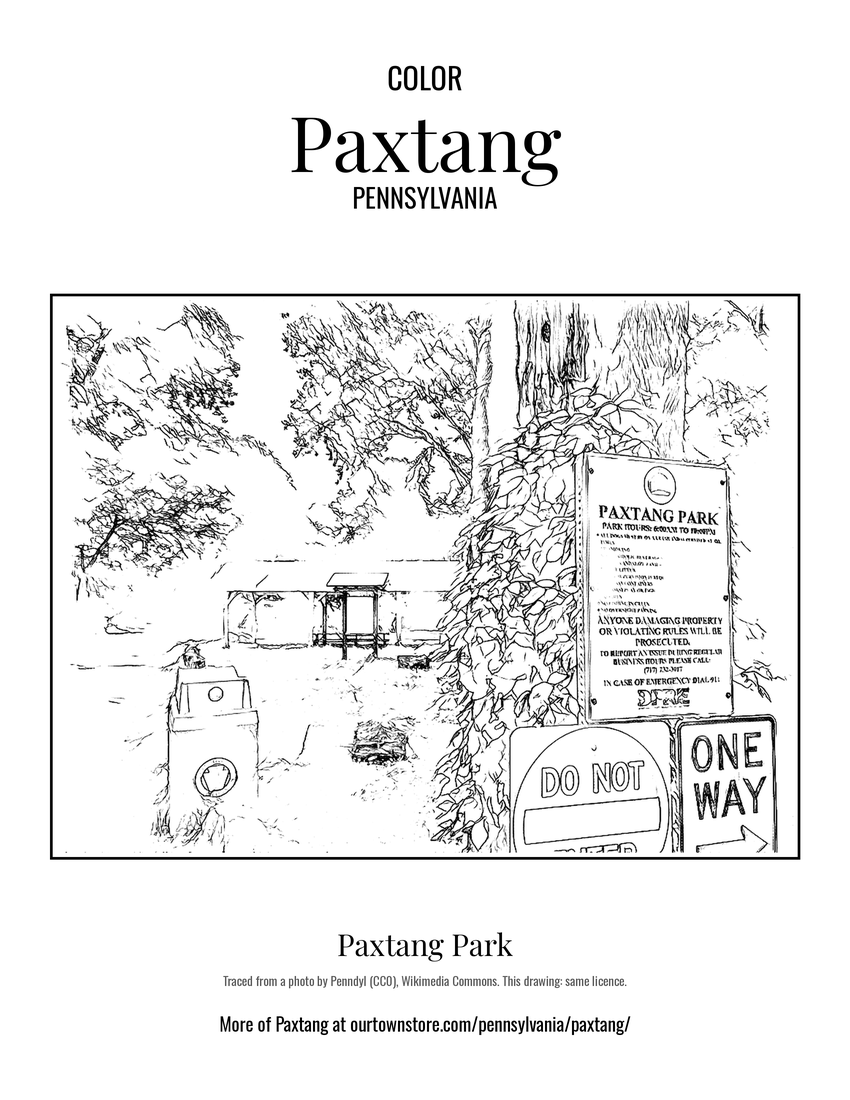 Paxtang Park
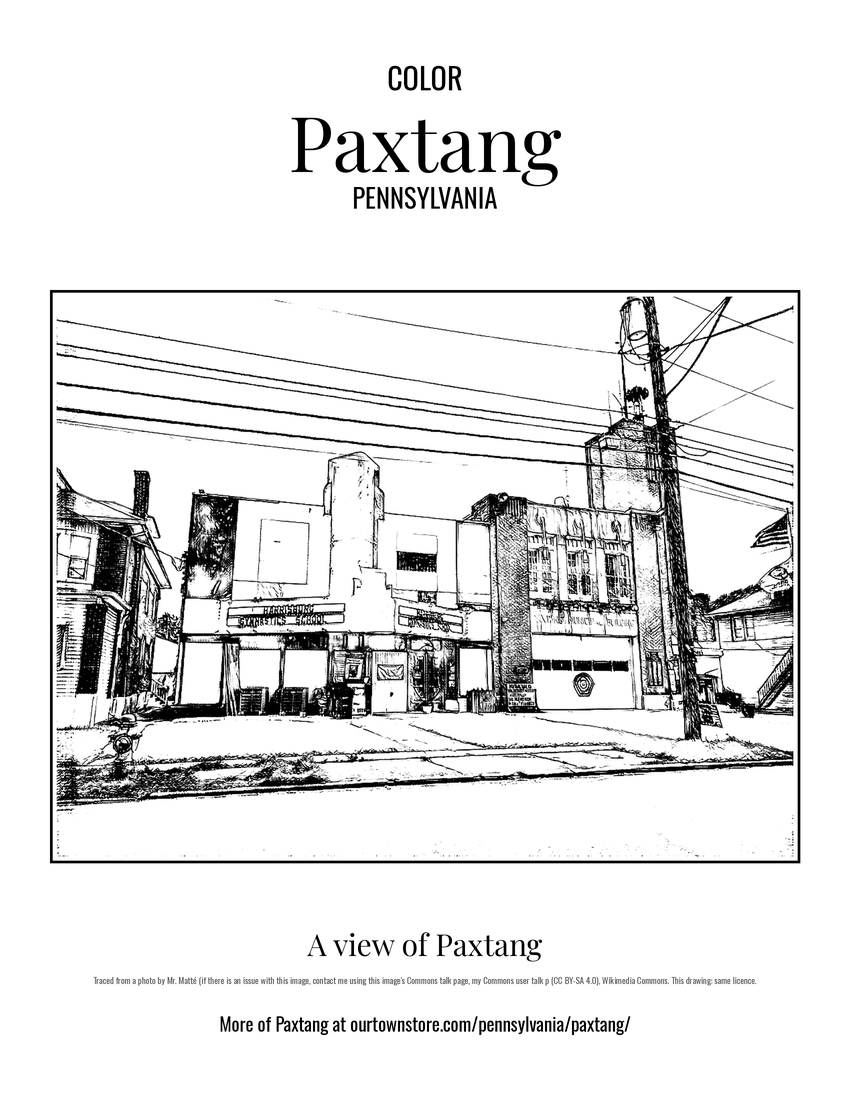 A view of Paxtang
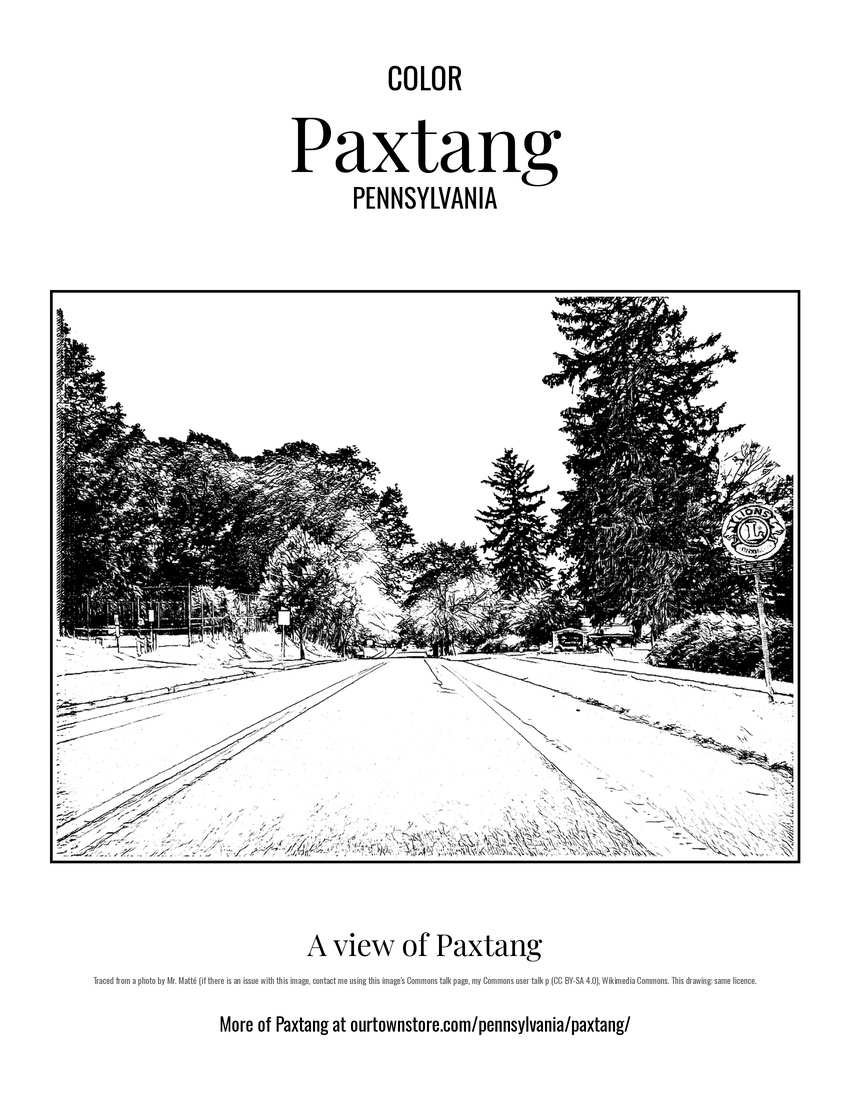 A view of Paxtang