Since 1742
A short history of Lancaster
18th century
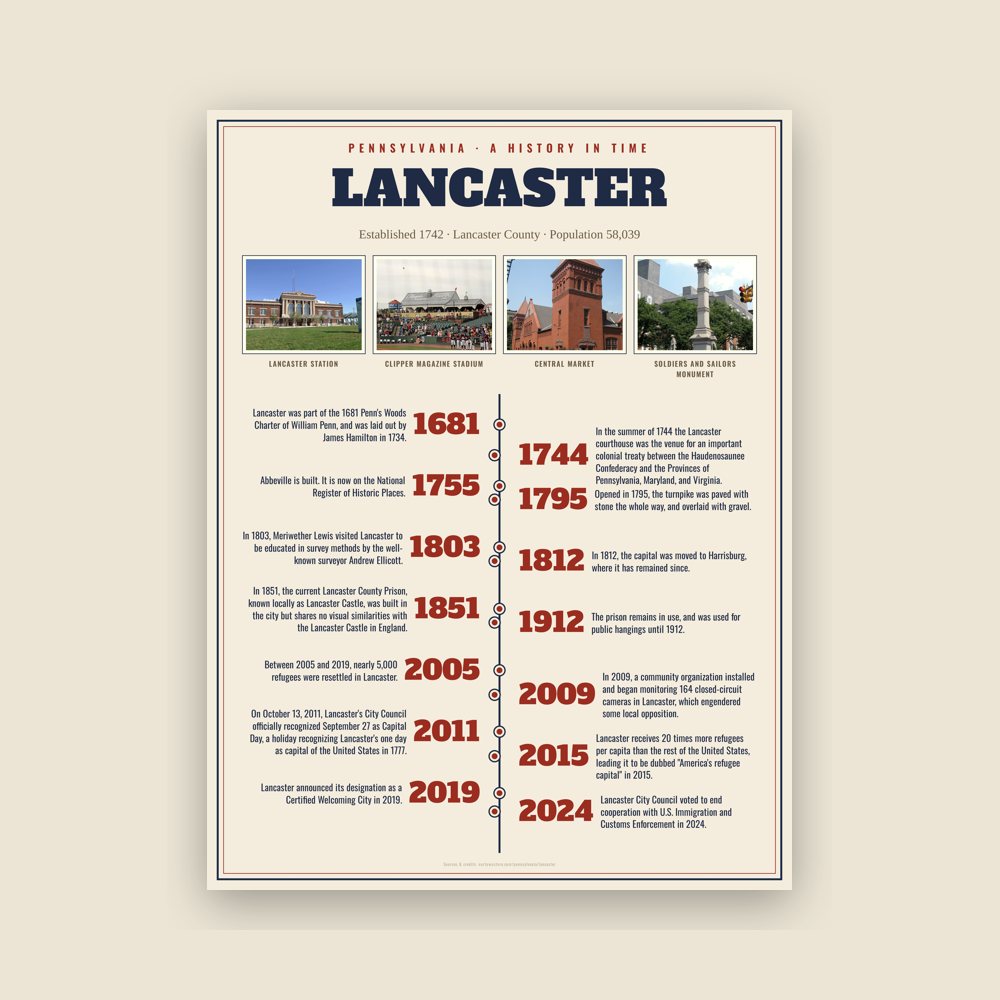
Originally called Hickory Town, Lancaster was renamed after the English city of Lancaster by native John Wright. Its symbol, the red rose, is from the House of Lancaster. Lancaster was part of the 1681 Penn's Woods Charter of William Penn, and was laid out by James Hamilton in 1734. It was incorporated as a borough in 1742 and incorporated as a city in 1818.
In the summer of 1744 the Lancaster courthouse was the venue for an important colonial treaty between the Haudenosaunee Confederacy and the Provinces of Pennsylvania, Maryland, and Virginia. Conrad Weiser served as interpreter, and the text of the treaty was soon after published by Benjamin Franklin.
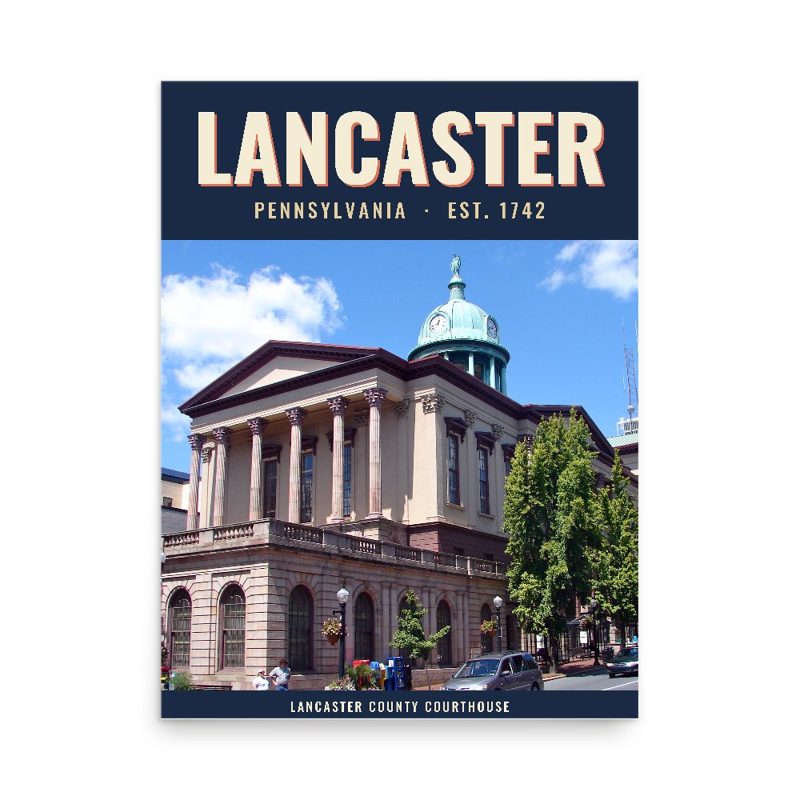
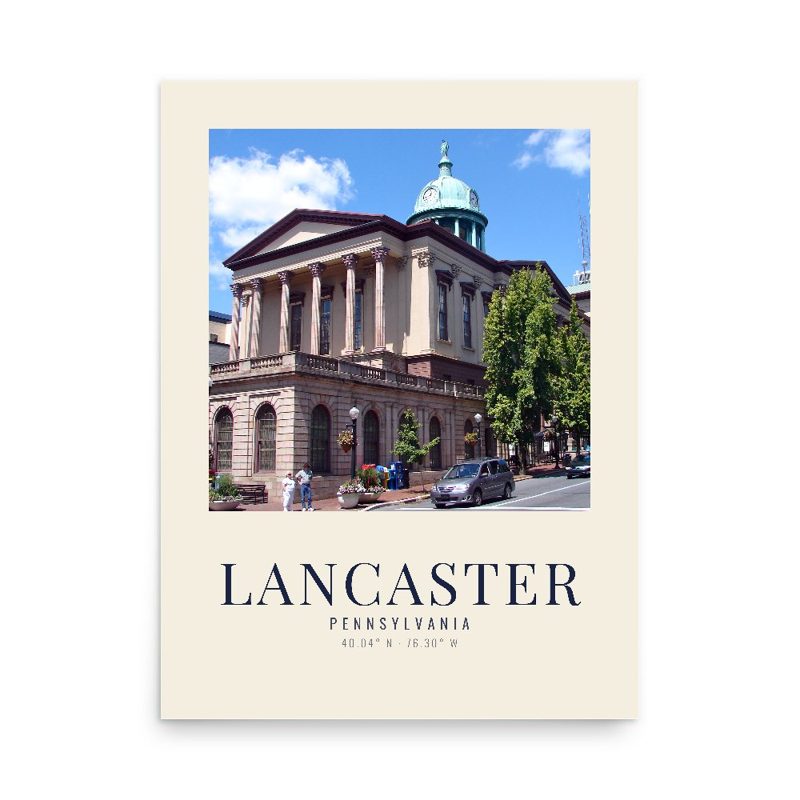
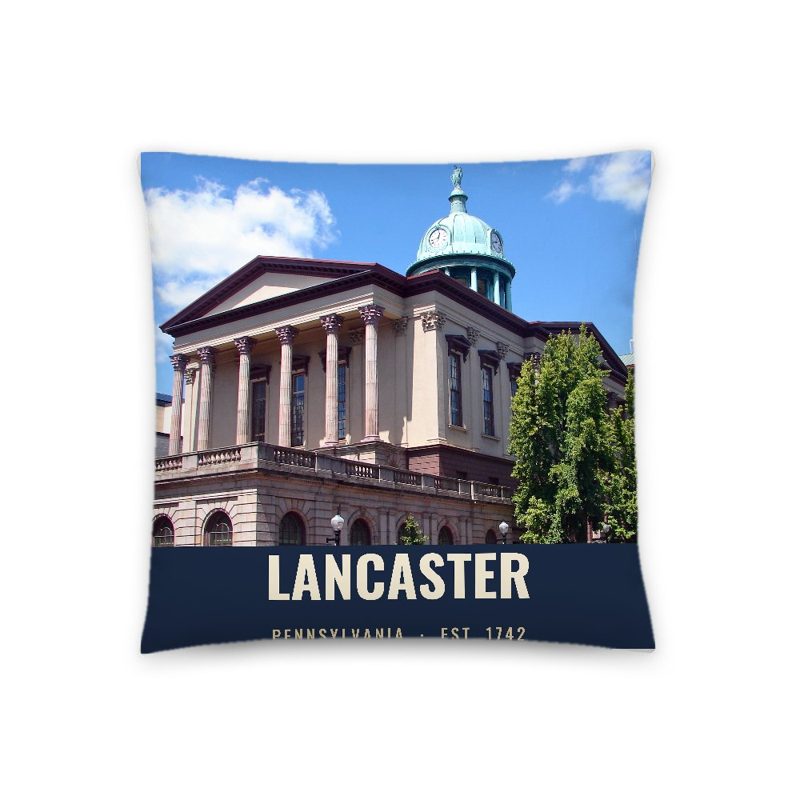
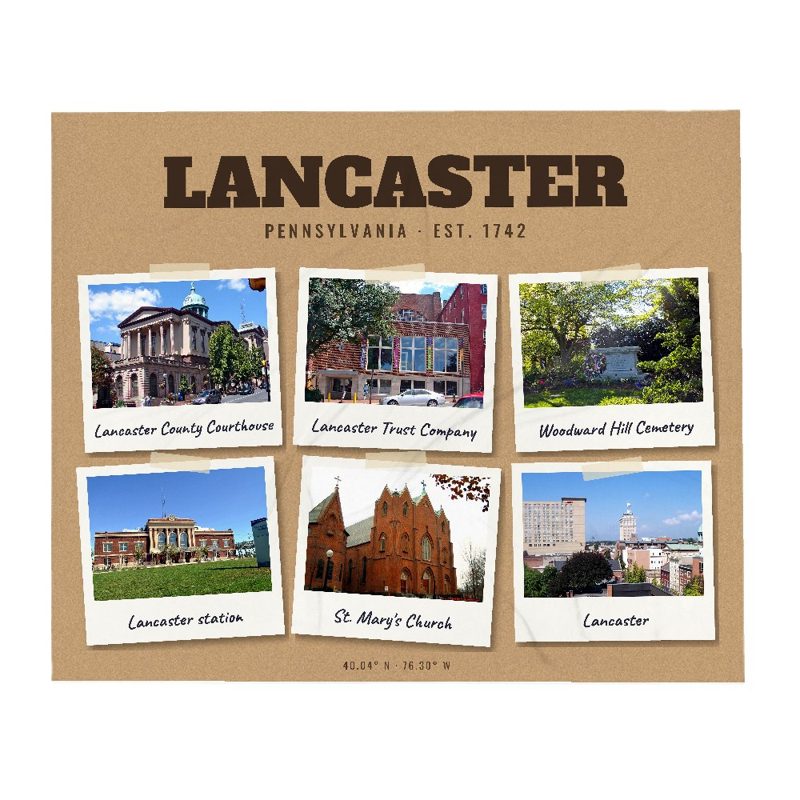
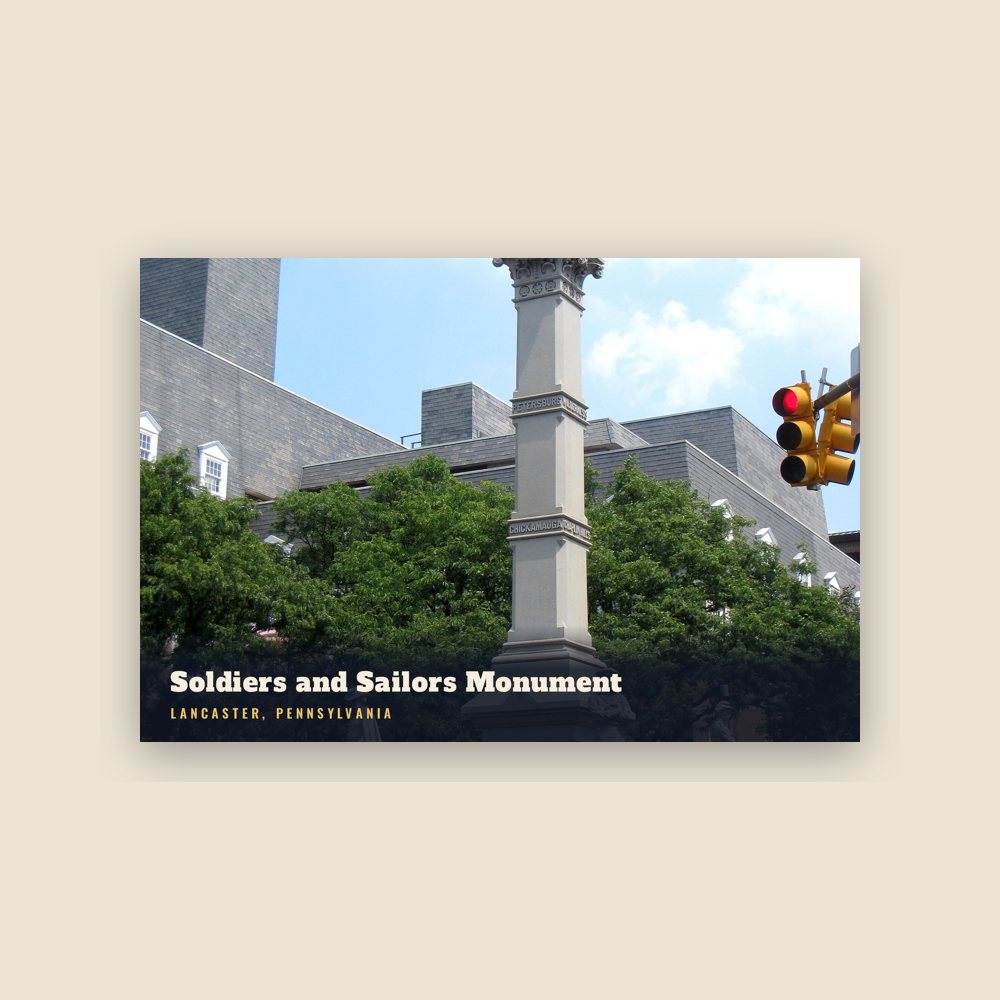
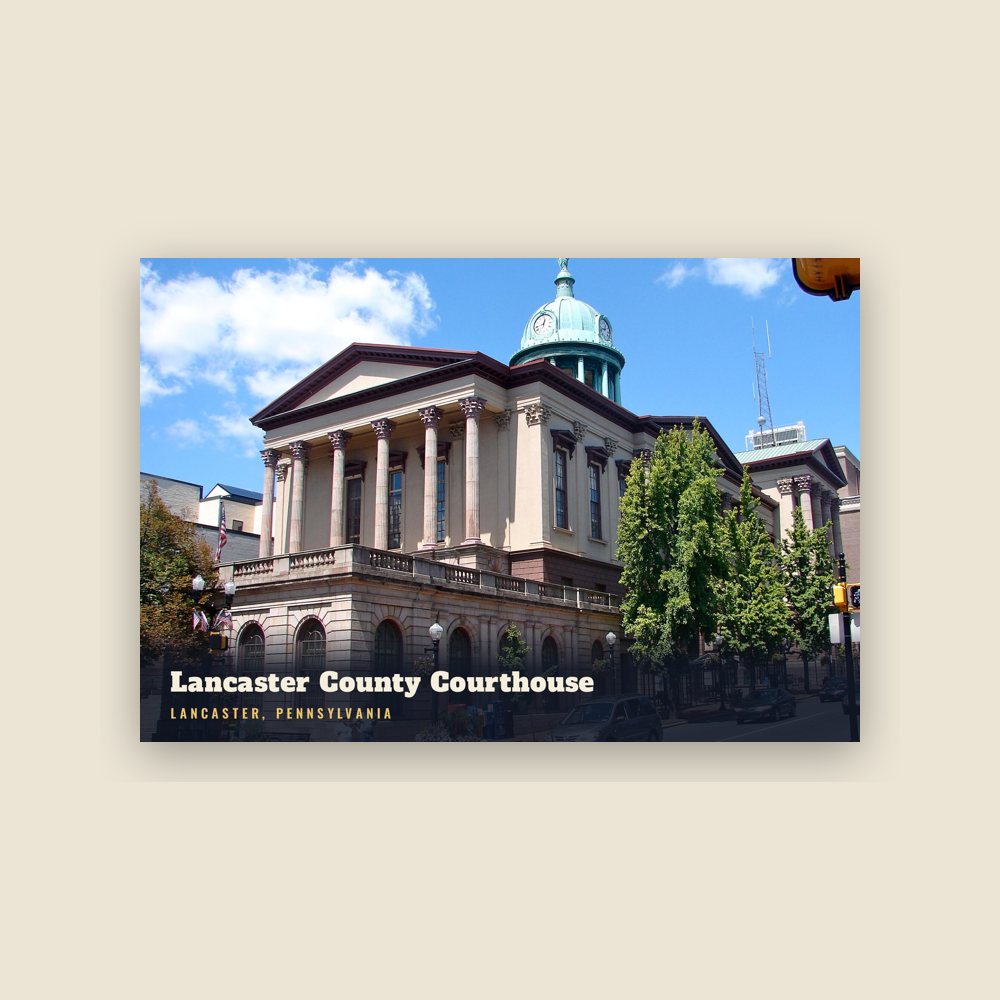
During the American Revolution, Lancaster served for one day as the temporary capital of the United States, seated at the Court House (built 1739, destroyed by fire in 1784 and rebuilt before relocating to current Lancaster County Courthouse in 1852; original site is now the Soldiers & Sailors Monument at Penn Square c. 1874), on September 27, 1777, after the Continental Congress fled Philadelphia, which had been captured by the British. The revolutionary government then moved still farther away to York, Pennsylvania.
A surviving mid-18th-century Torah ark lintel from the Lancaster home of Joseph Simon reflects the use of private homes for traditional Jewish prayer in colonial cities without synagogues. Its carving depicts the Tablets of the Law and bears the Hebrew phrase “Know before Whom you are standing.”
Read the full history
19th century
Lancaster was the capital of Pennsylvania from 1799 to 1812, with the state capital located at the Court House (built 1784 and demolished 1852 and now site of Soldiers & Sailors Monument at Penn Square). In 1812, the capital was moved to Harrisburg, where it has remained since.
In 1851, the current Lancaster County Prison, known locally as Lancaster Castle, was built in the city but shares no visual similarities with the Lancaster Castle in England. The prison remains in use, and was used for public hangings until 1912. It replaced a 1737 structure on a different site.
The first long-distance paved road in the United States was the former Philadelphia and Lancaster Turnpike, which connected the cities of Lancaster and Philadelphia. Opened in 1795, the turnpike was paved with stone the whole way, and overlaid with gravel. The sixty-two-mile turnpike cost more than $450,000, a staggering sum for the time. The route followed what is now Pennsylvania Route 340 (also called the "Old Philadelphia Pike") from Lancaster to Thorndale and U.S. Route 30 Business and U.S. Route 30 from Thorndale to Philadelphia.
The city of Lancaster was home to several important figures in American history. Wheatland, the estate of James Buchanan, the fifteenth President of the United States, is one of Lancaster's most popular attractions. Thaddeus Stevens, considered among the most powerful members of the United States House of Representatives, lived in Lancaster as an attorney. Stevens gained notoriety as a Radical Republican and for his abolitionism. The Fulton Opera House in the city was named for Lancaster native Robert Fulton, a renaissance man who created the first fully functional steamboat. All of these individuals have had local schools named after them.
After the American Revolutionary War, Lancaster became an iron-foundry center. Two of the most common products needed by pioneers to settle the Frontier were manufactured in Lancaster: the Conestoga wagon and the Pennsylvania long rifle. The Conestoga wagon was named after the Conestoga River, which runs through the city. The innovative gunsmith William Henry lived in Lancaster and was a U.S. Congressman and leader during and after the American Revolution.
In 1803, Meriwether Lewis visited Lancaster to be educated in survey methods by the well-known surveyor Andrew Ellicott. During his visit, Lewis learned to plot latitude and longitude as part of his overall training needed to lead the Lewis and Clark Expedition.
In 1879, Franklin Winfield Woolworth opened his first successful five and dime store in the city of Lancaster, the F. W. Woolworth Company.
20th and 21st centuries
In 2009, a community organization installed and began monitoring 164 closed-circuit cameras in Lancaster, which engendered some local opposition.
On October 13, 2011, Lancaster's City Council officially recognized September 27 as Capital Day, a holiday recognizing Lancaster's one day as capital of the United States in 1777.
Lancaster receives 20 times more refugees per capita than the rest of the United States, leading it to be dubbed "America's refugee capital" in 2015. Between 2005 and 2019, nearly 5,000 refugees were resettled in Lancaster. Lancaster announced its designation as a Certified Welcoming City in 2019. Nobel laureate Malala Yousafzai visited Lancaster in 2017 to honor its commitment to refugees, an experience she detailed in her book We Are Displaced. Lancaster City Council voted to end cooperation with U.S. Immigration and Customs Enforcement in 2024.
Adapted (trimmed) from the Wikipedia article Lancaster, Pennsylvania, revision 1383311741 by its contributors, licensed CC BY-SA 4.0.

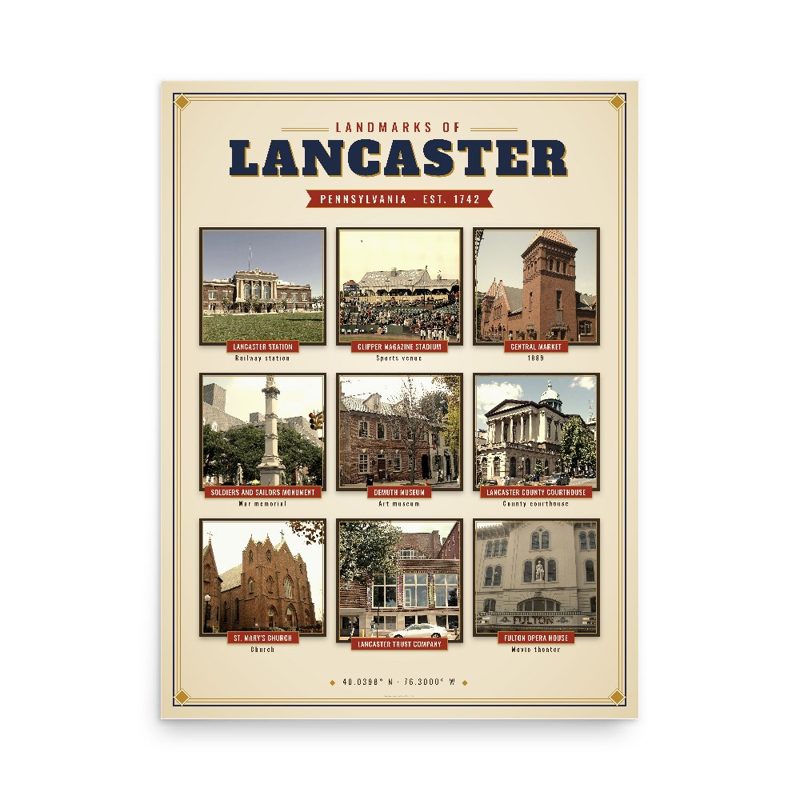
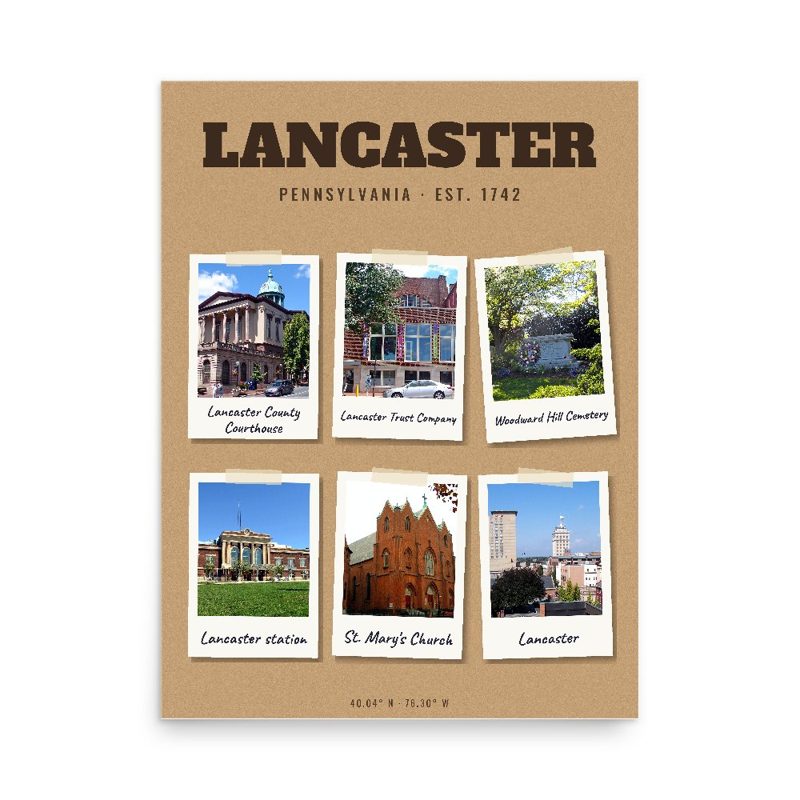
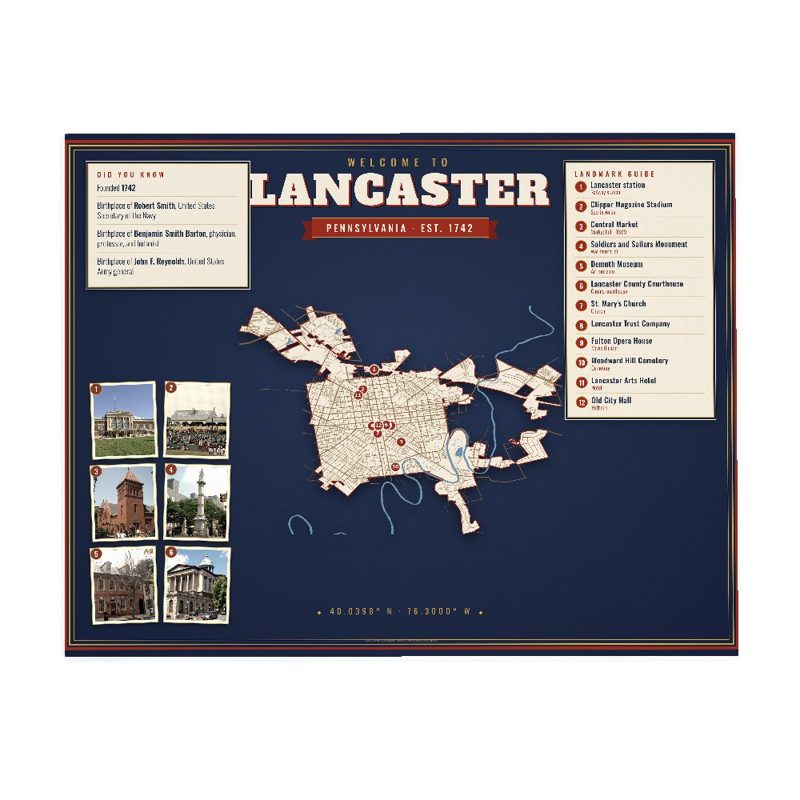

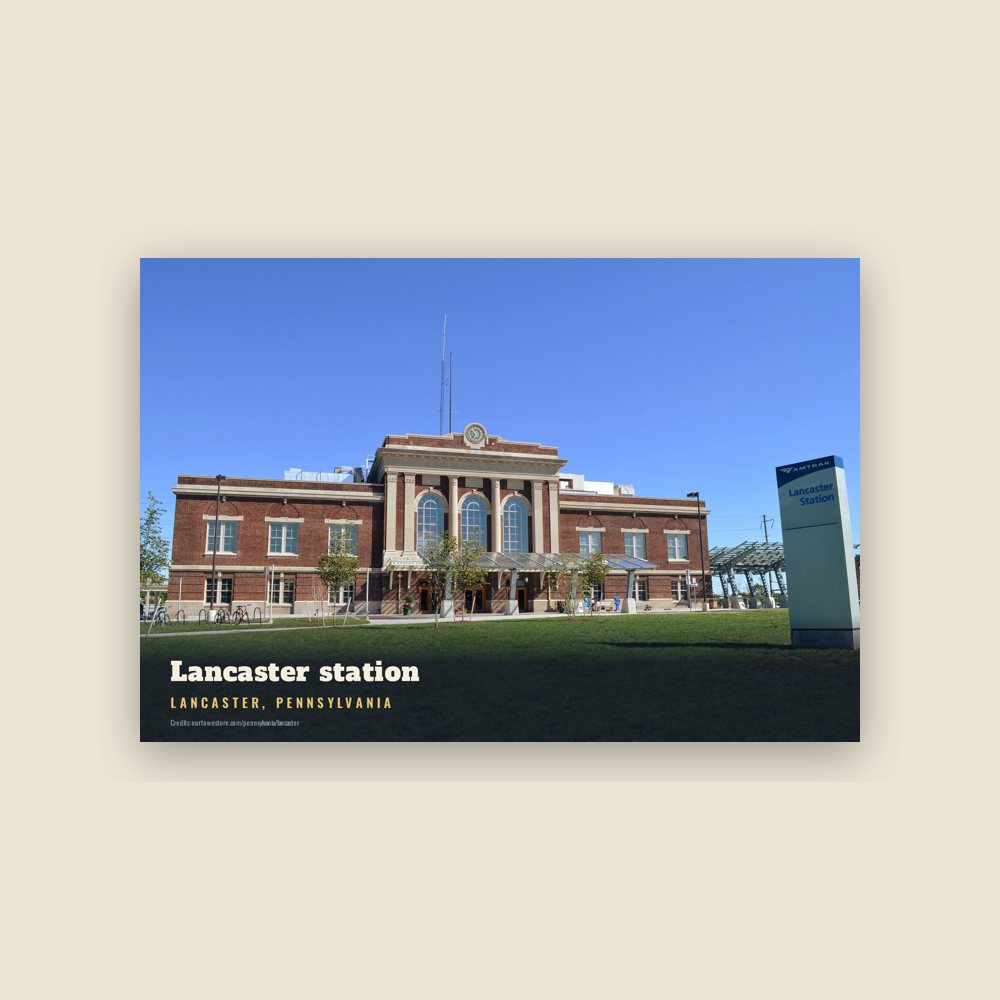
 Lancaster station
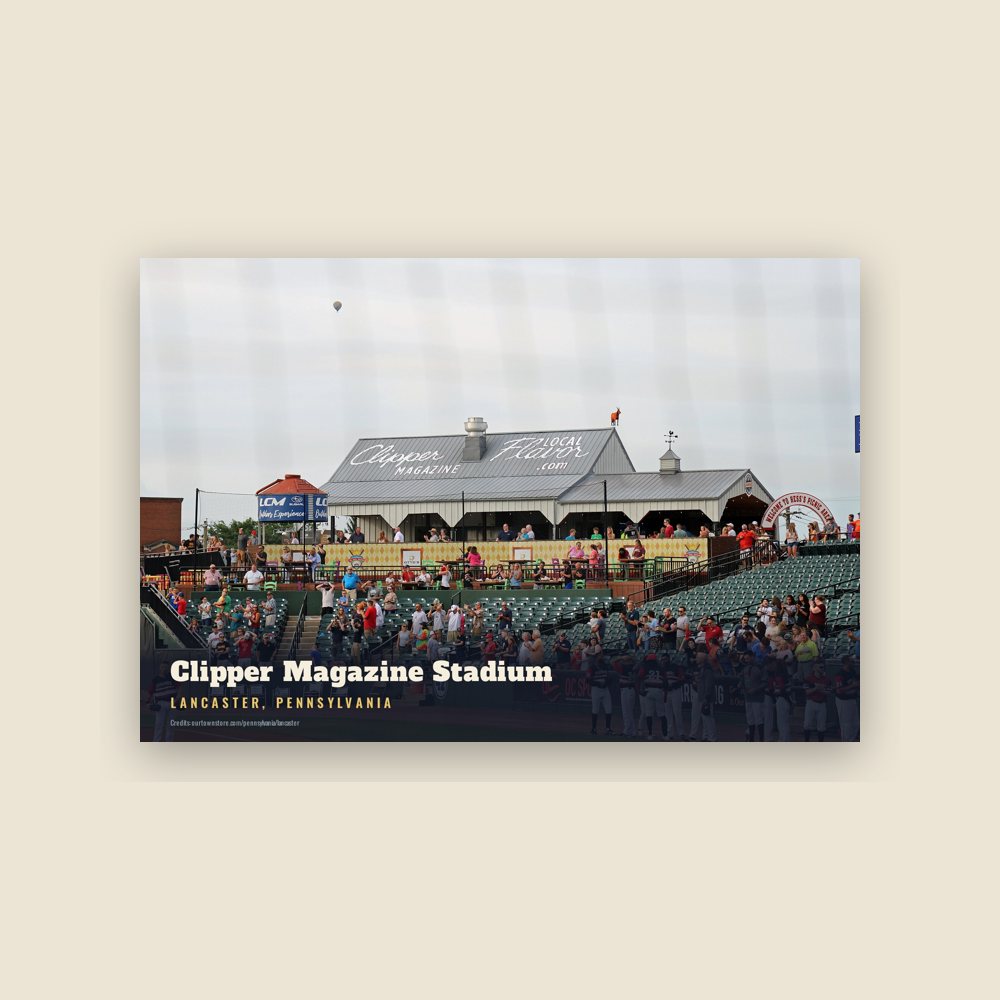
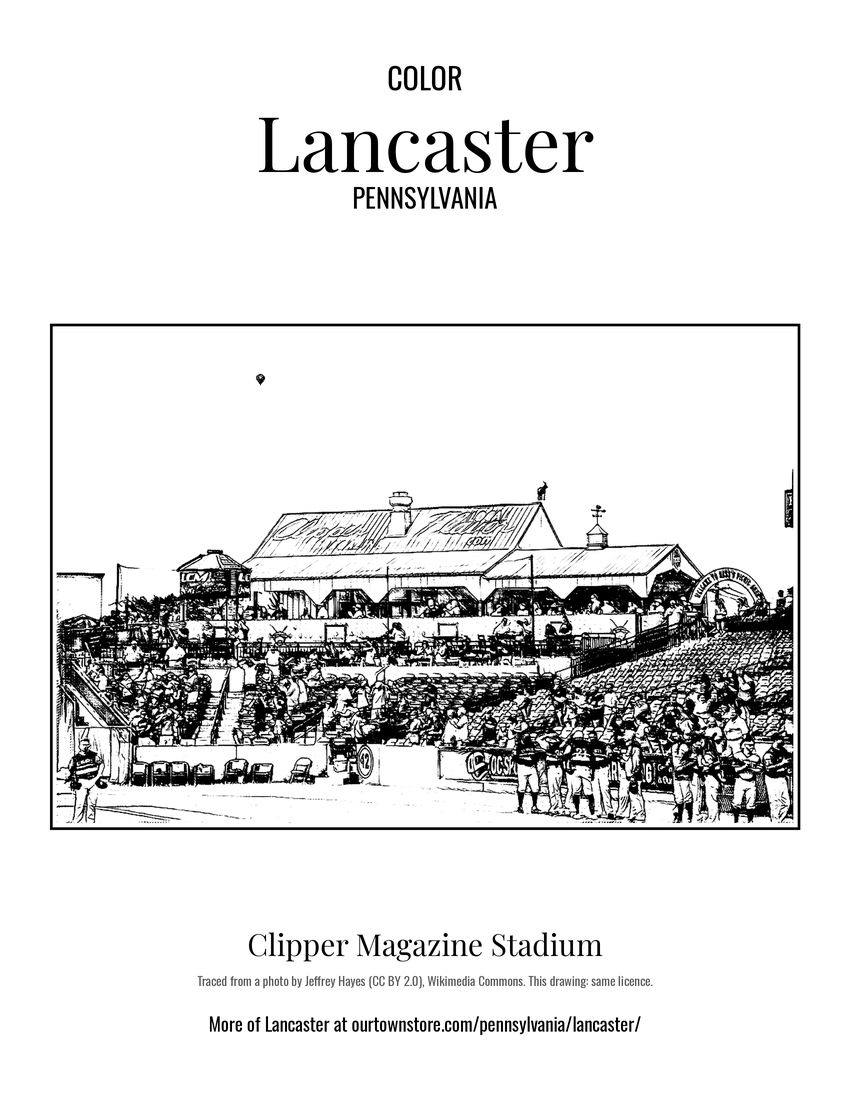 Clipper Magazine Stadium
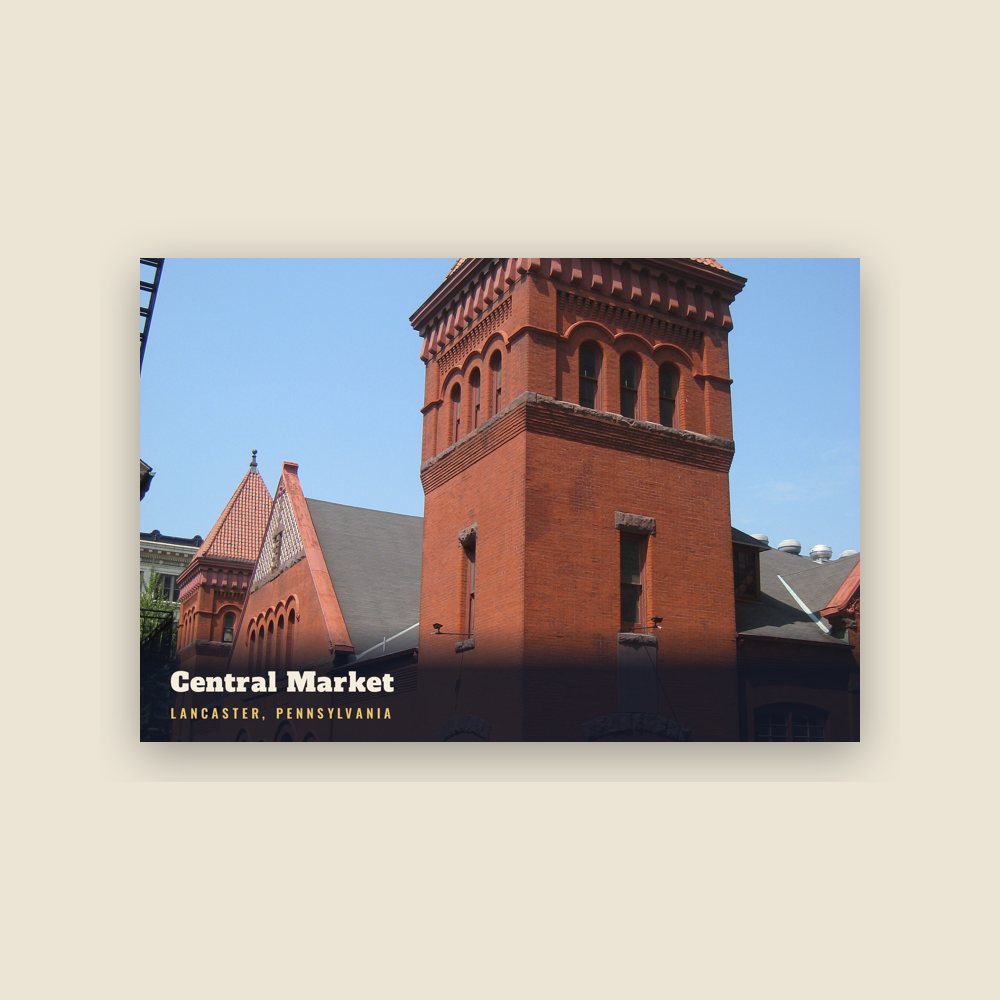
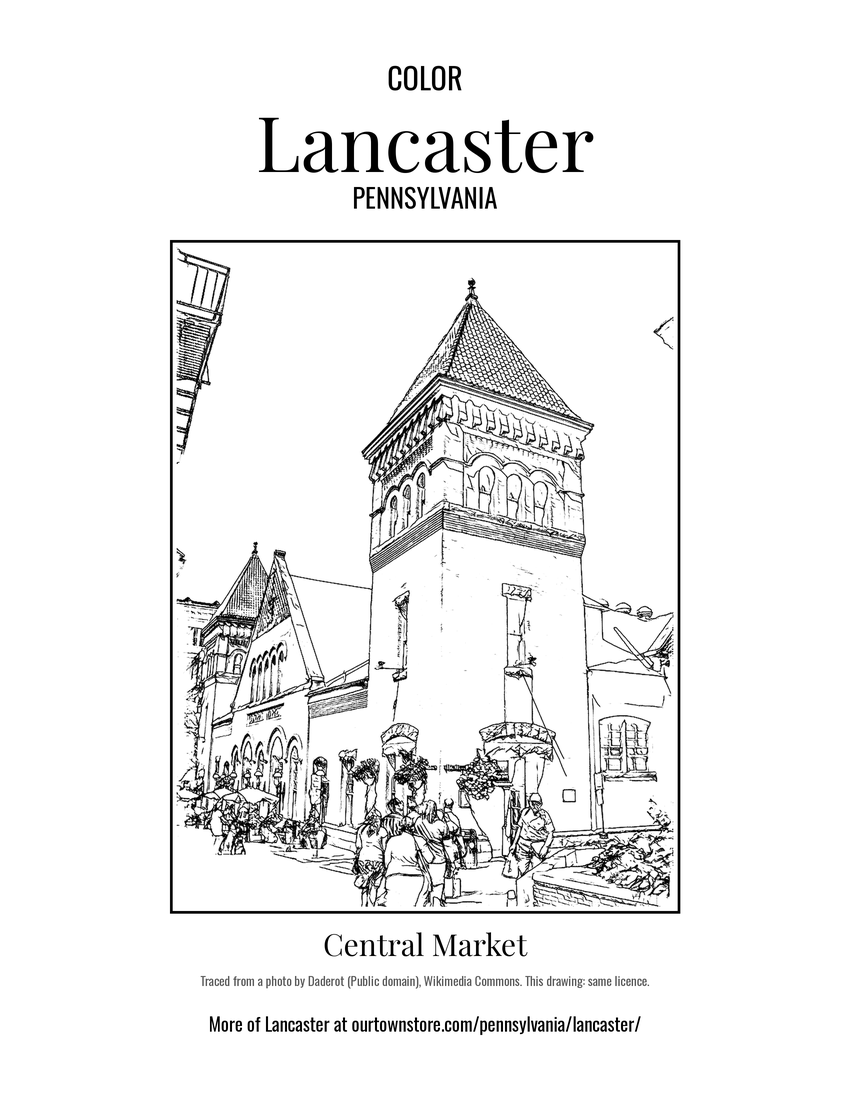 Central Market
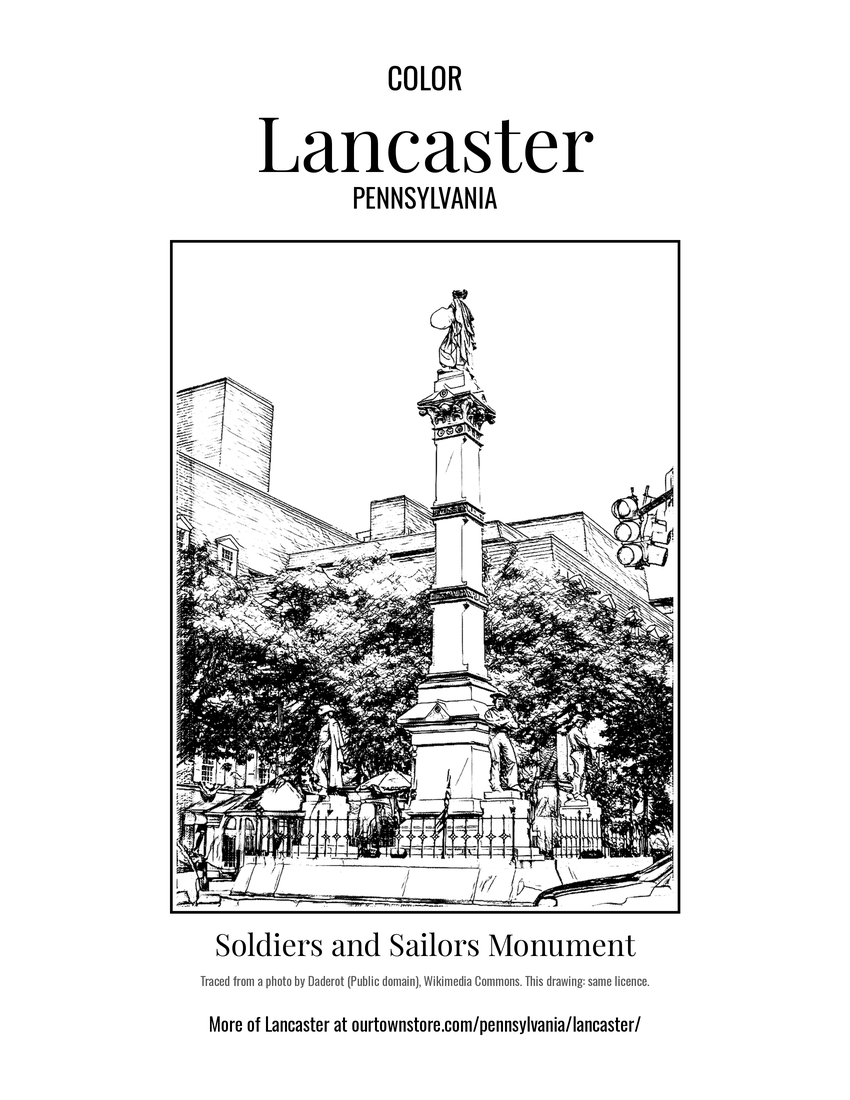 Soldiers and Sailors Monument