A short history of California
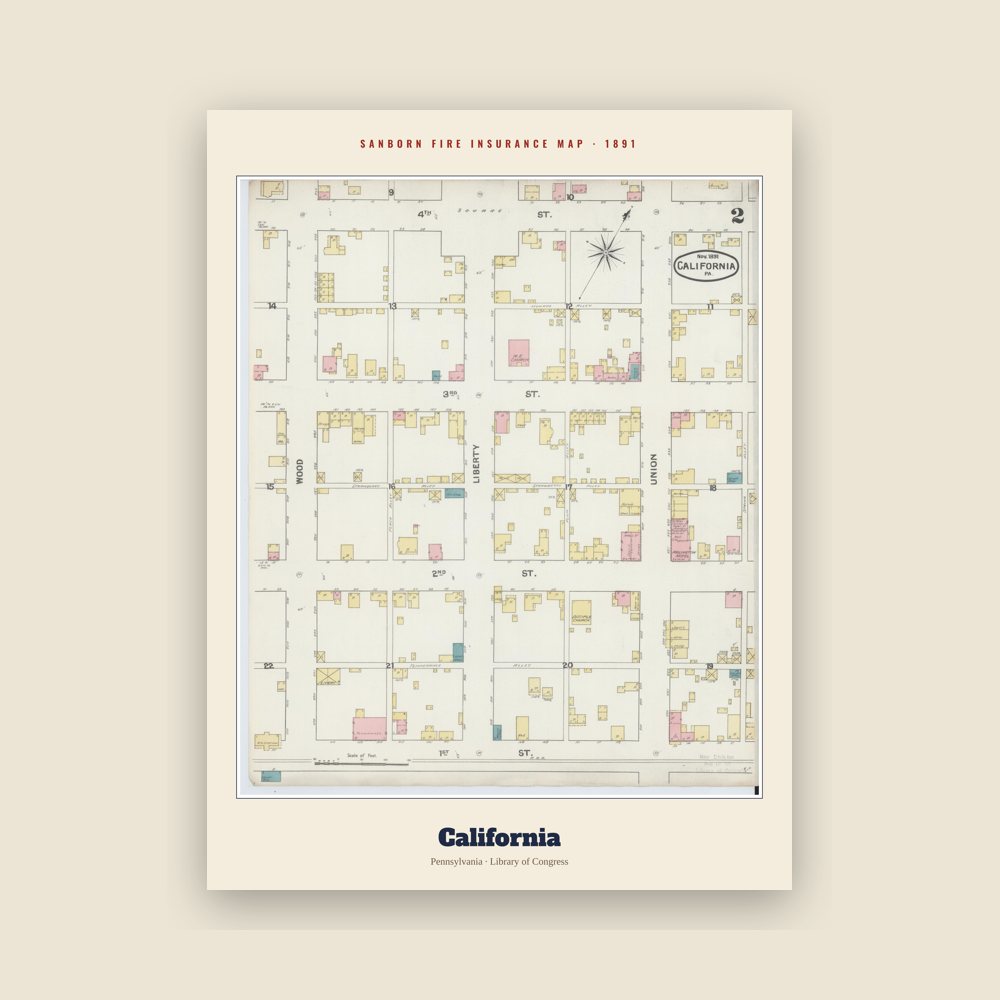
Upon its founding in 1849, name suggestions included Columbia and Sagamore. Because the town's founding coincided with the California Gold Rush, it was named California to symbolize growth and prosperity. Before there were mayors in California, there were burgesses, the first of whom was Solomon Sibbitt.
East Pike Run Township merged with California Borough in 1953. The former Vigilant Mine in California once produced the largest single lump of coal in the world. California was once home to the largest soft coal mine in the world when Vesta # 4 opened in 1893. The unincorporated town of Philipsburg used to sit on land that is now occupied by PennWest California, the institution formerly known as California University of Pennsylvania before merging with Pennsylvania Western University in July 2022. This includes the Philipsburg Cemetery, which is still in use and includes a number of graves of Civil War soldiers. The first house built in California is next to the California Post Office on Second Street.
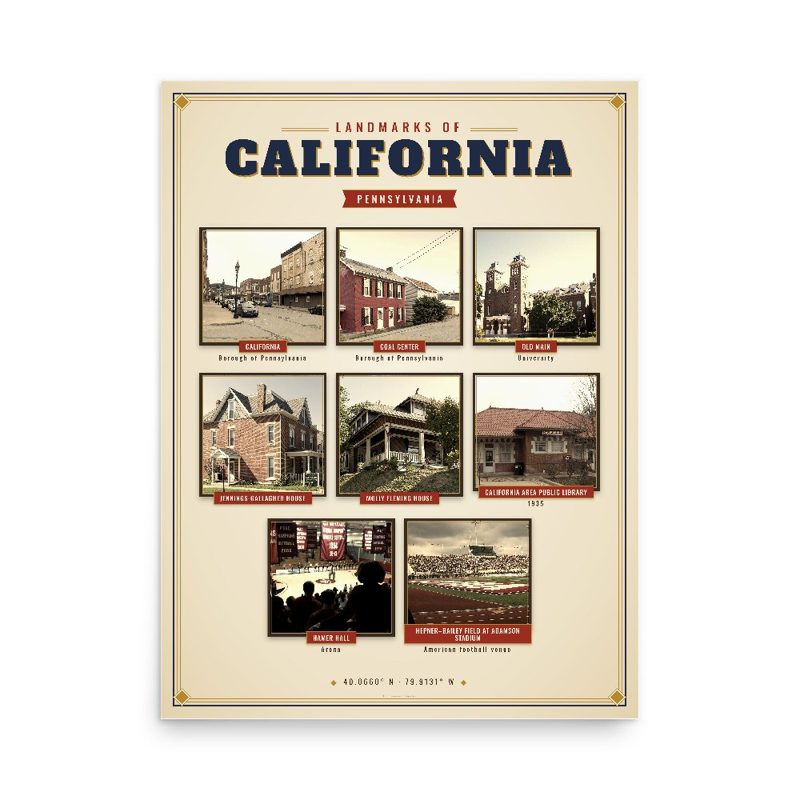
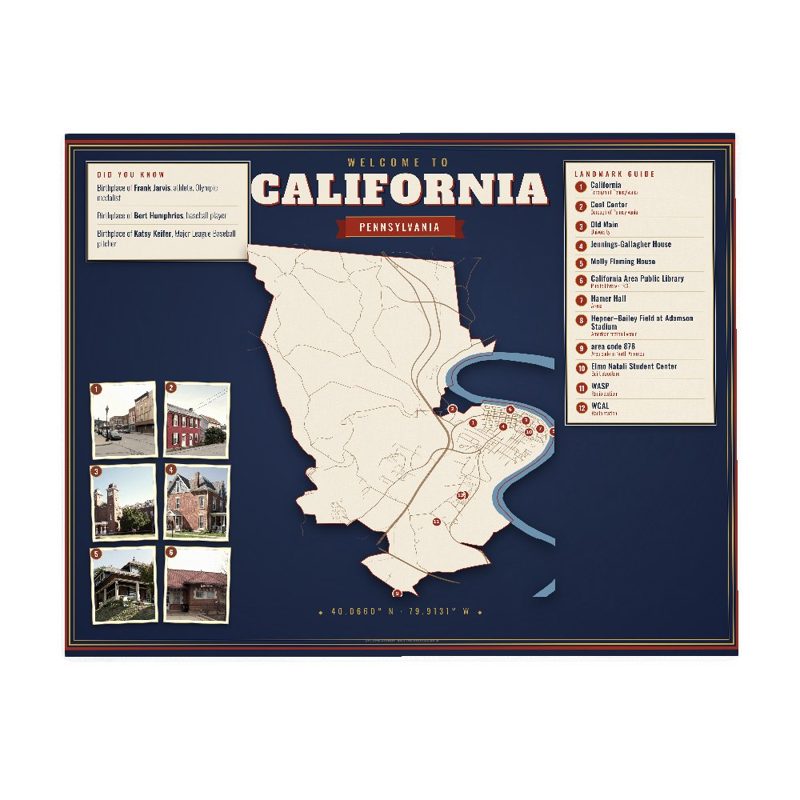
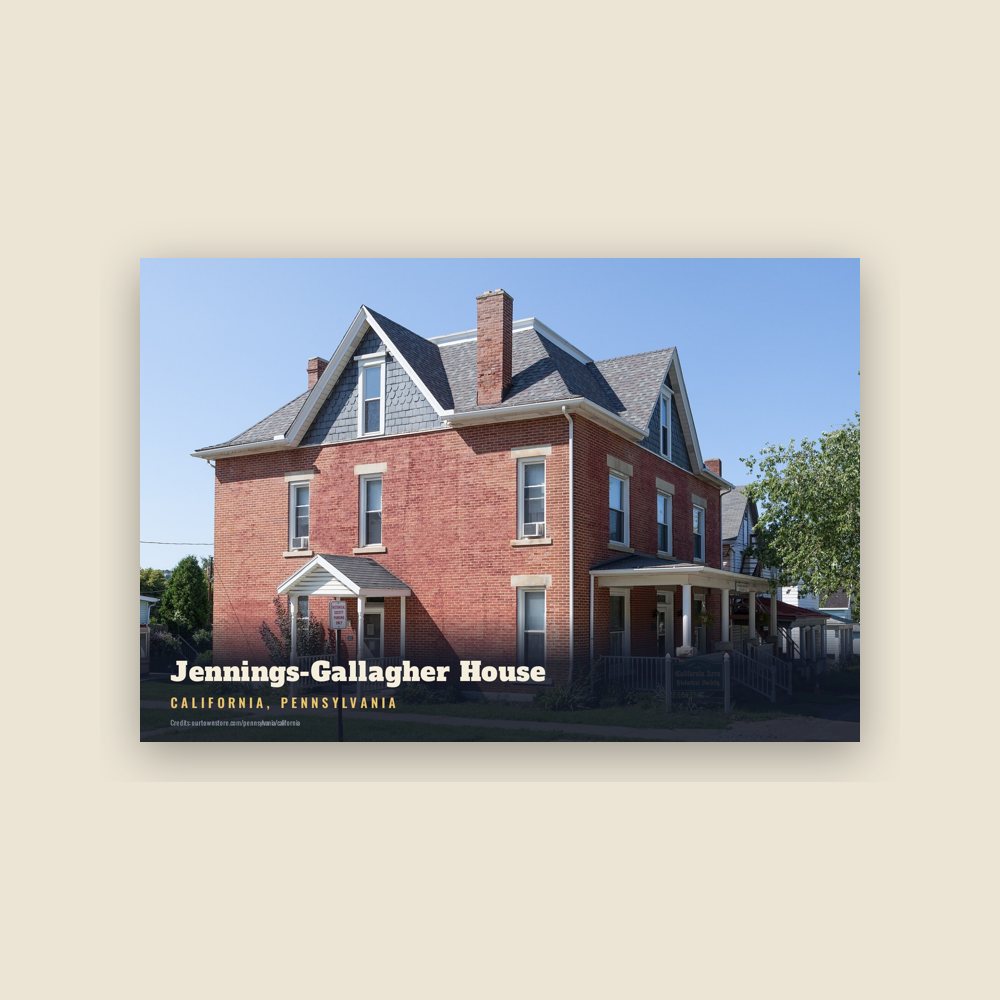
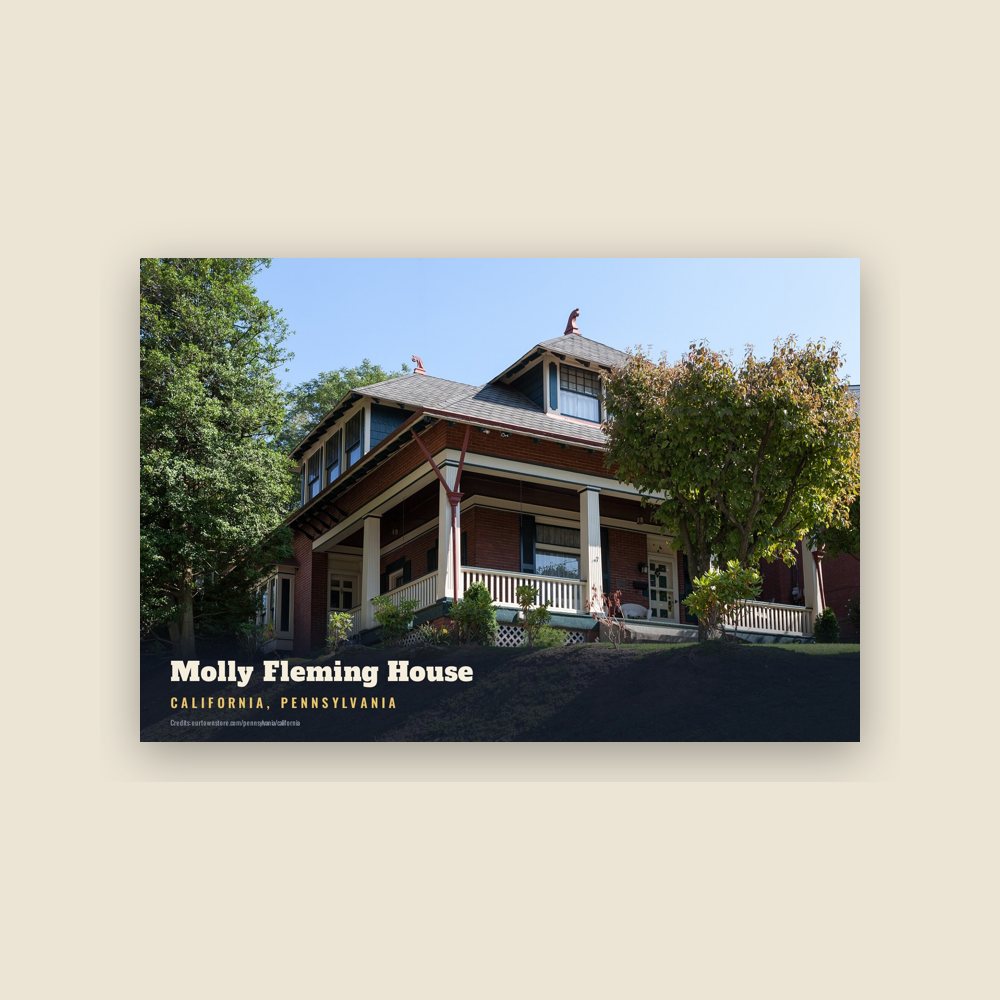
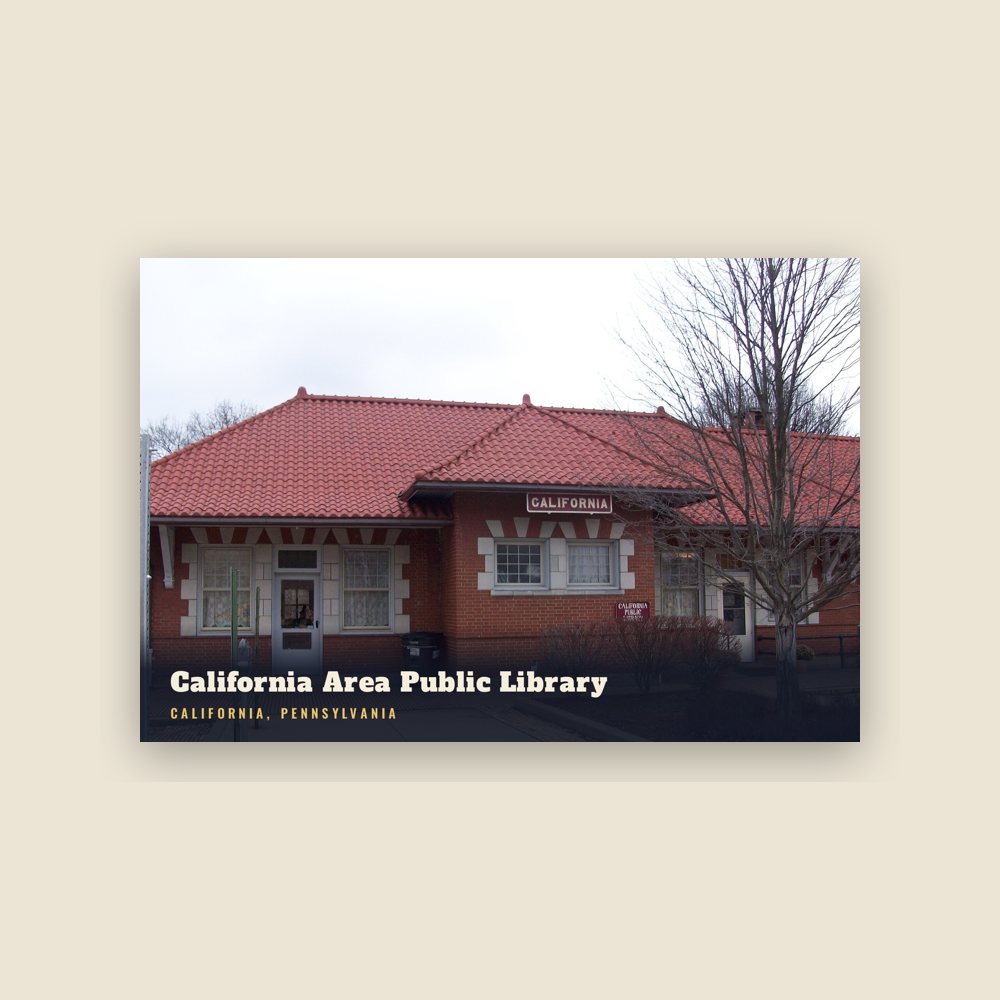
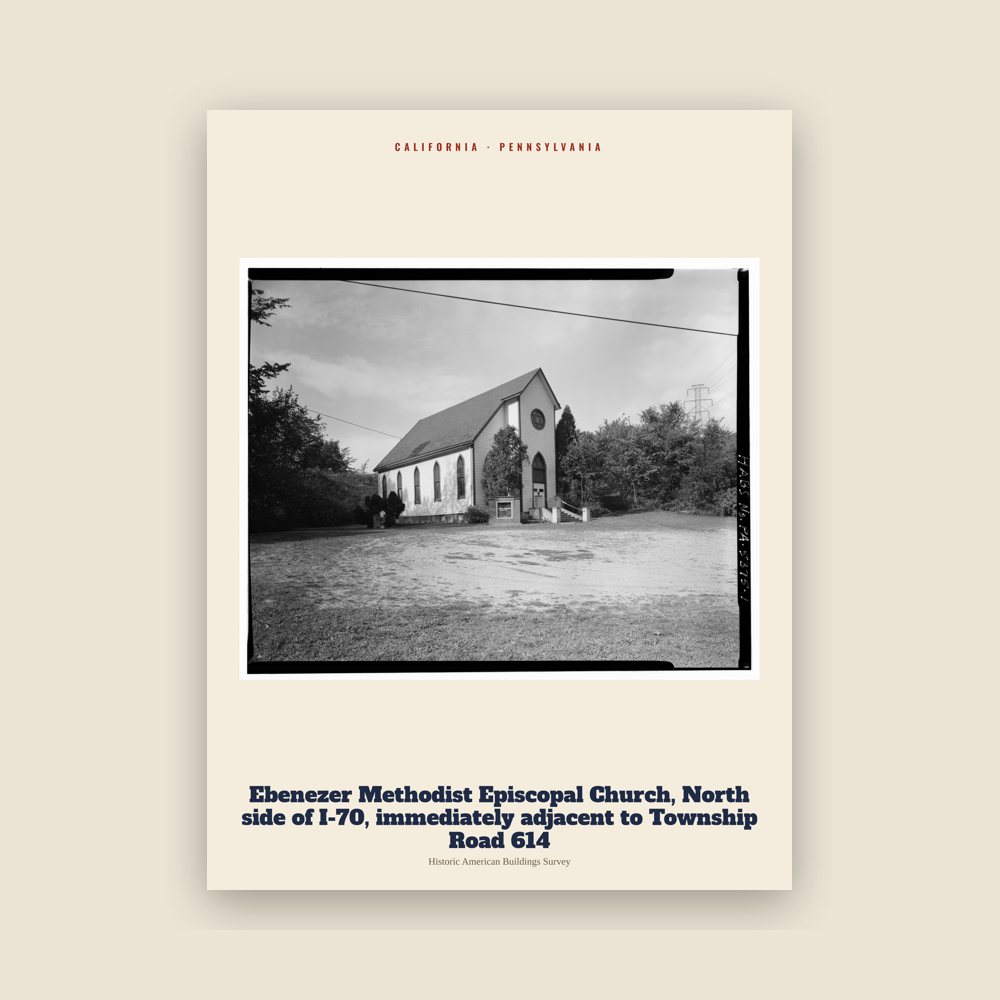
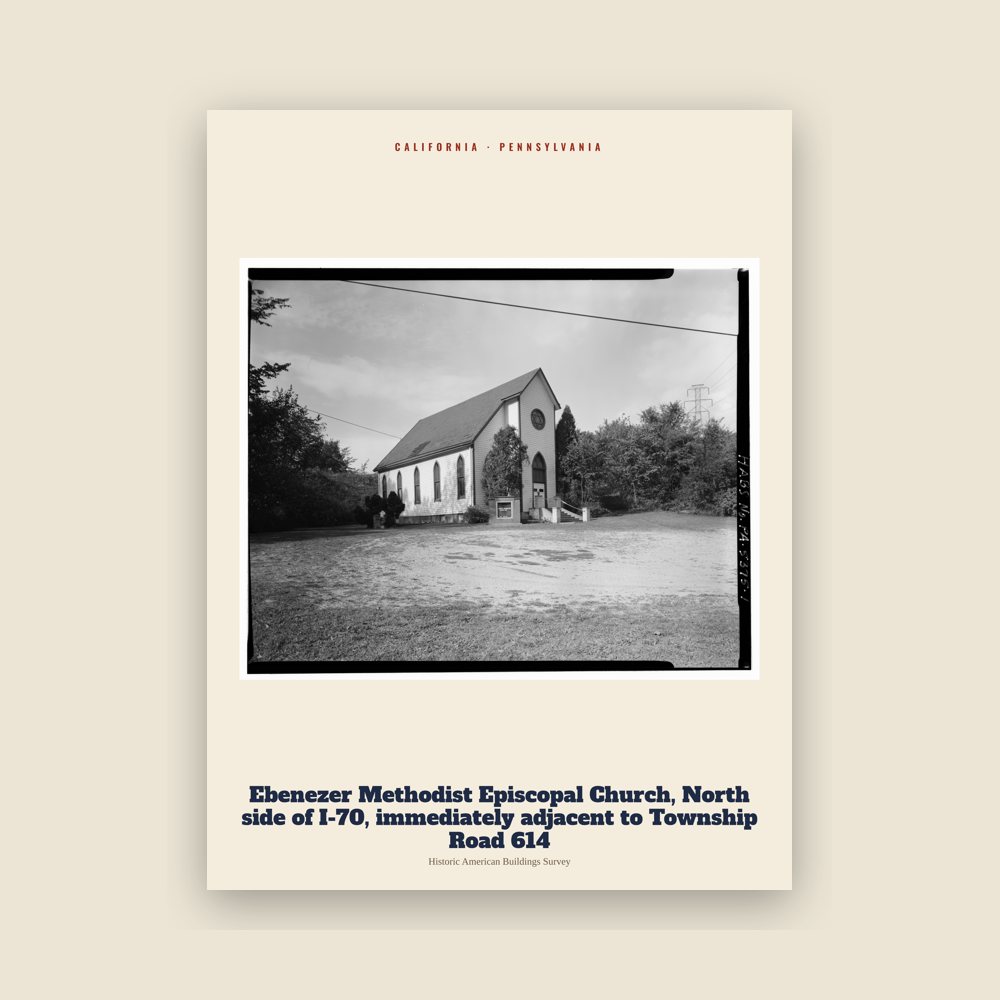
The Molly Fleming House, Jennings-Gallagher House, Malden Inn, Old Main, California State College and former Pennsylvania Railroad Passenger Station are listed on the National Register of Historic Places. The California Boatyards played an important role in building steamboats for western expansion.
The borough has had two notably young mayors—Peter Daley, who was 22 when elected in 1973, and Casey Durdines, who was 20 at his election in 2005.
Adapted (trimmed) from the Wikipedia article California, Pennsylvania, revision 1378839127 by its contributors, licensed CC BY-SA 4.0.
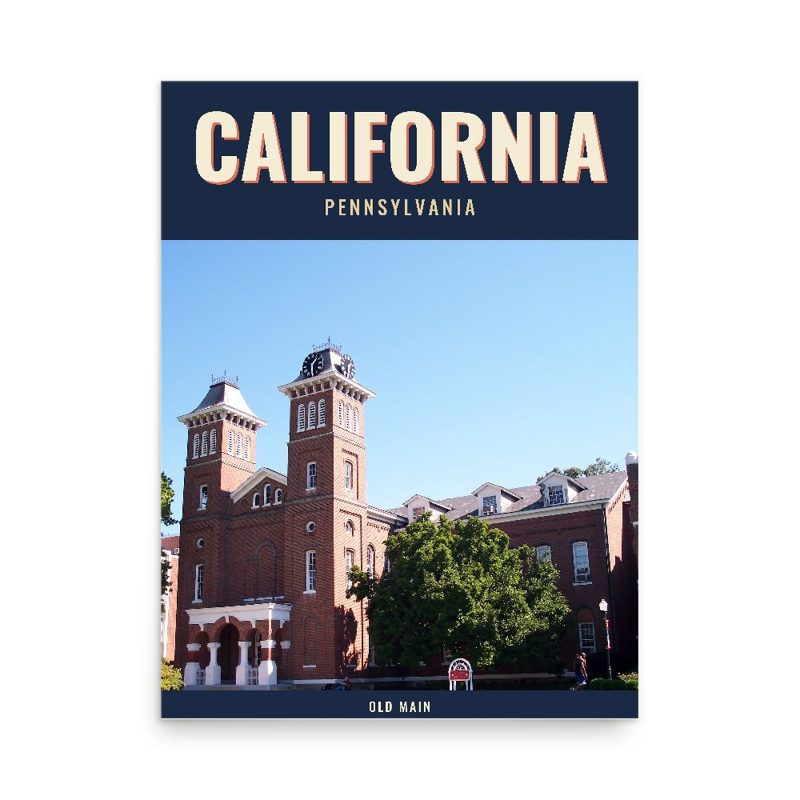
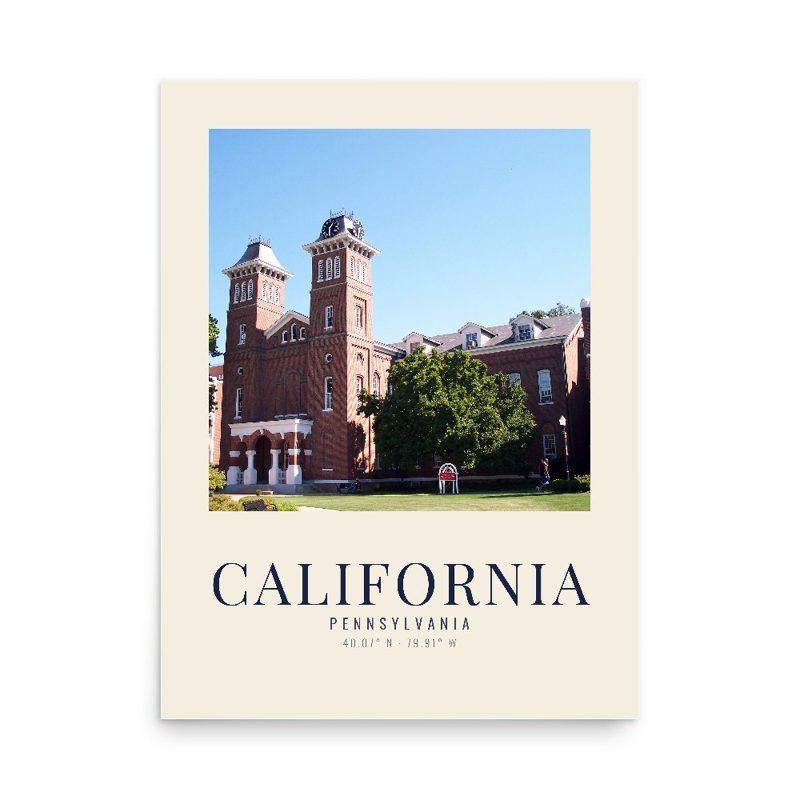
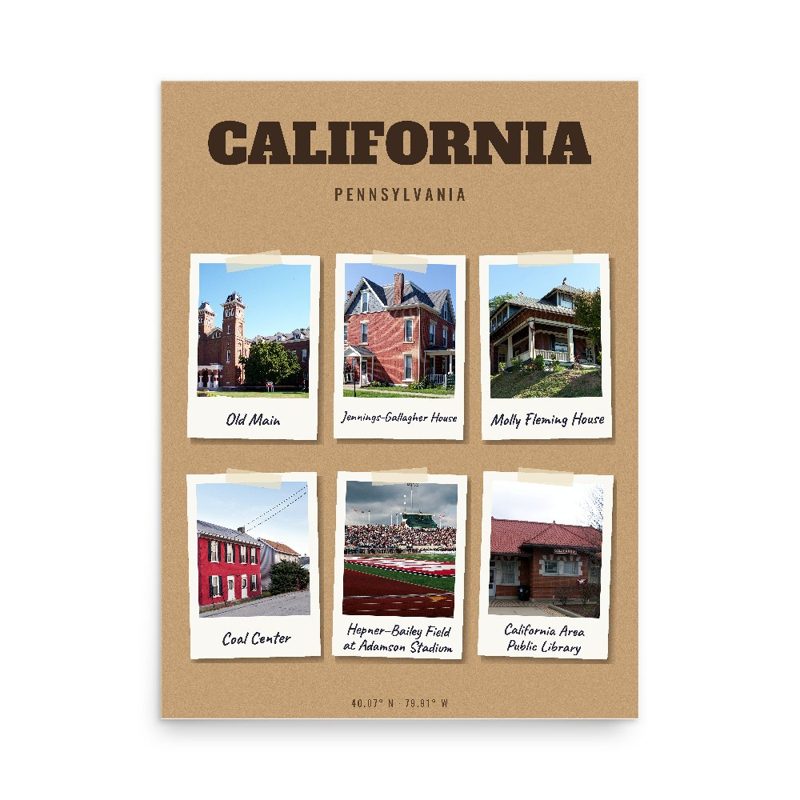
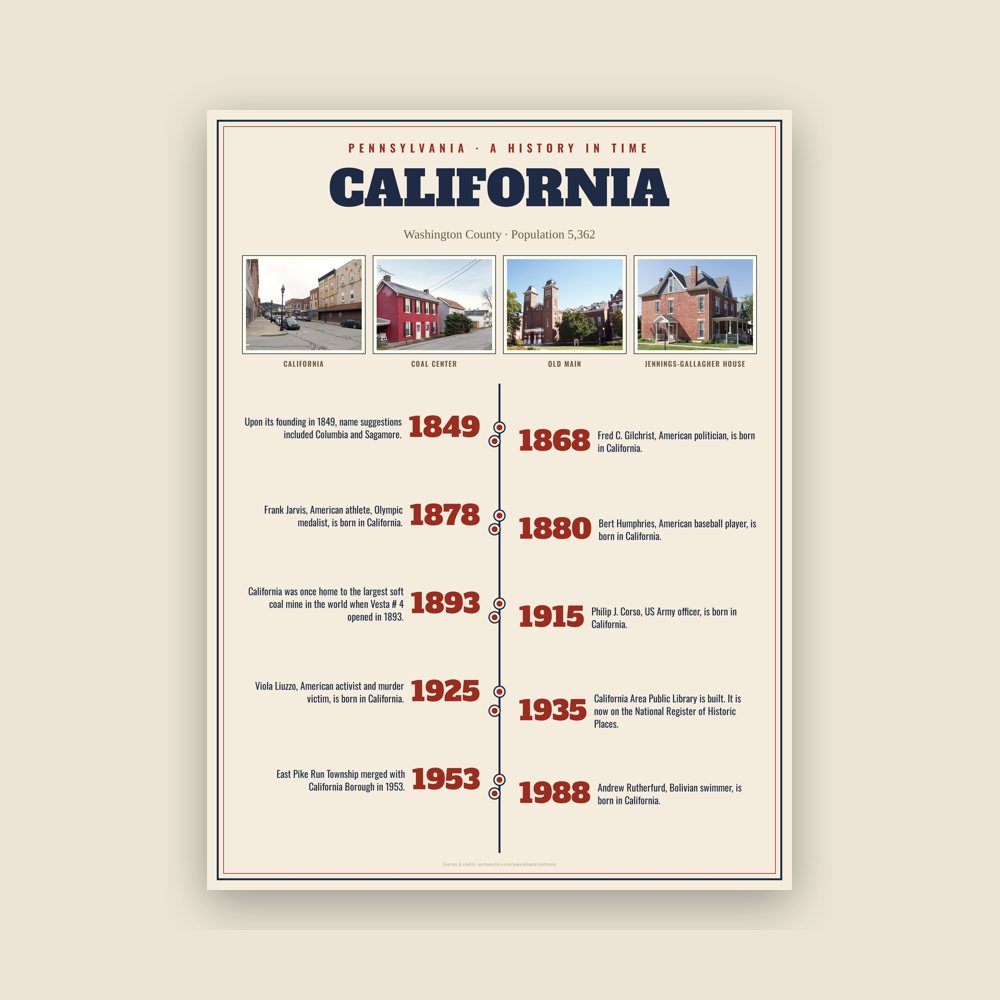


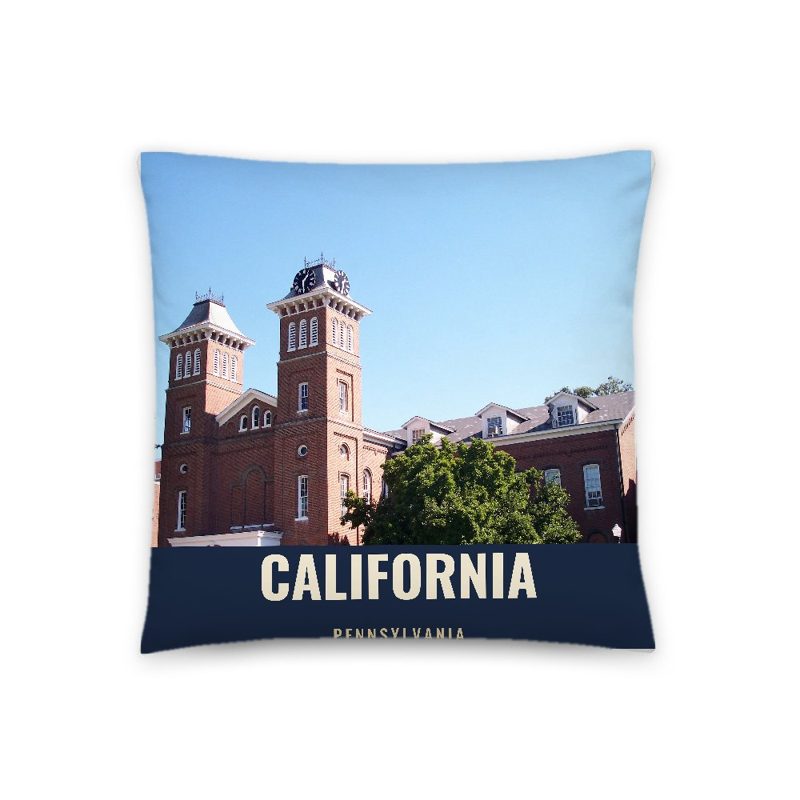


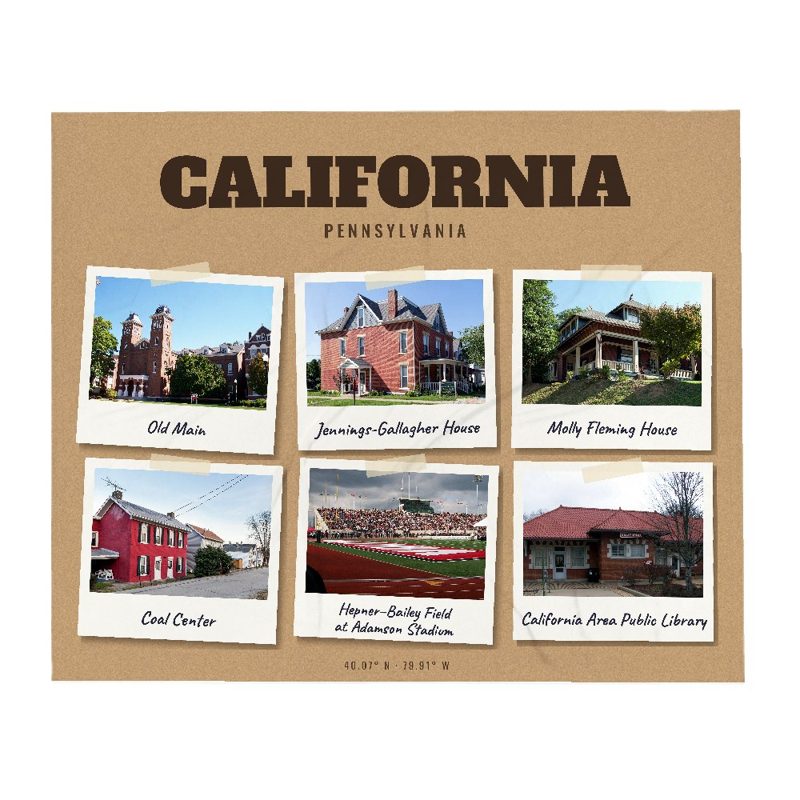
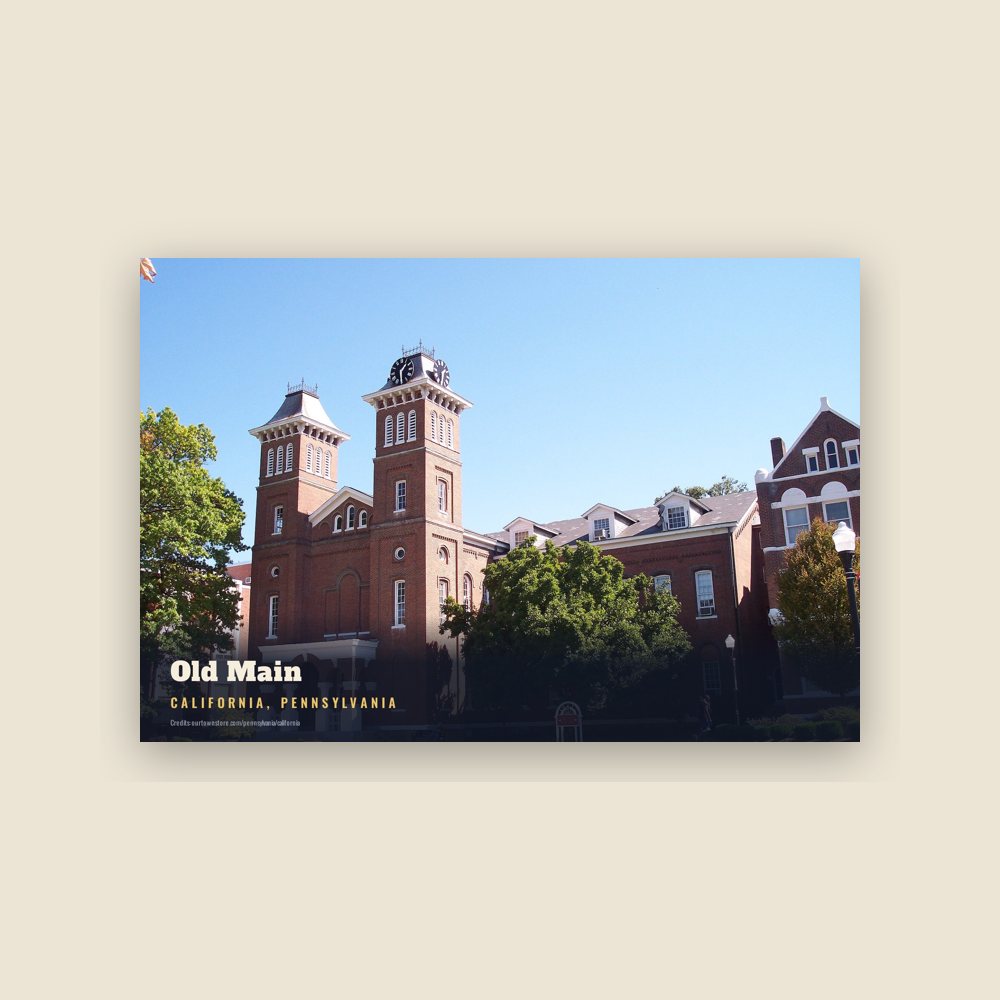
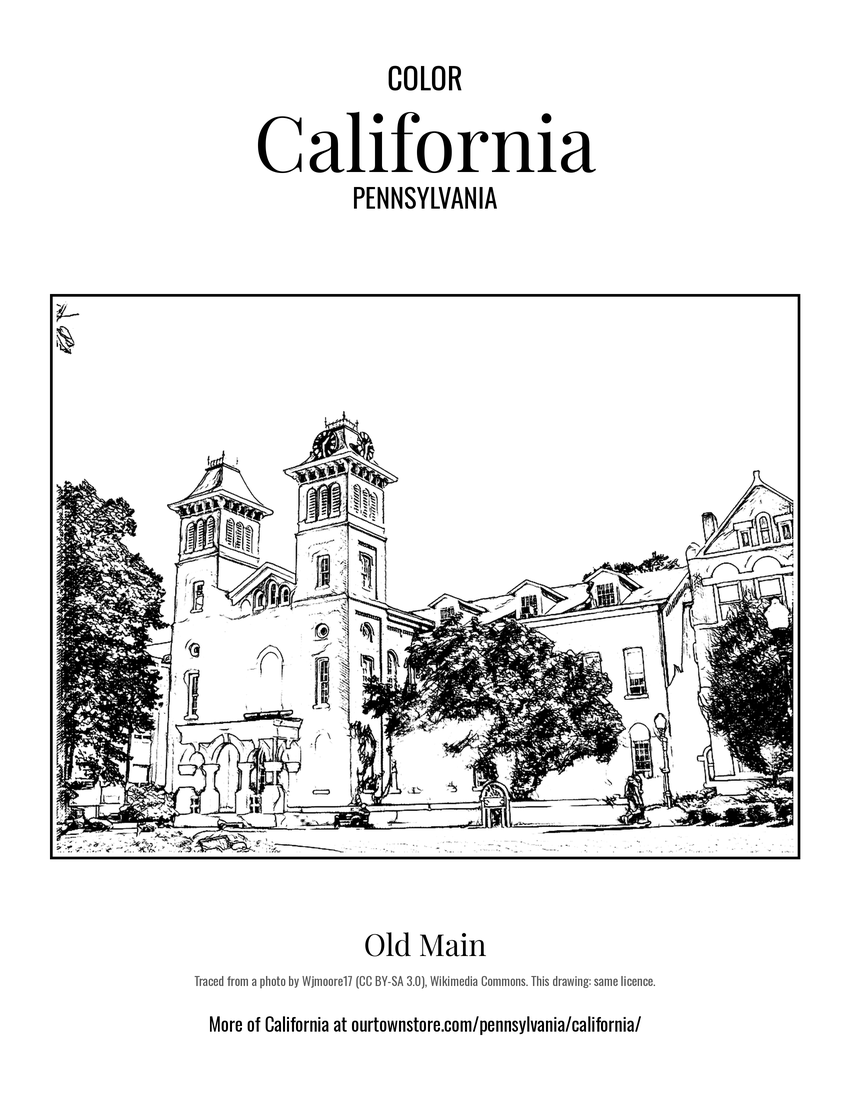 Old Main
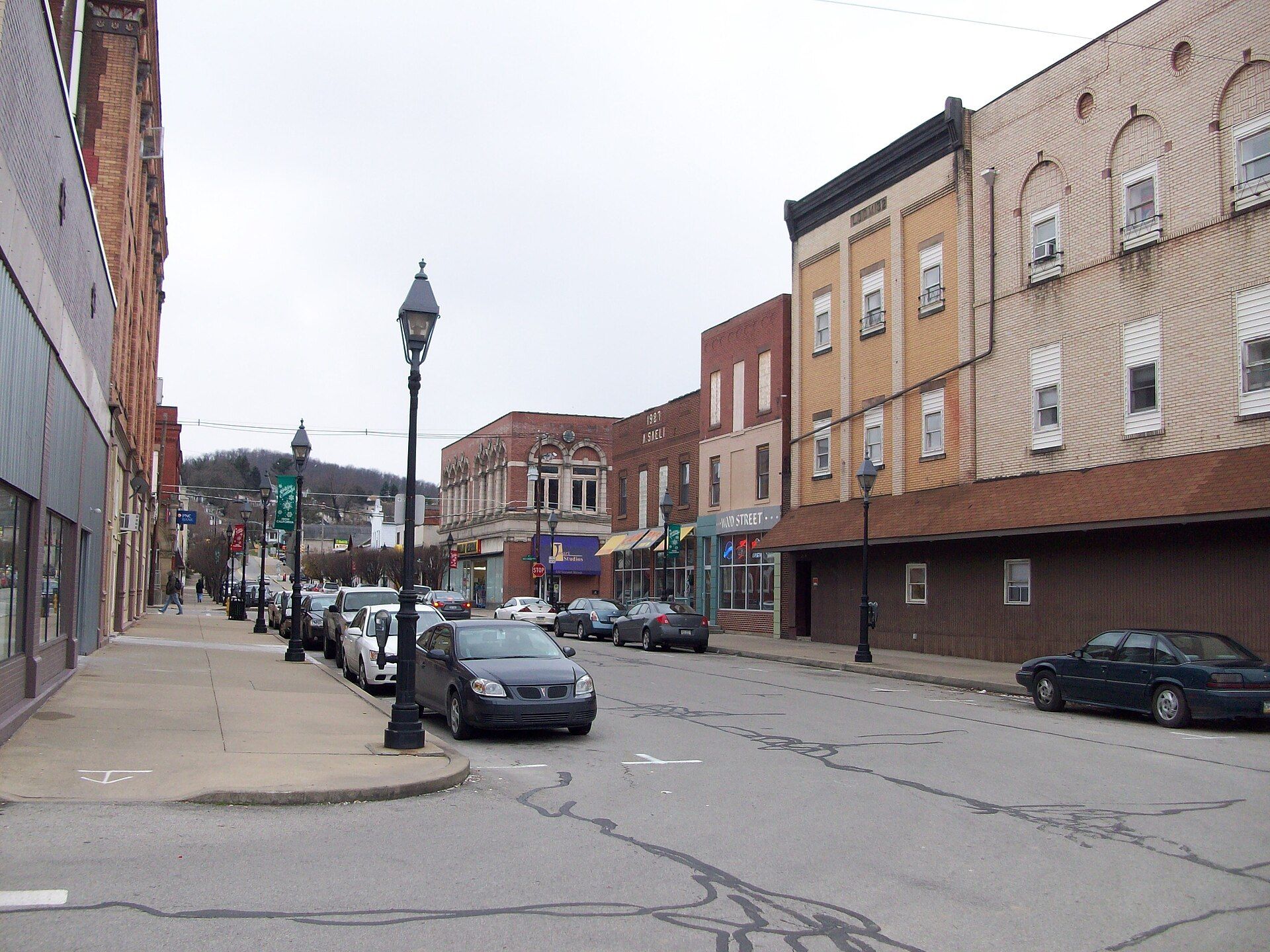
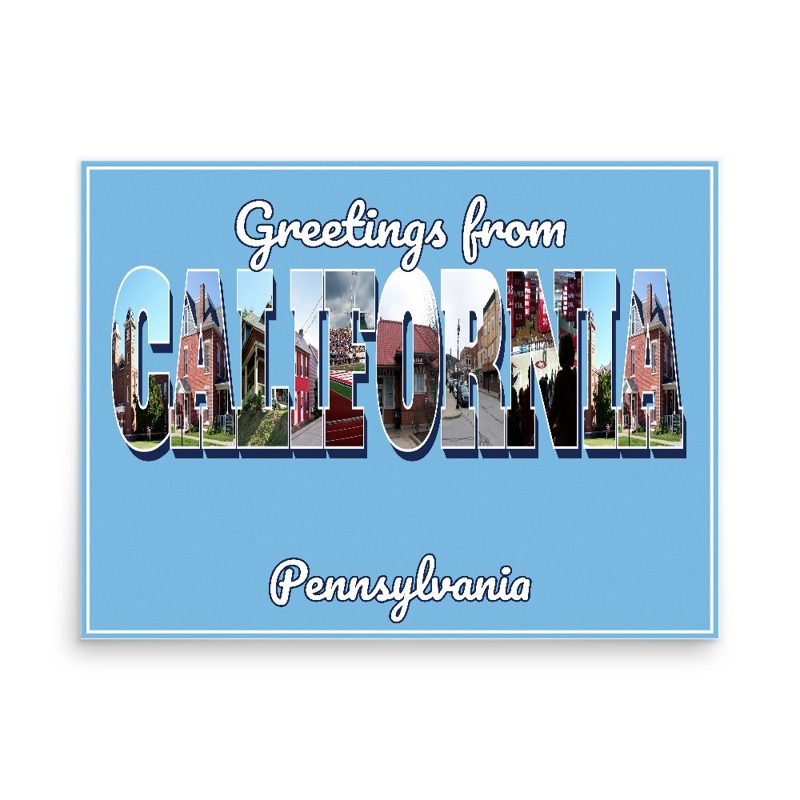
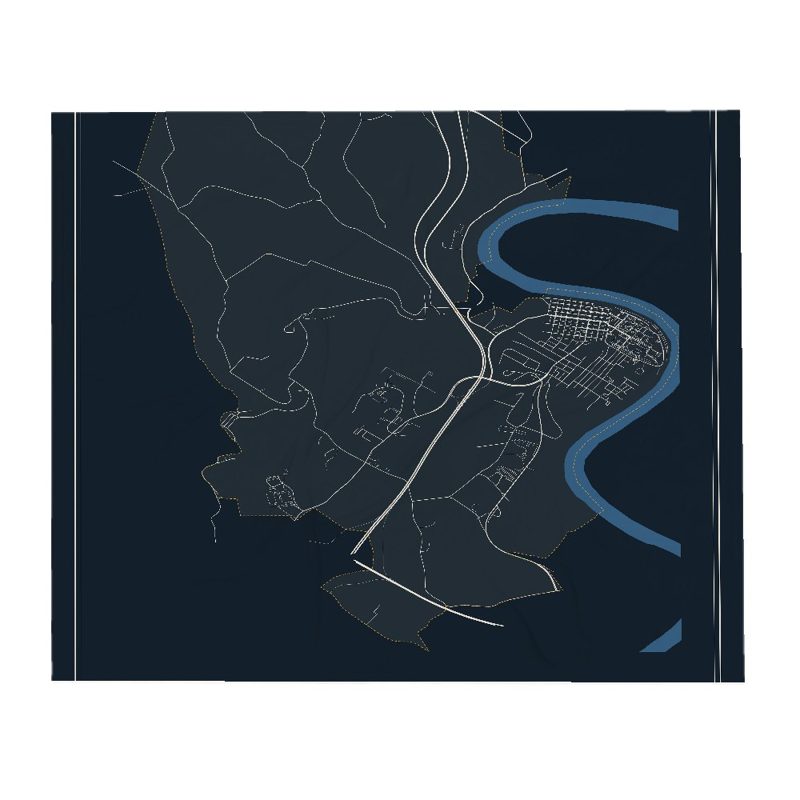
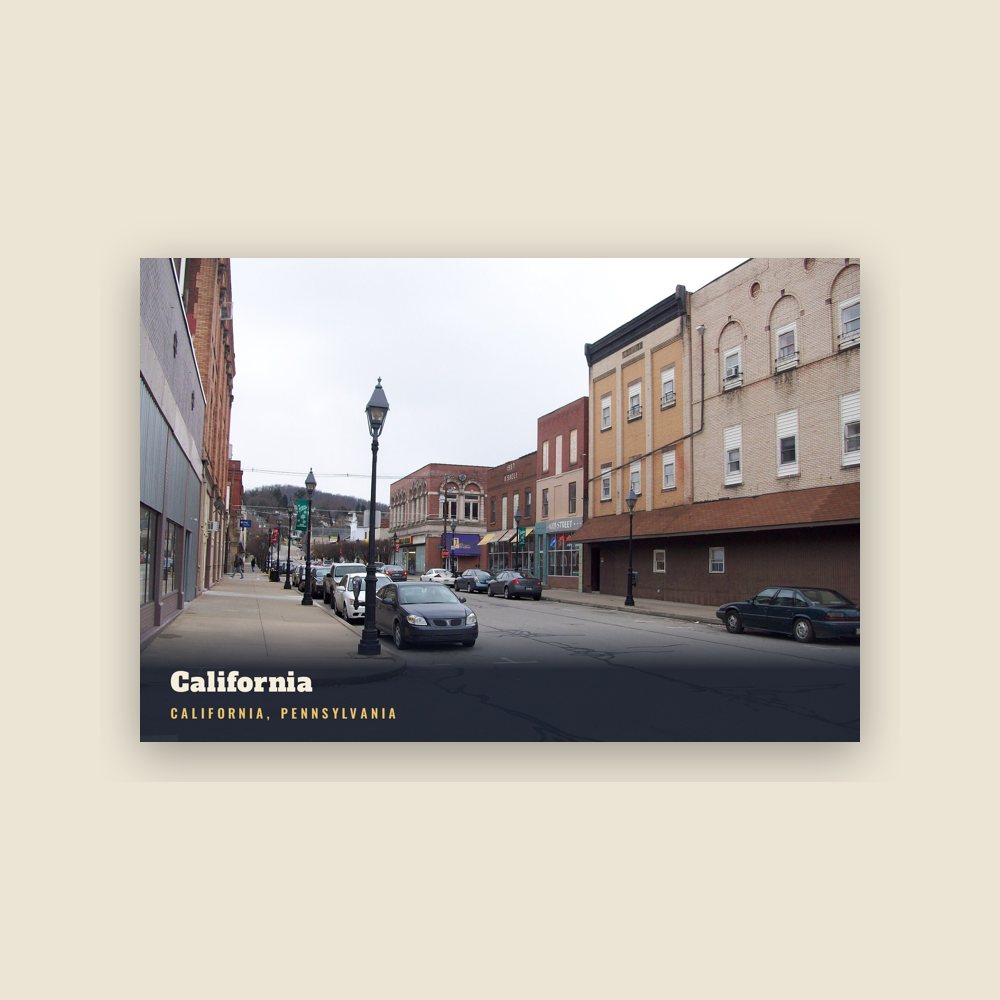
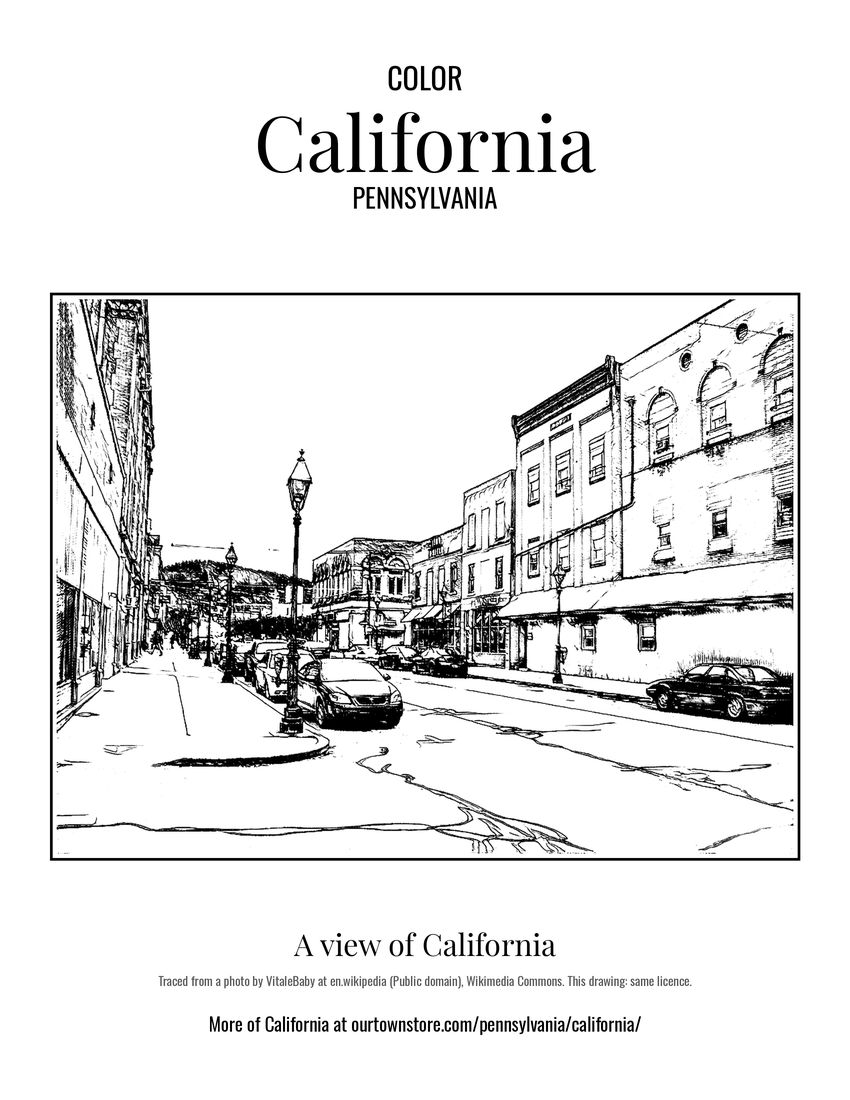 A view of California
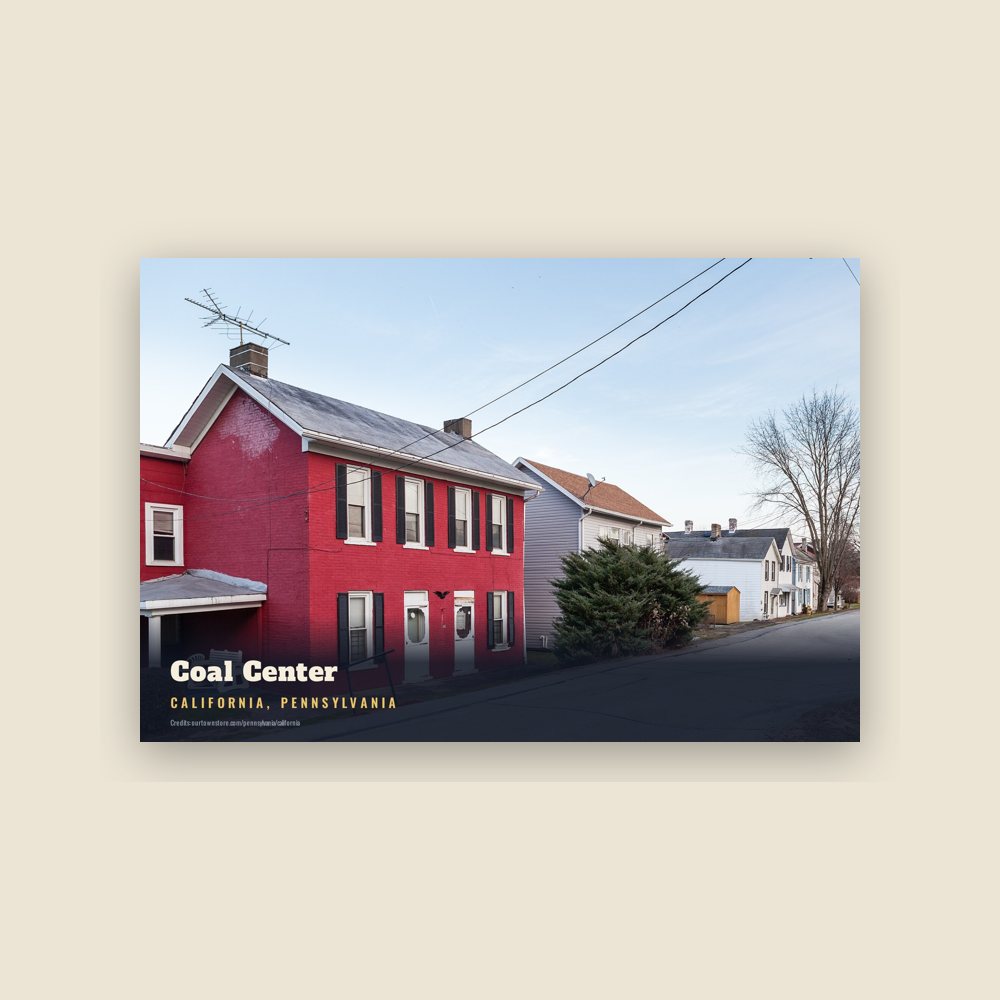
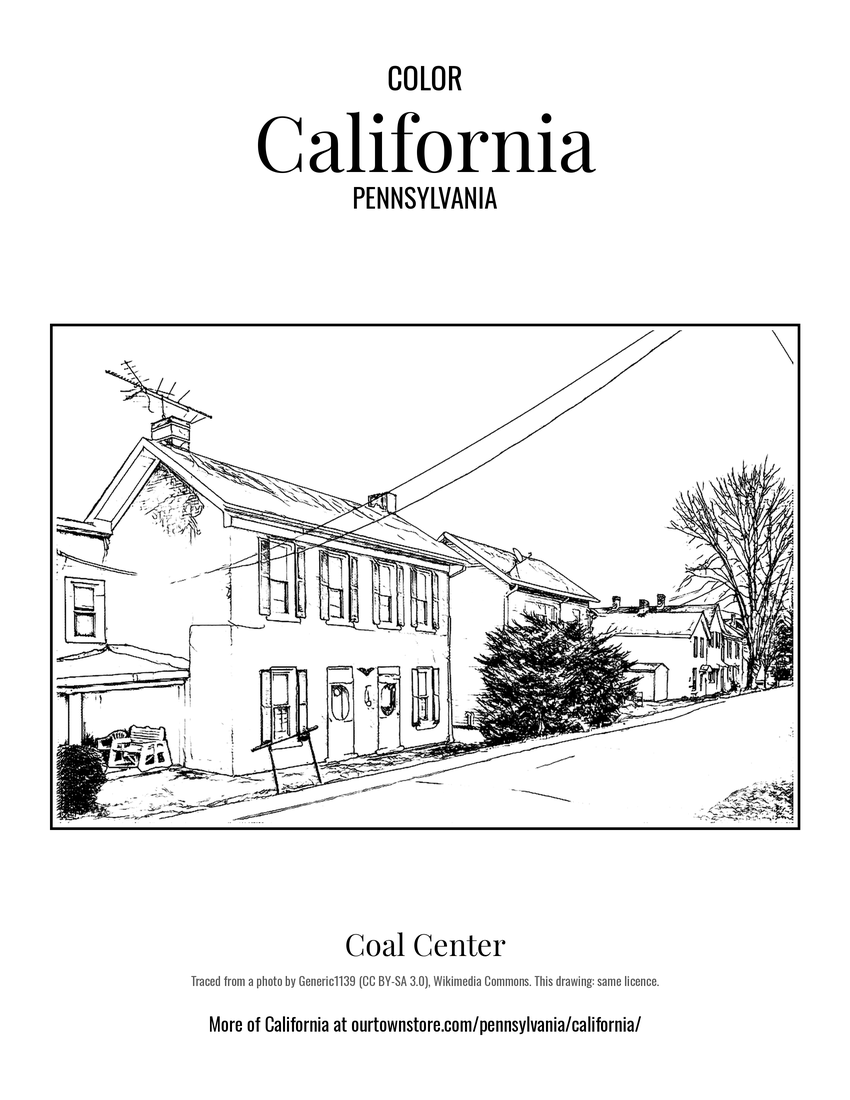 Coal Center
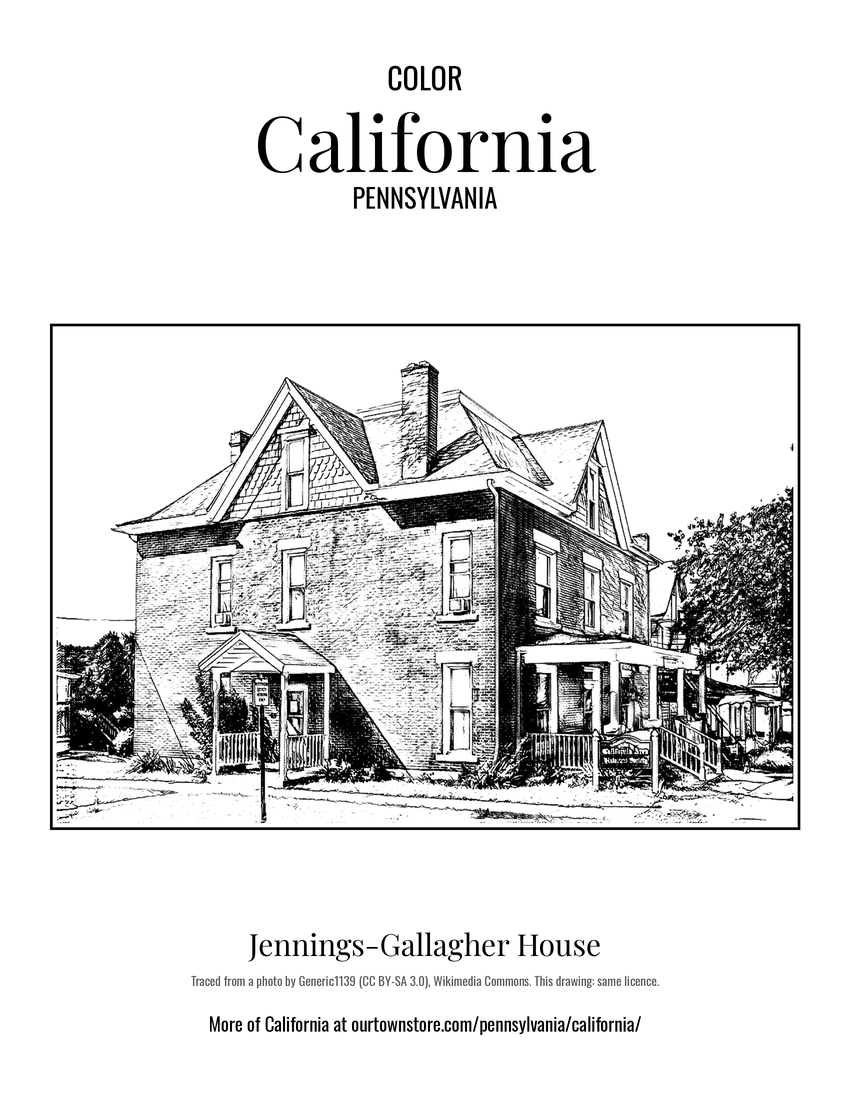 Jennings-Gallagher House