A short history of Wasco
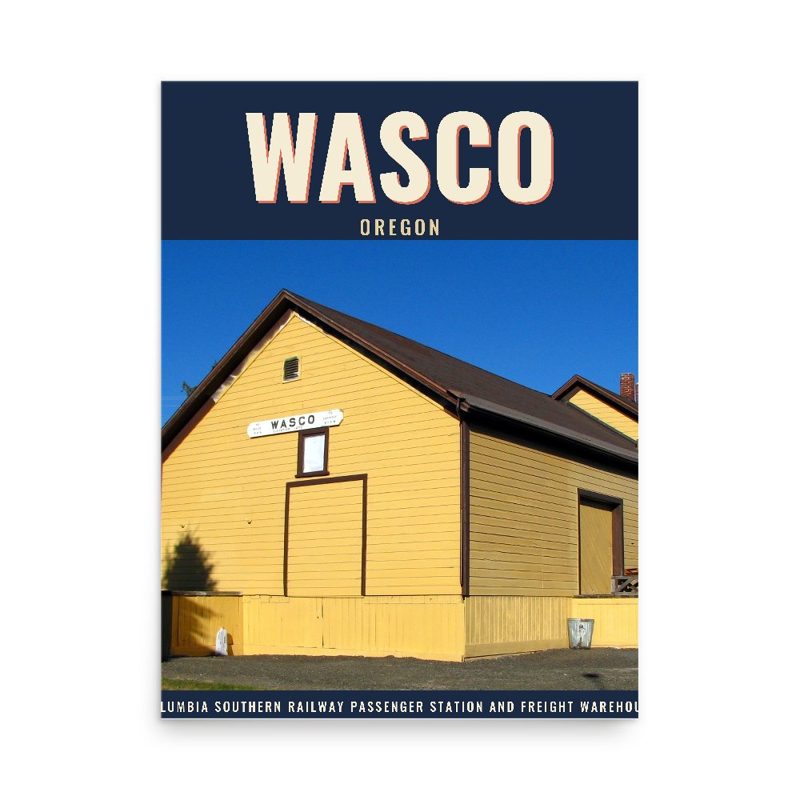
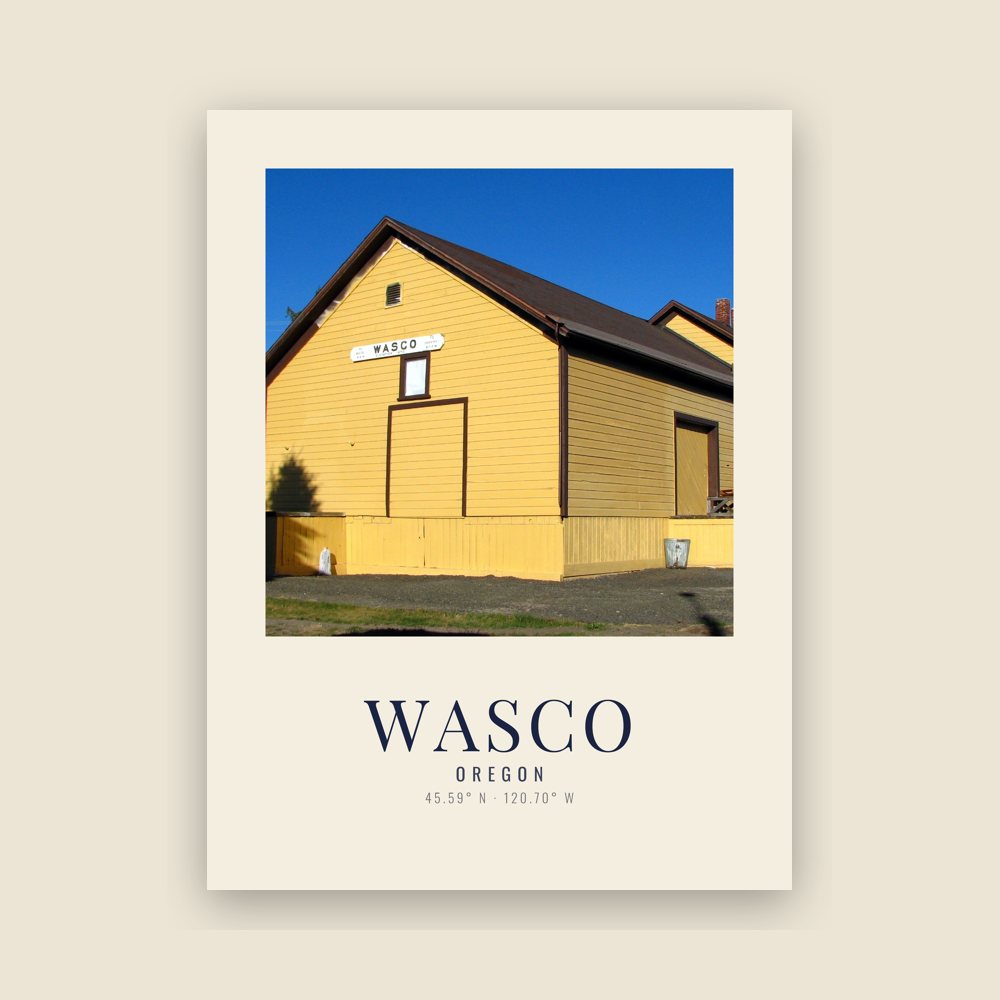
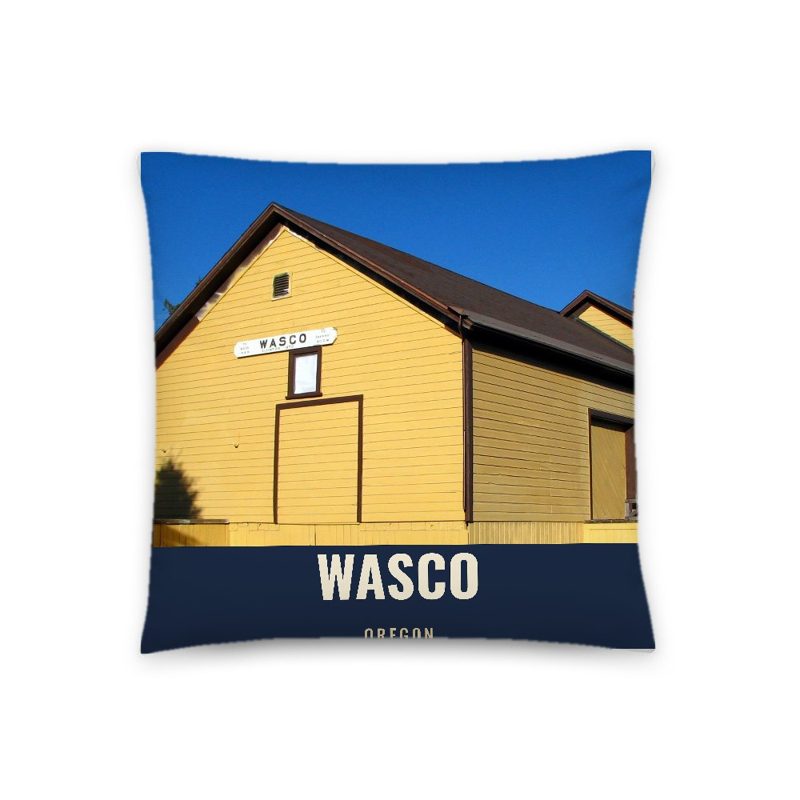
On July 16, 1883, Wasco townsite was platted by Clark Dunlap; the southeast corner of southwest half of section 4, township 1, north range 17 E.W.M. The quarter located due east by Bill Armsworthy, where the cistern is located. The parcel of land where the depot is situated by W.H. Biggs and the last parcel platted on McPhereson's quarter, where the warehouses stand.
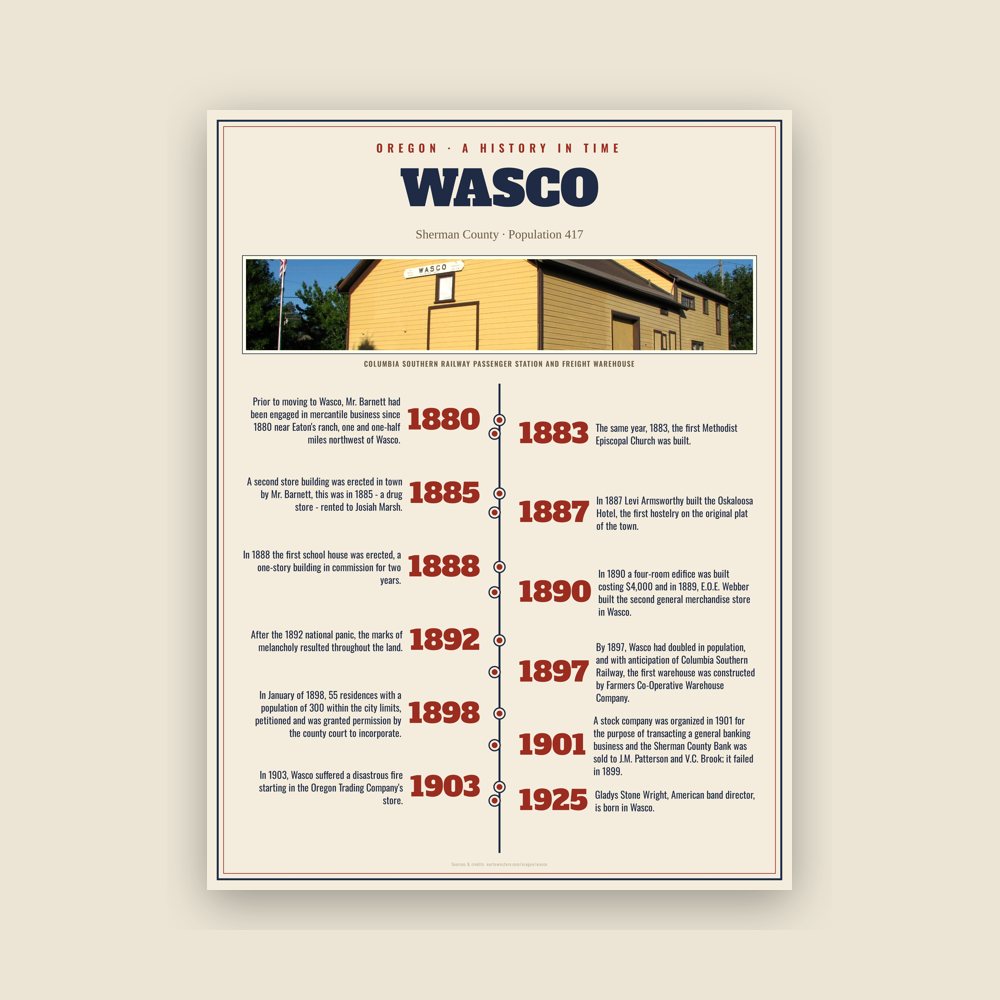
The townsite situated near the head of Spanish Hollow, was given the name Wasco (an Indian word meaning a maker of horn basins) from the name of the county in which it was located at the time it was founded. W.M. Barnett was first to build a business which was a two-story edifice, the lower portion being used for his mercantile business; the upper story used primarily for meetings of every description. Mr. Barnett closely followed by Messrs. MacKenzie and Somer, a machine shop. Mr. MacKenzie's mother was the first white woman to live in the city. These people were followed the succeeding year by Messrs. Tozier and Holland, blacksmiths. The same year, 1883, the first Methodist Episcopal Church was built.
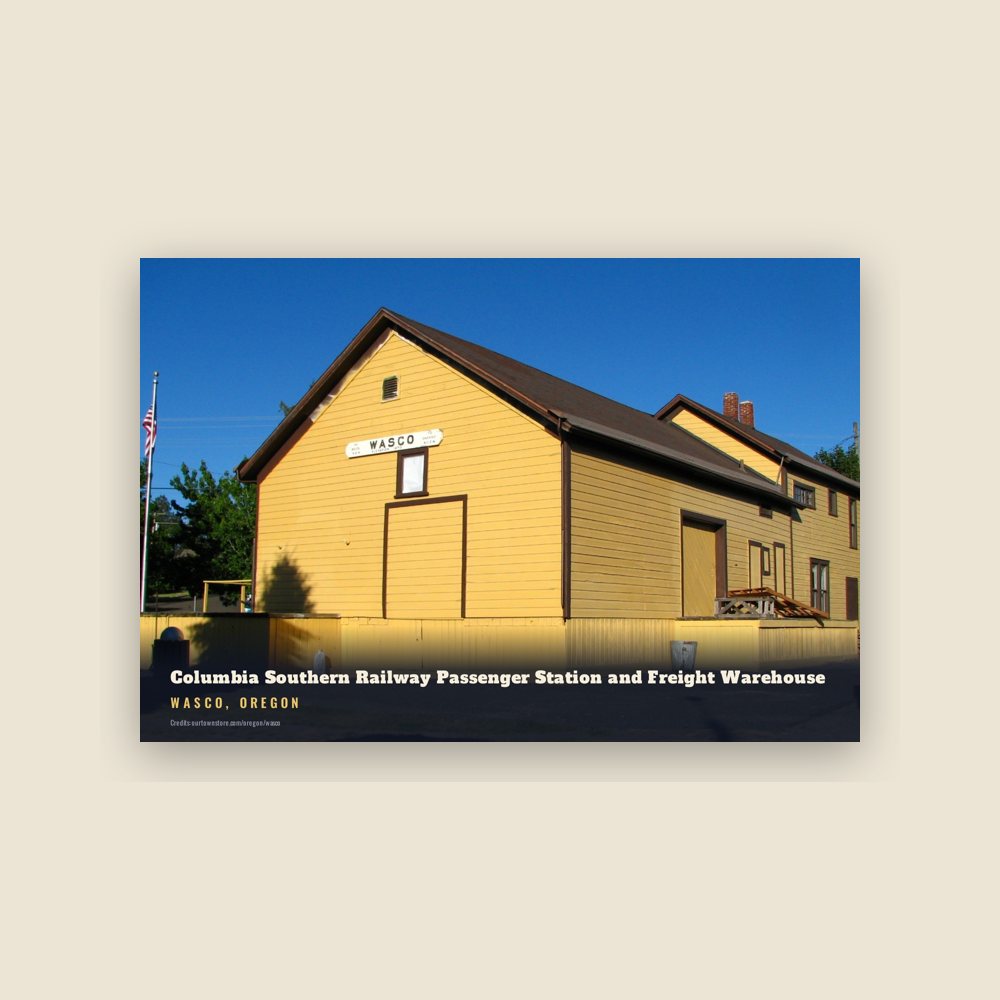
Prior to moving to Wasco, Mr. Barnett had been engaged in mercantile business since 1880 near Eaton's ranch, one and one-half miles northwest of Wasco. A second store building was erected in town by Mr. Barnett, this was in 1885 - a drug store - rented to Josiah Marsh. In 1887 Levi Armsworthy built the Oskaloosa Hotel, the first hostelry on the original plat of the town. Later came Dr. S.E. Koontz and James Haas, a contractor. In 1888 the first school house was erected, a one-story building in commission for two years. In 1890 a four-room edifice was built costing $4,000 and in 1889, E.O.E. Webber built the second general merchandise store in Wasco. A stock company was organized in 1901 for the purpose of transacting a general banking business and the Sherman County Bank was sold to J.M. Patterson and V.C. Brook; it failed in 1899. After the 1892 national panic, the marks of melancholy resulted throughout the land. By 1897, Wasco had doubled in population, and with anticipation of Columbia Southern Railway, the first warehouse was constructed by Farmers Co-Operative Warehouse Company. It was in business two years and disposed of to the Union Warehouse Company, and in one year, it was merged with the Wasco Warehouse and Milling Company. H.P. Isaacs erected the first flouring mill in Wasco.
In January of 1898, 55 residences with a population of 300 within the city limits, petitioned and was granted permission by the county court to incorporate. After a vote of a successful majority in favor, on January 31, 1898, George N. Crosfield was elected the first mayor. For councilmen - L. Clark, J. McPherson, W. Booth, P. Kretzer, W. Murchie, and W. Reynolds. For recorder - W.F. Johnson and W.H. Walker for marshal, and V.C. Brock as treasurer.
In 1903, Wasco suffered a disastrous fire starting in the Oregon Trading Company's store. Destroying not only this building, the fire ran to the adjacent opera house, which was a total loss, as was the residence of John Venable. The Oregon Trading Company's store (the property of E.O. McCoy and George N. Crosfield) was valued at $100,000, the opera house, $40,000, and the Venable residence, $1,500. This moved the citizens of Wasco to vote for a fire protection system and sewerage system at the same time.
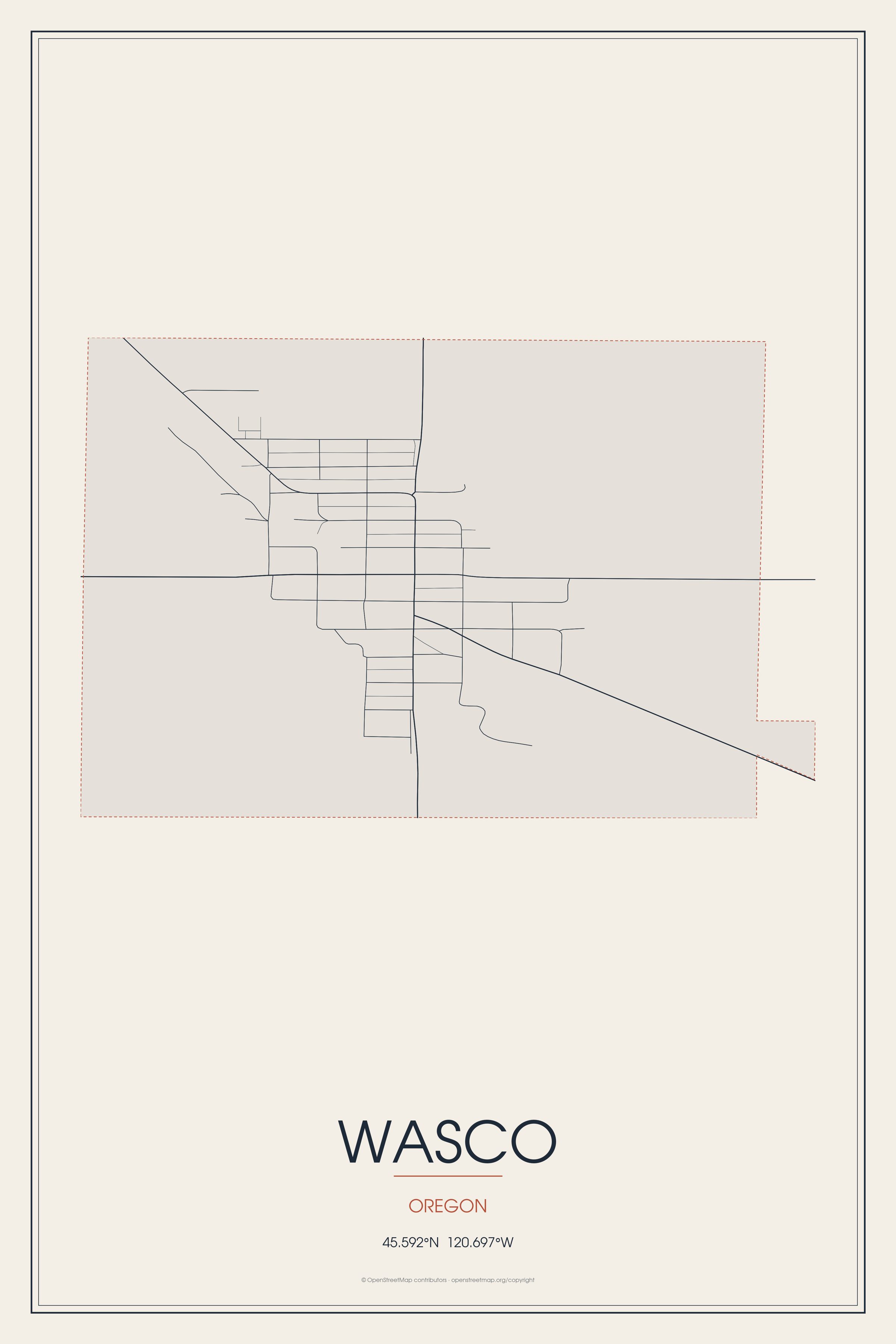
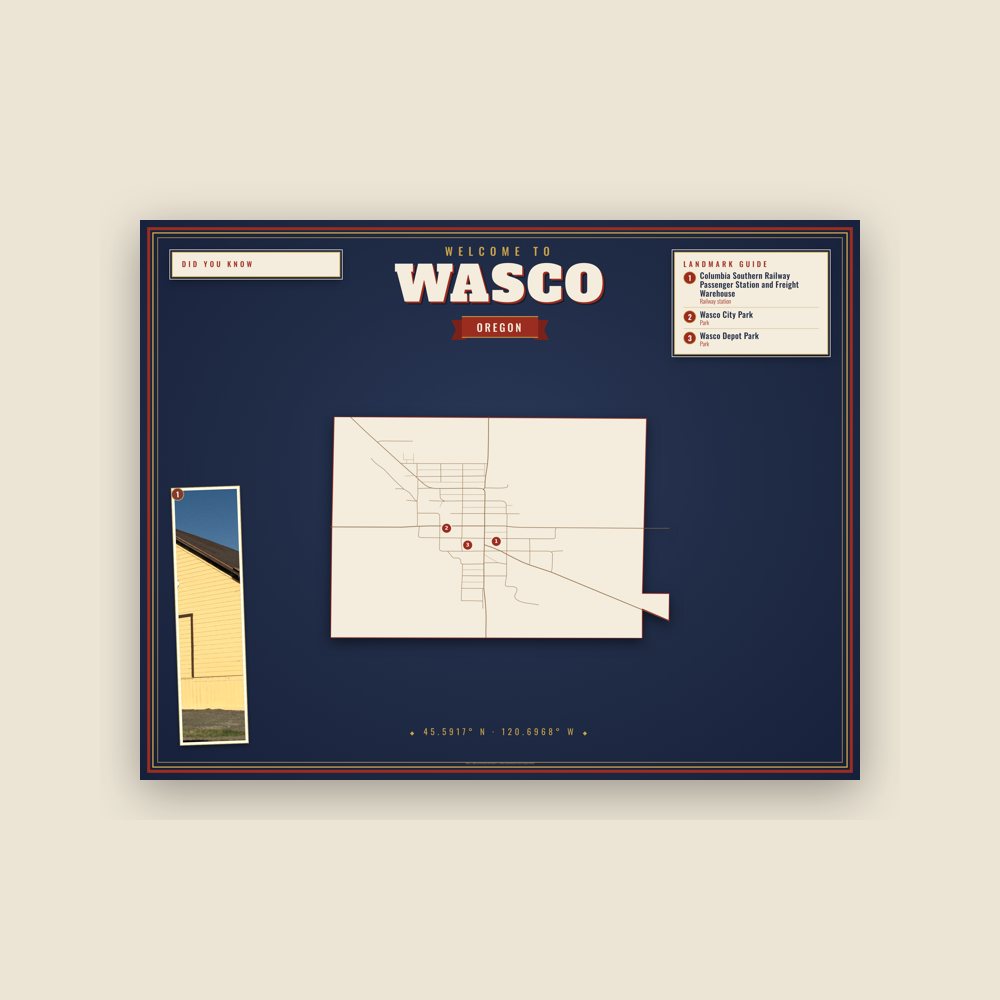
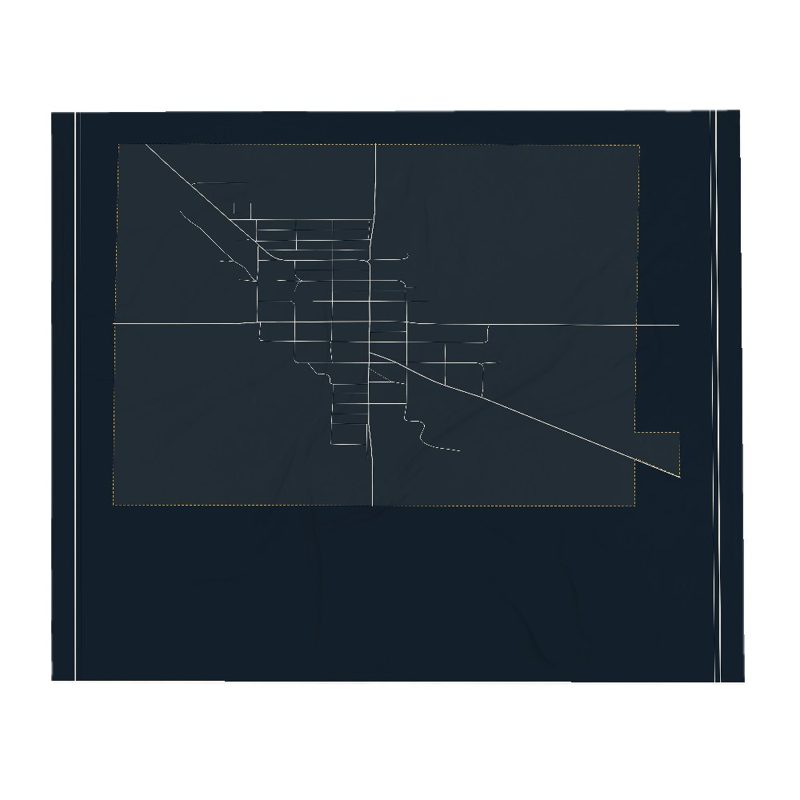
When Wasco was settled, it was part of four different parcels of land. If you drive through the main street coming down the steep hill from the south, you will notice the main street is not straight with the section line. It was told, when the state highway was to come through the town, one party objected and refused to give a right-of-way, therefore the other three parties gave more than their share. This is why the street is jogged.
Adapted (trimmed) from the Wikipedia article Wasco, Oregon, revision 1377164518 by its contributors, licensed CC BY-SA 4.0.