A short history of Roseburg
Modern-day Roseburg is located on the former lands of numerous Indian tribes, including the Cow Creek Band of the Umpqua Tribe, whose Cow Creek Umpqua Indian Foundation is located in Roseburg. Roseburg was the site of the 1855 Battle of Hungry Hill, part of the Rogue River Wars of 1855–56, fought between several southern Oregon Indian groups and the US Army.
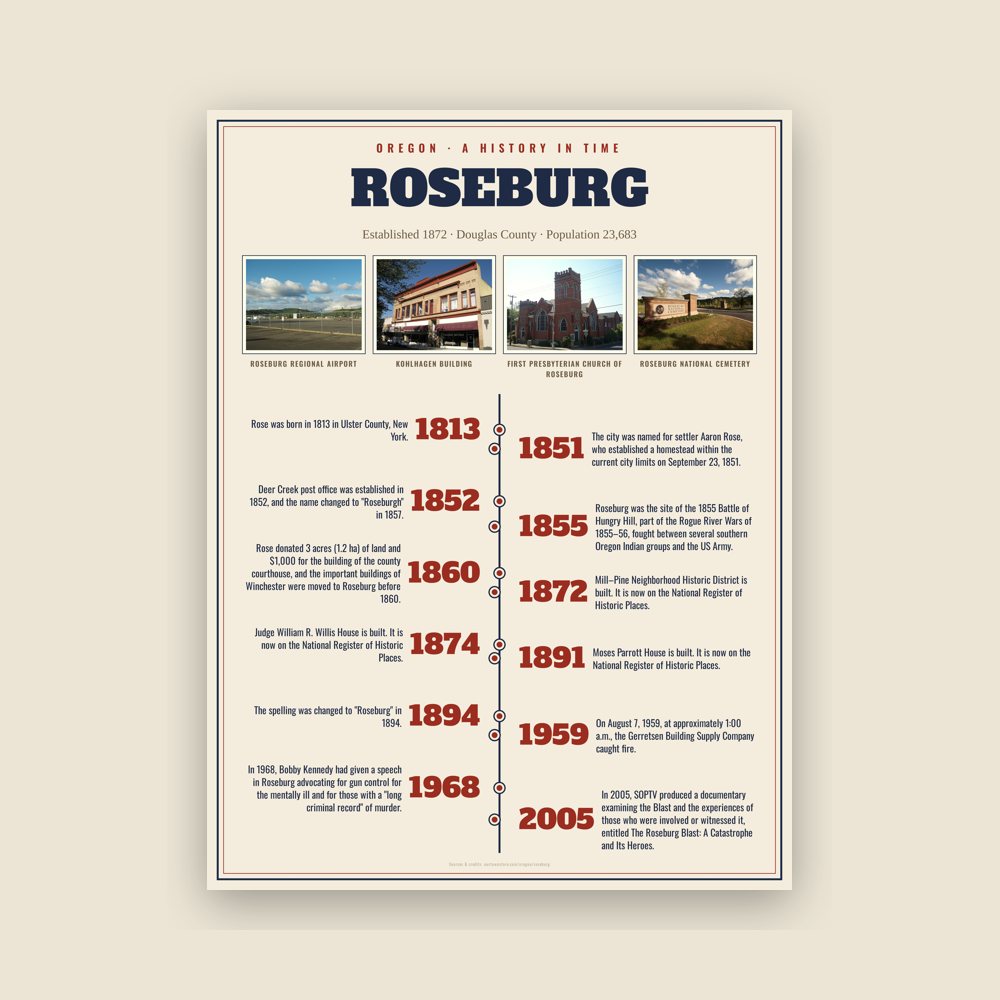
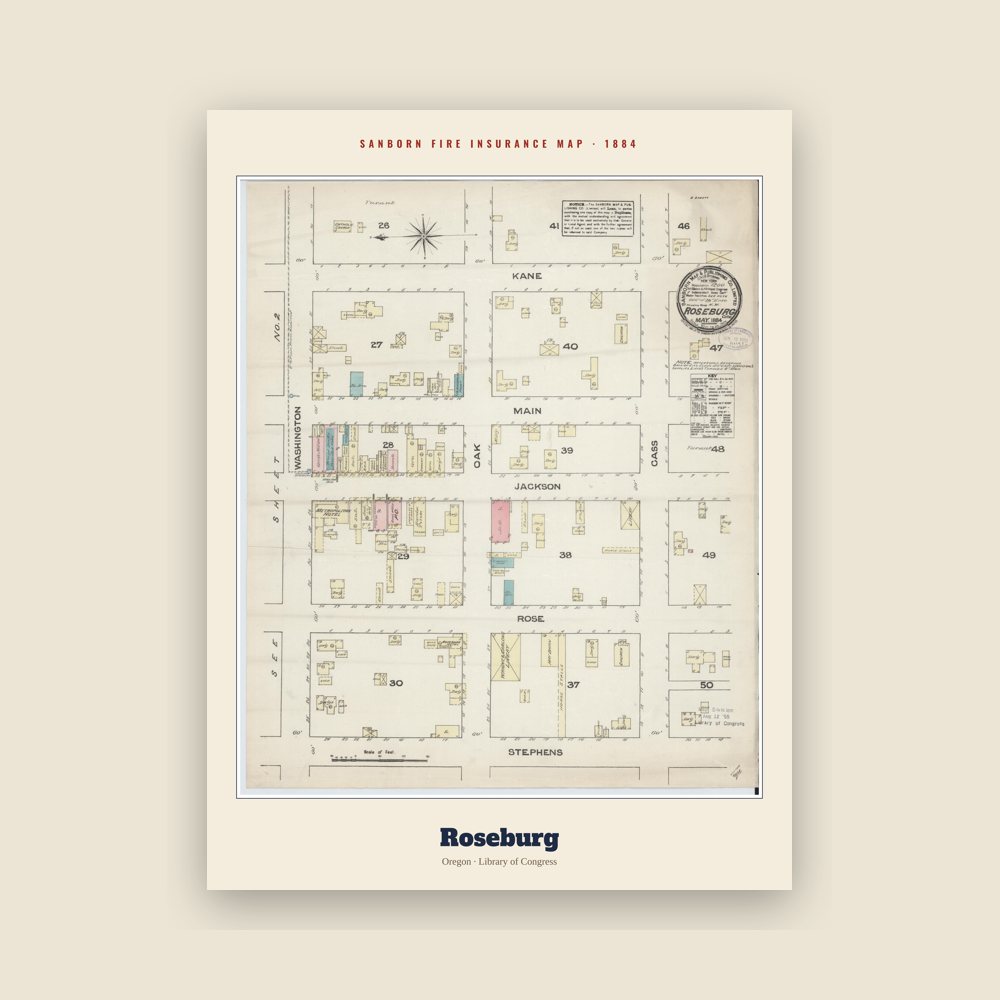
The city was named for settler Aaron Rose, who established a homestead within the current city limits on September 23, 1851. Rose was born in 1813 in Ulster County, New York. In 1851, he came to Oregon from Coldwater, Michigan, where he had lived since 1837.
Rose constructed the first building in what would become Roseburg, a rough structure made of poles and clapboards with a front room about 16 or 18 feet square; it was used as a grocery store, backed by a dining room and kitchen. Originally, guests could use the floor of the front room to spread their beds or were able to sleep out of doors under nearby oak trees. His first structure served as a roadside inn and tavern for many years. Rose built a proper hotel in 1853. He died in 1899.
Roseburg was first known as Deer Creek because it was at the confluence of Deer Creek and the South Umpqua River. In 1854, voters chose Roseburg as the county seat over rival town Winchester. Rose donated 3 acres (1.2 ha) of land and $1,000 for the building of the county courthouse, and the important buildings of Winchester were moved to Roseburg before 1860.
Deer Creek post office was established in 1852, and the name changed to "Roseburgh" in 1857. The spelling was changed to "Roseburg" in 1894. Roseburg was incorporated by the Oregon Legislative Assembly on October 3, 1872.
Read the full history
Timber Capital of the Nation
The fortunes of Roseburg grew with the lumber industry. In 1937, Roseburg Lumber opened. Founded by Kenneth Ford, the company became the major employer in the community. Other major employers, including Weyerhaeuser, Champion and Sun Studs also developed and grew during this time. By the 1970s Roseburg branded itself as the Timber Capital of the Nation.
Roseburg Blast
On August 7, 1959, at approximately 1:00 a.m., the Gerretsen Building Supply Company caught fire. Firefighters soon arrived at the building, near Oak and Pine Streets, to extinguish the fire. Earlier in the evening, a truck driver for the Pacific Powder Company, George Rutherford, had parked his explosives truck in front of the building, which was not noticed. The truck exploded at around 1:14 a.m., destroying buildings in an eight-block radius and severely damaging 30 more blocks.
The truck was loaded with two tons of dynamite and four-and-a-half tons of the blasting agent nitrocarbonitrate. Rutherford had parked the truck after arranging his delivery for the following morning, despite warnings given to the Pacific Powder Company two days earlier not to leave such trucks unattended or park them in "congested areas". A police officer named Donald De Sues and the Chief of Police were on site and managed to evacuate citizens from the area of the truck before the explosion. Donald De Sues and the town Assistant Fire Chief, Roy McFarlane, were recognized as heroes that day and were both killed in the blast. A total of fourteen people died in the blast and fire, and 125 were injured. Damage was estimated at 10 to 12 million dollars; the powder company was eventually made to pay $1.2 million in civil damages, but was acquitted of criminal wrongdoing.
Roseburg's downtown was rebuilt, primarily by businesses using money collected from insurance claims. The city built a new bridge over the South Umpqua River on parcels affected by the disaster. Since the incident, it is commonly referred to as the Roseburg Blast or simply "The Blast". In 2005, SOPTV produced a documentary examining the Blast and the experiences of those who were involved or witnessed it, entitled The Roseburg Blast: A Catastrophe and Its Heroes.
Adapted (trimmed) from the Wikipedia article Roseburg, Oregon, revision 1384576011 by its contributors, licensed CC BY-SA 4.0.

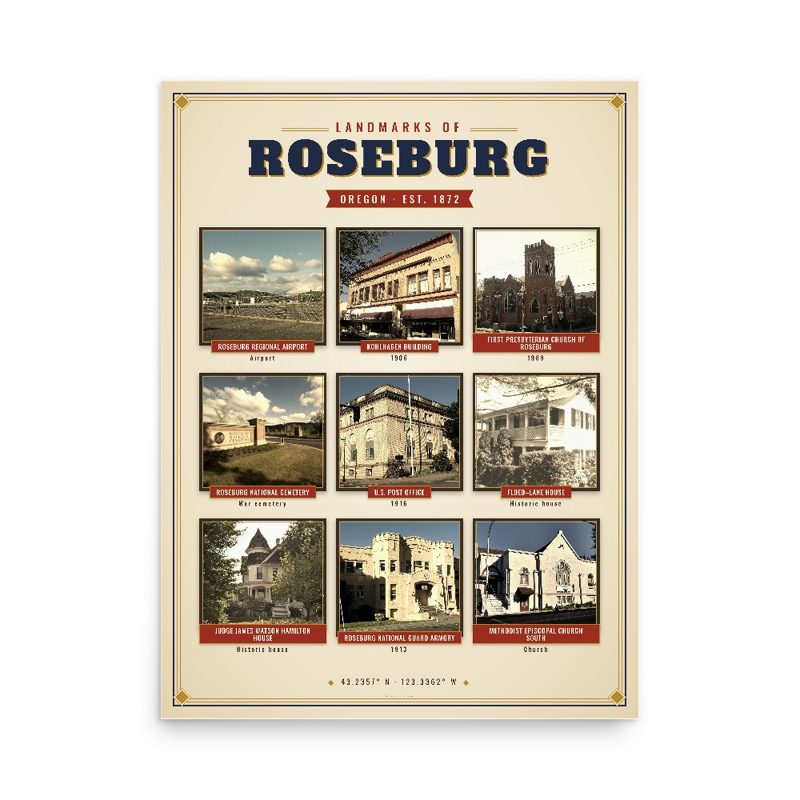
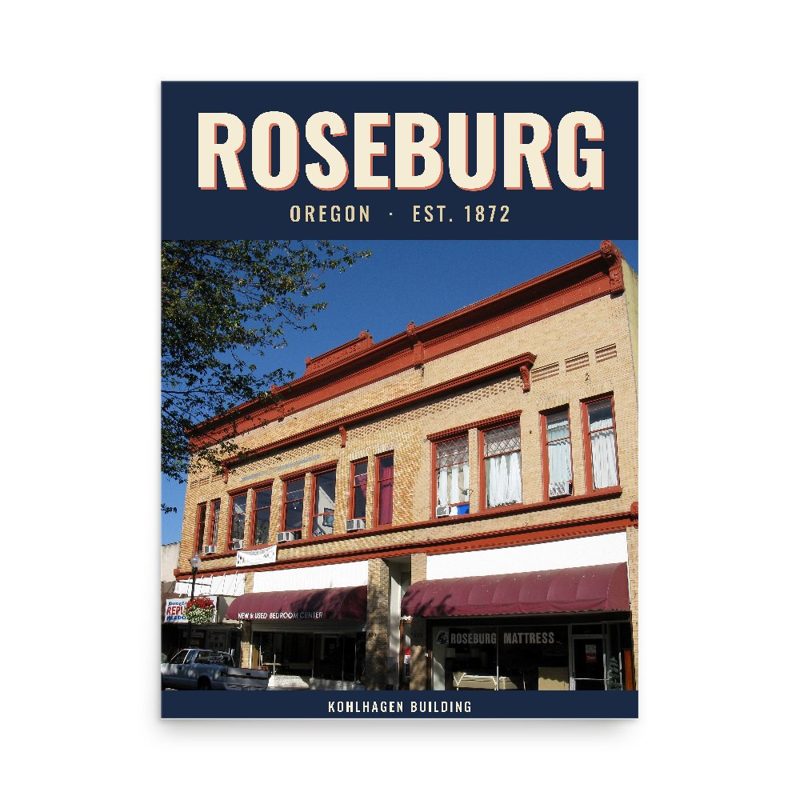
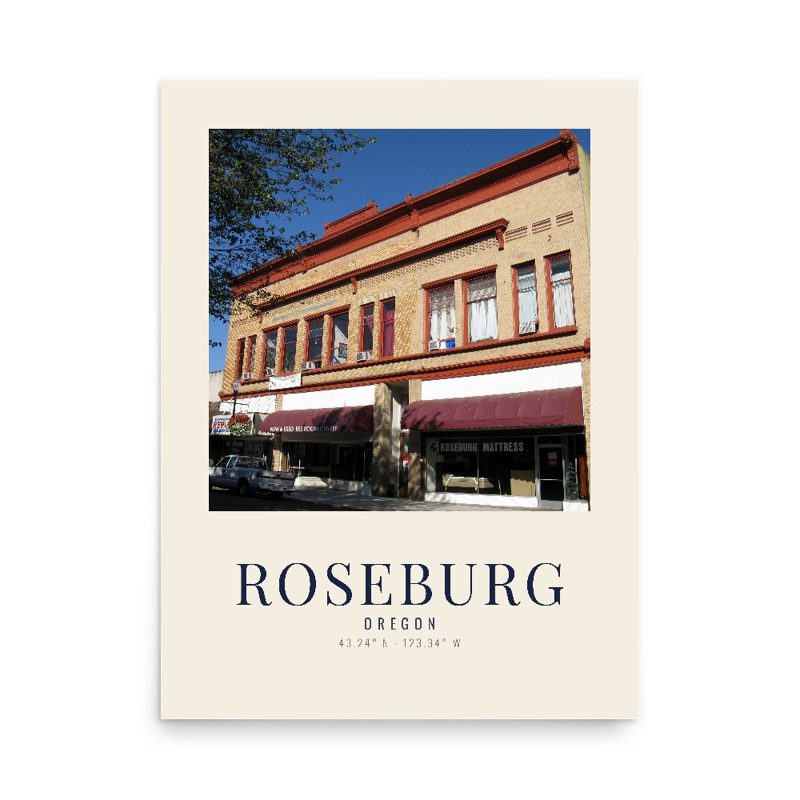
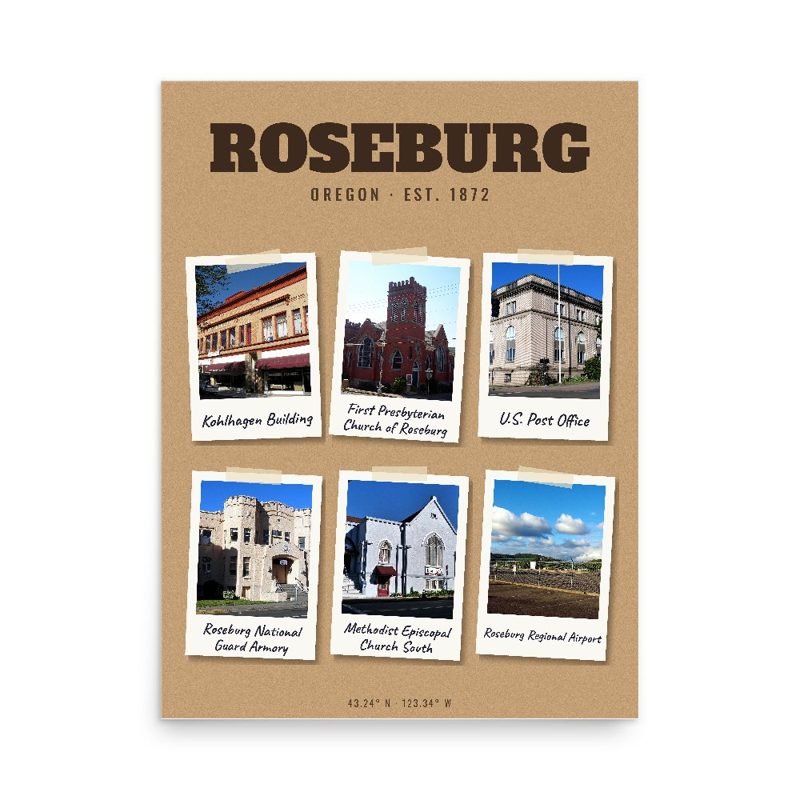
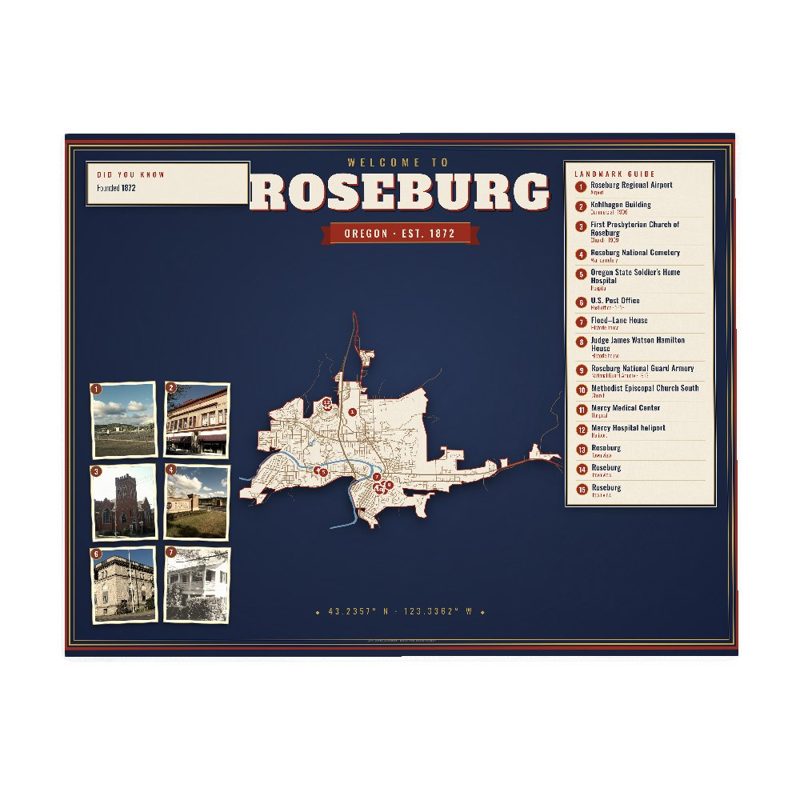









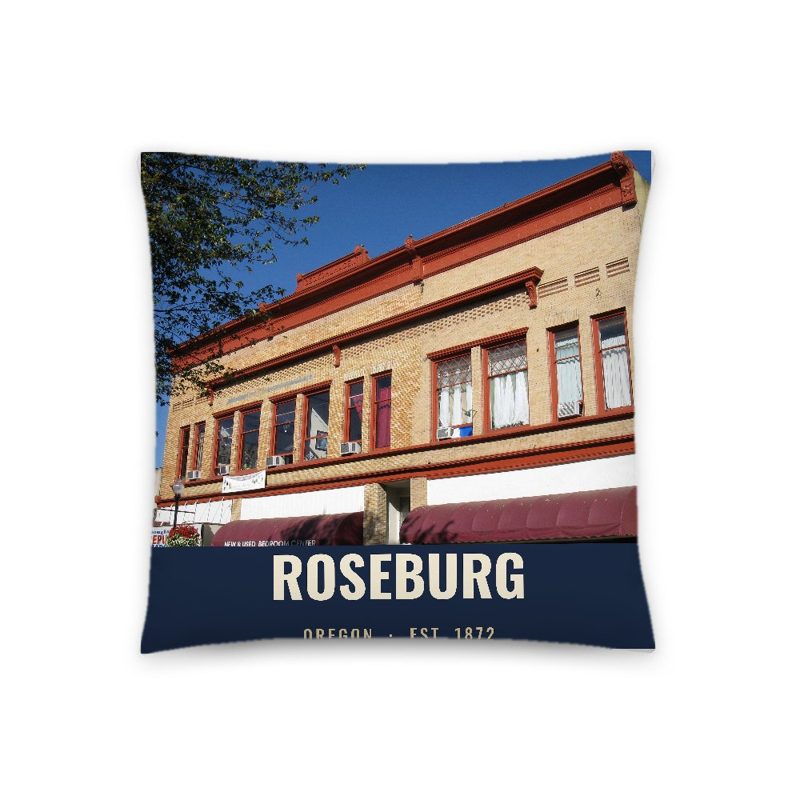




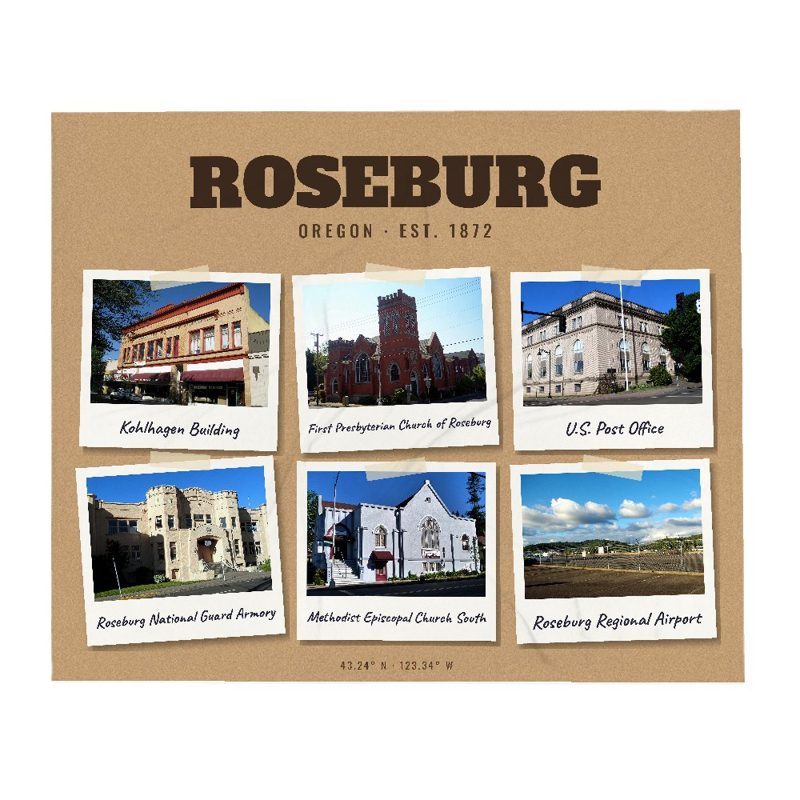
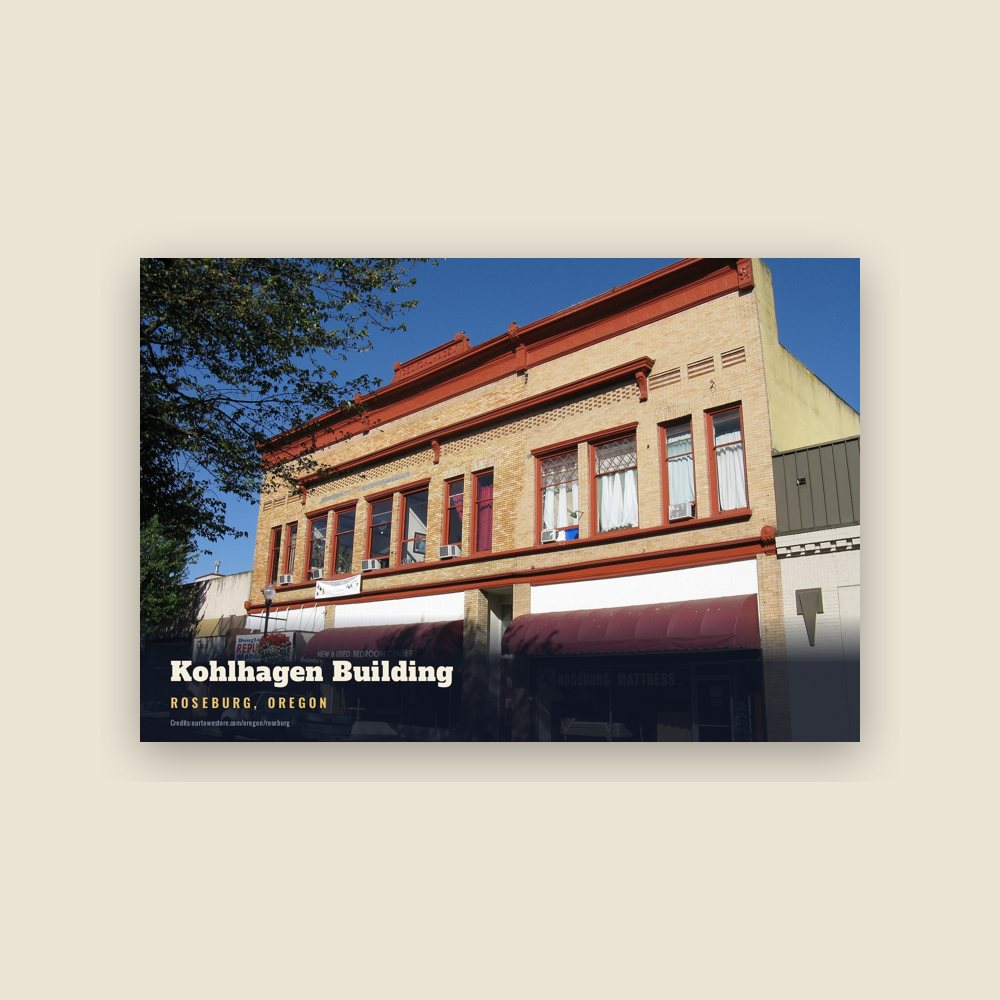
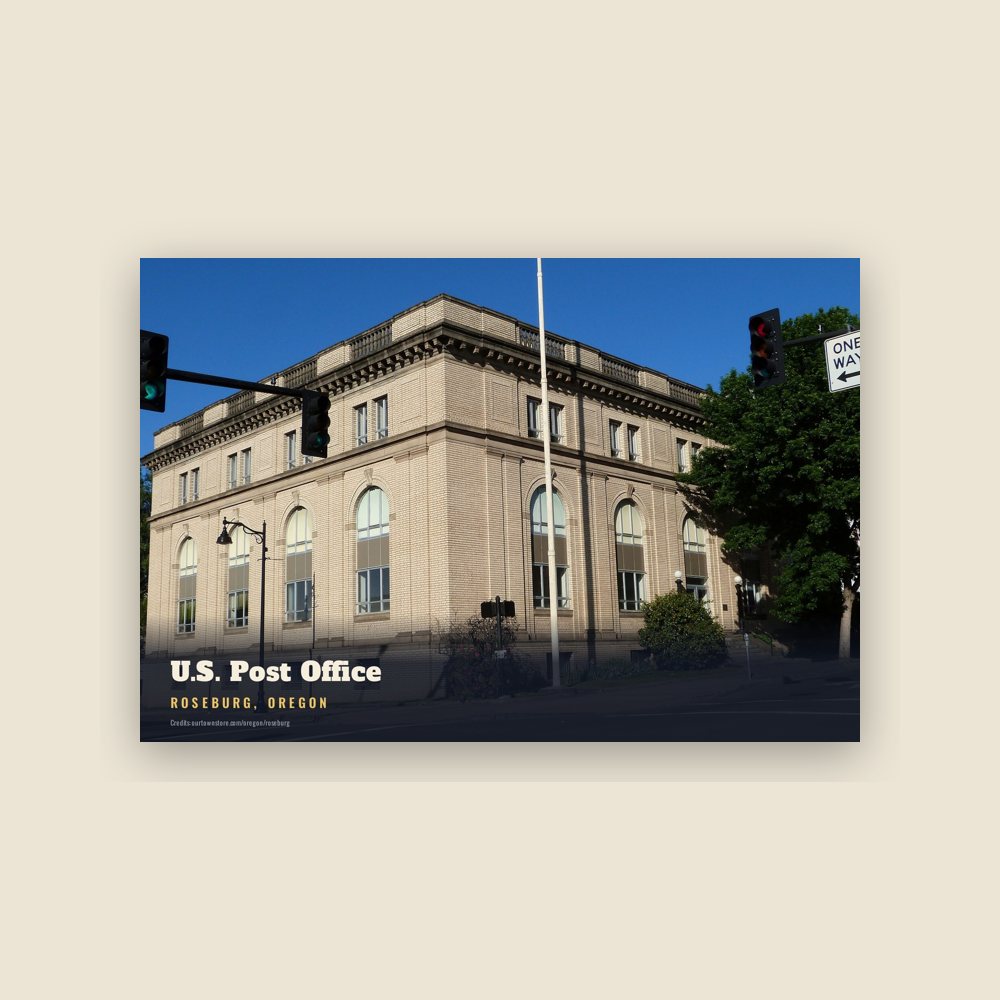
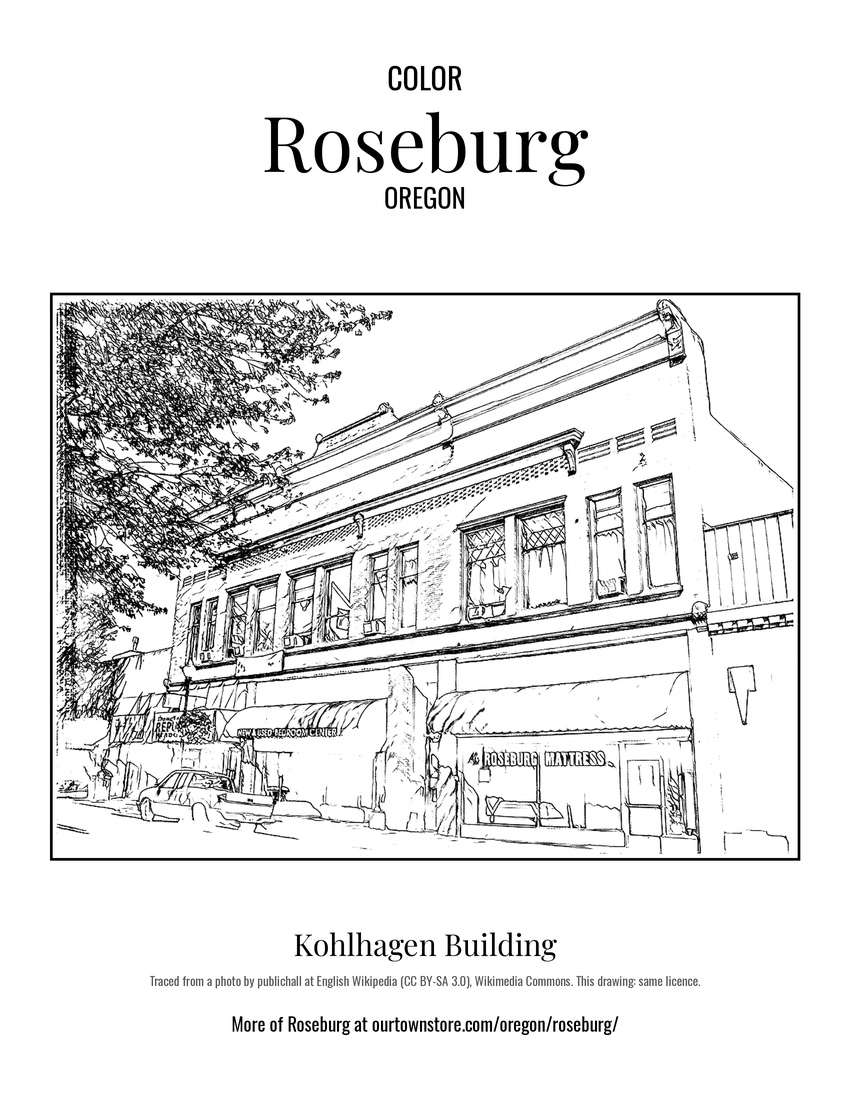 Kohlhagen Building
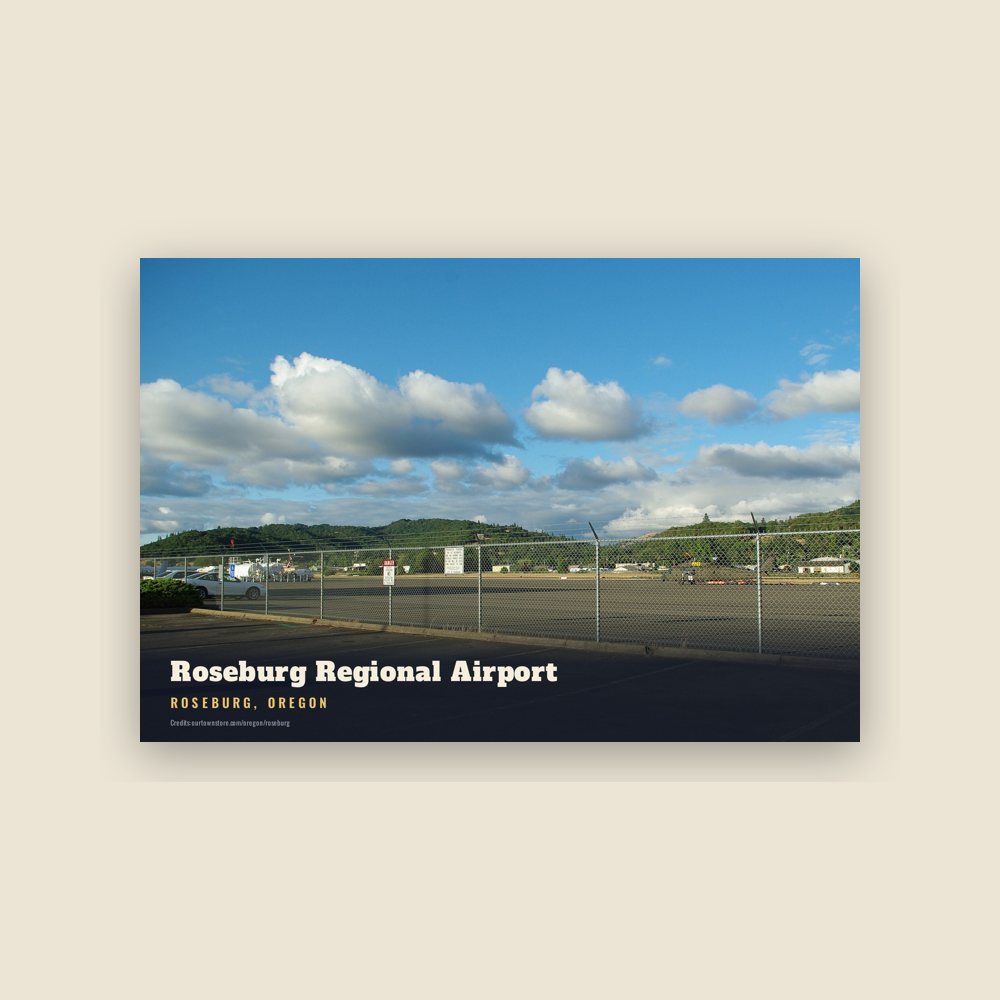
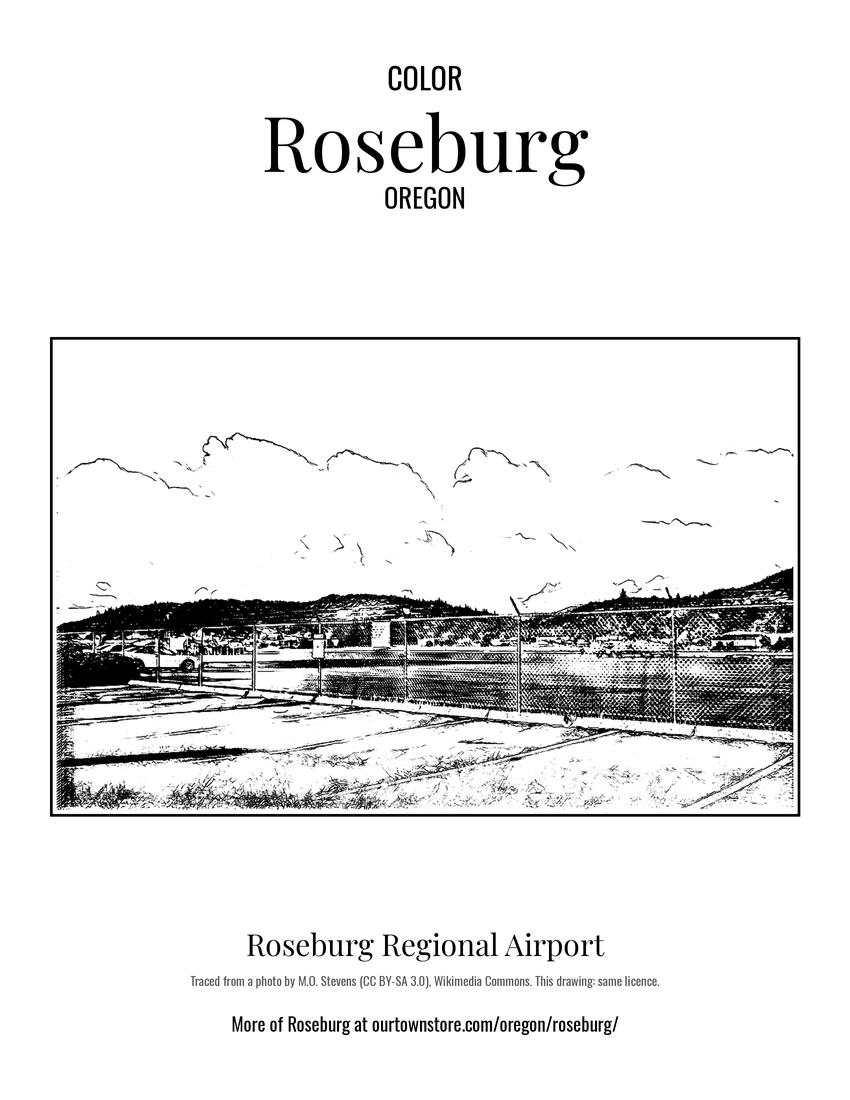 Roseburg Regional Airport
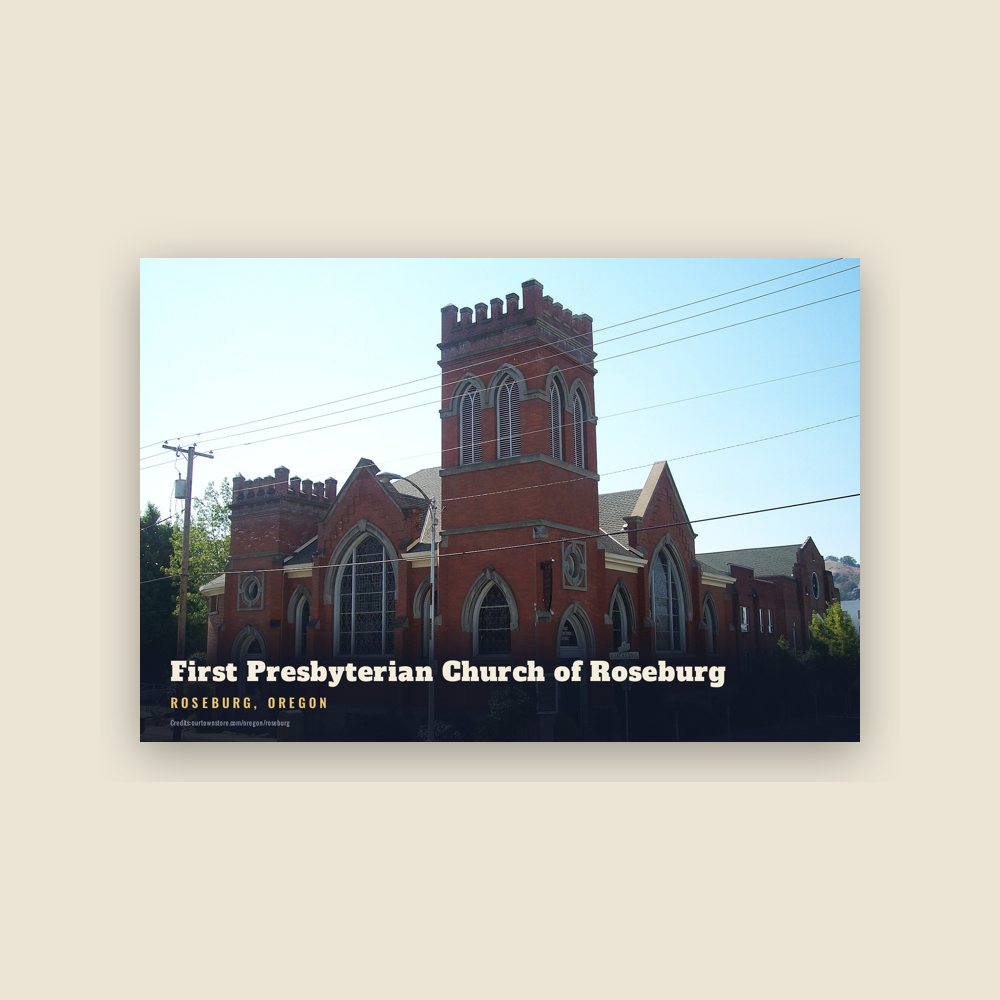
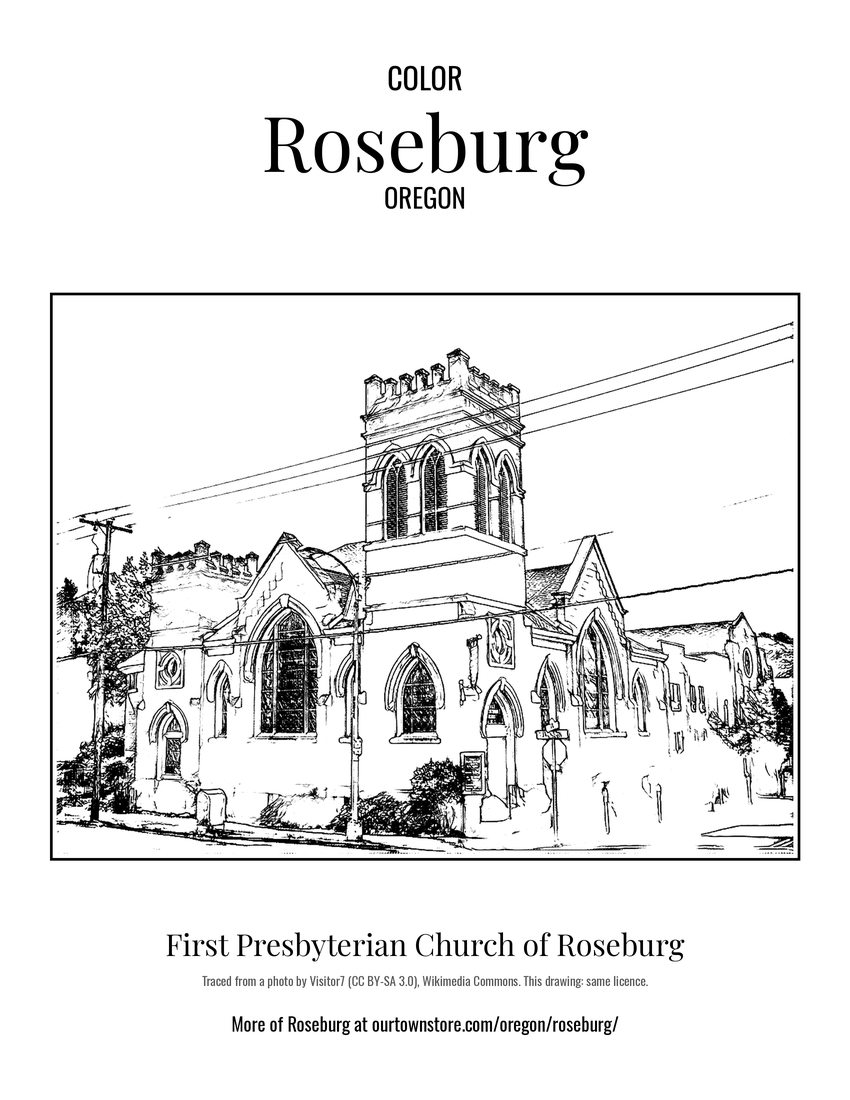 First Presbyterian Church of Roseburg
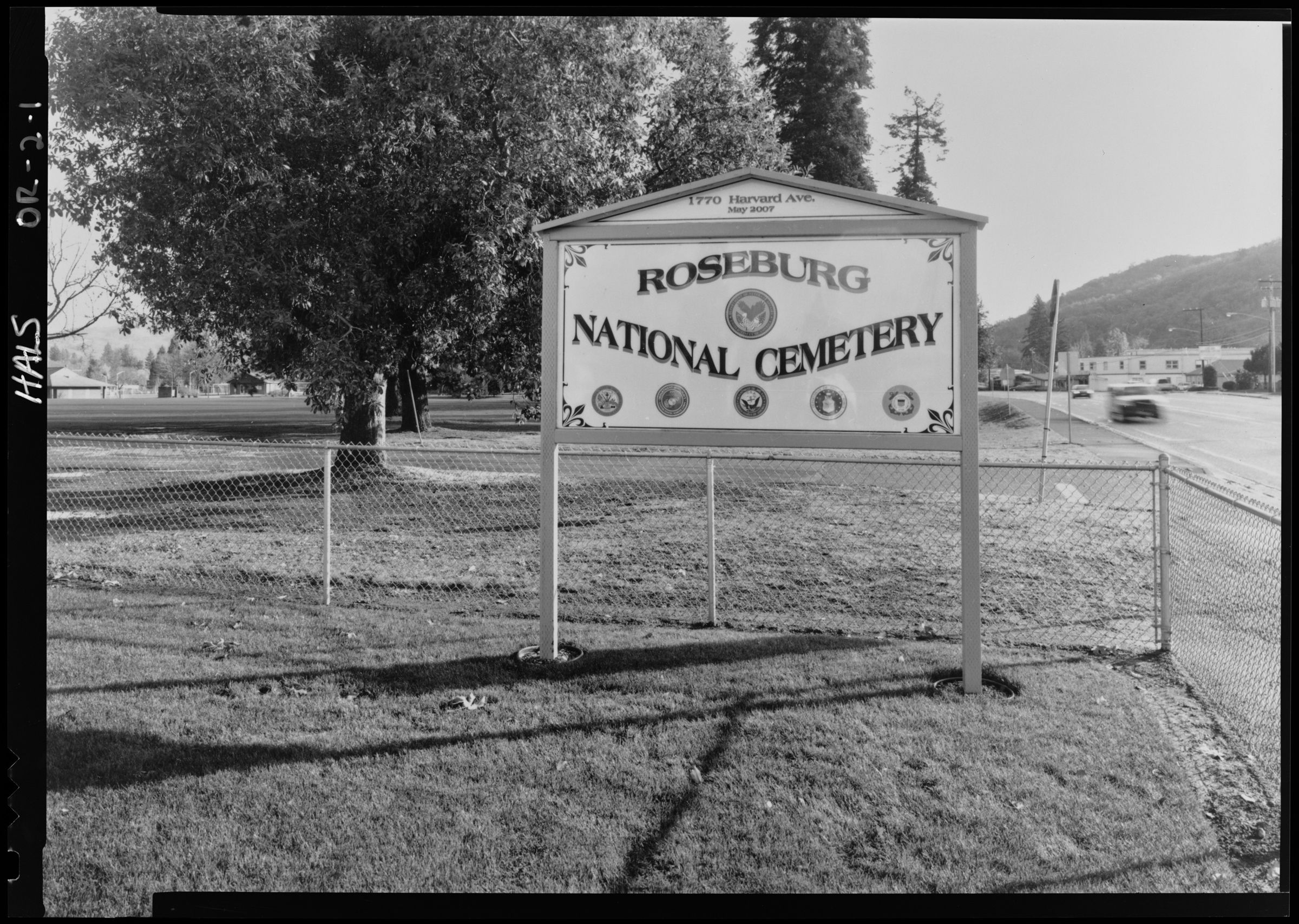
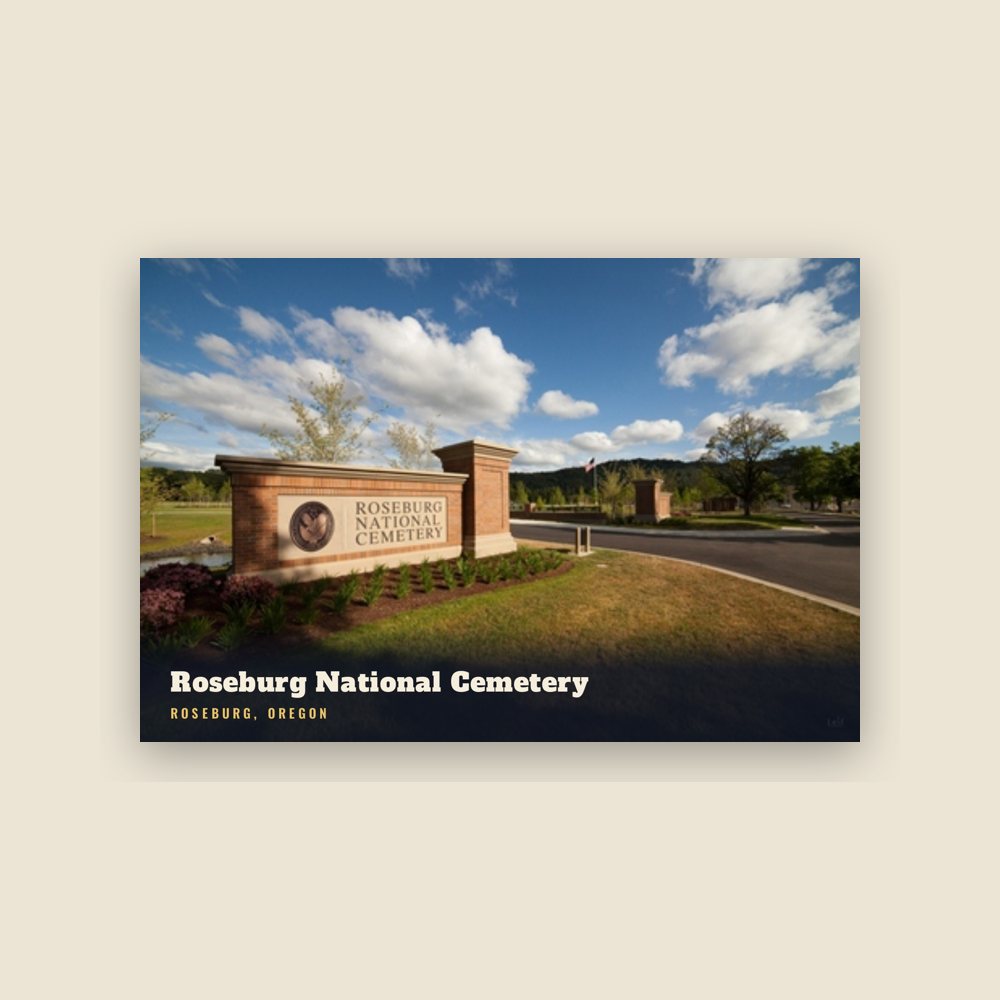
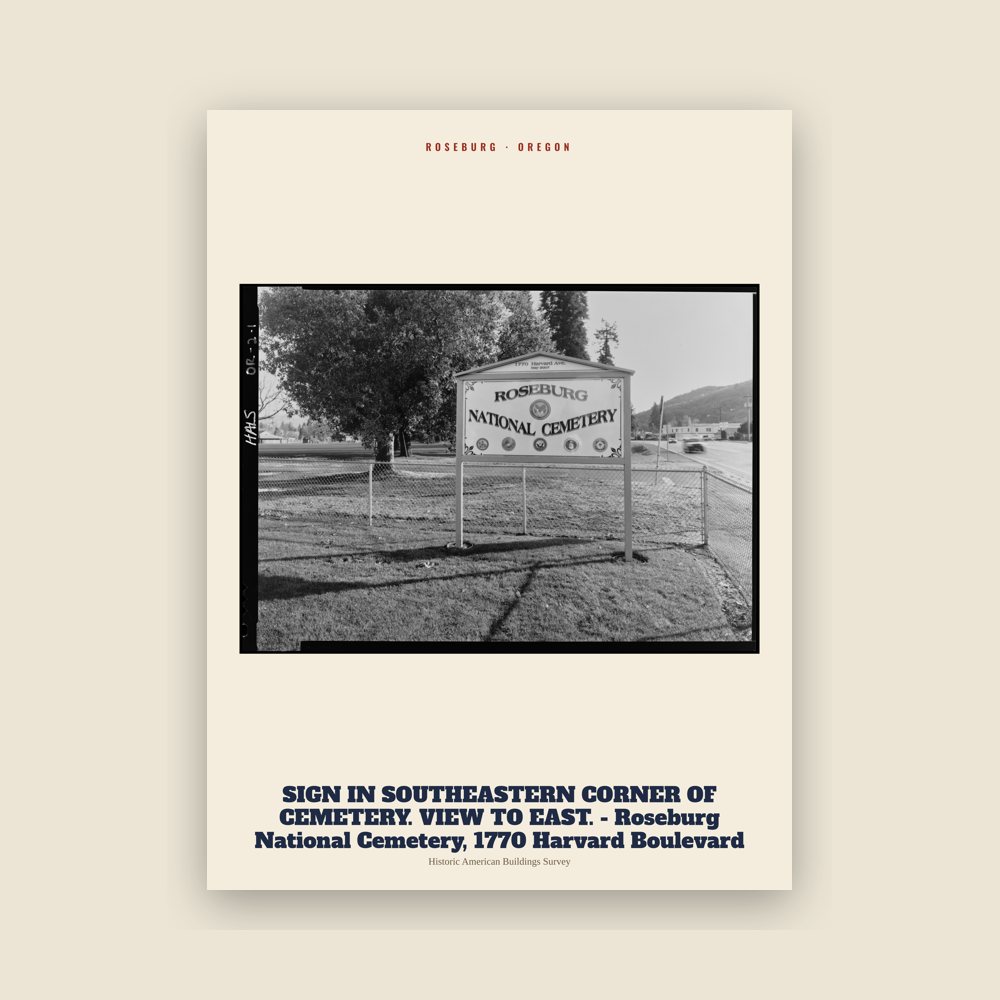
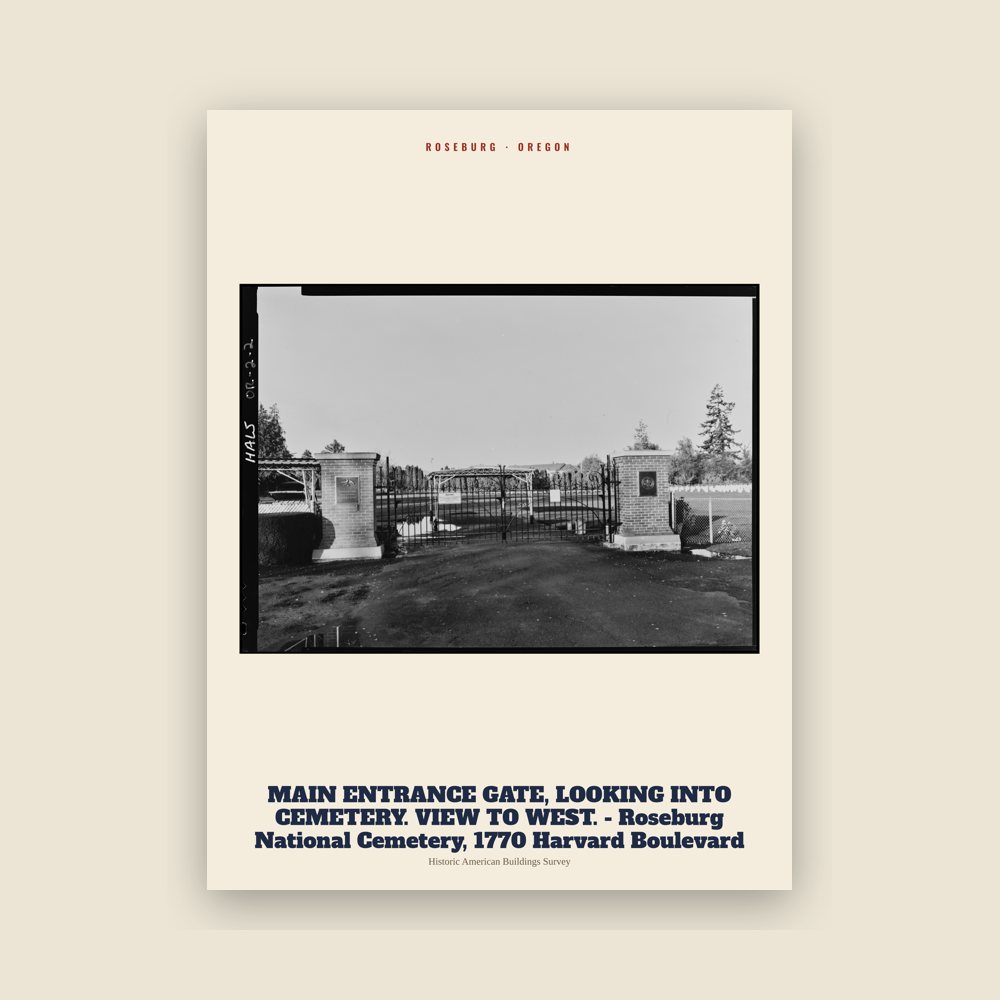
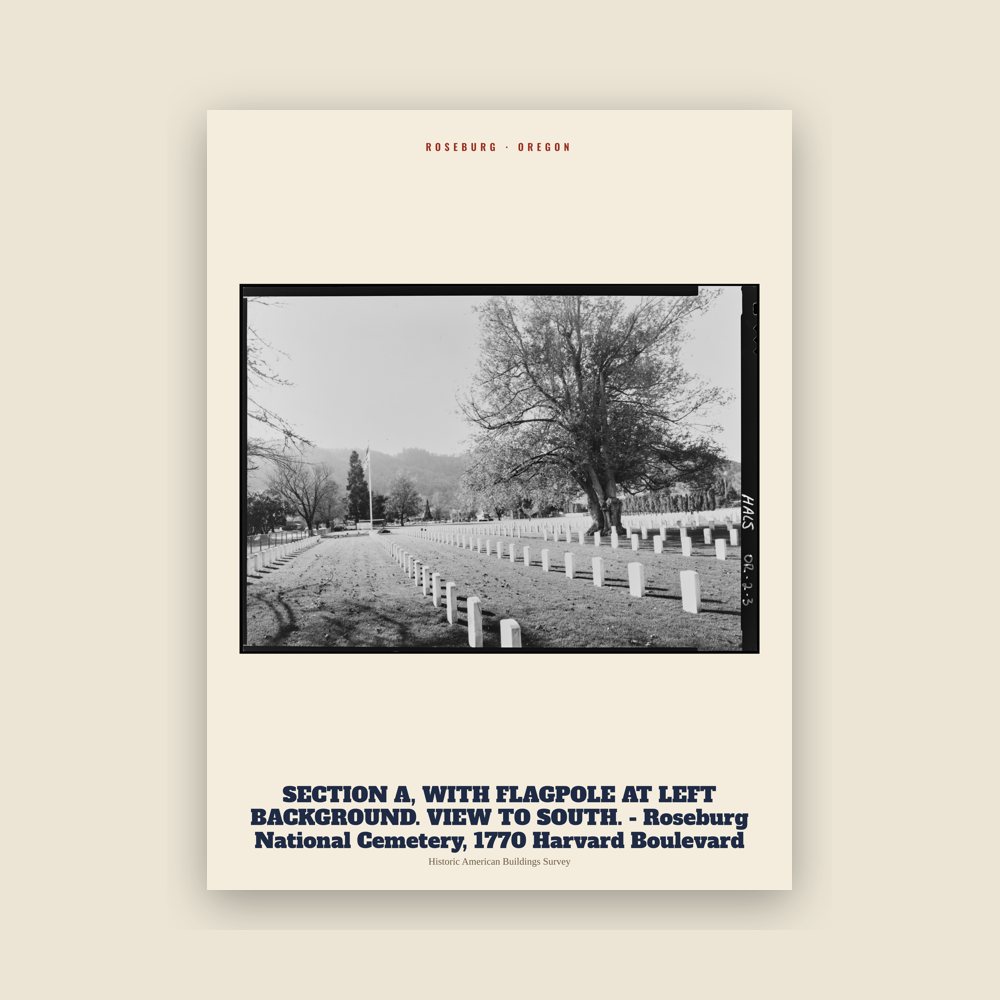
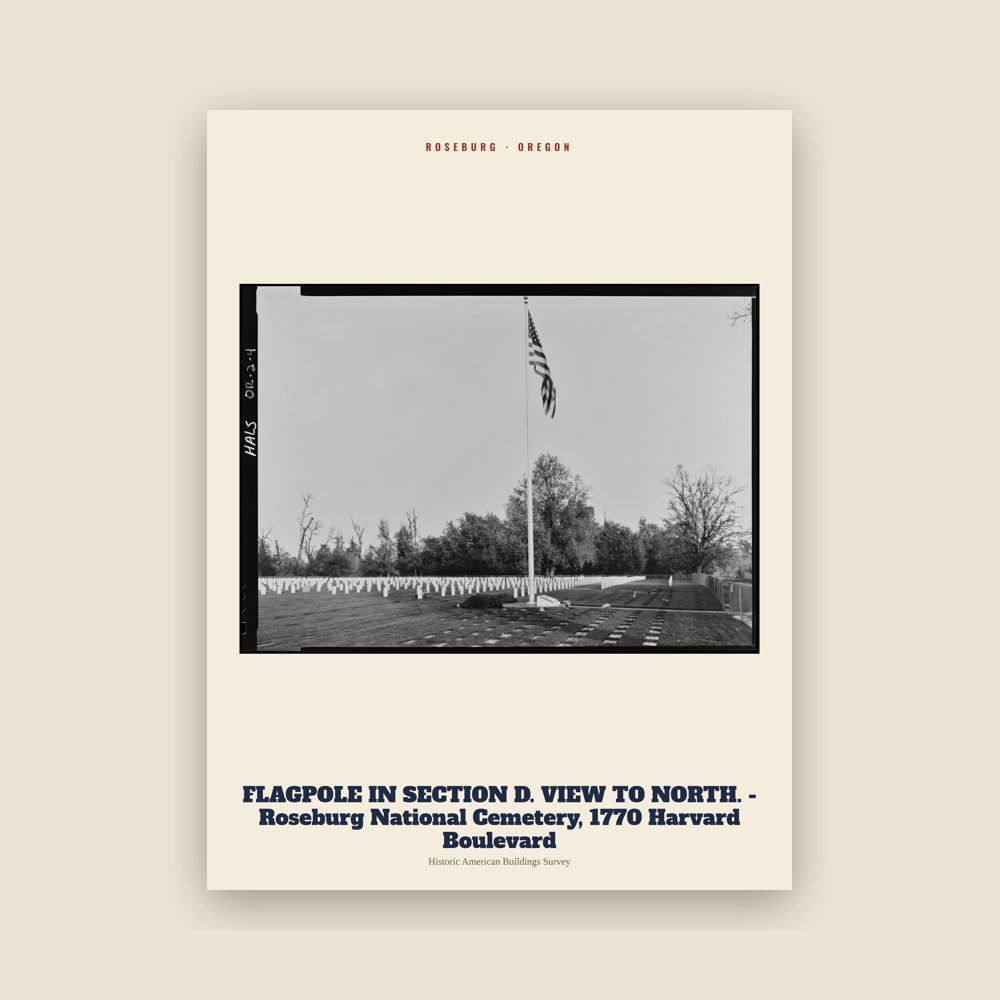
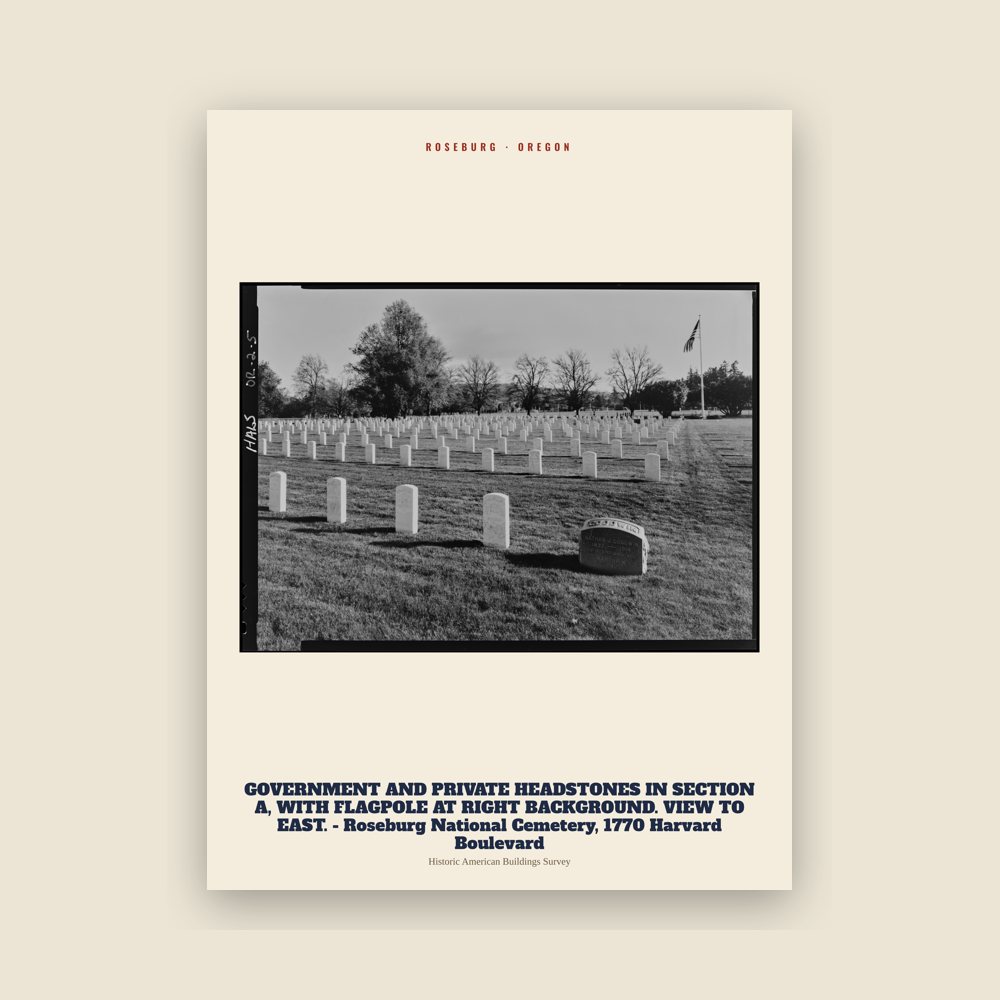
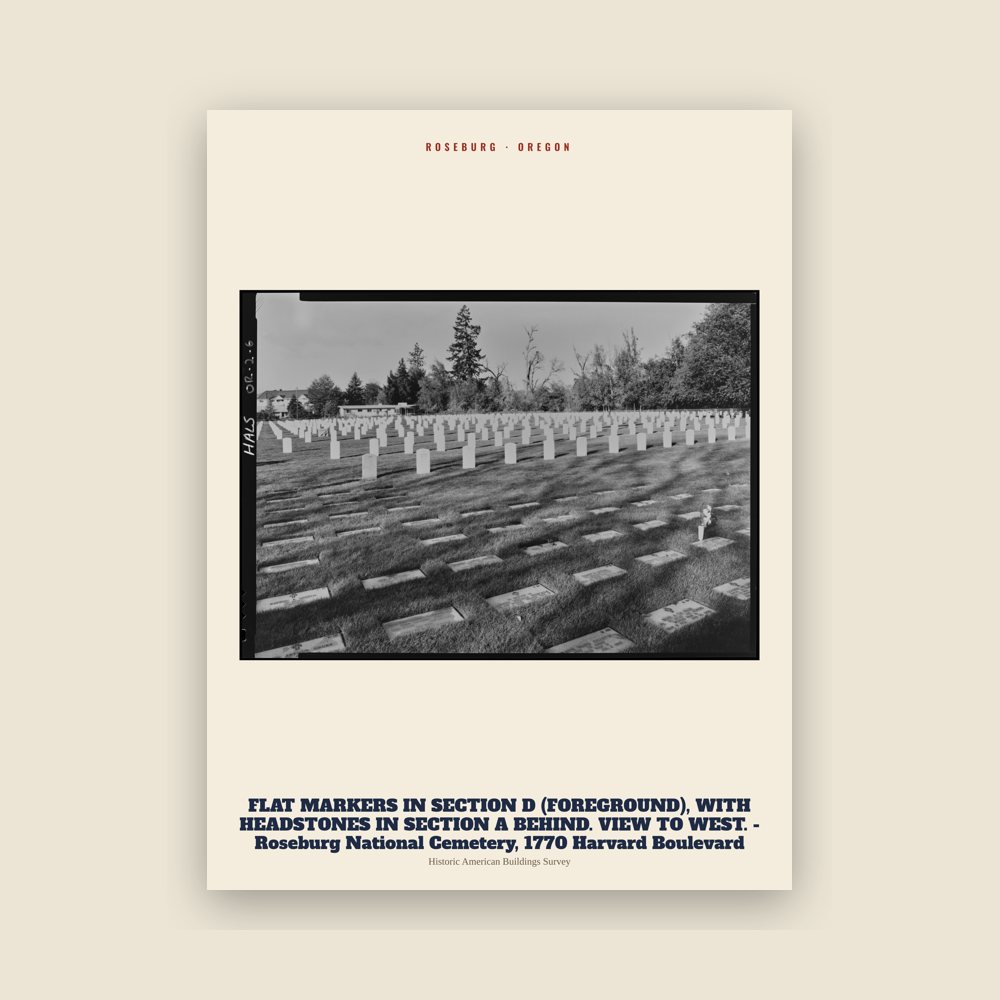
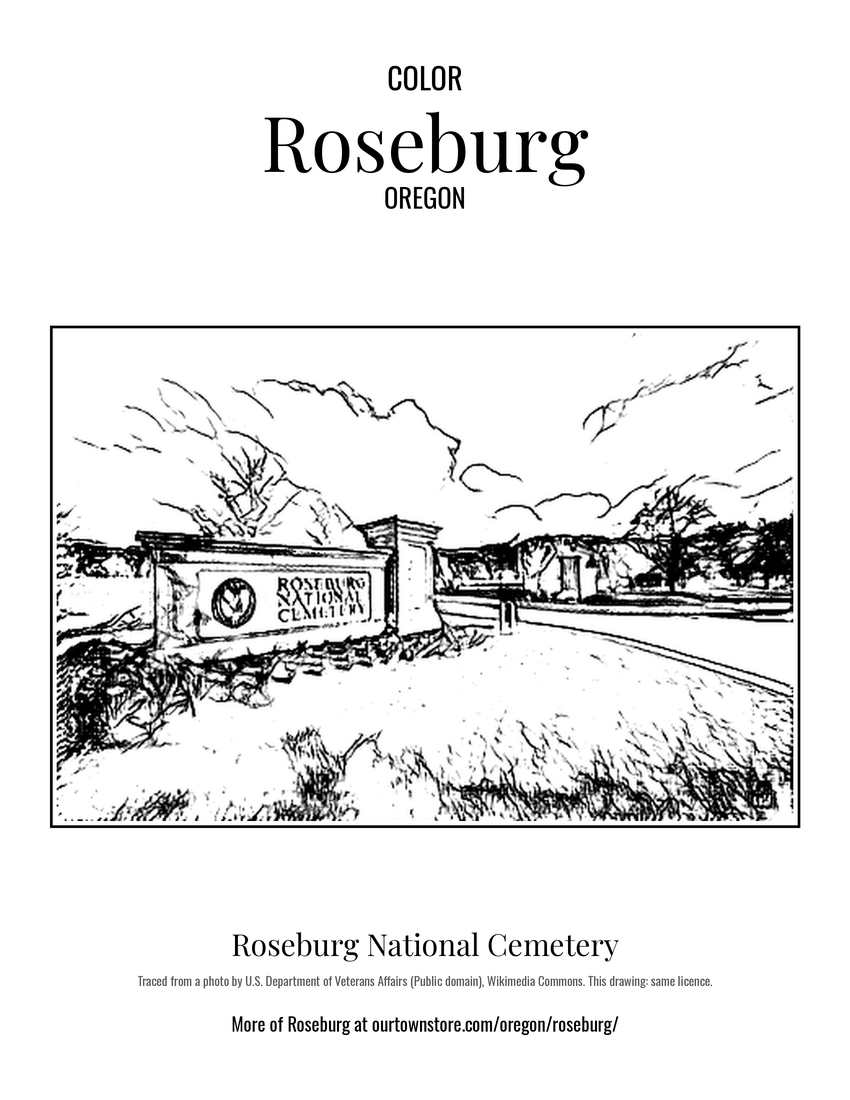 Roseburg National Cemetery