A short history of Grants Pass
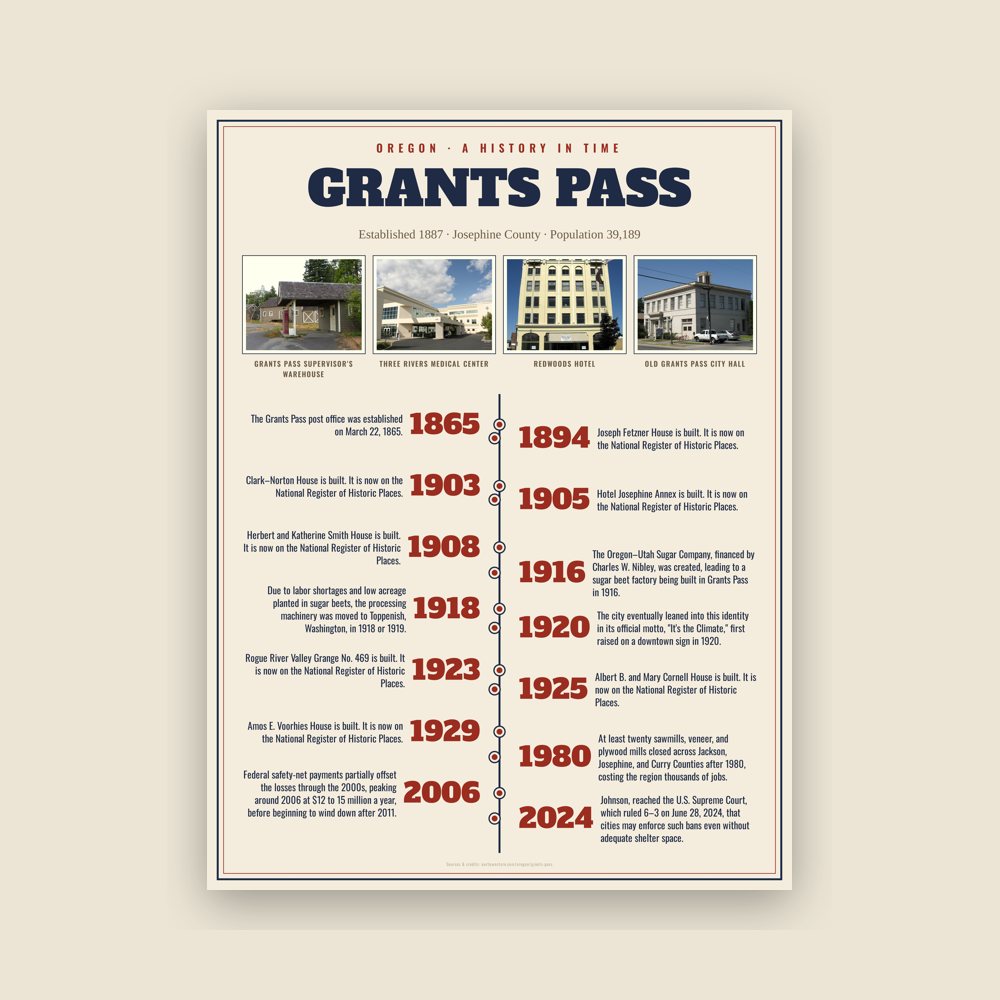
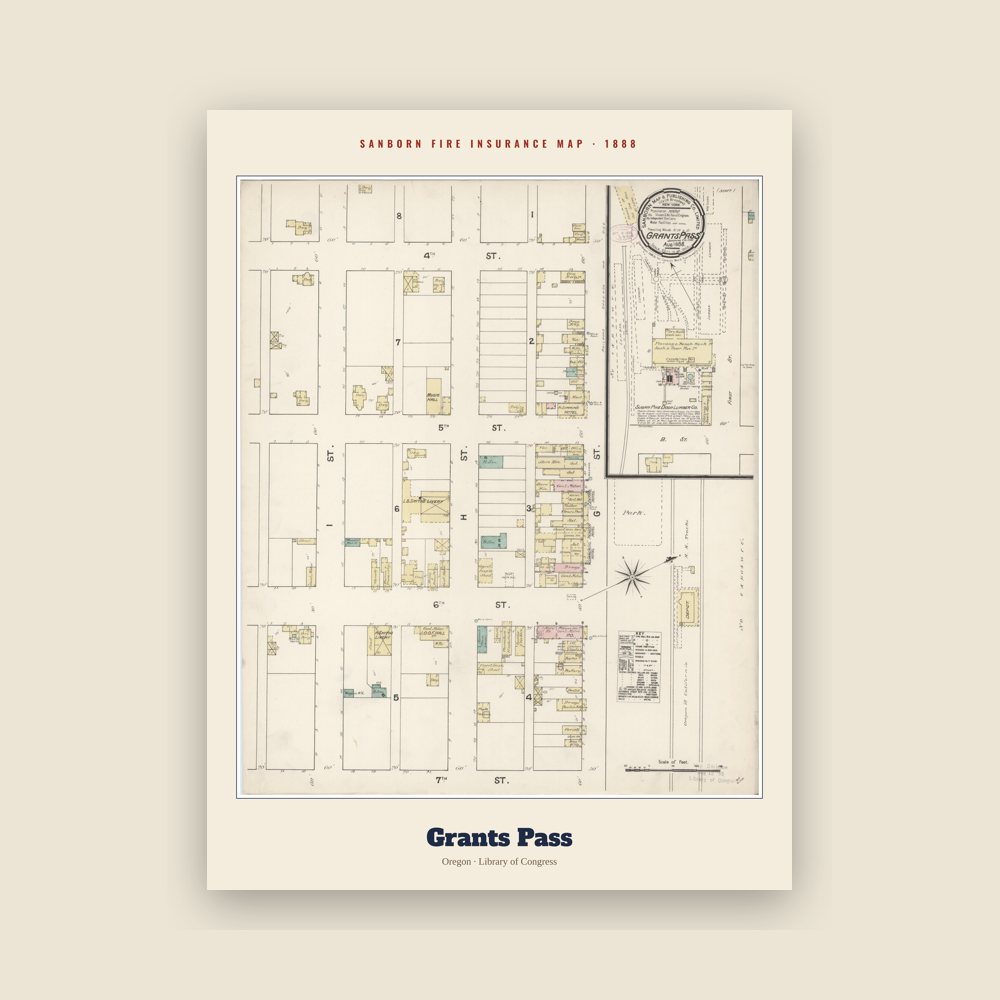
Early Hudson's Bay Company hunters and trappers, following the Siskiyou Trail, passed through the site beginning in the 1820s. In the late 1840s, settlers following the Applegate Trail began traveling through the area on their way to the Willamette Valley. The city states that the name was selected to honor General Ulysses S. Grant's incredible success in the Vicksburg Campaign. The Grants Pass post office was established on March 22, 1865. The city of Grants Pass was incorporated in 1887.
The Oregon–Utah Sugar Company, financed by Charles W. Nibley, was created, leading to a sugar beet factory being built in Grants Pass in 1916. Before the factory opened, Oregon-Utah Sugar was merged into the Utah-Idaho Sugar Company. Due to labor shortages and low acreage planted in sugar beets, the processing machinery was moved to Toppenish, Washington, in 1918 or 1919.
Beginning in the early 1970s, the regional timber industry that had long sustained Grants Pass, Josephine County, and many of Oregon's timber towns entered a prolonged decline. Automation, particularly laser-controlled milling equipment, sharply reduced the labor needed in sawmills, and Oregon's timber employment fell steadily from the late 1970s onward. The downturn deepened after the 1994 Northwest Forest Plan, which set federal timber harvests in the region at roughly 1.2 billion board feet a year, a decline of about 70 percent from 1970s levels. At least twenty sawmills, veneer, and plywood mills closed across Jackson, Josephine, and Curry Counties after 1980, costing the region thousands of jobs.
Because Josephine County had funded public services largely through a share of federal timber-sale revenue rather than local property taxes, the decline hit county government especially hard. Federal safety-net payments partially offset the losses through the 2000s, peaking around 2006 at $12 to 15 million a year, before beginning to wind down after 2011. By 2013, the Josephine County sheriff's department had lost more than half its funding and laid off roughly 80 percent of its deputies, leaving evening and weekend 911 calls unanswered in much of the county. The crisis peaked in November 2014, when voters rejected a $12 million levy meant to close the budget gap, prompting the sheriff and district attorney to lay off 70 deputies and staff, release about 90 jail inmates, and cut law enforcement to a level not seen since the county's 1850s gold-rush settlement.
Despite fiscal strain, Grants Pass kept growing throughout the period. The city's population rose steadily across three decades, with this growth coming more from retirees and families moving in than from local job creation. Much of the in-migration came from California: between 1999 and 2005, more than 30 percent of out-of-state driver's licenses surrendered to Oregon's DMV in the area came from California residents, part of a broader wave of net interstate in-migration to Oregon that totaled roughly 26,000 more arrivals than departures in the Grants Pass area during the 1990s alone. The city eventually leaned into this identity in its official motto, "It's the Climate," first raised on a downtown sign in 1920.
In the twenty-first century, Grants Pass became the origin of a major U.S. Supreme Court case on homelessness policy. In 2018, homeless residents sued the city over its enforcement of public-camping bans, arguing the citations amounted to cruel and unusual punishment when no shelter space was available. The case, City of Grants Pass v. Johnson, reached the U.S. Supreme Court, which ruled 6–3 on June 28, 2024, that cities may enforce such bans even without adequate shelter space. The decision reversed a Ninth Circuit precedent and was closely watched nationally, giving cities across the country broader latitude to regulate public camping.
Adapted (trimmed) from the Wikipedia article Grants Pass, Oregon, revision 1381185244 by its contributors, licensed CC BY-SA 4.0.
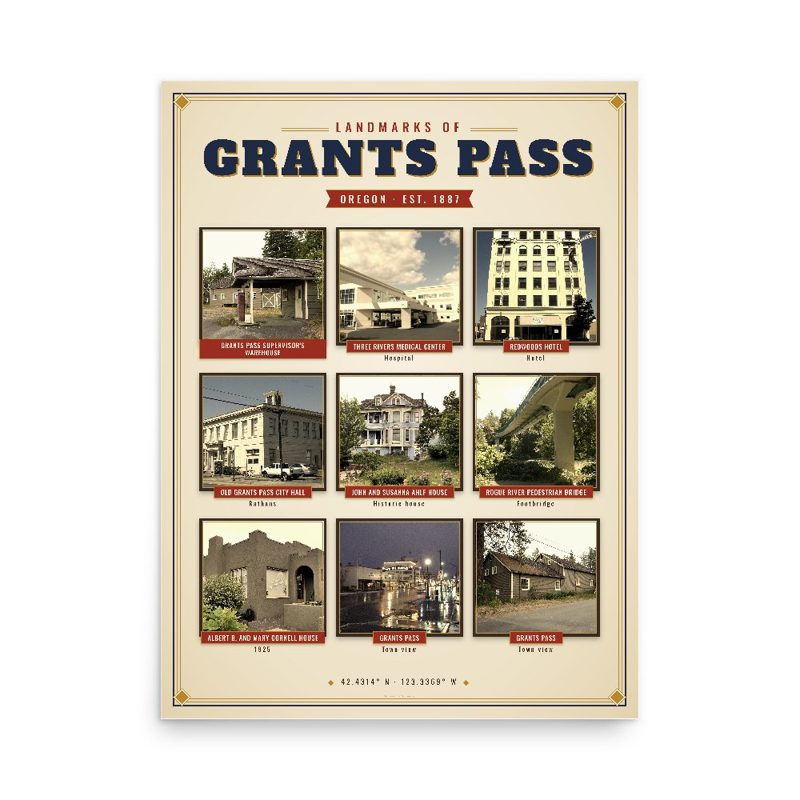
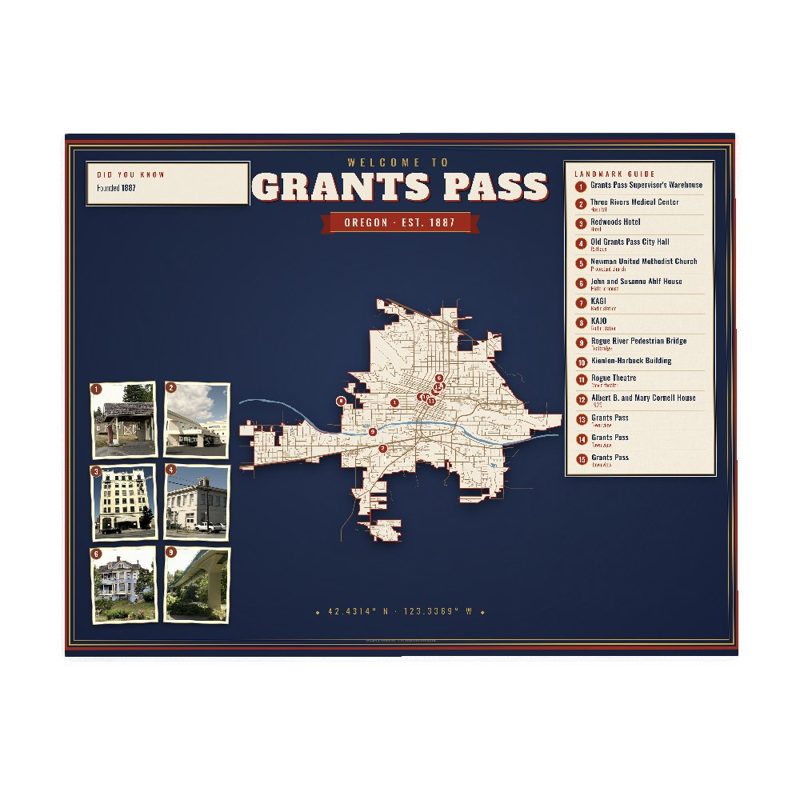

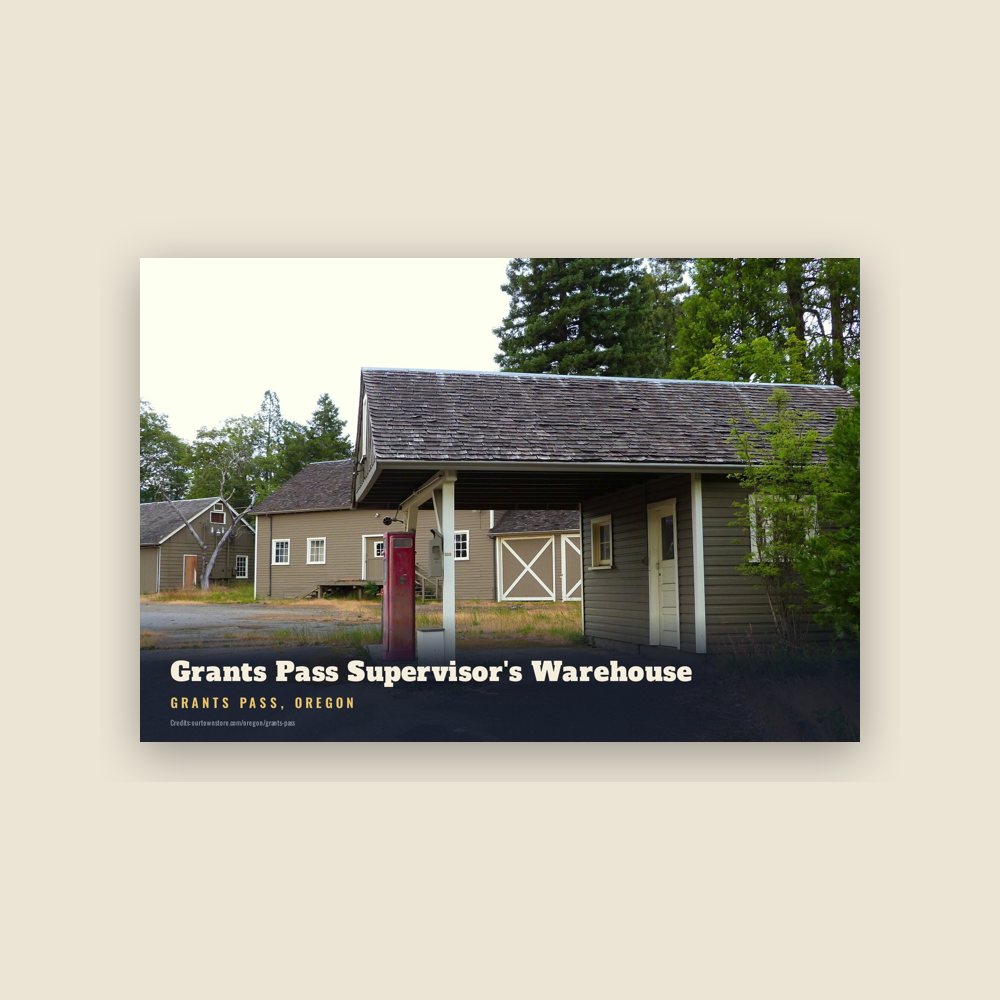
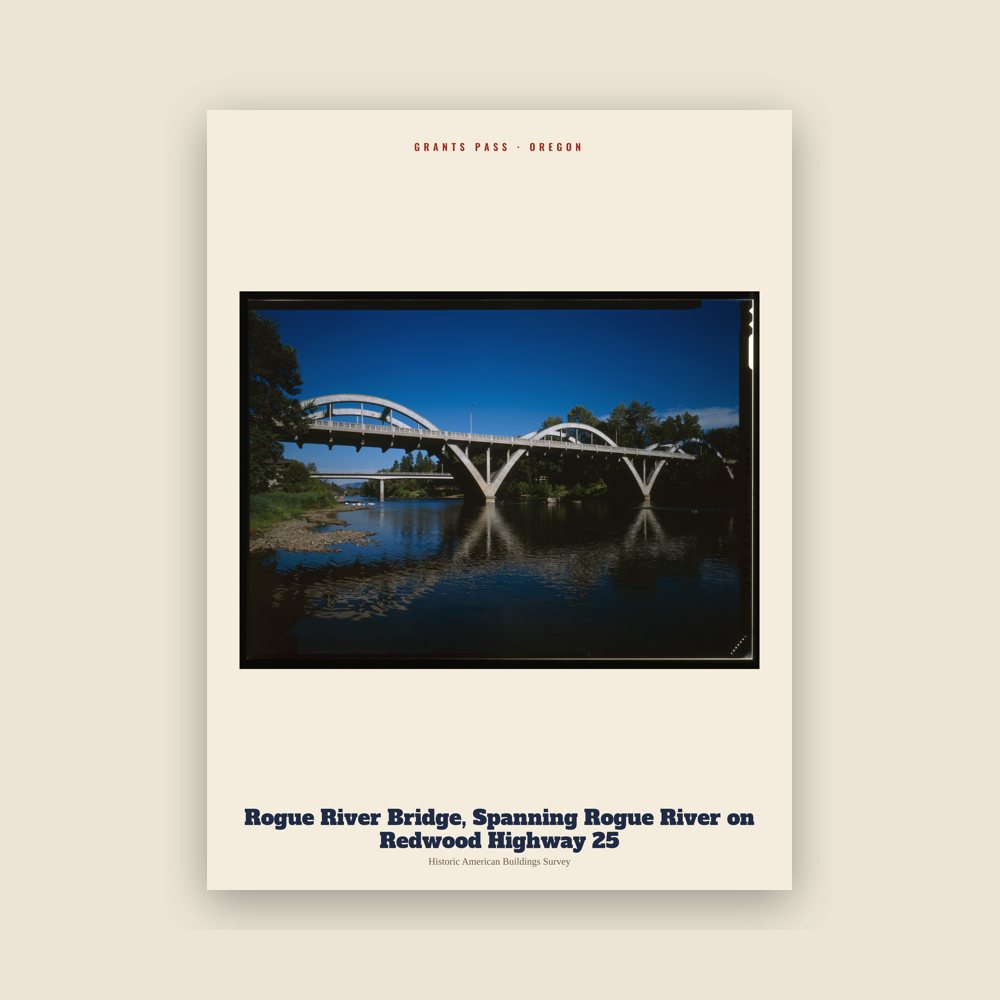
 Grants Pass Supervisor's Warehouse
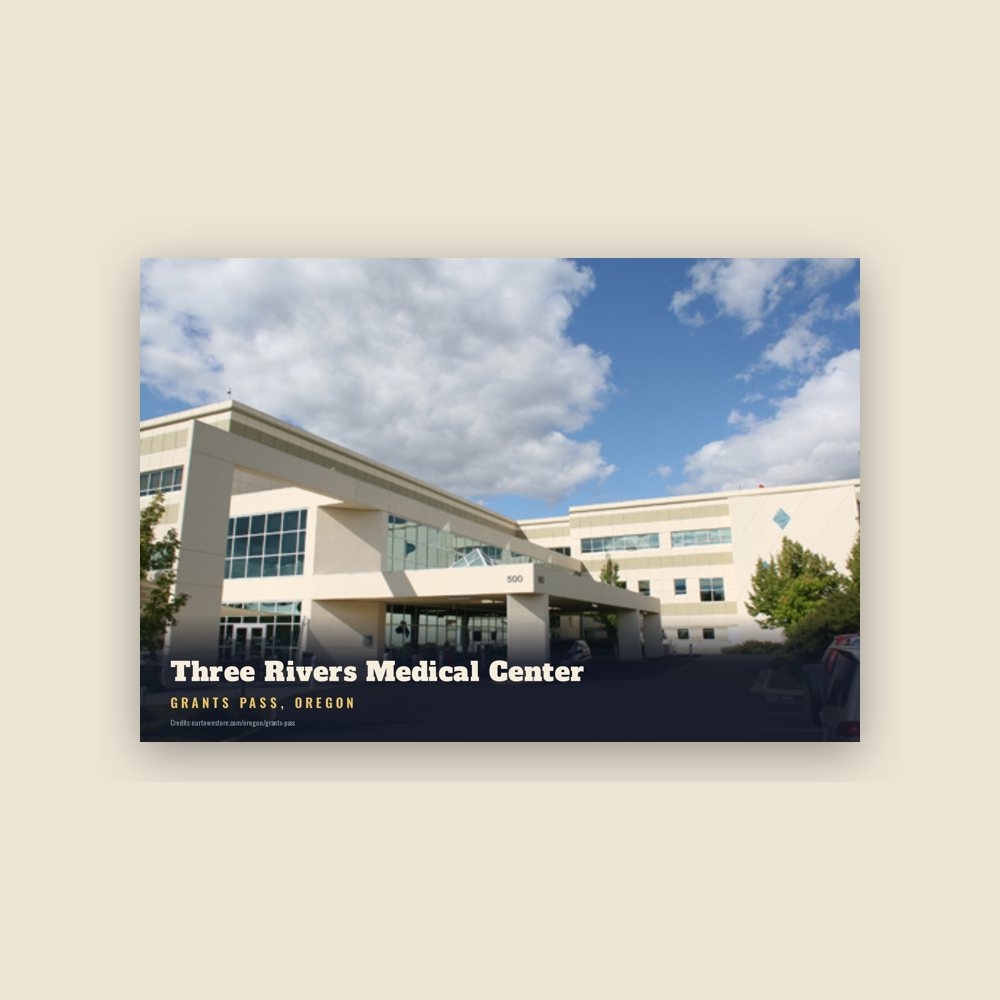
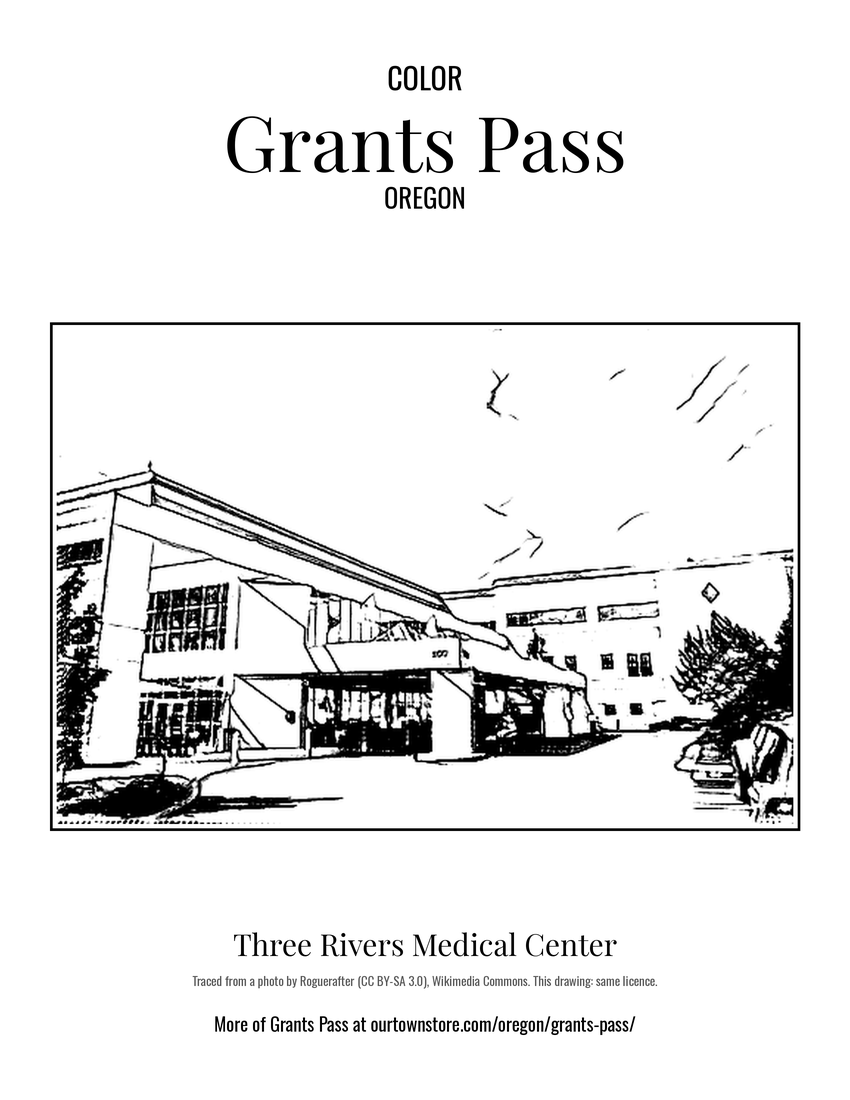 Three Rivers Medical Center
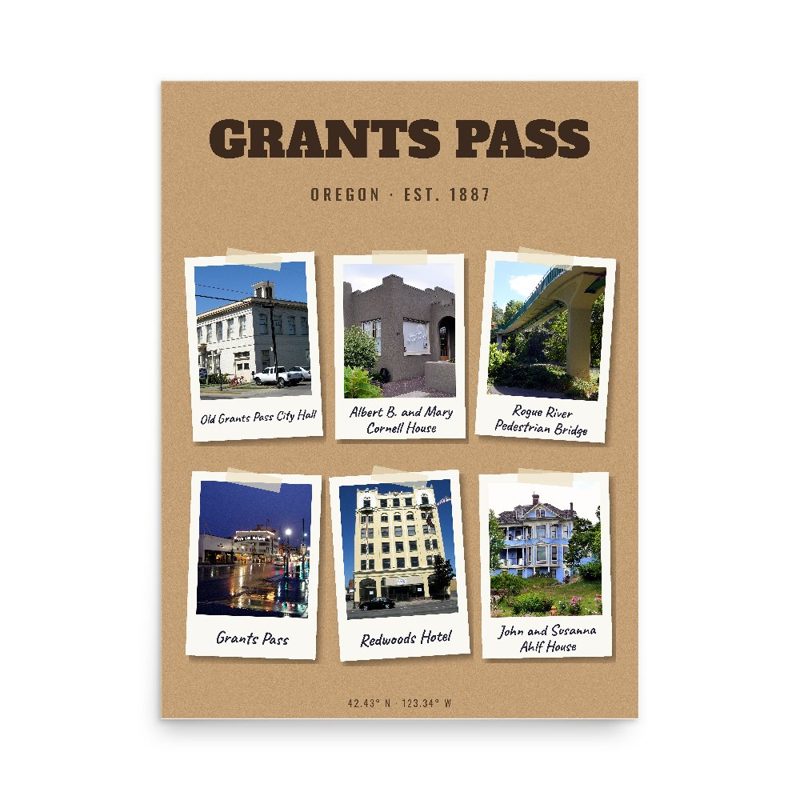
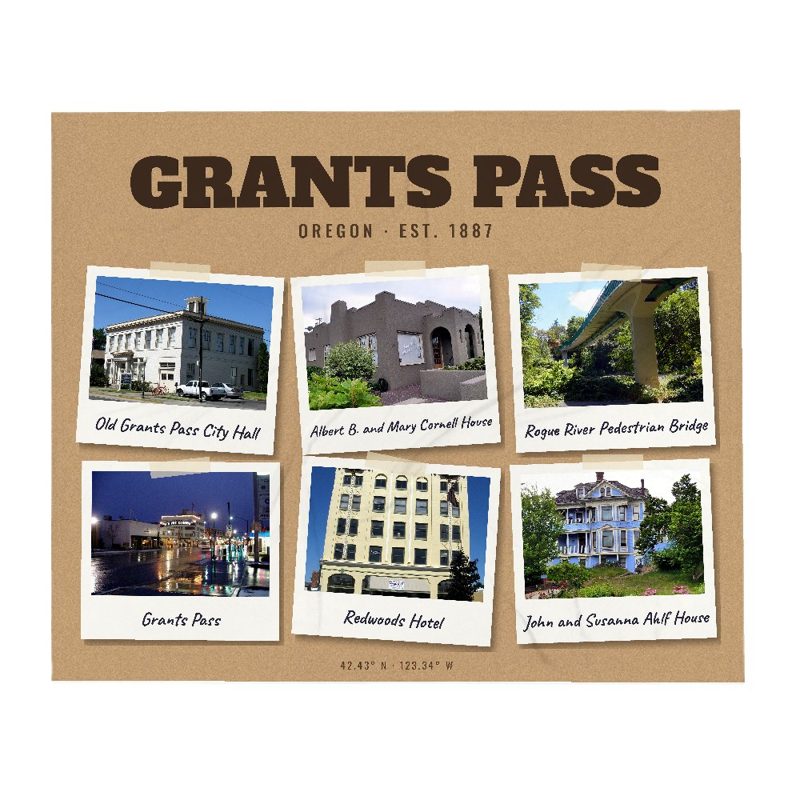
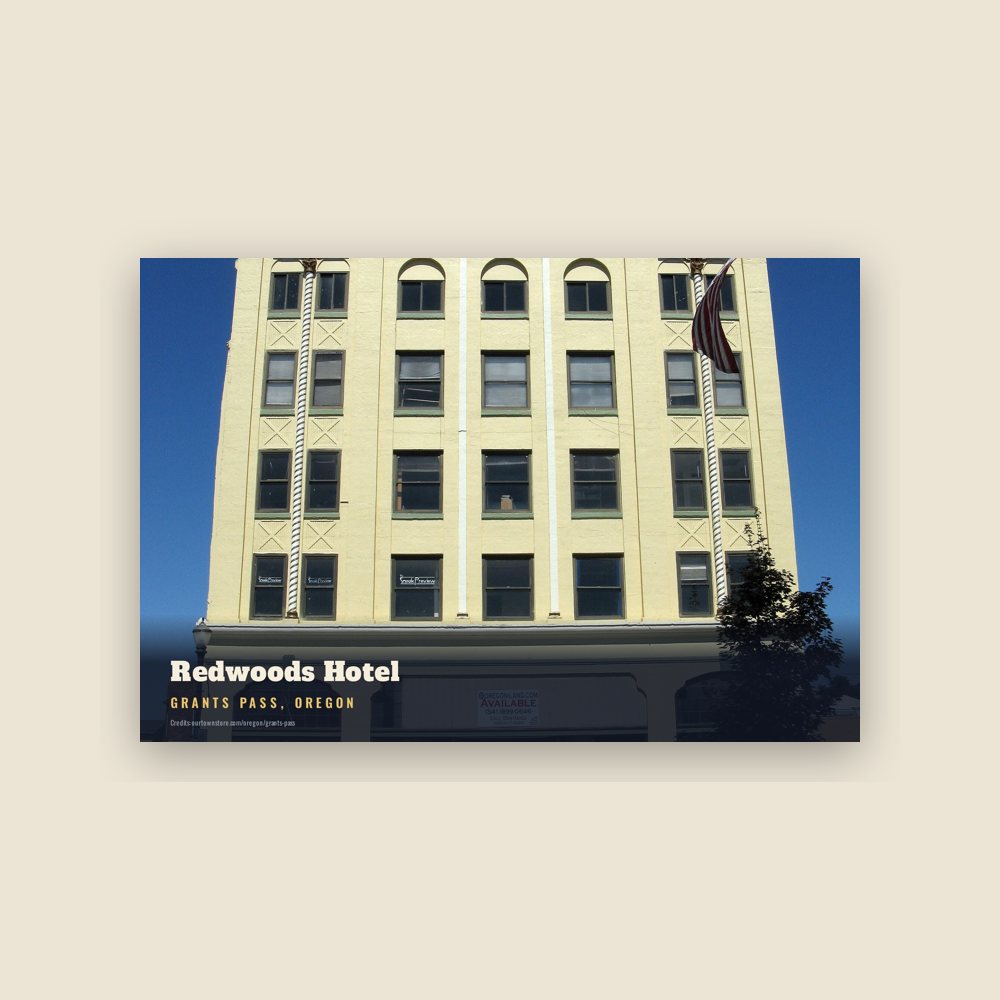
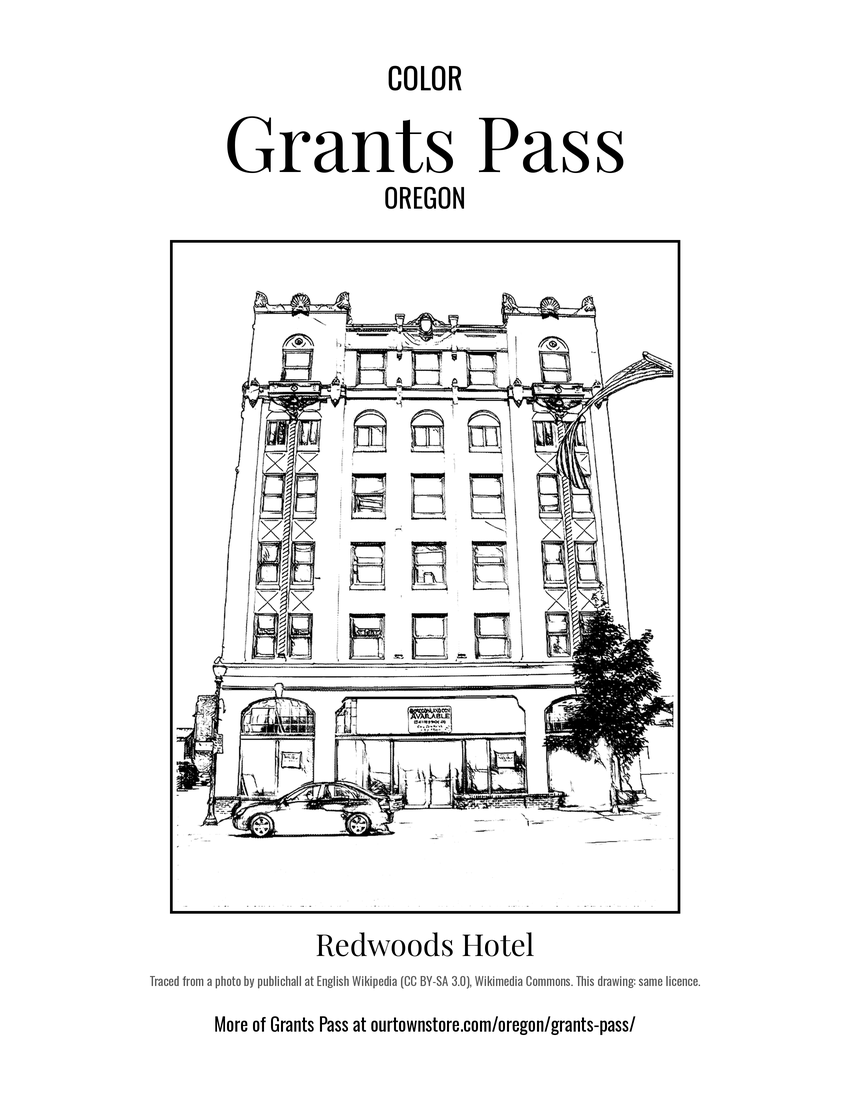 Redwoods Hotel
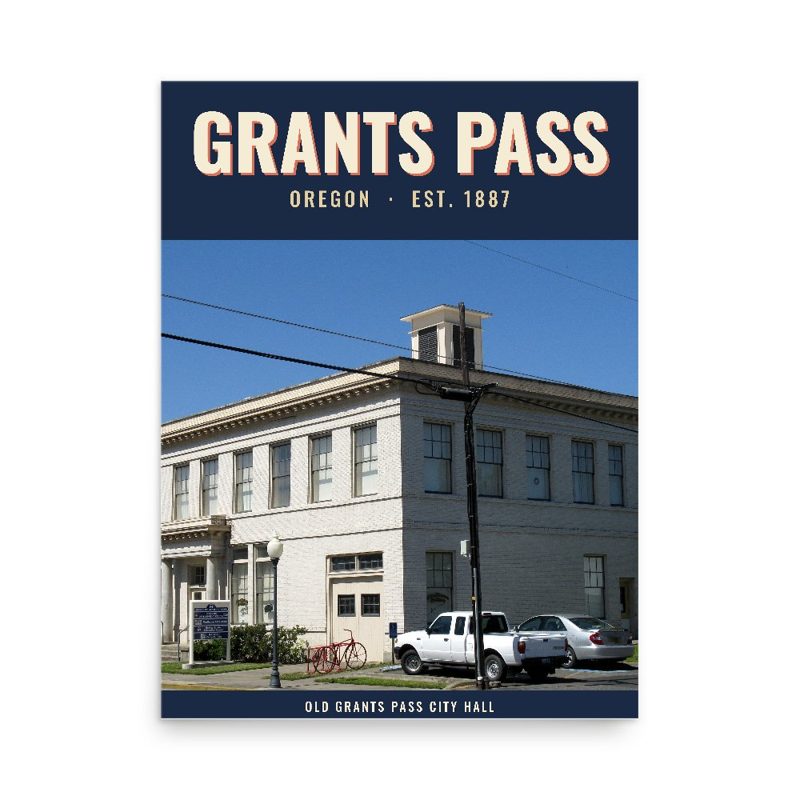
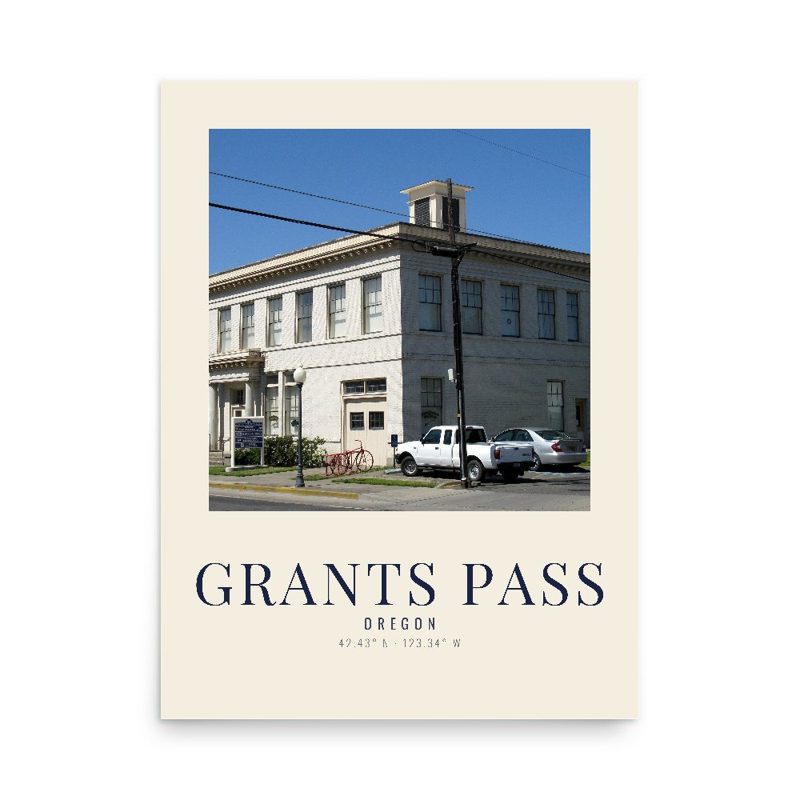
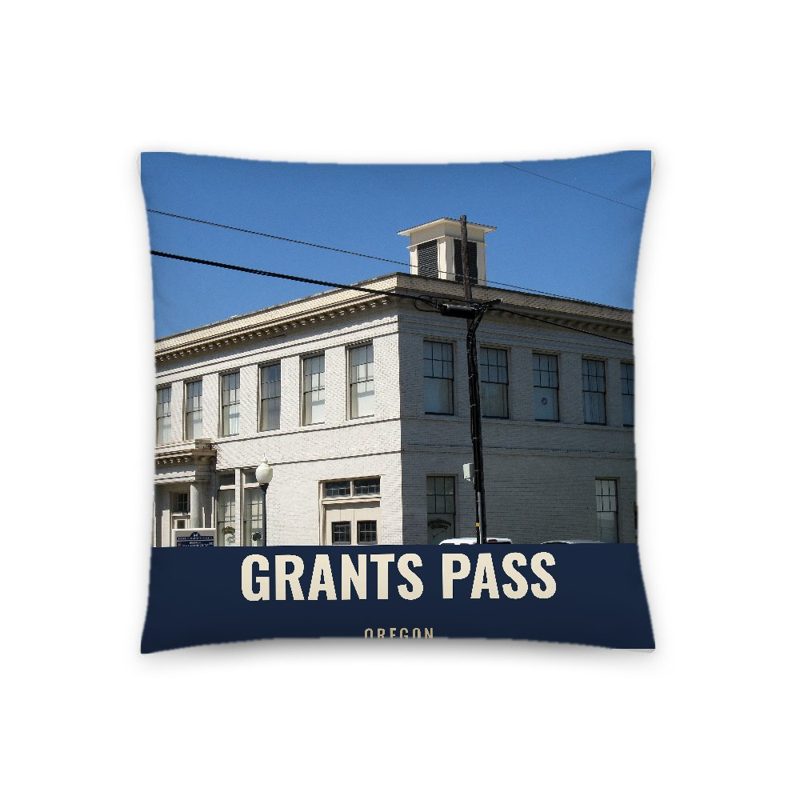
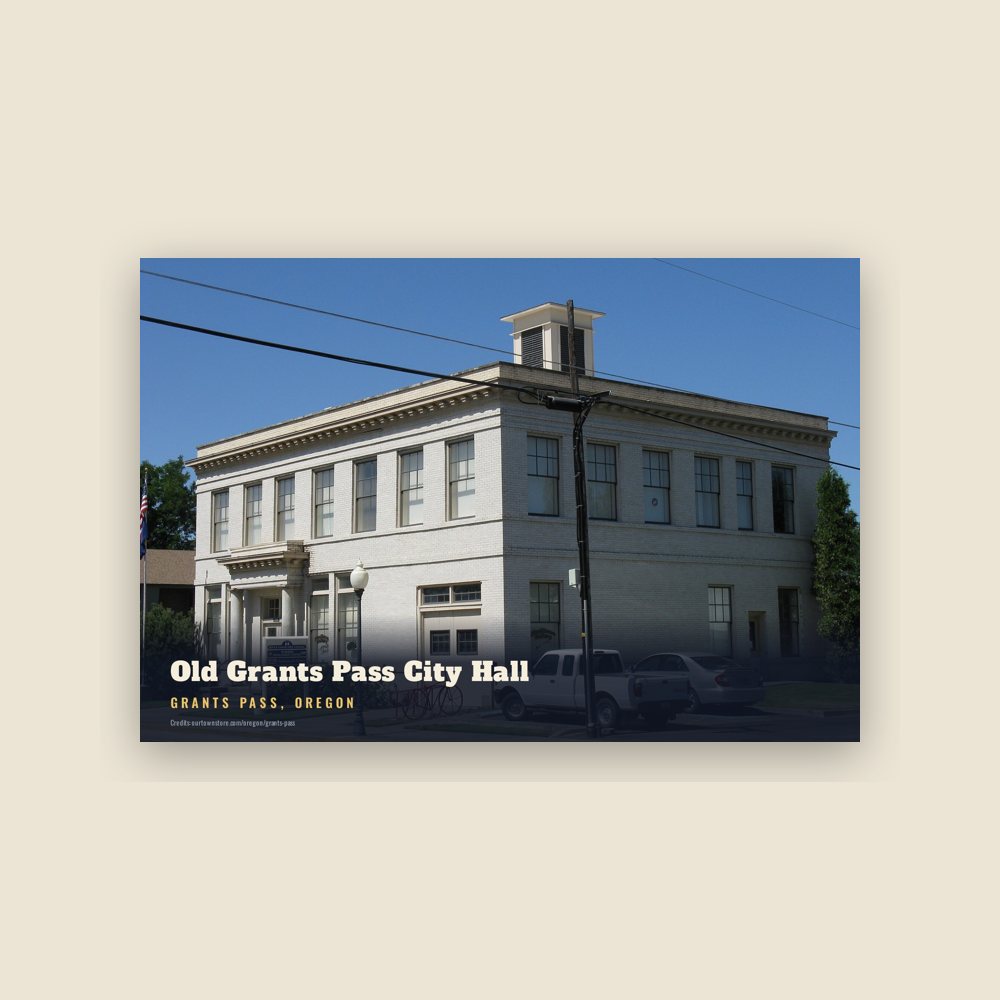
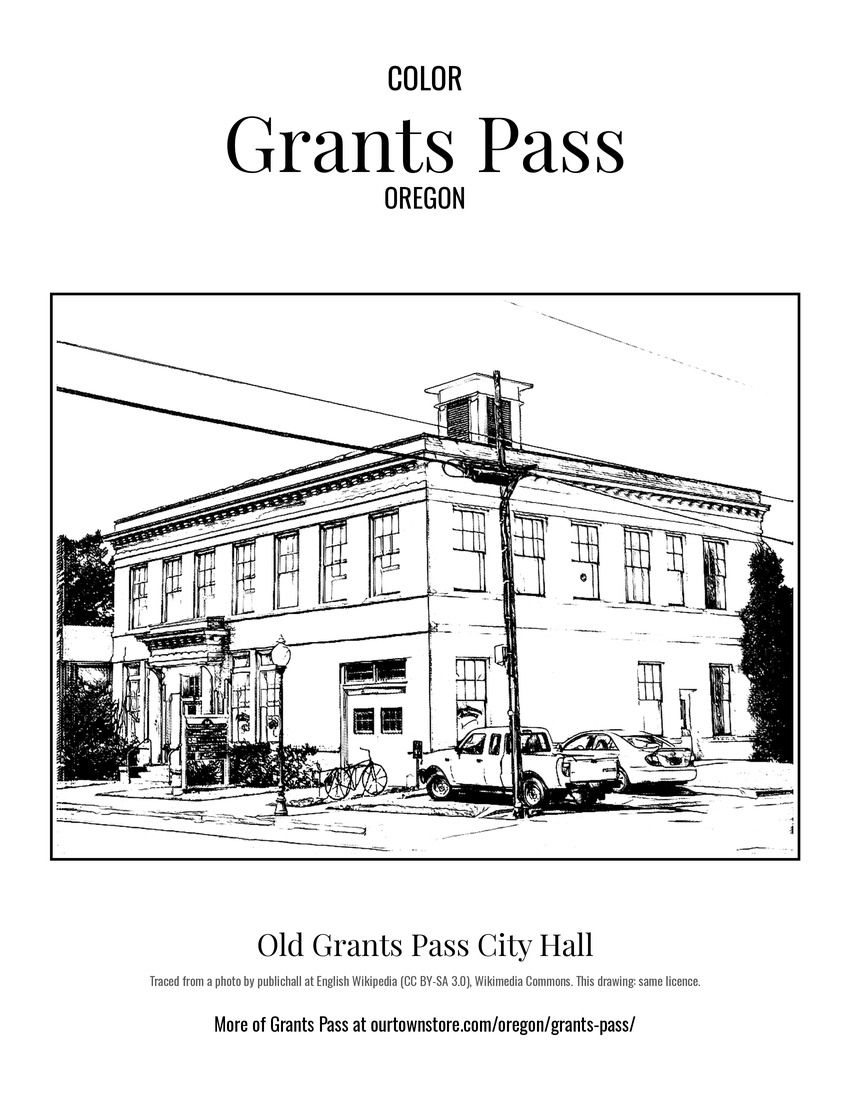 Old Grants Pass City Hall