A short history of Corvallis
Establishment
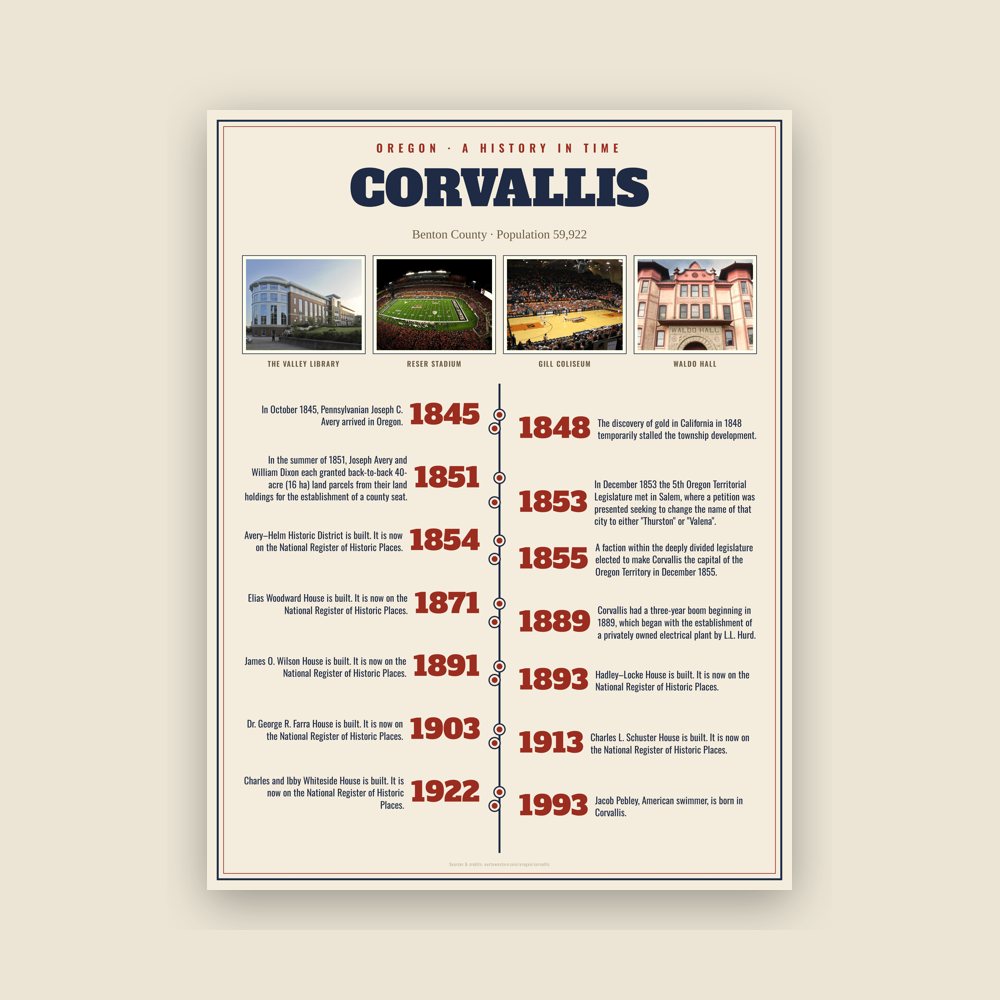
In October 1845, Pennsylvanian Joseph C. Avery arrived in Oregon. Avery took out a land claim at the mouth of Marys River, where it flows into the Willamette River, and in June 1846 took up residence there in a log cabin hastily constructed to hold what seemed a potentially lucrative claim. Avery's primitive 1846 dwelling was the first home within the boundaries of today's city limits and his land claim included the southern section of the contemporary city.
Avery was quickly joined by other settlers along the banks of the Willamette River, including a 640-acre (260 ha) claim directly to his north taken in September 1846 by William F. Dixon. The discovery of gold in California in 1848 temporarily stalled the township development. Like many of his neighbors, Avery left his Oregon home to try his hand at gold mining in the fall of that year. His stay proved to be brief yet profitable. In January 1849, Avery returned to Oregon with a small stock of provisions with plans to open a store on his land.
During 1849, Avery opened his store at the site, platted the land, and surveyed a town site on his own claim, naming the community Marysville. The early town quickly became a profitable re-supply center/mercantile as one of the leading stop-overs for miners traveling the Willamette River to the California Gold Rush mines. The city was thought to have been originally named after early settler Mary Lloyd, but now the name is credited to early French fur trappers who camped near Marys Peak. The reference to "Mary" is, instead, believed to be named after the Virgin Mary.
In the summer of 1851, Joseph Avery and William Dixon each granted back-to-back 40-acre (16 ha) land parcels from their land holdings for the establishment of a county seat. Avery's holding lay to the south and Dixon's to the north, with the Benton County Courthouse marking the approximate line of demarcation between these two land parcels.
Read the full history
Name change
In December 1853 the 5th Oregon Territorial Legislature met in Salem, where a petition was presented seeking to change the name of that city to either "Thurston" or "Valena". At the same time, another petition was presented seeking to change the name of Salem to Corvallis, from the Latin meaning "heart of the valley", while a third resolution was presented to the upper house seeking to change the name of Marysville to Corvallis.
A heated debate followed, with the name ultimately awarded to Corvallis in an act passed on December 20 of that same year. By way of rationale, the name "Marysville" was successfully argued to duplicate the moniker of a town in California, located on the same stagecoach route and that a name change was thus necessary to avoid confusion.
Territorial Capitol
A faction within the deeply divided legislature elected to make Corvallis the capital of the Oregon Territory in December 1855. After the 6th Territorial Legislature convened there, the capital was returned to Salem, which would eventually be selected as the permanent seat of state government. A plaque commemorates the former capital.
19th-century growth
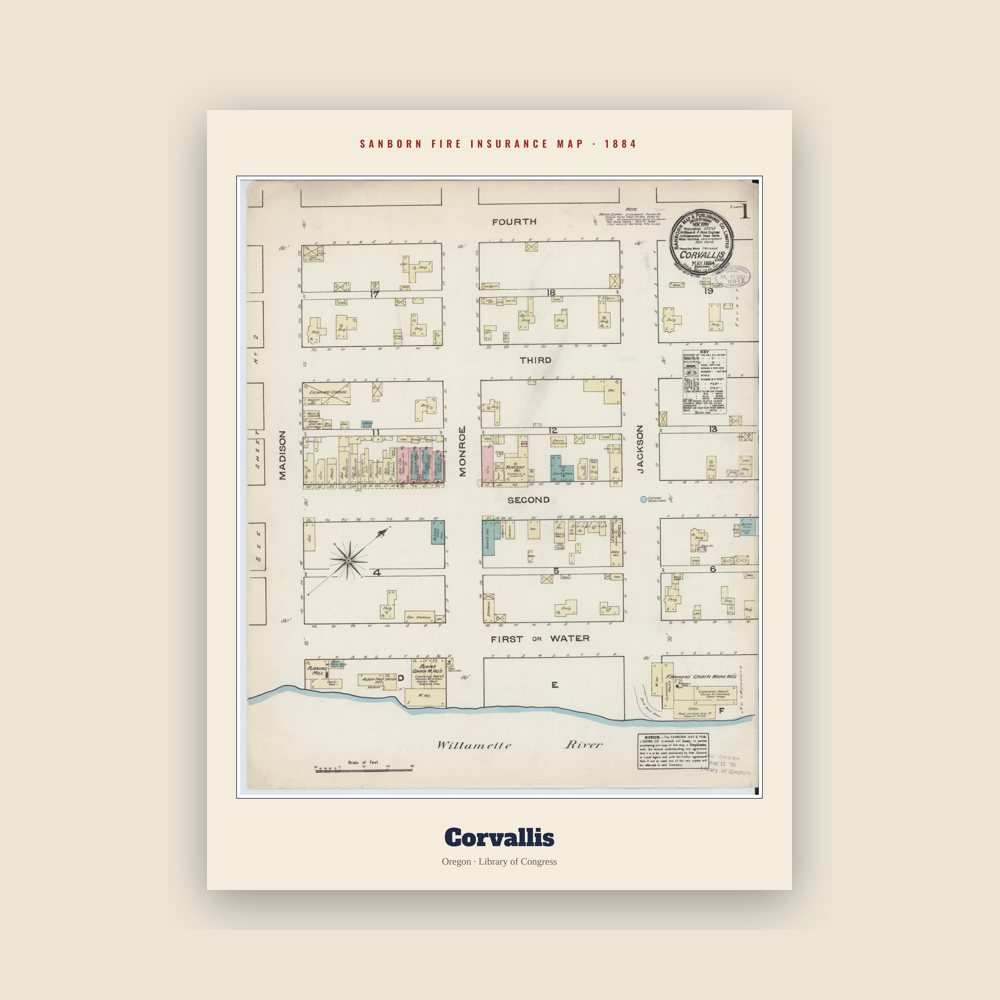
Corvallis had a three-year boom beginning in 1889, which began with the establishment of a privately owned electrical plant by L.L. Hurd. A flurry of publicity and public and private investment followed, including construction of a grand county courthouse, planning and first construction of a new street railway, construction of a new flour mill along the river between Monroe and Jackson Avenues, and construction of the Hotel Corvallis, today known as the Julian Hotel.
In addition, a carriage factory was launched in the city and the town's streets were improved, while the size of the city was twice enlarged through annexation. Bonds were issued for a city-owned water works, a sewer system, and for public ownership of the electric plant. A publicity campaign was launched to attempt to expand the tax base through new construction for new arrivals. This effort proved mostly unsuccessful, however, and in 1892, normality returned, with the city saddled with about $150,000 in bonded debt.
The early 20th century
In the first half of the 1900s, before WWII ended, Corvallis mostly grew westward, close to OSU in what is mostly now College Hill West Historic District.
Adapted (trimmed) from the Wikipedia article Corvallis, Oregon, revision 1381035117 by its contributors, licensed CC BY-SA 4.0.
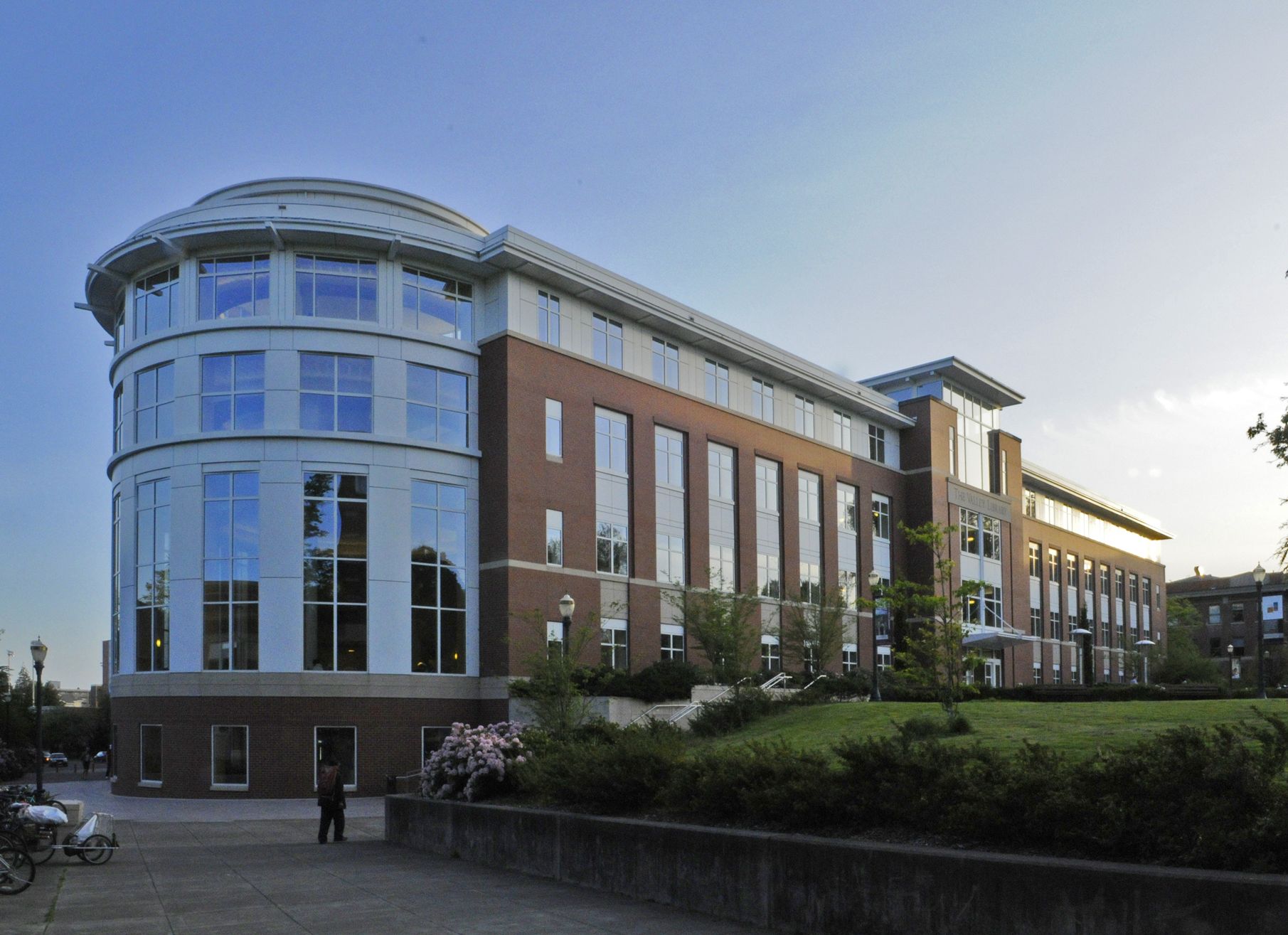
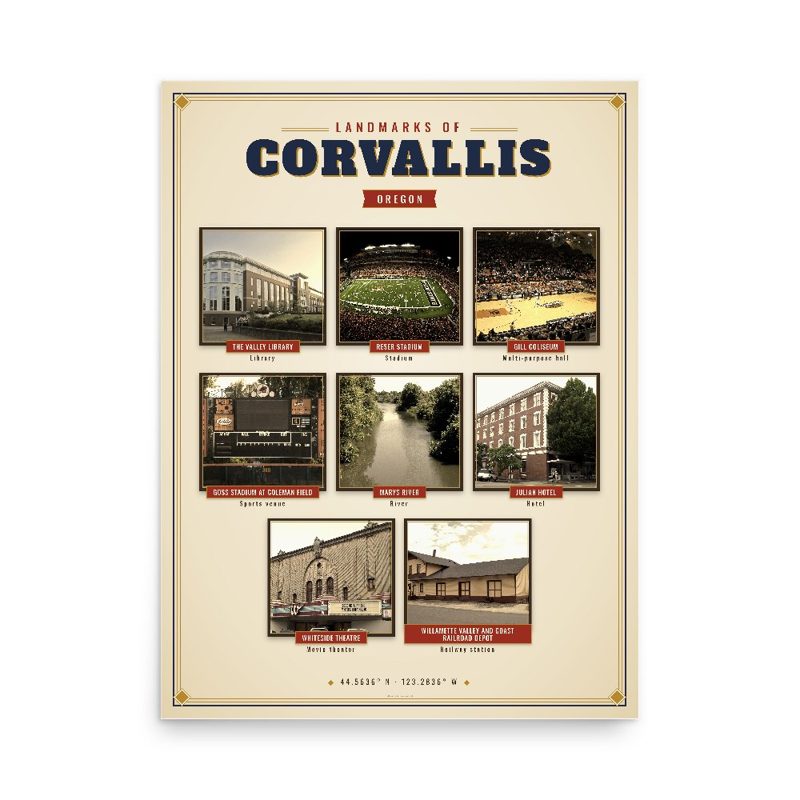
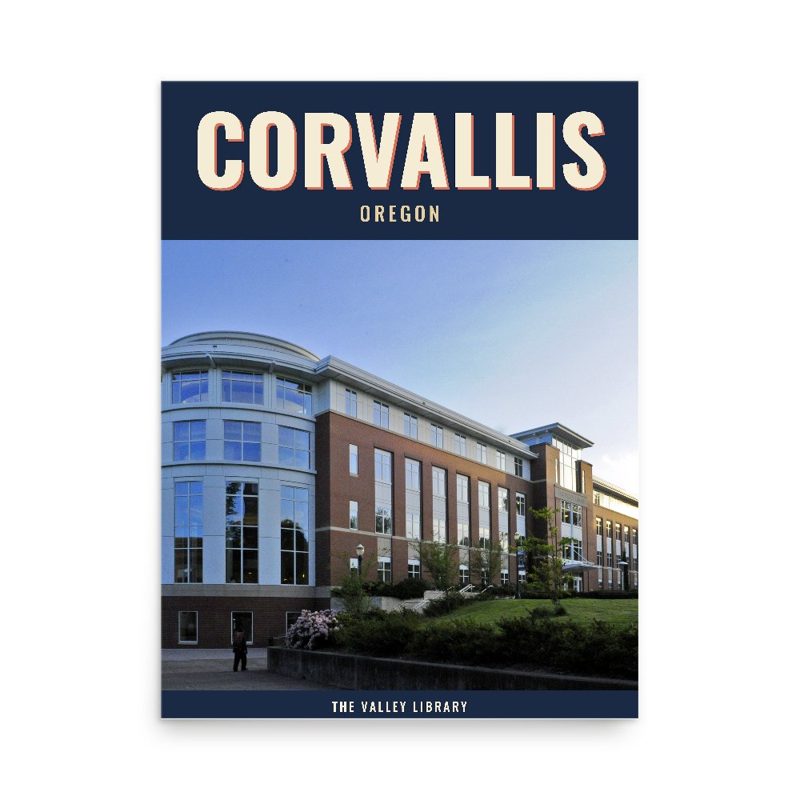
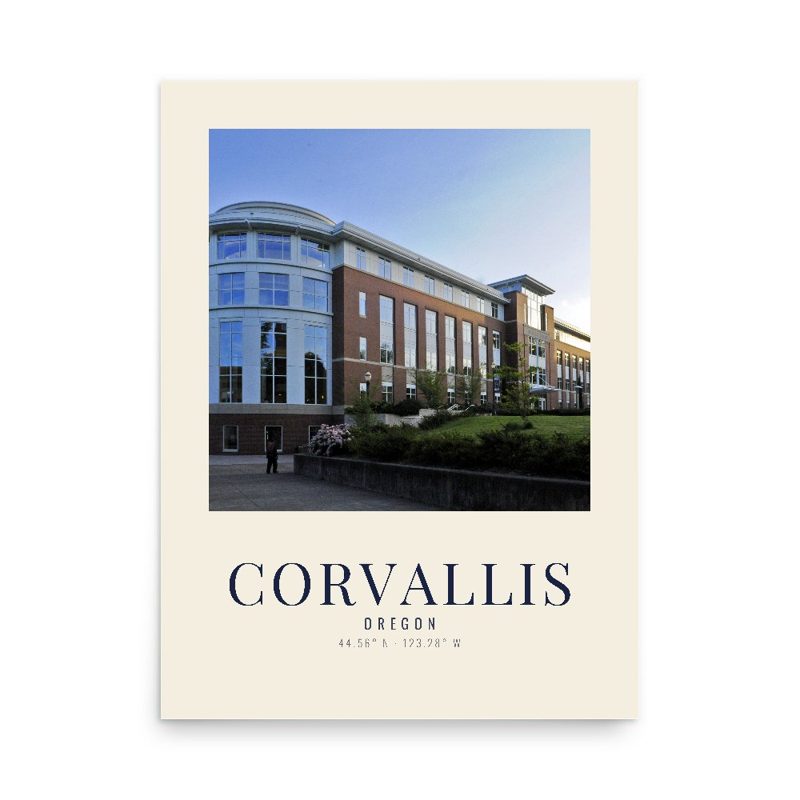
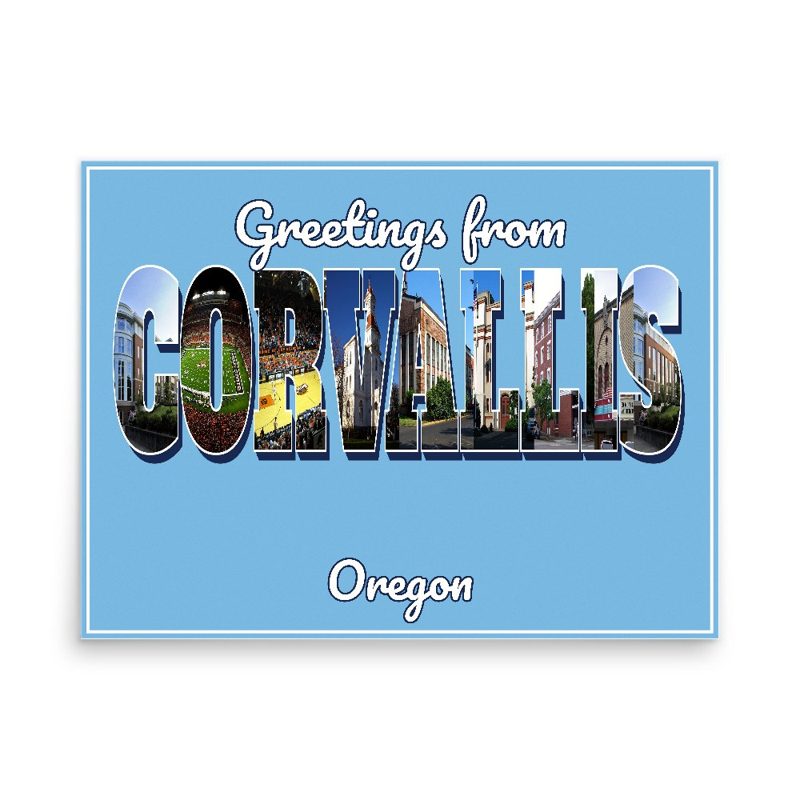
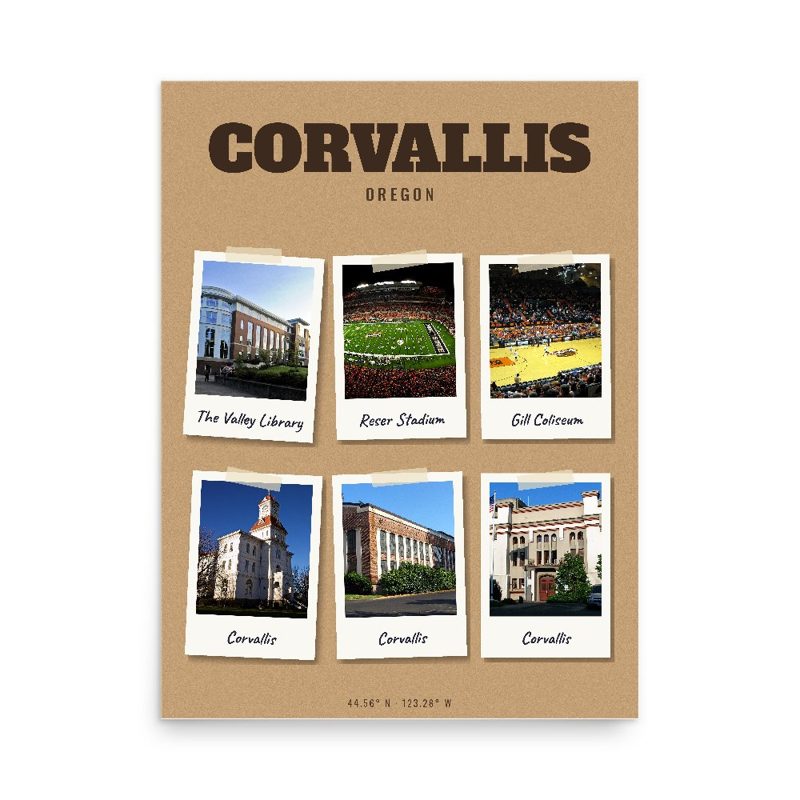
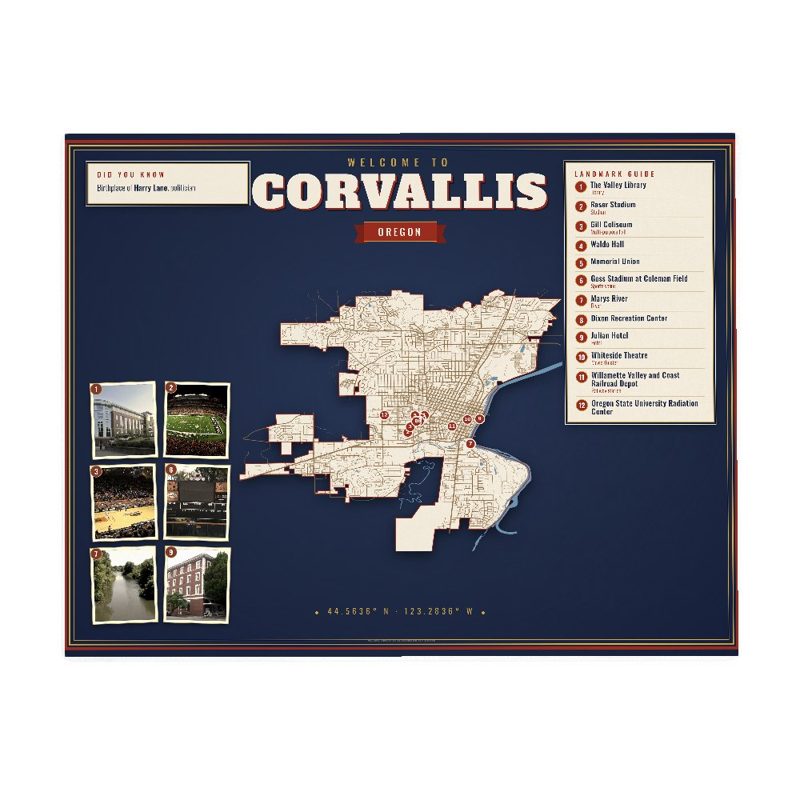
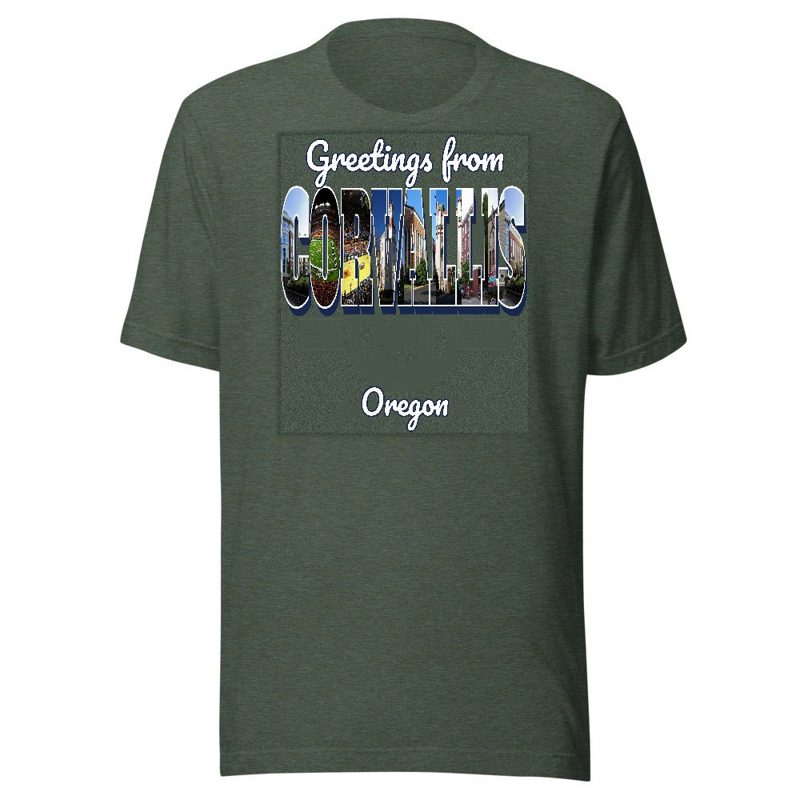
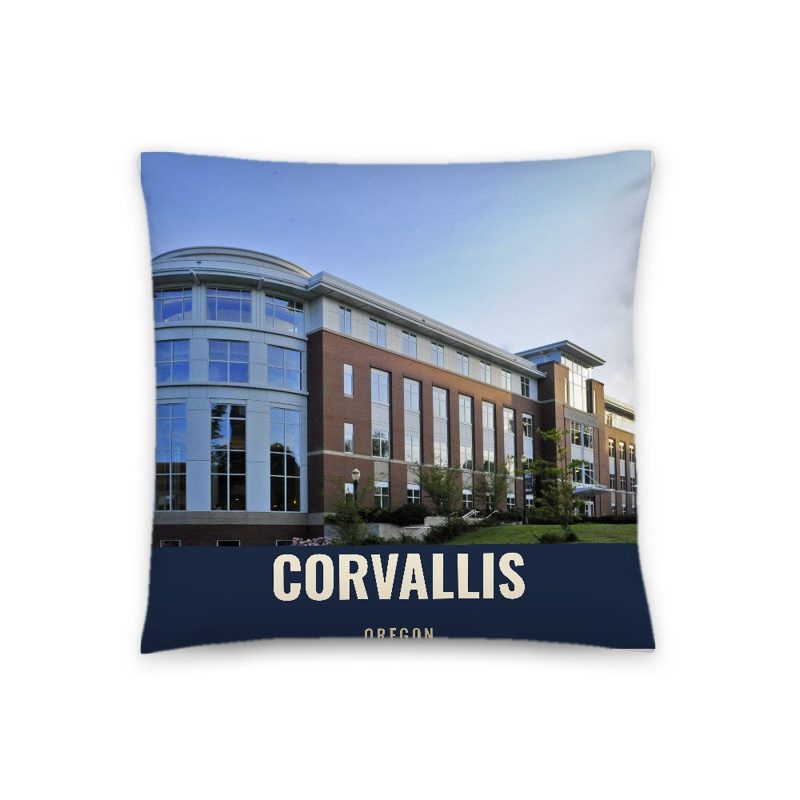
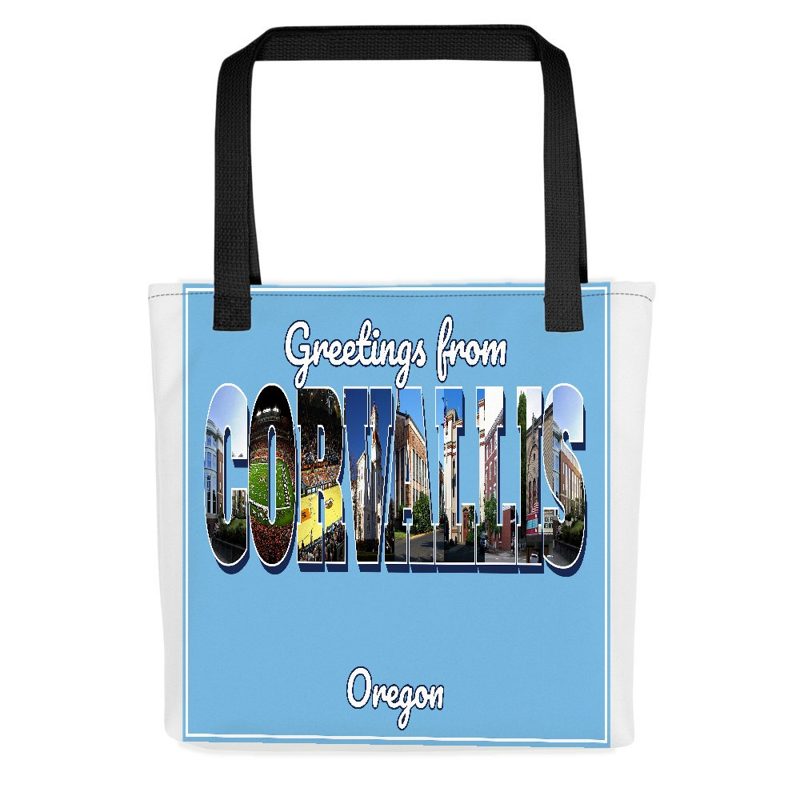
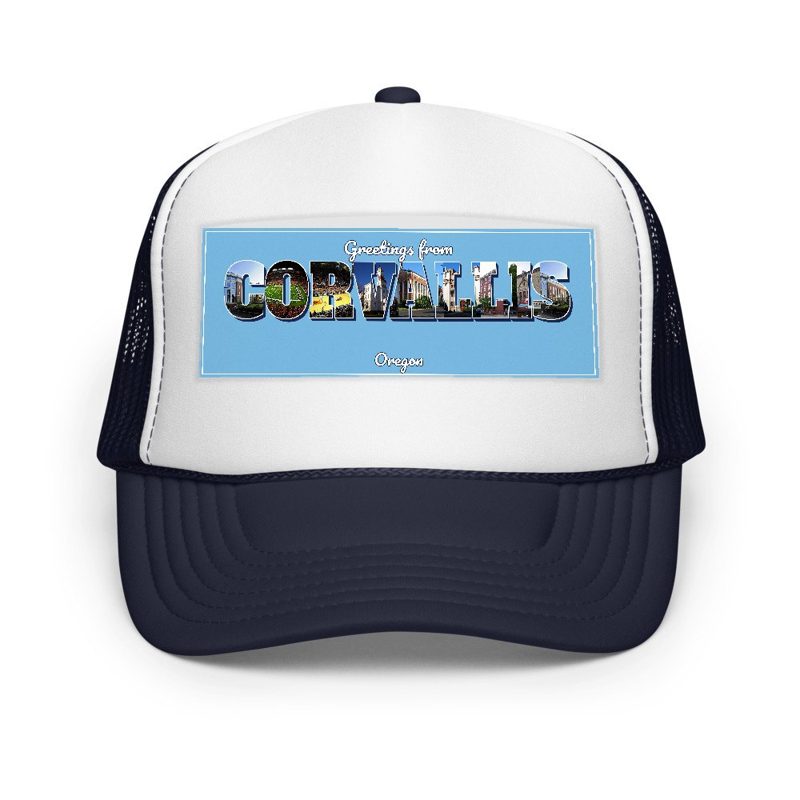
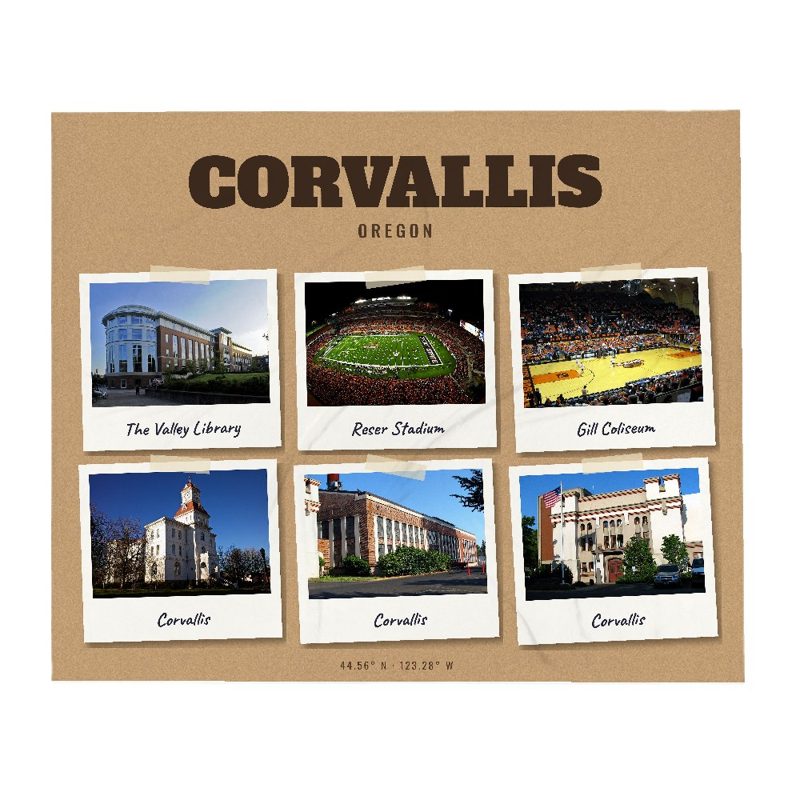
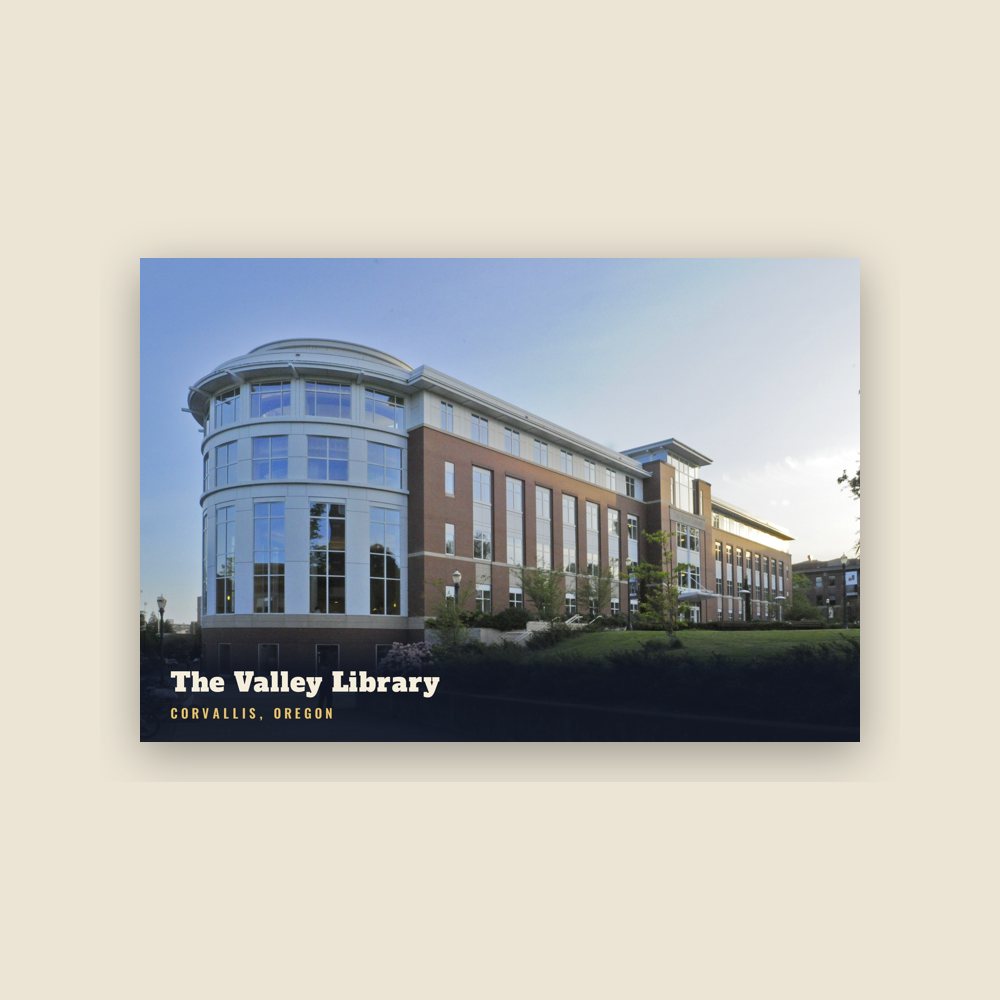
 The Valley Library
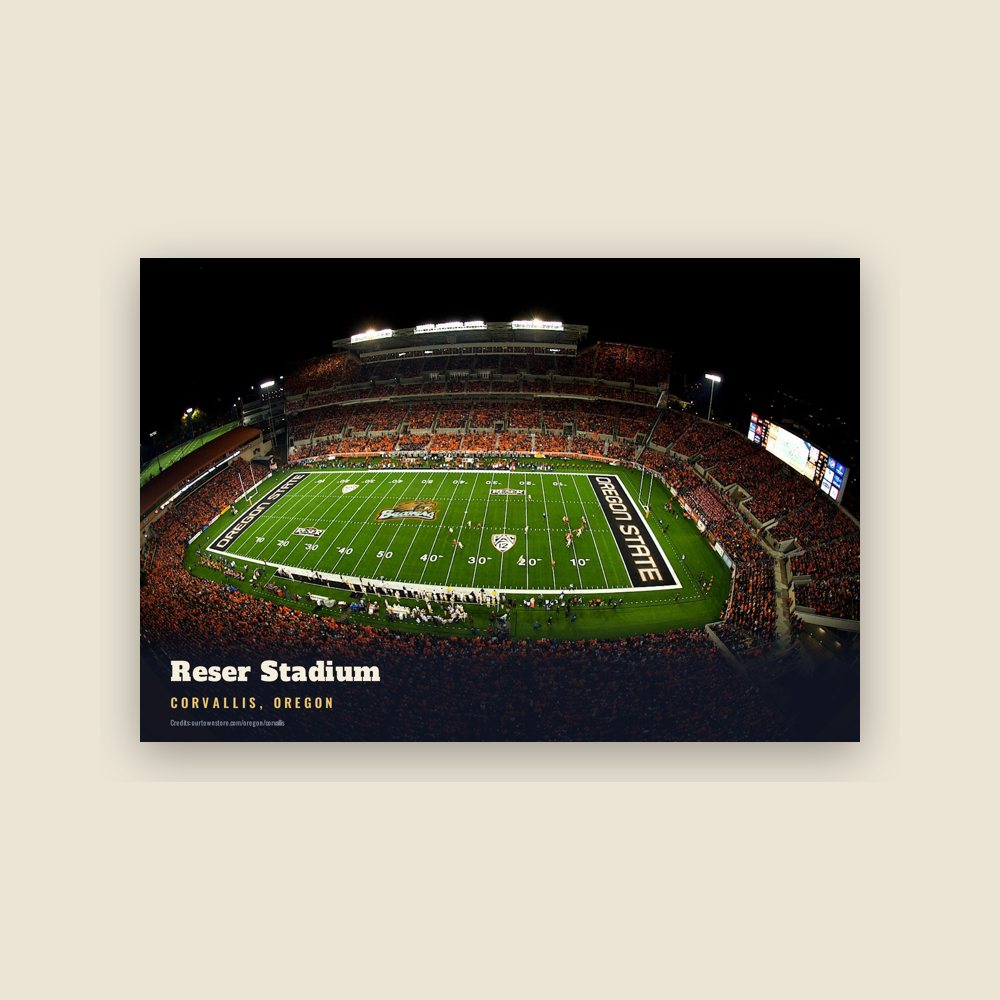
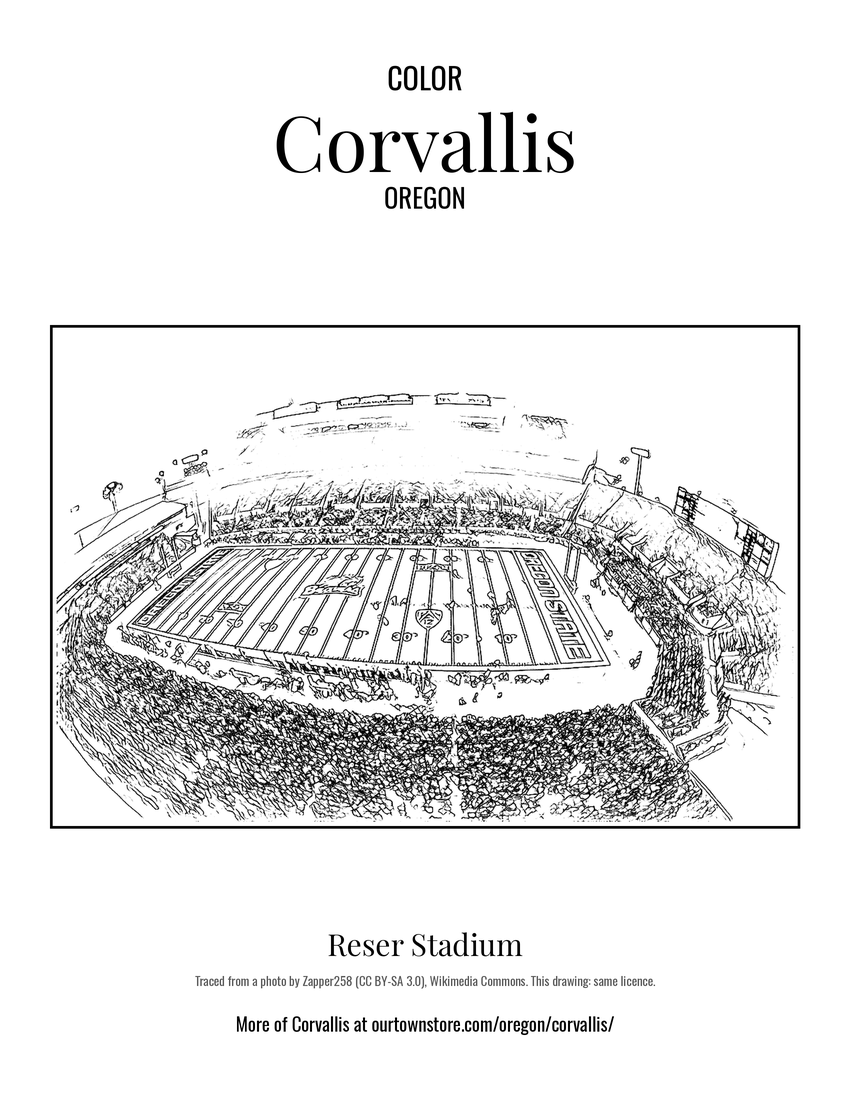 Reser Stadium
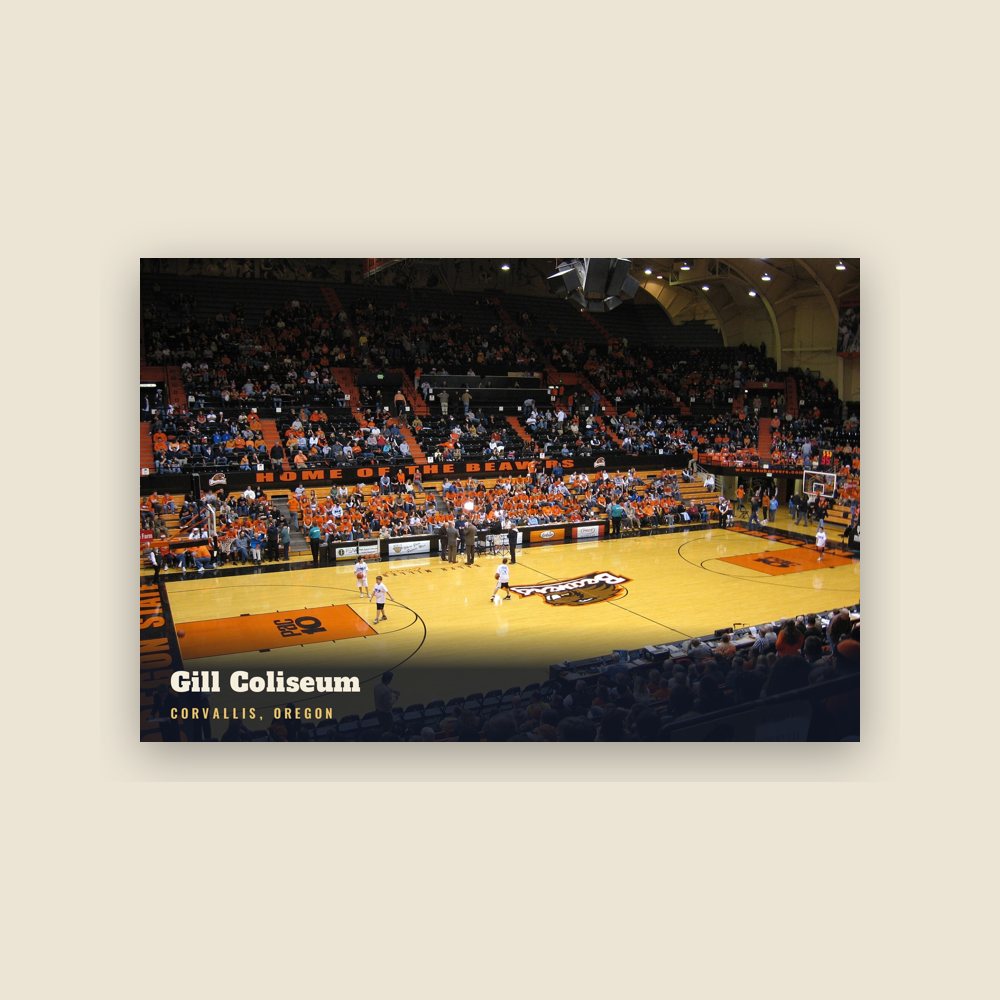
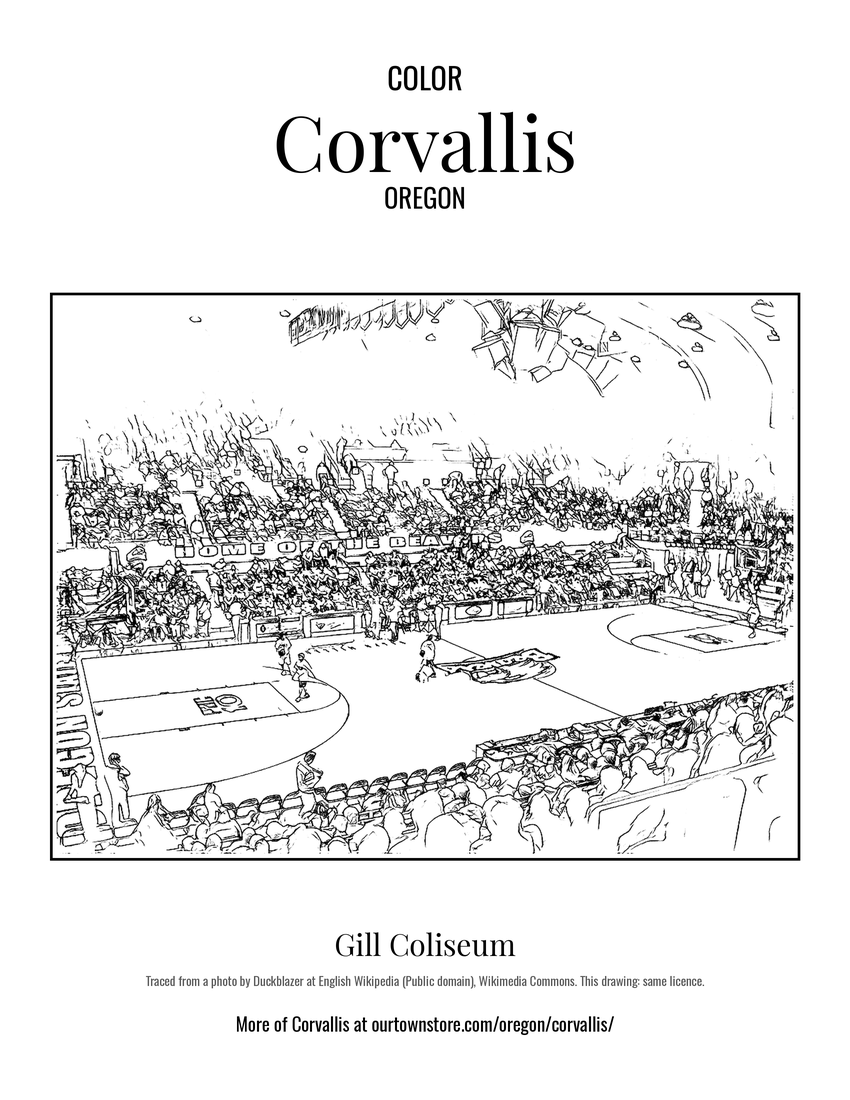 Gill Coliseum
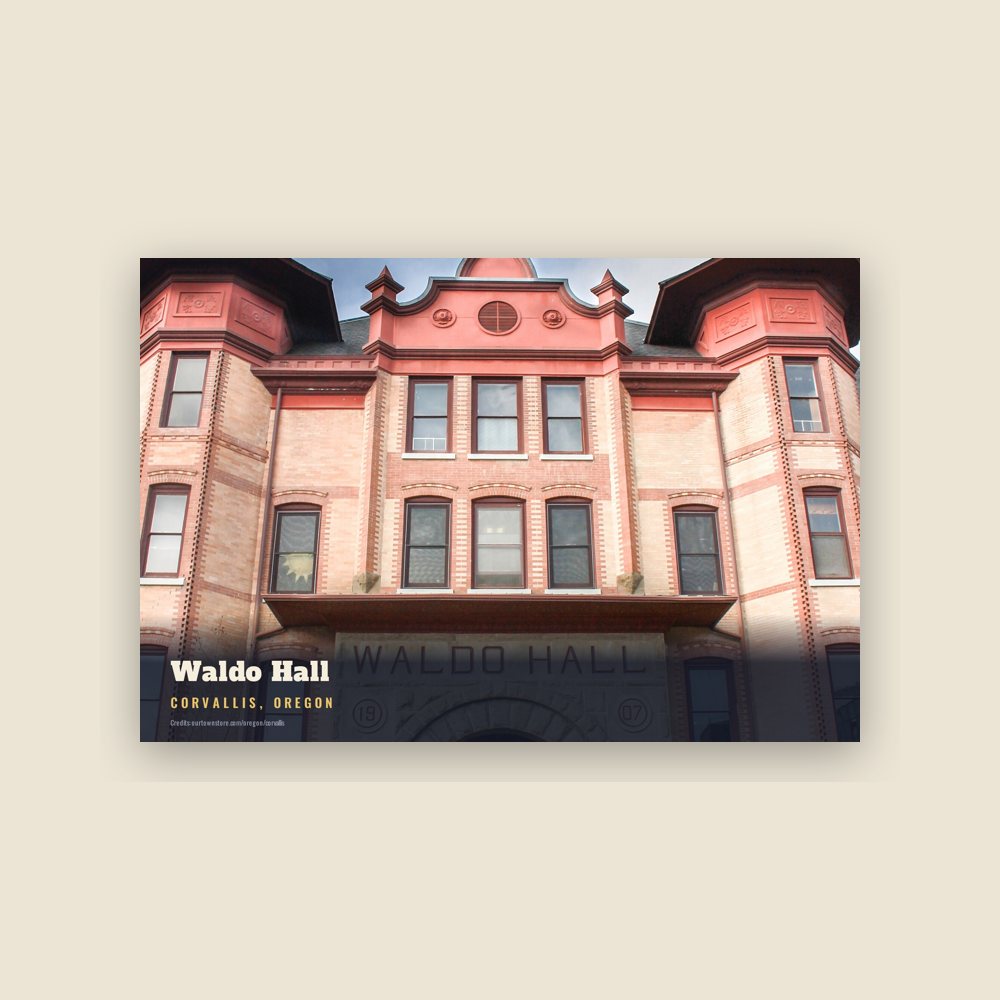
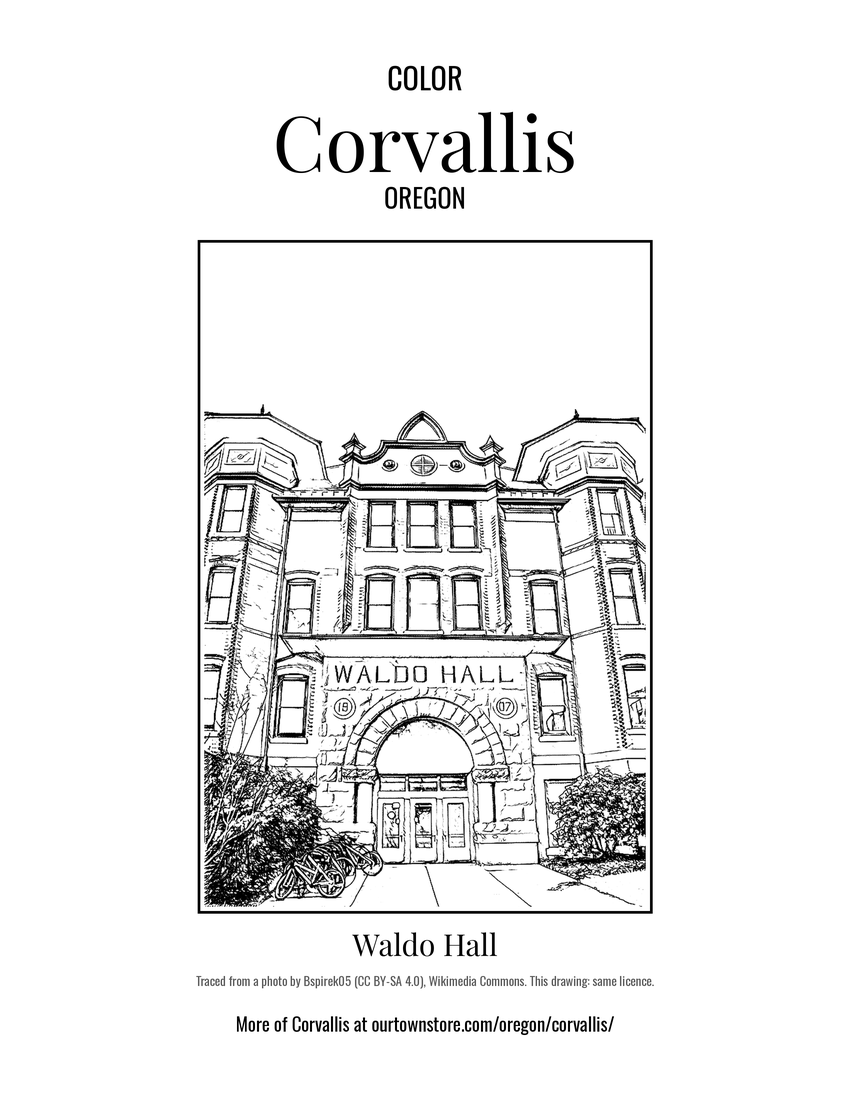 Waldo Hall