It is also notable for the nearby Lake Spavinaw, the principal source of water for Tulsa. Spavinaw is the birthplace of Mickey Mantle, baseball player.
- CountyMayes County
- Population350 (2020 U.S. Census)
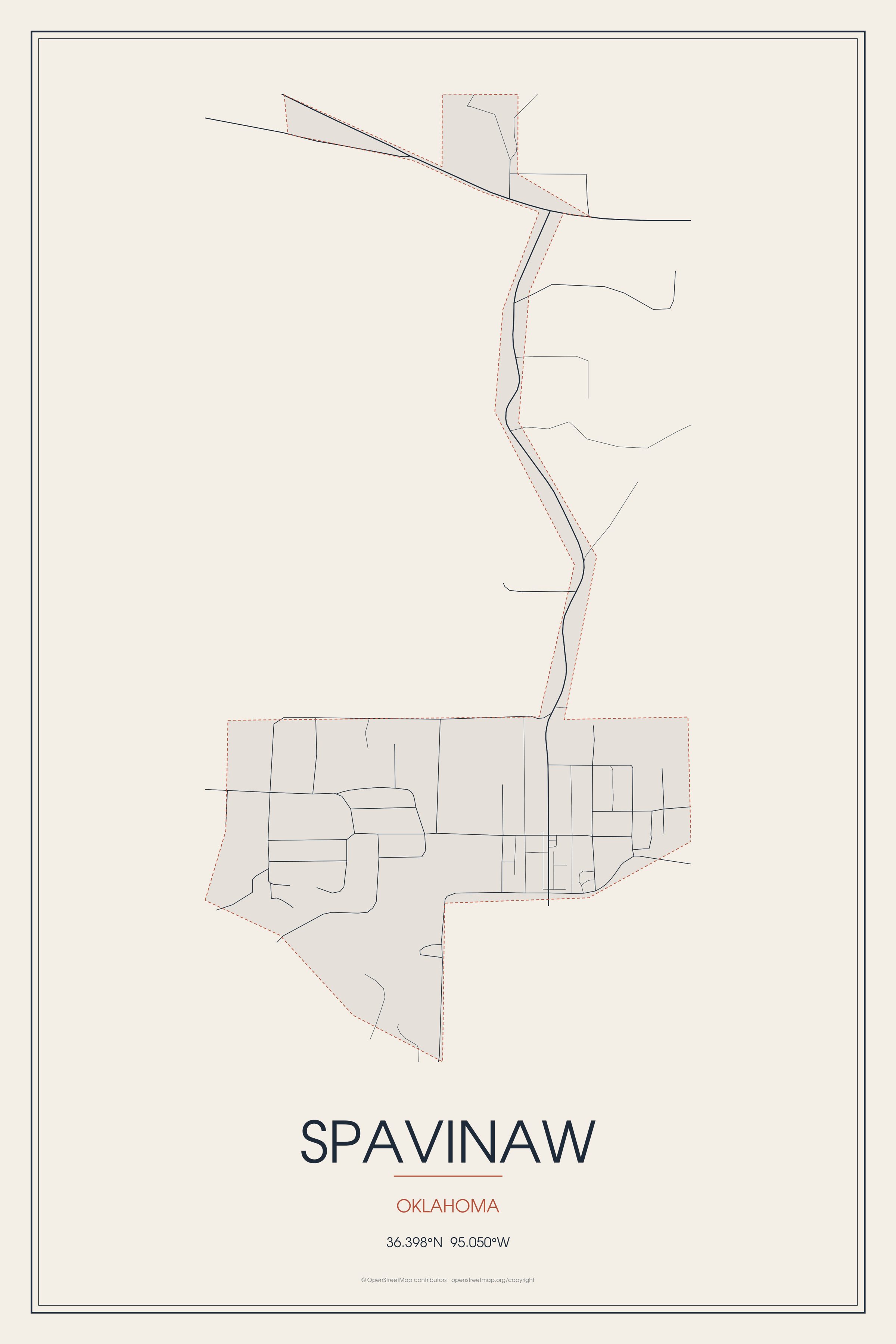
Spavinaw, Oklahoma gifts and souvenirs: 17 designs made from Spavinaw's own map, landmarks and history, from $16 to $95. Printed to order and shipped free in the USA.
| Popular | Price |
|---|---|
| Spavinaw Hometown Ornament | $23 |
| Spavinaw Varsity Crewneck | from $57 |
| Spavinaw Est. Tee | from $33 |
| Spavinaw Town Line Mug | from $26 |
| Spavinaw Market Tote | $37 |
Ceramic keepsake, gold ribbon
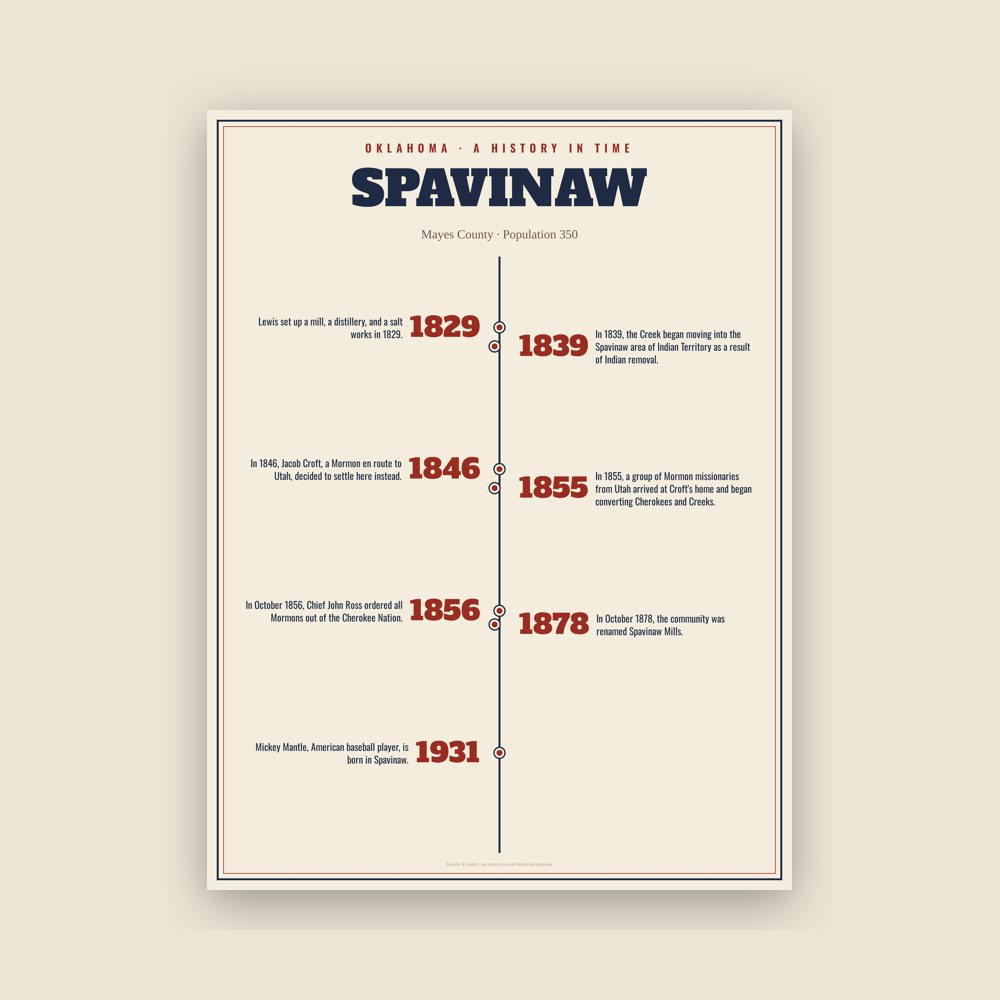
The town's story in dates, from its own records, for home or classroom
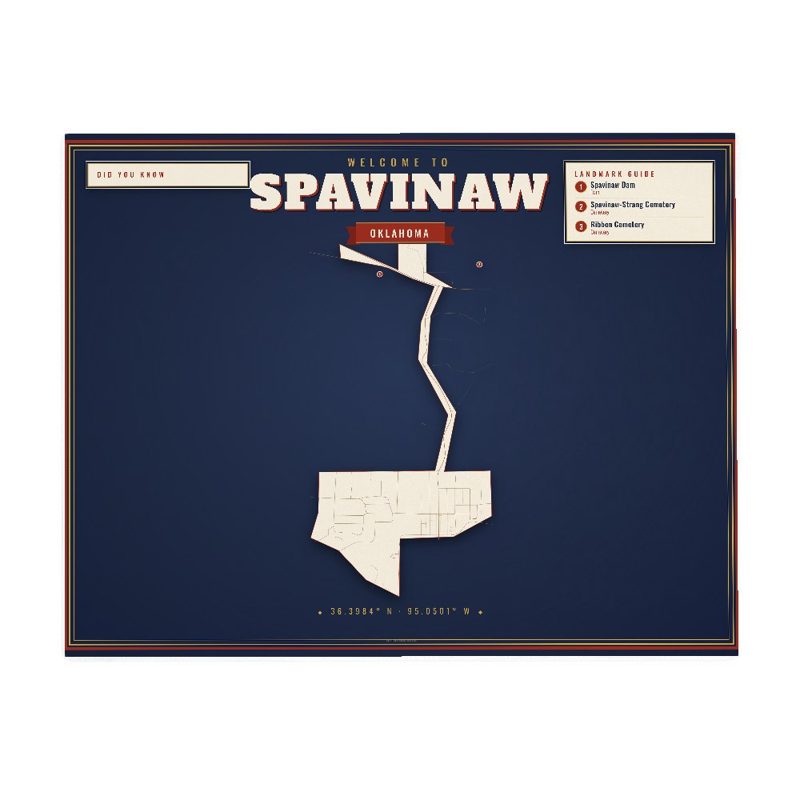
Map of local landmarks, washable fabric
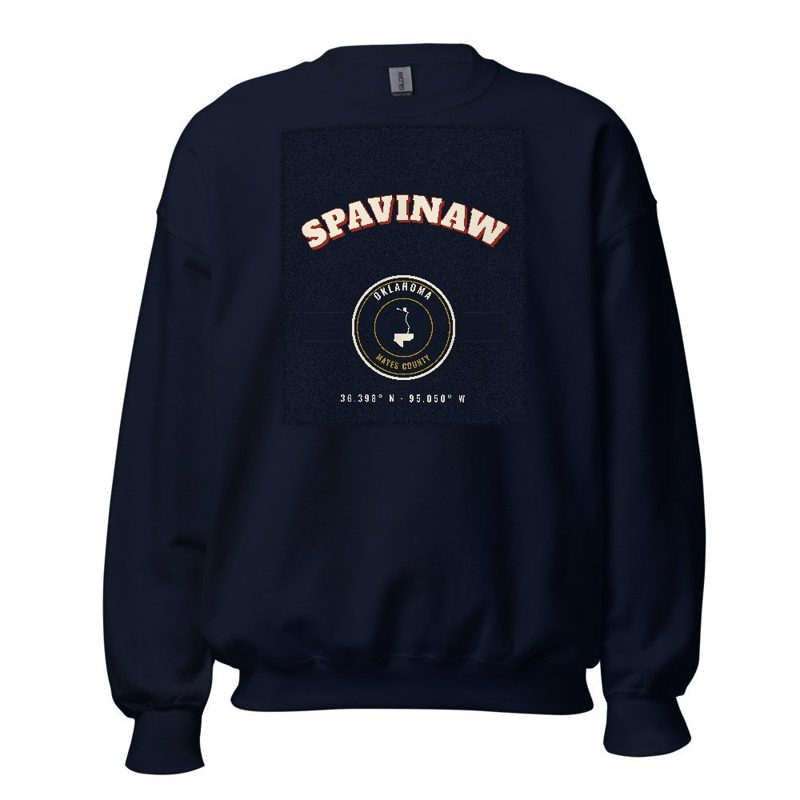
Heavy-blend fleece, street map printed on the back
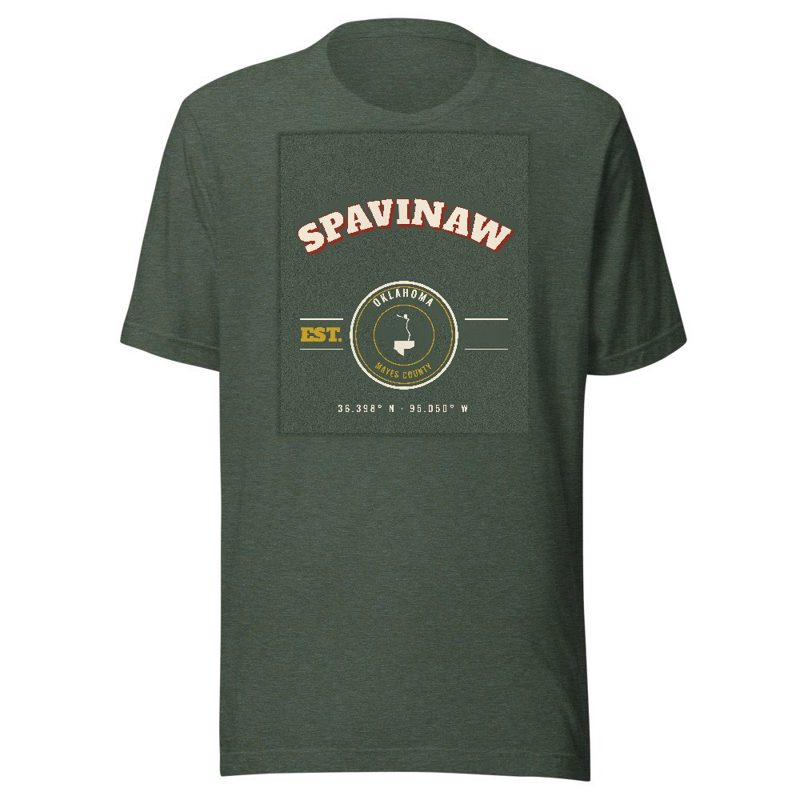
Soft Bella+Canvas jersey
Kids' Bella+Canvas jersey, youth sizes
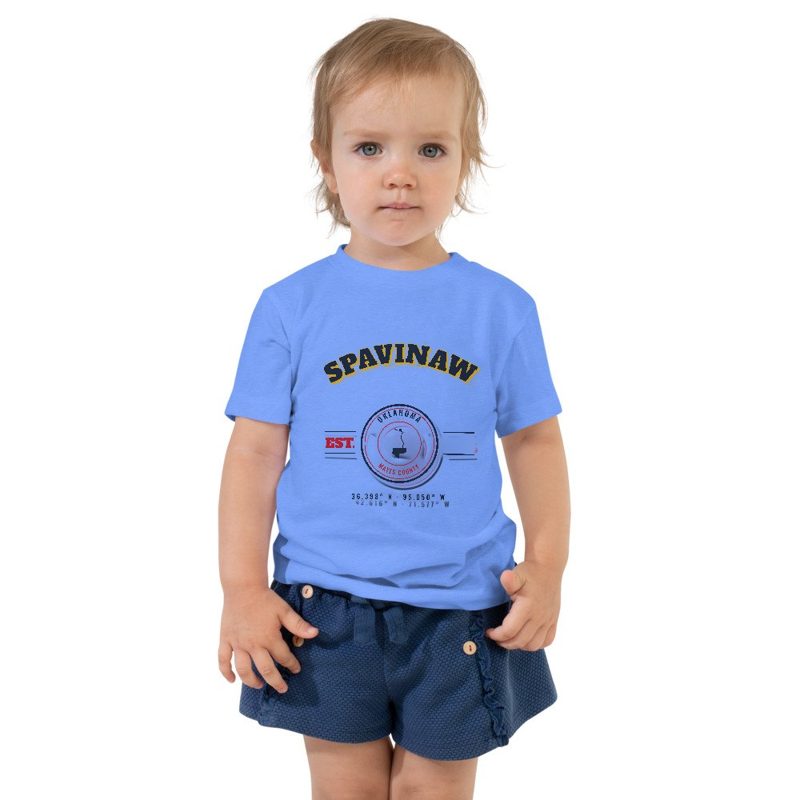
Bella+Canvas toddler jersey
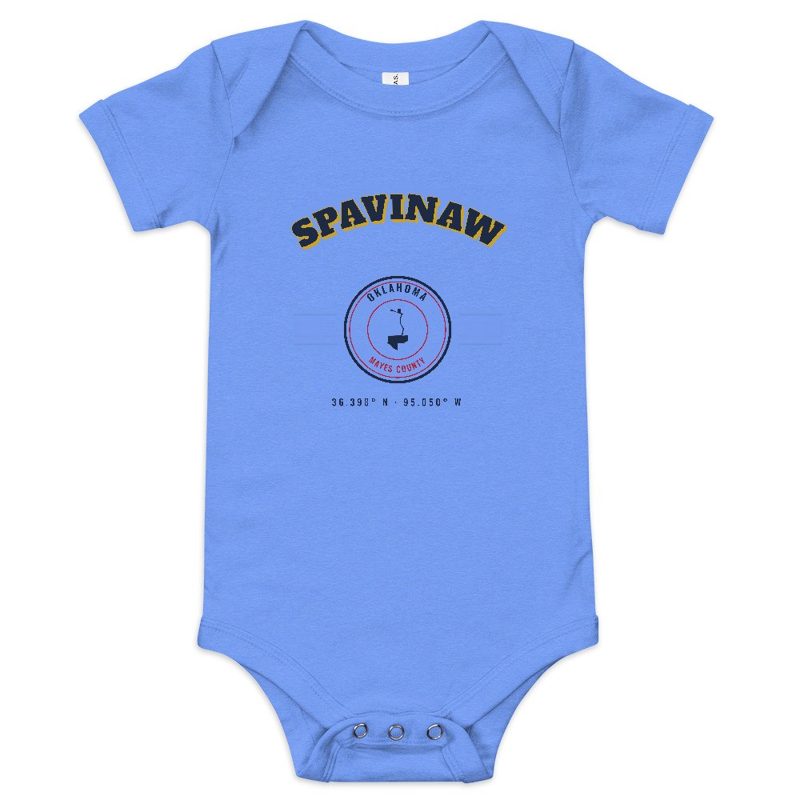
Bella+Canvas baby bodysuit
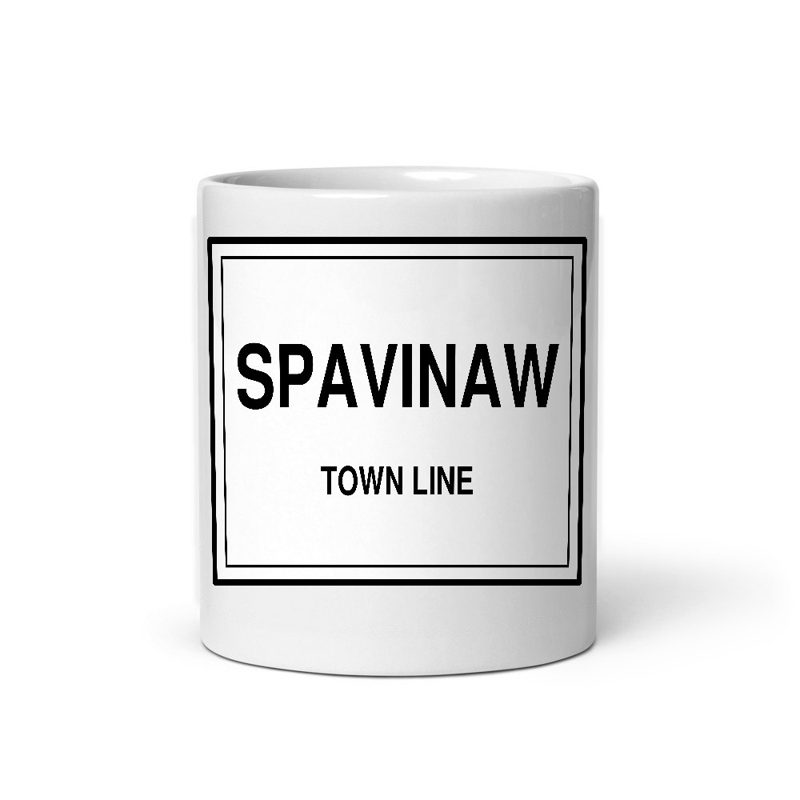
Glossy ceramic, dishwasher safe
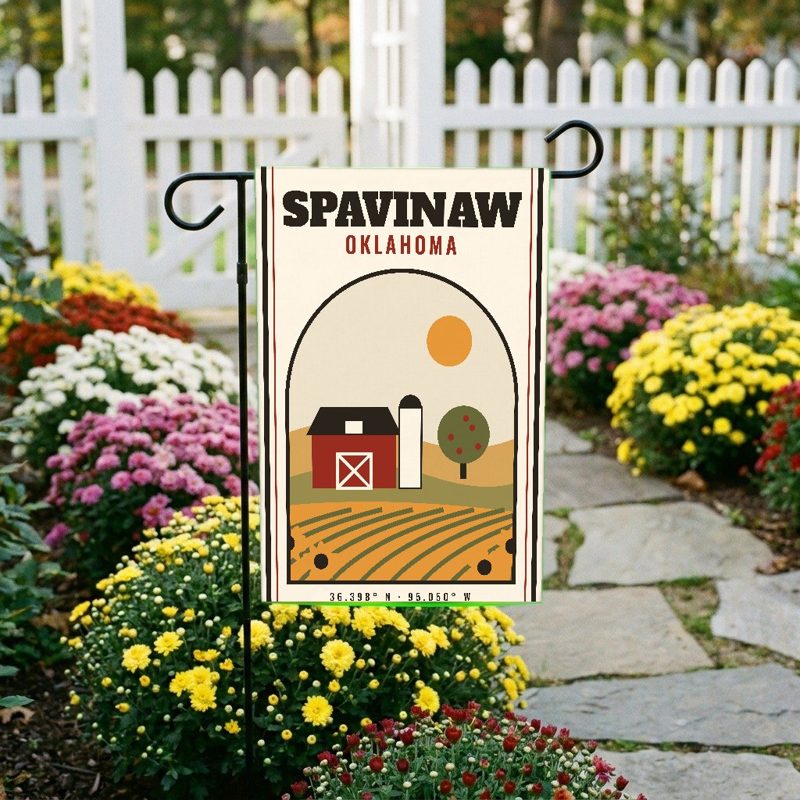
Weatherproof, for the front walk
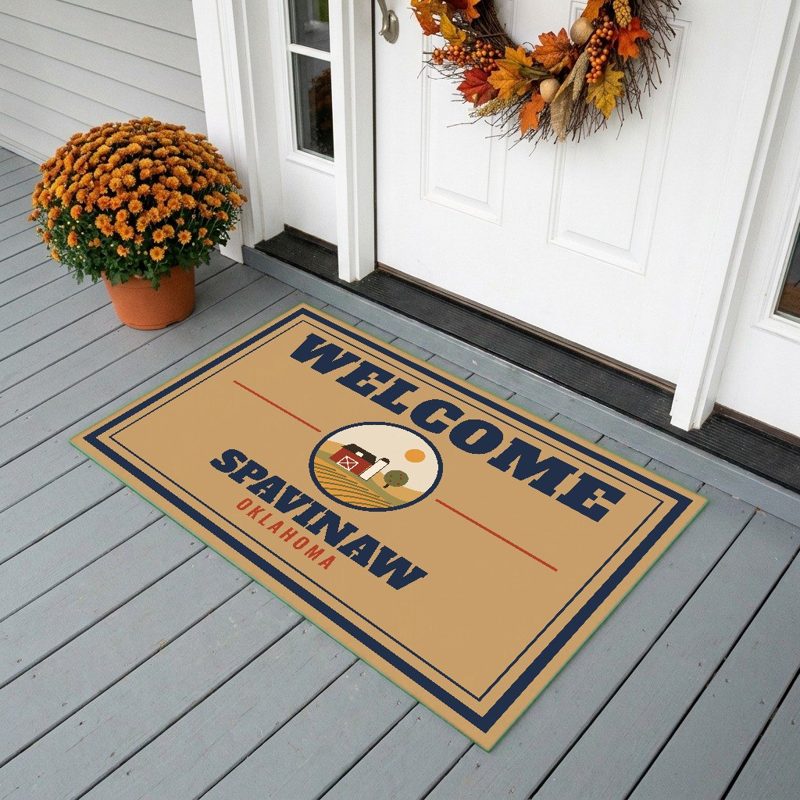
24″×16″, printed coir-look fibers, rubber back
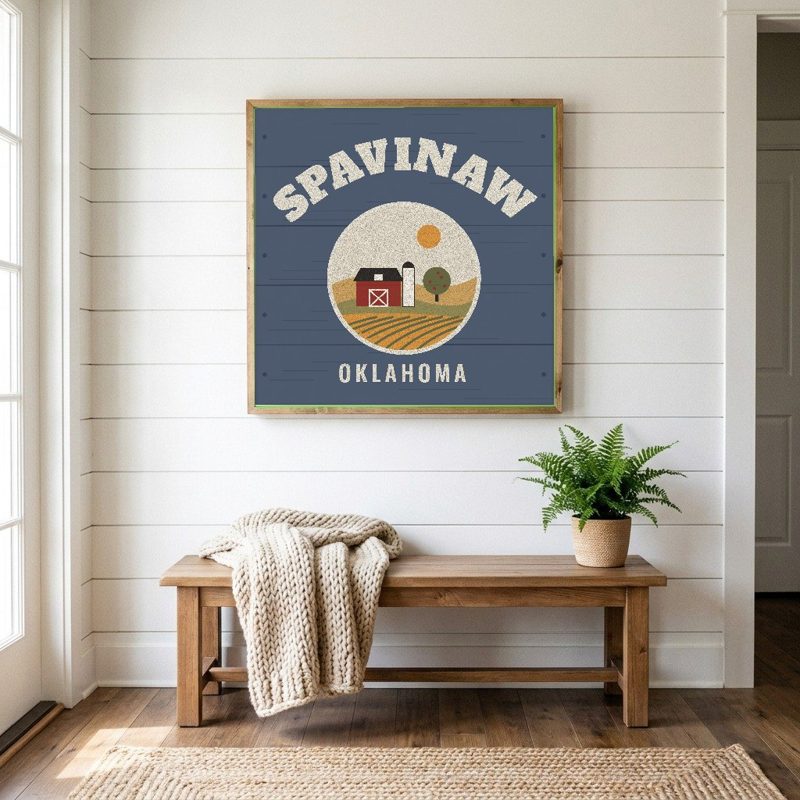
12″×12″ printed wood, ready to hang
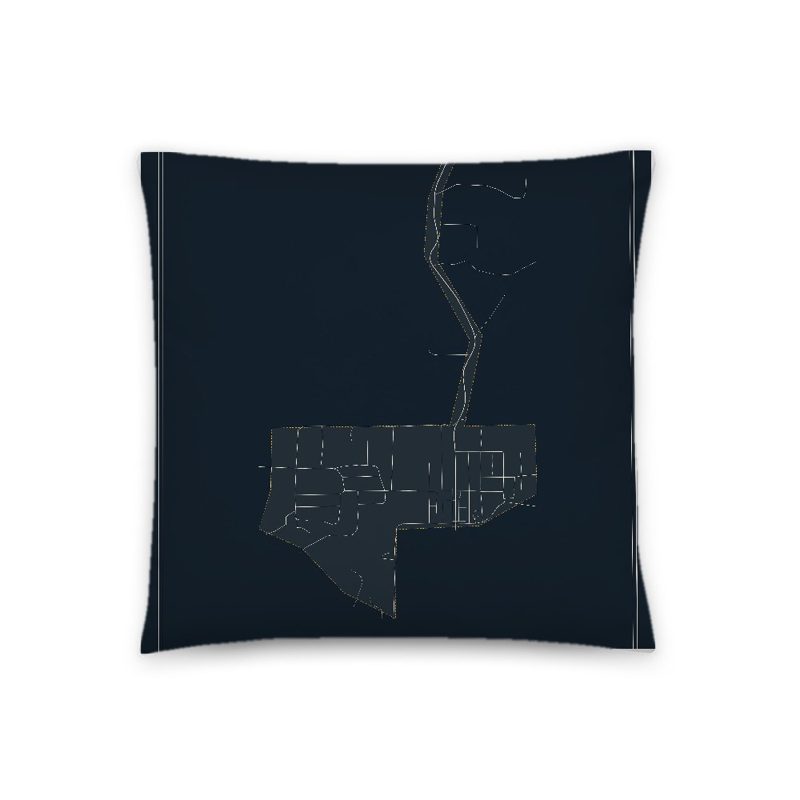
Soft-touch, zip cover
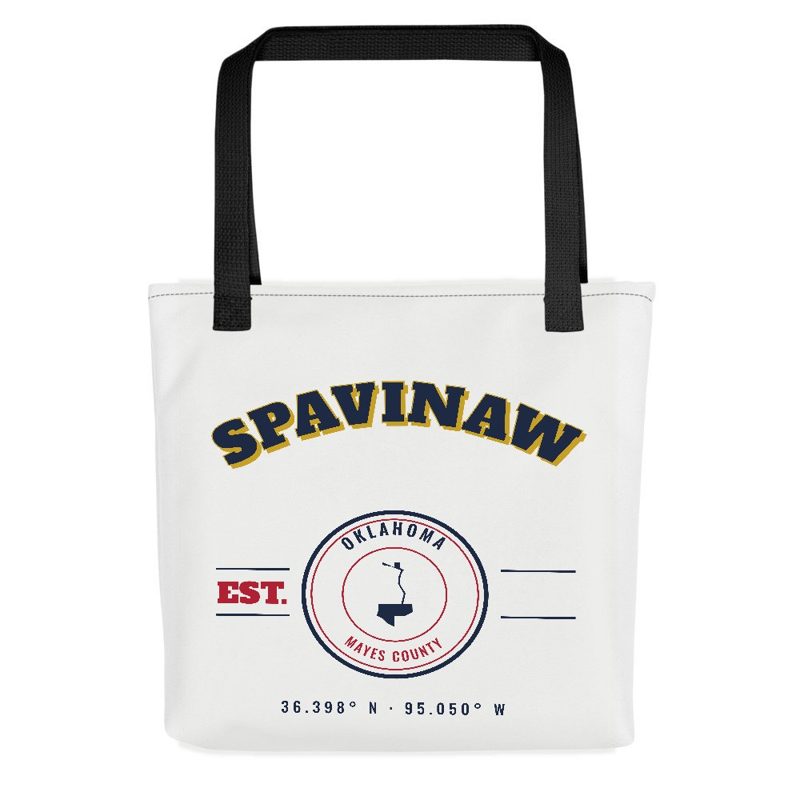
Sturdy all-over-print tote
Glossy top, cork back
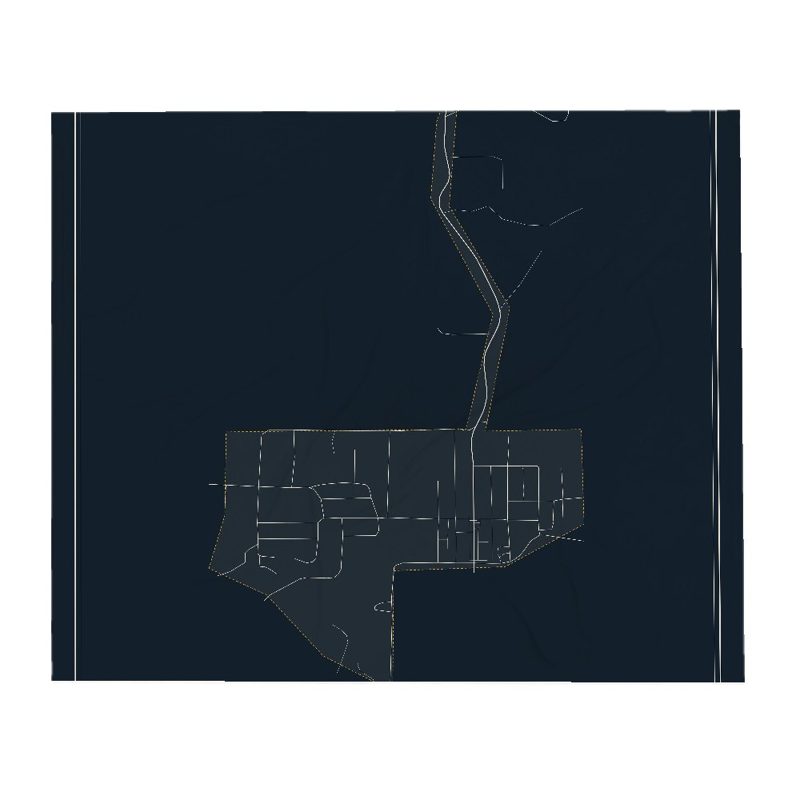
Soft fleece, 50″×60″
20 oz, double-wall stainless
It is also notable for the nearby Lake Spavinaw, the principal source of water for Tulsa. Spavinaw is the birthplace of Mickey Mantle, baseball player.
The town is named for Spavinaw Creek, a stream named by French traders and explorers who travelled here in the 18th century. According to historian Muriel Wright, the name was a corrupted form of the French word ce'pee (meaning "young growth or shoots of wood") plus the French adjective vineux (wine colored). This term referred to a description of the color of black jack, post, and red oak trees, which grow here in springtime.
The first recorded settler here was Lewis Rogers, son of Captain John Rogers. Lewis set up a mill, a distillery, and a salt works in 1829. In 1839, the Creek began moving into the Spavinaw area of Indian Territory as a result of Indian removal. The Cherokee council outlawed the operation of distilleries in their area and dispossessed Rogers of his distillery and the salt works, both of which had already been damaged by a flooding of Spavinaw Creek.
In 1846, Jacob Croft, a Mormon en route to Utah, decided to settle here instead. Joseph Lynch Martin hired him to restore the mill. In 1855, a group of Mormon missionaries from Utah arrived at Croft's home and began converting Cherokees and Creeks. When they began urging the converts to move to Utah, Lewis Rogers complained to the Cherokee council. In October 1856, Chief John Ross ordered all Mormons out of the Cherokee Nation.
After the Civil War, Joseph "Greenbrier Joe" Lynch, brother-in-law of Joseph Lynch Martin, began operating the mill and the salt works. Greenbrier Joe had saved enough money to buy 100,000 acres (40,000 ha). The community that grew up around these works became known as "Lynch's Mill". In October 1878, the community was renamed Spavinaw Mills.
Adapted (trimmed) from the Wikipedia article Spavinaw, Oklahoma, revision 1374936464 by its contributors, licensed CC BY-SA 4.0.
We share a part of every Spavinaw sale with local partners, and we'd love to print from your collection. Old photographs, maps and postcards make the best keepsakes.
Partner with usA favorite landmark, your street, a school or team, an anniversary gift, a different product. Tell us and we'll get back to you by email.
Spavinaw's population was 350 in the 2020 U.S. Census, down from 437 in 2010.