A short history of Pauls Valley
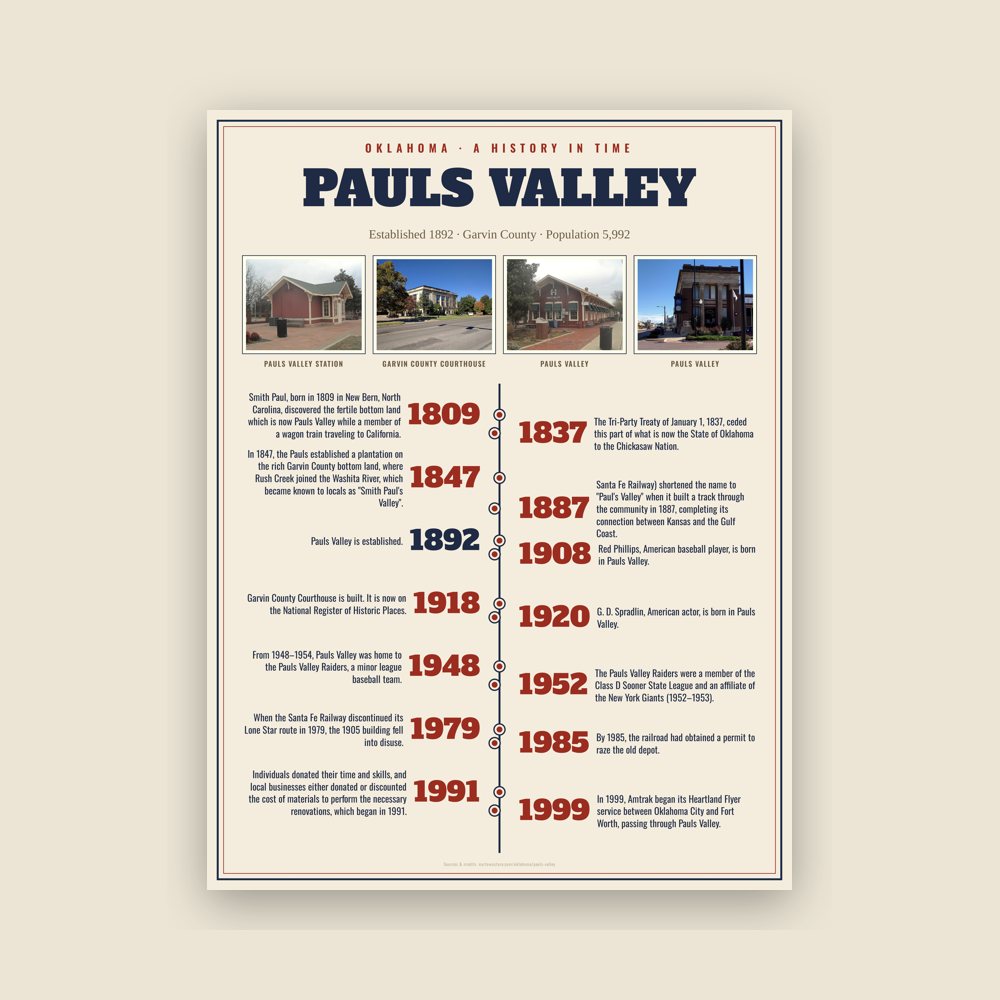
The area that eventually became the city of Pauls Valley was one of the earliest European-American settlements in what was then known as Indian Territory. Smith Paul, born in 1809 in New Bern, North Carolina, discovered the fertile bottom land which is now Pauls Valley while a member of a wagon train traveling to California. Paul described the land as "a section where the bottom land was rich and blue stem grass grew so high that a man on horseback was almost hidden in its foliage."
The Tri-Party Treaty of January 1, 1837, ceded this part of what is now the State of Oklahoma to the Chickasaw Nation. When the Chickasaw people were relocated to Indian Territory that year, Smith Paul moved with them and married Ela-Teecha, a Chickasaw woman. In 1847, the Pauls established a plantation on the rich Garvin County bottom land, where Rush Creek joined the Washita River, which became known to locals as "Smith Paul's Valley". Mail to the Pauls was often addressed to "Smith Paul's Large Farm". By 1871, postal service was established in the area, although the post office was designated "Paul's Valley, Arkansas", because the Indian Territory was being administered out of Arkansas at that time.
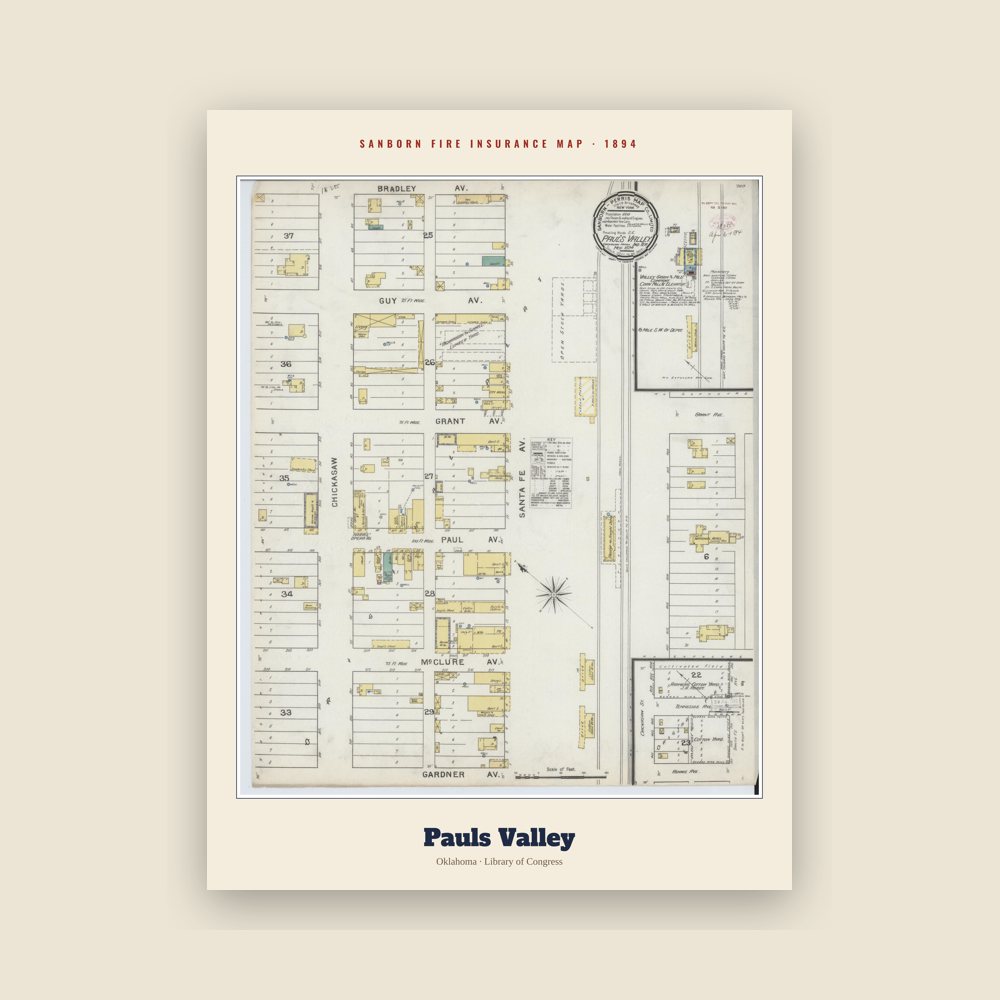
The Atchison, Topeka and Santa Fe Railway (a.k.a. Santa Fe Railway) shortened the name to "Paul's Valley" when it built a track through the community in 1887, completing its connection between Kansas and the Gulf Coast. The railroad brought growth and prosperity to Smith Paul's Valley. The first newspaper was published in 1887. The Pauls Valley town site was laid out in 1892, though the plat was not approved by the Dawes Commission until 1903.
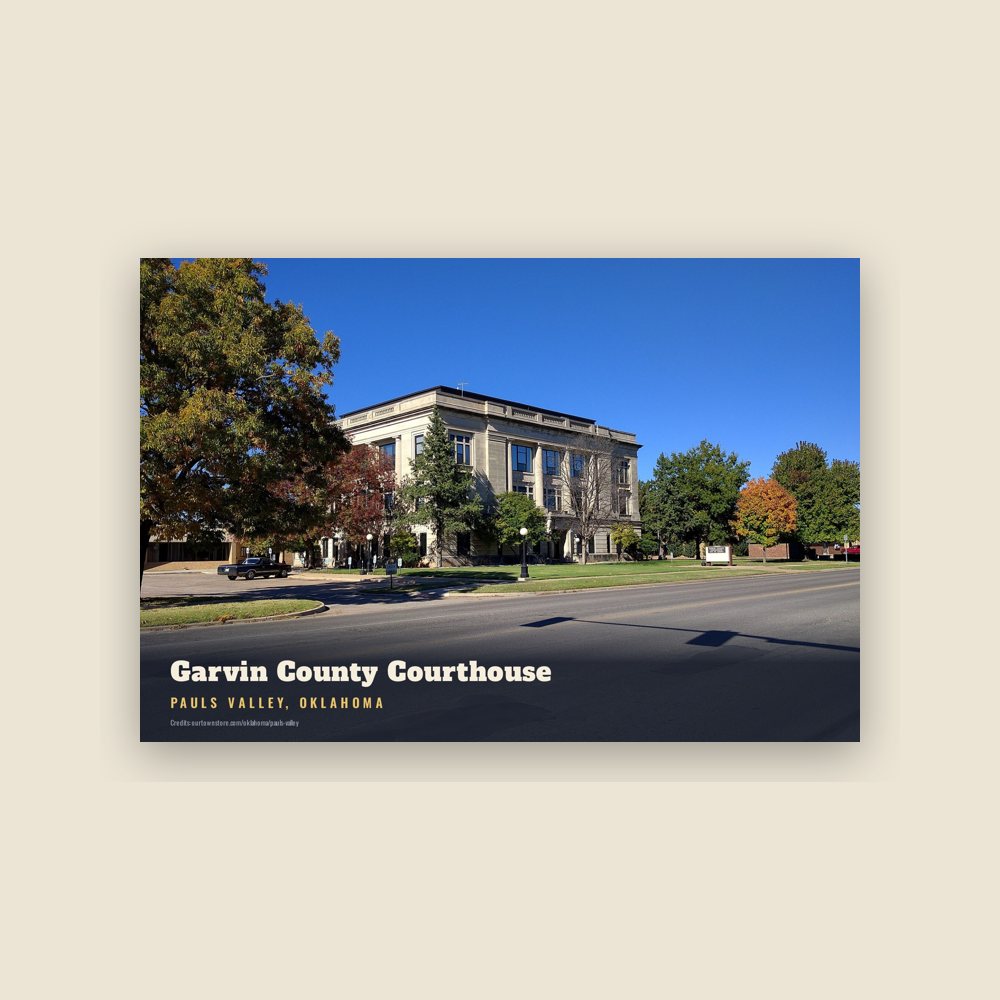
A U.S. courthouse was built in 1895. The first white school in Indian Territory was established, and brick buildings were built downtown. In 1909, the streets were bricked. Today, Pauls Valley has more brick streets—17,986 square yards (15,039 m2)—than any other town in the United States.
From 1948–1954, Pauls Valley was home to the Pauls Valley Raiders, a minor league baseball team. The Pauls Valley Raiders were a member of the Class D Sooner State League and an affiliate of the New York Giants (1952–1953). The Pauls Valley Raiders played at Wacker Park.
When the Santa Fe Railway discontinued its Lone Star route in 1979, the 1905 building fell into disuse. By 1985, the railroad had obtained a permit to raze the old depot. Adrienne Grimmet, who was then president of the Pauls Valley Historical Society, started a campaign to save the old structure. Her efforts resulted in the city's buying the depot and turning it over to the historical society for conversion into a museum. Individuals donated their time and skills, and local businesses either donated or discounted the cost of materials to perform the necessary renovations, which began in 1991.
In 1999, Amtrak began its Heartland Flyer service between Oklahoma City and Fort Worth, passing through Pauls Valley. City officials agreed to build a new waiting room for Amtrak passengers adjacent to the old depot. The new Pauls Valley station has a climate-controlled waiting area and restrooms, but is unstaffed, having no ticketing or baggage handling facilities. It also has a 10-car parking lot outside. The architecture was designed to be compatible with the old Santa Fe-style building.
Adapted (trimmed) from the Wikipedia article Pauls Valley, Oklahoma, revision 1374787240 by its contributors, licensed CC BY-SA 4.0.
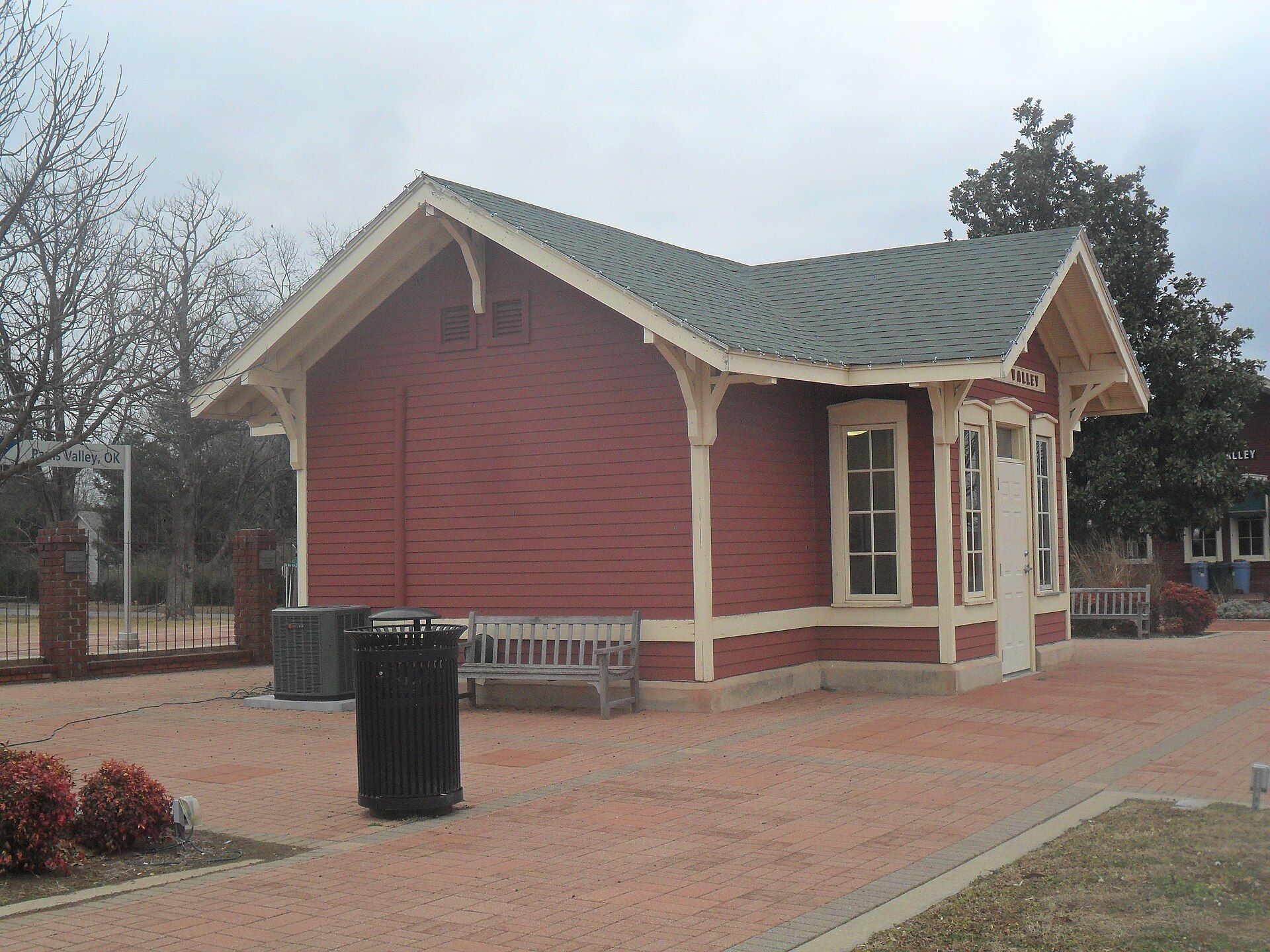
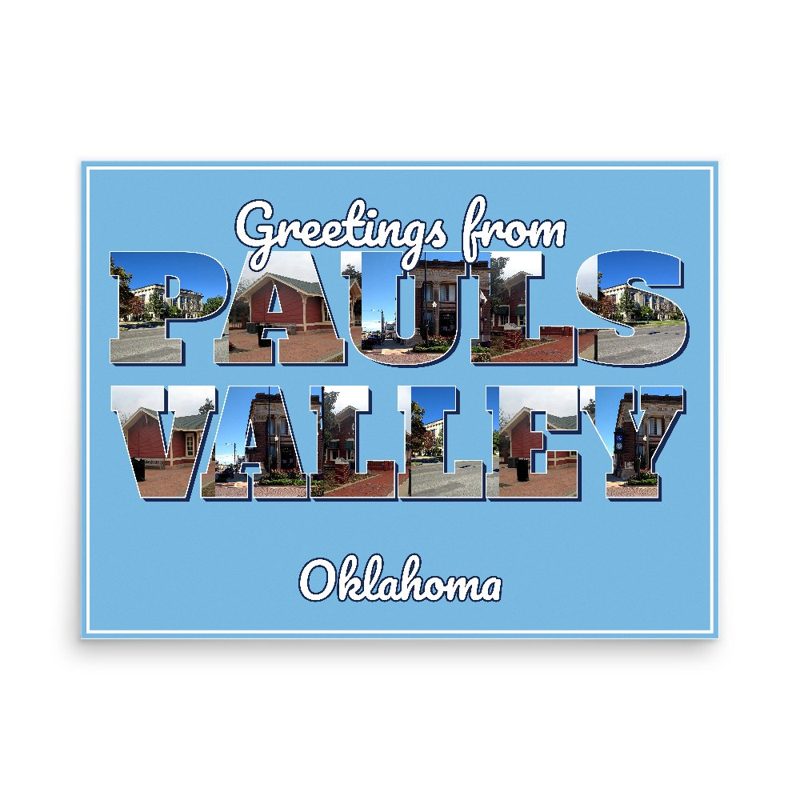
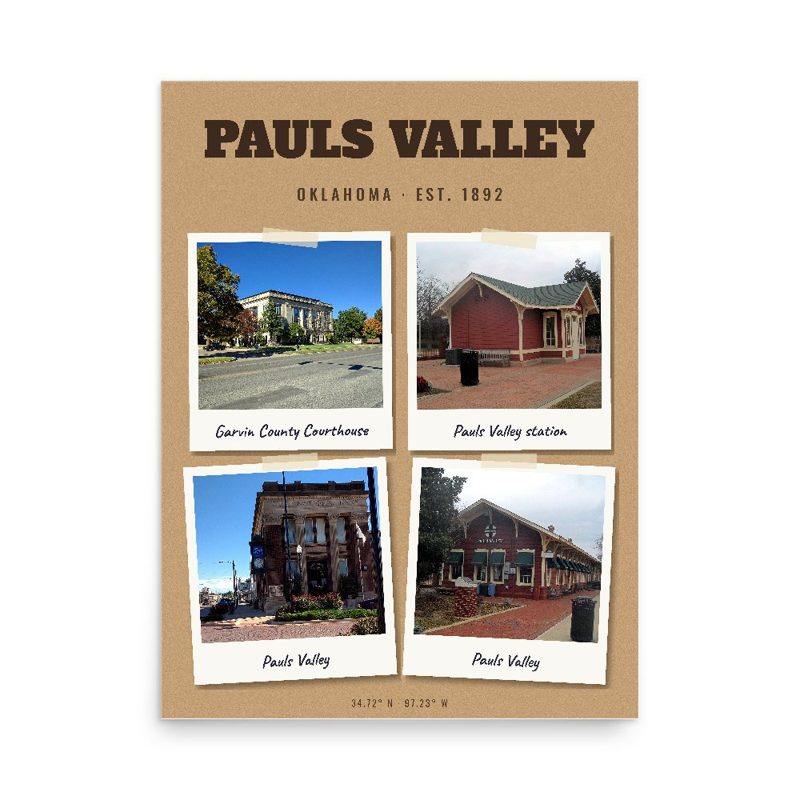
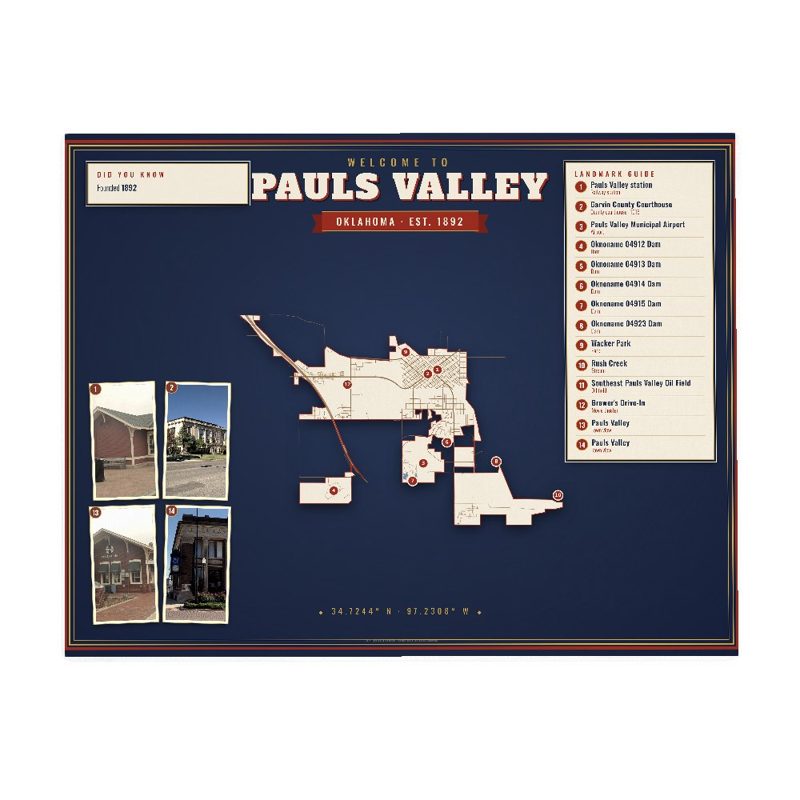



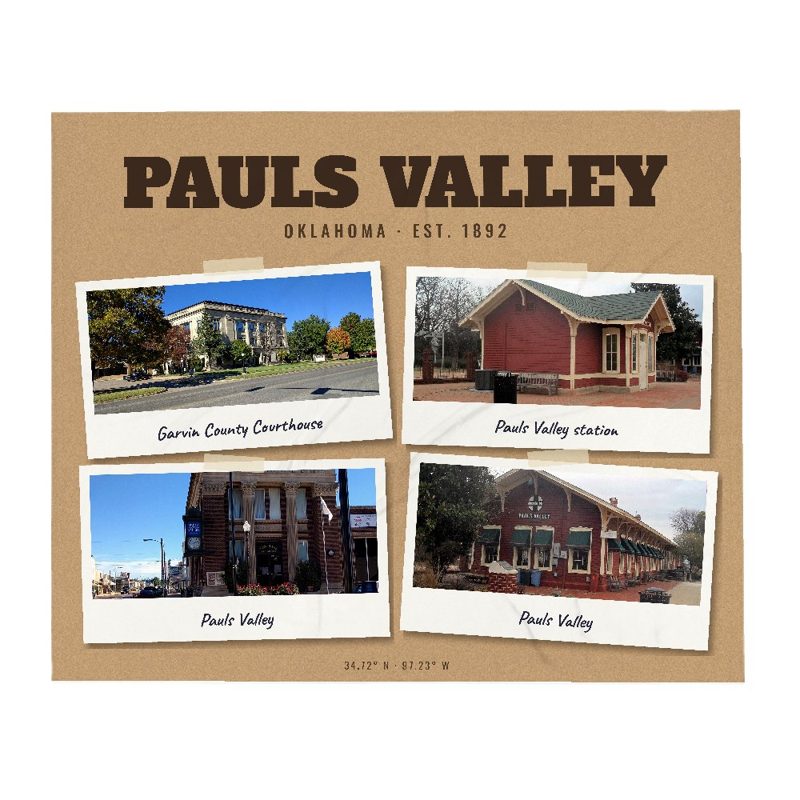
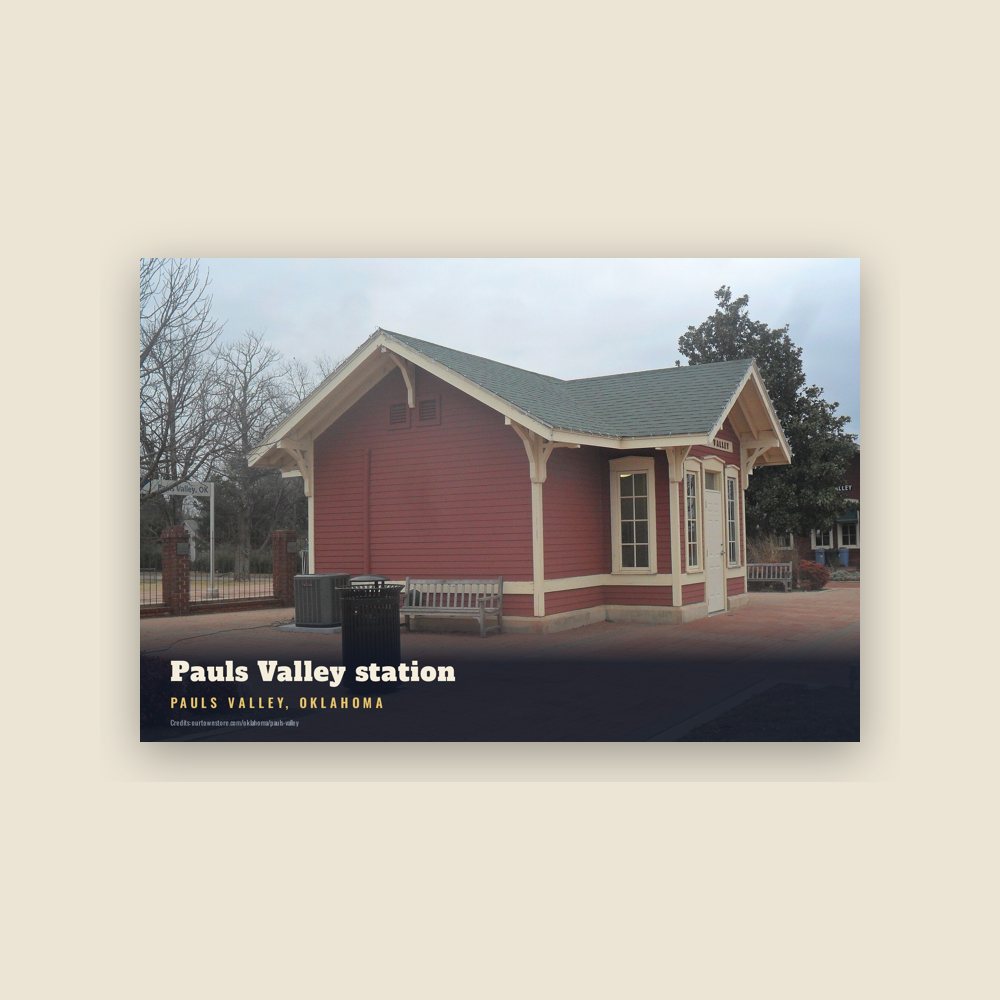
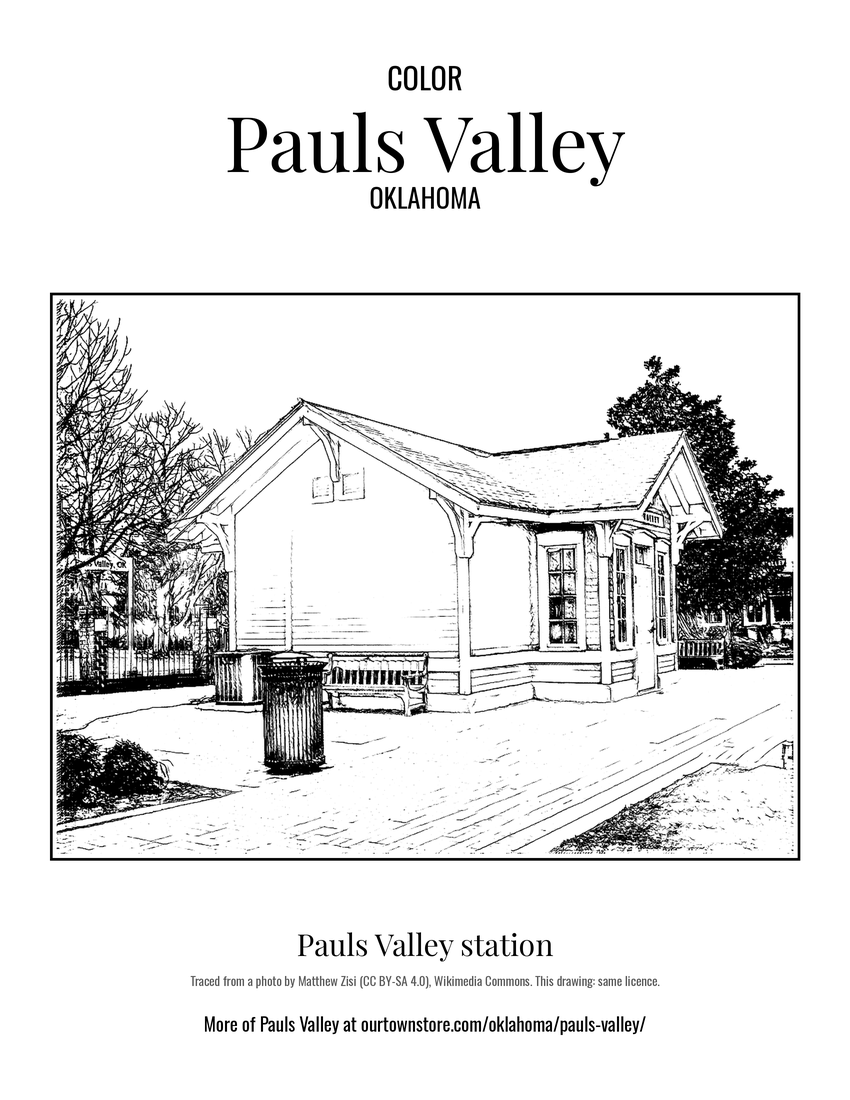 Pauls Valley station
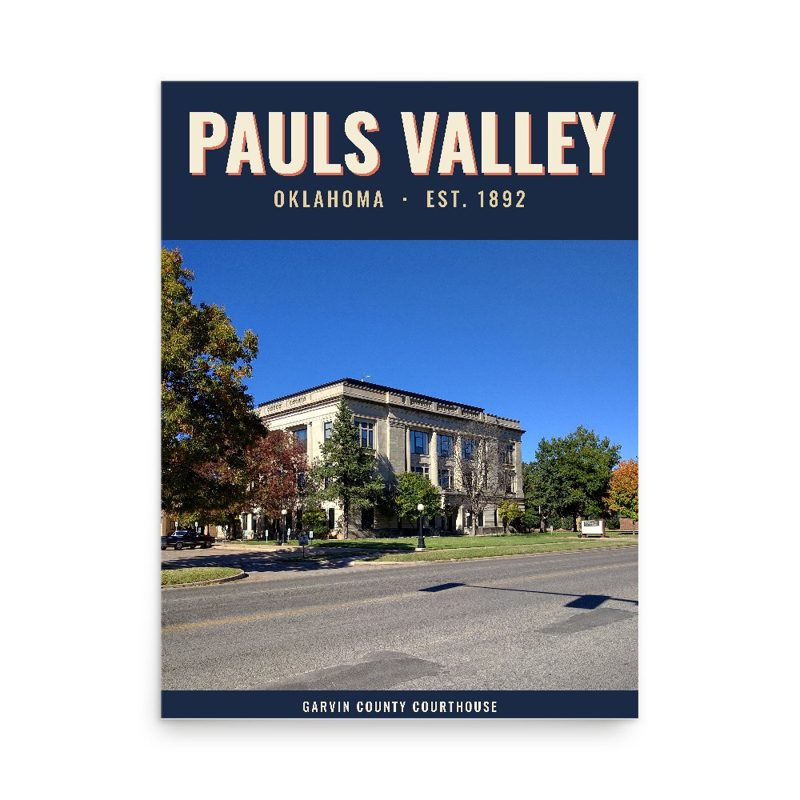
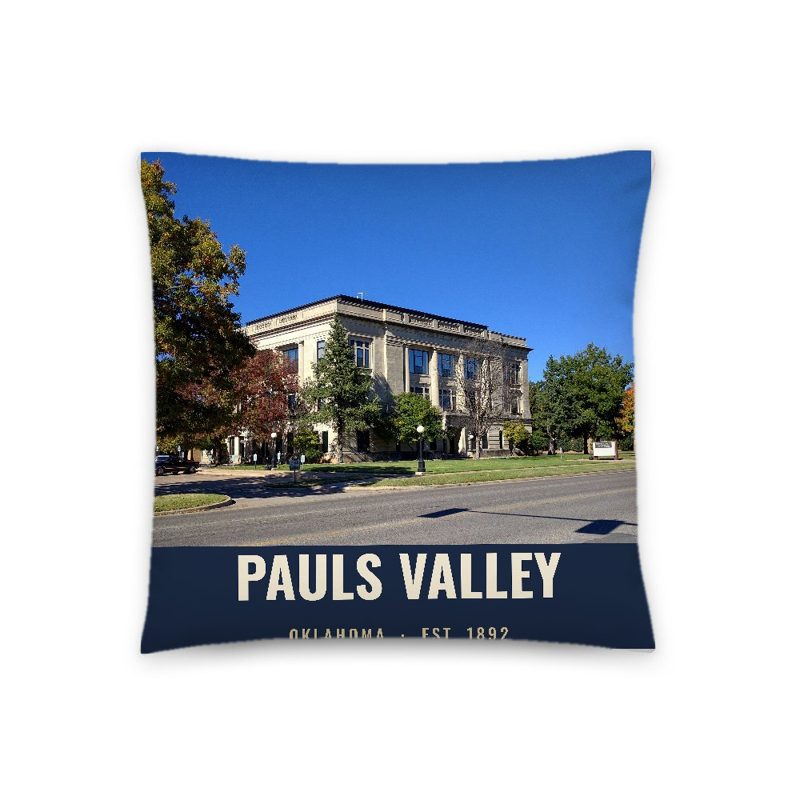
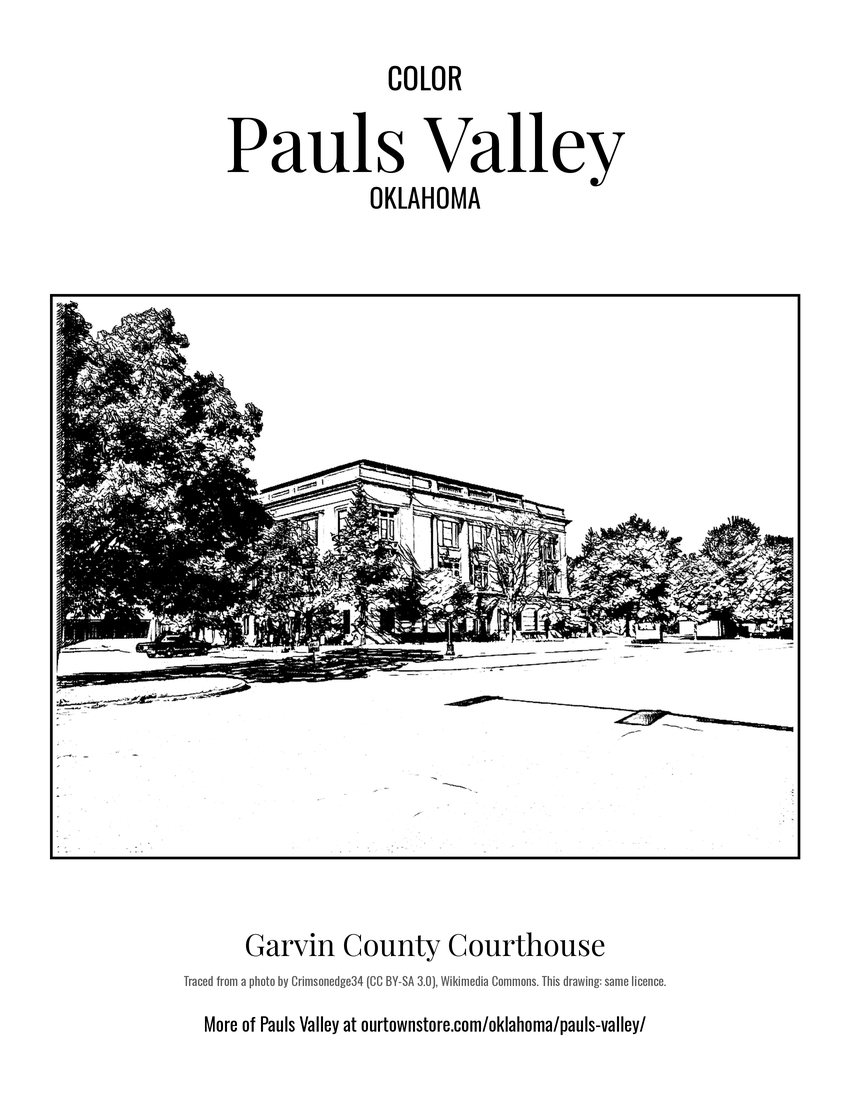 Garvin County Courthouse
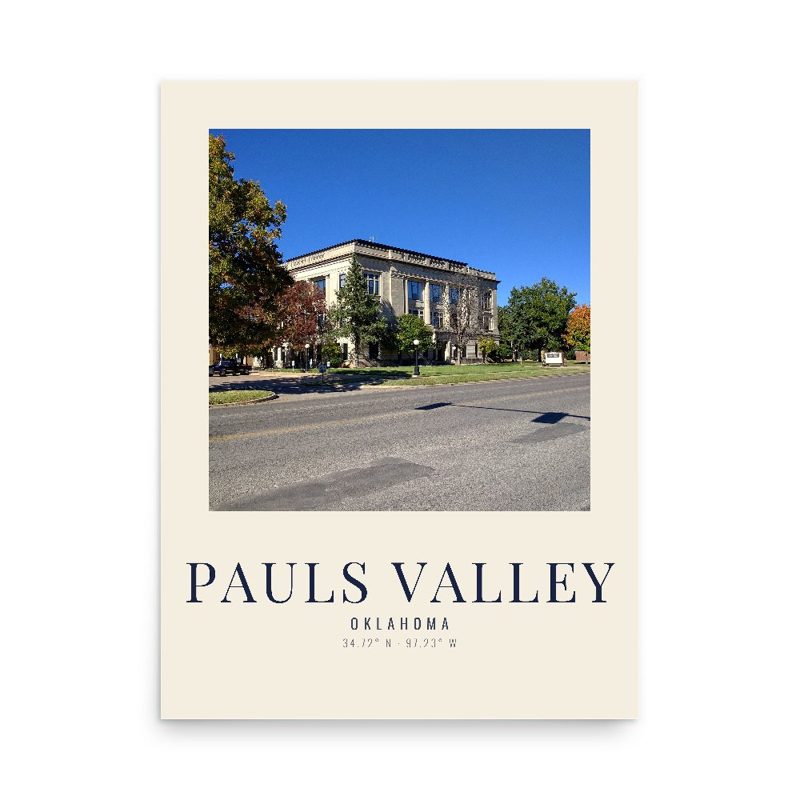
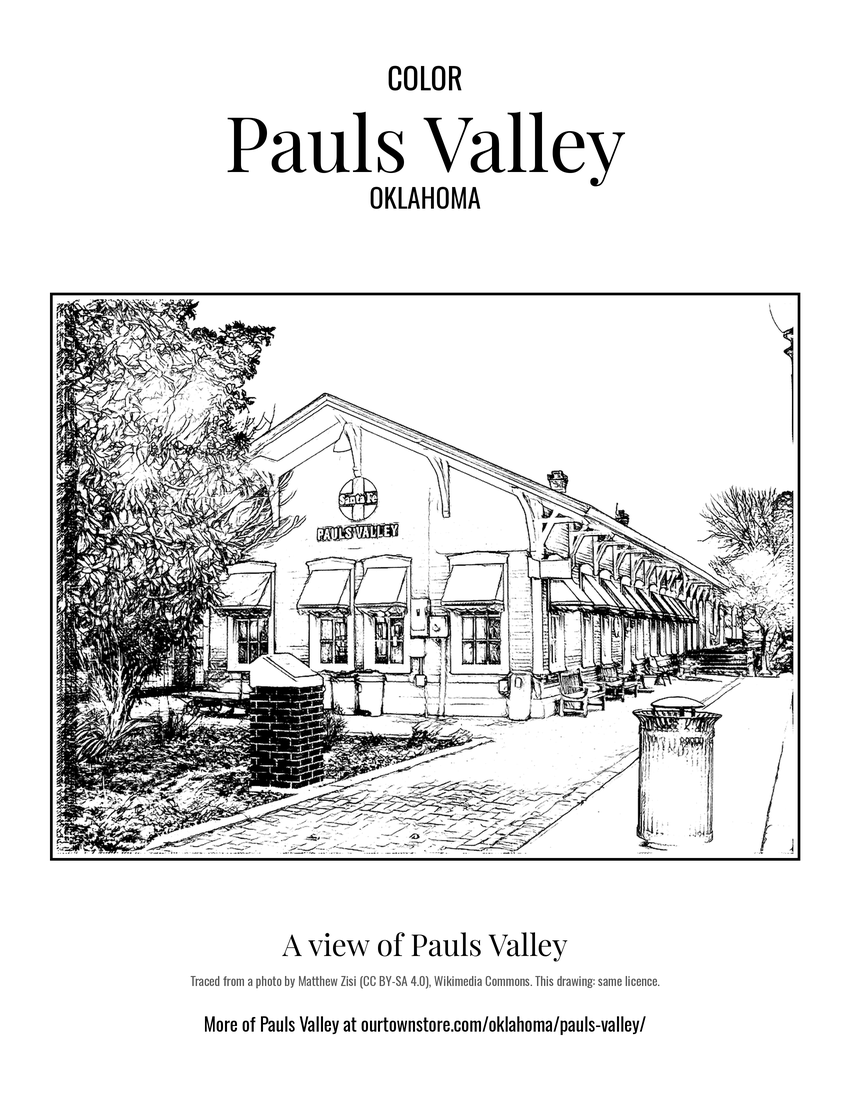 A view of Pauls Valley
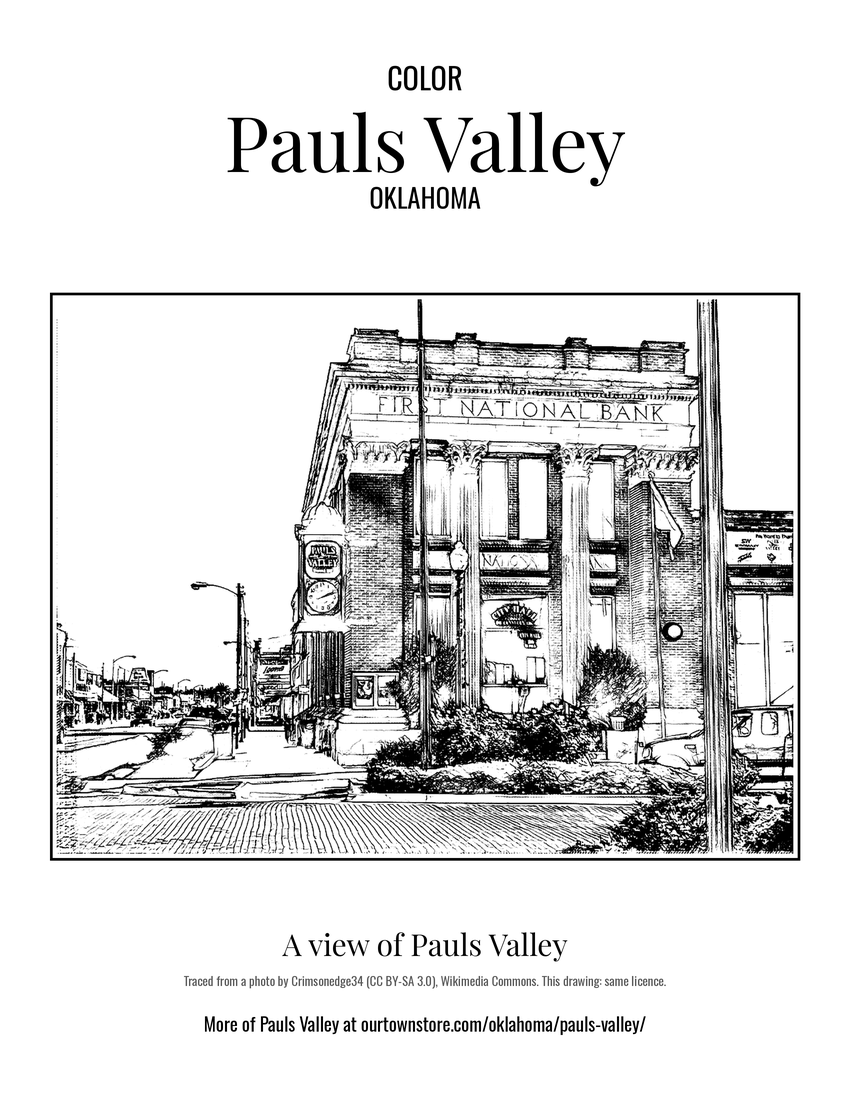 A view of Pauls Valley