A short history of Guthrie
Guthrie was established in 1887 as a railroad station called Deer Creek on the Southern Kansas Railway—later acquired by the Atchison, Topeka and Santa Fe Railway ("AT&SF")-- running from the Kansas–Oklahoma border to Purcell. The name was later changed to Guthrie, named for jurist John Guthrie of Topeka, Kansas. A post office was established on April 4, 1889.
In 1889, some 50,000 potential settlers gathered at the edges of the Unassigned Lands in hopes of staking a claim to a plot. At noon on April 22, 1889, cannons resounded at a 2,000,000-acre (810,000 ha; 8,100 km2) section of Indian Territory, launching president Benjamin Harrison's "Hoss Race" or Land Run of 1889. People ran for both farmlands and towns.
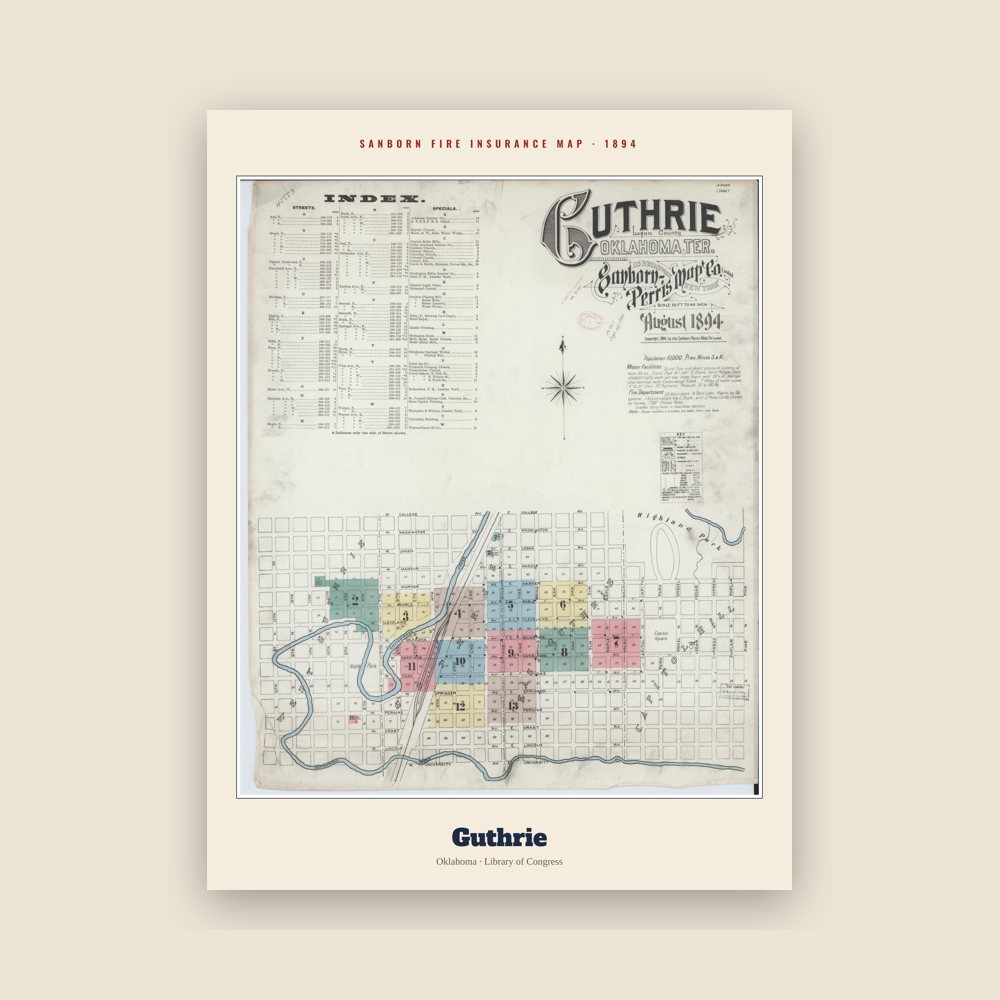
During the next six hours, about 10,000 people settled in what became the capital of the new Territory of Oklahoma. Within months, Guthrie was developed as a modern brick-and-stone "Queen of the Prairie" with municipal water, electricity, a mass-transit system, and underground parking garages for horses and carriages.
Guthrie's western heritage includes the fact that, on April 13, 1898, outlaw Richard "Little Dick" West, a former member of the Wild Bunch gang, was in town when approached by legendary lawmen Heck Thomas and Bill Tilghman. He refused to surrender, and was killed in the resulting gunfight. He is buried in the Summit View Cemetery in Guthrie near outlaw Bill Doolin.
Guthrie’s early connection with rail travel was not completely defined by the AT&SF. Two other railroads indirectly served Guthrie, being the Guthrie and Kingfisher Railway and the Guthrie and Western Railway, which together connected the rails of the Chicago, Rock Island and Pacific Railroad (“Rock Island”) at Kingfisher with the AT&SF trackage serving Guthrie from a point near the town of Seward (just southwest of Guthrie) beginning in 1900. Another railroad, the Fort Smith and Western Railway, reached town from the east in 1903. Guthrie got its own streetcar service, the Guthrie Railway, in 1905, which constructed about 6.5 miles of rails. And, the Oklahoma Railway Company finished a 31-mile interurban line between Oklahoma City and Guthrie in 1916.
Hobart Johnstone Whitley, later known as the "Father of Hollywood, was the first president of the Guthrie Chamber of Commerce. Whitley built the first brick block building in the territory for his National Loan and Trust Company. He was asked by the local people to be the first governor of Oklahoma. Whitley traveled to Washington, DC, where he persuaded the U.S. Congress to allow Guthrie to be the new capital of the future state of Oklahoma. This was specified in the 1906 Oklahoma Enabling Act, which established certain requirements for the new state constitution. By 1907, when Guthrie became the state capital, it looked like a well-established Eastern city.
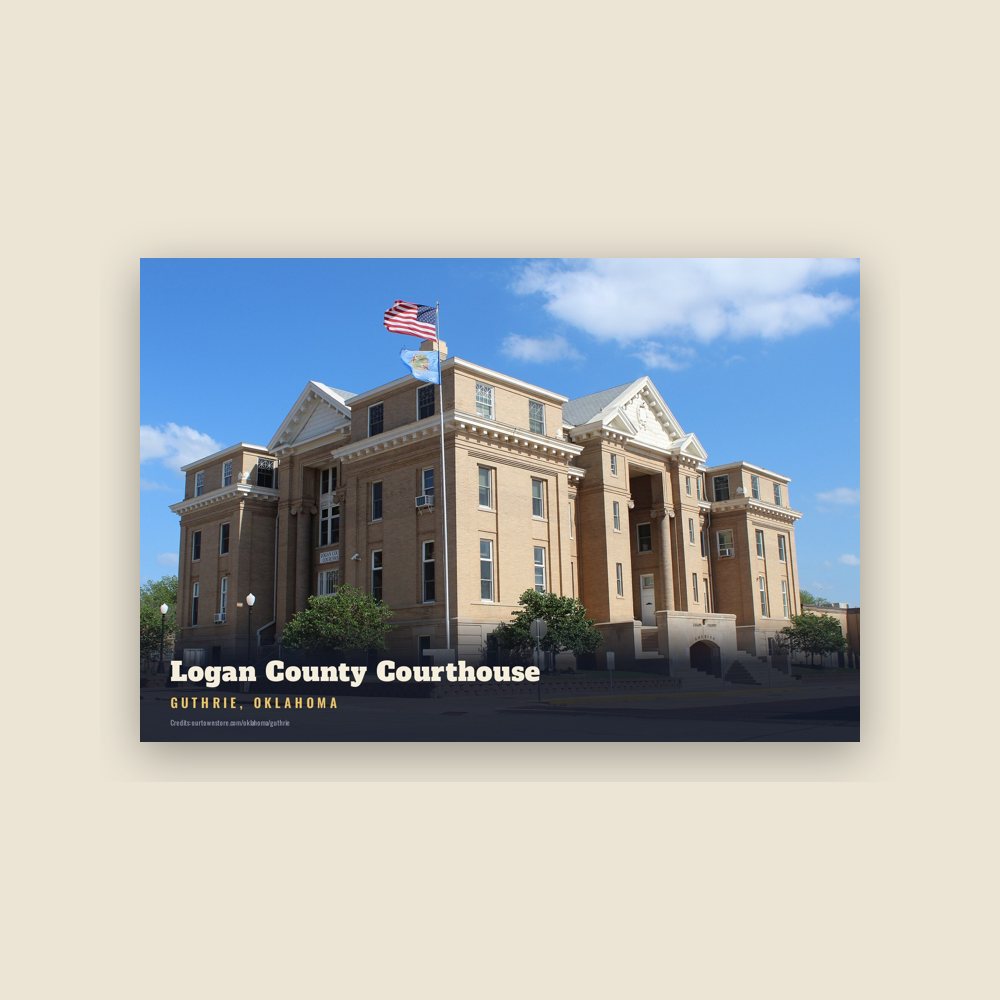
Guthrie prospered as the administrative center of the territory, but it was eclipsed in economic influence by Oklahoma City early in the 20th century. Oklahoma City had become a major junction for several railroads and had also attracted a major industry in the form of meat packing. Oklahoma City business leaders began campaigning soon after statehood to make Oklahoma City the new state capital, and in 1910, a special election was held to determine the location of the state capital; 96,488 votes were cast for Oklahoma City; 31,031 for Guthrie; and 8,382 for Shawnee. Governor Charles N. Haskell, who was in Tulsa on the day of the election, ordered his secretary W. B. Anthony to have Oklahoma Secretary of State Bill Cross obtain the state seal and transport it to Oklahoma City, despite having been served a restraining order by Logan County Sheriff John Mahoney blocking the transfer. Anthony obtained written authorization from Cross, retrieved the seal from the Logan County courthouse, and delivered it to Oklahoma City.
After the capital was transferred, Guthrie lost much of its government-related business and numerous residents. It began to dwindle in size and soon lost its status as Oklahoma's second-largest city, initially to Muskogee, then later to Tulsa. A challenge to the new state capital was heard in the Oklahoma Supreme Court; it upheld the election and moved in its ruling on February 9, 1911, as did the United States Supreme Court the same year.
n 1933, Claver College was founded by Sr Joseph O'Connor, a Benedictine religious sister from St. Joseph's Monastery in Tulsa, to serve the African American population of Guthrie. The college was supported with funding from Katharine Drexel (who had founded Xavier University of Louisiana, the nation's only Catholic HBCU, in 1925). The college was named after Peter Claver, a Jesuit missionary and the patron saint of African-American ministry. The college, a night school, operated out of a building that also hosted a grocery store. It ceased operations in 1944, and its former place of operation, the floodplain neighborhood of "Little Africa", was later destroyed. It has since experienced sustained restoration efforts.
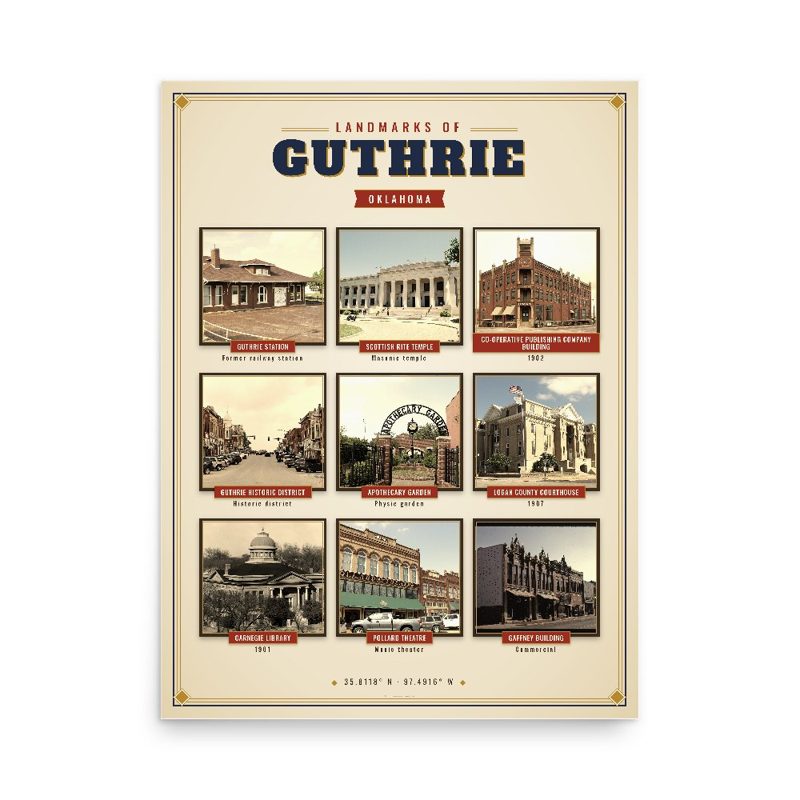
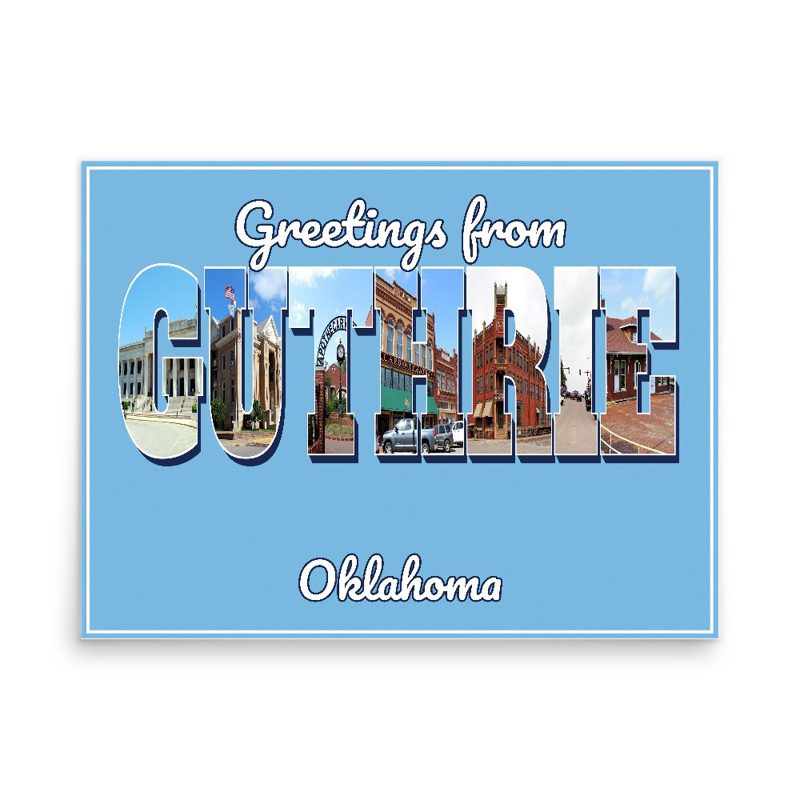
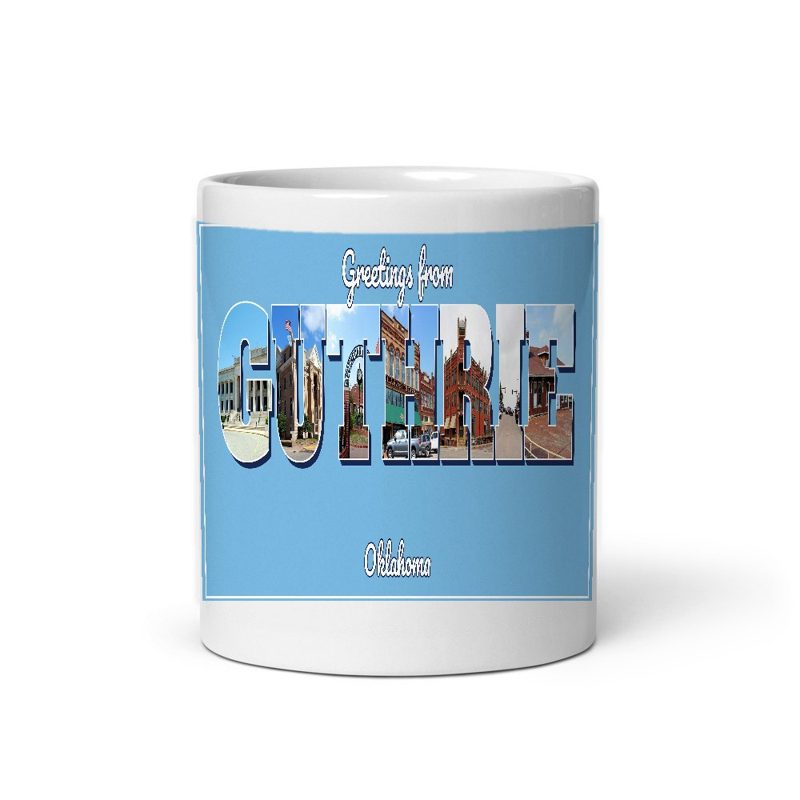
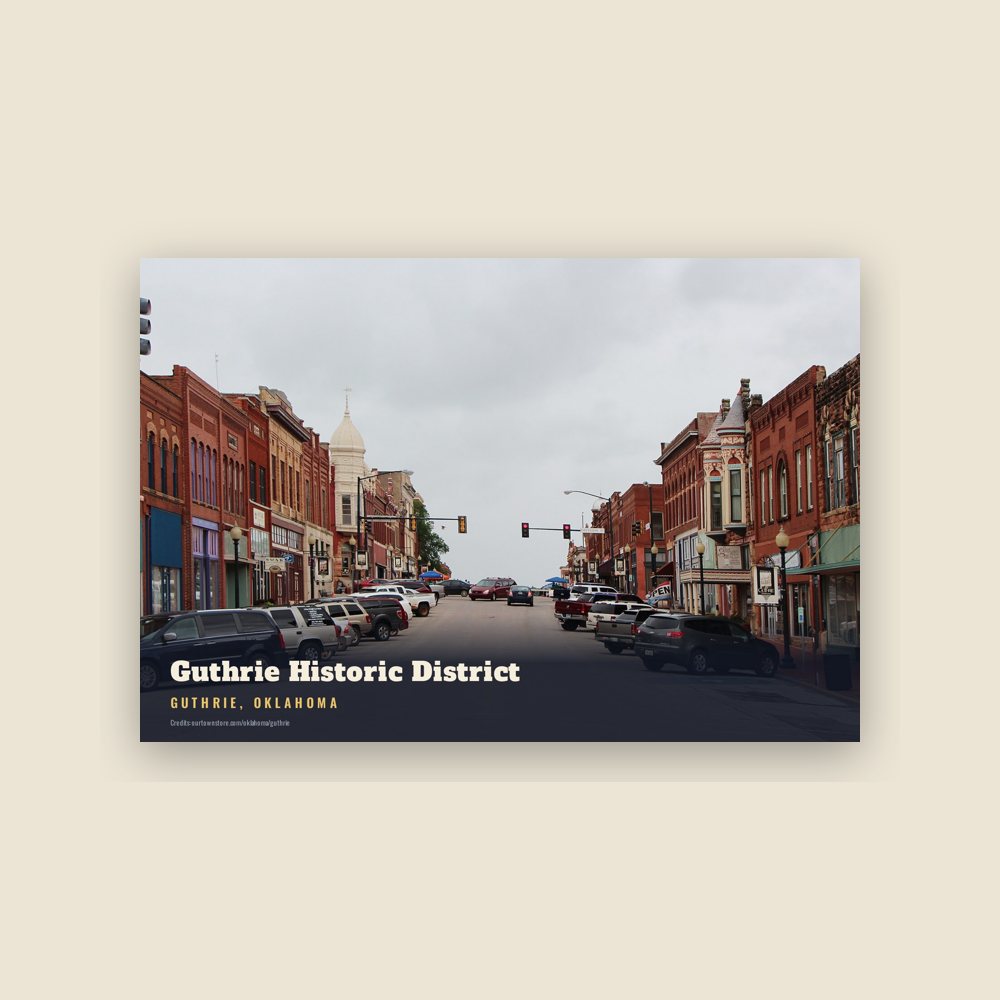
The center district of Guthrie was designated a National Historic Landmark by the National Park Service in 1999, in recognition of the city's importance to state history, as well as its rich architecture.
Read the full history
Culture
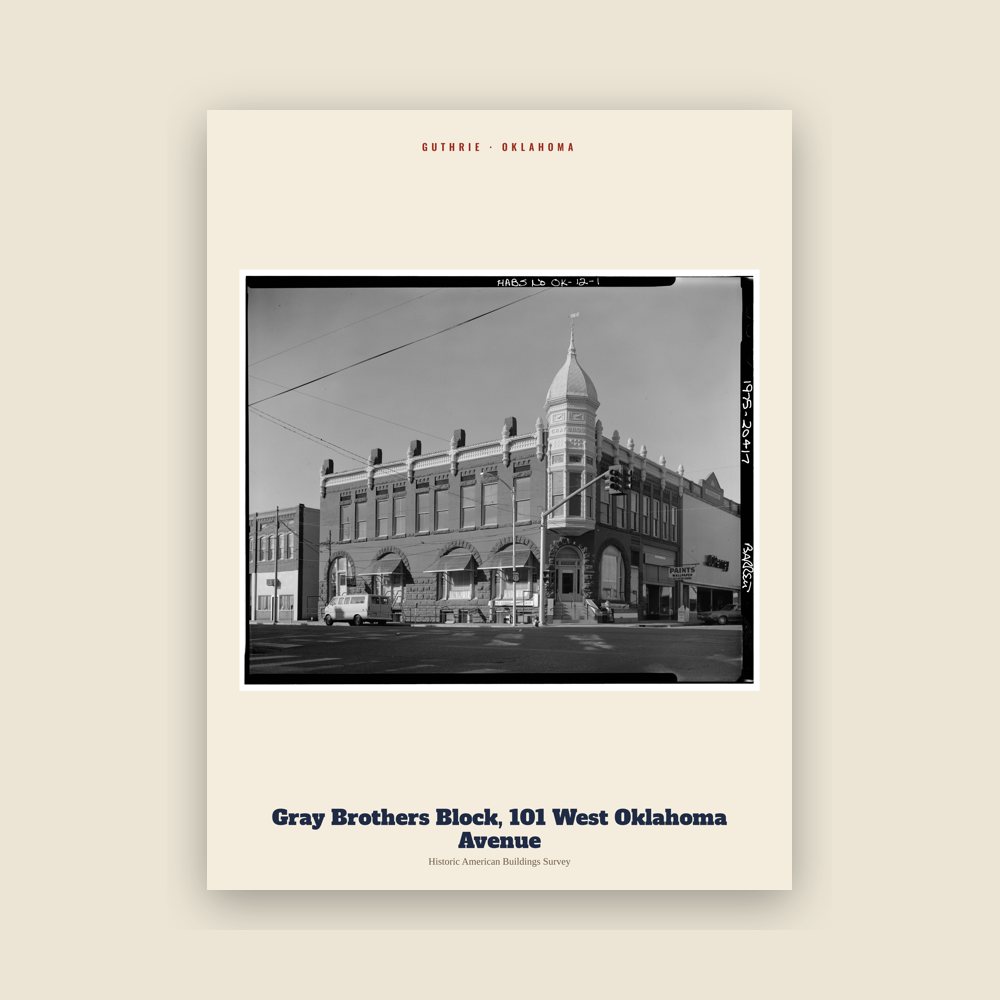
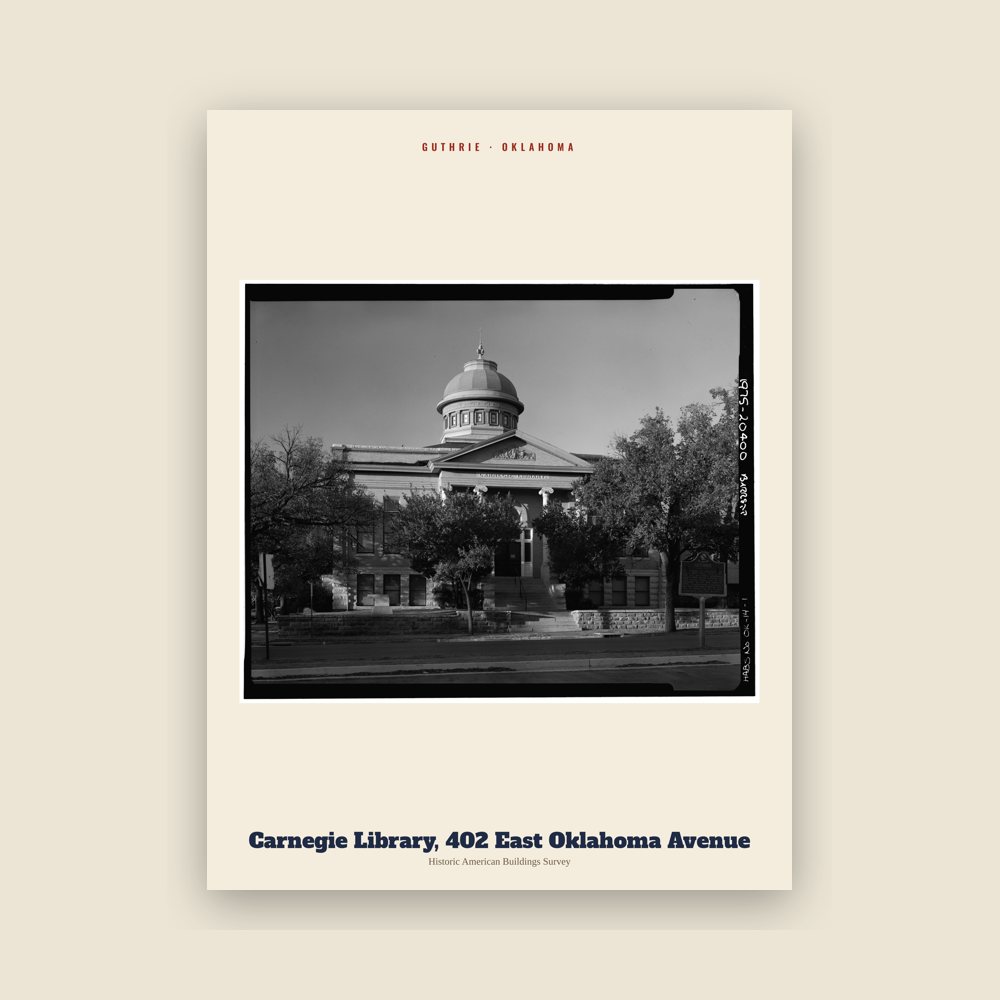
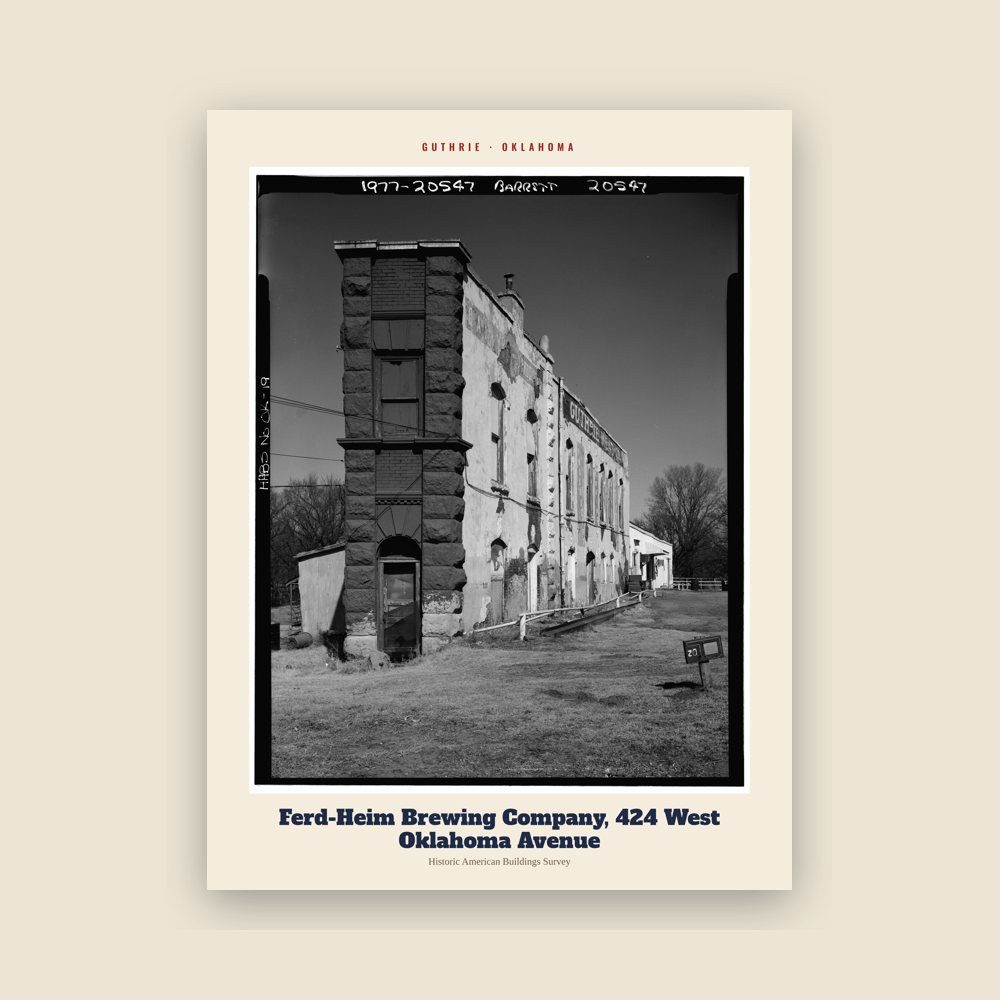
As a result of Guthrie's early loss of prominence, it has a well-preserved Victorian enclave. Whereas growth and inattentive urban planning caused other Oklahoma towns such as Oklahoma City to destroy much of their early downtown architecture, much of the entire central business and residential district of Guthrie is intact.
The National Finals Steer Roping Rodeo is held in Guthrie. On six occasions, Texas rodeo promoter Dan Taylor was chute director for the competition in Guthrie.
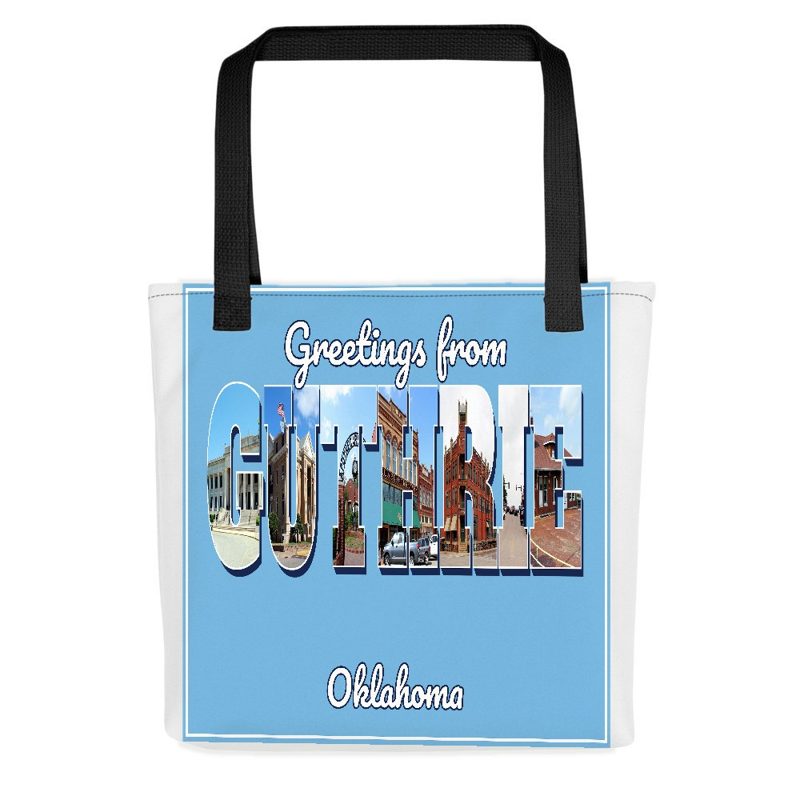
Historical tourism has become a significant industry for the town. Guthrie is the largest urban historic district in Oklahoma, containing 2,169 buildings, 1,400 acres (567 ha; 5.67 km2), and 400 city blocks. Guthrie is a "Certified City"; it has received a Community Development Block Grant to inventory infrastructure features for capital-improvement planning.
To the south of Guthrie lie Liberty Lake and Guthrie Lake. Its museums include the Oklahoma Territorial Museum; it hosts the Oklahoma International Bluegrass Festival, which draws 15,000 visitors annually. In addition, Guthrie claims to be the "Bed and Breakfast" capital of Oklahoma.
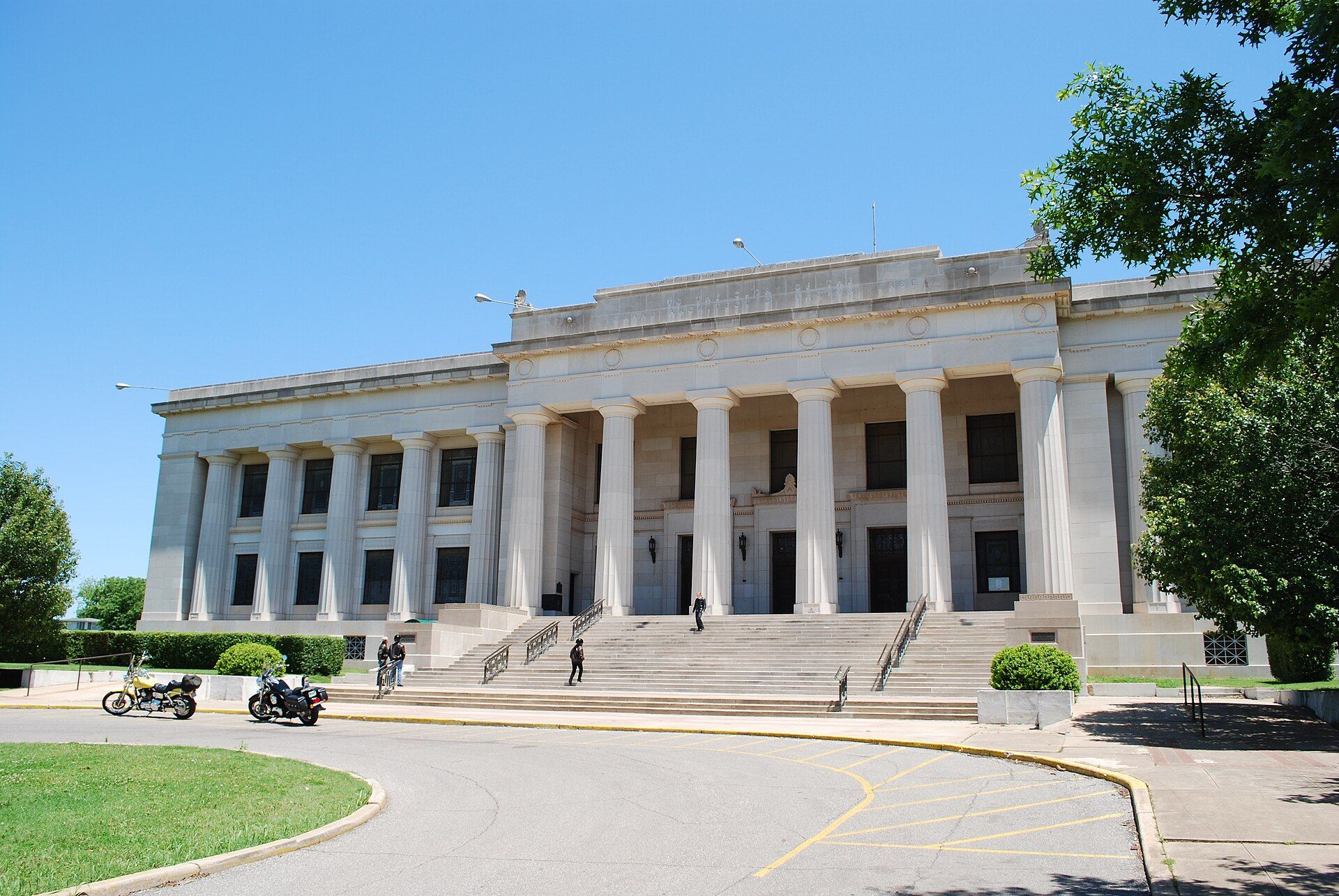
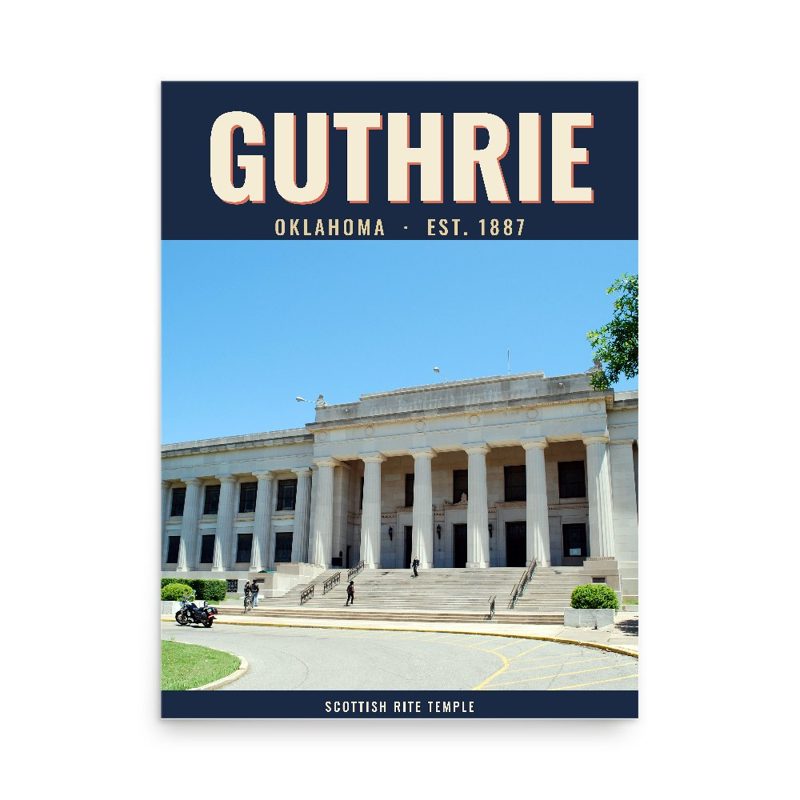
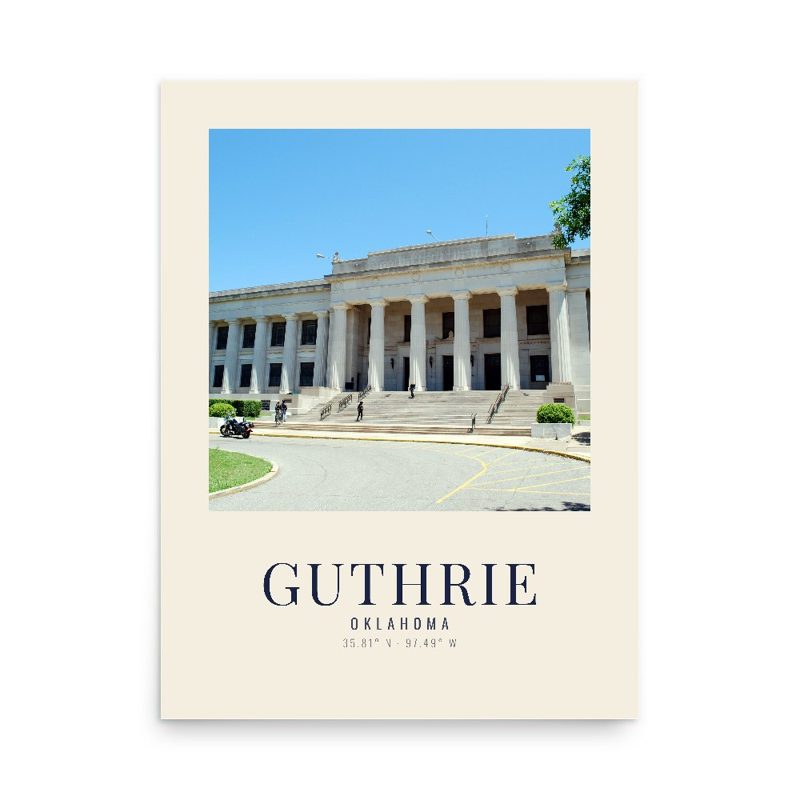
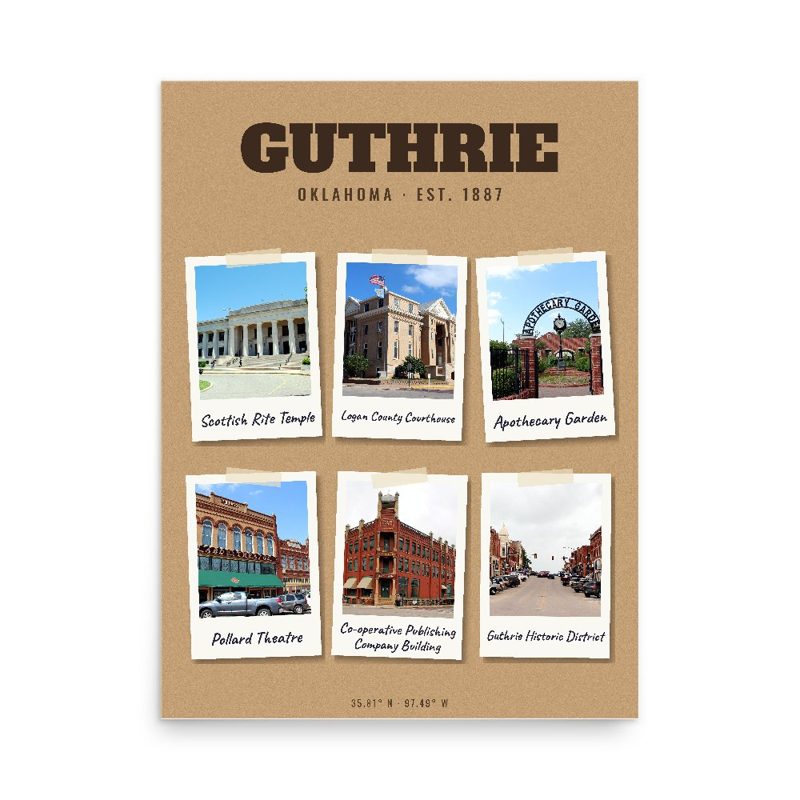
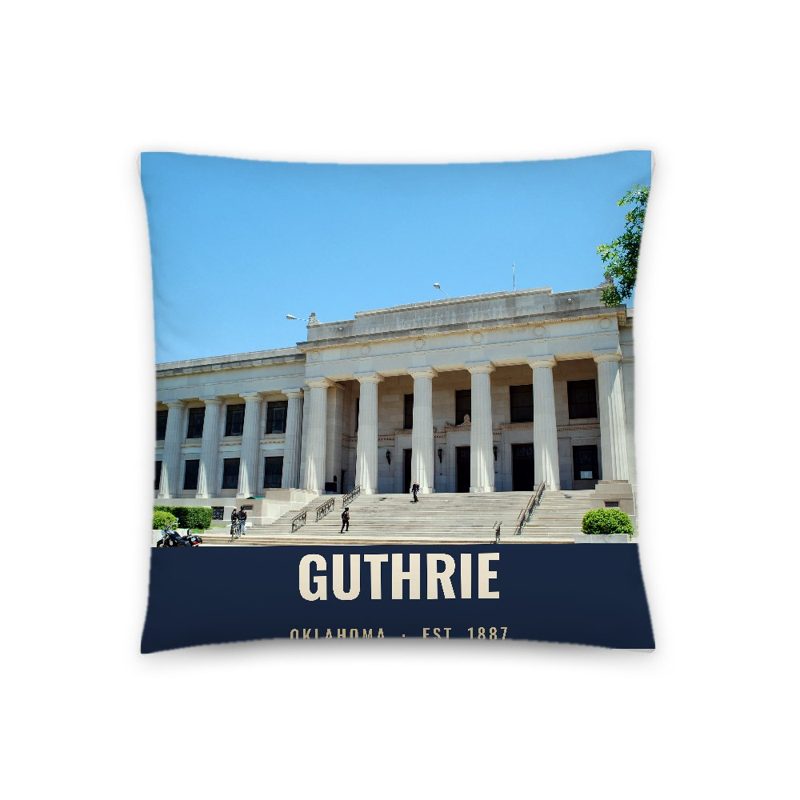
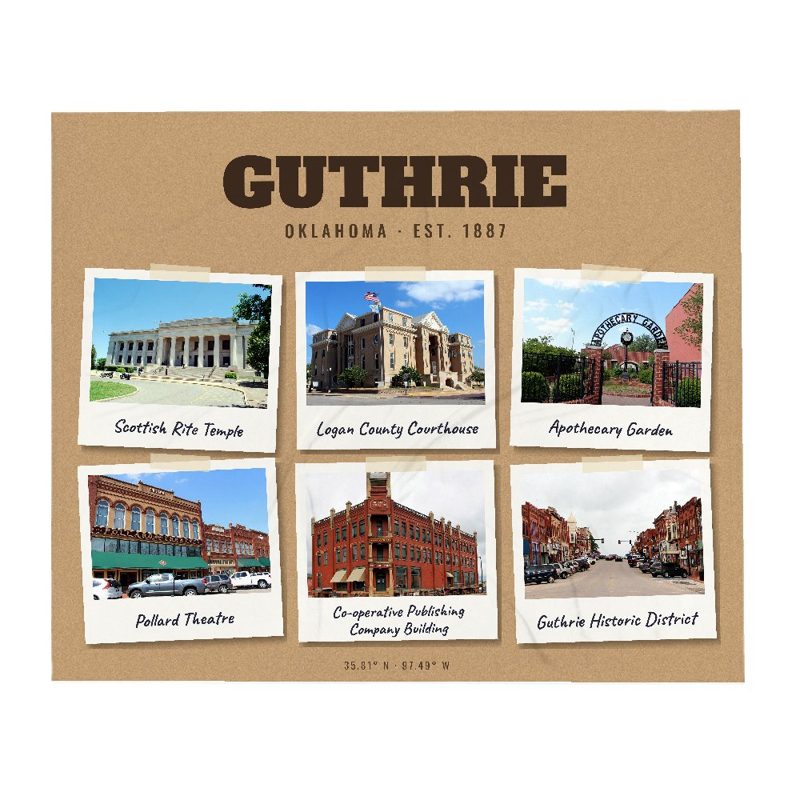
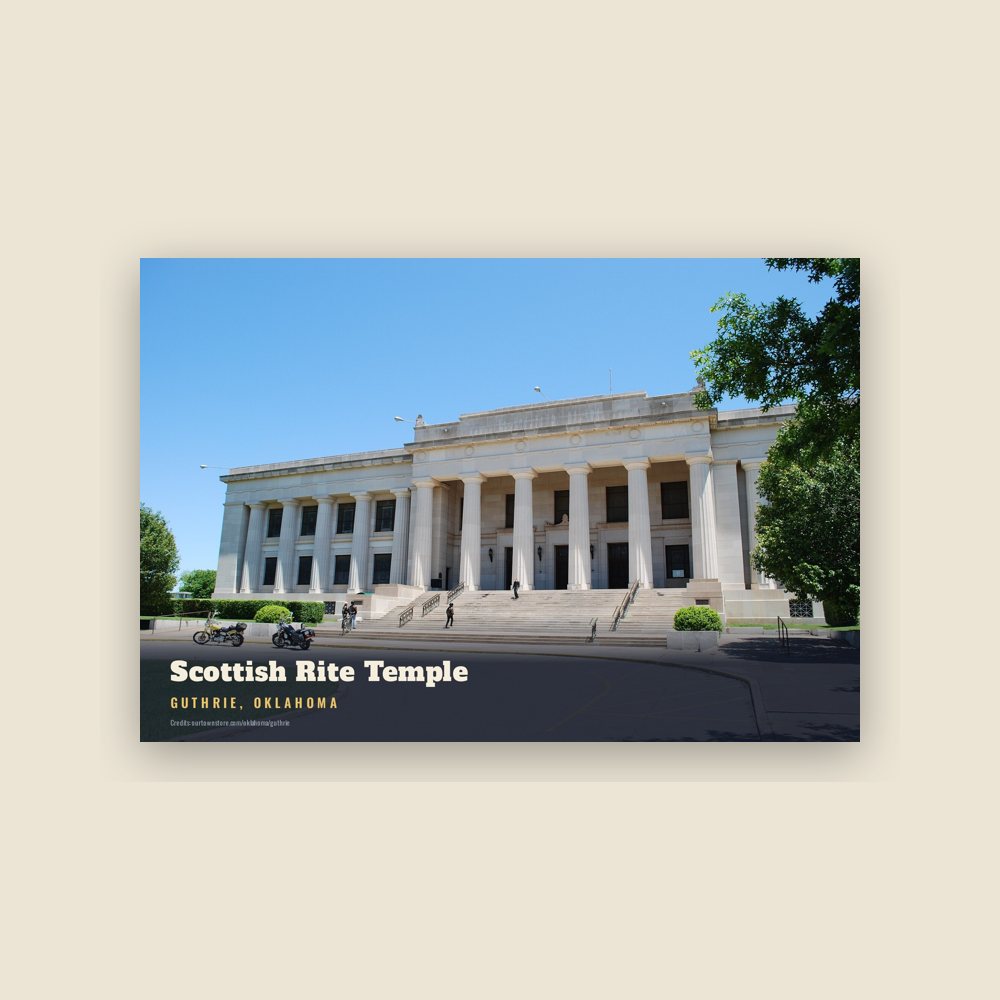
Guthrie also hosts the Guthrie Scottish Rite Masonic Temple, one of the world's largest Masonic centers, which in years past has brought artists such as Henry Mancini, Lena Horne, Victor Borge, and Luciano Pavarotti to local audiences.
Guthrie has Oklahoma's oldest year-round professional theatre company, the Pollard Theatre Company. With an emphasis on creative story-telling to illuminate the shared human experience, the Pollard produces six or more plays and musicals annually, enlisting artists across the United States. The annual holiday favorite is A Territorial Christmas Carol.
Adapted (trimmed) from the Wikipedia article Guthrie, Oklahoma, revision 1383938836 by its contributors, licensed CC BY-SA 4.0.
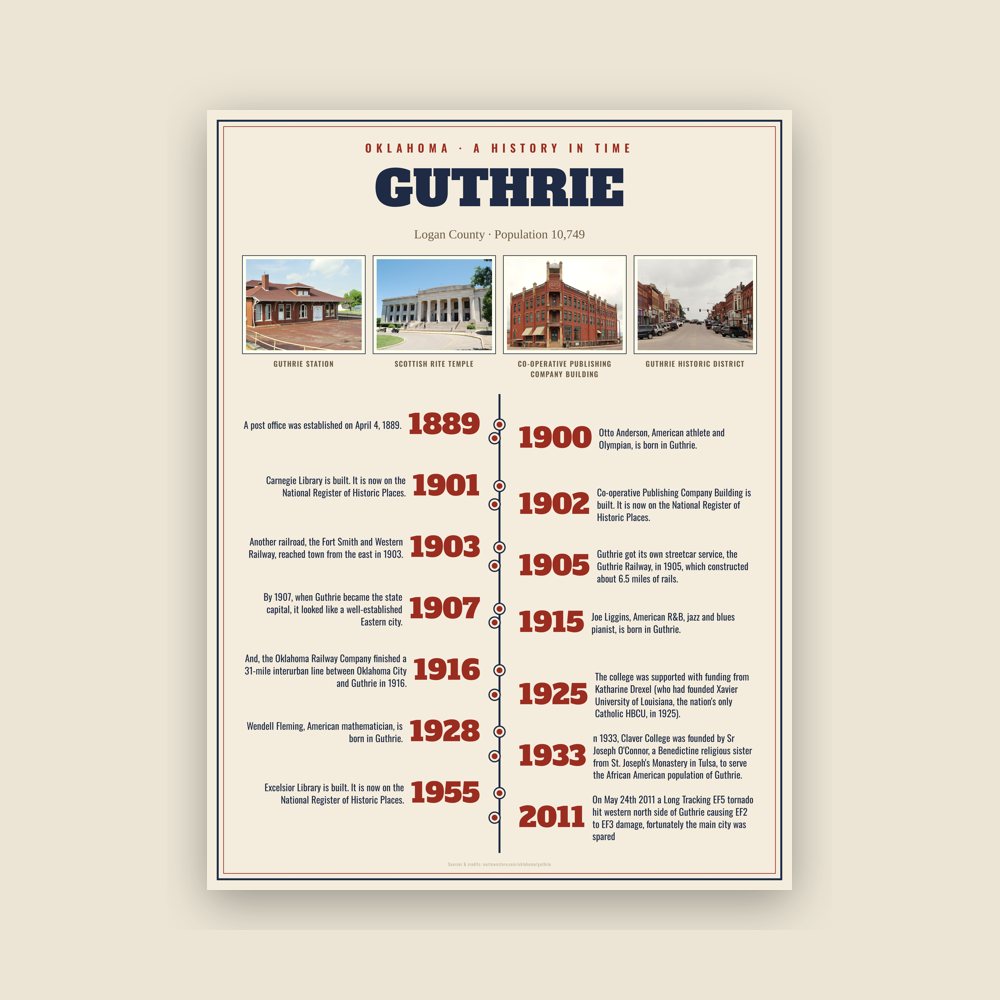
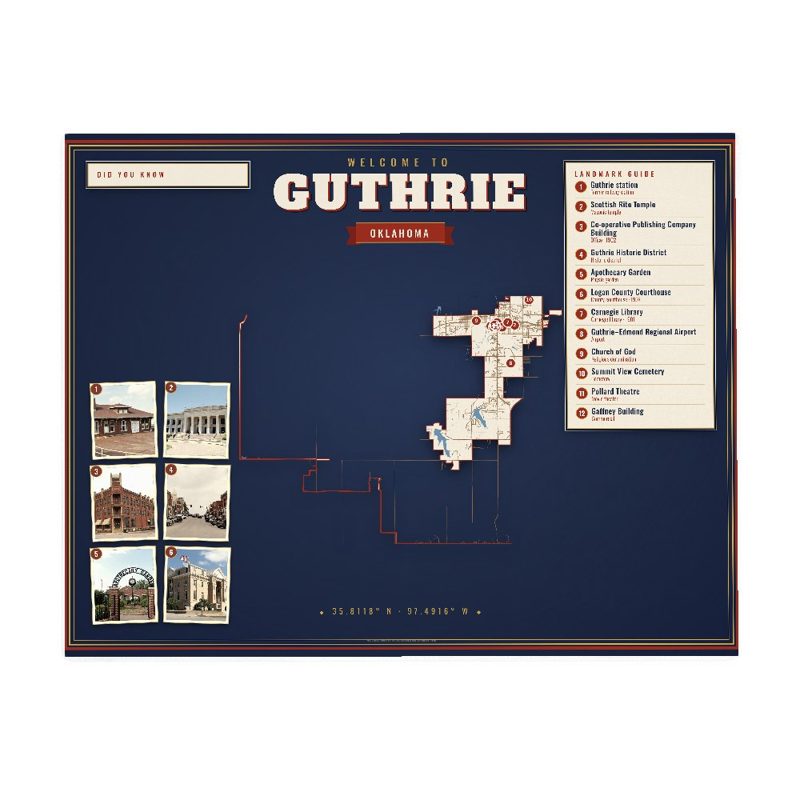


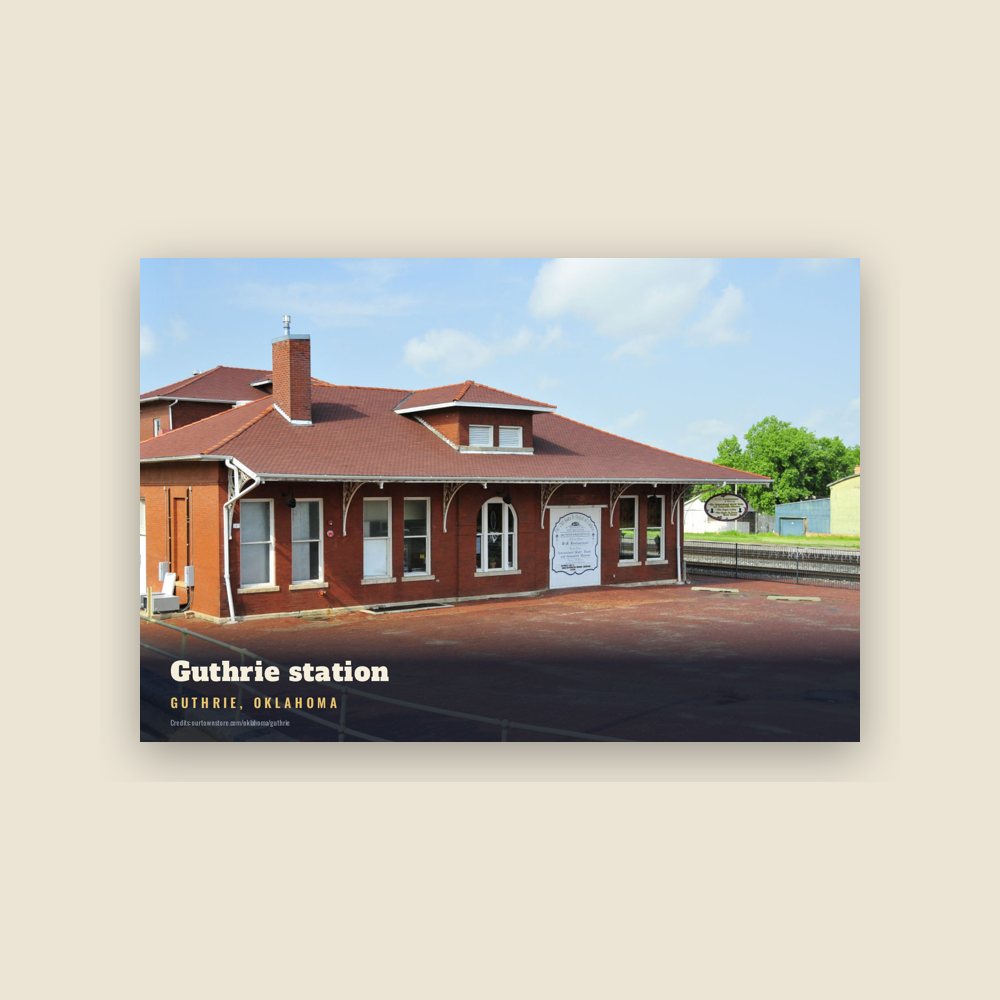
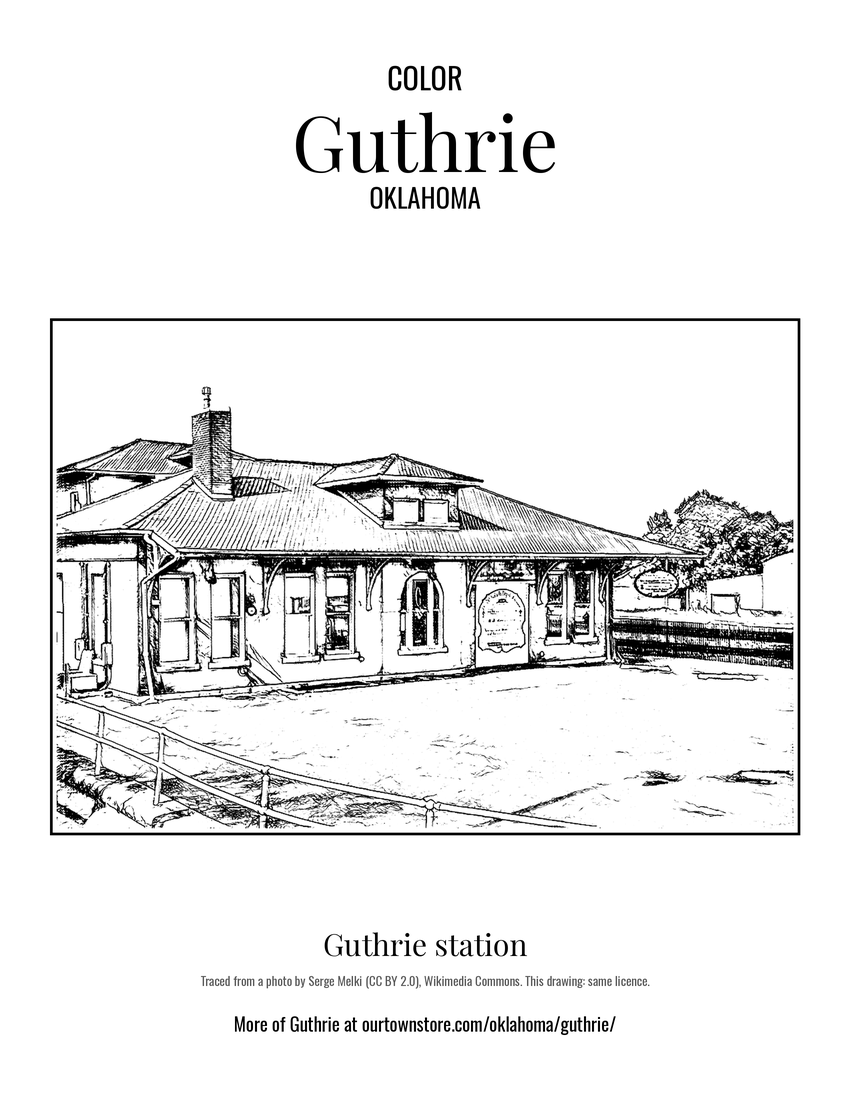 Guthrie station
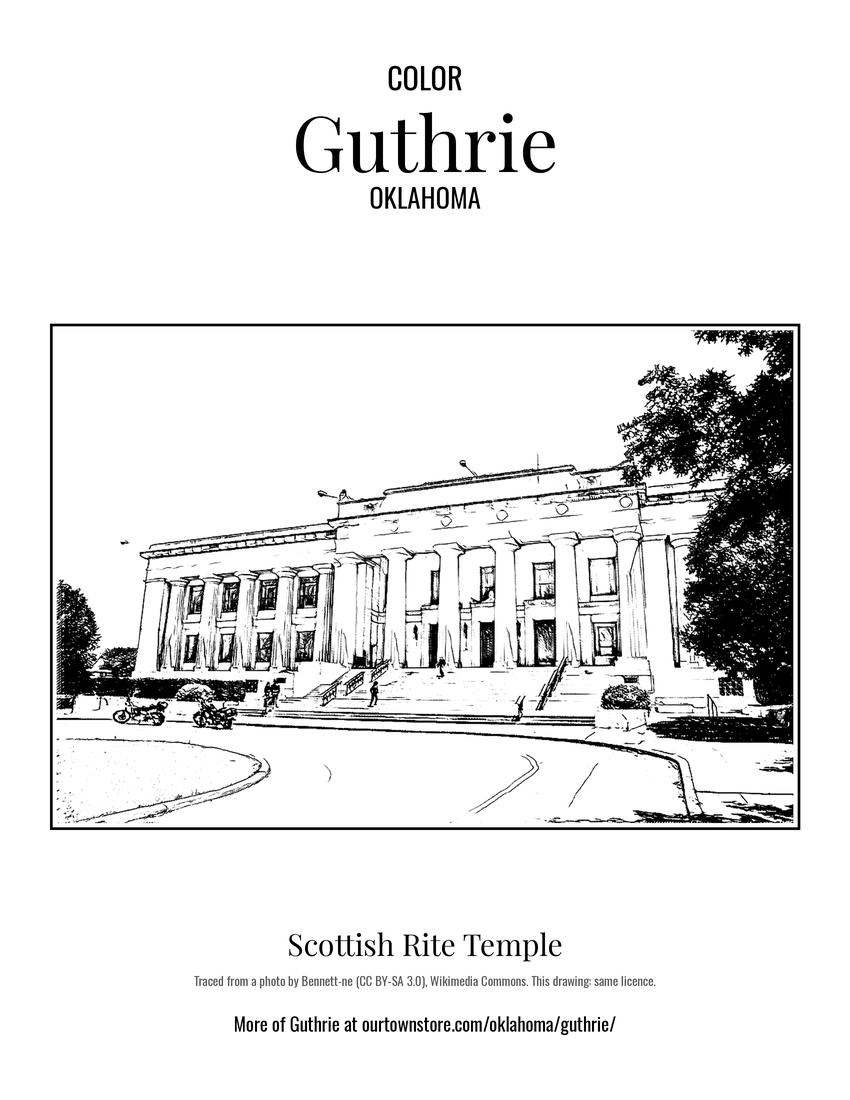 Scottish Rite Temple
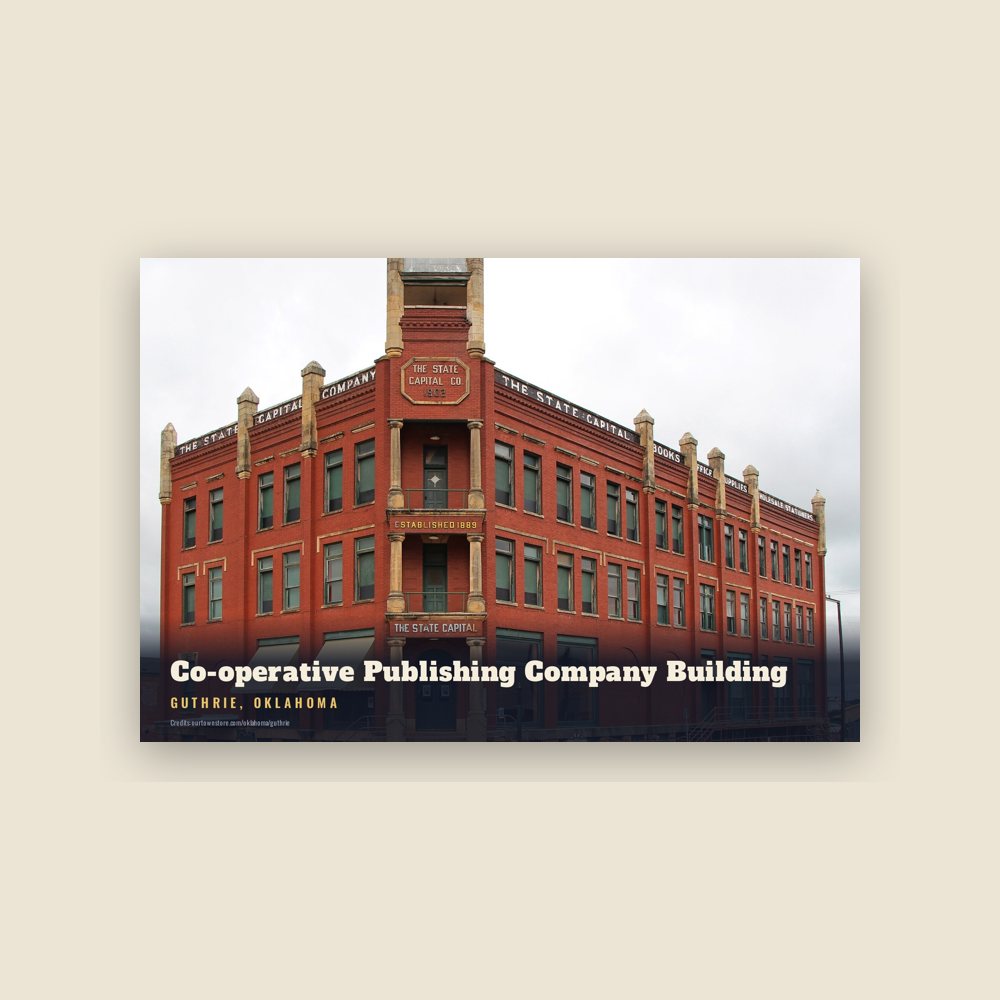
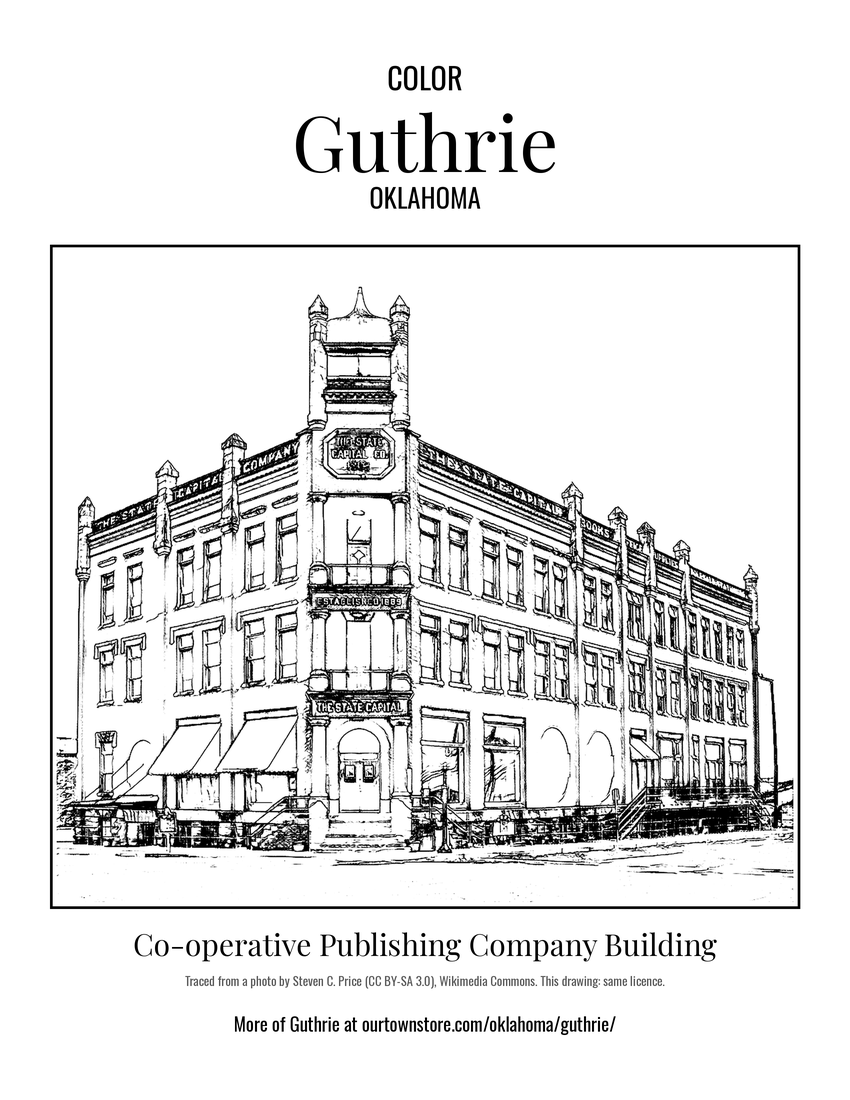 Co-operative Publishing Company Building
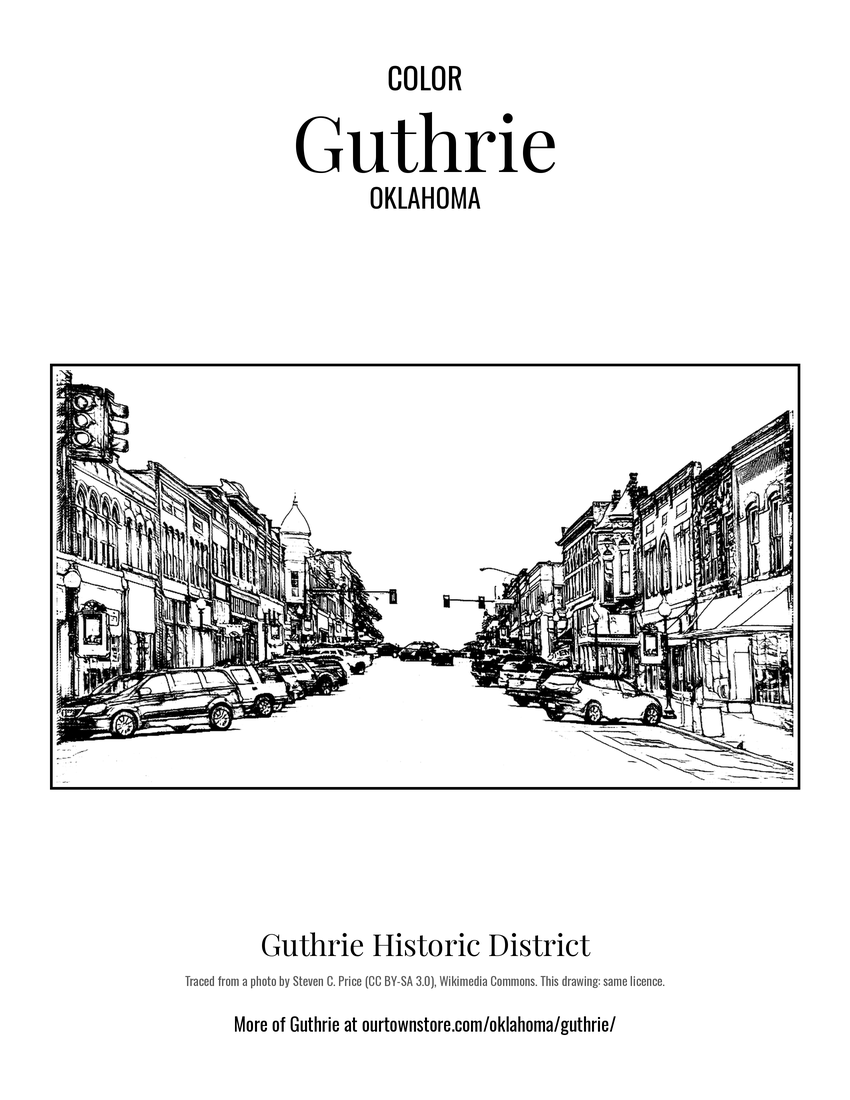 Guthrie Historic District