A short history of Claremore
Around 1802, bands of Osage Indians settled in this area of what is now northeastern Oklahoma. Black Dog was the chief of a band that settled at Pasona, where Claremore later developed. He shared power with chiefs Clermont (or Claremore), and Pawhuska. Clermont, named by French traders, settled with his band in a village known as Pasuga, meaning "Big Cedar", which was located on an ancient platform earthwork mound in this area.
The Osage village of Pasuga was destroyed by Cherokee in June 1817, during the Battle of Claremore Mound, also known as the Battle of the Strawberry Moon. These Western Cherokee had moved into the region from the Southeastern United States and were perpetually competing with the Osage, who looked down on them. At the time of the attack, most of the men were out of the villages to hunt bison on the plains. The Cherokee killed the men in the village, and took more than 100 women and children captive, selling them to Eastern Cherokee. Accounts differ as to whether Chief Clermont was killed in the raid.
After the Indian Removal Act of 1830 was passed by Congress, this area was designated as part of Indian Territory and the Cherokee Nation was assigned much of this territory. Claremore and the mound were within a part of the Cooweescoowee District in the northwestern part of the Cherokee Nation.
The Rogers family, for whom the county is named, was among the first European-American settlers. Clem Rogers, father of the famous entertainer Will Rogers, was born of mixed-blood parents in the Cherokee Nation, as was his wife. He moved to the county in 1856 and acquired lands for his Dog Iron Ranch that eventually consisted of more than 60,000 acres (240 km2). The Clem Rogers home (Will Rogers' birthplace) still stands outside Oologah, and is considered an important historical site. Clem Rogers was a major advocate of Oklahoma statehood; he was the oldest delegate to the state's Constitutional Convention in 1907 at age 69. Other members of his family and he were buried at the Will Rogers Memorial.
A post office was established on June 25, 1874. The coming of railways to Indian Territory was the driving factor in early growth. Two early lines intersected in the center of town. The town changed the spelling of its name from Clermont to Claremore on September 19, 1882. A clerk recording the town as having a post office had spelled the name incorrectly, and it stuck. The town was incorporated in the Cherokee Nation on May 2, 1903. newspaper, the Claremore Daily Progress, was founded in 1893 by cowboy Joe Klein and is still published daily. It is the oldest business in Rogers County.
Growth was aided by the popularity of sulfur springs among Americans in the late 19th and early 20th centuries. They believed bathing in such springs to have medical benefits. George Eaton had settled with his family in the Claremore area in 1874 and conducted farming and cattle raising. He later branched into the mercantile business, real estate, and oil exploration. While drilling just east of Claremore in 1903, Easton struck an underground pool of water that smelled of sulfur. Local physician Dr. W. G. Williams tested the water and marketed it as a cure. Known as "Radium Water", it contained no radium, but hydrogen sulfide and sulfur compounds that were believed to make it medically useful. Eaton built a bath house and promoted the pool area as Radium Town. Radium Town was centered on 9th Street between Seminole and Dorothy. Bath houses were built by promoters all over this area of Claremore, and for a time attracted travelers and tourists for the waters. Only one was still standing as of 2008. The first hospital was established in the early 1900s along what is now known as Will Rogers Boulevard or Oklahoma State Highway 20. The building is standing and is currently being renovated.
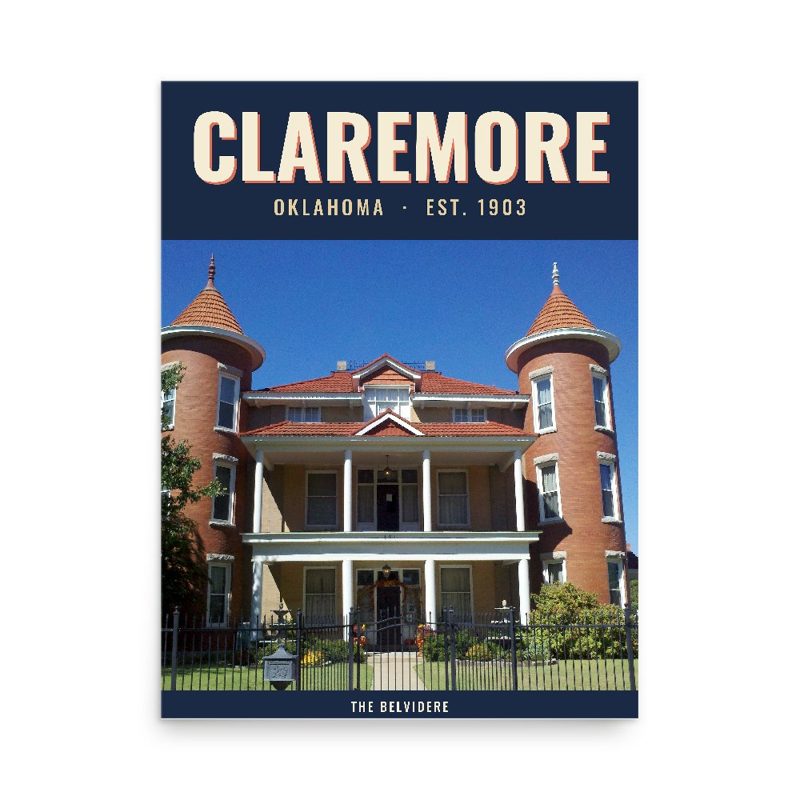
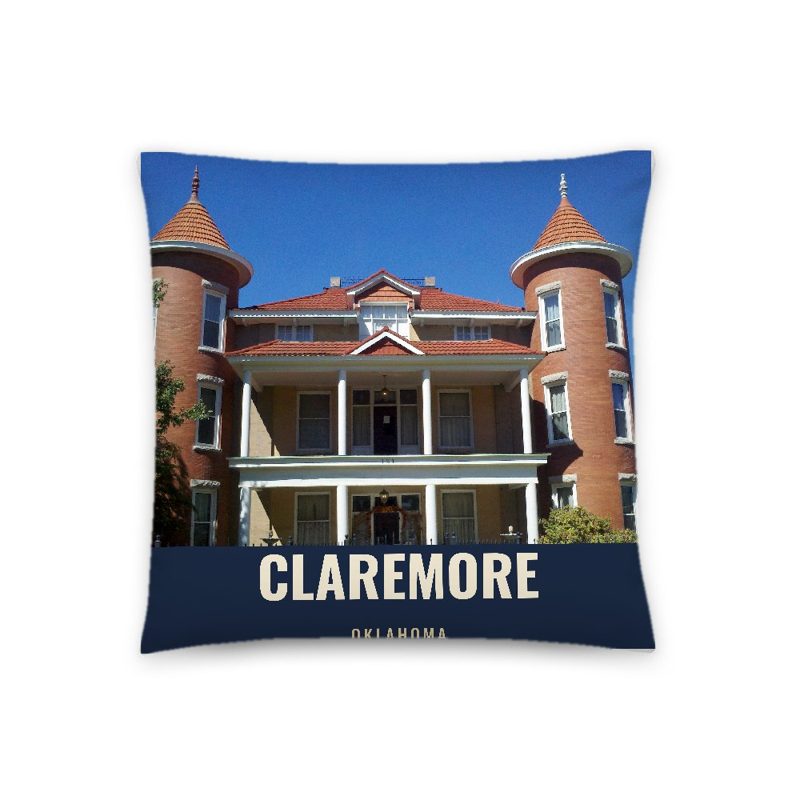
The town has many historic homes and other buildings, with several located in the old business district. In 2002, Claremore received a grant from the state's Oklahoma Main Street program to redevelop its business district with improved urban design and enhancement of historic properties. Renovation work on the downtown was completed in 2007. On July 9, 2020, the Supreme Court of the United States determined in McGirt v. Oklahoma that the reservations of the Five Tribes, comprising much of Eastern Oklahoma, were never disestablished by Congress, thus are still "Indian Country" for the purposes of criminal law.
On the night of May 25, 2024, an EF3 tornado impacted Claremore and caused considerable damage to the city and the areas surrounding it.
On February 17, 2026 Darren Blanchard, a Claremore resident, was arrested for trespassing after he exceeded his three-minute public comment time limit by about 30 seconds at a public meeting about AI data center development. After he requested body camera footage from the meeting, the city tried to charge him over $17,000 for the footage and related work. The justification it gave was "to ensure that all information which must be withheld relating to members of the public and the City’s personnel is redacted in order to protect their privacy." The Oklahoma office of the Attorney General commanded the City of Claremore to release the footage without charge since this was a public meeting with no right to privacy and because the city had not posted a schedule of fees as required by the Oklahoma Open Records Act.
Adapted (trimmed) from the Wikipedia article Claremore, Oklahoma, revision 1381846629 by its contributors, licensed CC BY-SA 4.0.
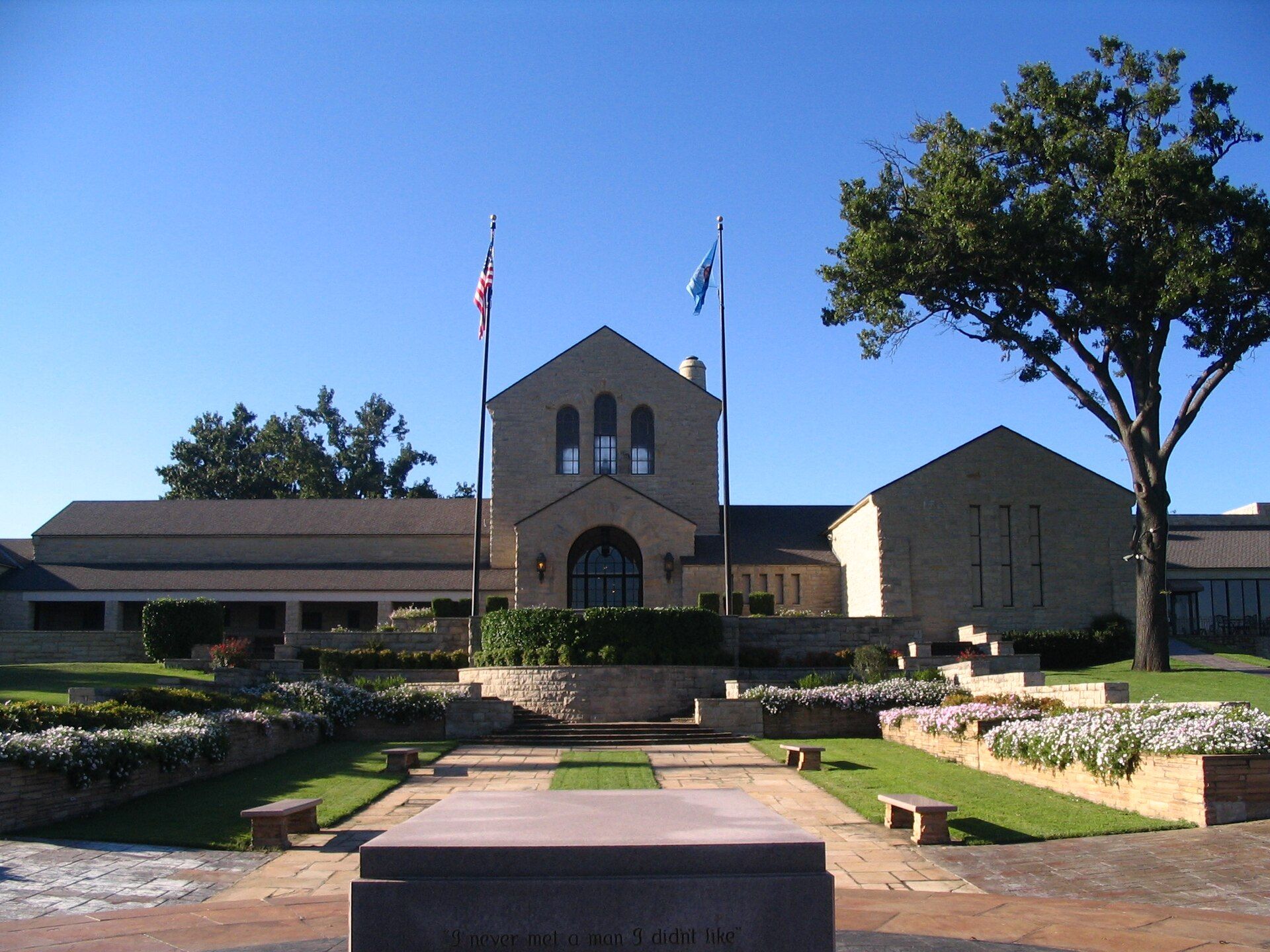
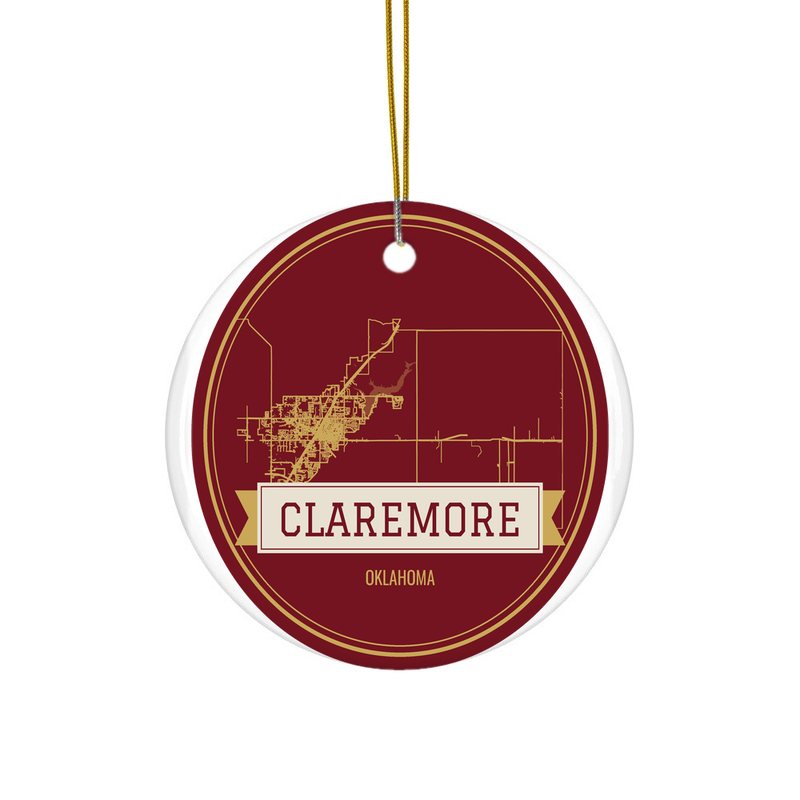
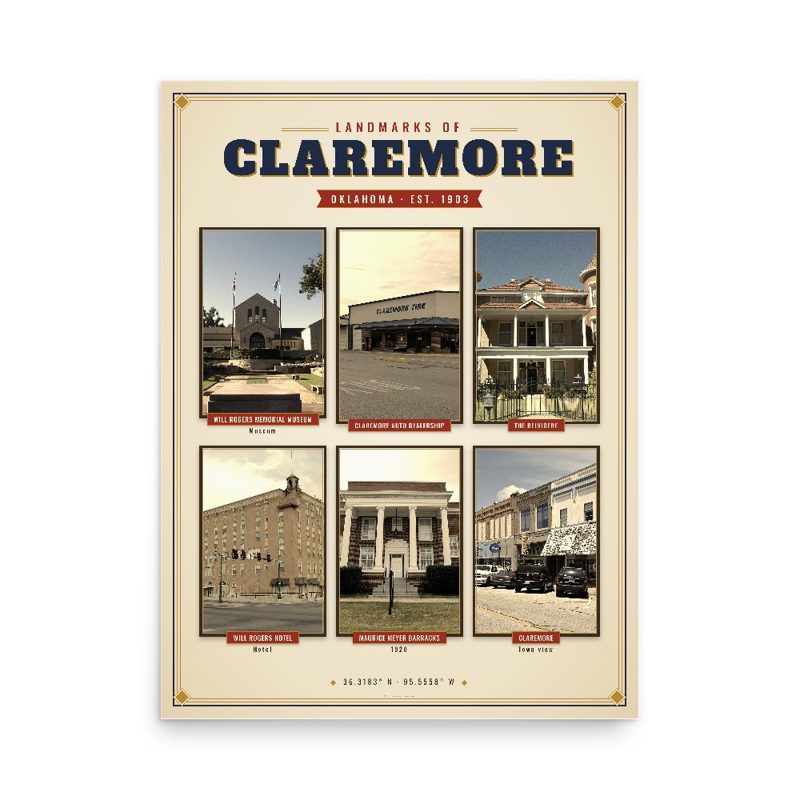
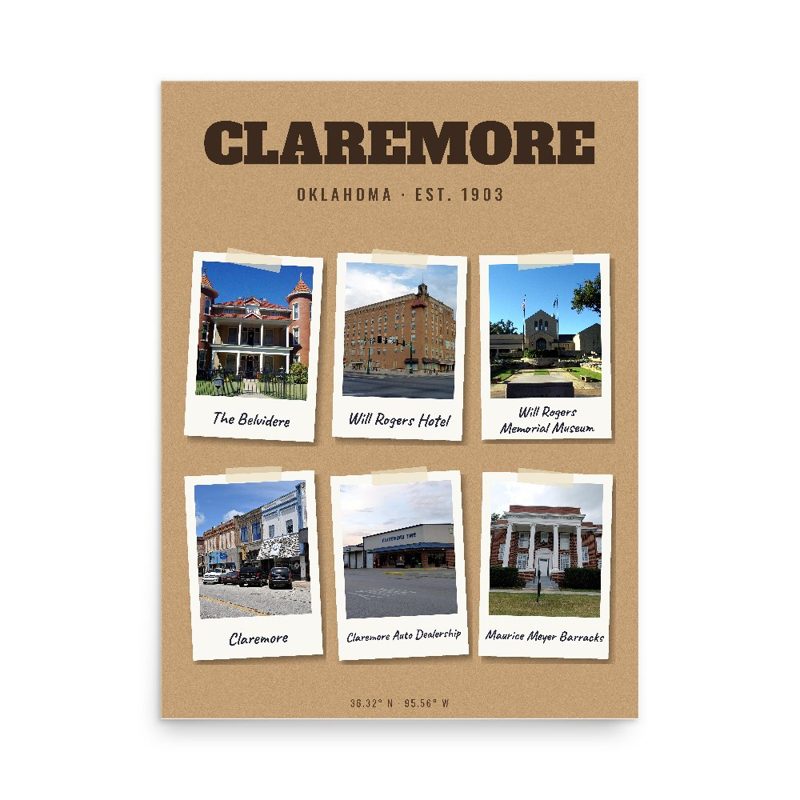
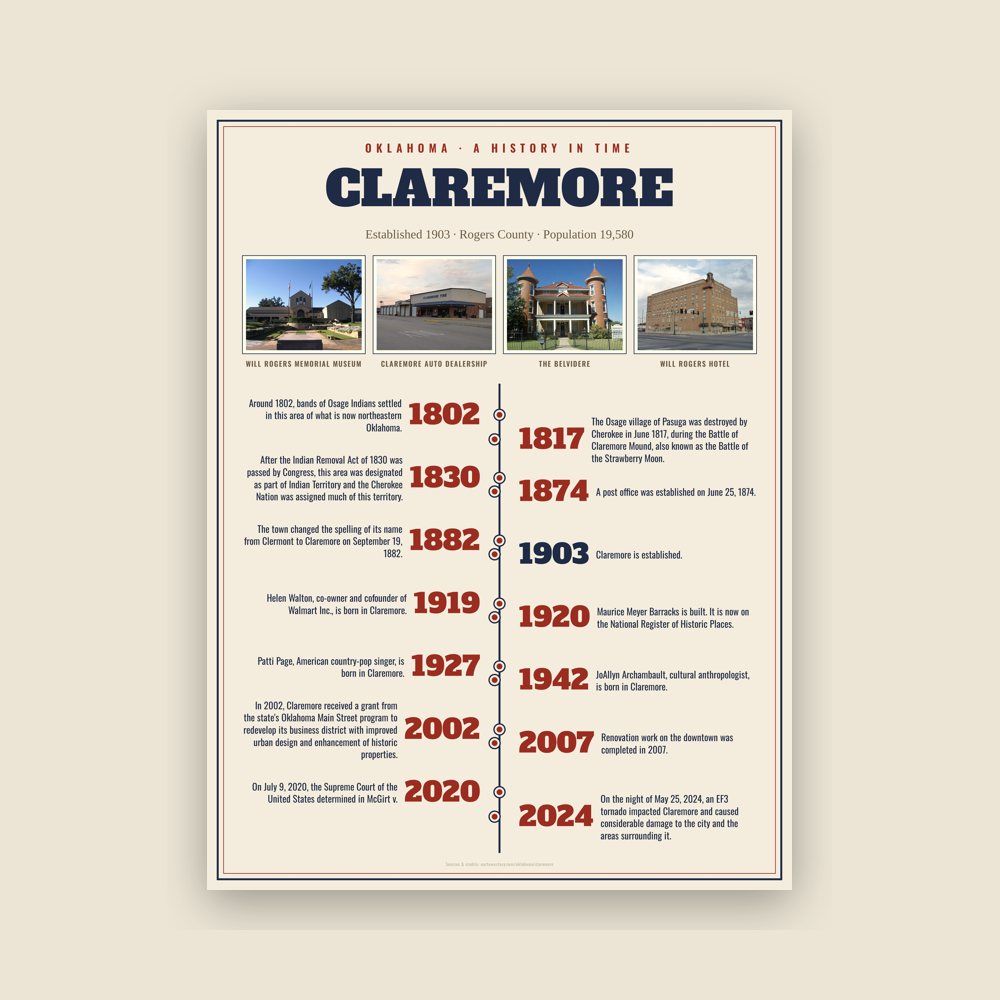
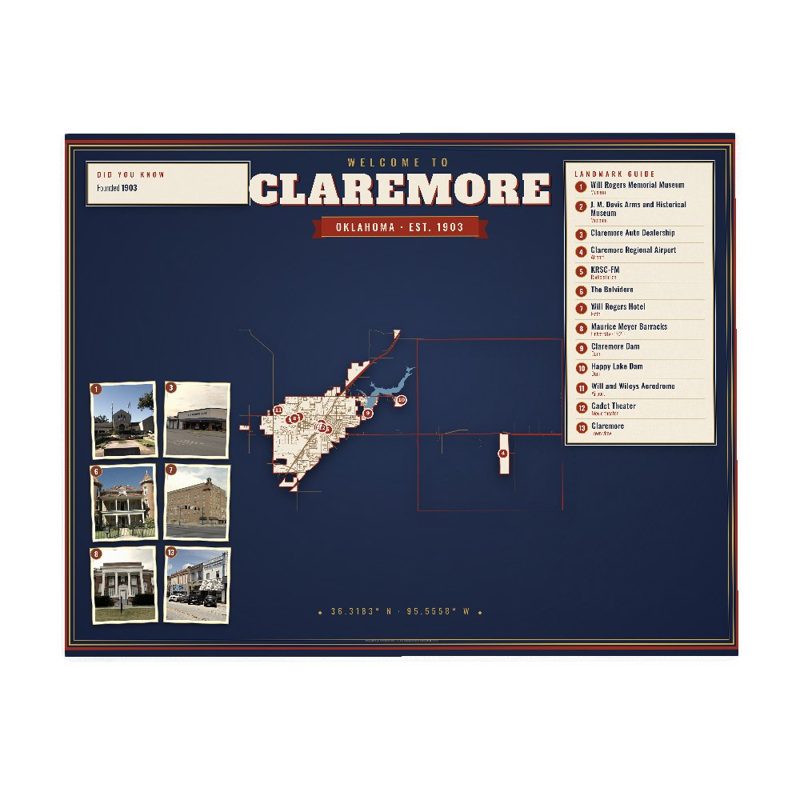







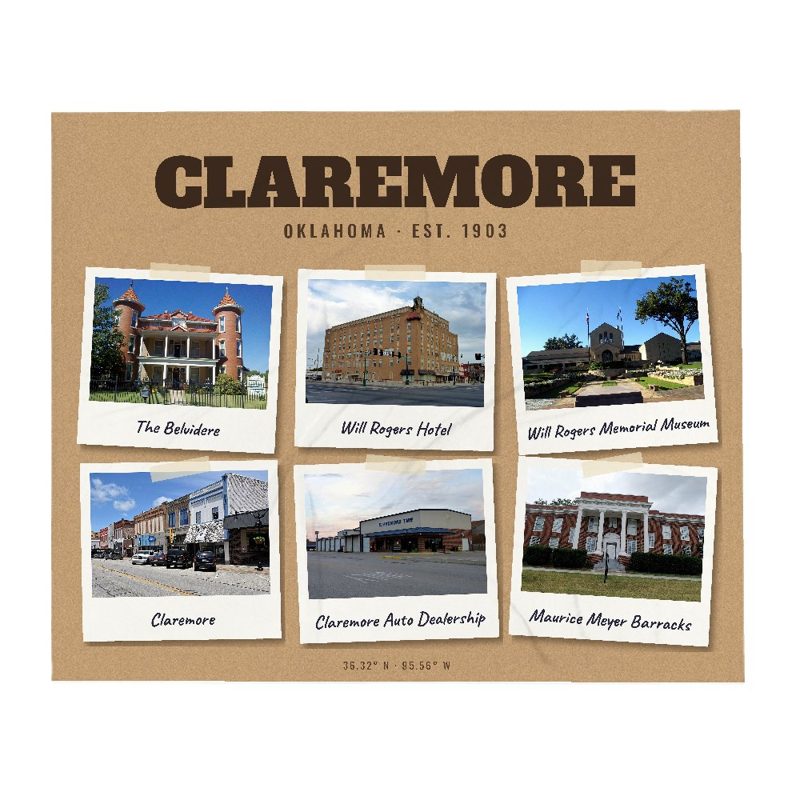
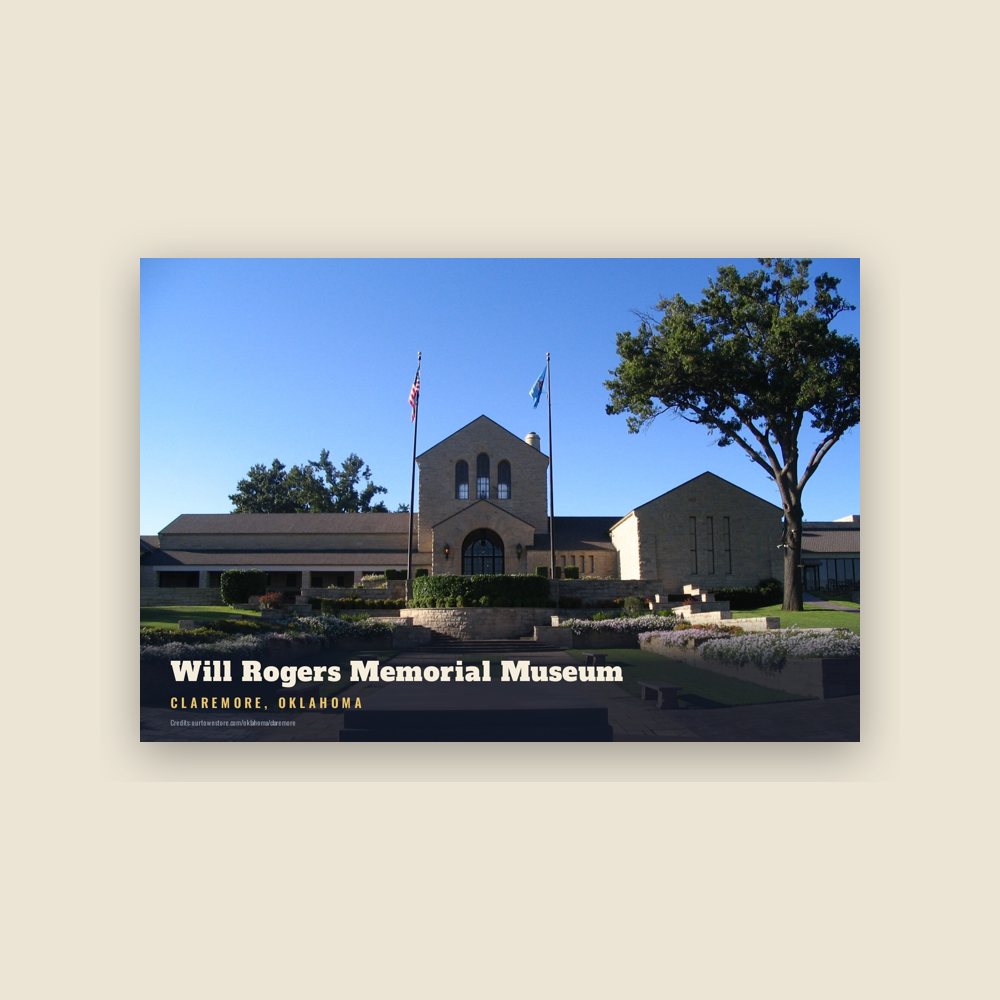

 Will Rogers Memorial Museum
 Claremore Auto Dealership
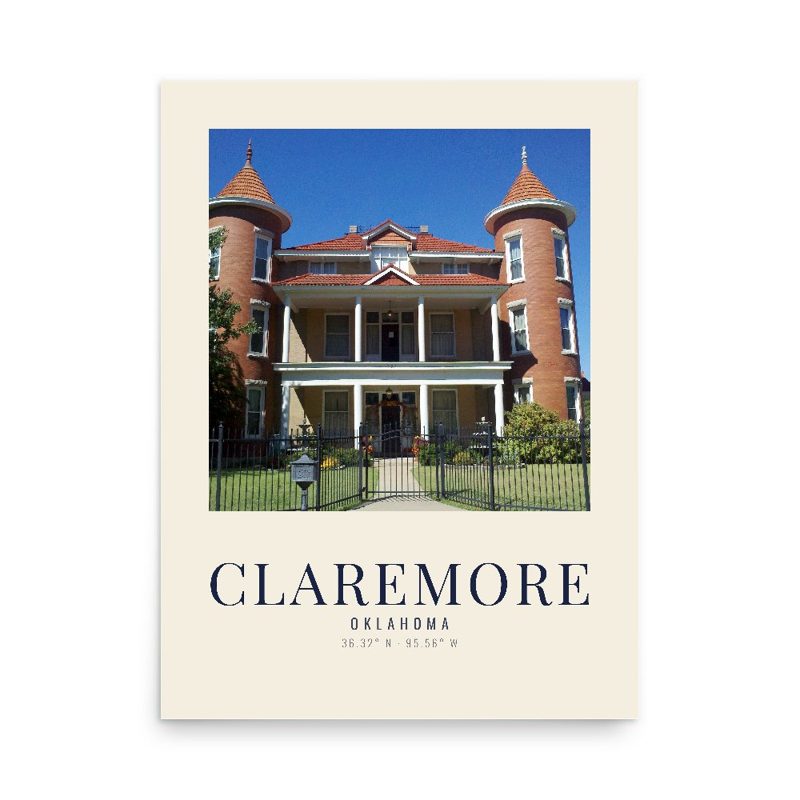
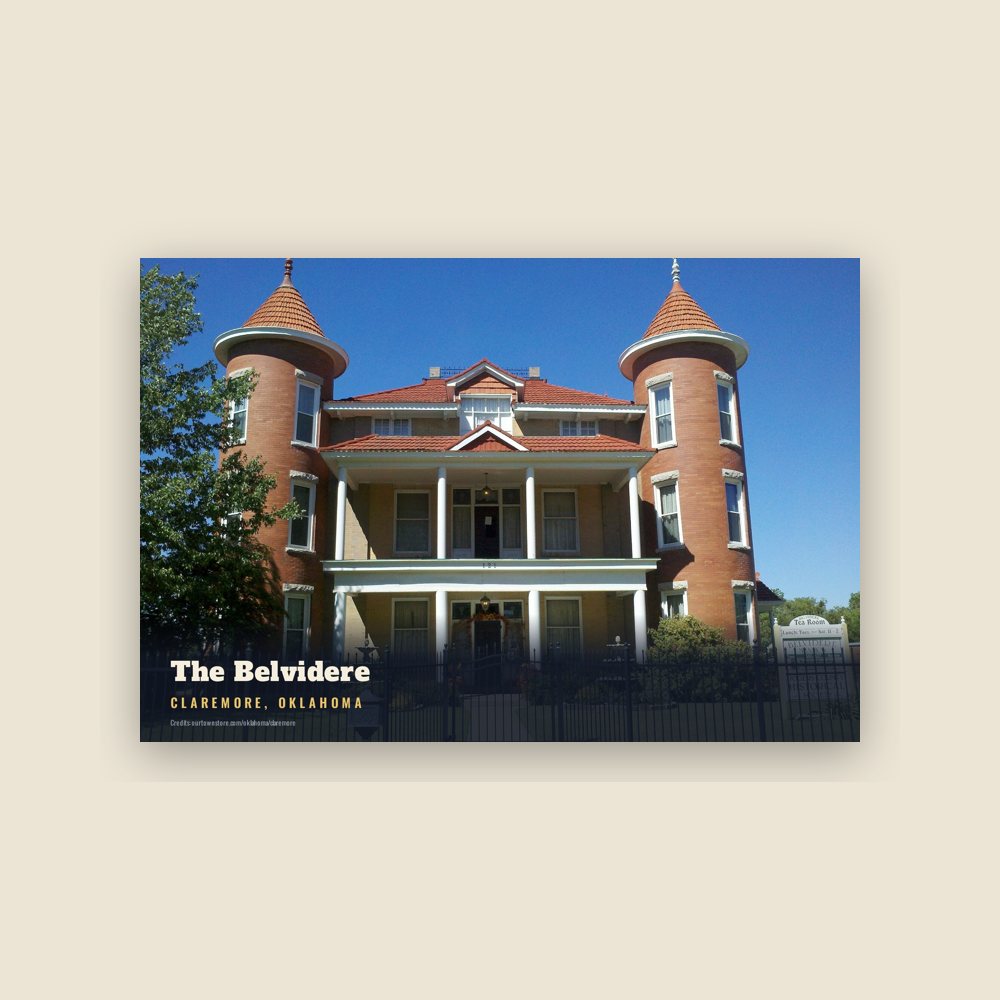
 The Belvidere
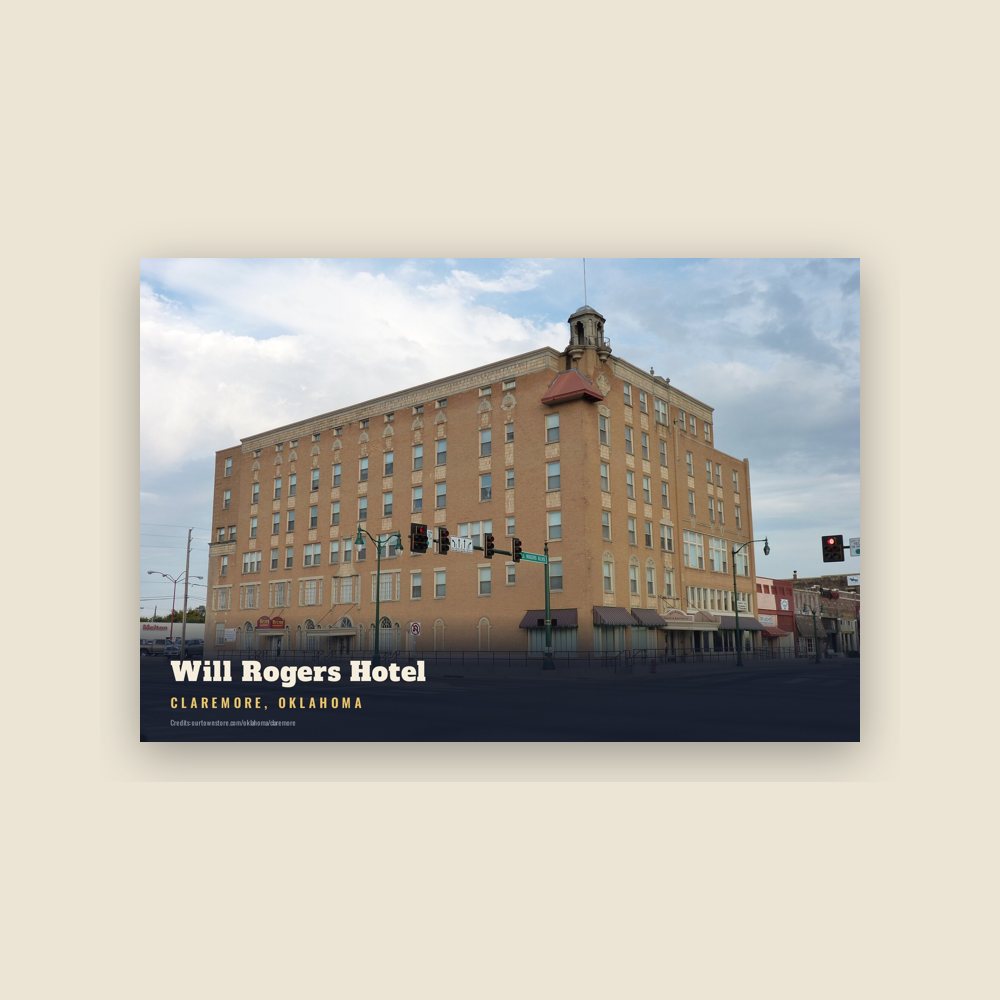
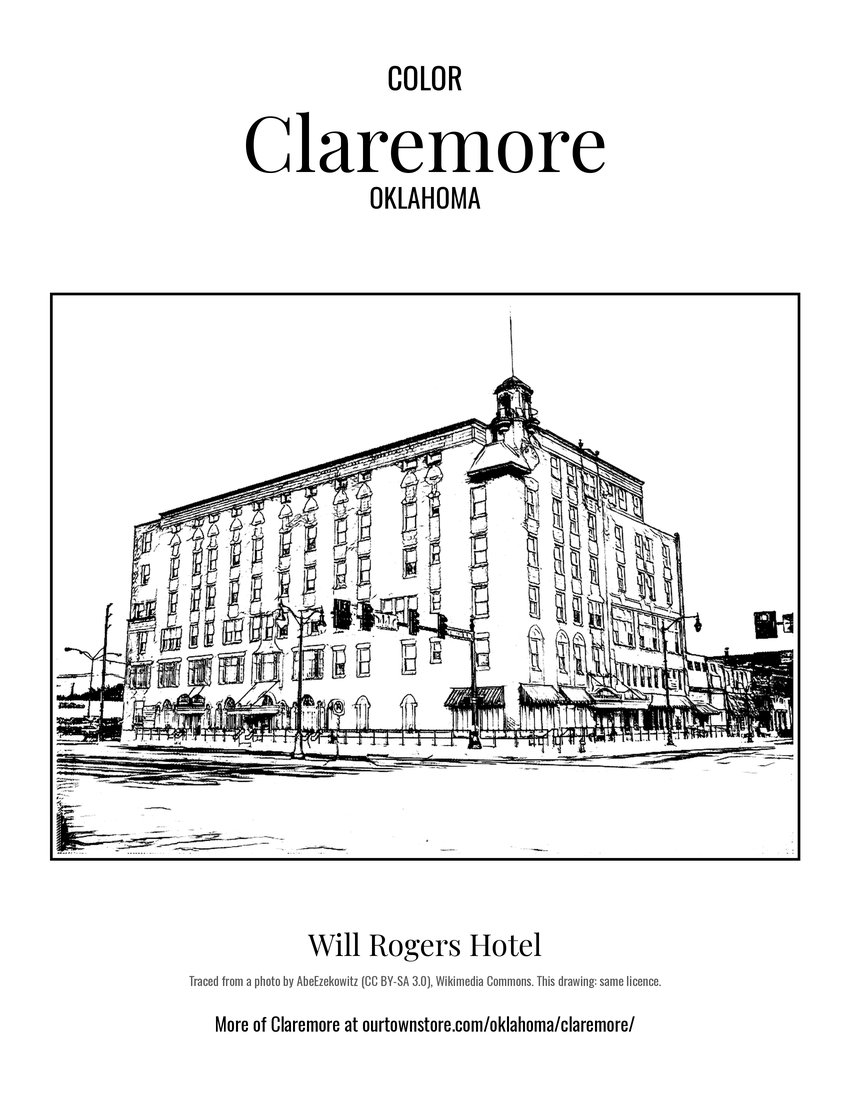 Will Rogers Hotel