Zoar was founded by Radical Pietist Christian dissenters from Germany called the Society of Separatists of Zoar in 1817.
- CountyTuscarawas County
- Population172 (2020 U.S. Census)
- Historic places1 on the National Register
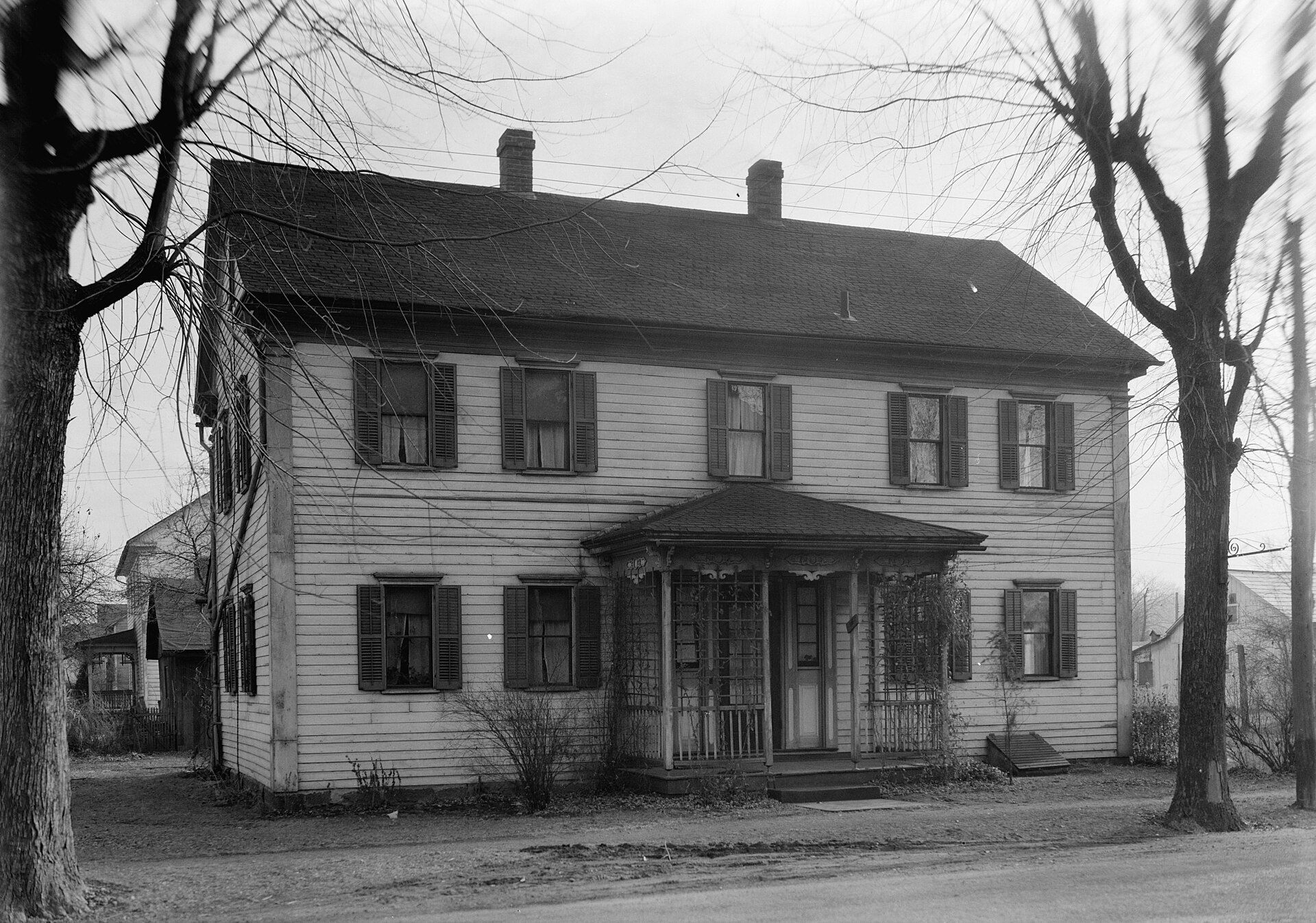
Zoar, Ohio gifts and souvenirs: 19 designs made from Zoar's own map, landmarks and history, from $16 to $95. Printed to order and shipped free in the USA.
| Popular | Price |
|---|---|
| Zoar Hometown Ornament | $23 |
| Zoar Vintage Travel Poster | from $40 |
| Zoar Varsity Crewneck | from $57 |
| Zoar Est. Tee | from $33 |
| Zoar Town Line Mug | from $26 |
| Zoar Market Tote | $37 |
Ceramic keepsake, gold ribbon
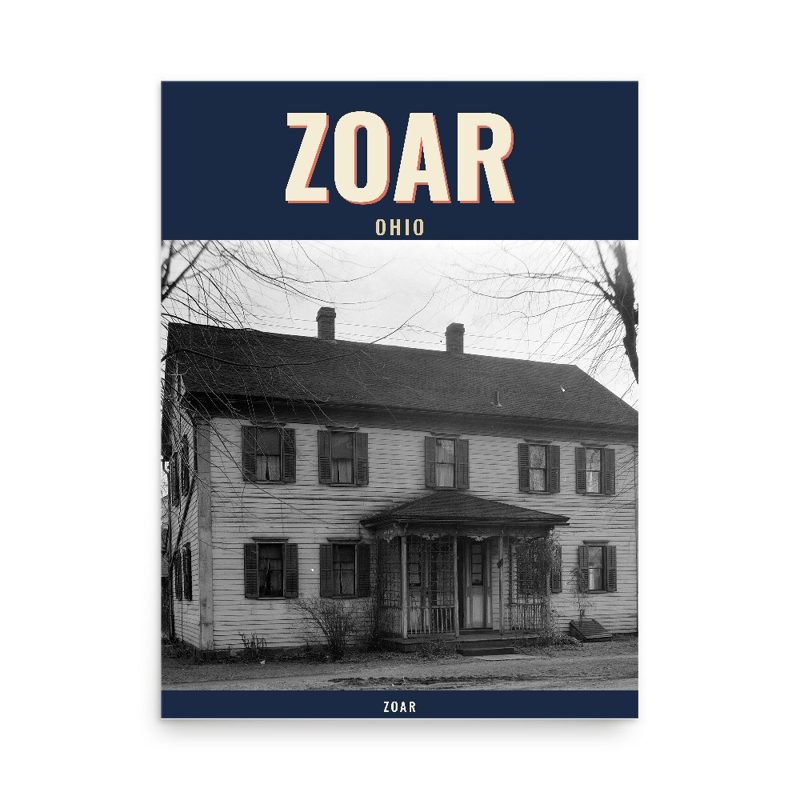
Its landmark photo in a classic travel-poster layout
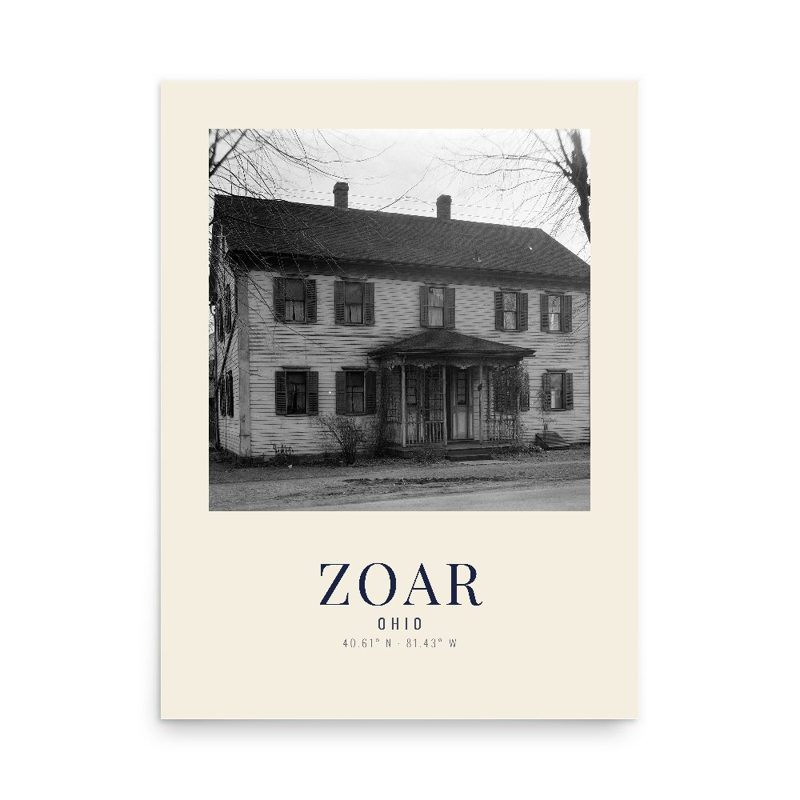
A local landmark photo as a gallery print
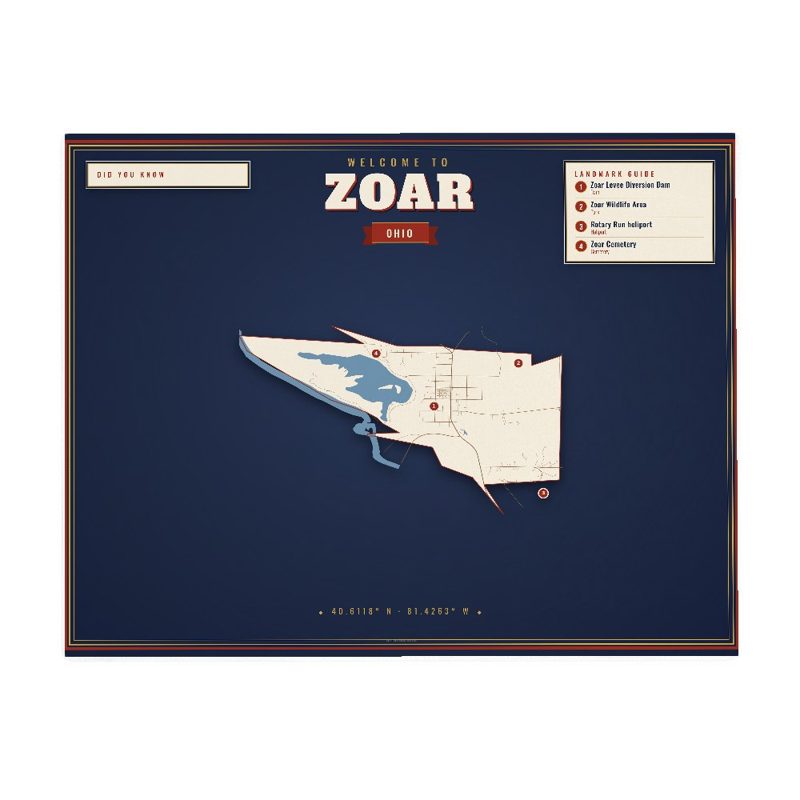
Map of local landmarks, washable fabric
Heavy-blend fleece, street map printed on the back

Soft Bella+Canvas jersey
Kids' Bella+Canvas jersey, youth sizes
Bella+Canvas toddler jersey
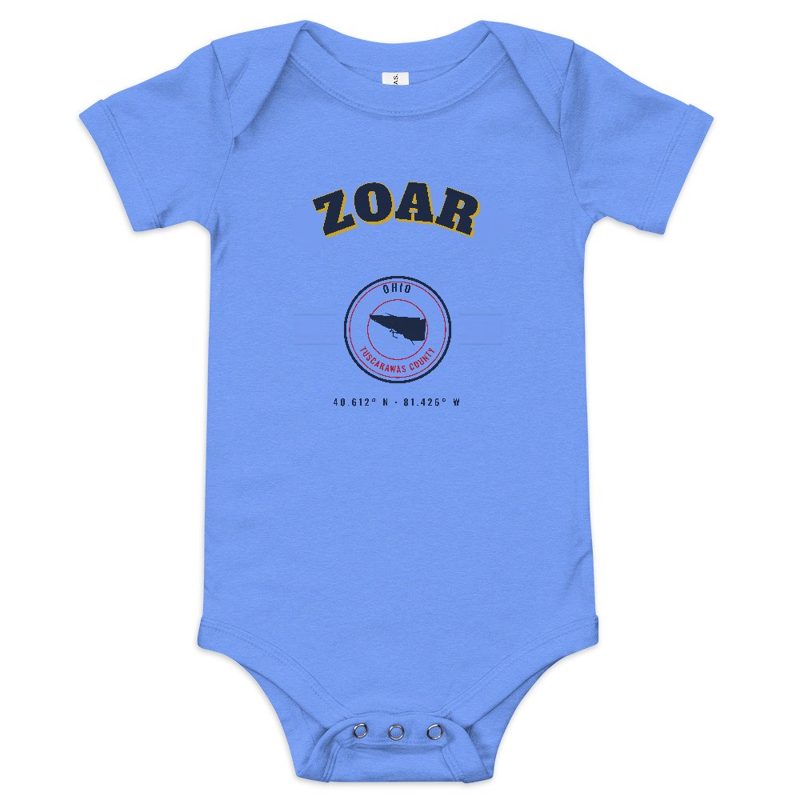
Bella+Canvas baby bodysuit
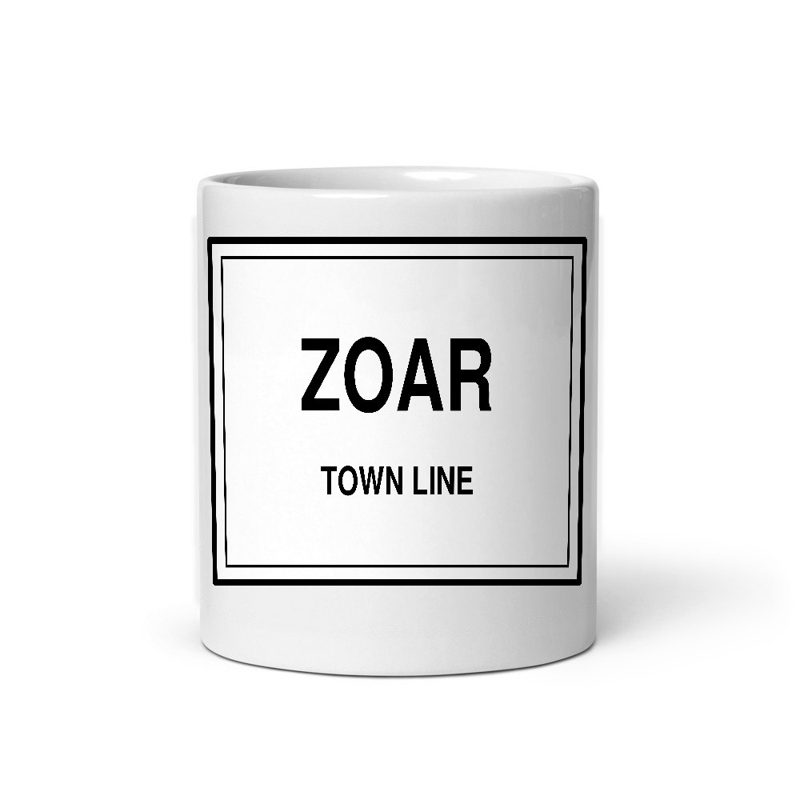
Glossy ceramic, dishwasher safe
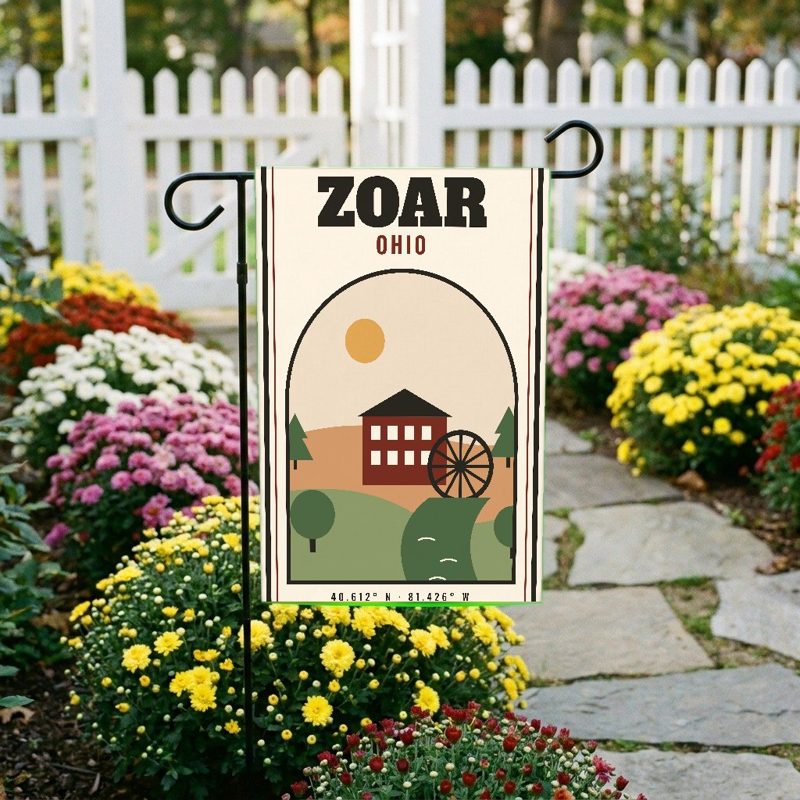
Weatherproof, for the front walk
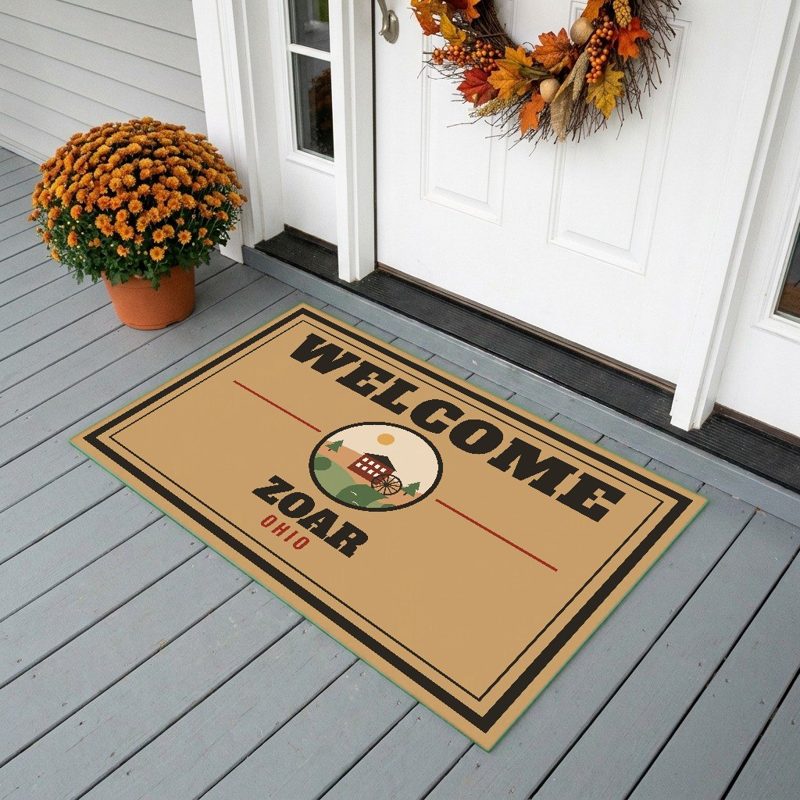
24″×16″, printed coir-look fibers, rubber back
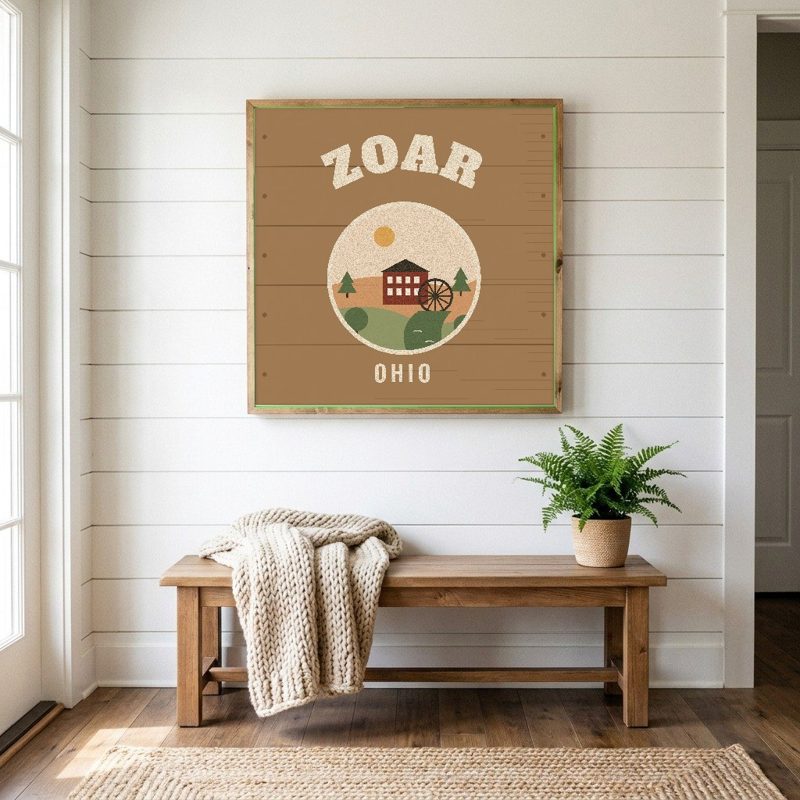
12″×12″ printed wood, ready to hang
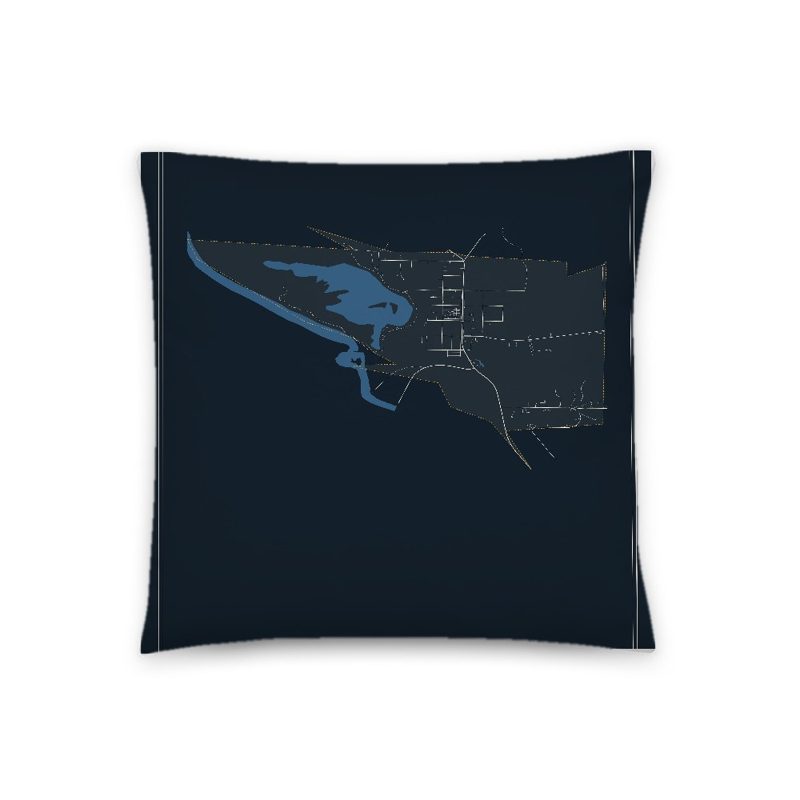
Soft-touch, zip cover
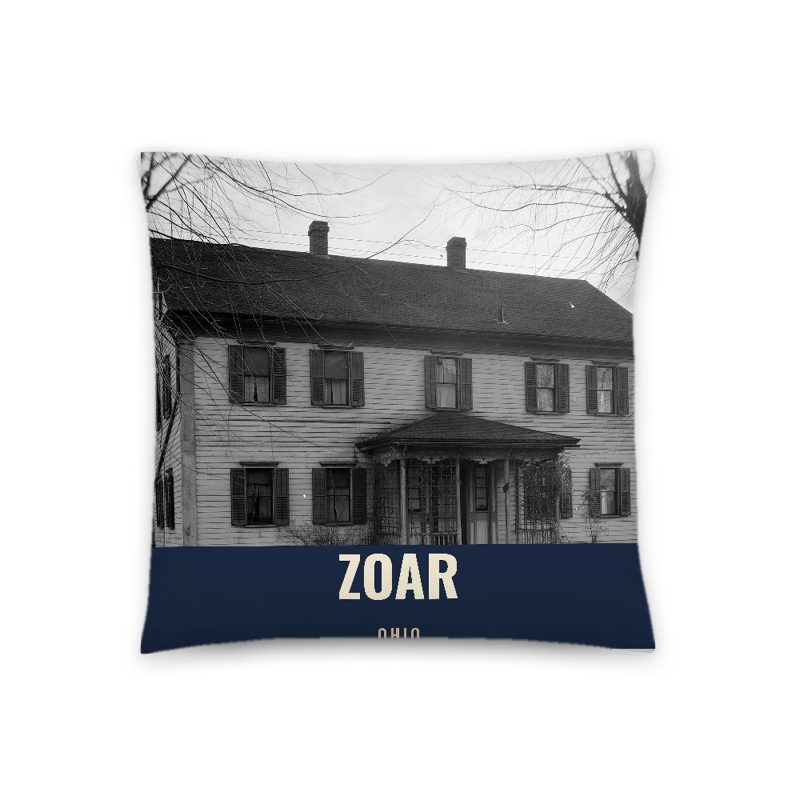
A local landmark photo with the town name, 18″×18″
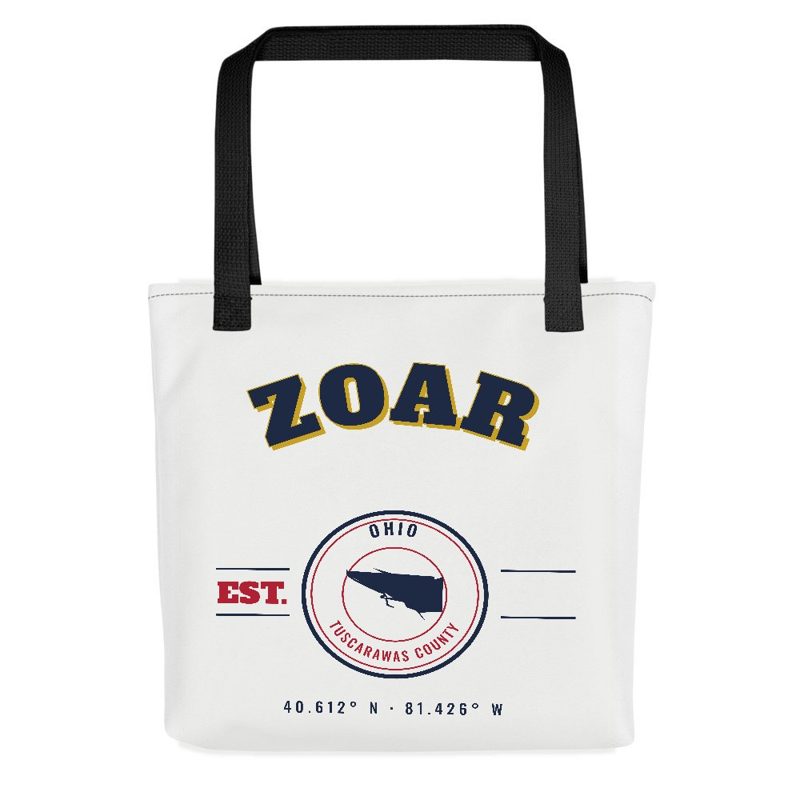
Sturdy all-over-print tote
Glossy top, cork back
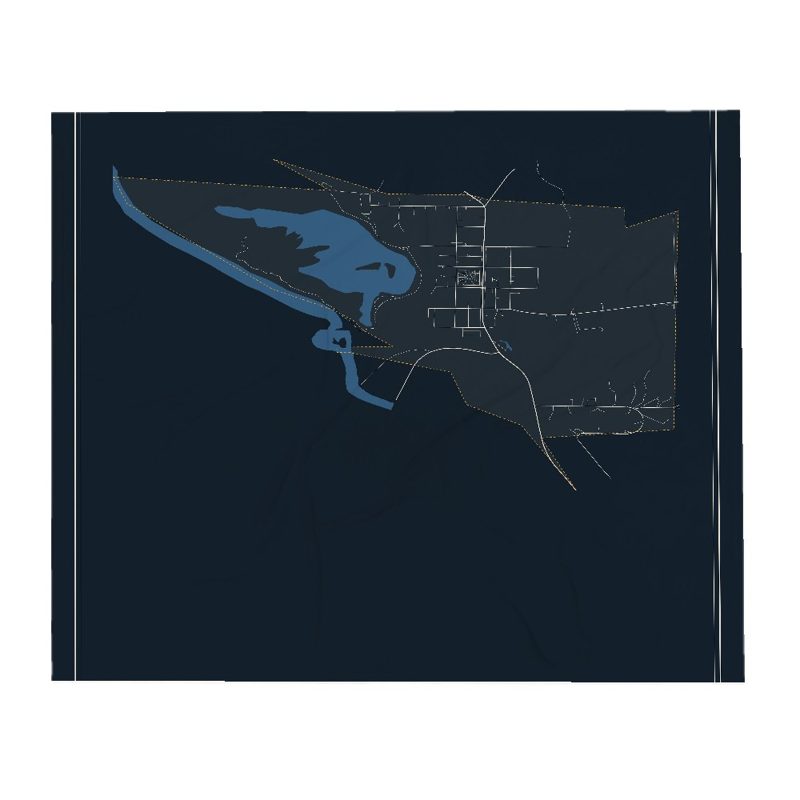
Soft fleece, 50″×60″
20 oz, double-wall stainless
Zoar was founded by Radical Pietist Christian dissenters from Germany called the Society of Separatists of Zoar in 1817.
Population 2010: 169 → 2020: 172
From Wikidata (CC0).
Zoar was founded by Radical Pietist Christian dissenters from Germany called the Society of Separatists of Zoar in 1817. It was named after the Biblical village to which Lot and his family escaped from Sodom. It was a communal society: All property was communally owned, and the farms, shops, and factories were managed by regularly elected trustees. The society attained its greatest prosperity in the 1850s, when it owned over 10,000 acres of land and was worth approximately $1 million. Many German-style structures have been restored and are part of the Zoar Village State Memorial. There are presently ten restored buildings. According to the Ohio Historical Connection, Zoar is an island of Old-World charm in east-central Ohio.
These Radical Pietists, also known as Separatists, or Zoarites, emigrated from the kingdom of Württemberg in southwestern Germany due to religious oppression from the Lutheran church. Leading among their group were some natives of Rottenacker on the Danube. Having separated from the established church, they based their theology in part on the writings of Jakob Böhme. They did not practice baptism or confirmation and did not celebrate religious holidays except for the Sabbath. A central flower garden in Zoar is based on the Book of Revelation, with a towering tree (now cut down) in the middle representing Christ and other elements surrounding it representing other allegorical elements.
The leader of the society was named Joseph Bimeler (also known as Joseph Bäumler or Bäumeler, born 1778), a pipemaker as well as teacher from Ulm. His charismatic leadership carried the village through a number of crises. Bimeler led the society until his death, which occurred in 1853.
An early event critical to the success of the colony was the digging of the Ohio and Erie Canal. The Zoarites had purchased 5,500 acres (22 km2) of land sight unseen and used loans to pay for it. The loans were to be paid off by 1830. The Society struggled for many years to determine what products and services they could produce in their village to pay off the loans. The state of Ohio required some of the Zoarite land to be used as a right of way and offered the Zoarites an opportunity to assist in digging the canals for money. The state gave them a choice of digging it themselves for pay or having the state pay others to dig the canal. The Zoarites then spent several years in the 1820s digging the canal and thus were able to pay off their loans on time with much money to spare.
Bimeler's death on August 31, 1853, led to a slow decline in the cohesion of the village. By 1898, the village voted to disband the communal society, and the property was divided among the remaining residents.
Adapted (trimmed) from the Wikipedia article Zoar, Ohio, revision 1377905868 by its contributors, licensed CC BY-SA 4.0.
We share a part of every Zoar sale with local partners, and we'd love to print from your collection. Old photographs, maps and postcards make the best keepsakes.
Partner with usA favorite landmark, your street, a school or team, an anniversary gift, a different product. Tell us and we'll get back to you by email.
Zoar's population was 172 in the 2020 U.S. Census, up from 169 in 2010.