Since 1877
A short history of Put-in-Bay
The first known people to use the island were various groups of Native American tribes, including the Ottawas, Miamis, Shawnee, Senecas, Iroquois, and the Eries. The island provided shelter during crossings of Lake Erie. Some remains were discovered when a section of the island was plowed.
In 1679, Robert LaSalle and thirty-two of his men were the first to sail a large vessel in the Great Lakes: the Griffon. They would transport fur and pelts from Green Bay, Wisconsin to Queensland, Ontario. Stopping at Middle Bass Island, they found unique undiscovered flowers. They named the island Isle des Fleurs because of the flowers; this name was used for the next 200 years.
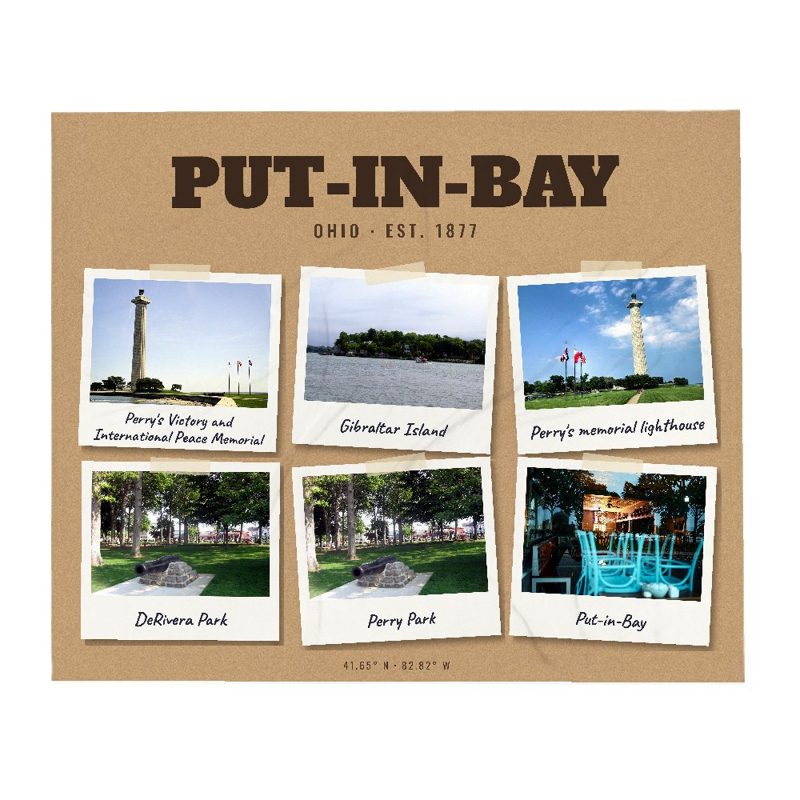
During the War of 1812, Put-in-Bay was an important base of operations for a United States Navy squadron under Oliver Hazard Perry. Perry and his squadron arrived at the island on August 16, 1813. They used the island to train and to spy on nearby British forces located at Fort Malden in Ontario, Canada. At that point, the war had been going on for 14 months and had favored the British; Detroit had surrendered to them, and all American invasions of Canada had been repulsed. On September 10, 1813, British Captain Robert Heriot Barclay, commanding a small Royal Navy squadron of six ships, had come looking for a fight. Perry and his squadron came out to meet them. The Battle of Lake Erie began at 11:45 in the morning about eight miles away from Put-in-Bay. By around 3:00 of that day Perry, despite being forced to transfer his flag from the badly damaged Lawrence, had overpowered Barclay's smaller squadron. The battle resulted in the Americans gaining control over Lake Erie for the duration of the war.
Between 1820 and 1830 the island was under the jurisdiction of Huron County, Ohio, but it was later joined to Ottawa County, Ohio. Put-in-Bay Township was established after 1830. The island was only sparsely inhabited and there was no actual village prior to the creation of the township. The first known white resident of the island was Alexander Ewen, who had about 1,000 hogs roaming the island in 1810.
The abolitionist John Brown's son John Jr. lived in Put-In-Bay, "growing grapes for the Chicago market", from 1862 until his death in 1895. His brother Owen also lived there before moving to Pasadena, California.
Adapted (trimmed) from the Wikipedia article Put-in-Bay, Ohio, revision 1375192786 by its contributors, licensed CC BY-SA 4.0.
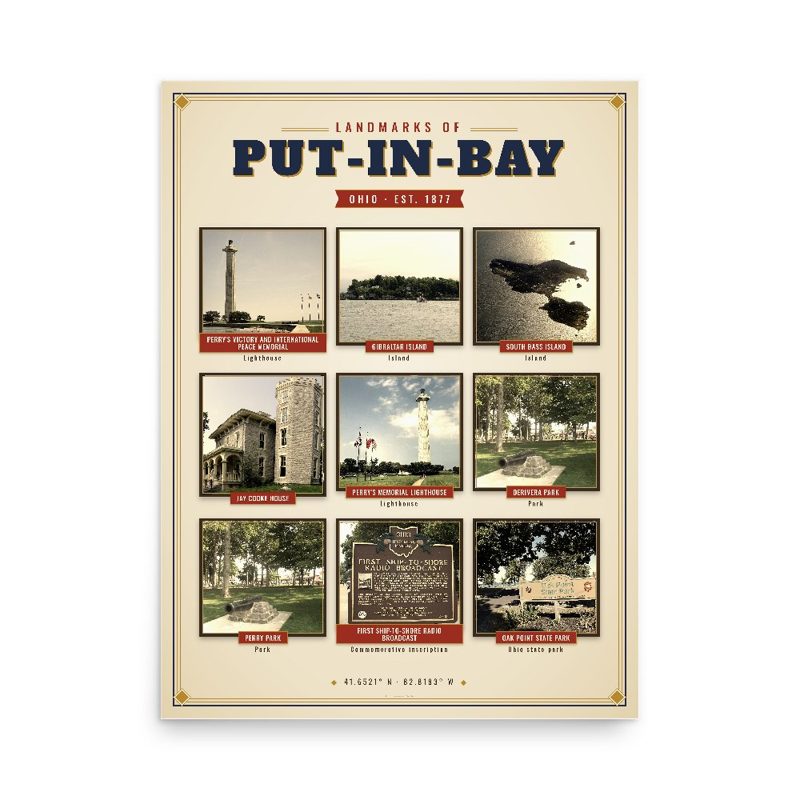
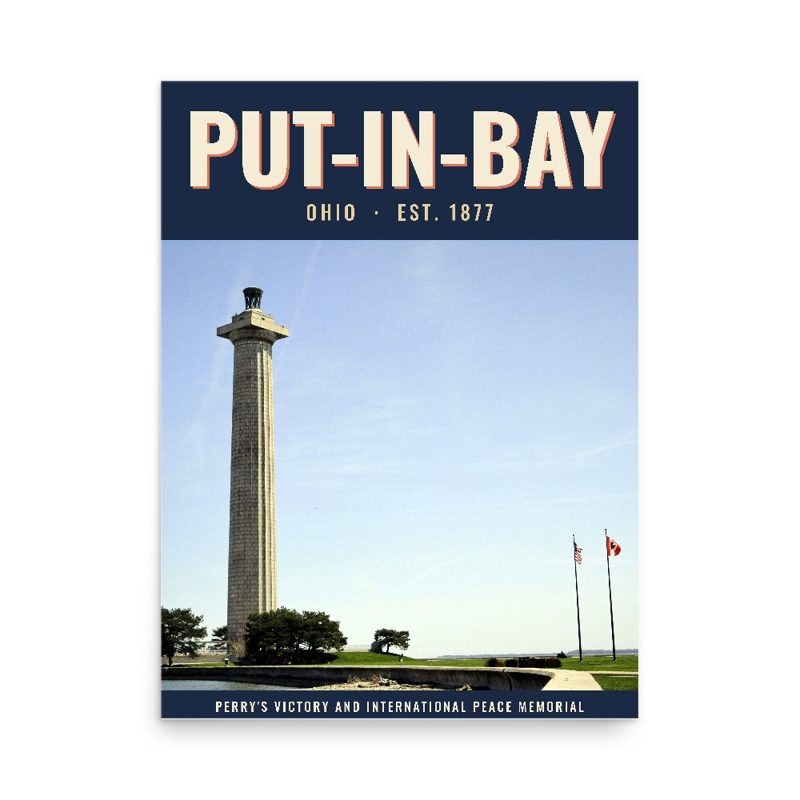
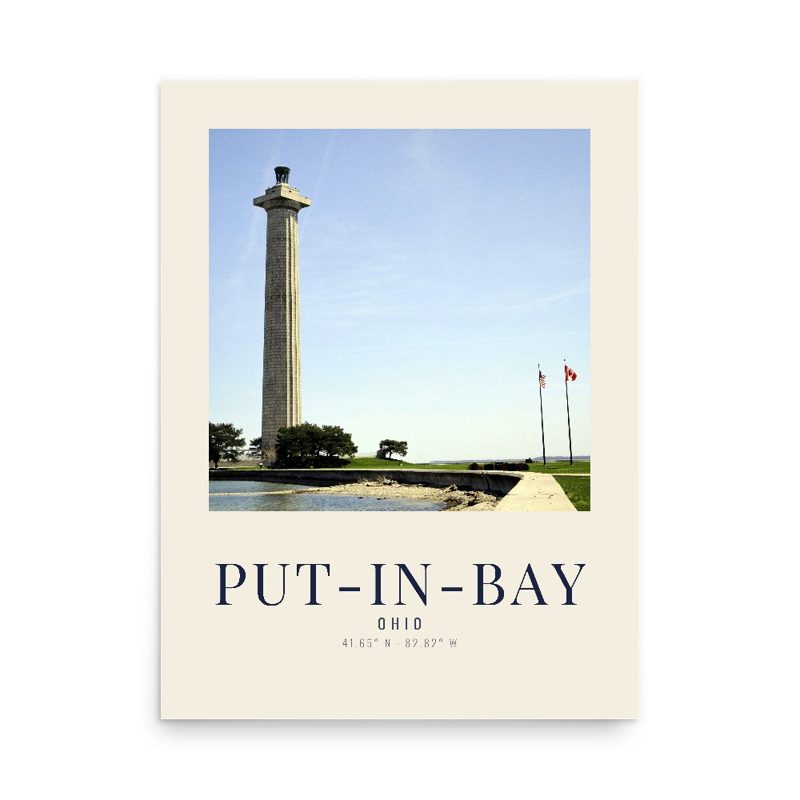

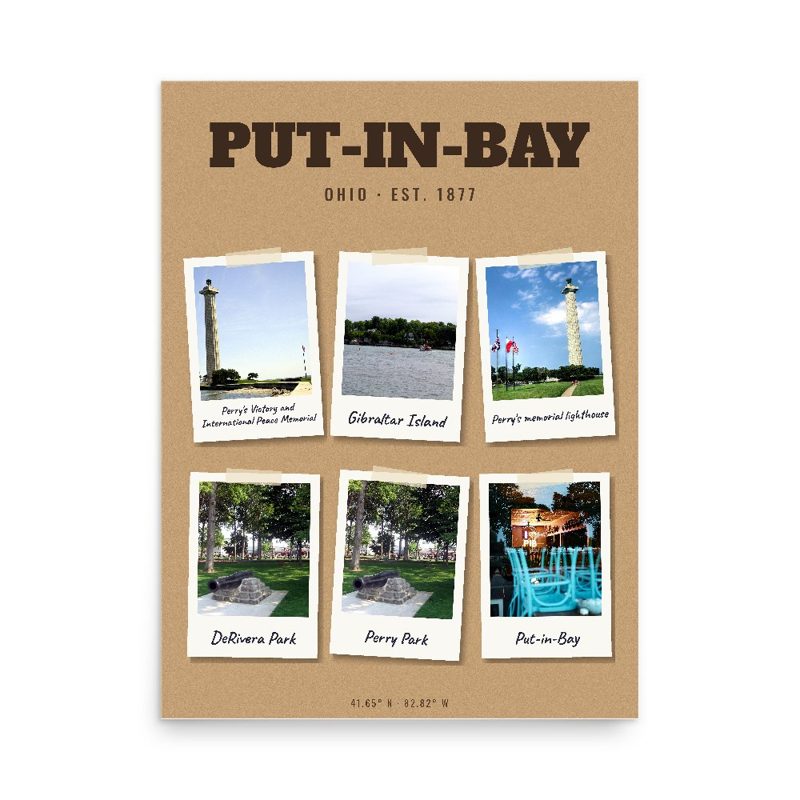
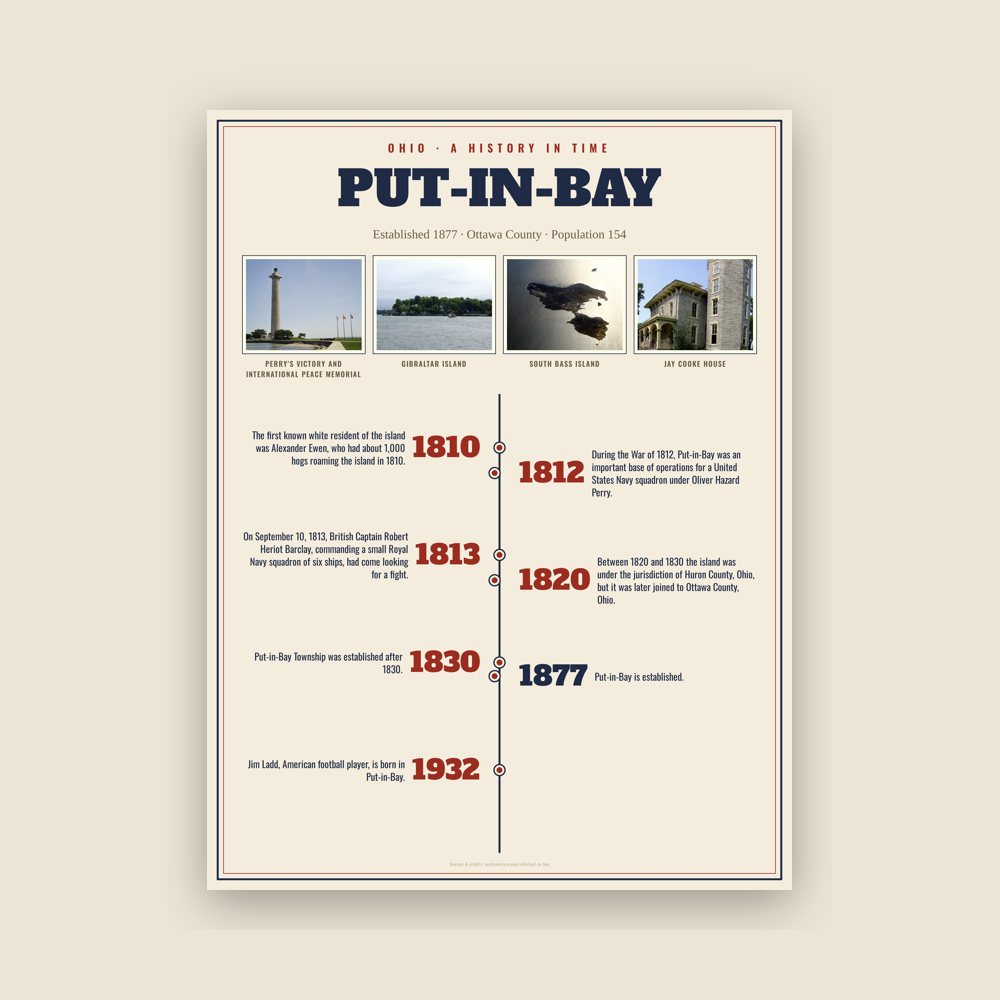
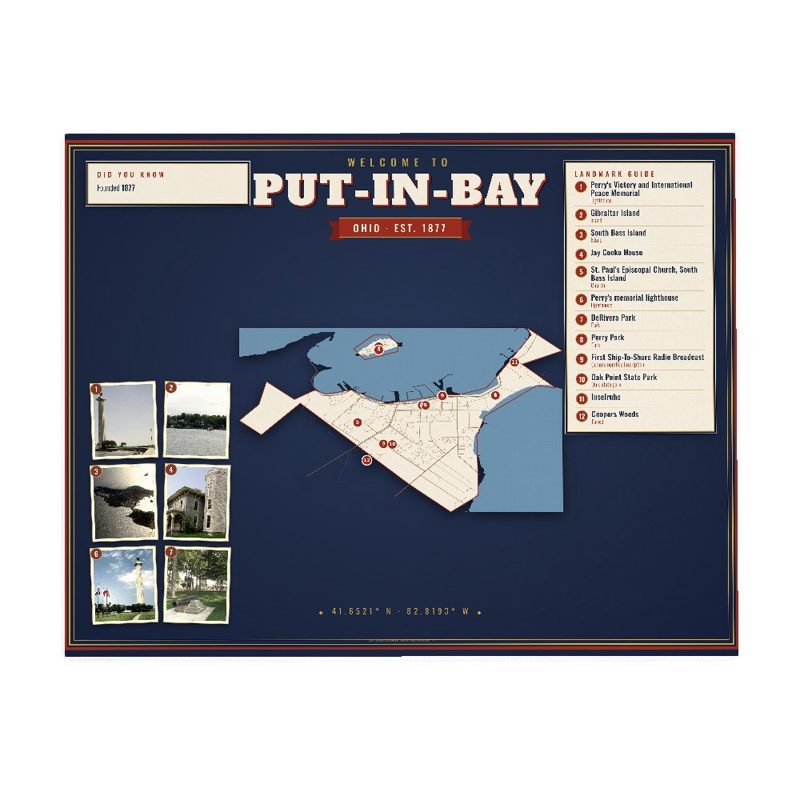





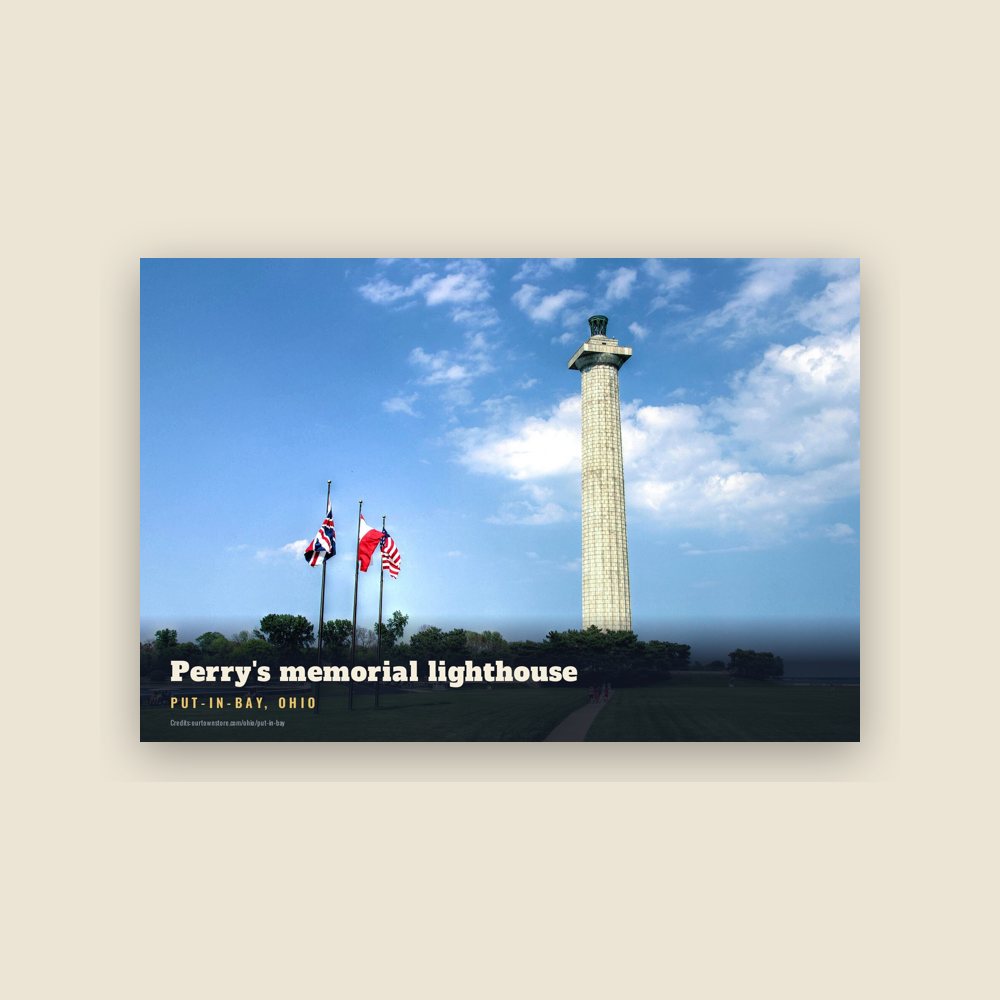
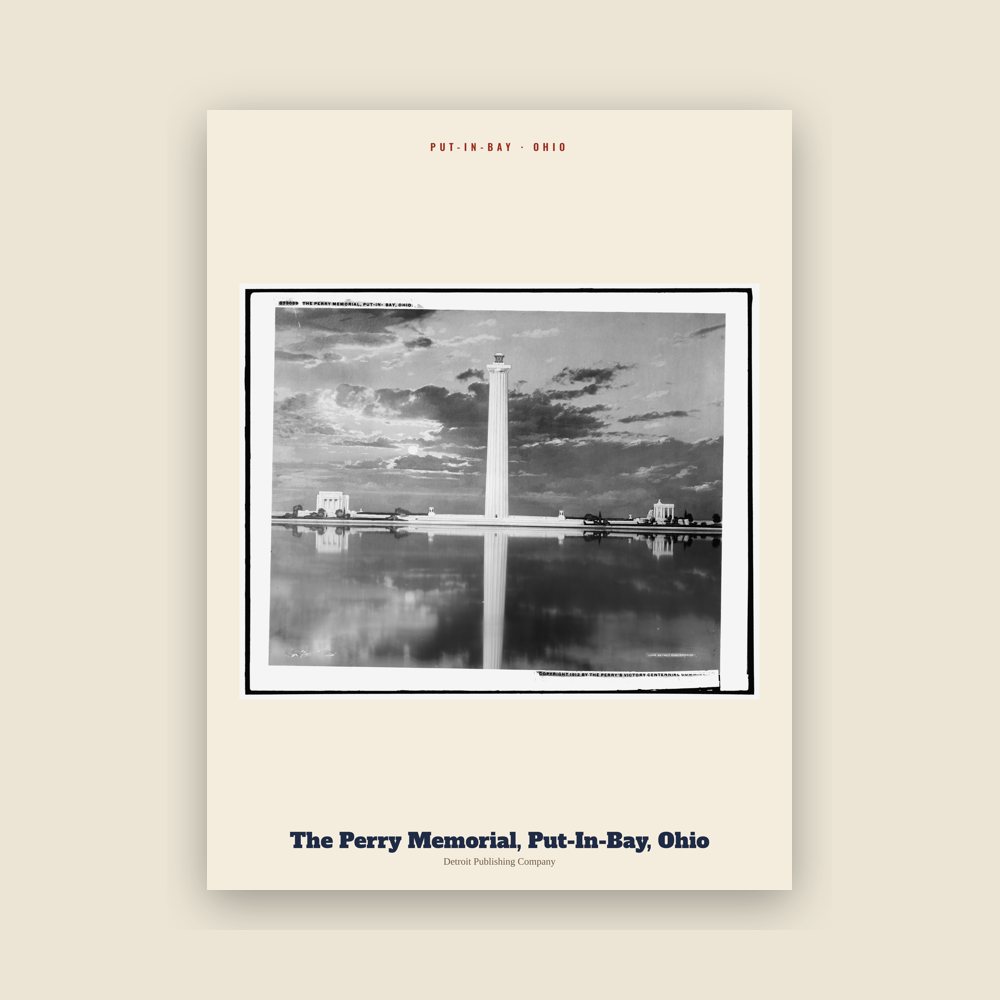
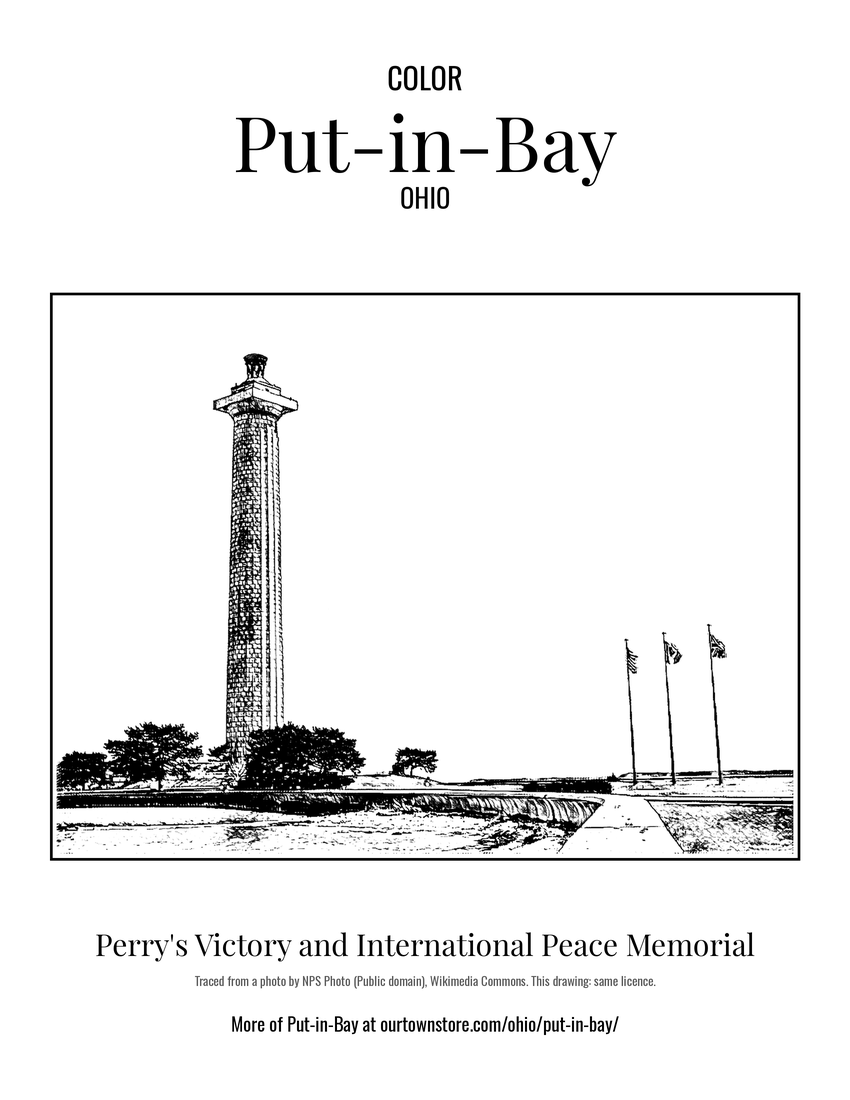 Perry's Victory and International Peace Memorial
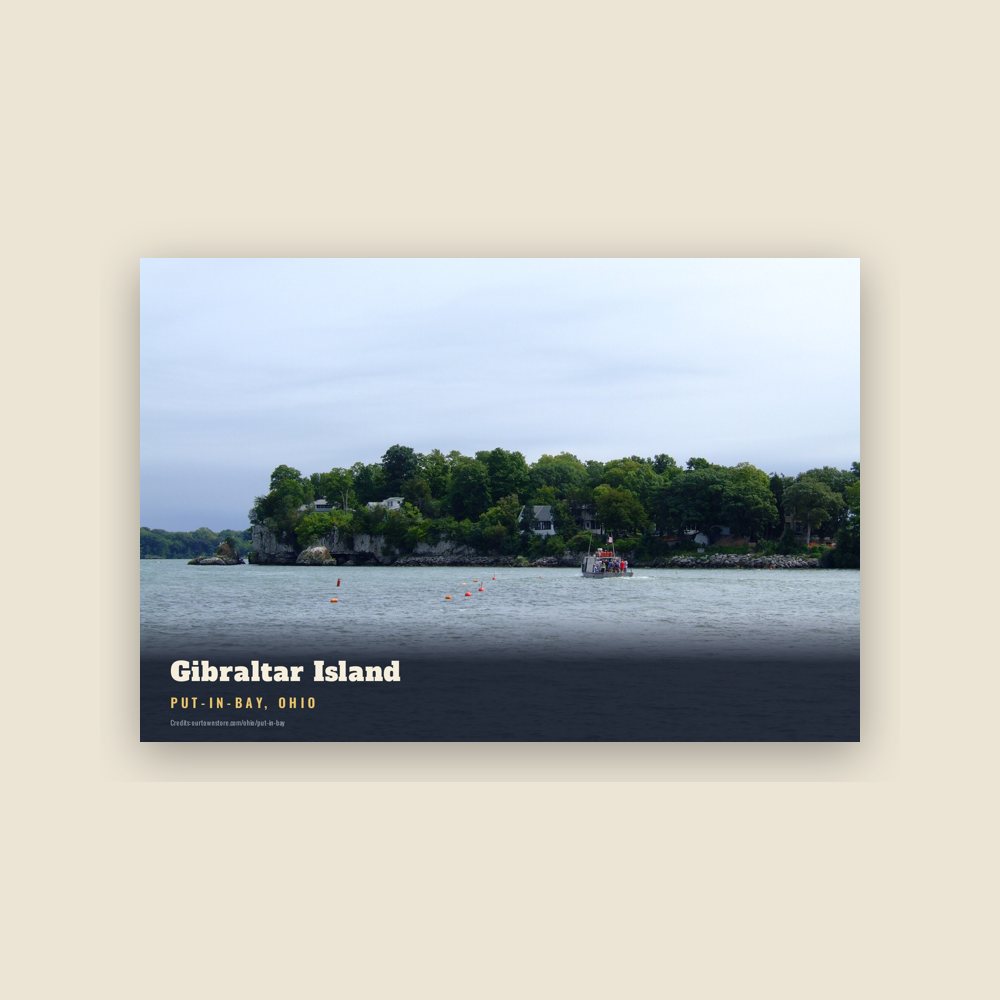
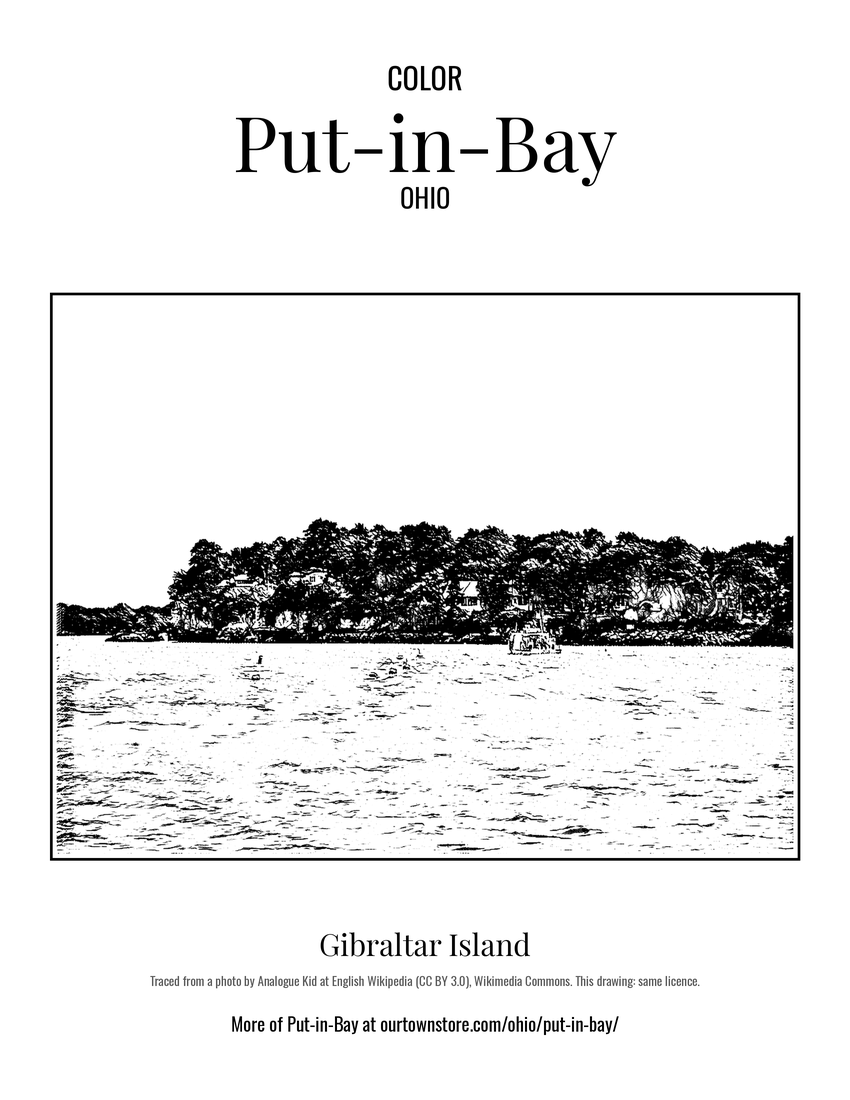 Gibraltar Island
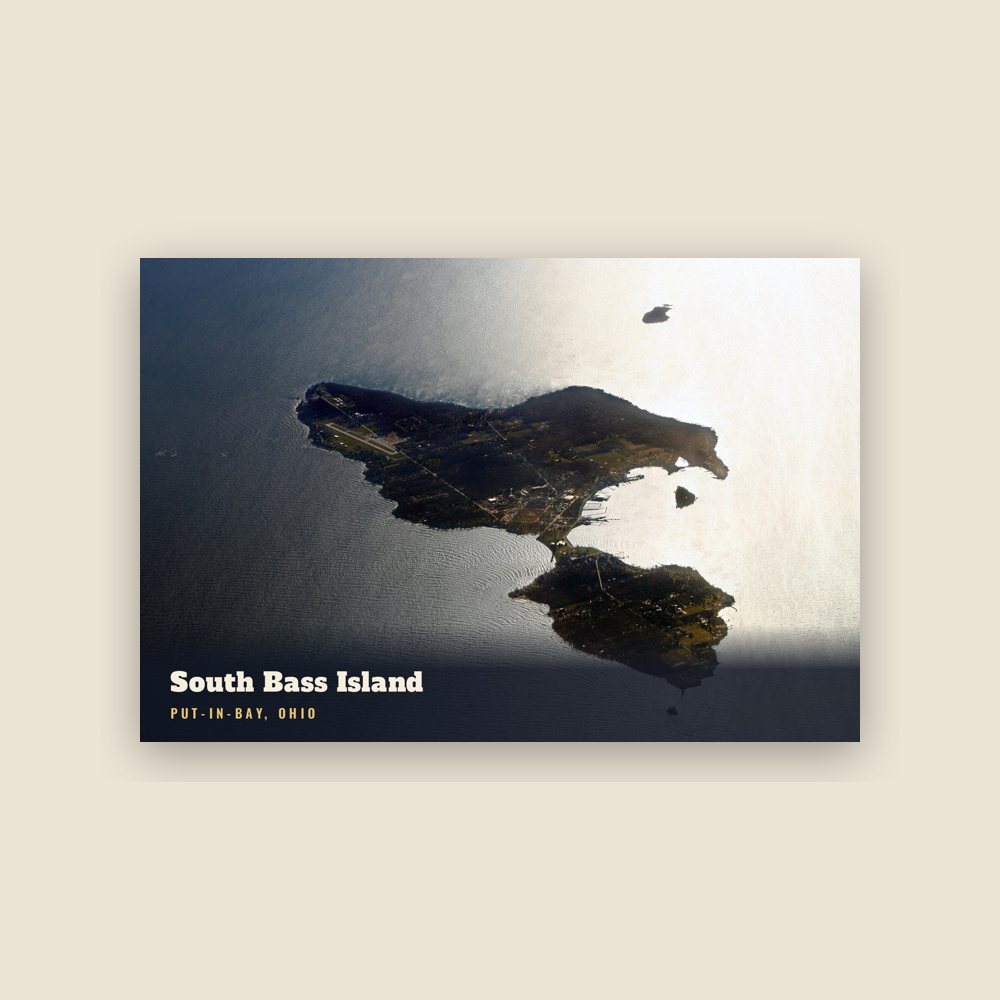
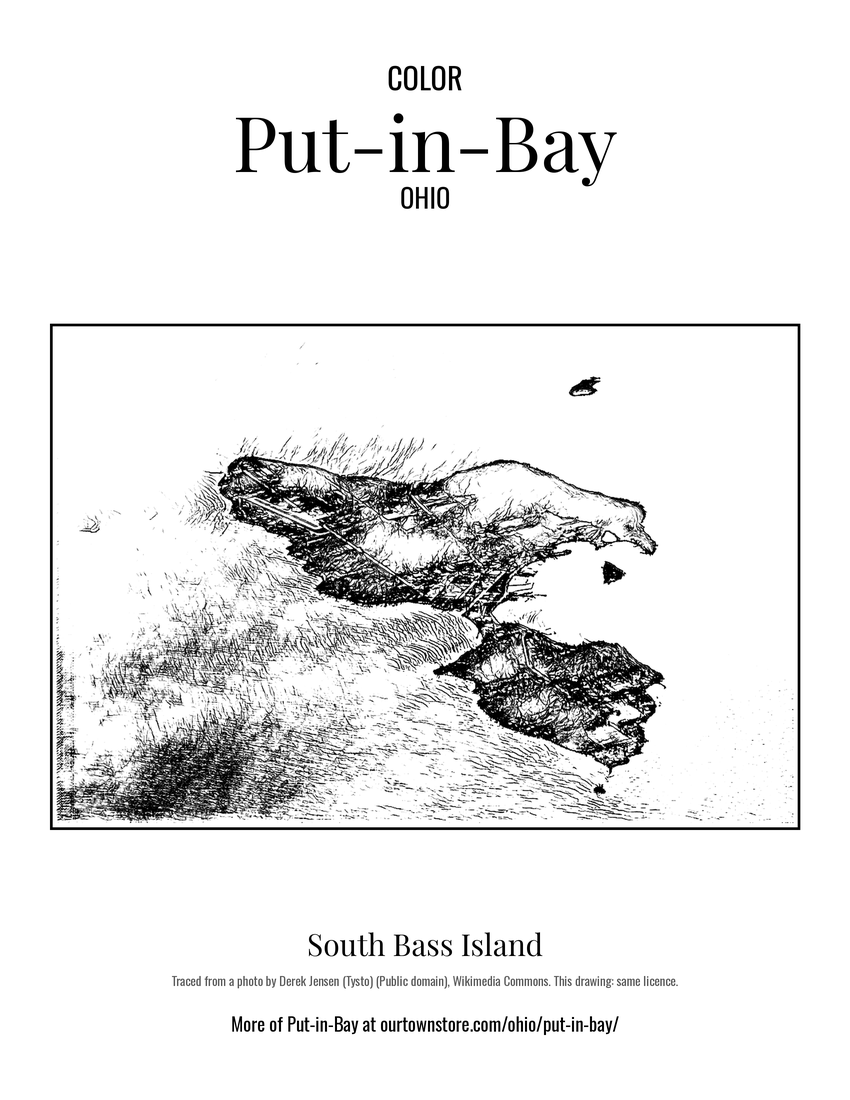 South Bass Island
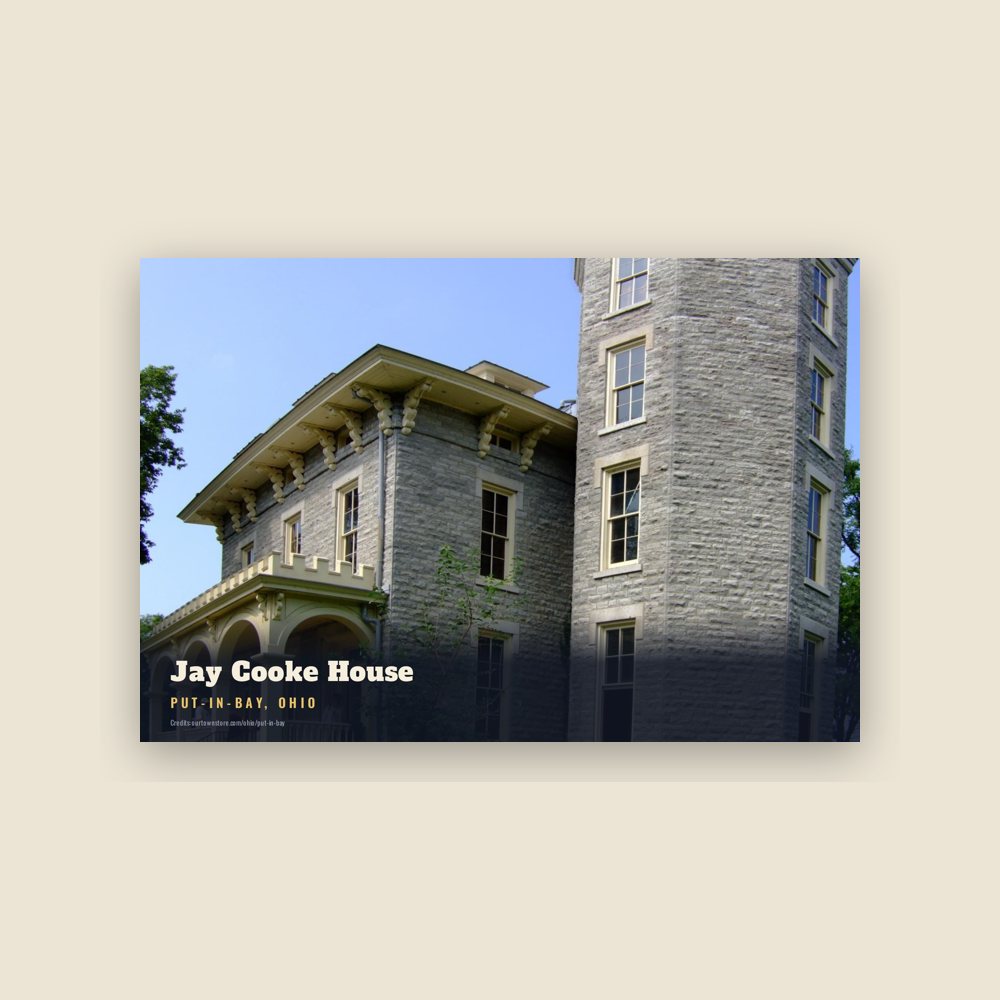
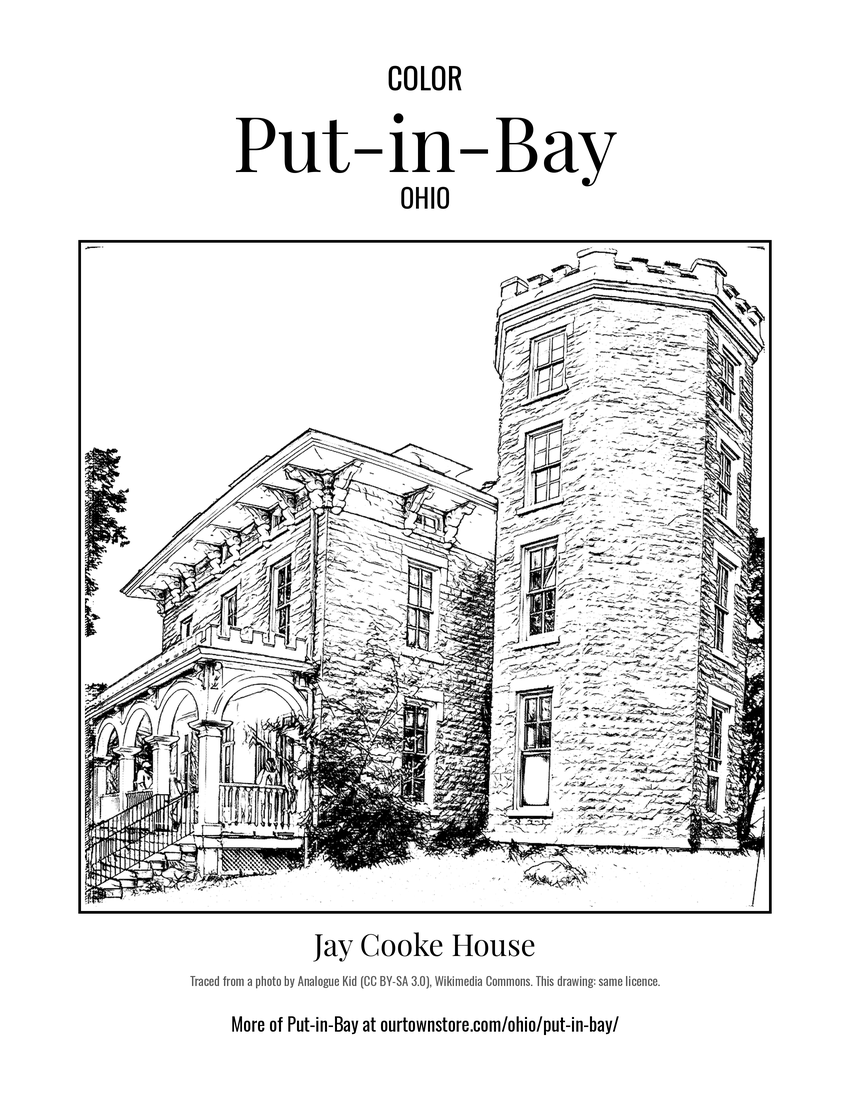 Jay Cooke House