A short history of Painesville
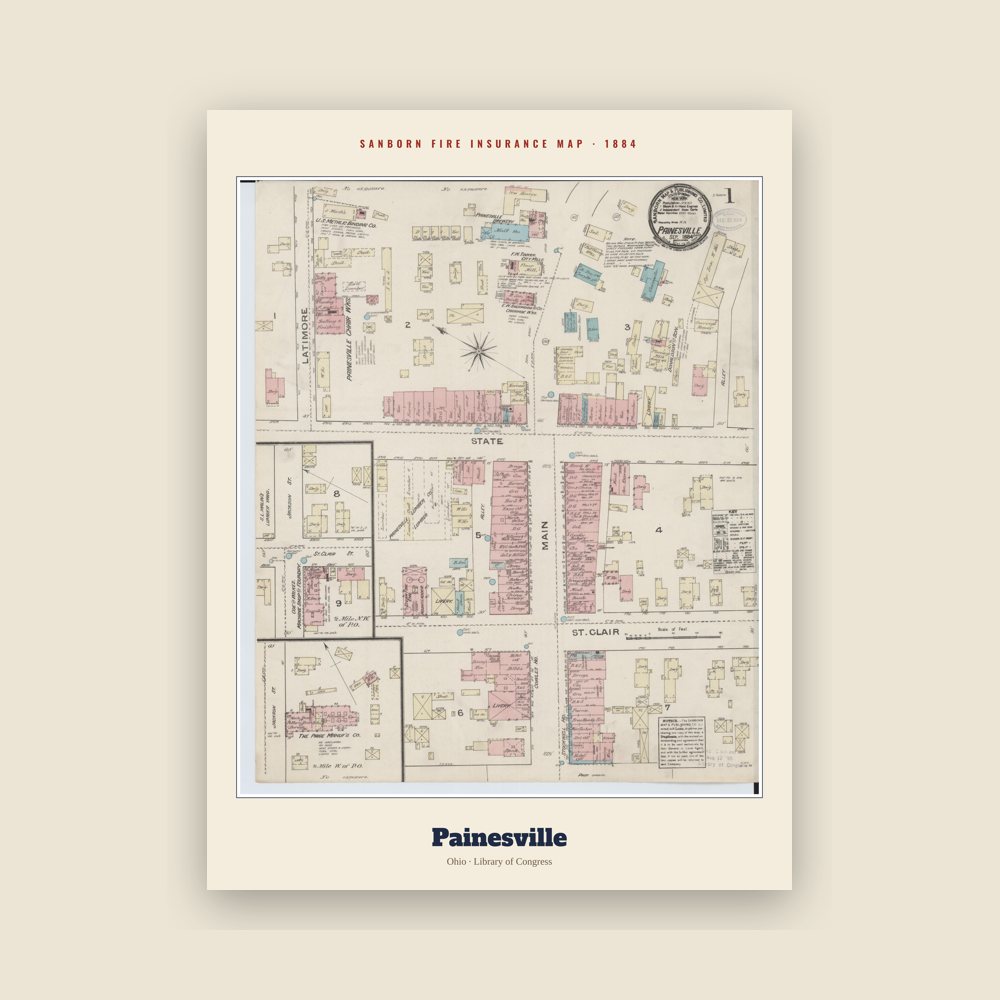
Painesville is included in what is historically referred to as the Connecticut Western Reserve. General Edward Paine (1746–1841), a native of Bolton, Connecticut, who had served as a captain in the Connecticut militia during the war, and John Walworth arrived in 1800 with a party of sixty-six settlers, among the first in the Western Reserve. General Paine later represented the region in the territorial legislature of the Northwest Territory.
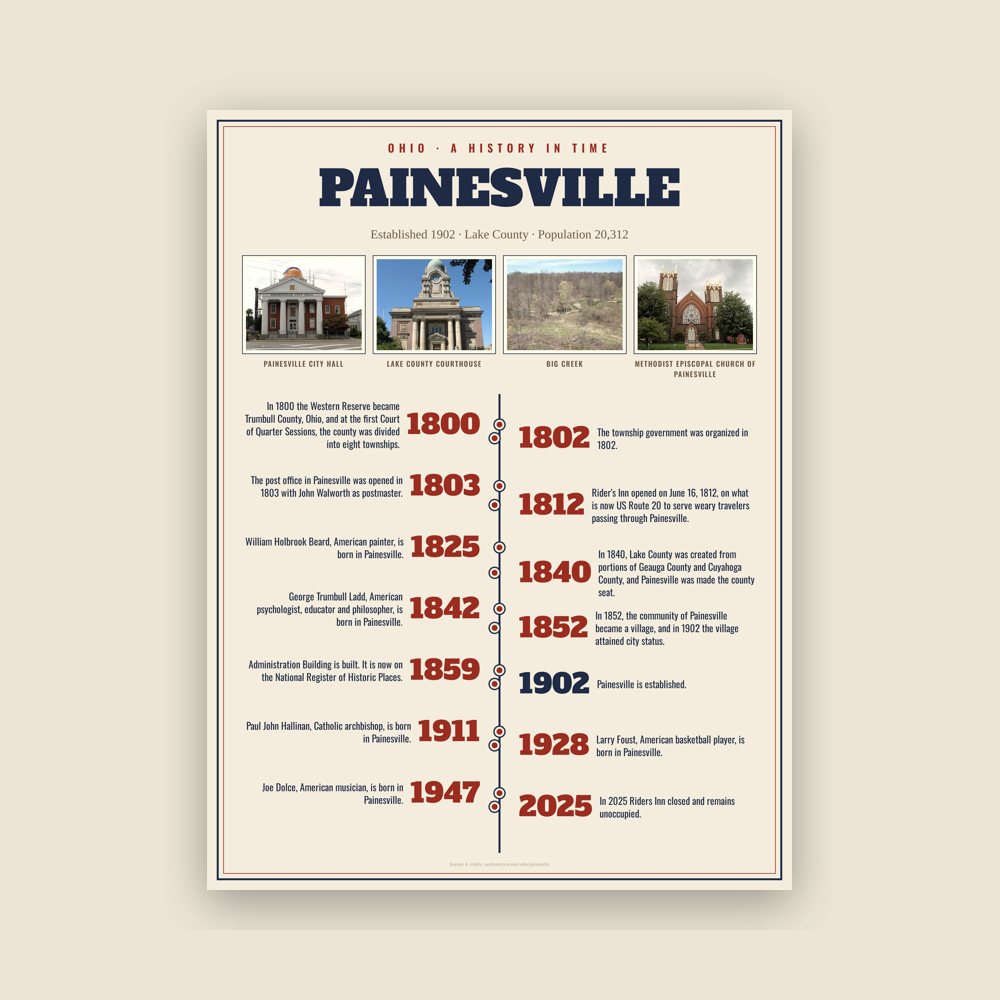
In 1800 the Western Reserve became Trumbull County, Ohio, and at the first Court of Quarter Sessions, the county was divided into eight townships. The smallest of these townships was named Painesville, for General Paine, and encompassed what later became the townships of Perry, Leroy, Hambden, Concord, Chardon, Mentor, and Kirtland. The township government was organized in 1802. The post office in Painesville was opened in 1803 with John Walworth as postmaster.
In what was to become the commercial center of the township was a settlement called Oak Openings, its name being descriptive of the scrub oaks and sandy soil. It was here in 1805 that Gen. Henry Champion laid out a village plat and called it Champion, a name that it carried only until incorporation in 1832 when the name "Painesville" was chosen in honor of General Paine. Two of his descendants, Eleazer A. Paine and Halbert E. Paine, later served as Union Army generals during the American Civil War.
In 1840, Lake County was created from portions of Geauga County and Cuyahoga County, and Painesville was made the county seat. In 1852, the community of Painesville became a village, and in 1902 the village attained city status.
Read the full history
Underground Railroad
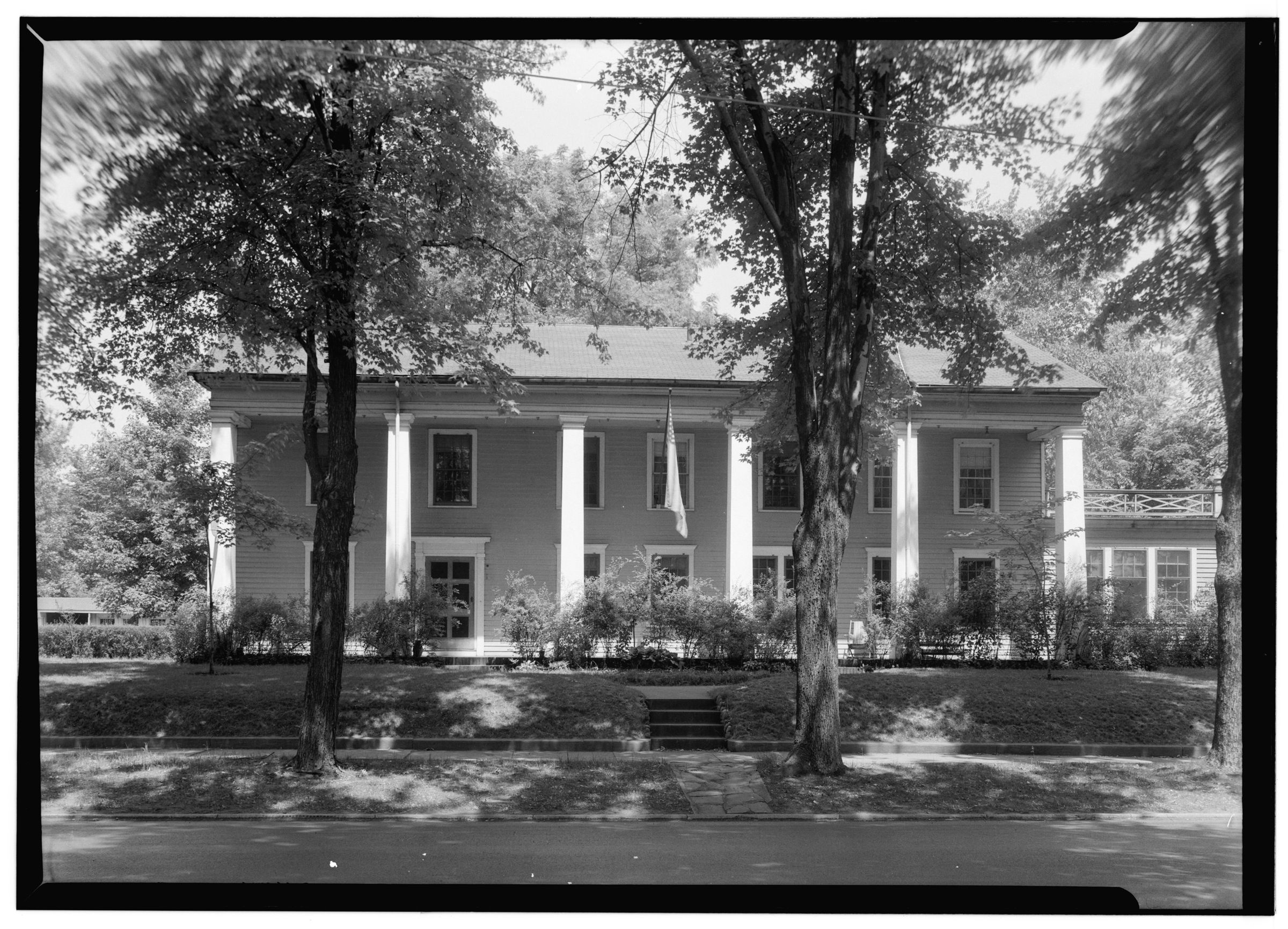
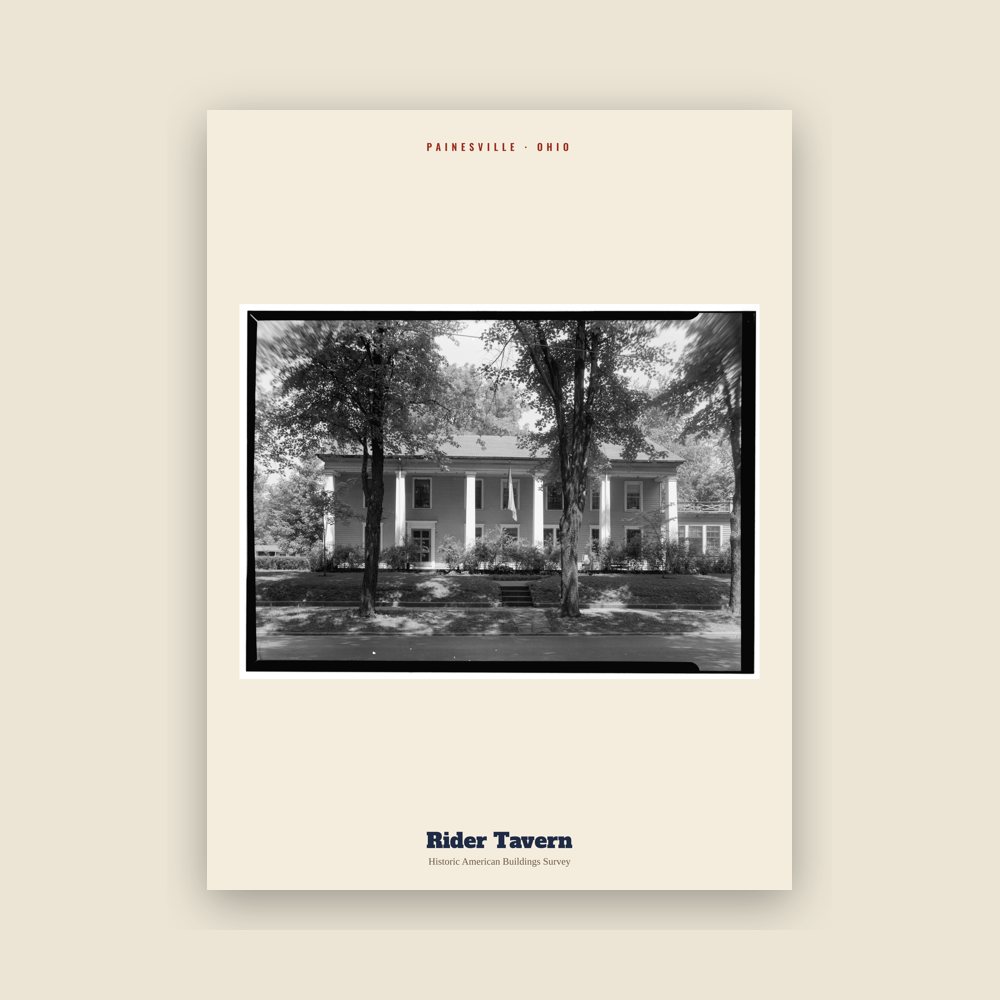
Rider's Inn opened on June 16, 1812, on what is now US Route 20 to serve weary travelers passing through Painesville. But later in the 19th century it served a greater purpose – as a stop on the Underground Railroad. The freedom seekers would come to a dry well located behind the inn. There, they would find a ladder leading down to a door to the inn's basement. Fugitive slaves were able to rest and recharge before making their way across Lake Erie into Canada. Over the years, historians estimate that 3,000 former slaves came through Rider's Inn. The inn served as a meeting spot for the anti-slavery committee in town, and documents have been found detailing their abolitionist movement. After over two hundred years, Riders inn became a bed and breakfast locally owned by two business women. During this ownership the underground tunnel used to hide slaves had caved in and couldn't be entered again. In 2025 Riders Inn closed and remains unoccupied. Historical photographs, memorabilia and documents such as the anti-slavery Bugle are currently on display in the main lobby and can be visible by looking in windows.
Adapted (trimmed) from the Wikipedia article Painesville, Ohio, revision 1381110388 by its contributors, licensed CC BY-SA 4.0.
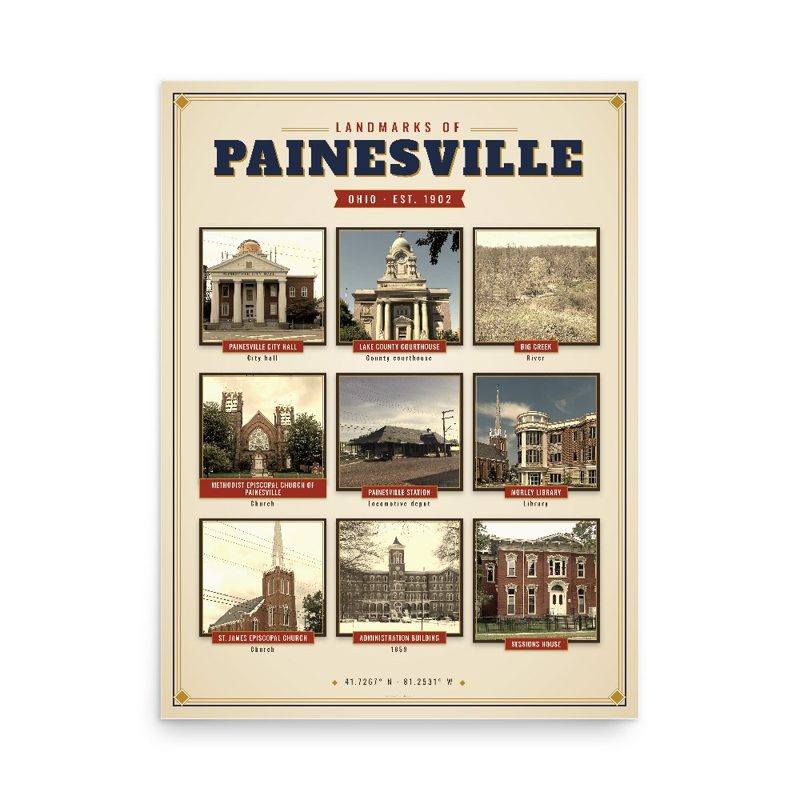
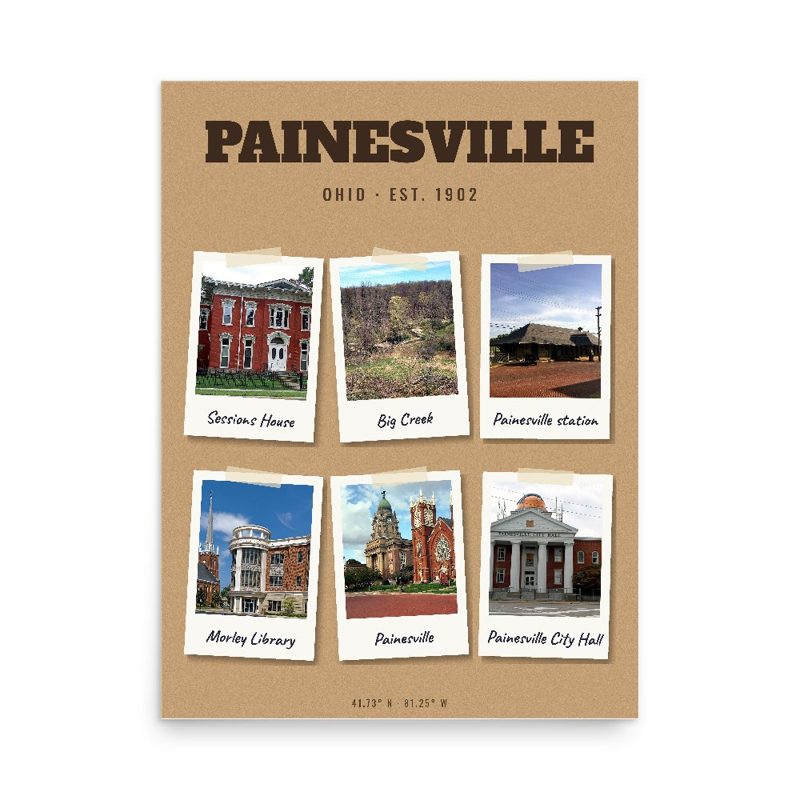

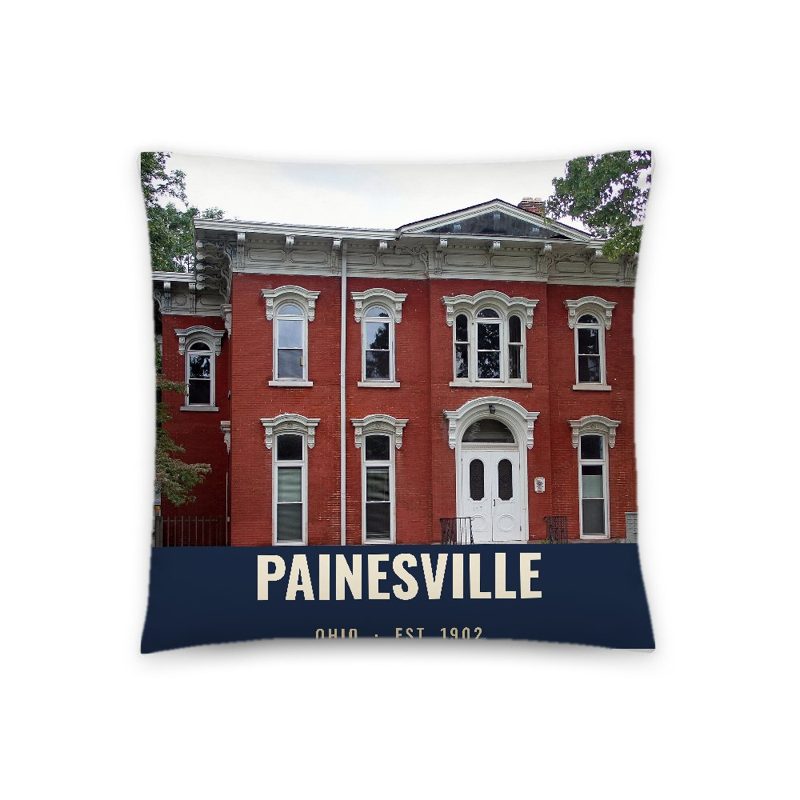



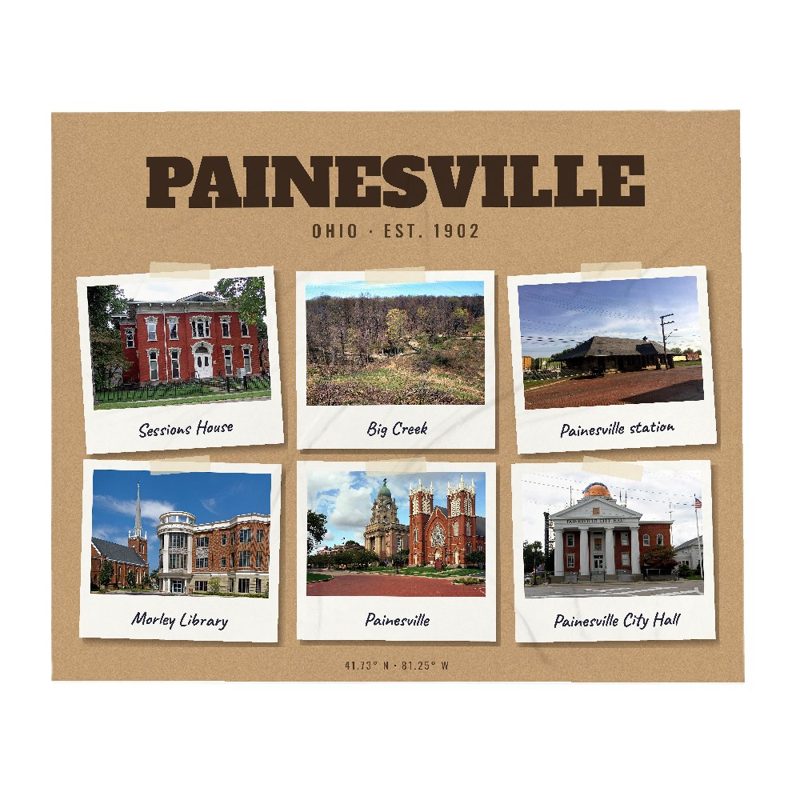
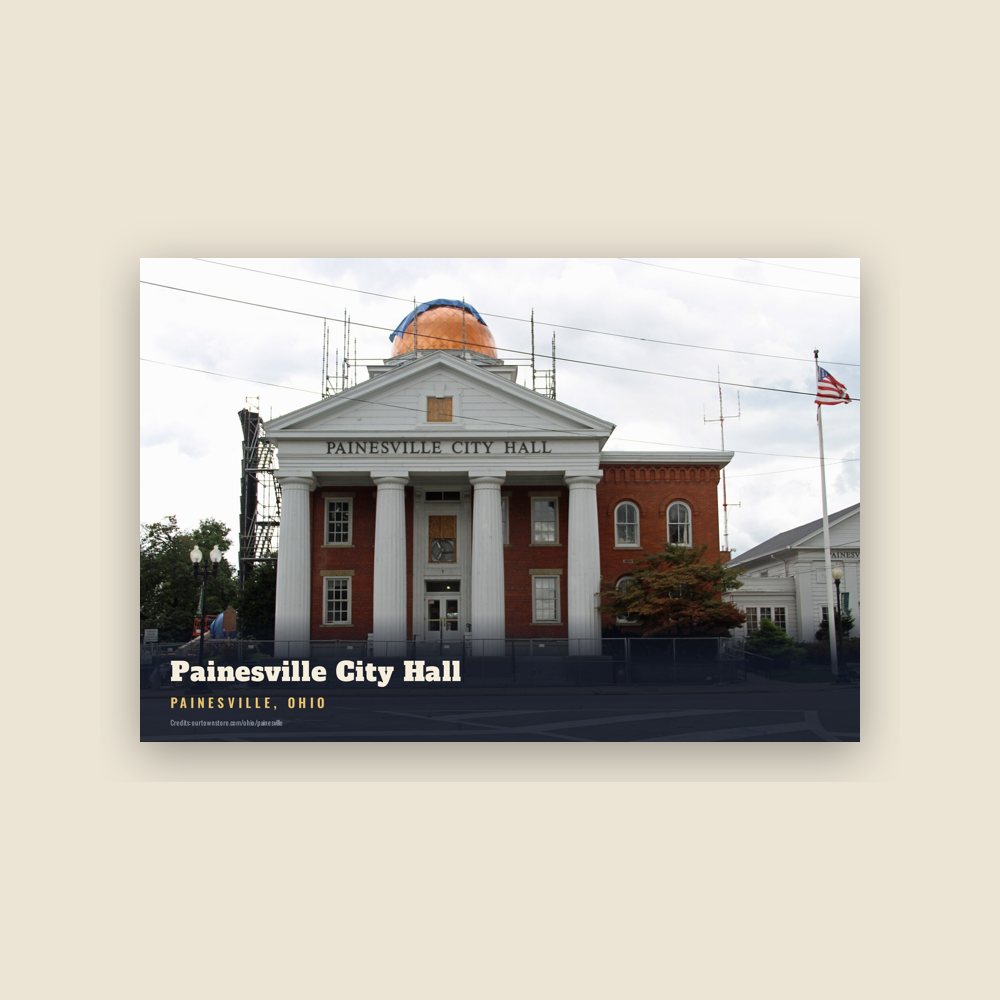

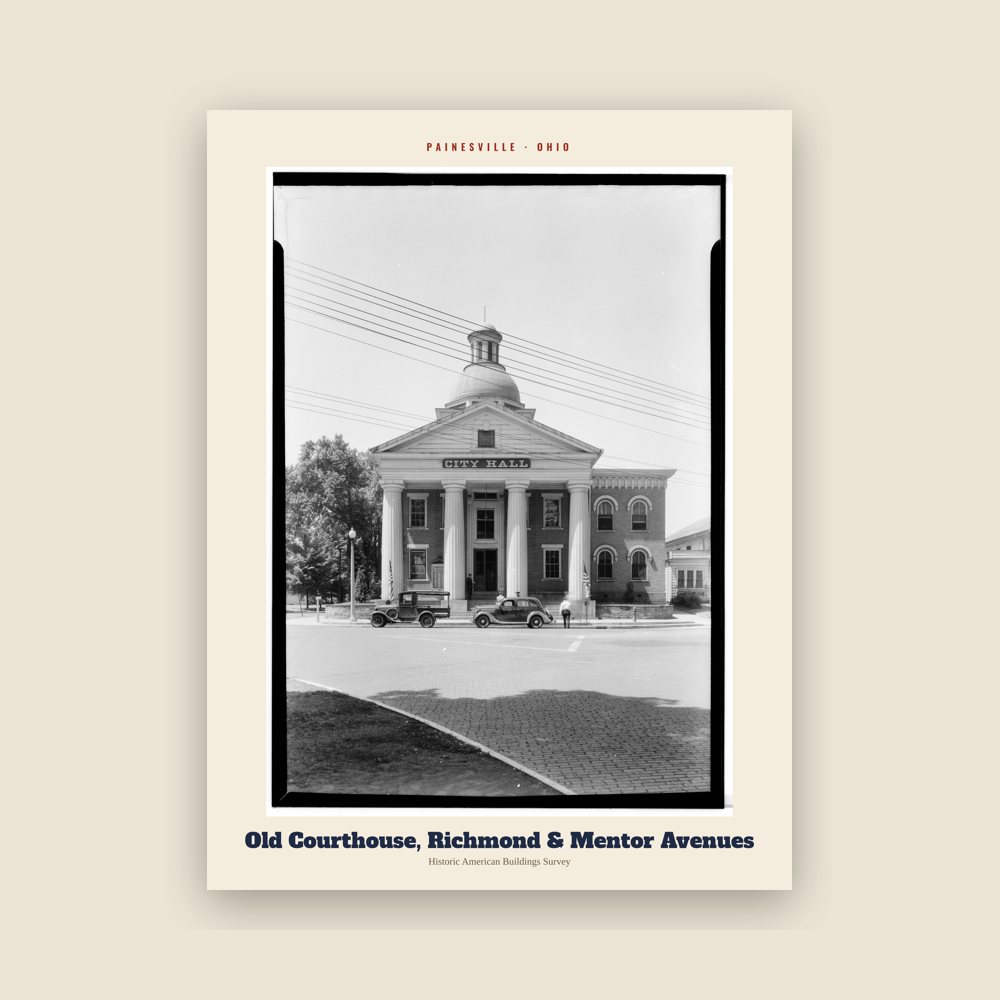
 Painesville City Hall
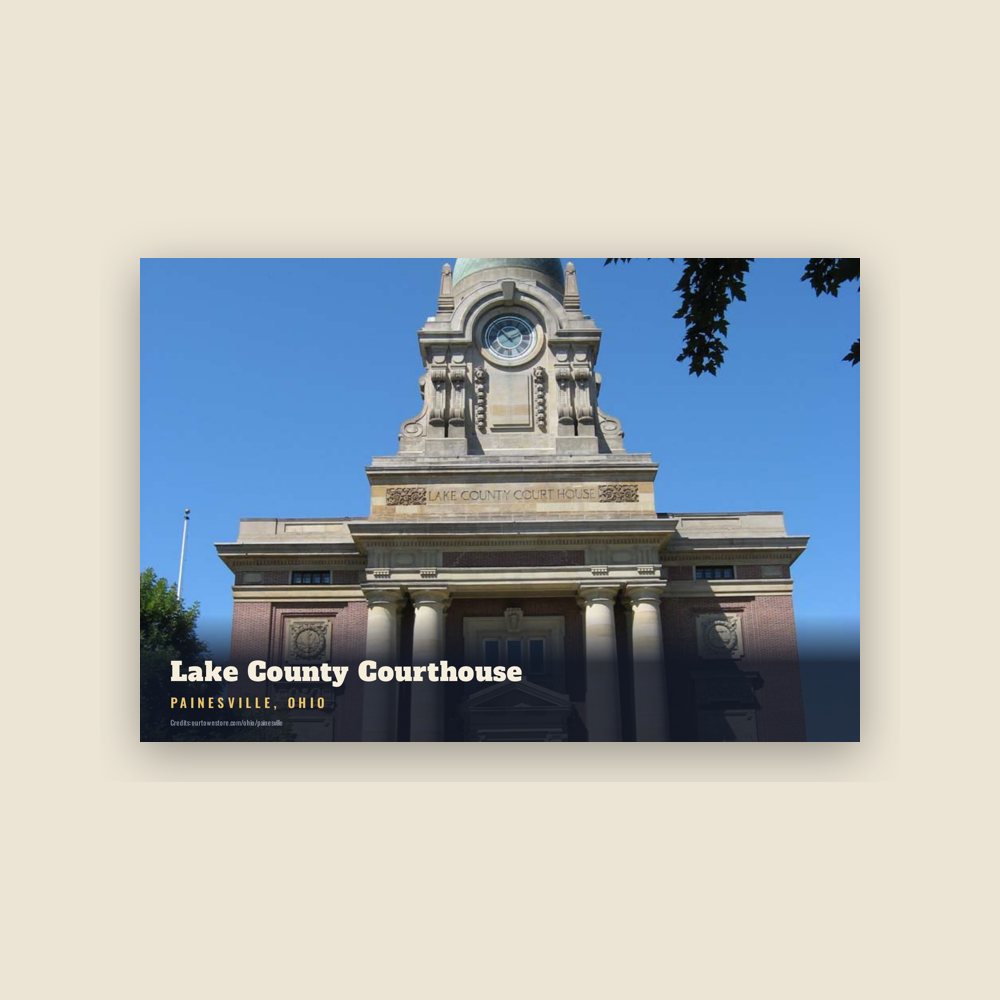
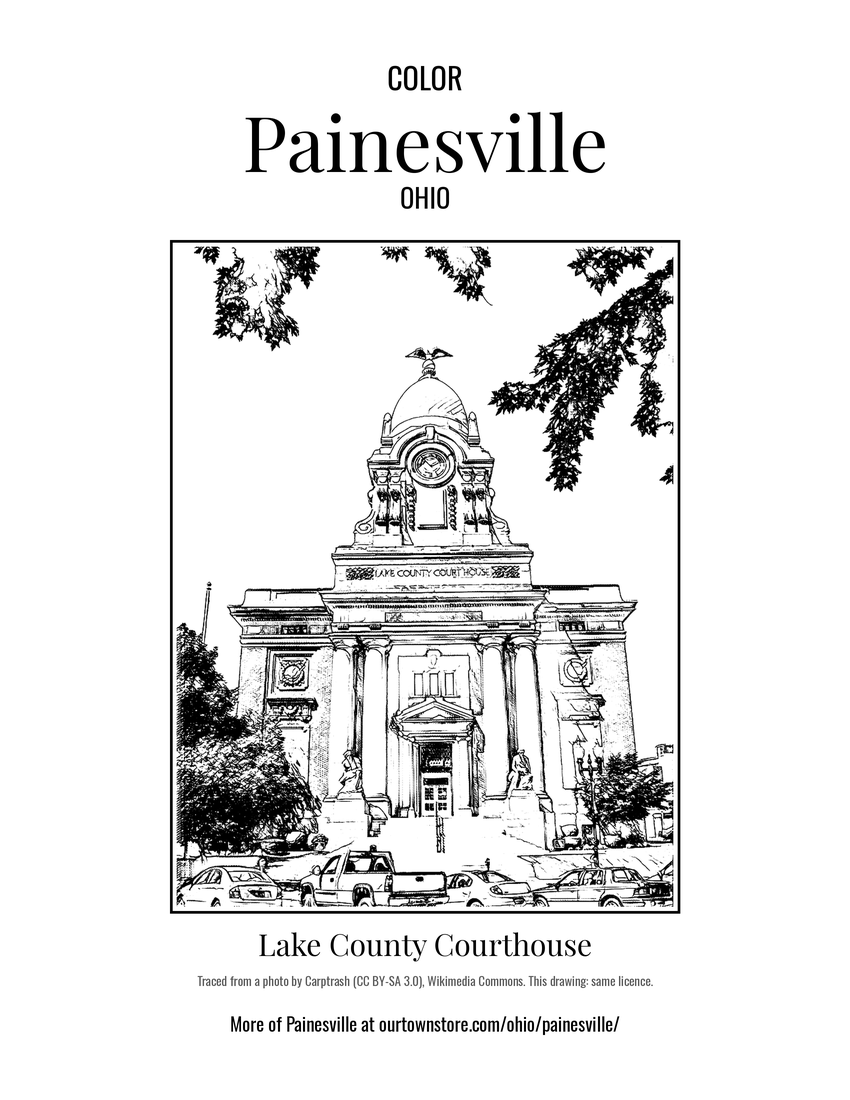 Lake County Courthouse
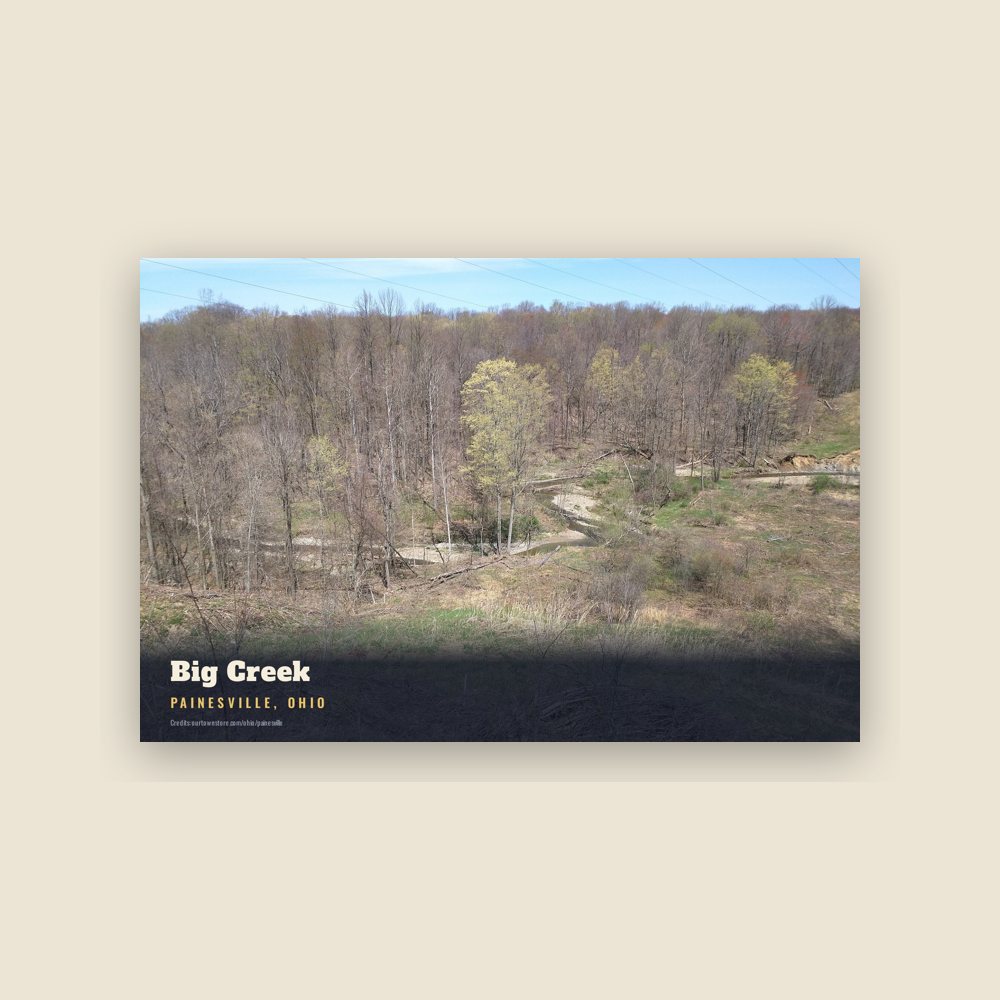
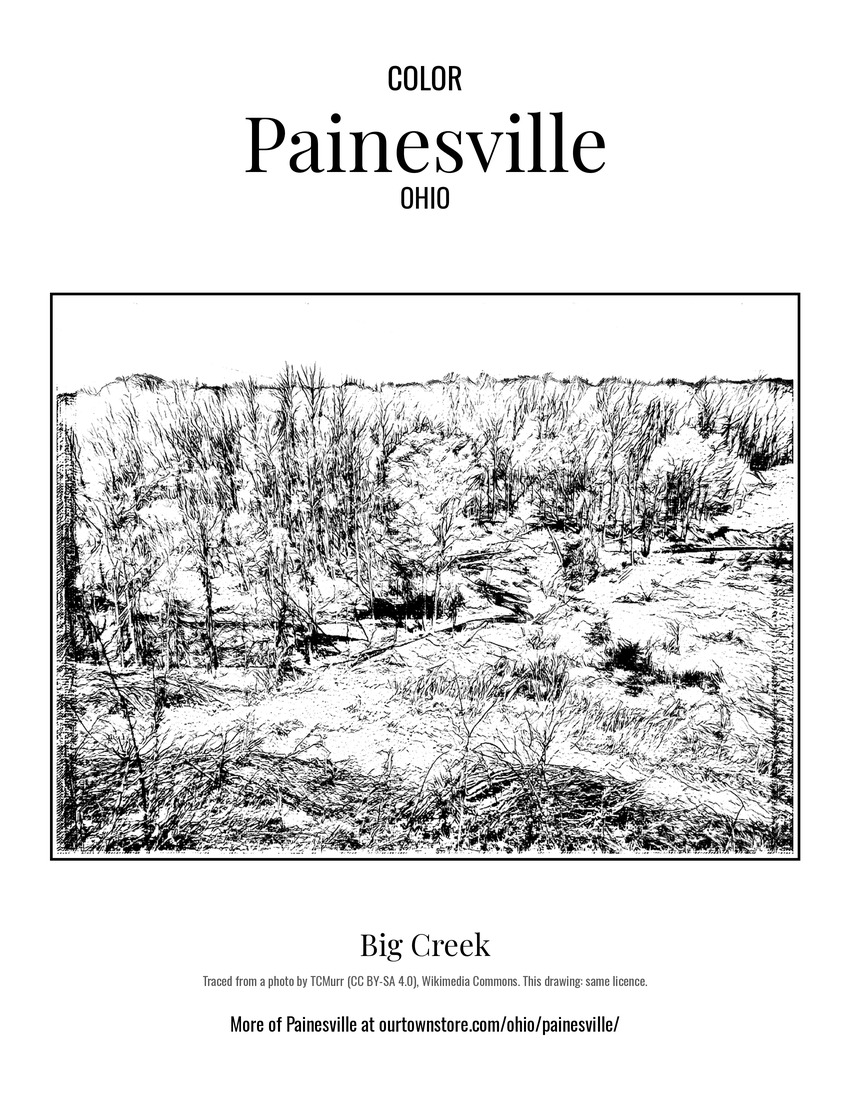 Big Creek
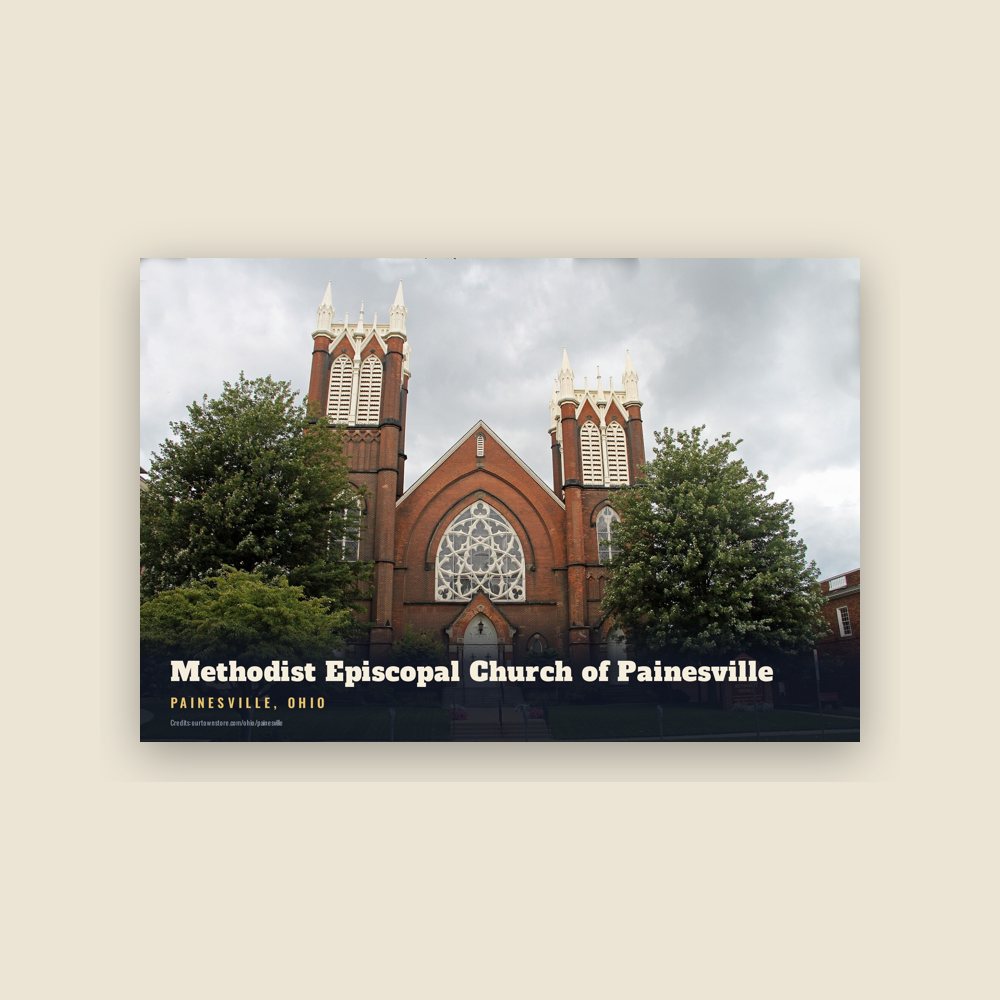
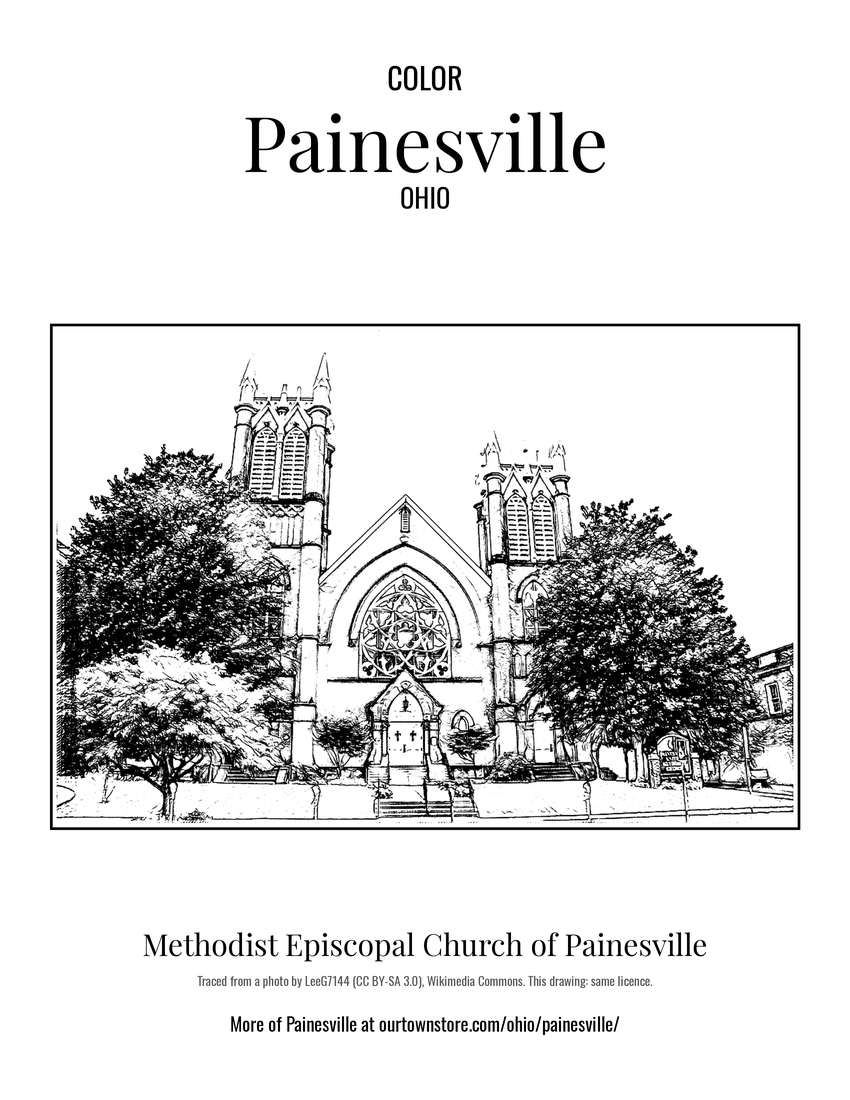 Methodist Episcopal Church of Painesville