Since 1828
A short history of Mansfield
Early history and founding
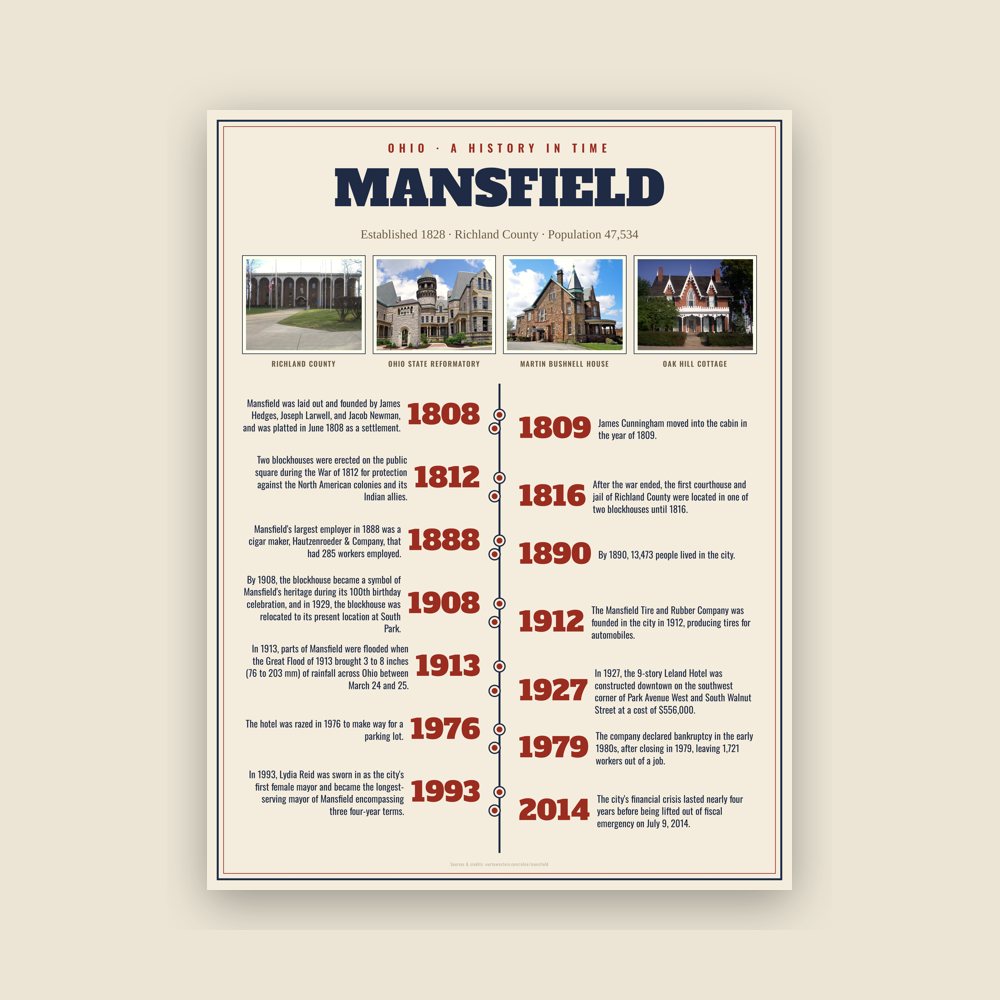
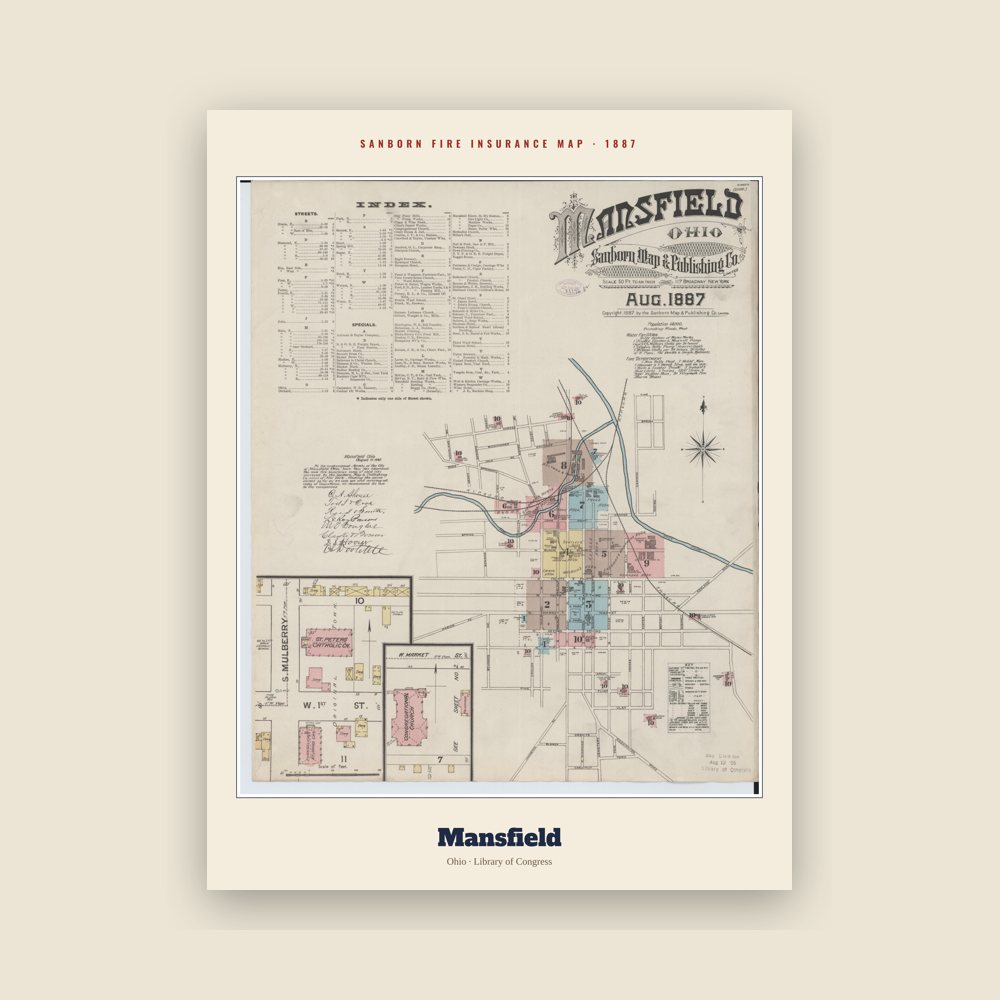
Mansfield was laid out and founded by James Hedges, Joseph Larwell, and Jacob Newman, and was platted in June 1808 as a settlement. It was named for Colonel Jared Mansfield, the United States Surveyor General who directed its planning.
It was originally platted as a square, known today as the public square or Central Park. During that same year of its founding, a log cabin was built by Samuel Martin on lot 97 (where the H.L. Reed building is now), making it the first and only house to be built in Mansfield in 1808. Martin lived in the cabin during the winter and illegally sold whiskey to Indians, which compelled Martin to flee the country. James Cunningham moved into the cabin in the year of 1809. At that time, there were less than a dozen settlers in Richland County and Ohio was still largely wilderness.
Two blockhouses were erected on the public square during the War of 1812 for protection against the North American colonies and its Indian allies. The block houses were erected in a single night. After the war ended, the first courthouse and jail of Richland County were located in one of two blockhouses until 1816. The blockhouse was later used as a school with Eliza Wolf being its teacher. Mansfield was incorporated as a village in 1828 and then as a city in 1857 with a population of 5,121. Between 1846 and 1863, the railroads came to the city with the Sandusky, Mansfield and Newark Railroad being the first railroad to reach Mansfield in 1846, the Pittsburgh, Fort Wayne and Chicago Railway in 1849, and the Atlantic and Great Western Railroad in 1863. The city was a center of manufacturing and trade in the late 1880s thanks to the four railroads that passed through the community.
Dozens of manufacturing businesses operated in the city, producing goods like brass objects, doors, linseed oil, paper boxes, suspenders, and numerous other items. Mansfield's largest employer in 1888 was a cigar maker, Hautzenroeder & Company, that had 285 workers employed. In 1888, Frank B. Black borrowed $5,000 from relatives to start Ohio Brass Company, a foundry specializing in brass and bronze castings, stem brass goods, electric railway supplies and more. By 1890, 13,473 people lived in the city.
Read the full history
20th and 21st centuries
By 1908, the blockhouse became a symbol of Mansfield's heritage during its 100th birthday celebration, and in 1929, the blockhouse was relocated to its present location at South Park.
The Mansfield Tire and Rubber Company was founded in the city in 1912, producing tires for automobiles. During the 1920s and 1930s, the Mansfield tire brand stood shoulder to shoulder with Goodyear, Goodrich, Firestone and Uniroyal, the "Big Four" tire name brands in the industry at the time. The Mansfield Tire and Rubber Company continued to grow through the 1950s and 1960s, before its production started to decline in the 1970s. The company declared bankruptcy in the early 1980s, after closing in 1979, leaving 1,721 workers out of a job.
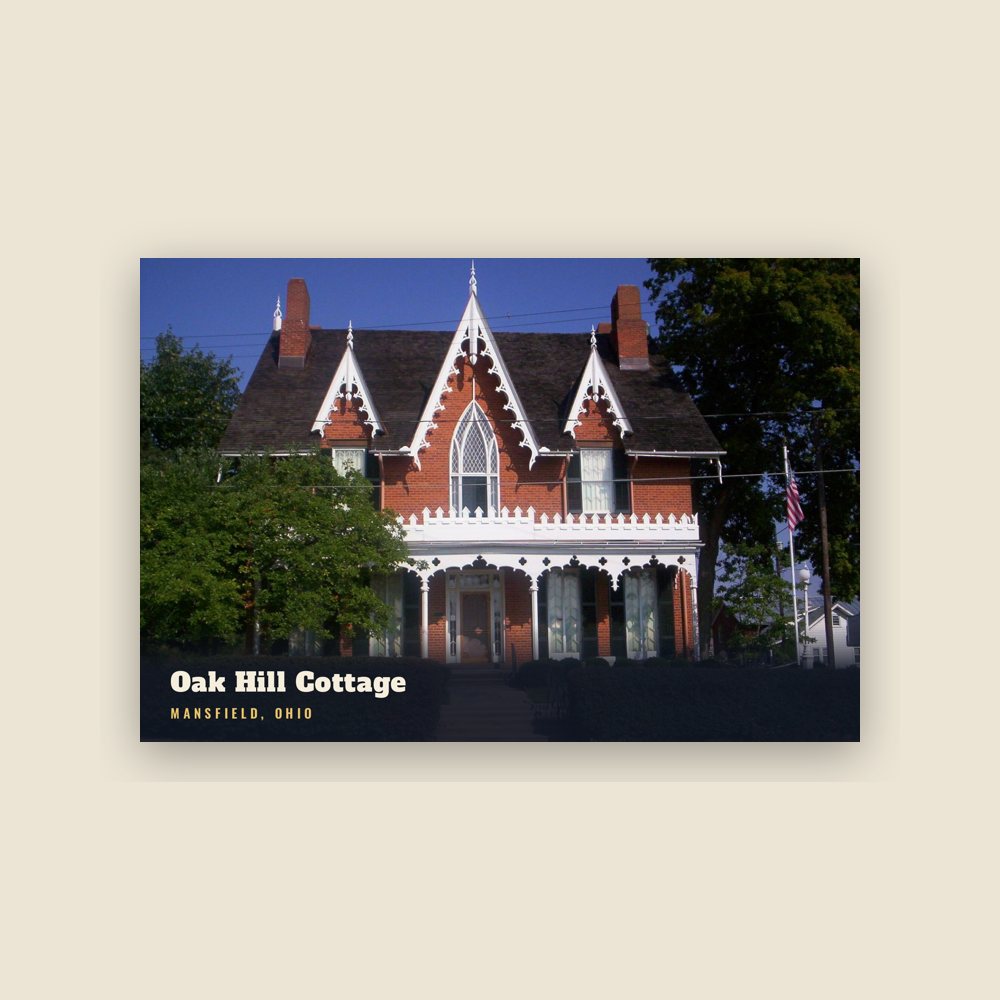
In 1913, parts of Mansfield were flooded when the Great Flood of 1913 brought 3 to 8 inches (76 to 203 mm) of rainfall across Ohio between March 24 and 25. The first road across America, the Lincoln Highway, came to the city in 1913, smoothing the path for economic growth. In 1924, Oak Hill Cottage, a Gothic Revival brick house, built in 1847 by John Robinson, superintendent of the Sandusky, Mansfield and Newark Railroad was the setting of The Green Bay Tree, Mansfield native Louis Bromfield's first novel.
In 1927, the 9-story Leland Hotel was constructed downtown on the southwest corner of Park Avenue West and South Walnut Street at a cost of $556,000. The Leland Hotel was the tallest building in Mansfield when completed, and was designed by architect Vernon Redding, that also designed the Mansfield Public Library, Farmers Bank Building, Mansfield Savings Bank Building and Mansfield General Hospital. The hotel was razed in 1976 to make way for a parking lot. What remains of the Leland Hotel today is the hotel's compass rose that was embedded in the sidewalk along Walnut Street where the front door of the hotel once was.
Like many cities in the Rust Belt, the 1970s and 1980s brought urban blight, and losses of significant household name blue-collar manufacturing jobs. In recent years, Mansfield's downtown, which once underscored the community's economic difficulties, has seen innovative revitalization through the establishment of Main Street Mansfield (known today as Downtown Mansfield, Inc.), and is a site of new business growth. In 1993, Lydia Reid was sworn in as the city's first female mayor and became the longest-serving mayor of Mansfield encompassing three four-year terms. Reid was succeeded in 2007 by Donald Culliver, the city's first black mayor.
In December 2009, the city was placed on fiscal watch by the state auditor citing substantial deficit balances in structural operating general funds. On August 19, 2010, Mansfield would become Ohio's largest city to be declared in fiscal emergency with a deficit of $3.8 million after city officials failed to pass measures on cost-savings and cut spending, blaming it on the Great Recession. The city's financial crisis lasted nearly four years before being lifted out of fiscal emergency on July 9, 2014.
Mansfield, in partnership with local and national partners, is addressing blight and economic stagnation in the city center.
Adapted (trimmed) from the Wikipedia article Mansfield, Ohio, revision 1378688577 by its contributors, licensed CC BY-SA 4.0.
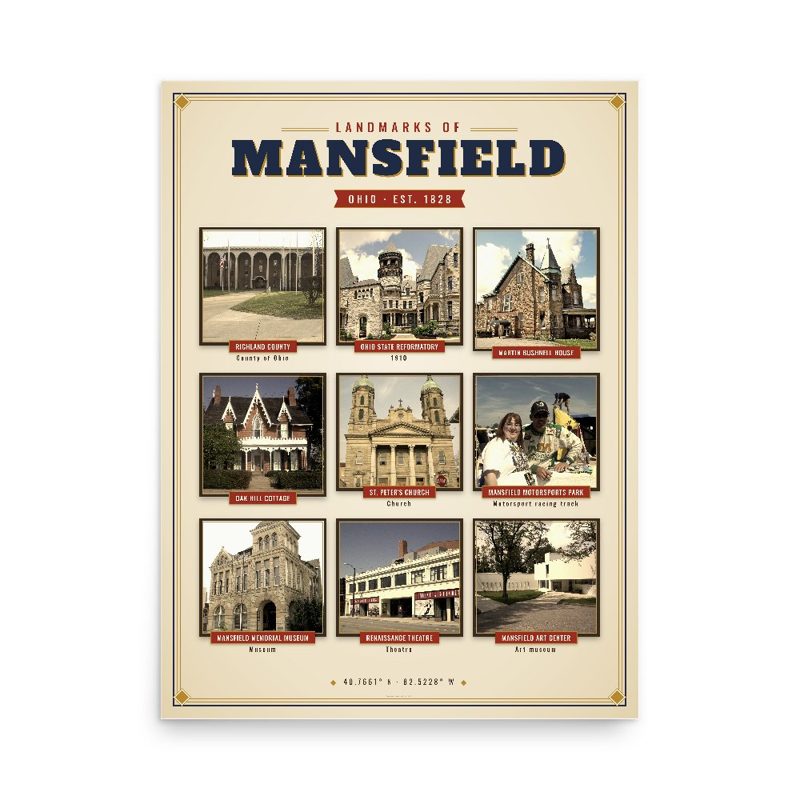
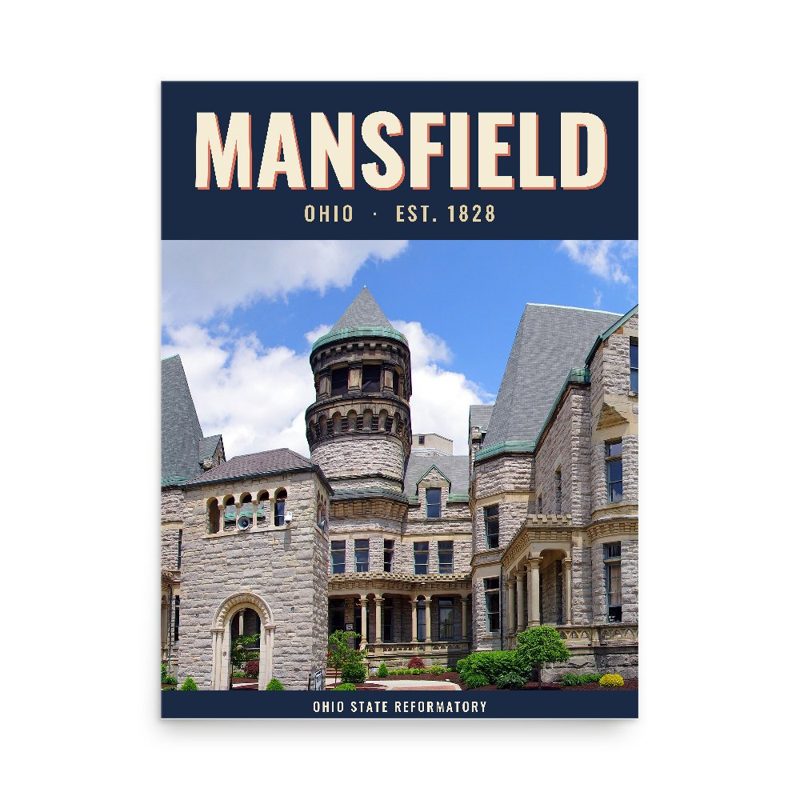
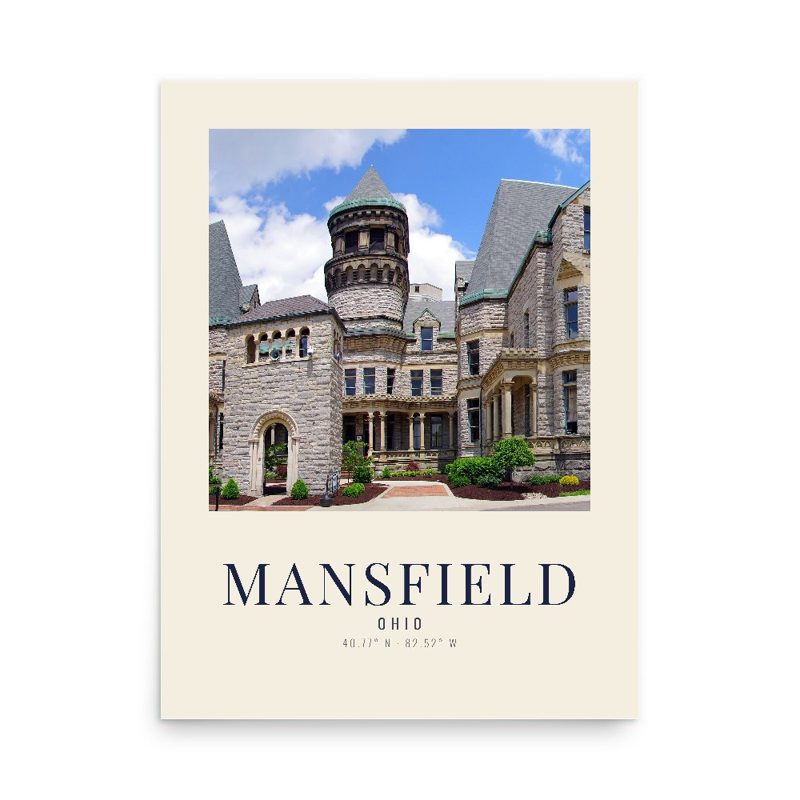
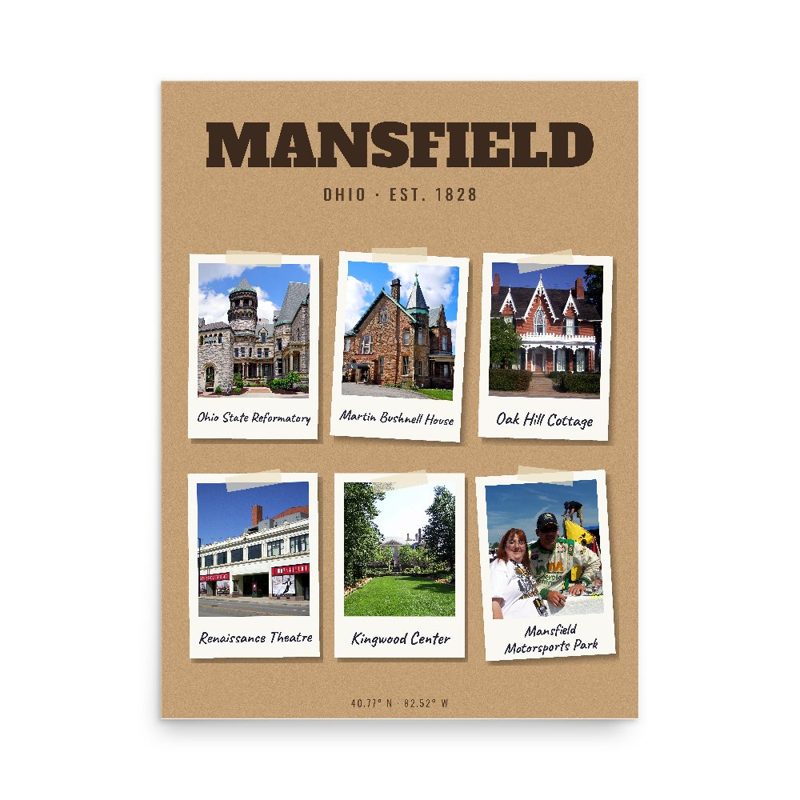
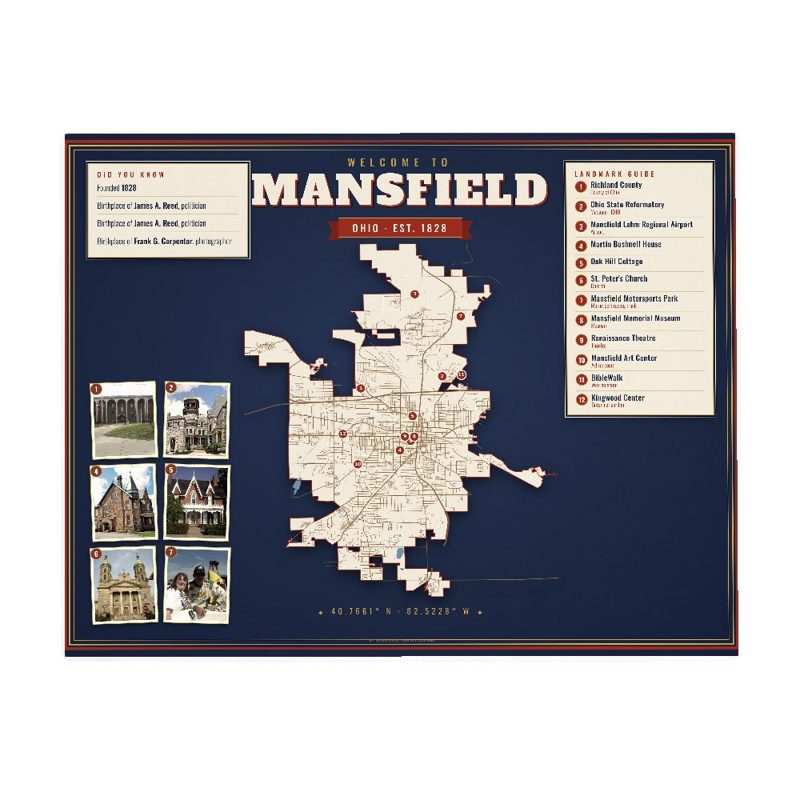


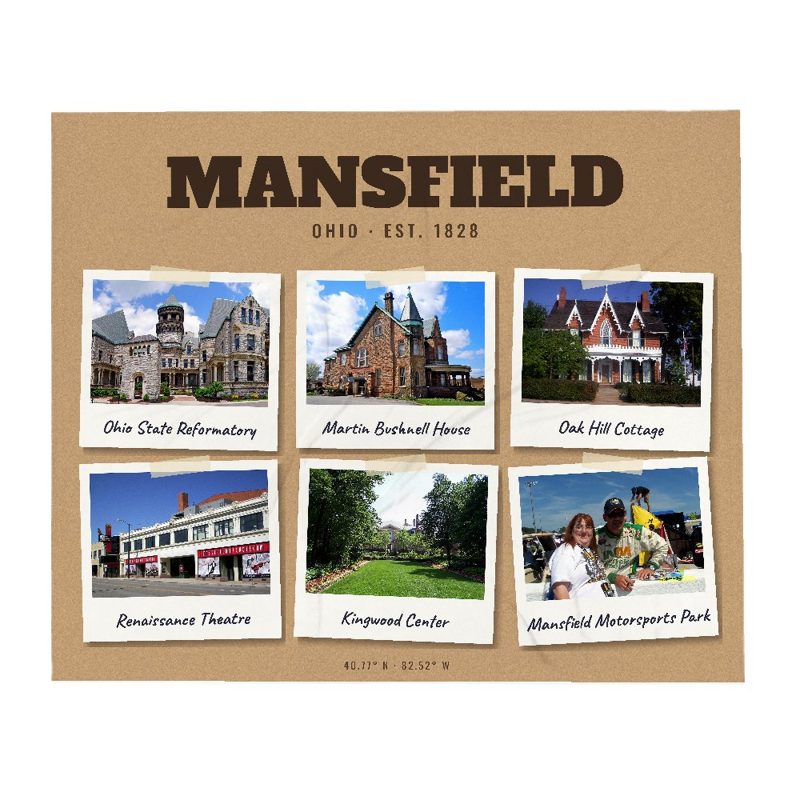
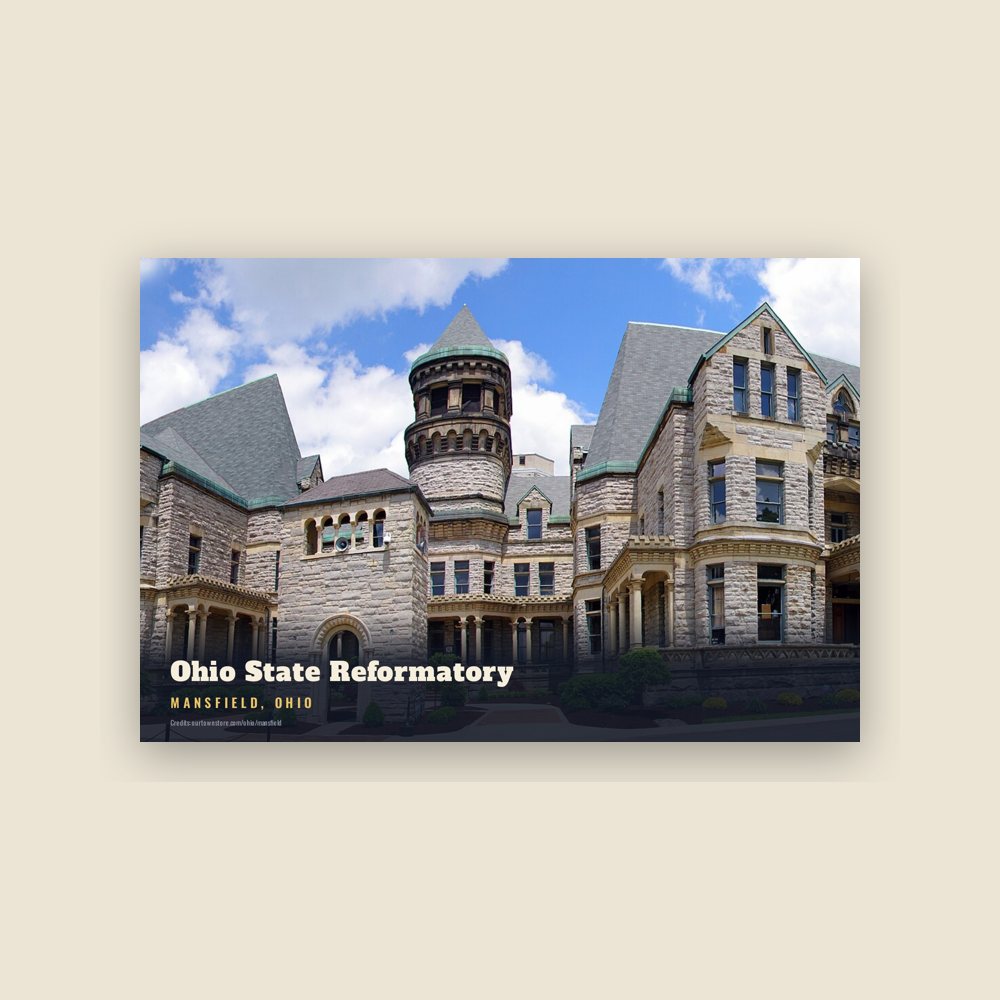
 Ohio State Reformatory
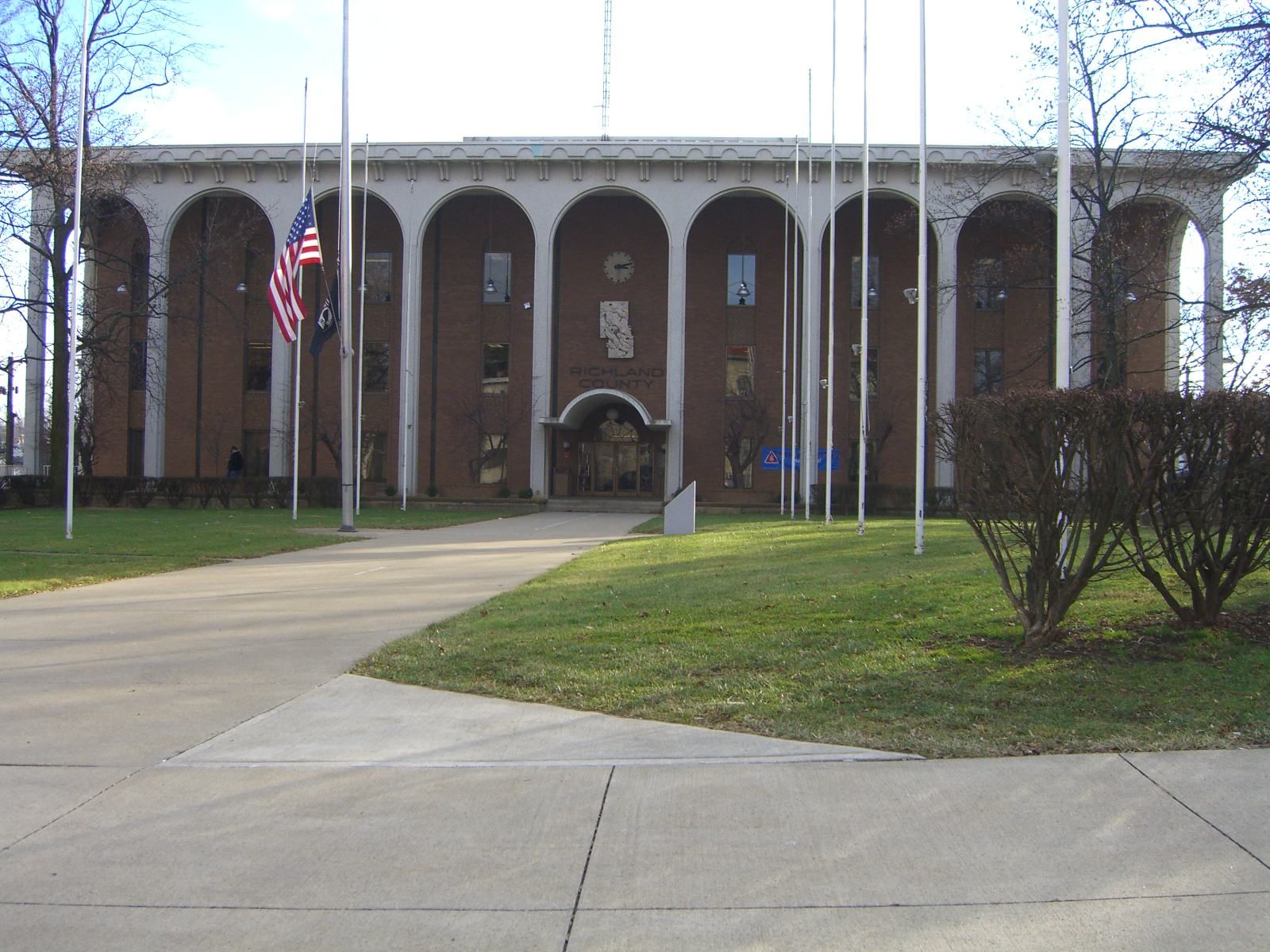
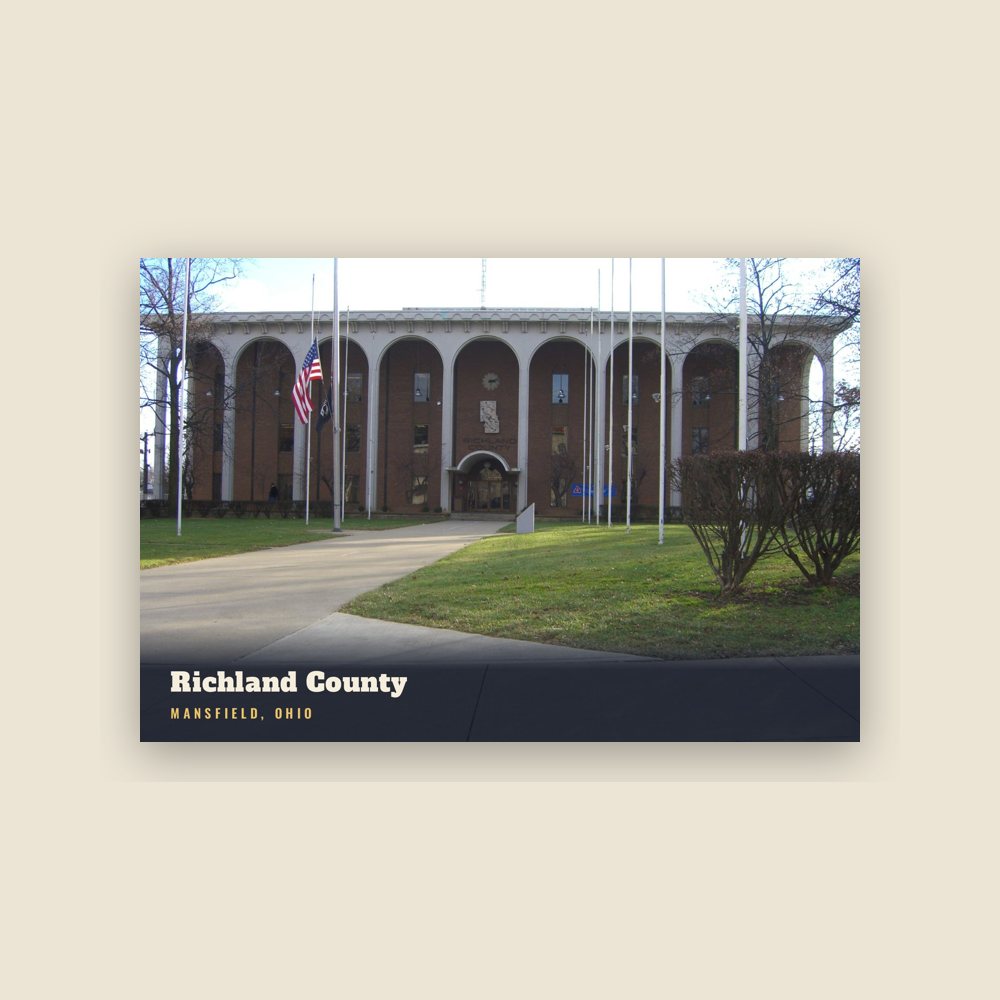
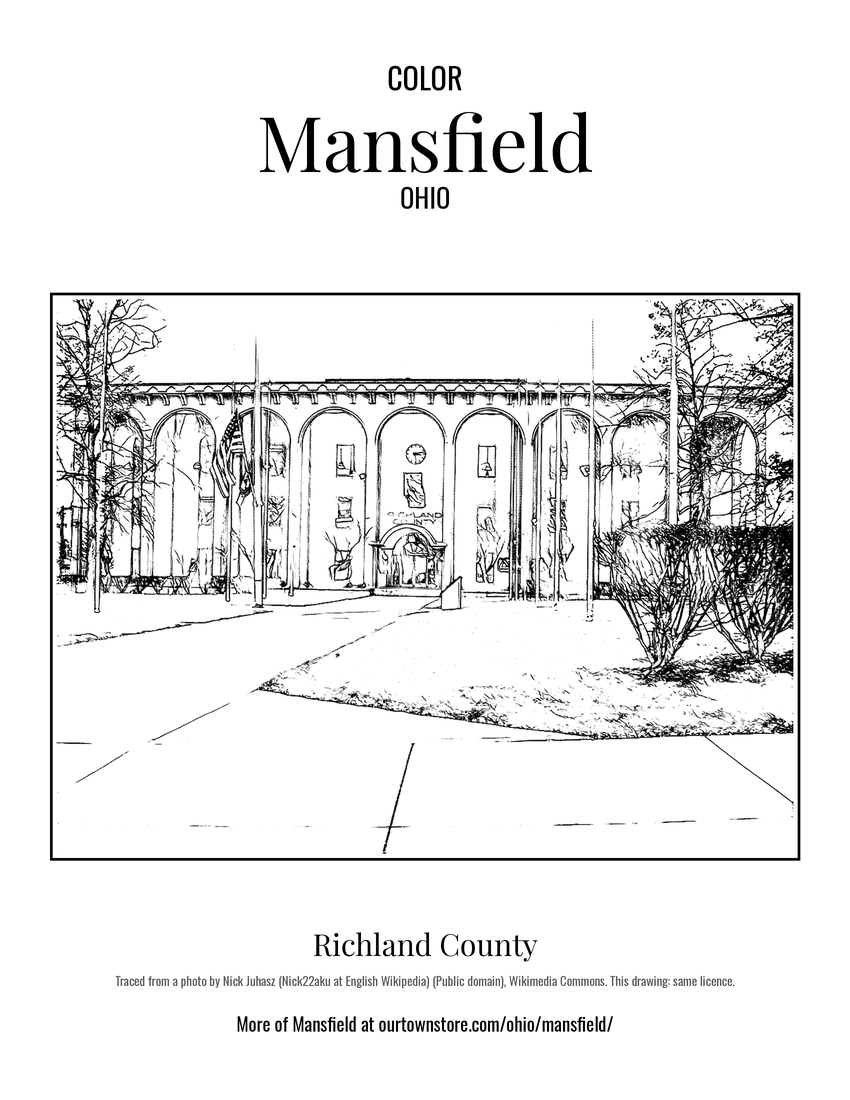 Richland County
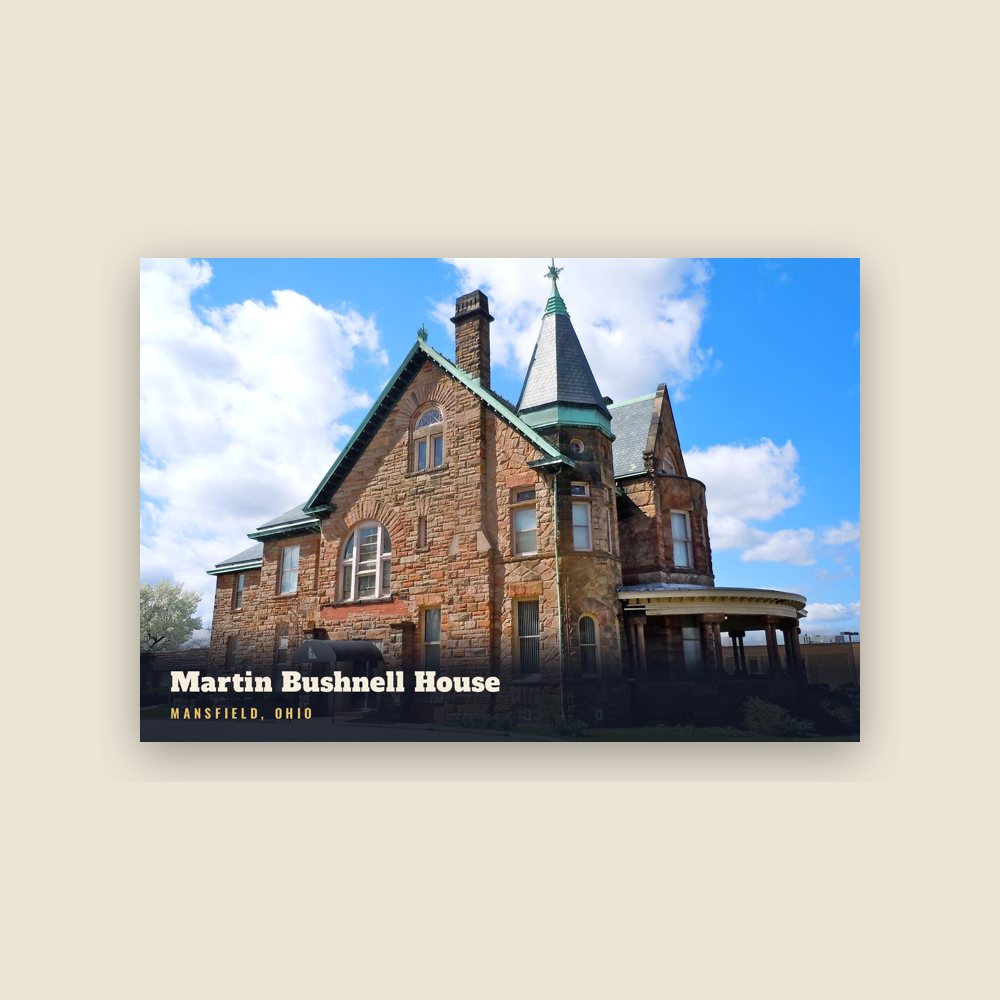
 Martin Bushnell House
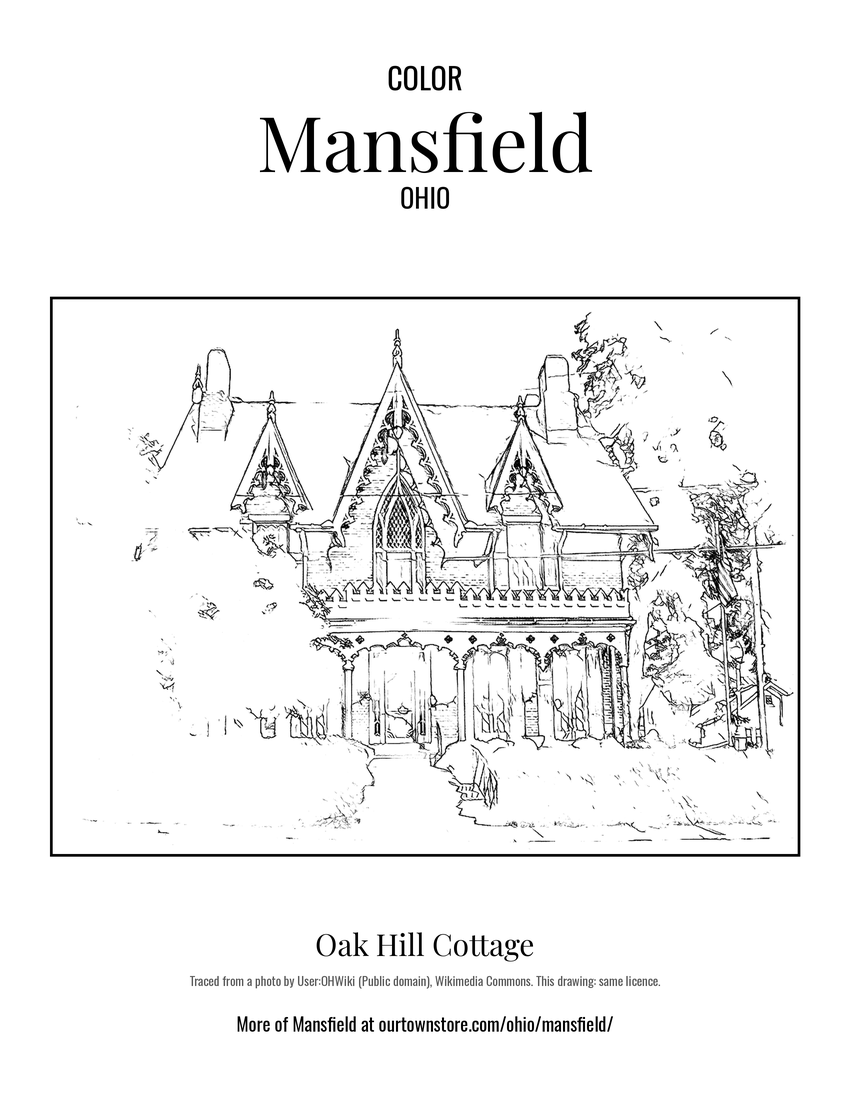 Oak Hill Cottage