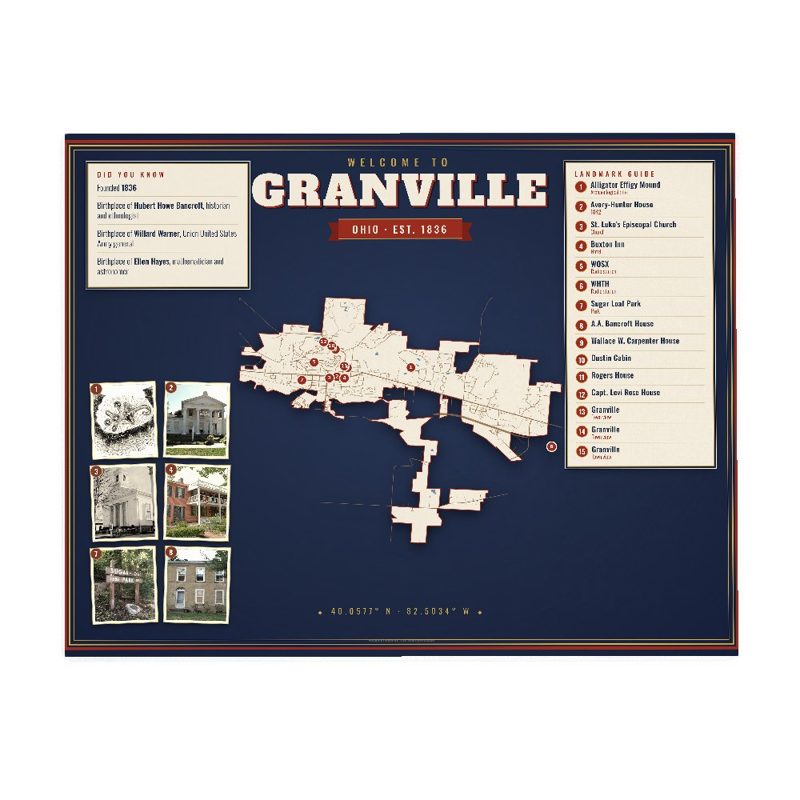
Granville is the location of the prehistoric Alligator Effigy Mound, built by the indigenous people of the Fort Ancient culture, between 800 and 1200 CE, more than four hundred years before European contact. It may be an effigy of the underwater panther featured in Native American mythology. The mound is listed on the National Register of Historic Places. The area has evidence of Indigenous cultures. Less than five miles from the Alligator Effigy Mound are the Newark Earthworks, associated with the earlier Hopewell culture of roughly 100 BCE to 500 CE.
Read the full history
Pioneer settlers
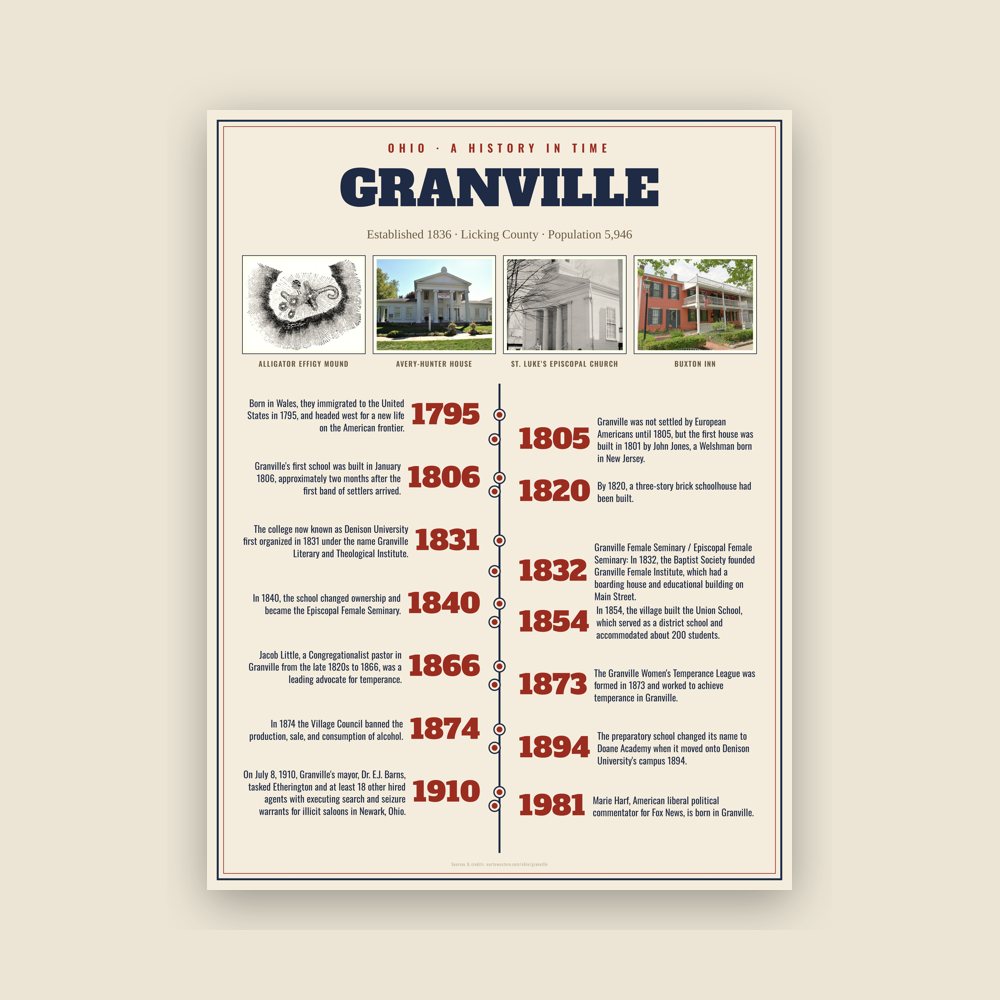
Granville was not settled by European Americans until 1805, but the first house was built in 1801 by John Jones, a Welshman born in New Jersey. He erected a small hut with his wife and paved the first street in Granville, calling it Centerville Street. Mr. Jones's close friend Mr. Patrick Cunningham built the second cabin in the township the next spring. People began to settle at the village regularly over the next four years. The first large group of settlers were from Granville, Massachusetts, and they named the new village after their former home. The area was first surveyed by United States representatives in 1797, as land set aside by the national government for payment in land grants to veterans who had served in the Revolutionary War.
Among the earliest settlers were Theophilus Rees and his son John. Born in Wales, they immigrated to the United States in 1795, and headed west for a new life on the American frontier. They arrived in what is now Granville township in 1802, following a brief time in Philadelphia. Other Welsh settlers followed them, leaving their heritage in numerous place names.
Early schools
Granville's first school was built in January 1806, approximately two months after the first band of settlers arrived. The log structure, which was used as both a school and a church, sat on the south side of the public square. It had windows made of oiled paper and benches and desks made of split logs. This building served as the local school for four to five years until the community build a framed schoolhouse on the east side of the square. By 1820, a three-story brick schoolhouse had been built. Because there were not enough students to fill it, only the main floor was used for educational purposes; the basement served as a market, and a Masonic fraternity used the upper floor. In 1854, the village built the Union School, which served as a district school and accommodated about 200 students.
Throughout the 19th century, Granville's residents established a number of academies and seminaries (institutions of secondary education similar to high schools).
Granville Academy / Doane Academy: Built in 1827 by the Congregational Church, Granville Academy was initially open to both males and females, but by the time it was incorporated by the Ohio Legislature in 1836, it served only women. The preparatory school changed its name to Doane Academy when it moved onto Denison University's campus 1894. The academy closed in 1927 due to low enrollment, and the school building now houses Denison University's administrative offices.
Granville Female Seminary / Episcopal Female Seminary: In 1832, the Baptist Society founded Granville Female Institute, which had a boarding house and educational building on Main Street. In 1840, the school changed ownership and became the Episcopal Female Seminary.
Ladies' Female Institute / Baptist Female Seminary: The Ladies Female Institute was started in 1860 by Rev. N. S. Buxton and his wife, and it operated out of the basement of the Baptist church. Later, it consolidated with another school and became the Baptist Female Seminary.
The college now known as Denison University first organized in 1831 under the name Granville Literary and Theological Institute. It was located on a 135-acre farm southwest of Granville, where students performed manual labor. The school had four departments: preparatory, English, collegiate, and theological. Its name changed to Granville College in 1845, and in 1855, soon after its name changed to Denison University, the college moved to its current sight on a hill north of the village.
Temperance
The Temperance Movement, a social and religious movement against the consumption of alcohol, had many supporters in Granville. Jacob Little, a Congregationalist pastor in Granville from the late 1820s to 1866, was a leading advocate for temperance. Little sought to achieve temperance in Granville and dedicated most of his life to achieving this goal. He is well known for writing a large number of pamphlets. Little also presented his ideas on alcohol consumption through his annual New Year's Day Sermons. In these sermons, he would highlight the wrongdoings of Granville members that had occurred throughout the previous year, publicly shaming those who consumed large amounts of alcohol. He continued his fight for temperance for 38 years, but temperance was not implemented in Granville until 1874.
The Granville Women's Temperance League was formed in 1873 and worked to achieve temperance in Granville. In 1874 the Village Council banned the production, sale, and consumption of alcohol. The Granville Women's Temperance League would organize public demonstrations, petitions, and educational campaigns to raise awareness about the harmful effects of alcohol.
Granville's pro-temperance stance played a role in the lynching of Carl Etherington, a 17-year-old Anti-Saloon League agent who was murdered in Newark, Ohio, after taking part in several saloon raids. On July 8, 1910, Granville's mayor, Dr. E.J. Barns, tasked Etherington and at least 18 other hired agents with executing search and seizure warrants for illicit saloons in Newark, Ohio. In the ensuing confrontations between the agents and Newark citizens, Etherington shot a former police captain and bar owner, and he was subsequently chased, beaten, and killed.
Abolitionism
In the early days of the Abolitionist Movement, Granville was widely divided over the issue of slavery, but abolitionist groups began to grow in size and influence, holding regular meetings and lectures in the village. Oftentimes, these lectures were met with harsh resistance from anti-abolitionist locals, which eventually led to violence. For example, an abolitionist named Mr. Weld attempted to hold a lecture in Granville on April 1, 1835, but he was egged and stoned by townspeople. After multiple instances of these violent outbursts, citizens of Granville began to express apprehension about holding these lectures because of the division and aggression they were causing. With a large lecture scheduled to be held in Granville in April 1836 by an abolitionist group from Cleveland, Ohio, a notice was posted by some Granville residents in the Newark Gazette asking organizers not to hold the meeting in the village. Despite this, the meeting took place on April 27 of that year, and once again, anti-abolitionist townspeople retaliated. Large mobs gathered to egg and stone the lecturers, and even shaved the tails and manes of the horses belonging to the abolitionist group. After the convention, the two factions clashed in the streets, using bats and daggers as weapons. Though no one was killed, many were severely injured.
After this riot, the village's approach towards abolitionism shifted. There was less retaliation out of fear of violence, and abolitionist groups grew in power. This growth led to Granville's participation in the Underground Railroad system, not as a main station, but as an alternative route in the case that routes through Columbus or the surrounding areas were too dangerous. Among few of the most notable railroad operators were Joseph Linnel and Edwin Cooley Wright, who regularly hosted people fleeing from slavery on their farms.
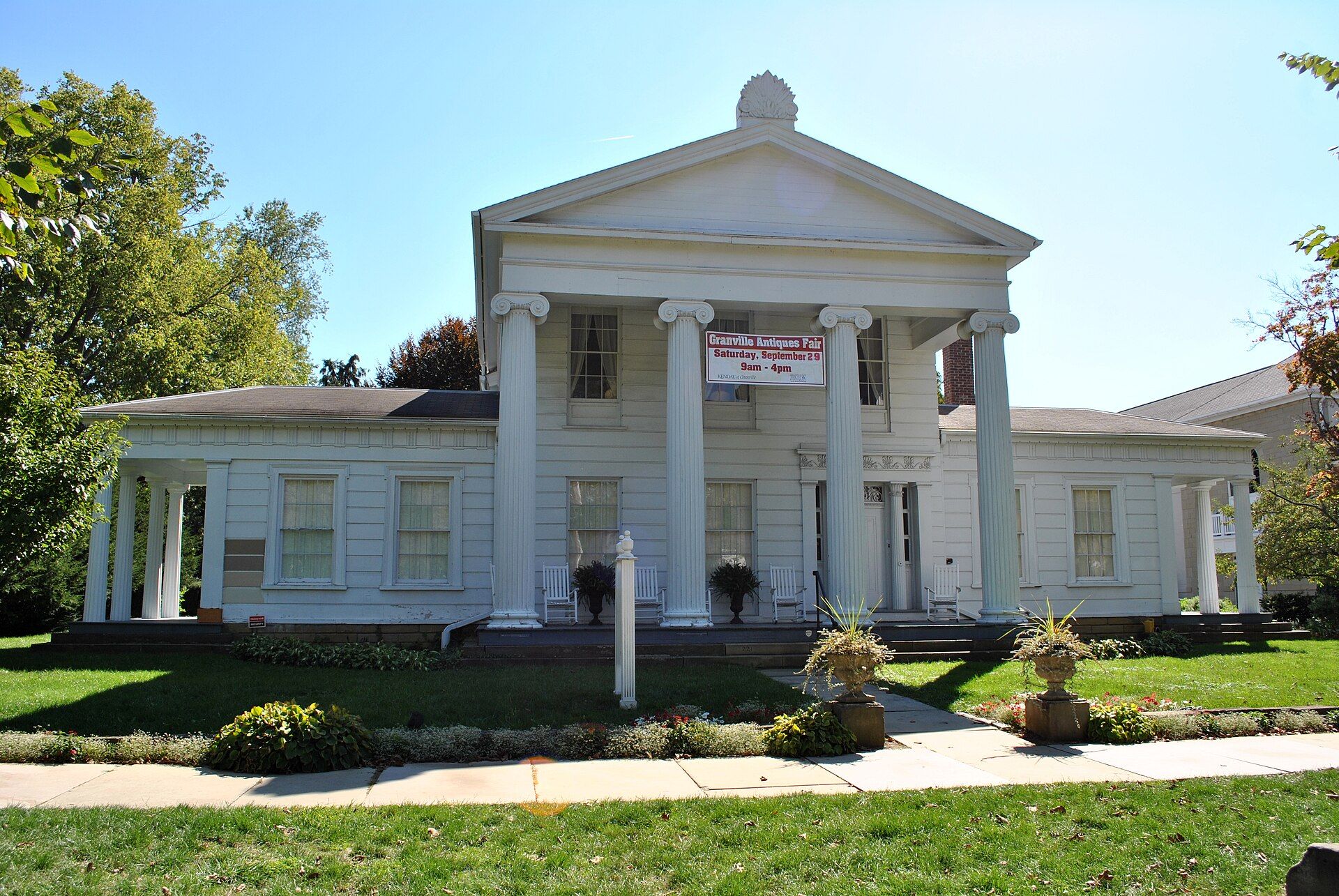
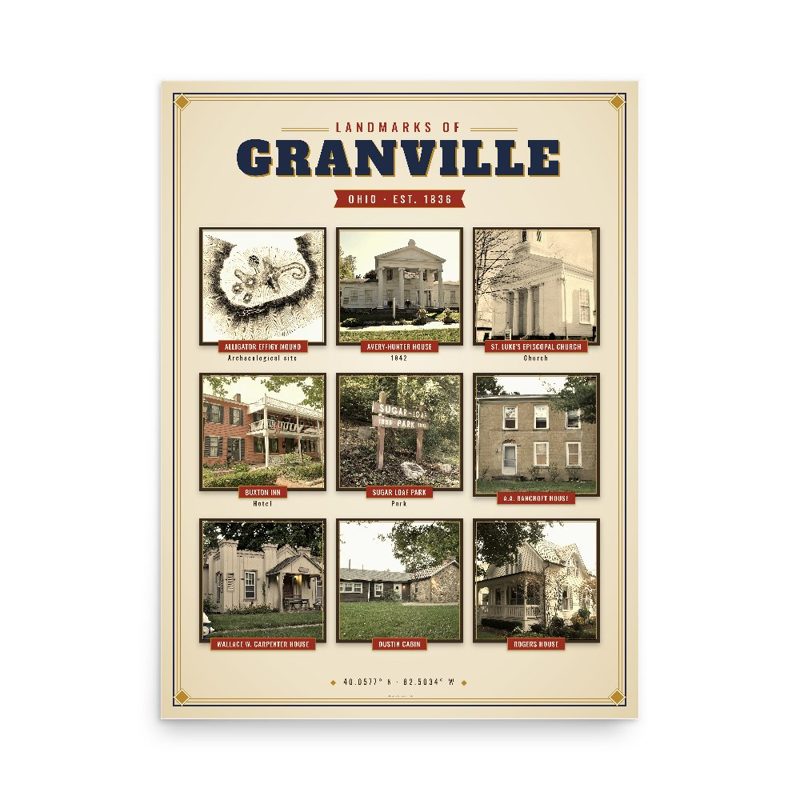
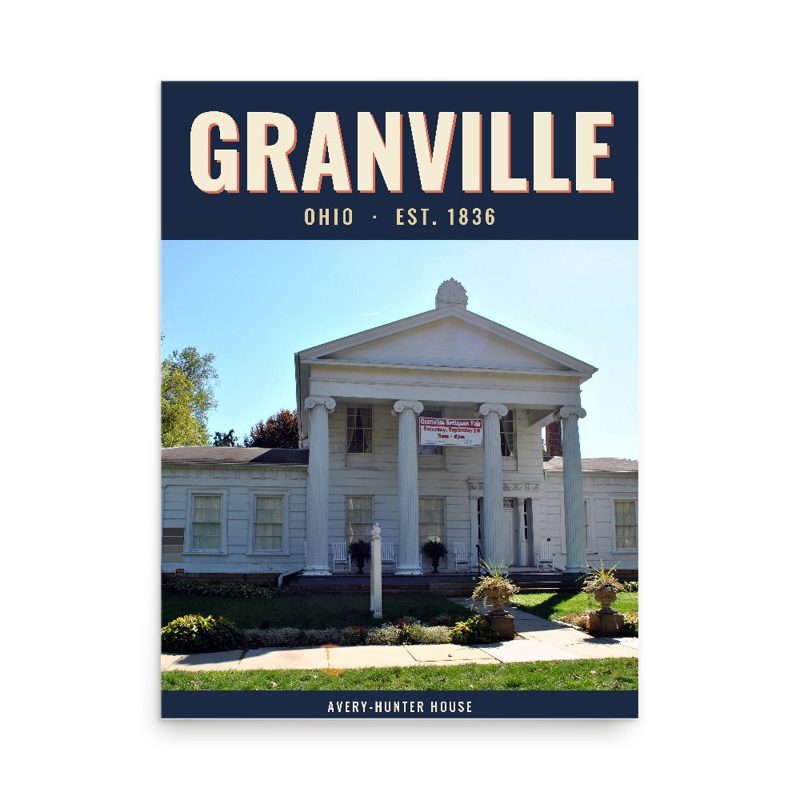
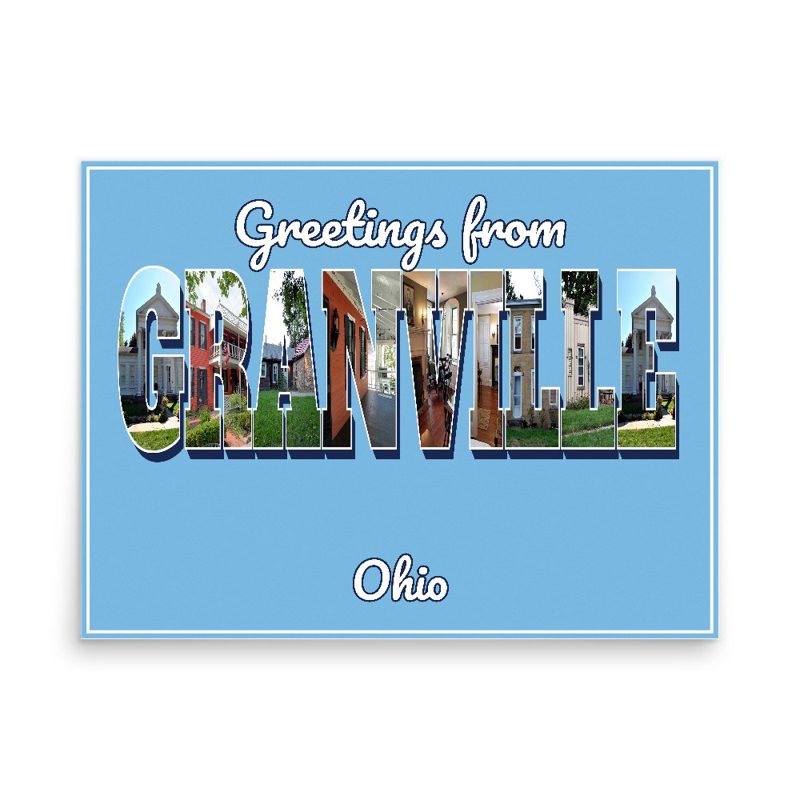
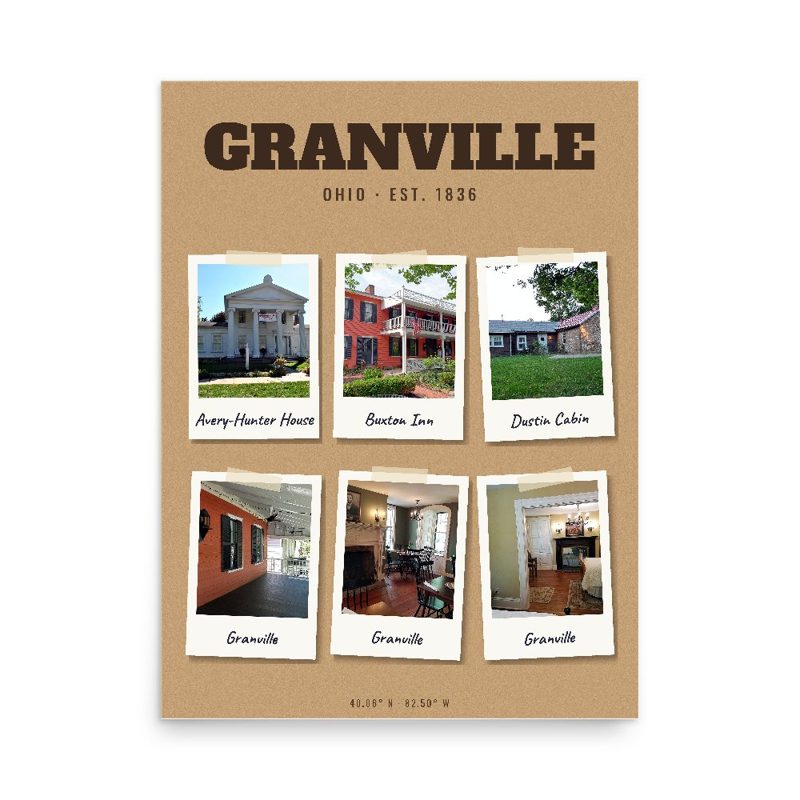








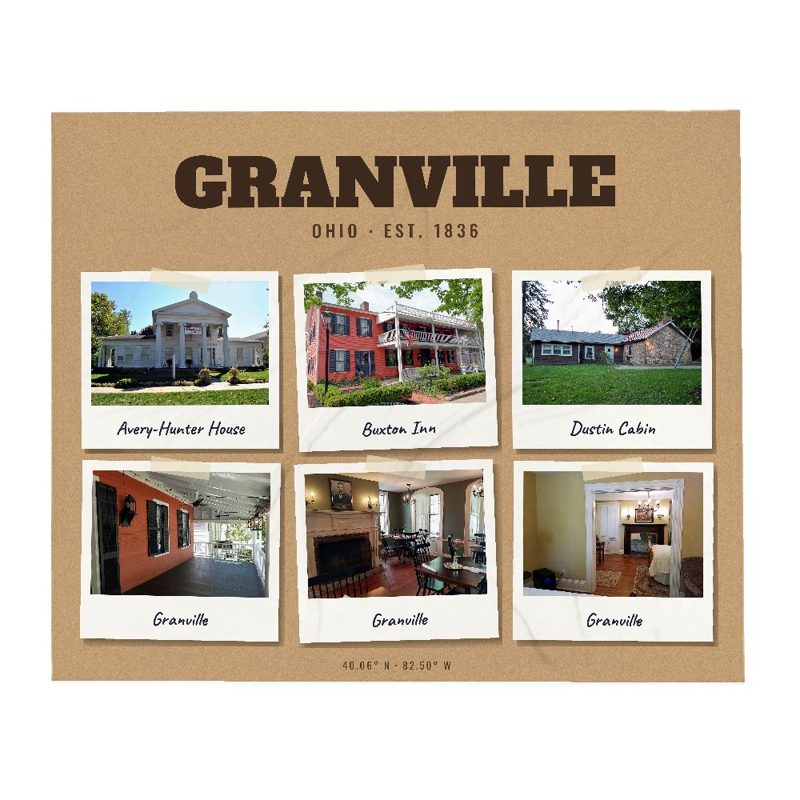


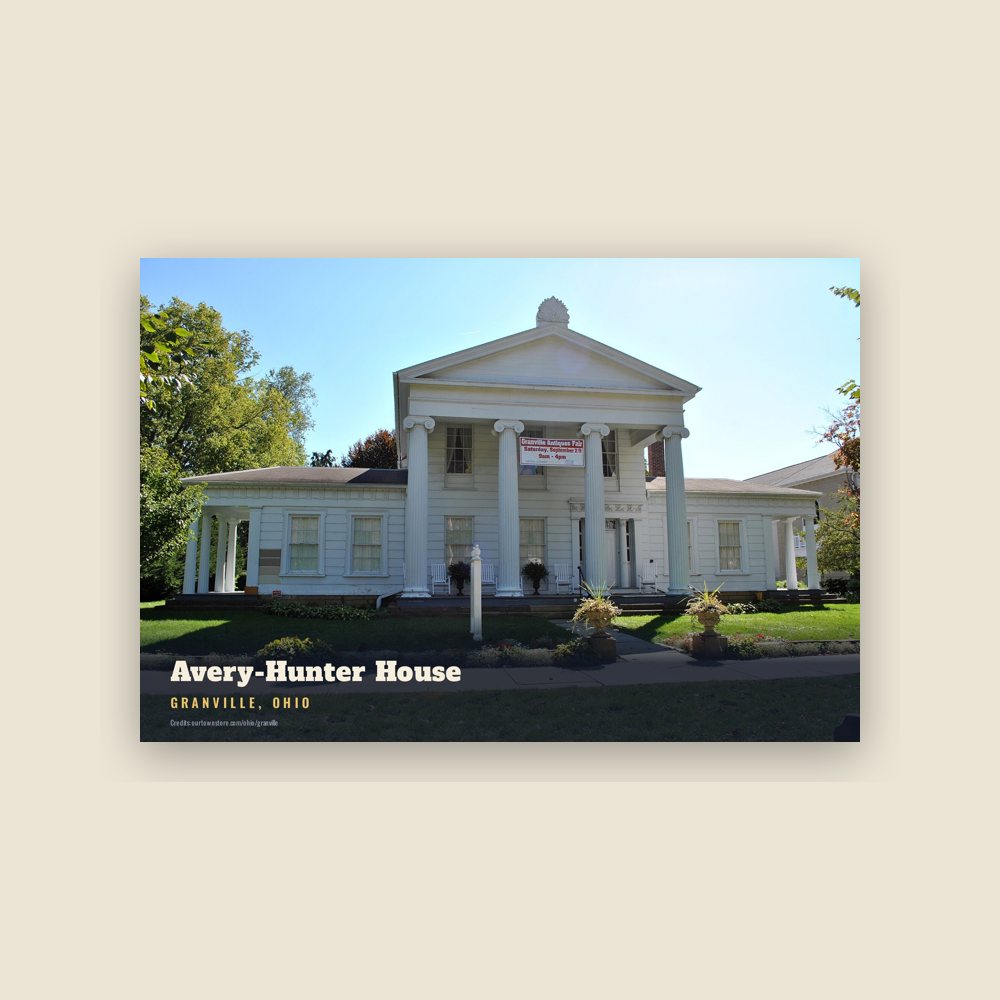
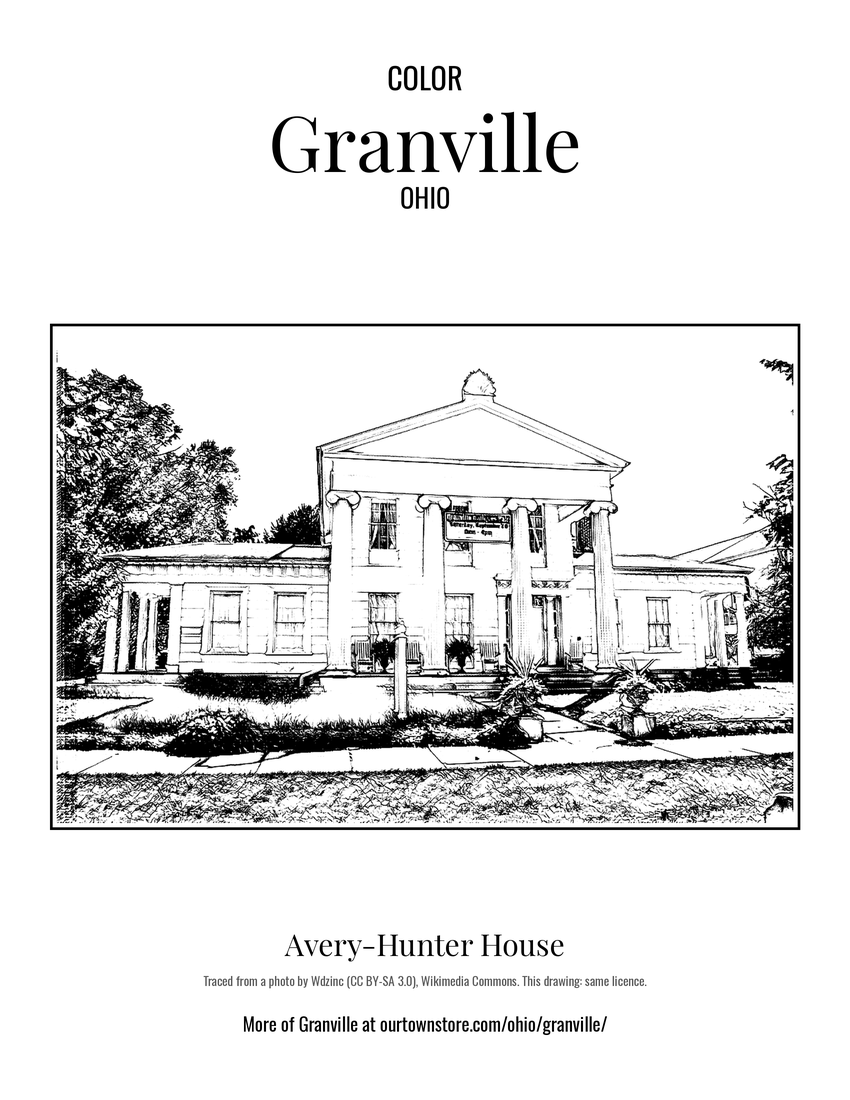 Avery-Hunter House
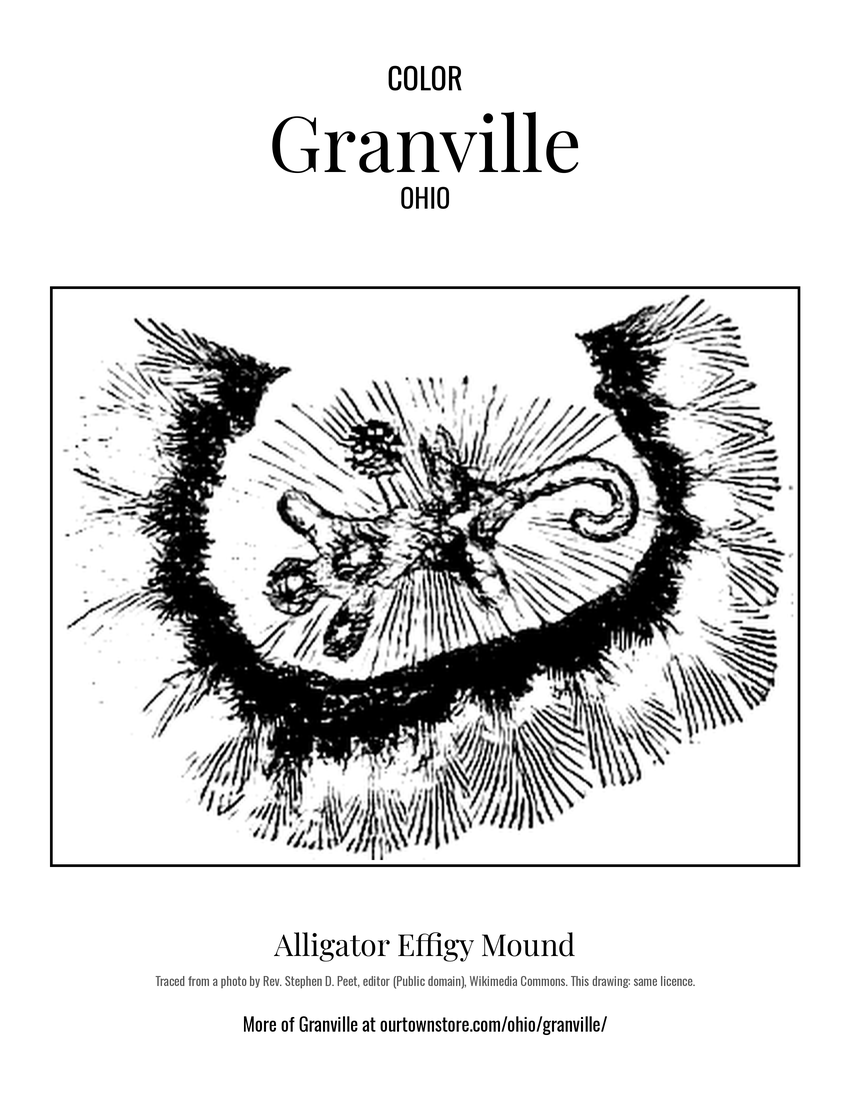 Alligator Effigy Mound
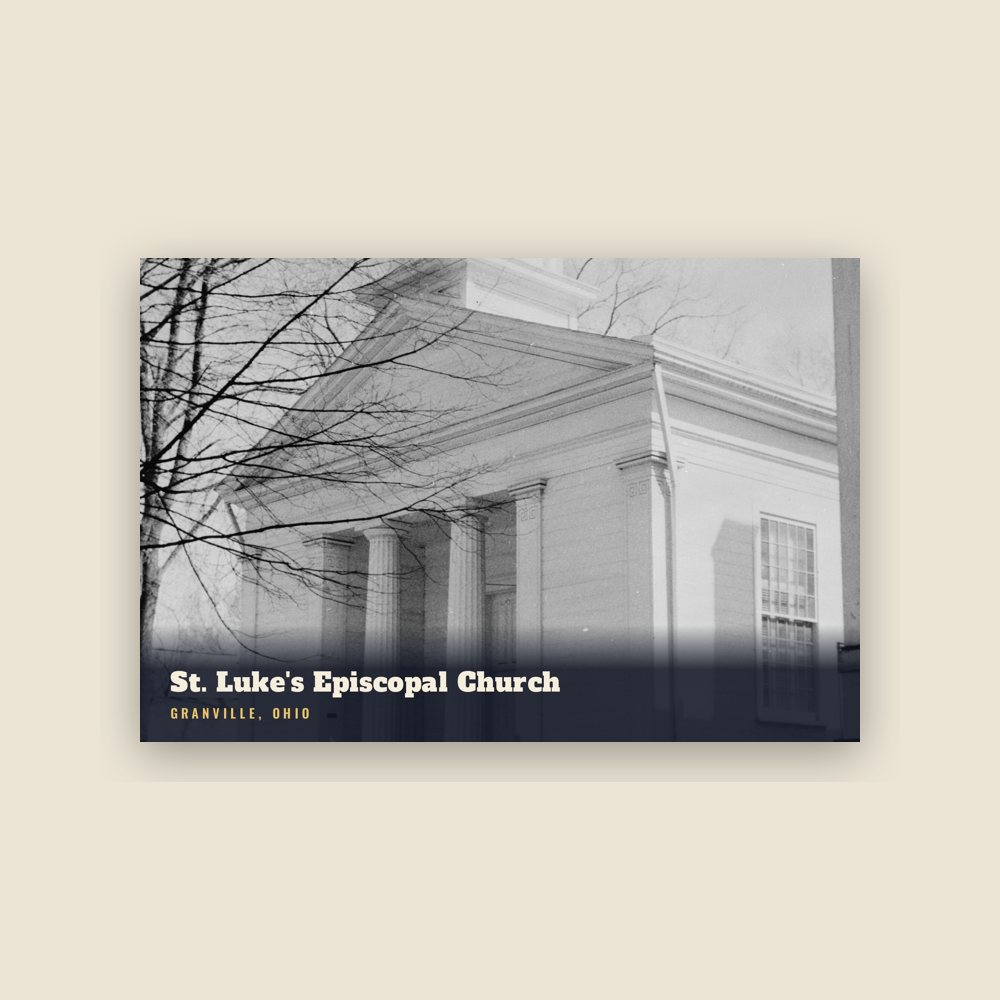
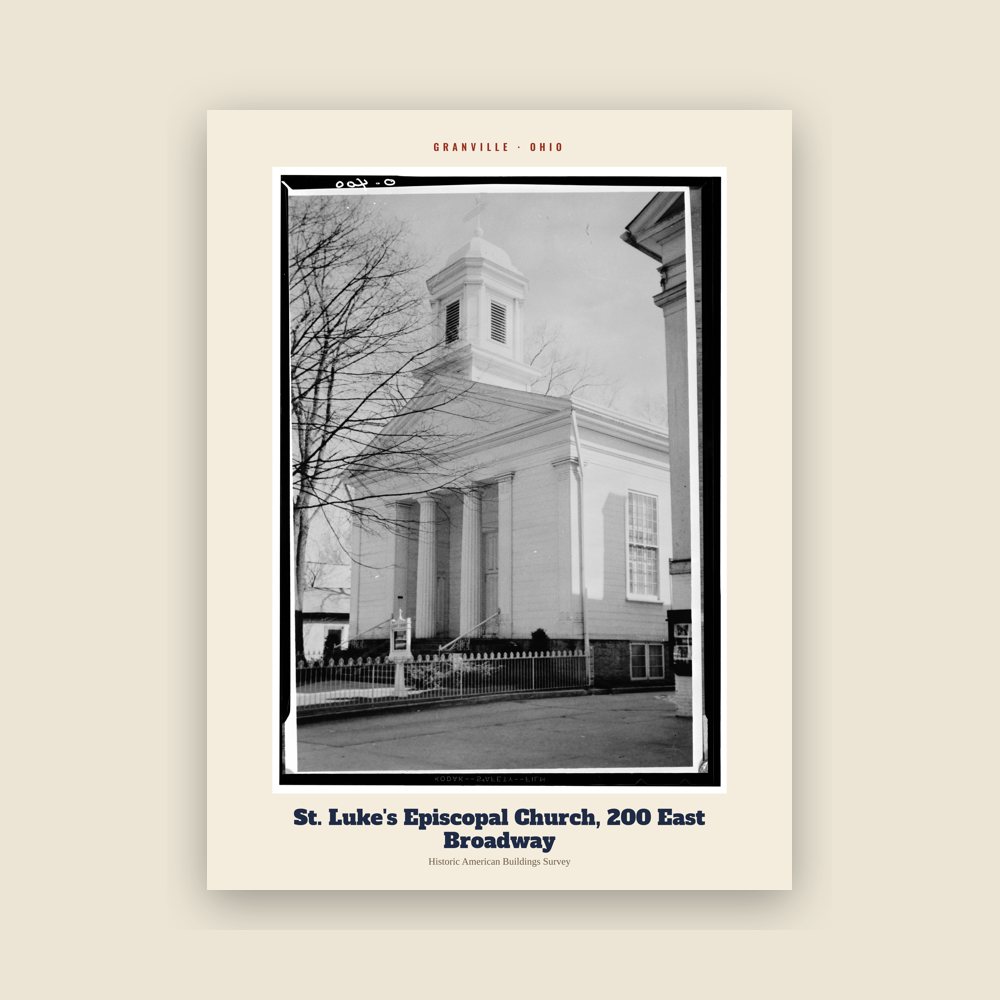
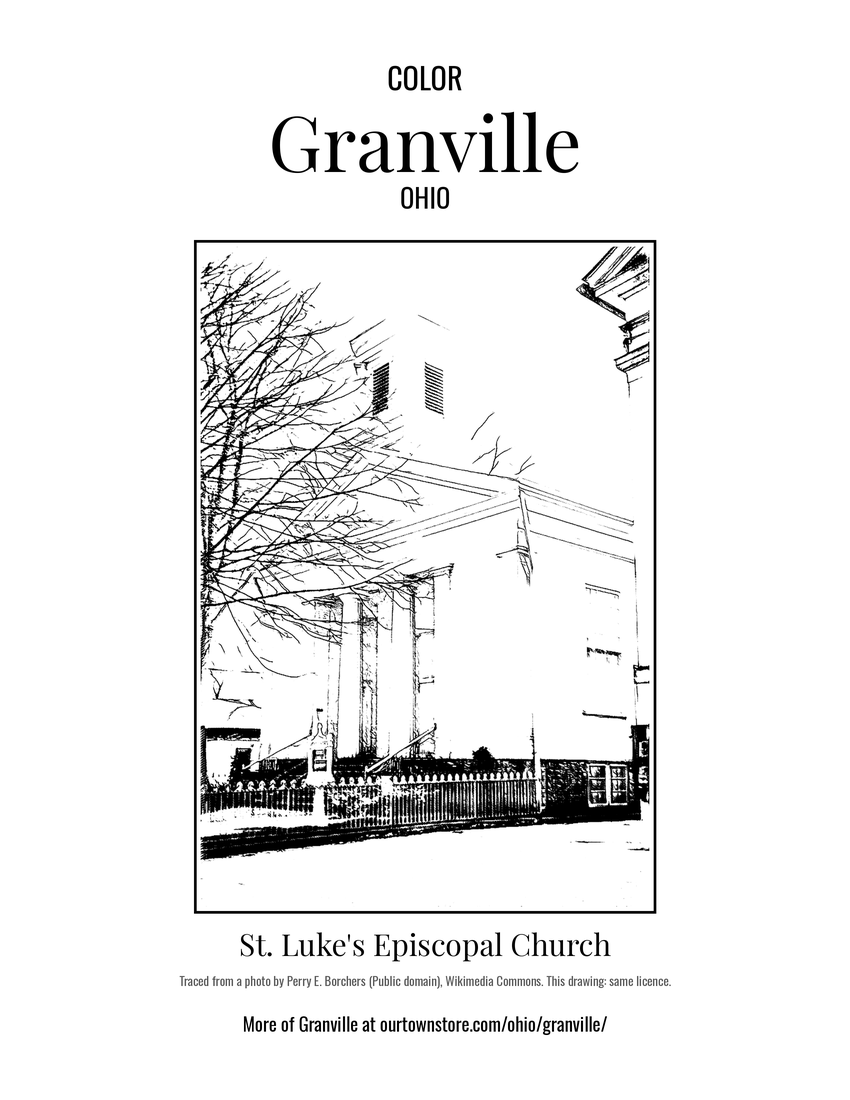 St. Luke's Episcopal Church
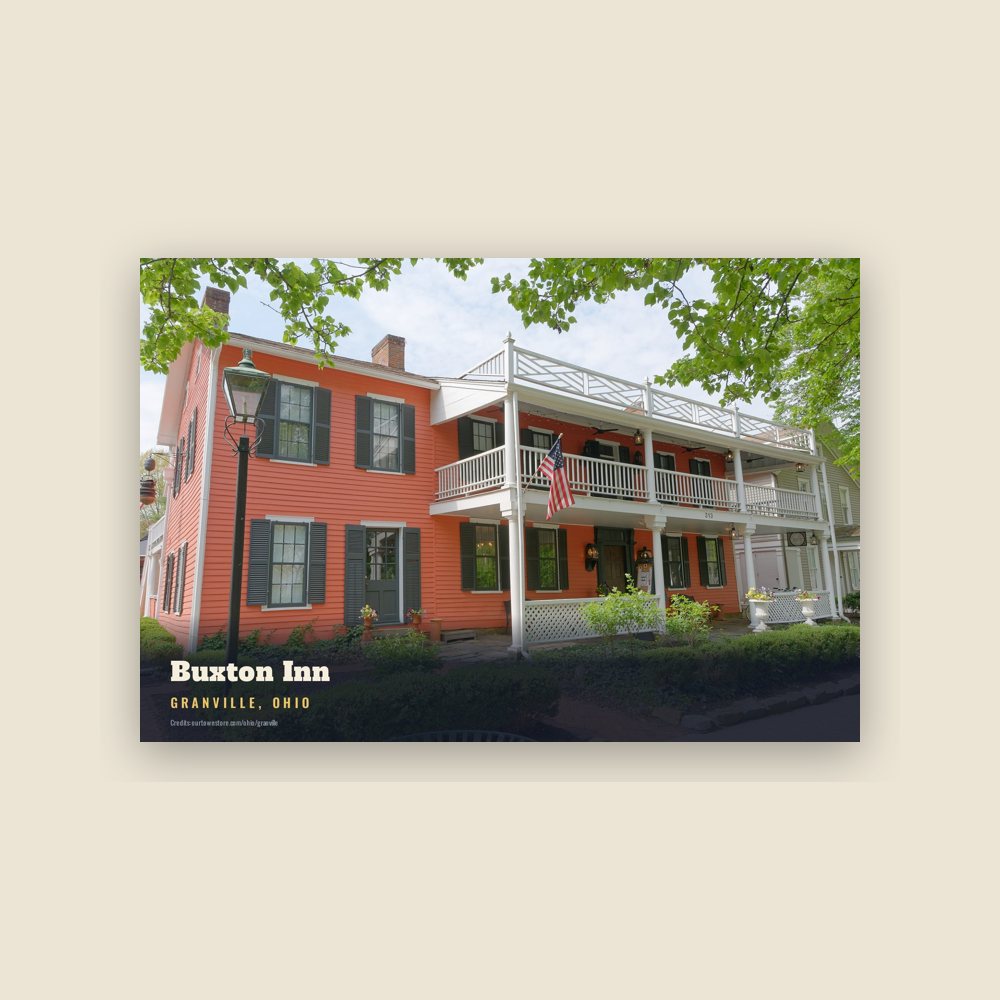
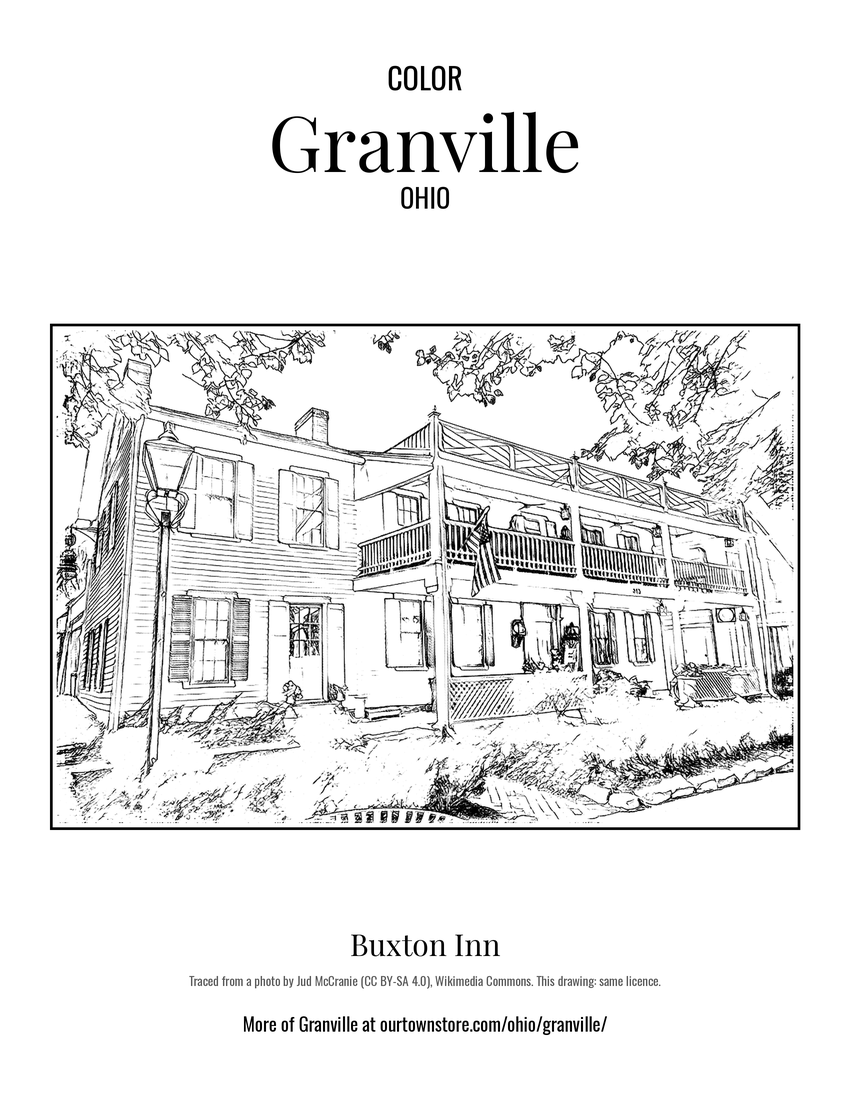 Buxton Inn