A short history of Bowling Green
Settlement
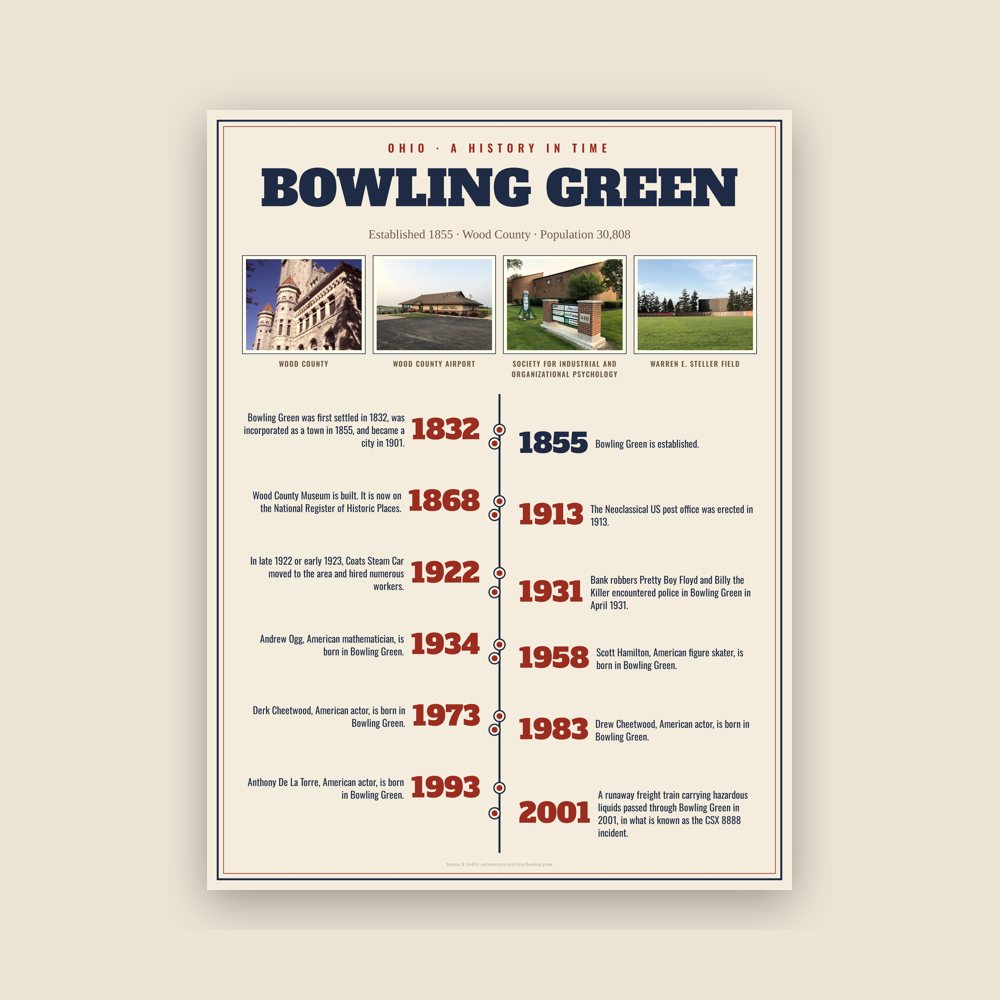
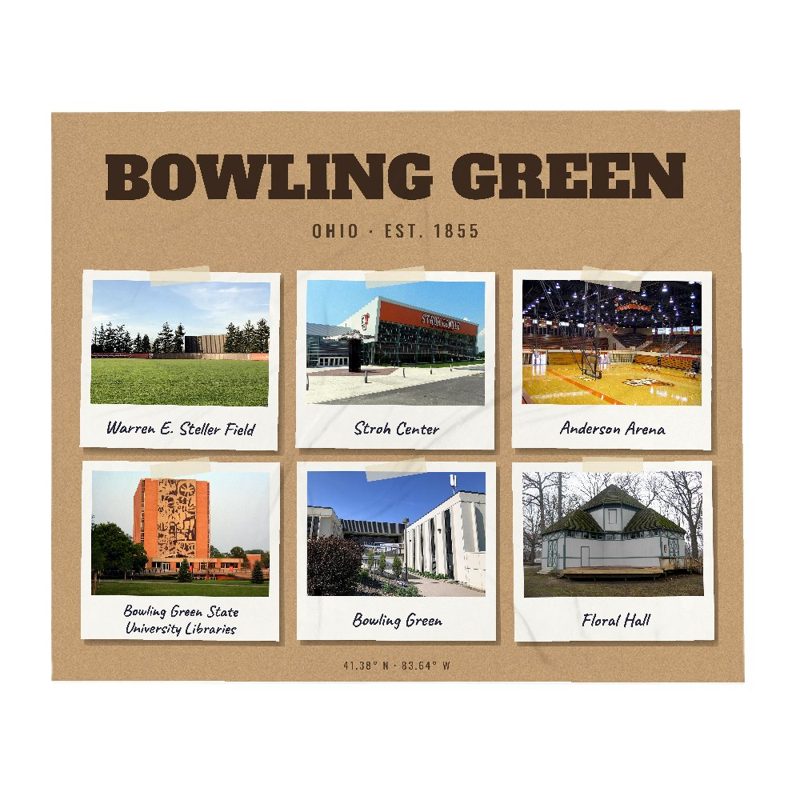
Bowling Green was first settled in 1832, was incorporated as a town in 1855, and became a city in 1901. The village was named after Bowling Green, Kentucky, by a retired postal worker who had once delivered mail there.
Read the full history
Growth and oil boom
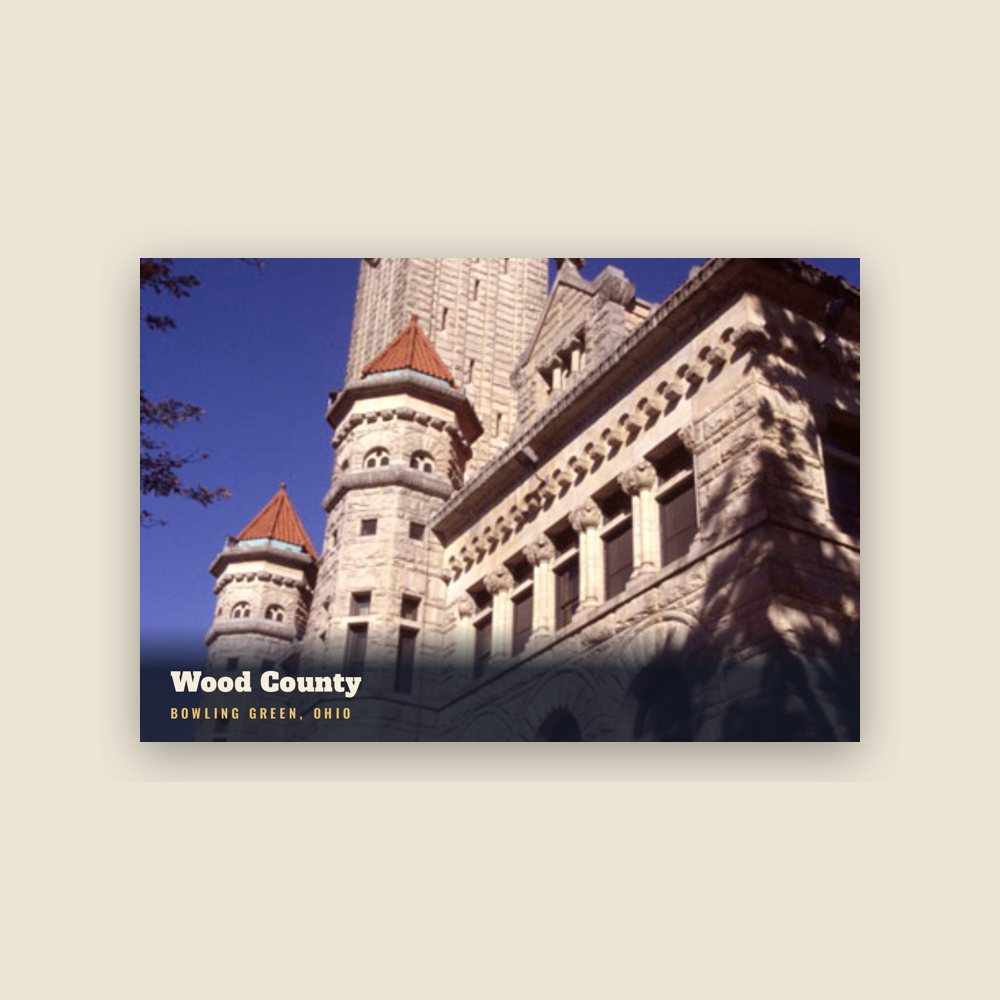
With the discovery of oil in the area in the late 19th and early 20th century, Bowling Green enjoyed a boom to its economy. The results of wealth generated at the time can still be seen in the downtown storefronts, and along Wooster Street, where many of the oldest and largest homes were built. A new county courthouse was also constructed in the 1890s. The Neoclassical US post office was erected in 1913.
Industrialization
This period was followed by an expansion of the automobile industry. In late 1922 or early 1923, Coats Steam Car moved to the area and hired numerous workers. It eventually went out of business as the industry became centralized in Detroit, Michigan.
Bank robbers Pretty Boy Floyd and Billy the Killer encountered police in Bowling Green in April 1931. Their armed confrontation resulted in the death of Billy the Killer.
During World War II Italian and German prisoners of war were held nearby. They were used to staff the Heinz Tomato Ketchup factory in town. The ketchup factory closed in 1975.
A runaway freight train carrying hazardous liquids passed through Bowling Green in 2001, in what is known as the CSX 8888 incident. It traveled more than 65 miles south of Toledo before being stopped by a veteran railroad worker near Kenton; he jumped into the train while it was moving. No one was hurt and there was no property damage in the incident.
Adapted (trimmed) from the Wikipedia article Bowling Green, Ohio, revision 1376408124 by its contributors, licensed CC BY-SA 4.0.
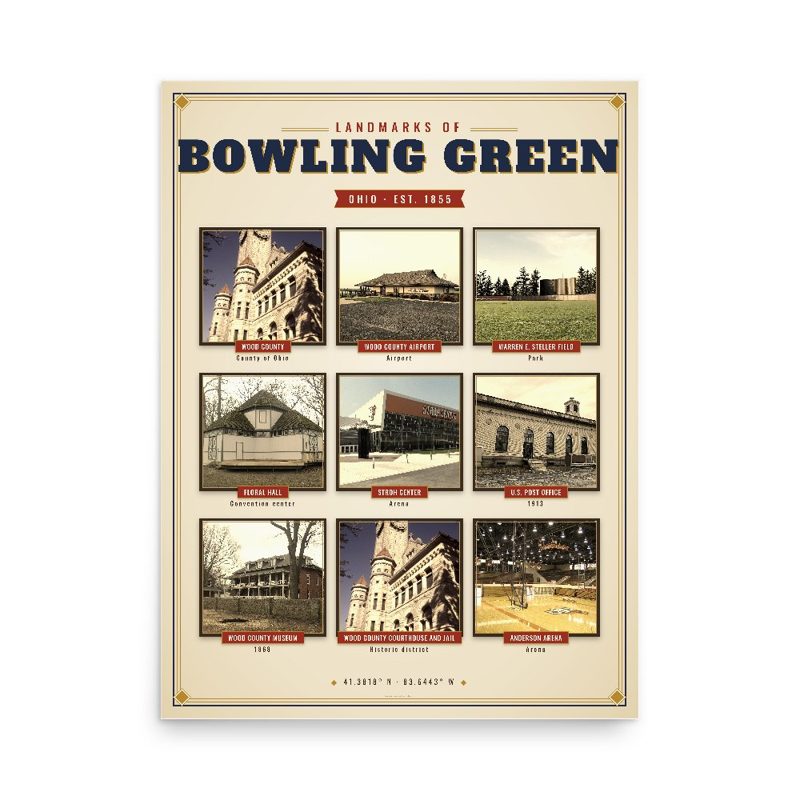
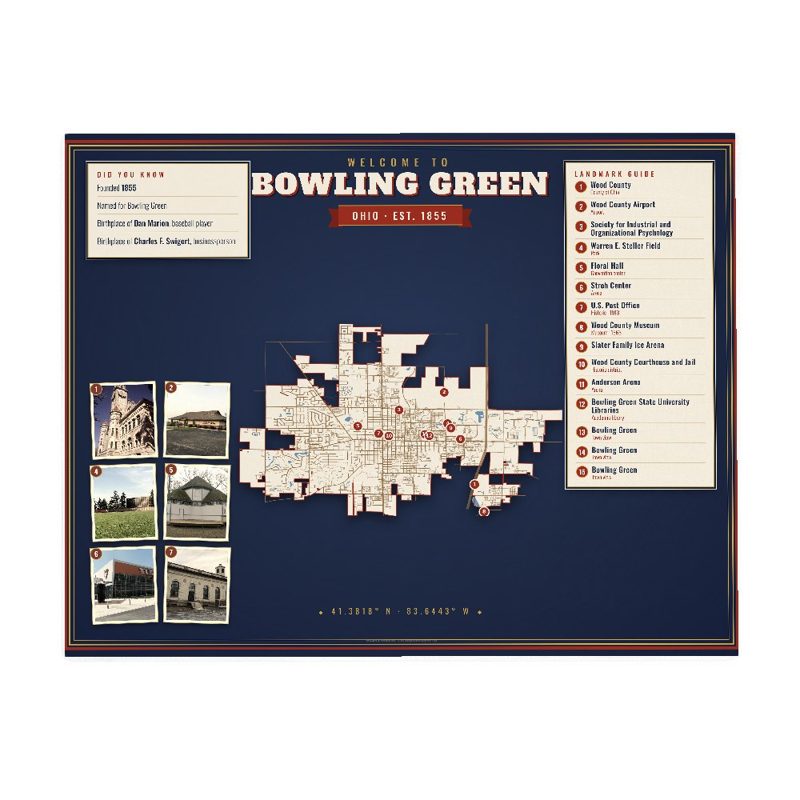



 U.S. Post Office
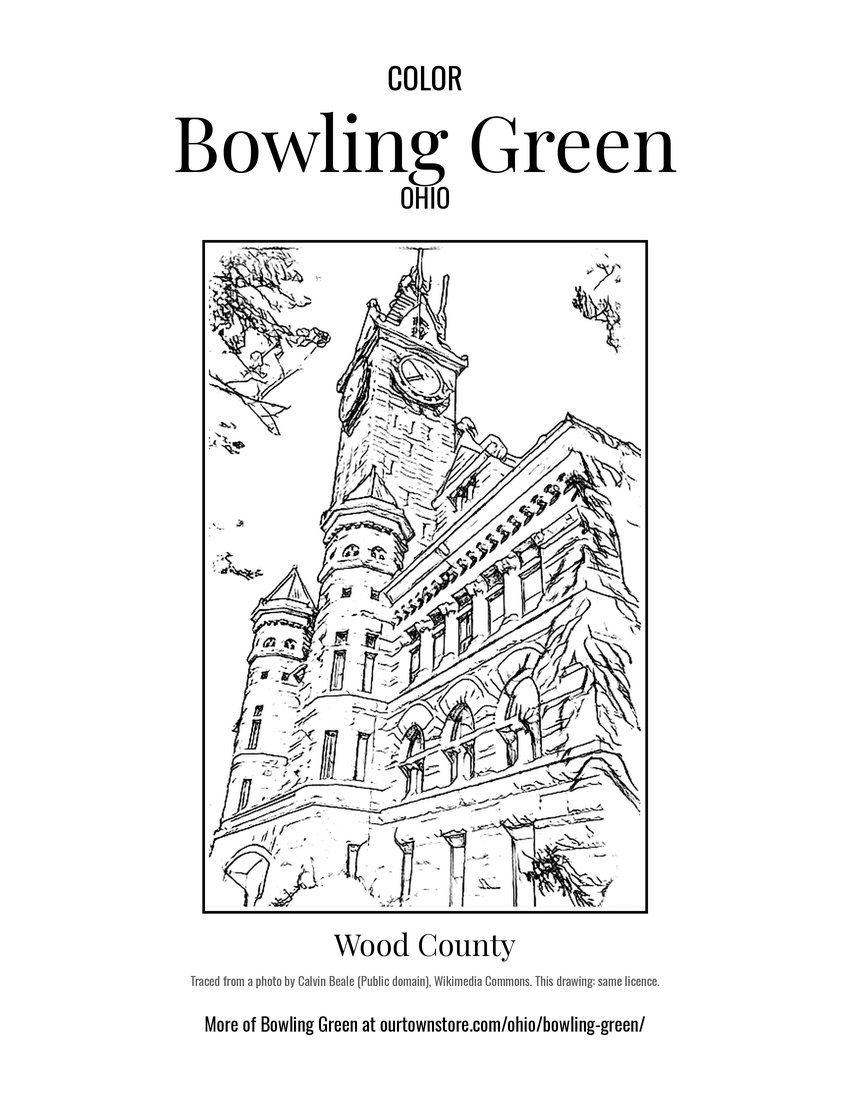 Wood County
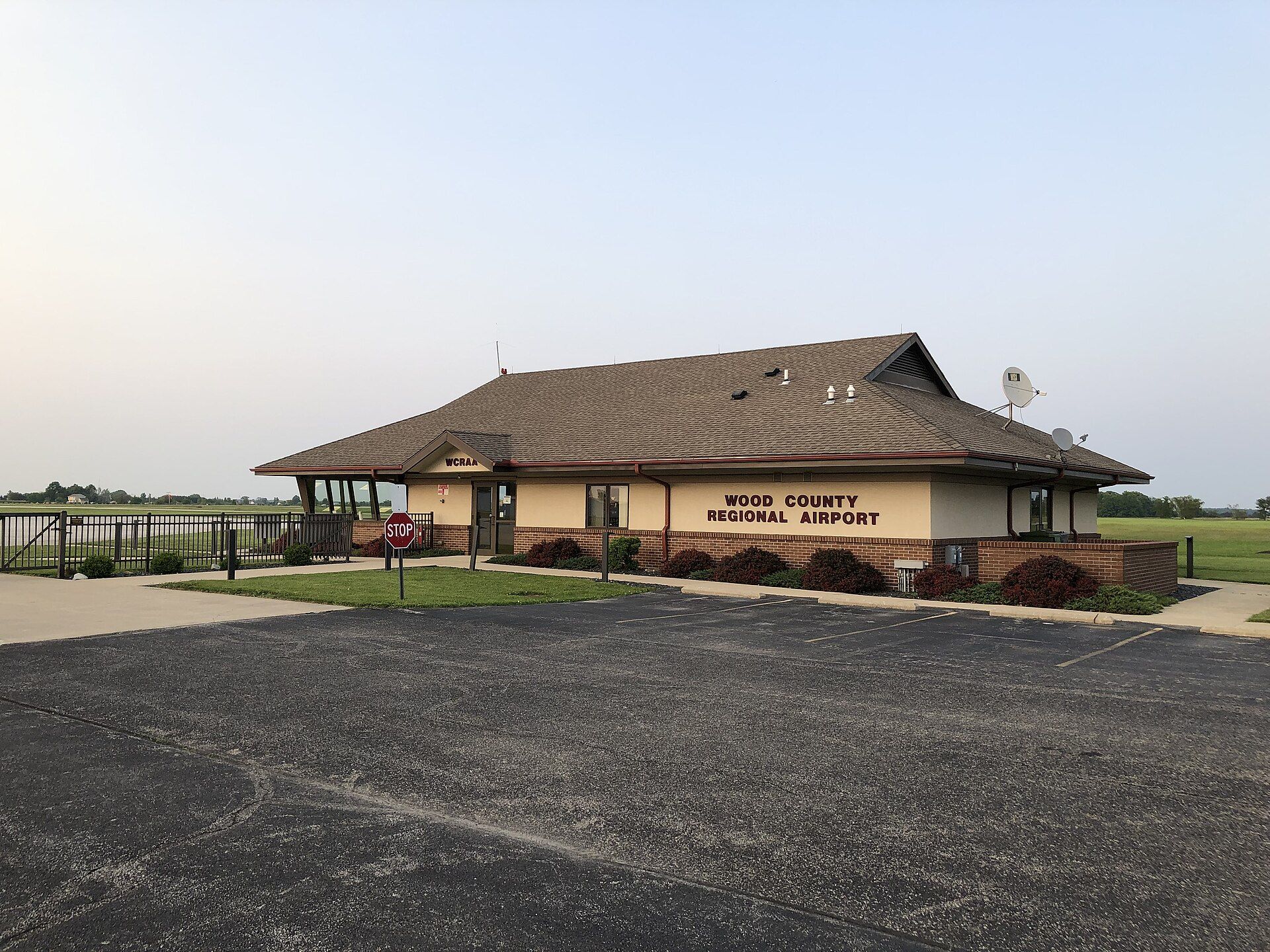
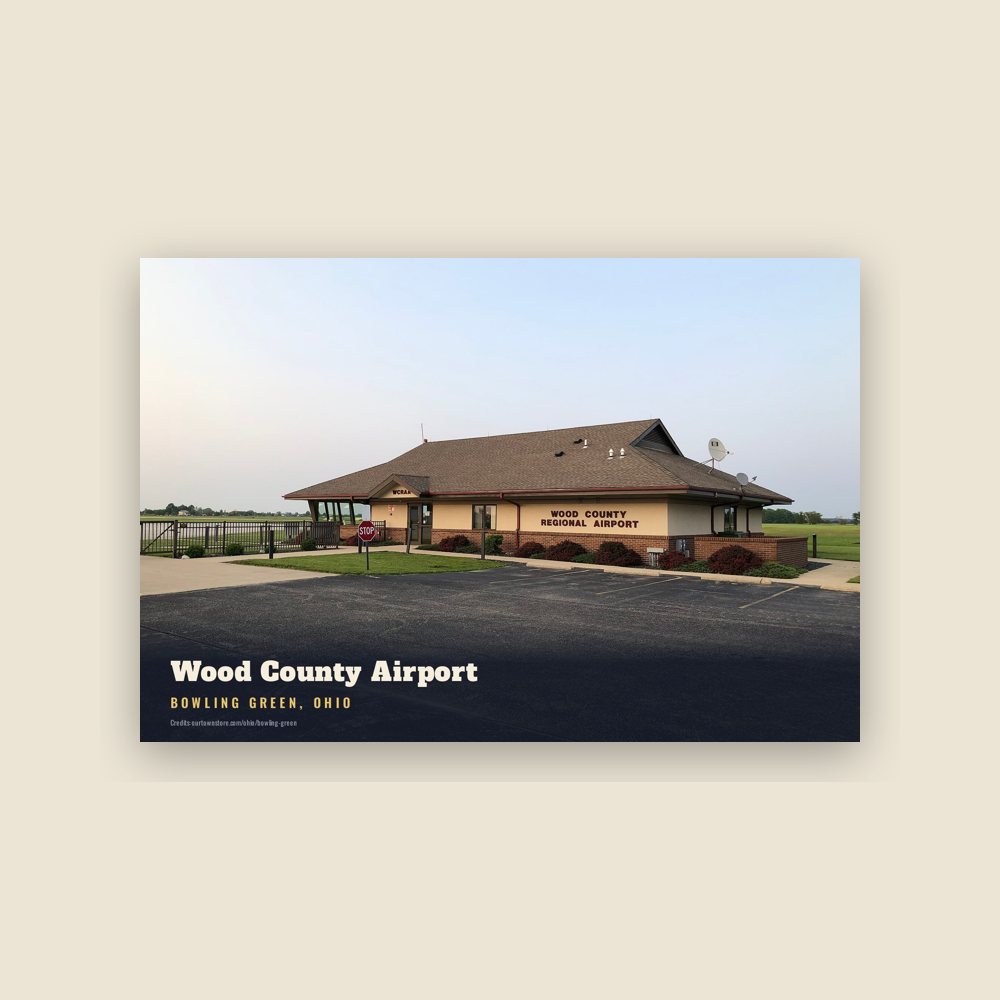
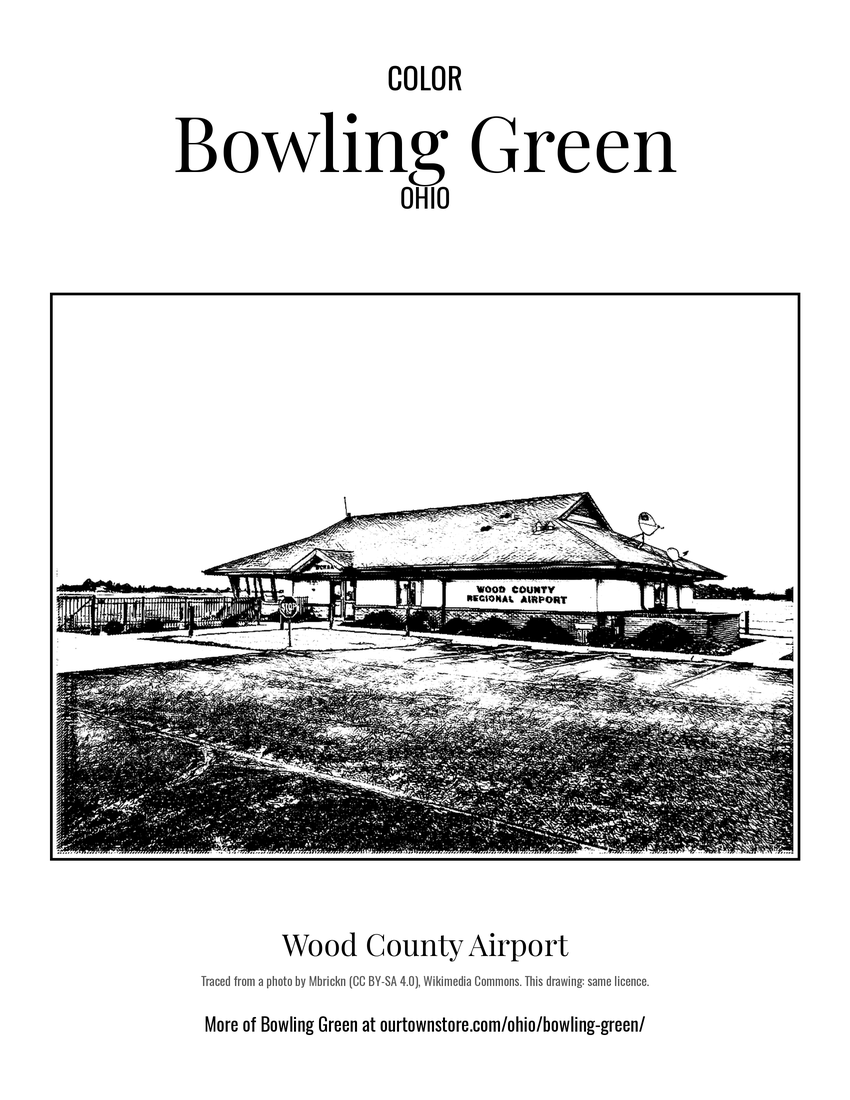 Wood County Airport
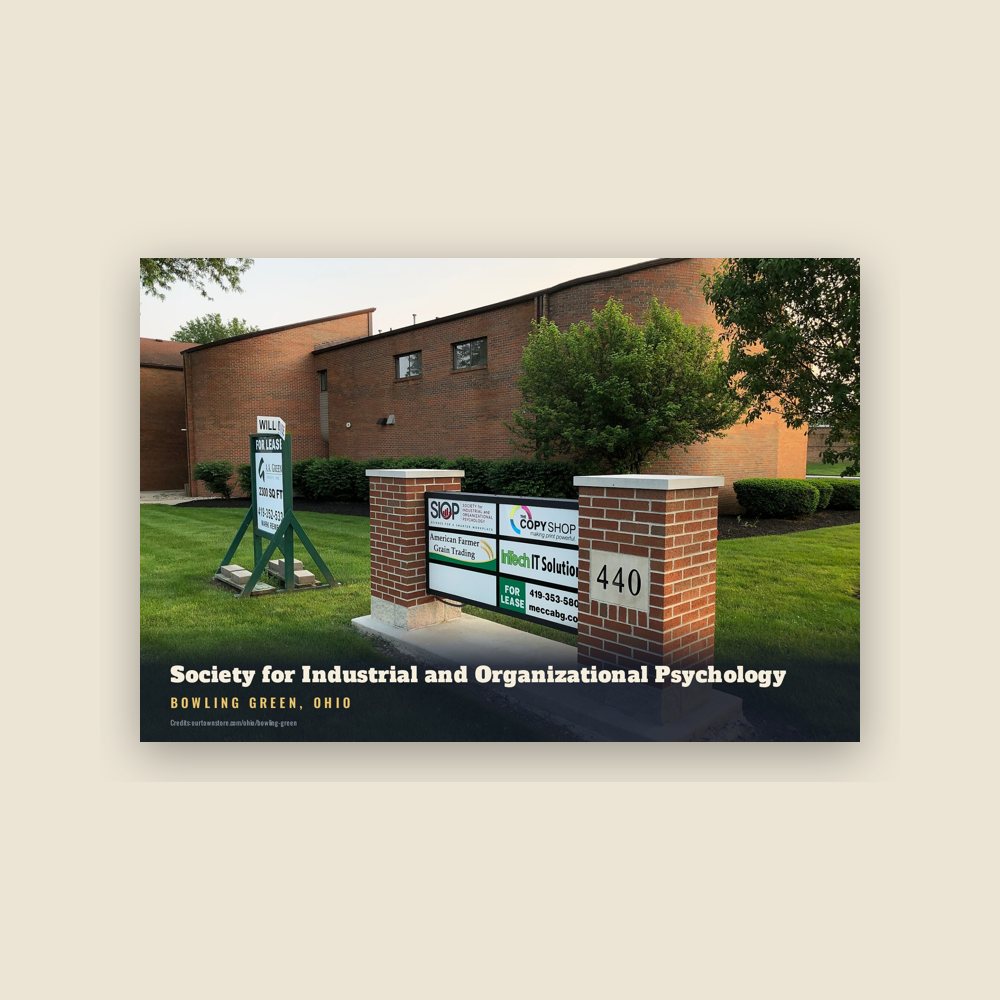
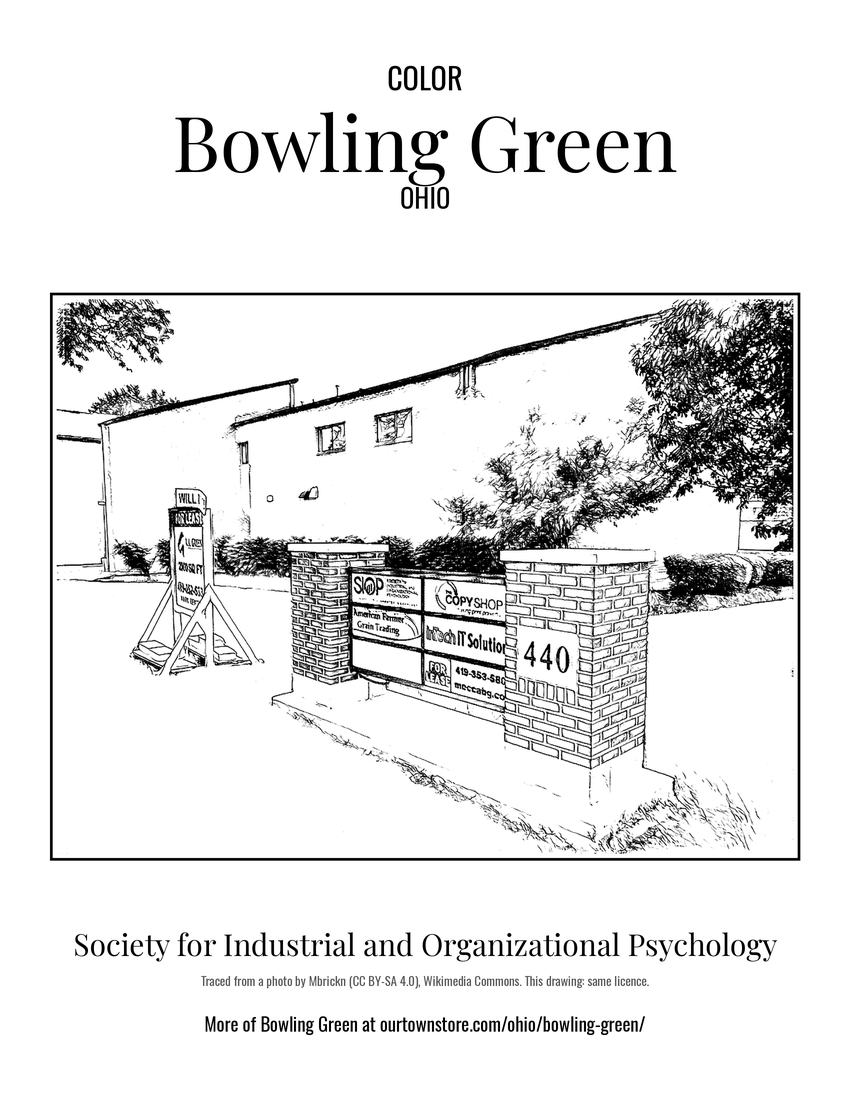 Society for Industrial and Organizational Psychology