A short history of Statesville
In 1753, Scots-Irish Presbyterians and German Lutherans, who had originally settled in Pennsylvania, began arriving in what would become Statesville in 1789 to plant crops in the fertile soil where game and water were also plentiful. The settlement, known as Fourth Creek Congregation, was named for the freshwater stream running to the north of the present-day city center, the fourth creek west of the neighboring settlement of Salisbury. The center of the settlement was a log cabin where the Presbyterians worshiped and where the First Presbyterian Church is located today.
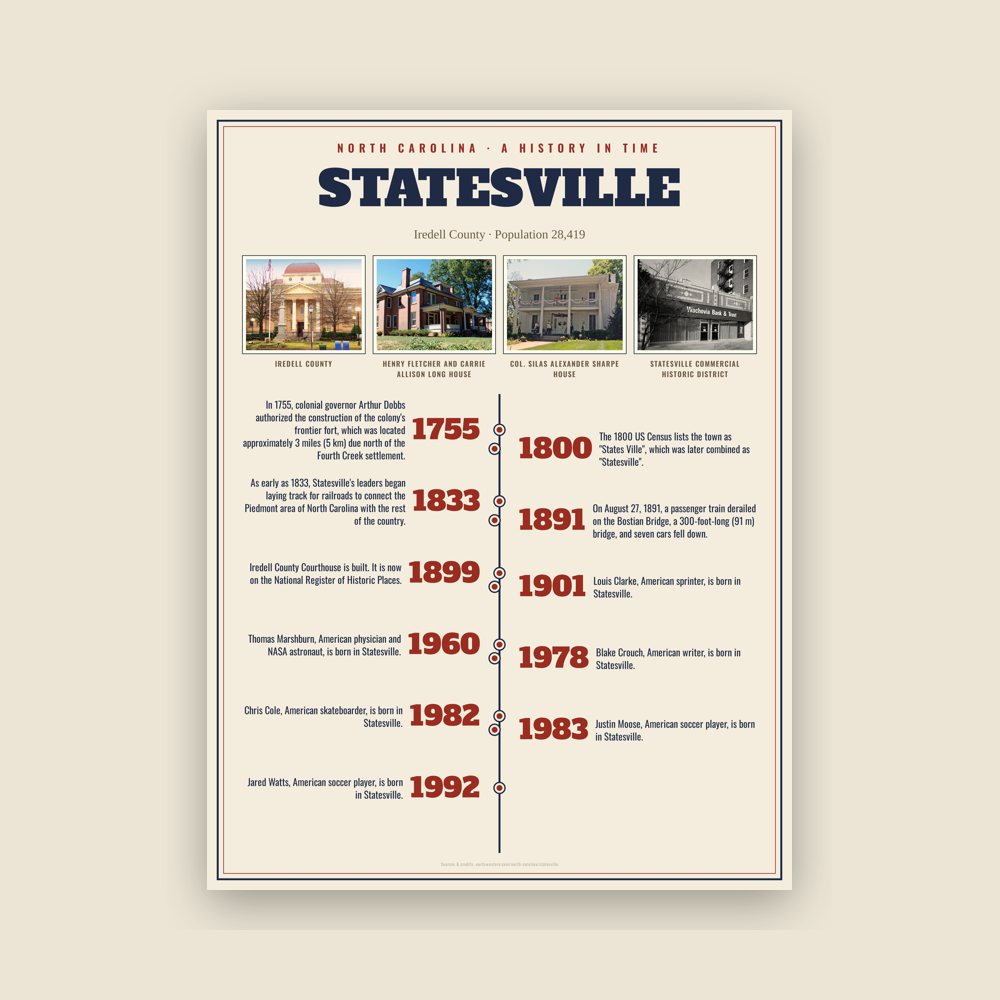
In 1755, colonial governor Arthur Dobbs authorized the construction of the colony's frontier fort, which was located approximately 3 miles (5 km) due north of the Fourth Creek settlement. Built and garrisoned by North Carolina provincial soldiers, Fort Dobbs defended British North America's western frontier in the colony of North Carolina during the French and Indian War and Anglo-Cherokee War. Fort Dobbs combined the functions of a military barracks, fortification, refuge for settlers, provisioning depot and center for negotiations with Native Americans.
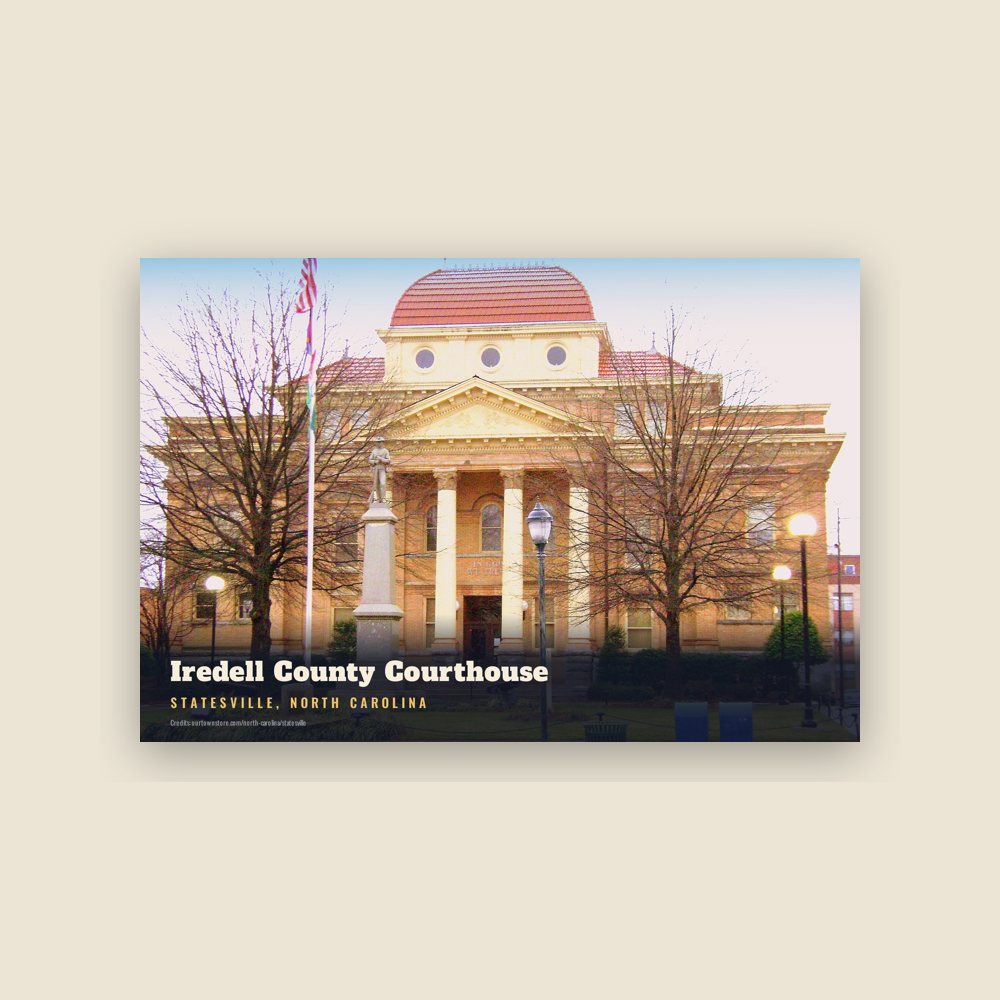
The state legislature divided Rowan County in 1788, and the new county was named "Iredell" for James Iredell, associate justice of the first Supreme Court during the presidency of George Washington.
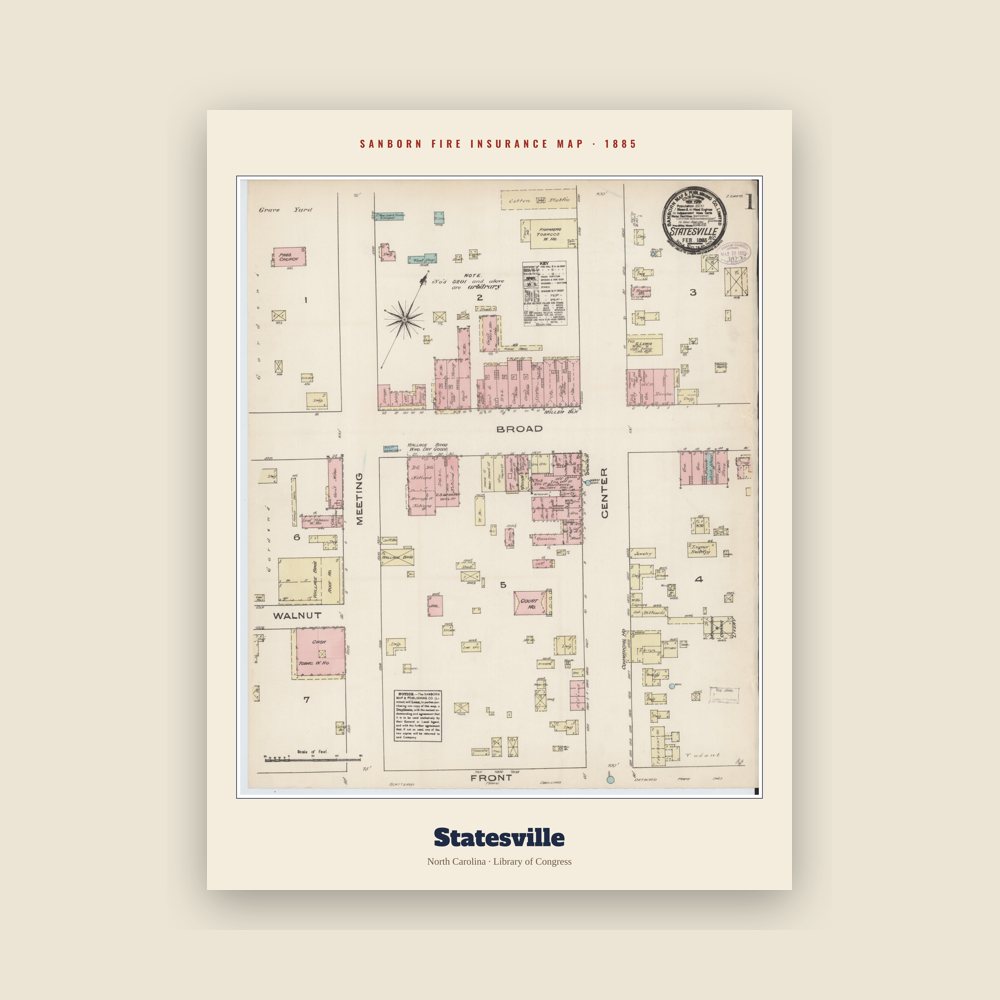
One year later, the legislature selected a spot for the county seat. The Fourth Creek Congregation was chosen, and the settlement became known as "Statesville". The 1800 US Census lists the town as "States Ville", which was later combined as "Statesville". In 1800, there were 95 inhabitants in "States Ville", including 68 free white persons and 27 slaves.
As early as 1833, Statesville's leaders began laying track for railroads to connect the Piedmont area of North Carolina with the rest of the country.
By 1858, Statesville was growing rapidly and soon afterward began leading the state in the production of tobacco and tobacco products, the manufacture and blending of whiskey, and became a large distribution center for roots and herbs.
On August 27, 1891, a passenger train derailed on the Bostian Bridge, a 300-foot-long (91 m) bridge, and seven cars fell down. About 30 people died in the accident.
Adapted (trimmed) from the Wikipedia article Statesville, North Carolina, revision 1382485376 by its contributors, licensed CC BY-SA 4.0.
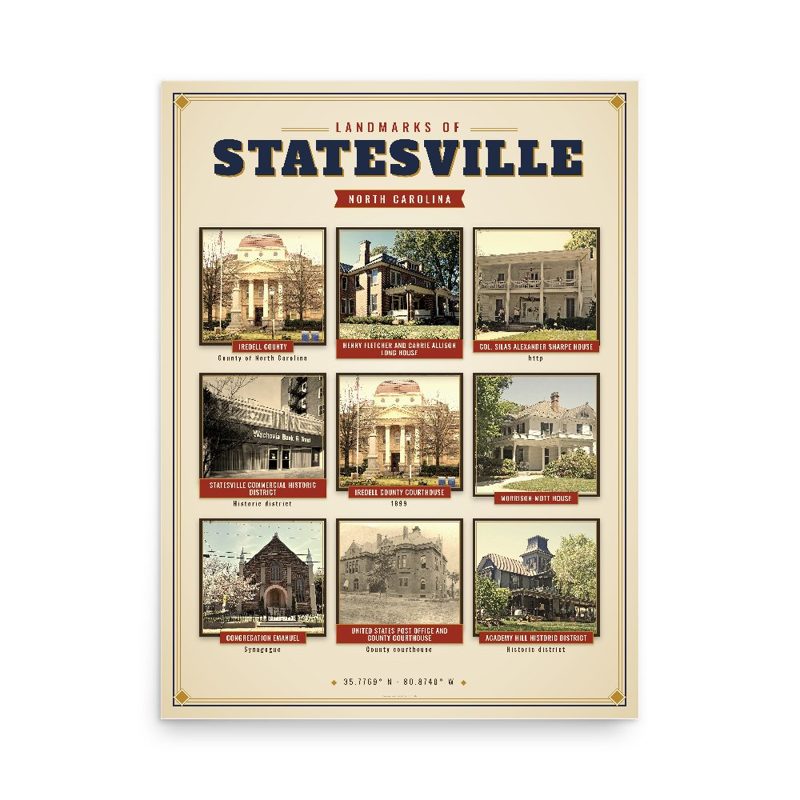
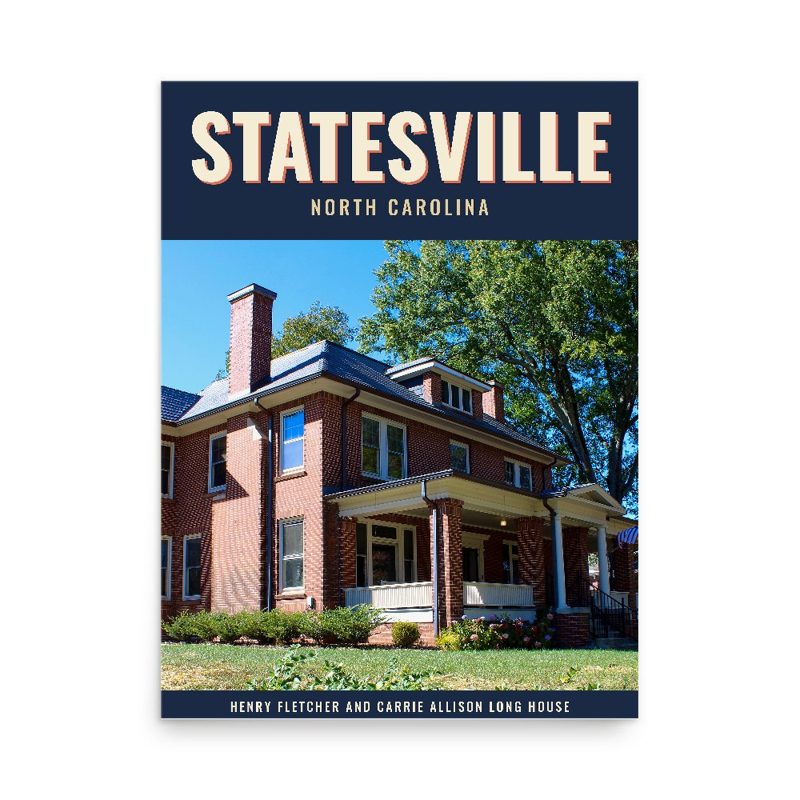
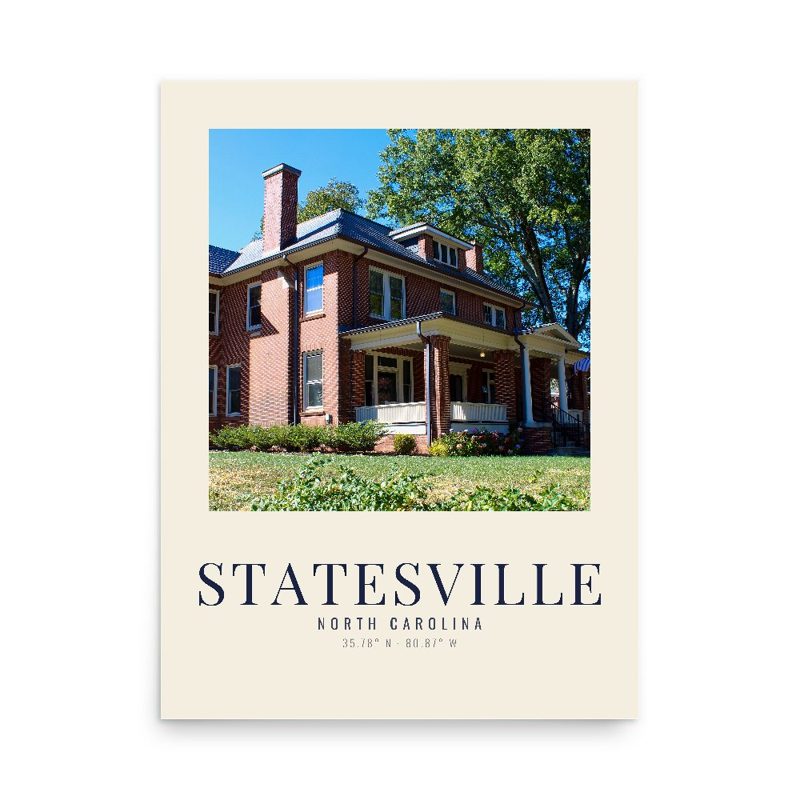
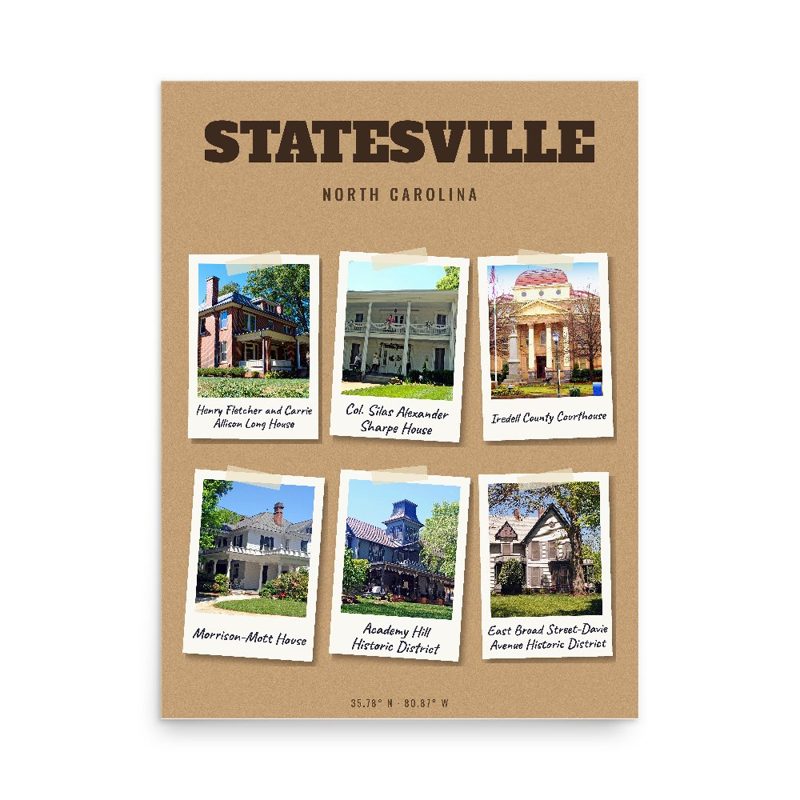
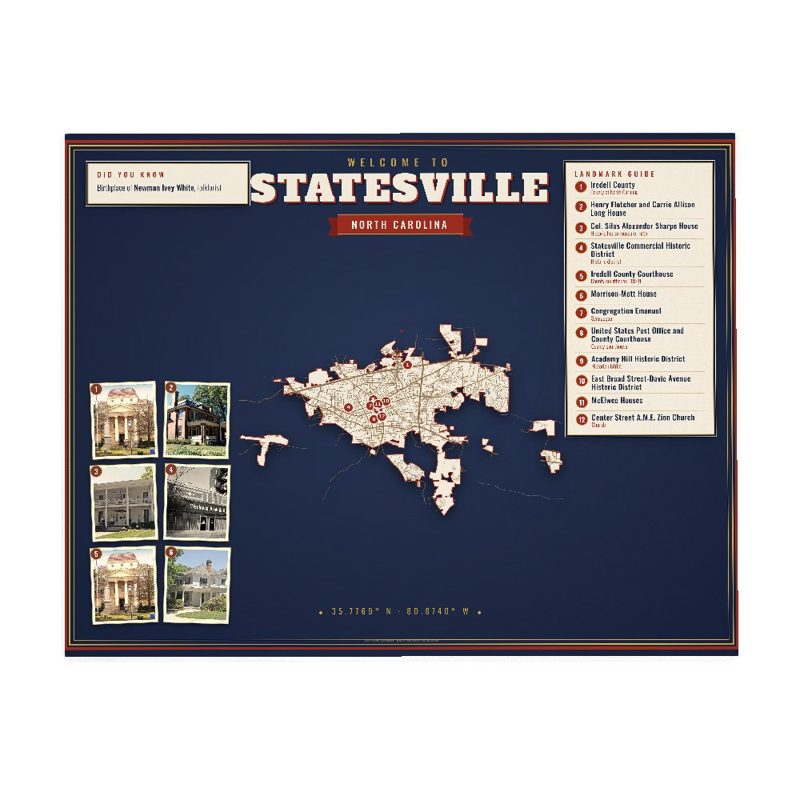






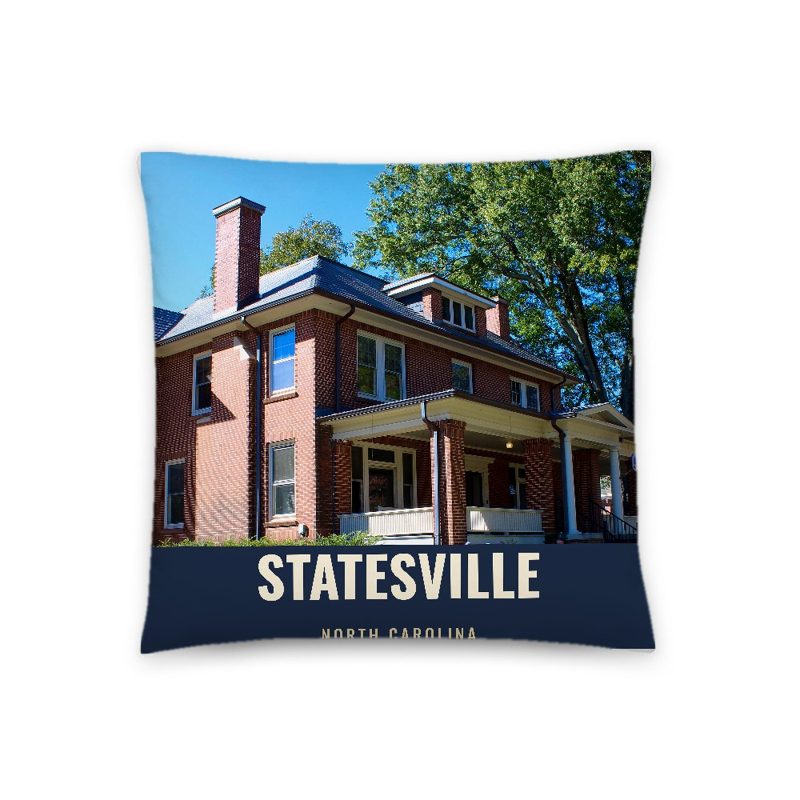



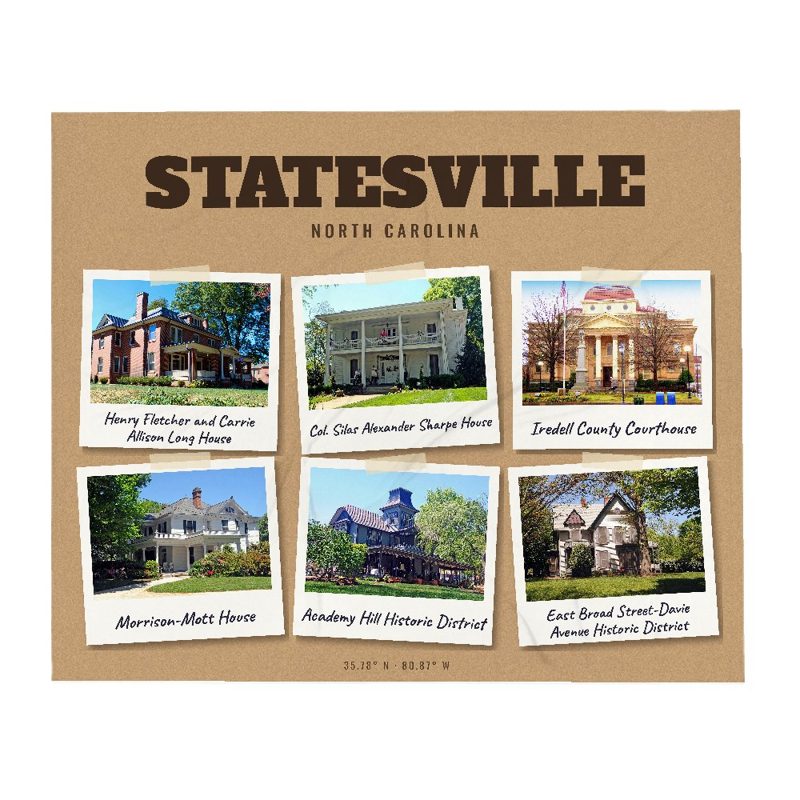

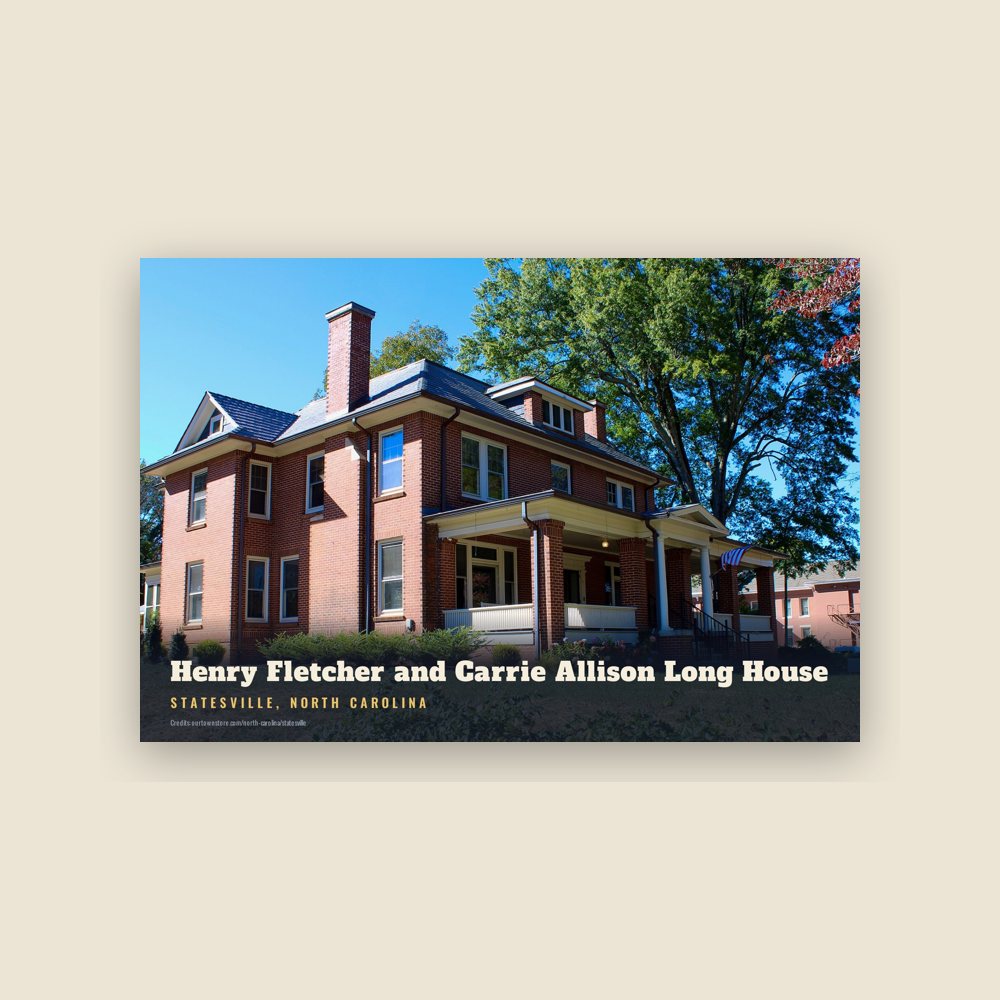
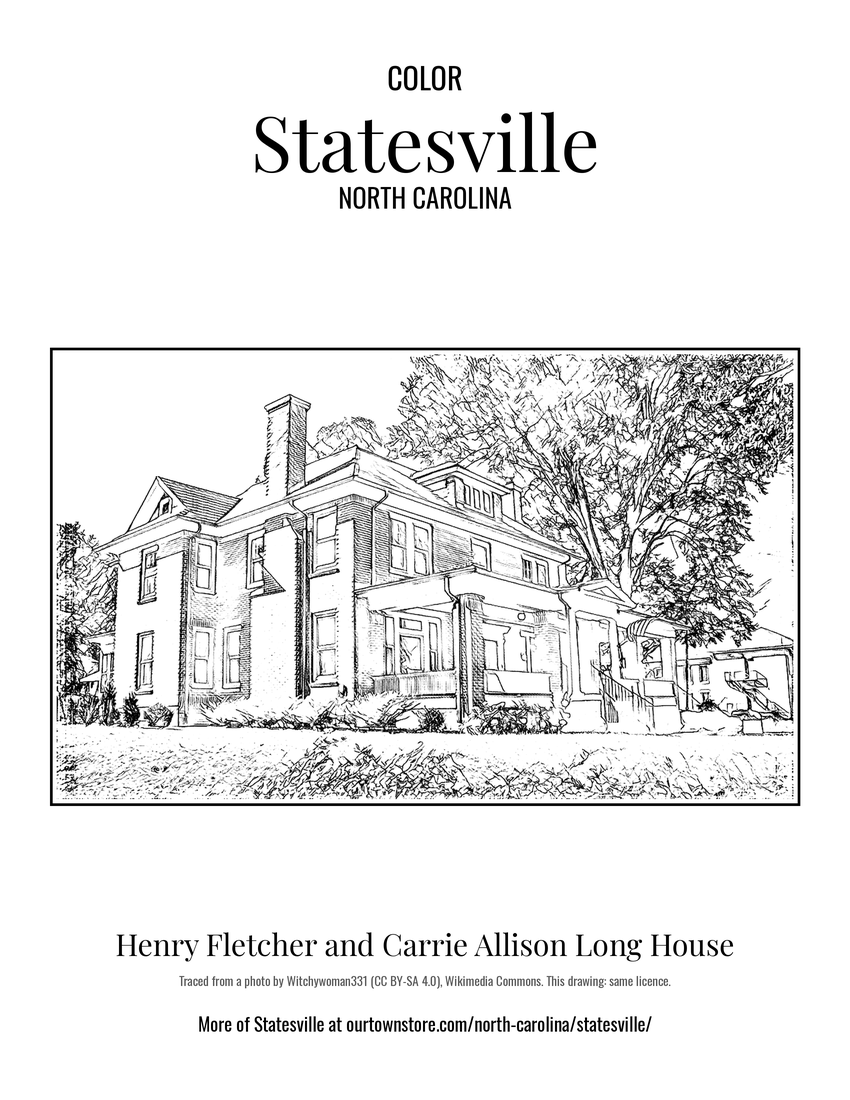 Henry Fletcher and Carrie Allison Long House
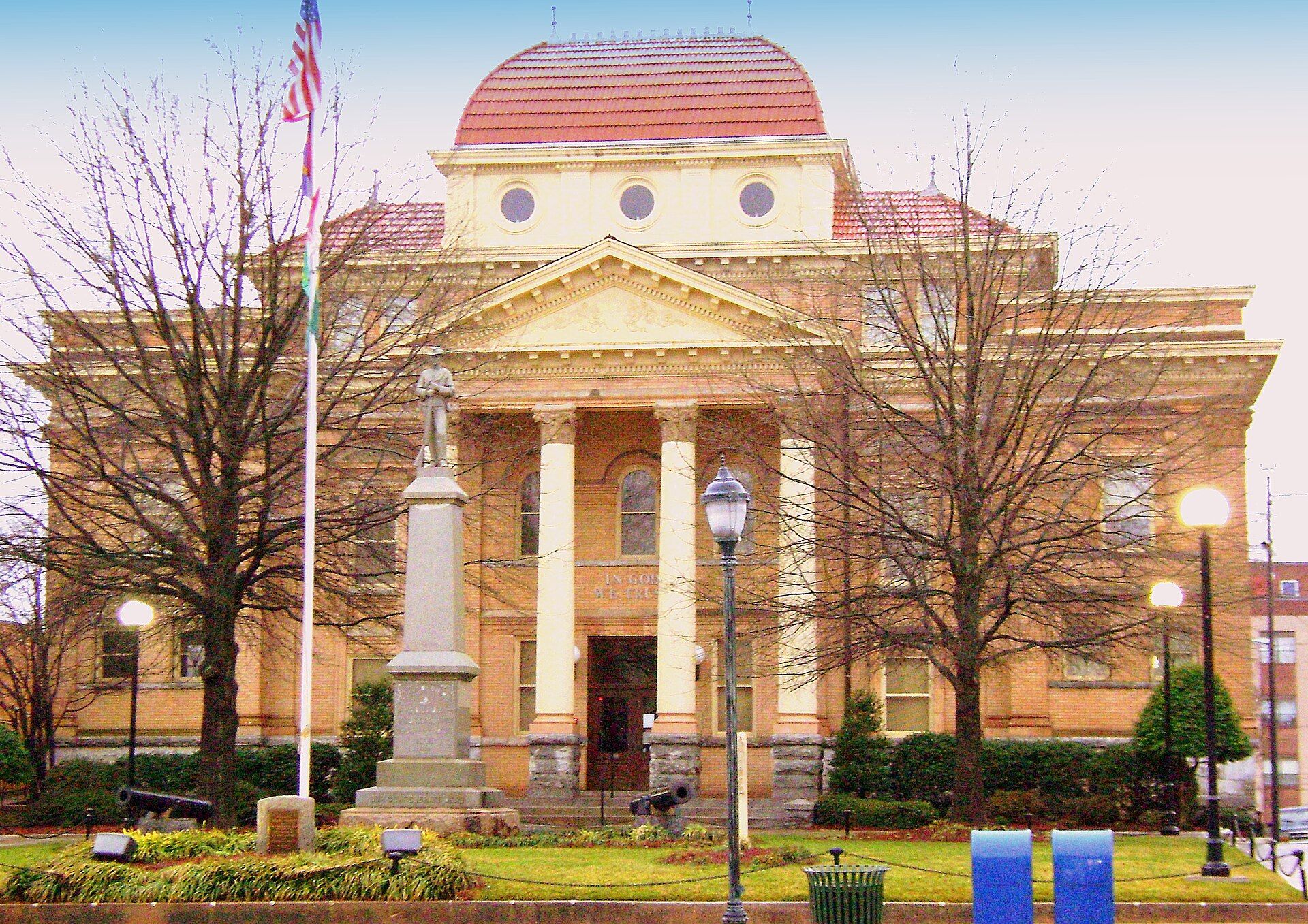
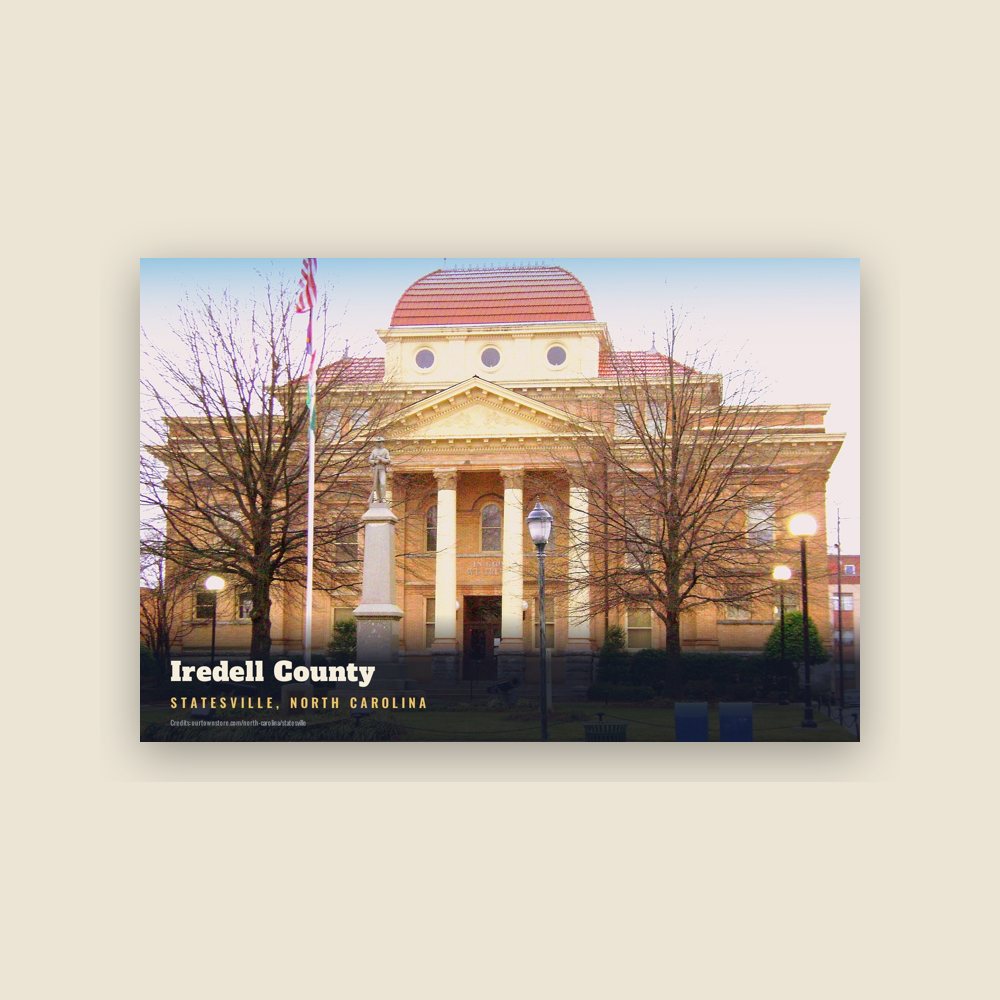
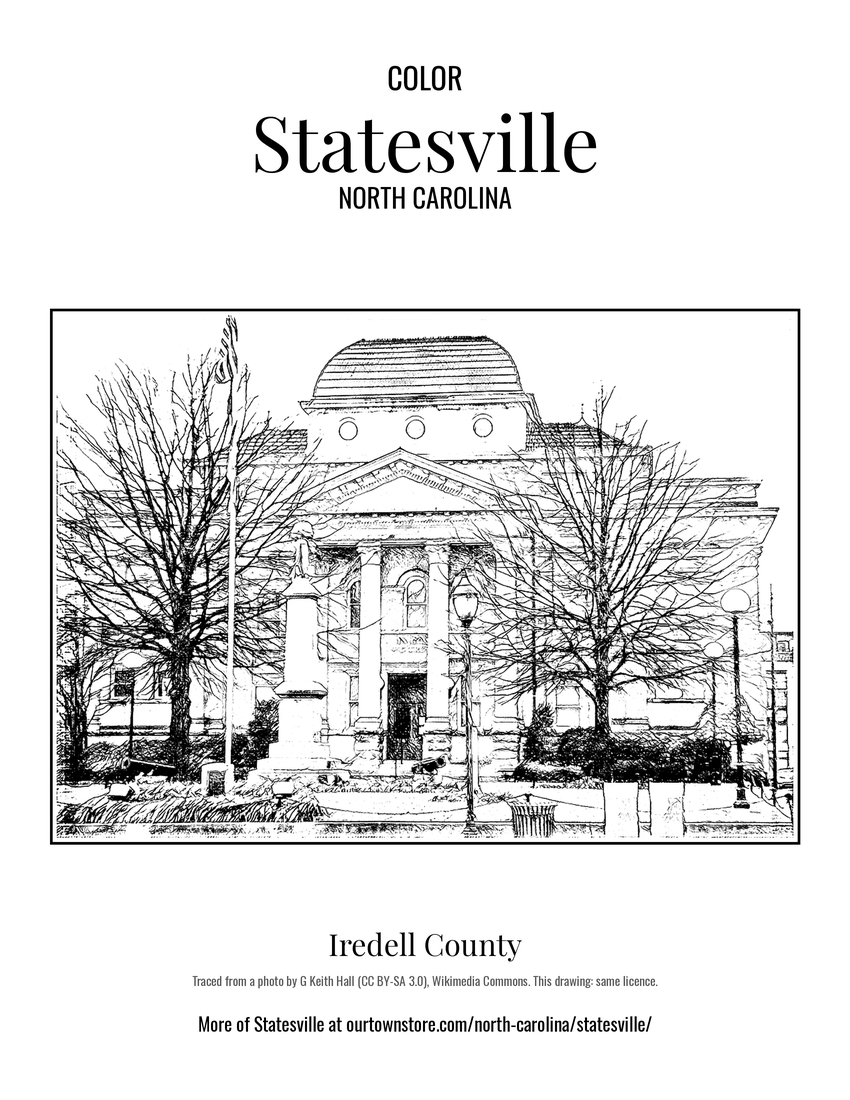 Iredell County
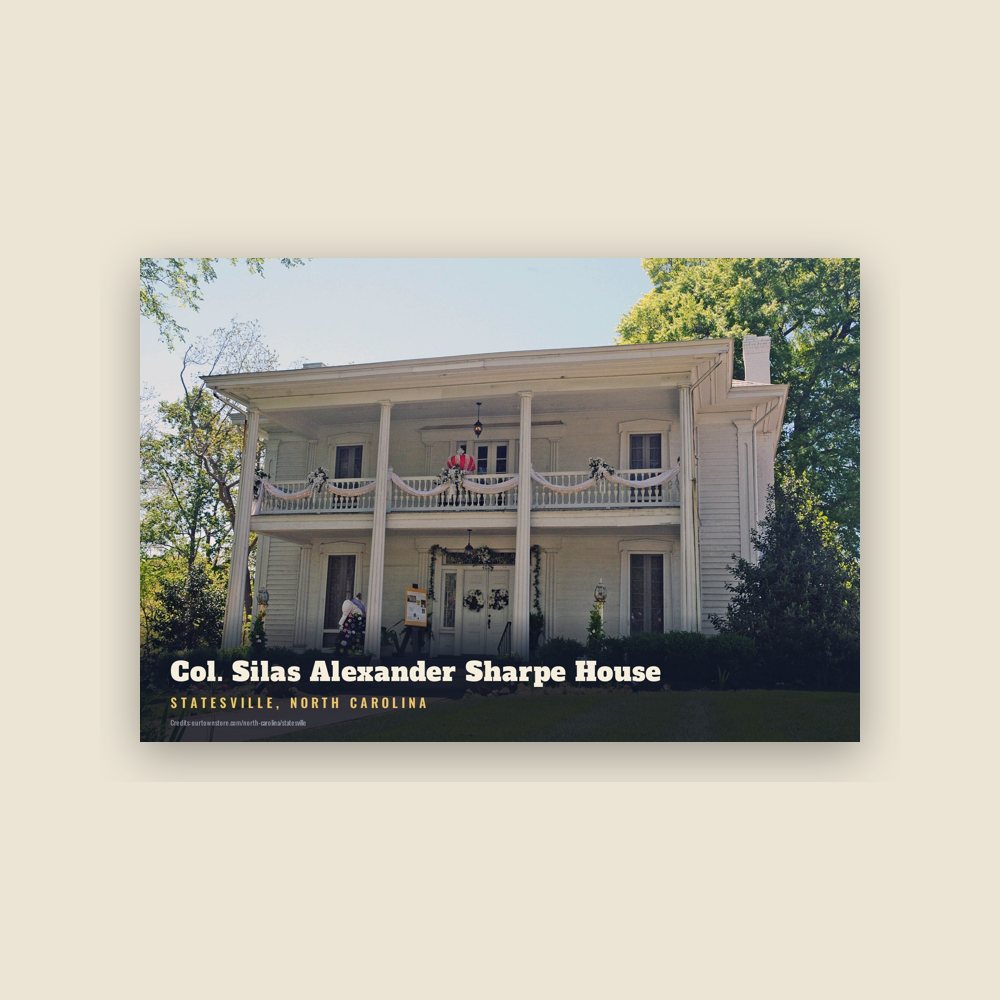
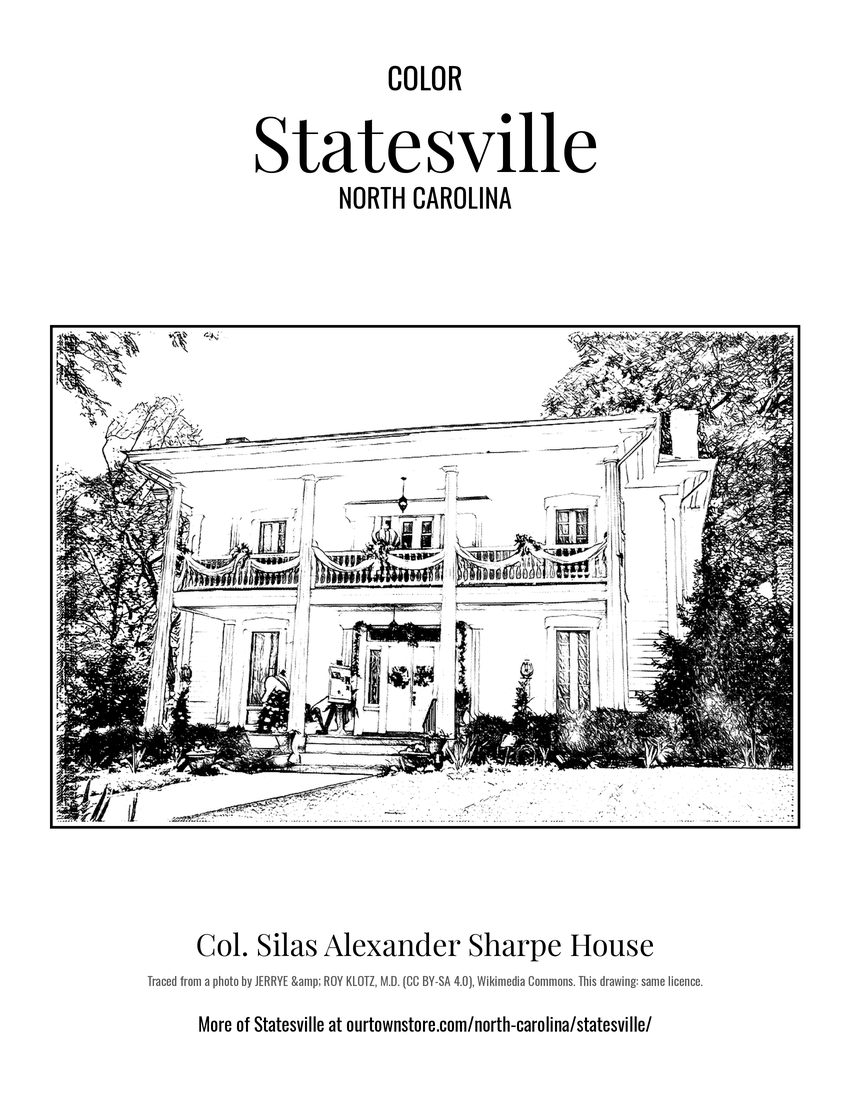 Col. Silas Alexander Sharpe House
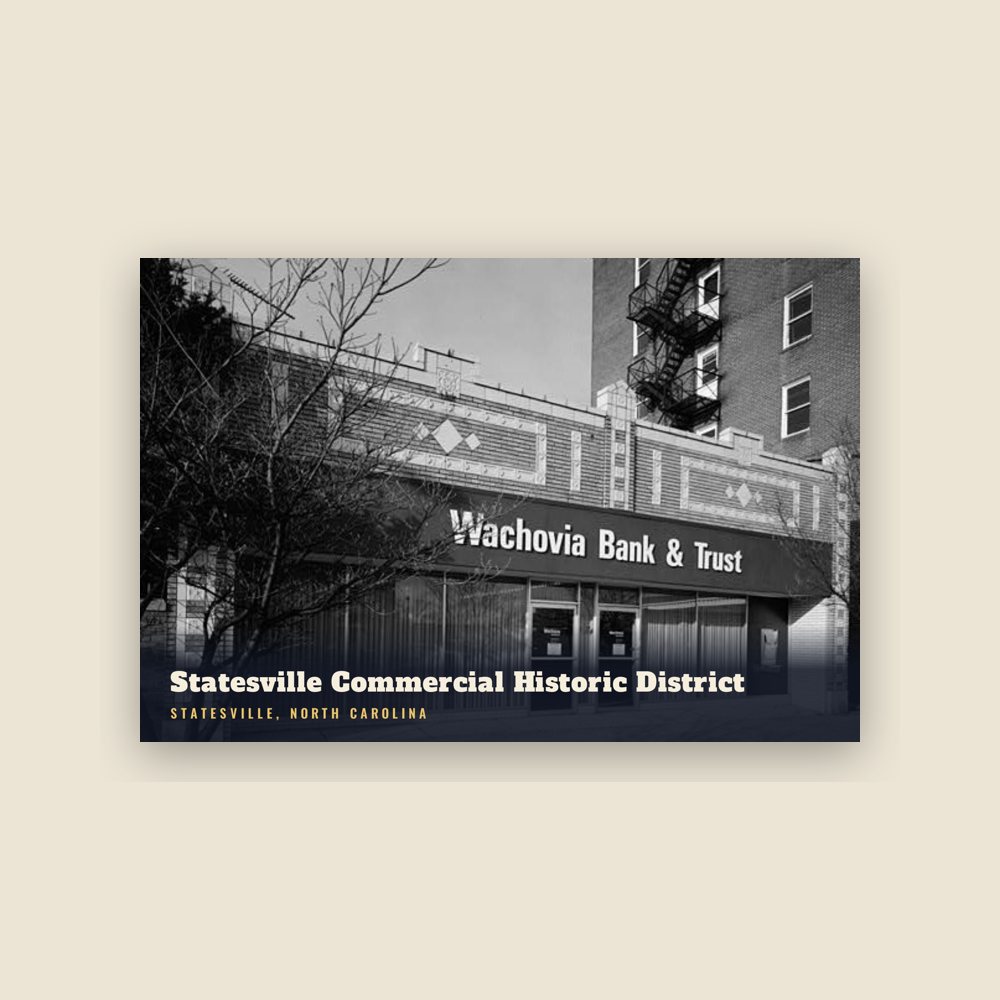
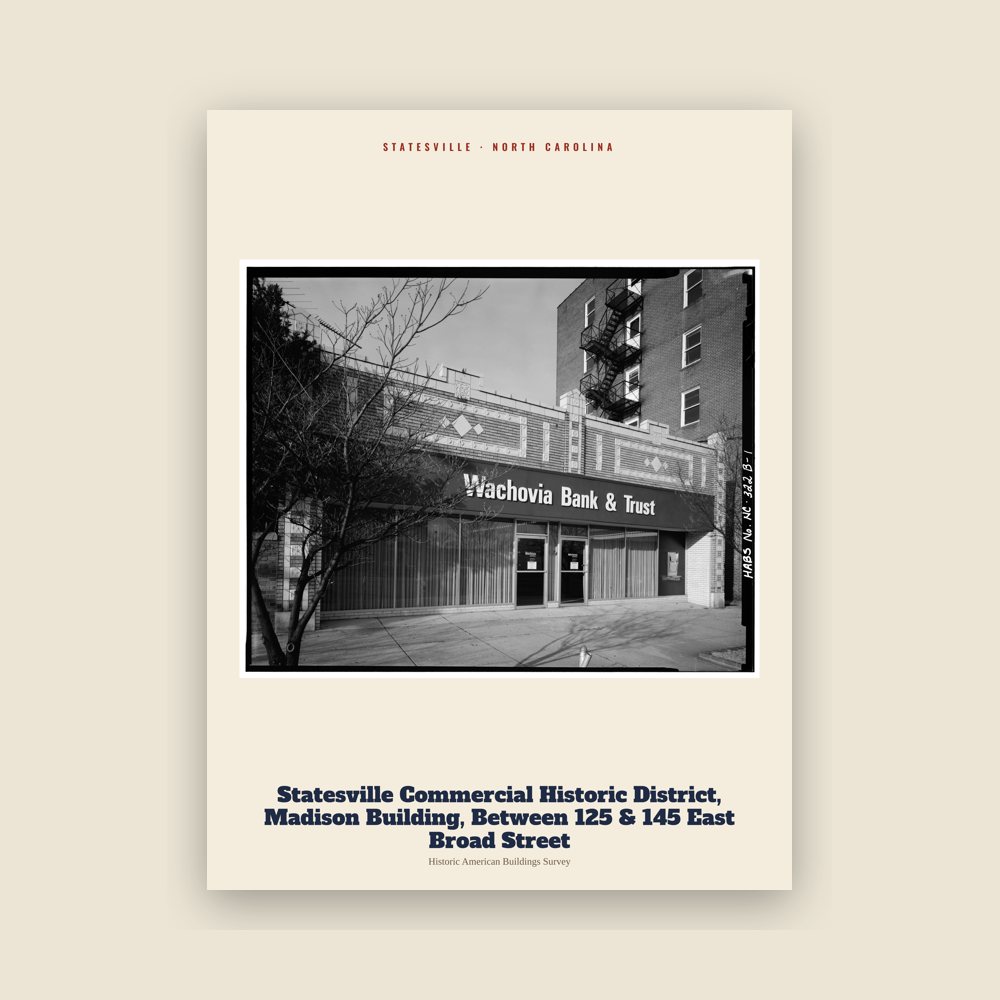
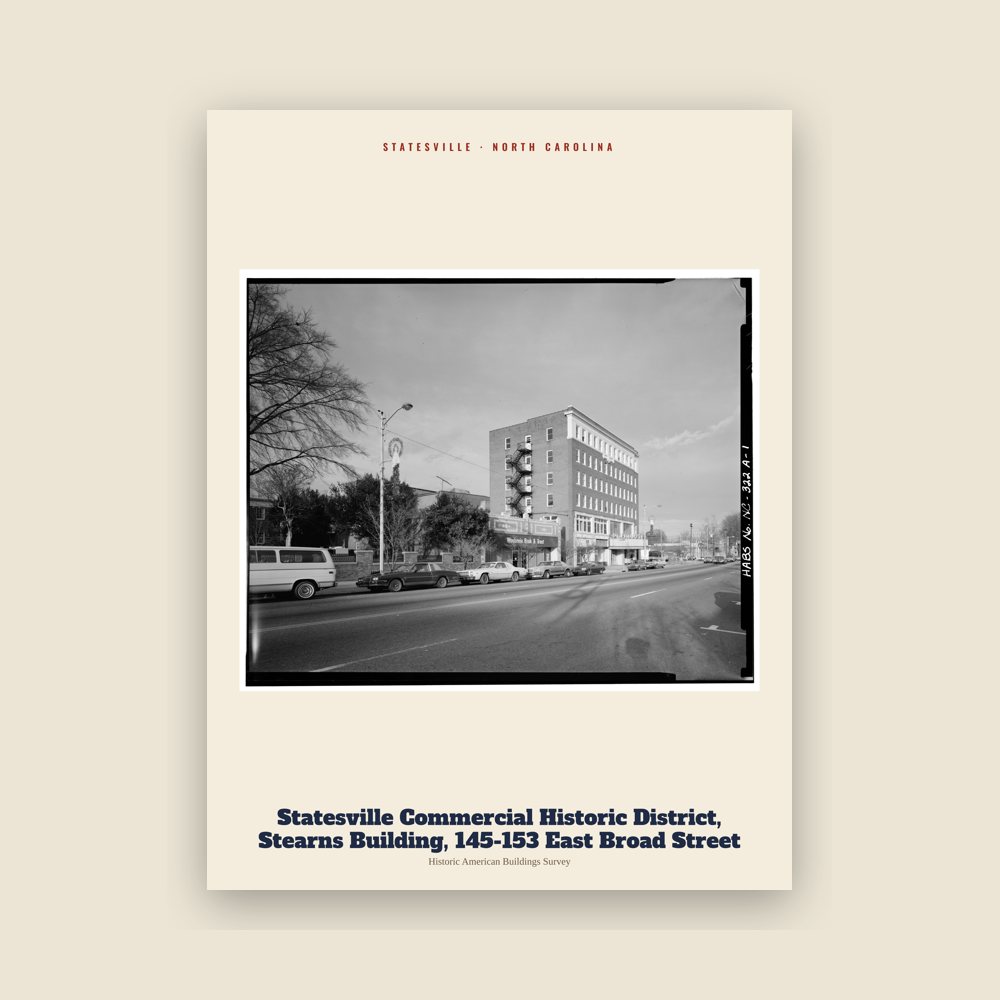
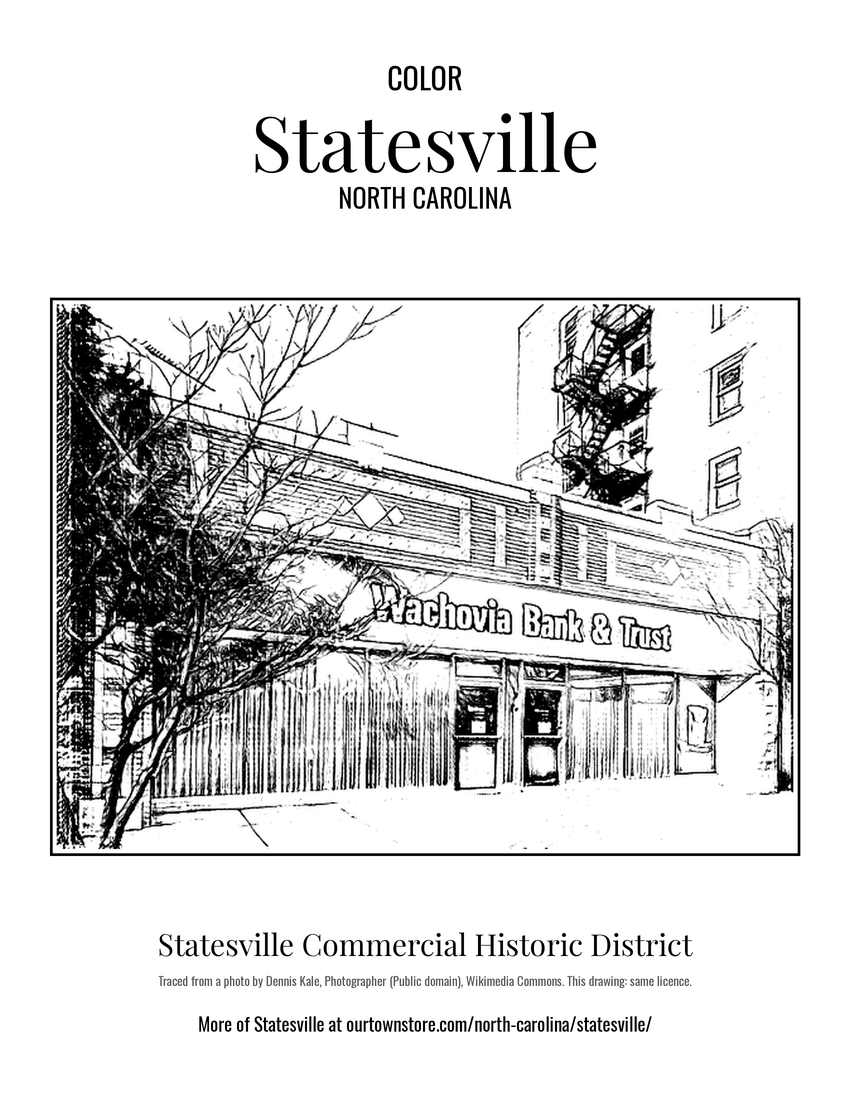 Statesville Commercial Historic District