A short history of Murphy
This area had long been part of the homelands of the Cherokee people. They knew this site along the Hiwassee River as Tlanusi-yi (the Leech Place). They had a legend about a giant leech named Tlanusi, that lived in the river here. The Trading Path (later called the "Unicoi Turnpike") passed by the future site of Murphy, connecting the Cherokee lands east of the mountains with what were known to European colonists as the "Overhill Towns" of Tennessee.
After European Americans began to settle here, they named the site "Hunnington/ Huntington" after Scottish trader A.R.S. Hunter. Hunter established the first trading post prior to 1828, where he would trade with the Cherokee, early European-American settlers, and U.S. Army soldiers on expeditions, or stationed at nearby Fort Butler. He was also appointed as the settlement's first postmaster, erecting the first Post Office in June 1839.
European Americans later renamed the settlement as Murphy for North Carolina politician Archibald Murphey. He was influential in educational advances for the people of North Carolina in the early 19th century. The original spelling of the town was to be "Murphey" but a clerk or stenographer of the North Carolina General Assembly misspelled the name and “Murphy” stuck.
In 1836, during the Cherokee removal known as the Trail of Tears, the United States army built Fort Butler in what is today Murphy. Fort Butler was used as the main collection point by the government for Cherokee east of the mountains. From Fort Butler, the Cherokee were taken over the mountains on the Unicoi Turnpike to the main internment camps at Fort Cass (today Charleston, Tennessee), prior to their forcible removal to territory west of the Mississippi River, in what became known as Indian Territory (today's Oklahoma).
Today, the Unicoi Turnpike is known as the Joe Brown Highway. There are no visible remains of Fort Butler, but the site can be visited and historical markers provide facts and interpretation about its history. In addition, the Cherokee County Historical Museum, located in Murphy, provides information about the Trail of Tears.
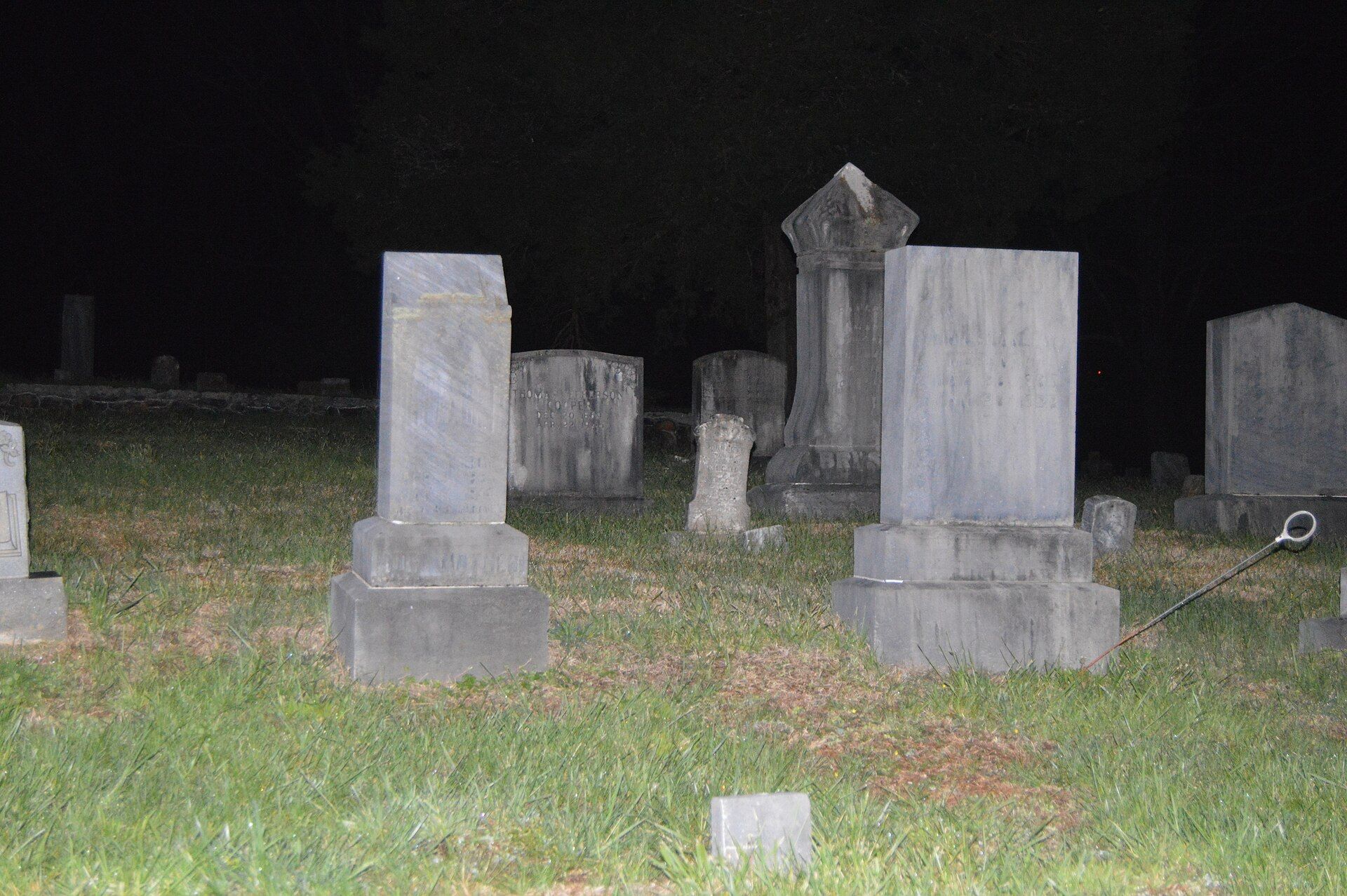
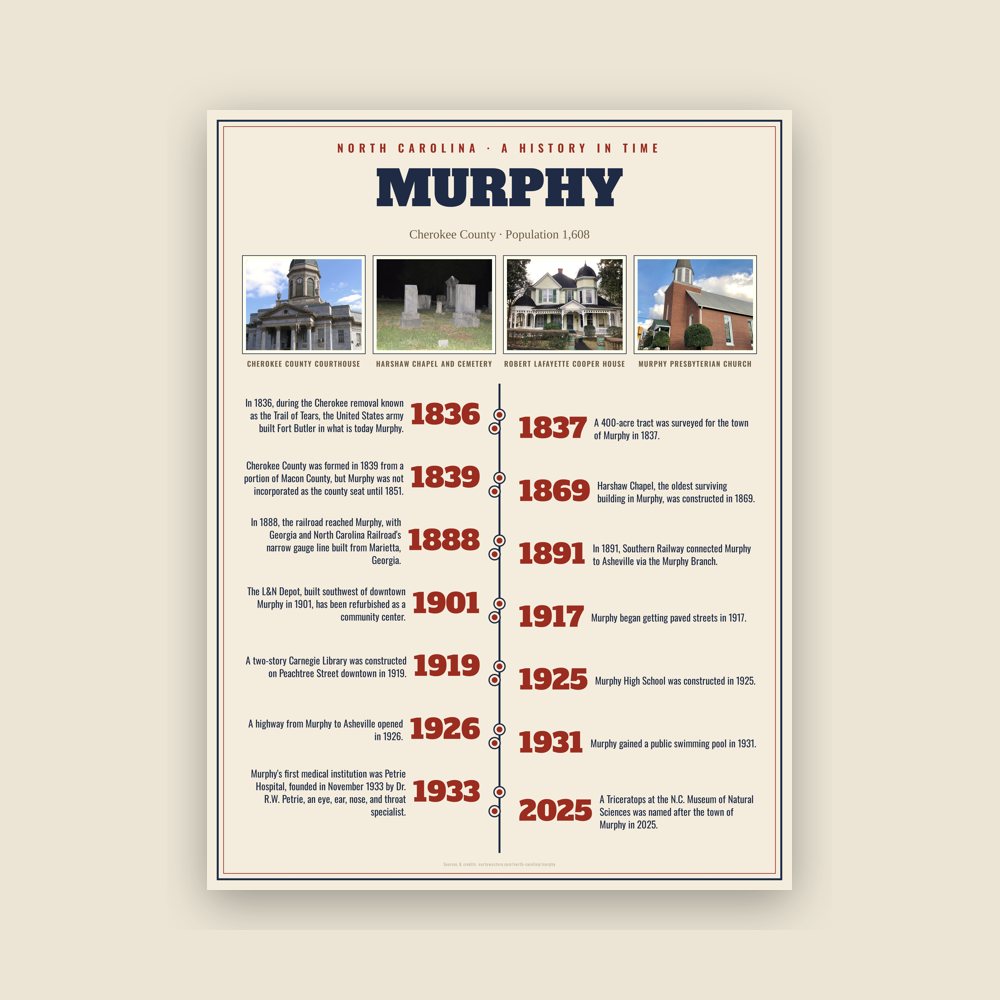
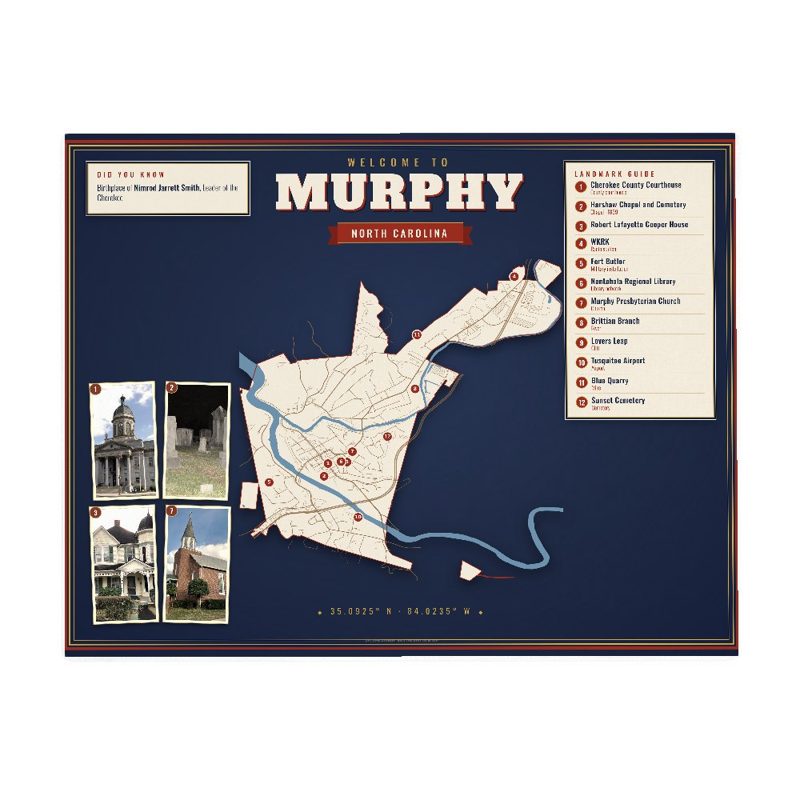
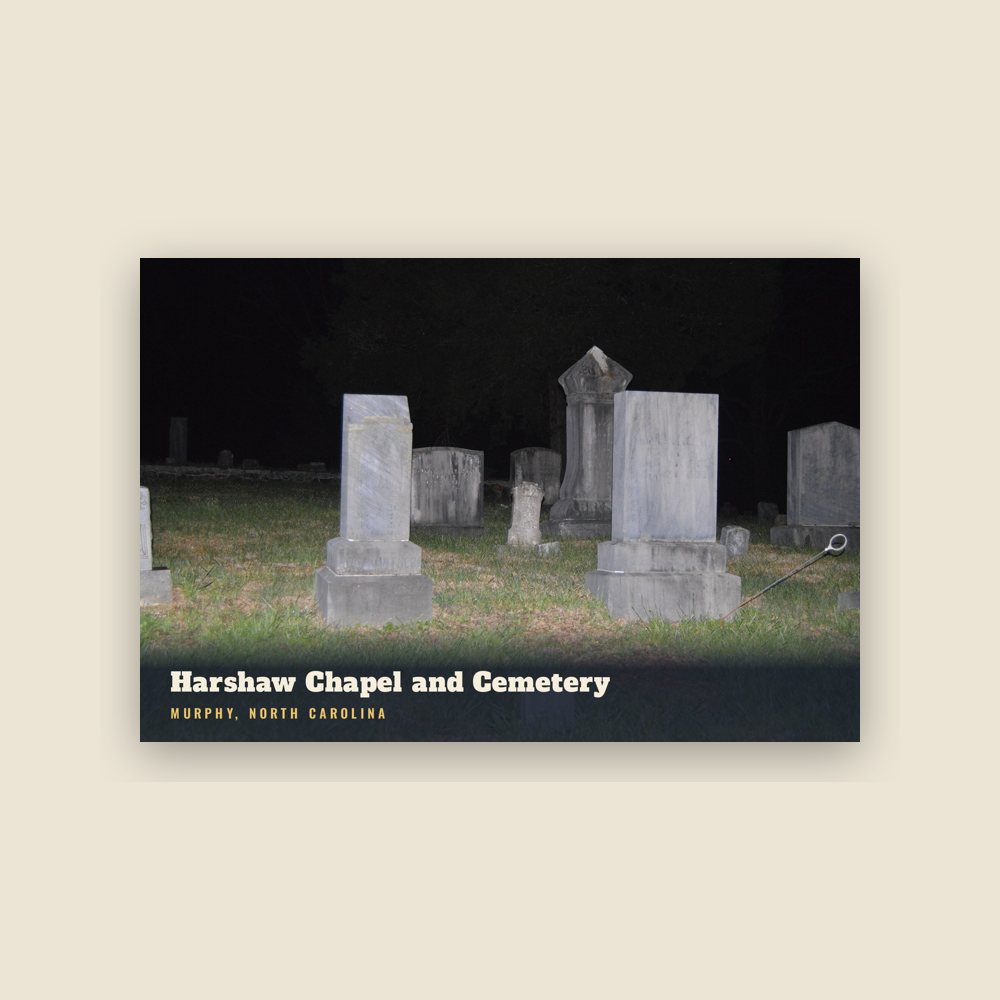
A 400-acre tract was surveyed for the town of Murphy in 1837. Cherokee County was formed in 1839 from a portion of Macon County, but Murphy was not incorporated as the county seat until 1851. Harshaw Chapel, the oldest surviving building in Murphy, was constructed in 1869.
In 1888, the railroad reached Murphy, with Georgia and North Carolina Railroad's narrow gauge line built from Marietta, Georgia. In 1891, Southern Railway connected Murphy to Asheville via the Murphy Branch. The L&N line from Georgia was removed in the mid-1980s. The Great Smoky Mountains Railroad ran excursions to Murphy on the Murphy Branch between 1988 and 1995. Today the track and right-of-way are still in place, owned by the North Carolina Department of Transportation, but the line is inoperable. The L&N Depot, built southwest of downtown Murphy in 1901, has been refurbished as a community center.
Read the full history
20th century to present
Murphy began getting paved streets in 1917. The first paved road from Murphy to Georgia opened five years later. A highway from Murphy to Asheville opened in 1926.
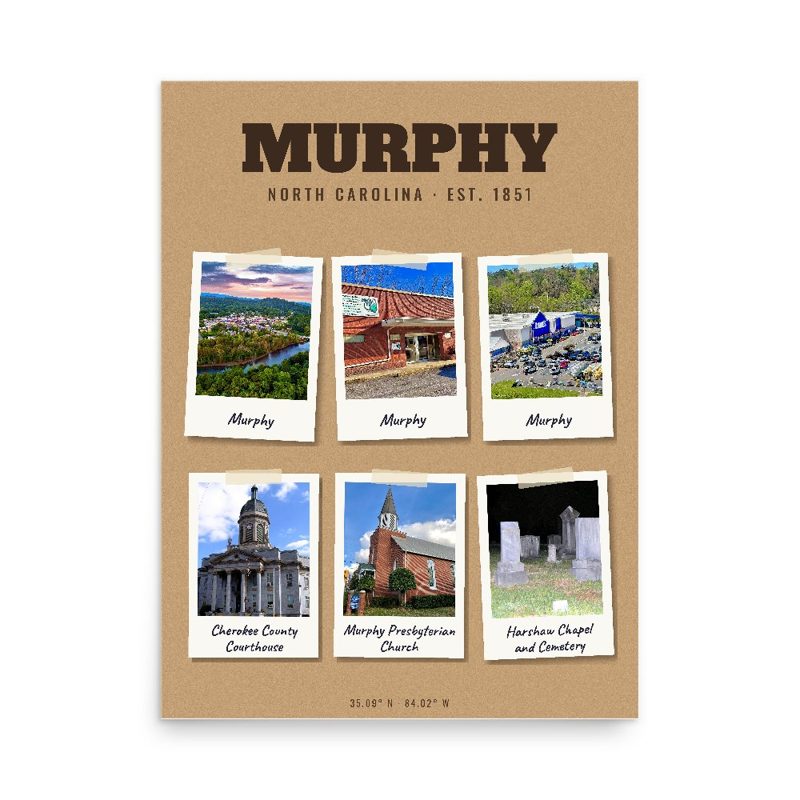
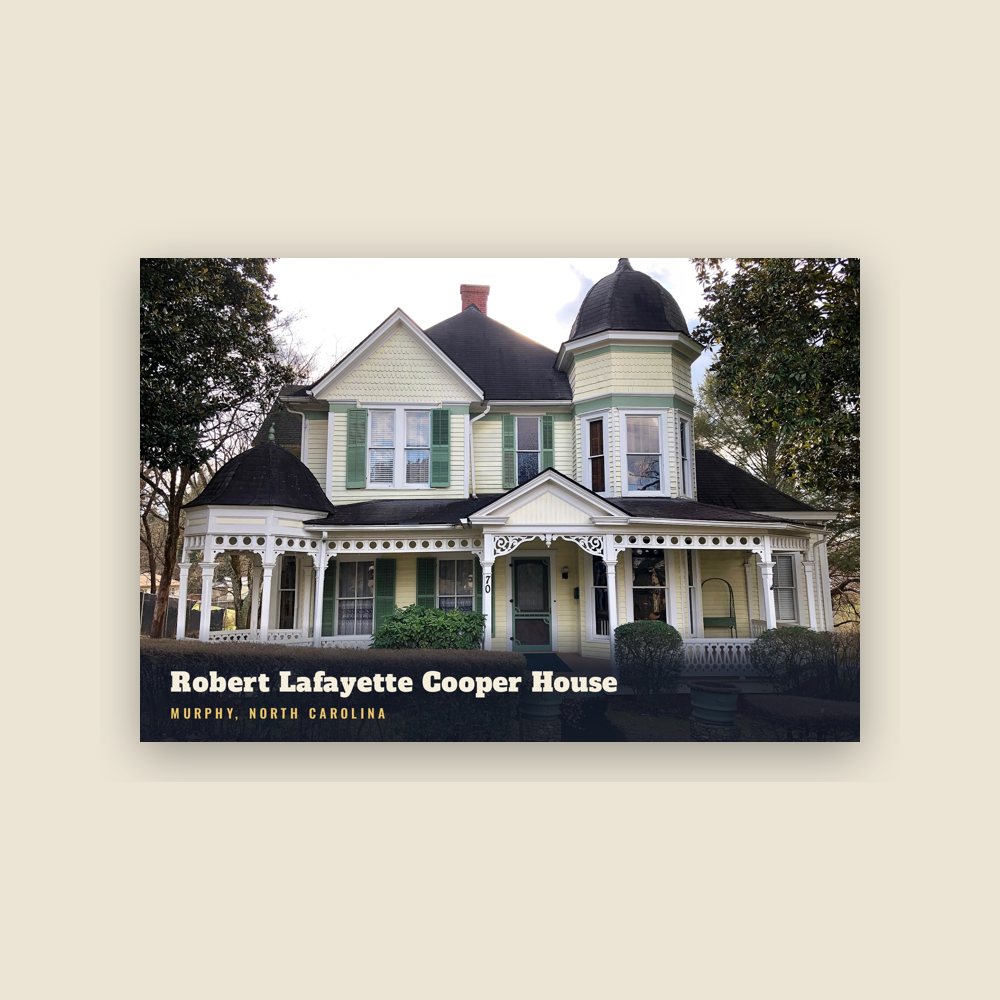
Architect James Baldwin designed the Cherokee County Courthouse, located in downtown Murphy, in a Beaux-Arts style. Built in 1927, it is faced with locally sourced blue marble. It is listed on the National Register of Historic Places, along with Harshaw Chapel and the Robert Lafayette Cooper House. The county has had multiple prior courthouses; all burned down, or were replaced by improved versions. The first court sessions in the county were held at Fort Butler.
A two-story Carnegie Library was constructed on Peachtree Street downtown in 1919. The building later housed the town police department until 2024 and has been occupied by the Cherokee County Historical Museum since its start in 1977. The Nantahala Regional Library, headquartered in Murphy, is the oldest regional library in the state and one of the first regional libraries formed in the United States. It was organized May 1, 1937, and has locations in Cherokee, Clay, and Graham counties. The current headquarters for the Murphy Public Library and the Nantahala Regional Library opened downtown on May 16, 1976. The building was renovated in 2001.
Murphy was the home of the once well-known crafts manufacturer Margaret Studios. This company operated a nationwide chain of gift stores for its woodcraft products and housewares, such as lazy Susans and gift trays.
Murphy High School was constructed in 1925. A new campus was built to replace the high school in 1957. Murphy gained a public swimming pool in 1931. The pool, which was run by the Lions Club, closed in 1997 and a new pool opened around 2006 as part of the Hiwassee Valley Pool & Wellness Center. The new pool was permanently enclosed in 2022.
Folklorist John Jacob Niles based his well-known Christmas song, "I Wonder as I Wander", on a phrase he heard on July 16, 1933, in a song sung by a daughter of traveling evangelists in downtown Murphy. In 1945, Paul Westmoreland wrote his song “Detour (There's a Muddy Road Ahead)" while traveling to Murphy. He debuted the song in the neighboring town of Hayesville.
Murphy's first medical institution was Petrie Hospital, founded in November 1933 by Dr. R.W. Petrie, an eye, ear, nose, and throat specialist. The hospital was a two-story white brick building atop a hill on Peachtree Street downtown. The Sisters of Providence of Holyoke came to Murphy in 1956 to manage Petrie Hospital and renamed it Providence Hospital. The 22-bed Murphy General Hospital was built by Dr. F. V. Taylor in 1941 and closed in July 1969 due to insufficient staff and property. In January 1974 the Murphy Town Council approved spending $4,000 on a study to see whether constructing a new hospital was feasible. Following this study, Providence Hospital closed in 1978, and Murphy Medical Center was founded in nearby Peachtree in 1979.
The Henn Theater, one of the oldest continually-operating movie theaters in North Carolina, opened in Murphy in 1935. A new Murphy post office was constructed on Hiwassee Street in 1949, replacing the former location on Tennessee Street. In approximately 1961, the two-mile, four lane Dr. William A. Hoover Bridge was built over the Hiwassee River near Murphy to serve US Route 19. Levi Strauss & Co. opened a plant in Murphy in December 1963 to make jeans. The plant hired 380 employees at its peak. It closed in February 1999. Today, the building is occupied by Snap-on Tools. The town's wastewater treatment plant was built in the mid-1960s.
On April 3, 1974, an F4 tornado in Murphy killed four people (including two children) and injured 40. It destroyed 45 houses, 45 mobile homes, and caused major damage to 55 other homes. Local damages totaled $13 million (1974). It was the deadliest of four tornadoes that hit the county during the first four days of April in the 1974 Super Outbreak. An EF2 tornado hit Murphy on March 2, 2012, as part of the Tornado outbreak of March 2–3, 2012. This tornado damaged two schools and affected multiple businesses.
Nearly a year after the March 2012 tornado, debris washed up in the Valley River under the Bulldog Drive bridge and caused the waters to go to the sides, causing strong currents, making a large portion of the bridge collapse. A water system was also damaged and left many businesses east of the bridge without sewer or water. The nearby Murphy High School was without both, with students having to use port-a-potties and carry bagged lunches made at another school.
Bus service to Murphy ended in 1975. A four-lane highway was built between Murphy and the neighboring town of Andrews around 1977. Walmart's first North Carolina store was constructed in Murphy in 1983 and opened on August 16. The store moved to its current location in 1991 and the old building is now a Big Lots, Mexican store, and Mexican restaurant. The 45-acre Konehete Veterans Park was established in the 1990s. In 1999, a 10-mile, 12-inch water line was built to connect Murphy and Andrews' water systems. The interconnect agreement expired in 2022.
Work on Murphy's 4-mile River Walk trail began in 2002. The trail follows the Hiwassee and Valley rivers around downtown, connecting the L&N Depot and Konehete Park. On May 31, 2003 Olympic Park bomber Eric Rudolph was captured behind a Murphy Save-A-Lot by rookie police officer Jeff Postell. In October 2024, one of the oldest remaining buildings in downtown Murphy, the Akin-Axley-Davidson house at 69 Valley River Avenue, was demolished. The home was built during the Civil War. A Triceratops at the N.C. Museum of Natural Sciences was named after the town of Murphy in 2025.
Mayoral history
Adapted (trimmed) from the Wikipedia article Murphy, North Carolina, revision 1380581582 by its contributors, licensed CC BY-SA 4.0.
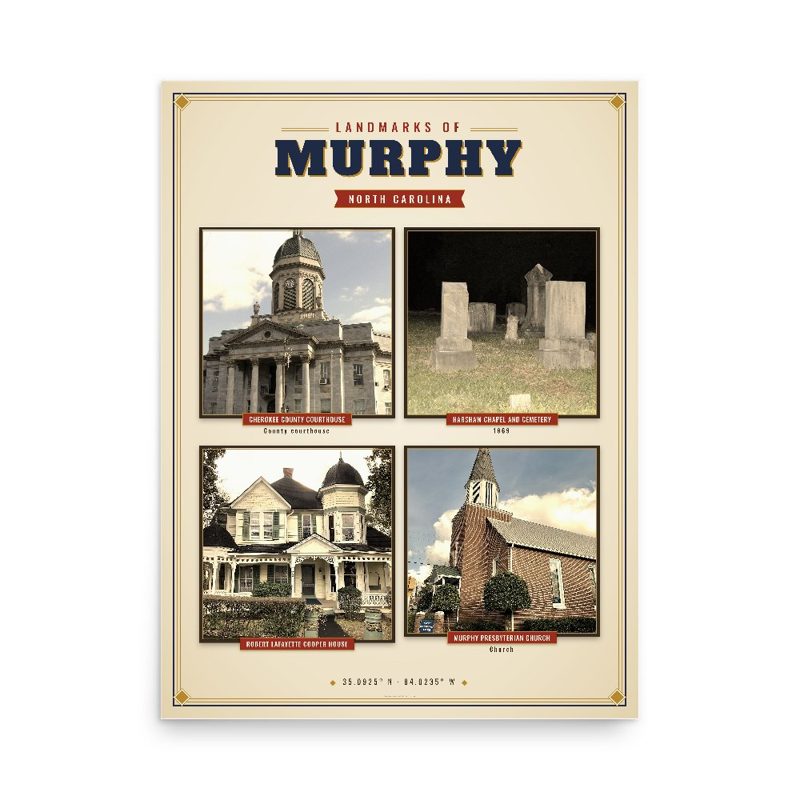








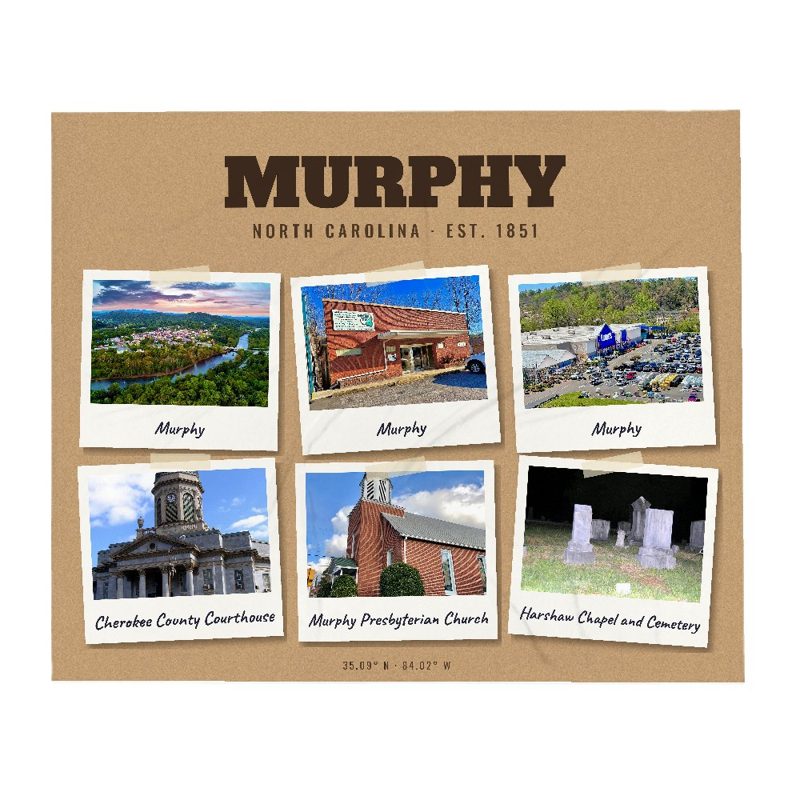
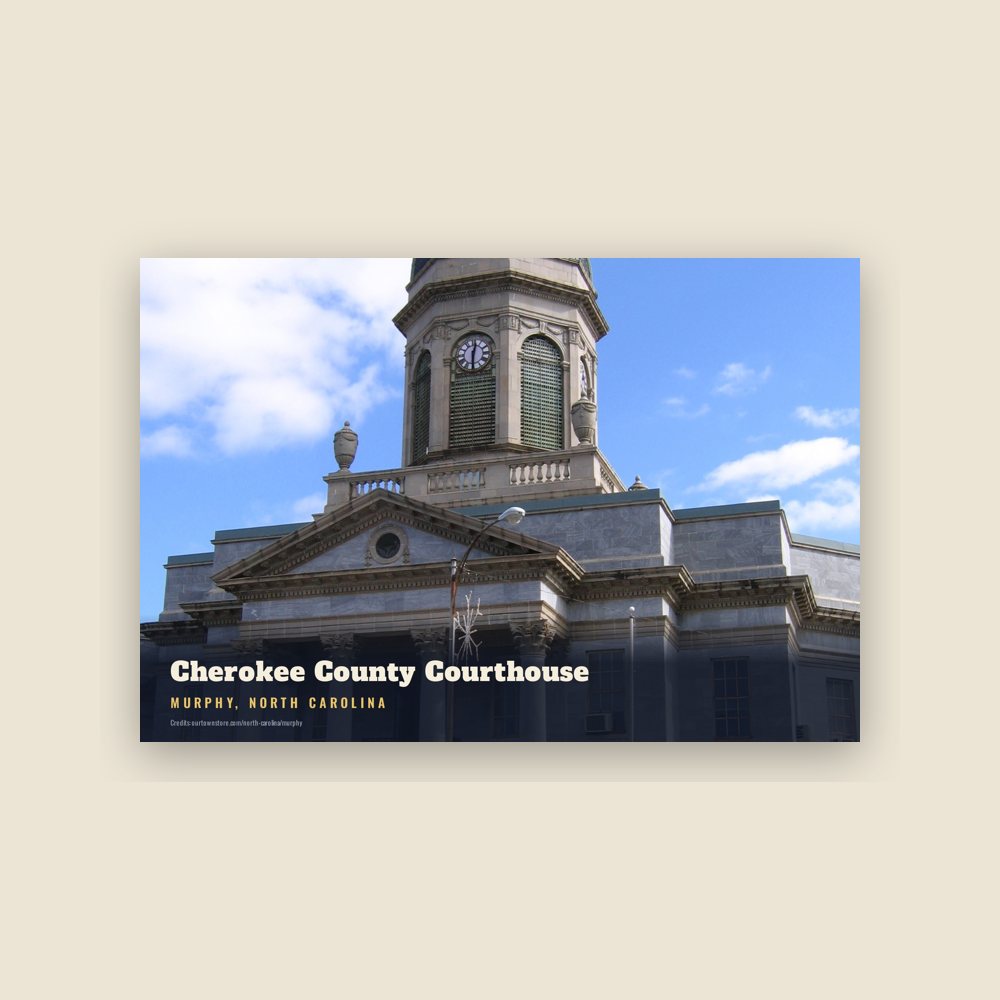
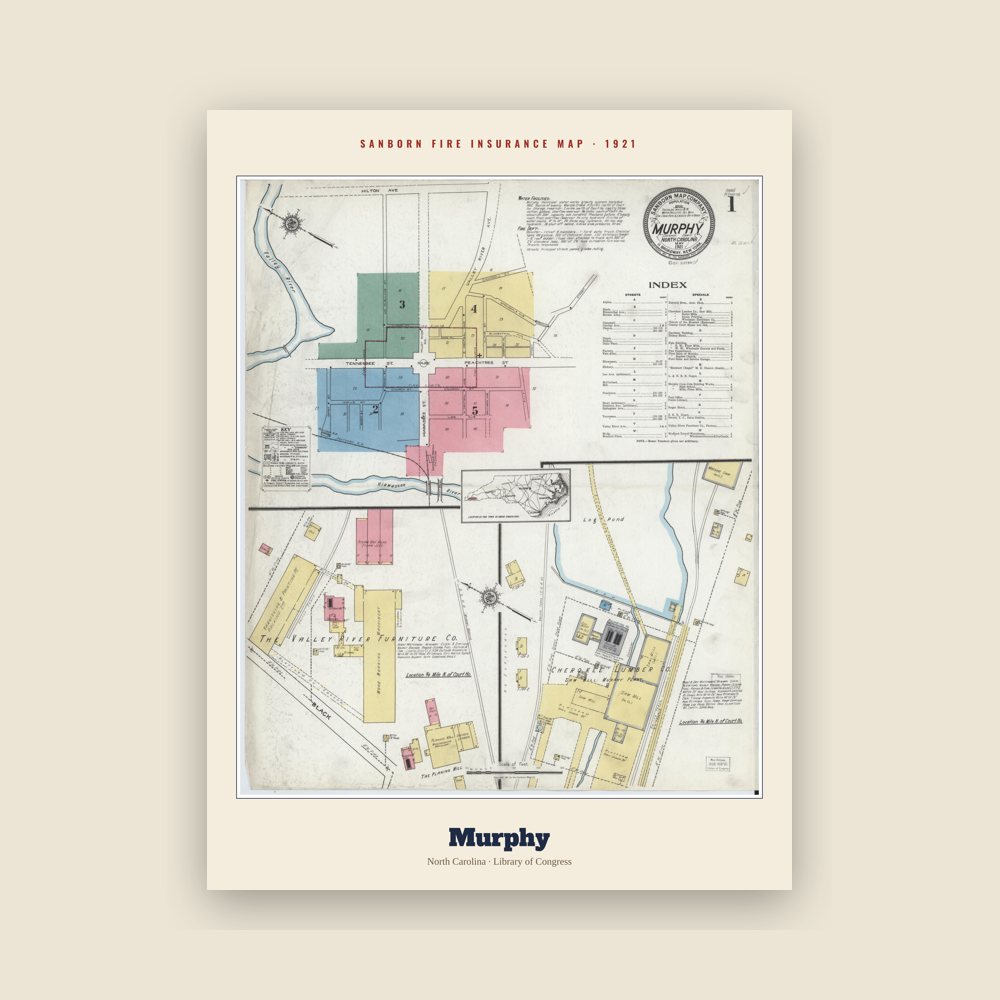
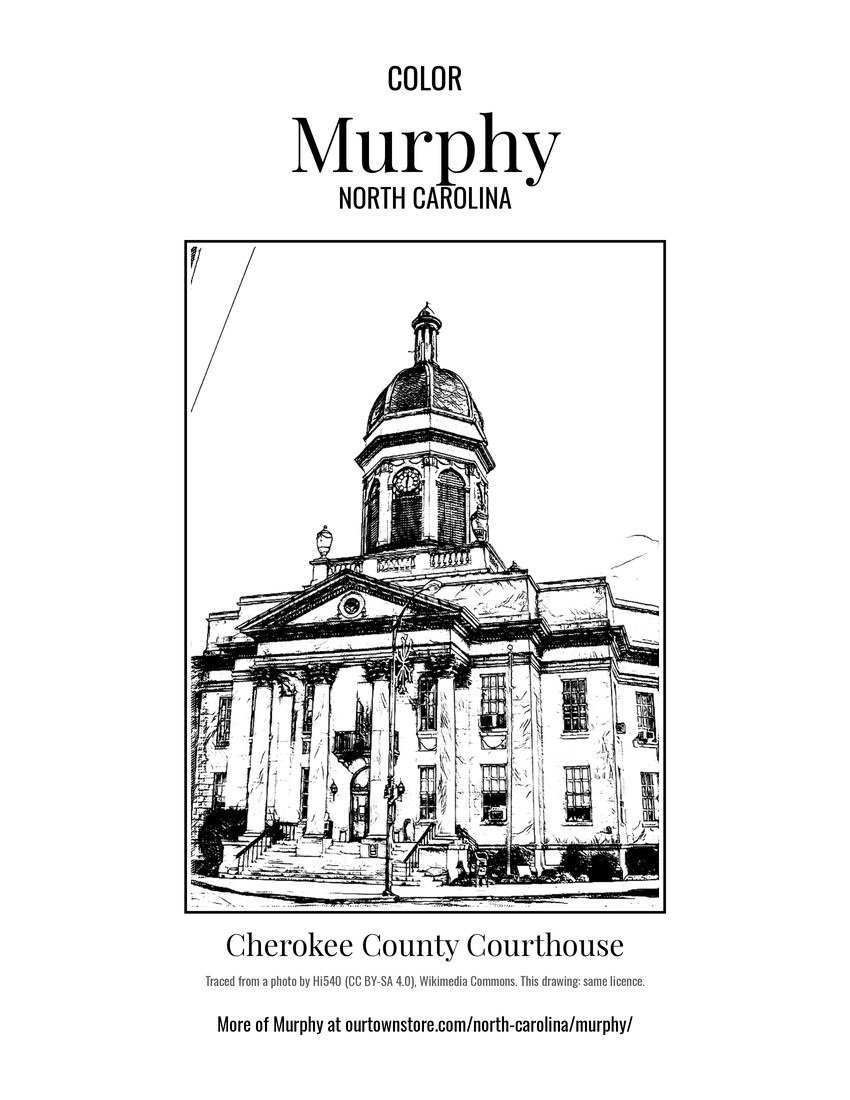 Cherokee County Courthouse
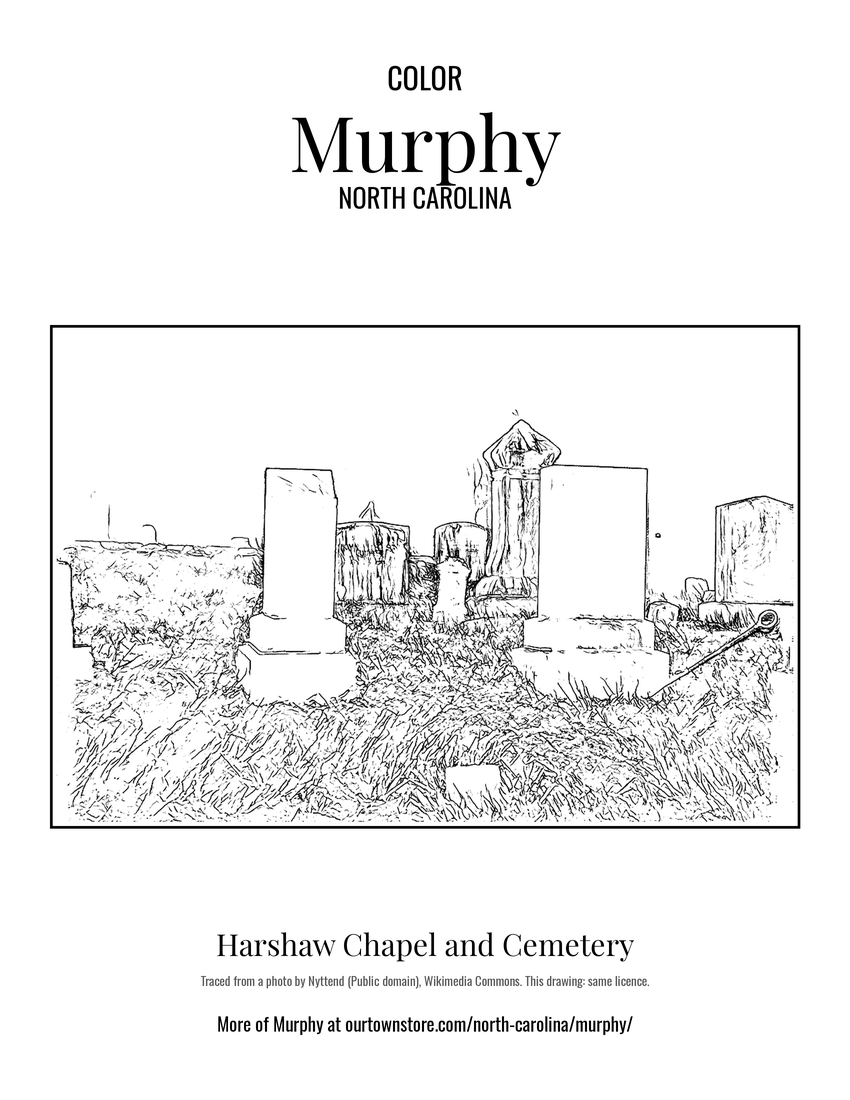 Harshaw Chapel and Cemetery
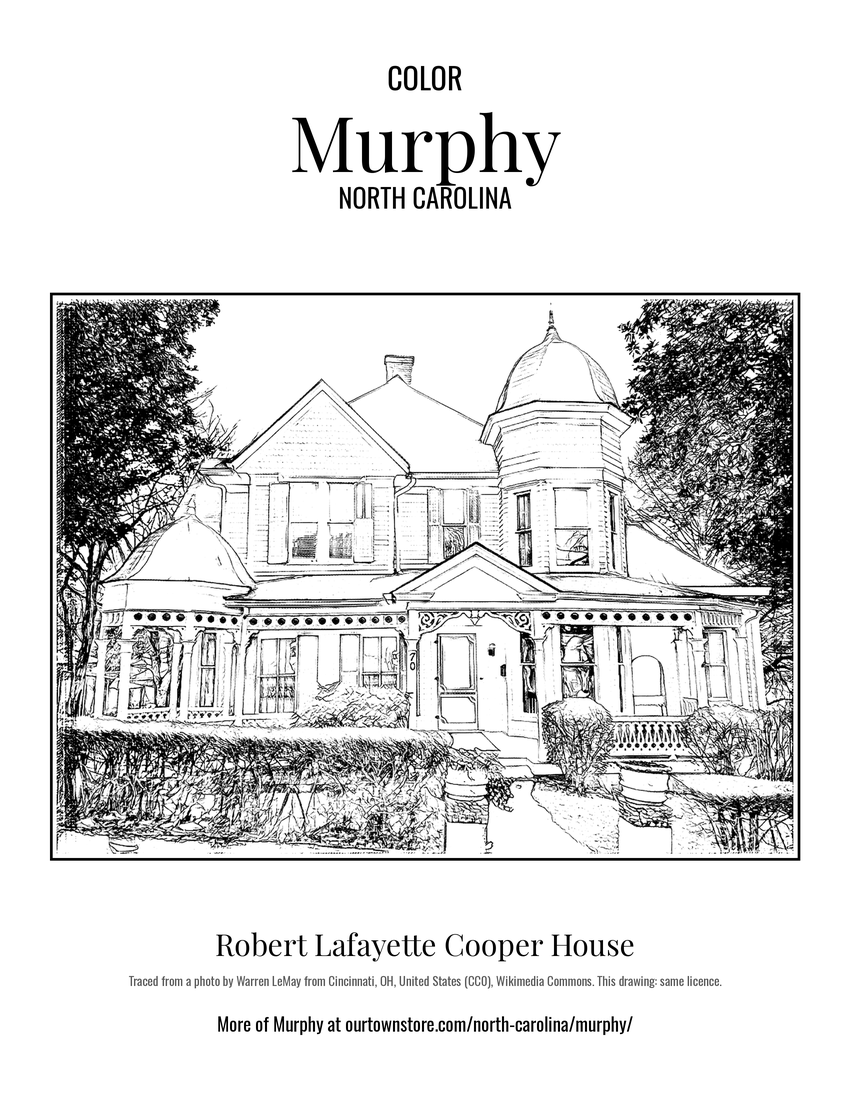 Robert Lafayette Cooper House
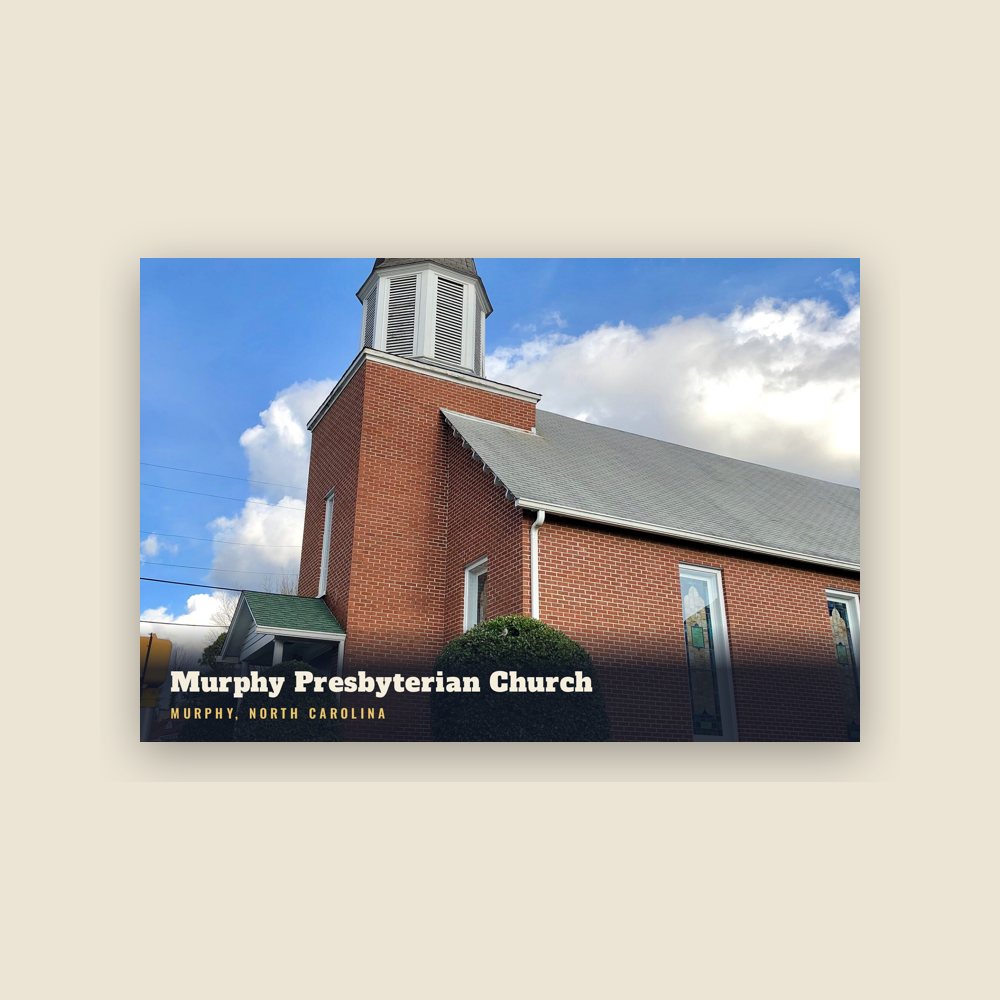
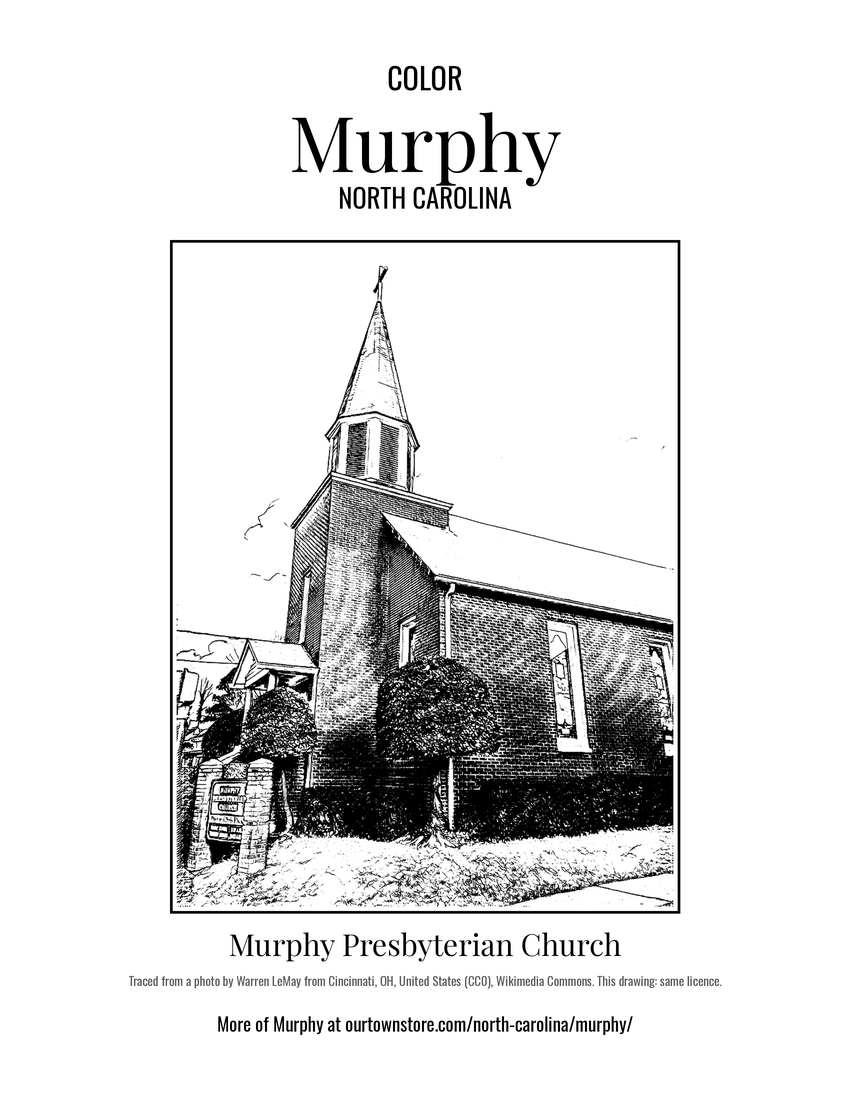 Murphy Presbyterian Church