Merchants in Wilmington wanted a town on the Cape Fear River to secure trade with the frontier country. They were afraid people would use the Pee Dee River and transport their goods to Charleston, South Carolina. The merchants bought land from Newberry in Cross Creek. Campbelton became a place where poor whites and free blacks lived and gained a reputation for lawlessness.
In 1783, Cross Creek and Campbelton united, and the new town was incorporated as Fayetteville in honor of Gilbert du Motier, Marquis de Lafayette, a French military hero who significantly aided the American forces during the war. Fayetteville was the first city to be named in his honor in the United States. Lafayette visited the city on March 4 and 5, 1825, during his grand tour of the United States.
Read the full history
American Revolution
The local region was heavily settled by Scots in the mid/late 1700s, and most of these were Gaelic-speaking Highlanders. The vast majority of Highland Scots, recent immigrants, remained loyal to the British government and rallied to the call to arms from the Royal Governor. Despite this, they were eventually defeated by a larger Revolutionary force at the Battle of Moore's Creek Bridge. The area also included several active Revolutionaries.
"This obligation to continue in full force until a reconciliation shall take place between Great Britain and America, upon constitutional principles, an event we most ardently desire; and we will hold all those persons inimical to the liberty of the colonies, who shall refuse to subscribe to this Association; and we will in all things follow the advice of our General Committee respecting the purposes aforesaid, the preservation of peace and good order, and the safety of individual and private property." Robert Rowan, who apparently organized the group, signed first.
Robert Rowan (circa 1738–1798) was one of the area's leading public figures of the 18th century. A merchant and entrepreneur, he settled in Cross Creek in the 1760s. He served as an officer in the French and Indian War, as sheriff, justice and legislator, and as a leader of the Patriot cause in the Revolutionary War. Rowan Street and Rowan Park in Fayetteville and a local chapter of the Daughters of the American Revolution are named for him, though Rowan County (founded in 1753) was named for his uncle, Matthew Rowan.
Flora MacDonald (1722–1790), a Scots Highland woman known for aiding Bonnie Prince Charlie after his Highlander army's defeat at Culloden in 1746, lived in North Carolina for about five years. She was a staunch Loyalist and aided her husband in raising the local Scots to fight for the King against the Revolution.
Seventy-First Township in western Cumberland County (now a part of Fayetteville) is named for a British regiment during the American Revolution – the 71st Regiment of Foot or "Fraser's Highlanders", as they were first called.
Post-revolution
Fayetteville had what is sometimes called its "golden decade" during the 1780s. It was the site in 1789 for the state convention that ratified the U.S. Constitution, and for the General Assembly session that chartered the University of North Carolina at Chapel Hill. Fayetteville lost out to the future city of Raleigh in the bid to become the permanent state capital.
In 1793, the Fayetteville Independent Light Infantry formed and is still active as a ceremonial unit. It is the second-oldest militia unit in the country.
Henry Evans (circa 1760–1810), a free black preacher, is locally known as the "Father of Methodism" in the area. Evans was a shoemaker by trade and a licensed Methodist preacher. He met opposition from whites when he began preaching to enslaved people in Fayetteville, but he later attracted whites to his services. He is credited with building the first church in town, the African Meeting House, in 1796. Evans Metropolitan AME Zion Church is named in his honor.
On March 4–5, 1825, General Lafayette, visited his namesake town - the first one named for him and the only one he personally visited as part of his 1824-1825 tour of all the states as "The Nation's Guest." Admirers stood in mud and pouring rain to welcome him. He was feted with a formal dinner, a ball, and multiple military displays.
Antebellum
Fayetteville had 3,500 residents in 1820, but Cumberland County's population still ranked as the second most urban in the state, behind New Hanover County (Wilmington). Its "Great Fire" of 1831 was believed to be one of the worst in the nation's history, despite no deaths associated with the incident. Hundreds of homes, businesses, and most of the best-known public buildings were lost, including the old "State House". Fayetteville leaders moved quickly to help the victims and rebuild the town.
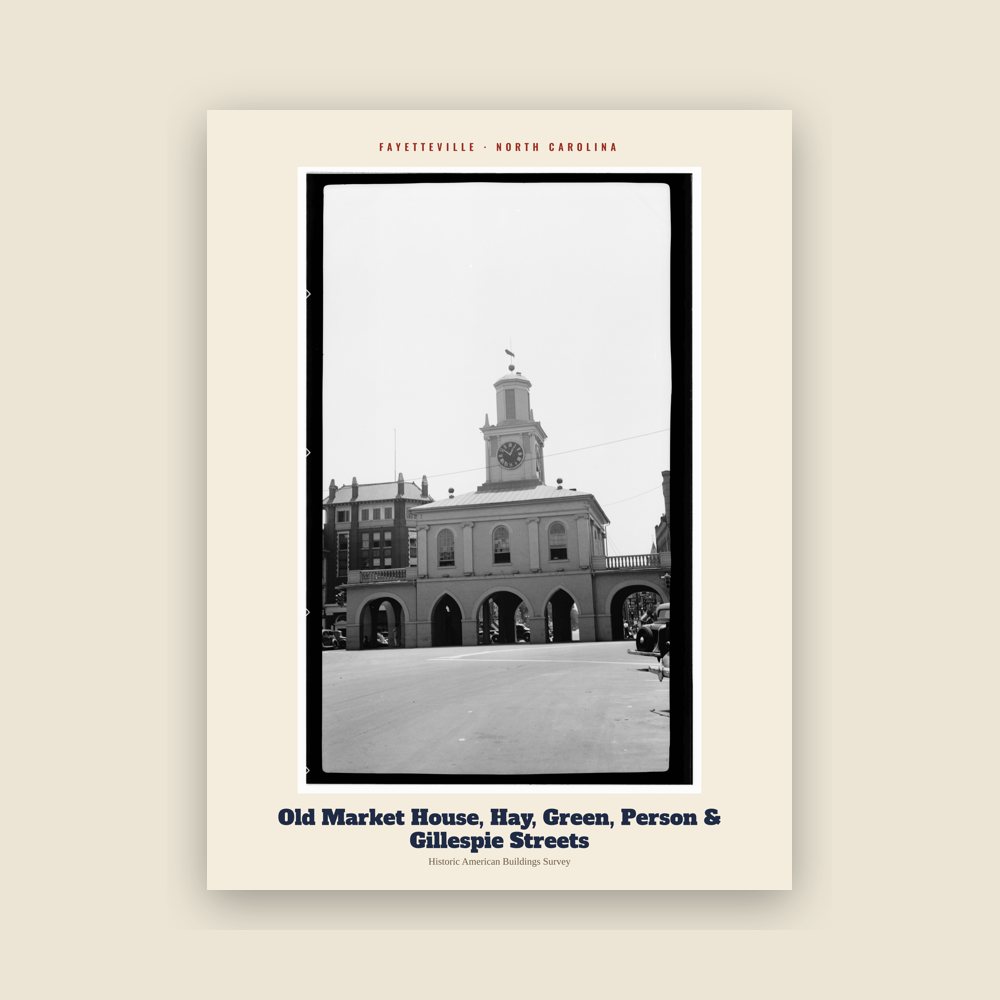
There was no point in rebuilding the State House since the state government was firmly installed in Raleigh. On its site, the city built a Market House, recreating the city around it just as it had previously surrounded the State House. The new building had a covered area under which business could be conducted since every store in Fayetteville had been destroyed in the fire. Completed in 1832, it became the town's and county's administrative building. It was a town market until 1906 and served as Fayetteville Town Hall until 1907. Currently (2020), it is a local history museum.
The Civil War era through late 19th century
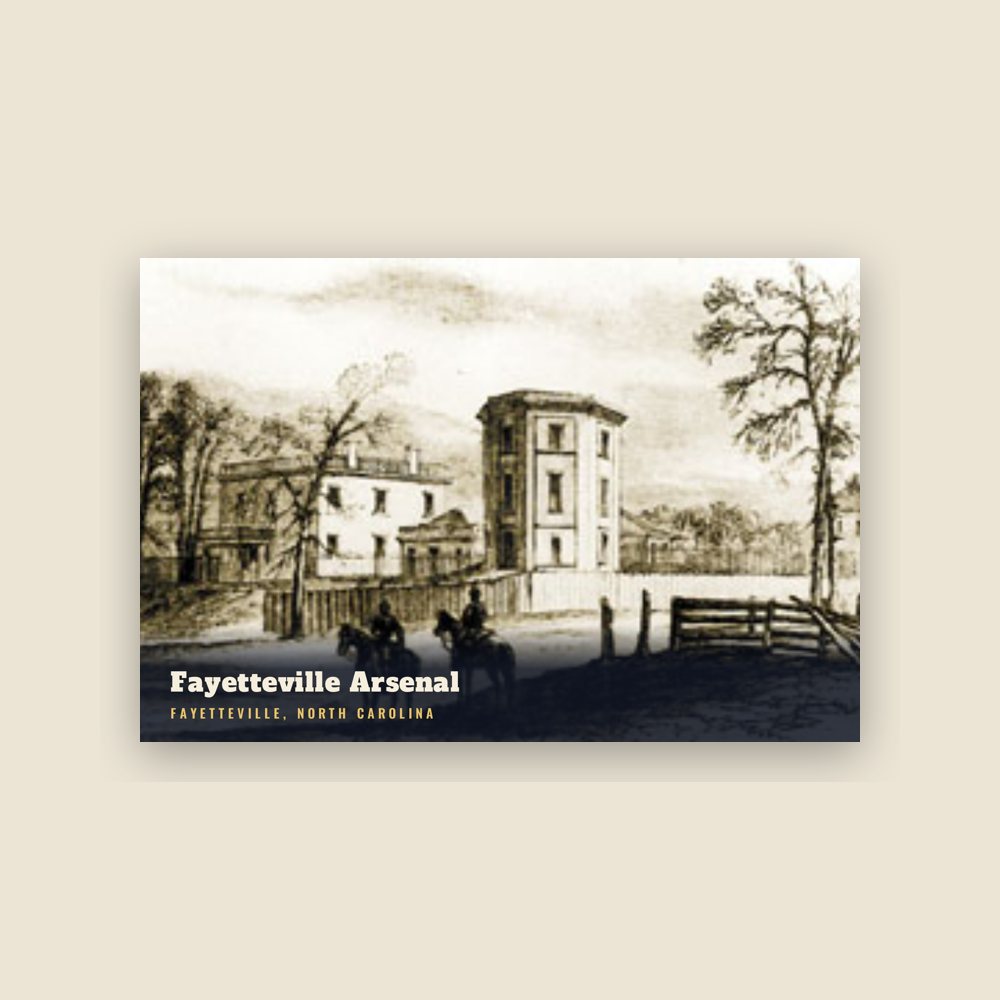
In March 1865, Gen. William T. Sherman and his 60,000-man army attacked Fayetteville and destroyed the Confederate arsenal (designed by the Scottish architect William Bell). Sherman's troops also destroyed foundries and cotton factories, and the offices of The Fayetteville Observer. Not far from Fayetteville, Confederate and Union troops engaged in the last cavalry battle of the Civil War, the Battle of Monroe's Crossroads.
Downtown Fayetteville was the site of a skirmish, as Confederate Lt. Gen. Wade Hampton and his men surprised a cavalry patrol, killing 11 Union soldiers and capturing a dozen on March 11, 1865.
20th century to present
Cumberland County's population increased in the post-World War II years, with its 43% increase in the 1960s the largest in any of North Carolina's 100 counties. Construction was fast-paced as shopping developments, and suburban subdivisions began to spread outside the Fayetteville city limits toward Fort Bragg and Pope Air Force Base. The Fayetteville and Cumberland County school systems moved toward integration gradually, beginning in the early 1960s; busing brought about wider-scale student integration in the 1970s.
Segregation of public facilities continued. Marches and sit-ins during the Civil Rights Movement, with students from Fayetteville State Teachers College (Fayetteville State University) at the forefront, led to the end of whites-only service at restaurants and segregated seating in theaters. Blacks and women gained office in significant numbers from the late 1960s to the early 1980s.
The Vietnam Era was a time of change in the Fayetteville area. From 1966 to 1970, more than 200,000 soldiers trained at Fort Bragg before leaving for Vietnam. This buildup stimulated area businesses. Anti-war protests in Fayetteville drew national attention because of Fort Bragg, a city that generally supported the war. Anti-war groups invited the actress and activist Jane Fonda to Fayetteville to participate in three anti-war events. The era also saw an increase in crime and drug addiction, especially along Hay Street, with media giving the city the nickname "Fayettenam". At this time, Fayetteville also made headlines after Army doctor Jeffrey R. MacDonald murdered his pregnant wife and two daughters in their Ft. Bragg home in 1970; the book and movie Fatal Vision were based on these events.
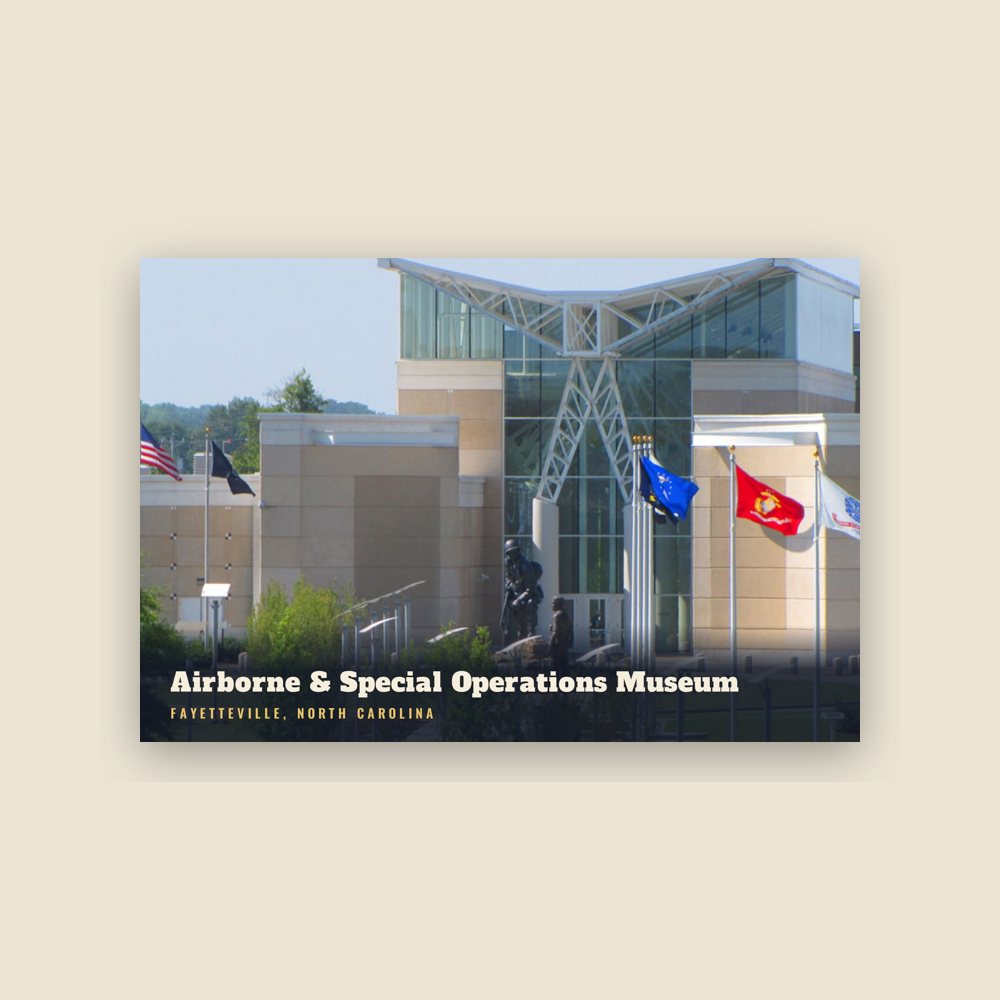
To combat the dispersal of suburbanization, Fayetteville has worked to redevelop its downtown through various revitalization projects; it has attracted large commercial and defense companies such as Purolator, General Dynamics and Wal-Mart Stores and Distribution Center. Development of the Airborne & Special Operations Museum, Fayetteville Area Transportation Museum, Fayetteville Linear Park, and Fayetteville Festival Park, which opened in late 2006, have added regional attractions to the center.
In the first decade of the 21st century, the towns and rural areas surrounding Fayetteville had rapid growth. Suburbs such as Hope Mills, Raeford, and Spring Lake had population increases.
In 2005, Congress passed the Base Realignment and Closure (BRAC) Act, resulting in several new commands relocating to Fort Bragg. These include the U.S. Army Forces Command (FORSCOM) and U.S. Army Reserve Command, both of which relocated from Fort McPherson in Atlanta. More than 30,000 people were expected to relocate to the area with associated businesses and families. FORSCOM awards over $300 billion in contracts annually.
In December 2015, Fayetteville unveiled the Guinness World Record for the biggest Christmas stocking, weighing approximately 1,600 pounds (730 kg), and measuring 74.5 x 139 feet.
Fort Bragg and Pope Army Airfield
Several U.S. Army airborne units are stationed at Fort Bragg, most prominently the XVIII Airborne Corps HQ, the 82nd Airborne Division, the United States Army Special Operations Command, the 1st Special Forces Command (Airborne), and the United States Army John F. Kennedy Special Warfare Center and School.
Fort Bragg was the home of the Field Artillery at the onset of World War II. All the Army's artillery units east of the Mississippi River were based at the post, about 5,000 troops. Soldiers tested the Army's new bantam car, soon known as the Jeep, although most of the power to move artillery still came from horses and burros. On September 12, 1940, the Army contracted to expand the post, bringing the 9th Infantry Division to Fort Bragg.
The mission of Pope Field is to provide airlift to American armed forces and humanitarian missions flown worldwide. Pope Field mainly includes air transportation for the 82nd Airborne, among other airborne units on Fort Bragg.
Pope Army Airfield was created in 1919 as Pope Field. In 1947, it was assigned to the new United States Air Force as Pope Air Force Base. The 2005 Base Realignment and Closure Program (BRAC) transferred the field to the US Army; it was officially redesignated as an Army Airfield on March 1, 2011.
All of Pope's fighter jet squadrons have been relocated to Moody AFB, Georgia. The central entity at Pope is now the Air Force Reserve, although they still have a small number of active personnel.
In September 2008, Fayetteville annexed 85% of Fort Bragg, bringing the city's population to 206,000. Fort Bragg retains its police, fire, and EMS services. Fayetteville hopes to attract large retail businesses to the area using the new population figures.
Sanctuary community for military families
On September 5, 2008, Cumberland County announced it was the "World's First Sanctuary for Soldiers and Their Families"; it marked major roads with blue and white "Sanctuary" signage. Within the county, soldiers were to be provided with local services, ranging from free childcare to job placement for soldiers' spouses.
Five hundred volunteers have signed up to watch over military families. They were recruited to offer one-to-one services; member businesses will also offer discounts and preferential treatment. Time magazine recognized Fayetteville for its support of military families and identified it as "America's Most Pro-Military Town".
National Register of Historic Places
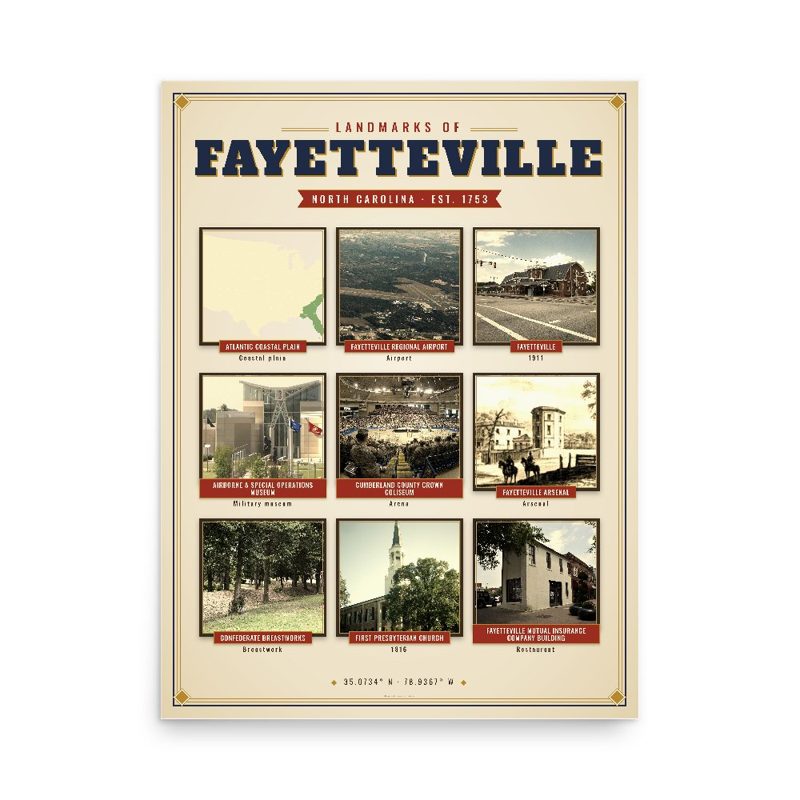
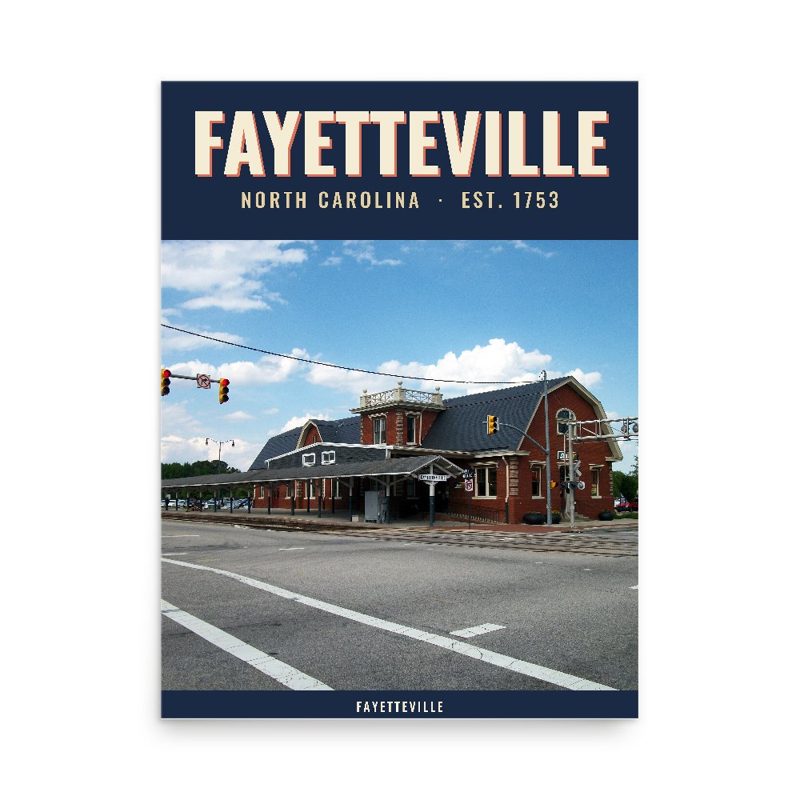
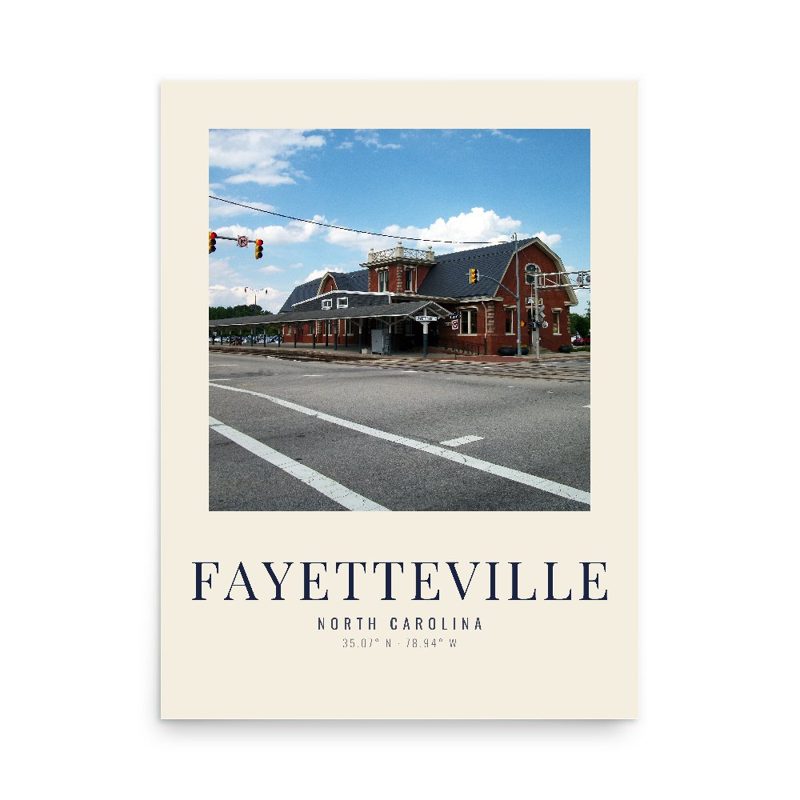
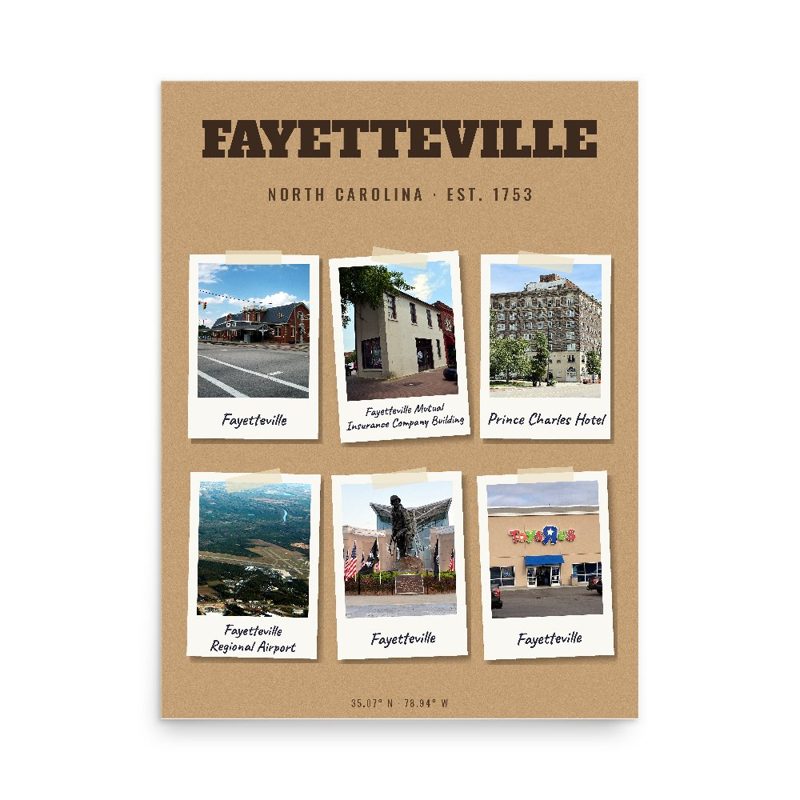
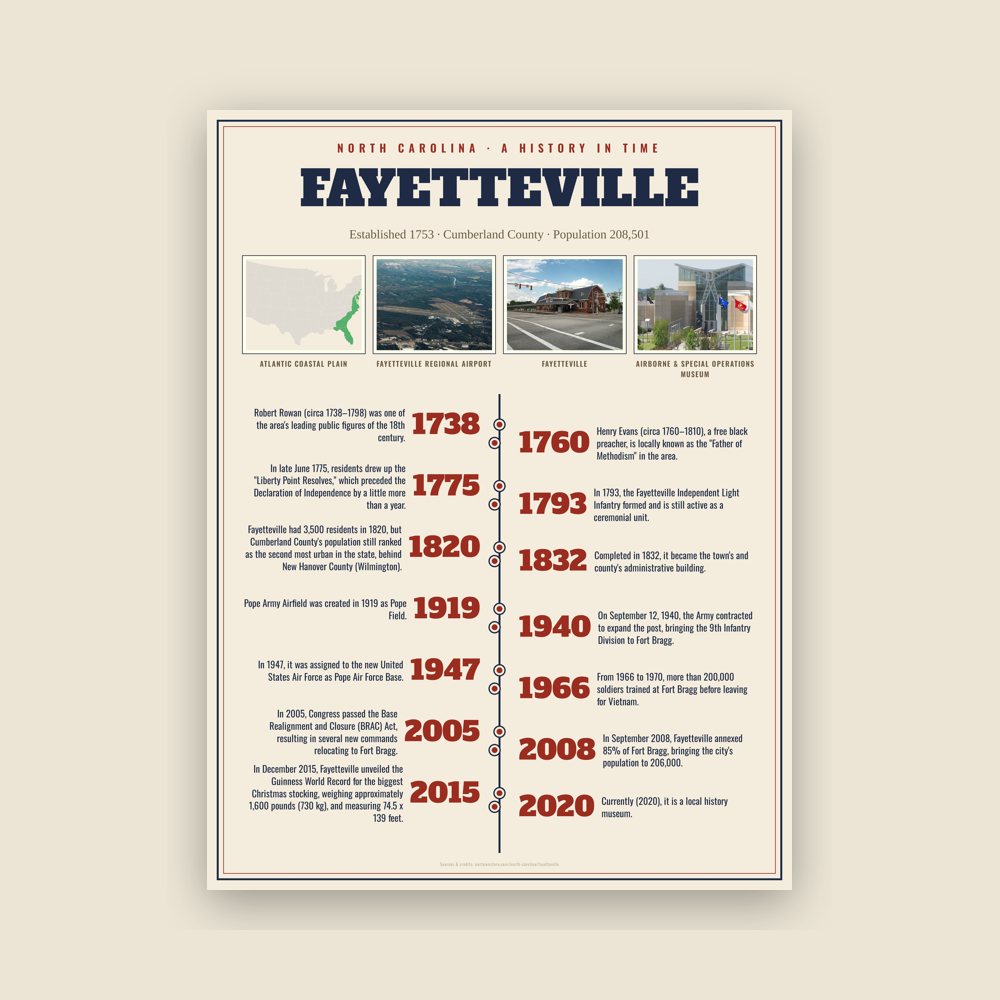
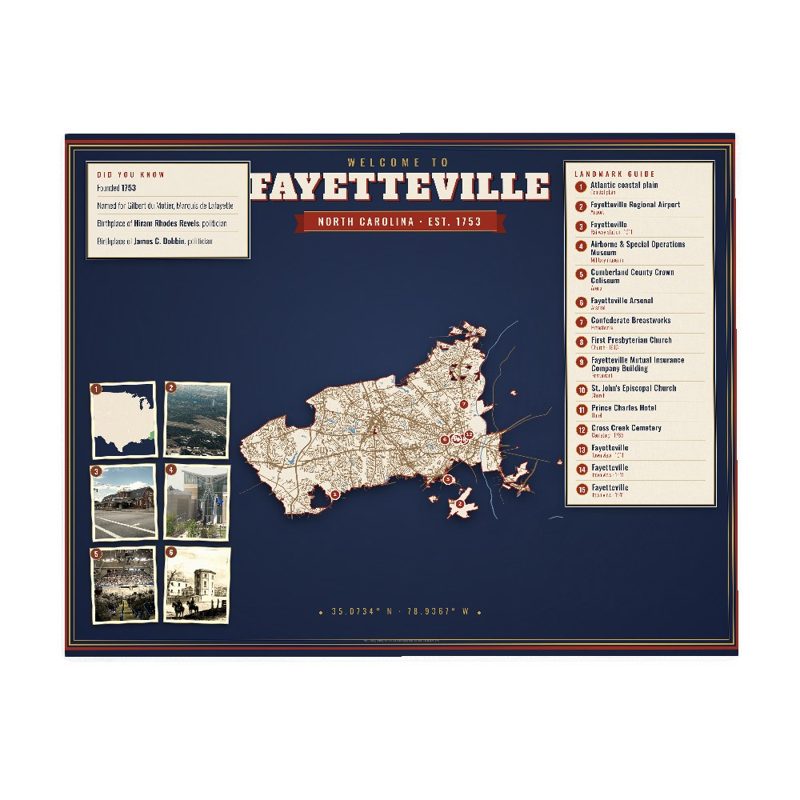




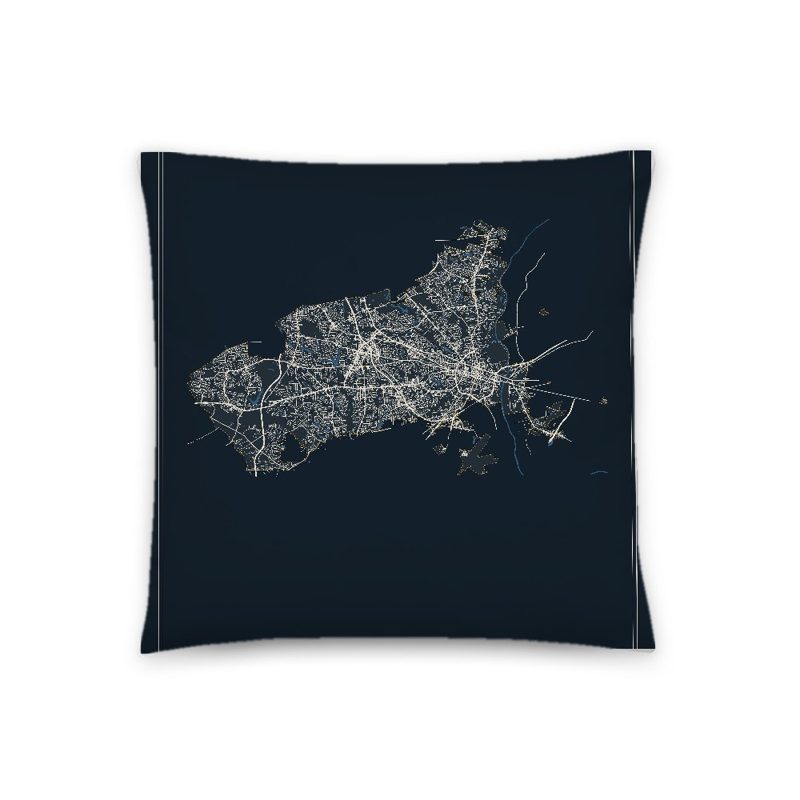

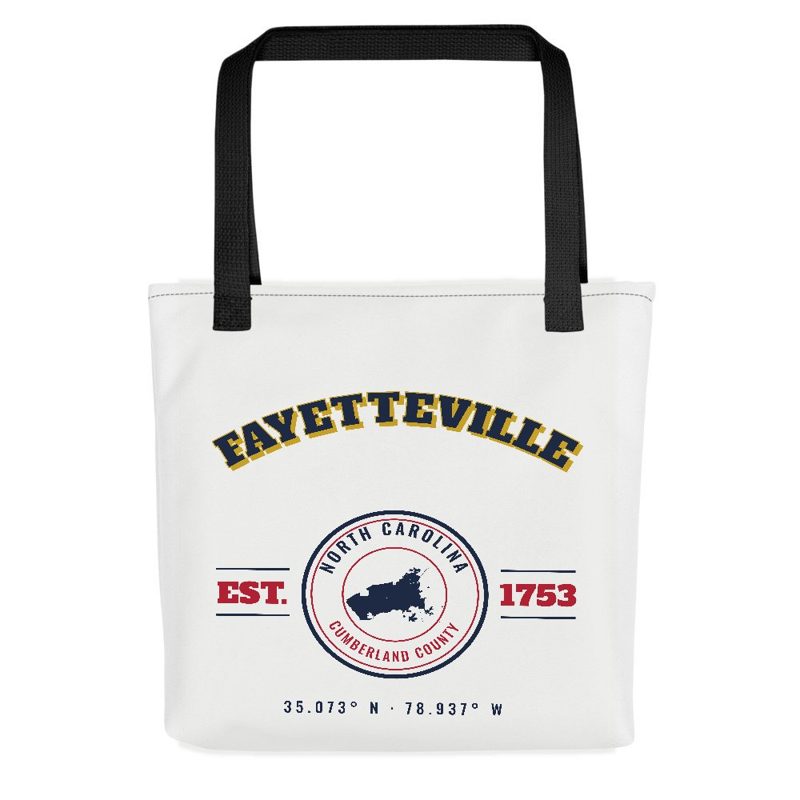


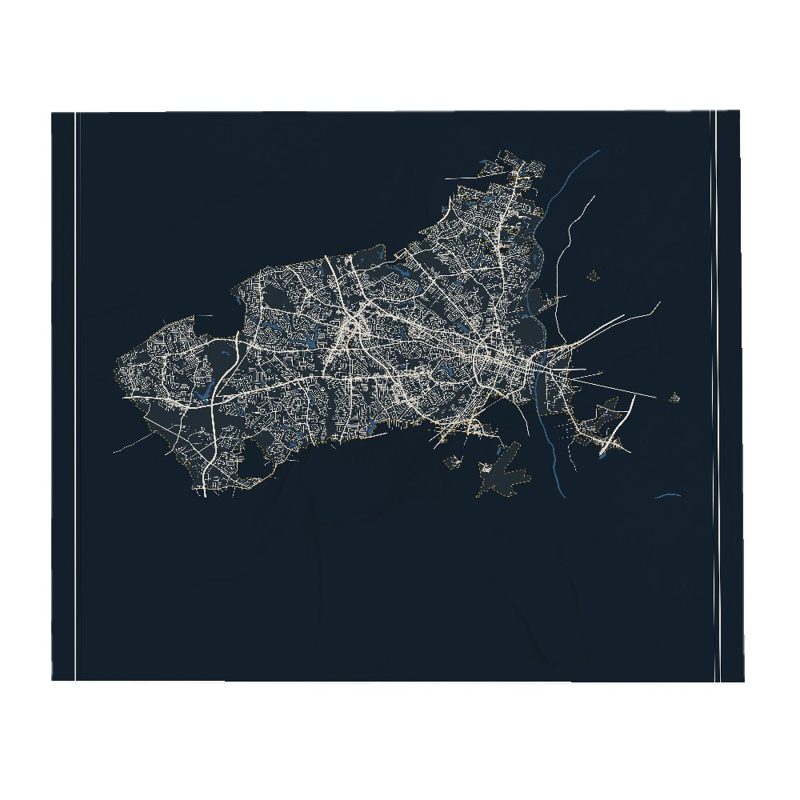
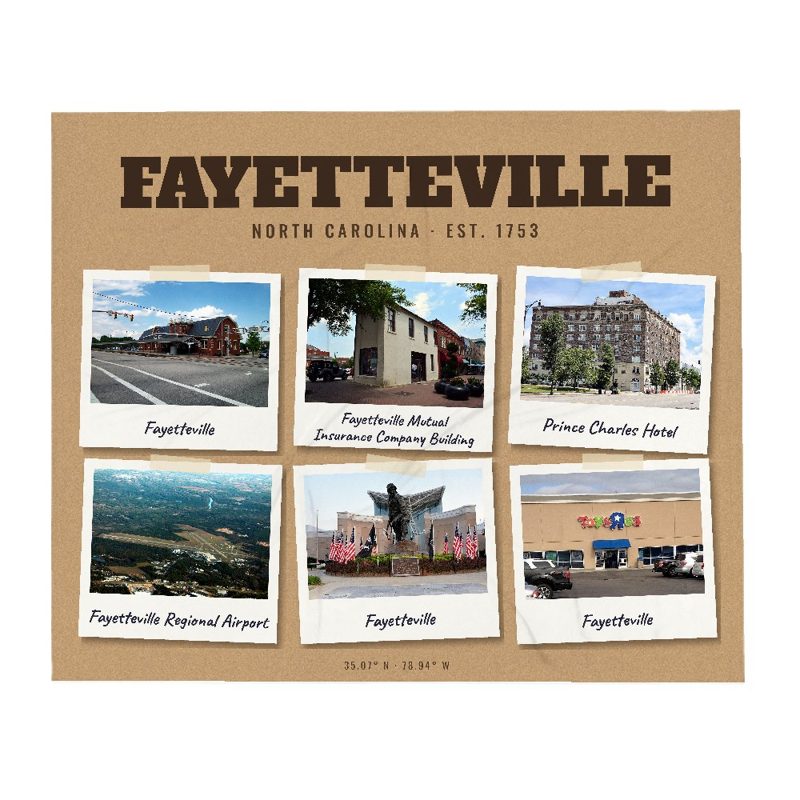

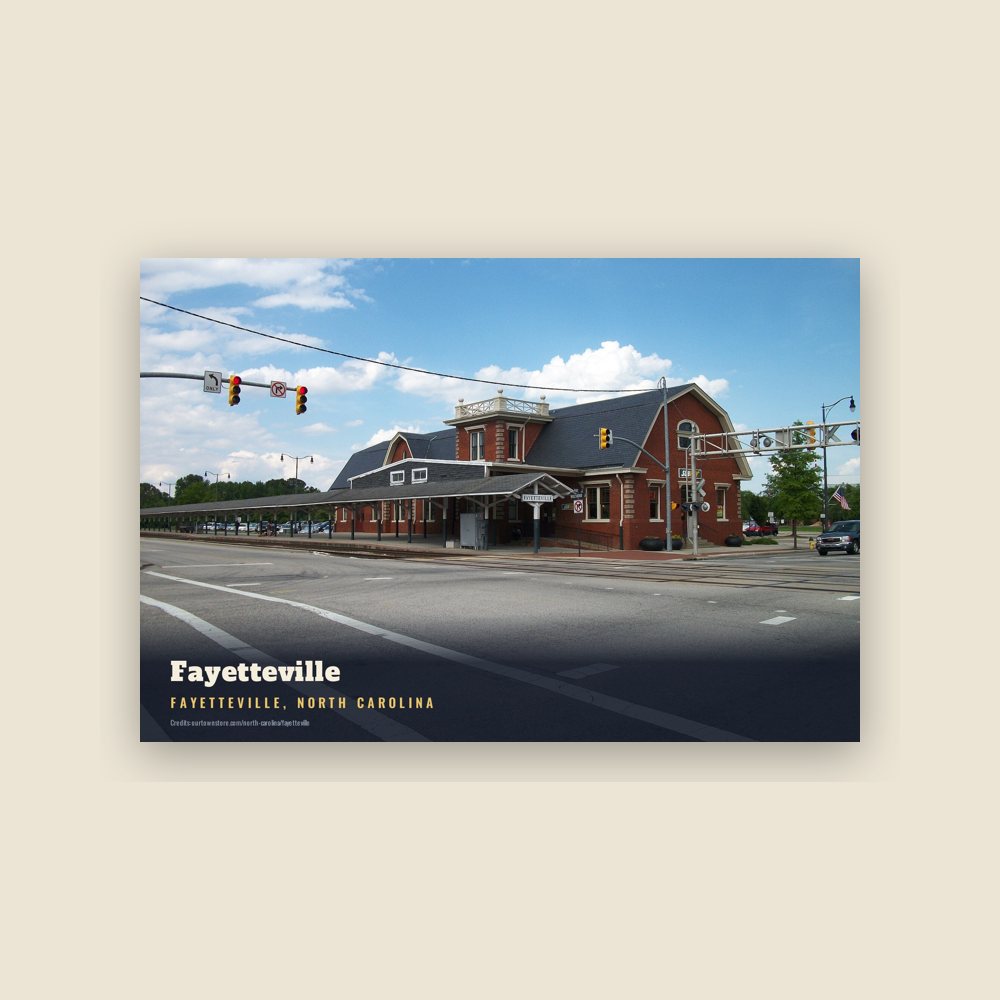
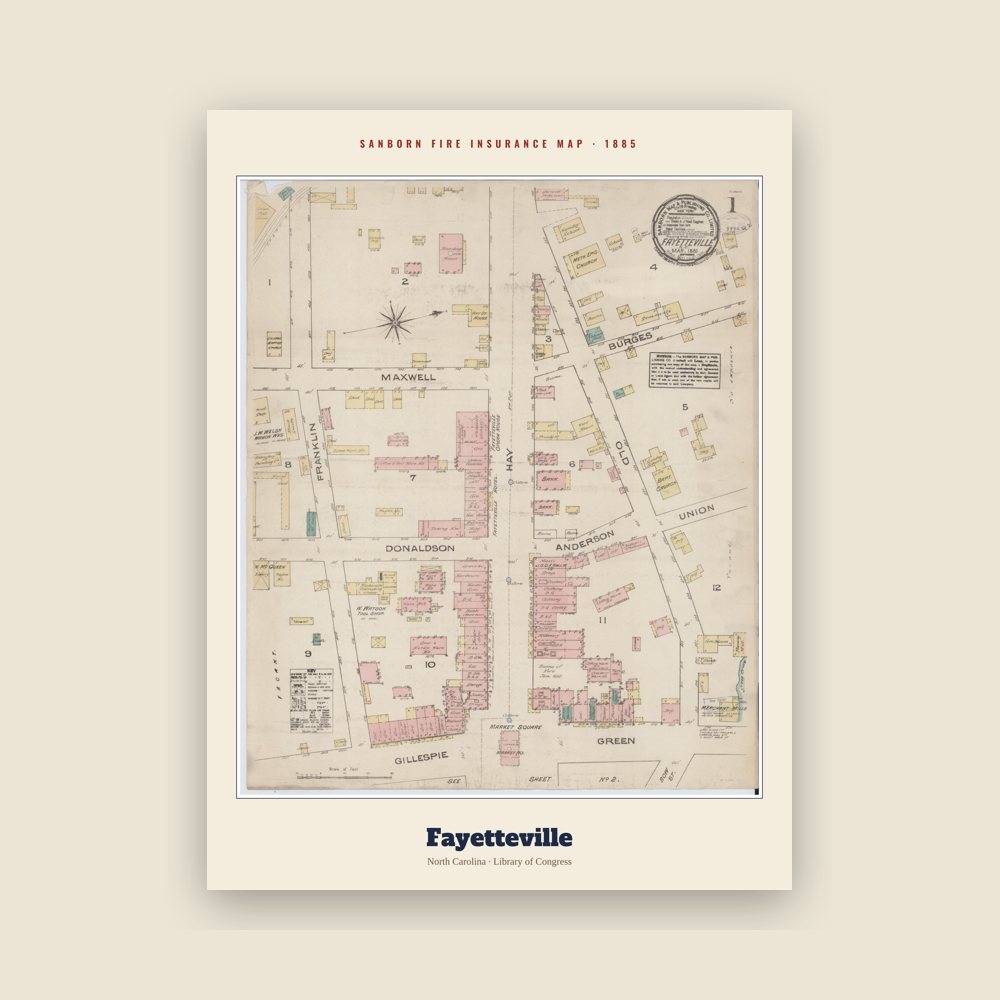
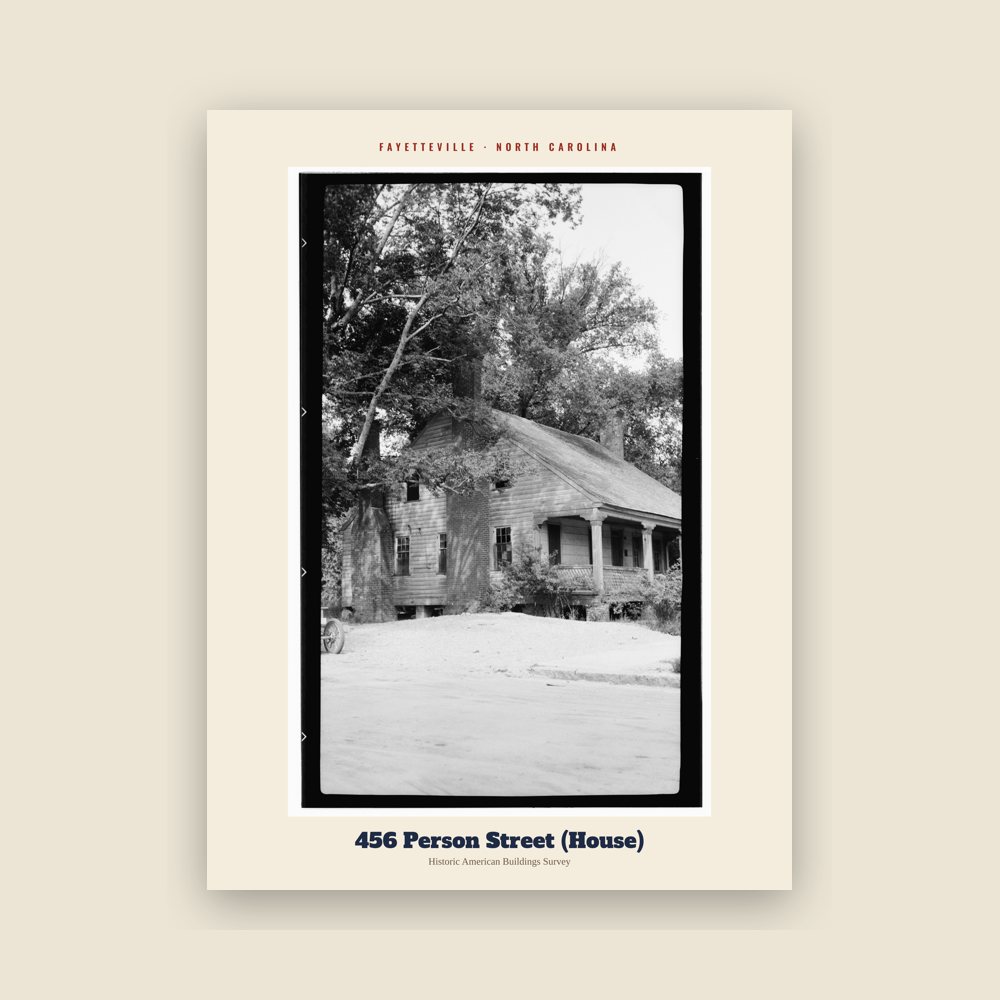
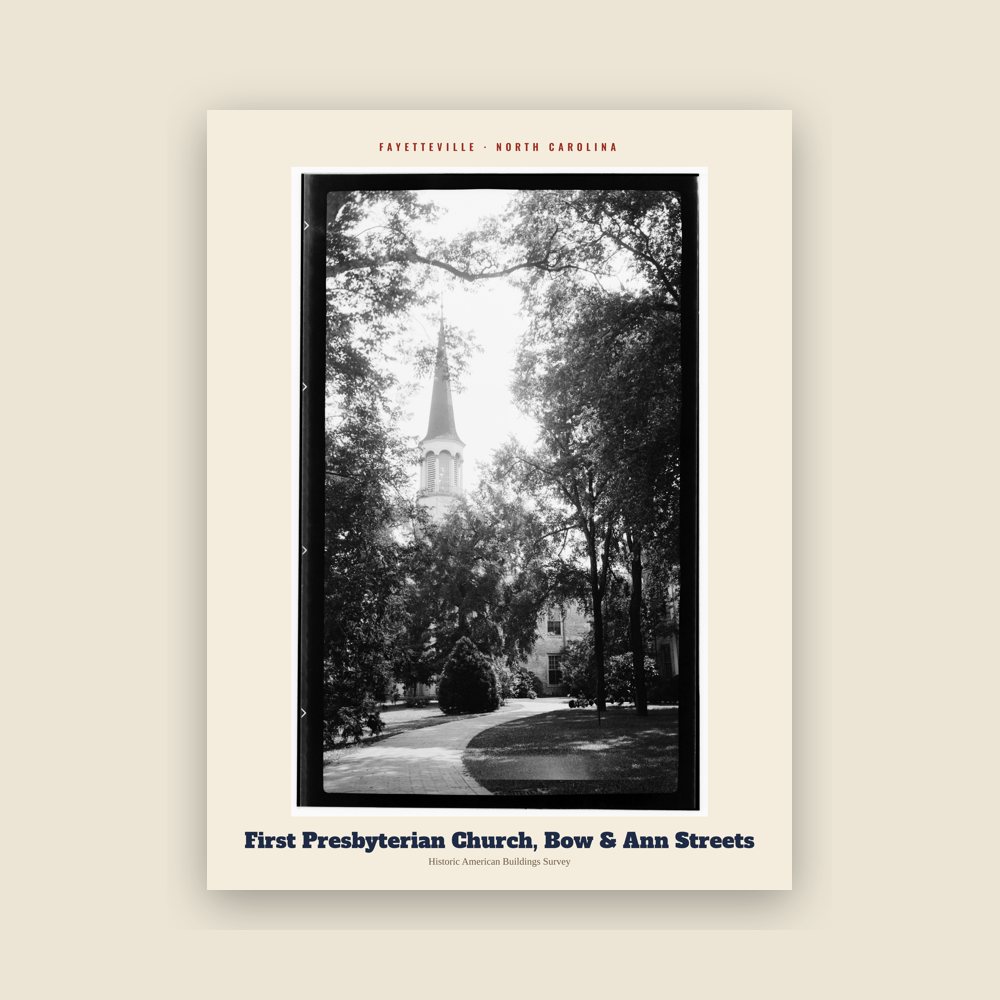
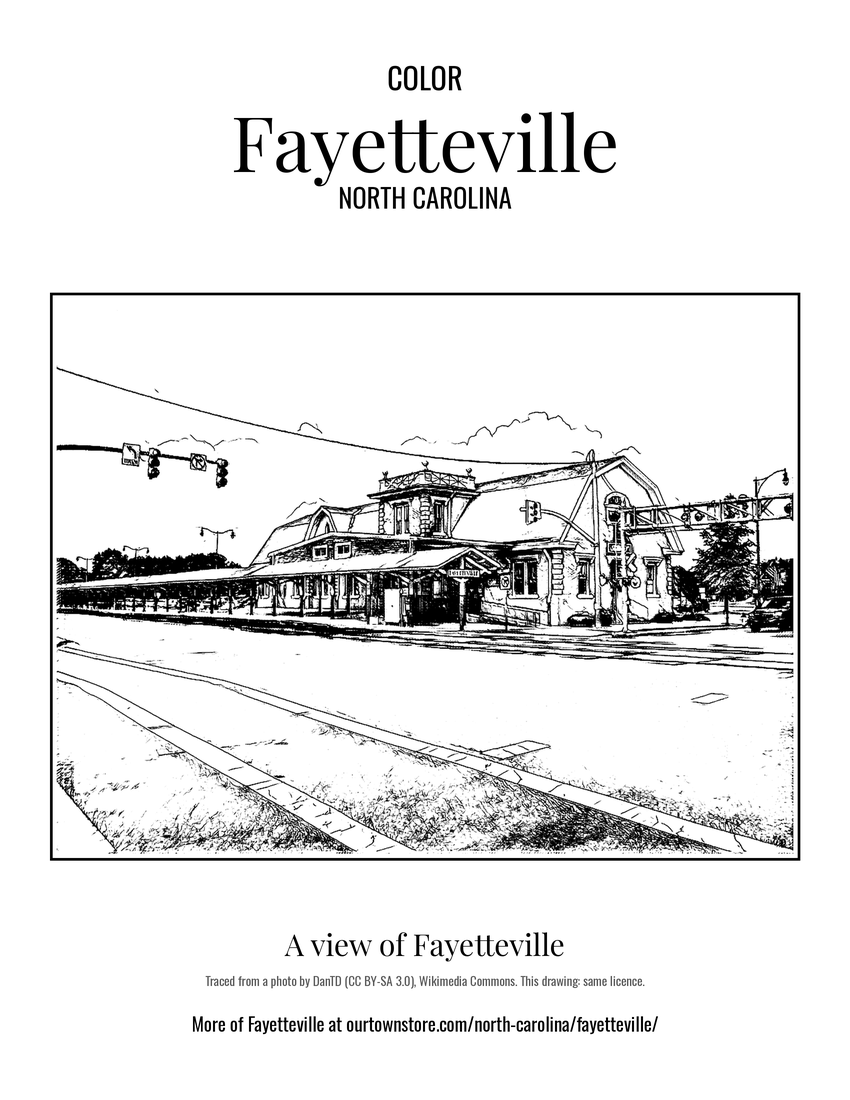 A view of Fayetteville
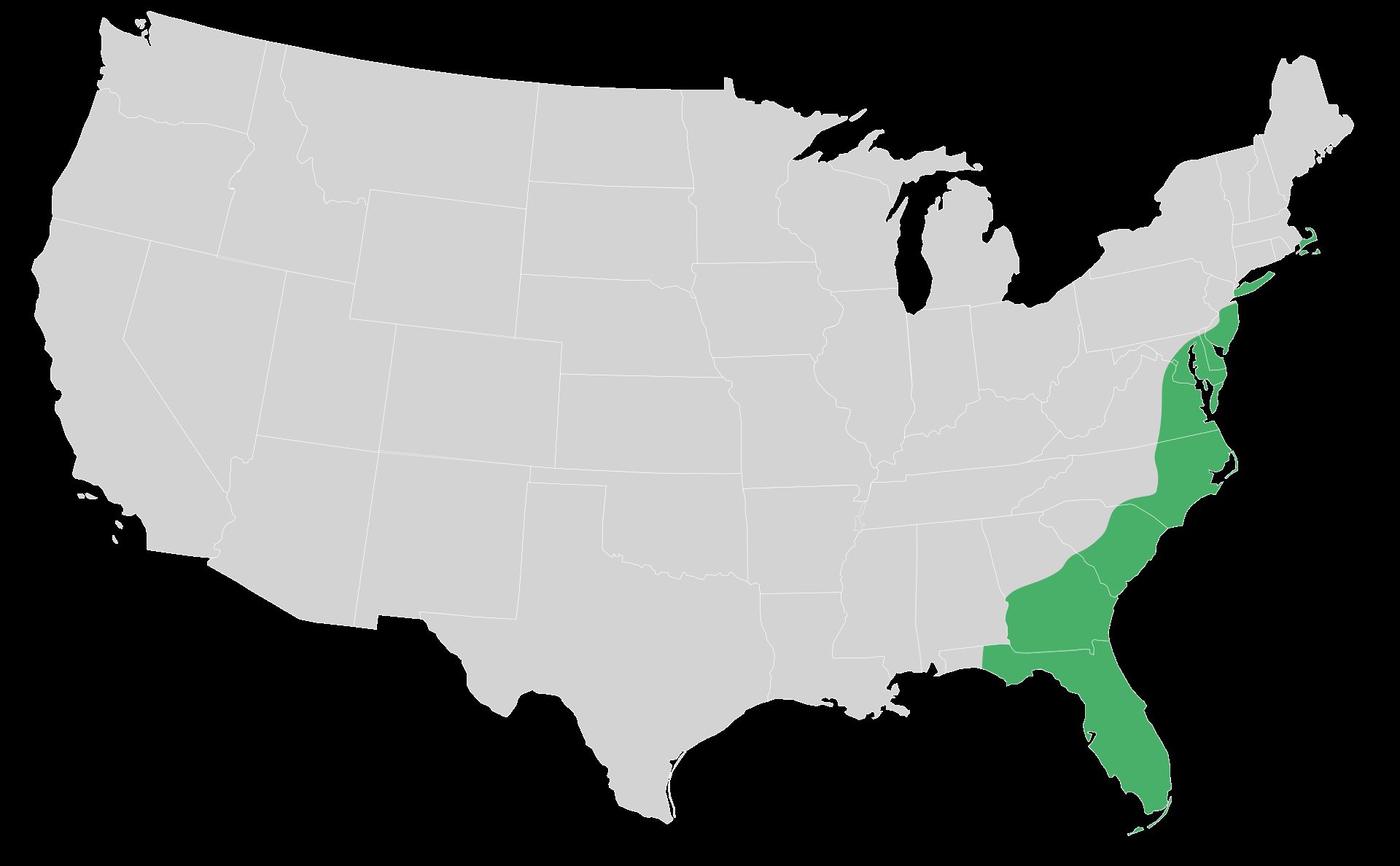
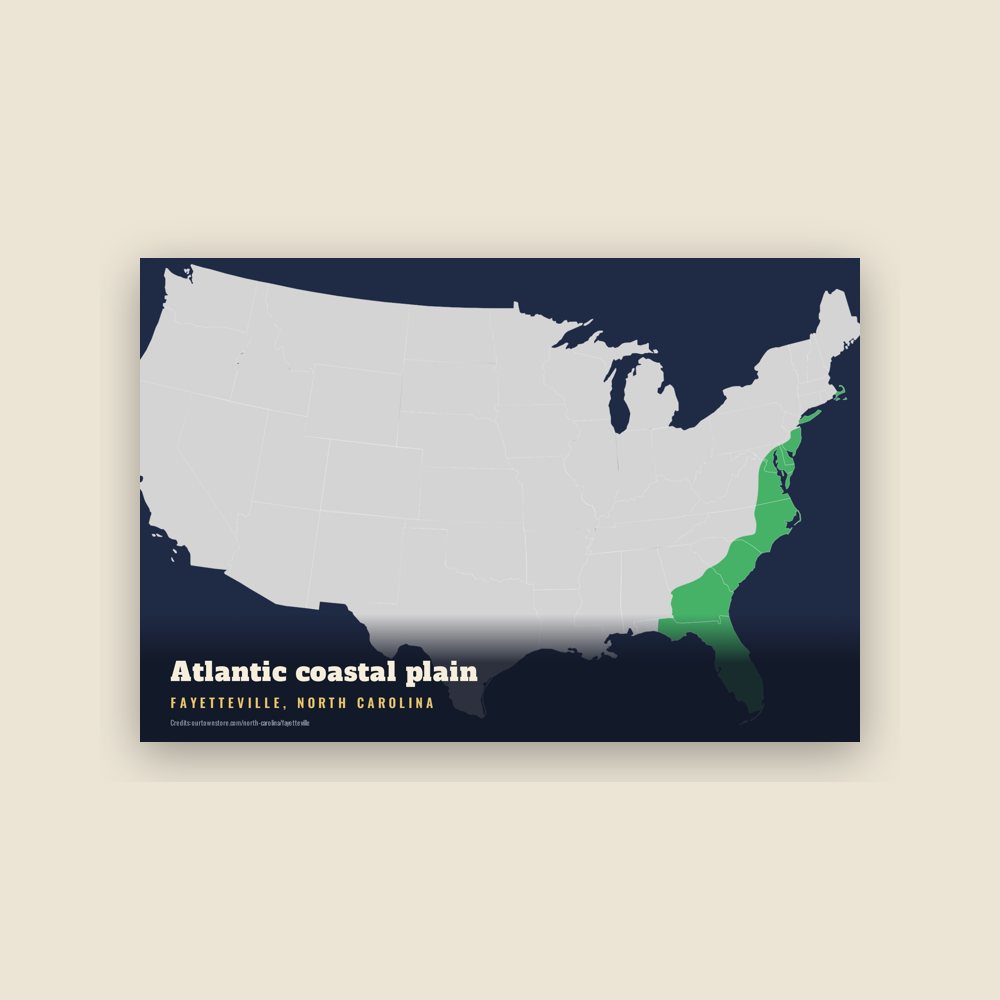
 Atlantic coastal plain
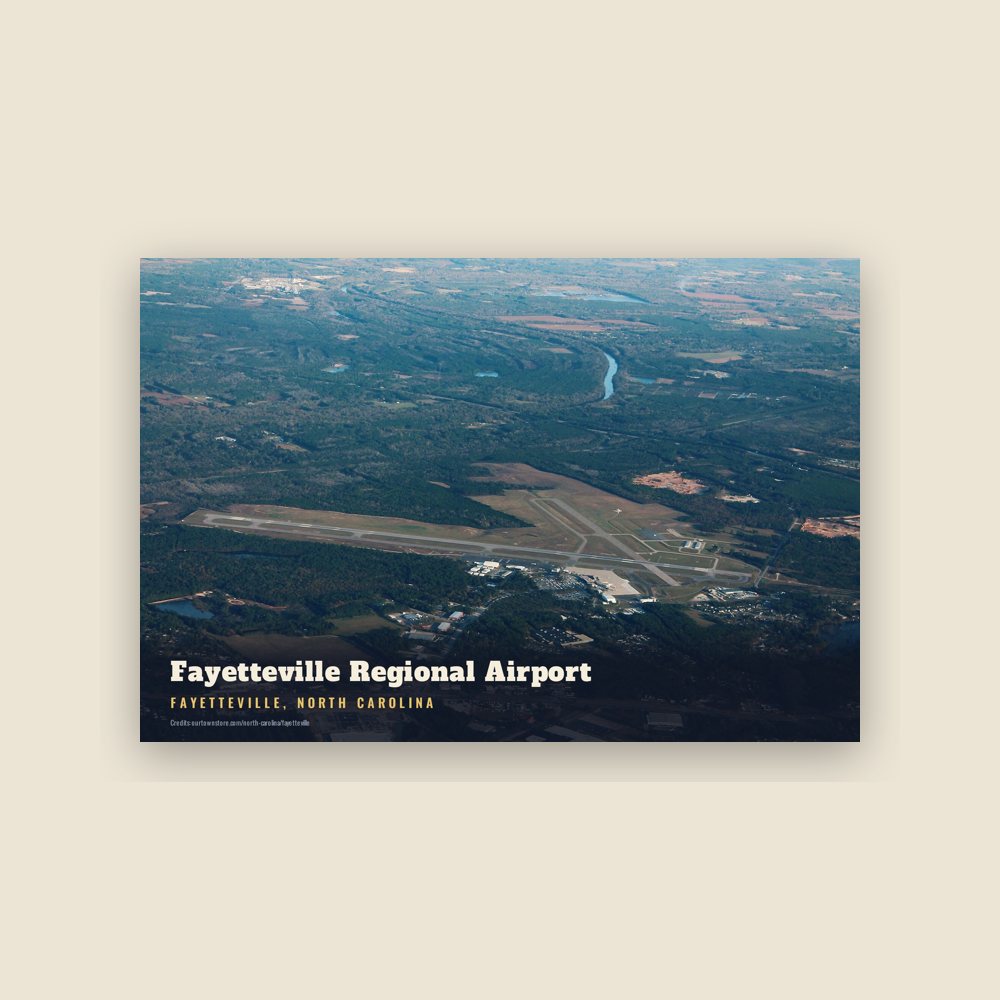
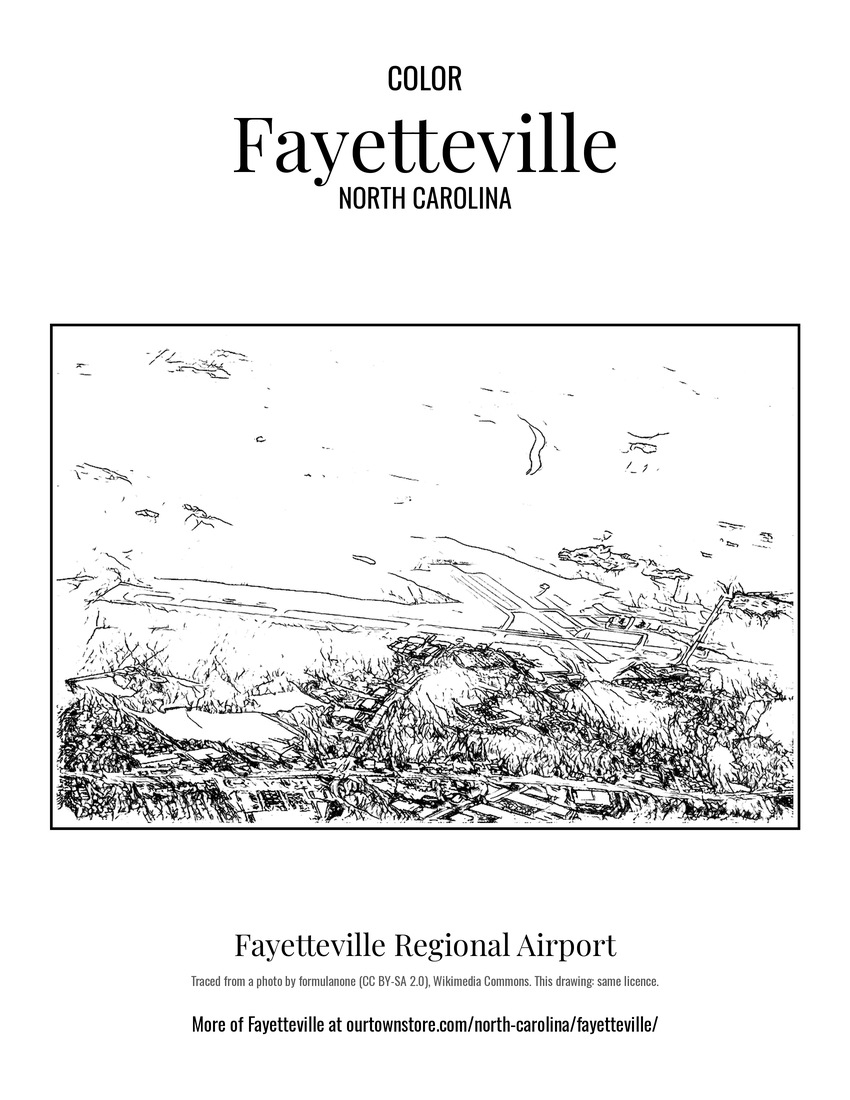 Fayetteville Regional Airport
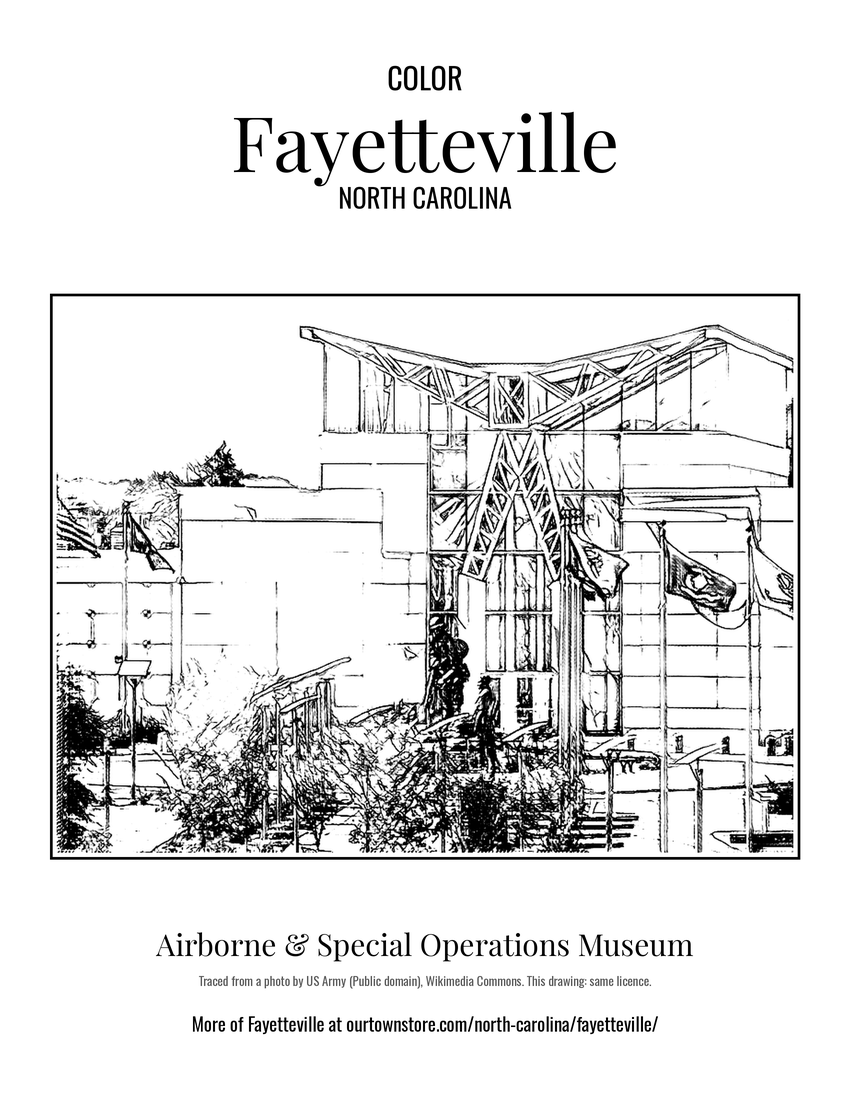 Airborne & Special Operations Museum